Filters
$
to
$
Discipline
Availability
Brand
116 products
Sort by
Sort by
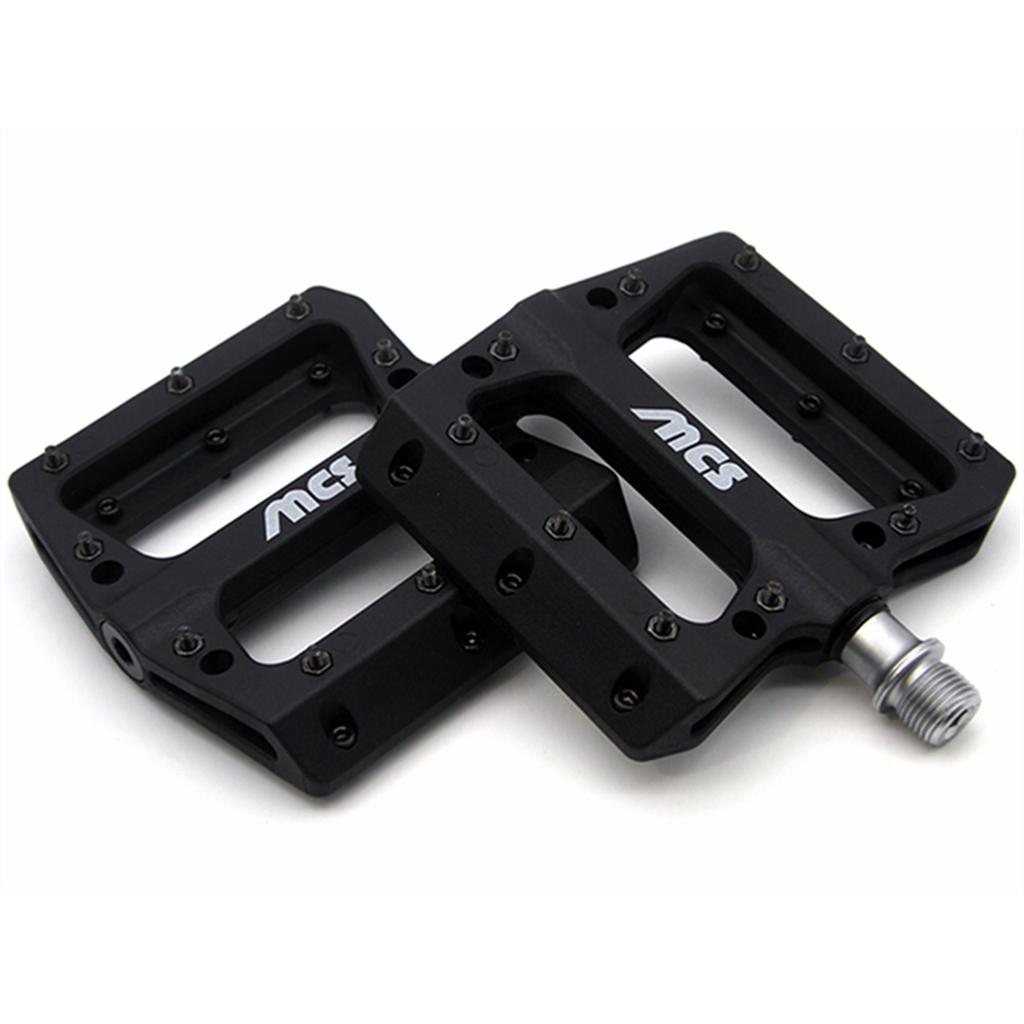
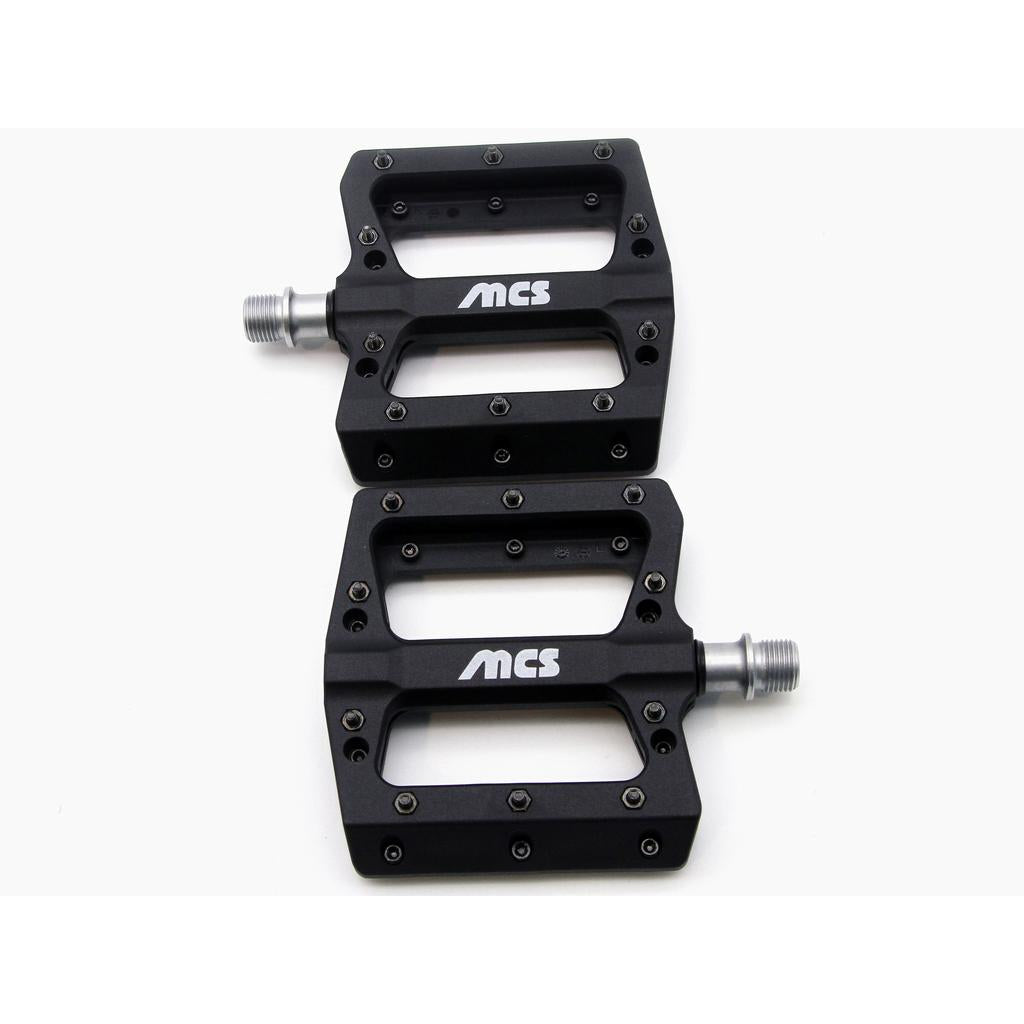
MCS Sealed Pedals
Sale priceFrom

$139.99 AUD

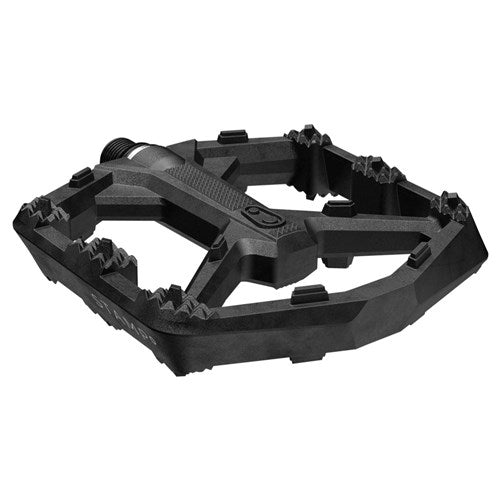
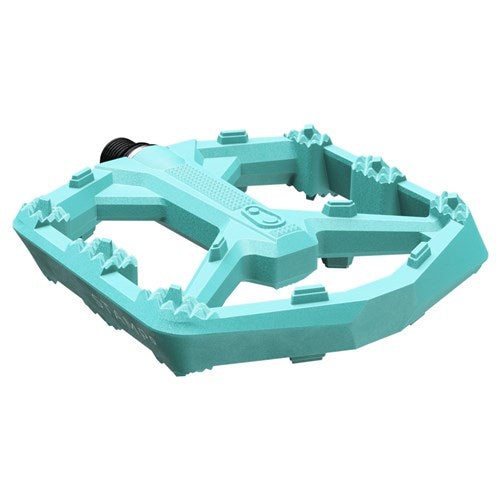
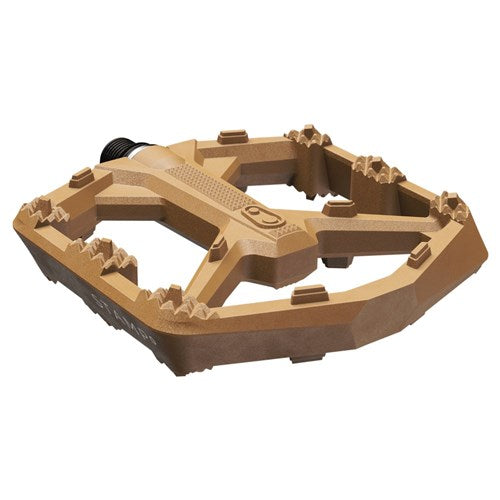
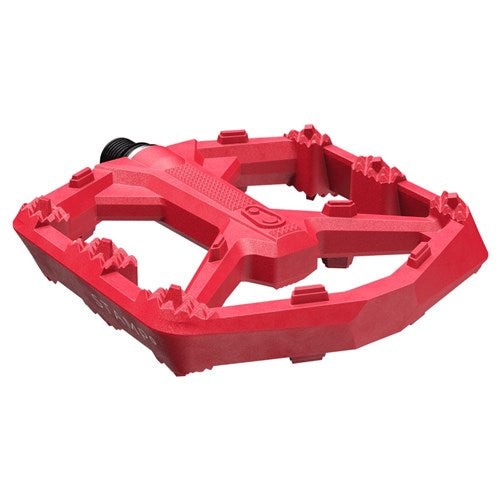
Crank Brothers Stamp 0 Pedals (Large)
Sale priceFrom

$74.99 AUD

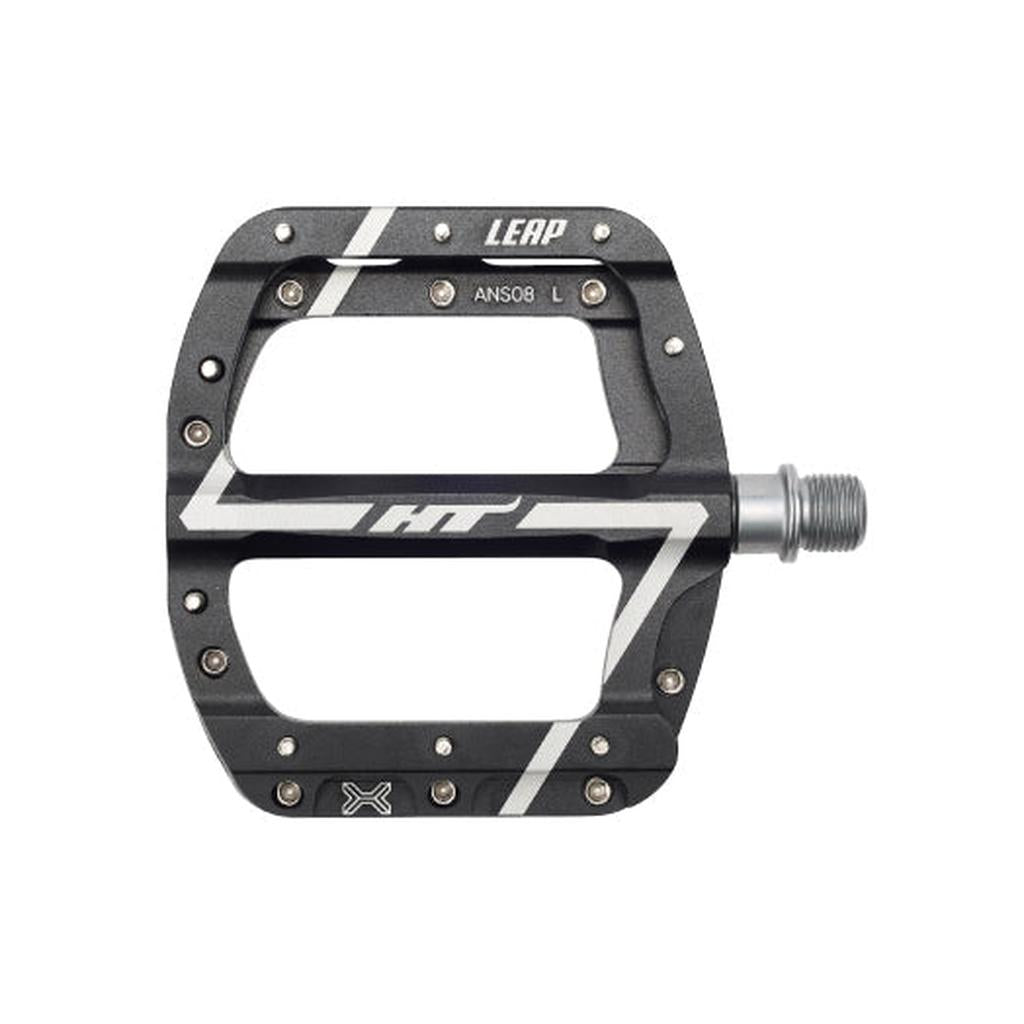
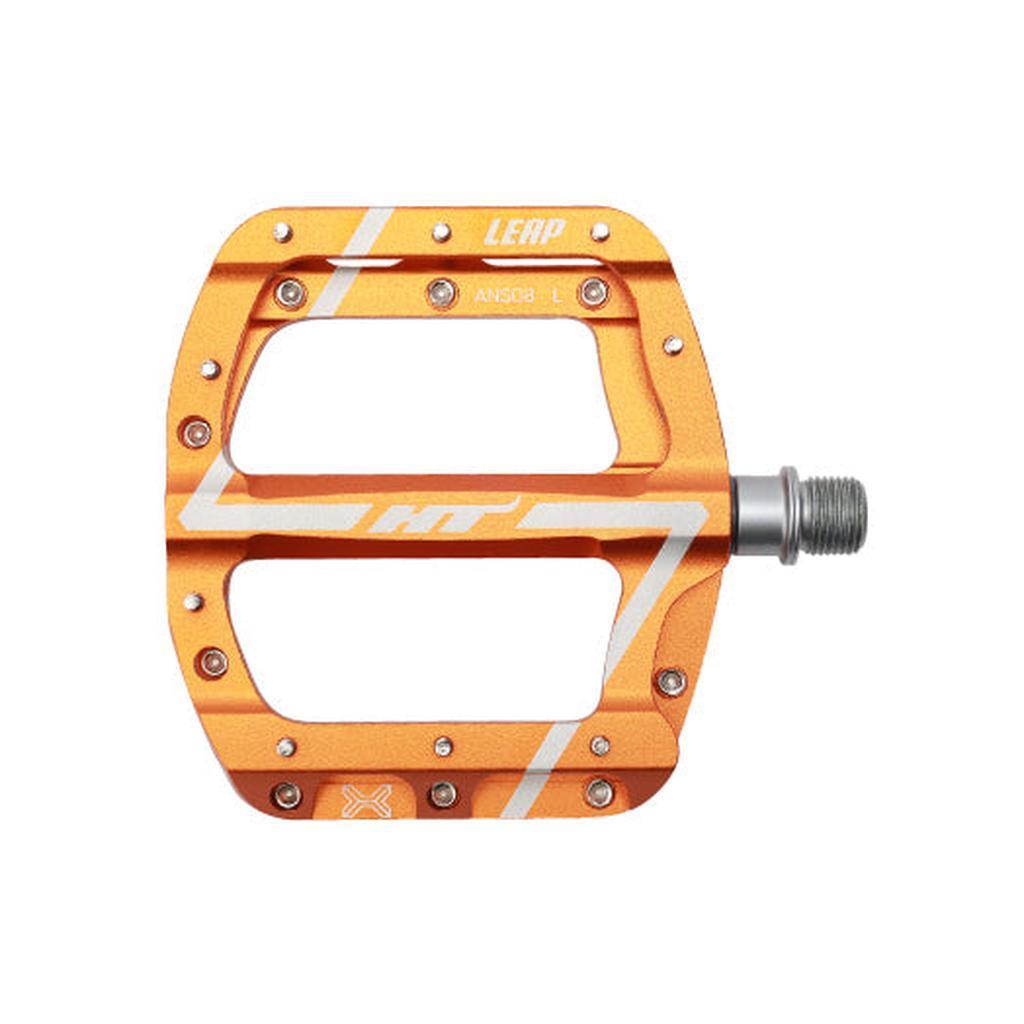
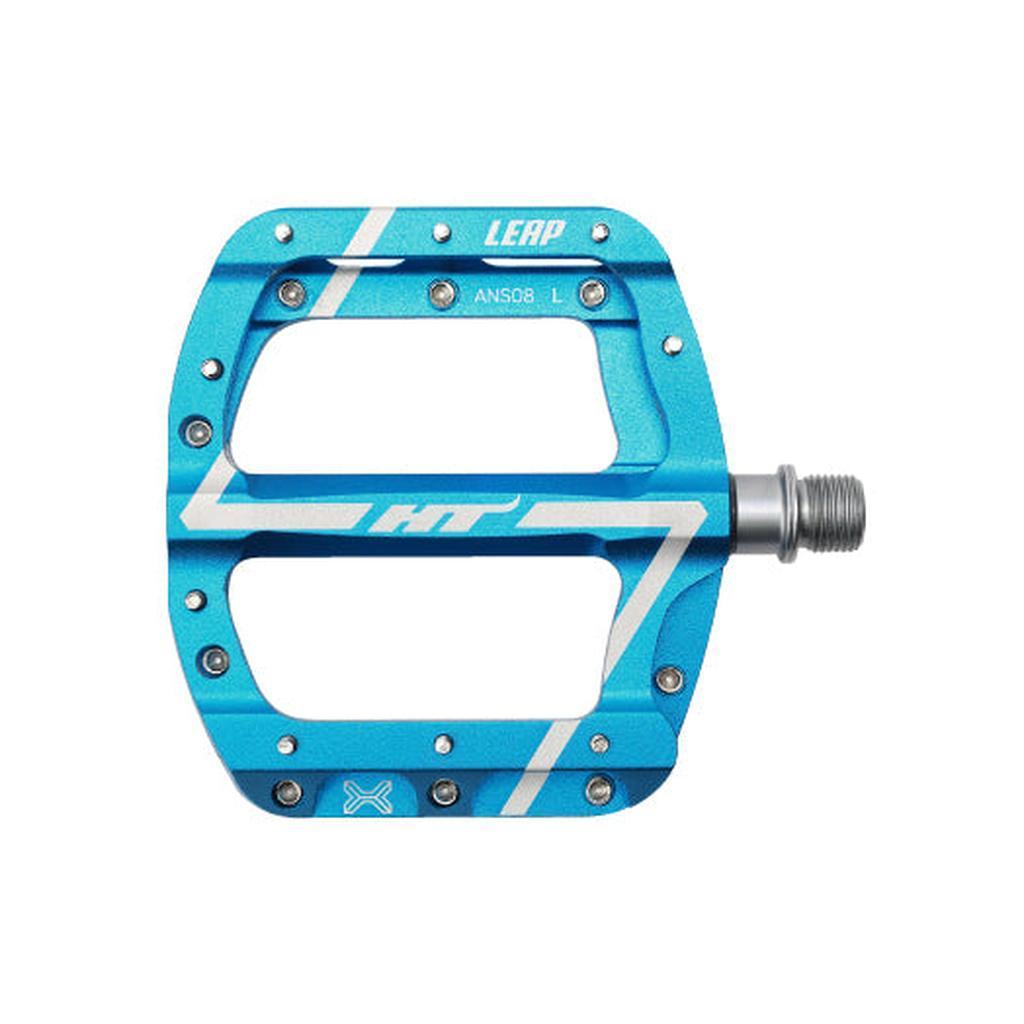
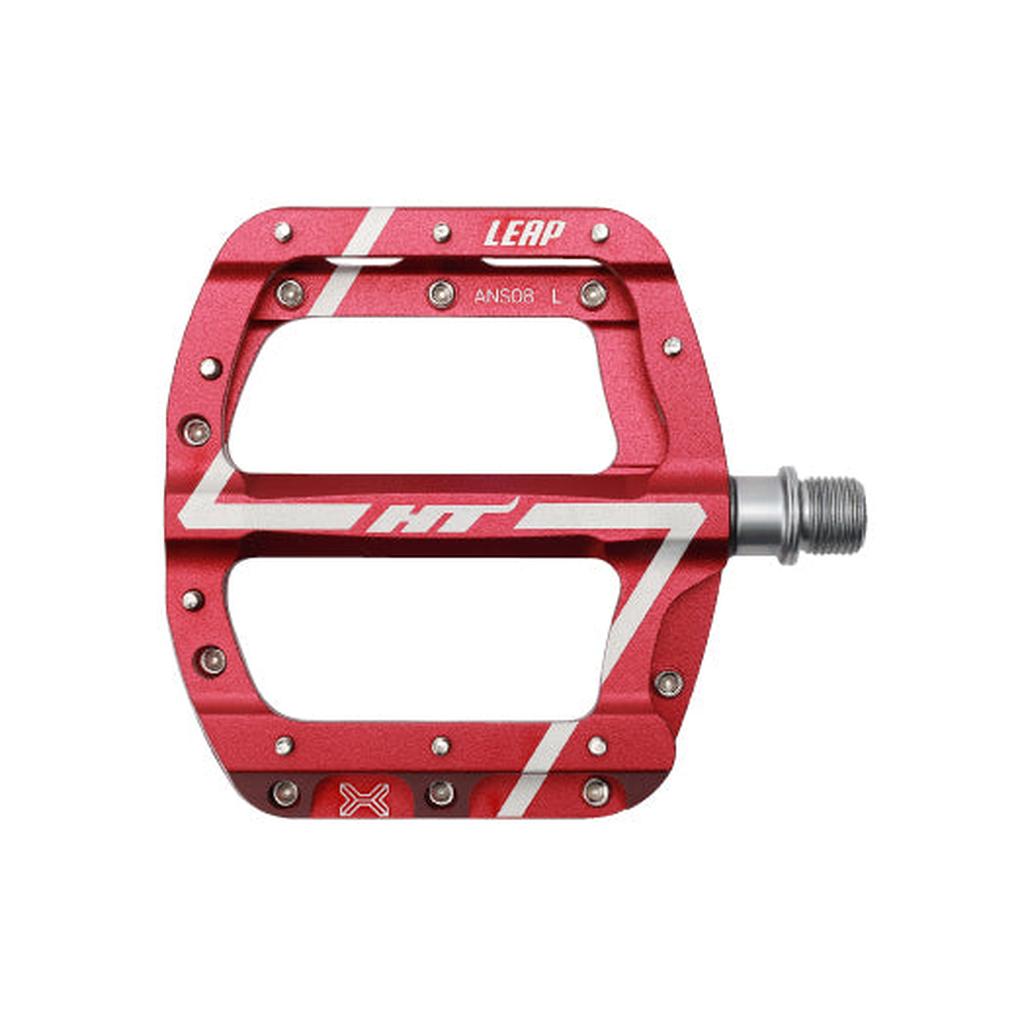
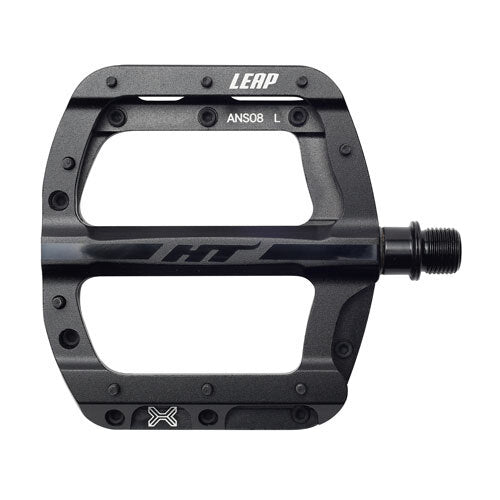
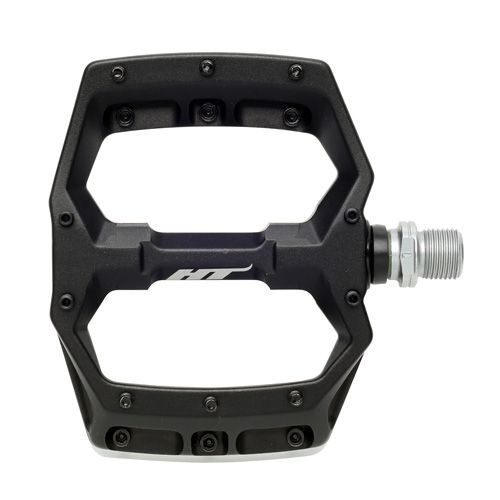
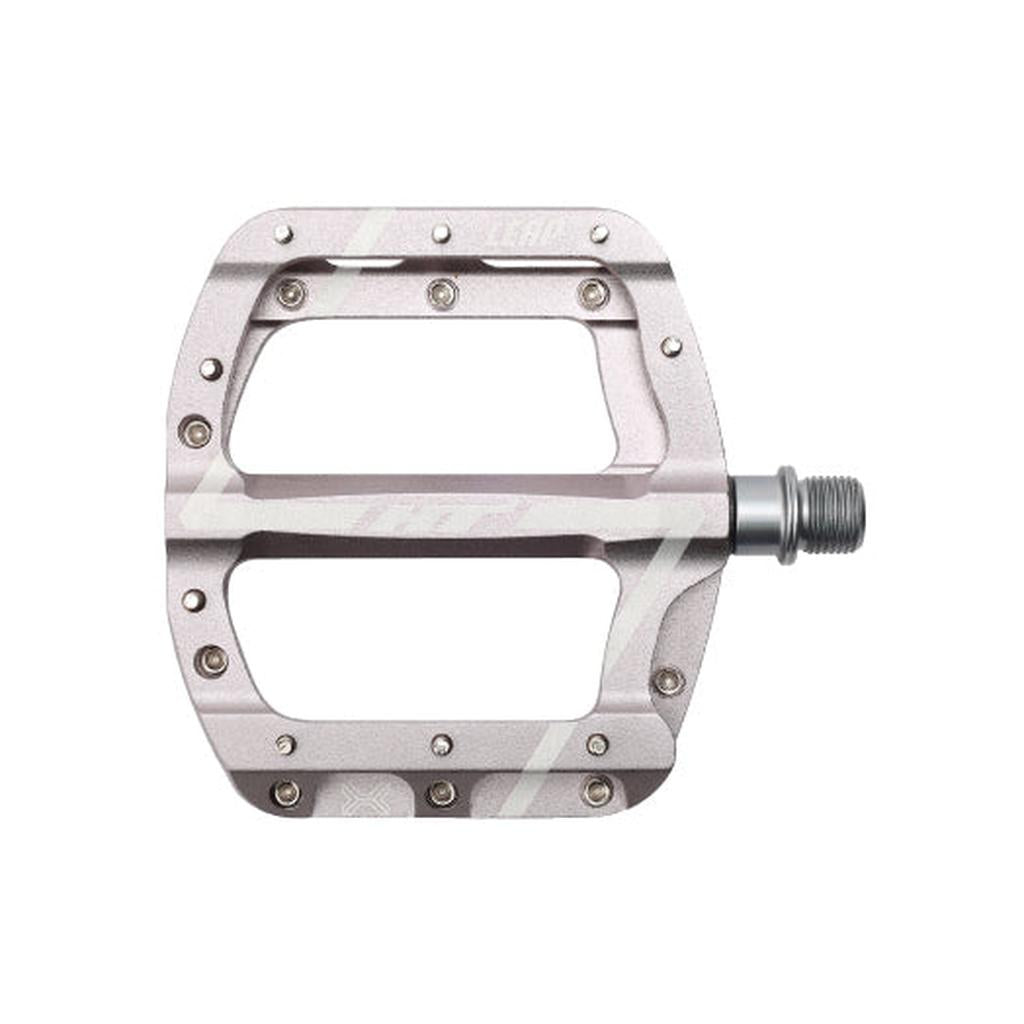
HT Components Leap ANS08 Pedals
Sale priceFrom

$174.99 AUD

HT Components AF03 Spider Pedals
Sale priceFrom

$199.99 AUD

HT Components AR09SX Mini Pedals
Sale priceFrom

$149.99 AUD

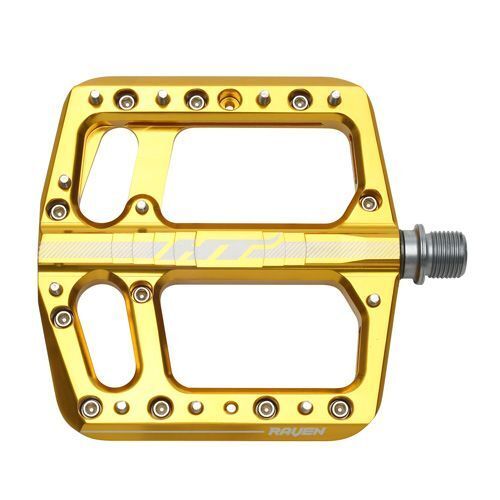
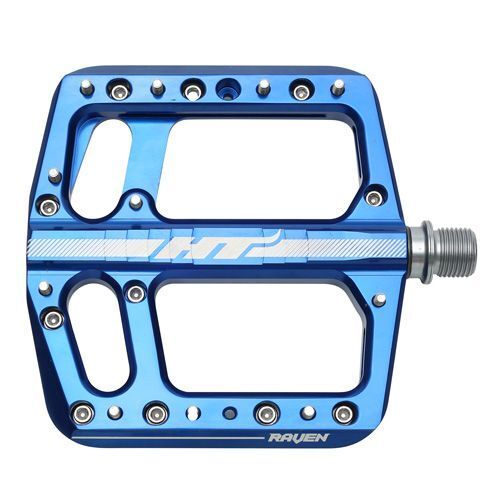
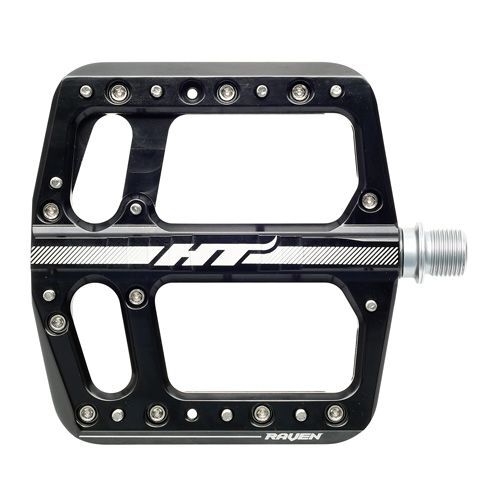
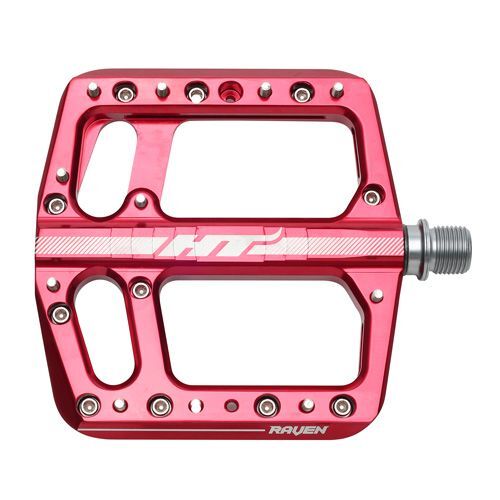
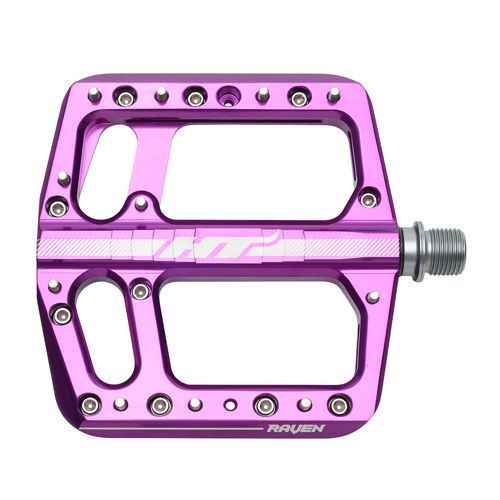
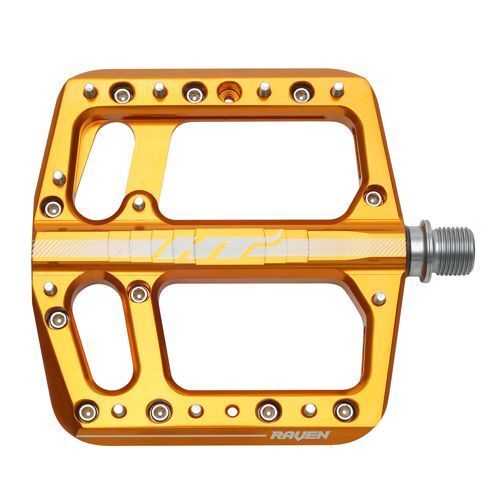
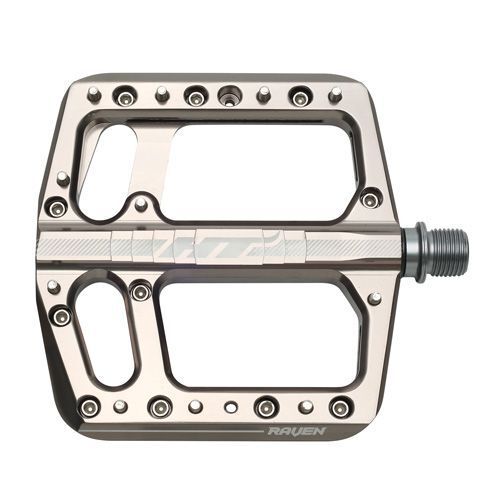
HT Components ANS12 Raven Pedals
Sale priceFrom

$209.99 AUD

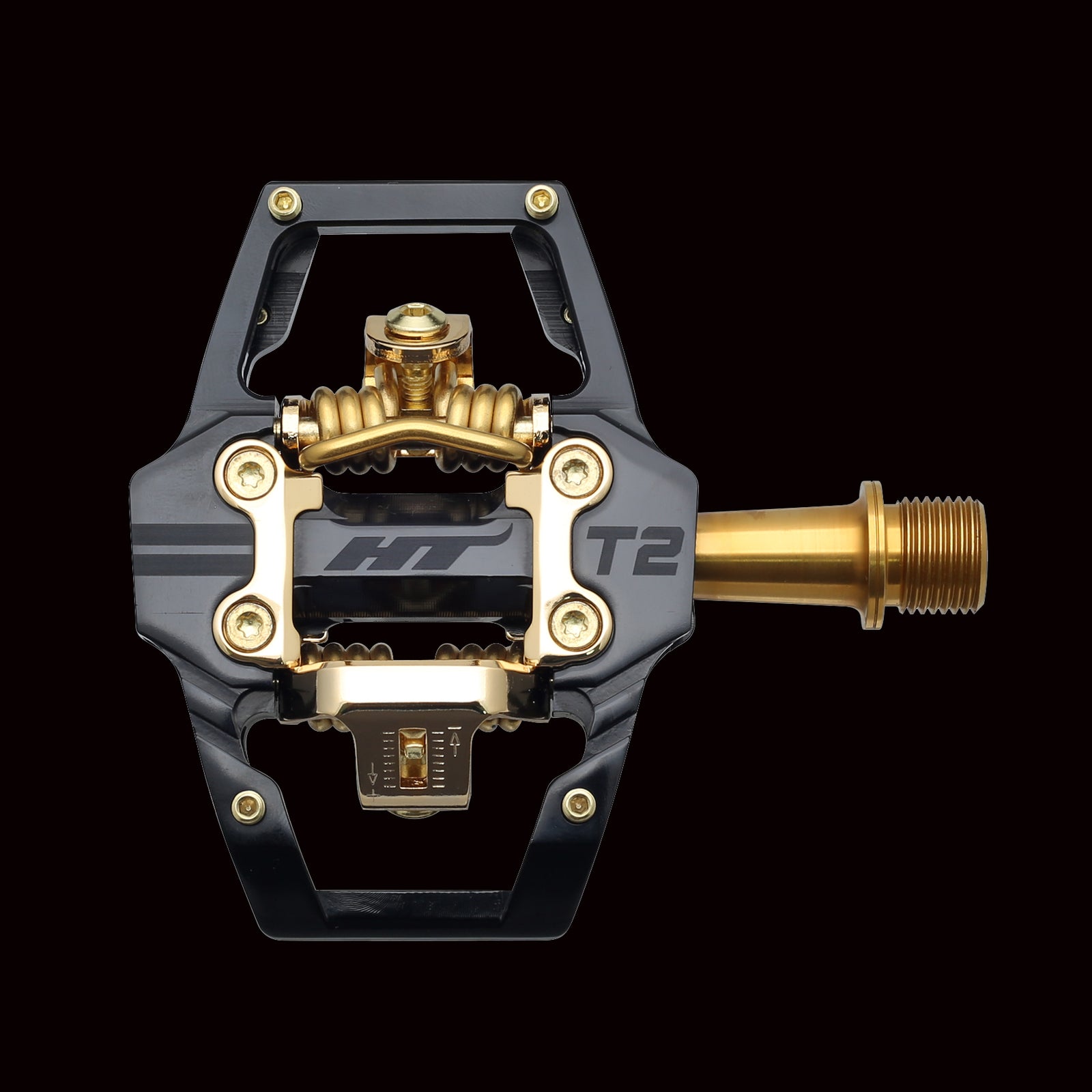
HT Components - X3Ti Pedals / Limited Edition Gold
Sale priceFrom

$524.99 AUD

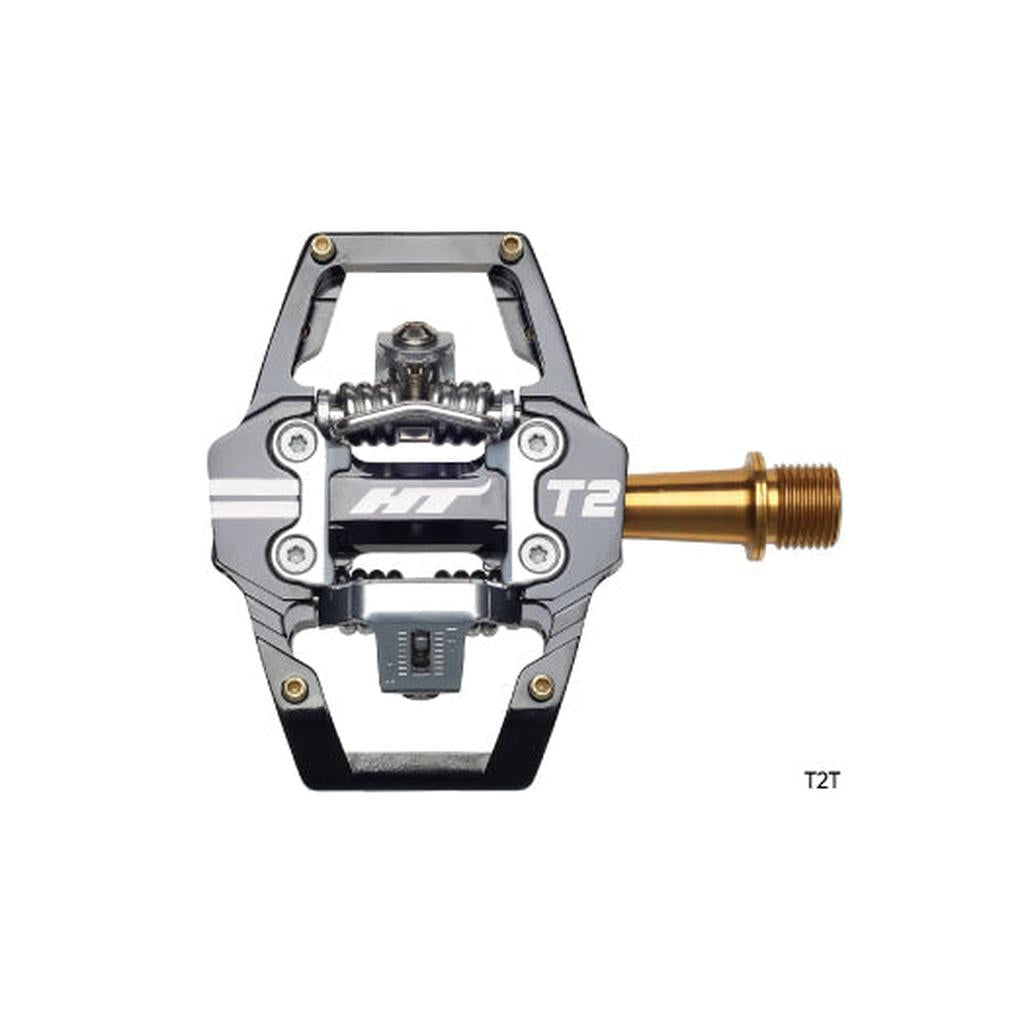
HT Components - T2Ti Pedals
Sale priceFrom

$449.99 AUD

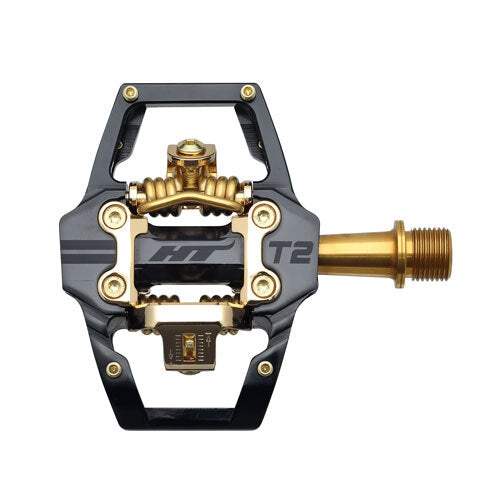
HT Components - T2Ti Pedals / Limited Edition Gold
Sale priceFrom

$479.99 AUD

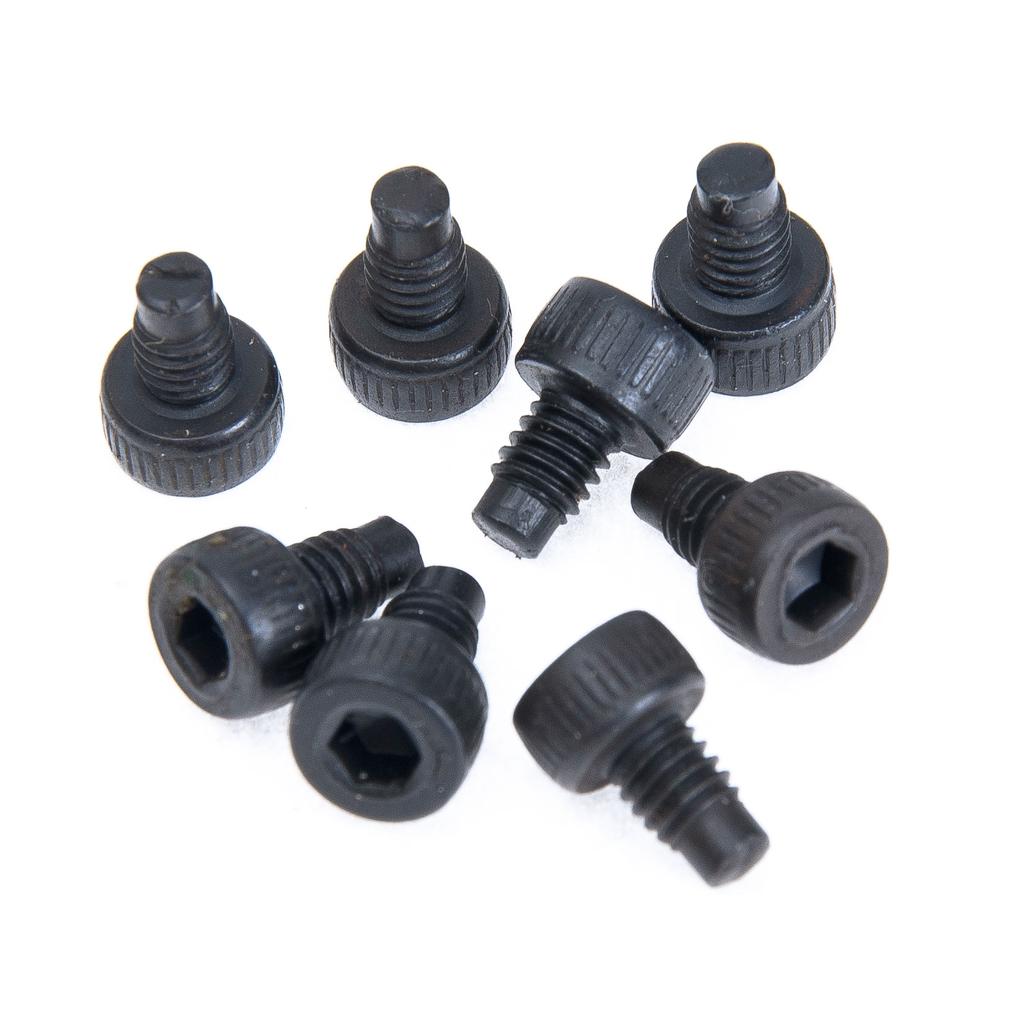
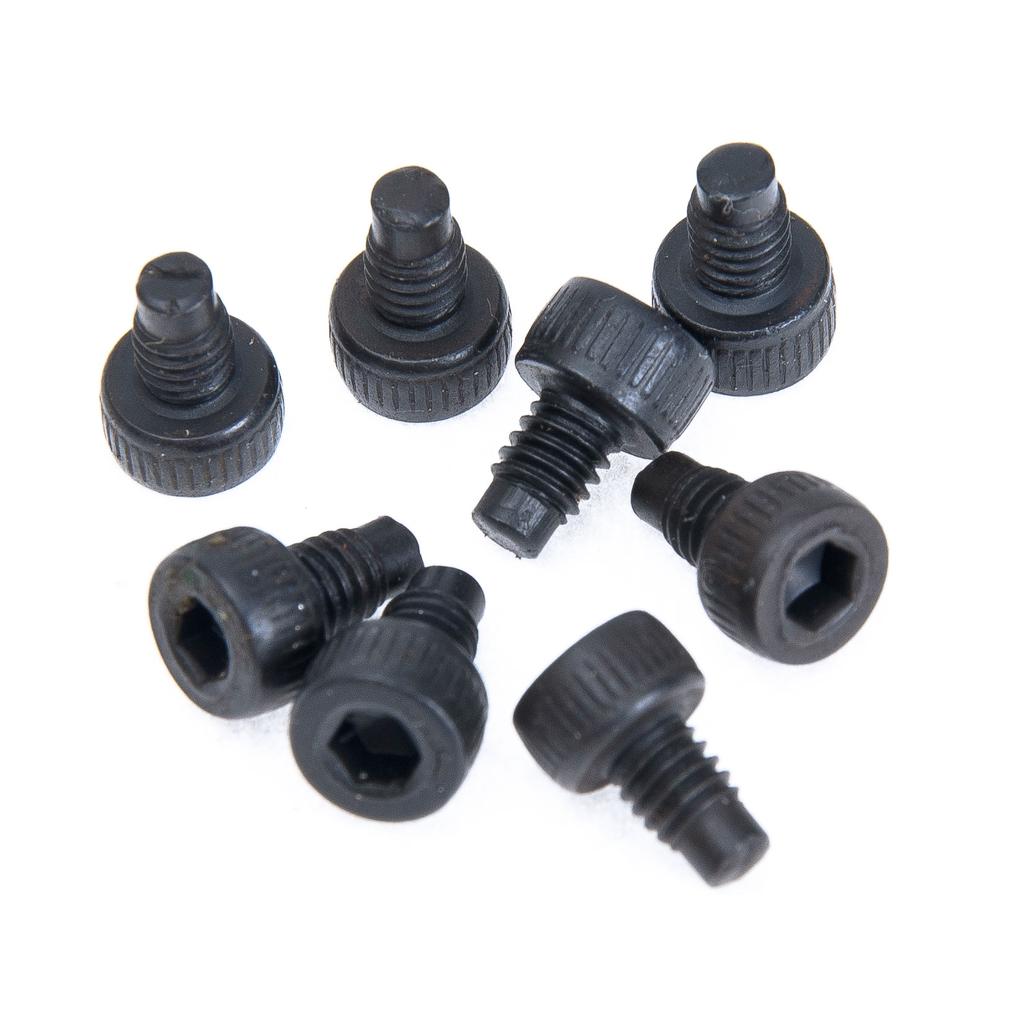
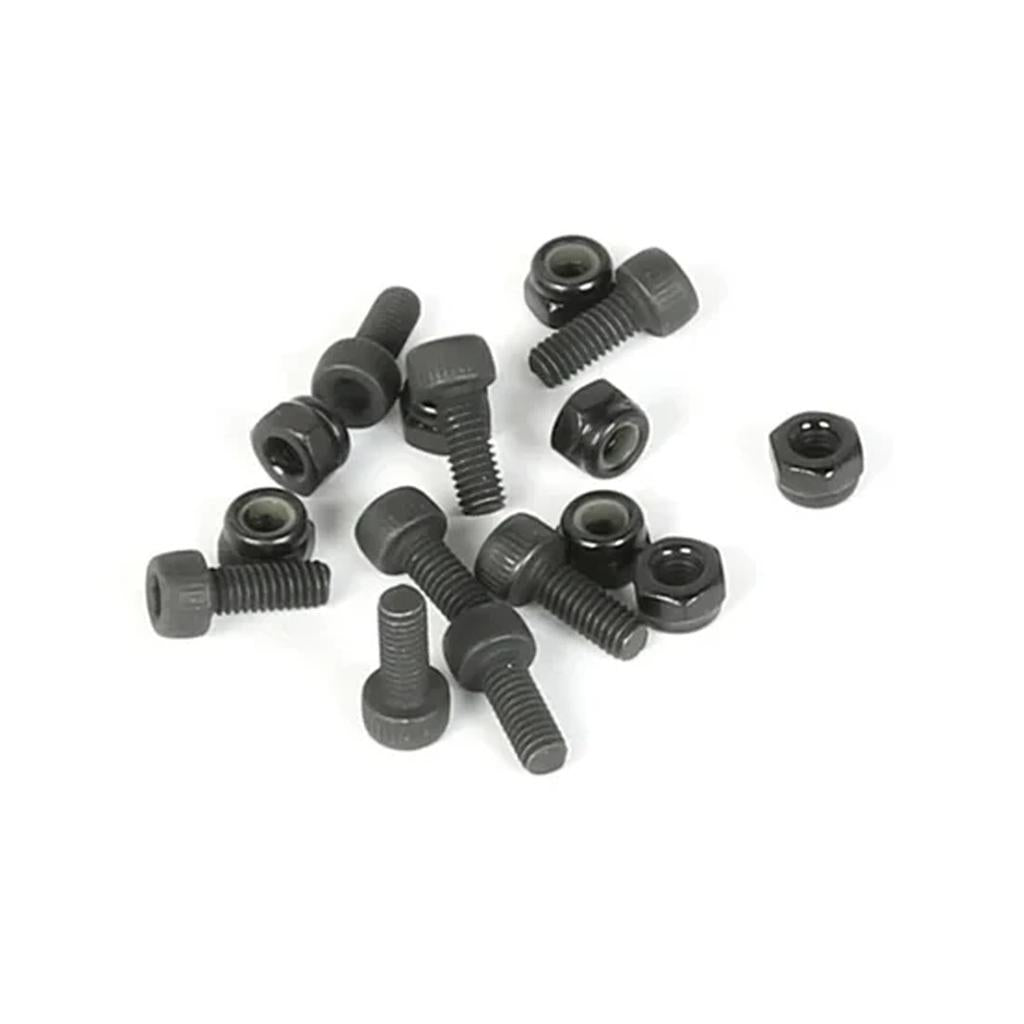
Alienation Foot Fetish Pedal Replacement Pins
Sale priceFrom

$9.99 AUD

brand undefined Kink Senec O-Ring and Washer
Sale priceFrom

$4.99 AUD

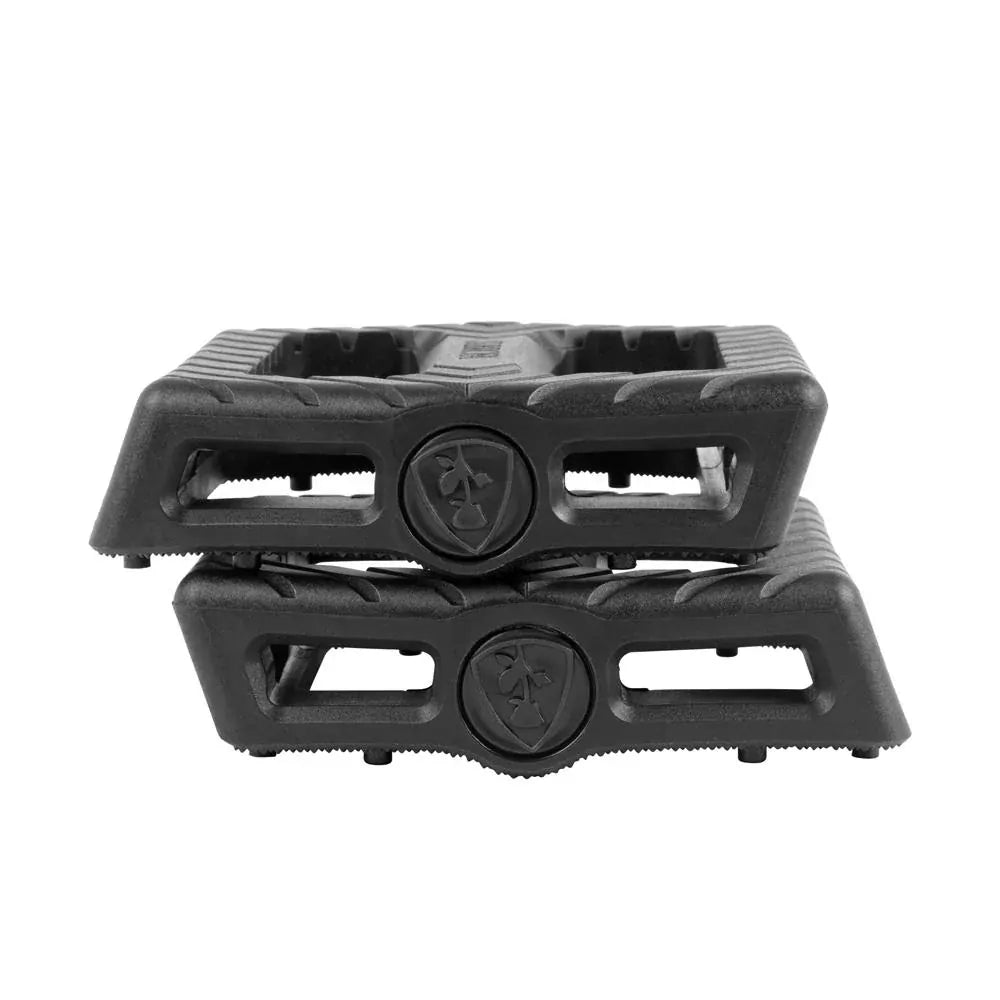
Subrosa Rose Plastic Pedals
Sale priceFrom

$90.99 AUD

Odyssey JC / PC Pedal Pins
Sale priceFrom

$11.99 AUD

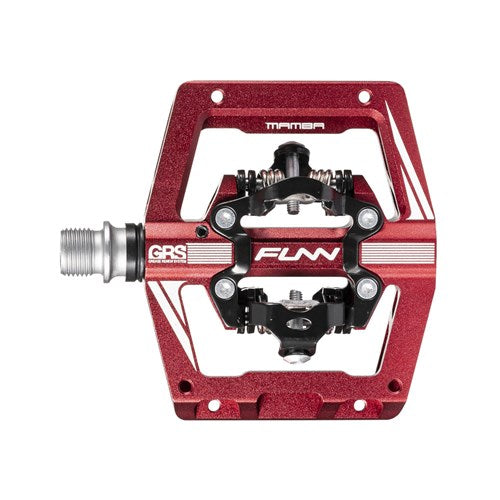
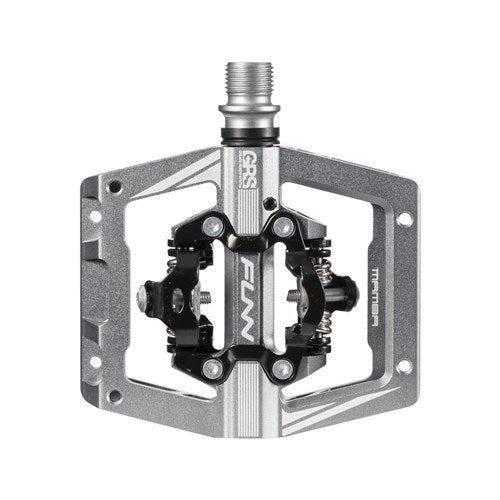
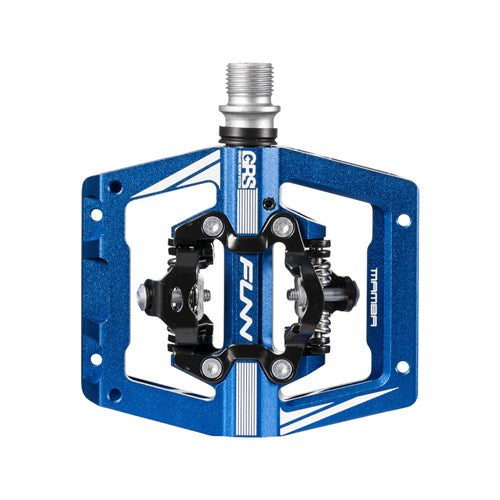
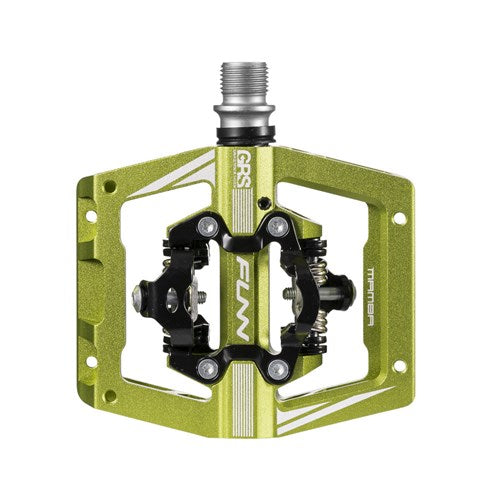
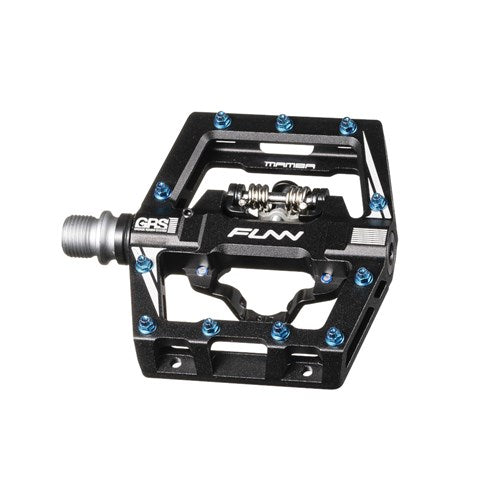
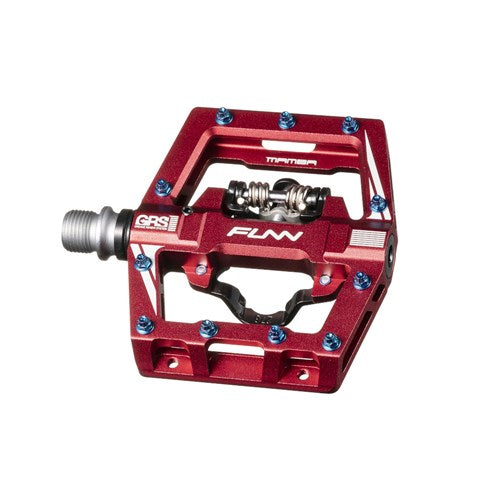
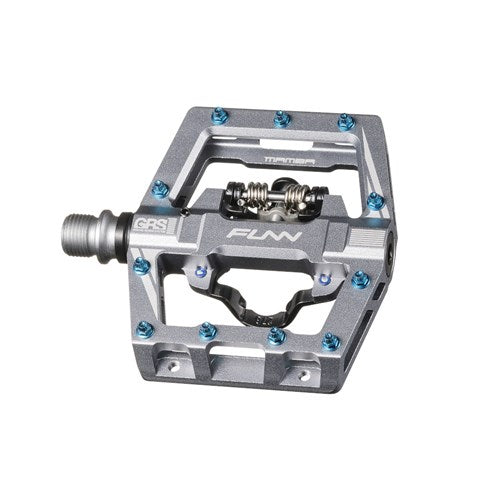
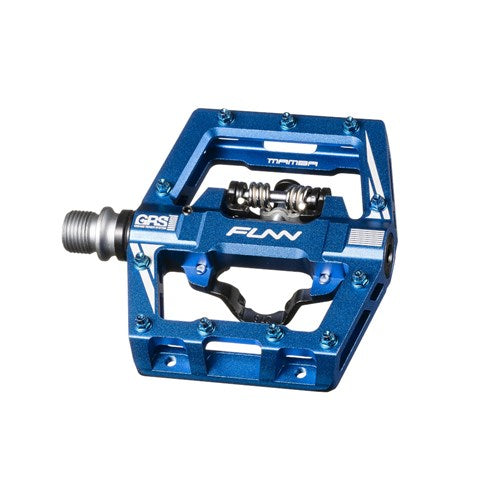
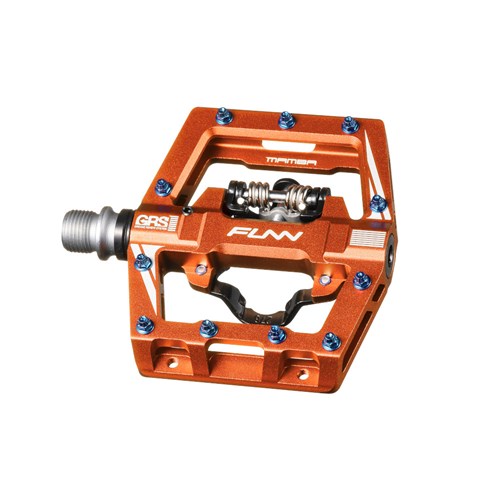
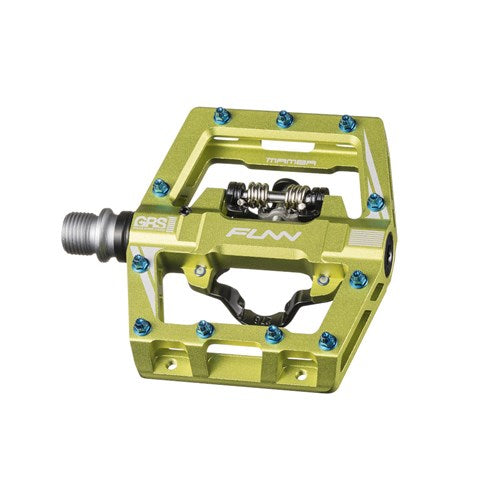
Funn Mamba S SPD Pedal (Small Platform)
Sale priceFrom

$224.99 AUD

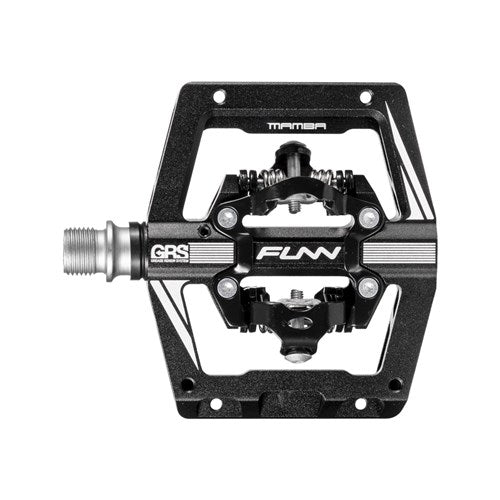
Funn Mamba S SPD Pedals
Sale priceFrom

$209.99 AUD

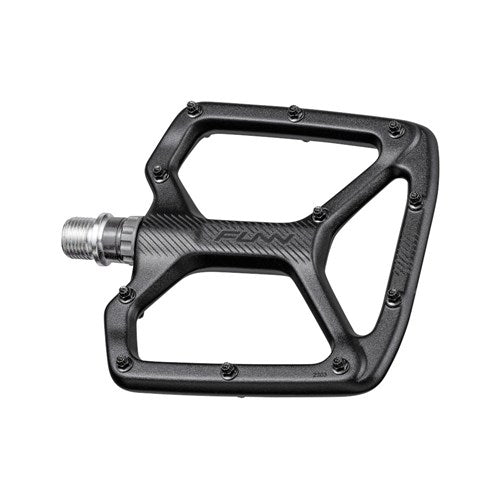
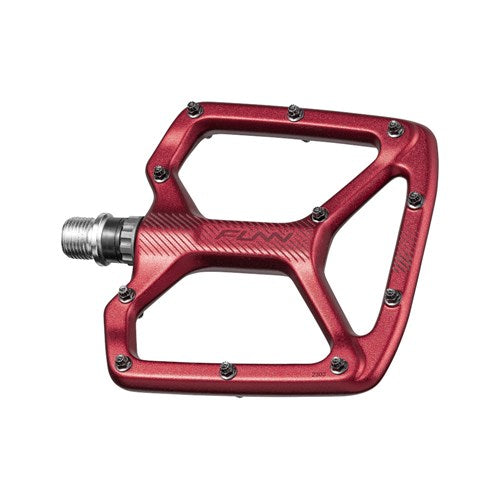
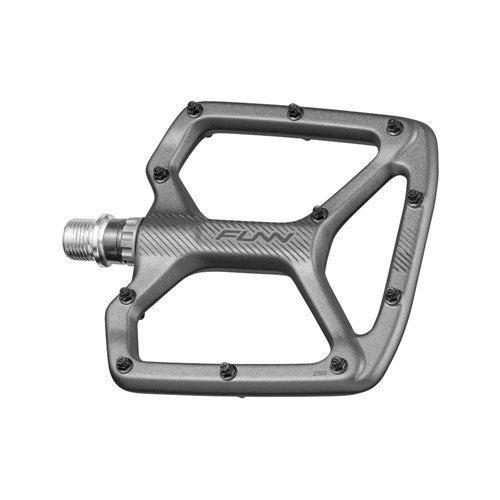
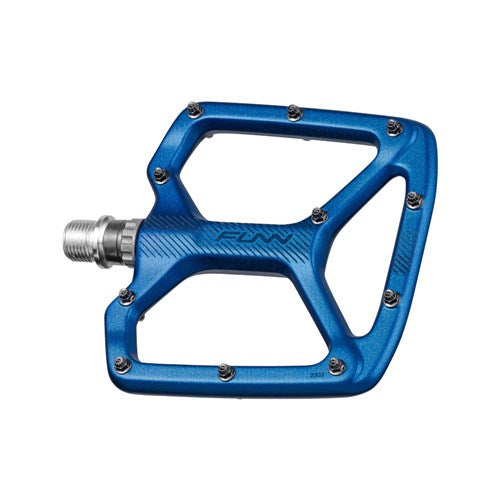
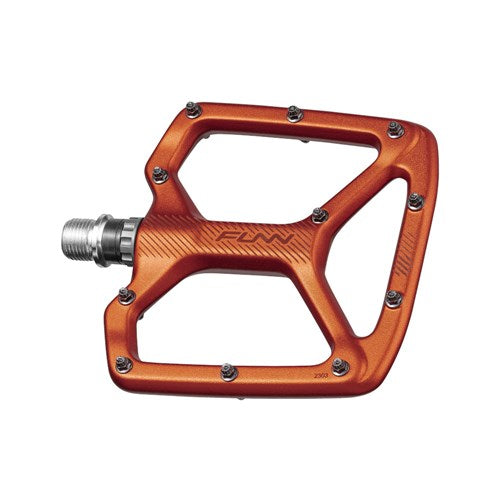
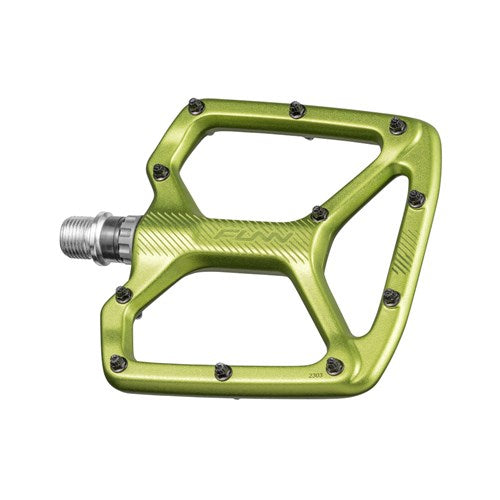
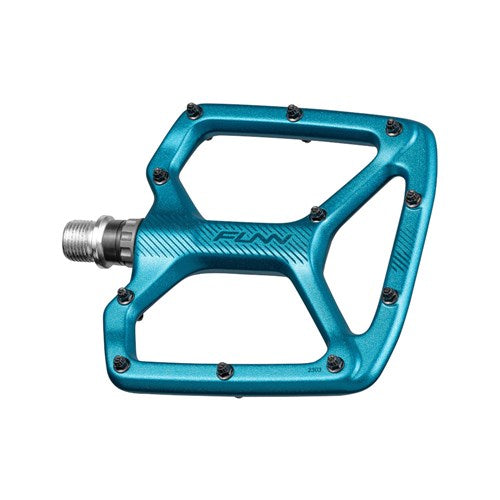
Funn Python V2 Alloy Pedals
Sale priceFrom

$209.99 AUD

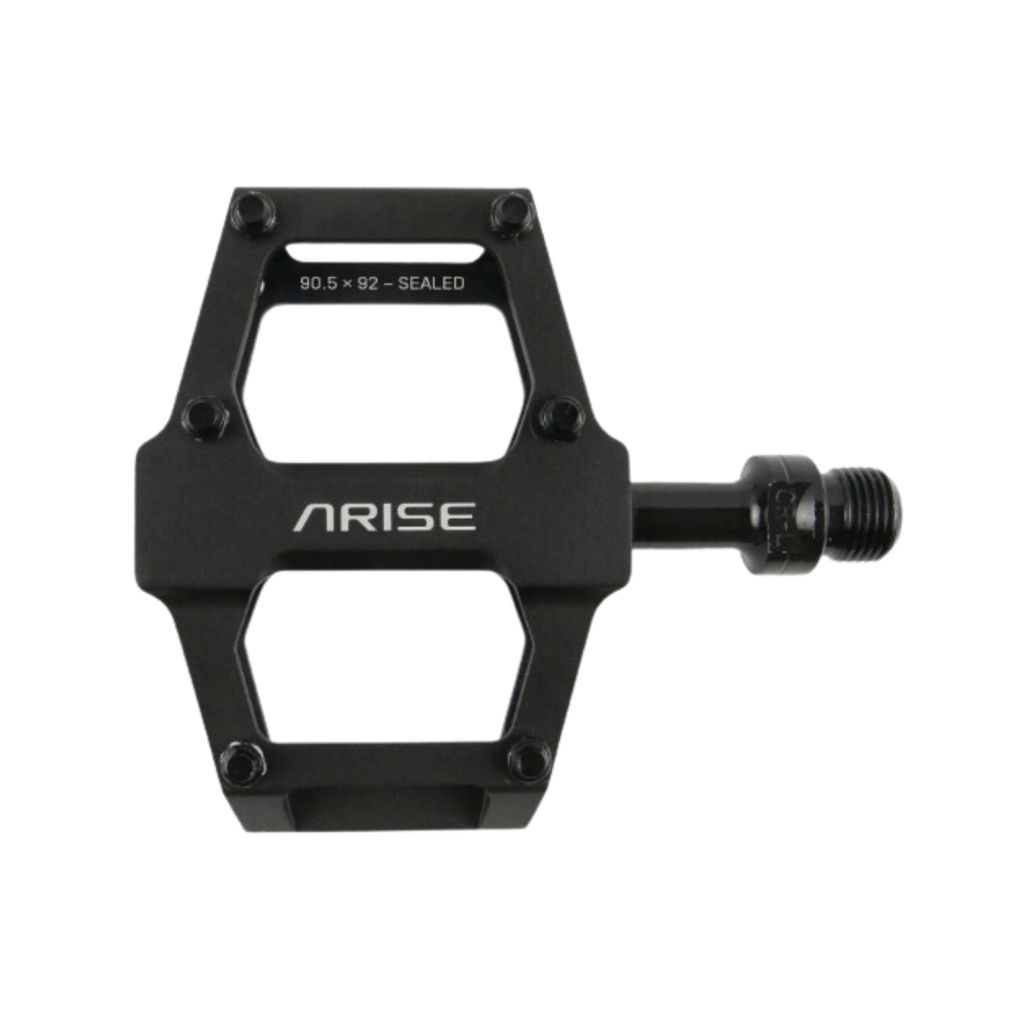
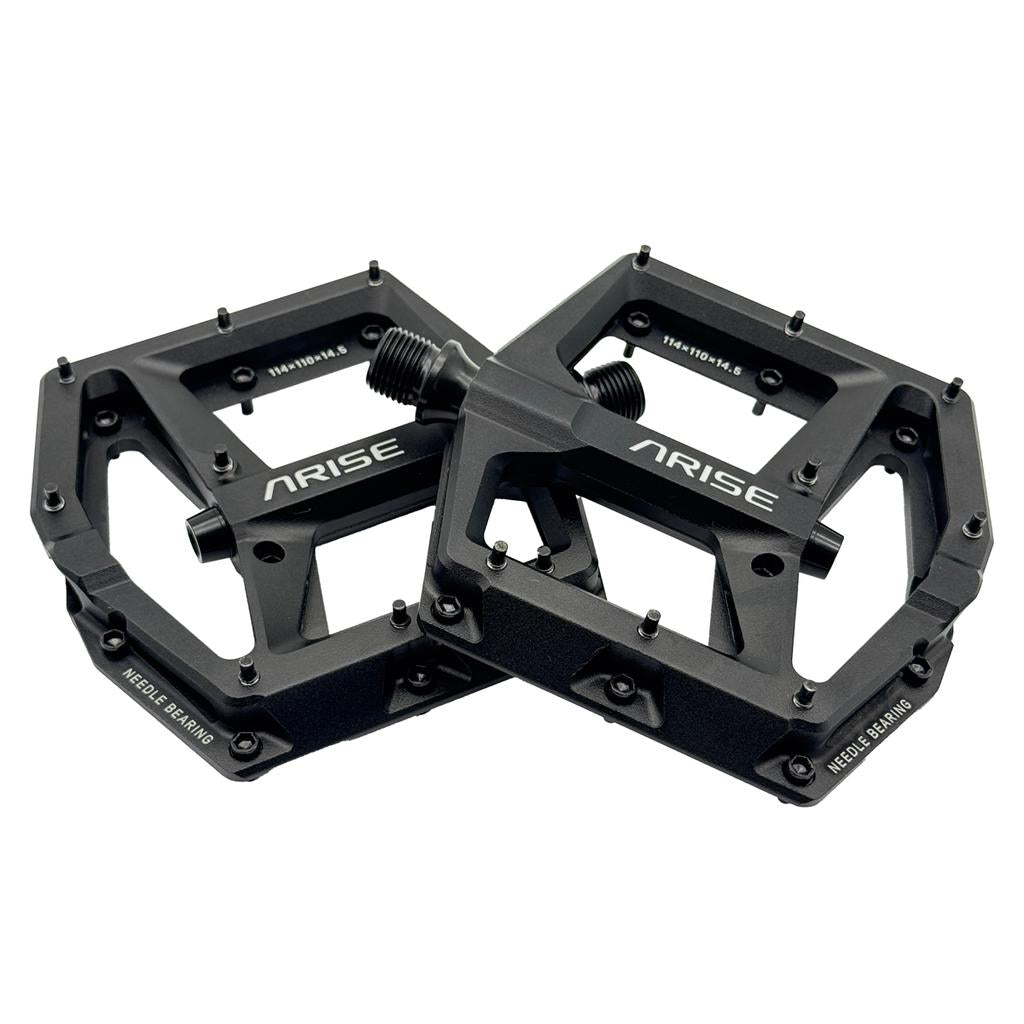
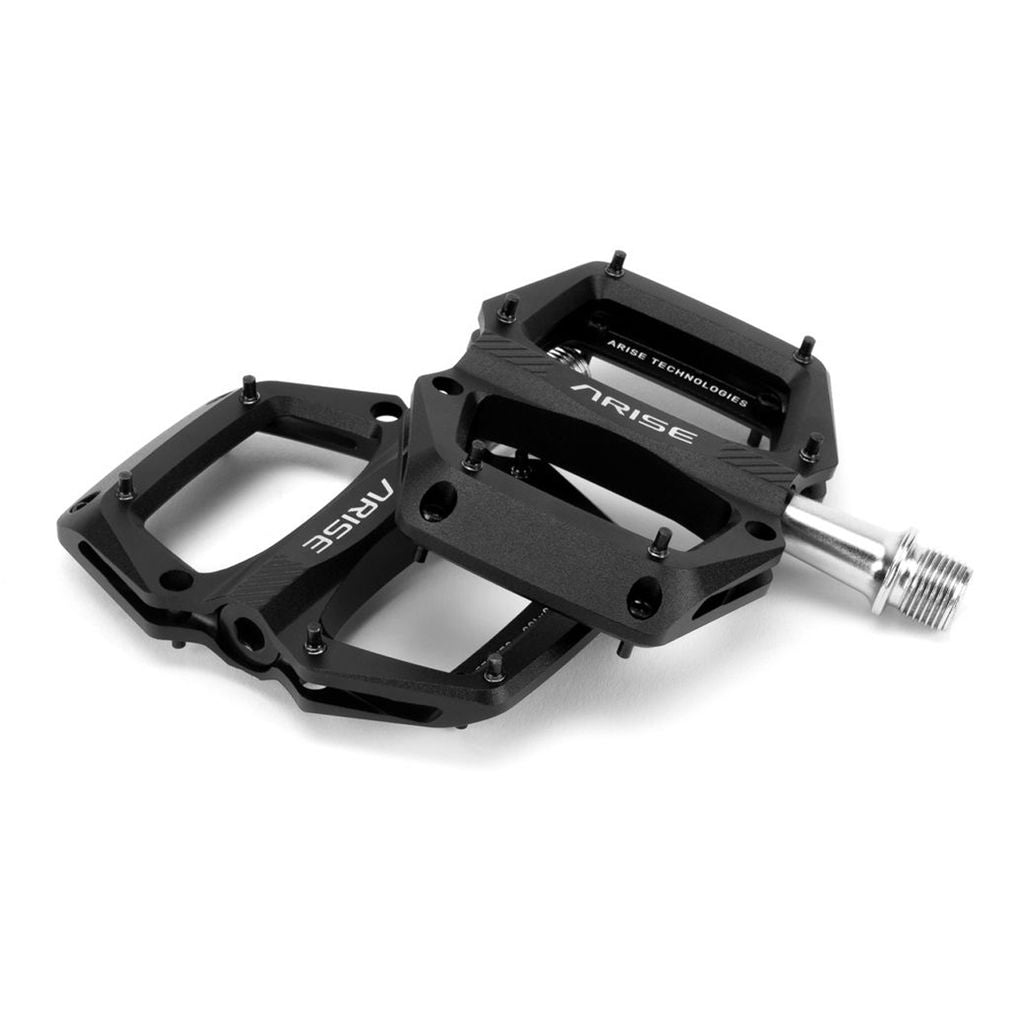
Arise Helium Pro Pedals
Sale priceFrom

$279.99 AUD

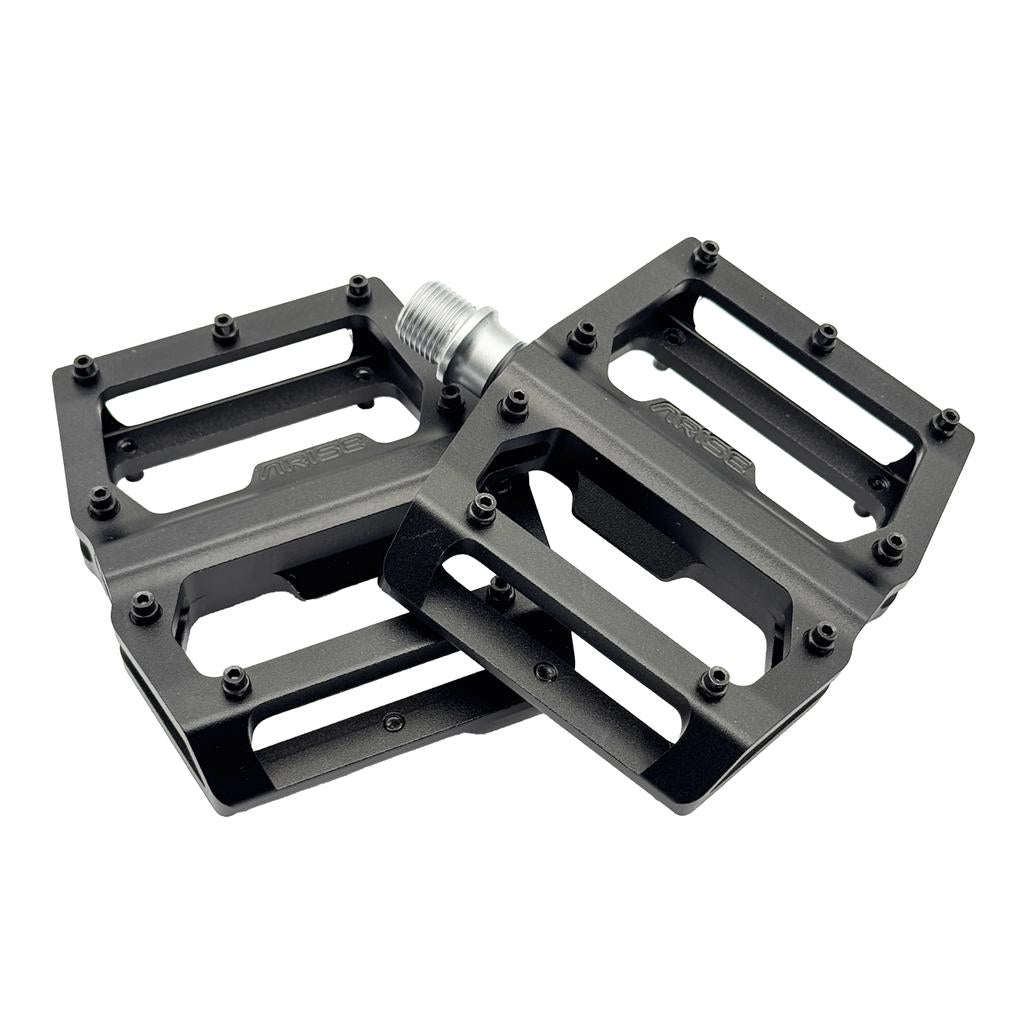
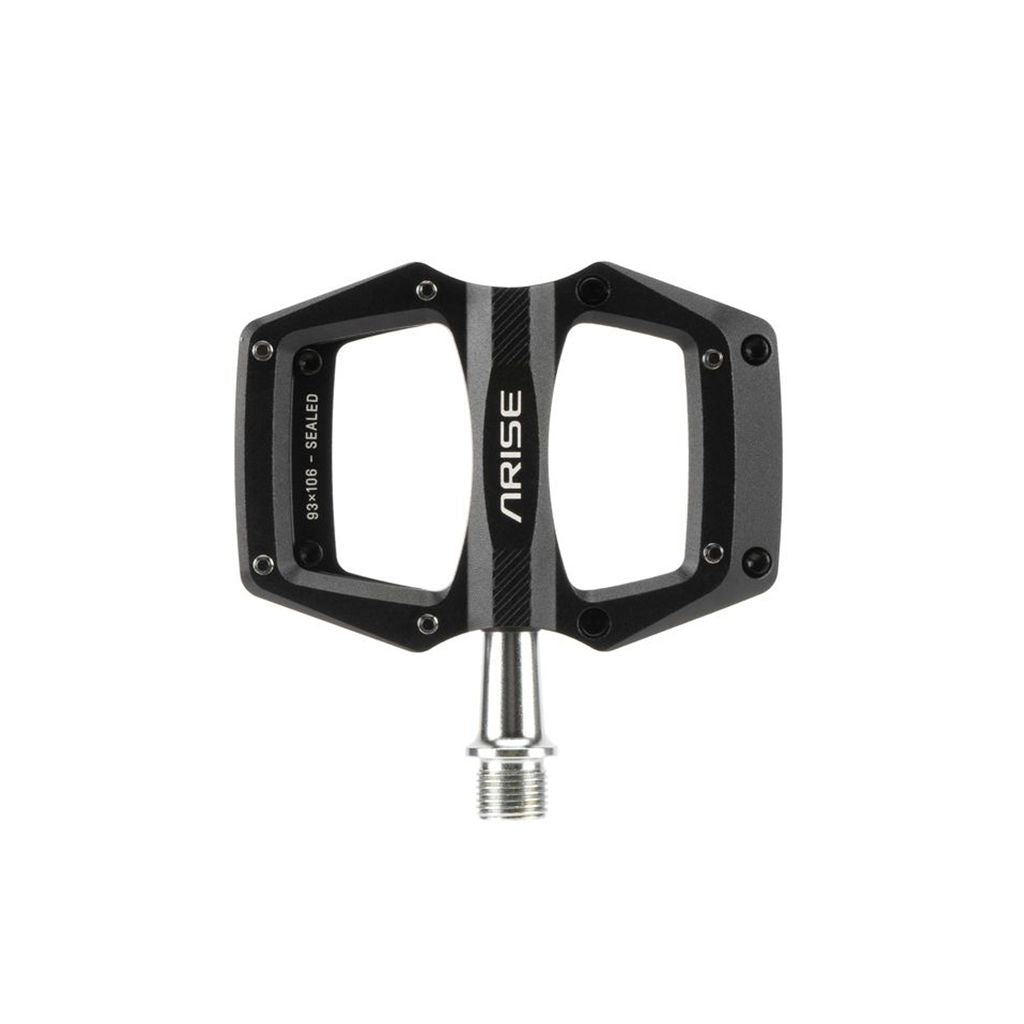
Arise Xenon Expert Pedals
Sale price$189.99 AUD
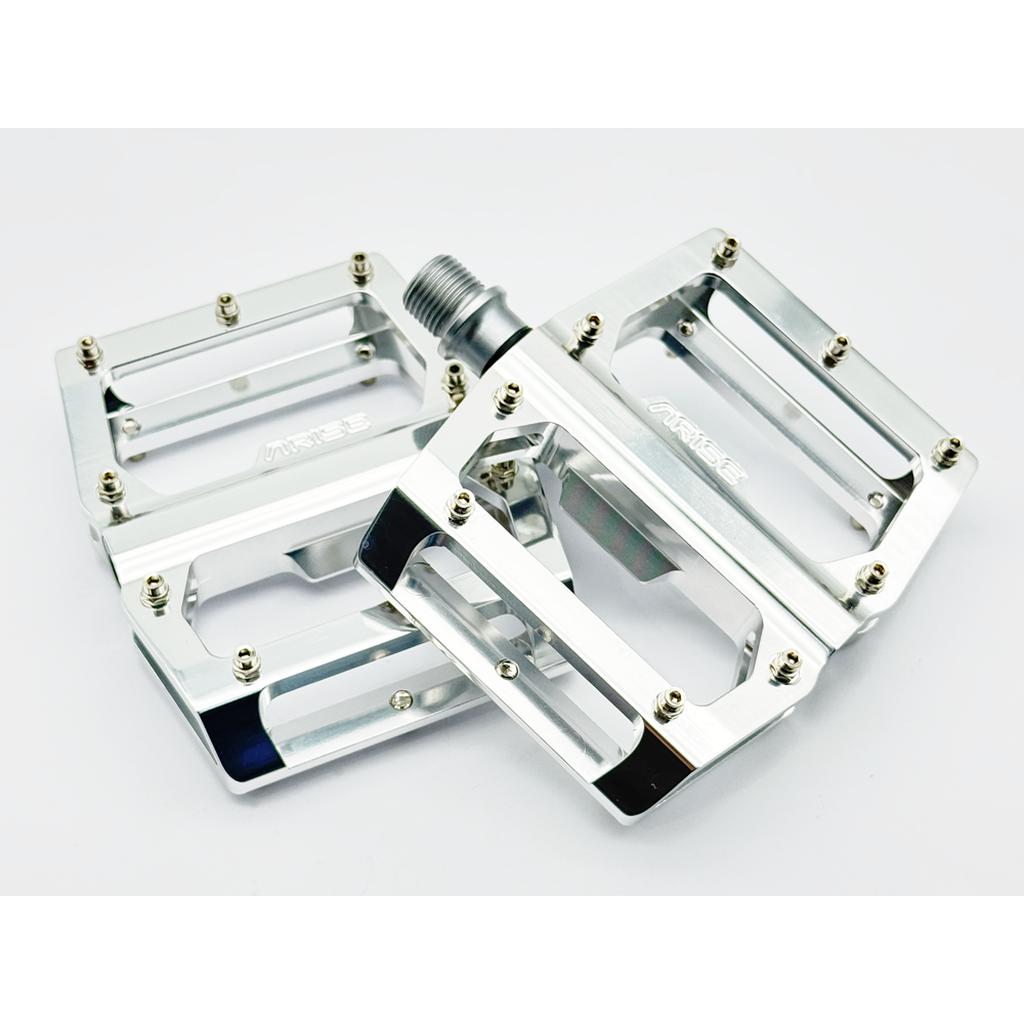
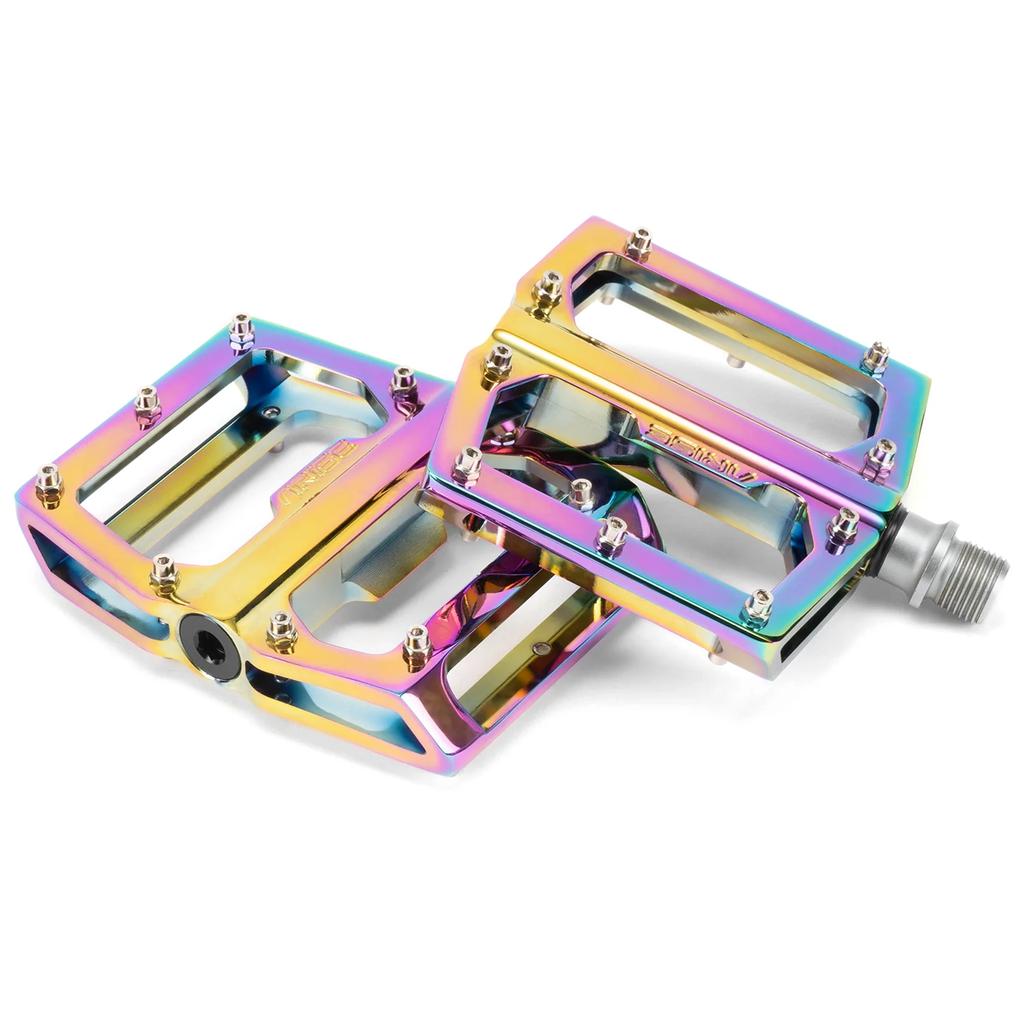
Arise Helium Expert Pedals (Alloy)
Sale priceFrom

$179.99 AUD

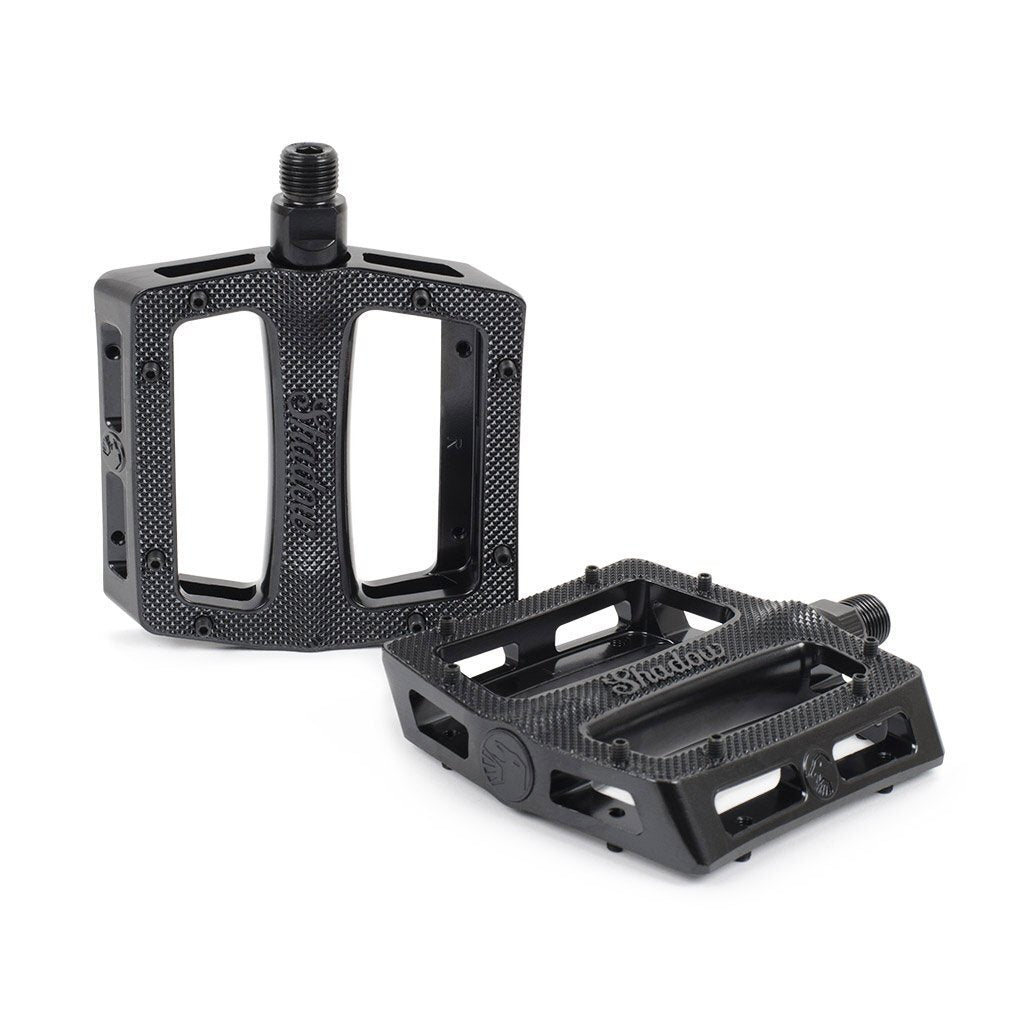
A good freestyle BMX pedal is one that provides the rider with a strong grip and durability. The pedal should be able to withstand the constant impact and friction that comes with performing tricks and stunts on a BMX bike.

When it comes to choosing between plastic pedals and alloy pedals, there are advantages to both options. Plastic pedals are often preferred by riders who prioritize weight and affordability. They are lightweight, making it easier for the rider to move the bike around, and they tend to be less expensive than alloy pedals. Additionally, plastic pedals are less likely to cause injury if the rider accidentally hits their shins on them. However, plastic pedals are generally less durable than alloy pedals and are more likely to crack or break under extreme stress.
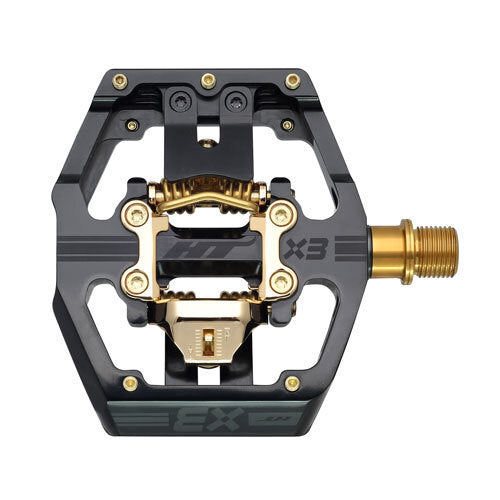
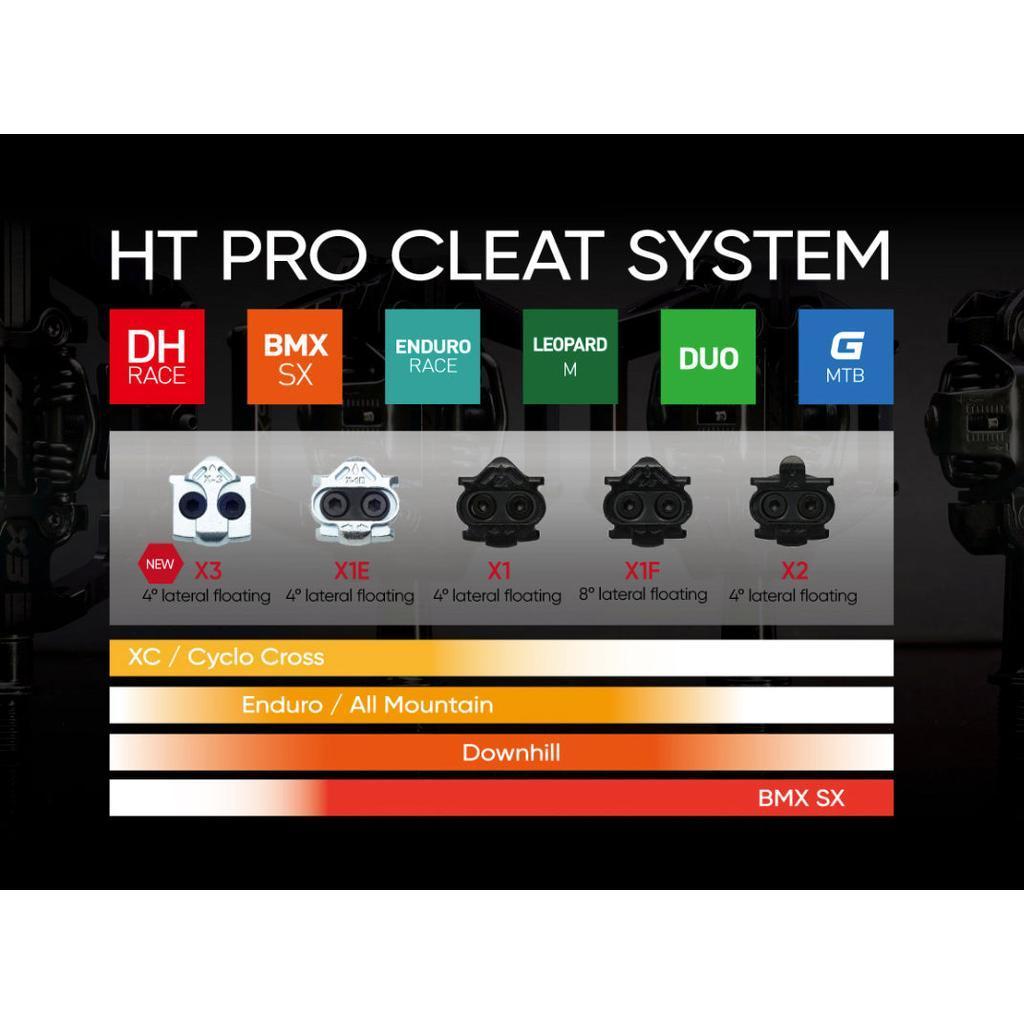
Alloy pedals, on the other hand, are heavier and more expensive than plastic pedals, but they offer greater durability and strength. They are less likely to break or wear out quickly, making them a better option for riders who frequently perform stunts and tricks. Alloy pedals also provide a more solid grip for the rider, allowing for better control over the bike.

Ultimately, the choice between plastic and alloy pedals comes down to the rider's personal preference and riding style. Riders who prioritize weight and affordability may prefer plastic pedals, while those who prioritise strength and durability may opt for alloy pedals. Regardless of the choice, it is important for the pedal to be securely attached to the bike and for the rider to feel confident and comfortable with their equipment in order to perform at their best.