 Wethepeople
 Kink
Kink
 Sunday Bikes
 Radio
Radio
 Cult
Cult
 Fit
Fit


 Odyssey
 Federal
 Eclat
Eclat
 BSD
BSD


 Meybo
Meybo
 Chase
Chase




How tall are you?
Get the size right first. A BMX is sized two ways: by the wheel, which is 12 to 18 inch for kids and 20 inch for most teens and adults, and by the frame, measured along the top tube. Find your height in the chart, then check the top tube on any bike you compare. Every bike page lists it, and the size guide on each bike page shows this same chart.
Buying for a child? The age guide sits under the chart.
| Rider height | Wheel size | Top tube | Shop this size |
|---|---|---|---|
| 60 to 91cm | 12" | 12 to 12.5" | Shop 12 inch bikes |
| 81 to 106cm | 14" | 14 to 14.5" | Shop 14 inch bikes |
| 96 to 122cm | 16" | 16 to 16.5" | Shop 16 inch bikes |
| 122 to 147cm | 18" | 18 to 18.5" | Shop 18 inch bikes |
| 147 to 157cm | 20" | 19.75 to 20.25" | Shop bikes for 147 to 157cm |
| 157 to 168cm | 20" | 20 to 20.5" | Shop bikes for 157 to 168cm |
| 168 to 175cm | 20" | 20.25 to 20.75" | Shop bikes for 168 to 175cm |
| 175 to 183cm | 20" | 20.5 to 21" | Shop bikes for 175 to 183cm |
| 183 to 190cm and up | 20" | 20.75 to 21.5" | Shop bikes for 183cm and up |
| 160cm and up | 22" | 21 to 22.25" | Shop 22 inch bikes |
| 160cm and up | 24" | 21.75 to 22" | Shop 24 inch bikes |
| 160cm and up | 26" | 22 to 23" | Shop 26 inch bikes |
Sizes overlap on purpose, so personal preference comes into it. If you land in two bands, riding style breaks the tie: longer for flow, trails and transitions, shorter for technical street and park.
Between two sizes? The My bike tool checks a bike against your height, and the size guides hub has the race and frame charts as well.
Which size for a child?
Height decides it, not age, so measure them if you can and use the chart above. These are the ages that usually land in each row. A 10 year old is often right on the line between 18 inch and 20 inch: go by height, and if they are growing fast the 20 inch with a short top tube will last longer.
| Age | Usual size | Shop this size |
|---|---|---|
| 2 to 4 years | 12 inch wheel (60 to 91cm) | Shop 12 inch bikes |
| 3 to 5 years | 14 inch wheel (81 to 106cm) | Shop 14 inch bikes |
| 5 to 7 years | 16 inch wheel (96 to 122cm) | Shop 16 inch bikes |
| 7 to 10 years | 18 inch wheel (122 to 147cm) | Shop 18 inch bikes |
| 10 to 12 years | 20 inch wheel, 19.75 to 20.25 inch top tube (147 to 157cm) | Shop bikes for 147 to 157cm |
| 12 years and up | 20 inch wheel, top tube by height as per the chart above (157cm and up) | Shop bikes for 157 to 168cm |
Under 3? Start with a balance bike. Every size is listed together in kids BMX bikes.
What's your skill level?
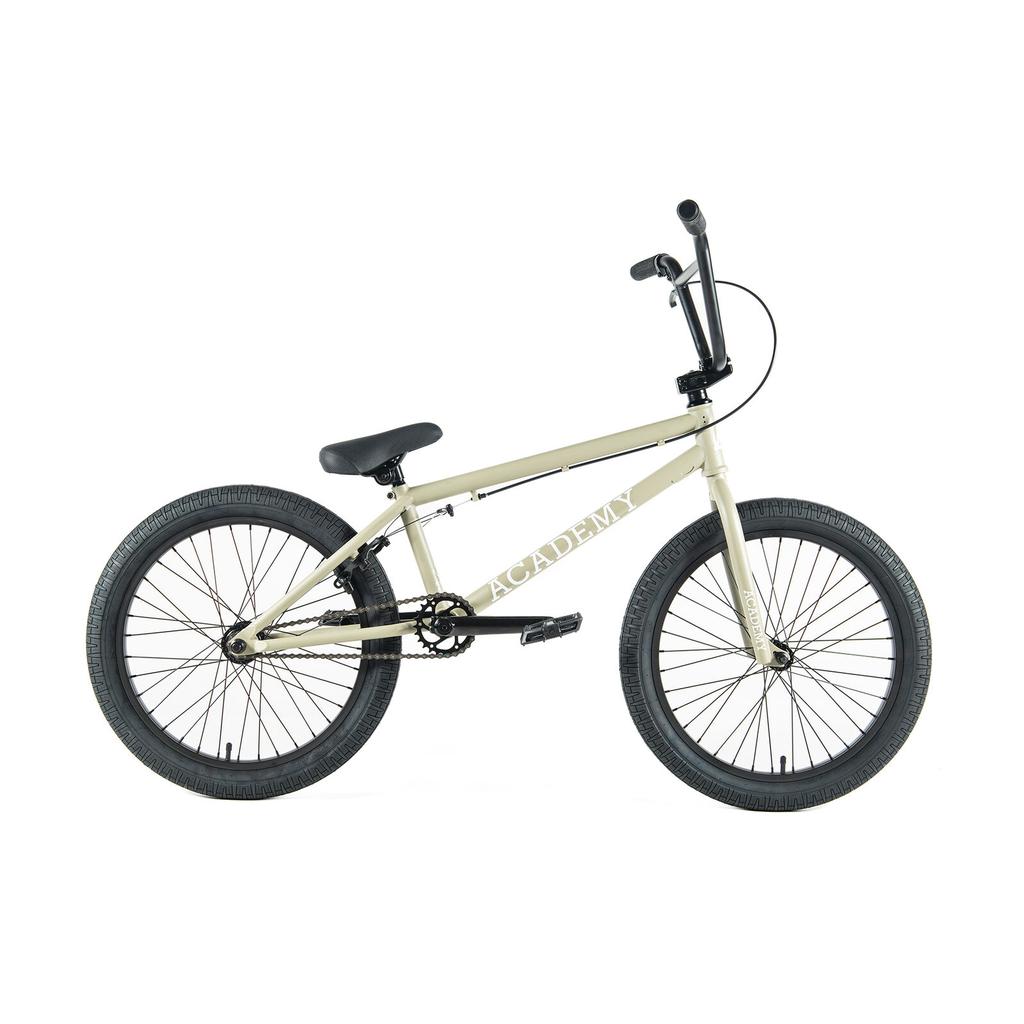
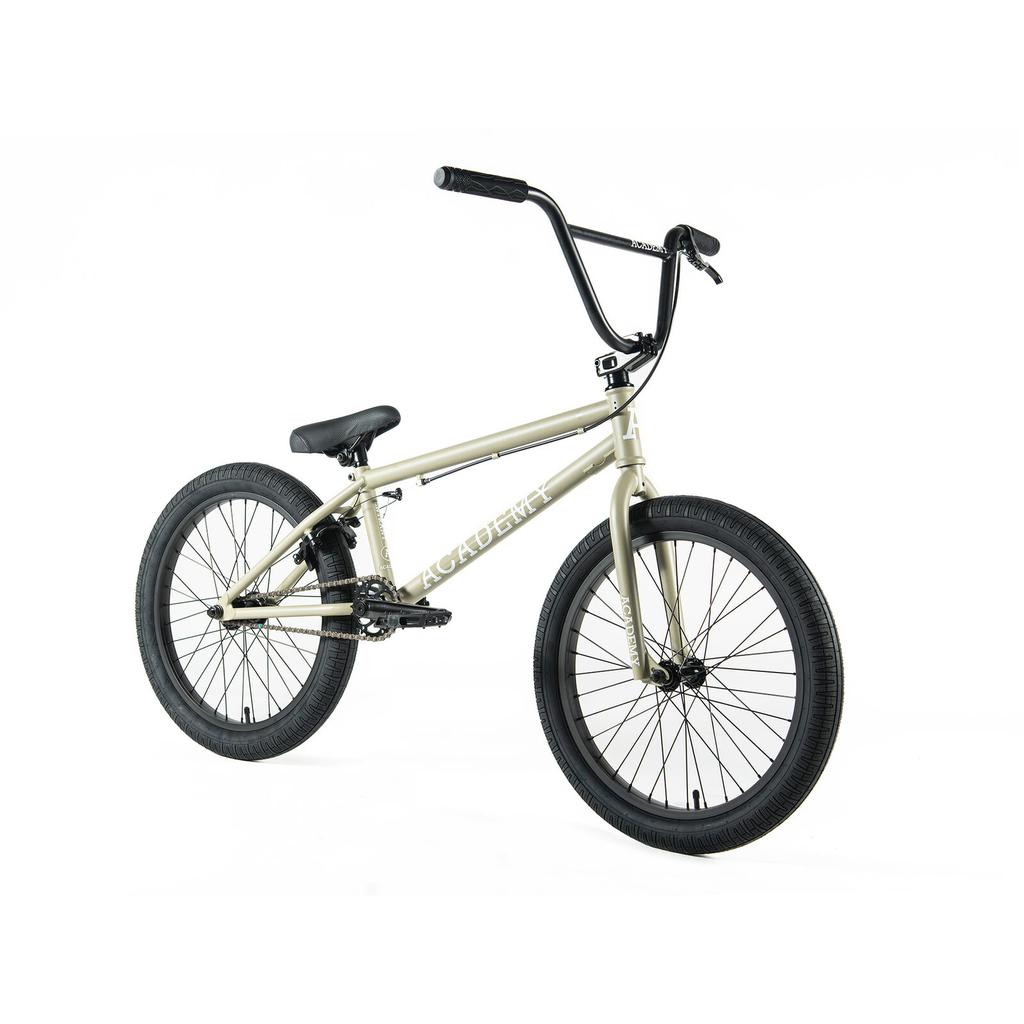
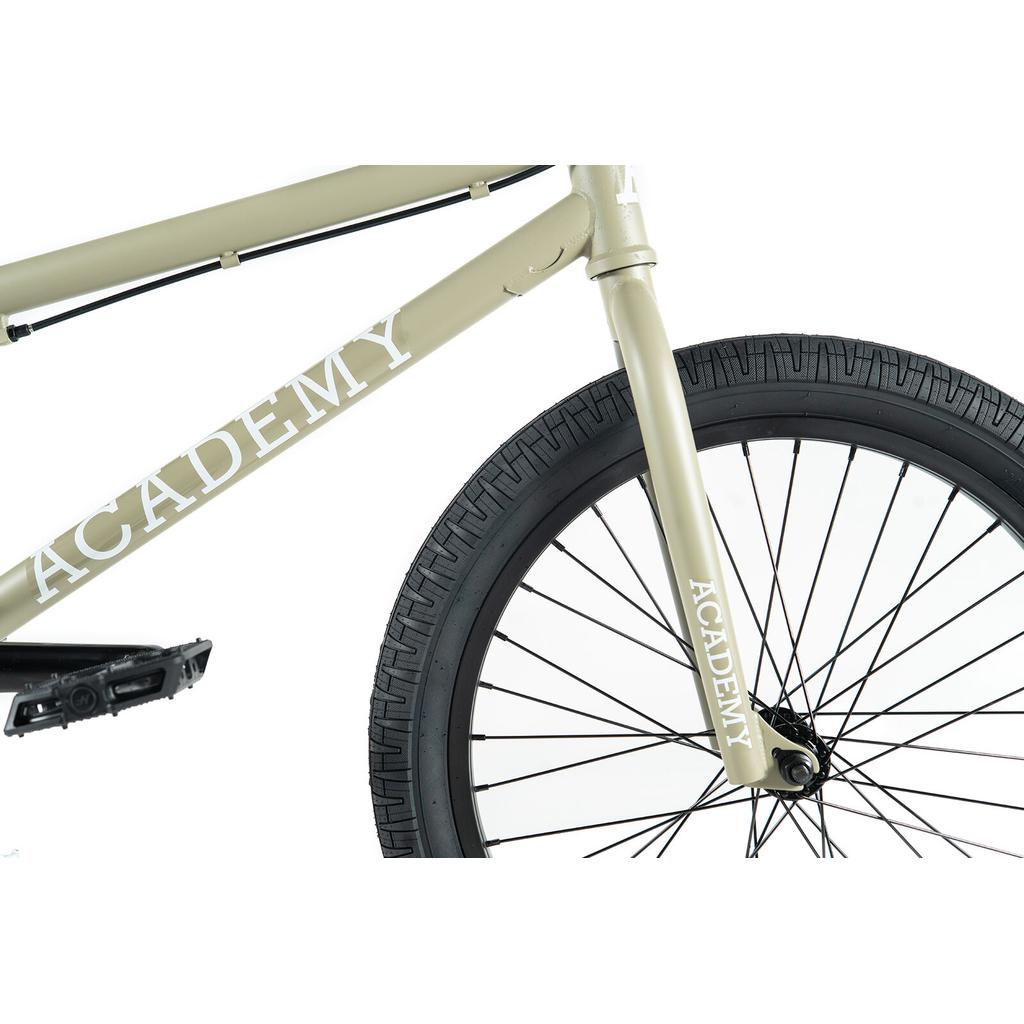
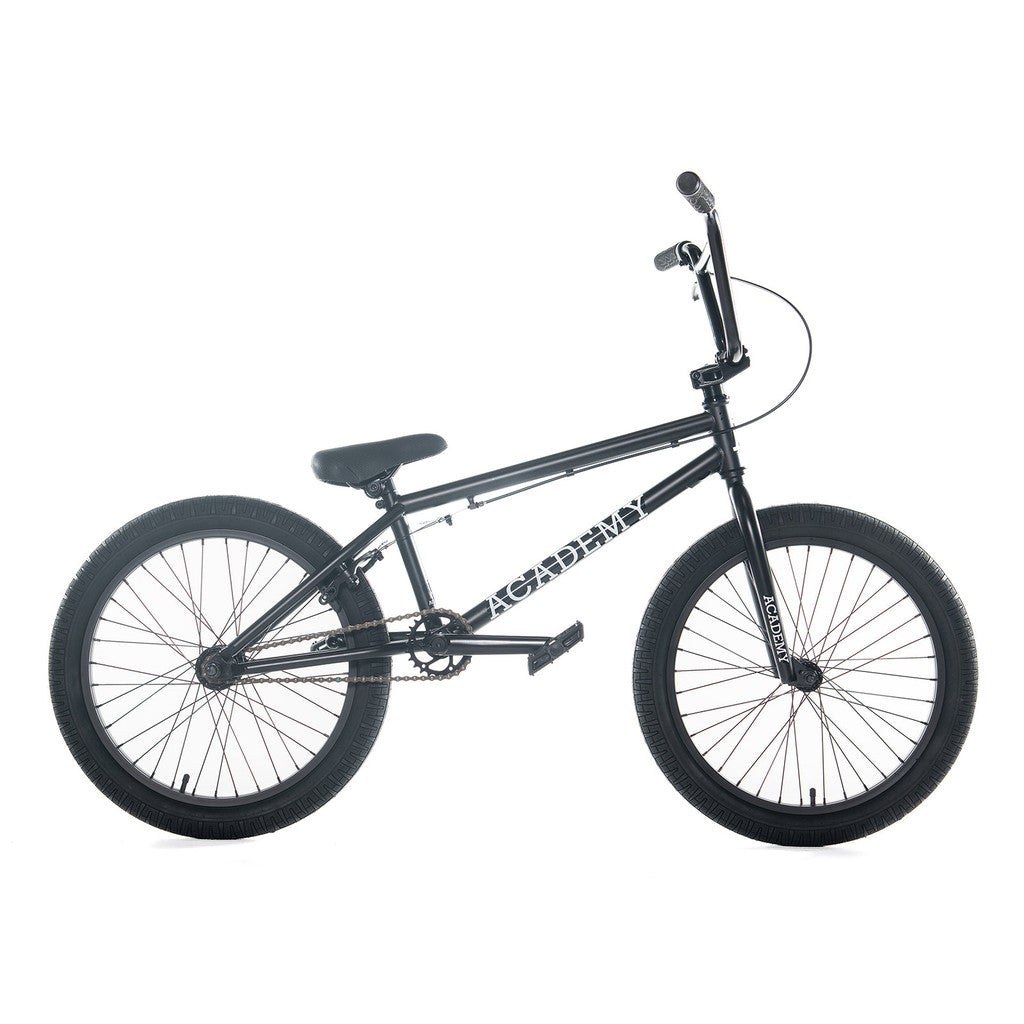
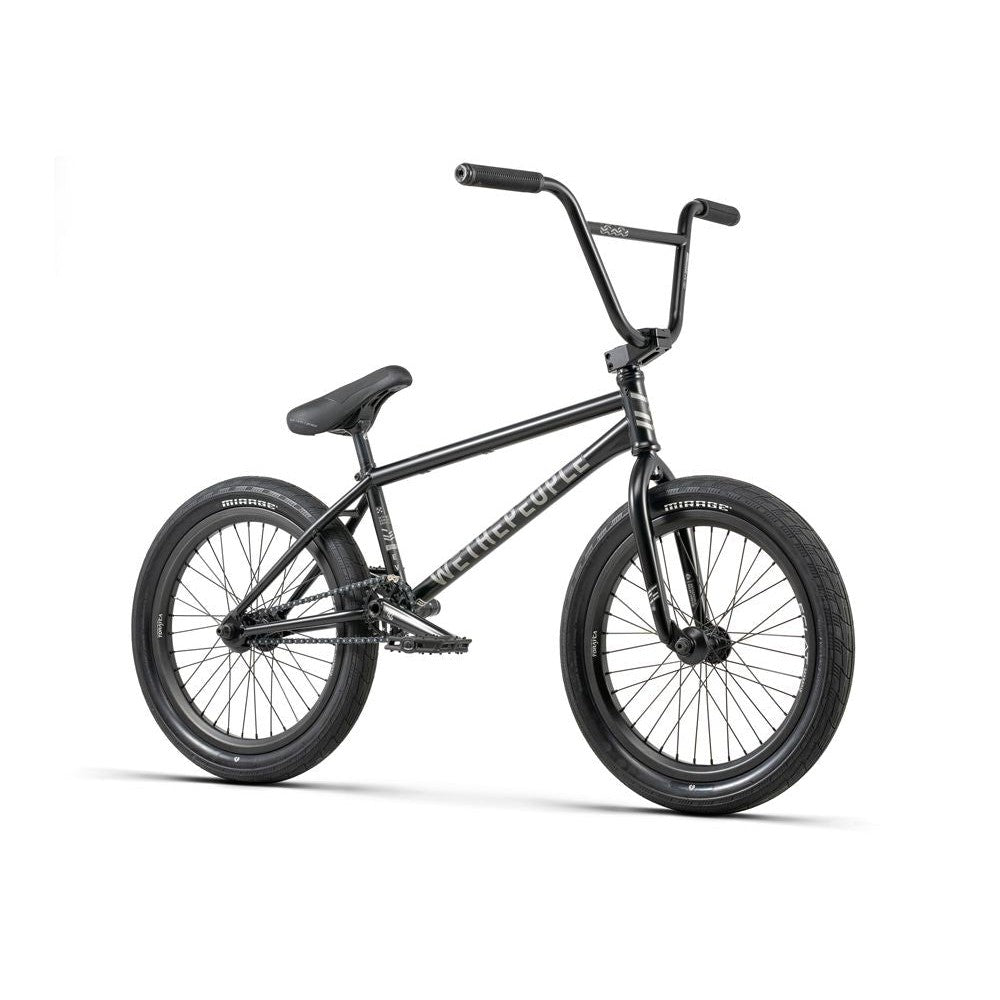
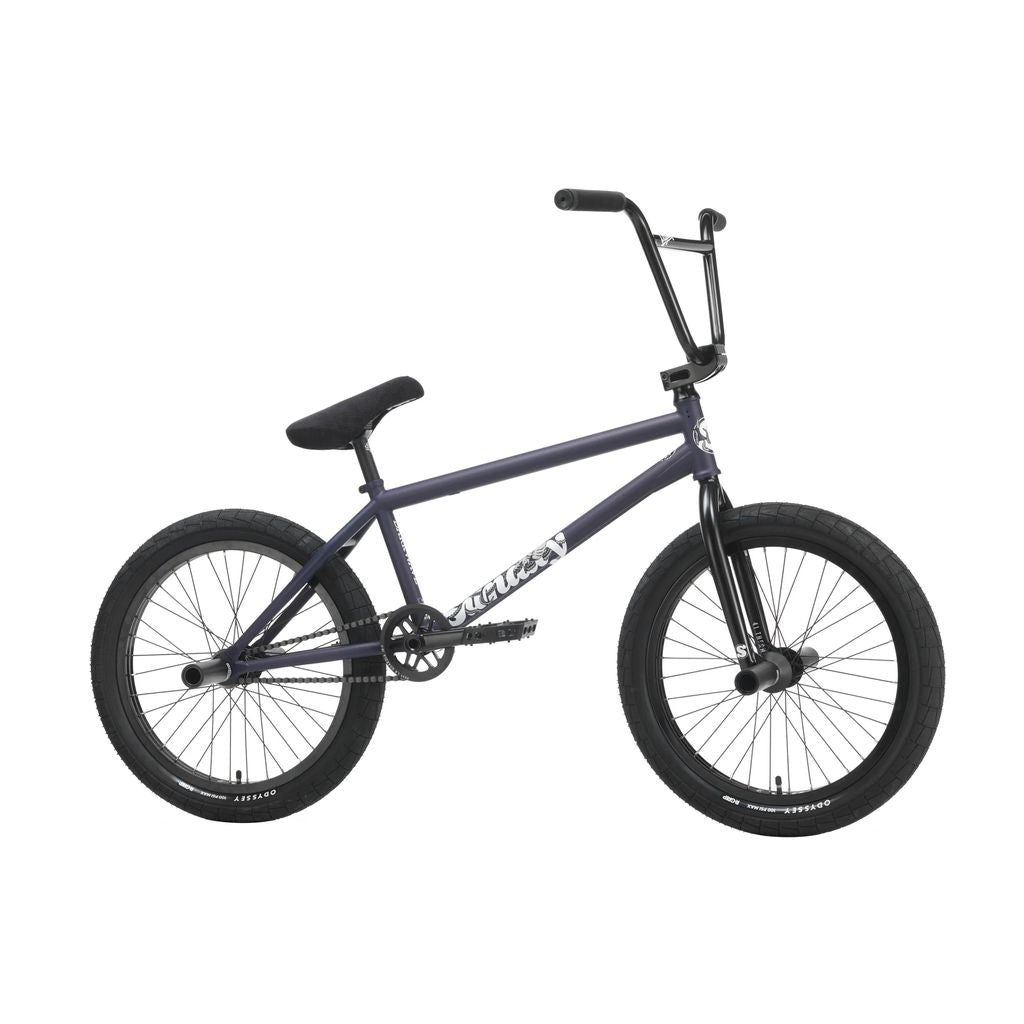
Next, be honest about how hard you ride. Skill level decides how strong the parts need to be, and that is most of what you pay for. The bikes below are 20 inch freestyle bikes, split by what each level needs.
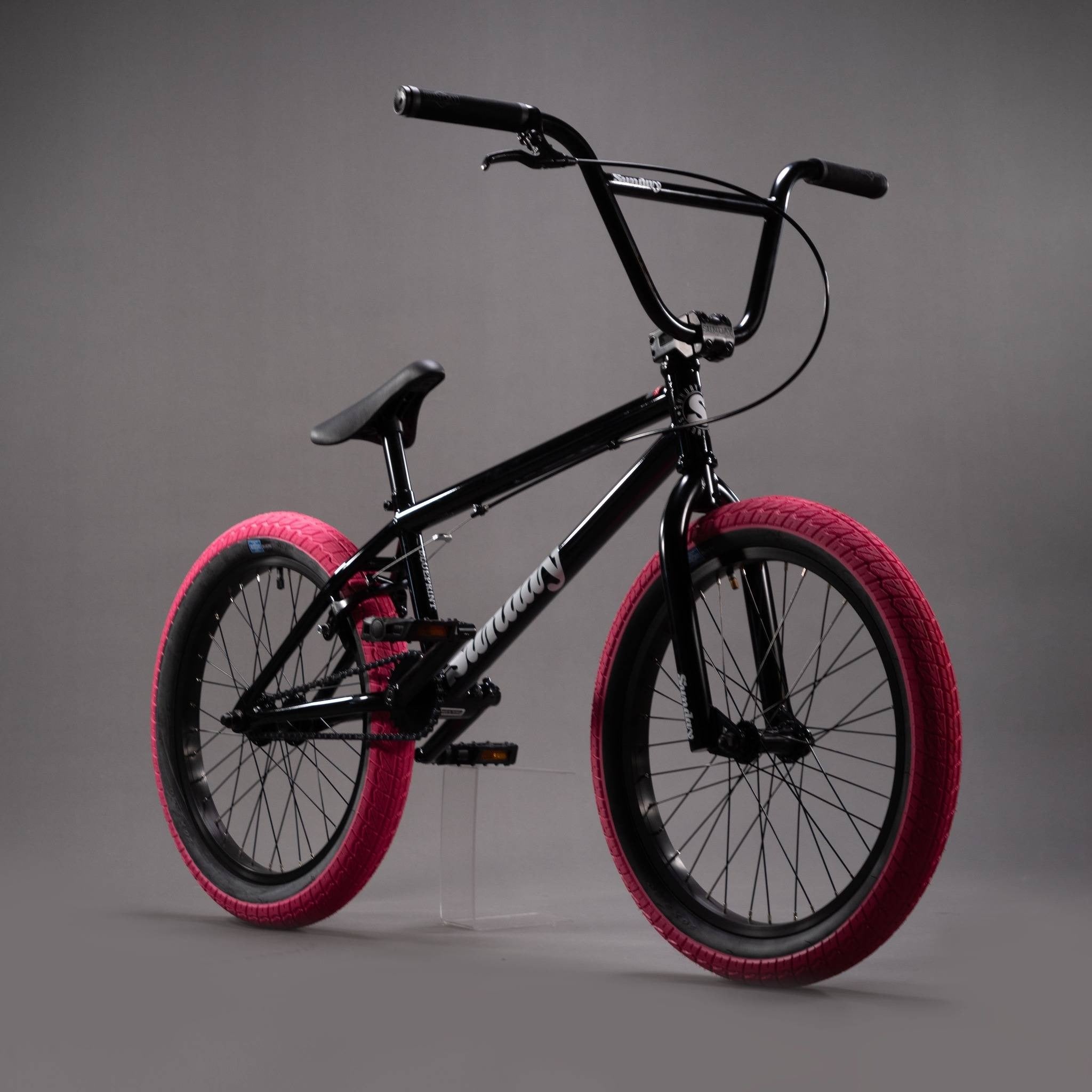
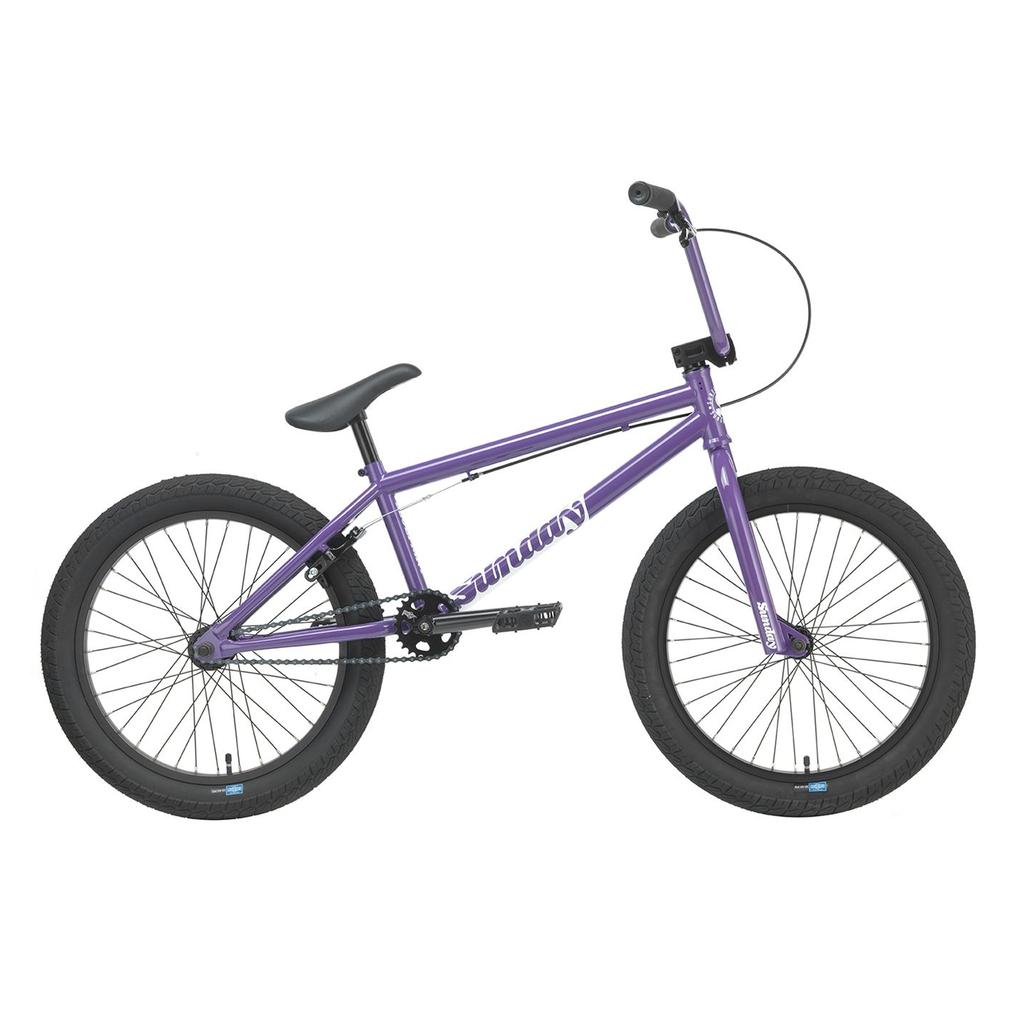
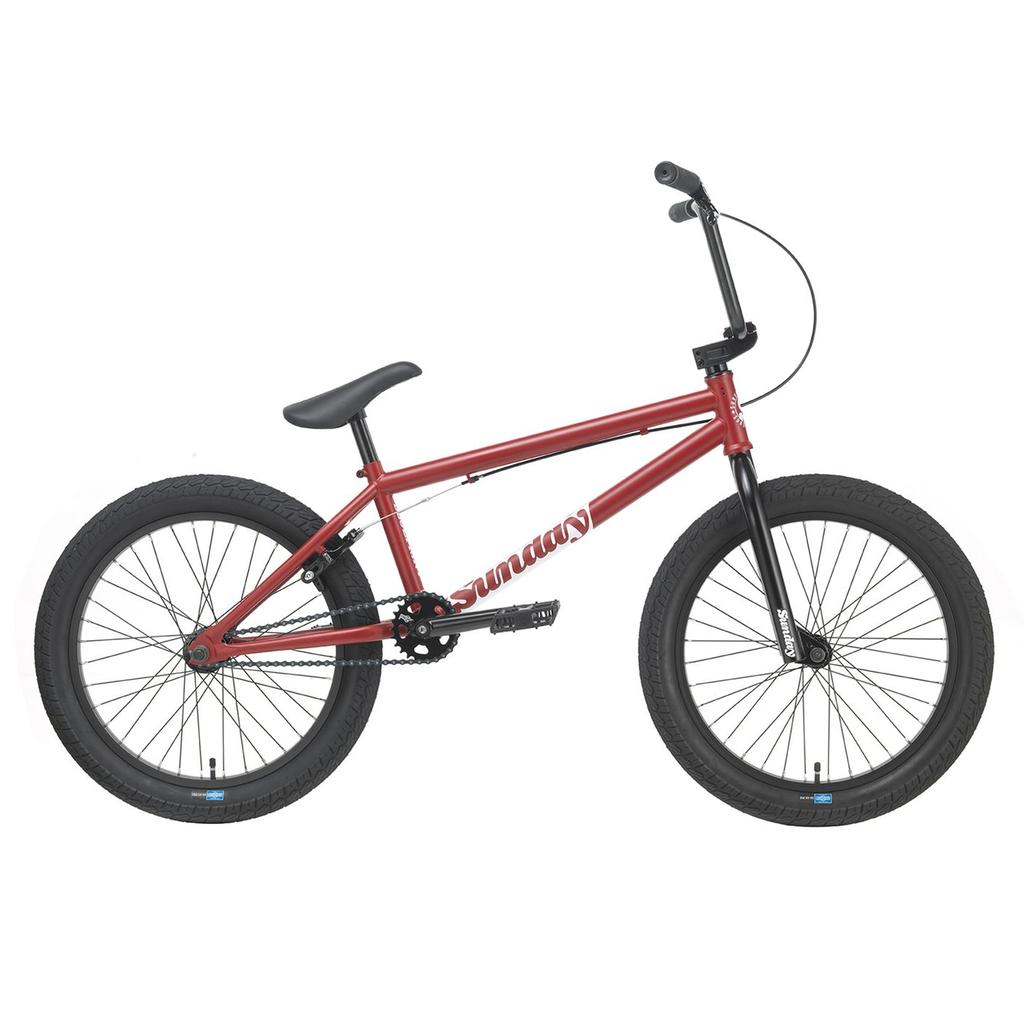
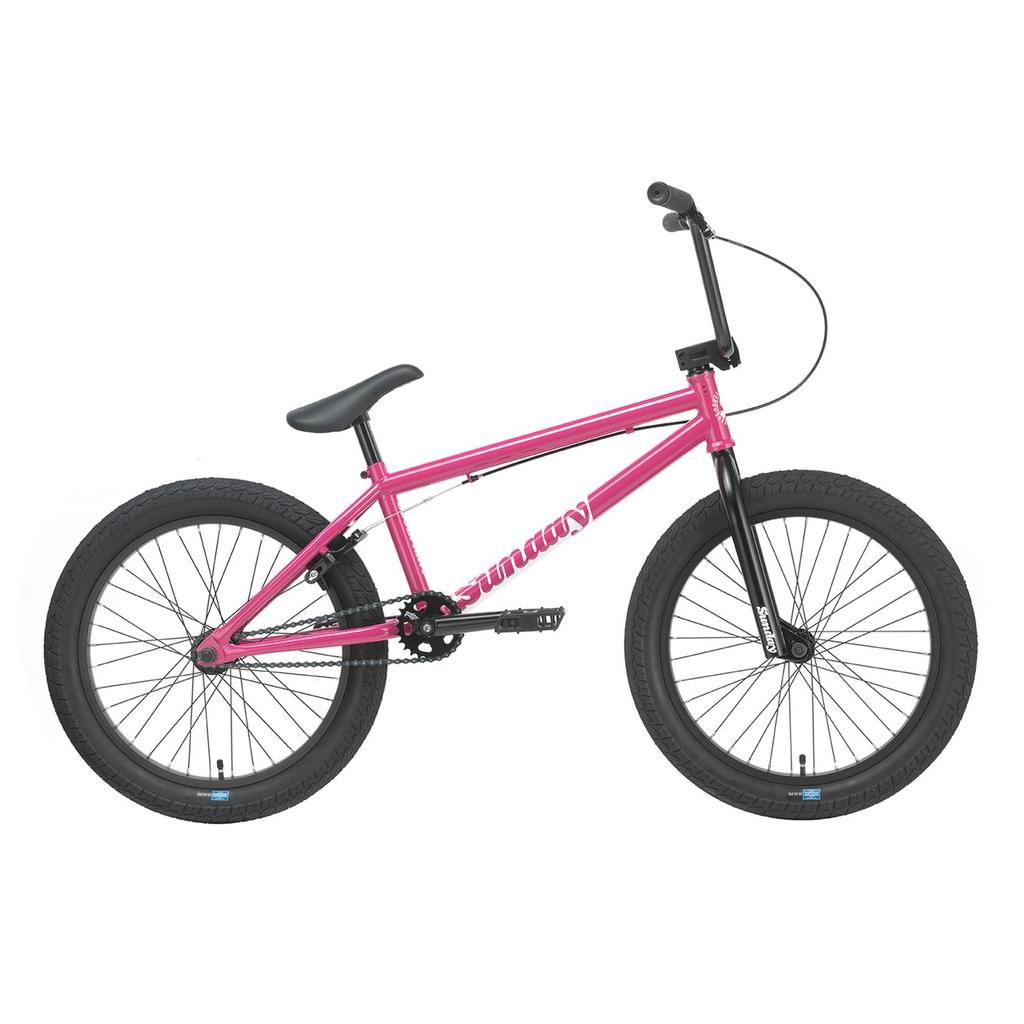
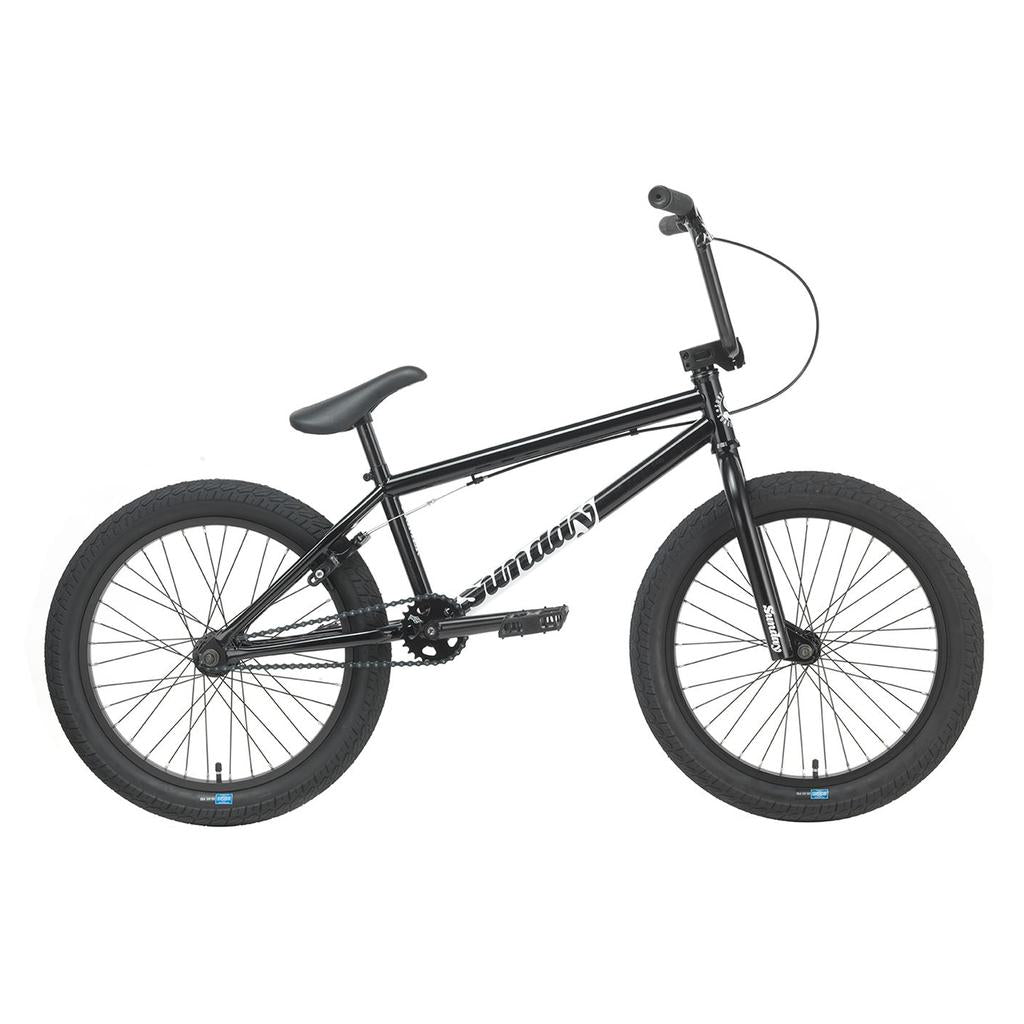
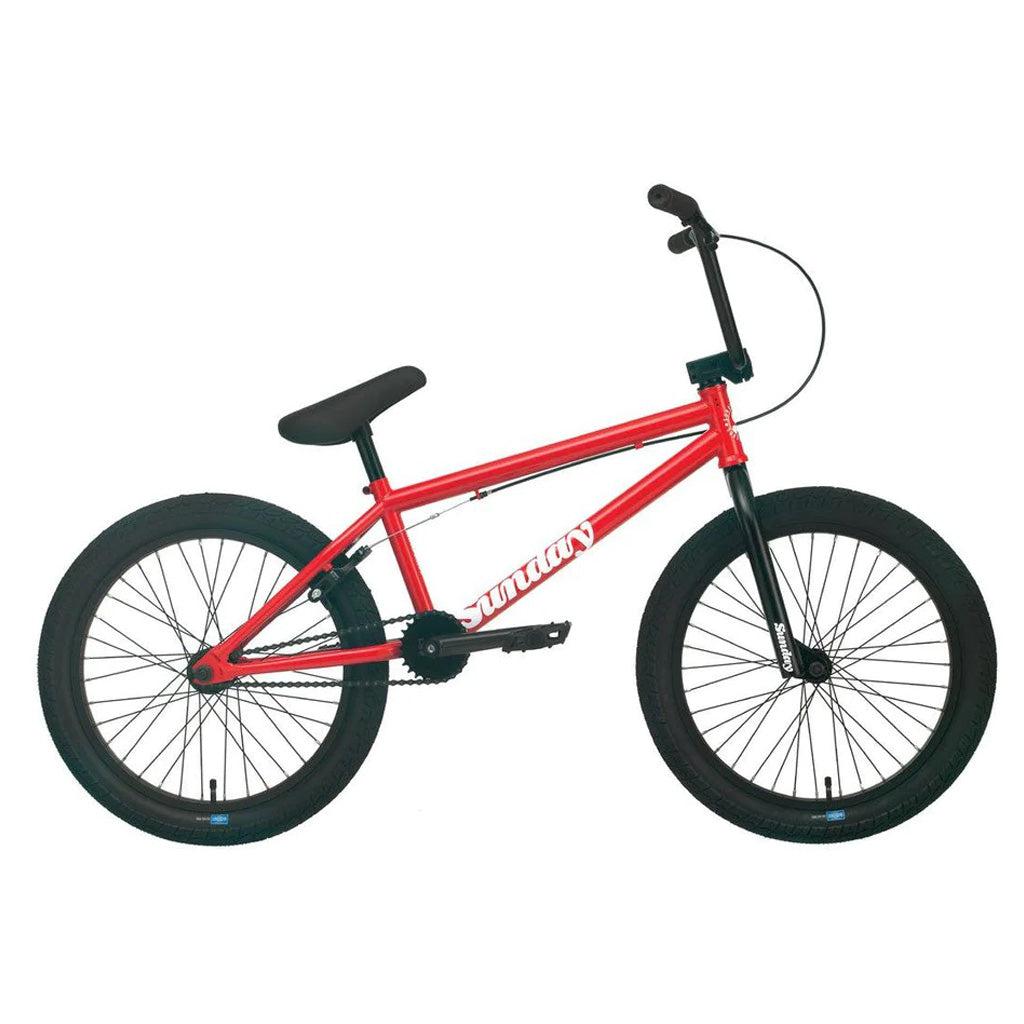
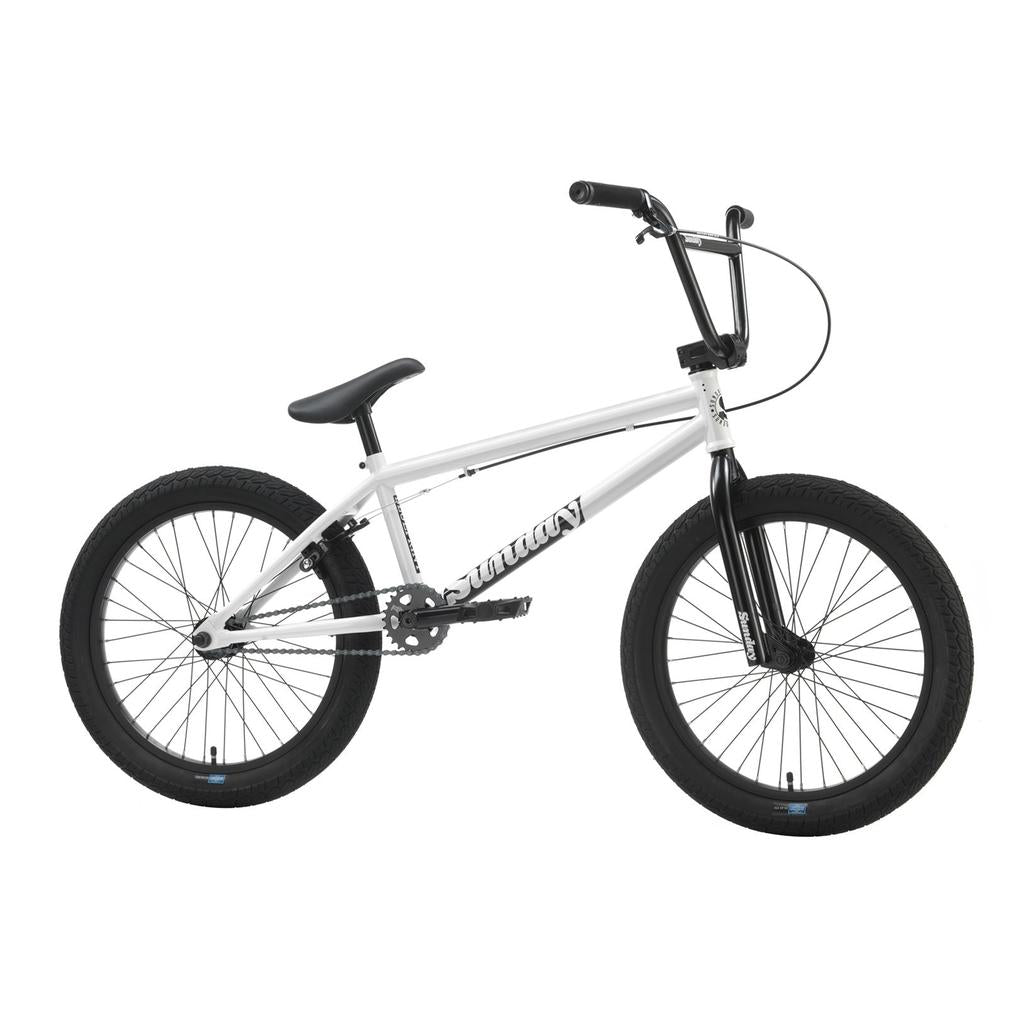
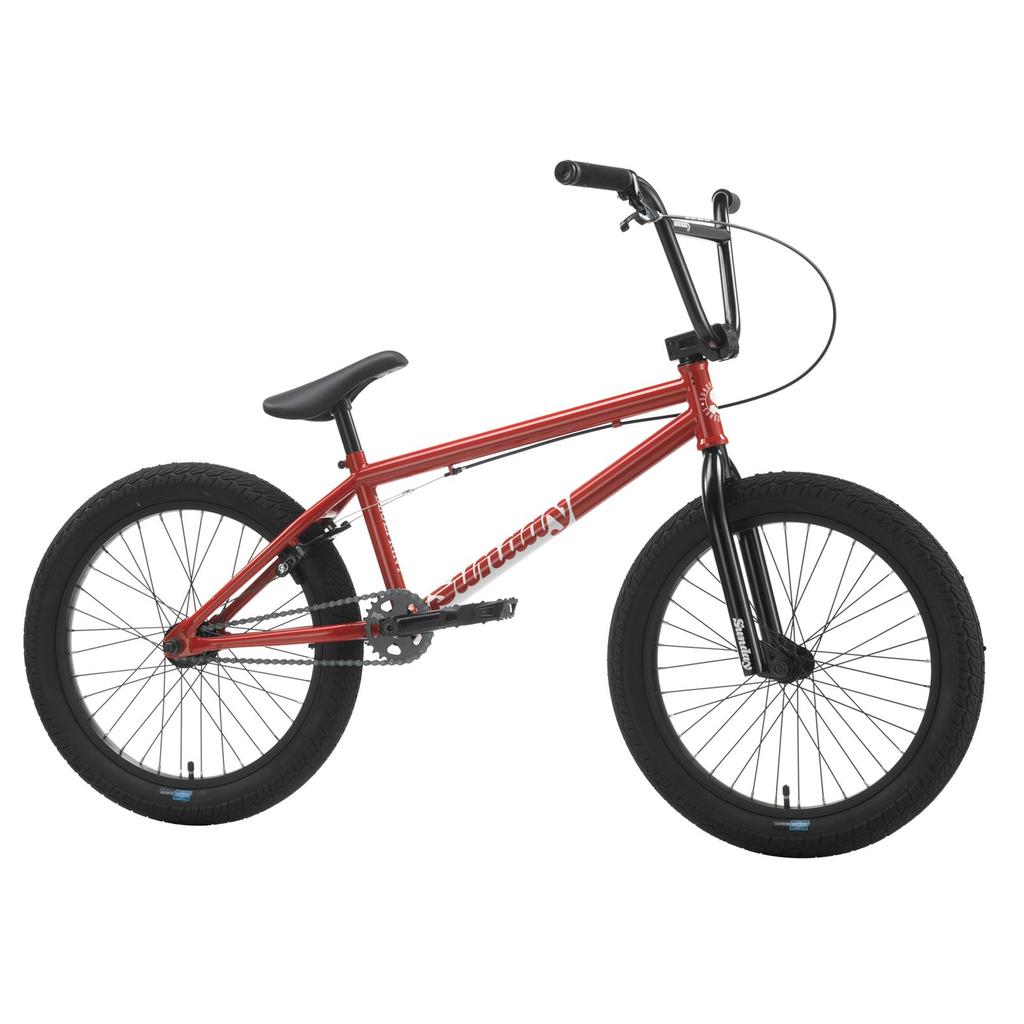
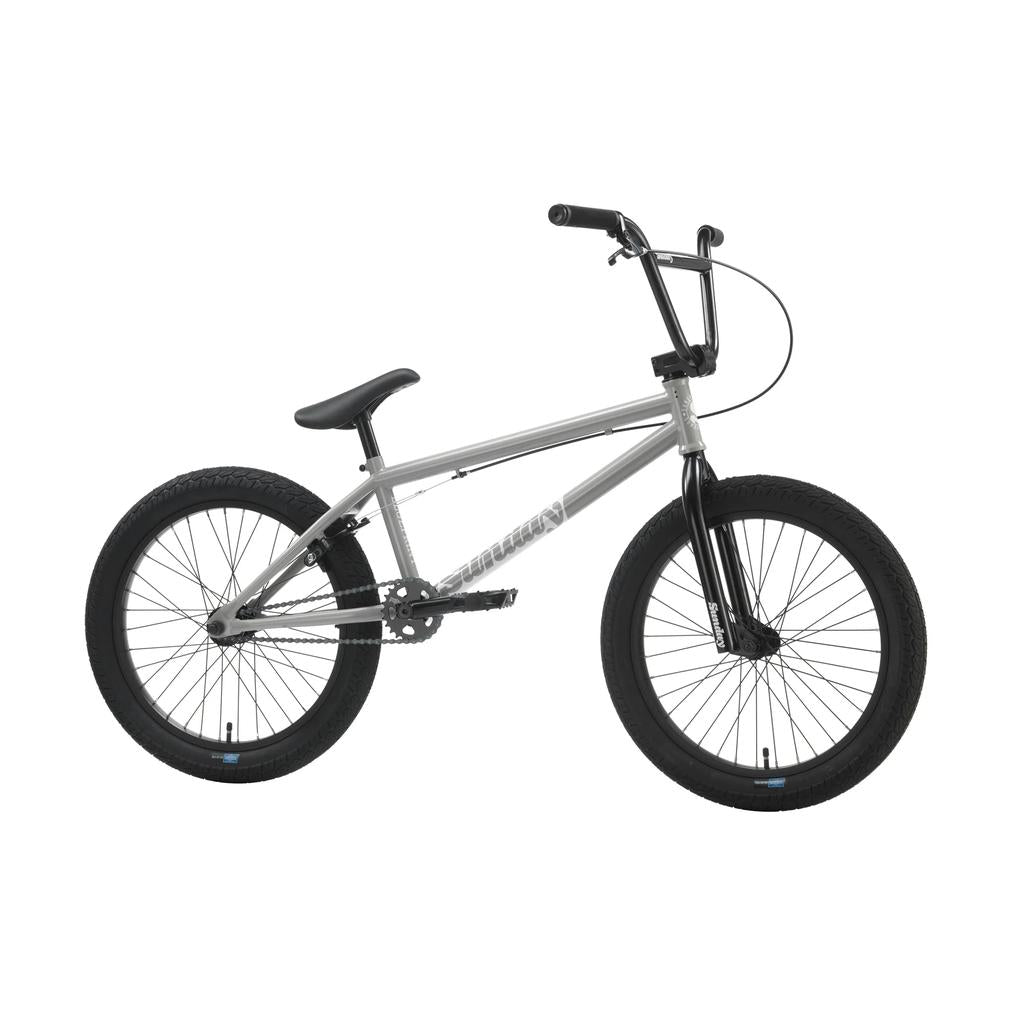
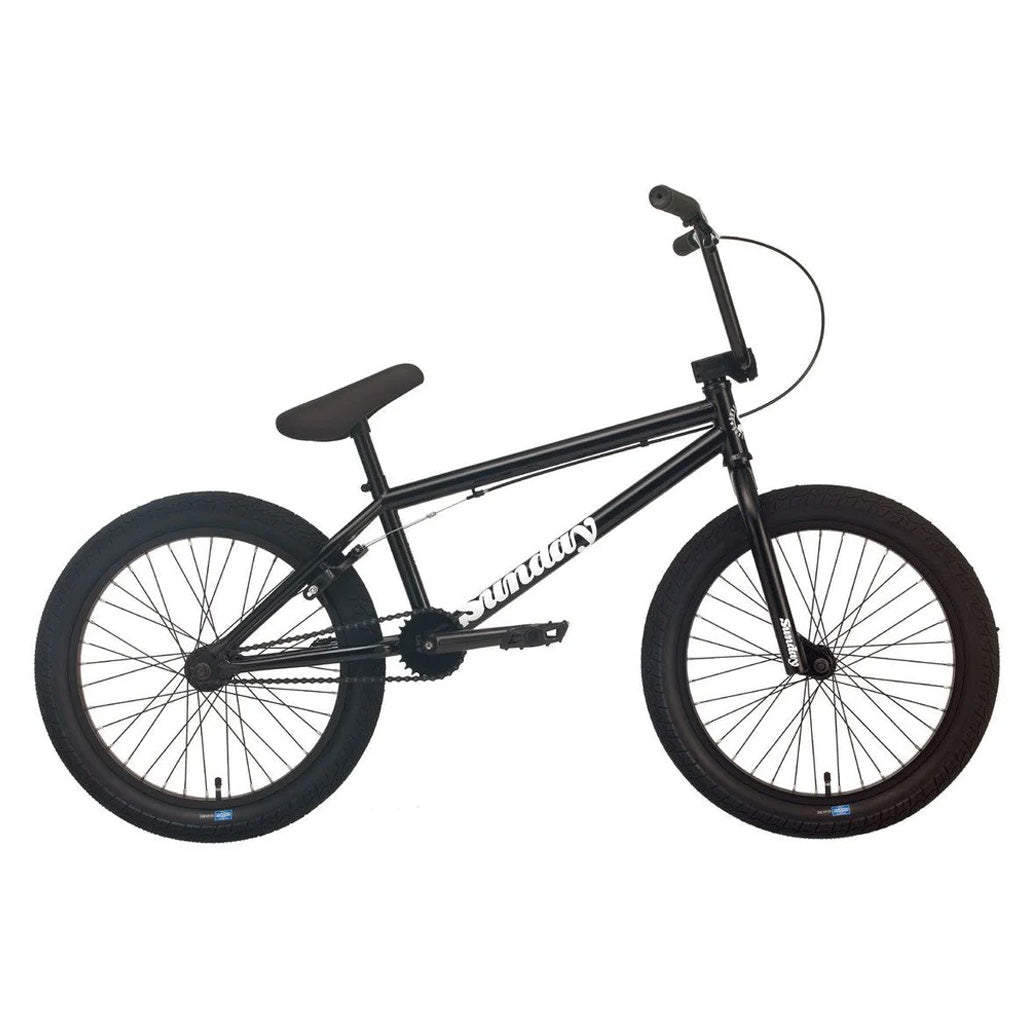
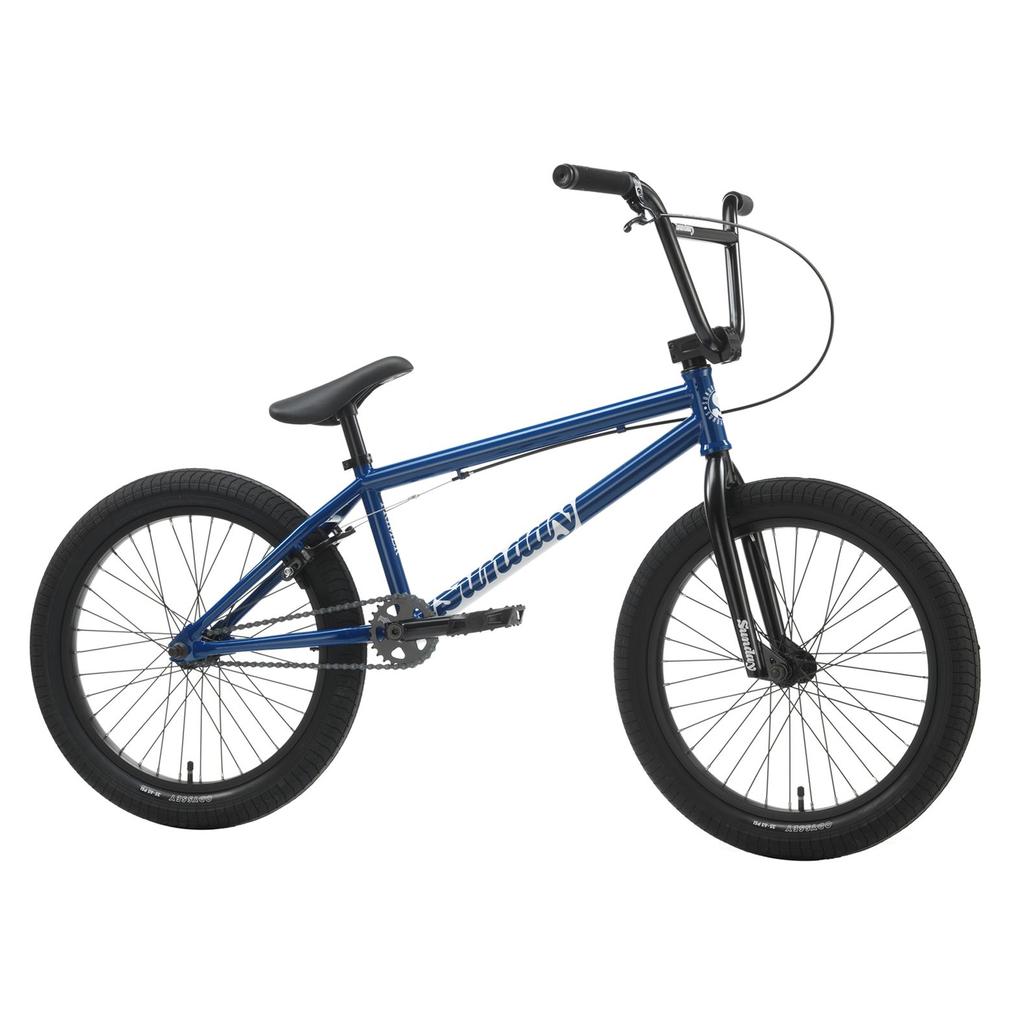
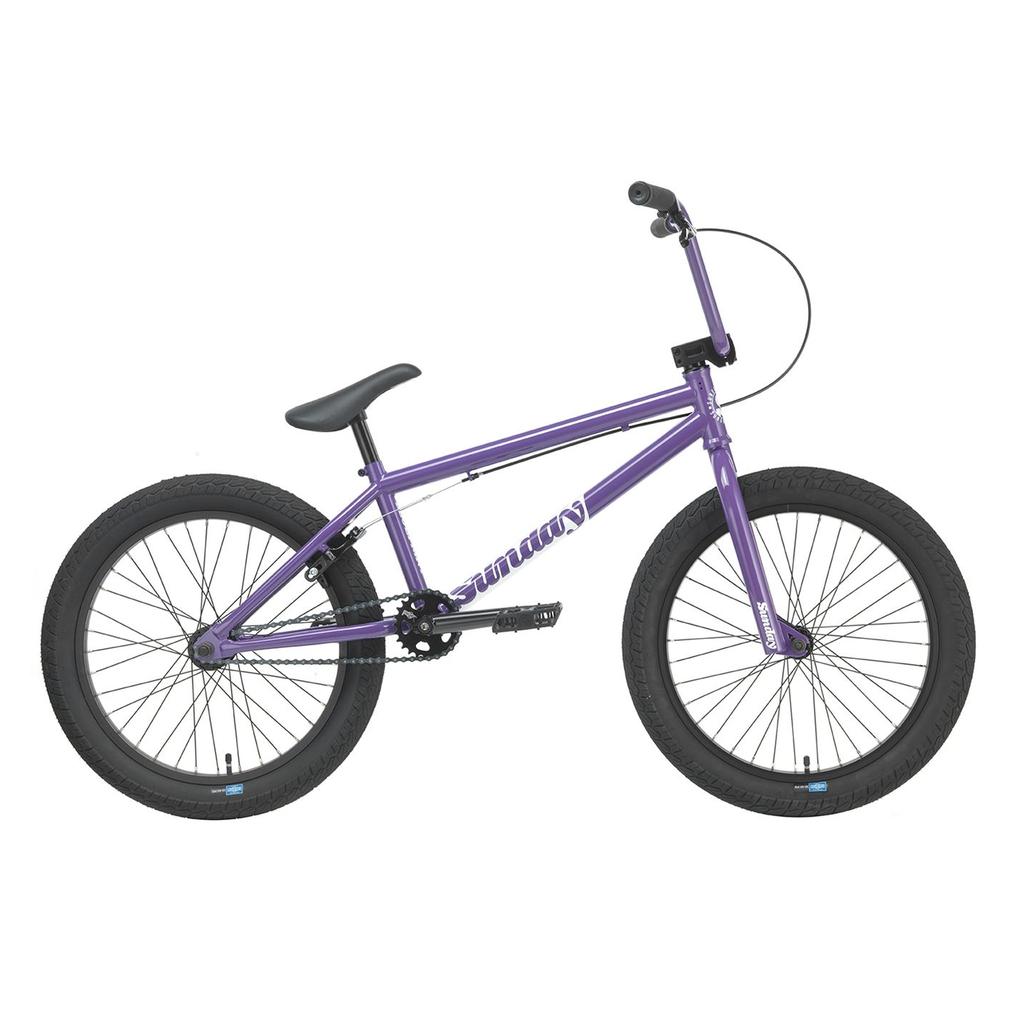
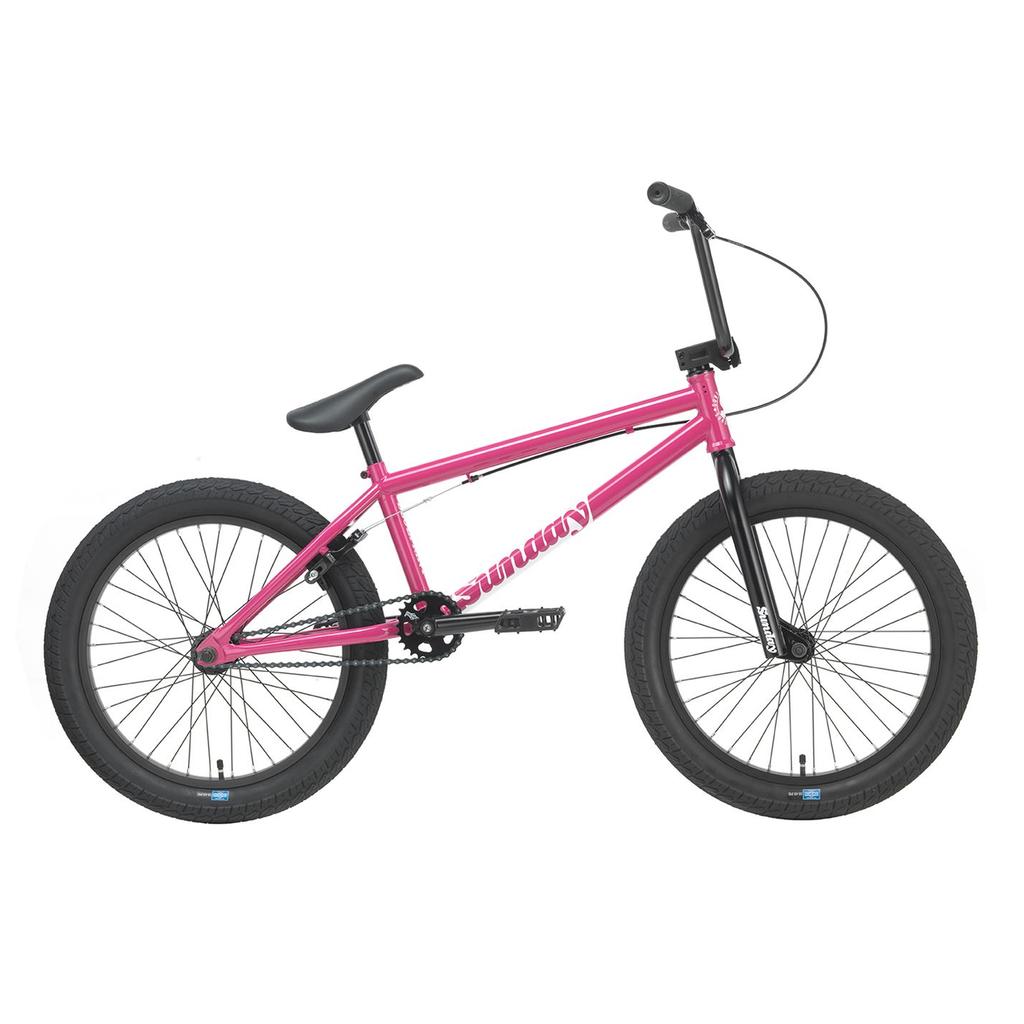
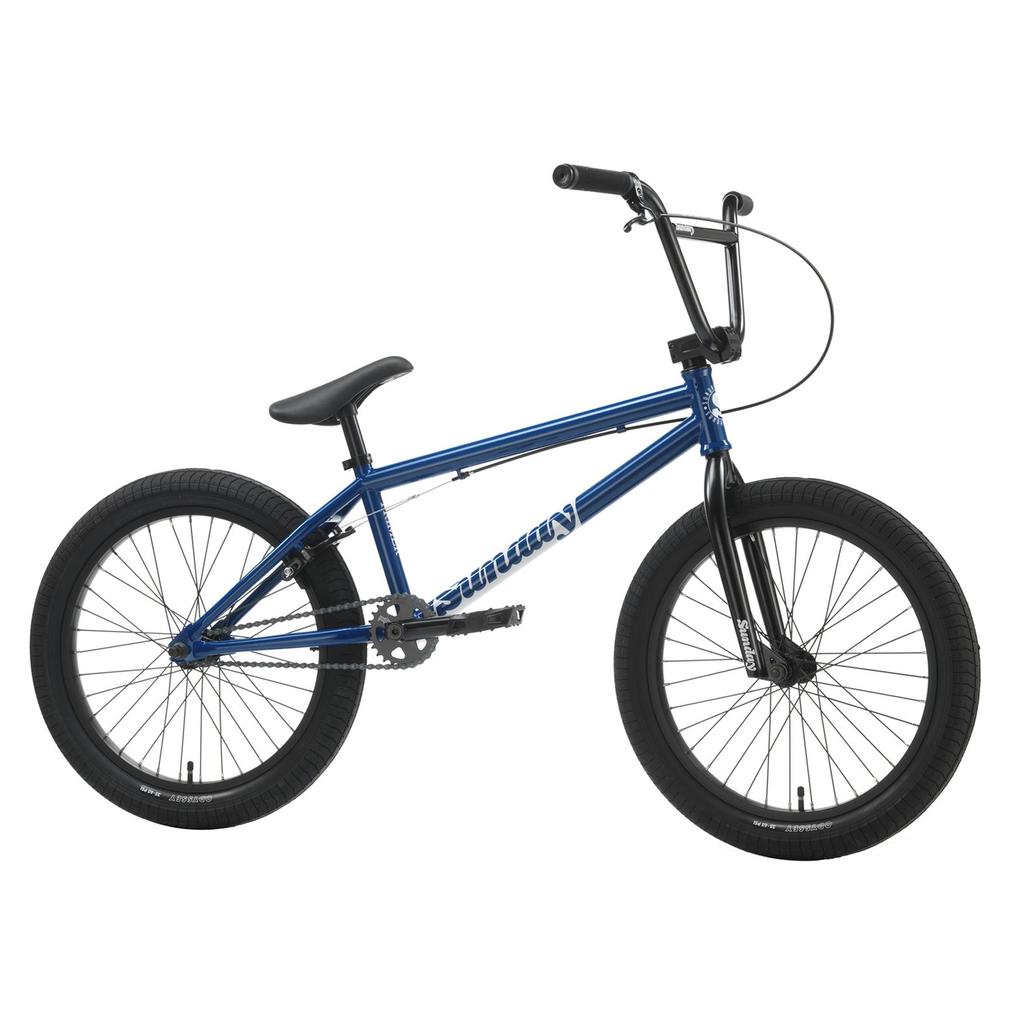
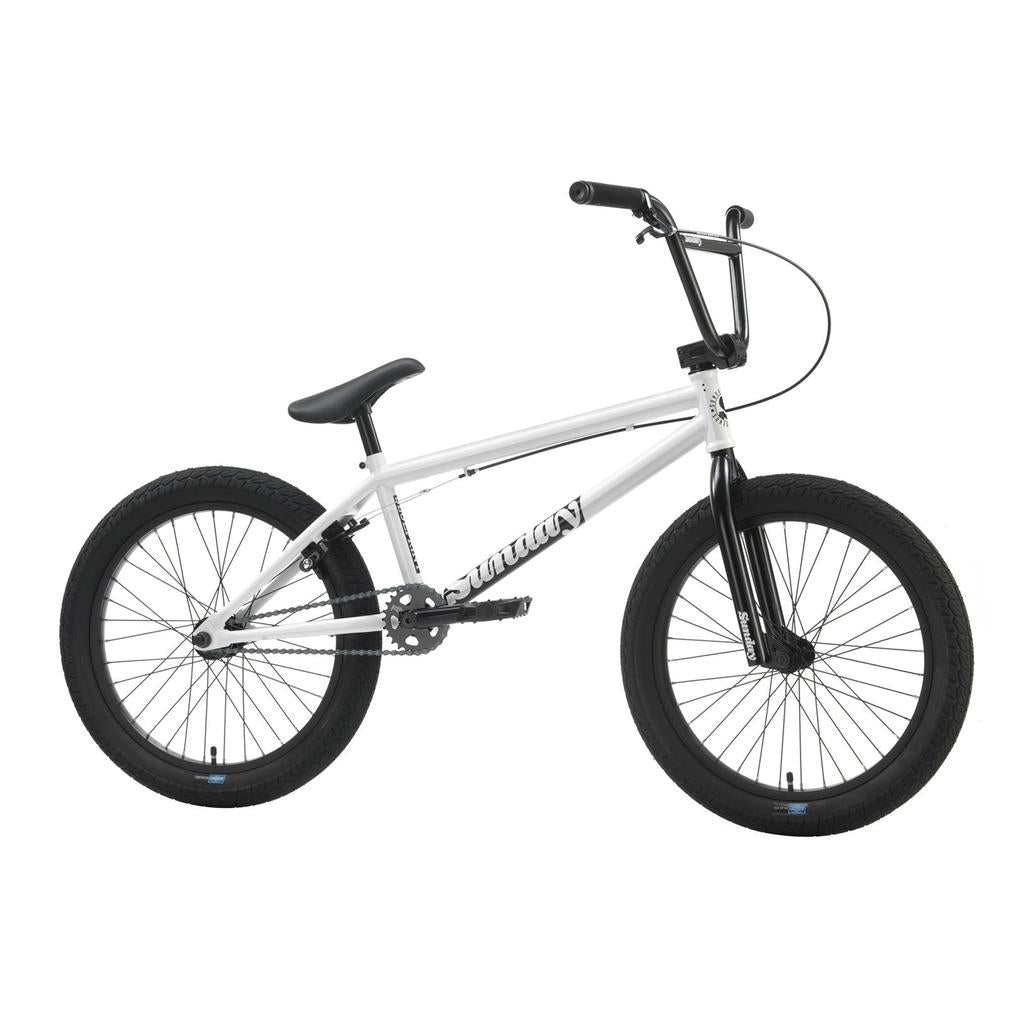
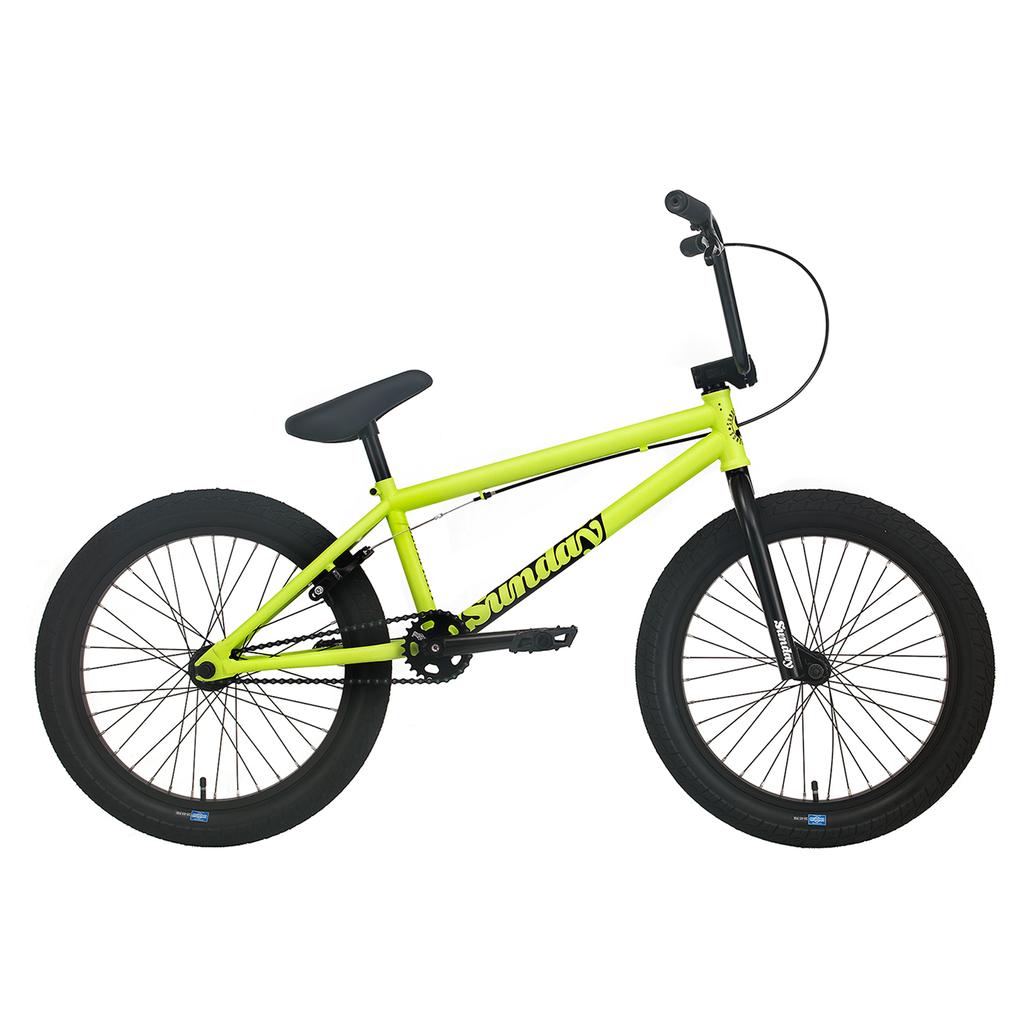
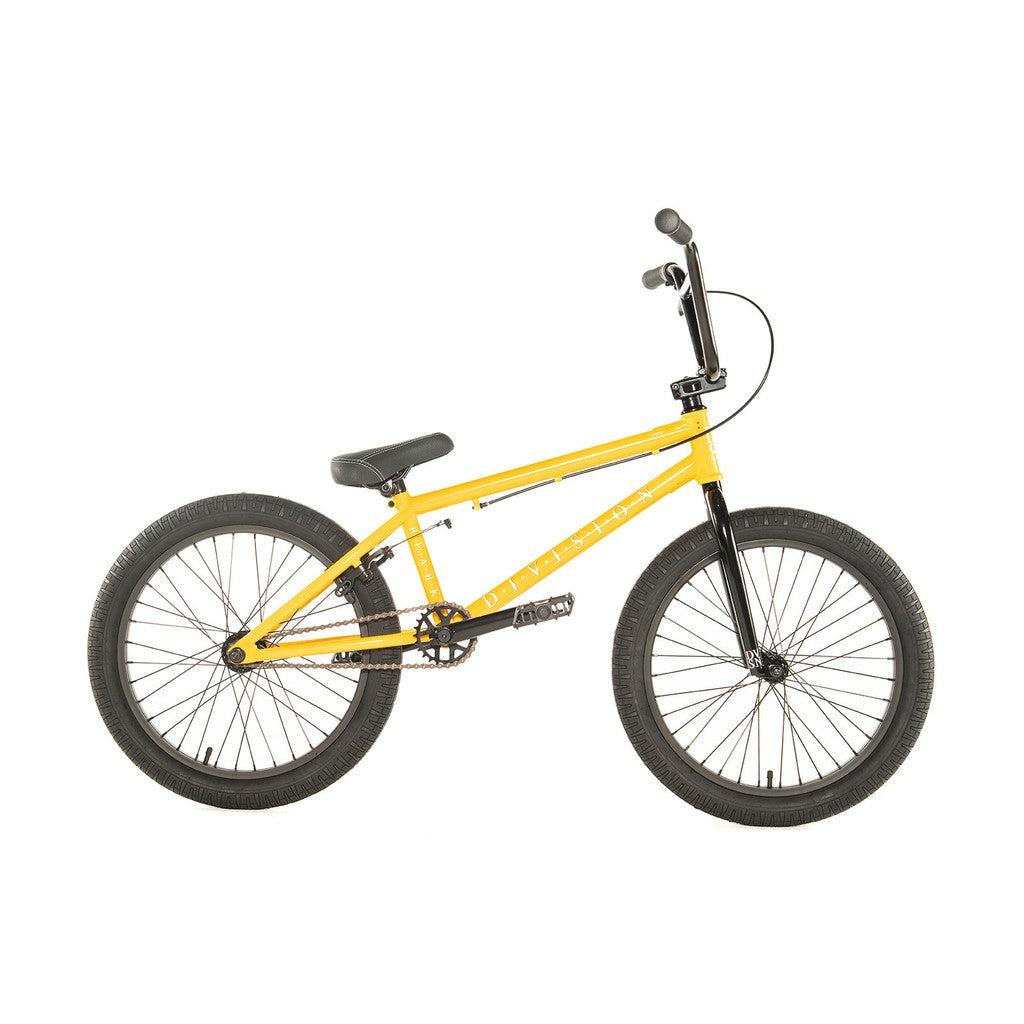
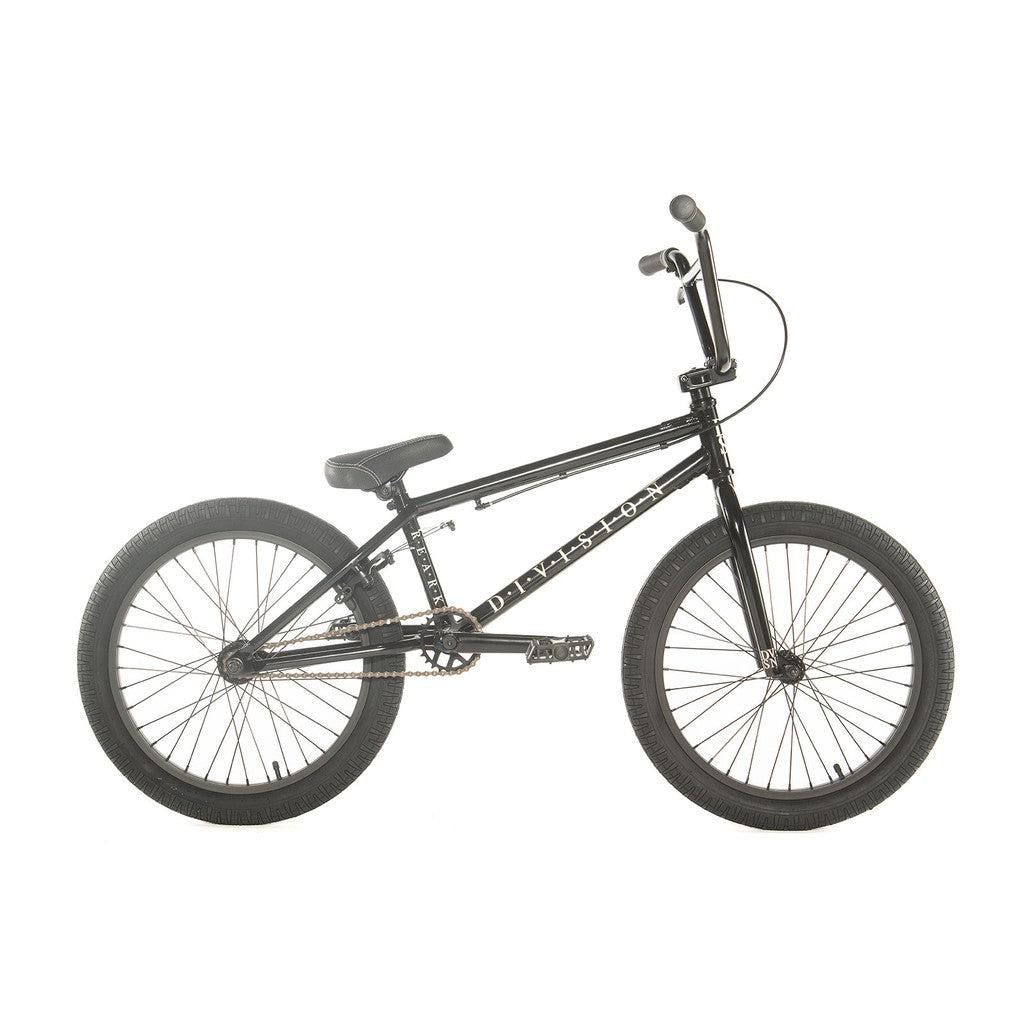
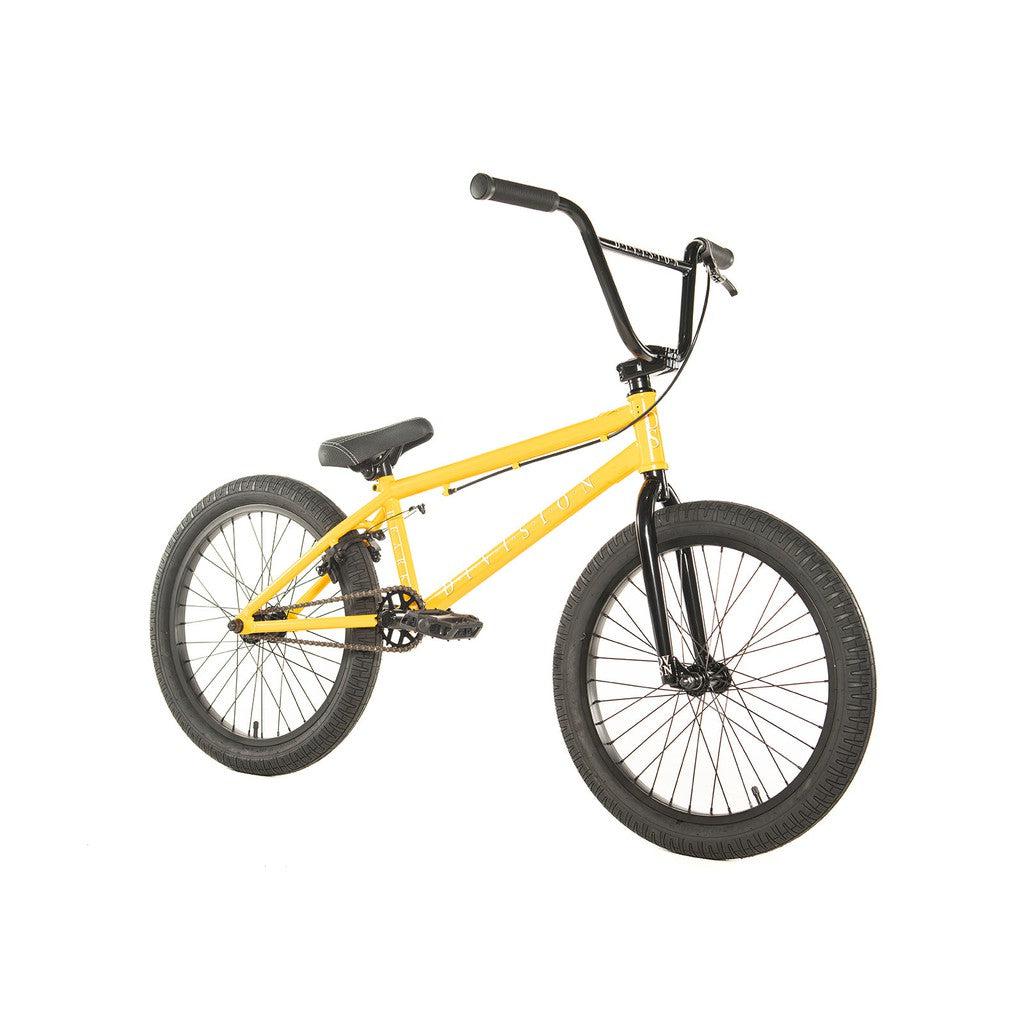
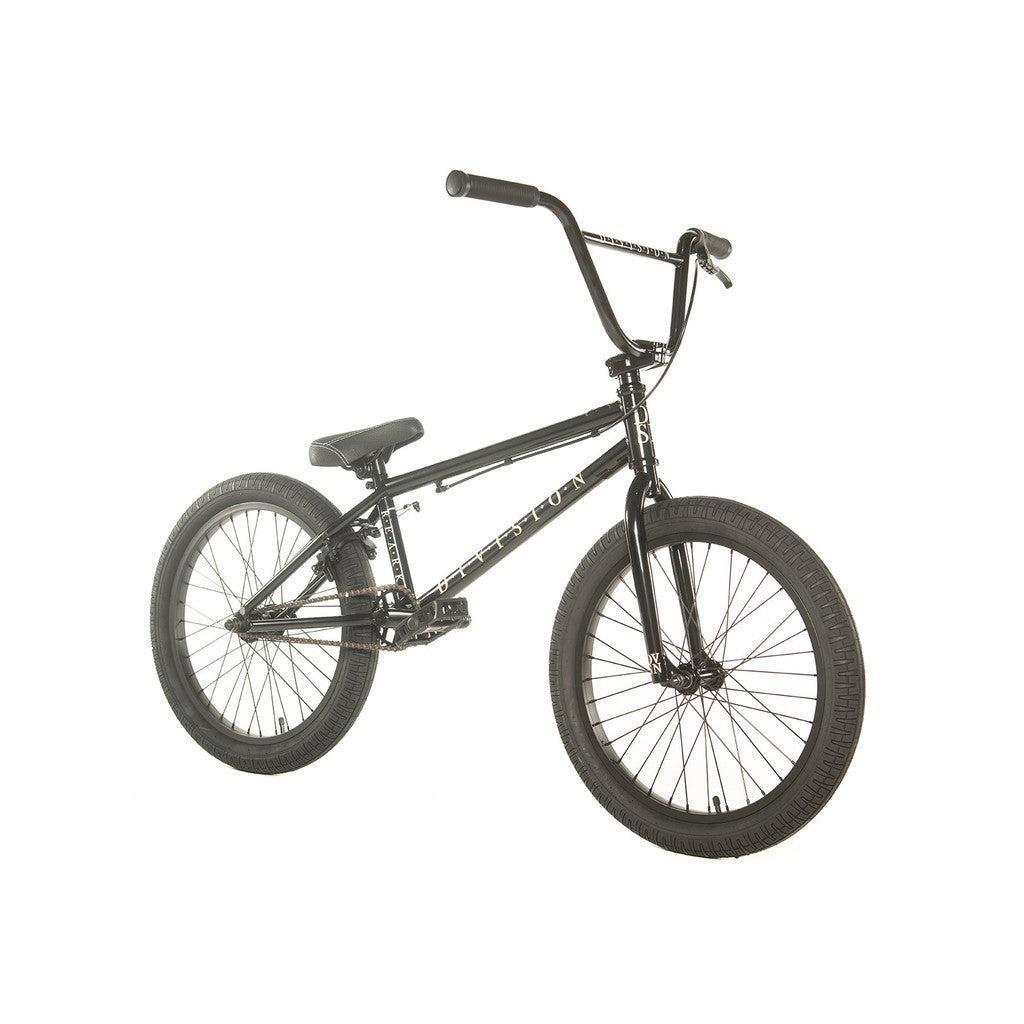
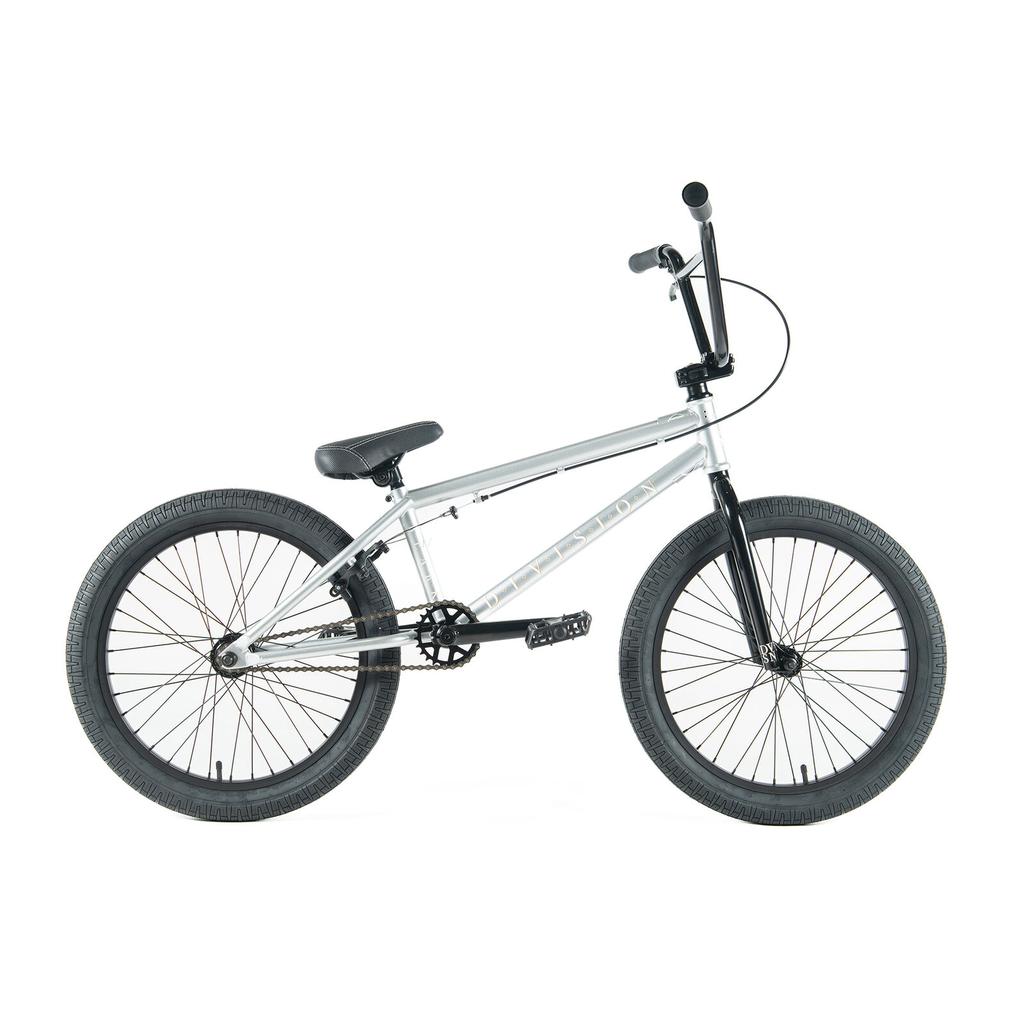
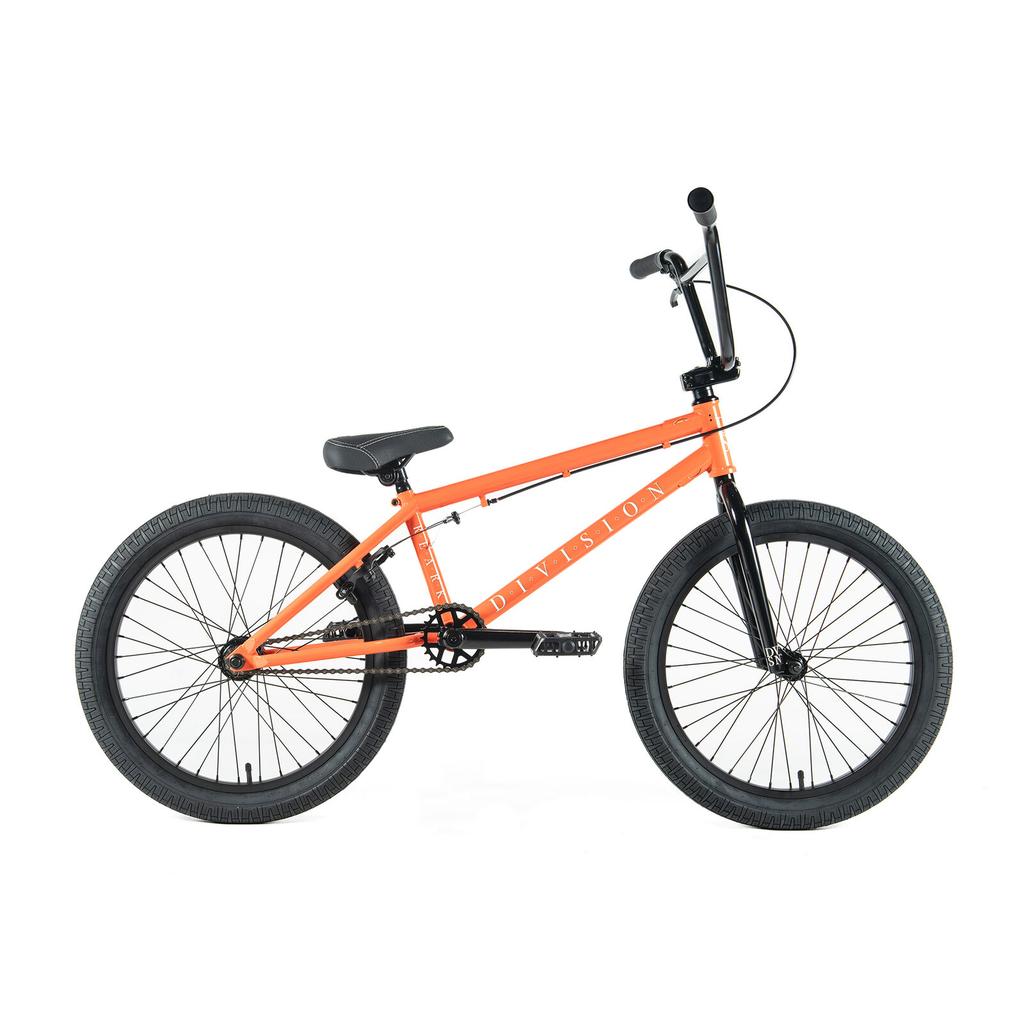
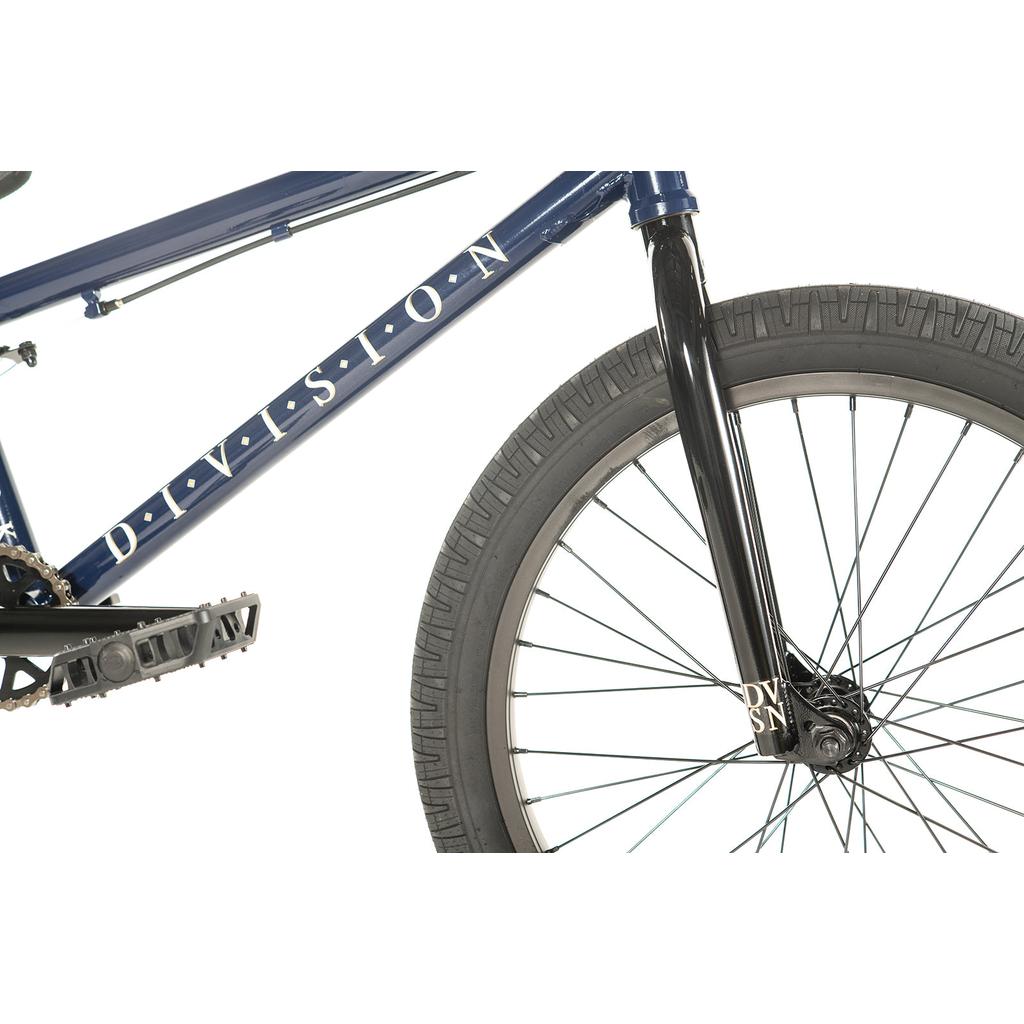
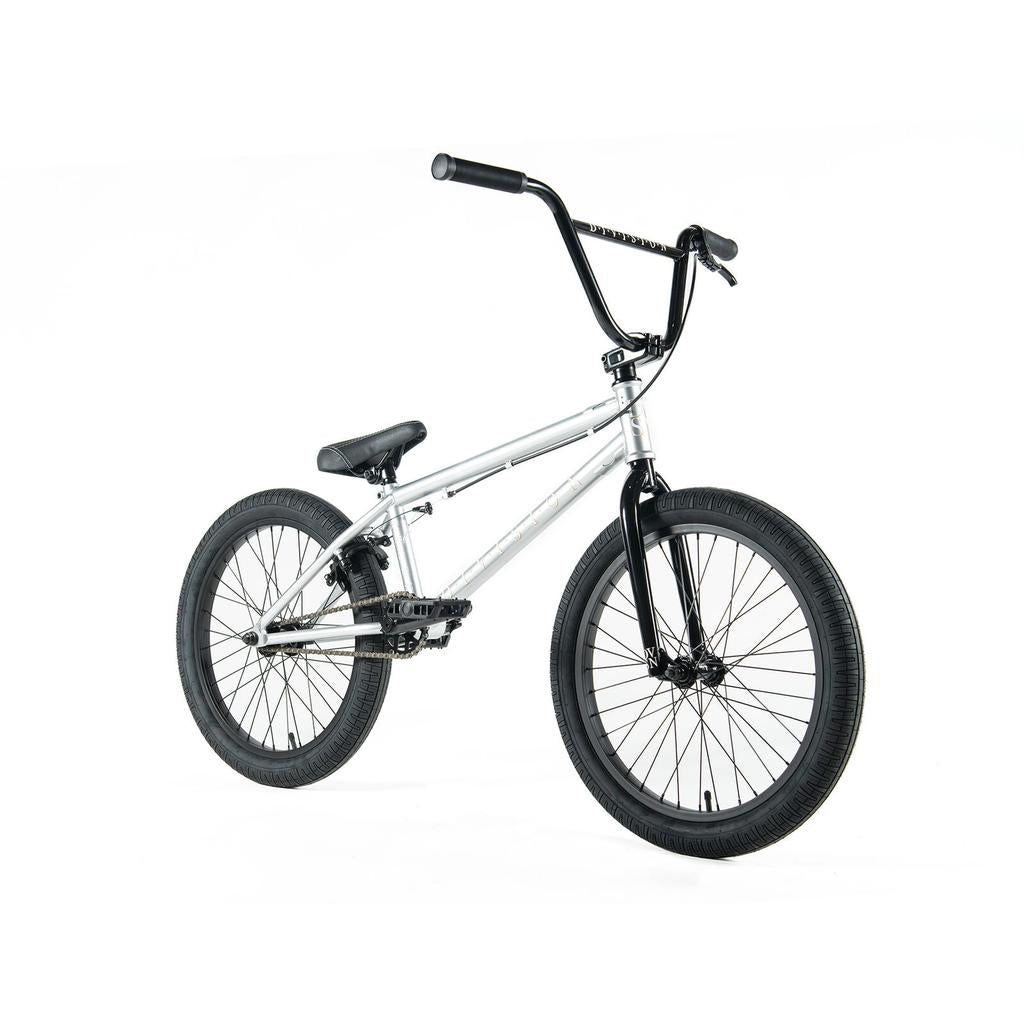
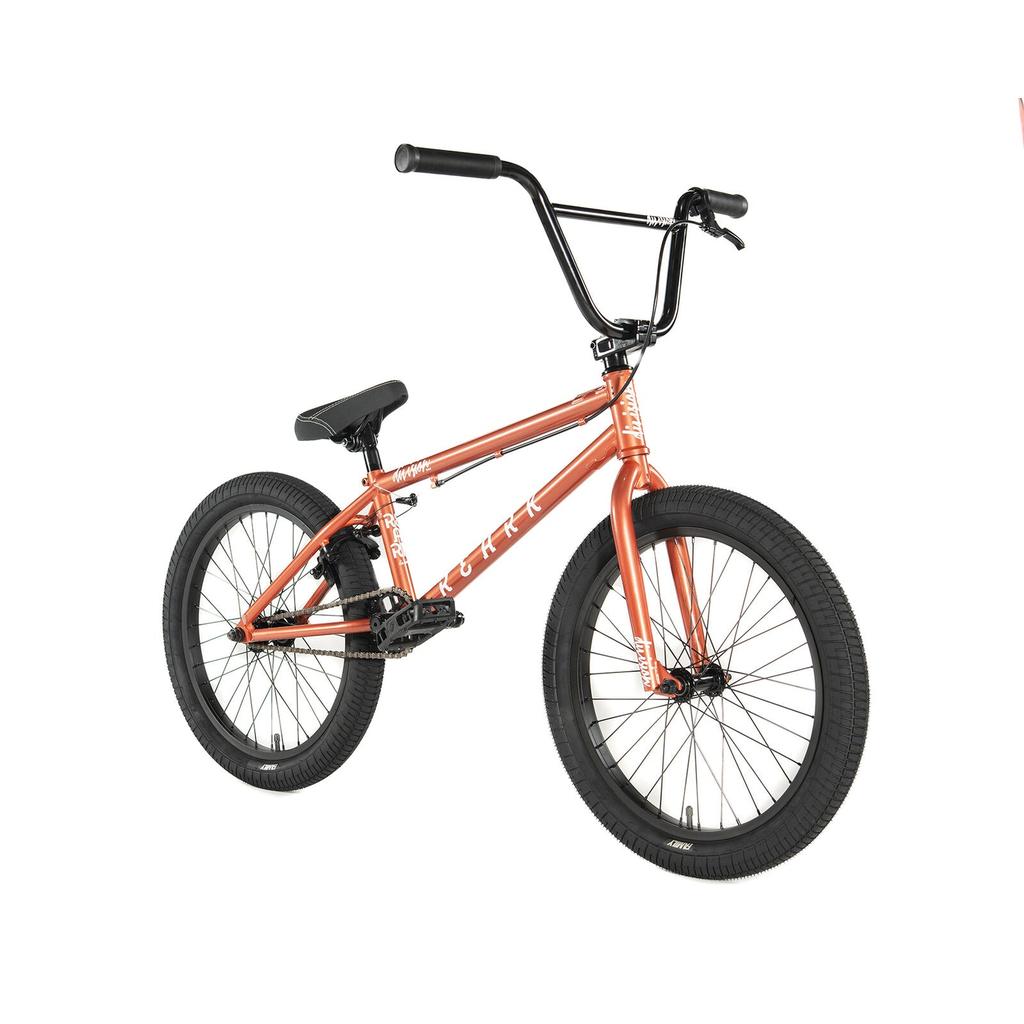
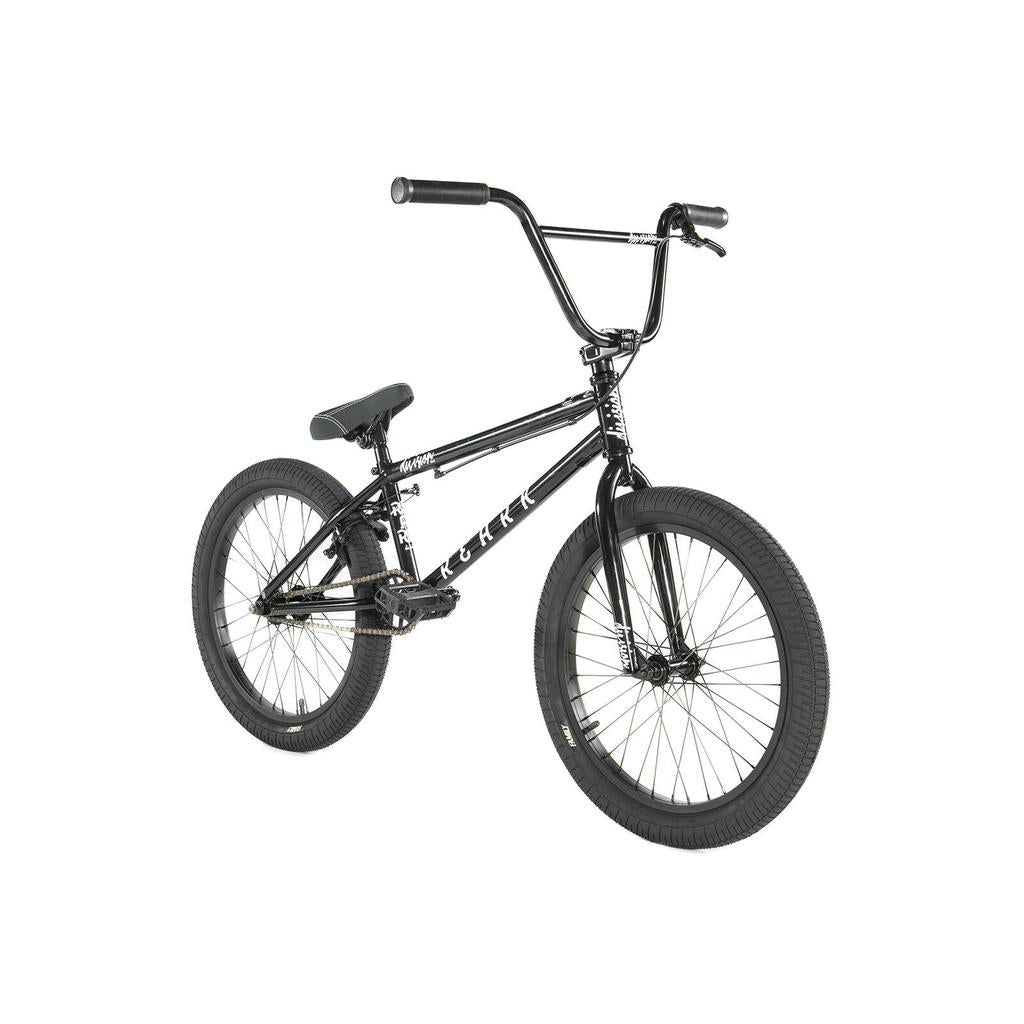
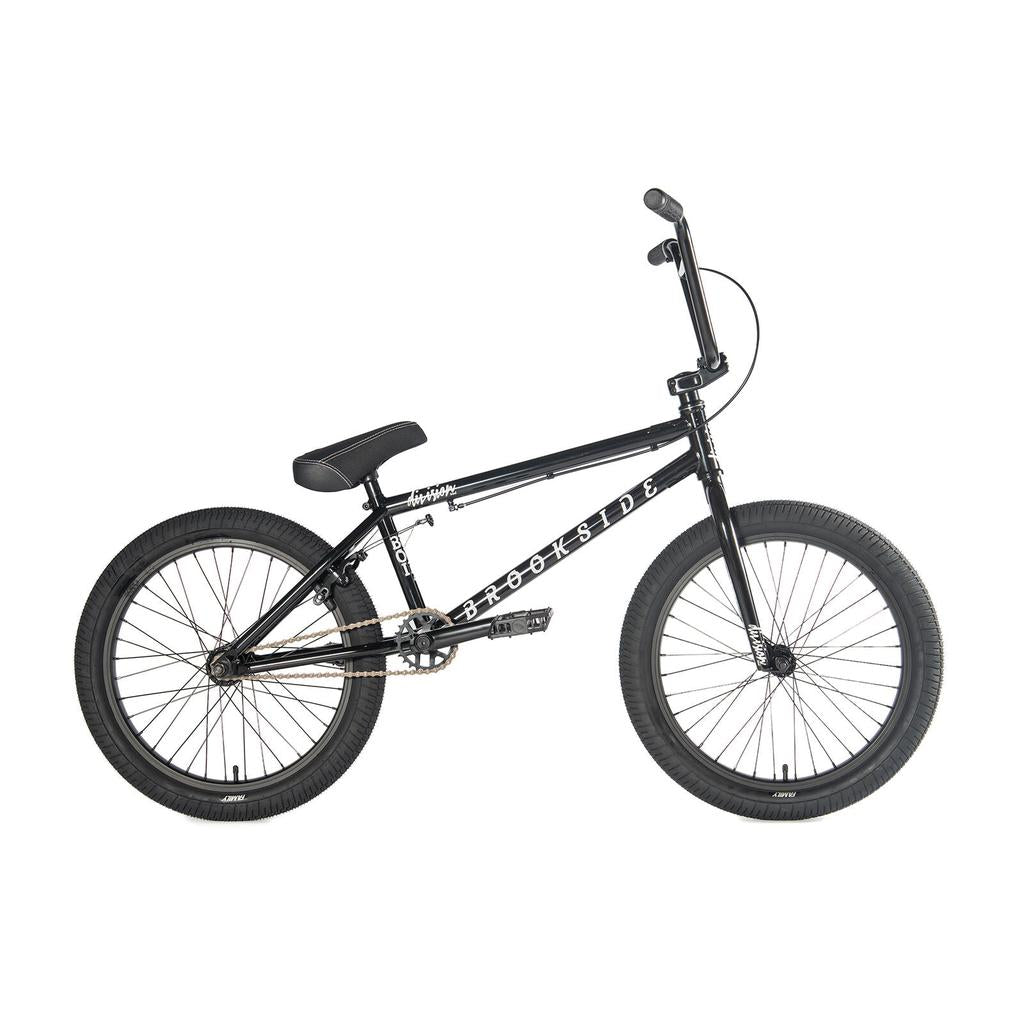
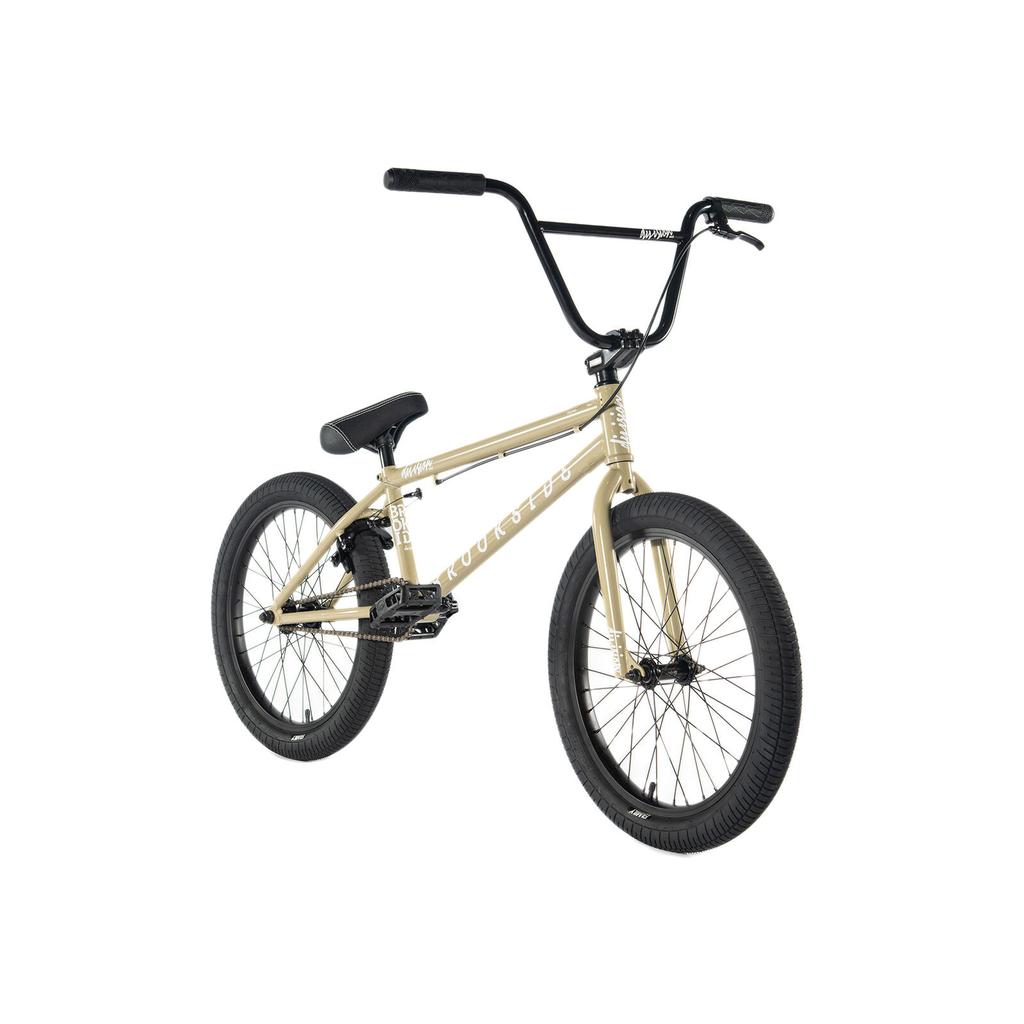
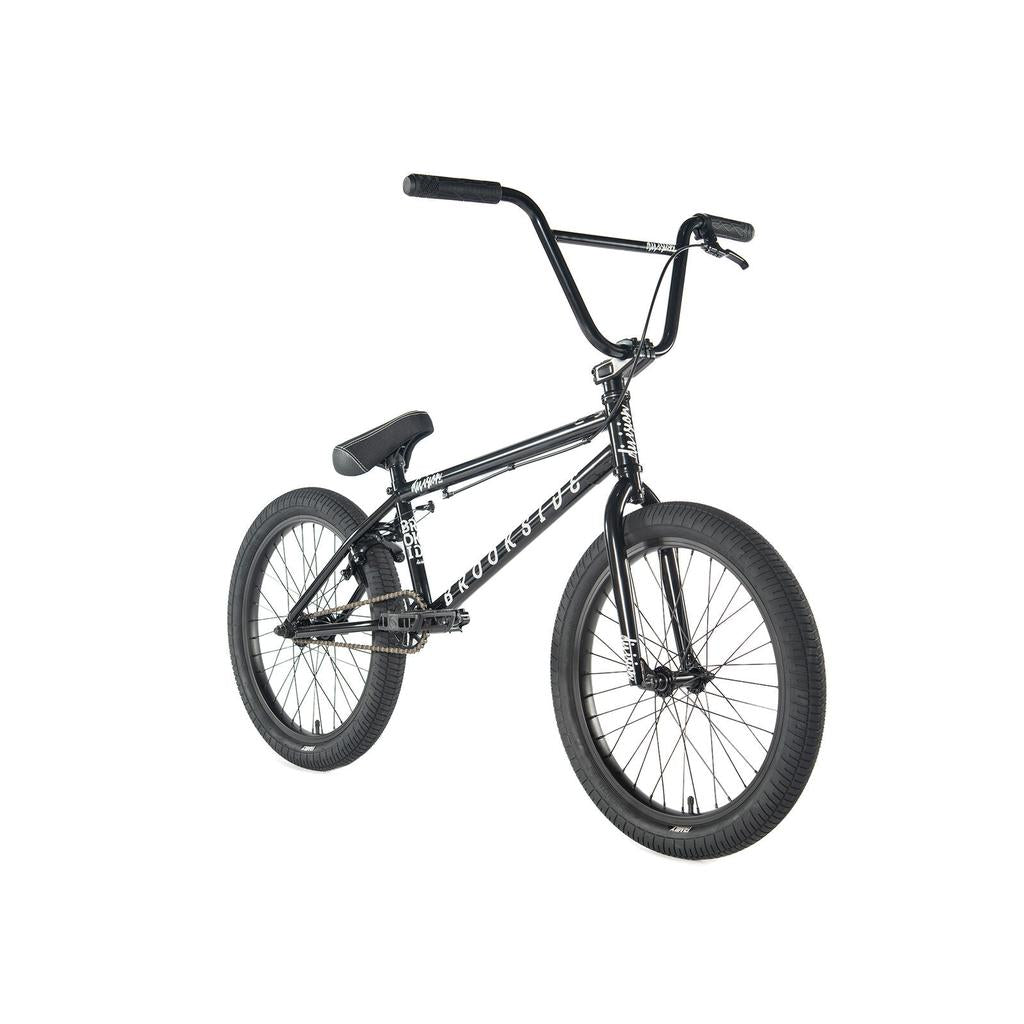
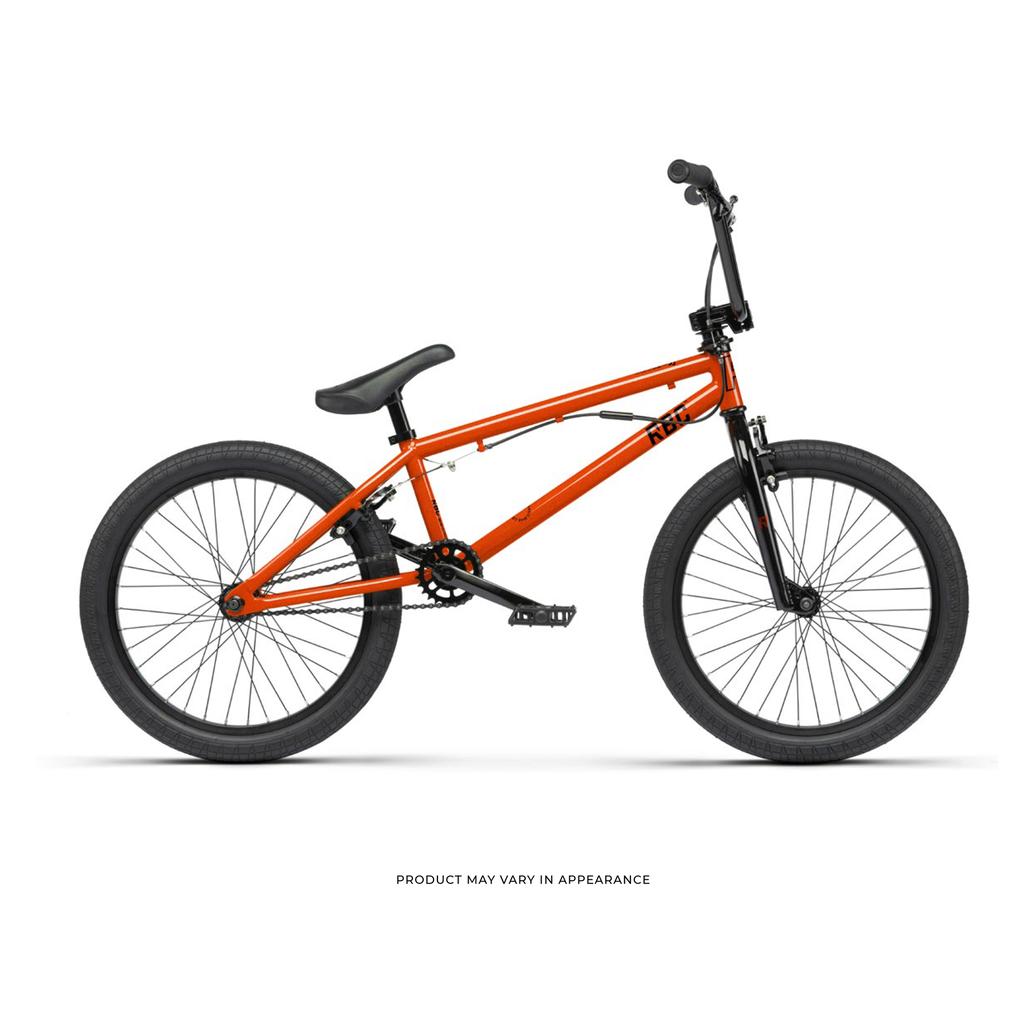
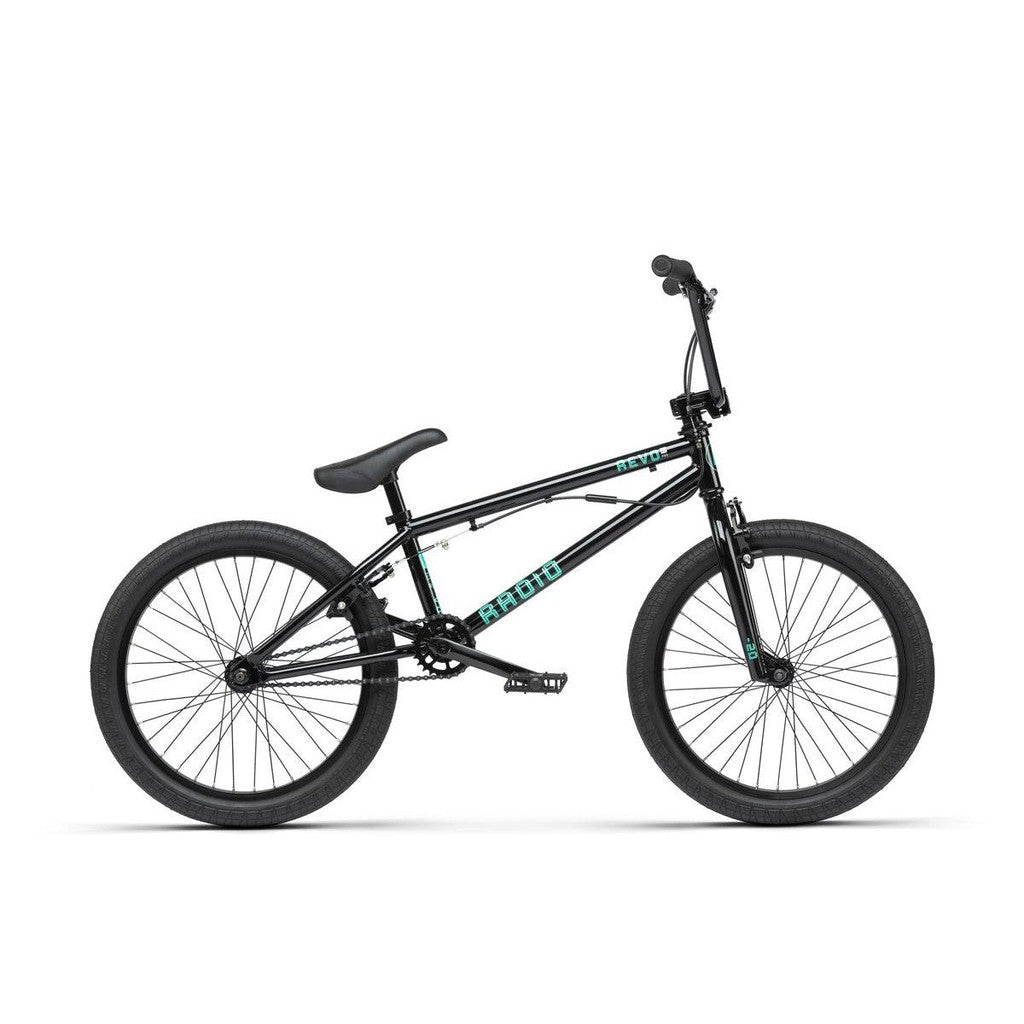
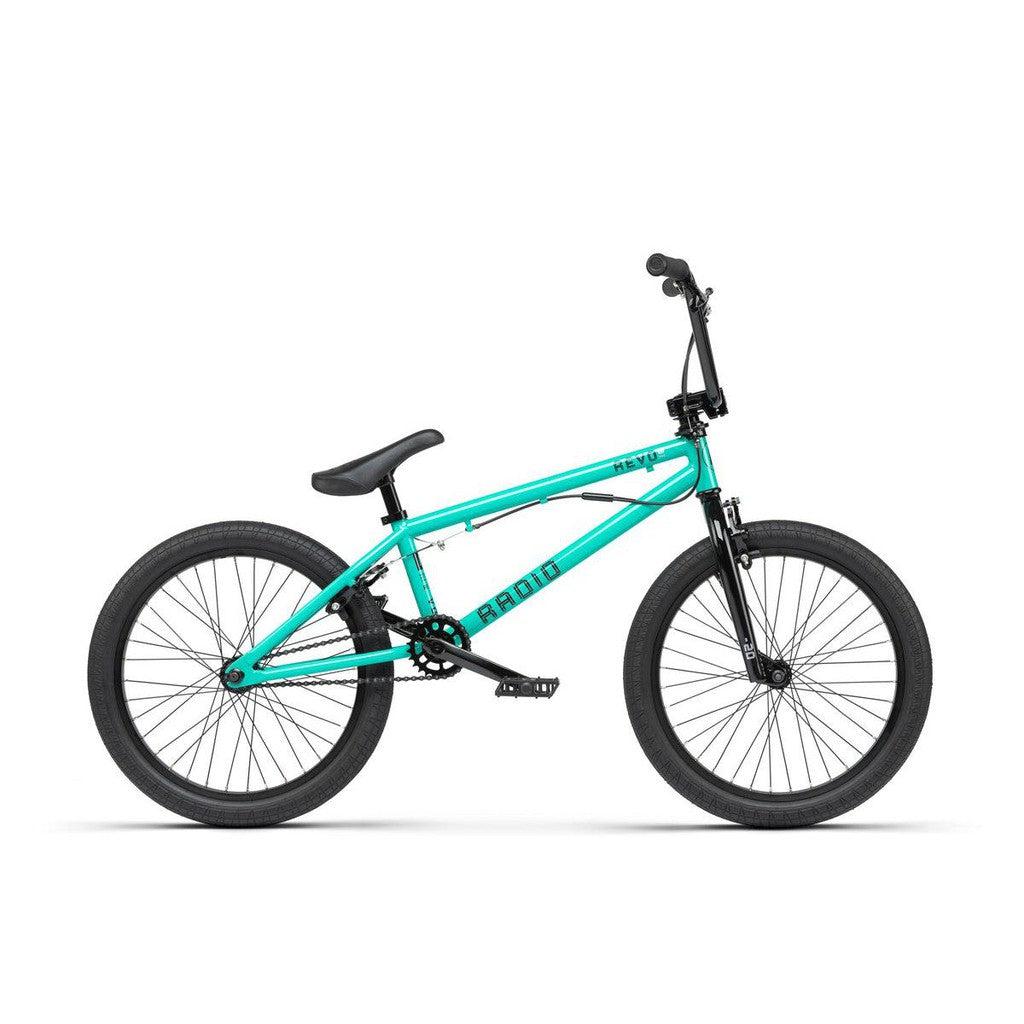
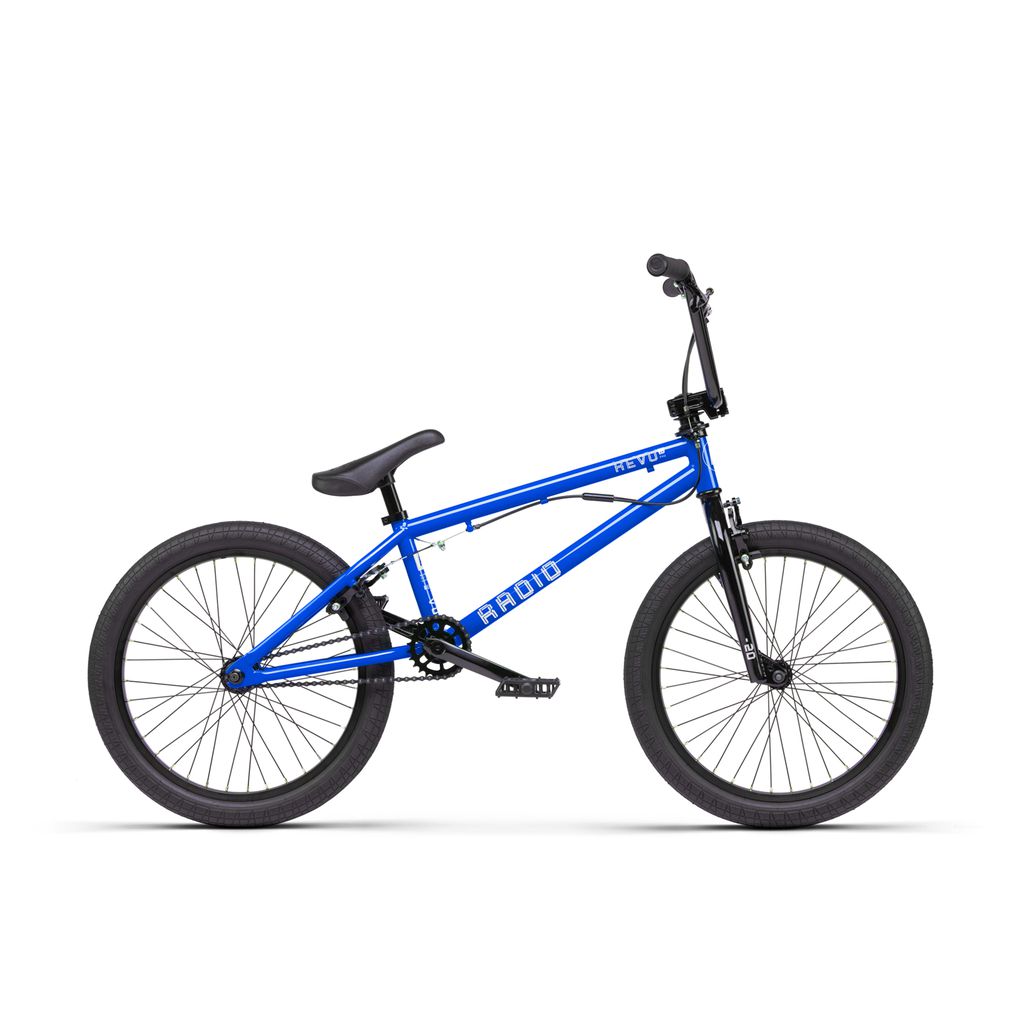
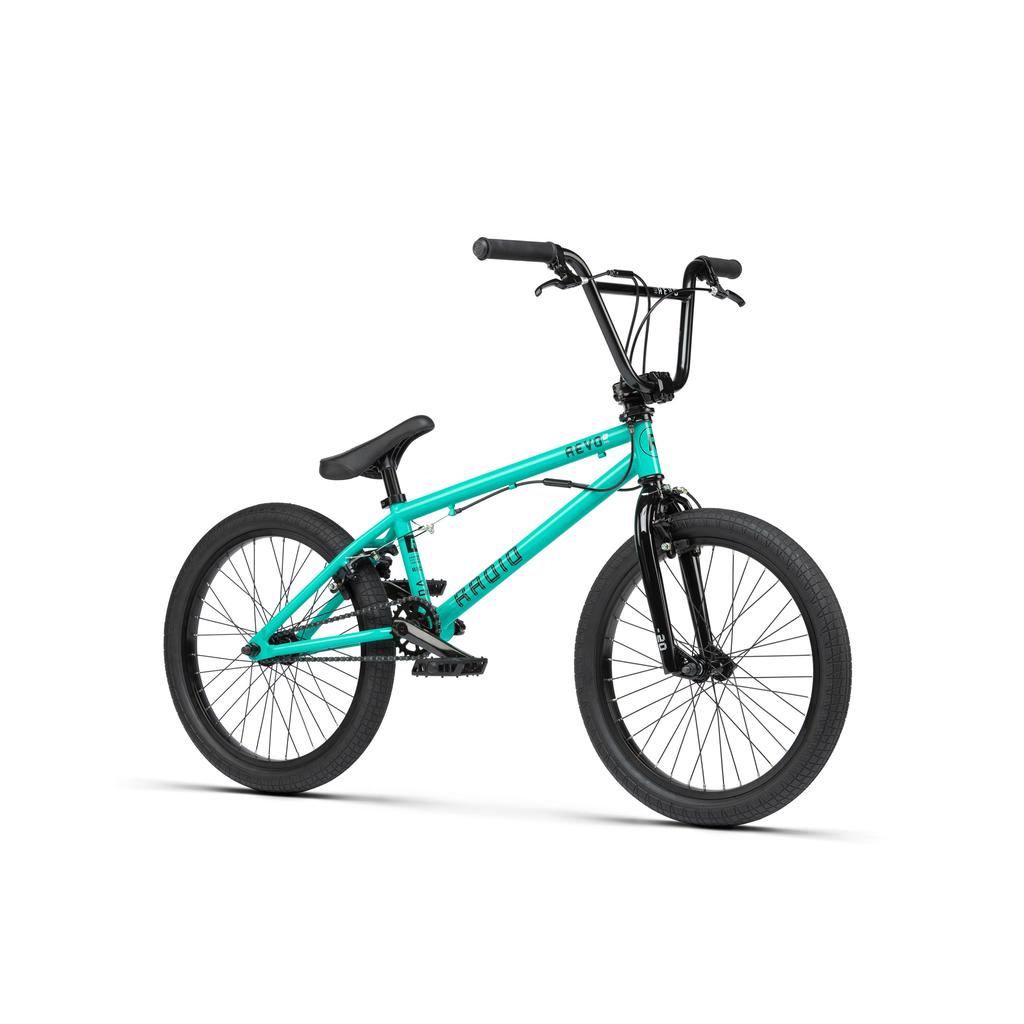
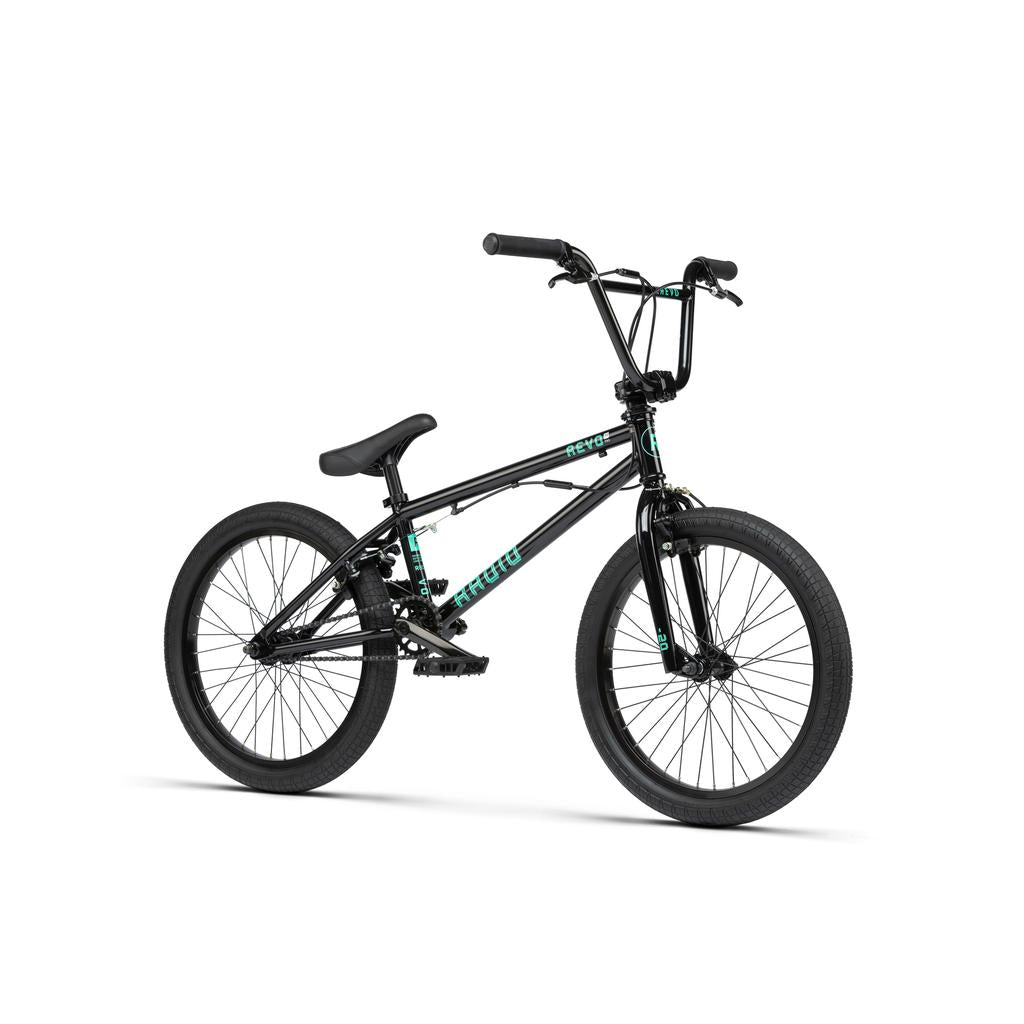
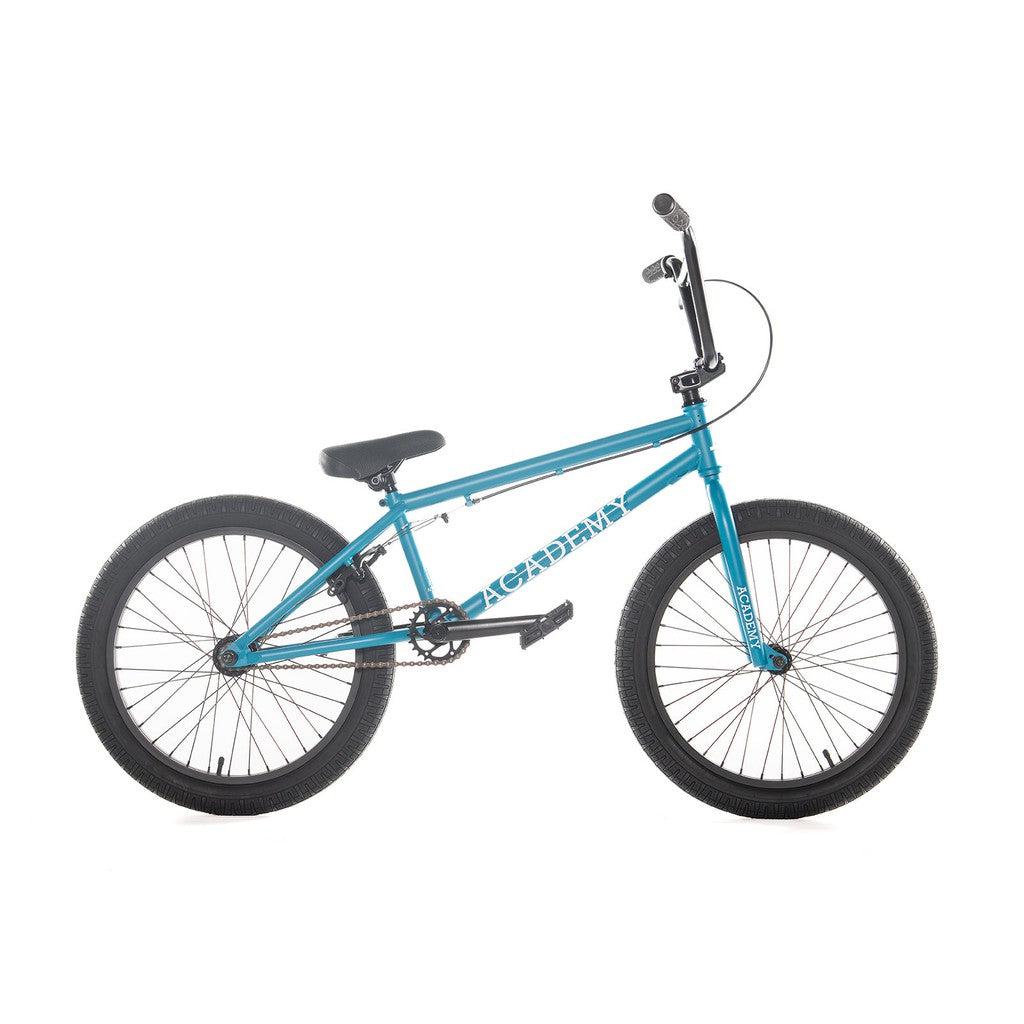
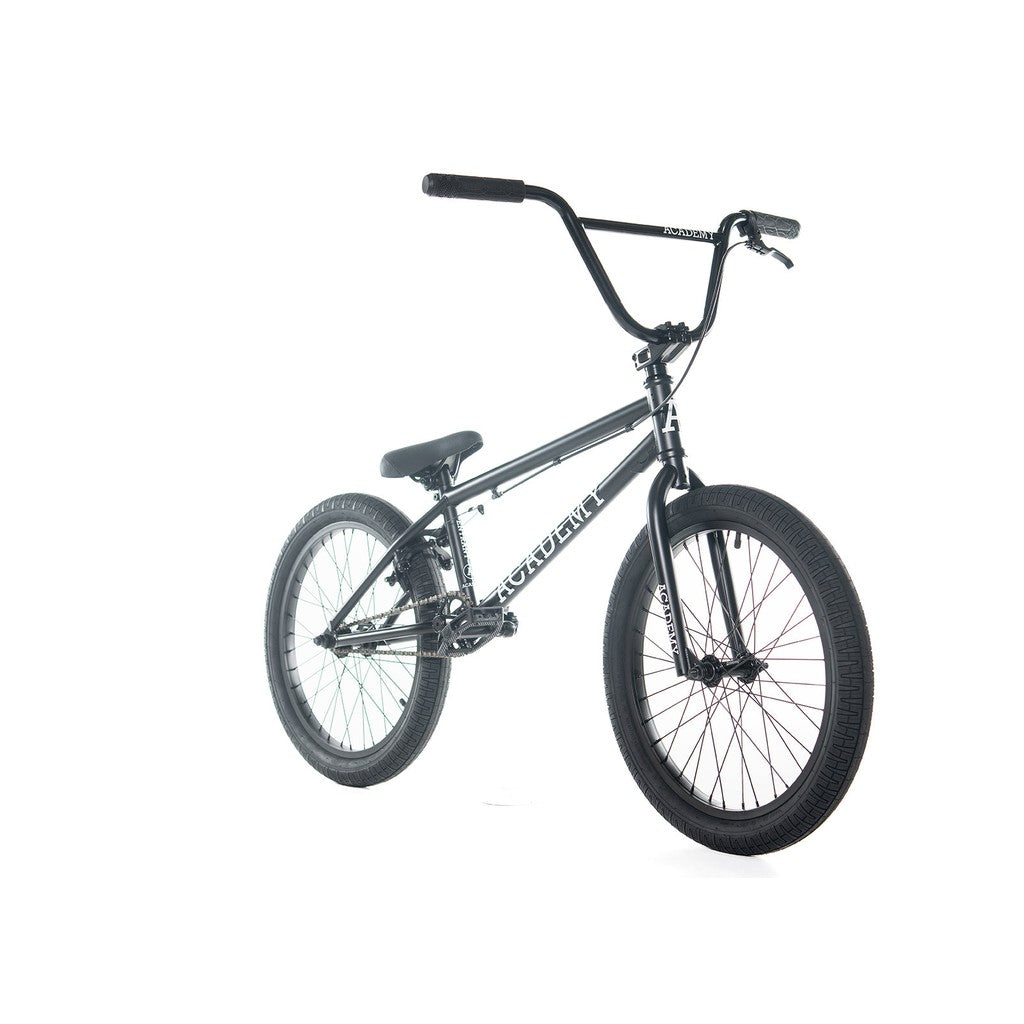
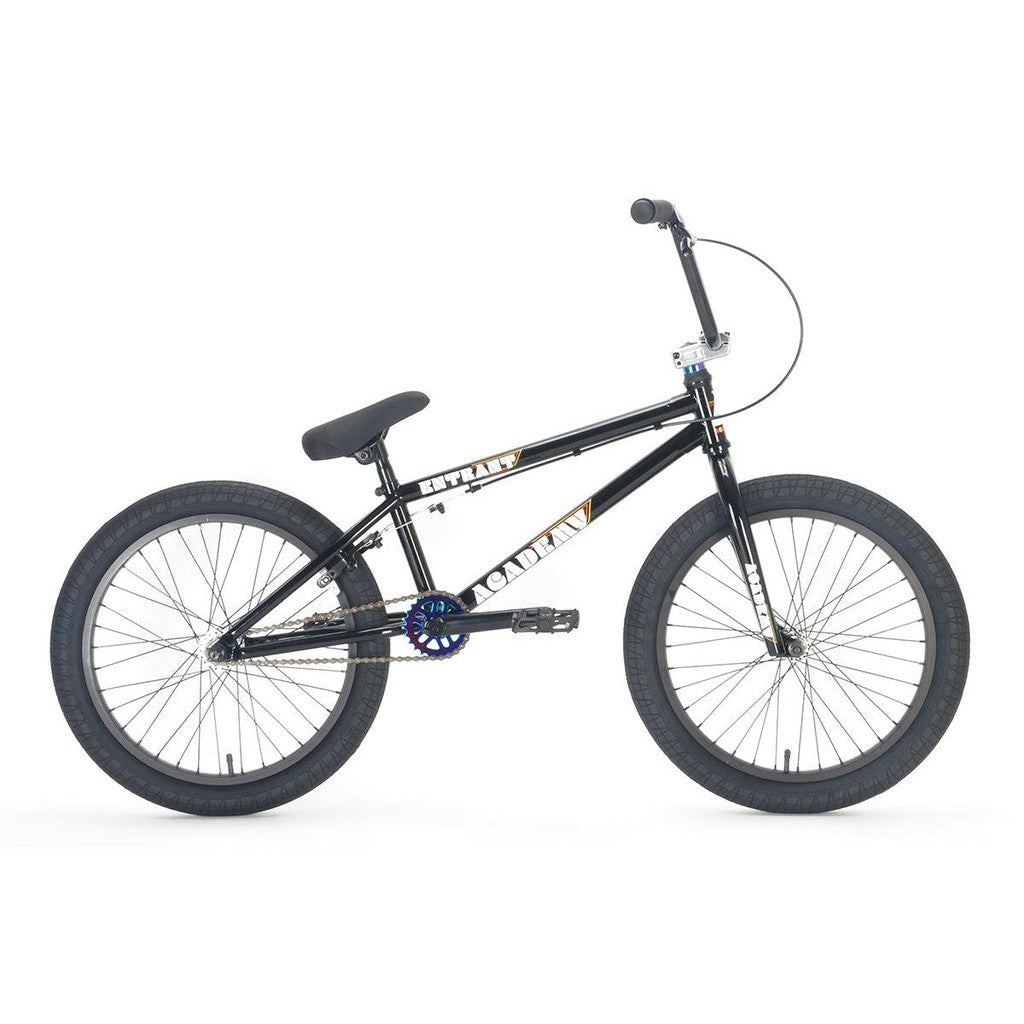
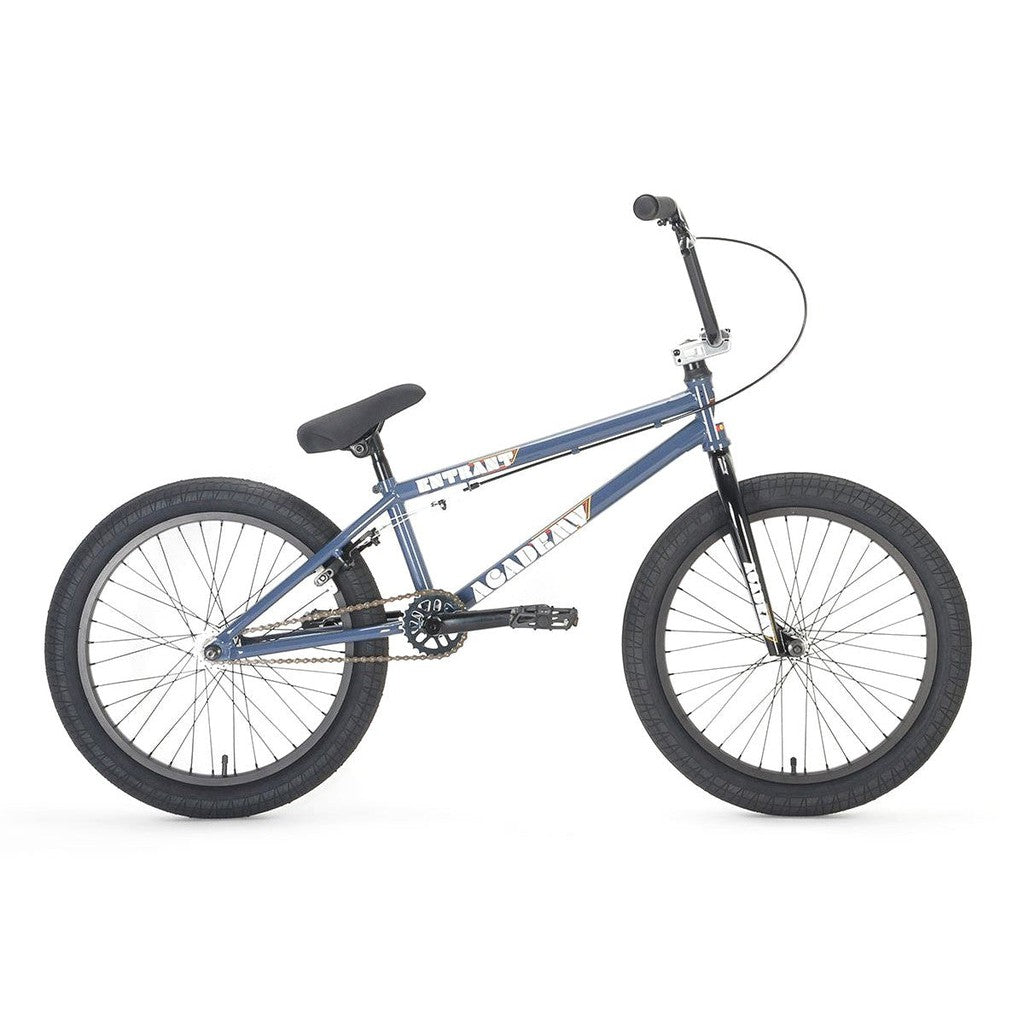
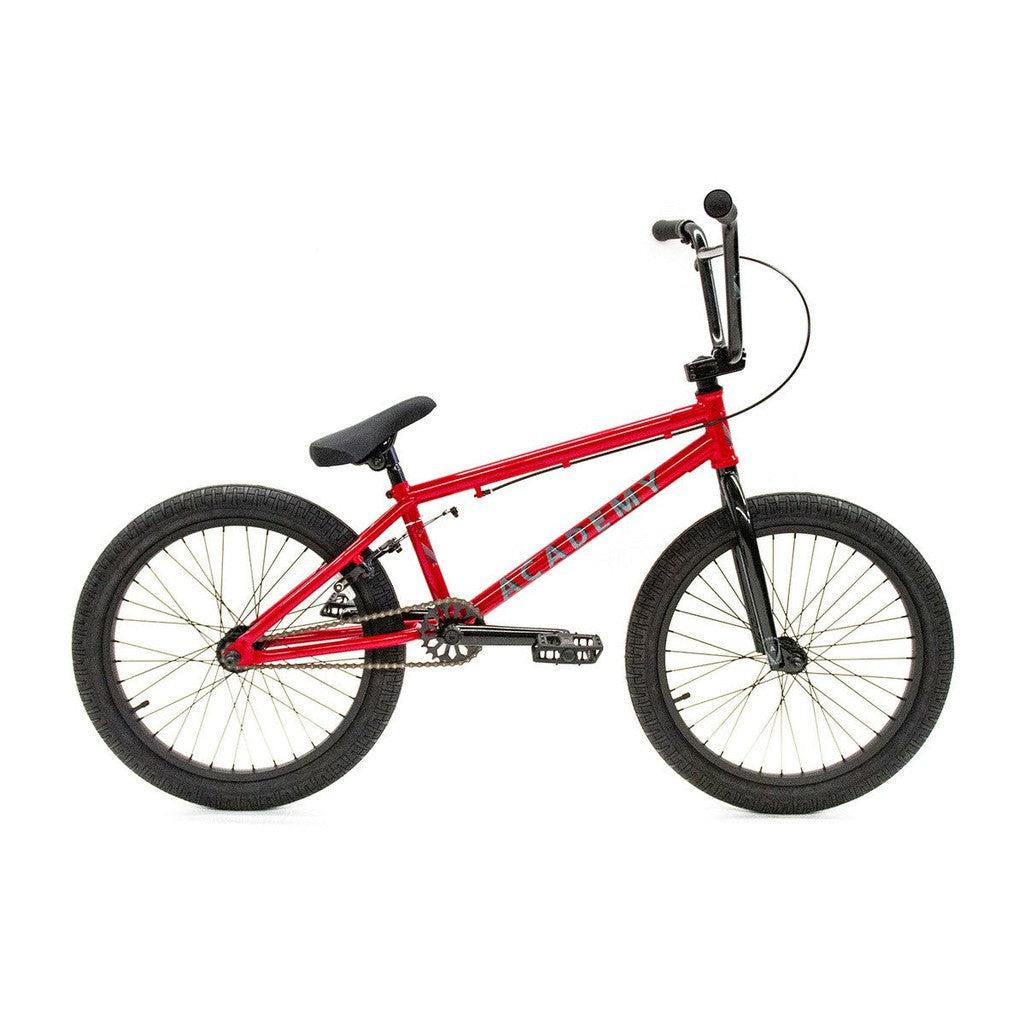
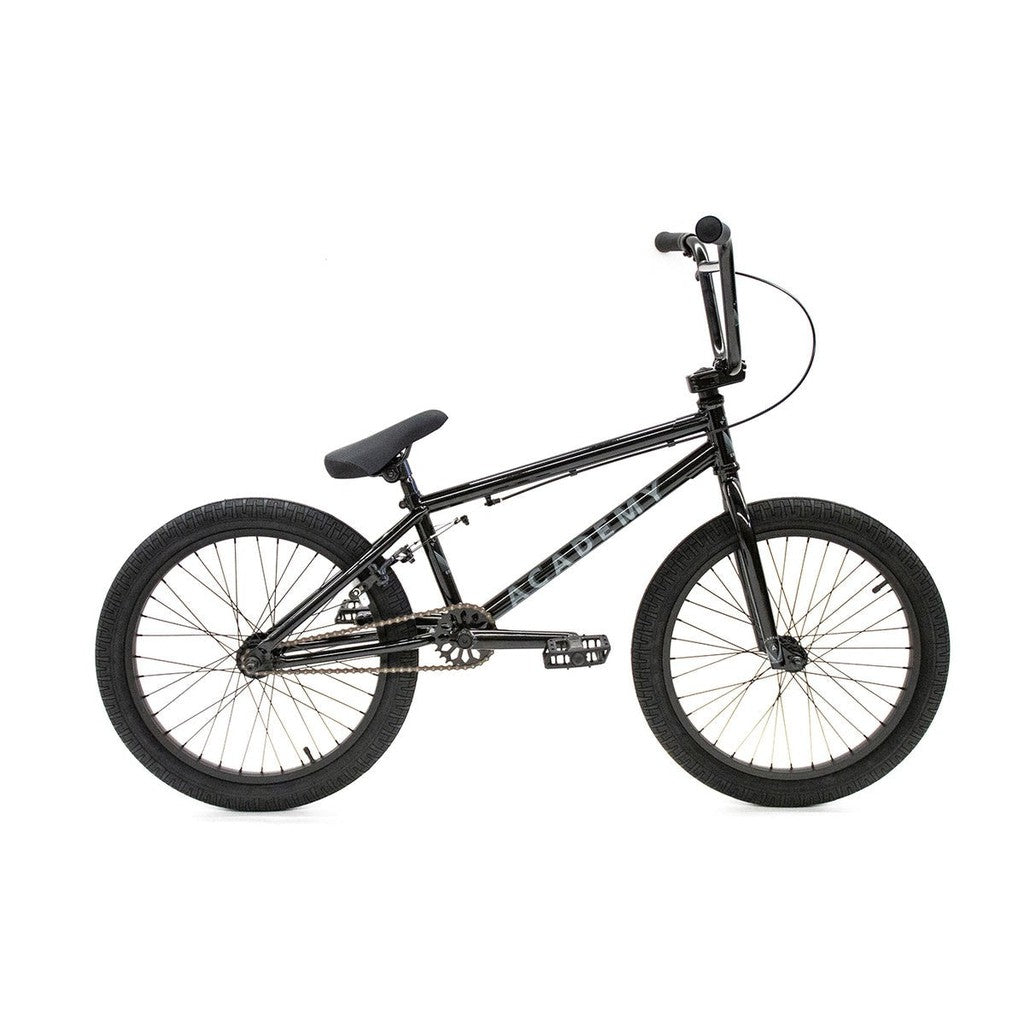
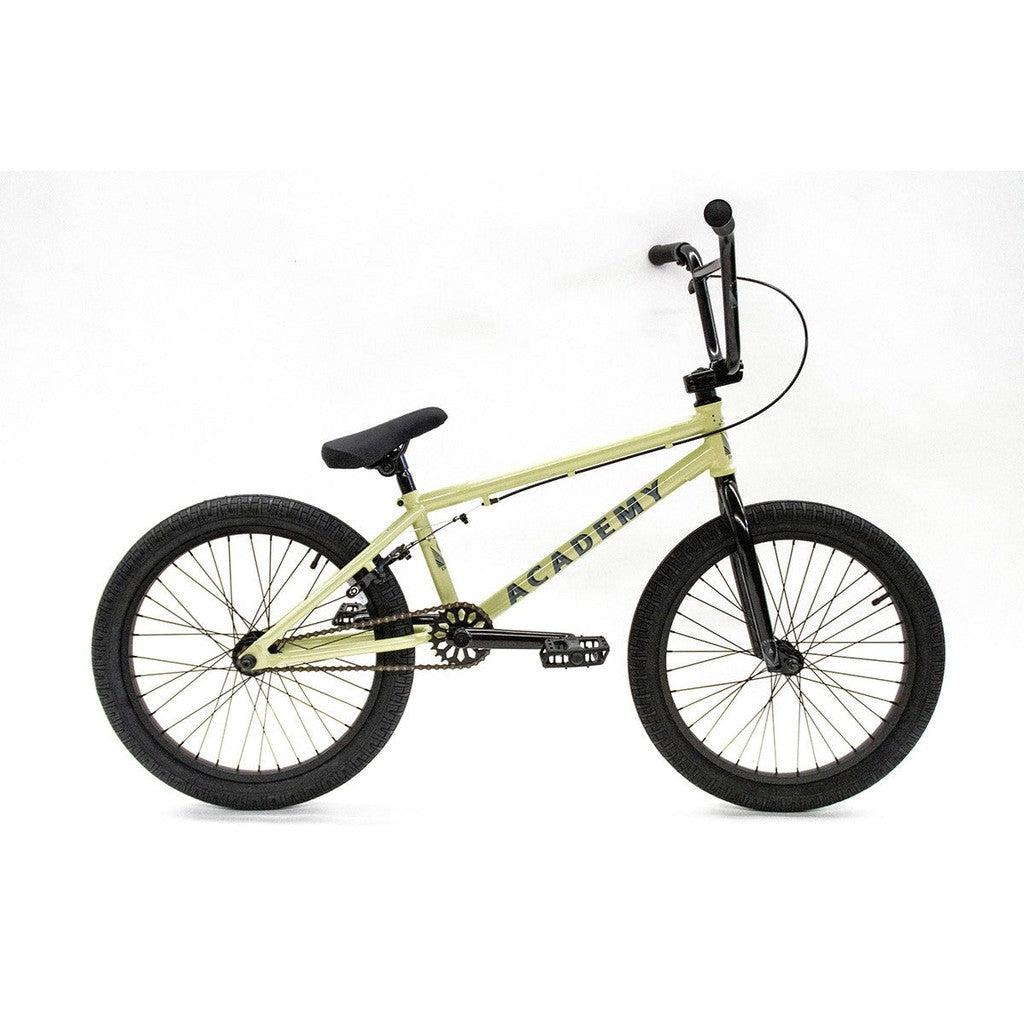
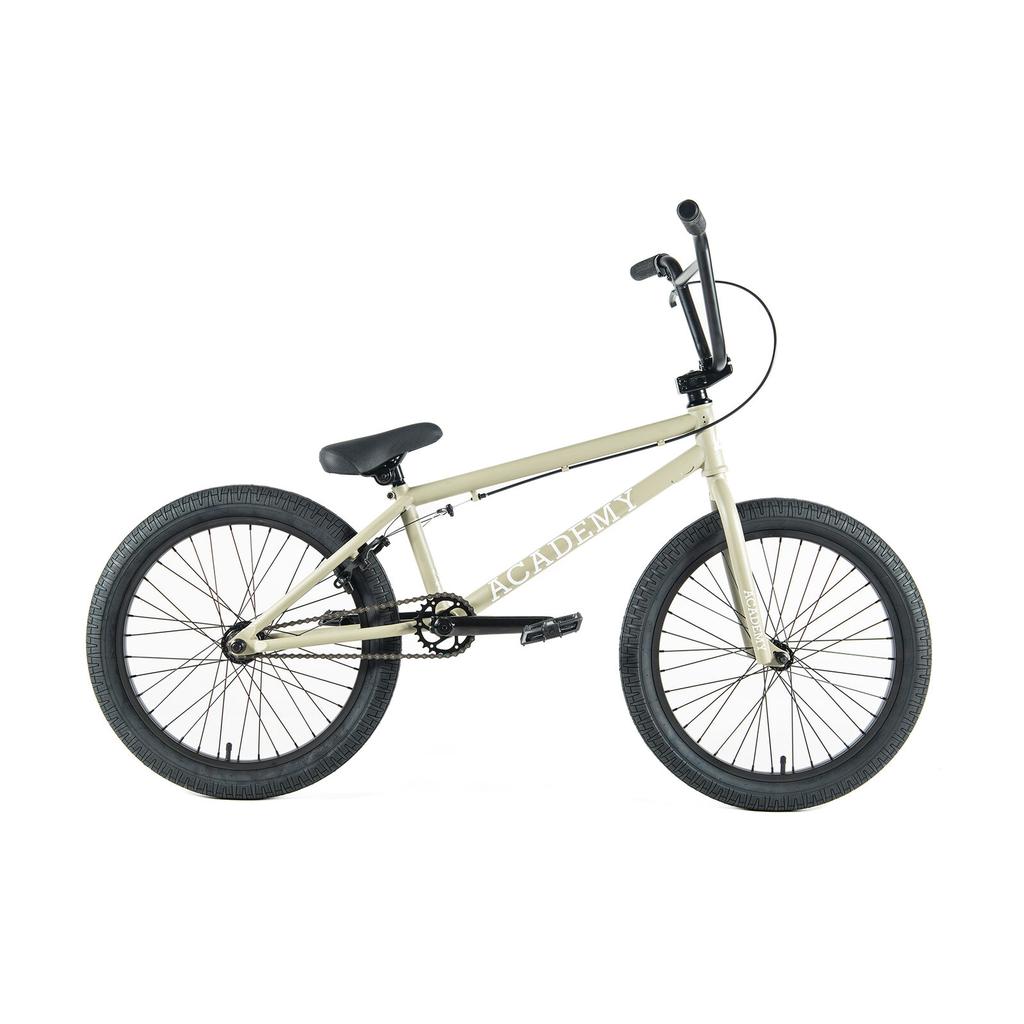
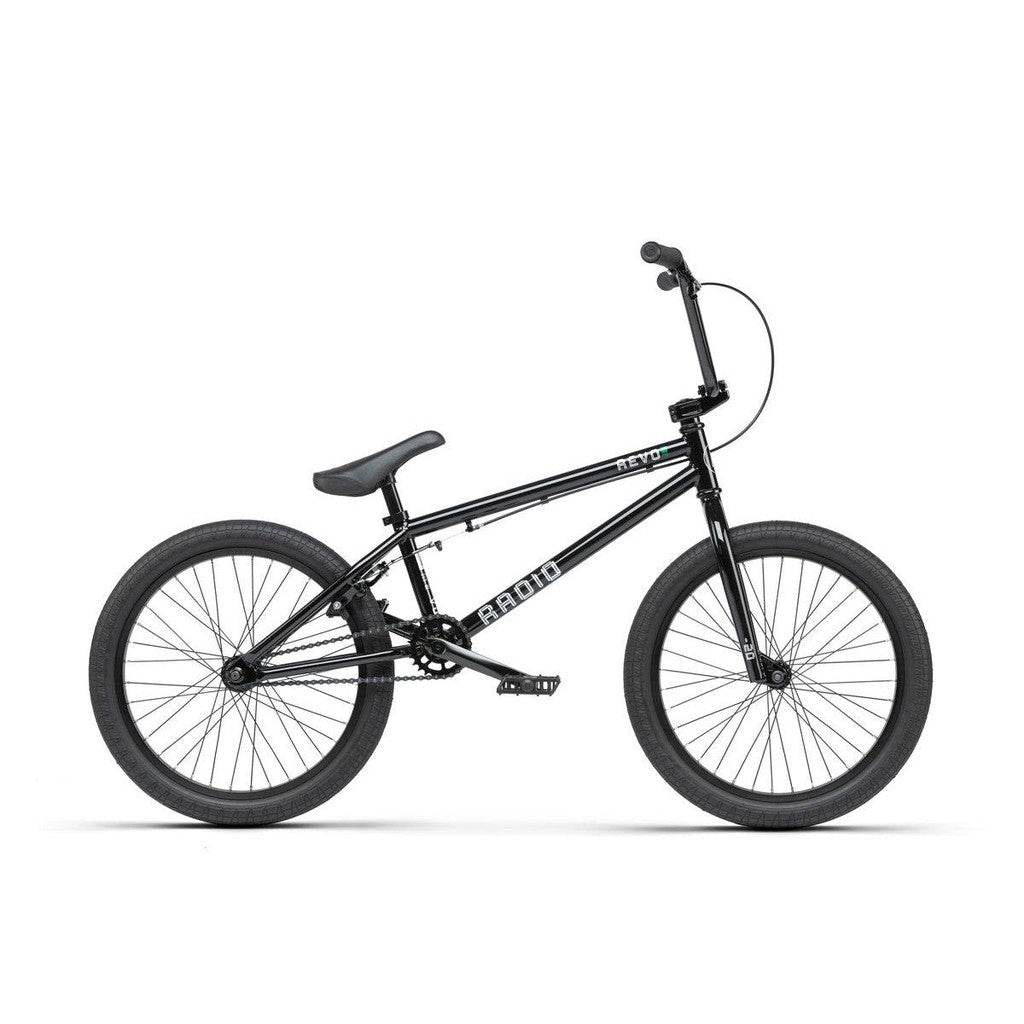
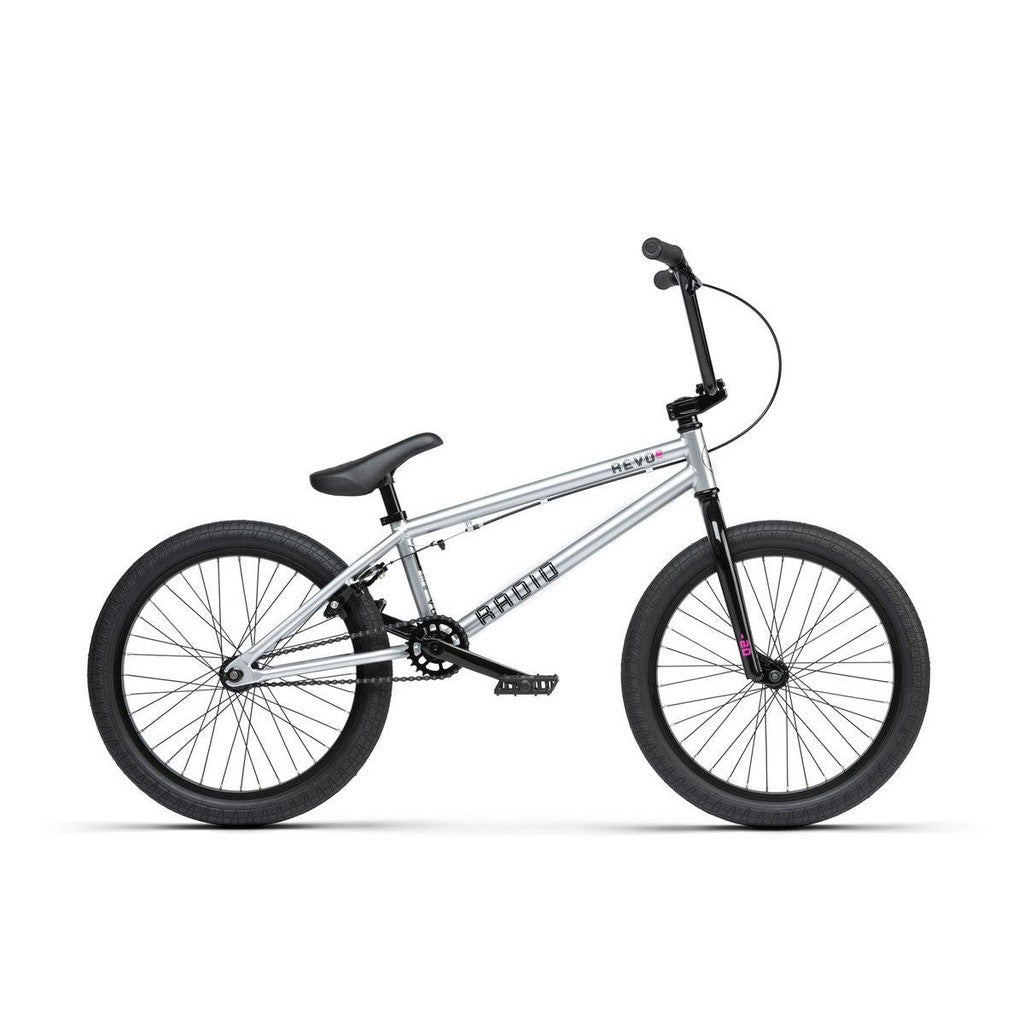
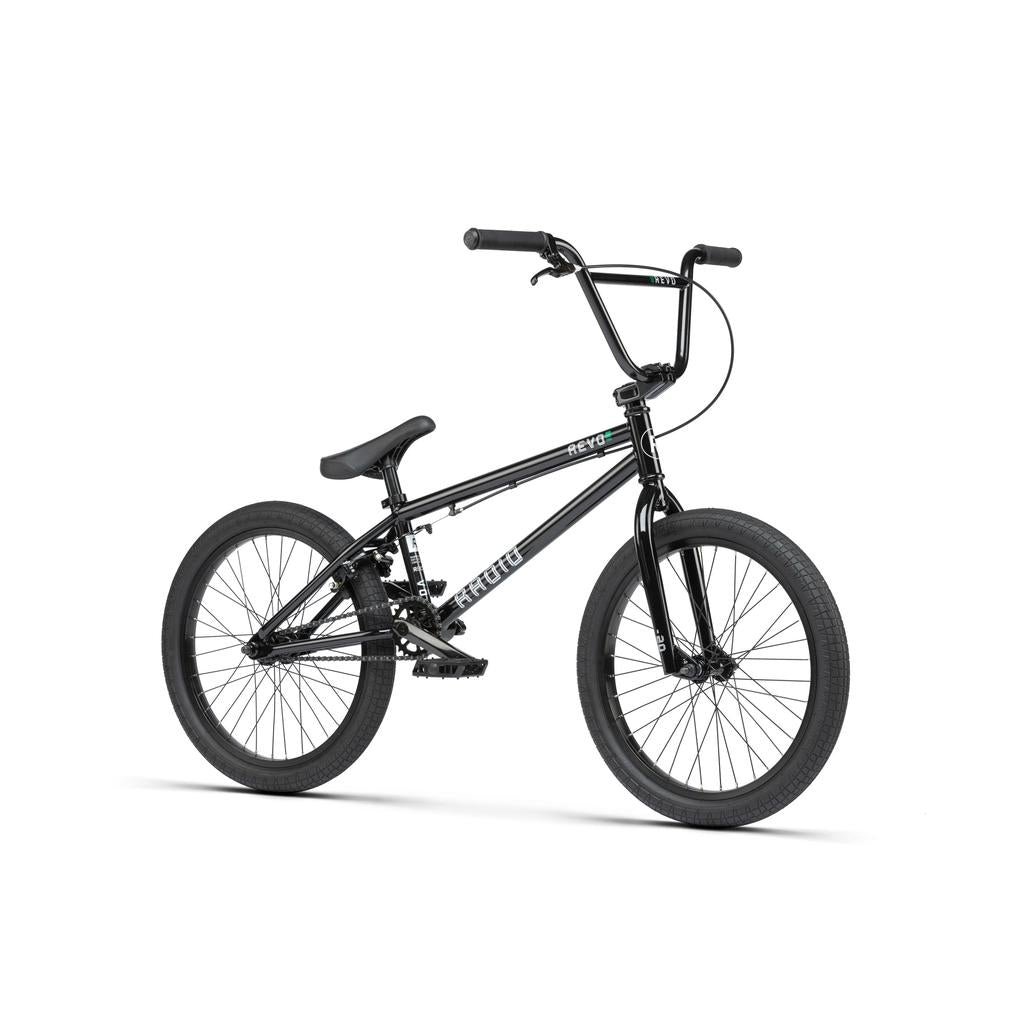
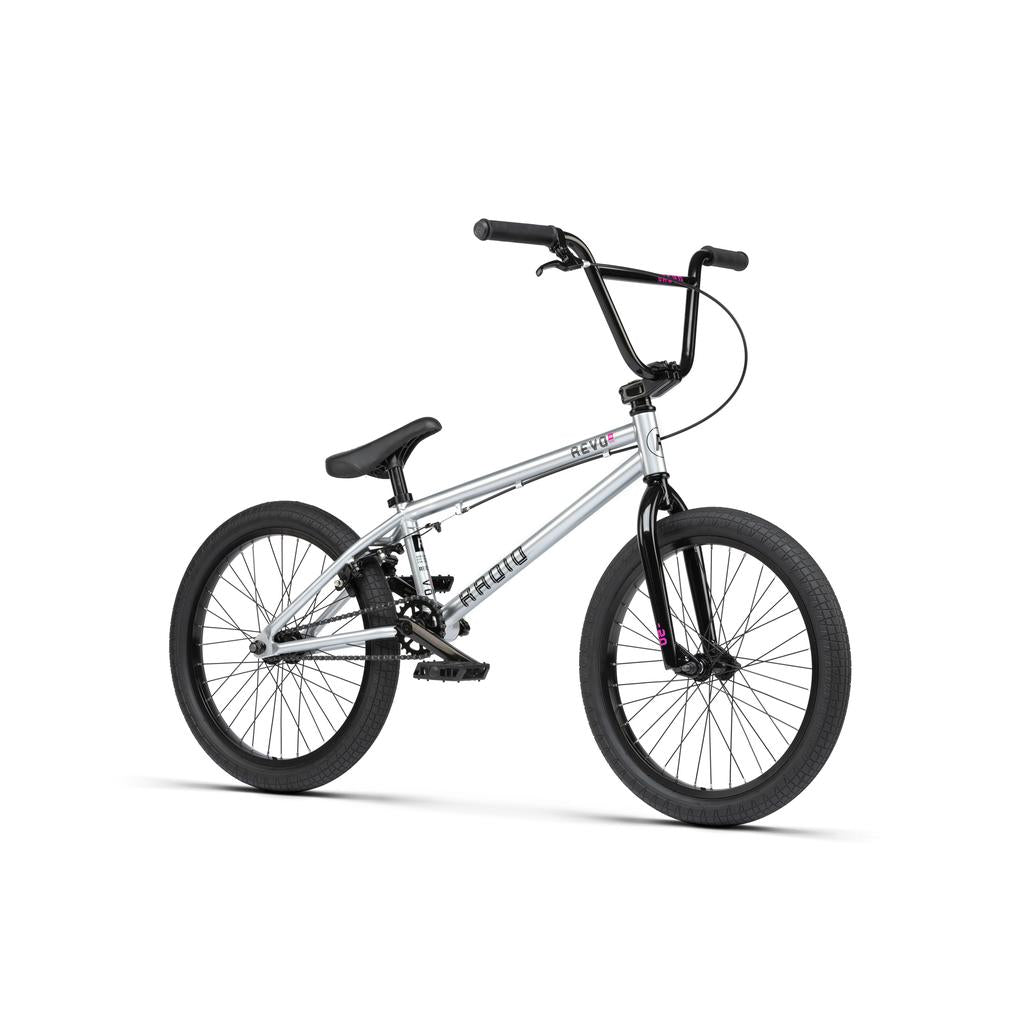
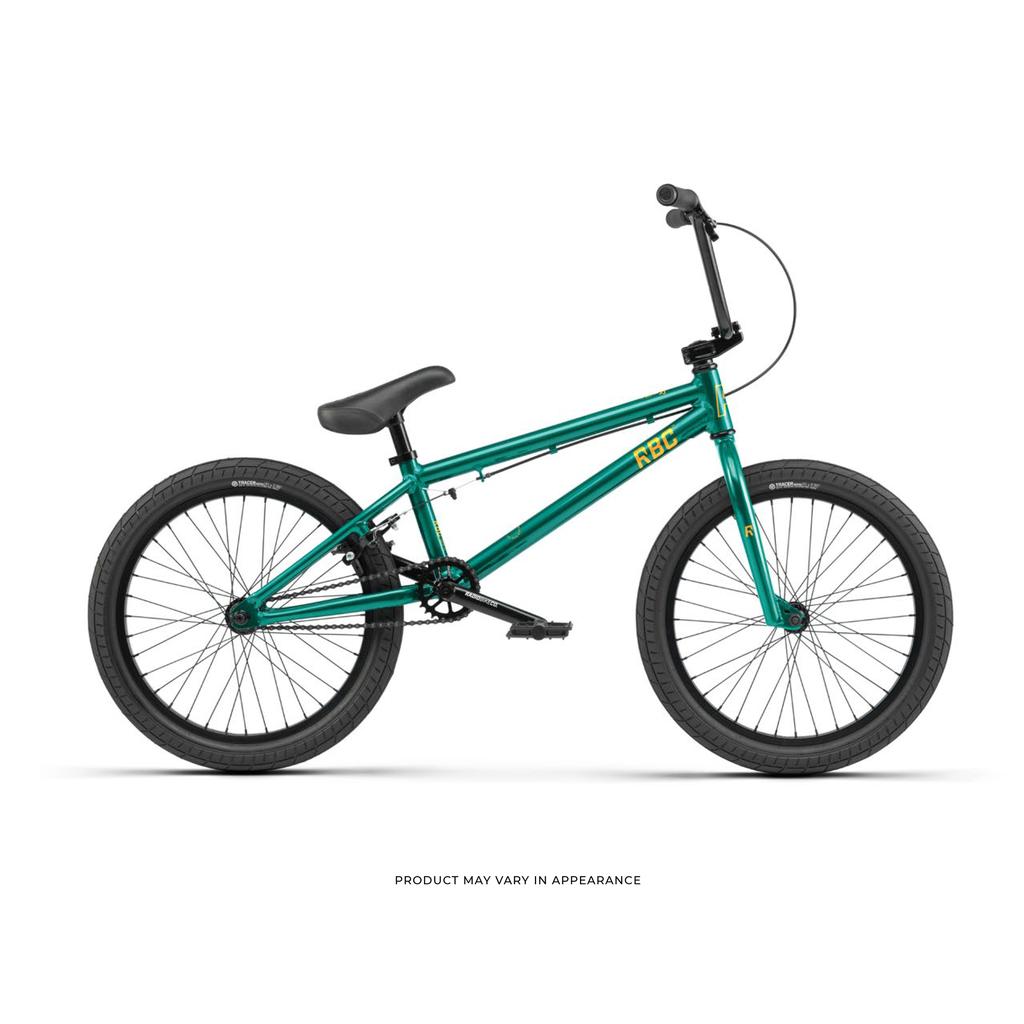
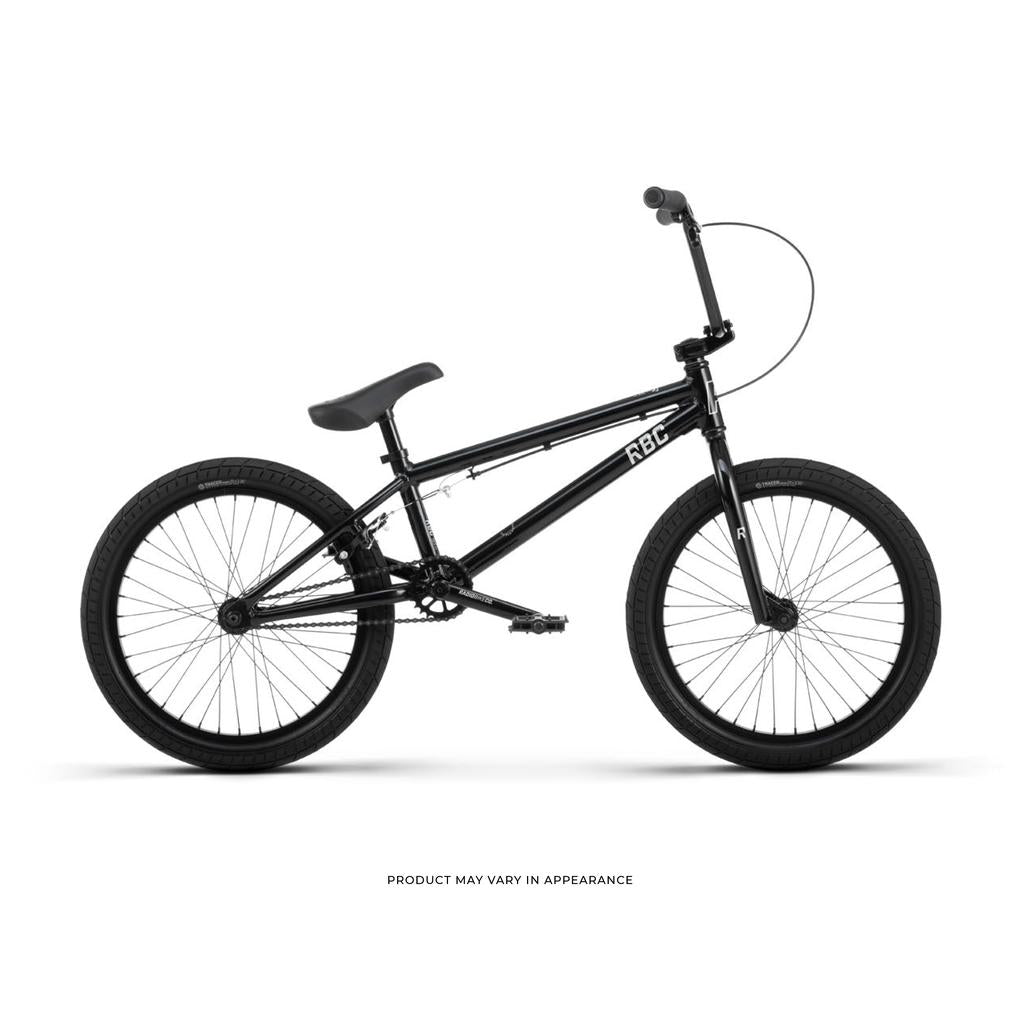
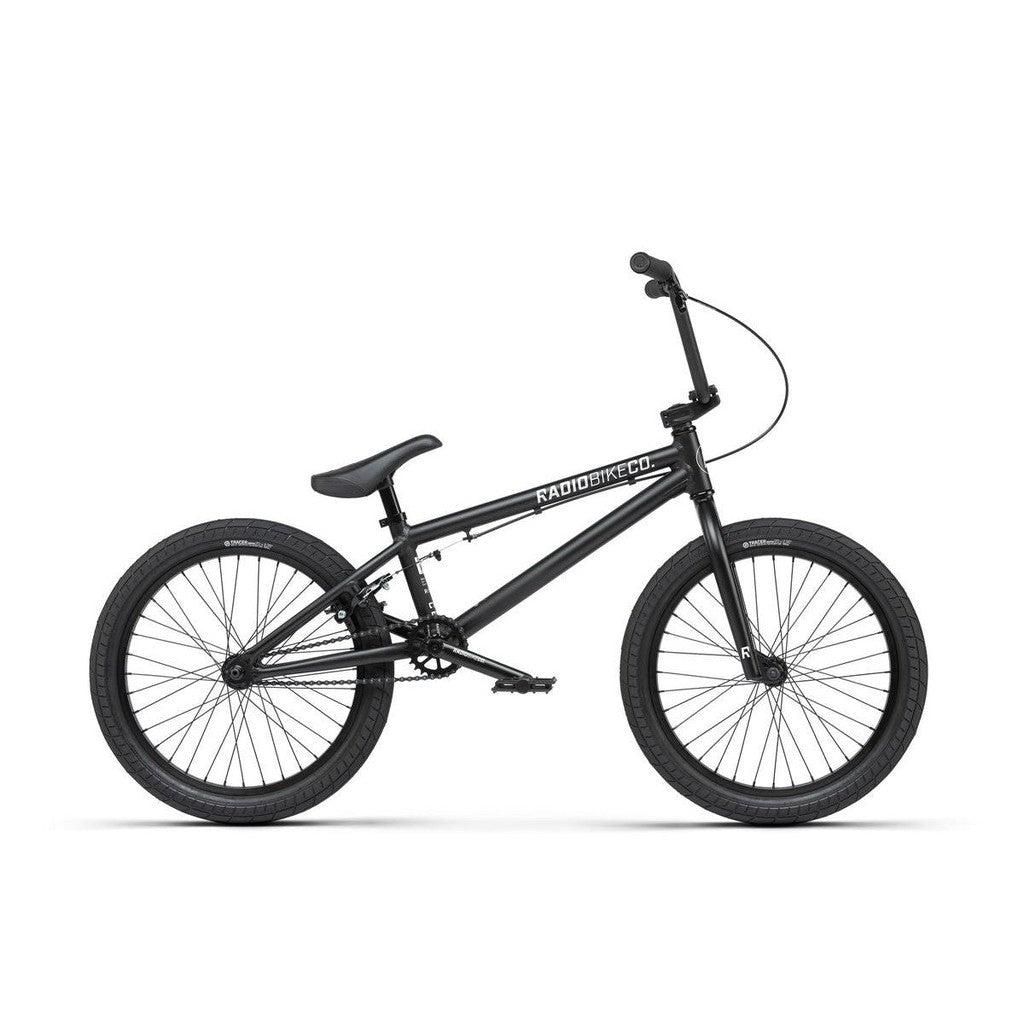
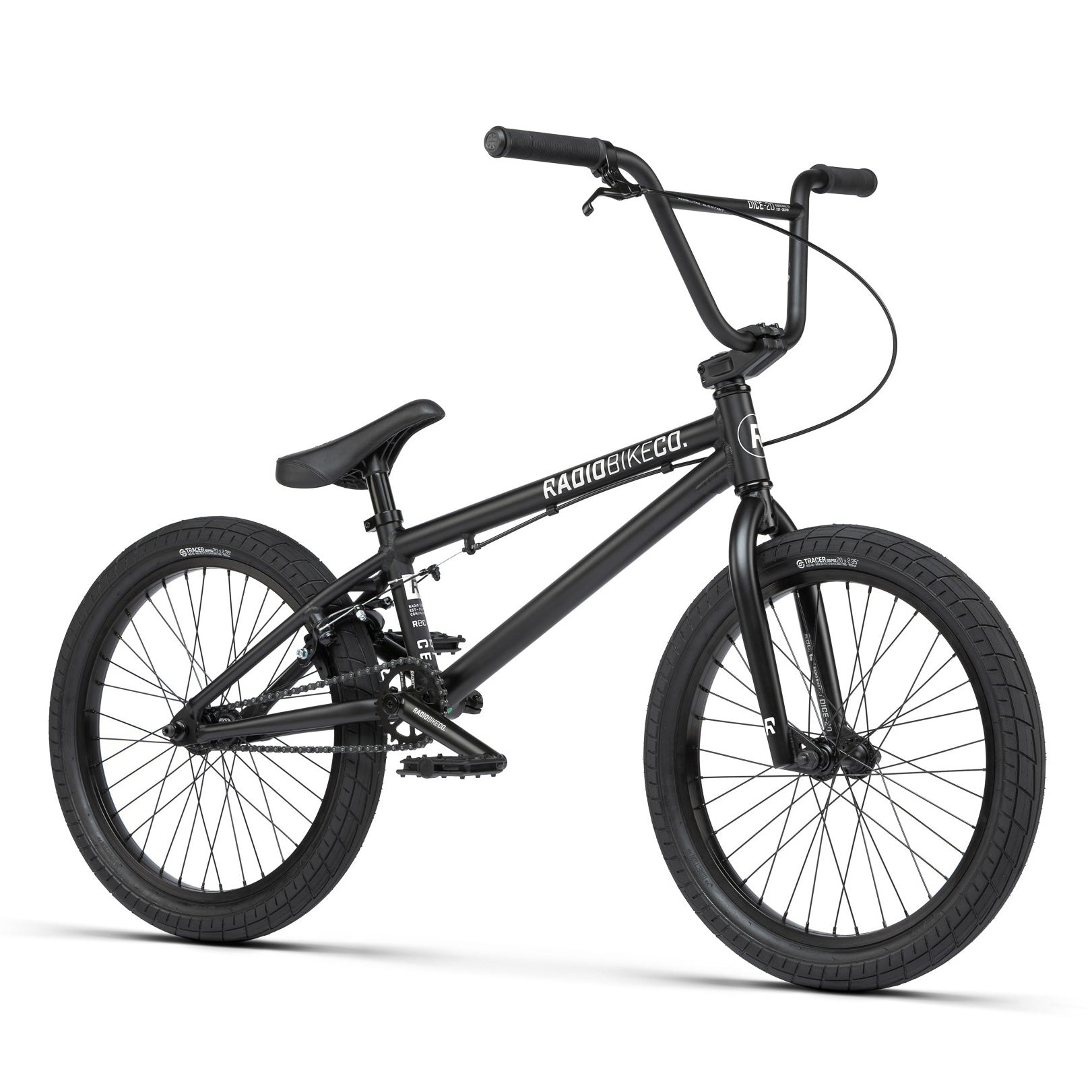
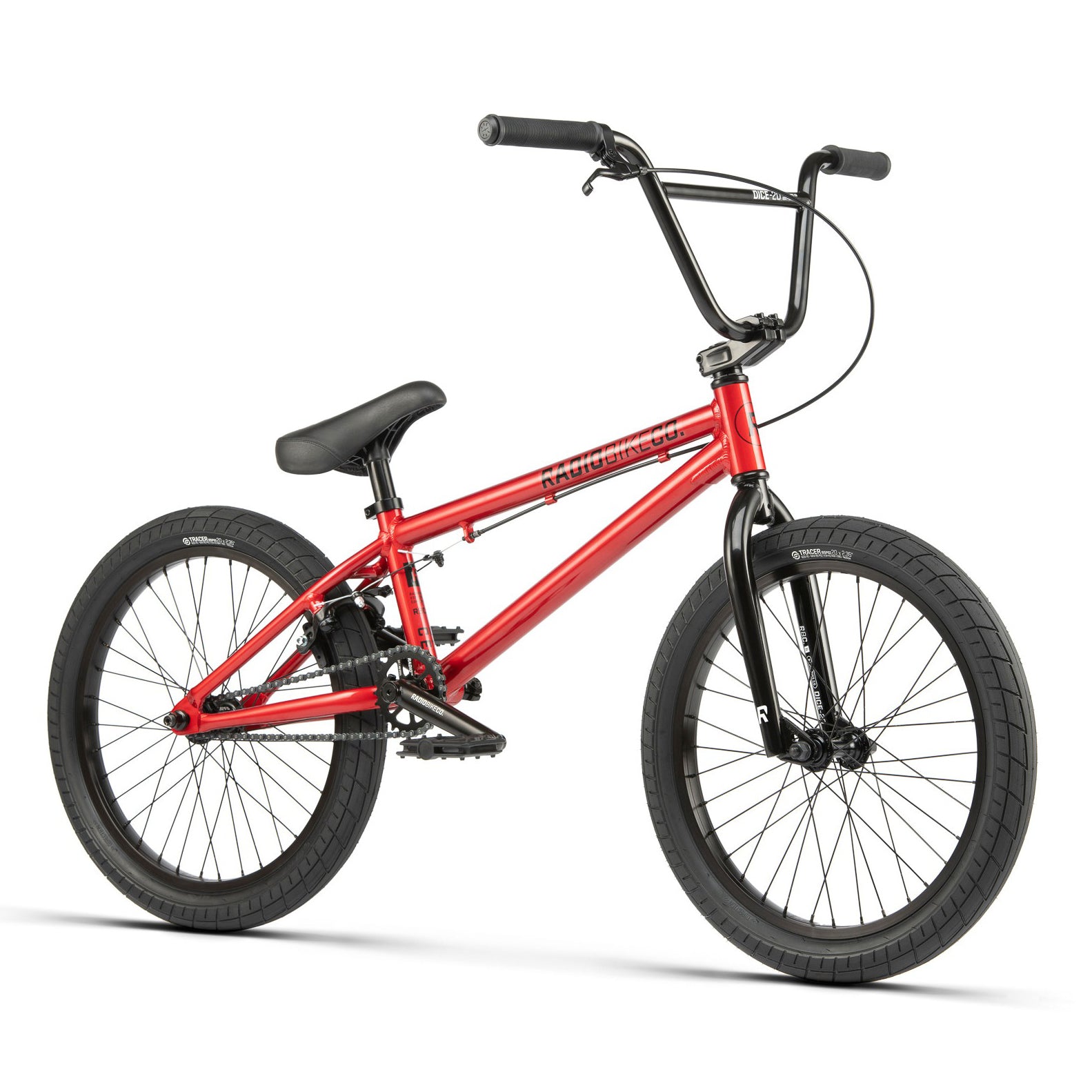
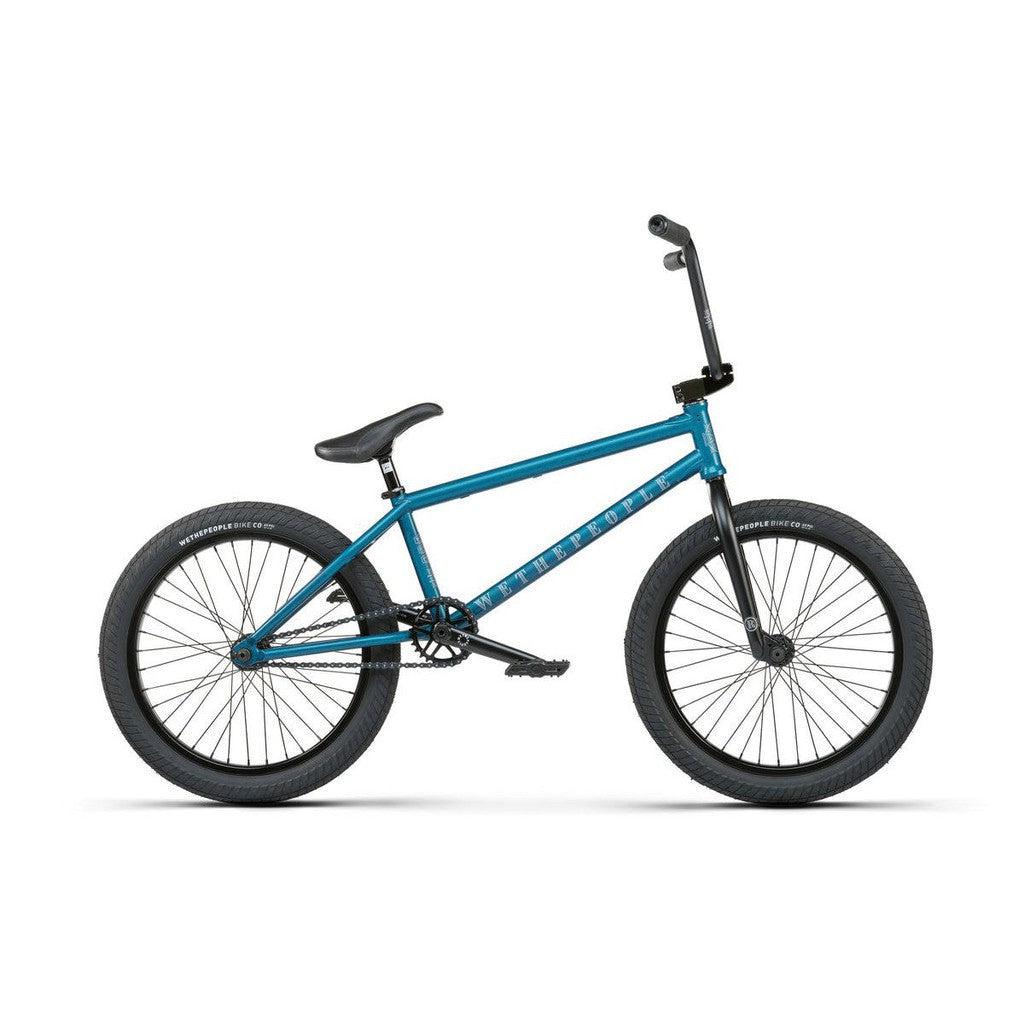
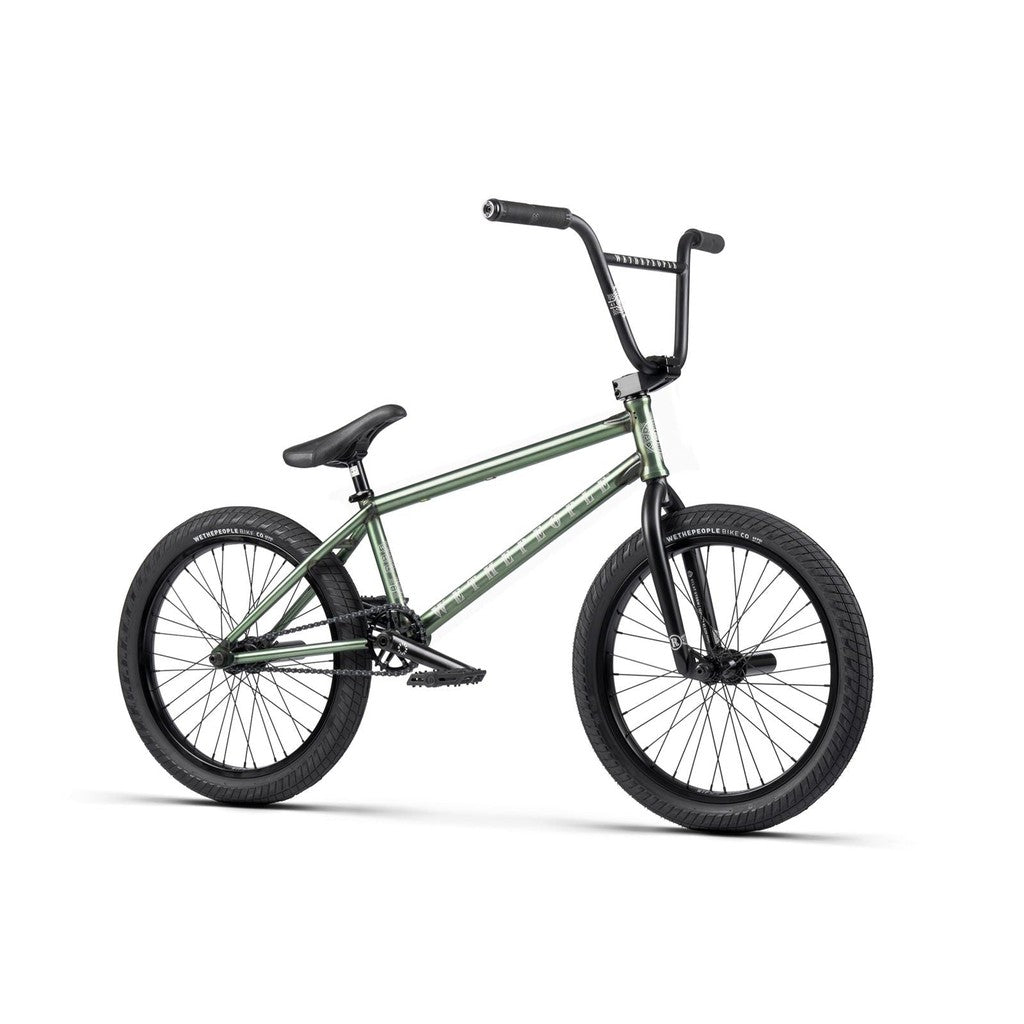
BMX bikes for beginners.
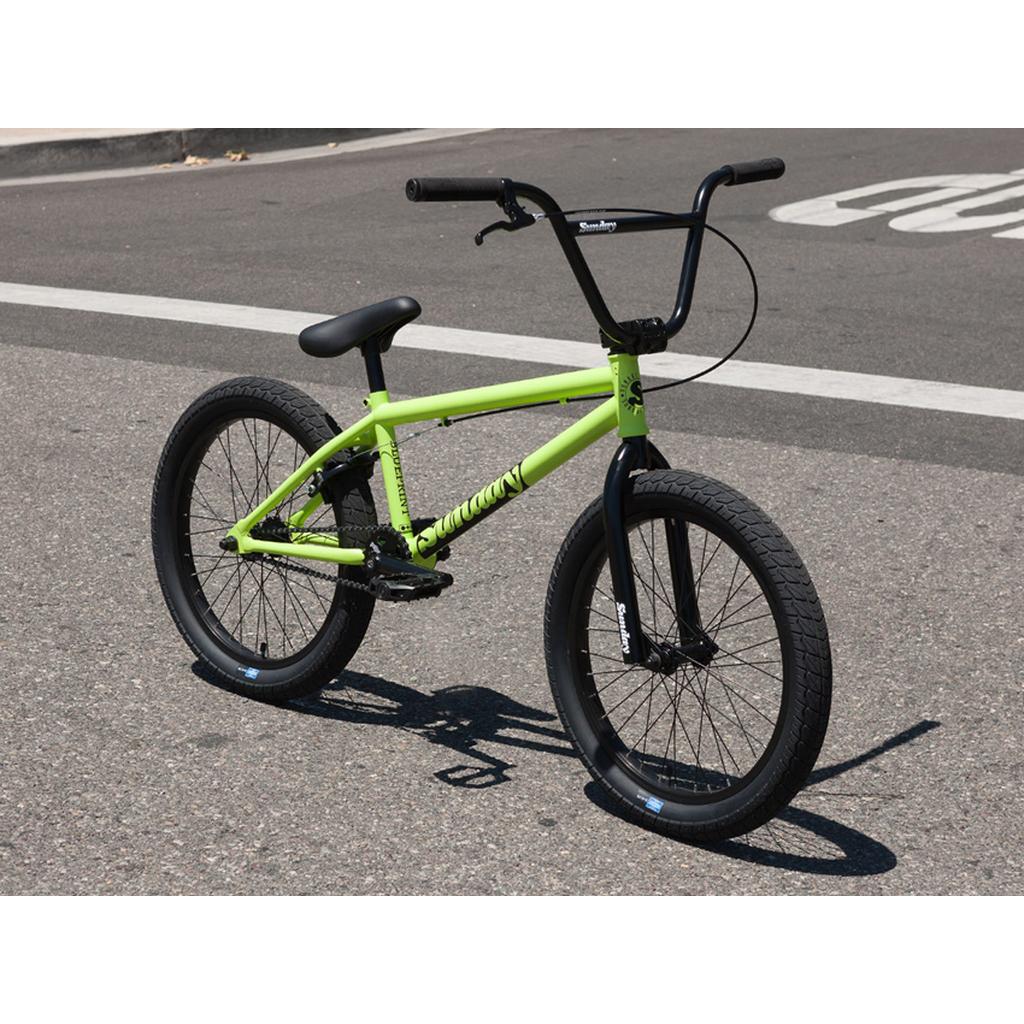
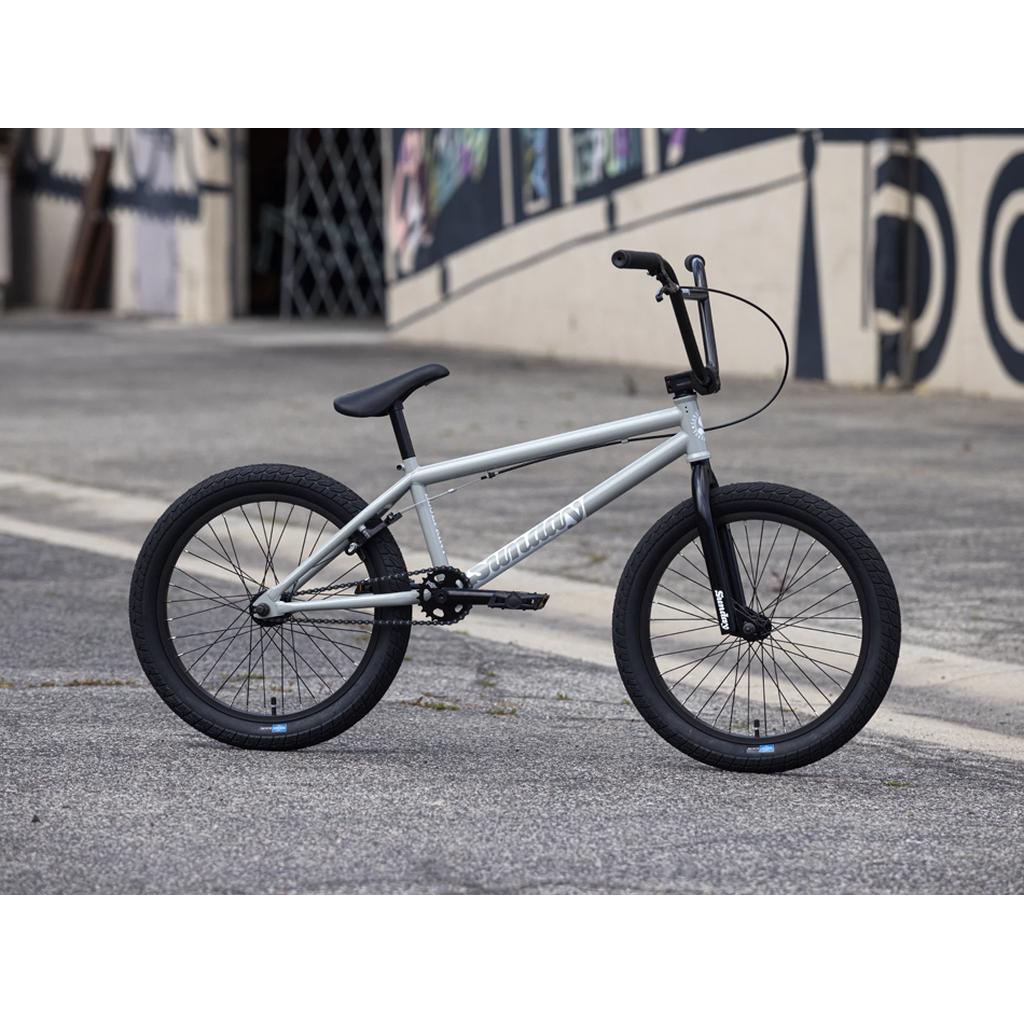
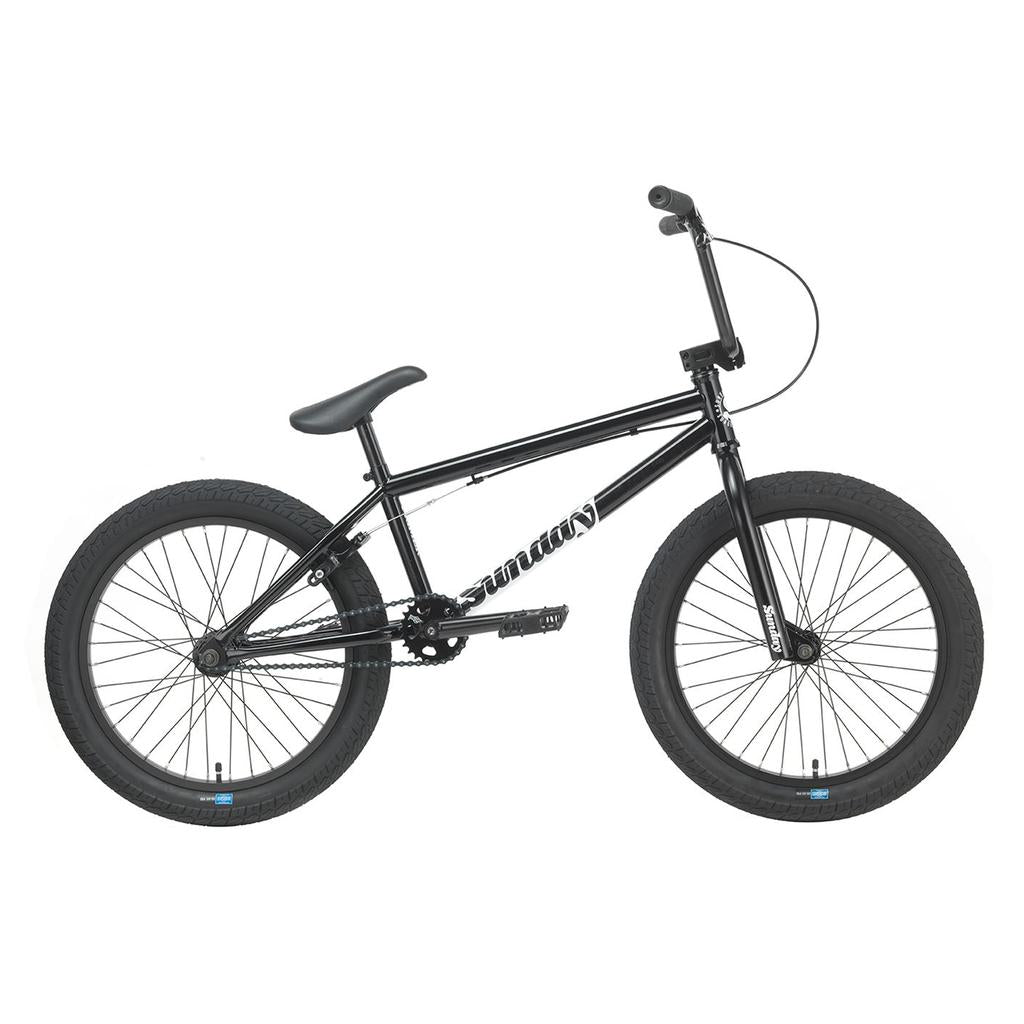
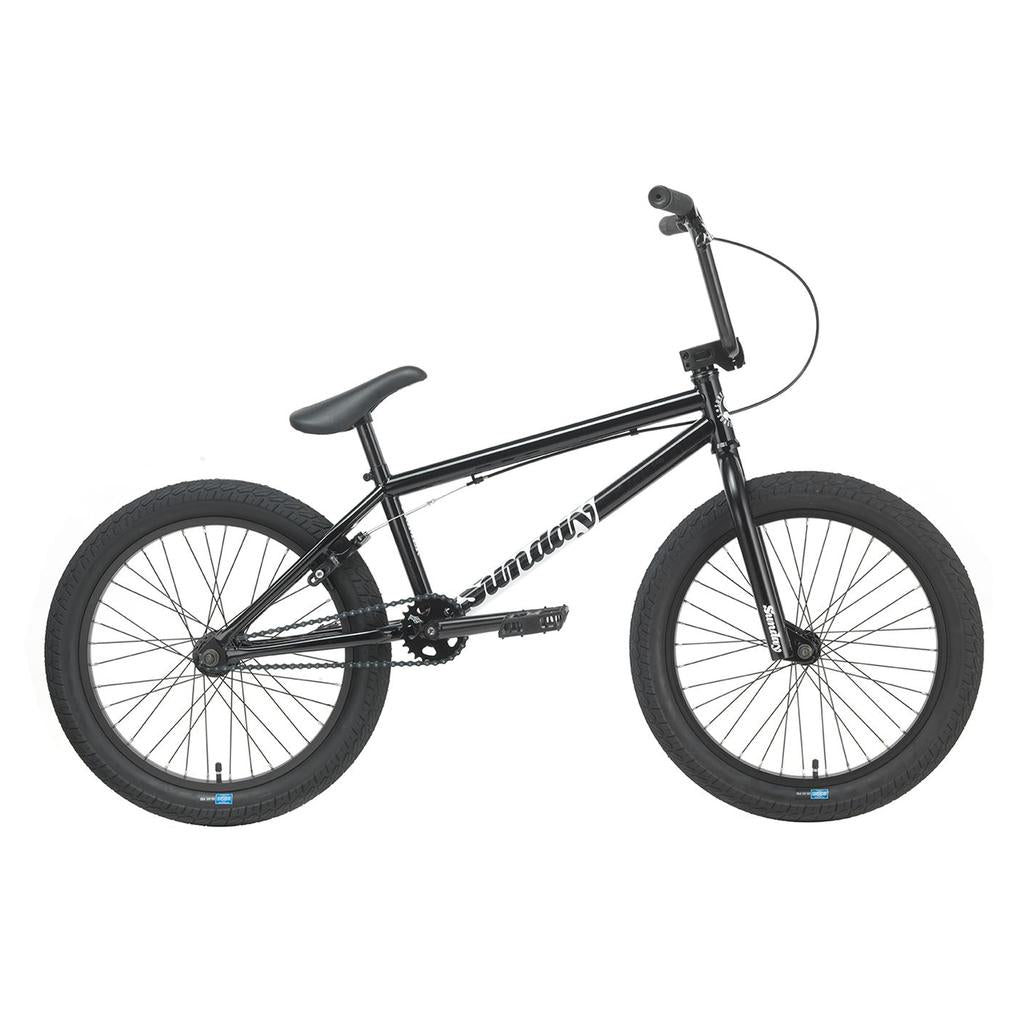
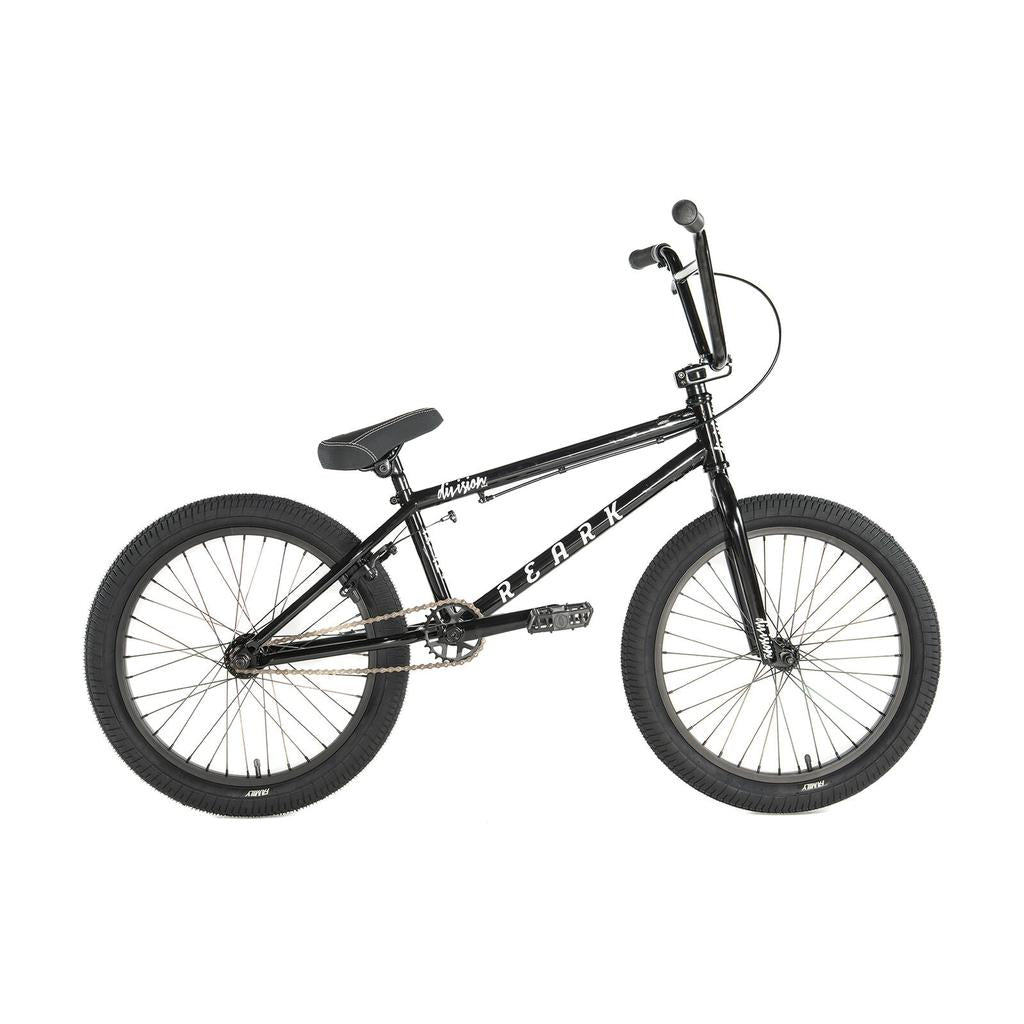
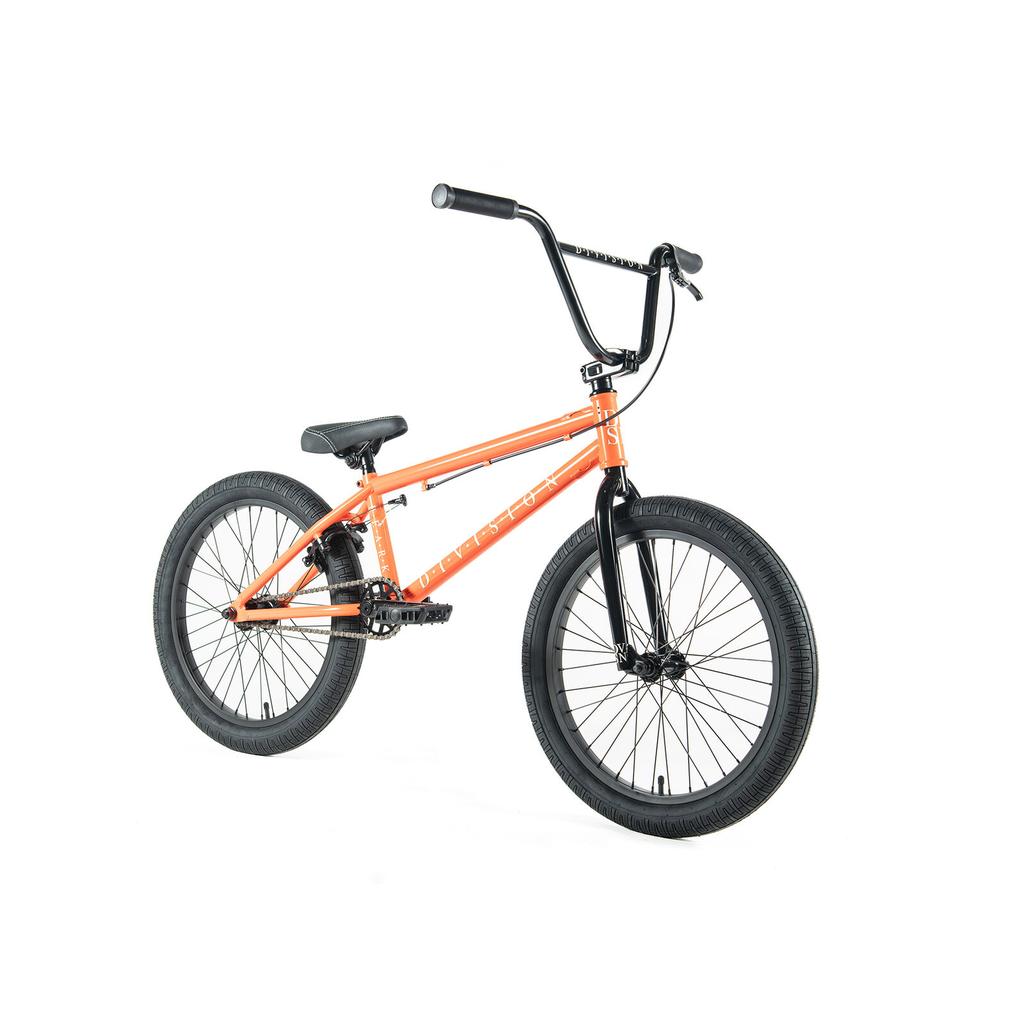
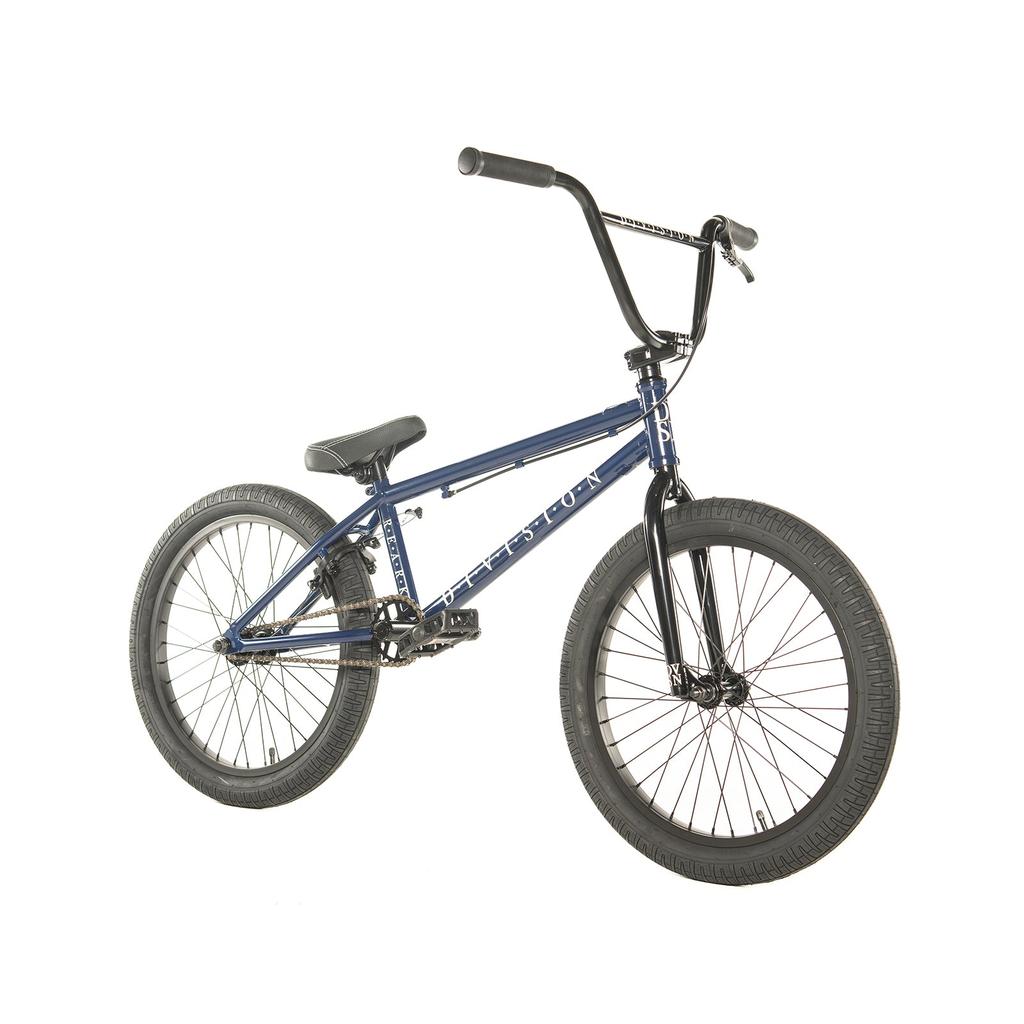
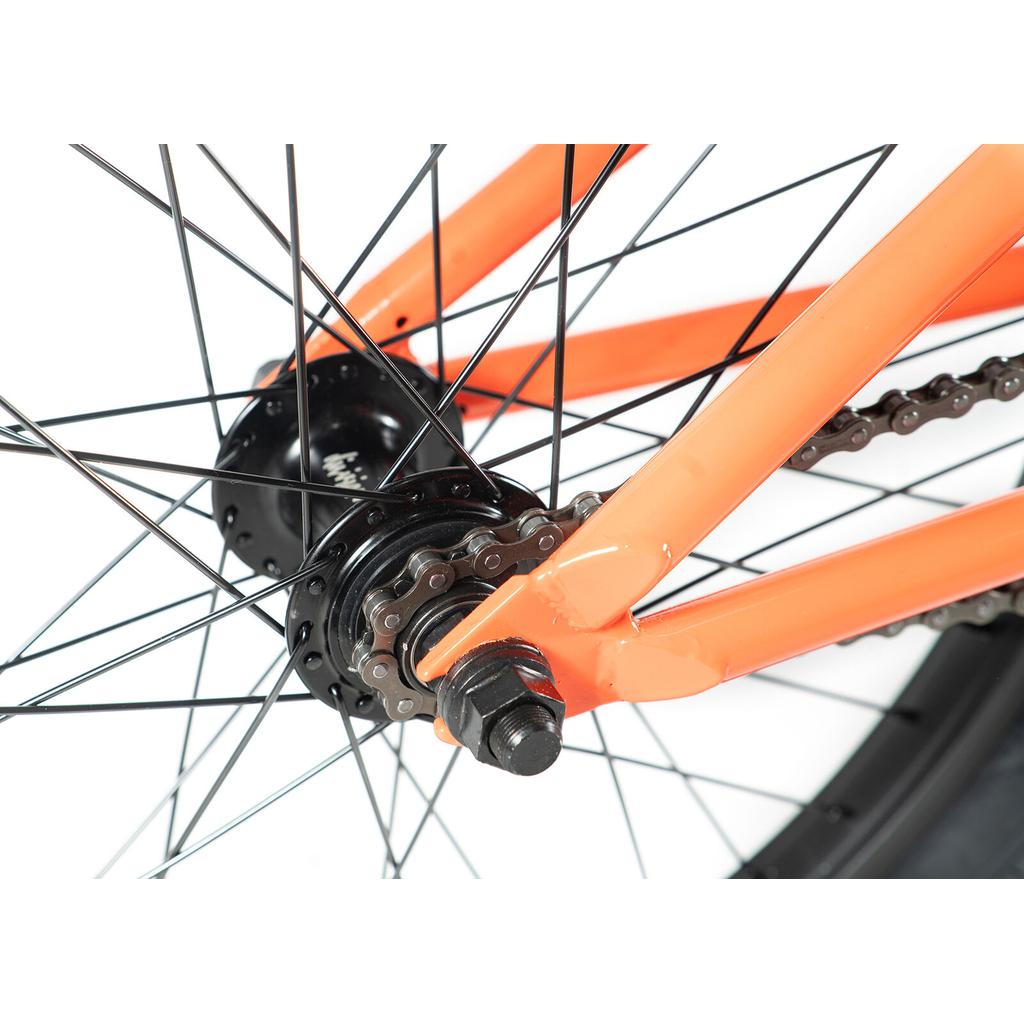
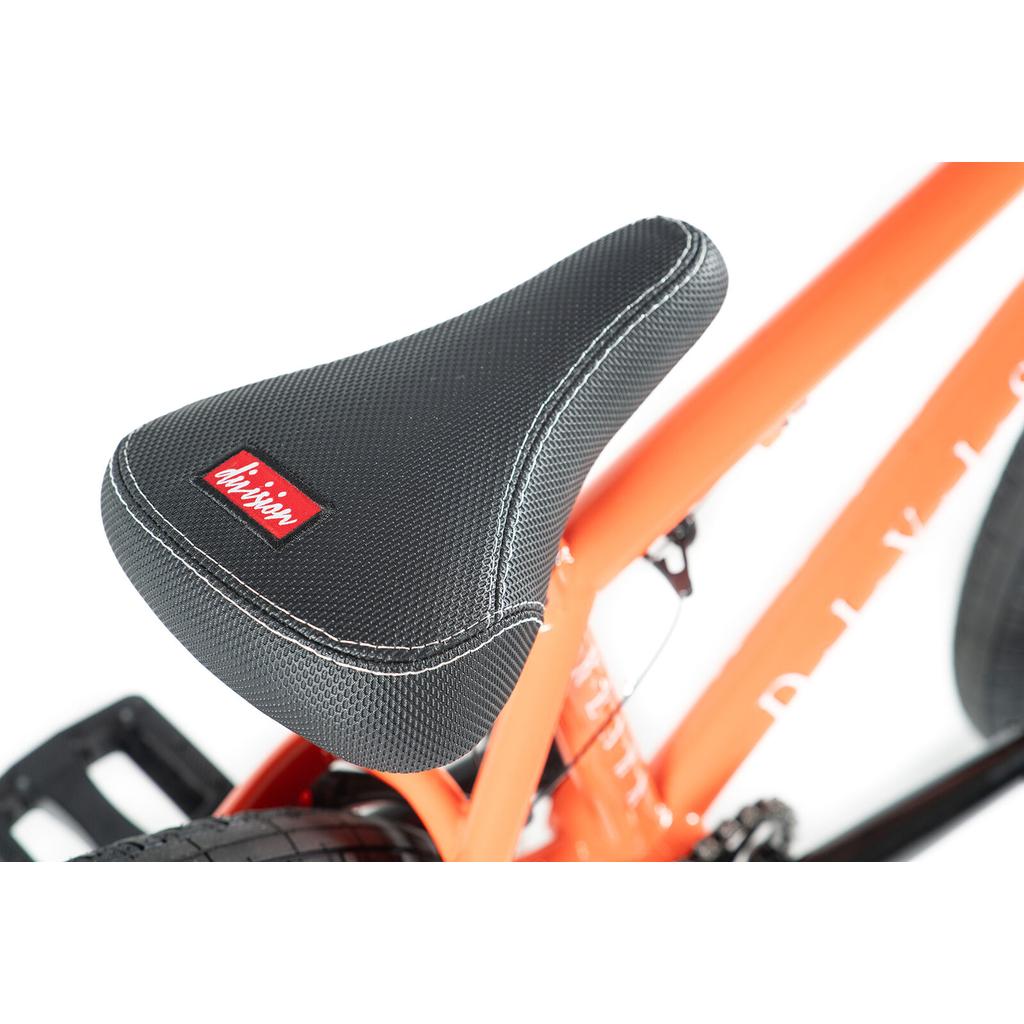
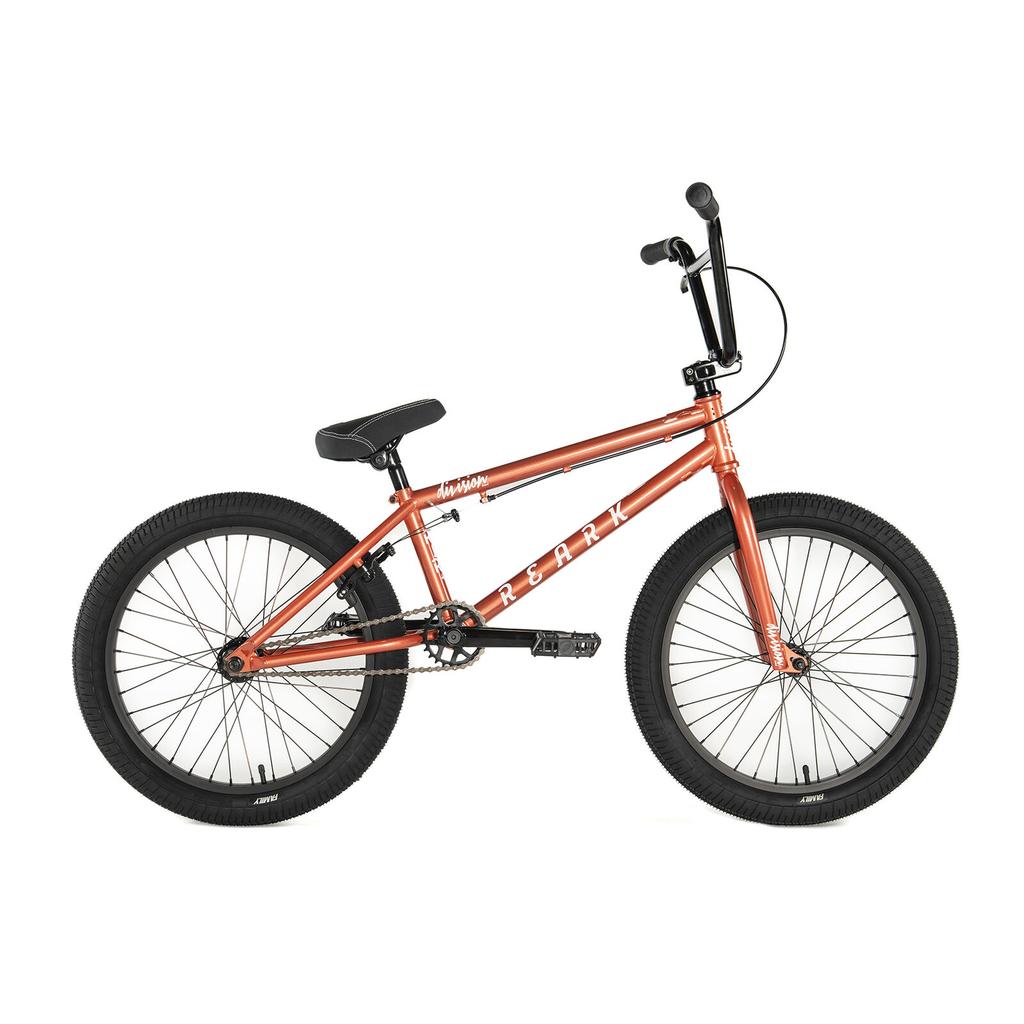
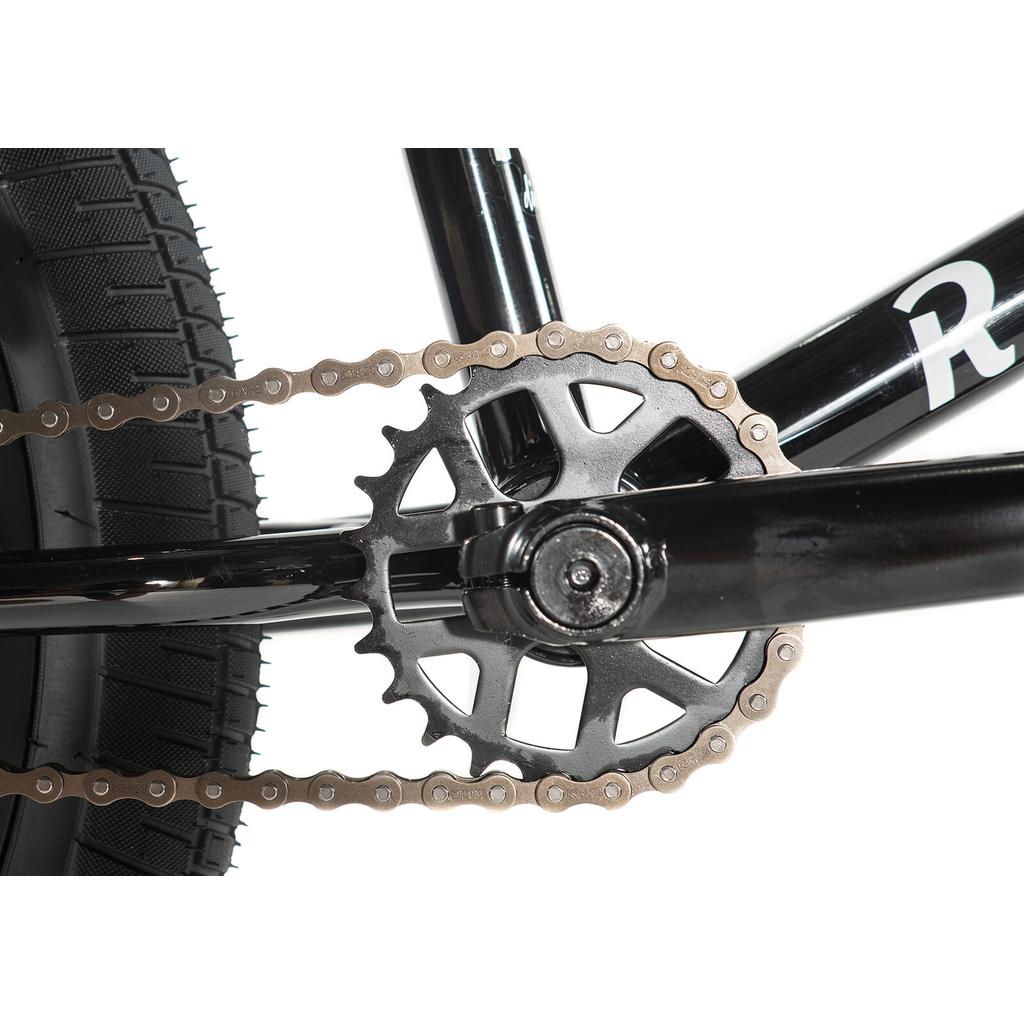
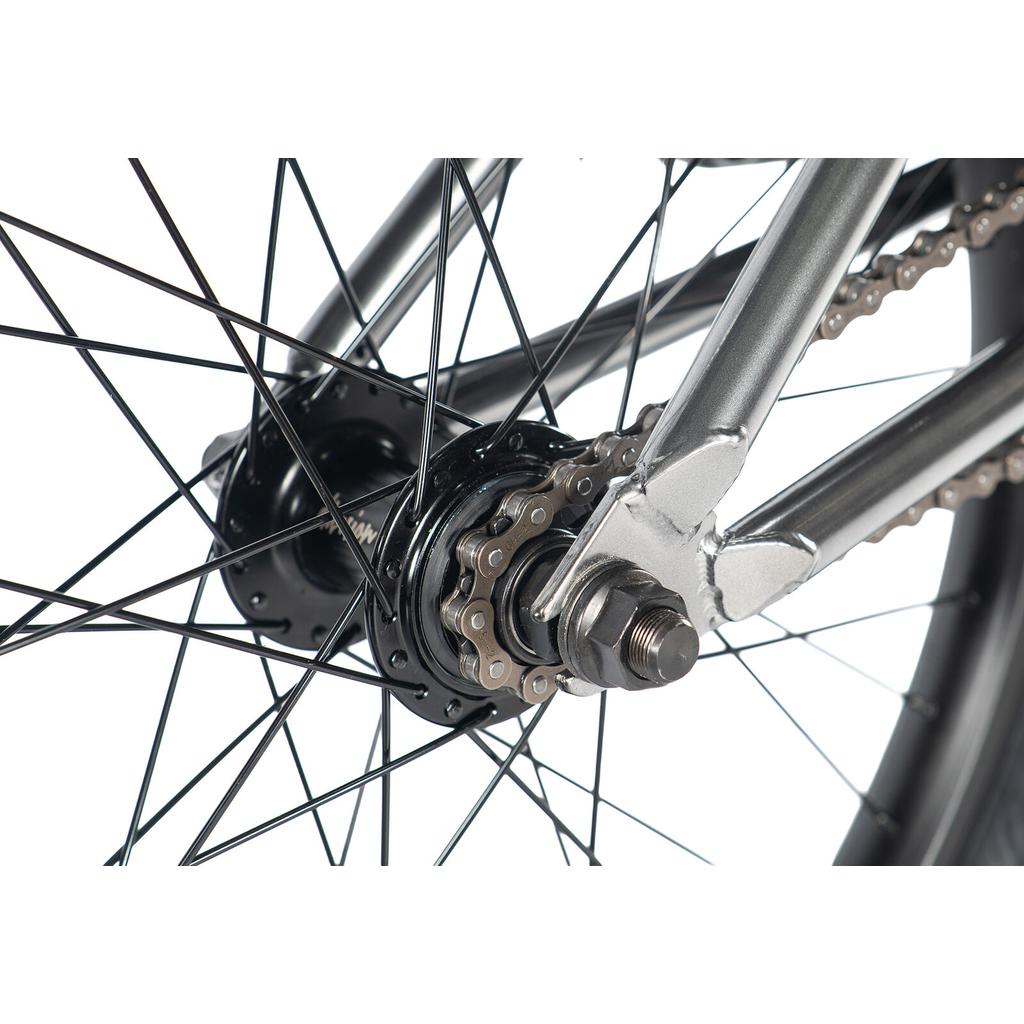
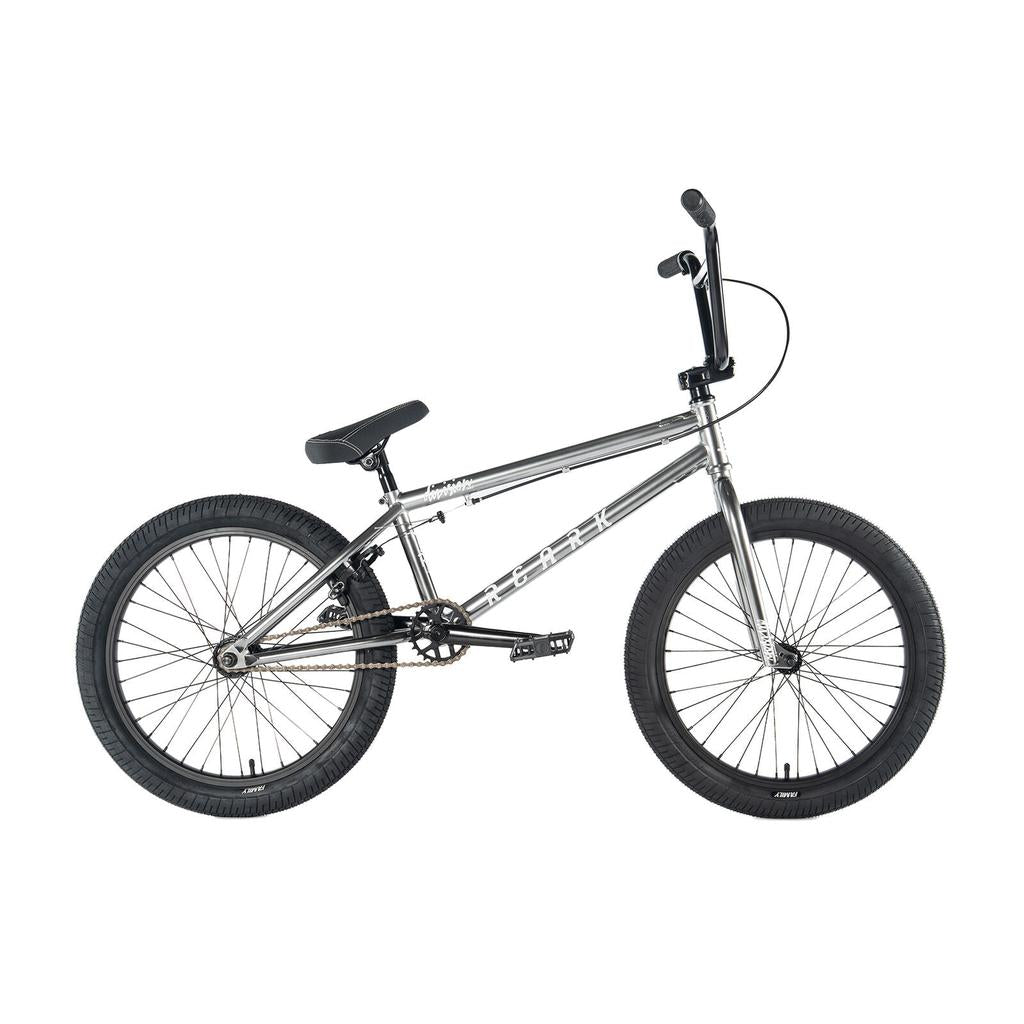
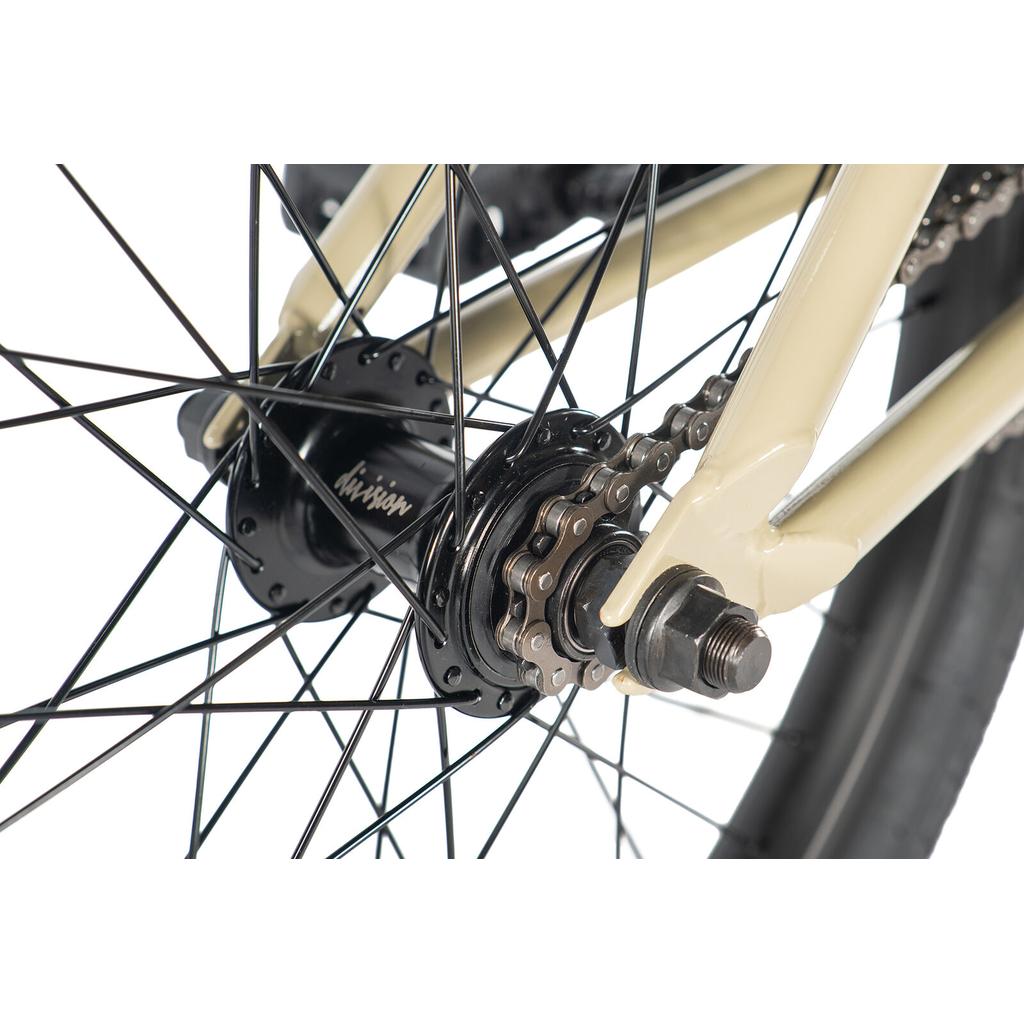
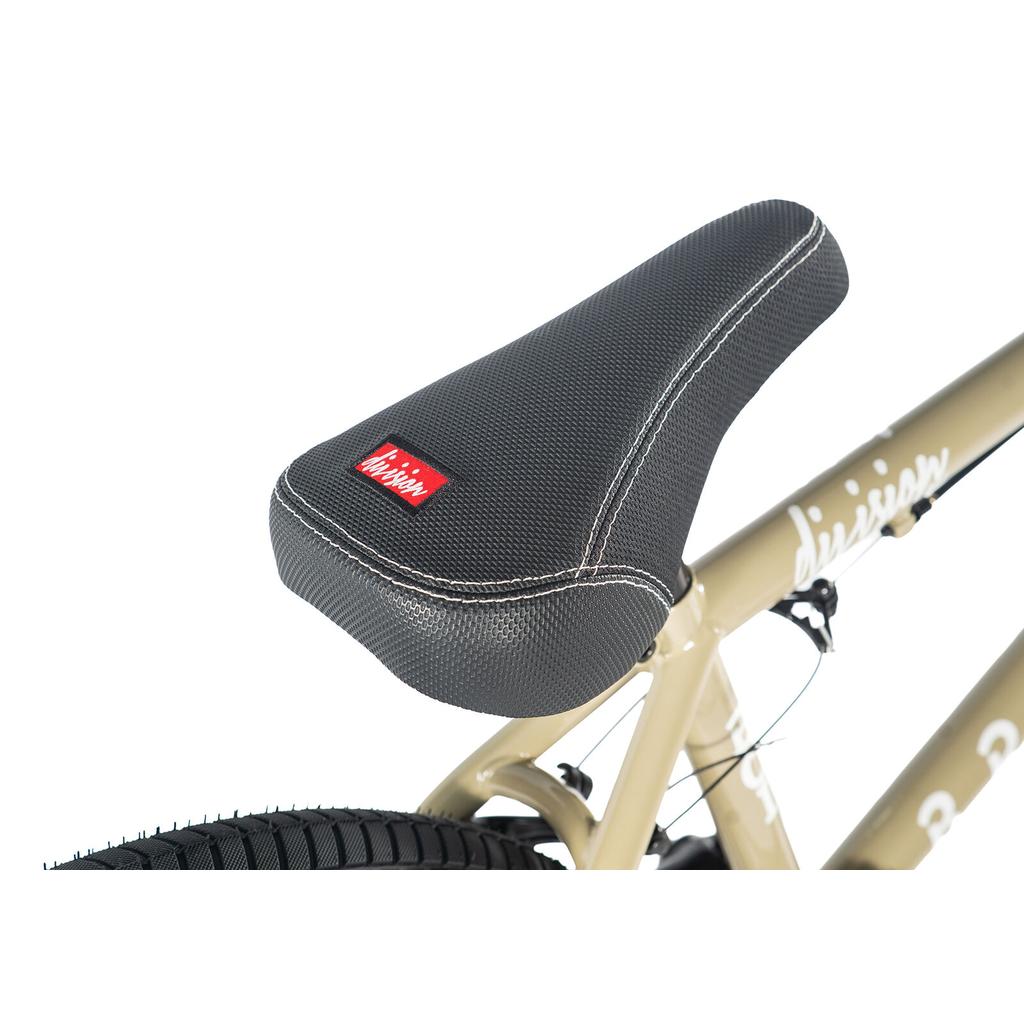
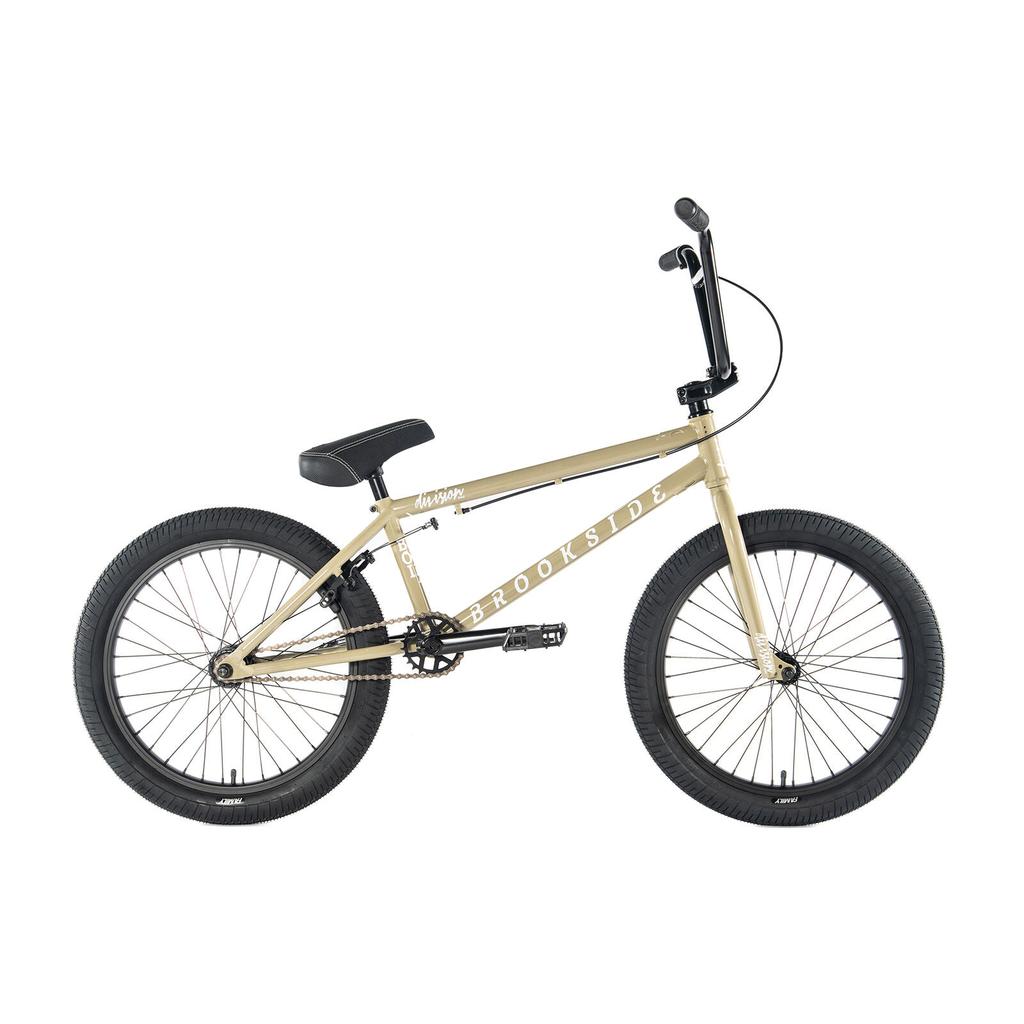
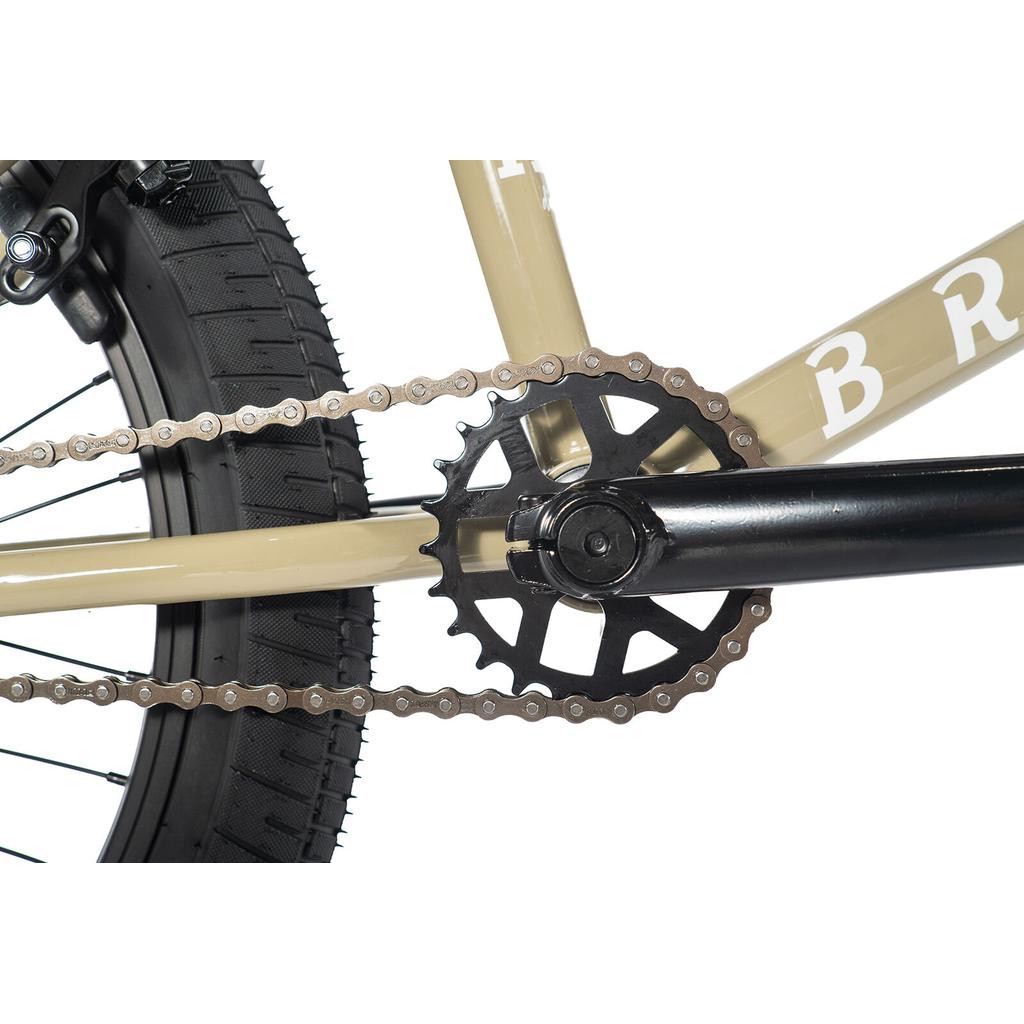
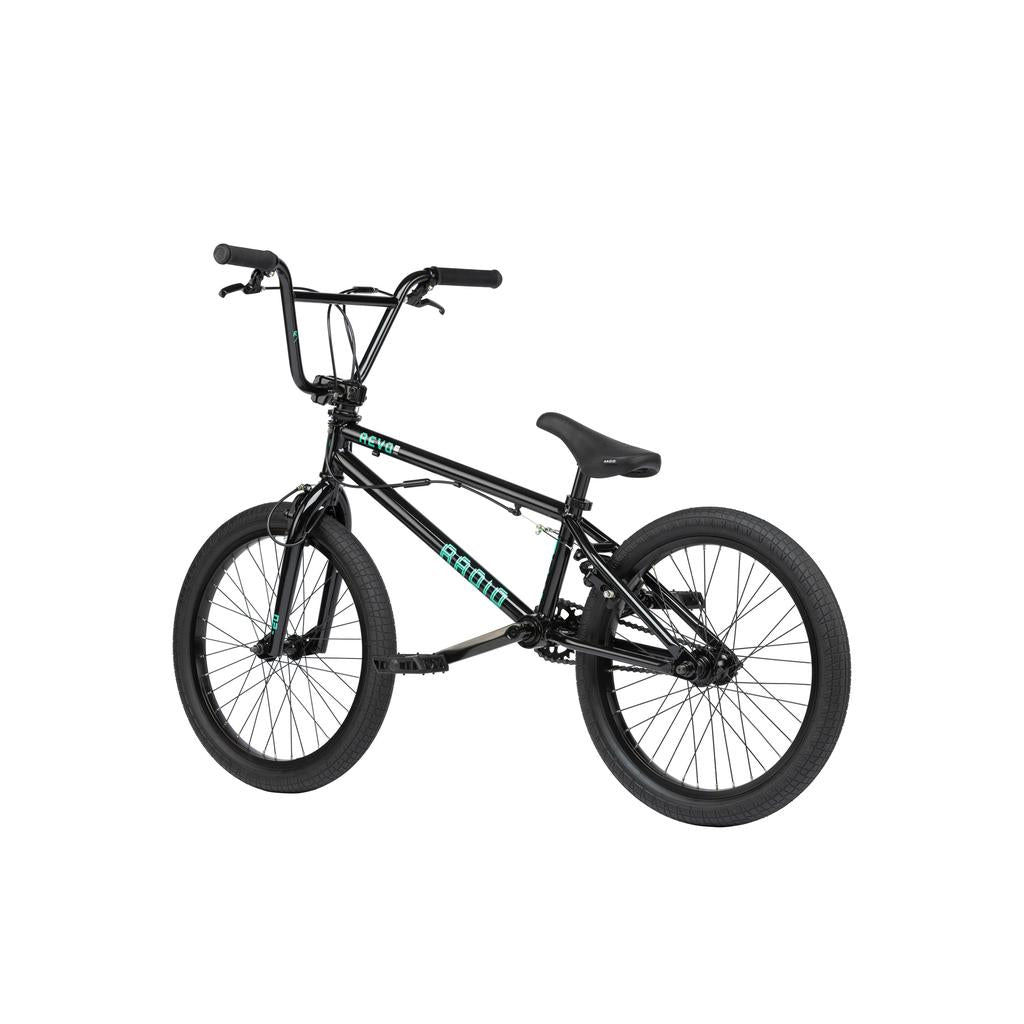
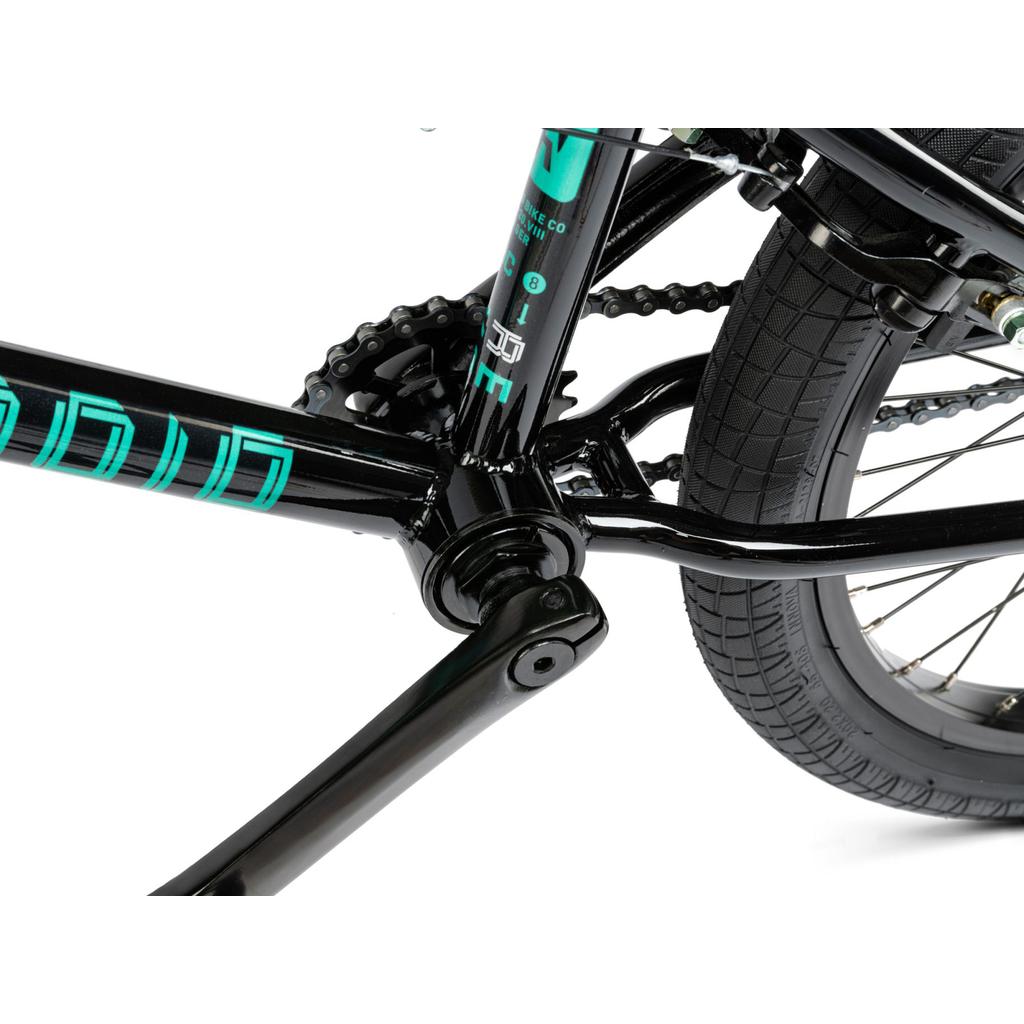
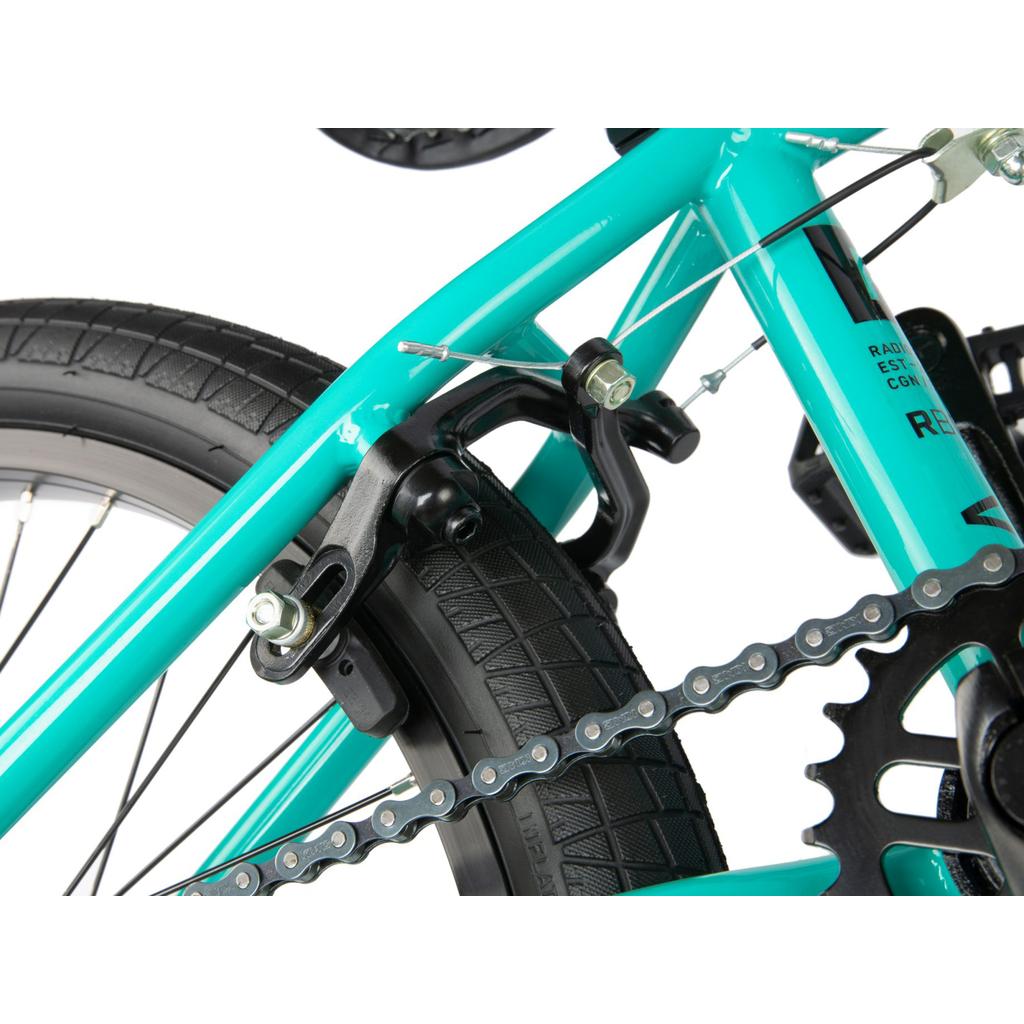
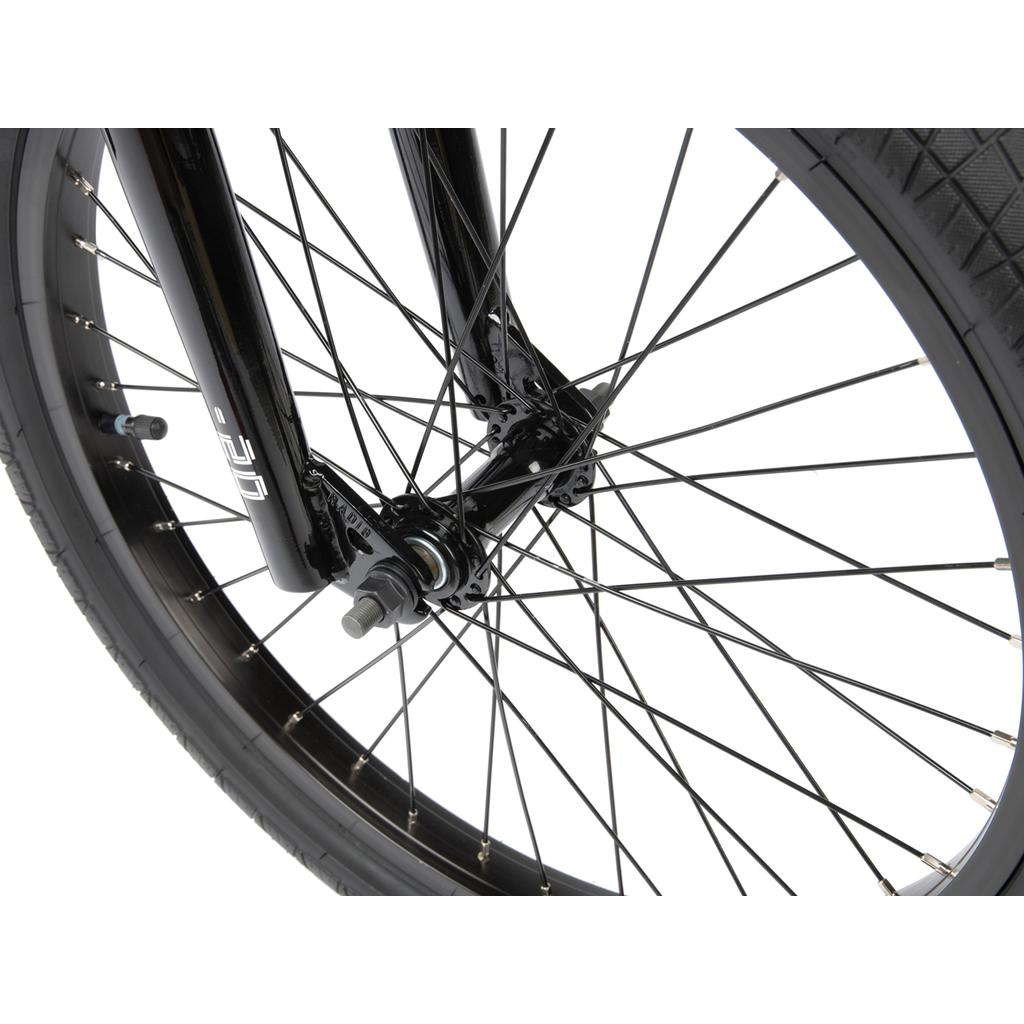
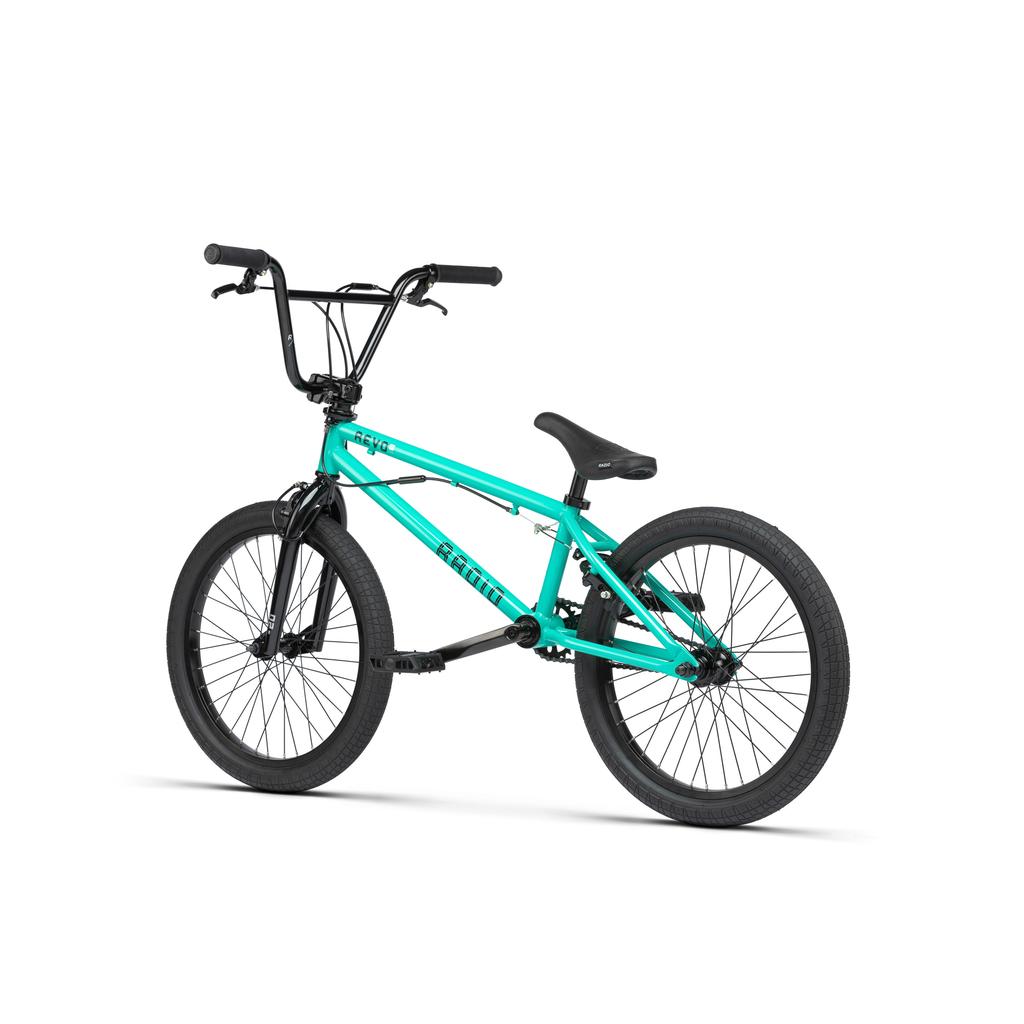
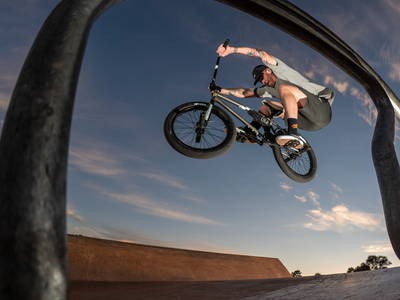
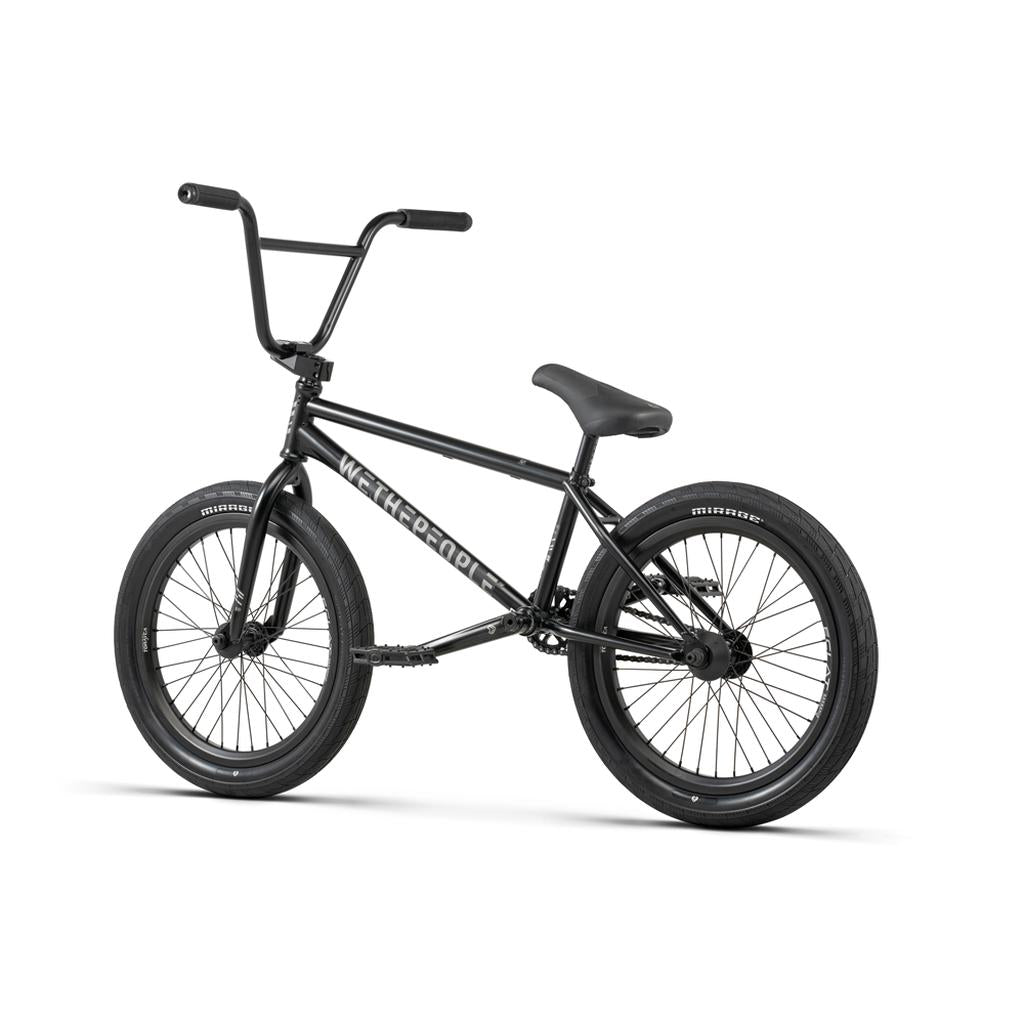
You are starting out: hopping gutters, learning to bunnyhop, riding to the park with your mates on your first real BMX. A hi-tensile or part chromoly frame, a sealed rear hub and a sensible price are what matter here.


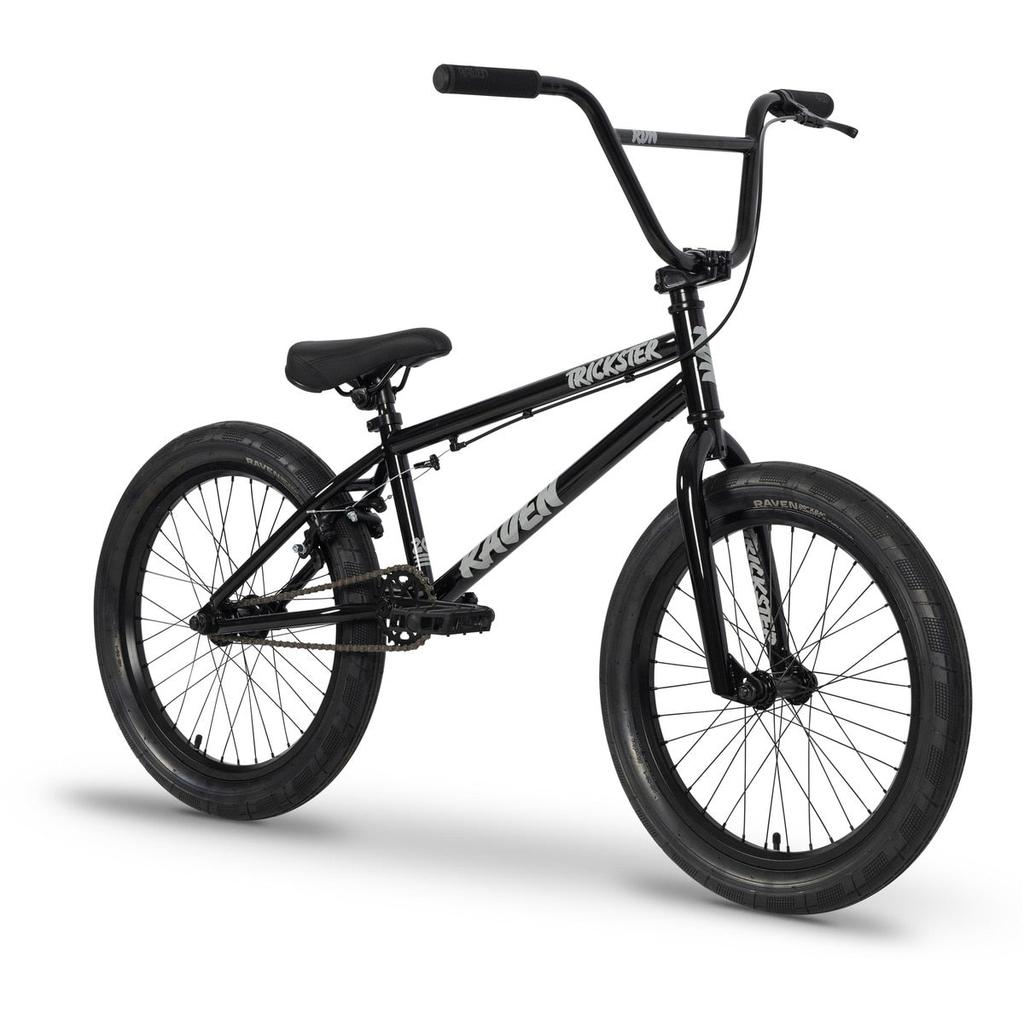
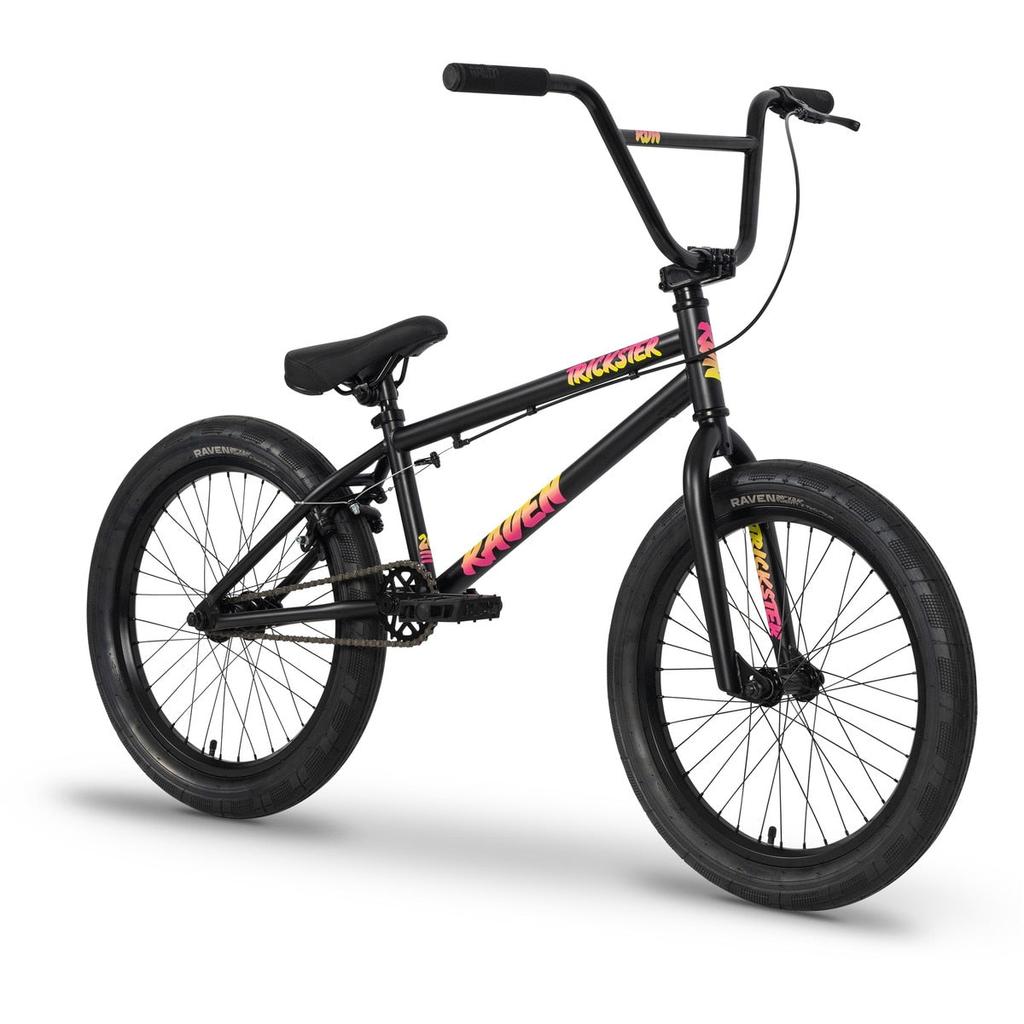
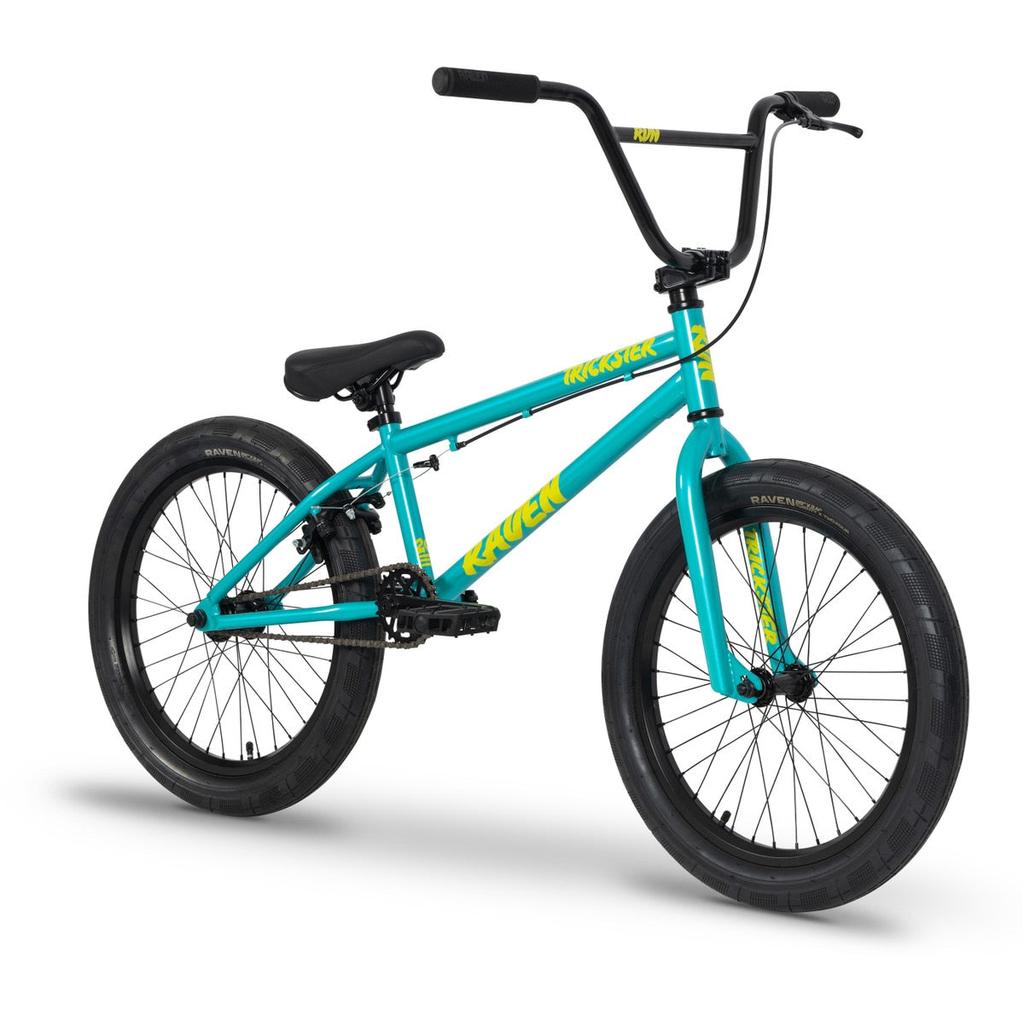




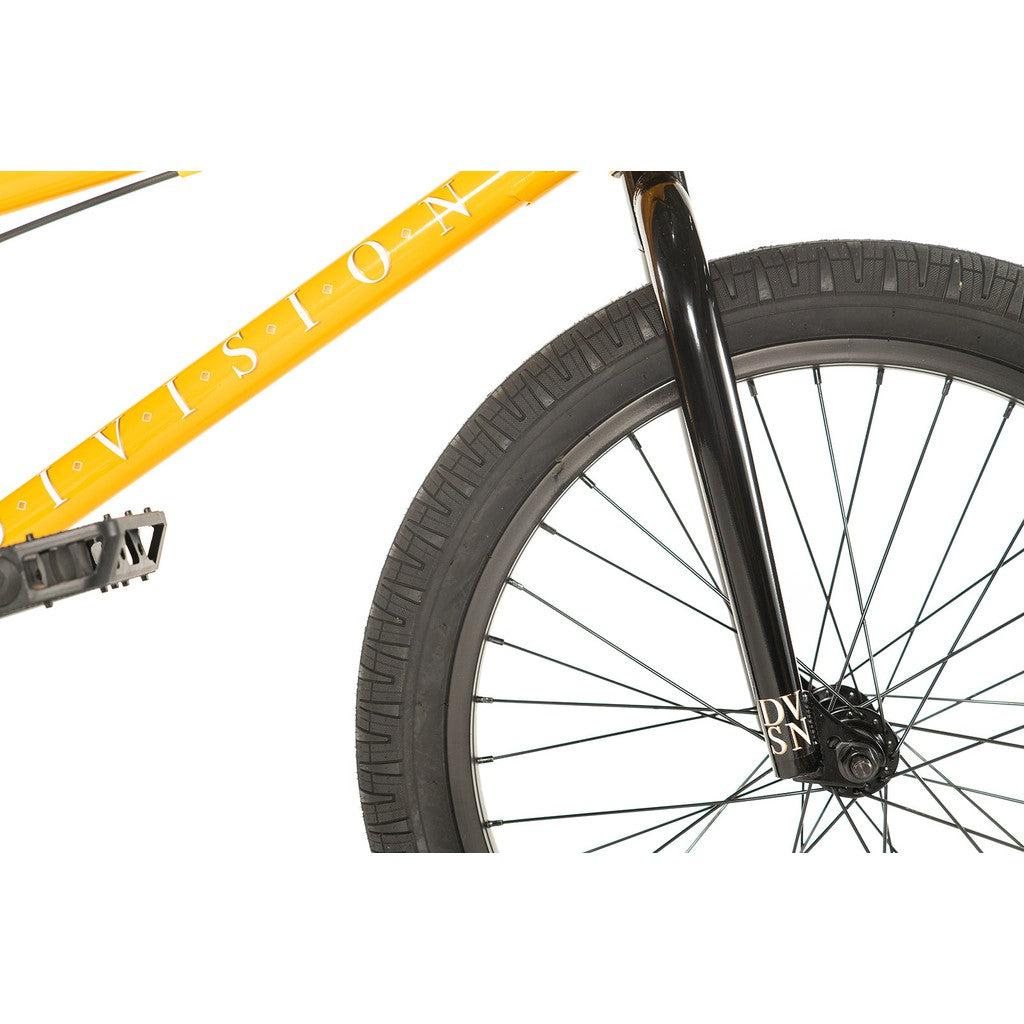
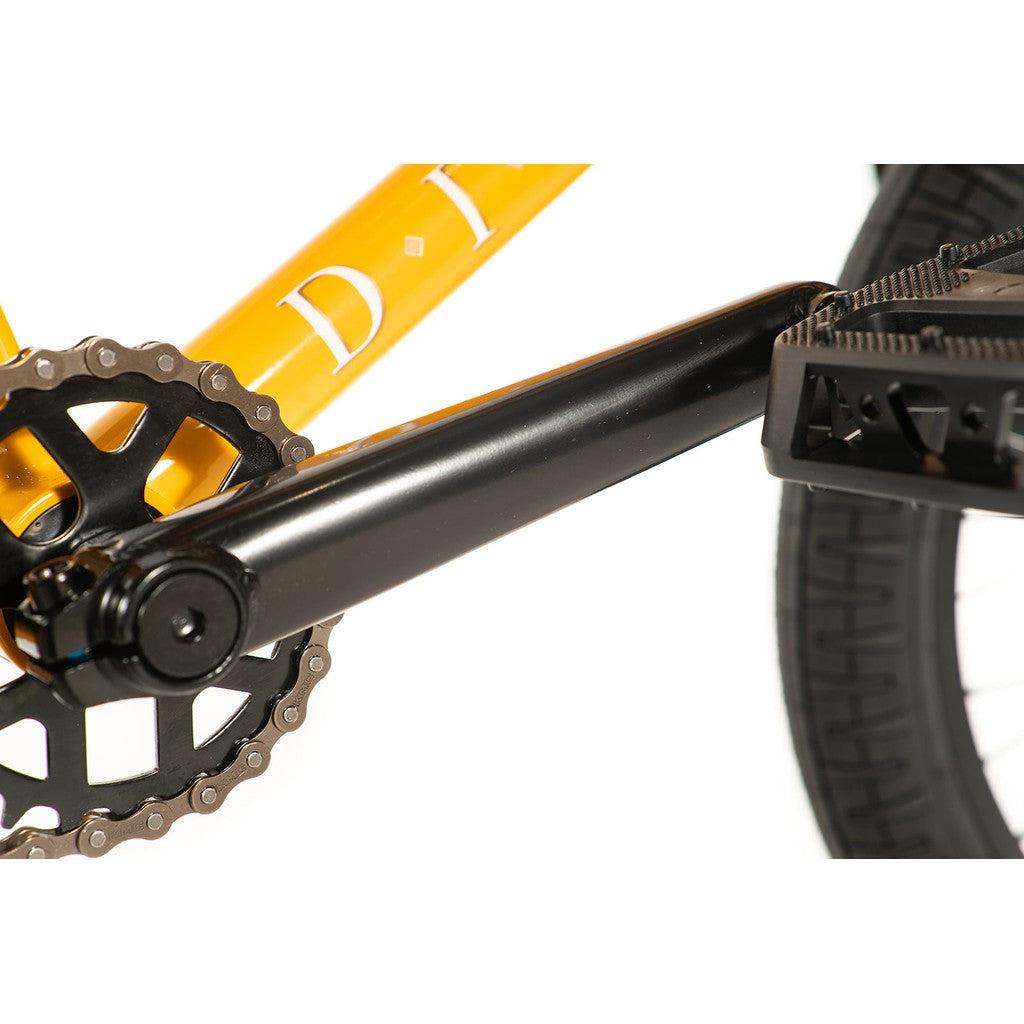
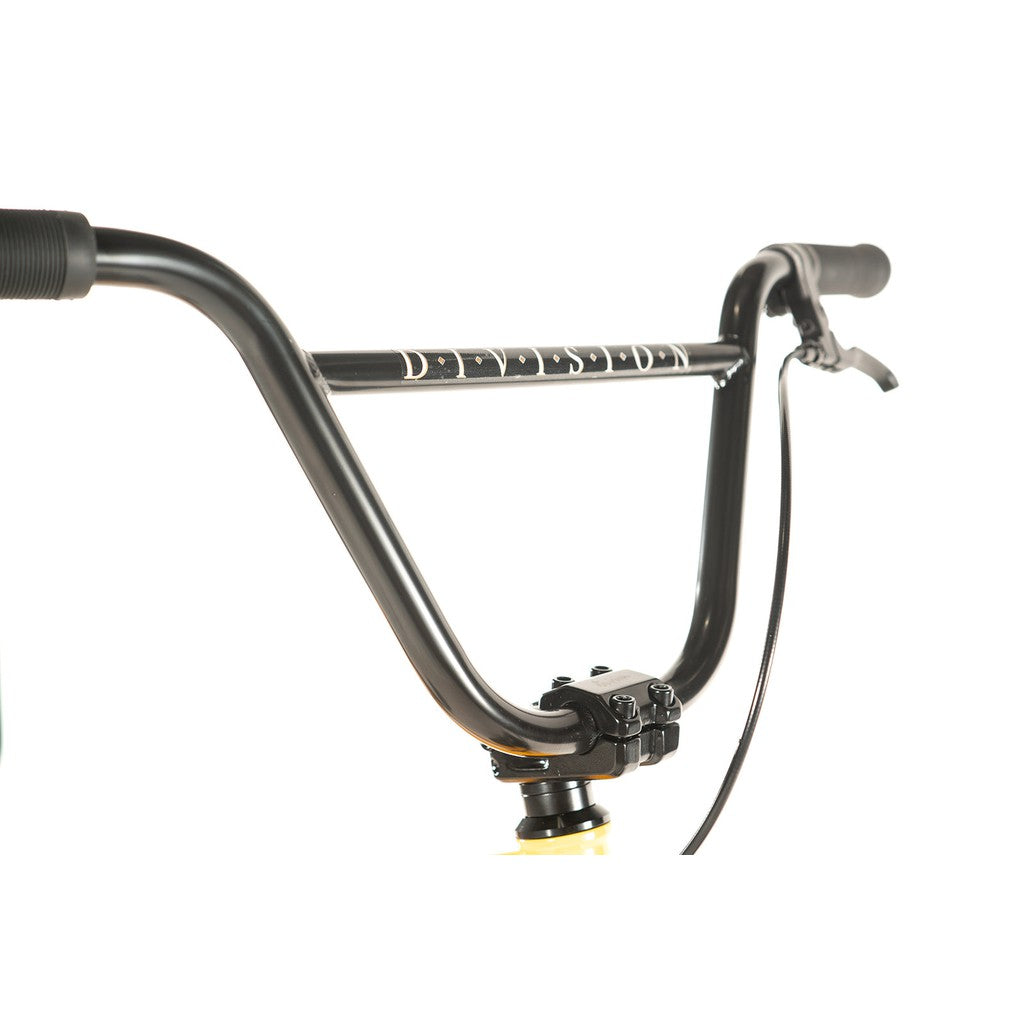
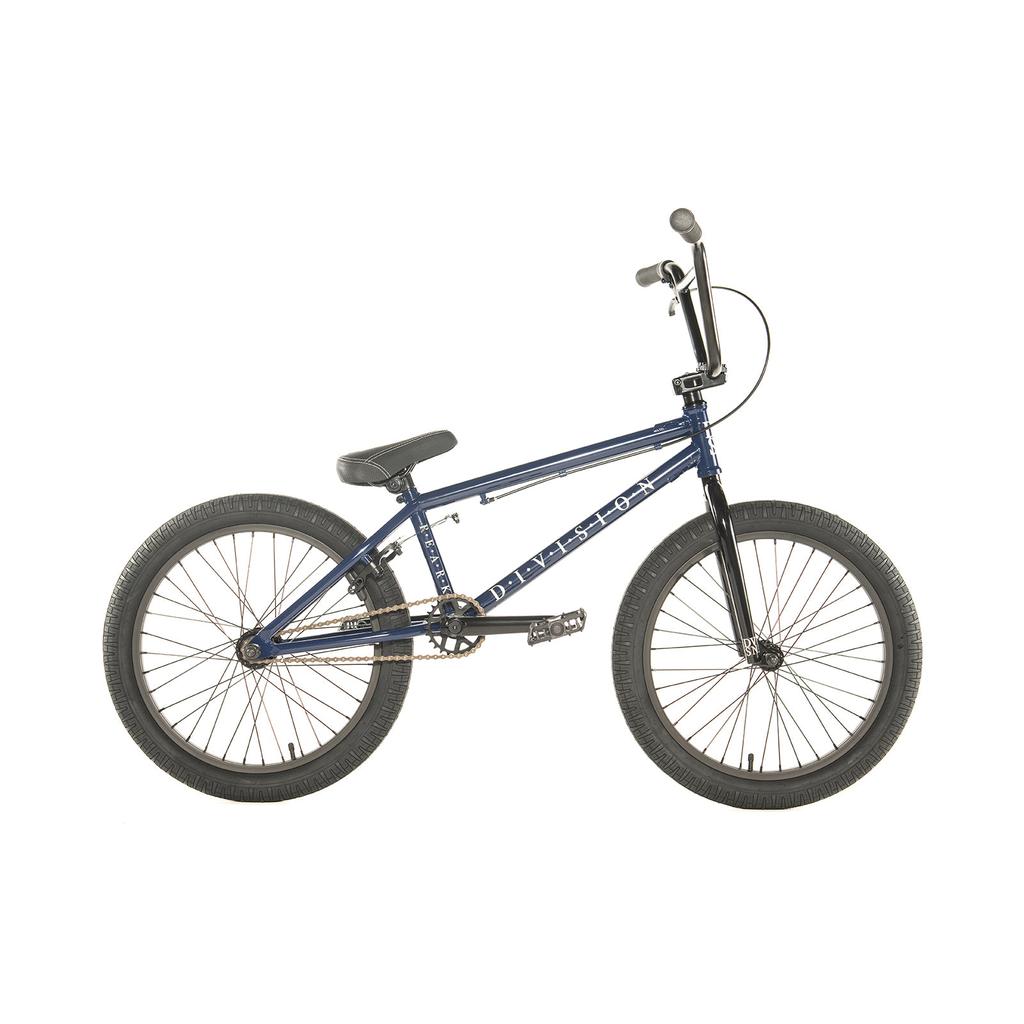
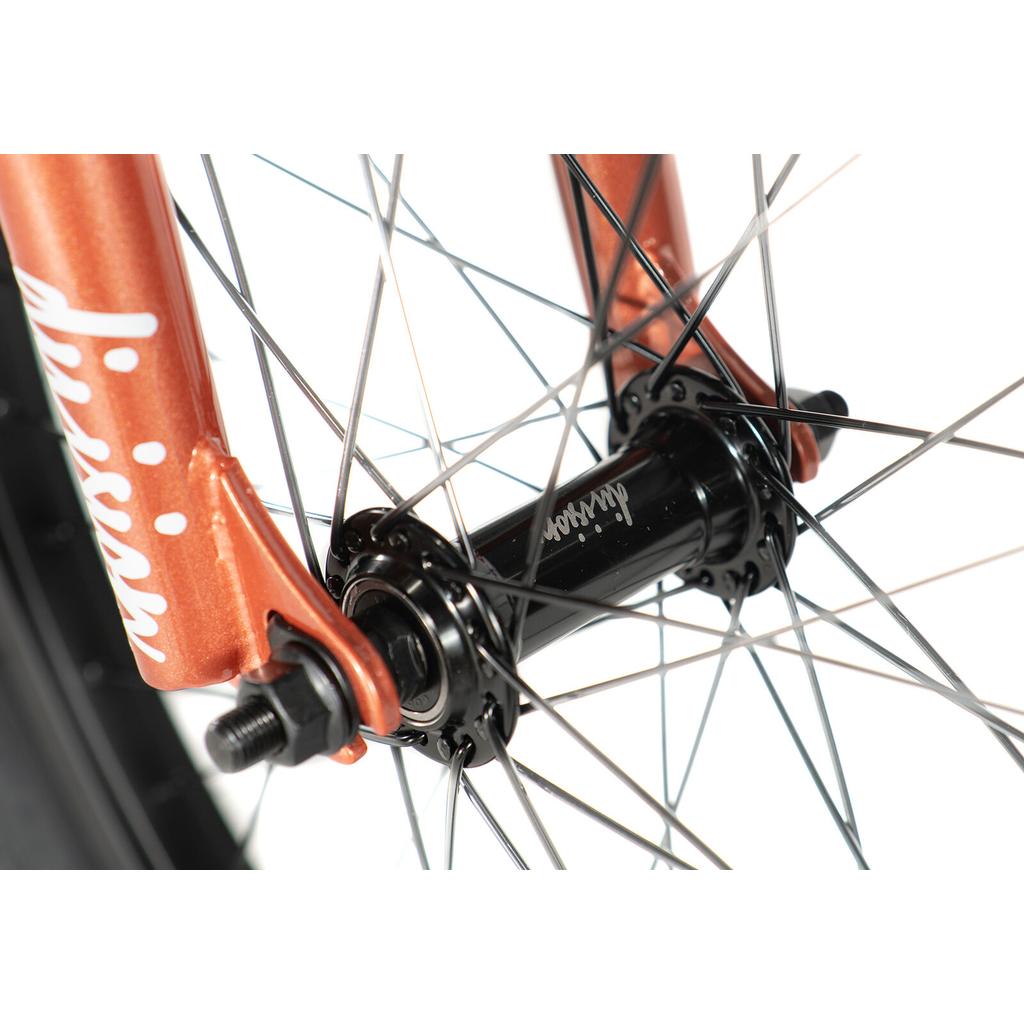
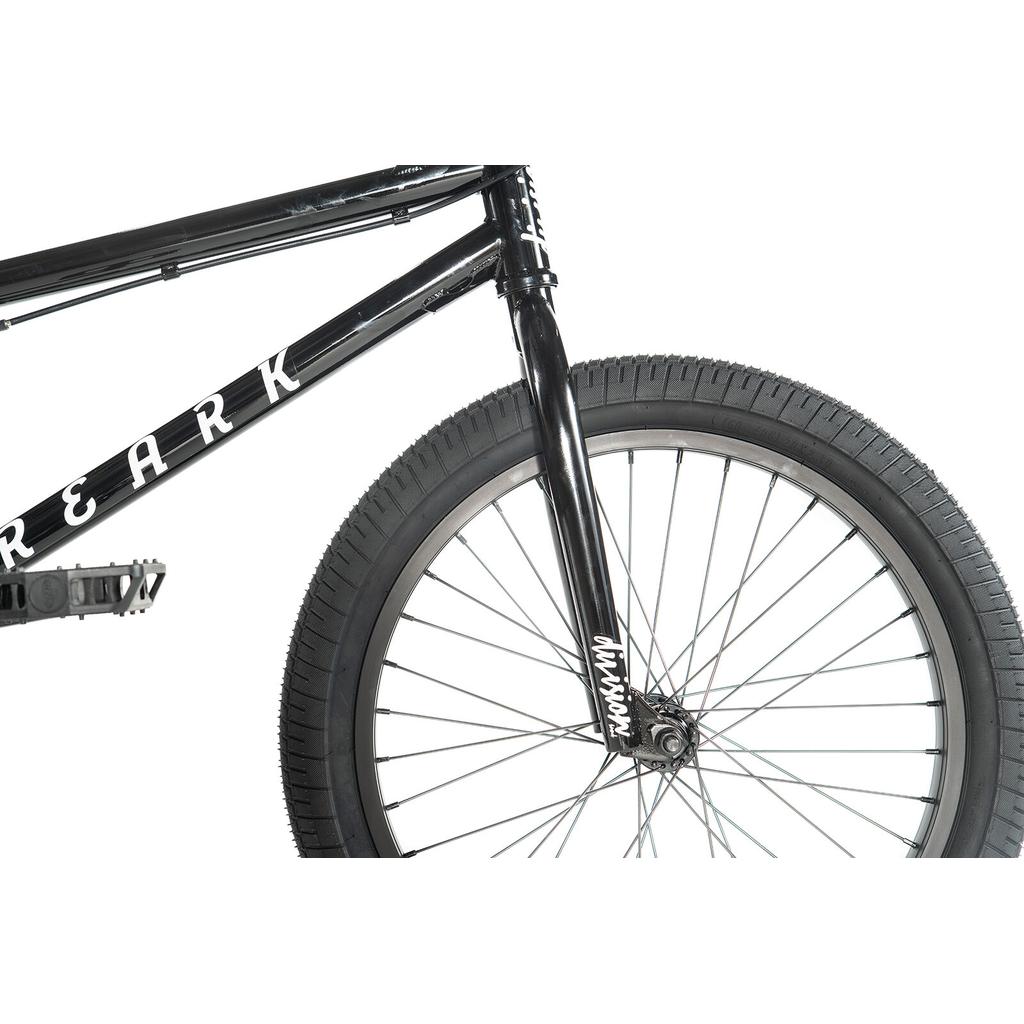
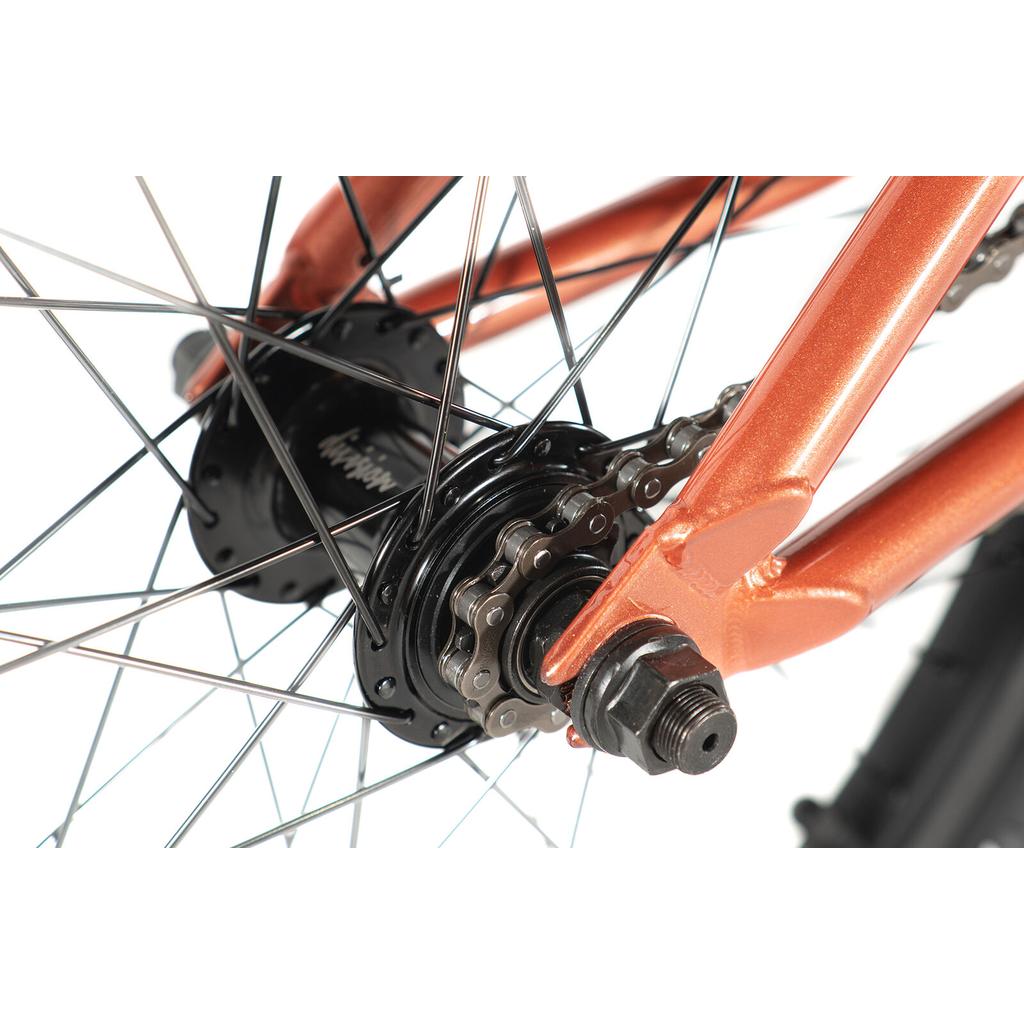
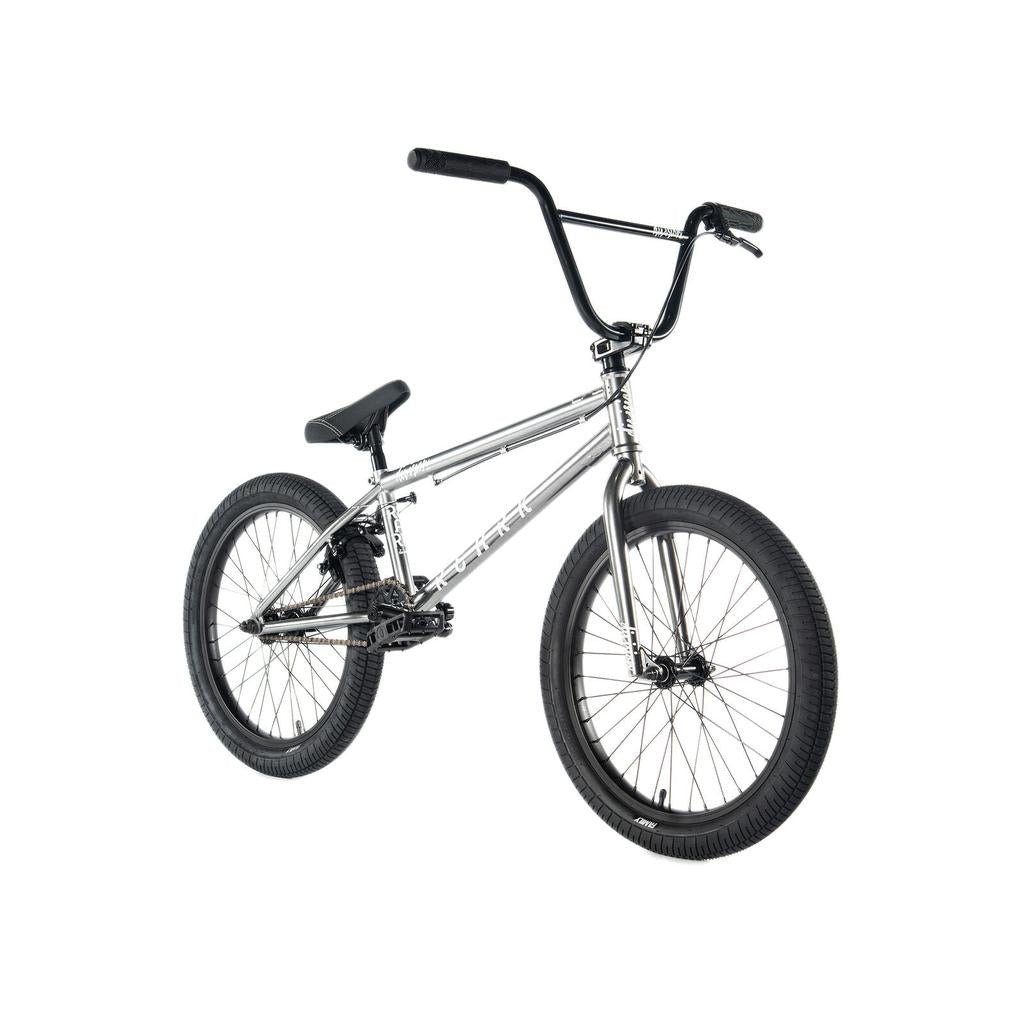
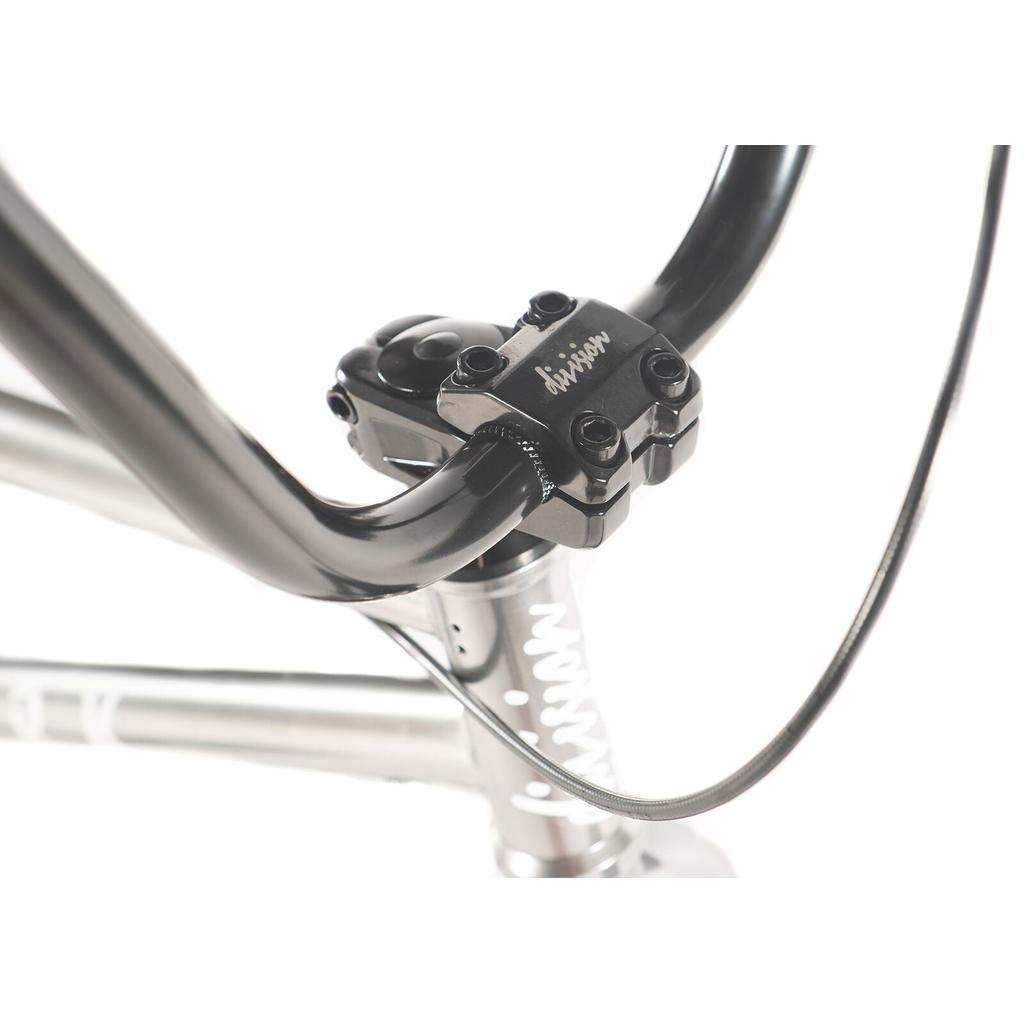
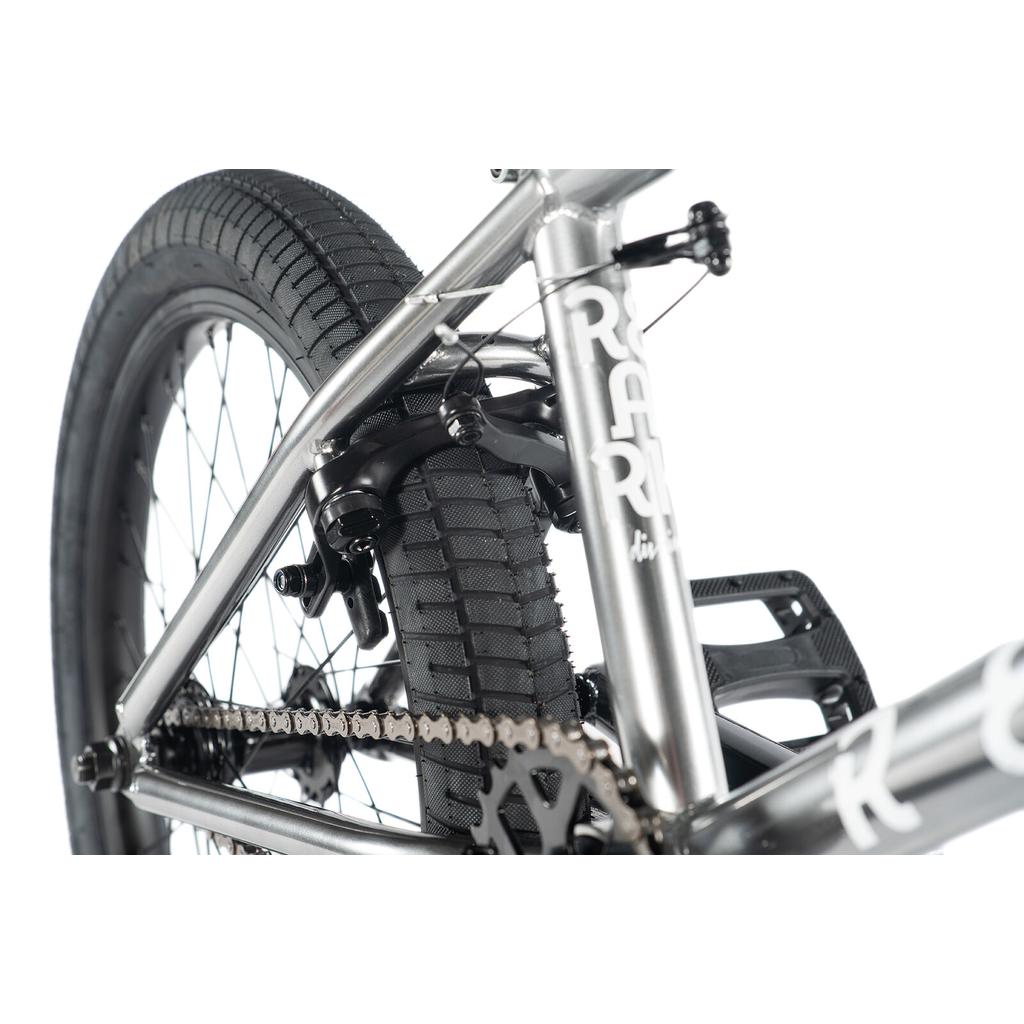


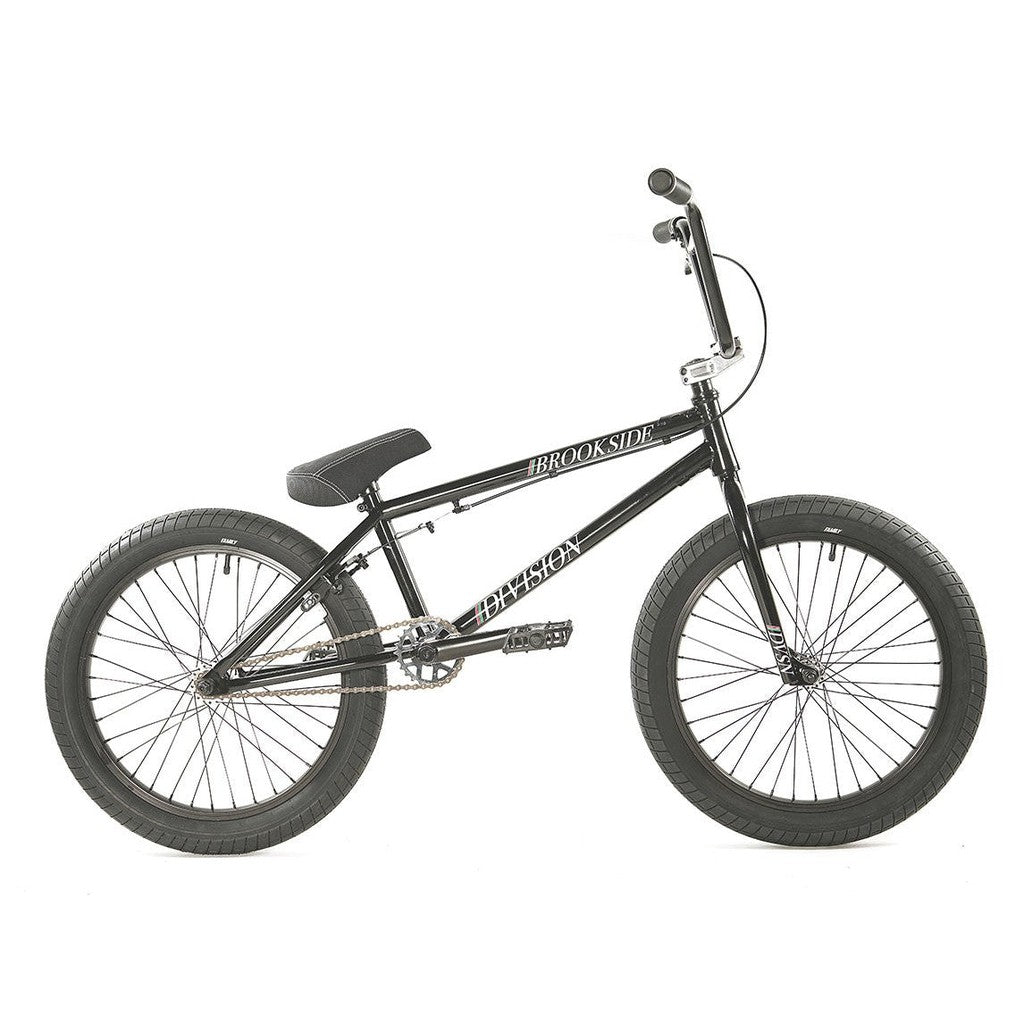
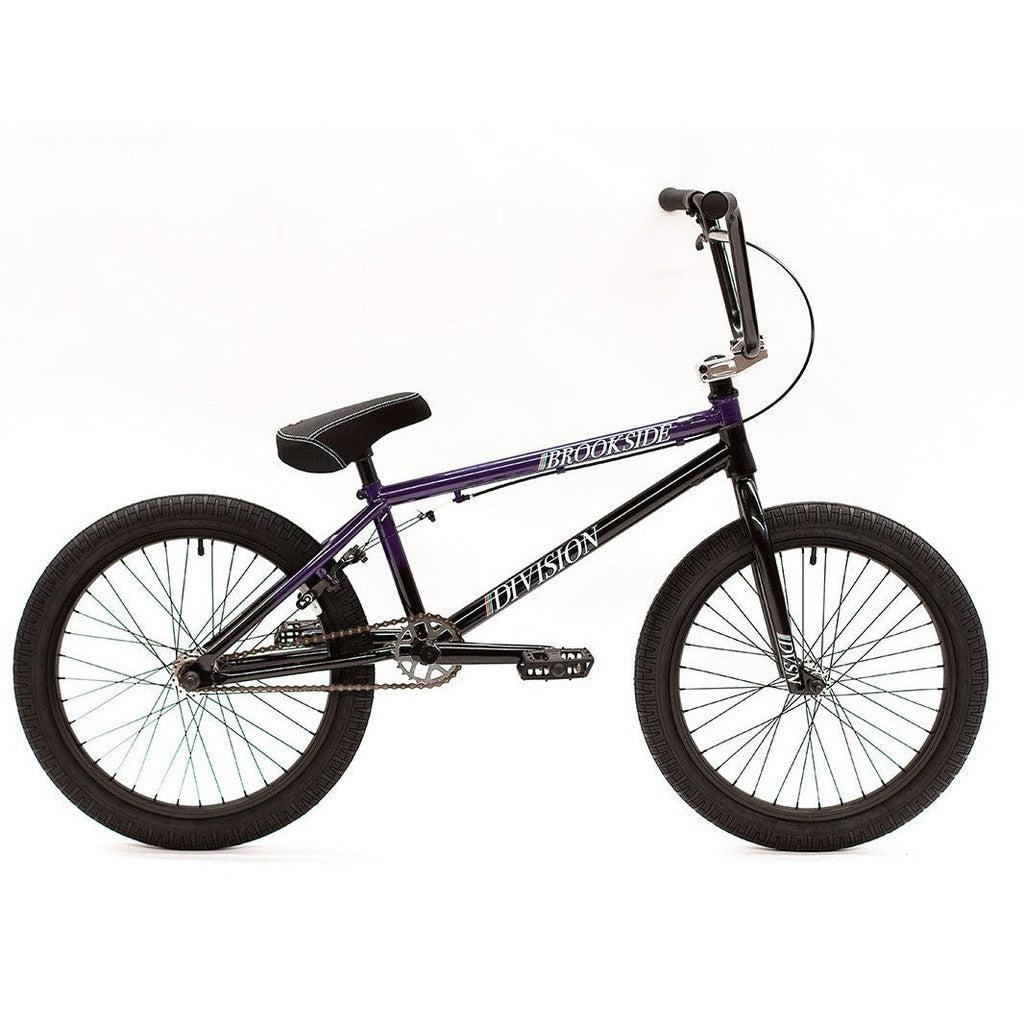
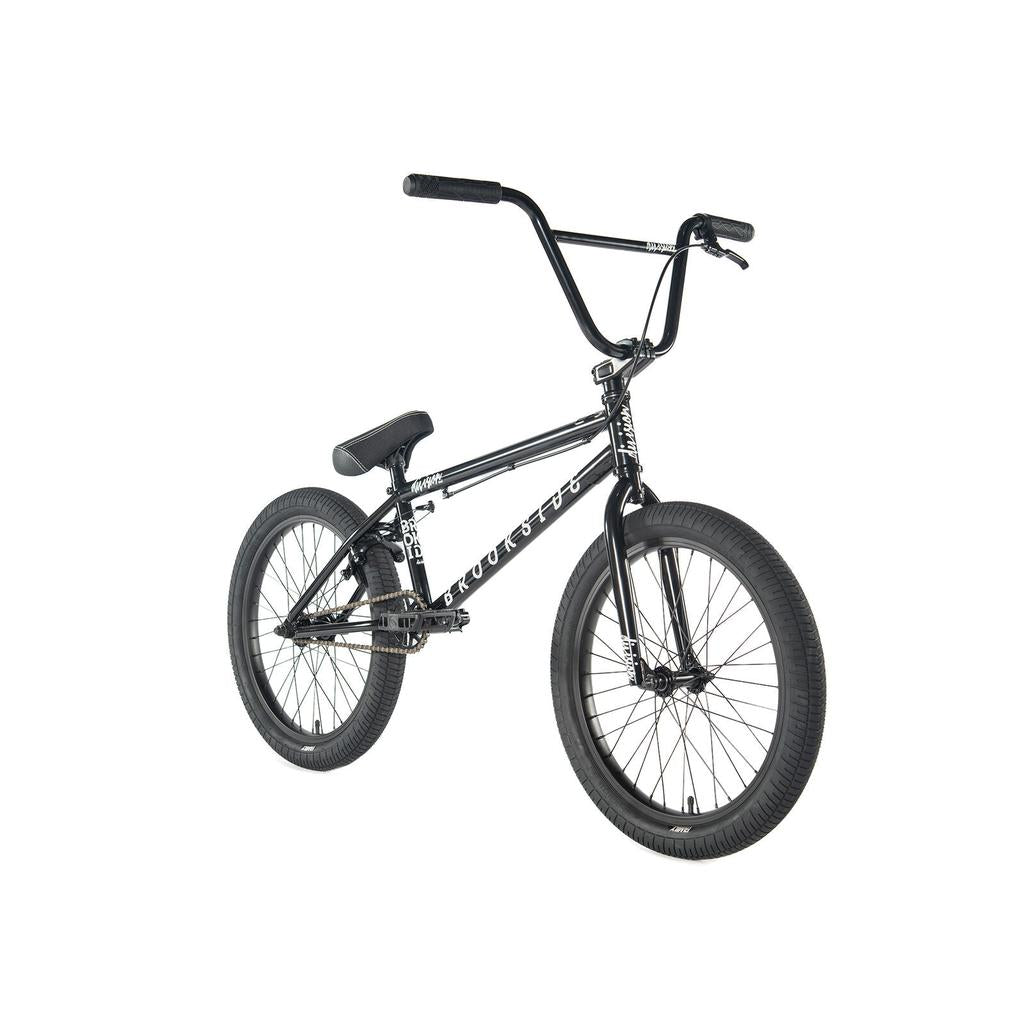


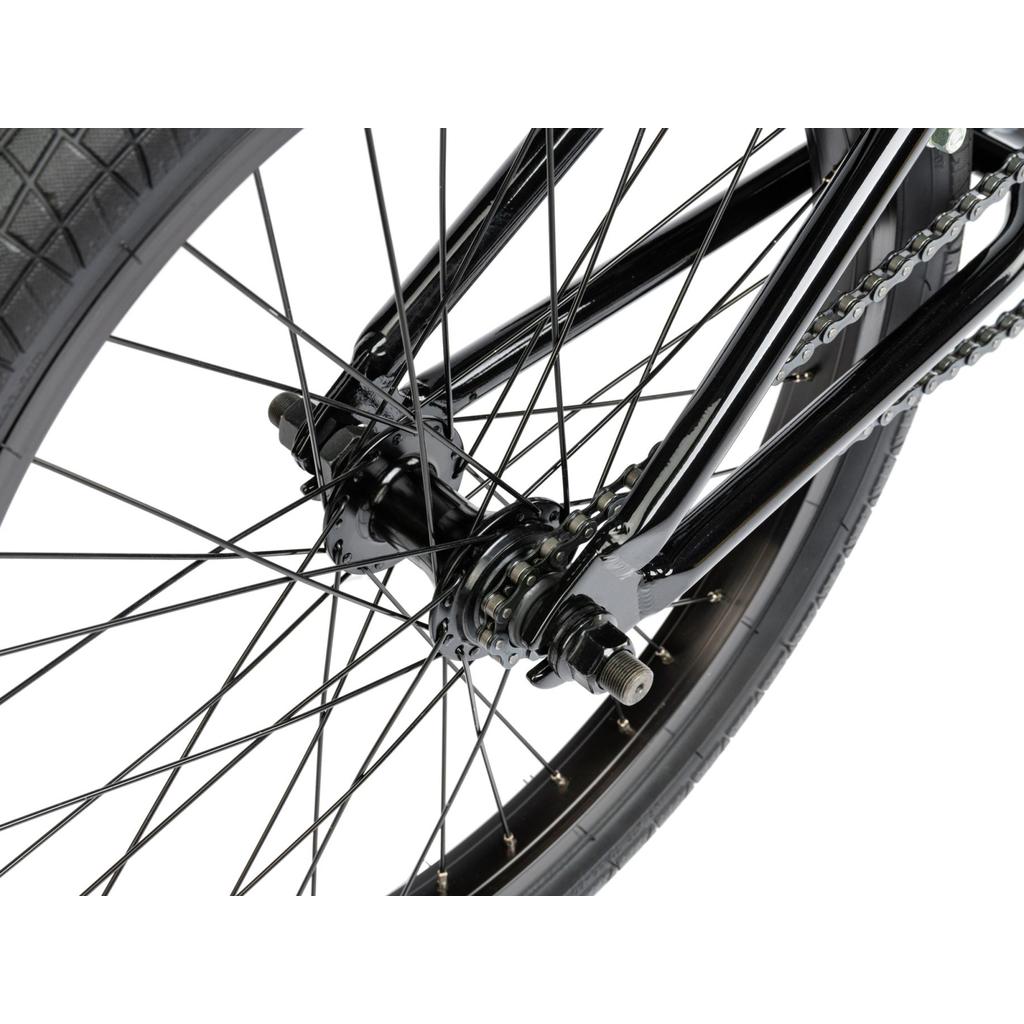
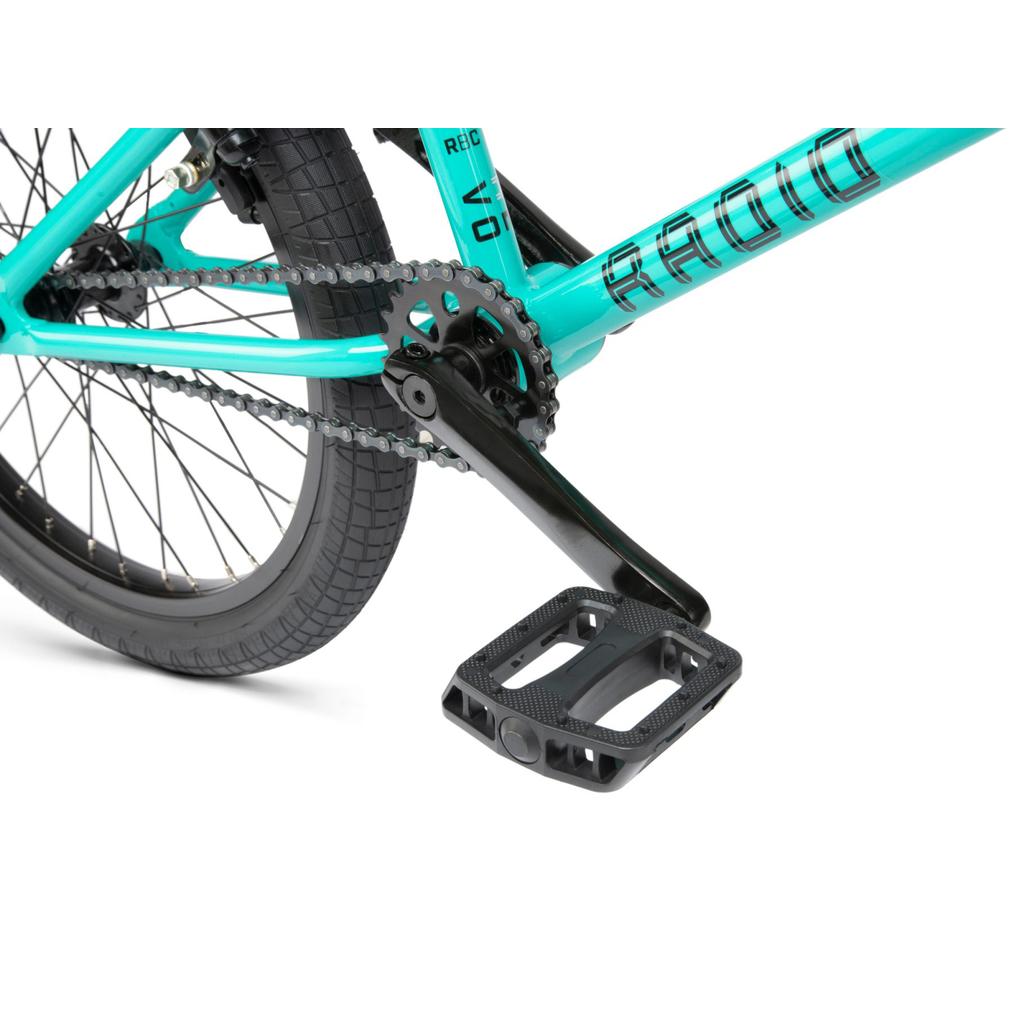
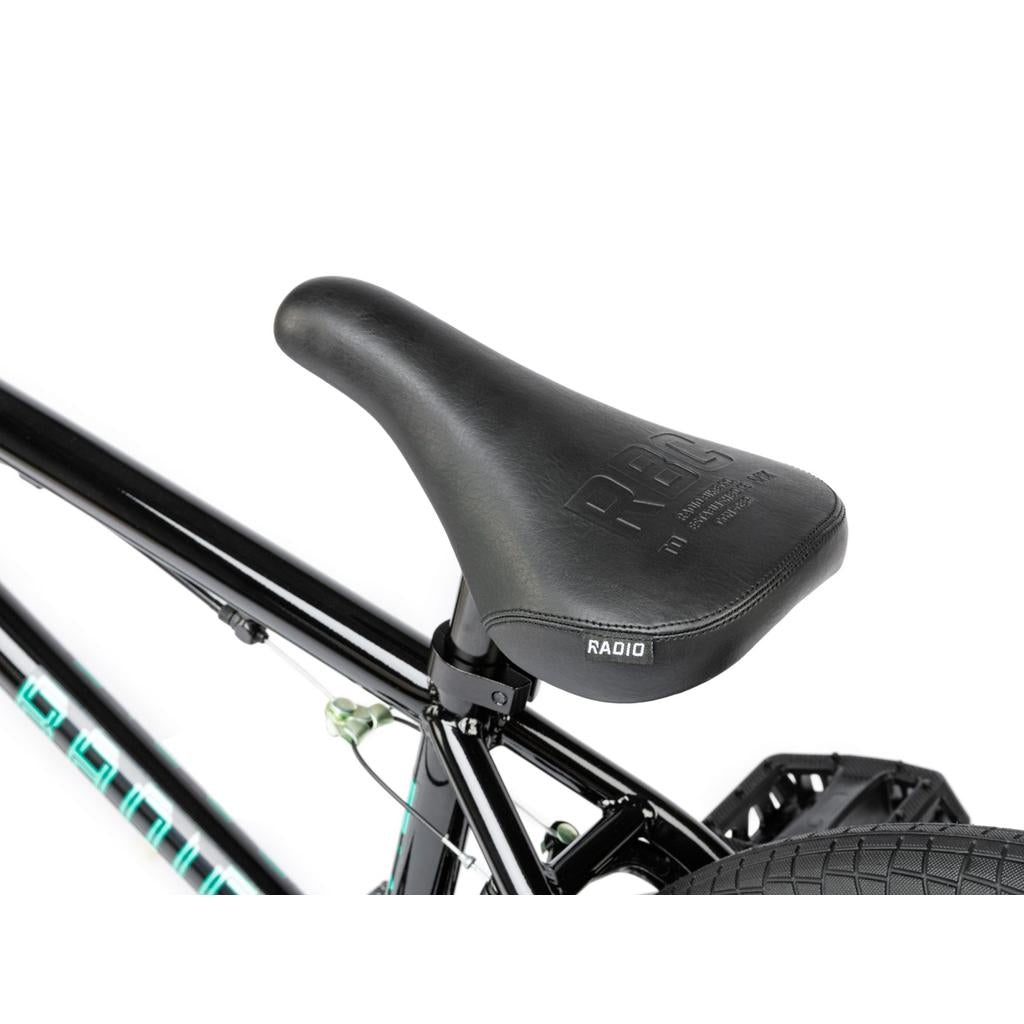
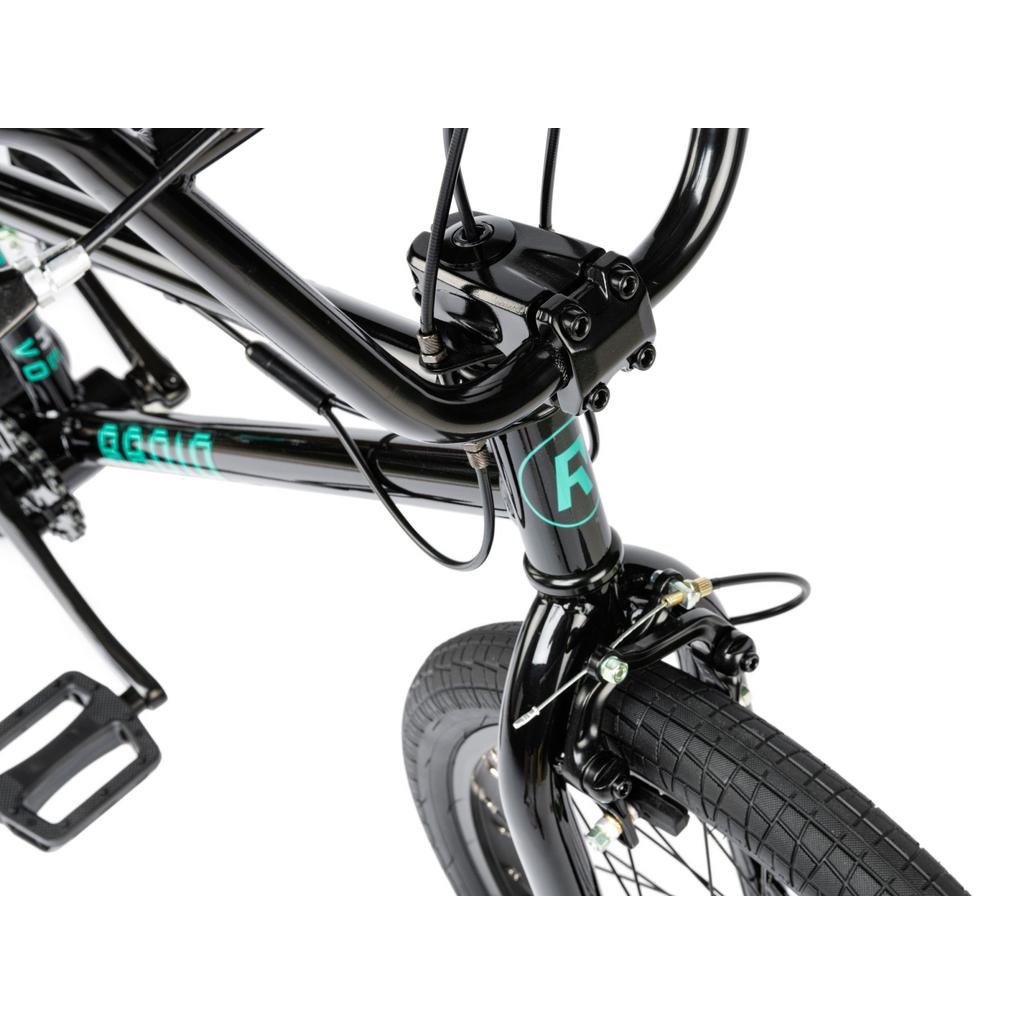







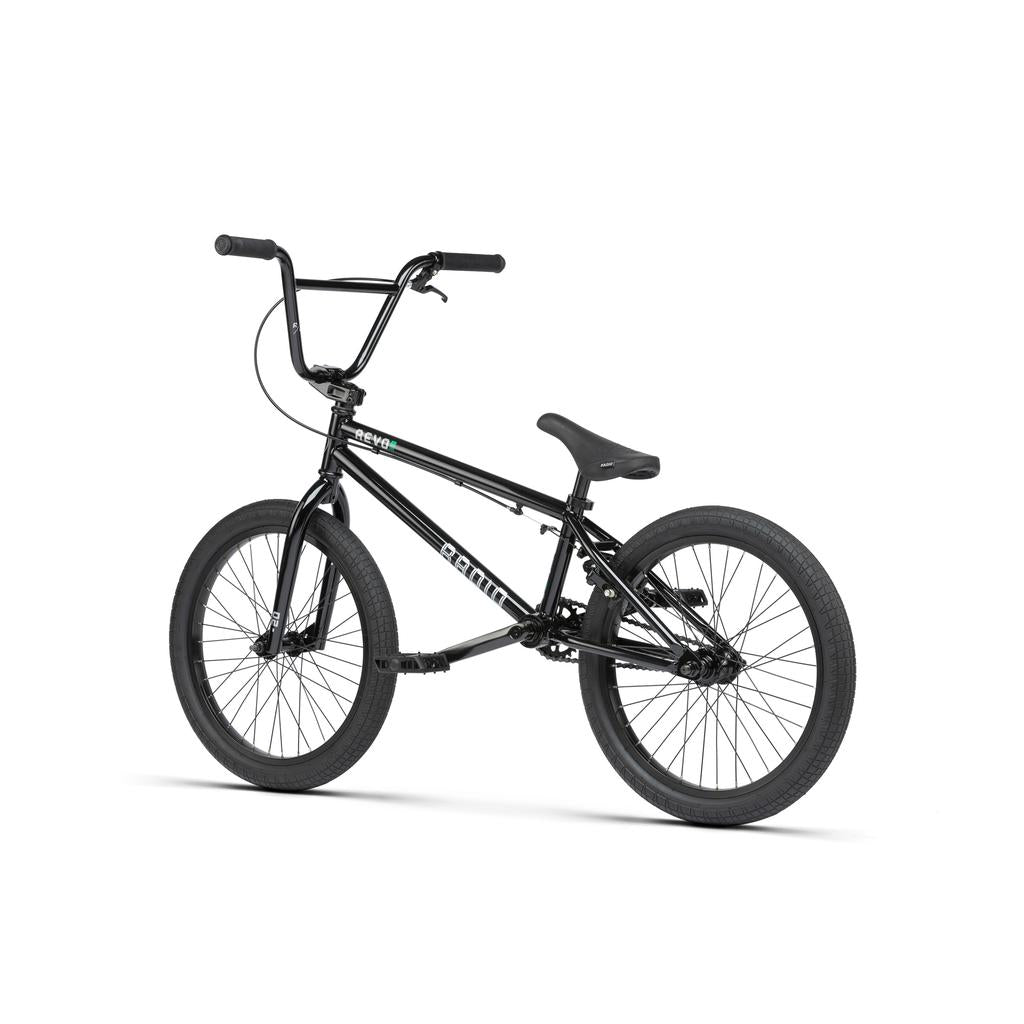
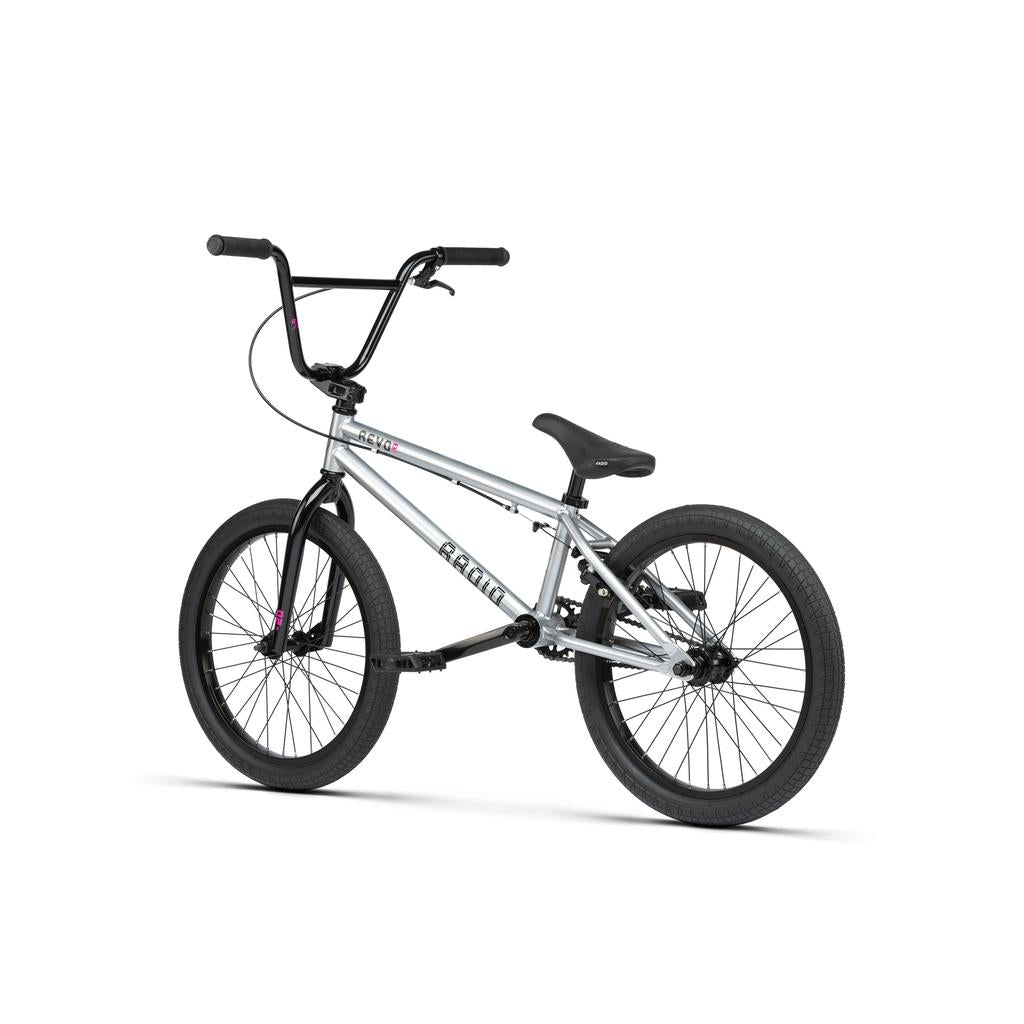
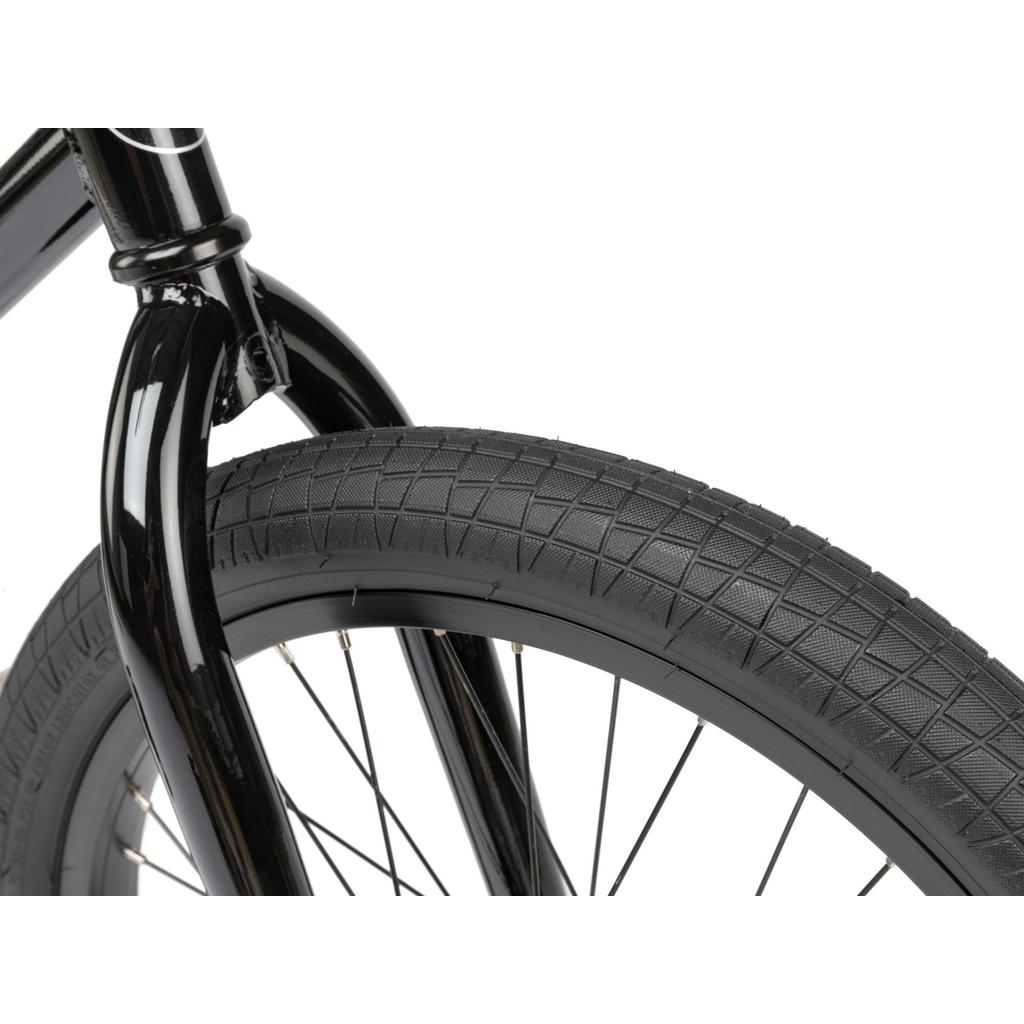
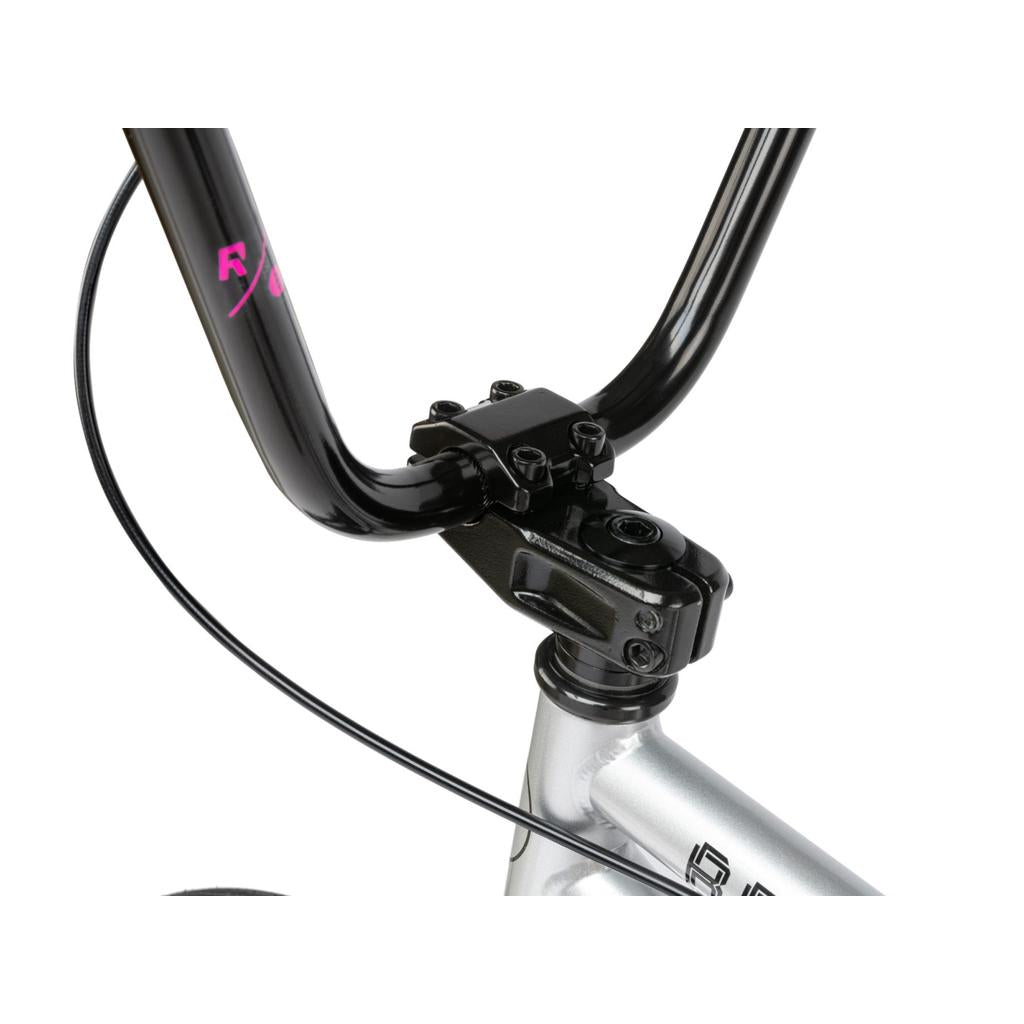
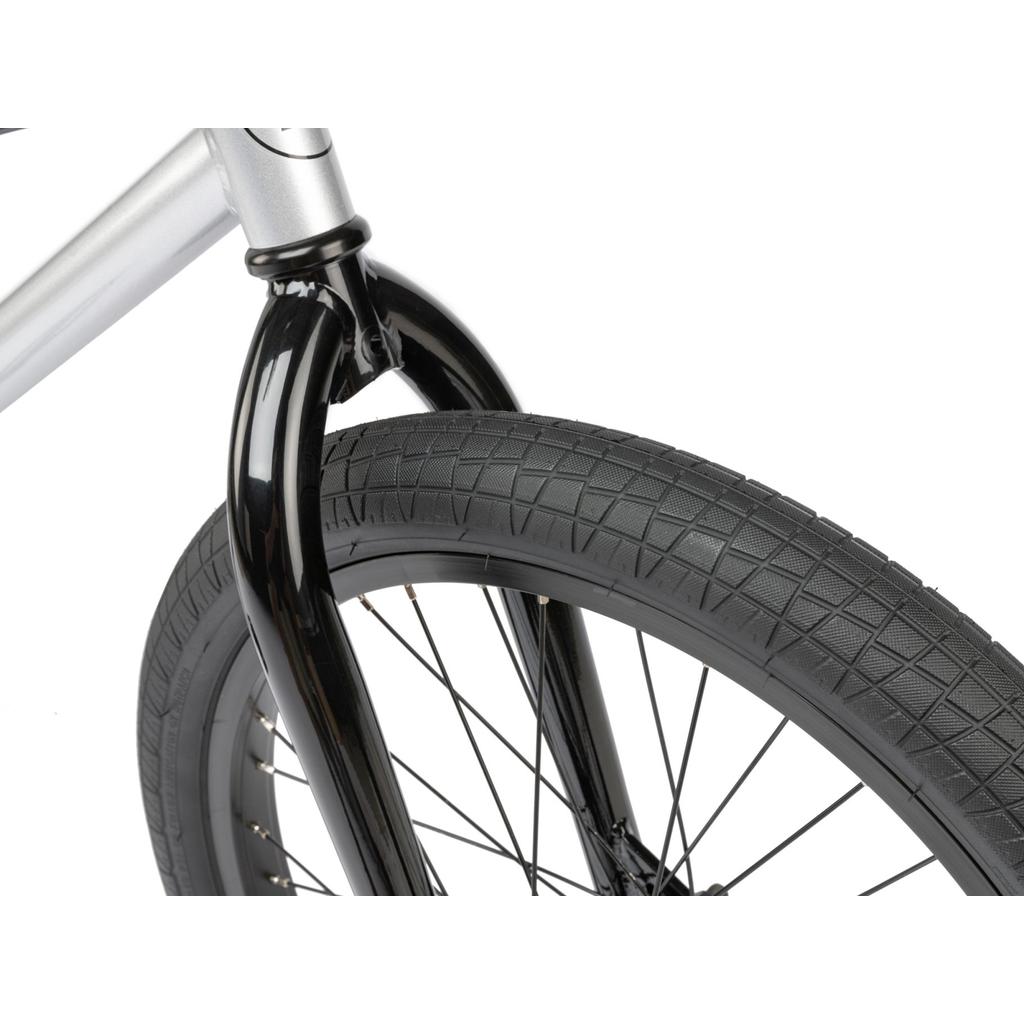
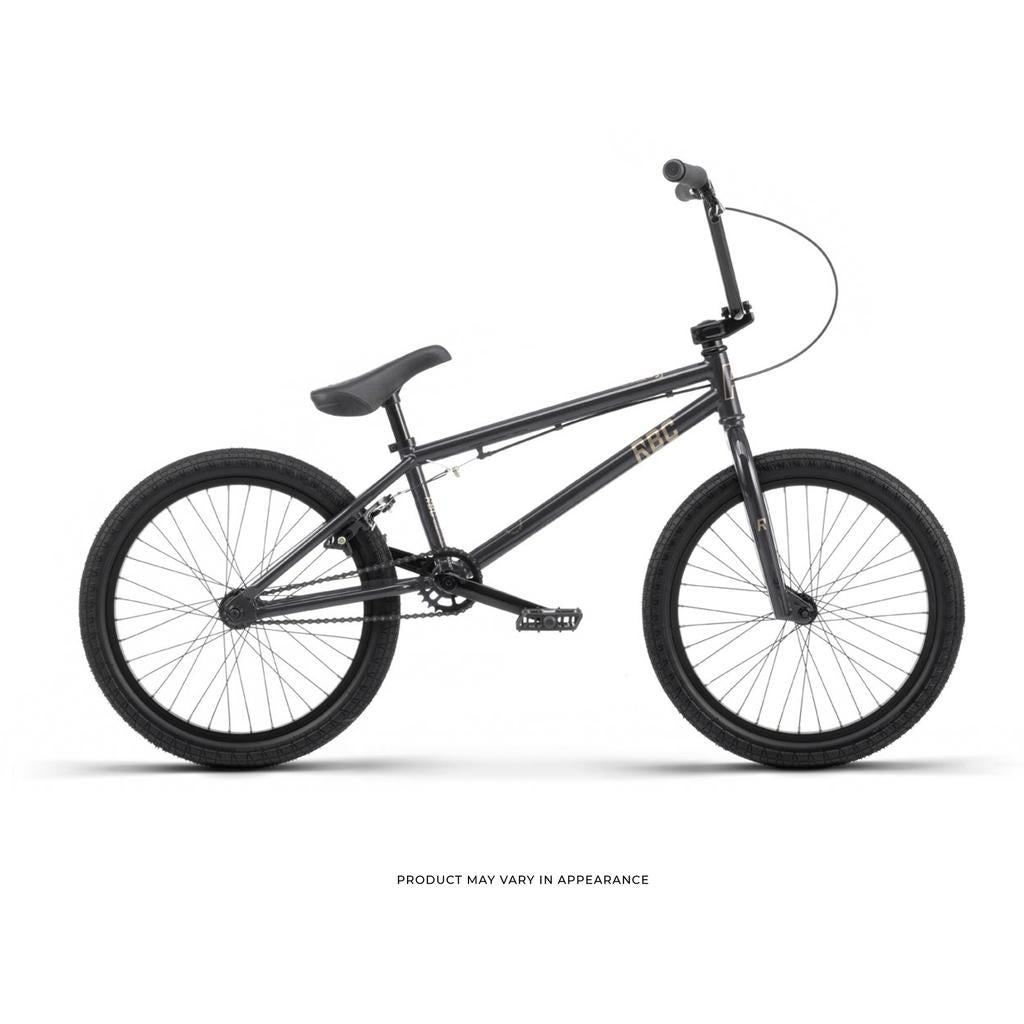



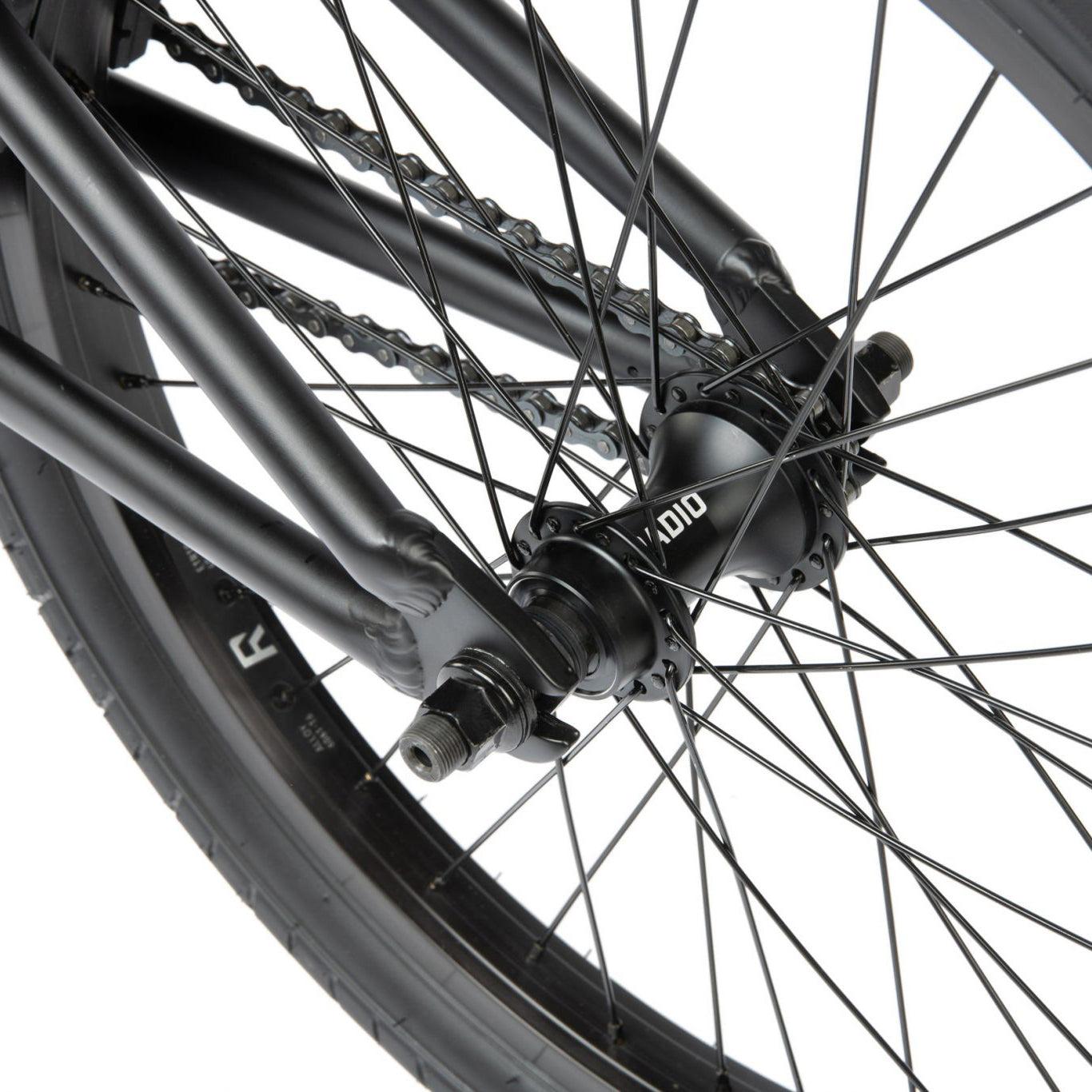
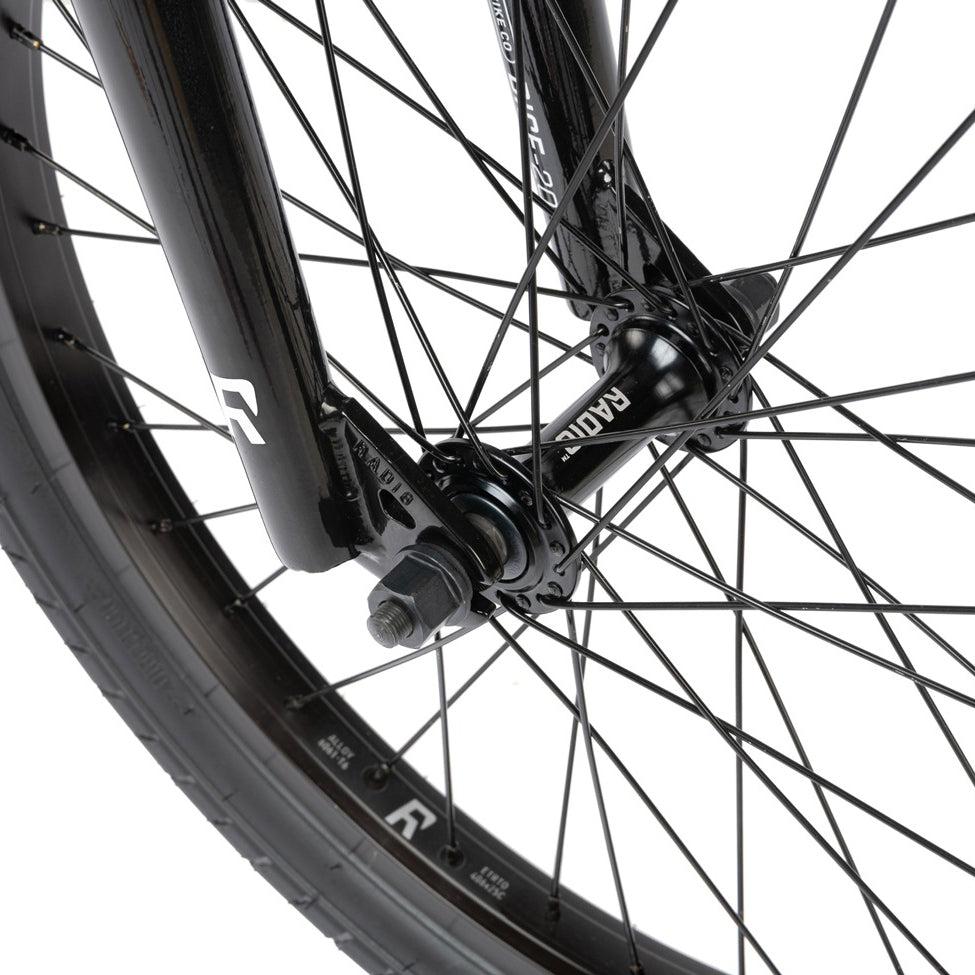
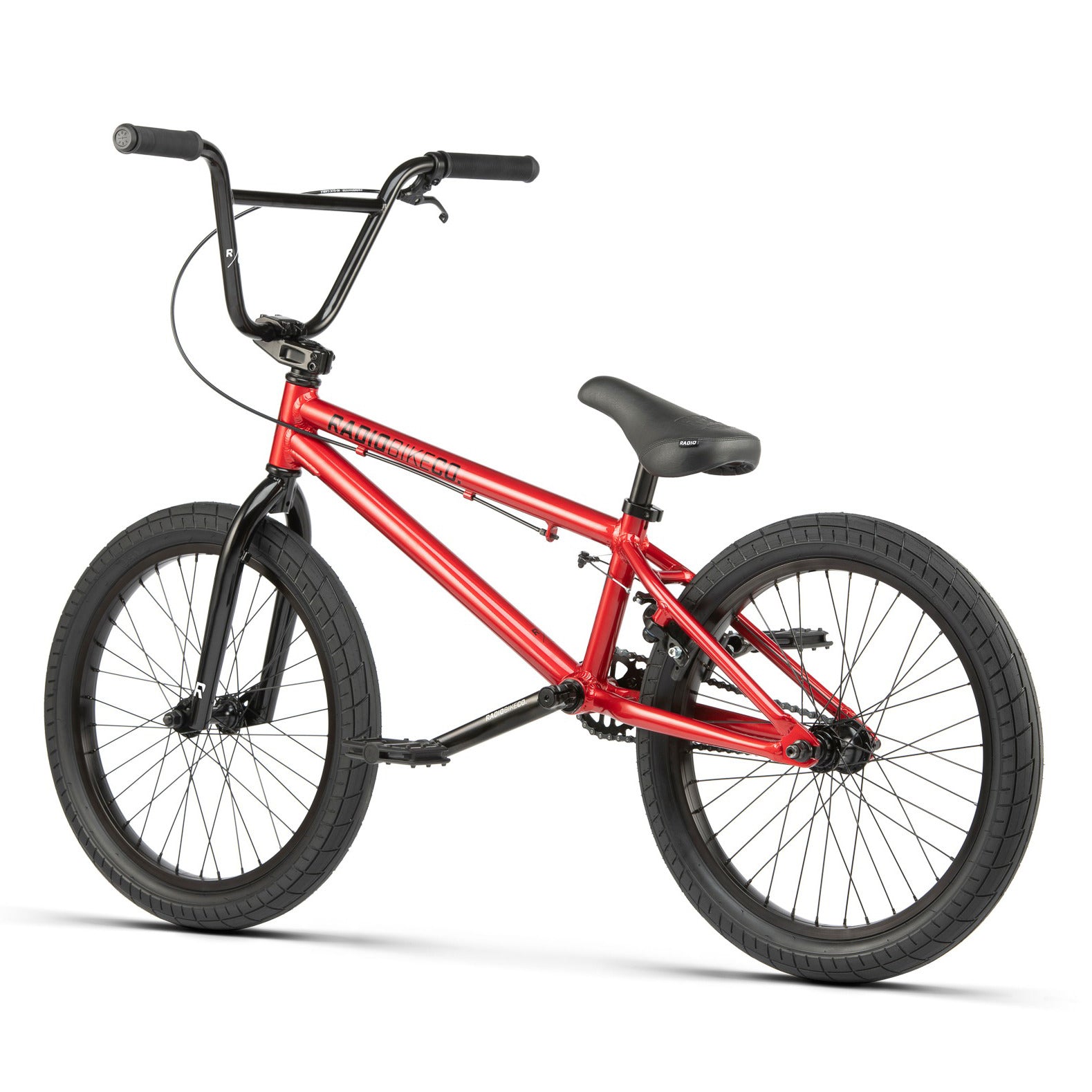
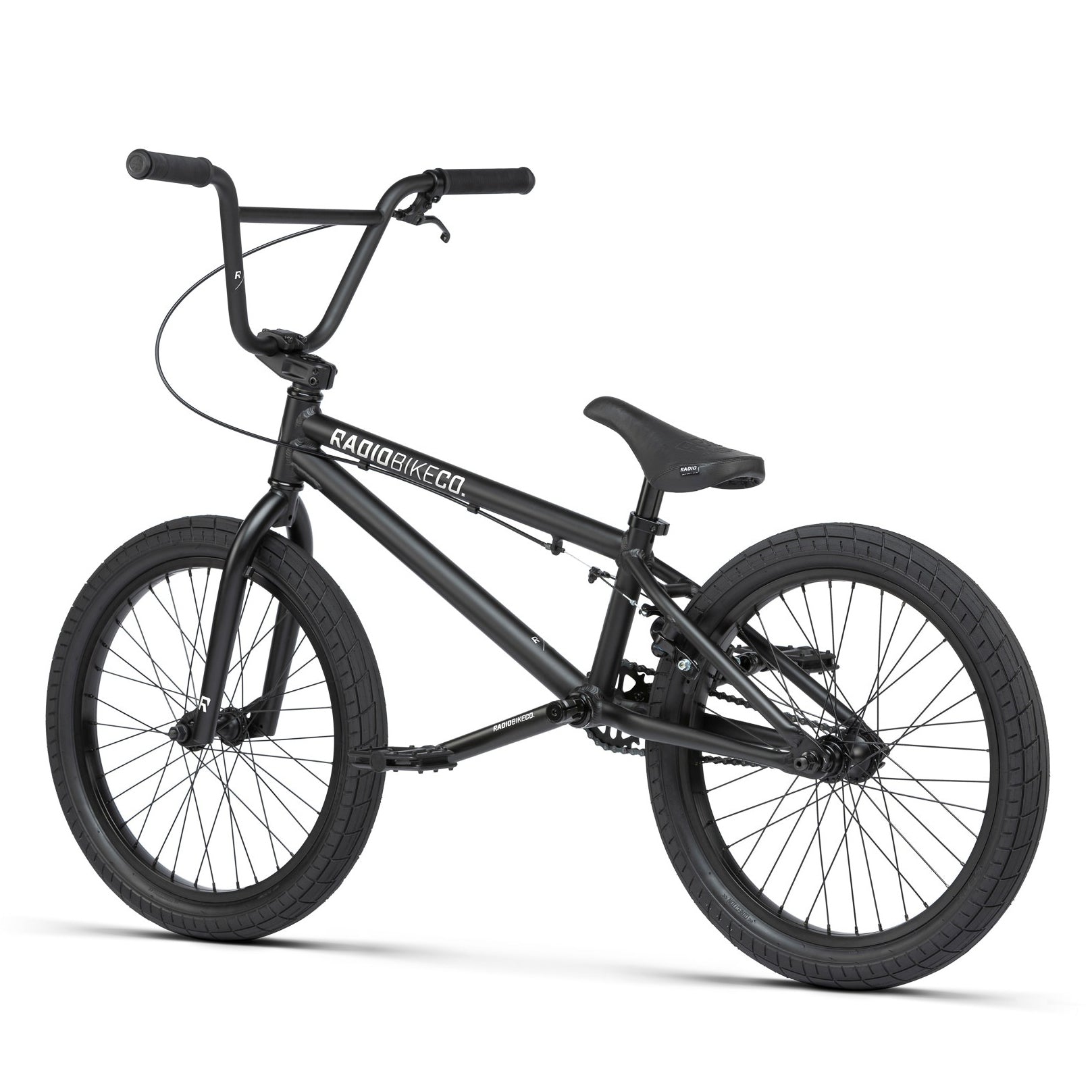


BMX bikes for intermediate riders.
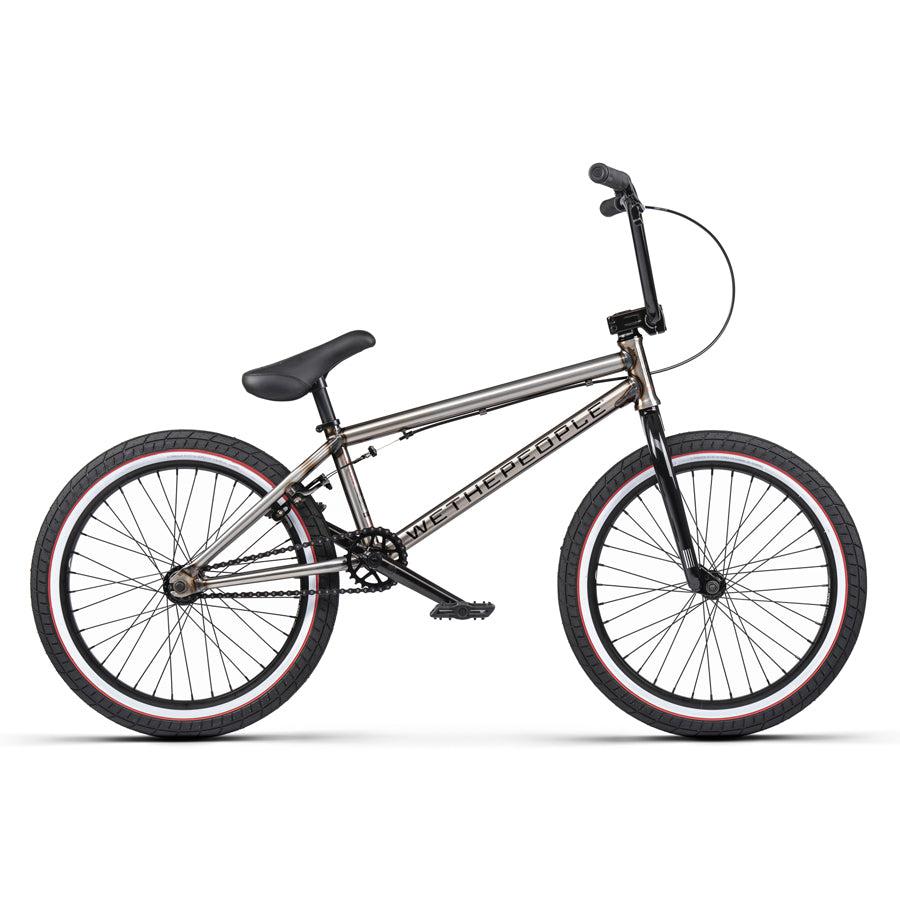
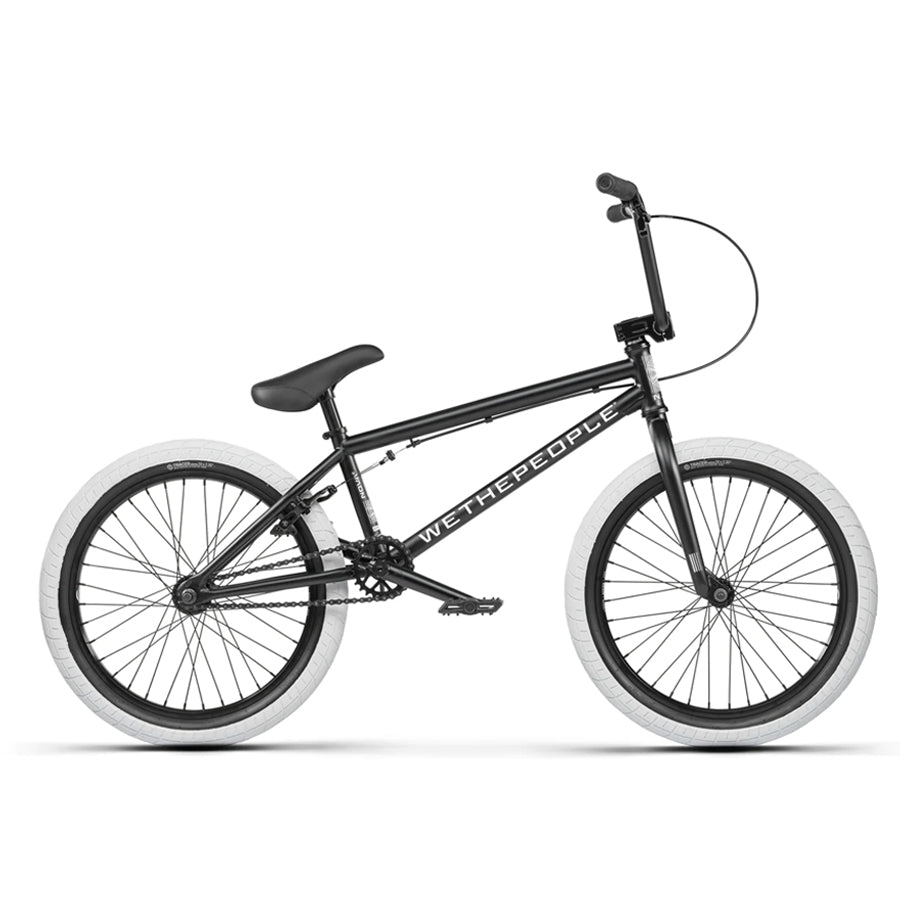
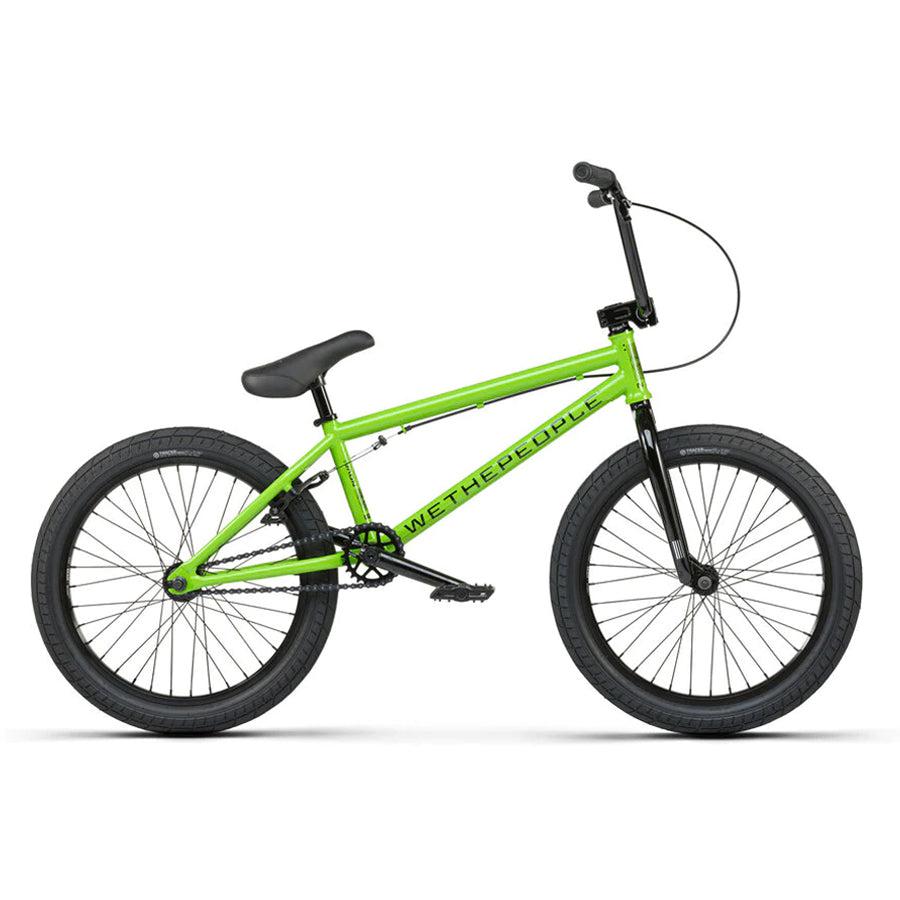
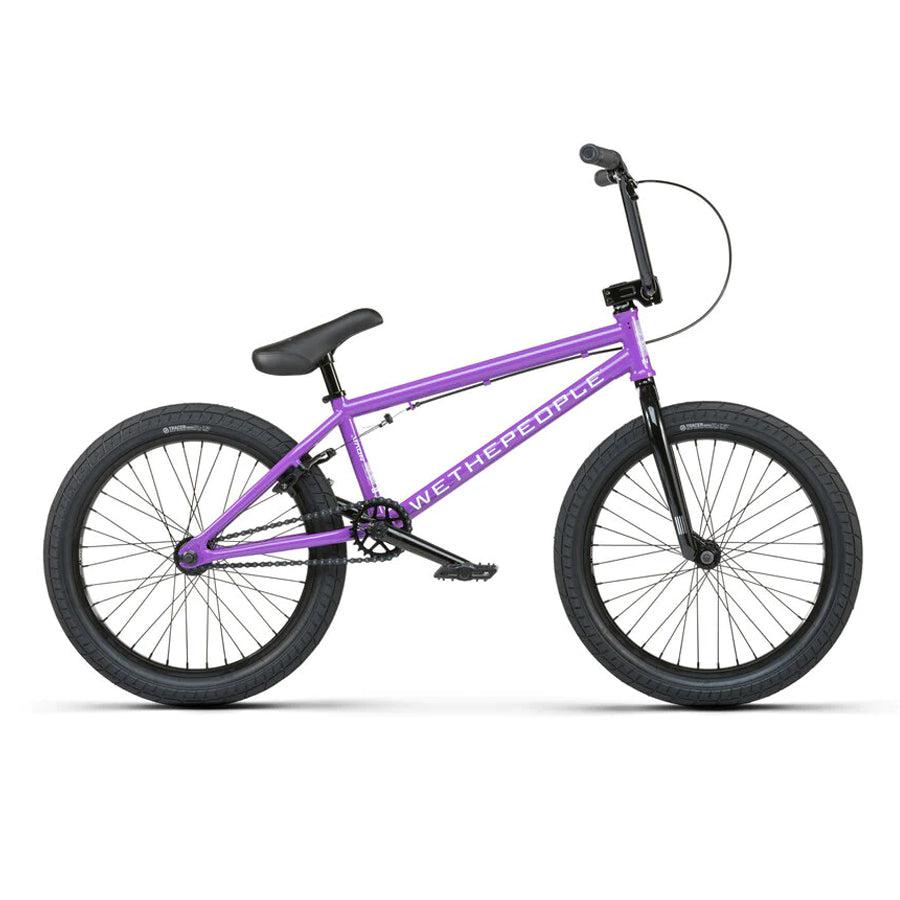
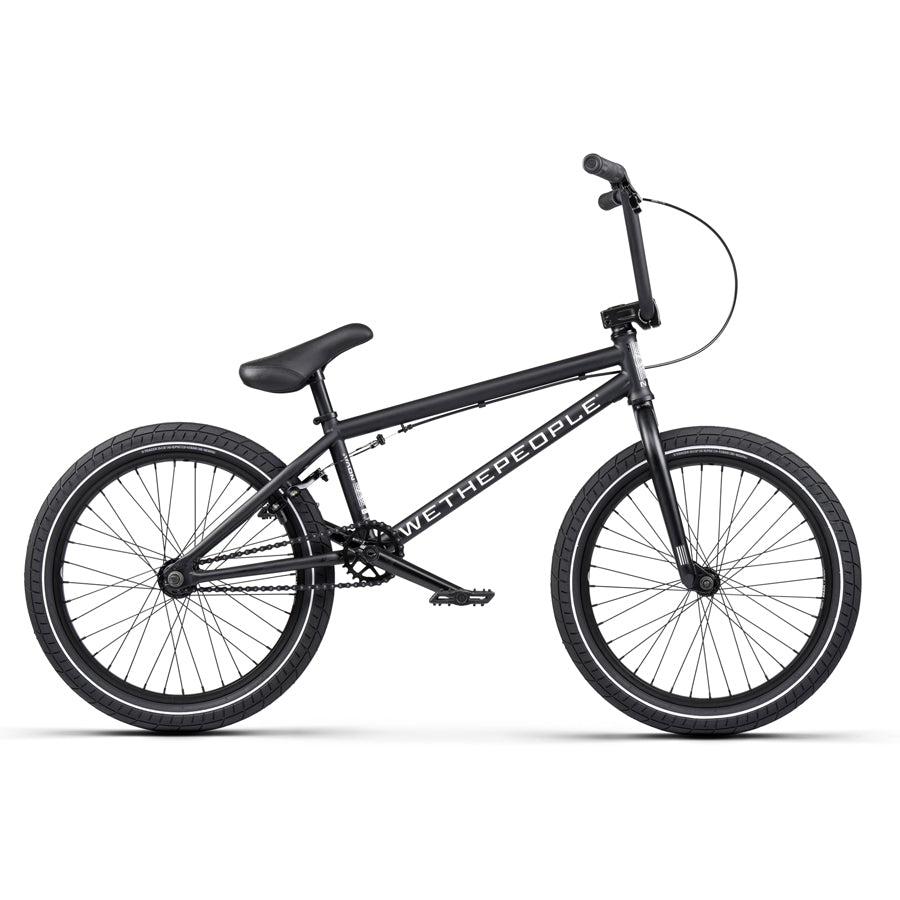
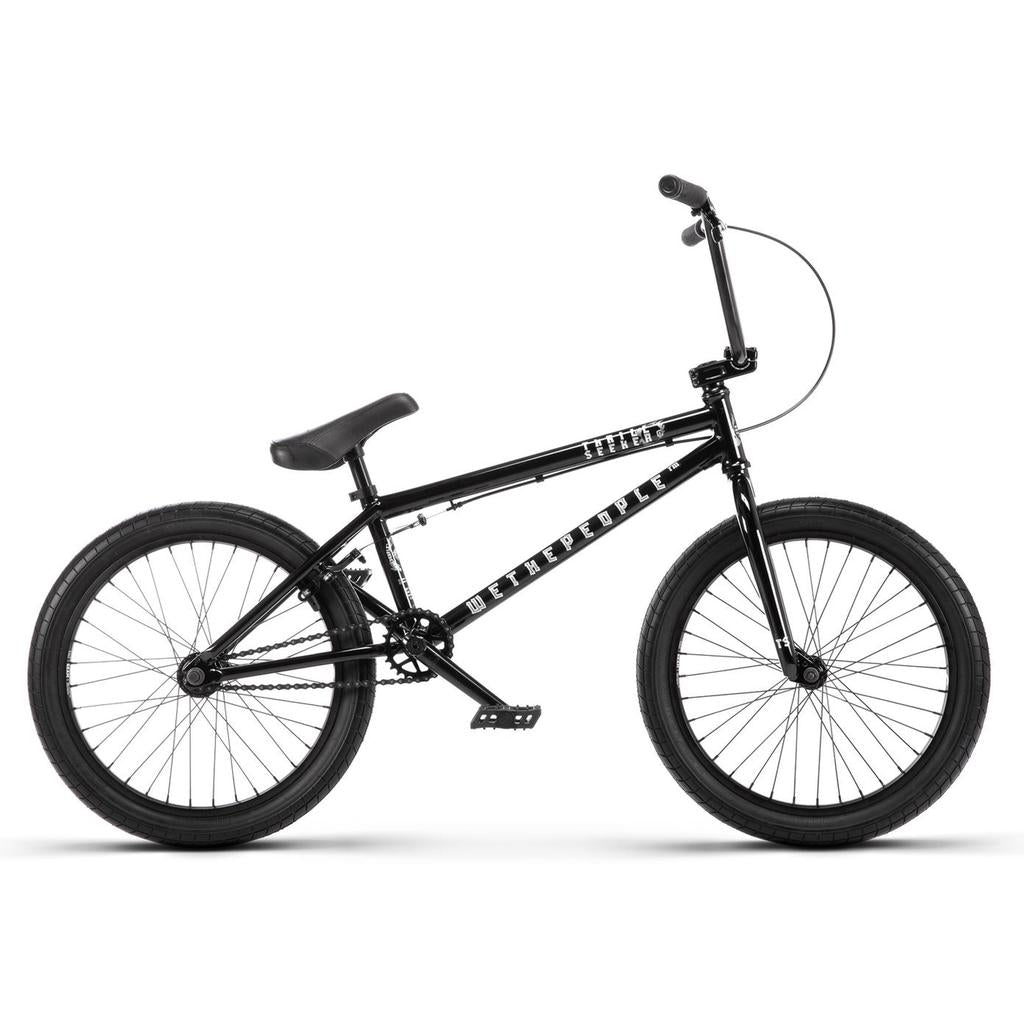
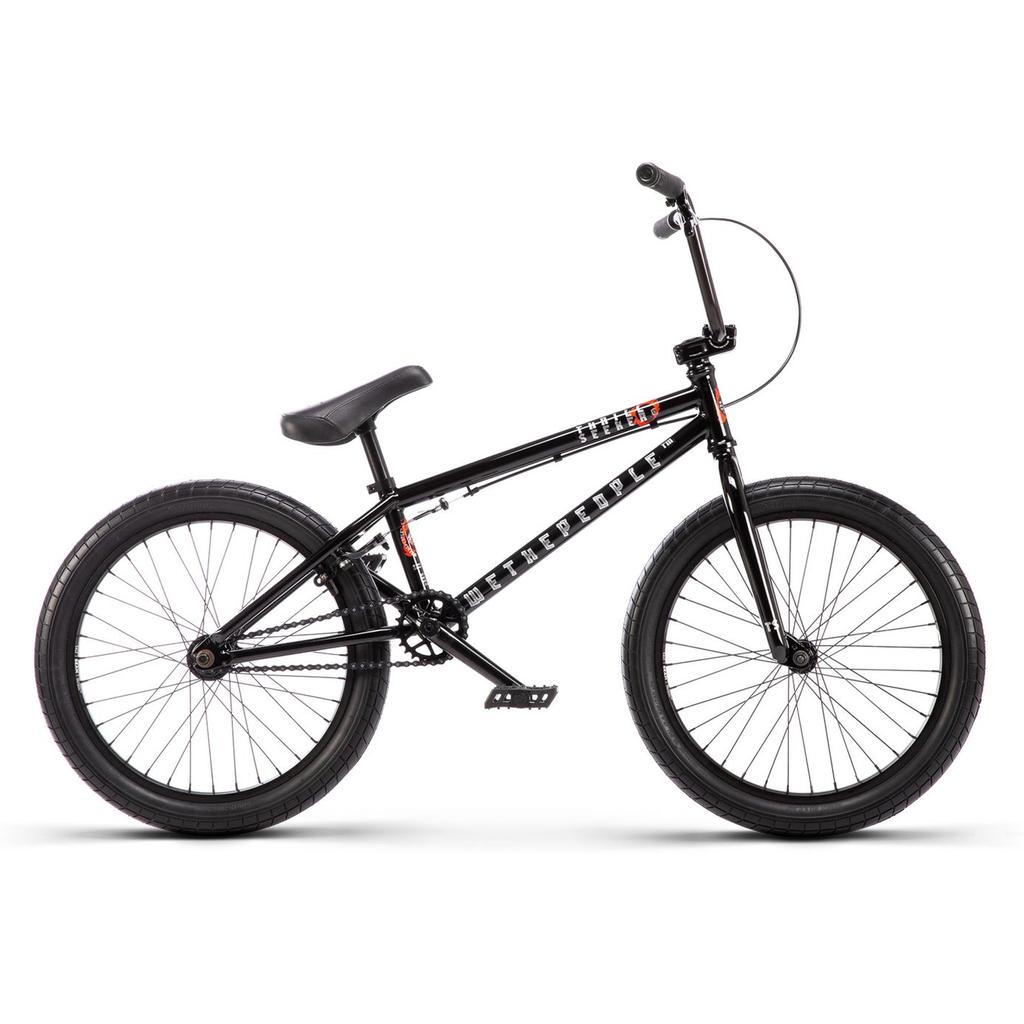
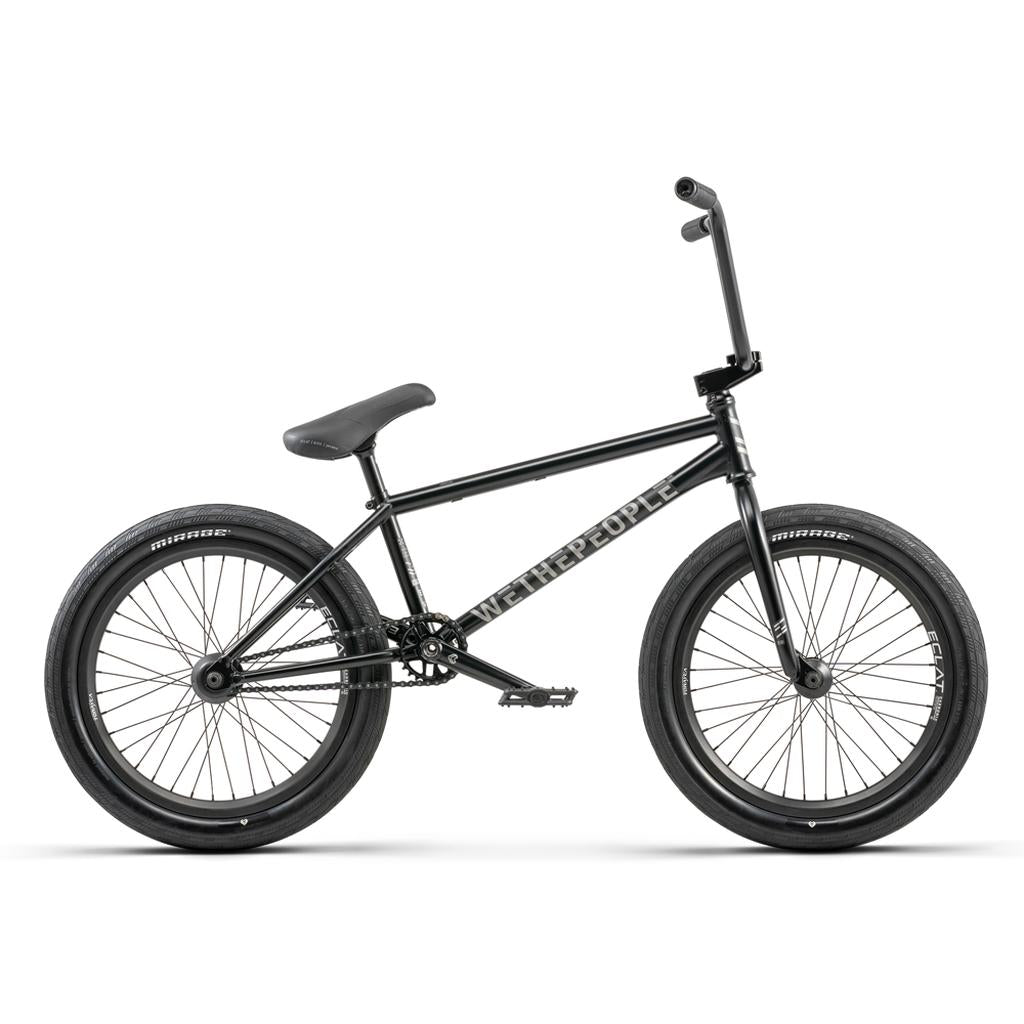
You are comfortable on two wheels (or one) and a regular at the skatepark. Manuals, 180s and feeble grinds are high on your trick list. Look for full chromoly in the frame, forks and bars, and sealed bearings all round.








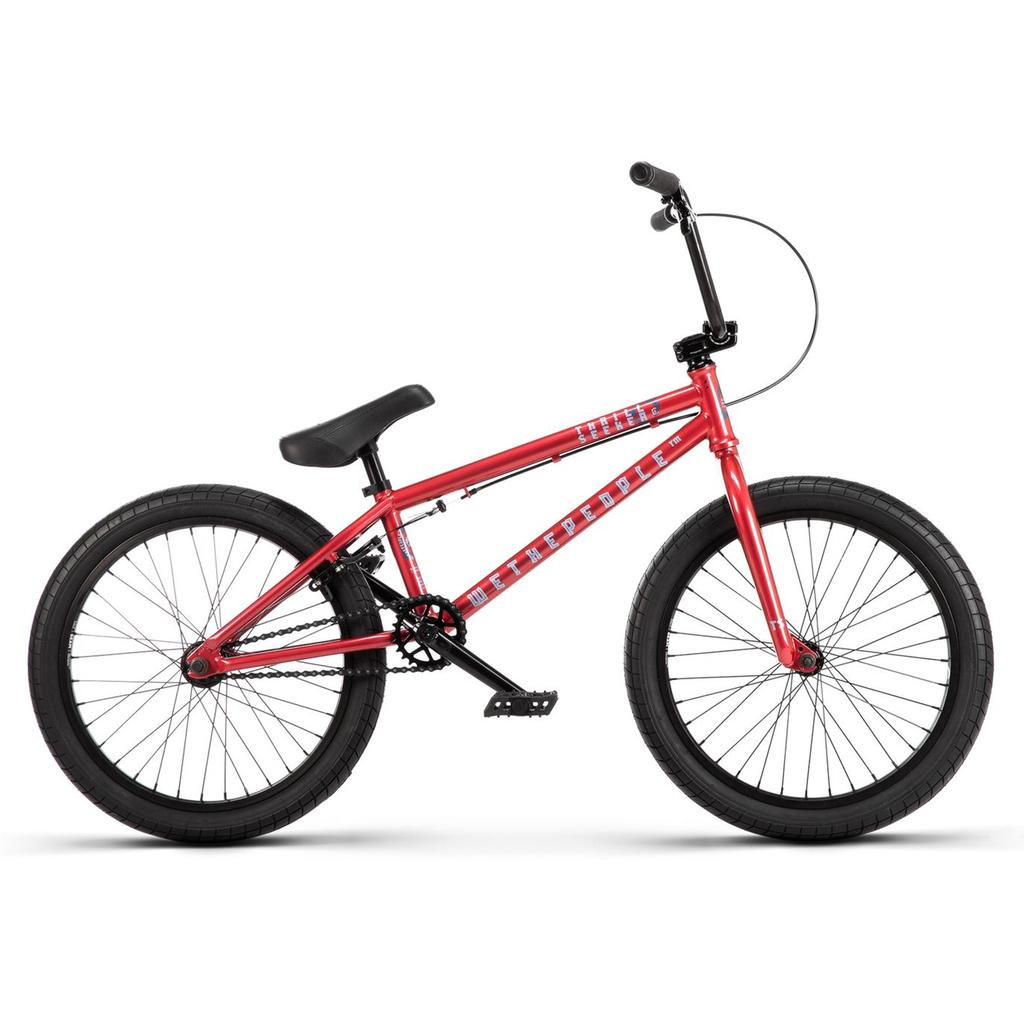
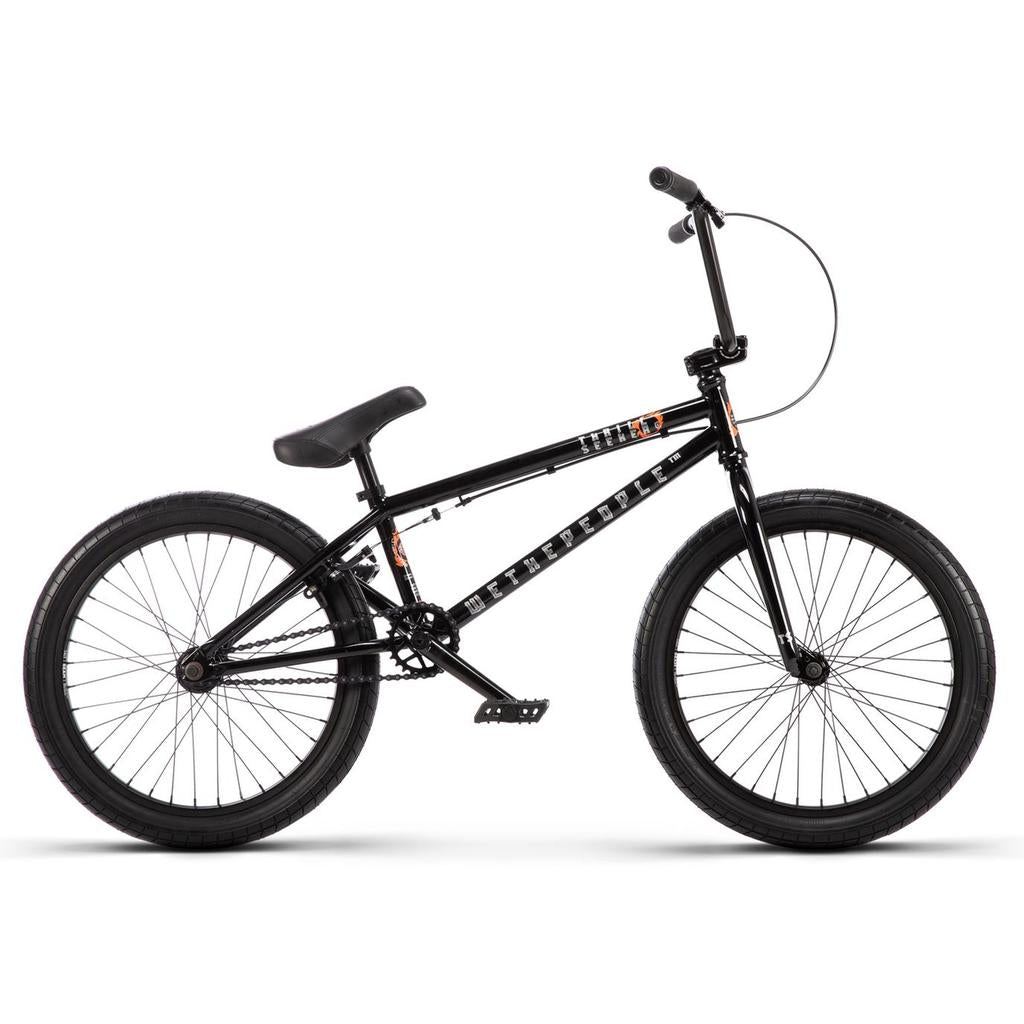
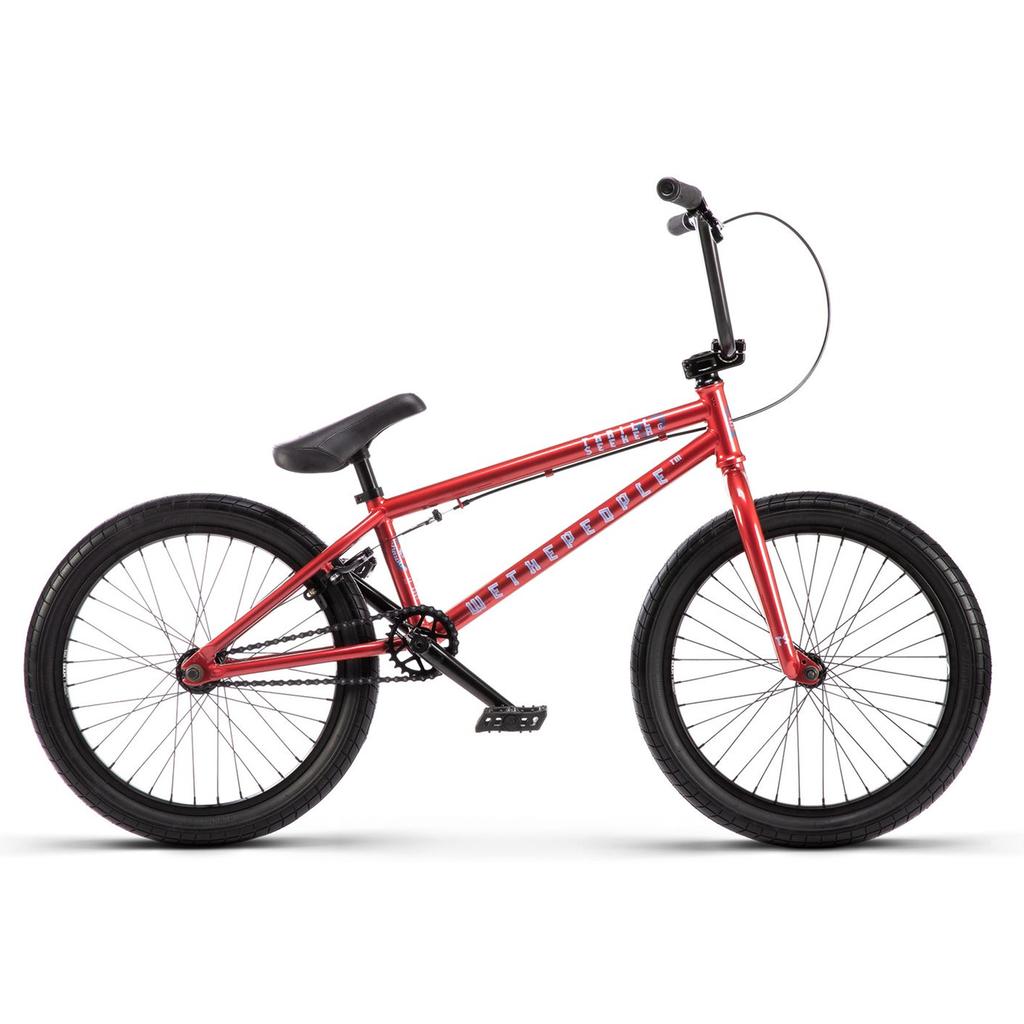
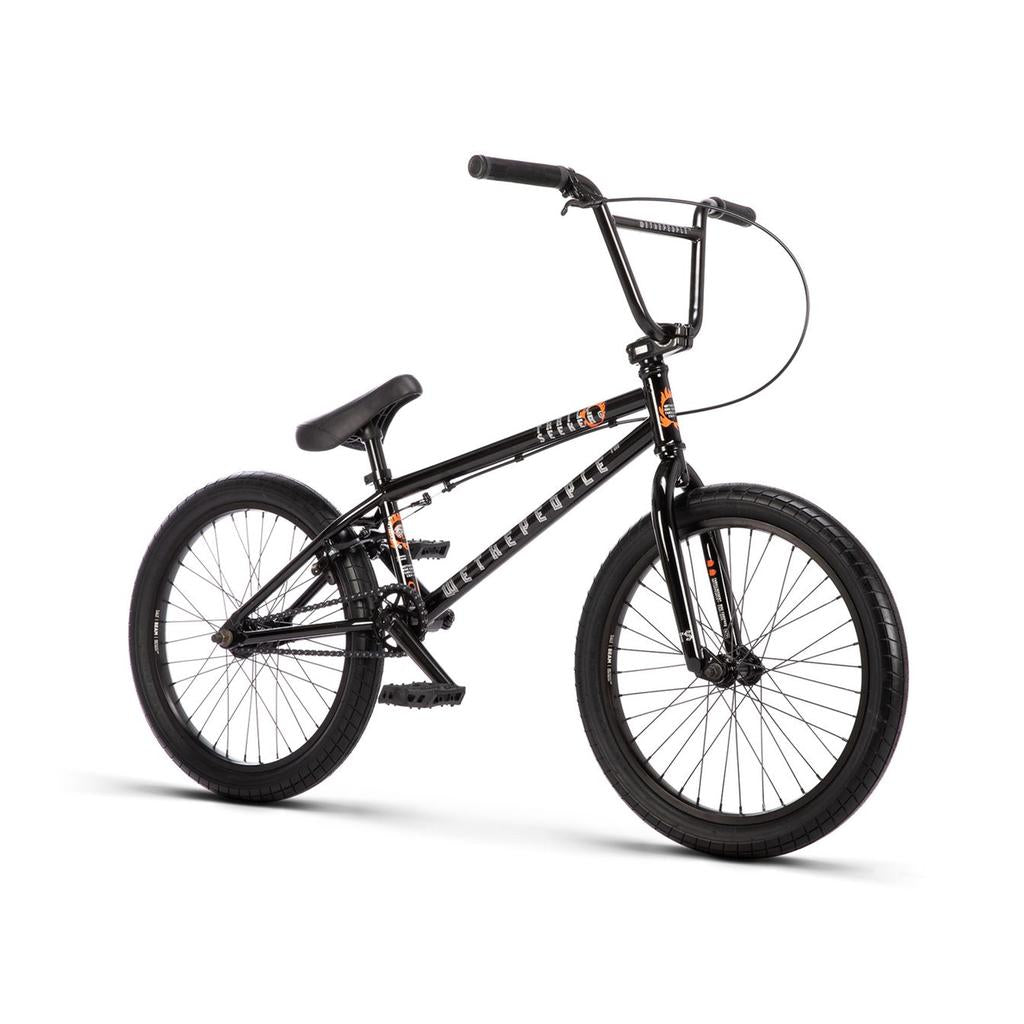
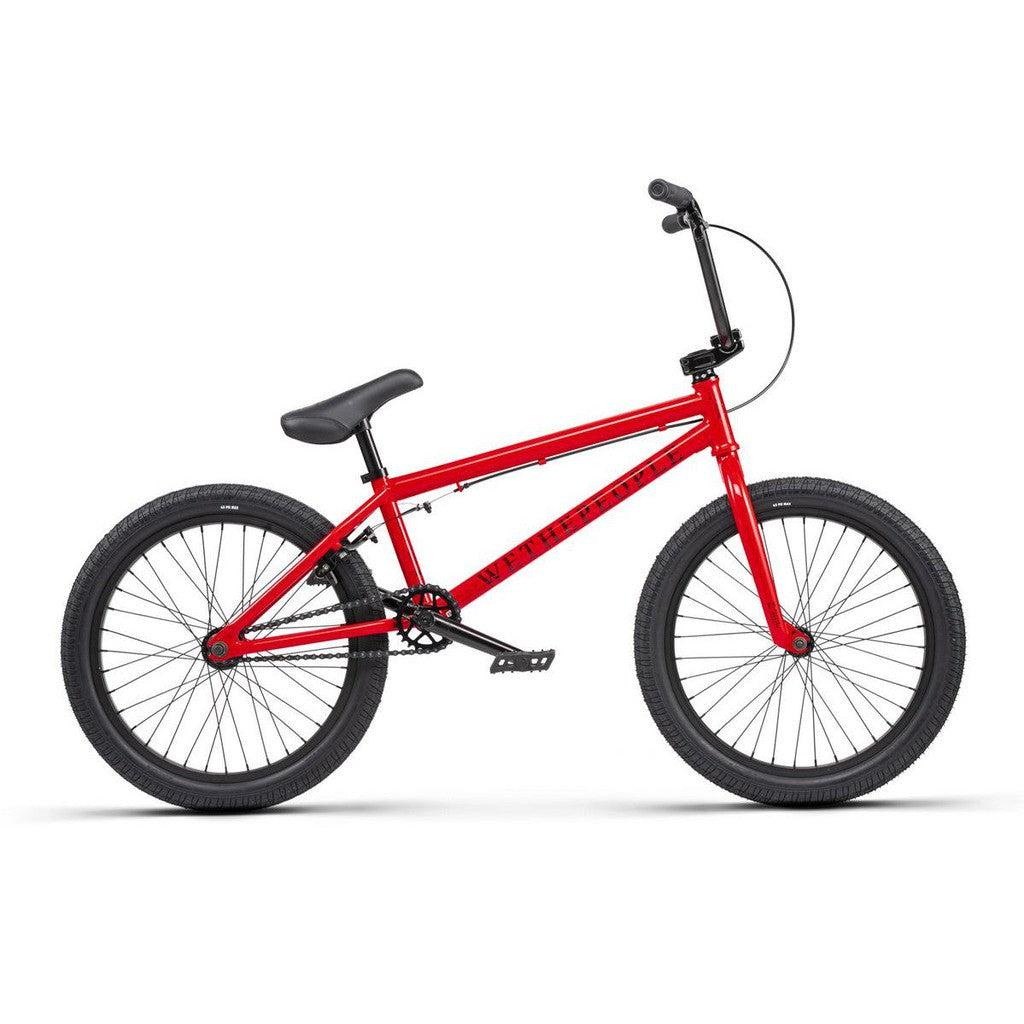

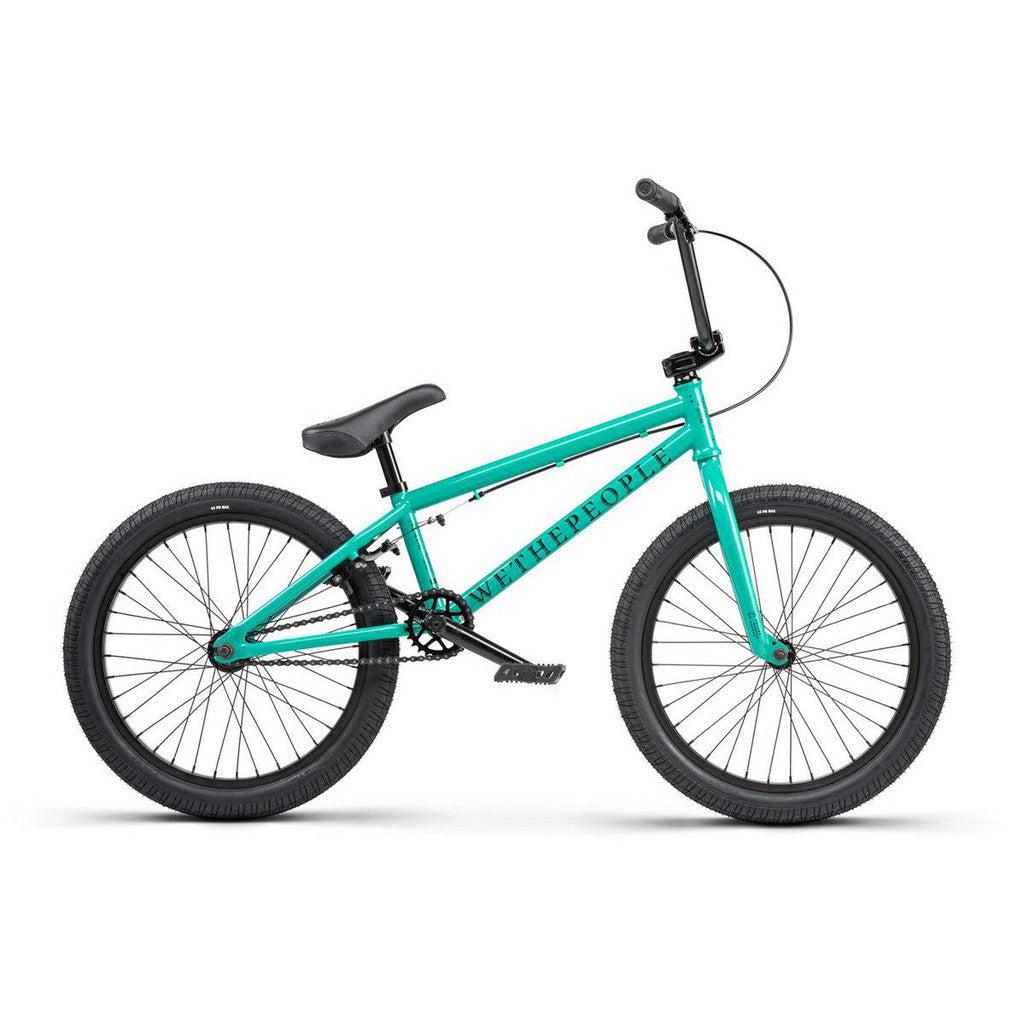


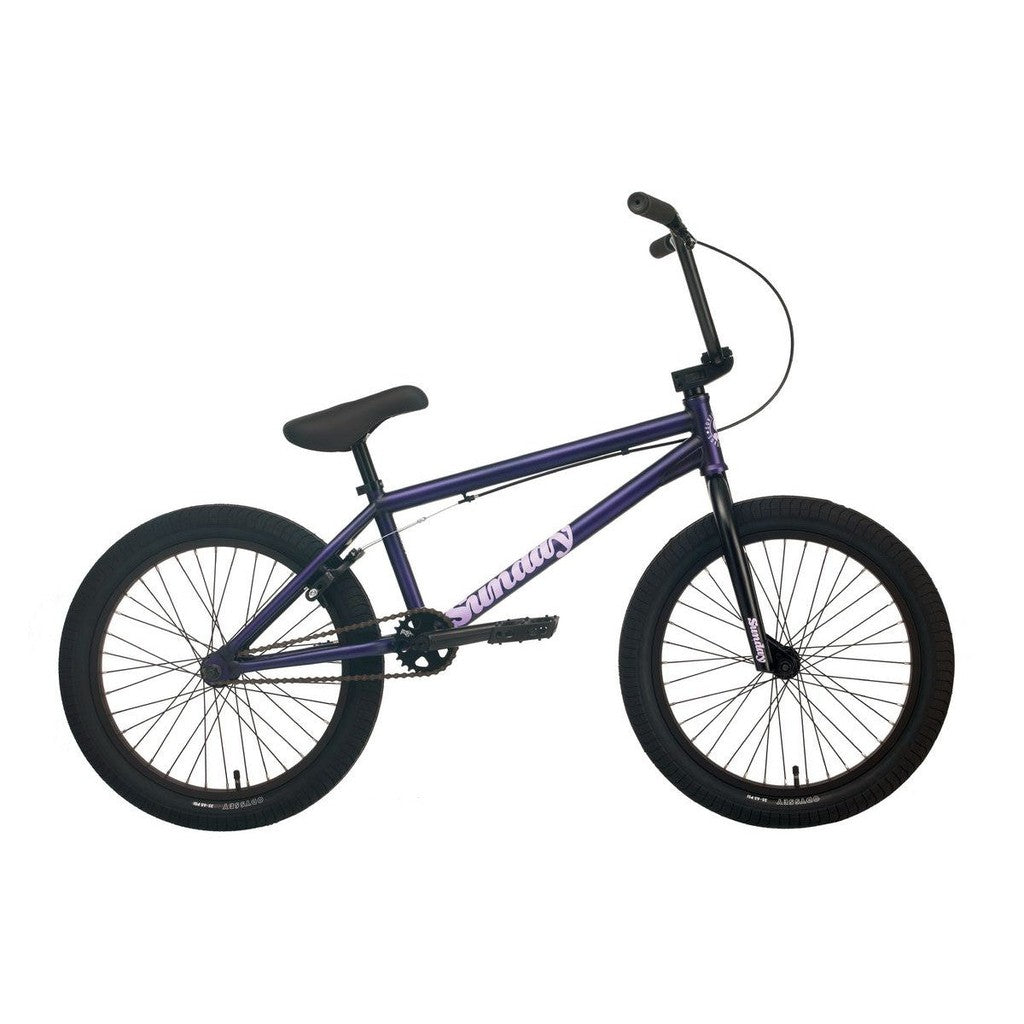
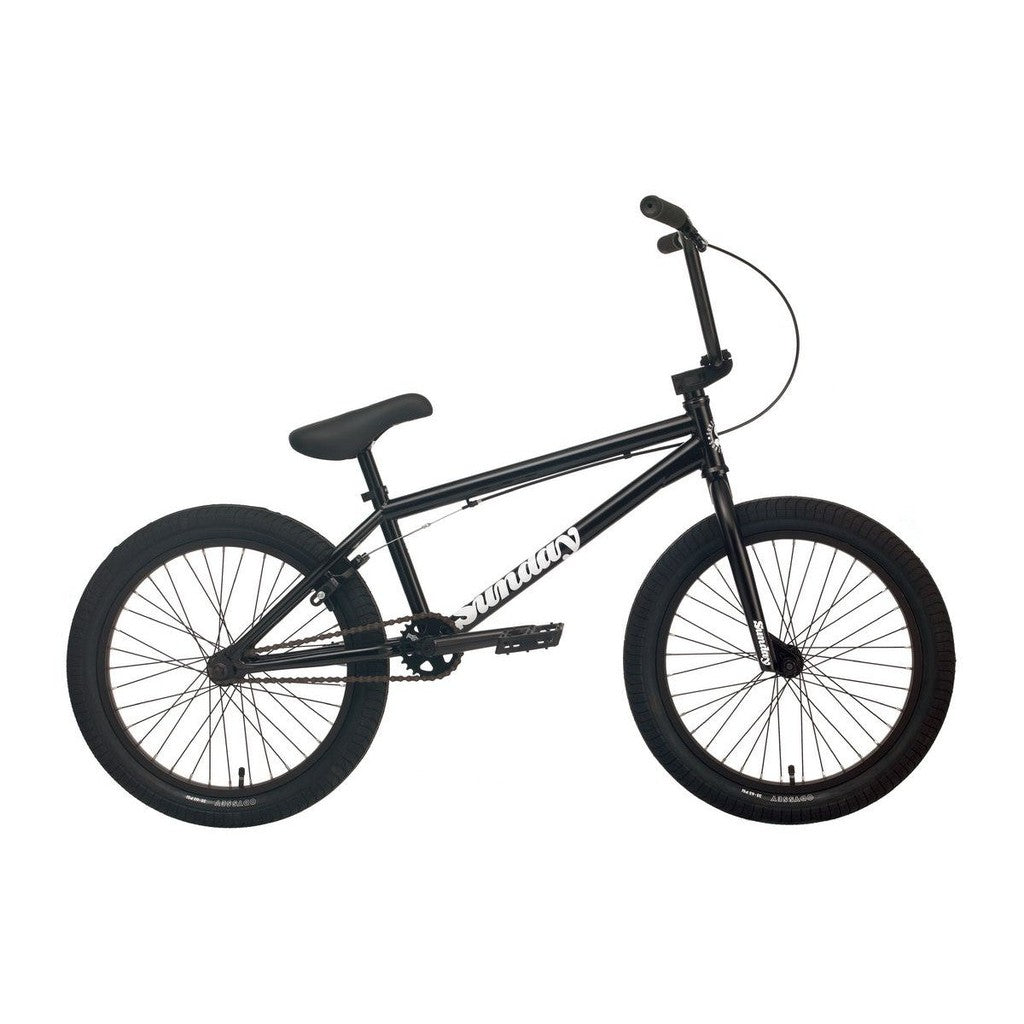
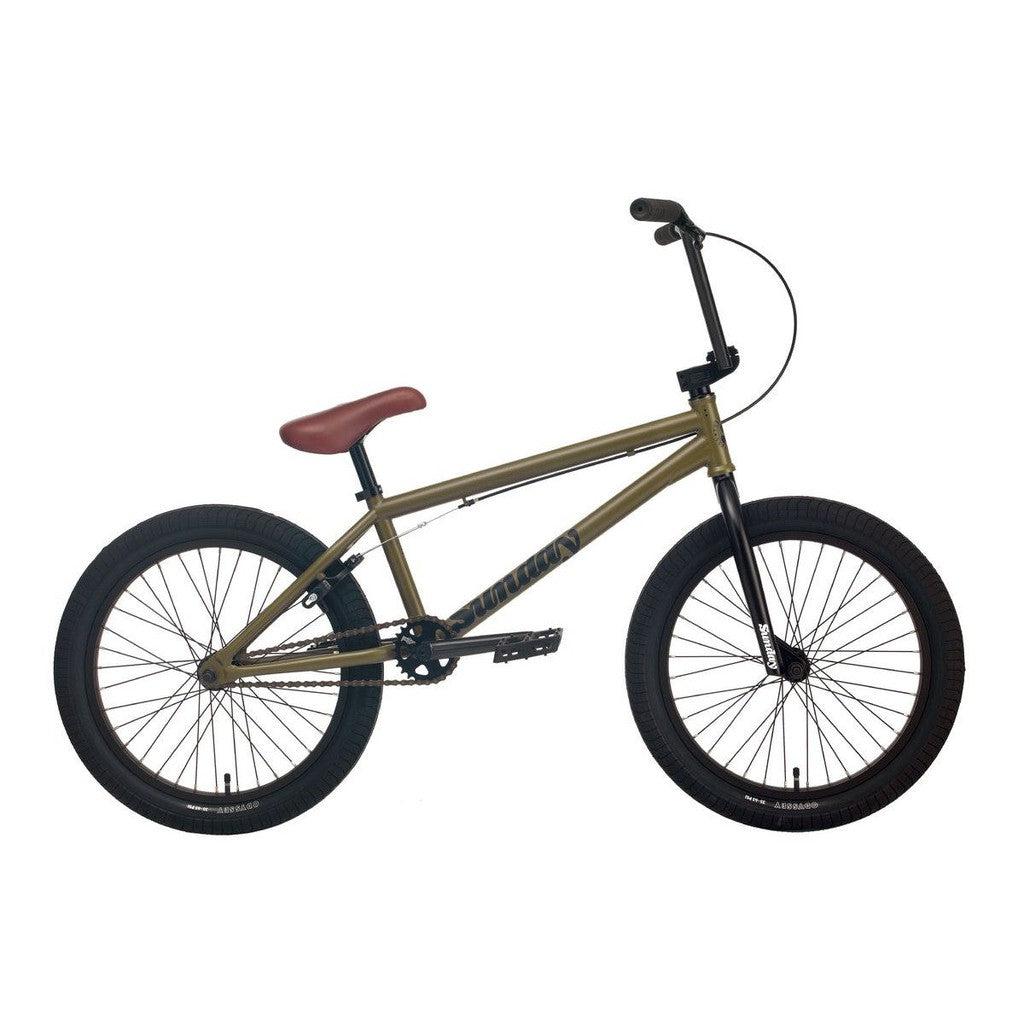
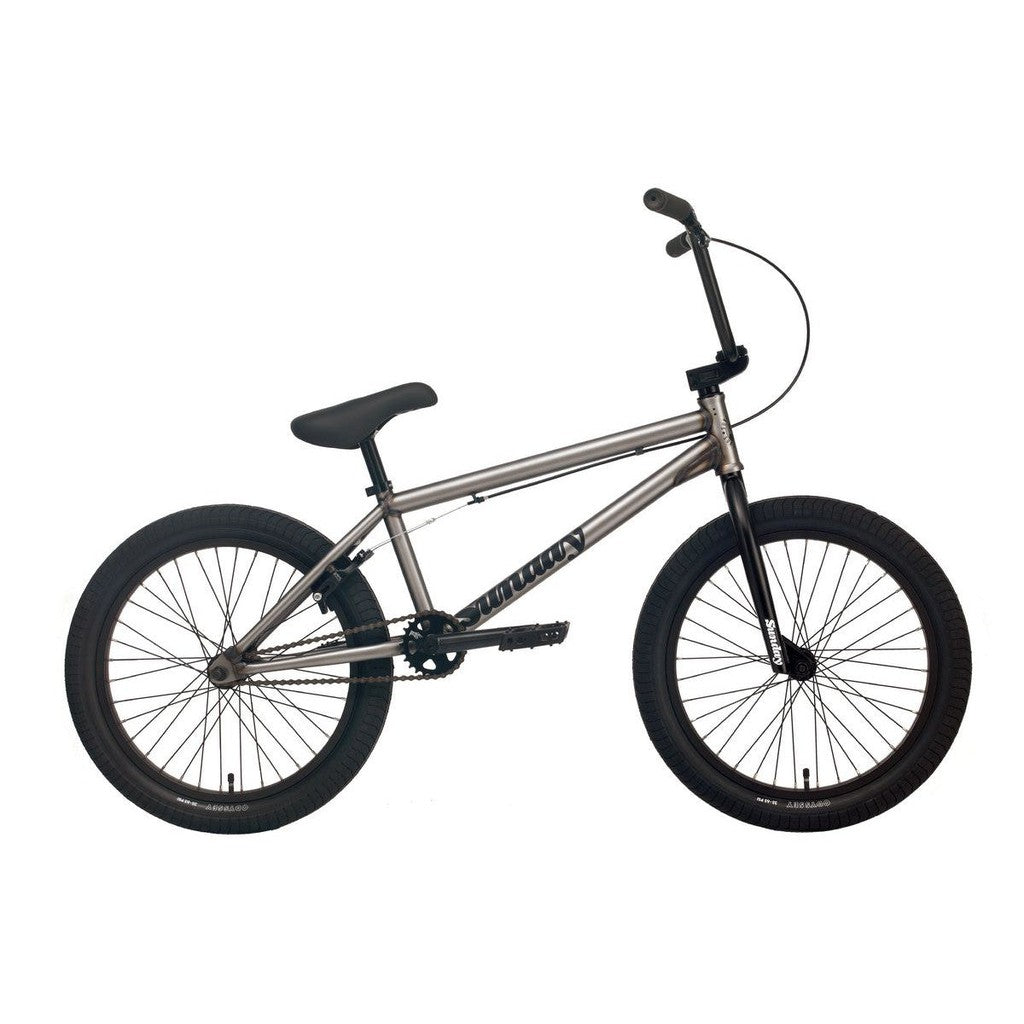
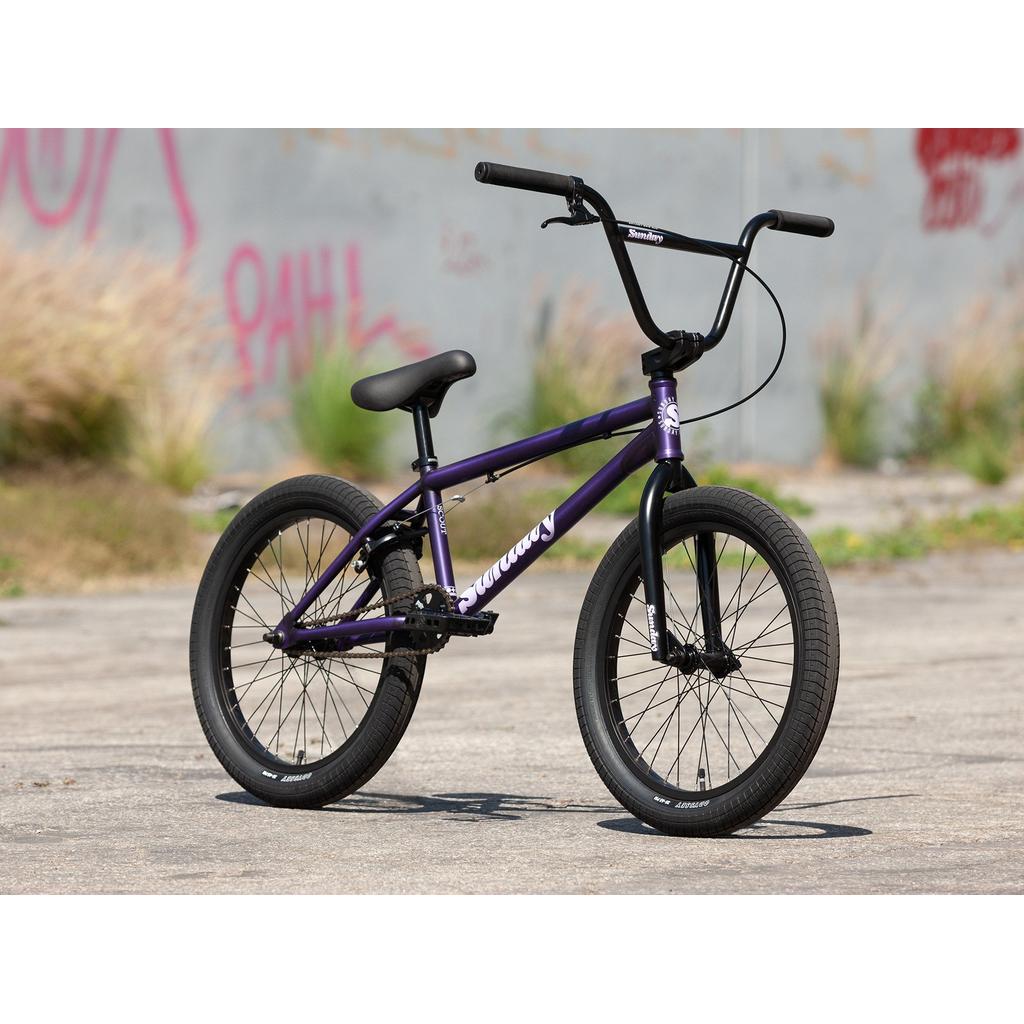



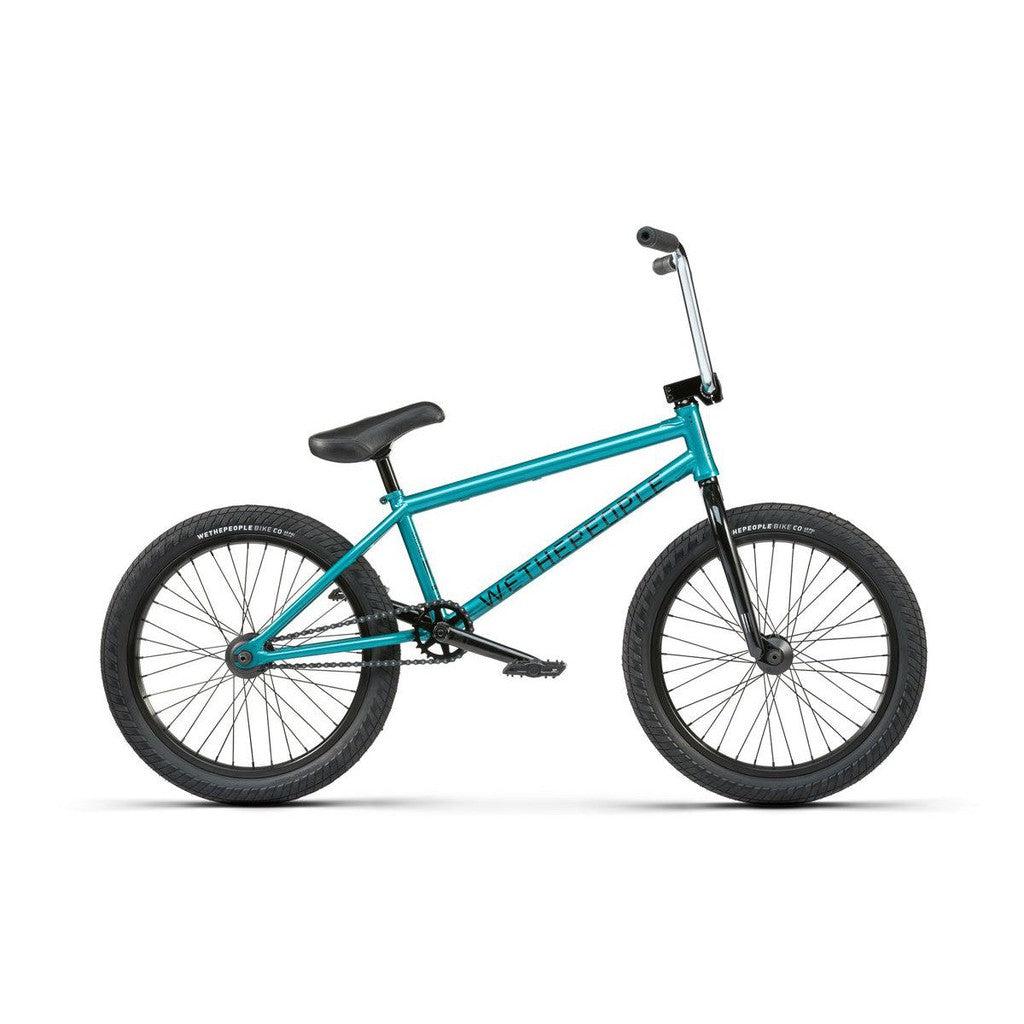

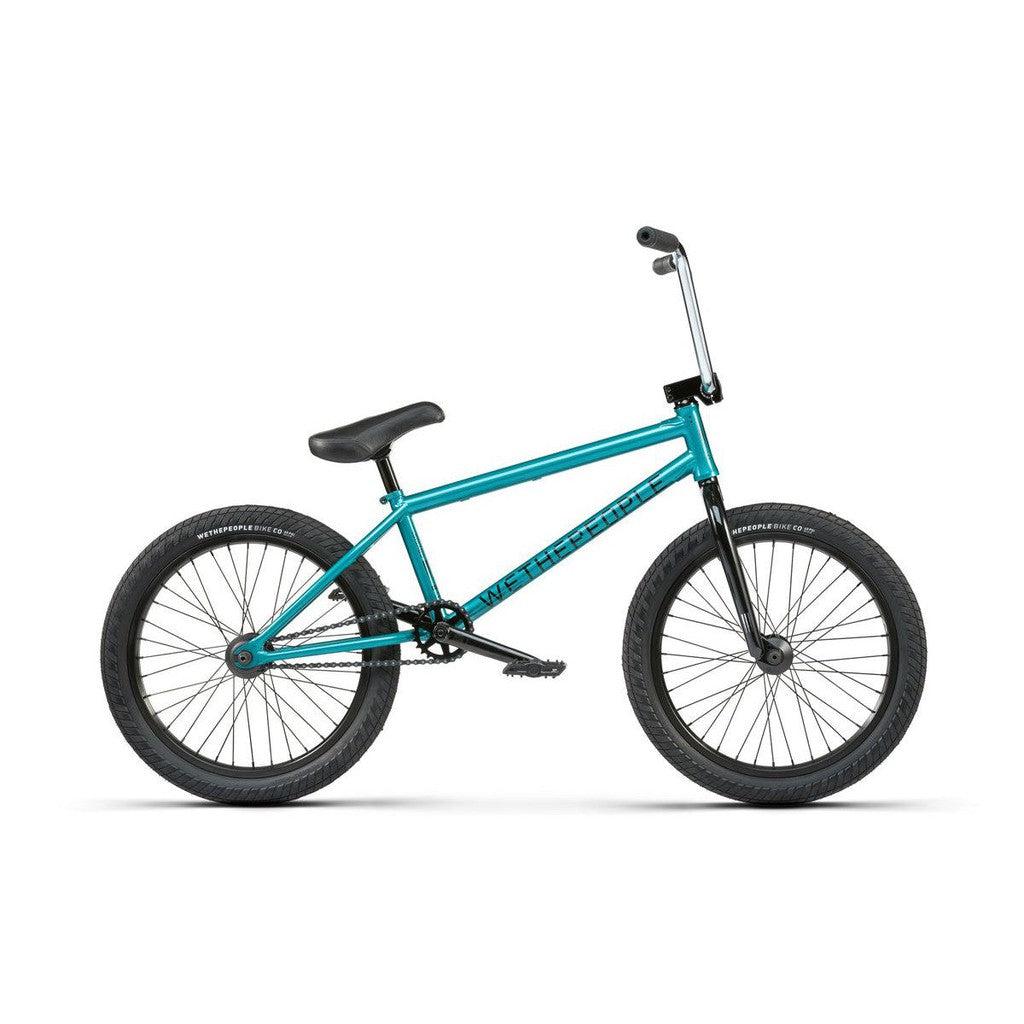


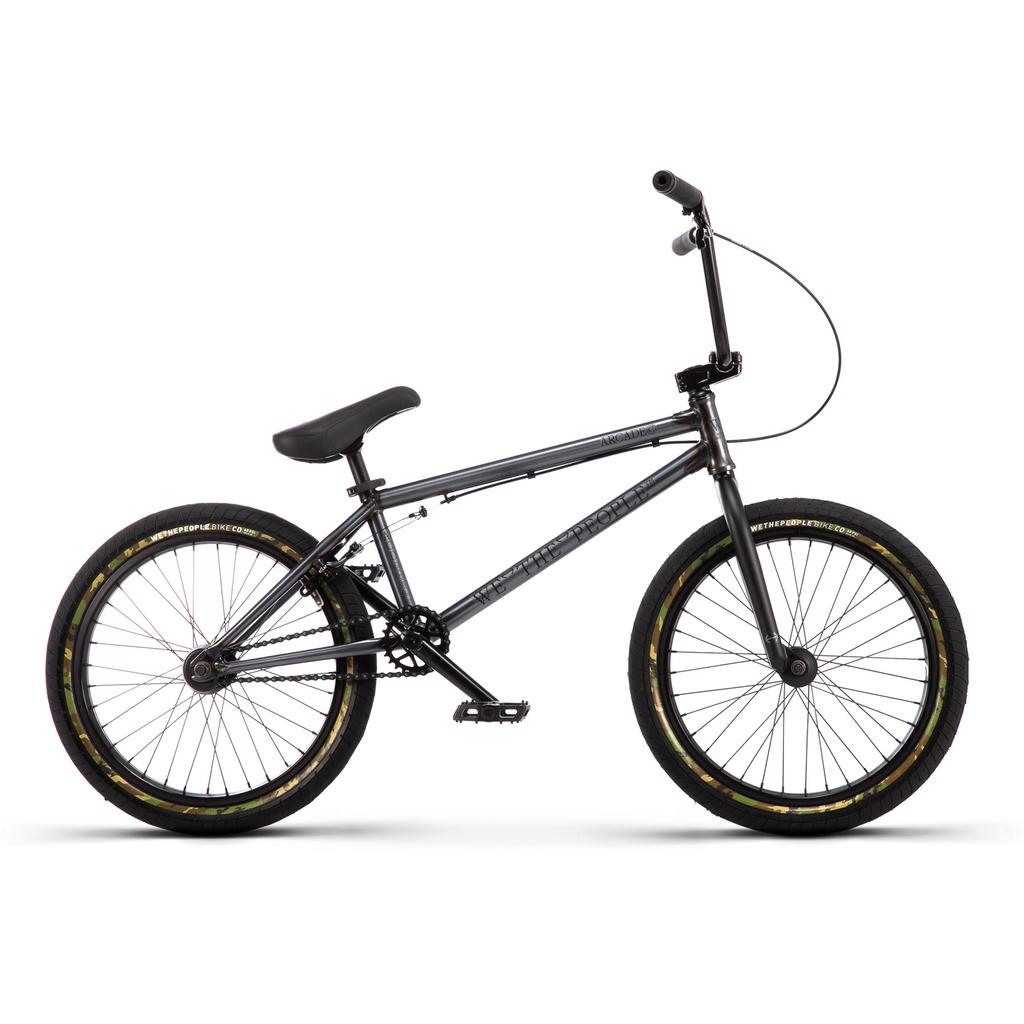
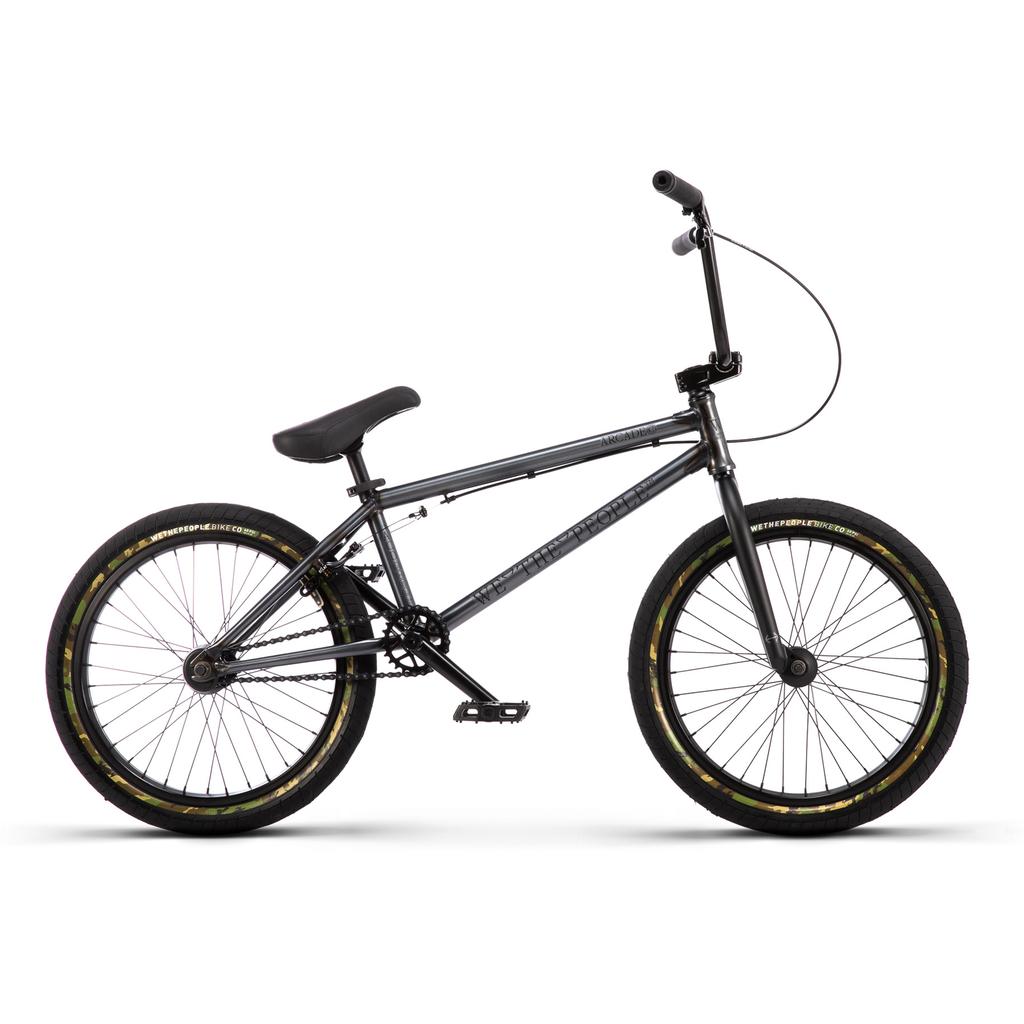
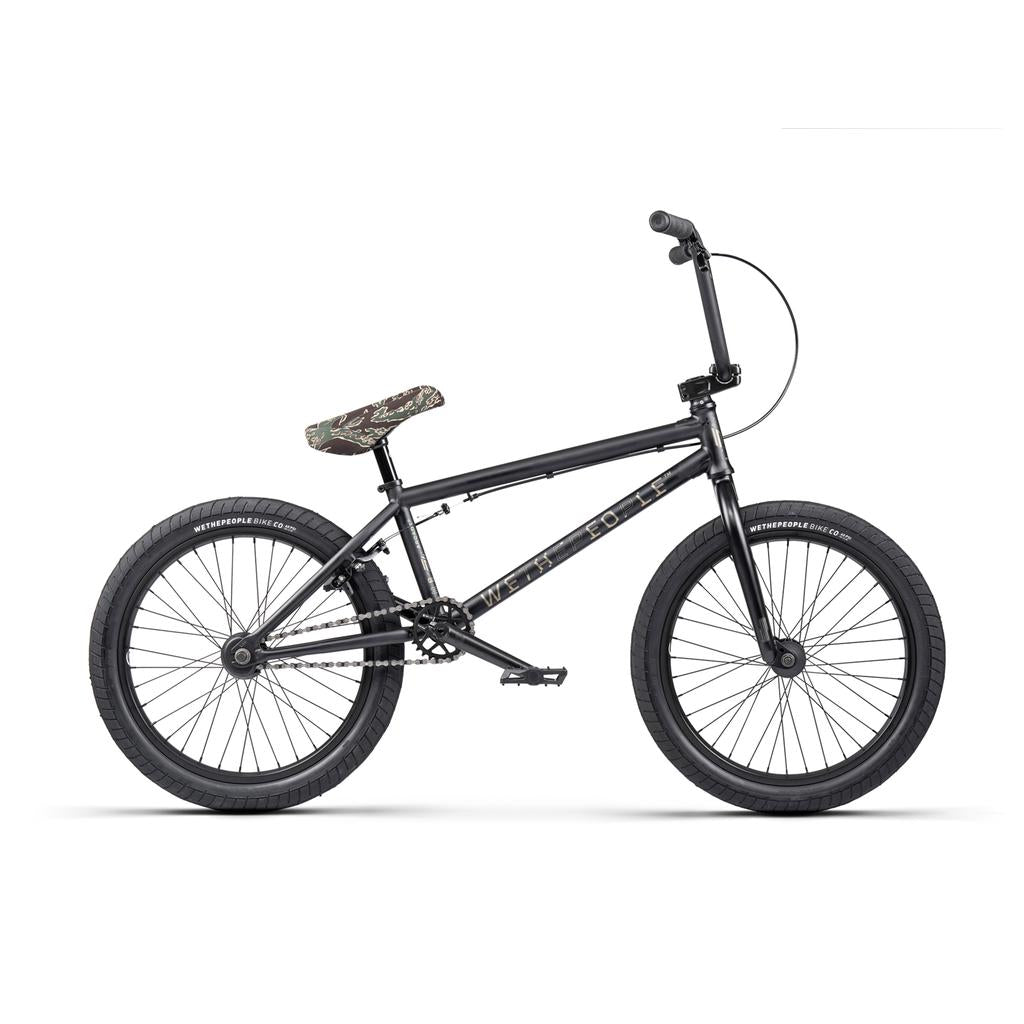
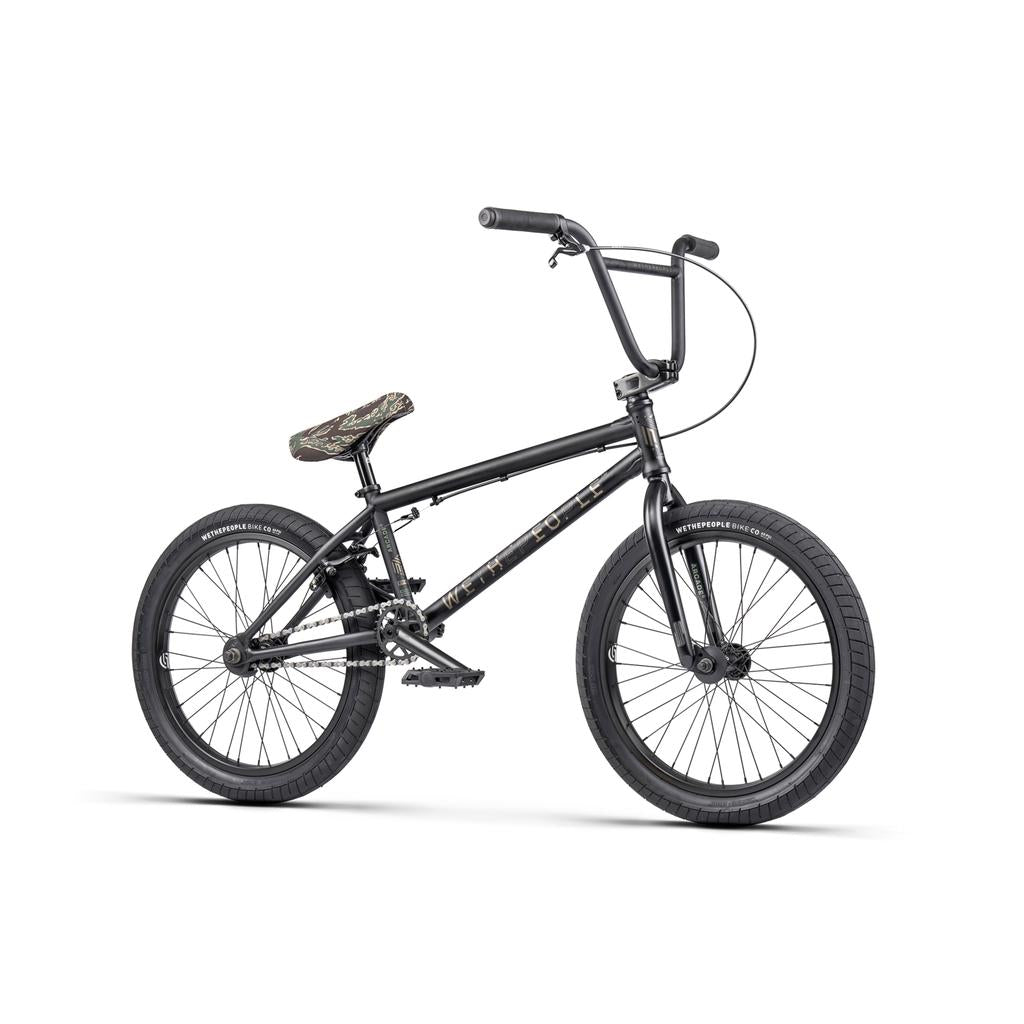
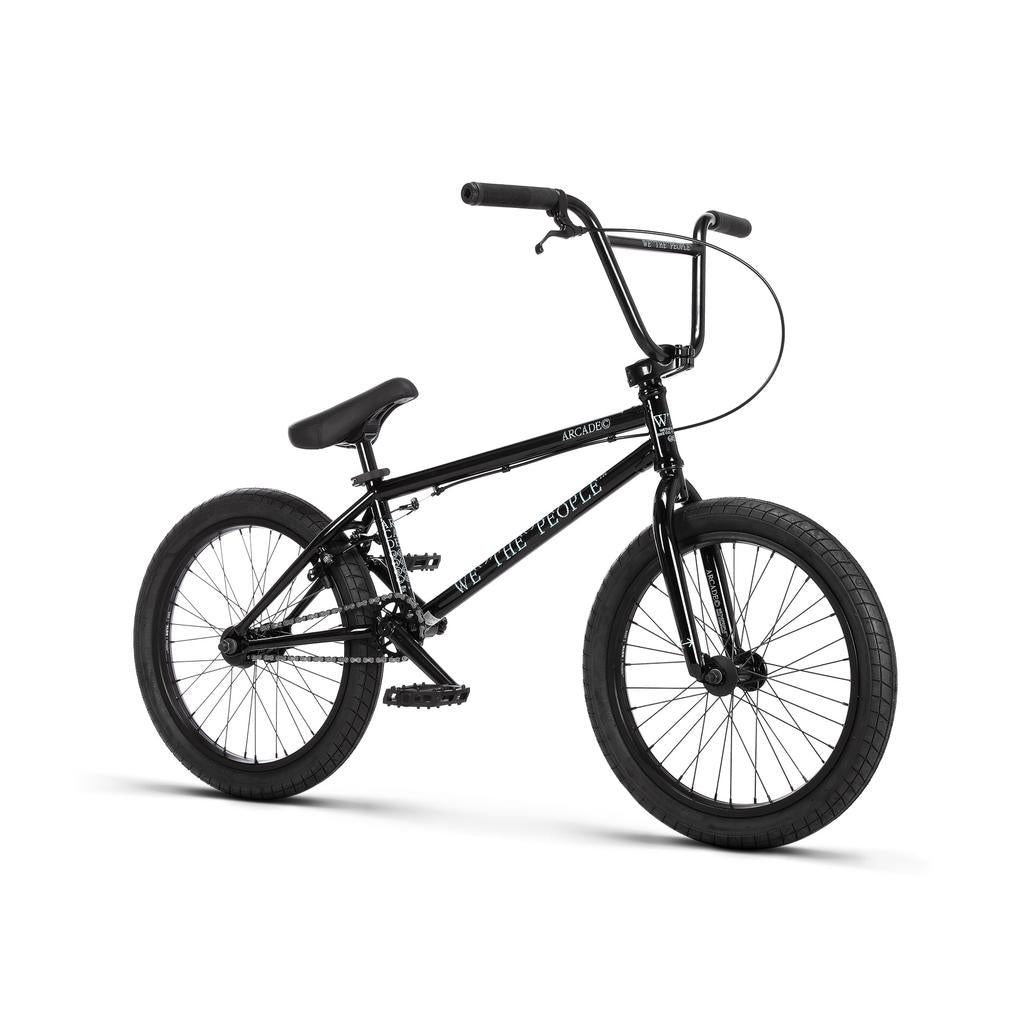
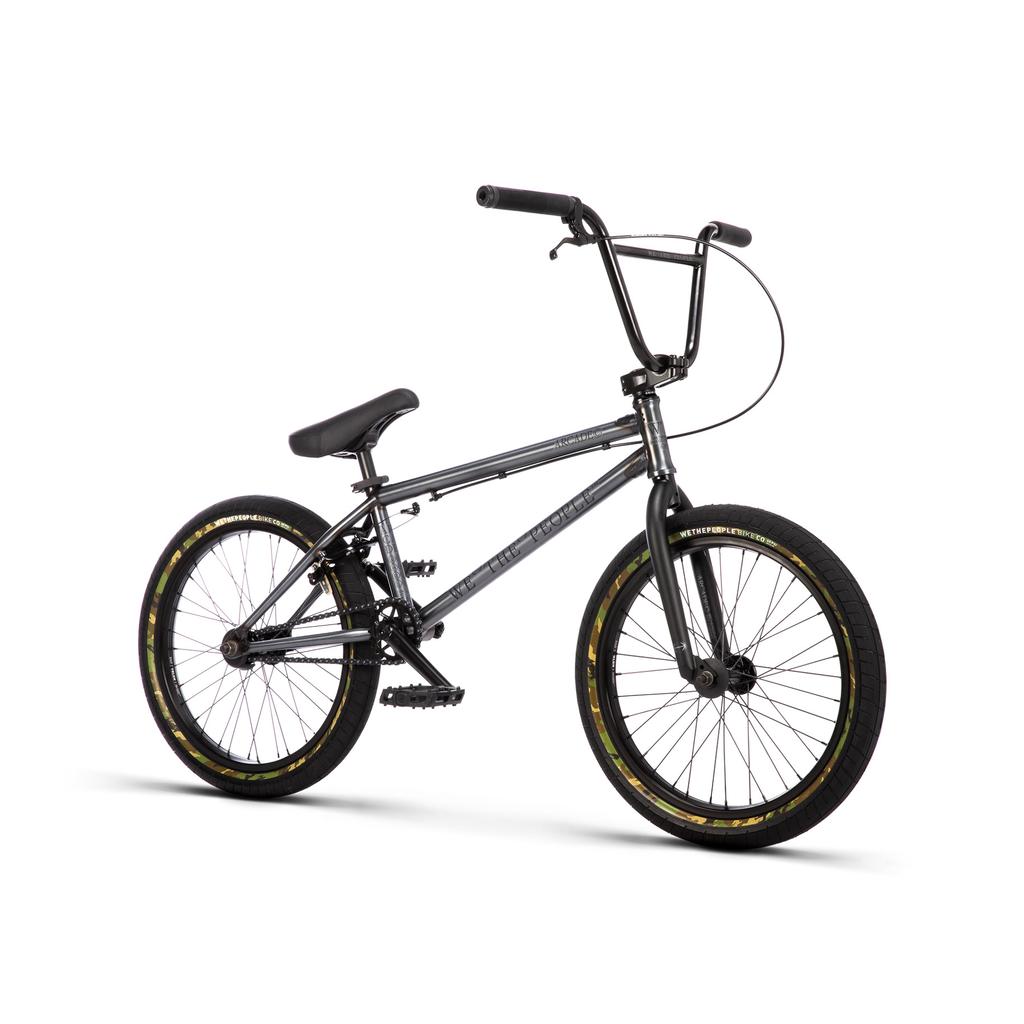
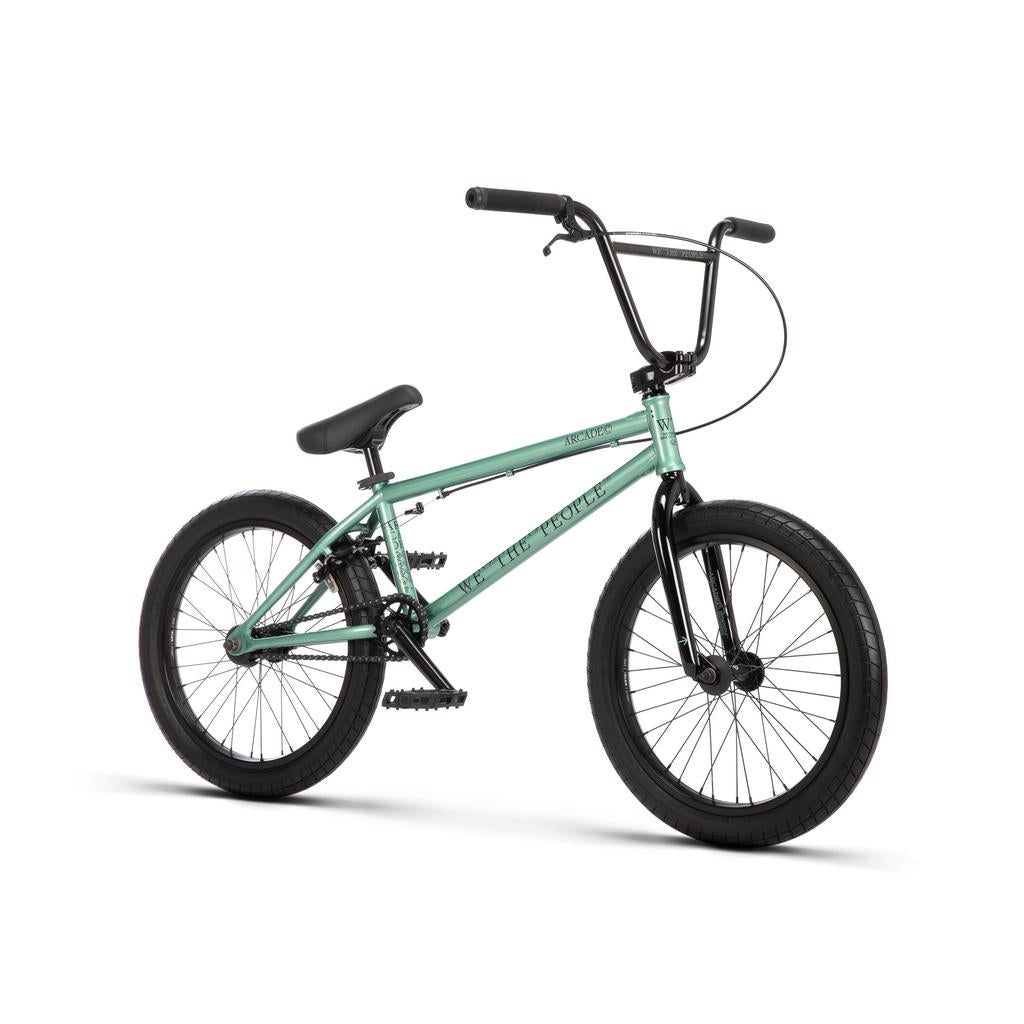
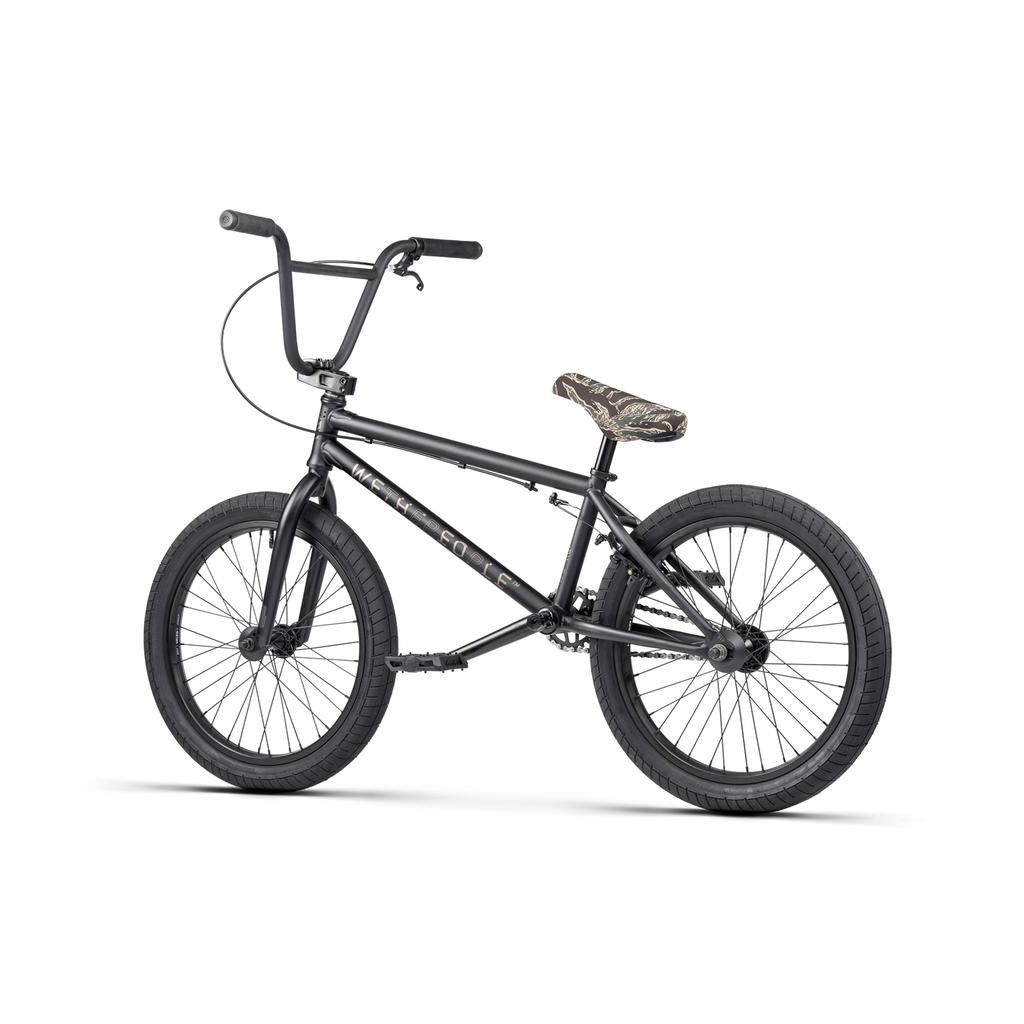
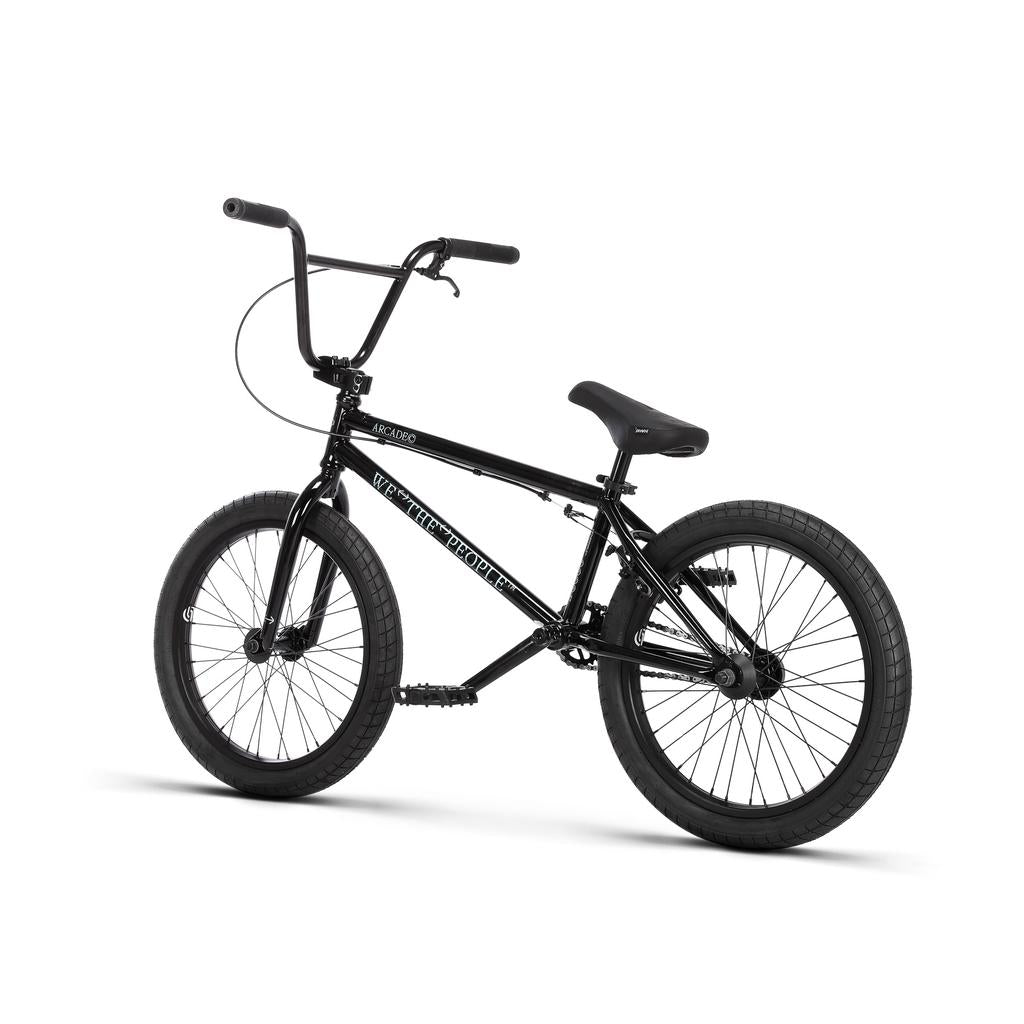
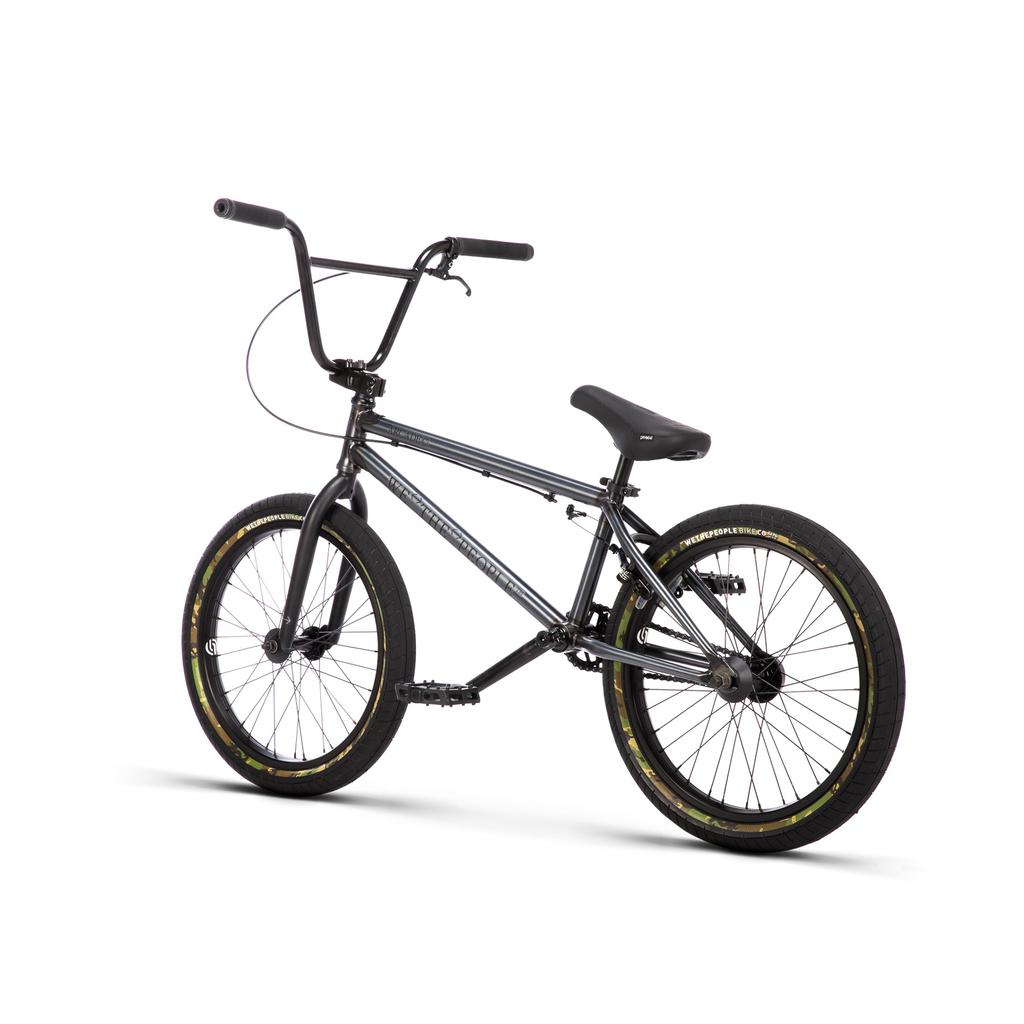
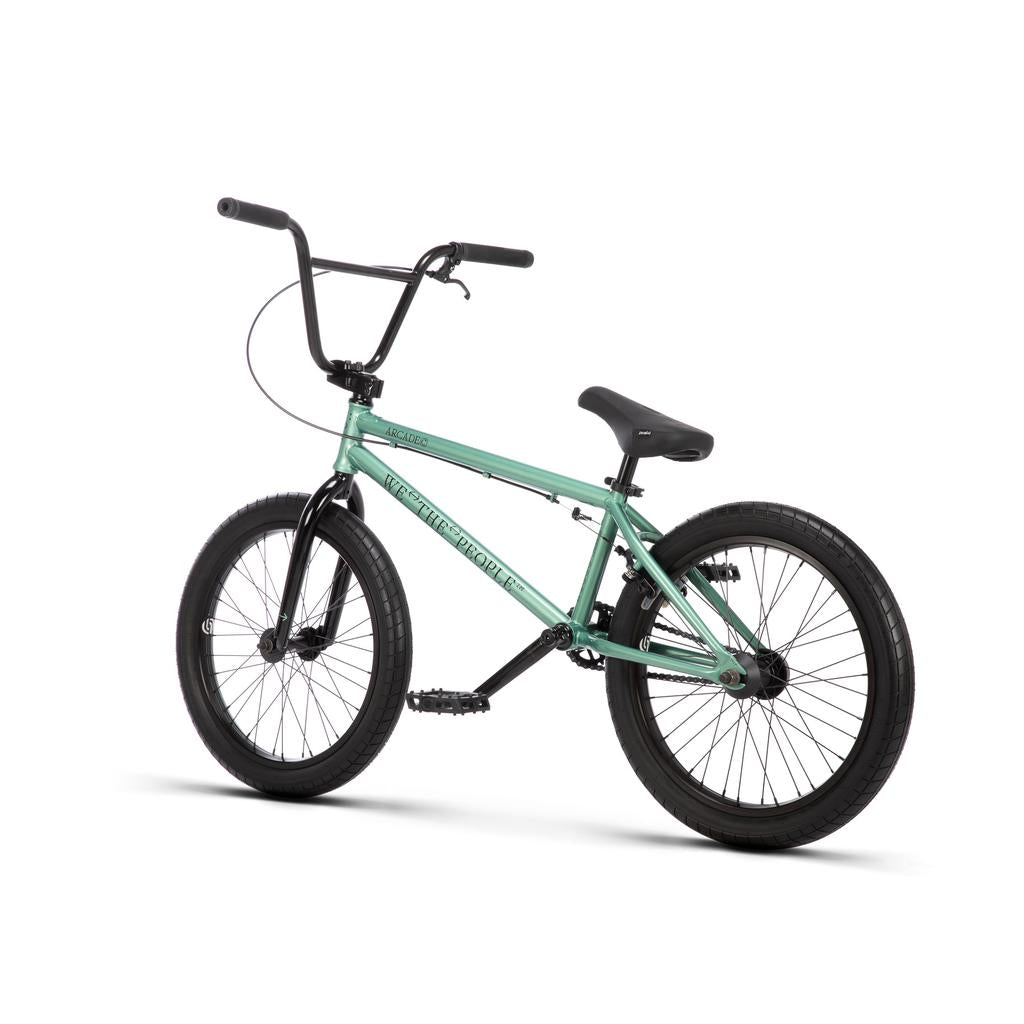

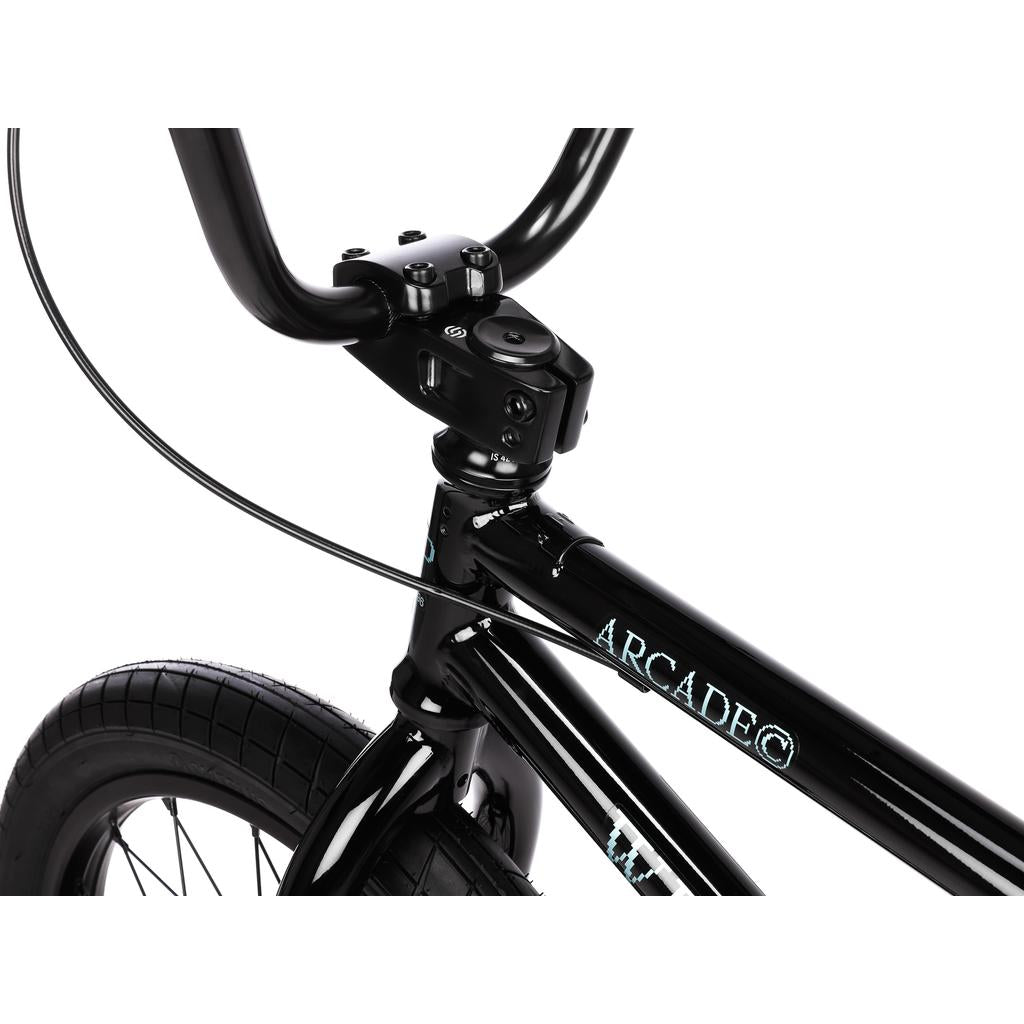
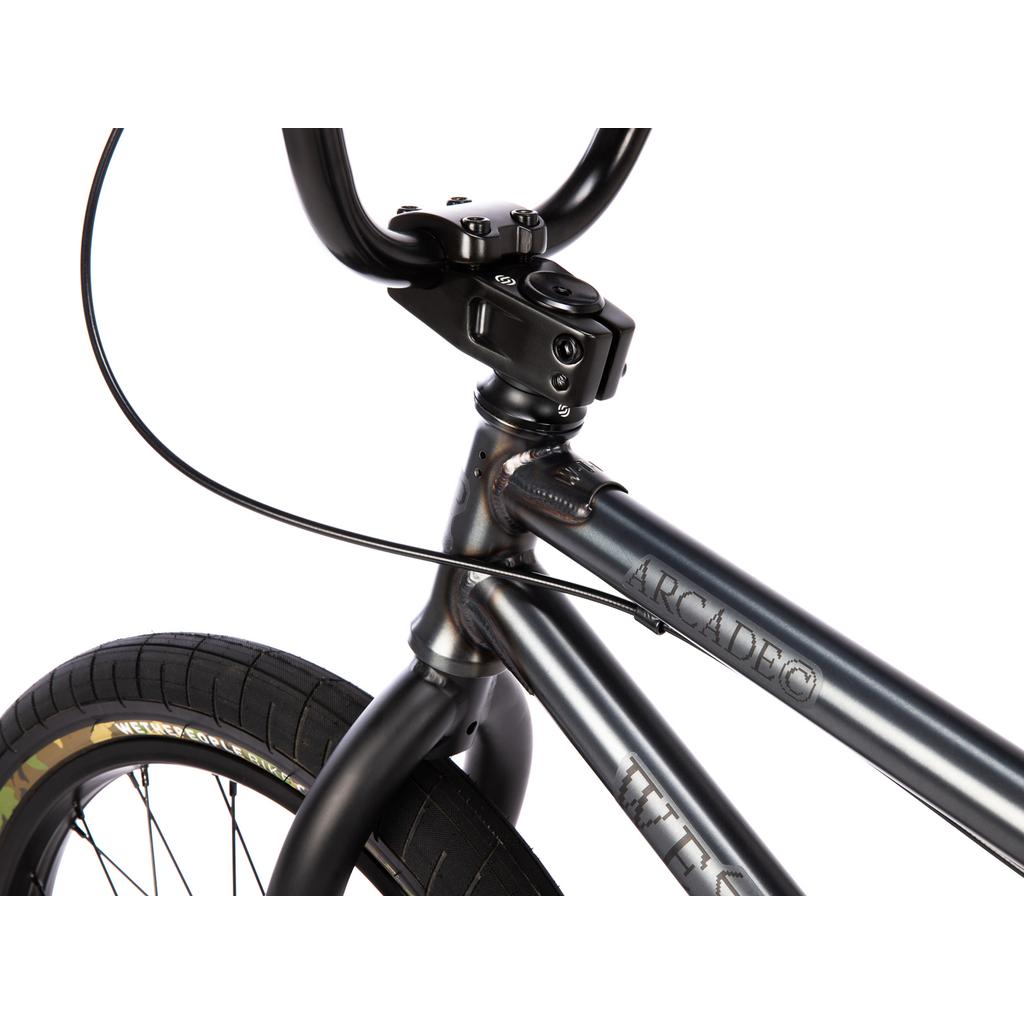
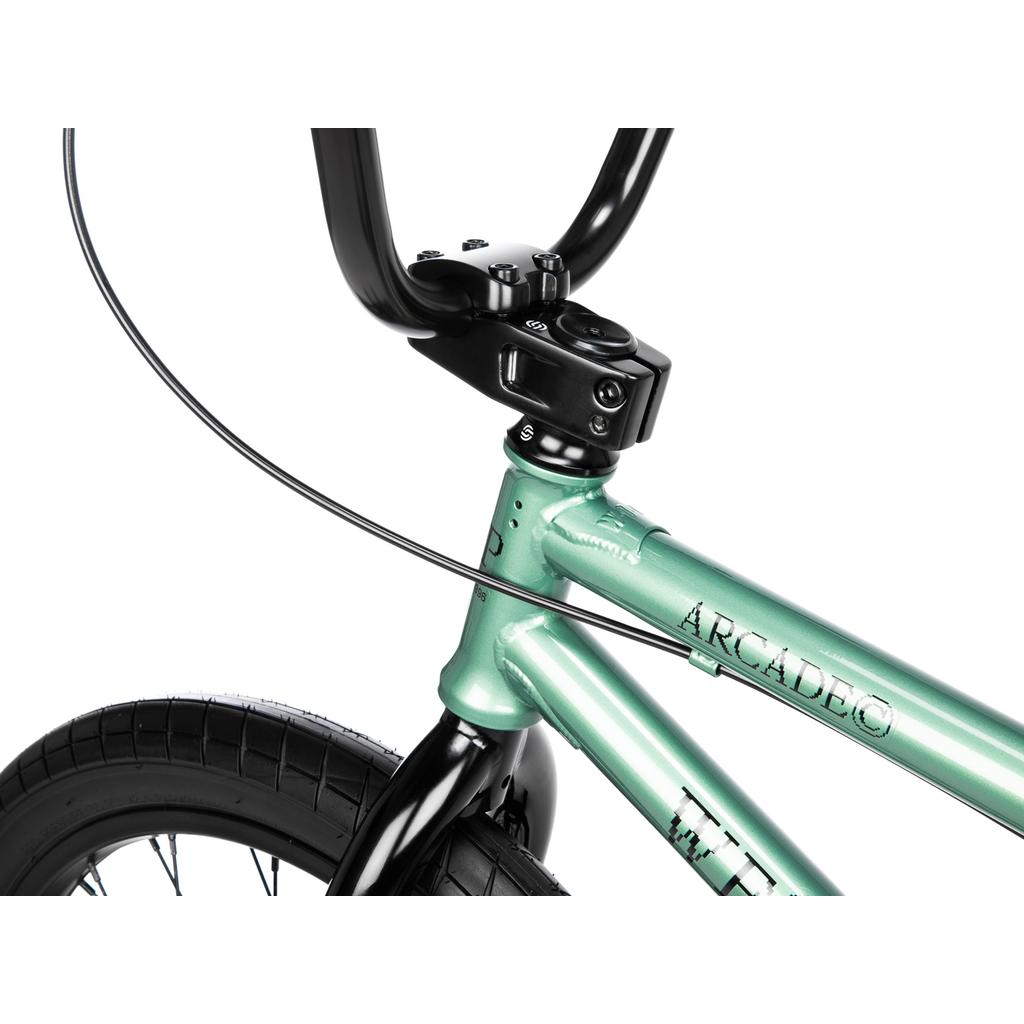
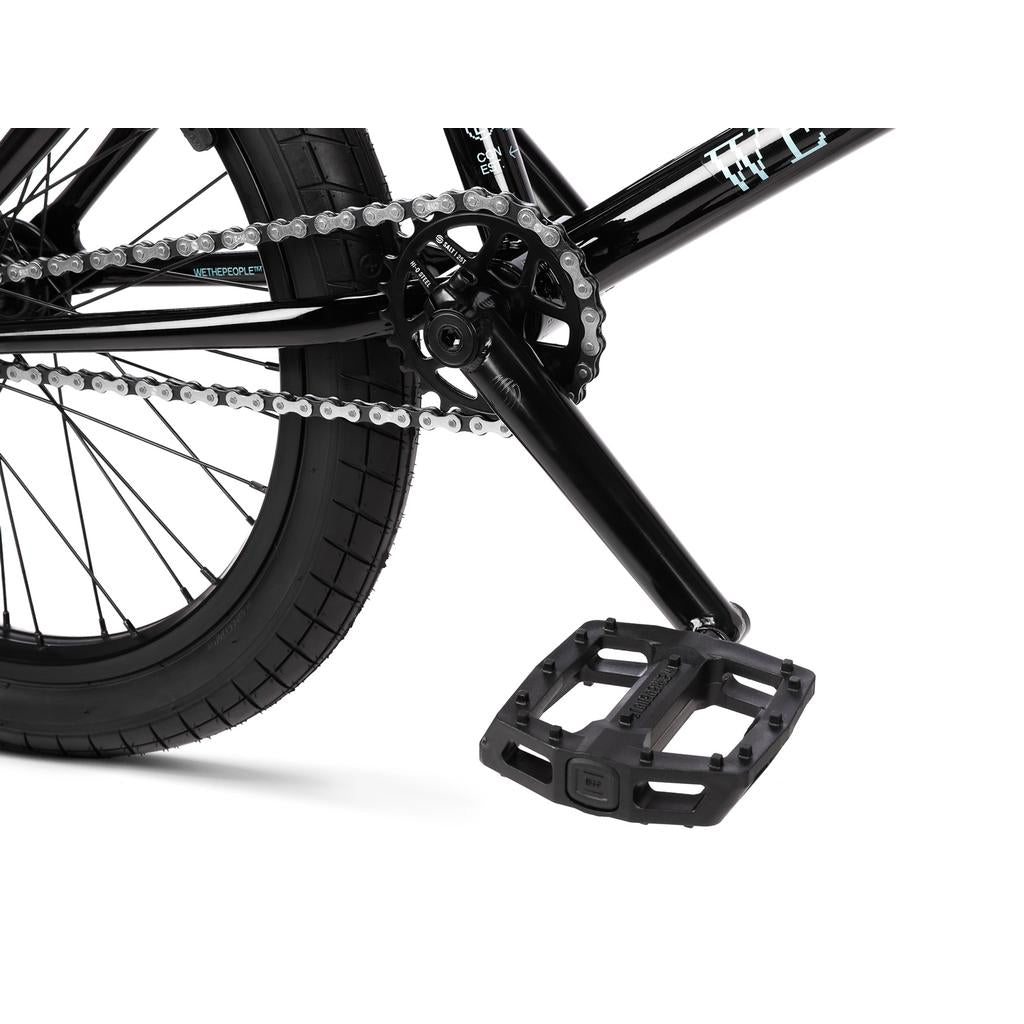
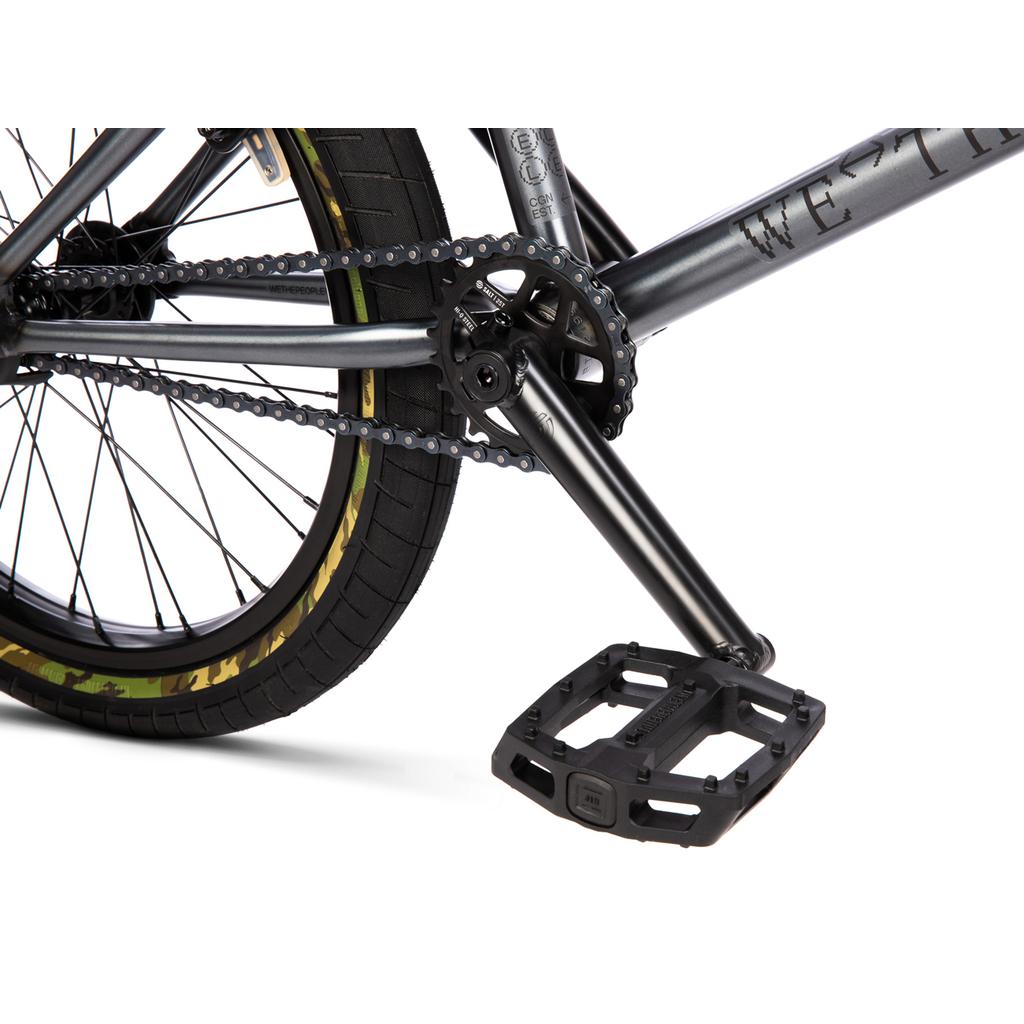
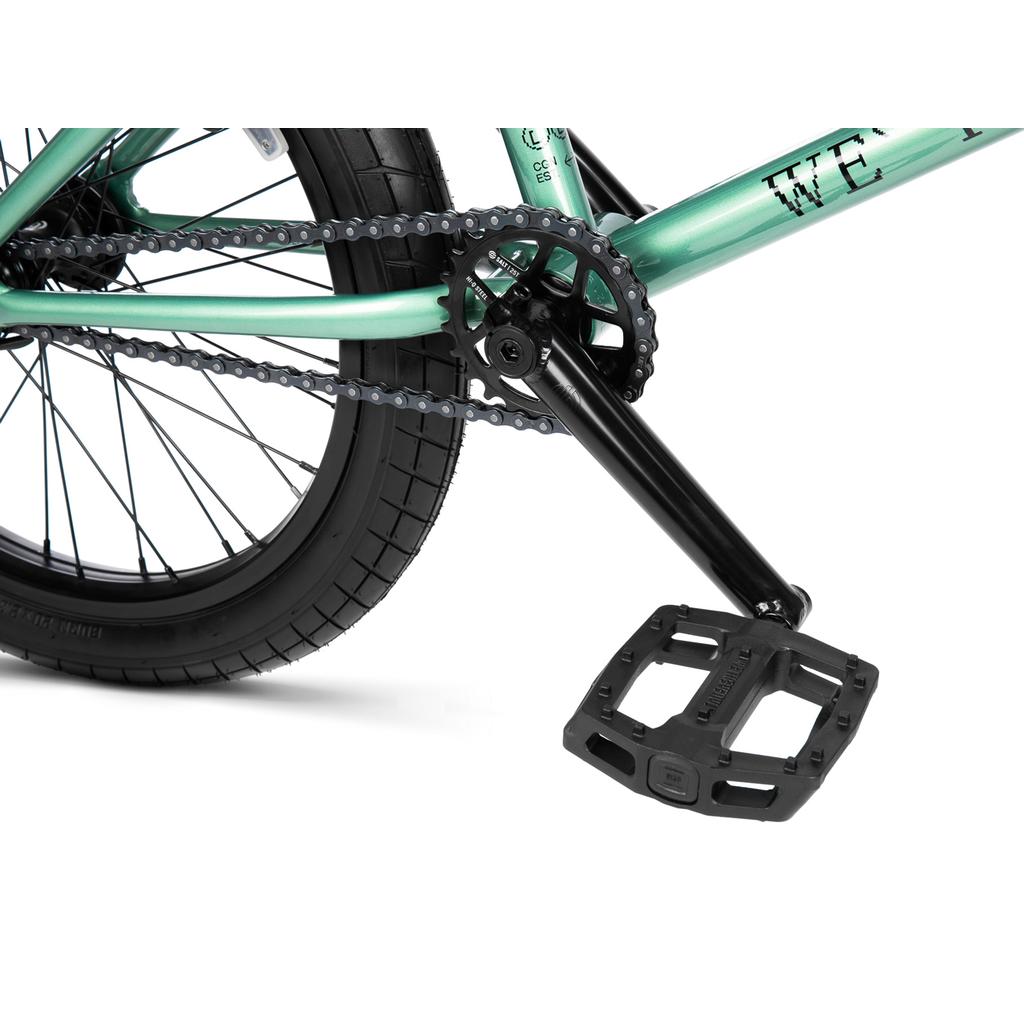
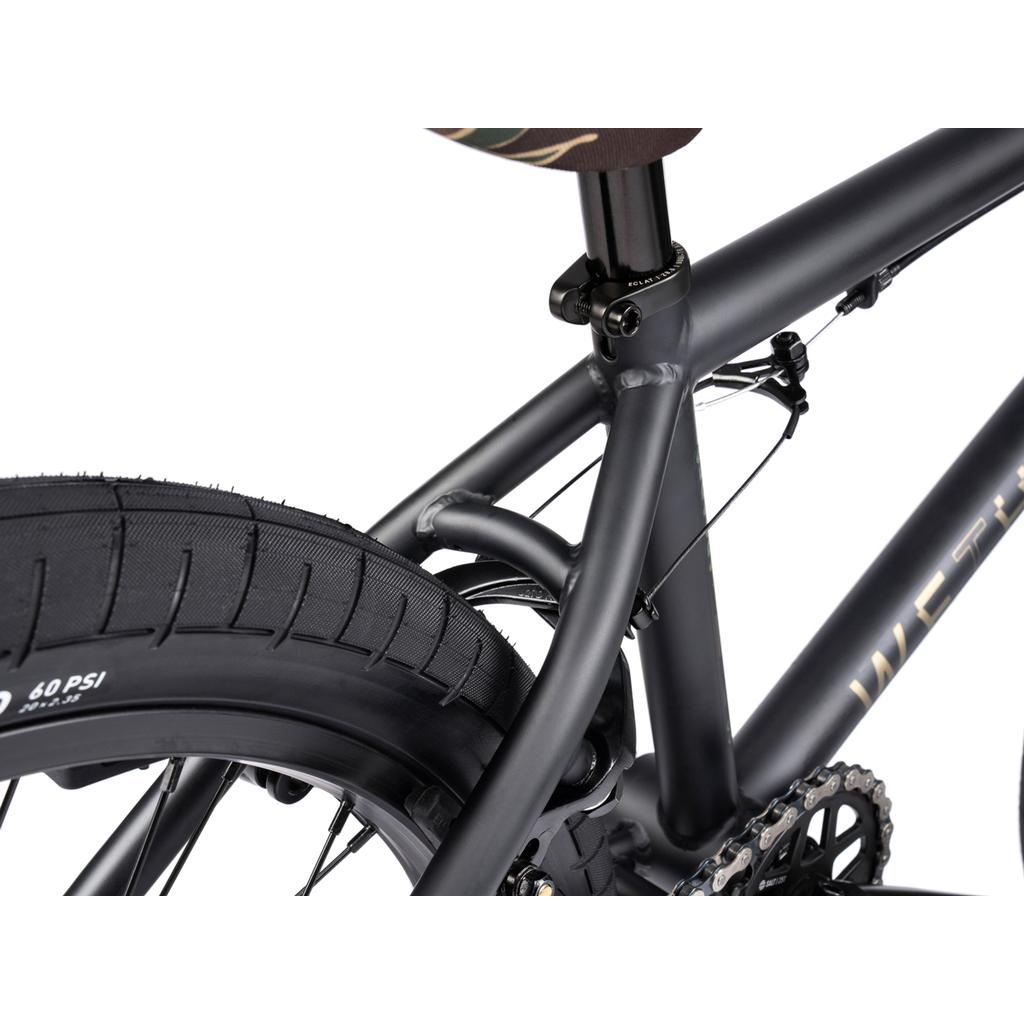


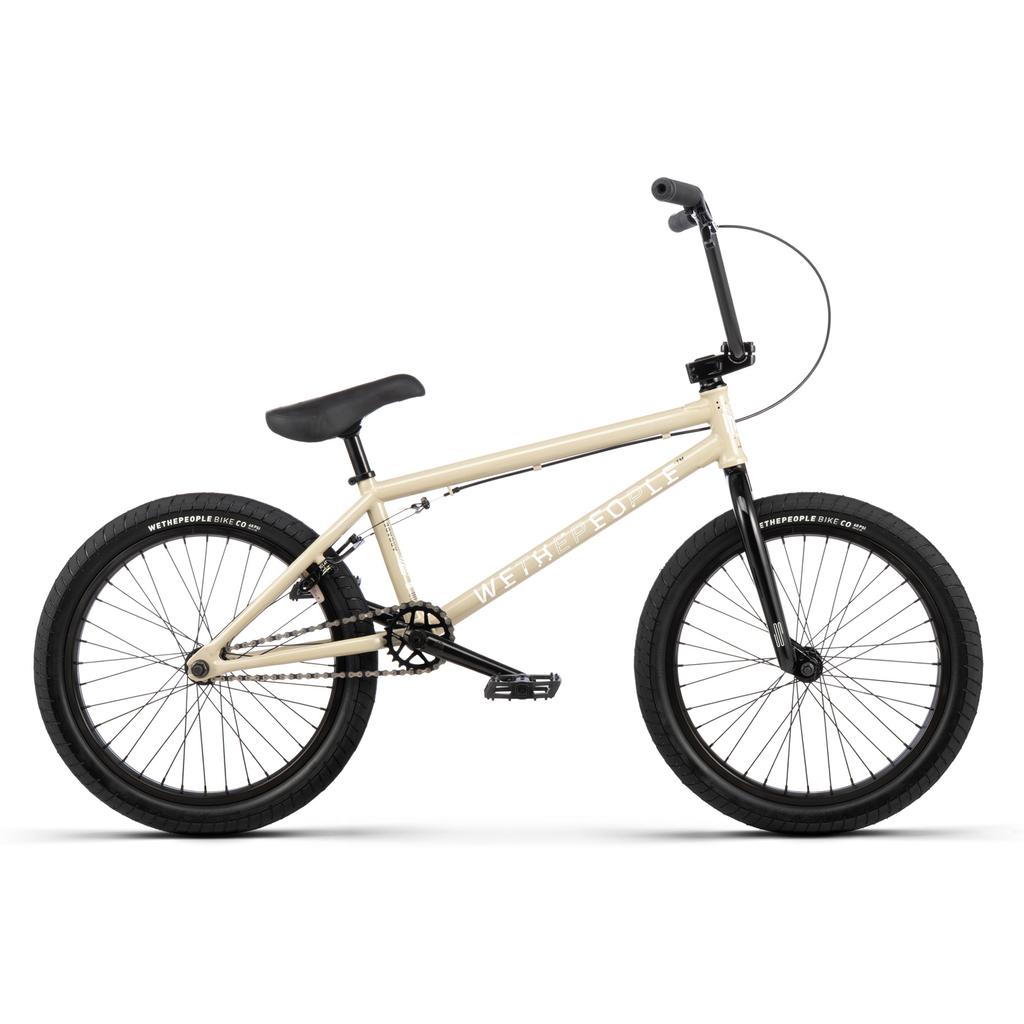
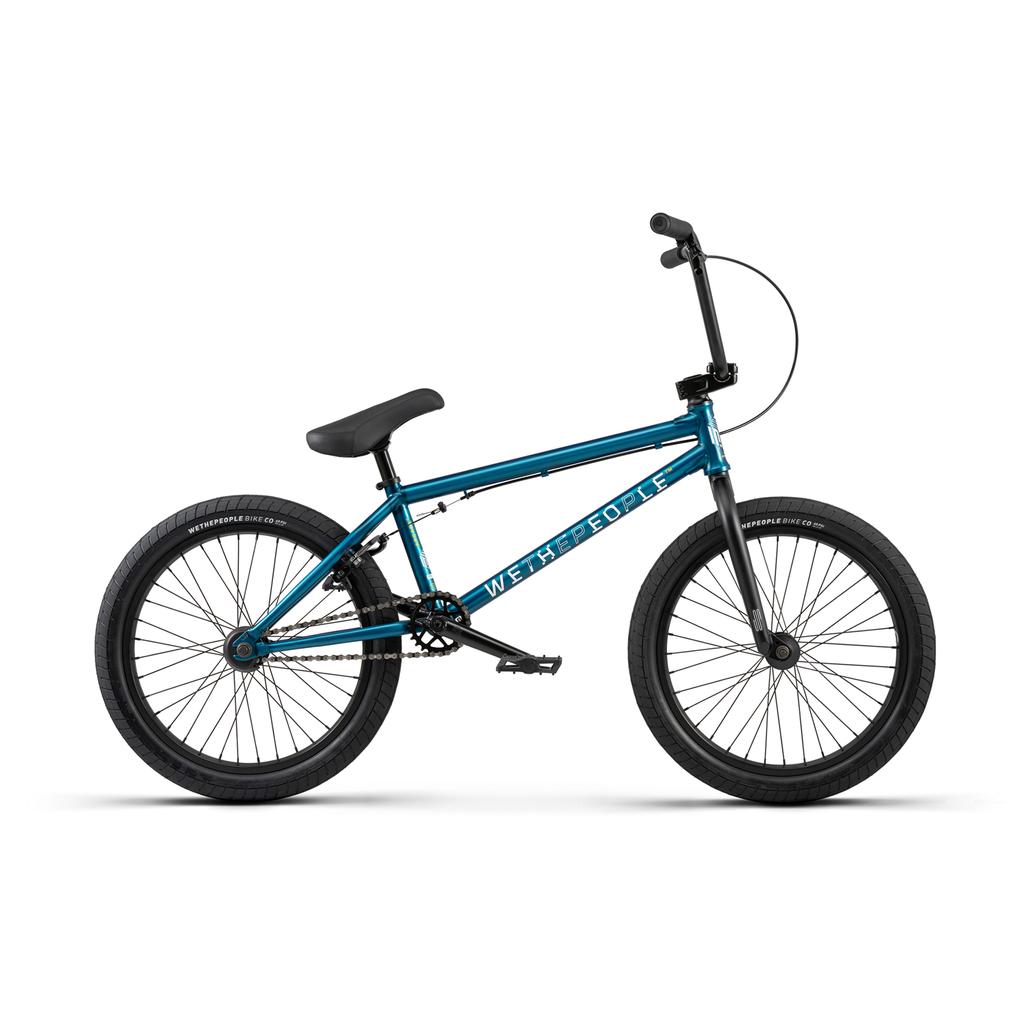
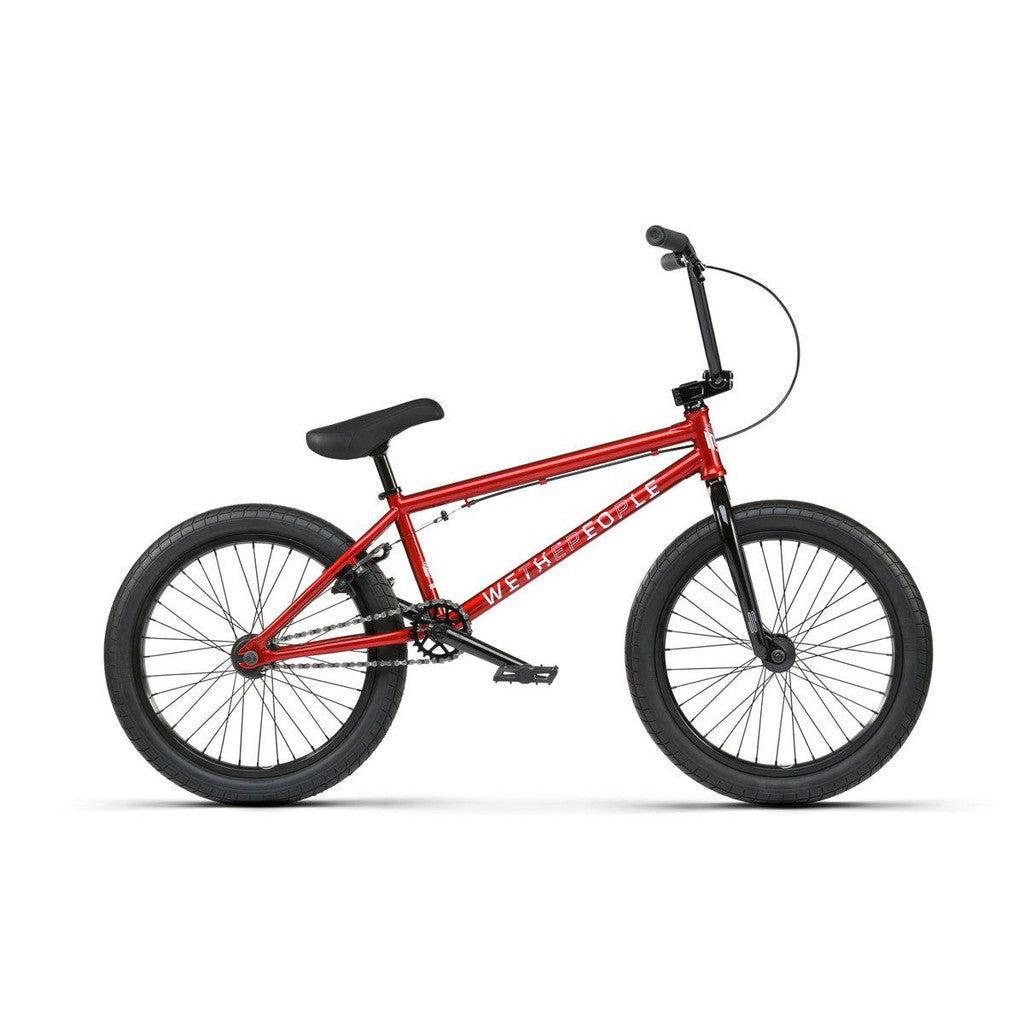
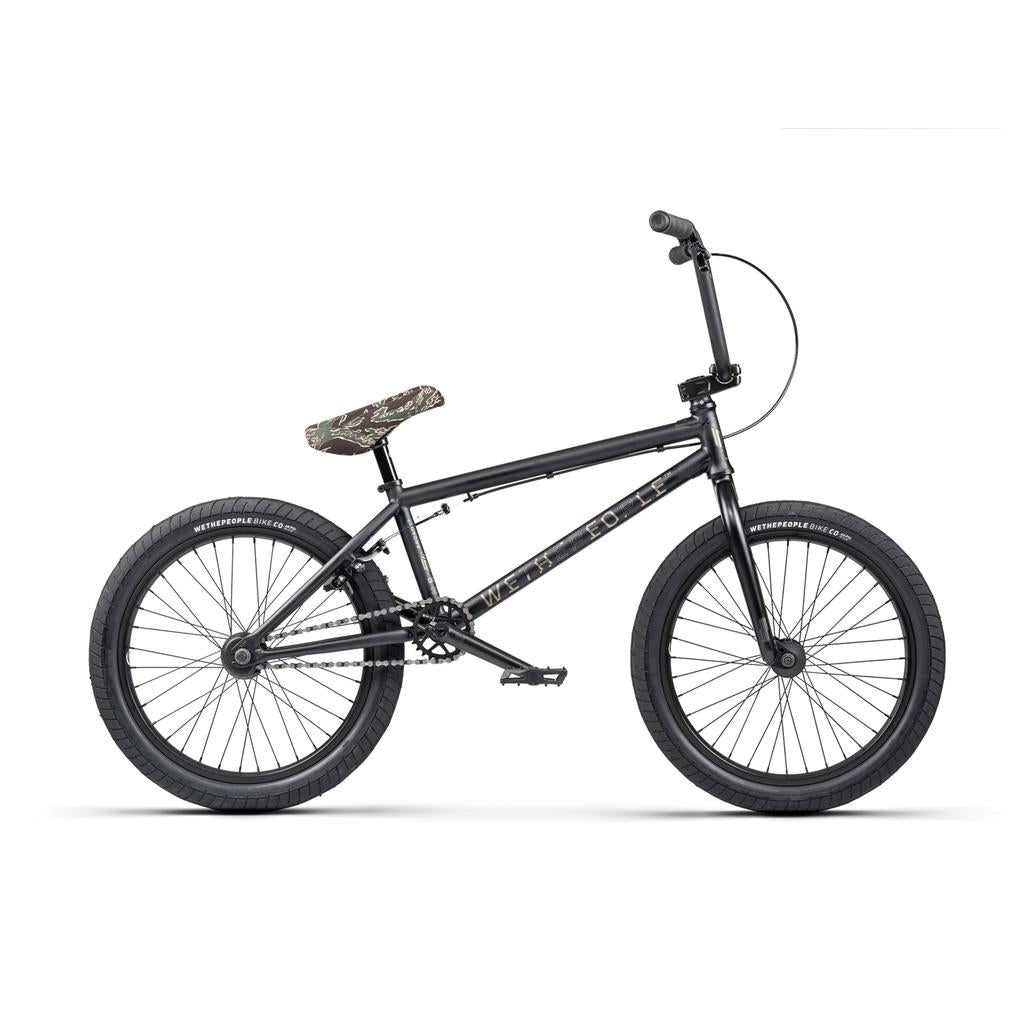


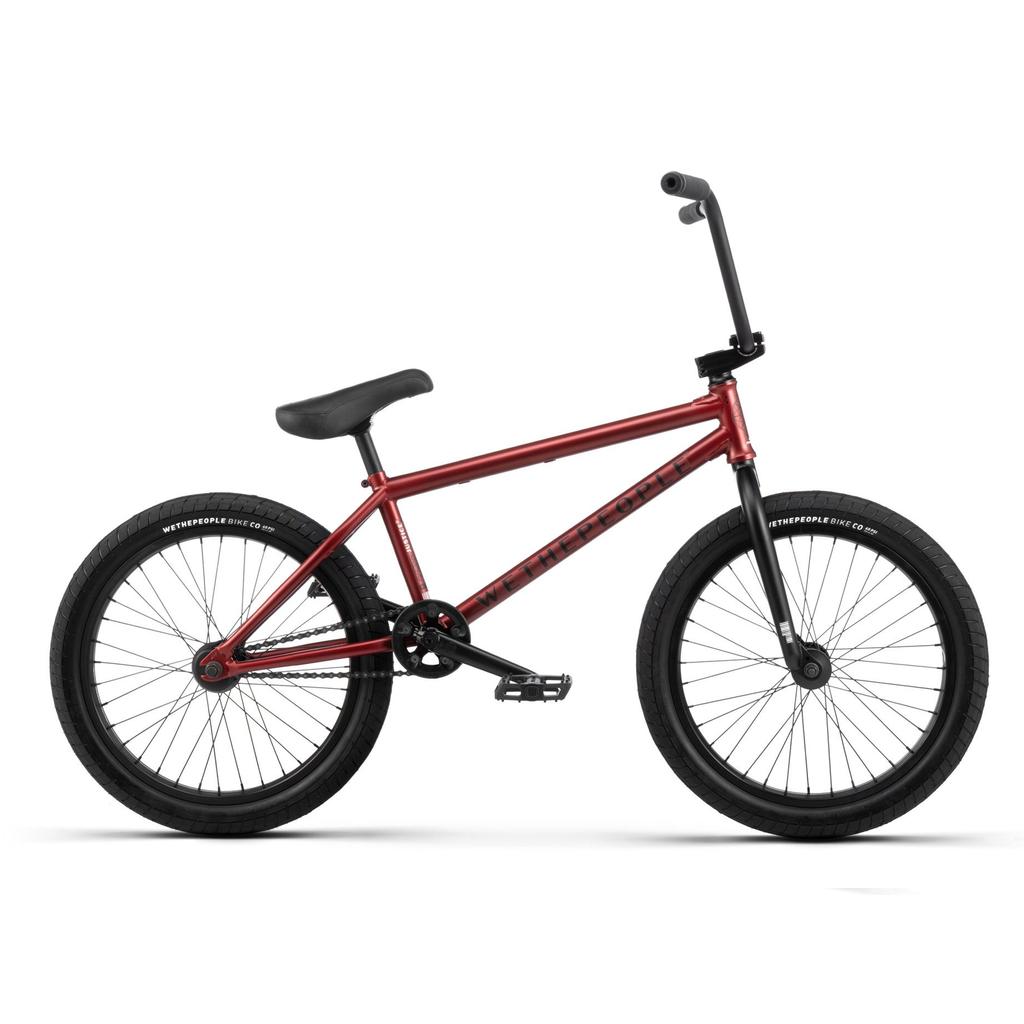






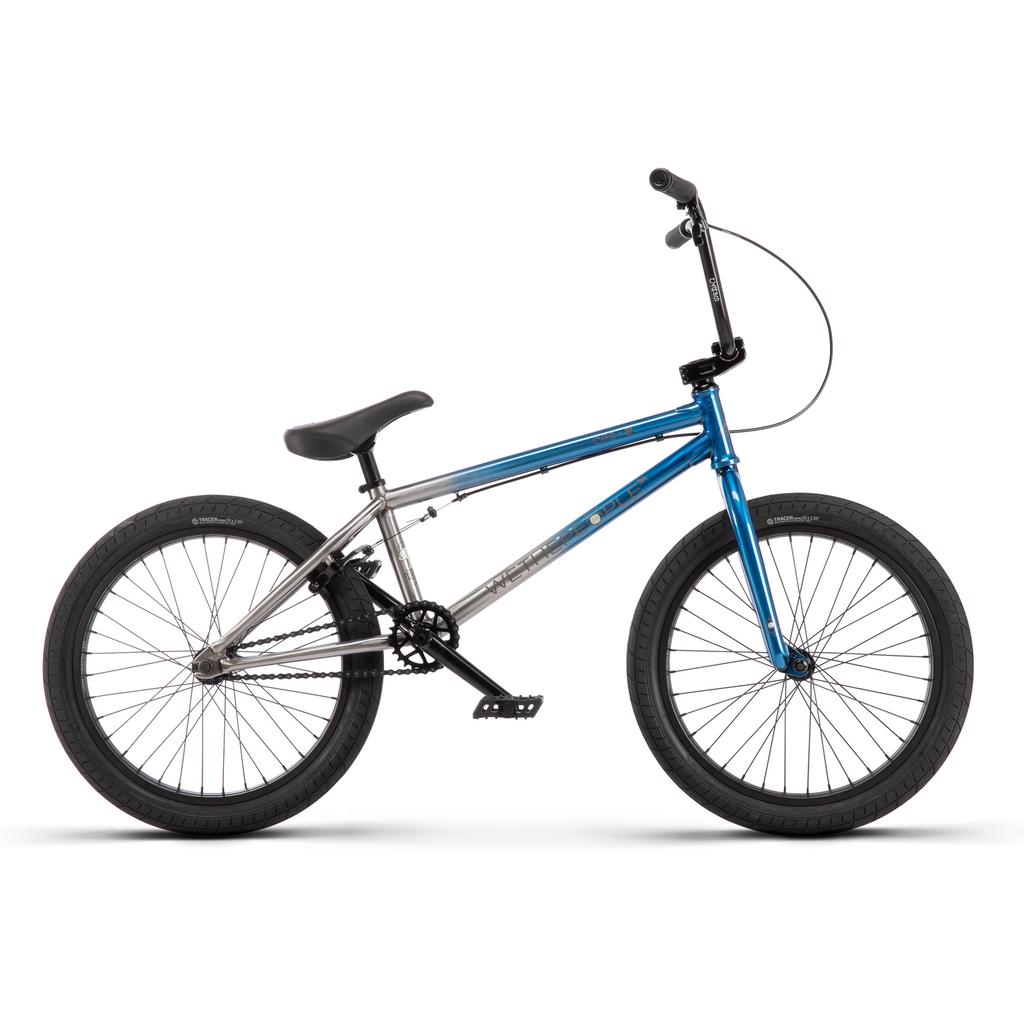
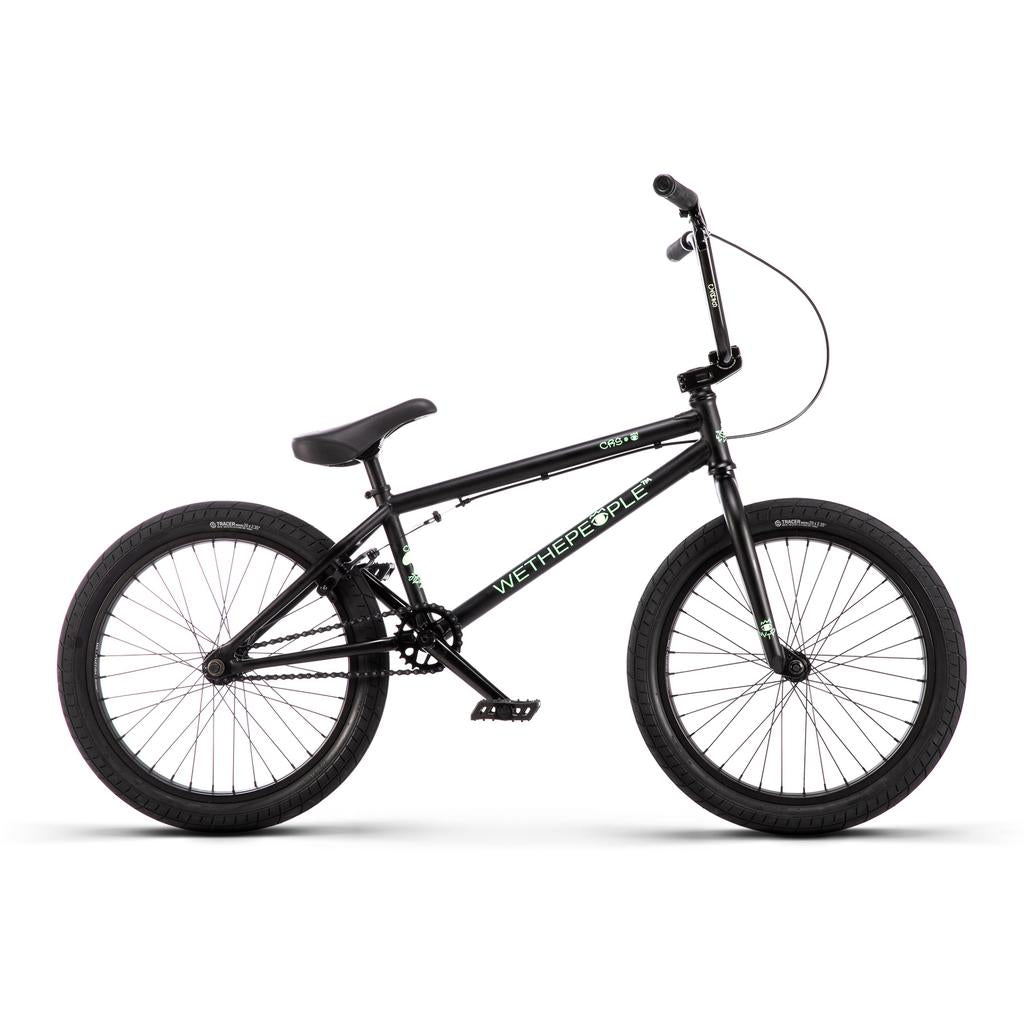
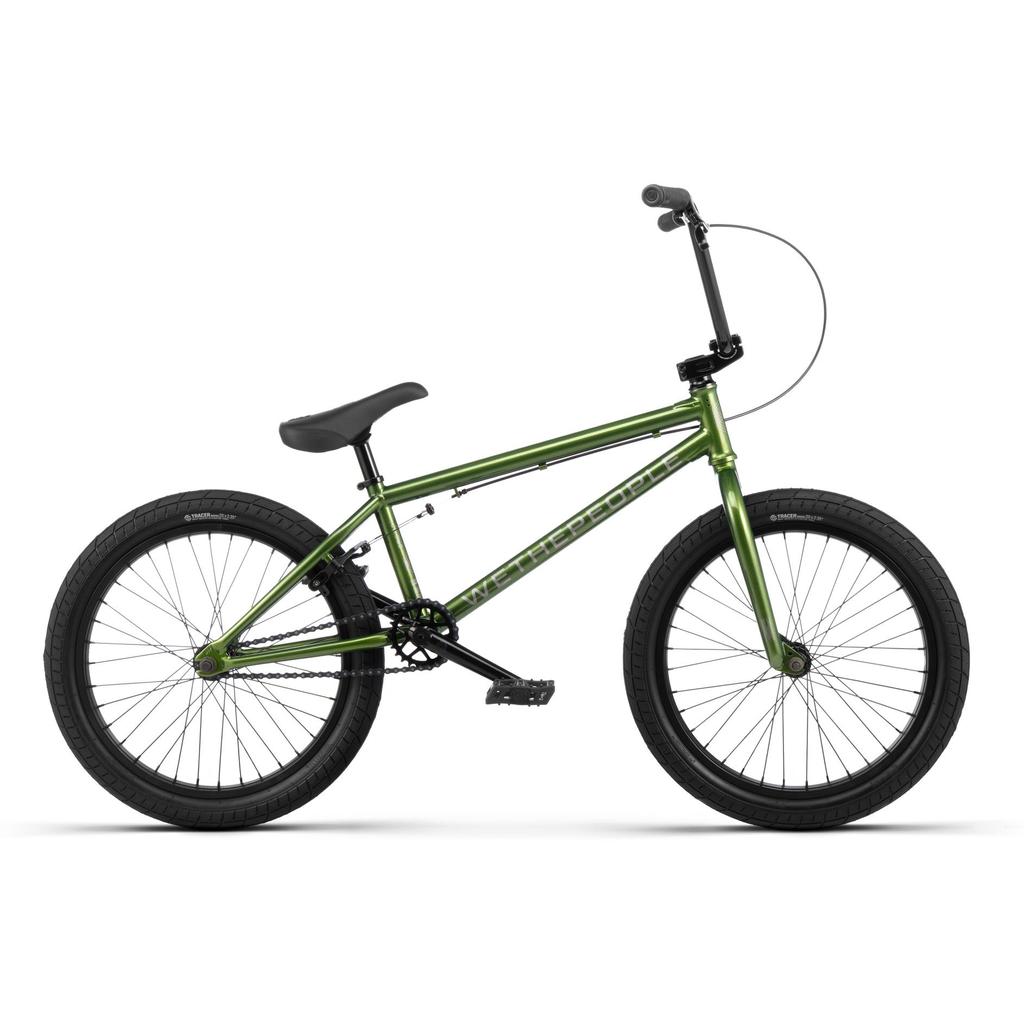
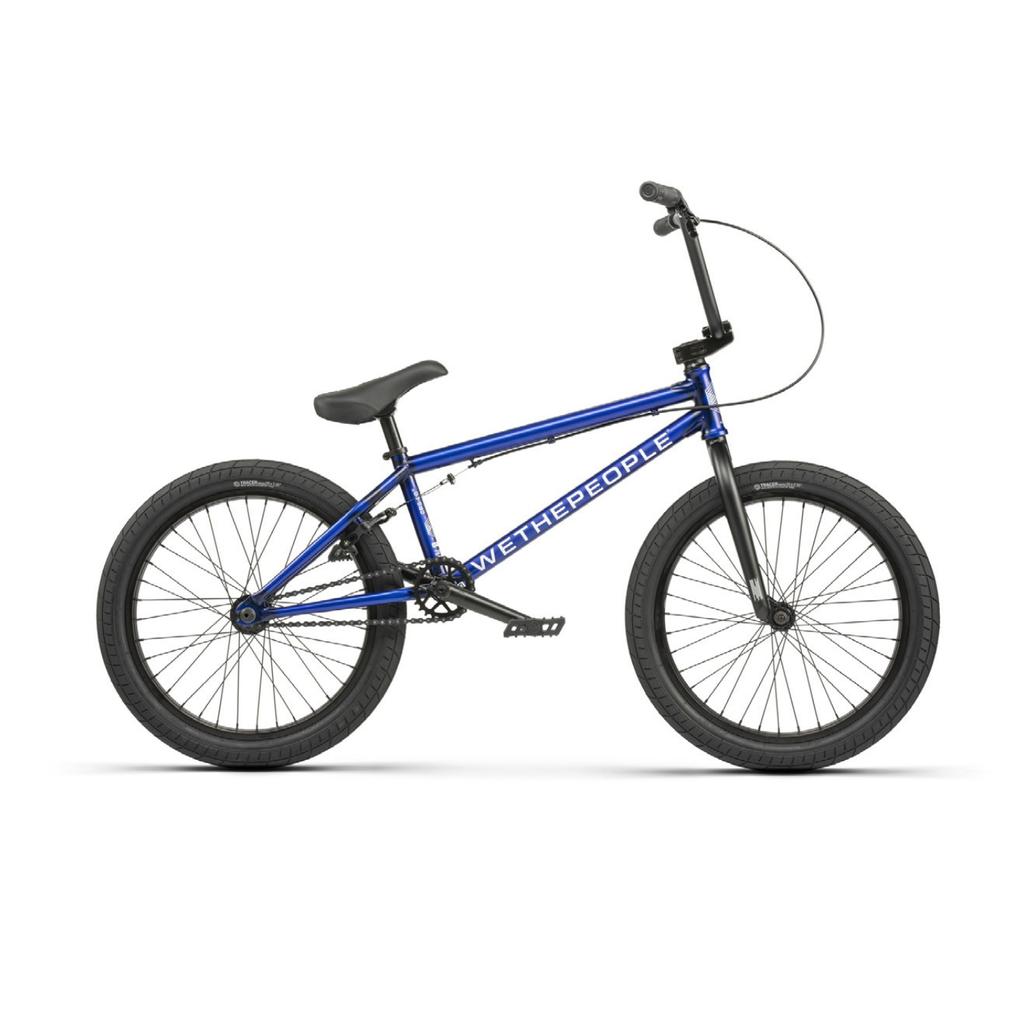
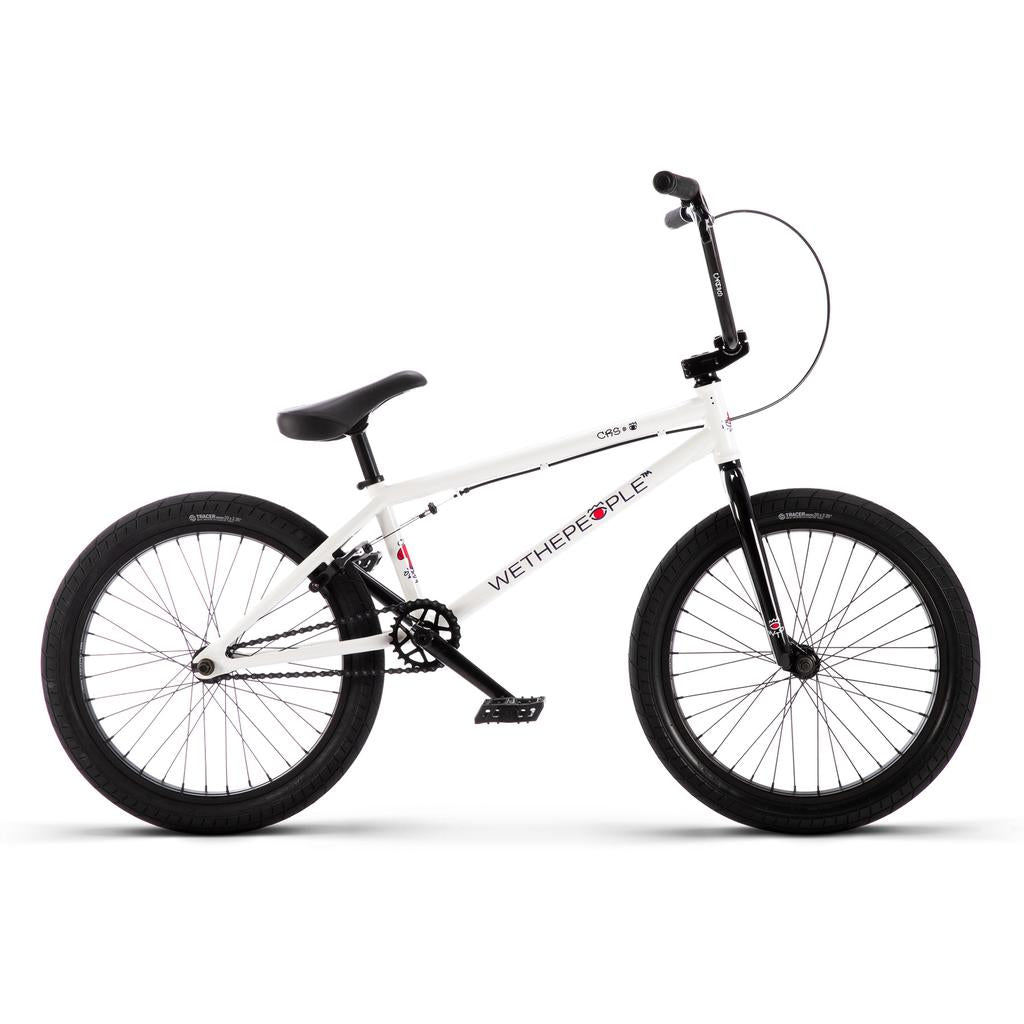
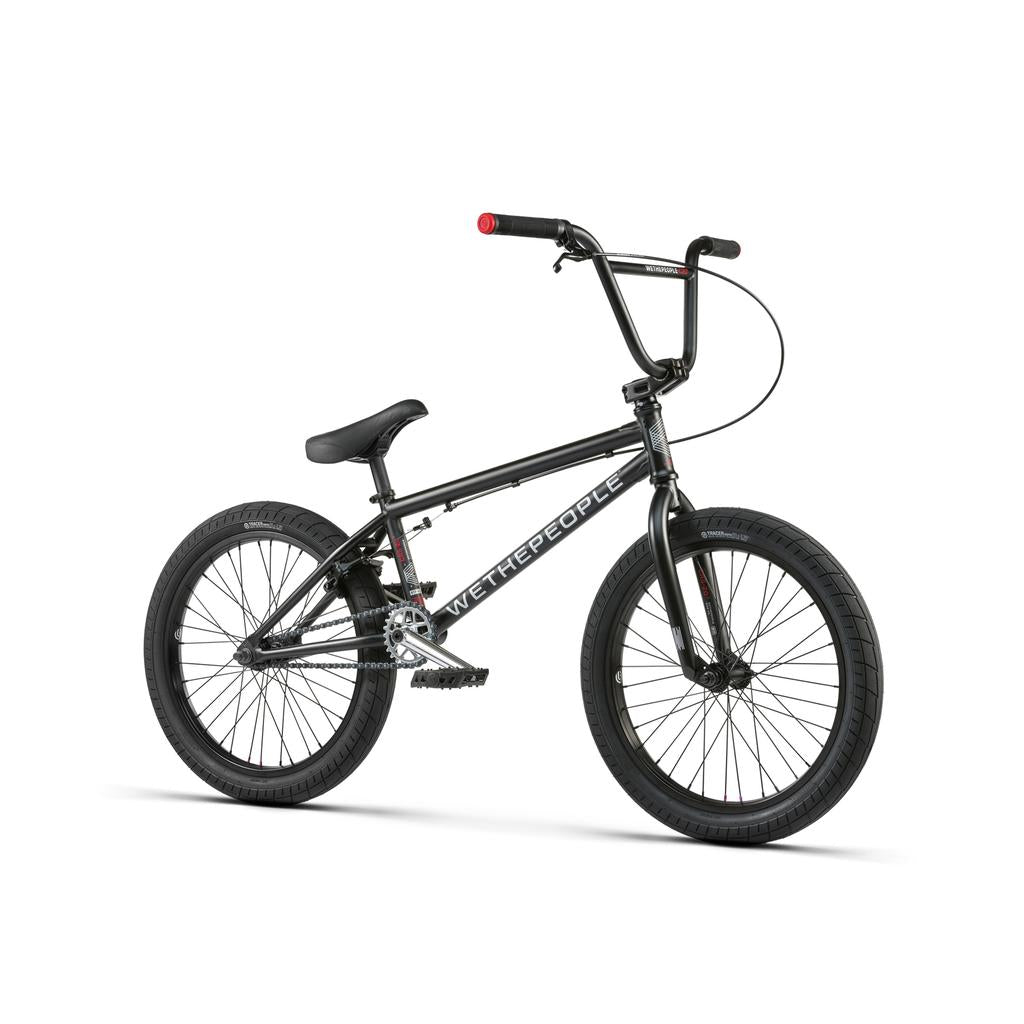
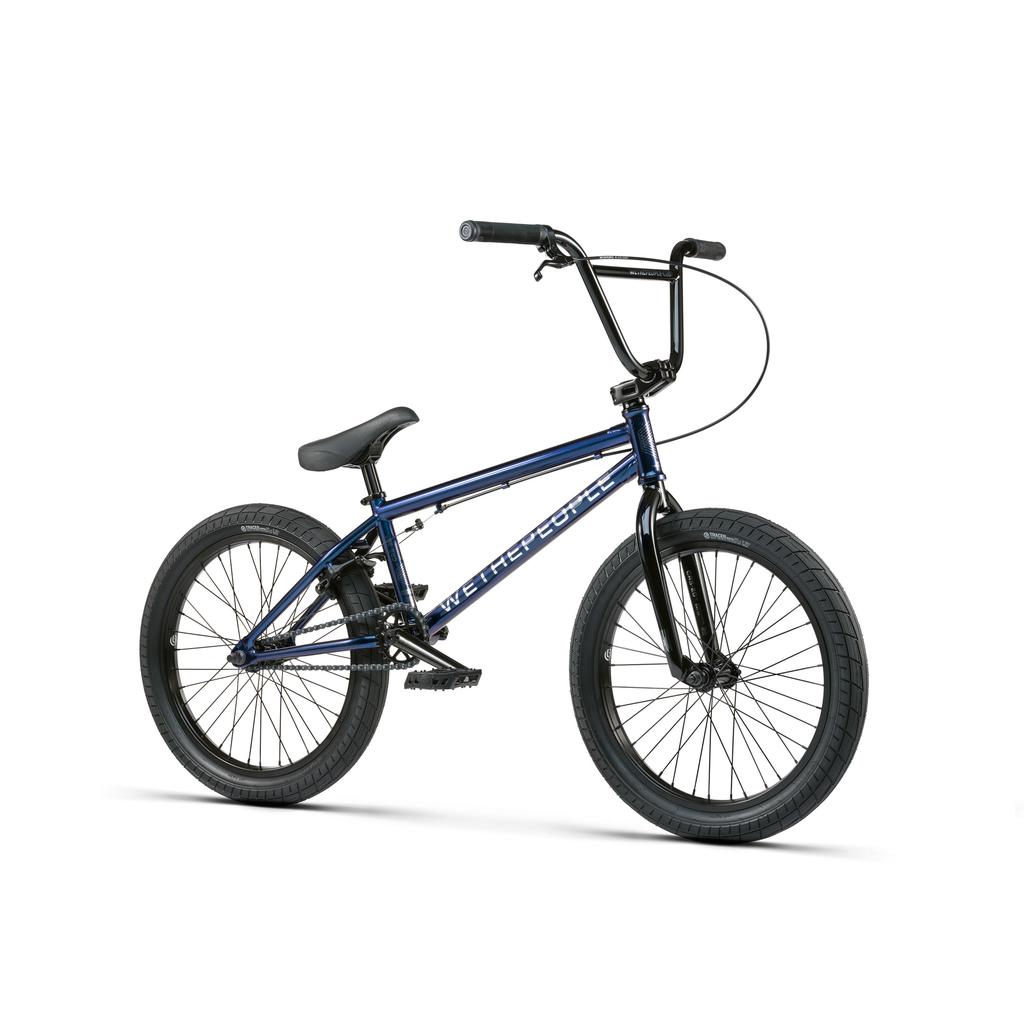
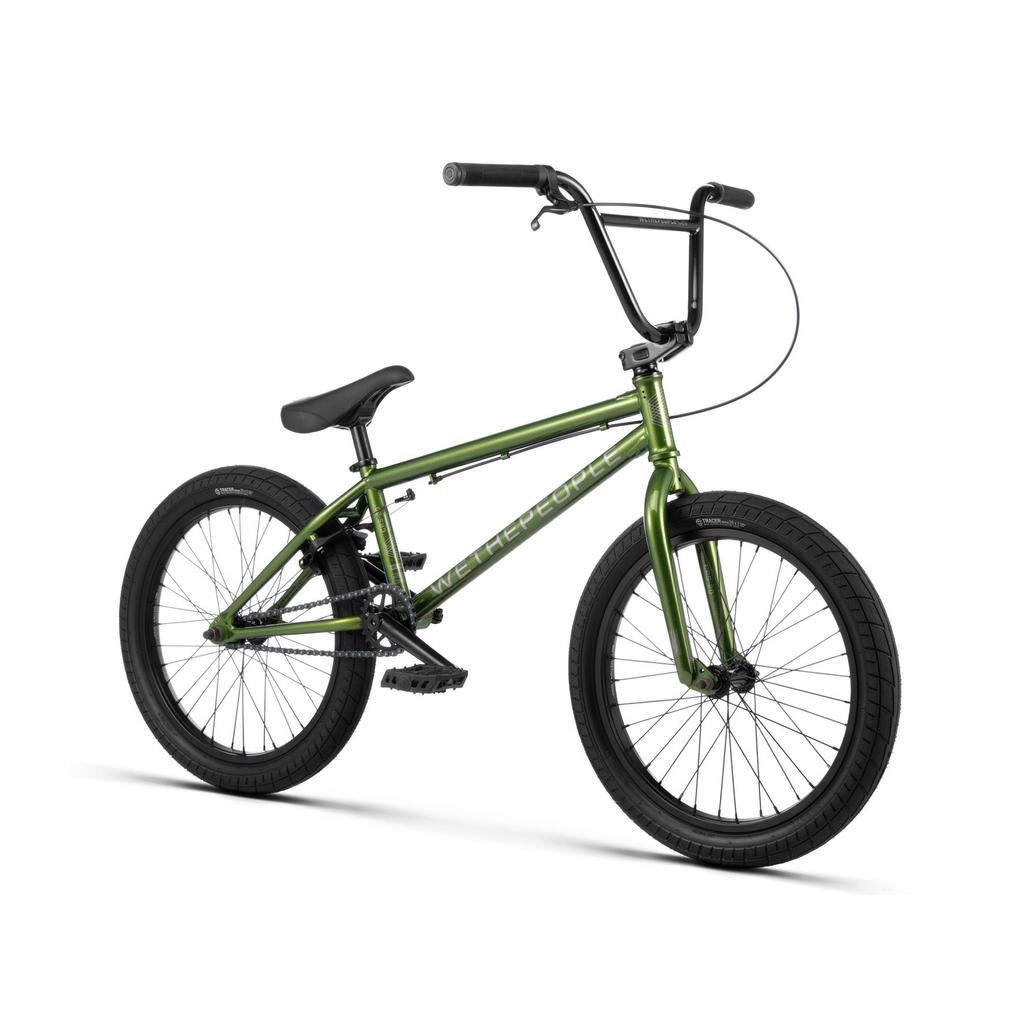
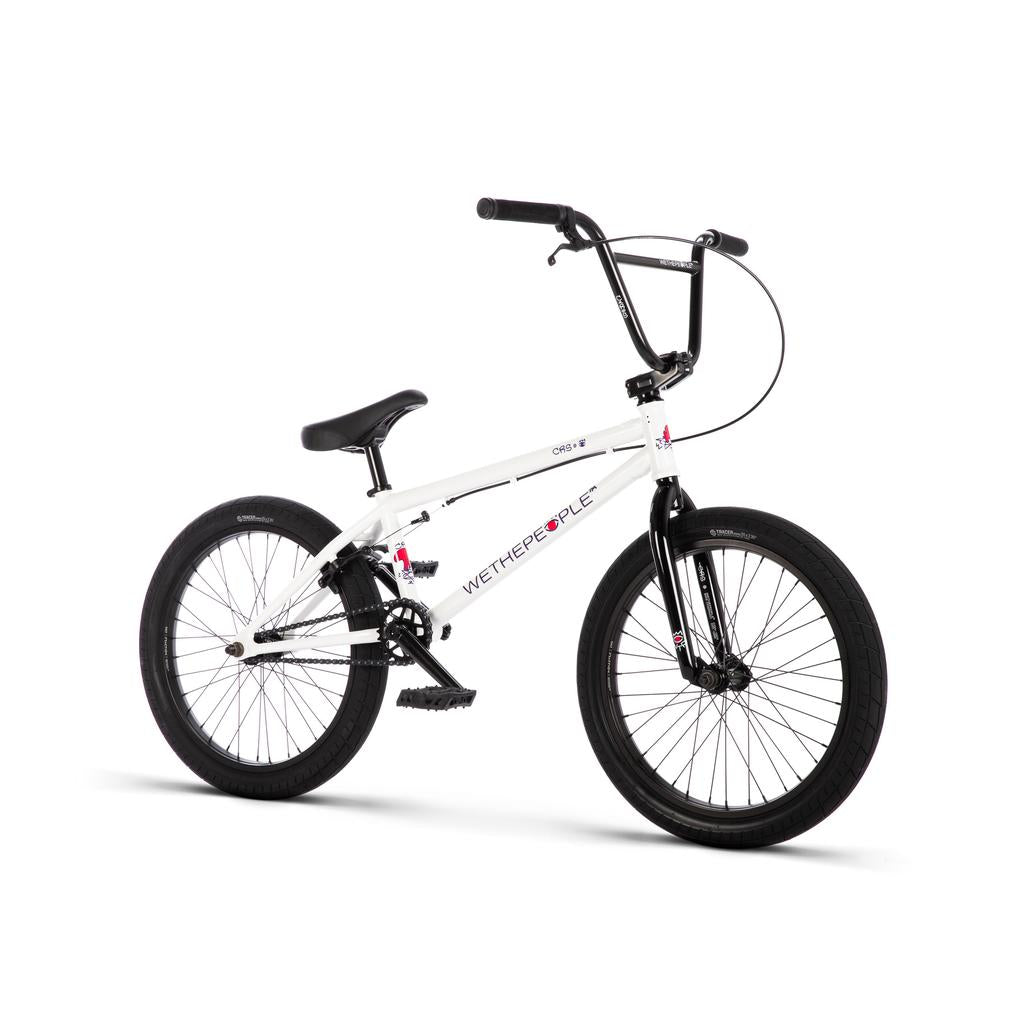
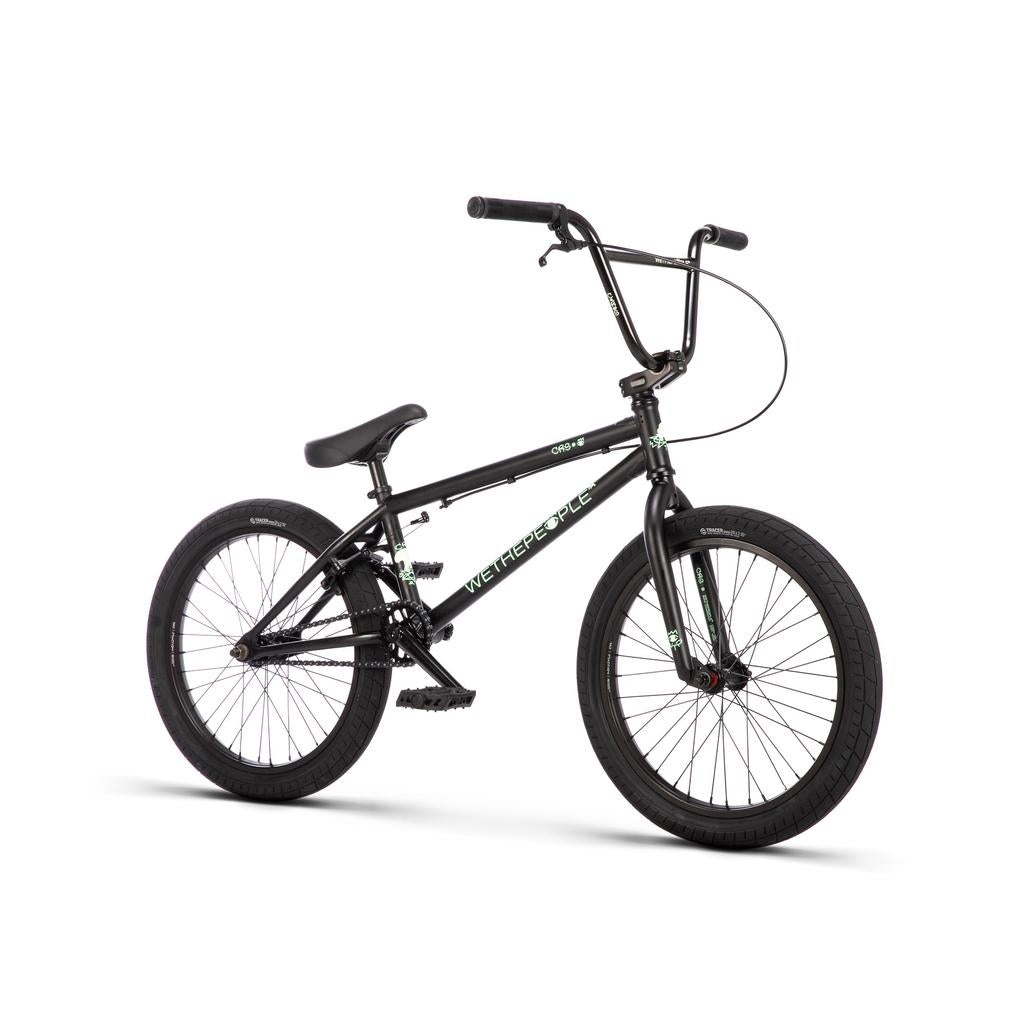
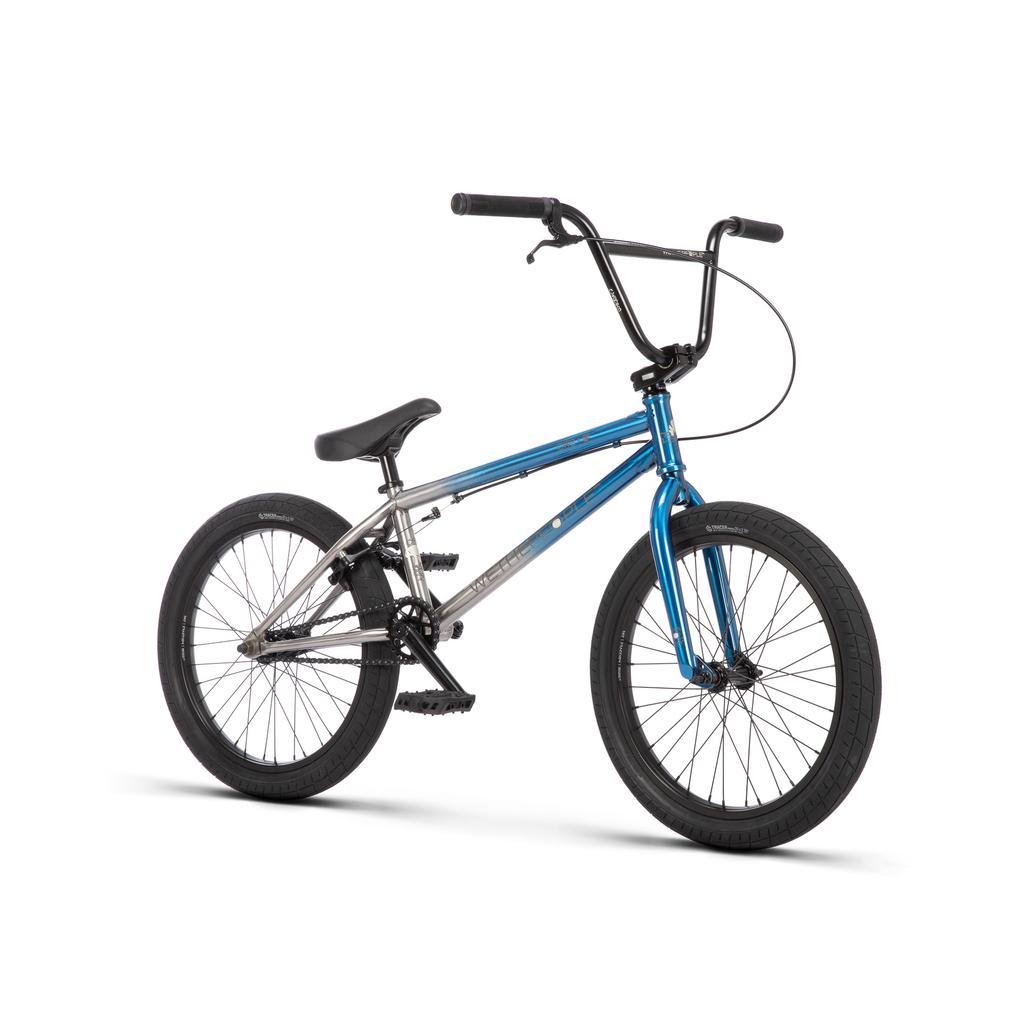
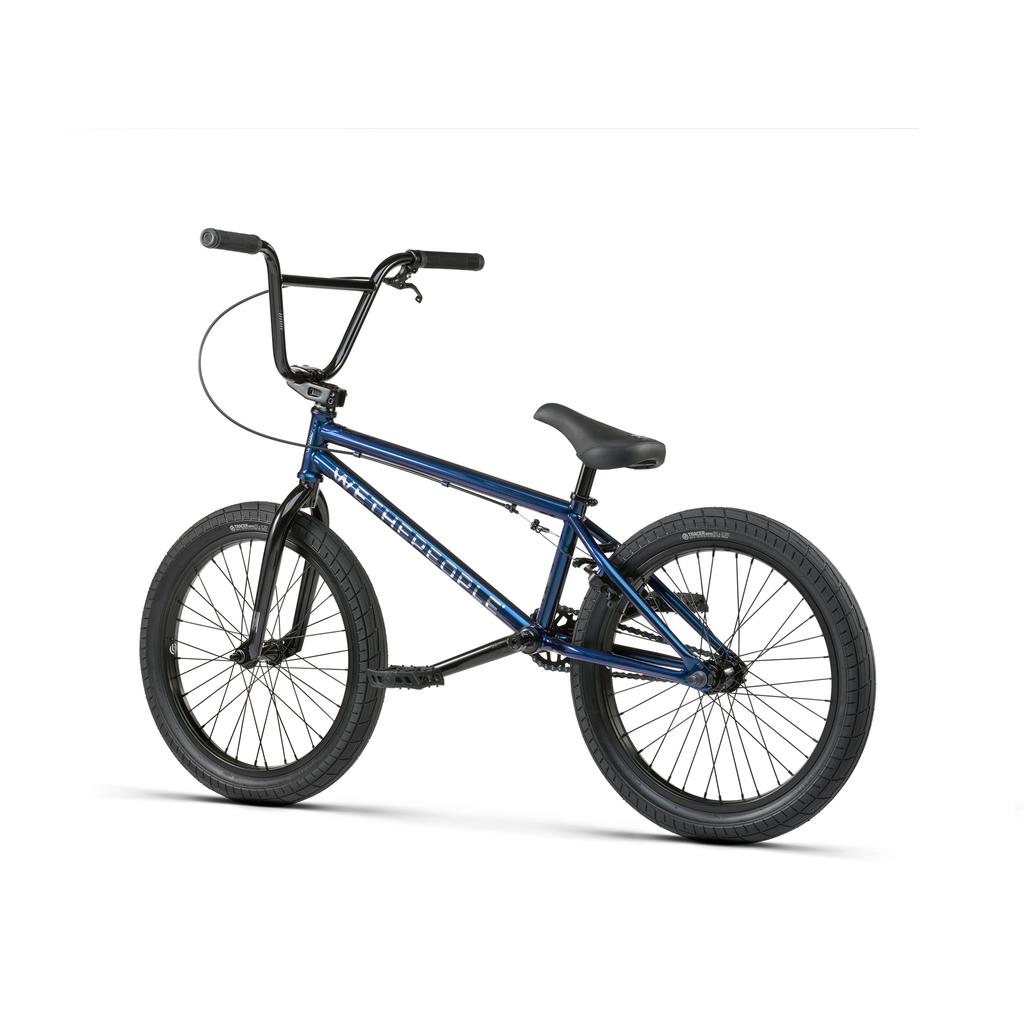
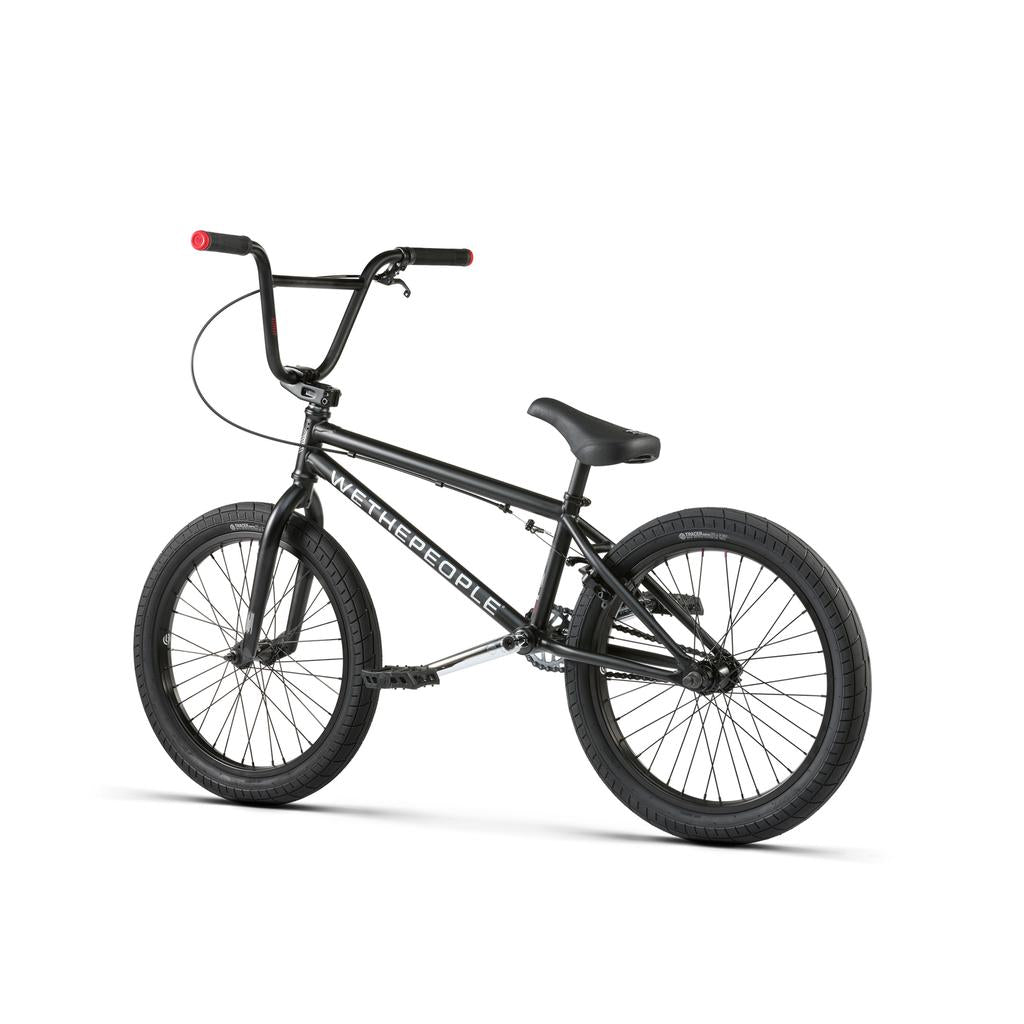
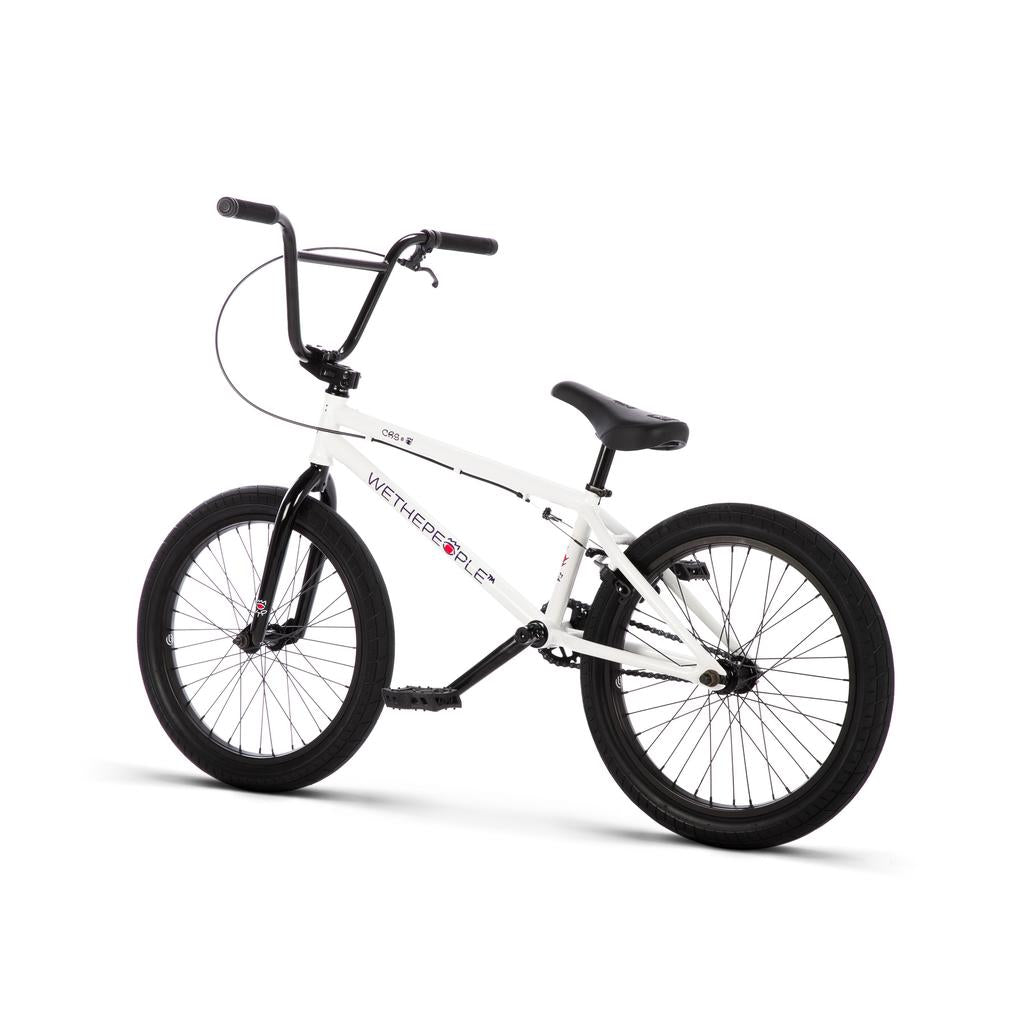
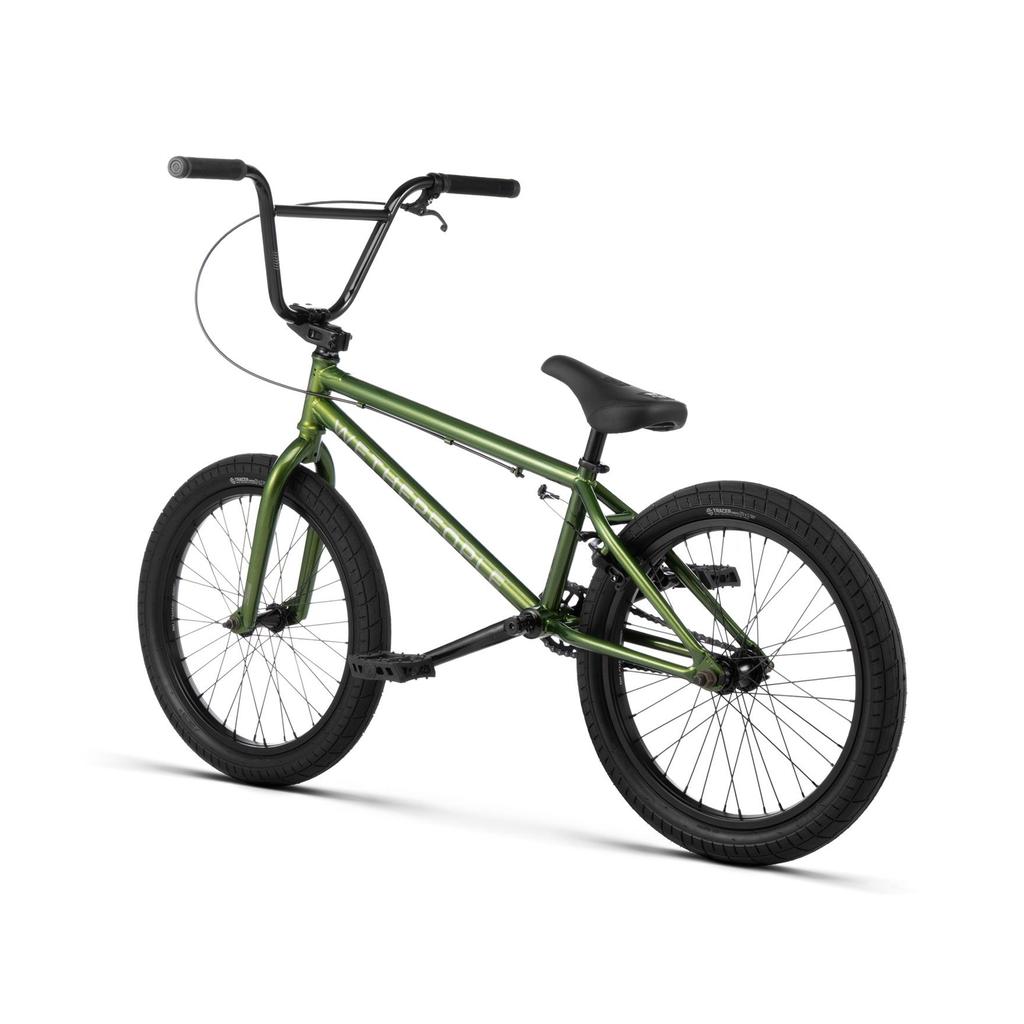
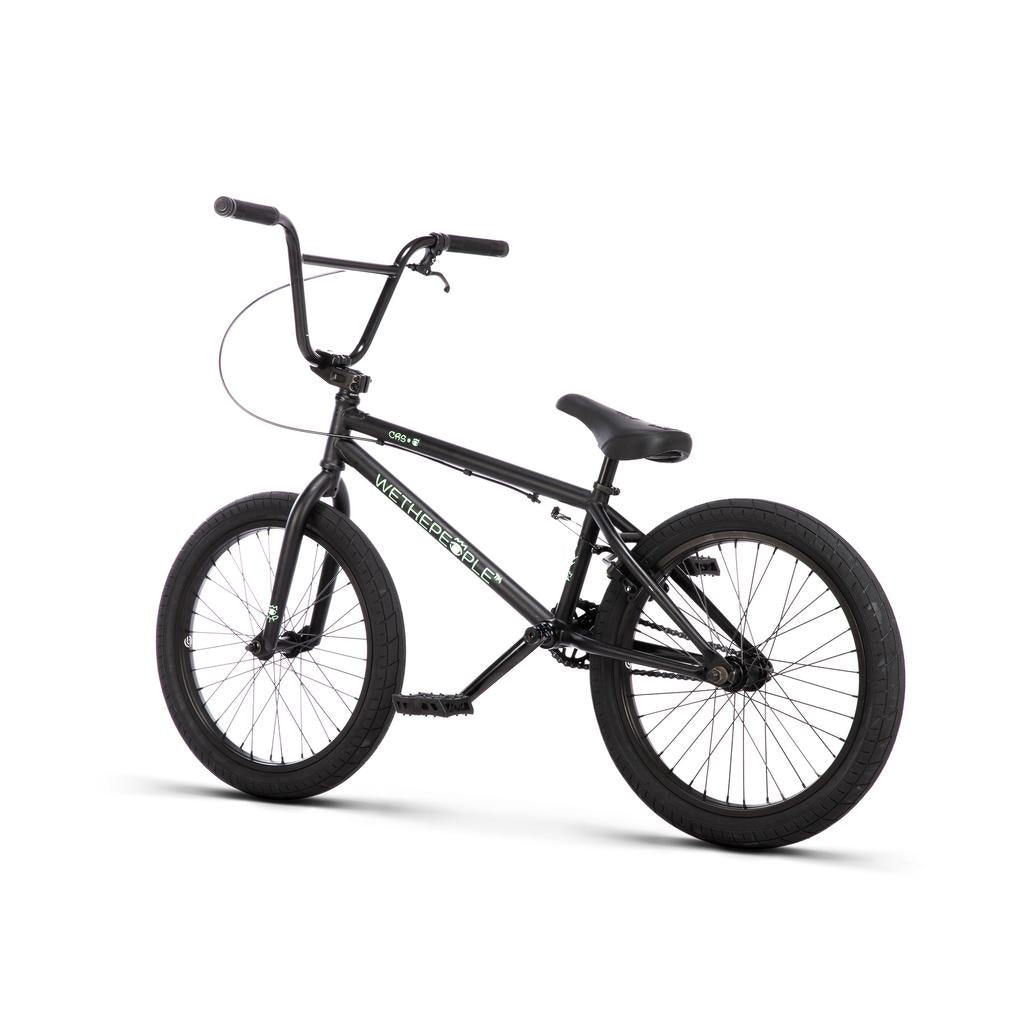
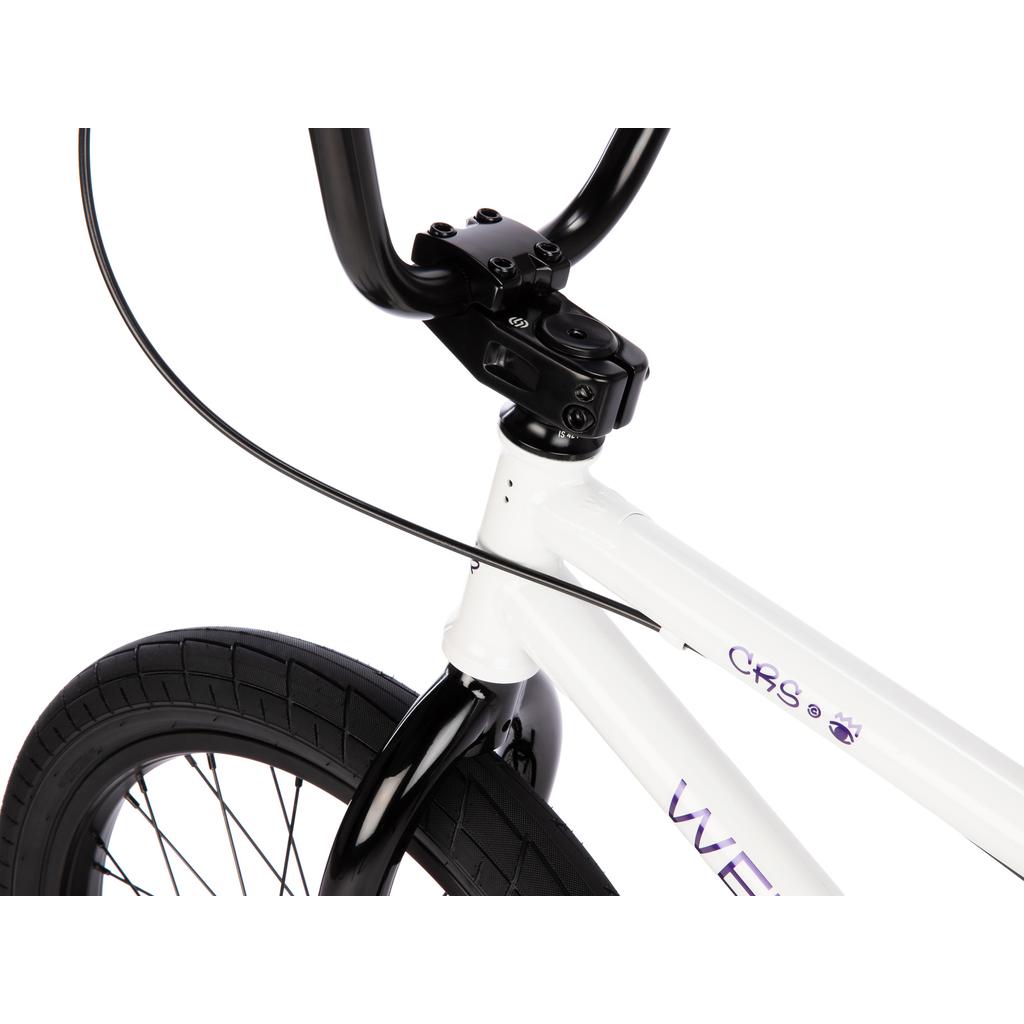
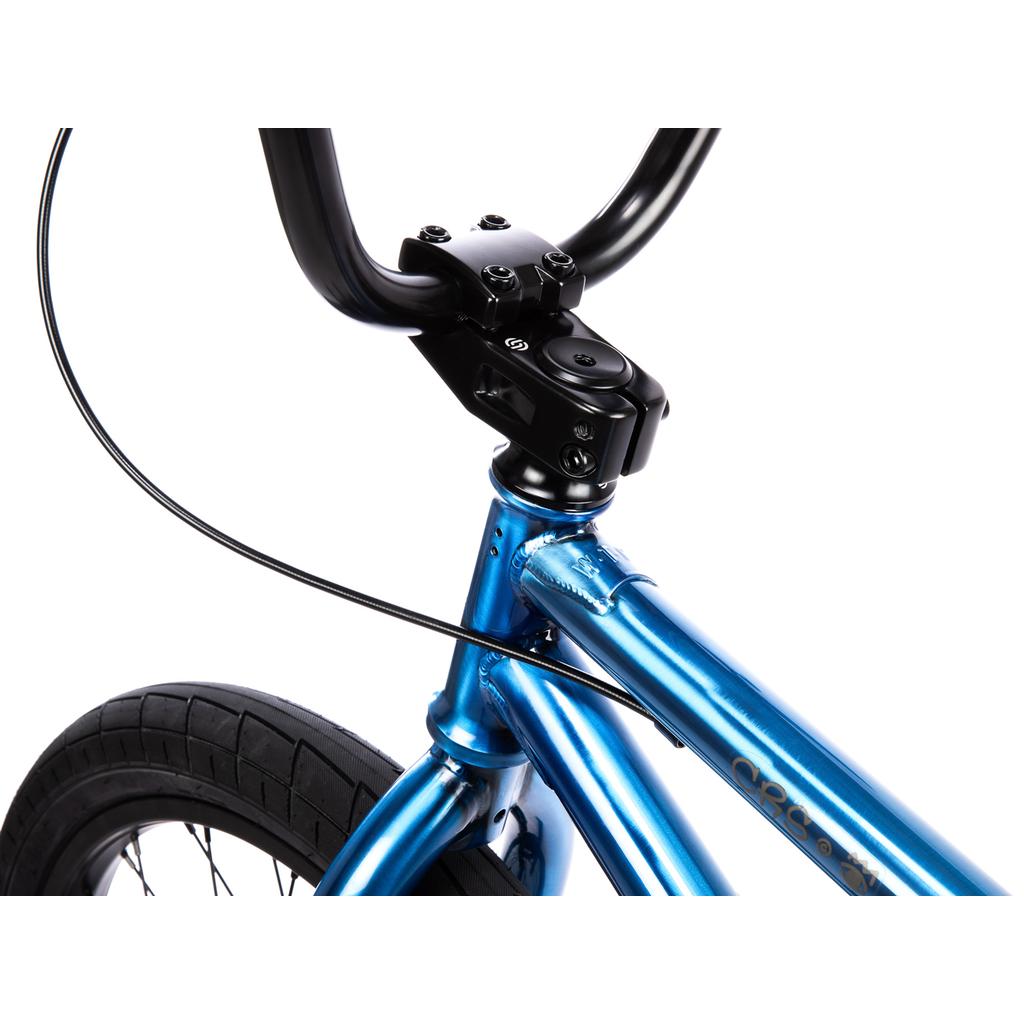
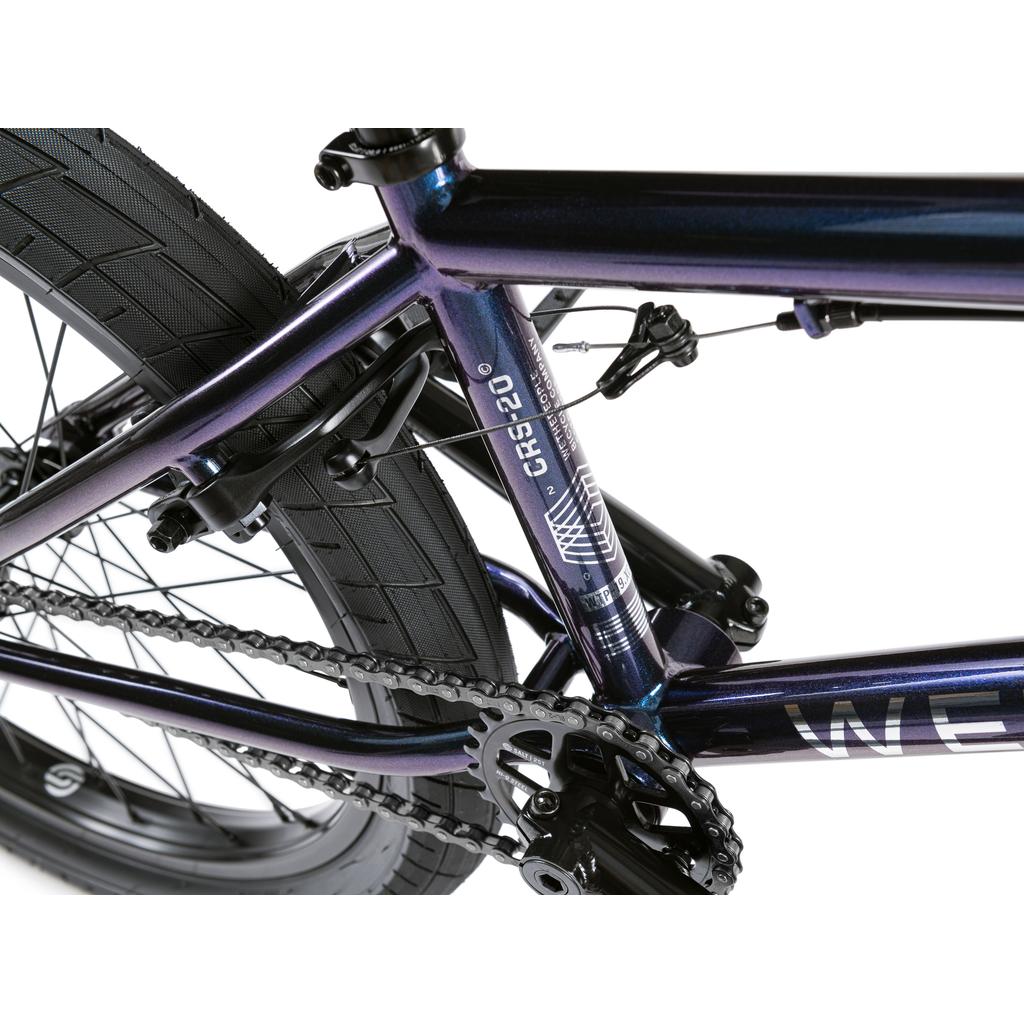
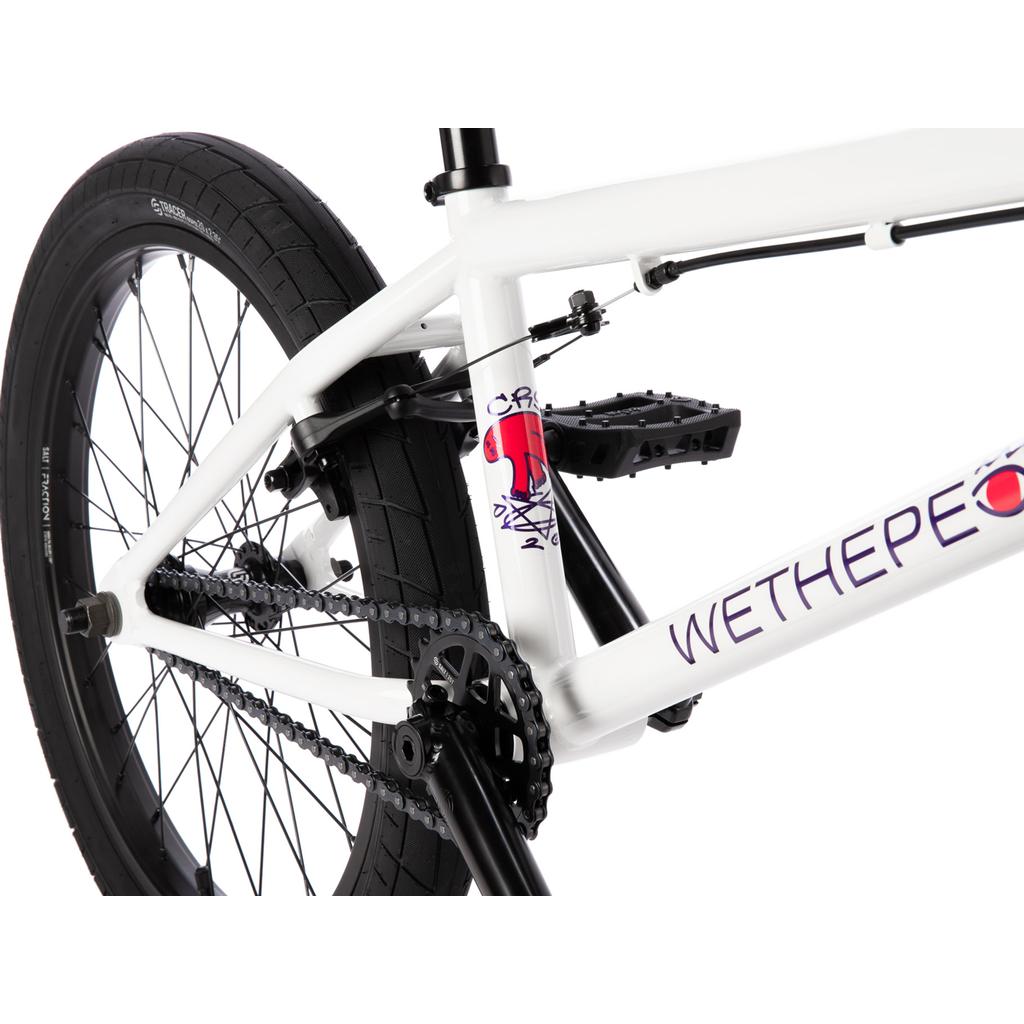
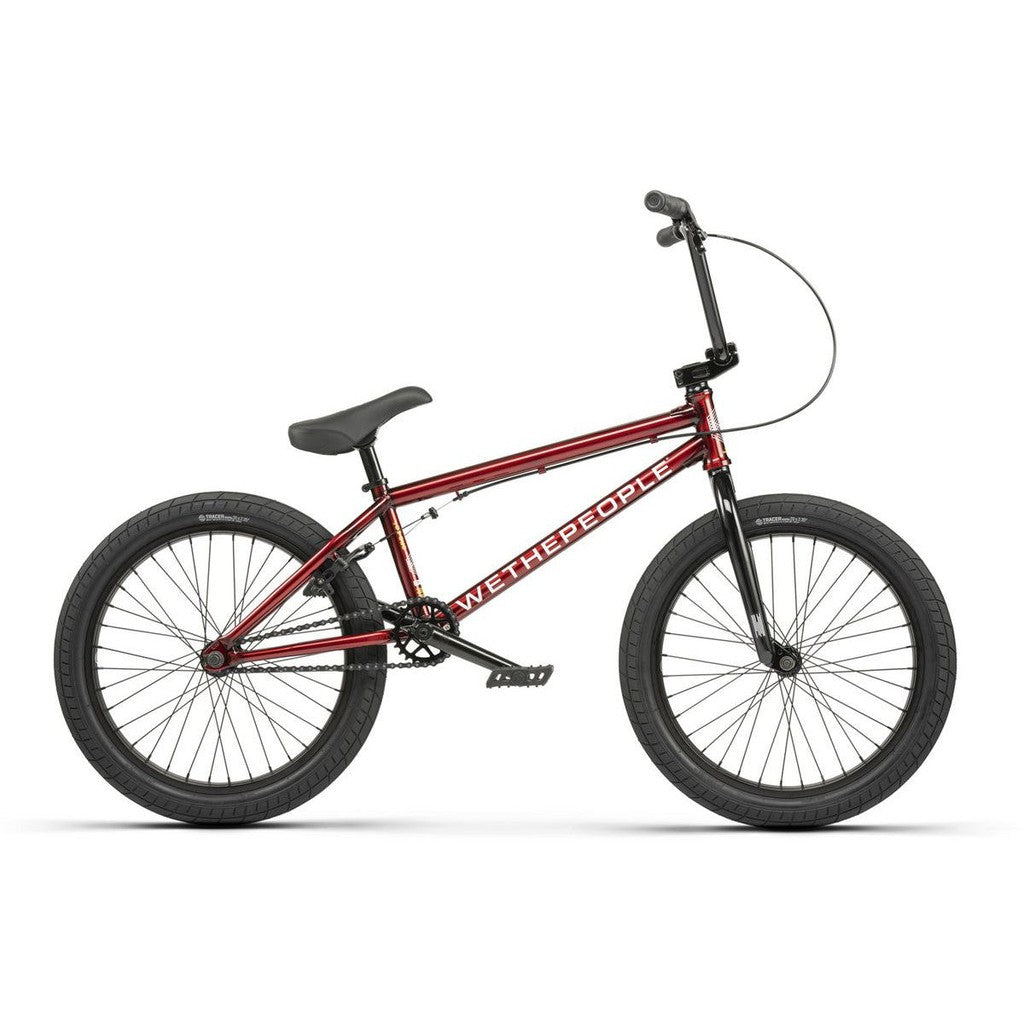
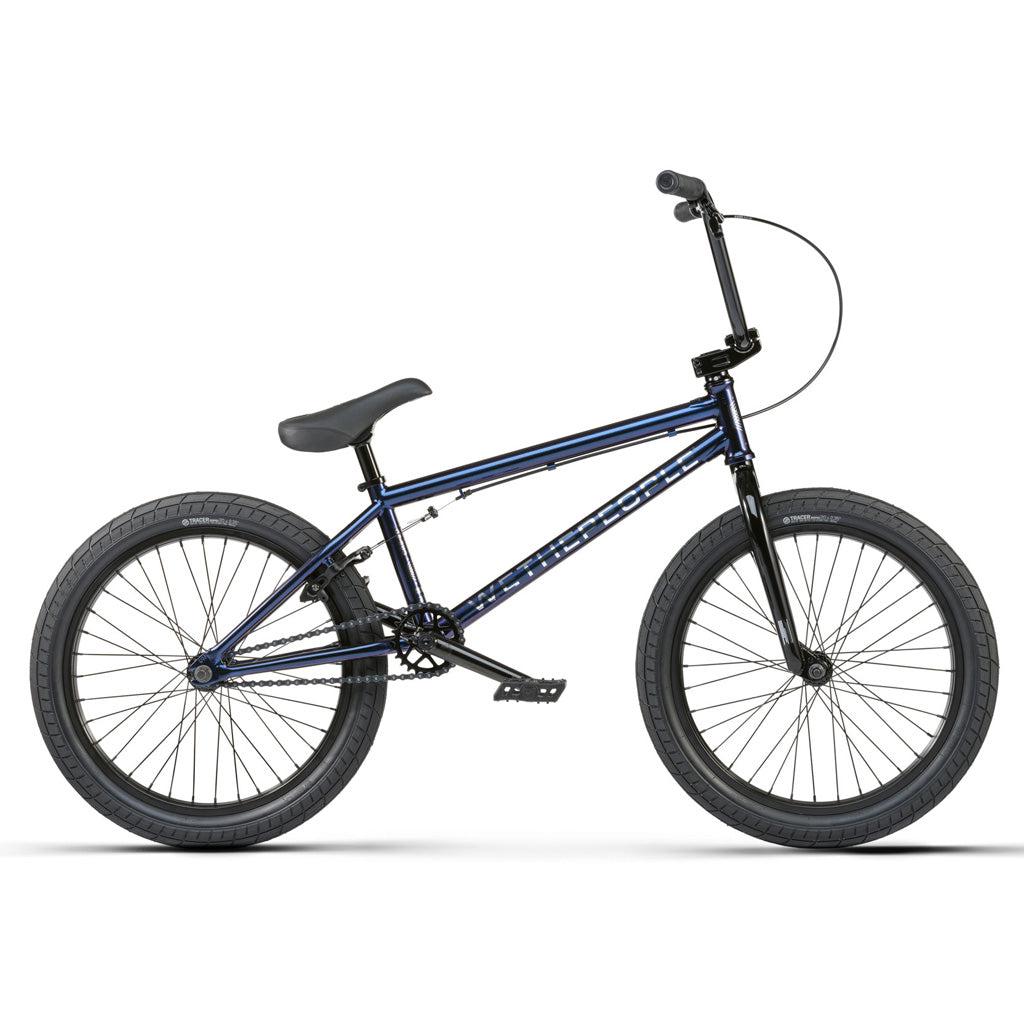


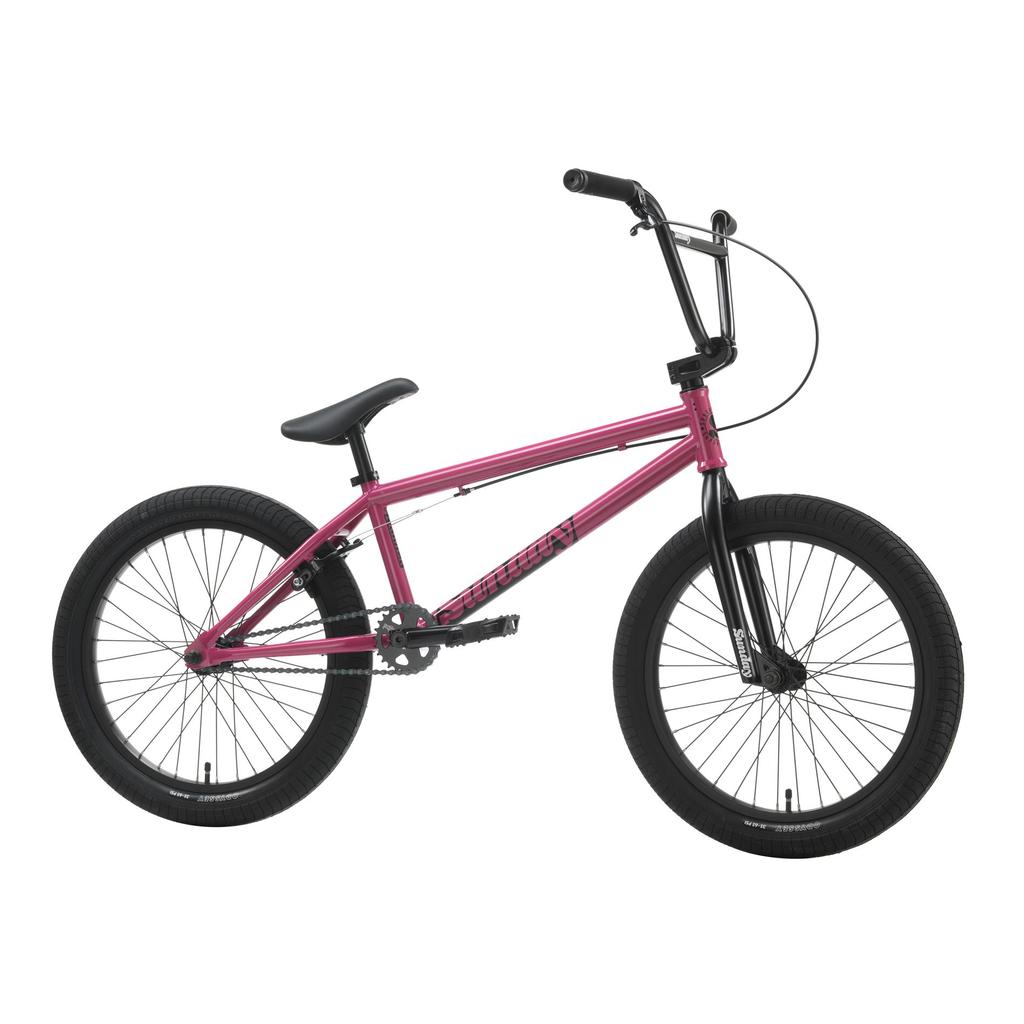
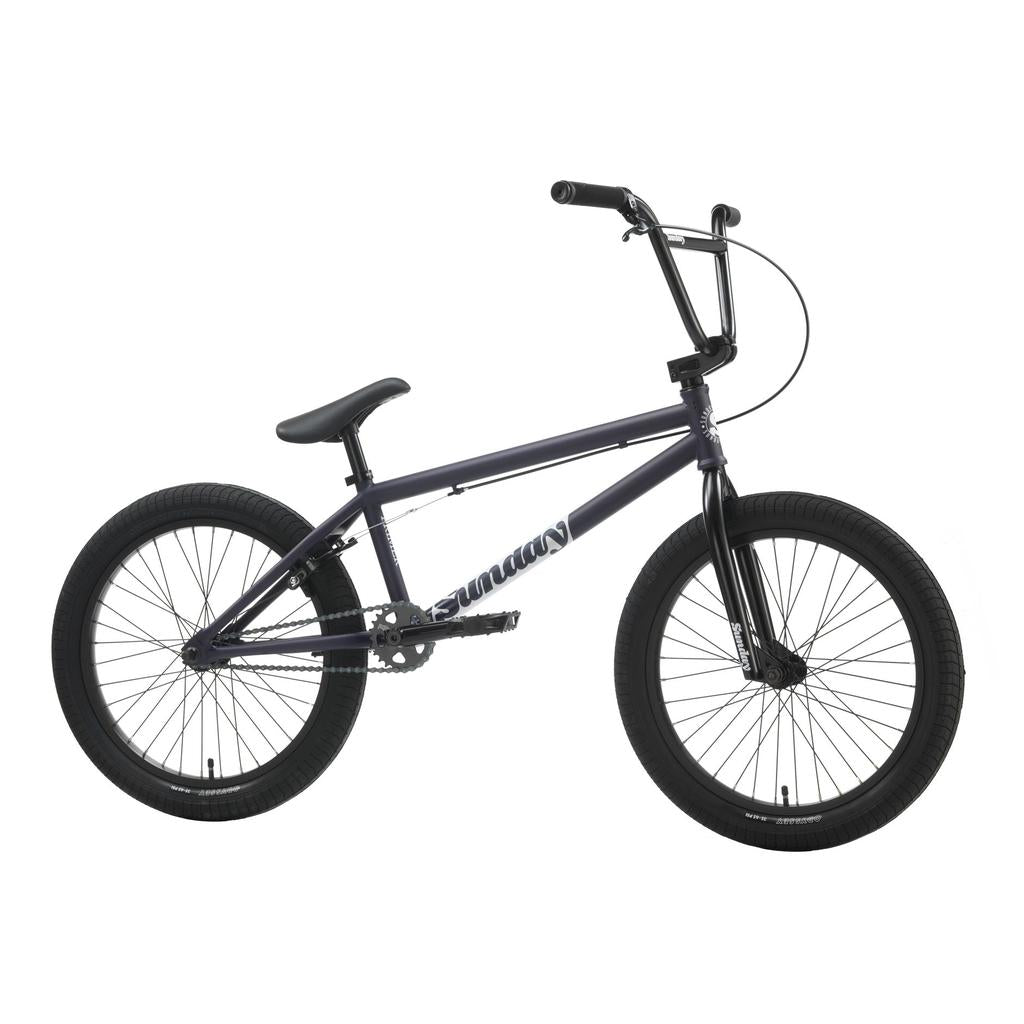
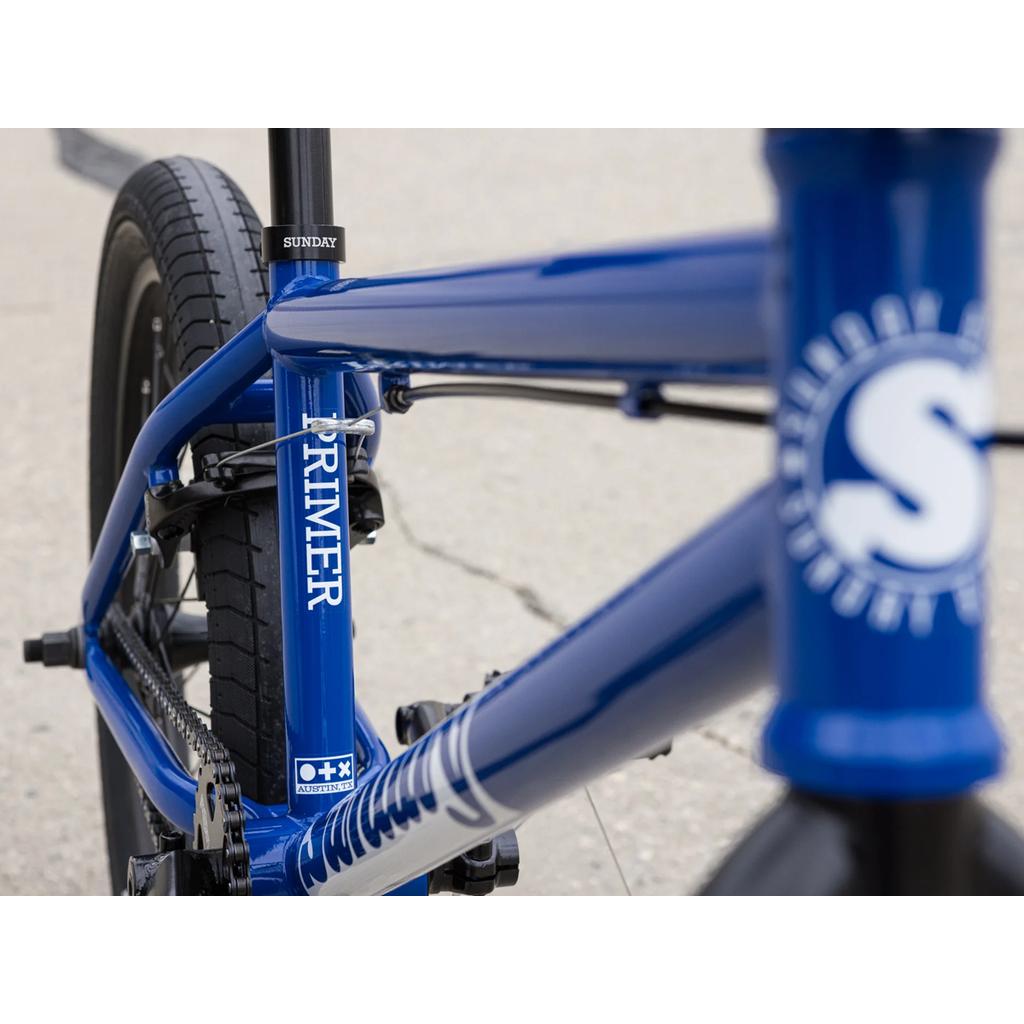
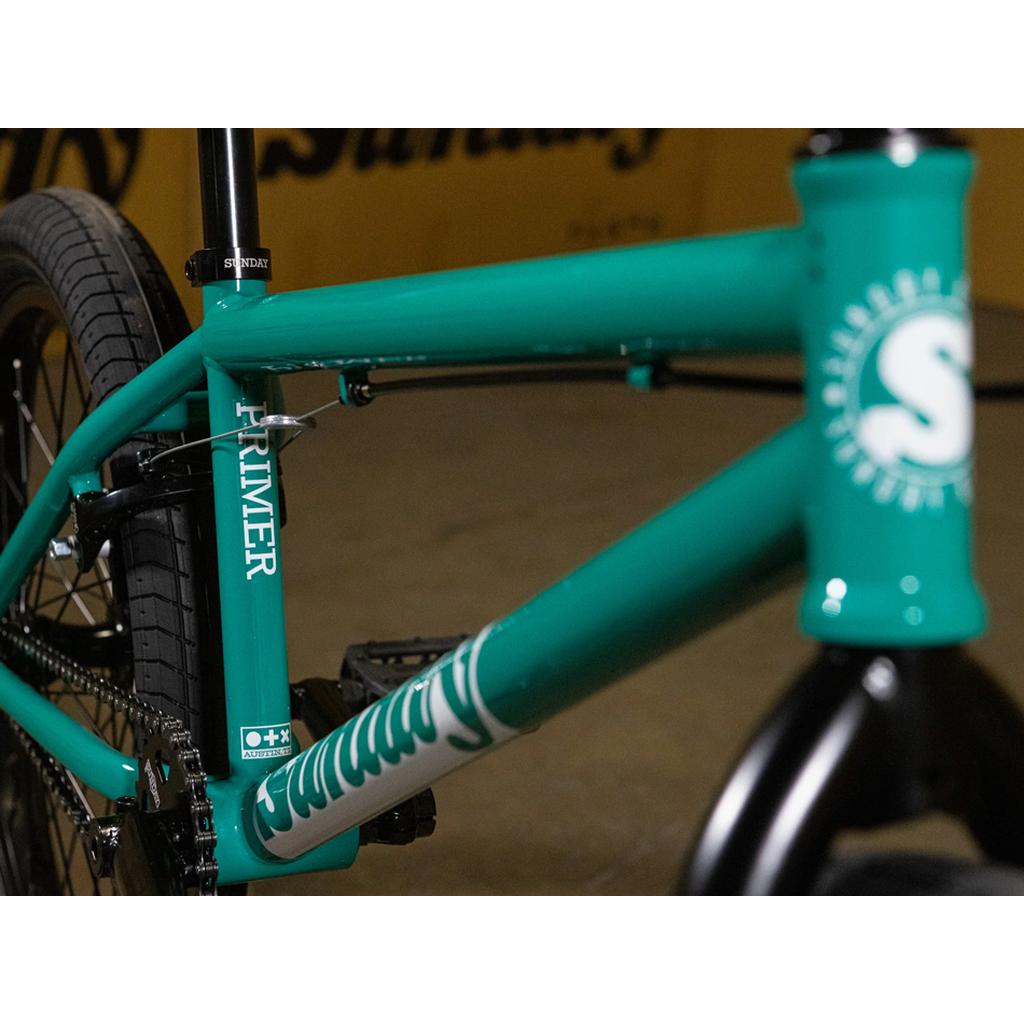
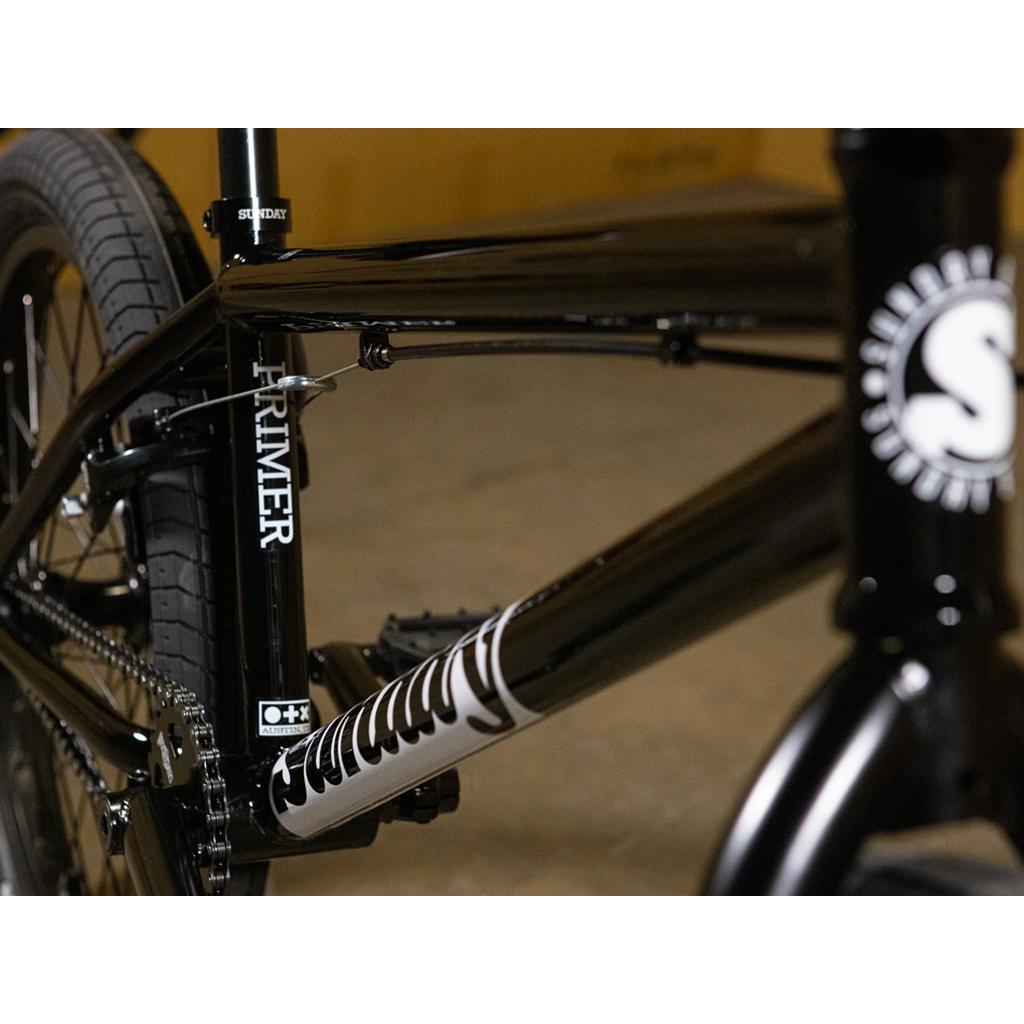
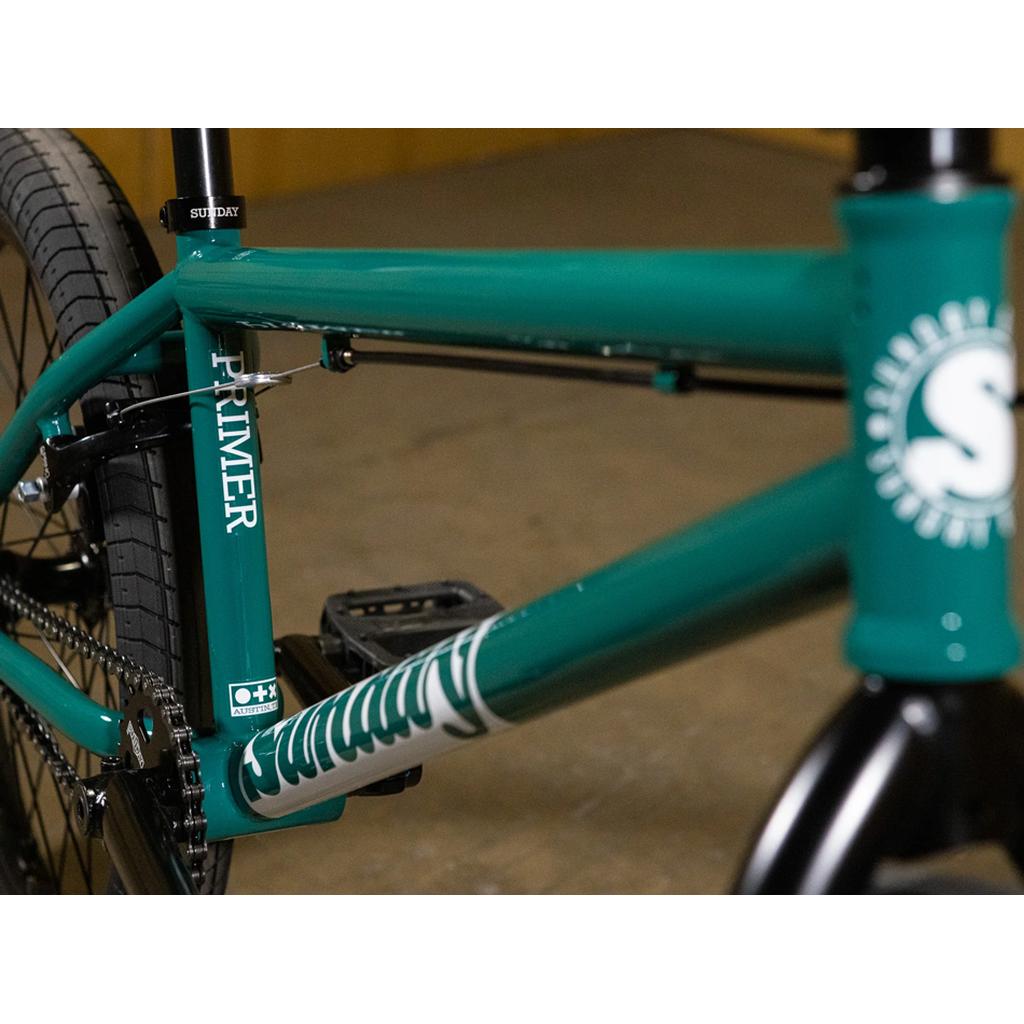
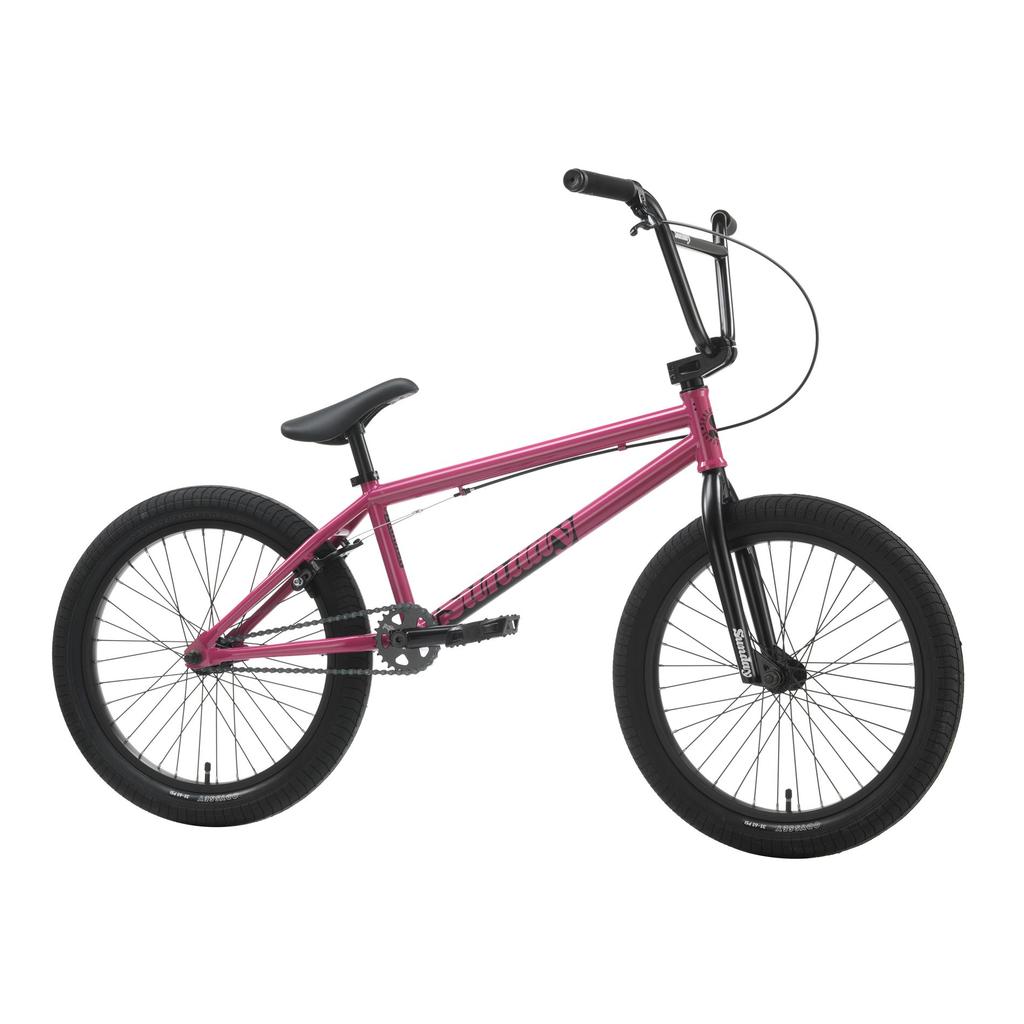
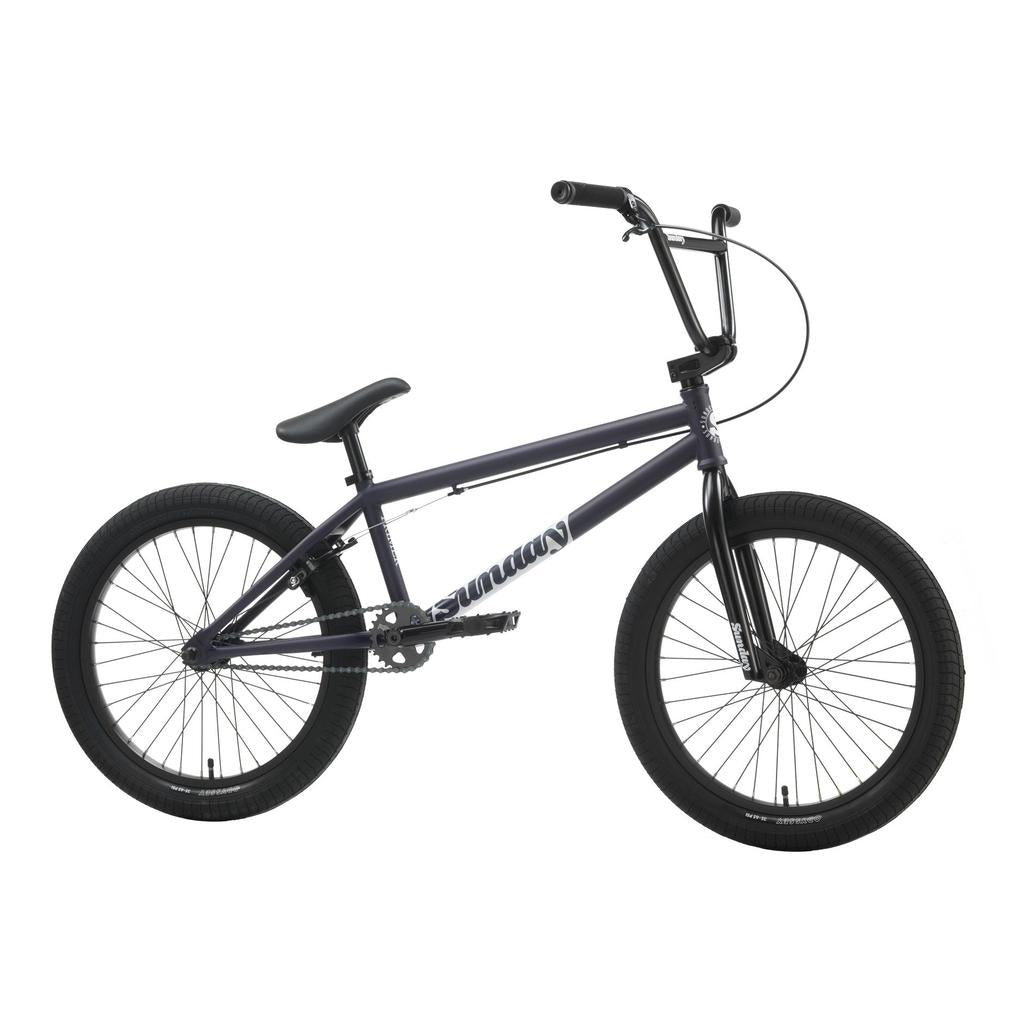
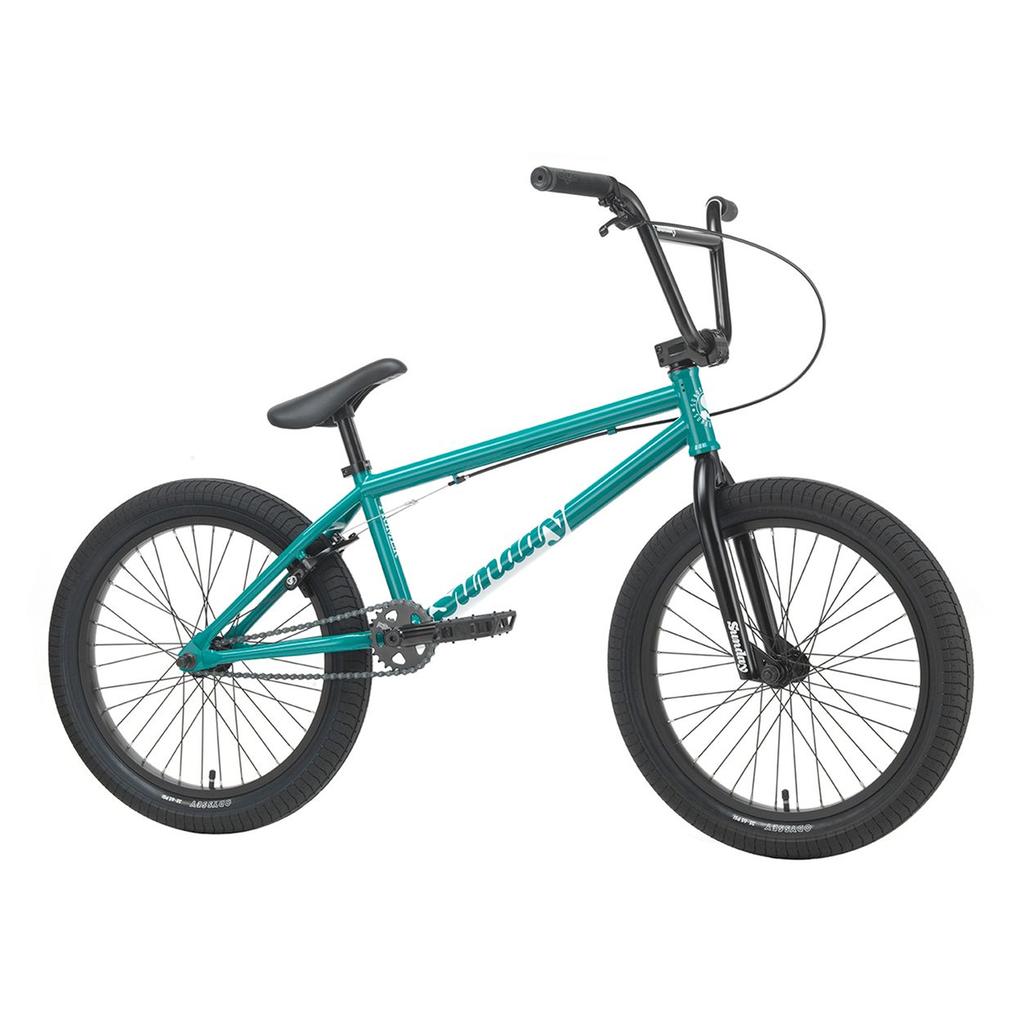
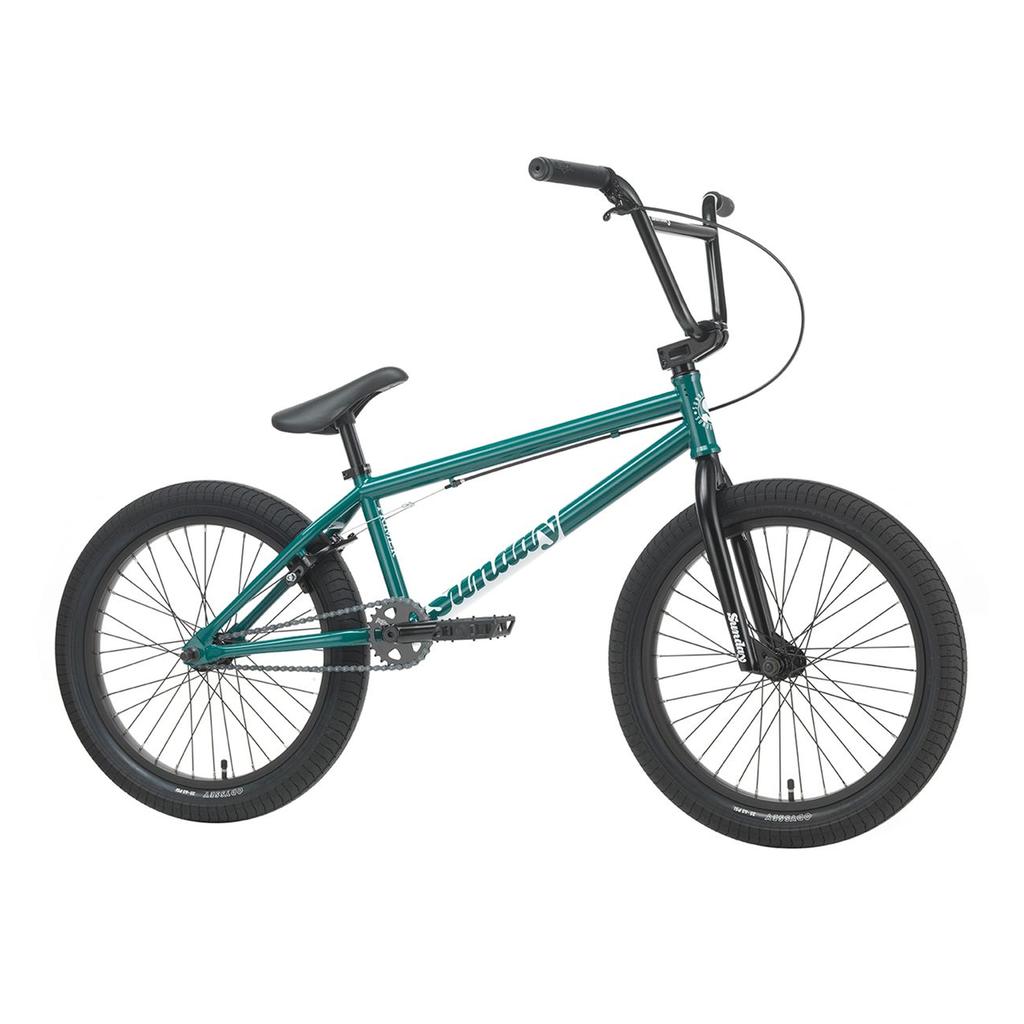
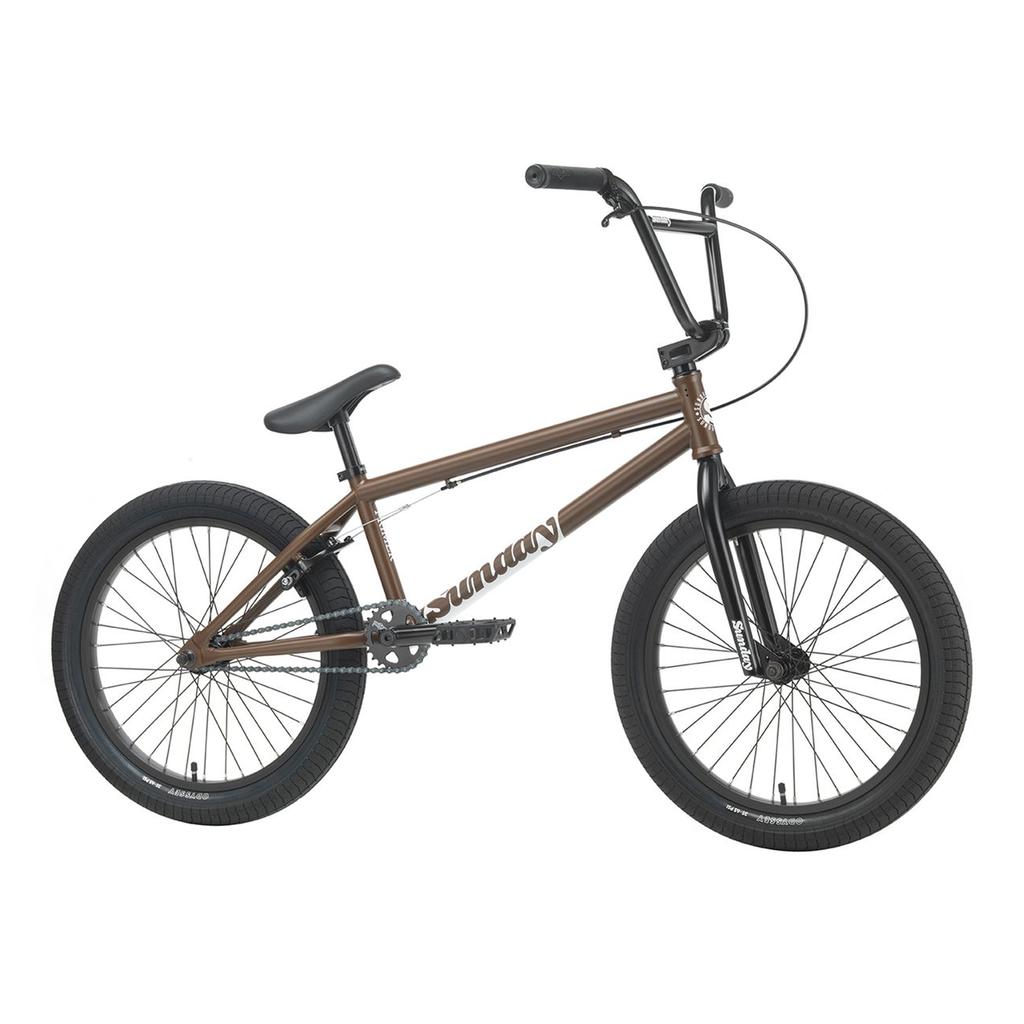


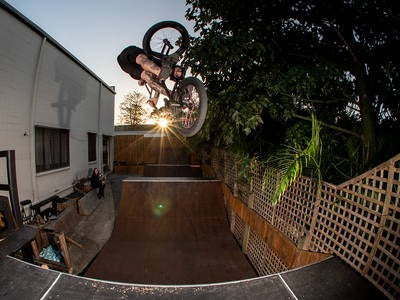
BMX bikes for progressive riders.
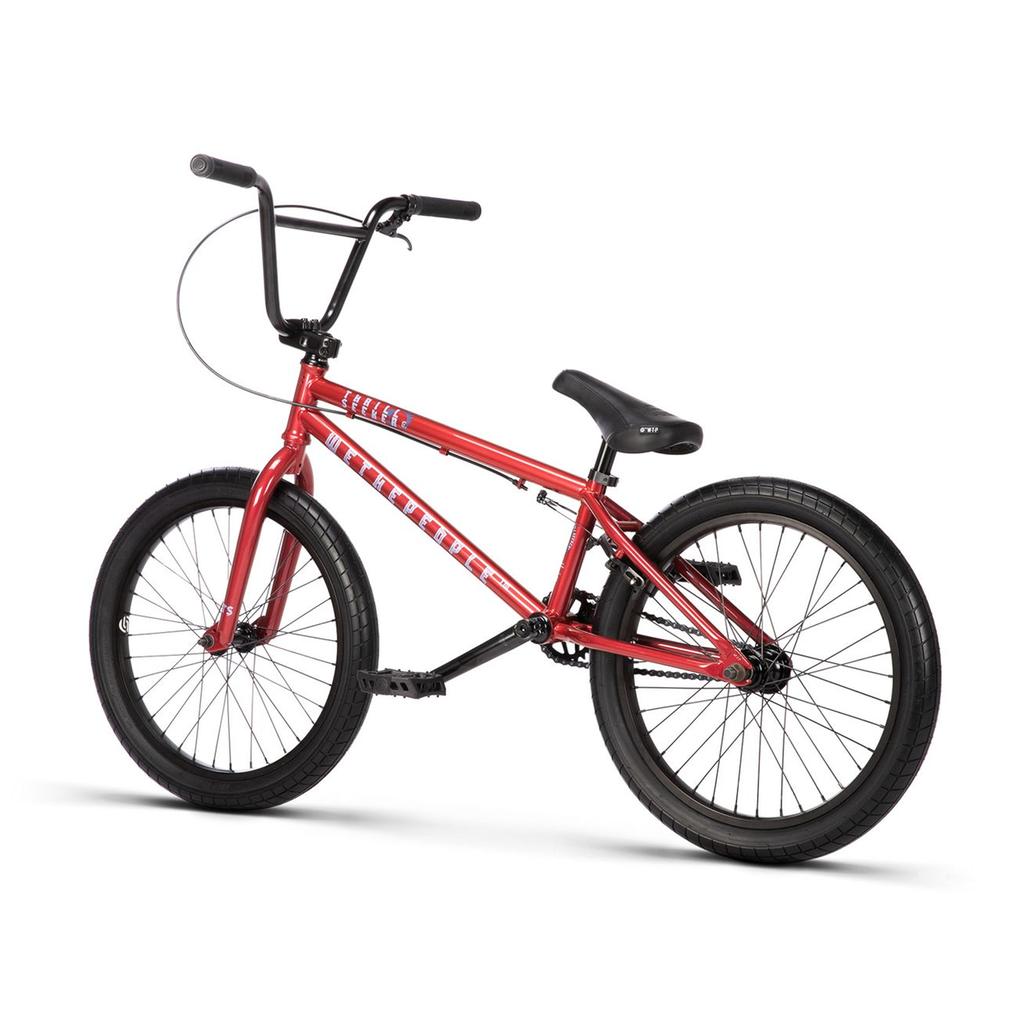
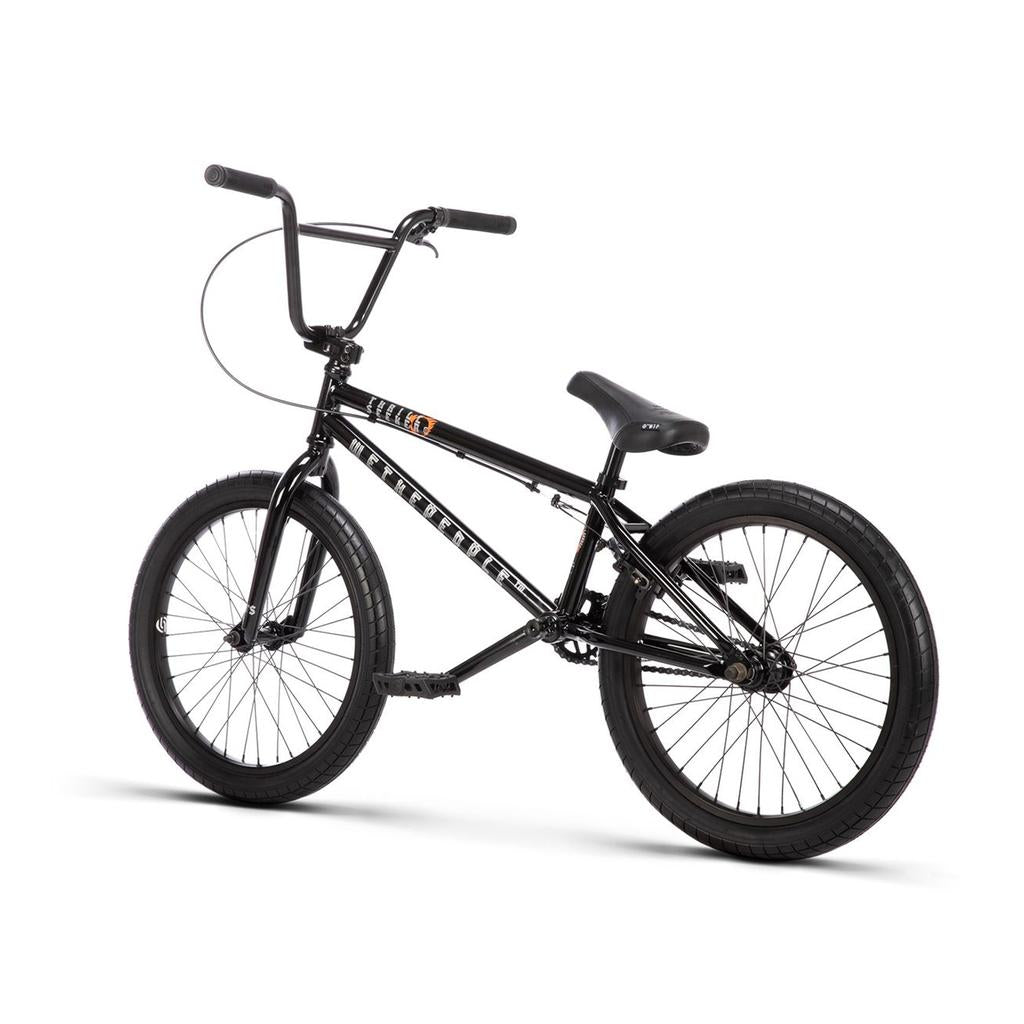
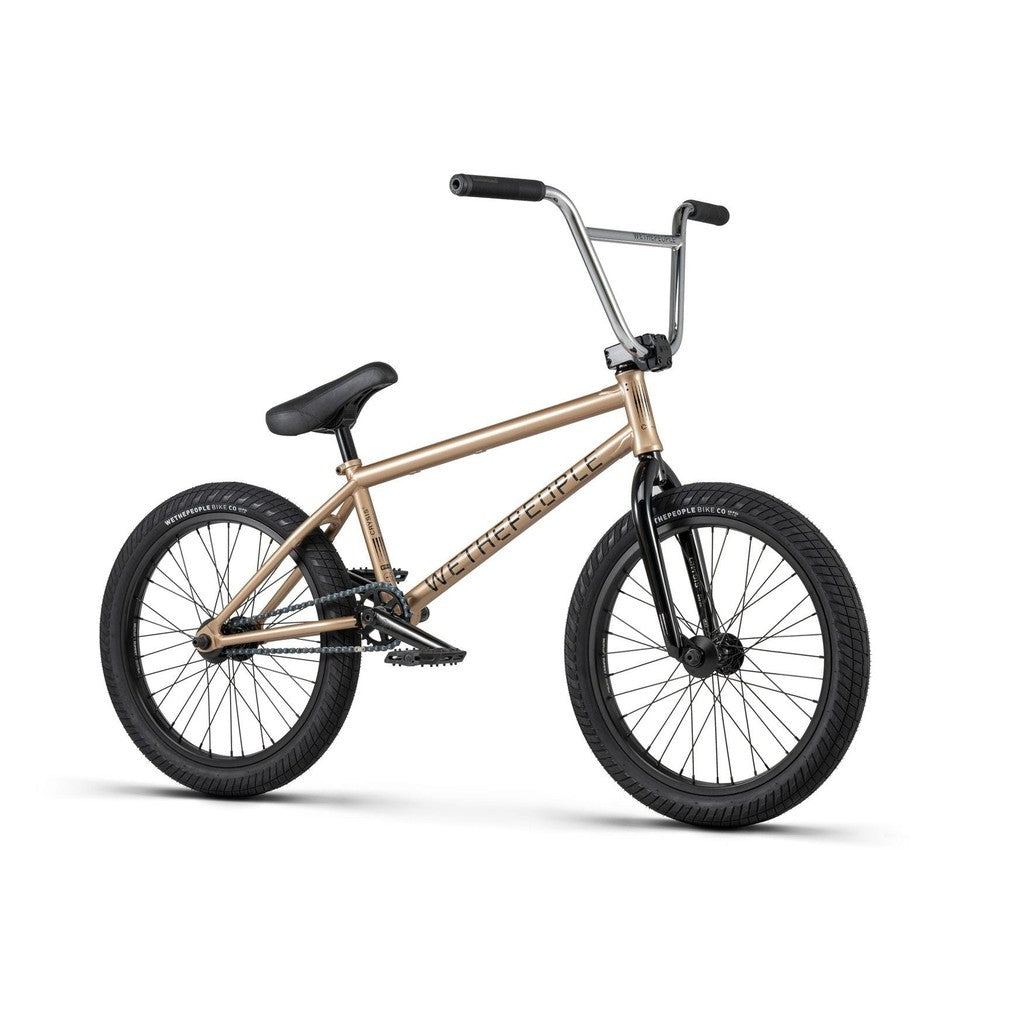
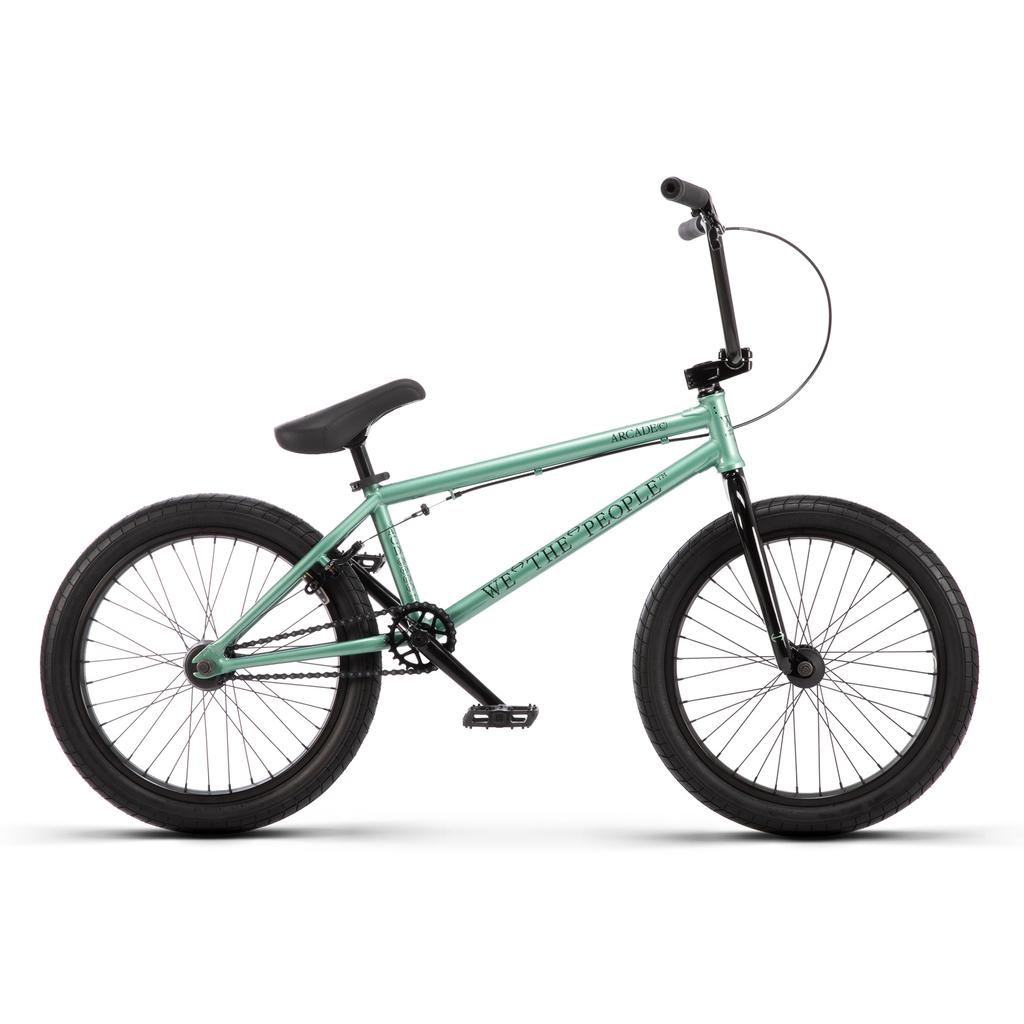
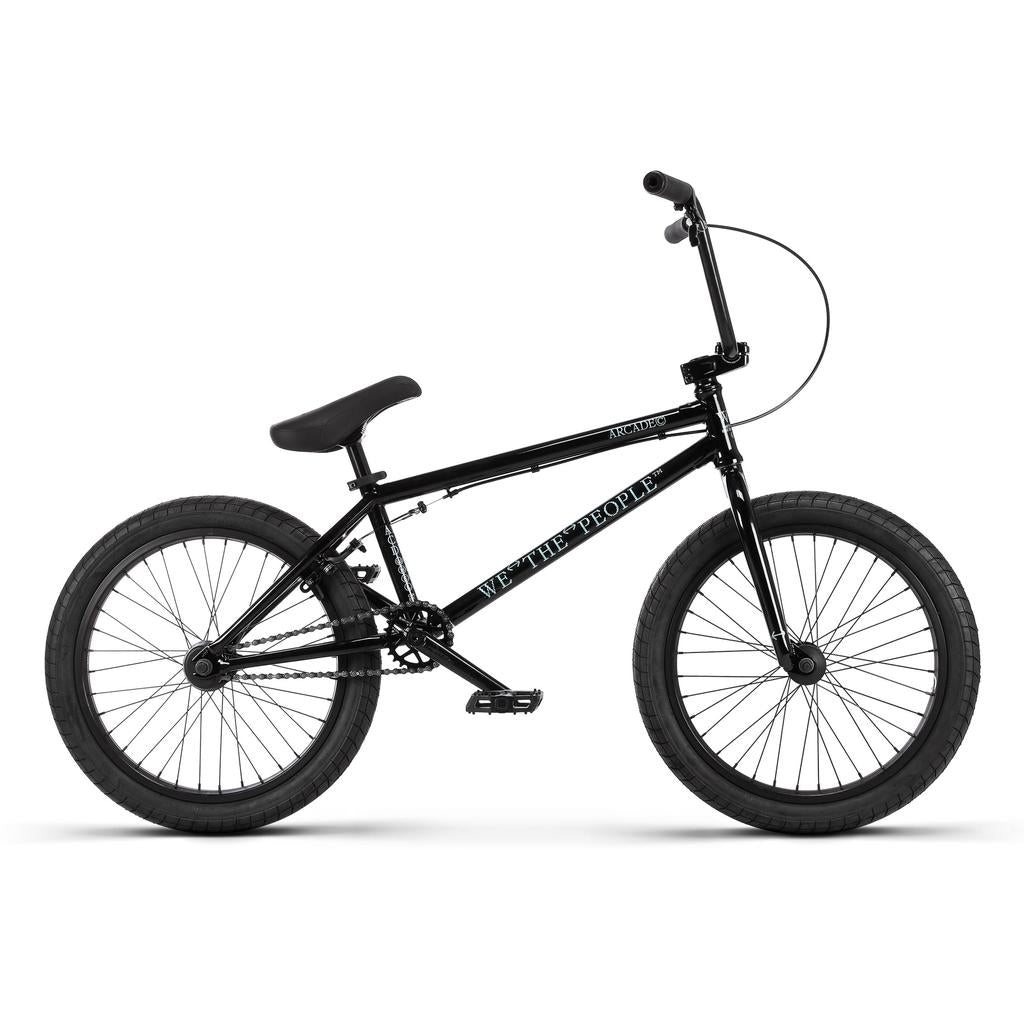
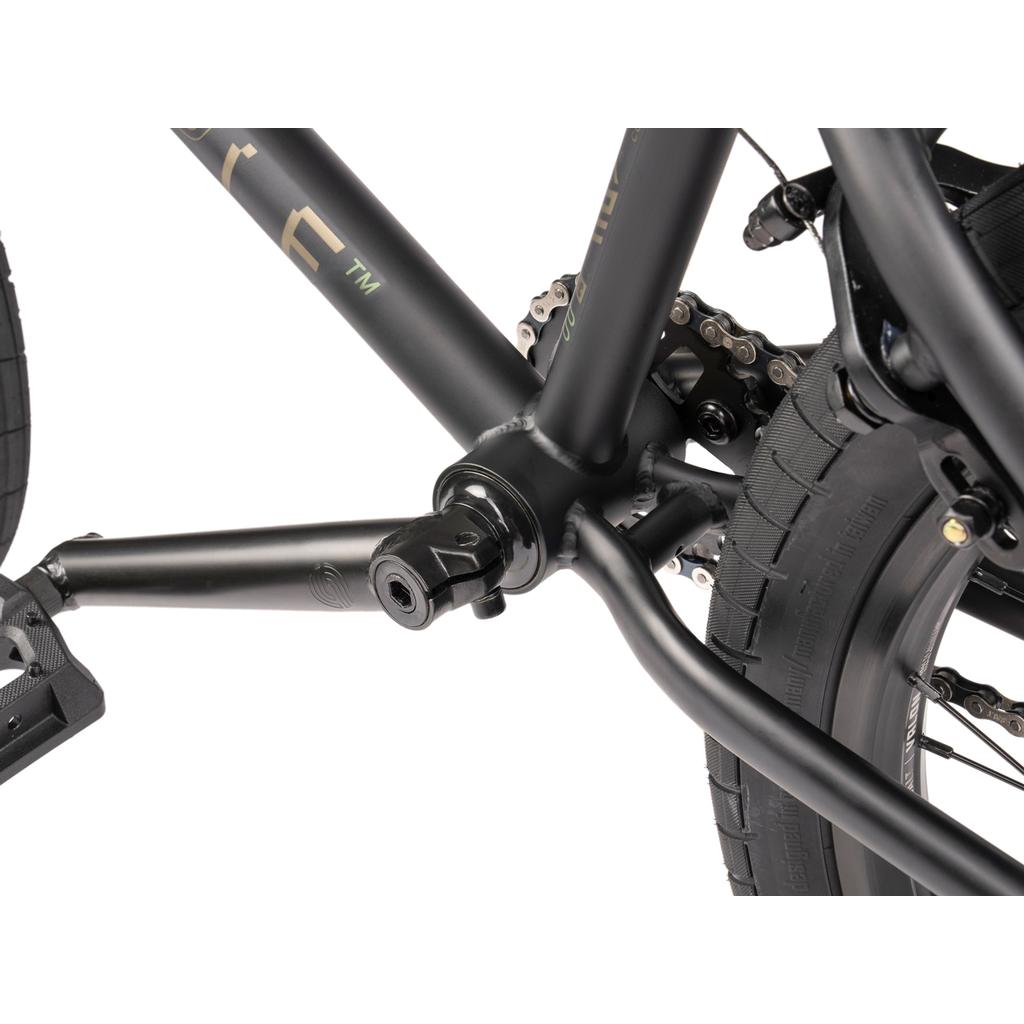
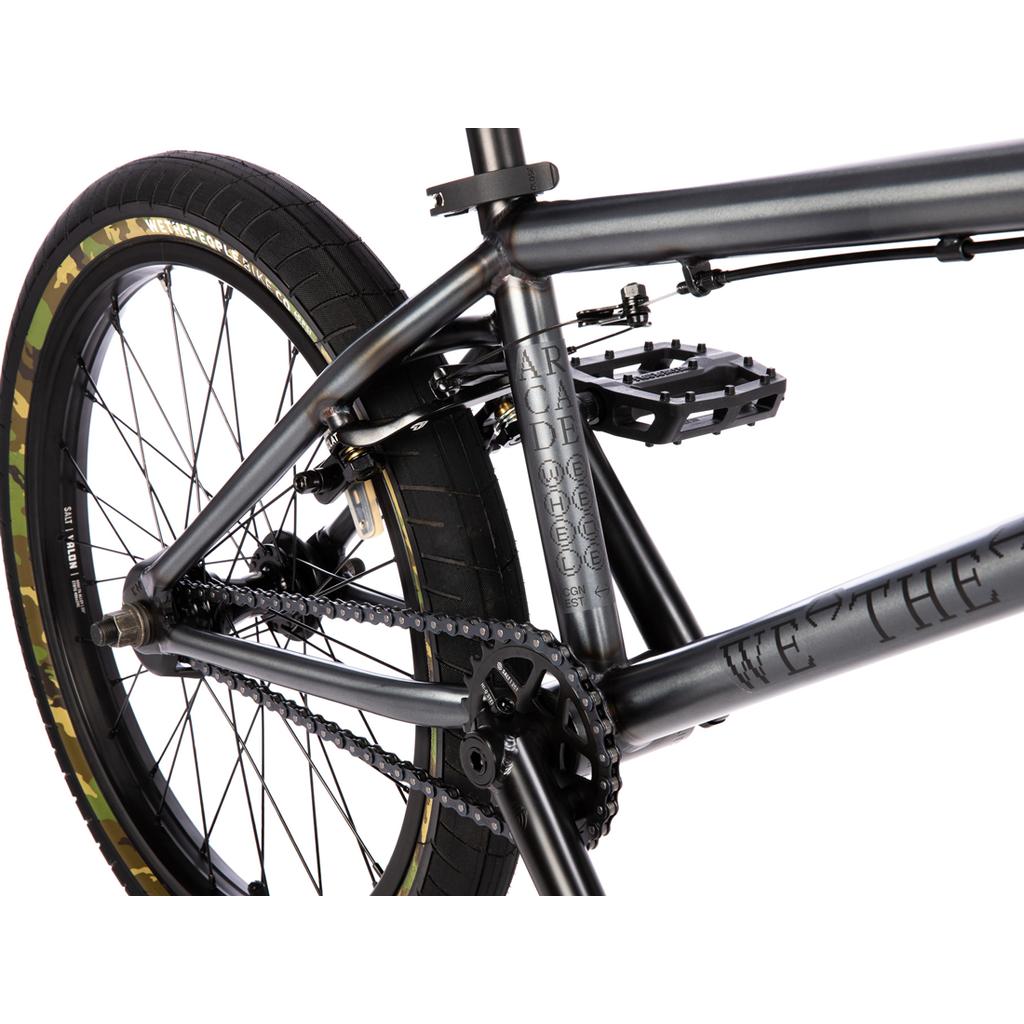
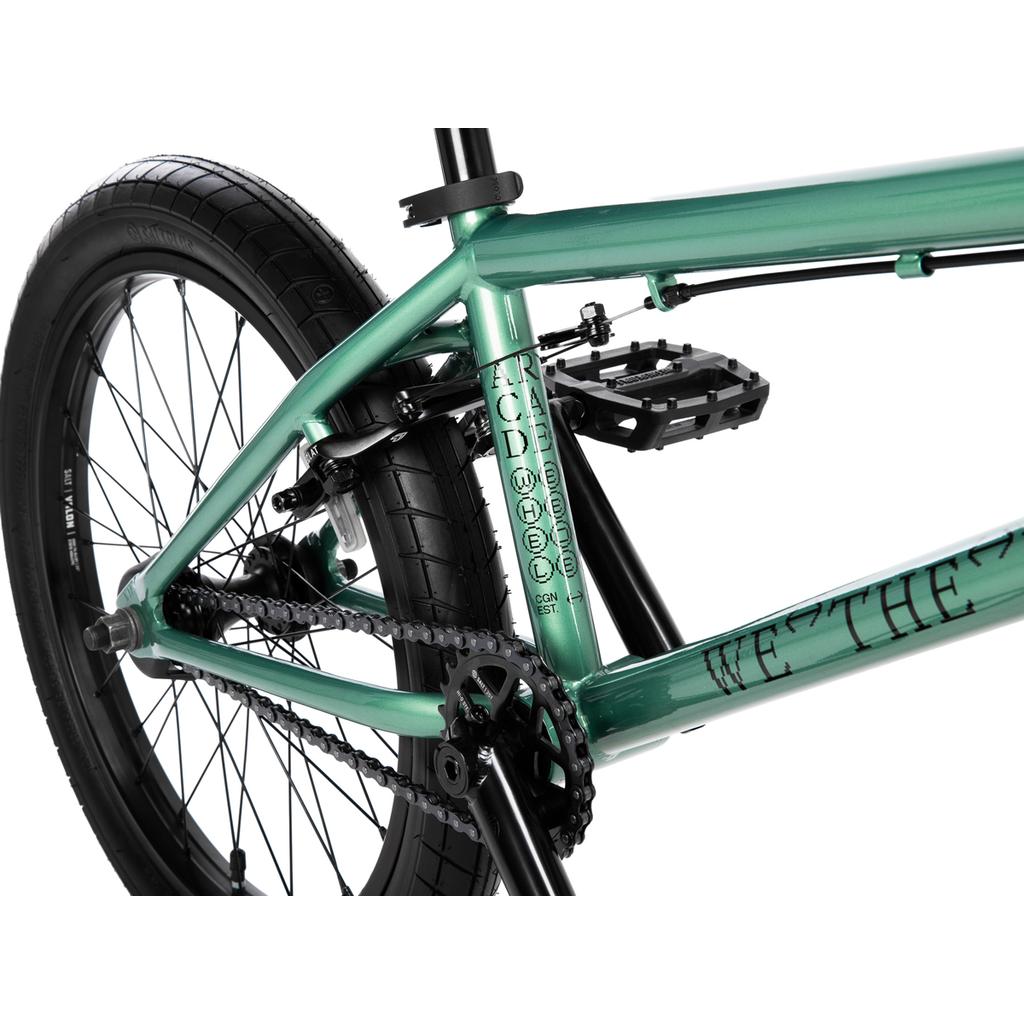
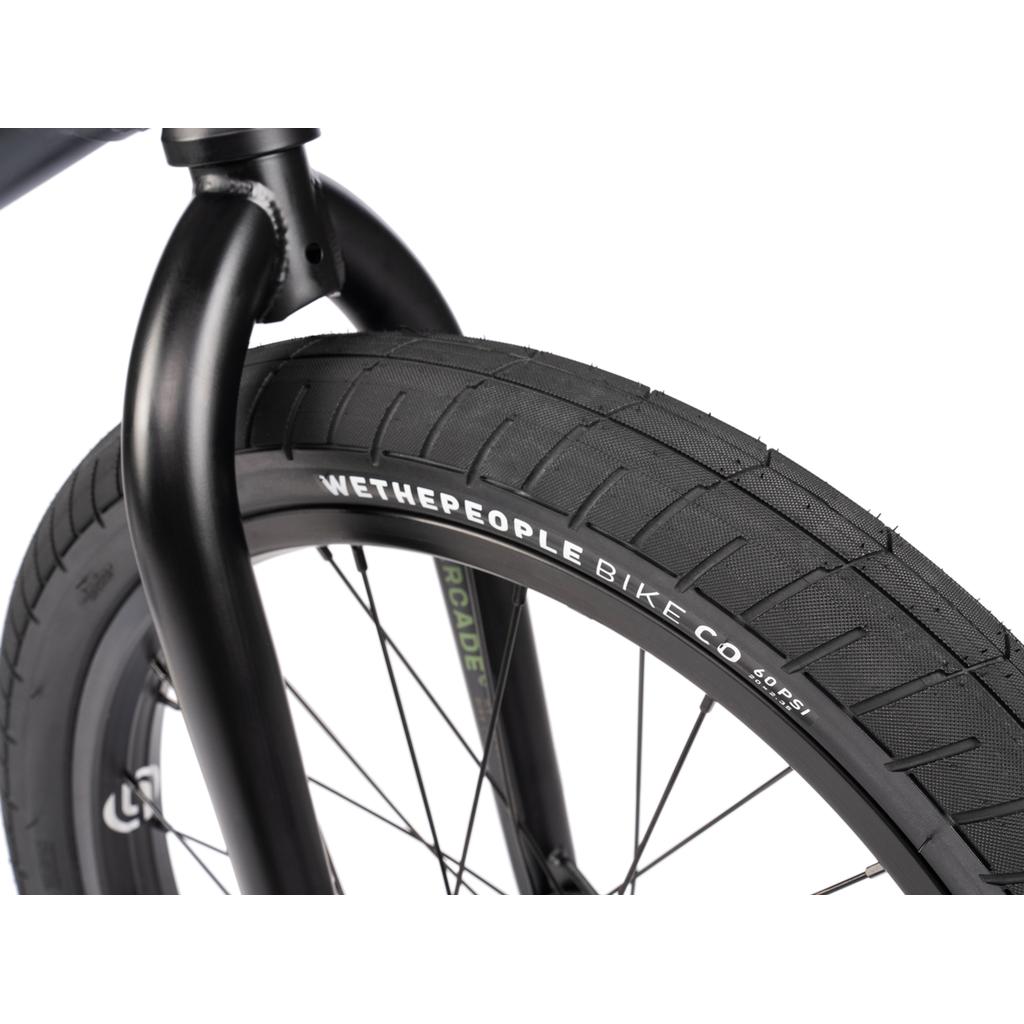
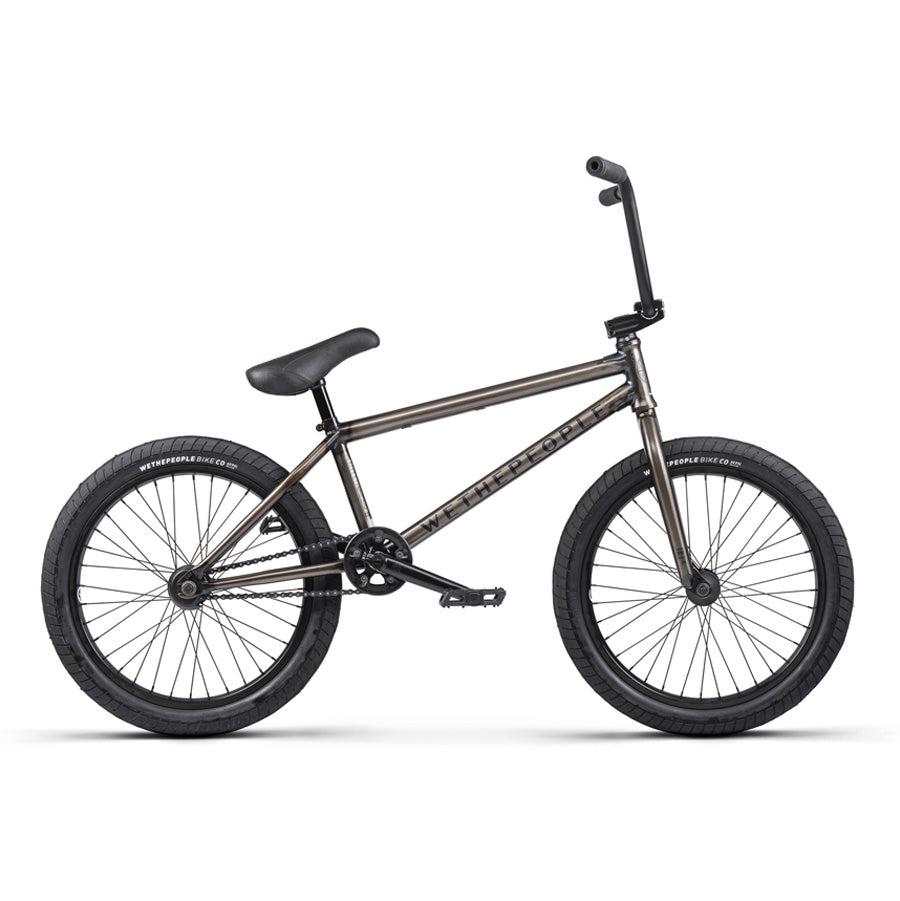
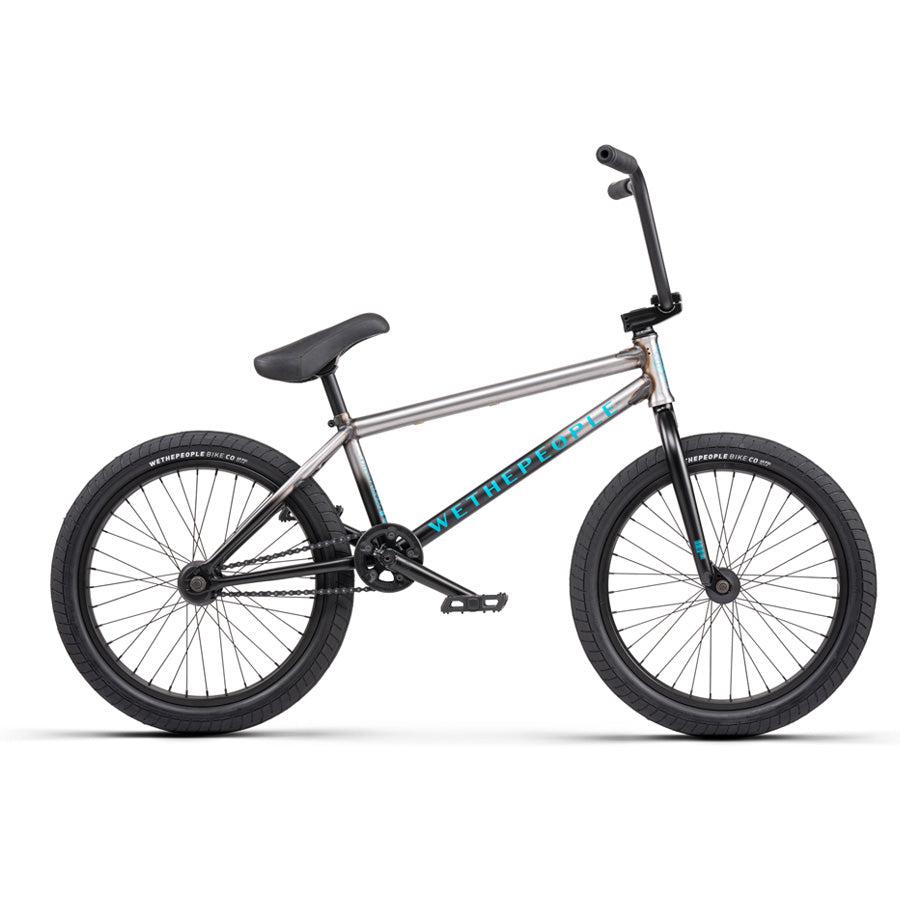
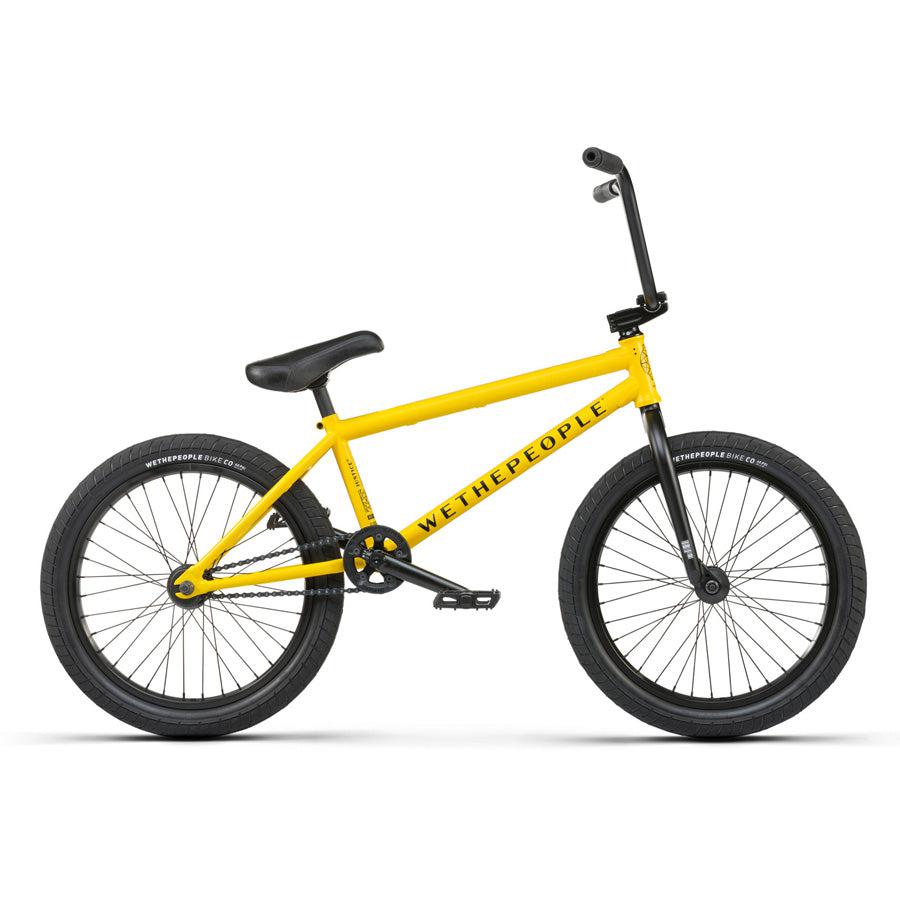
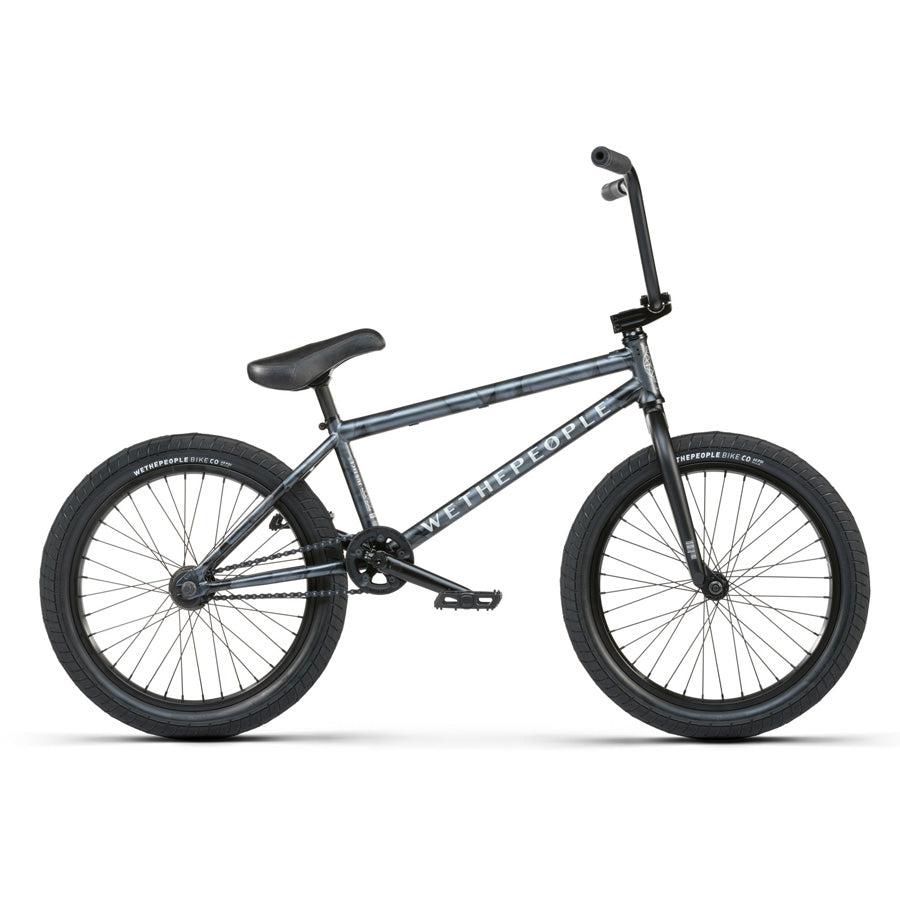
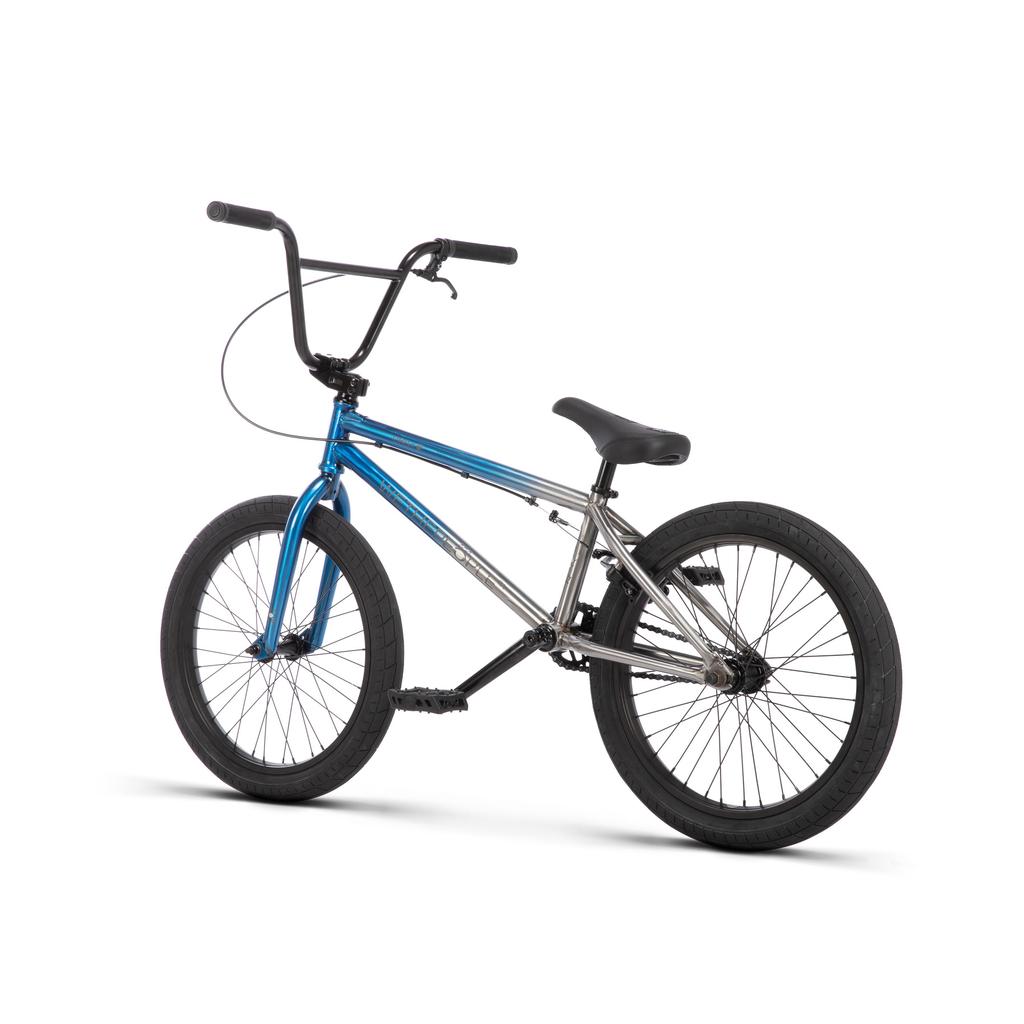
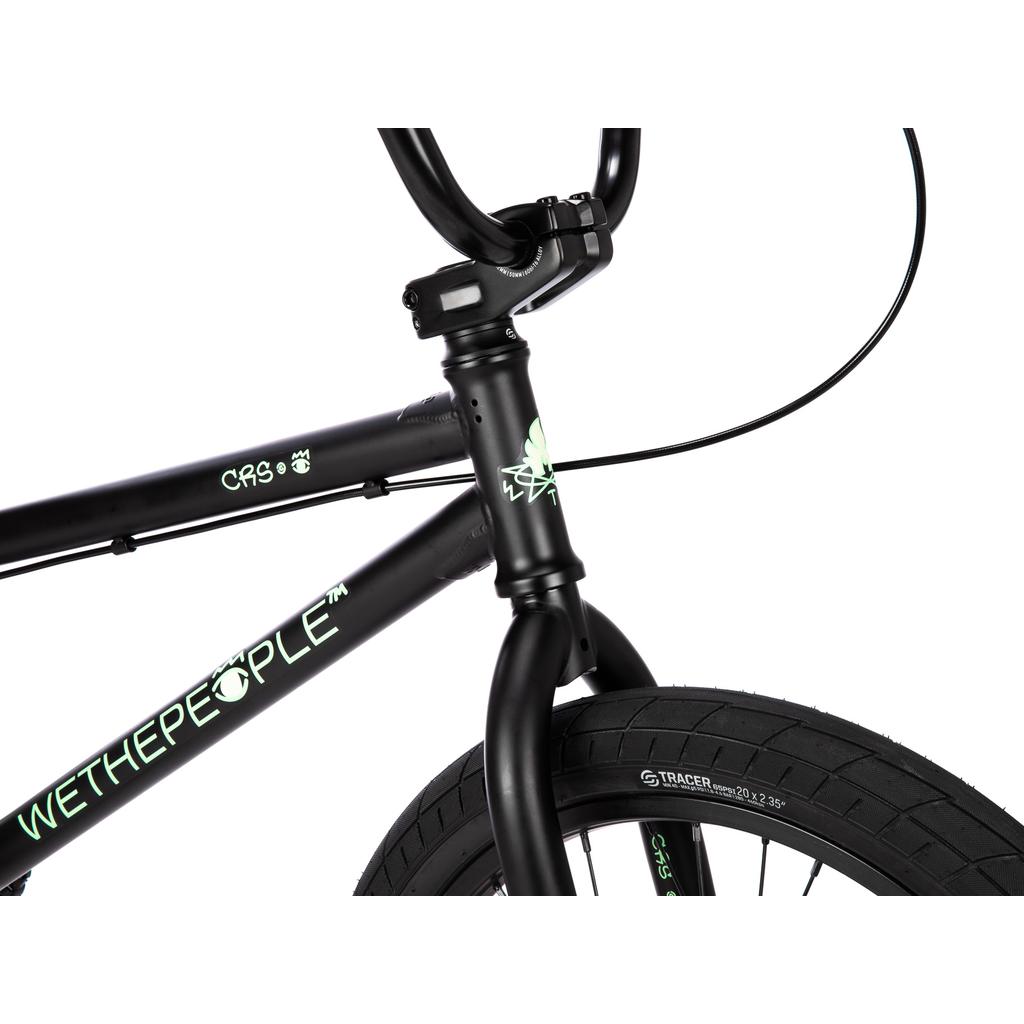
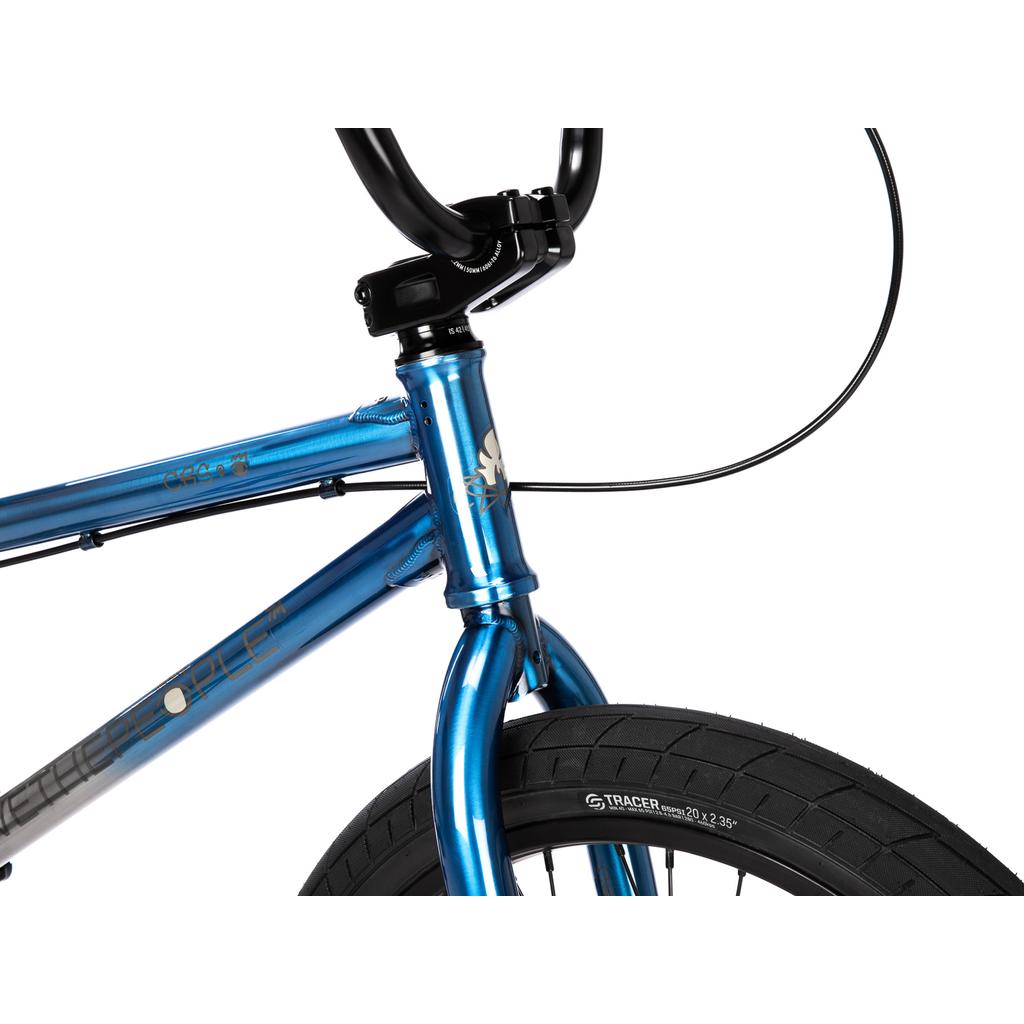
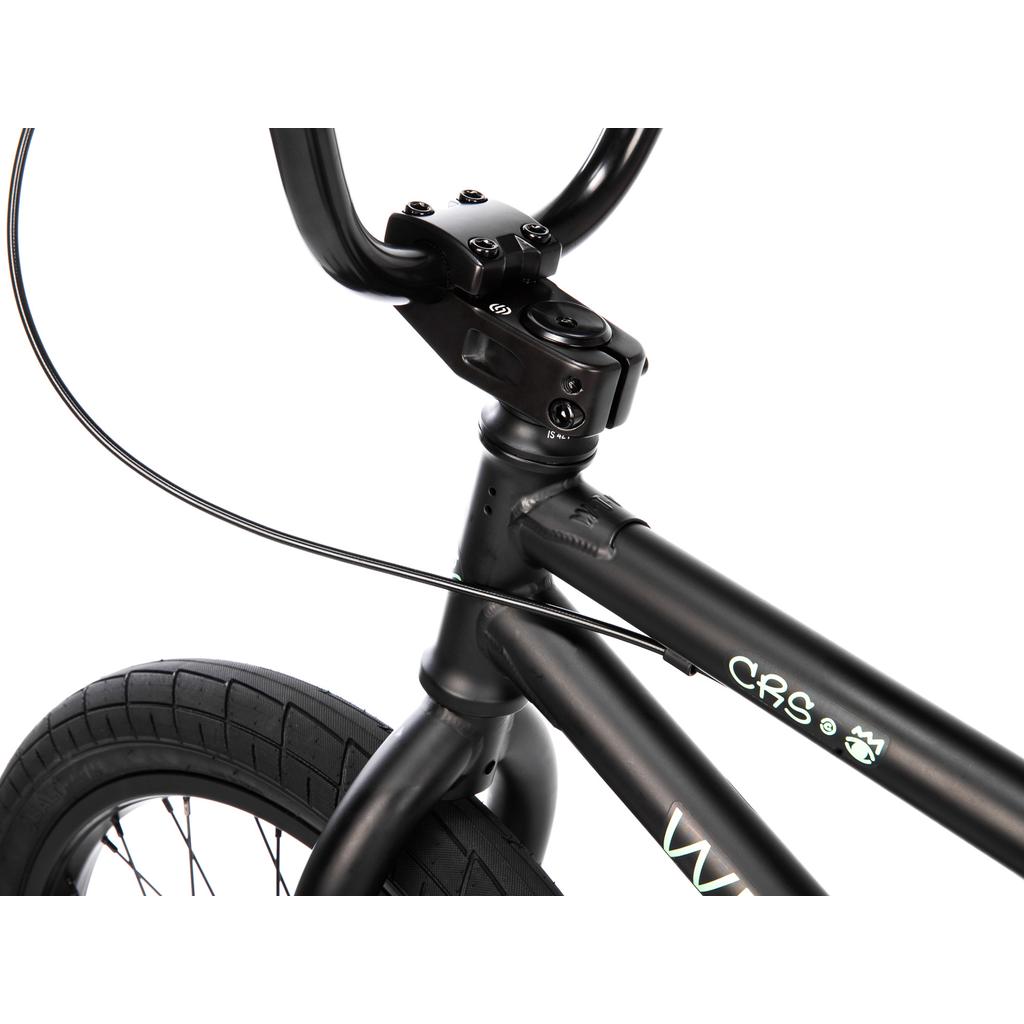
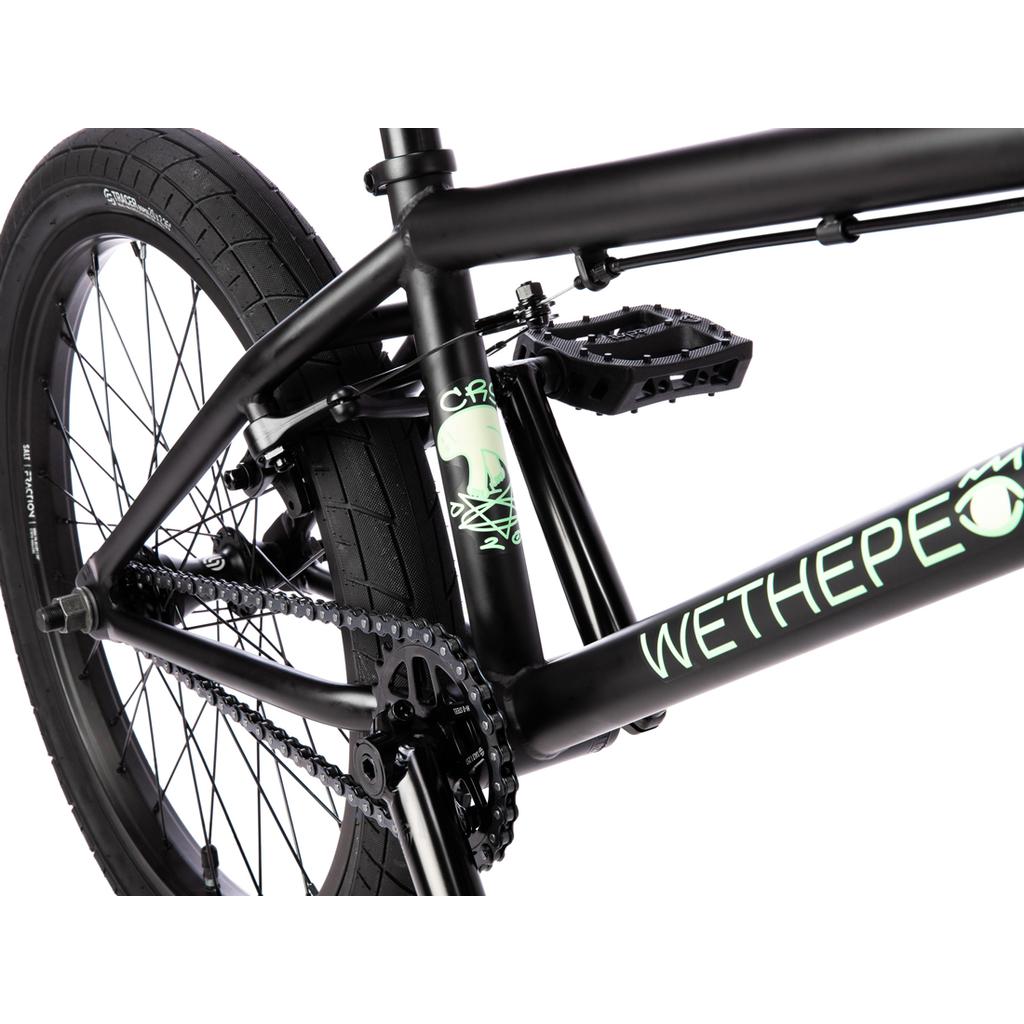
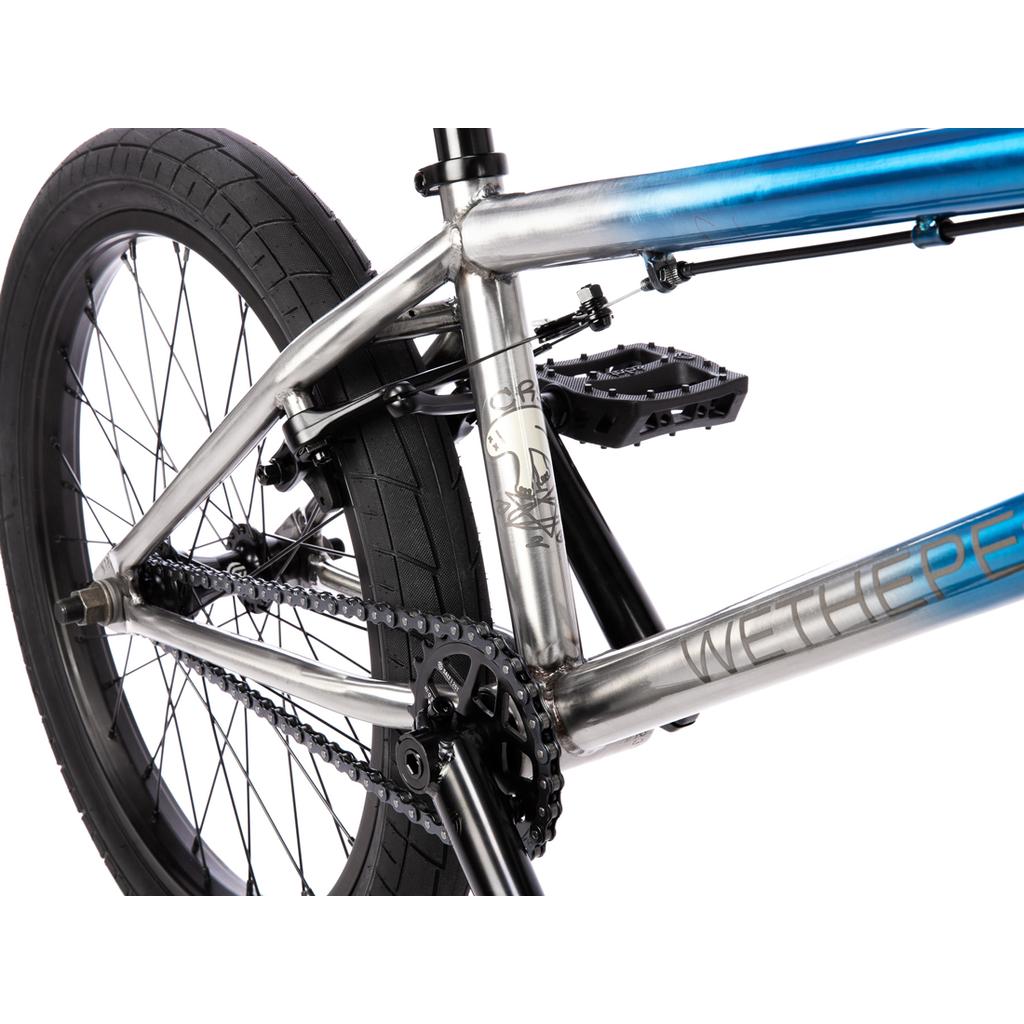
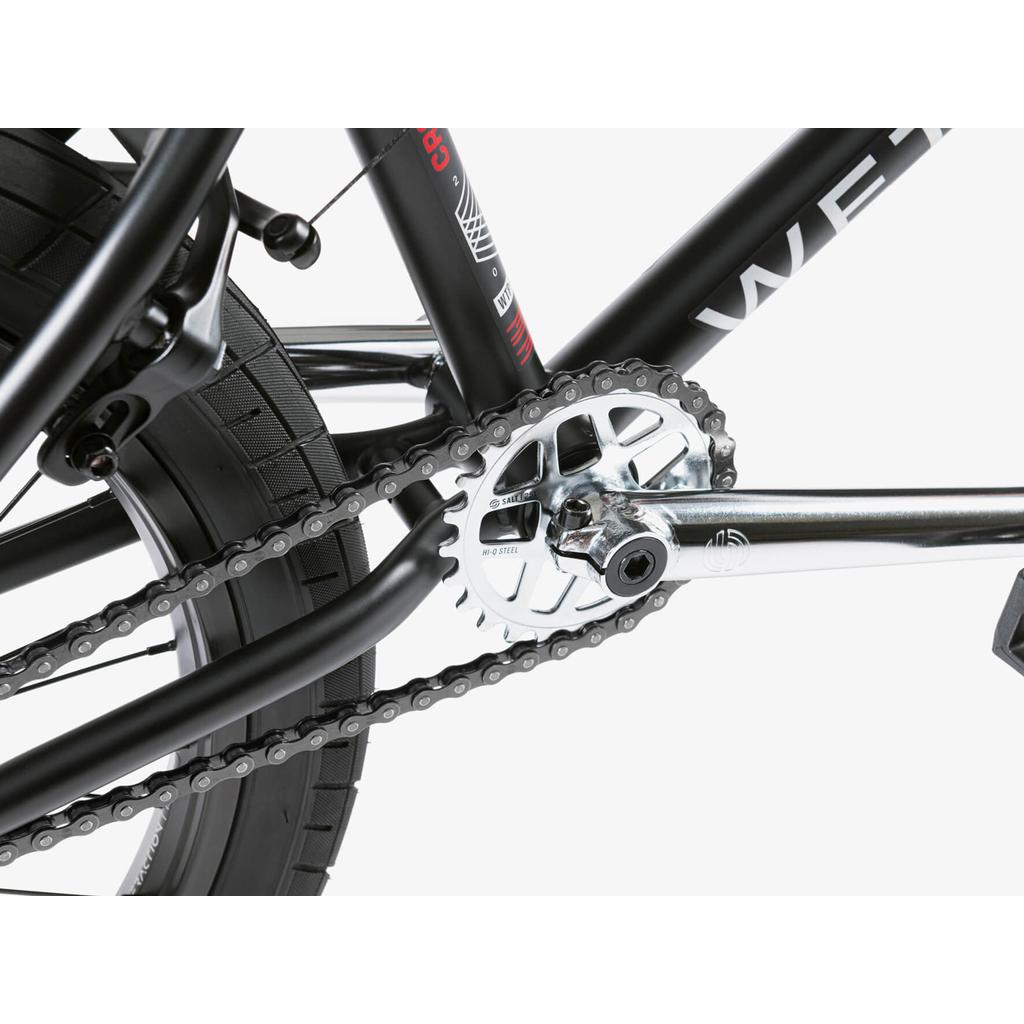
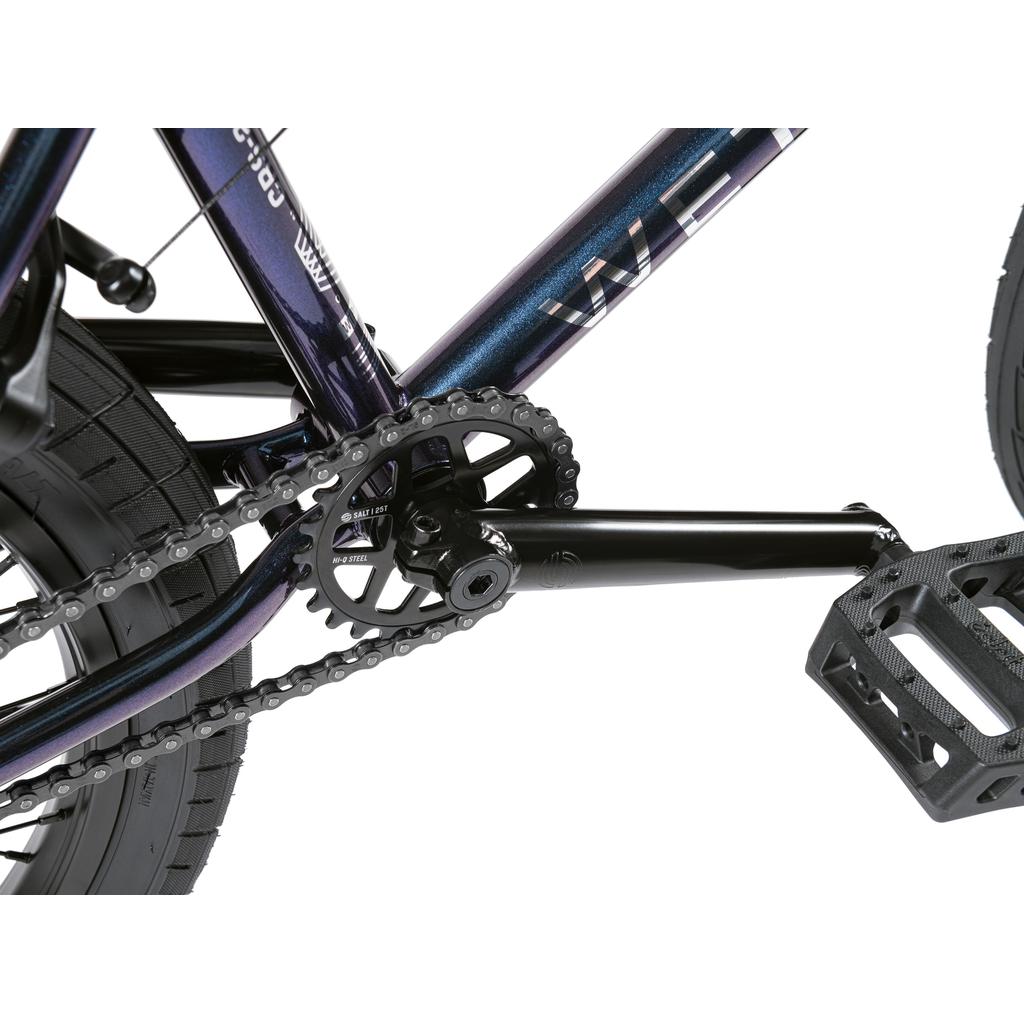
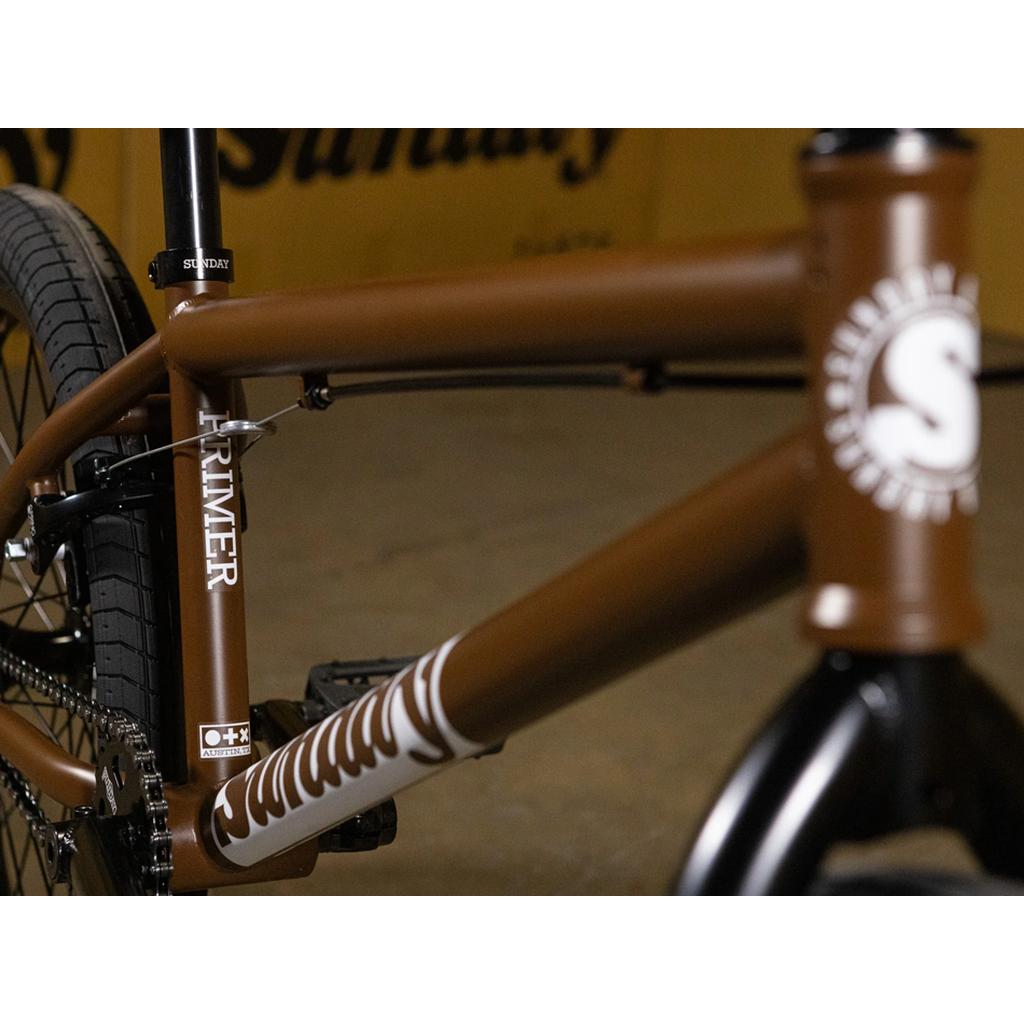
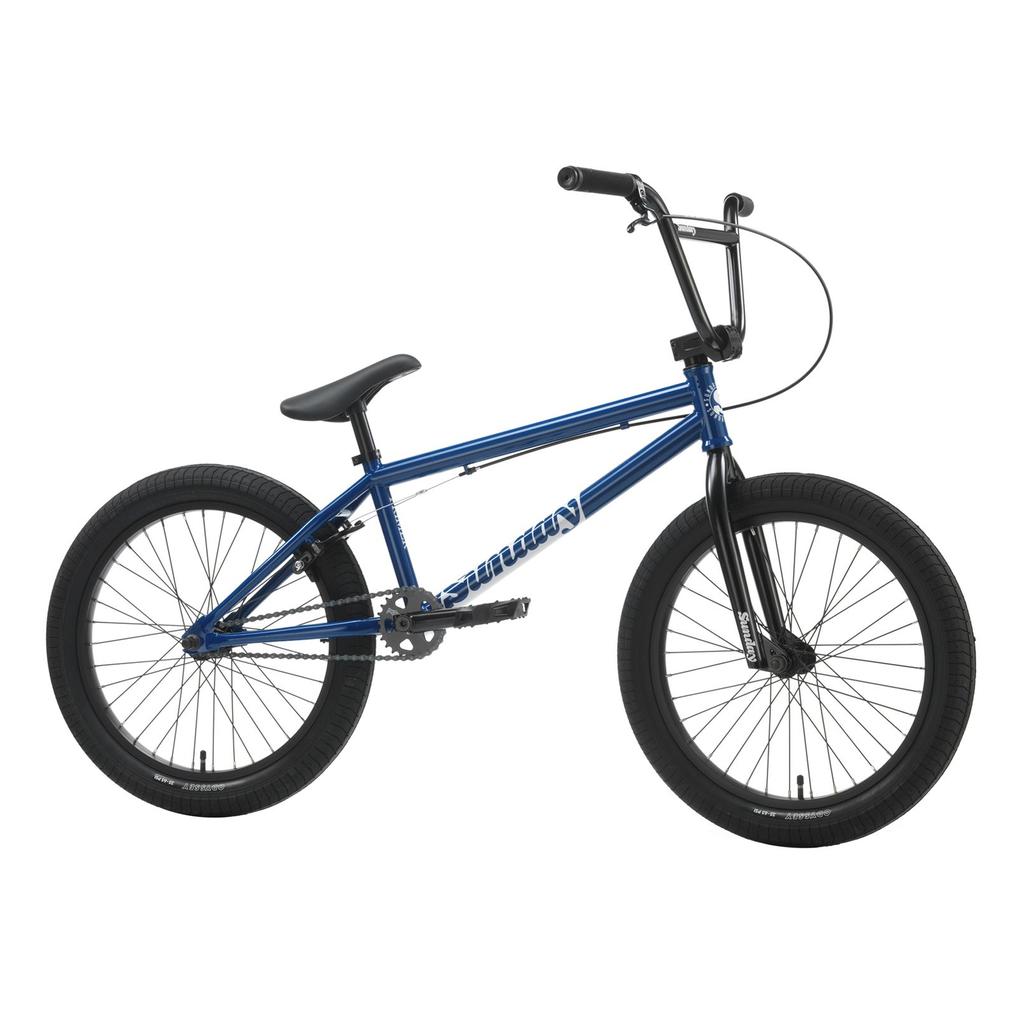
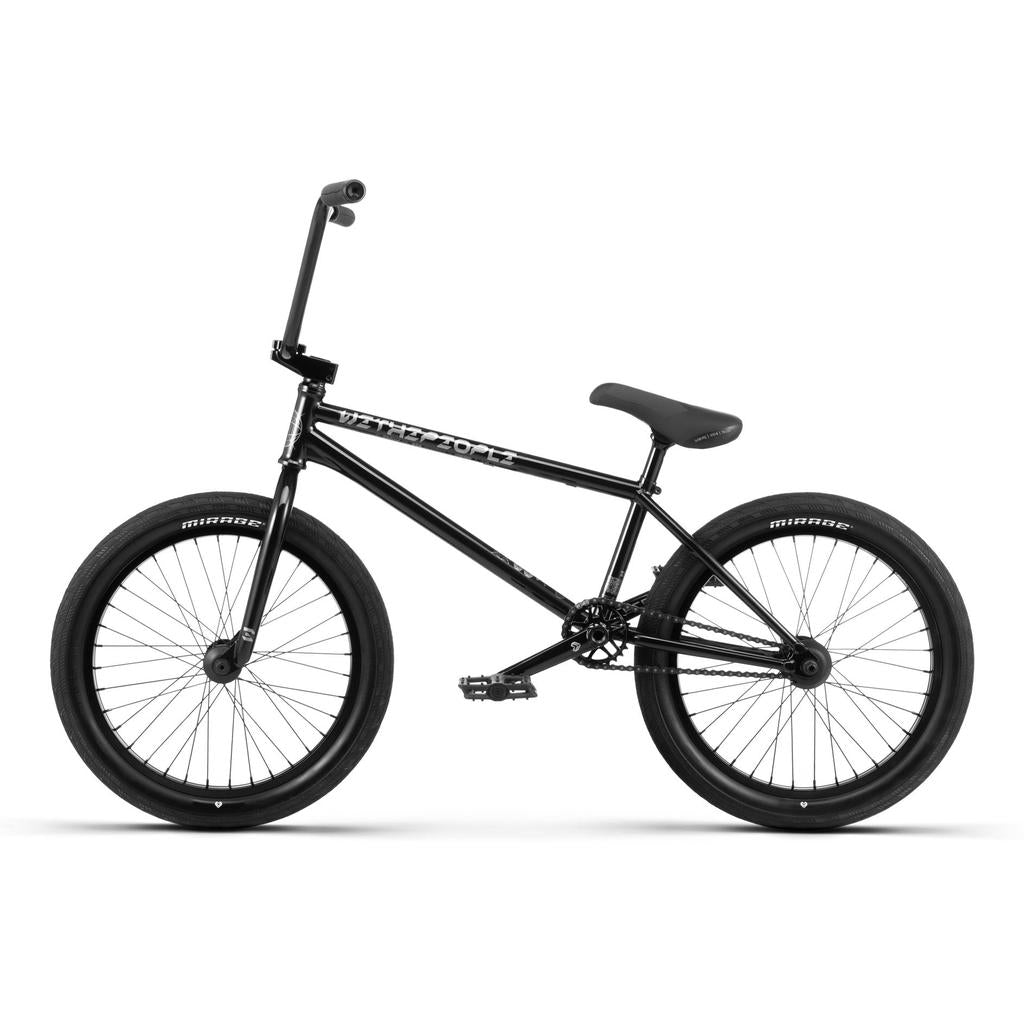
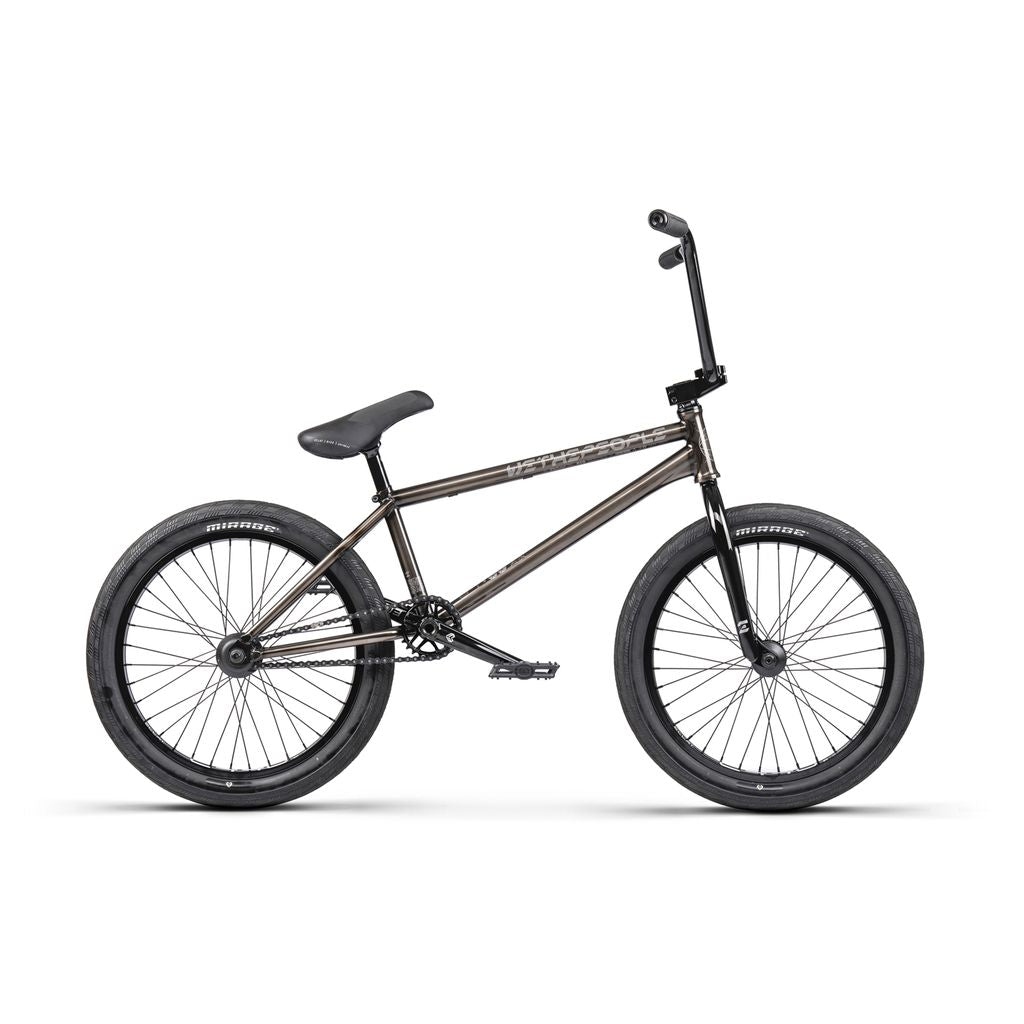
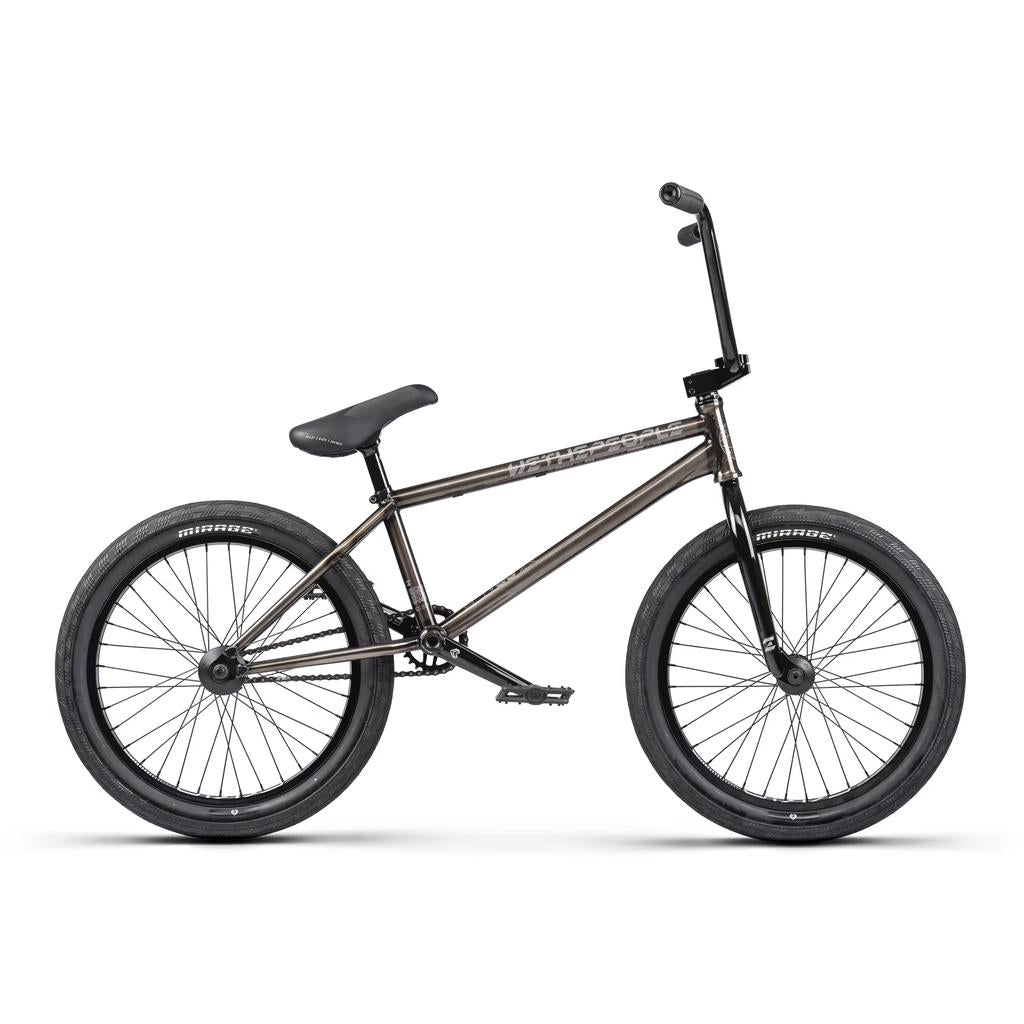
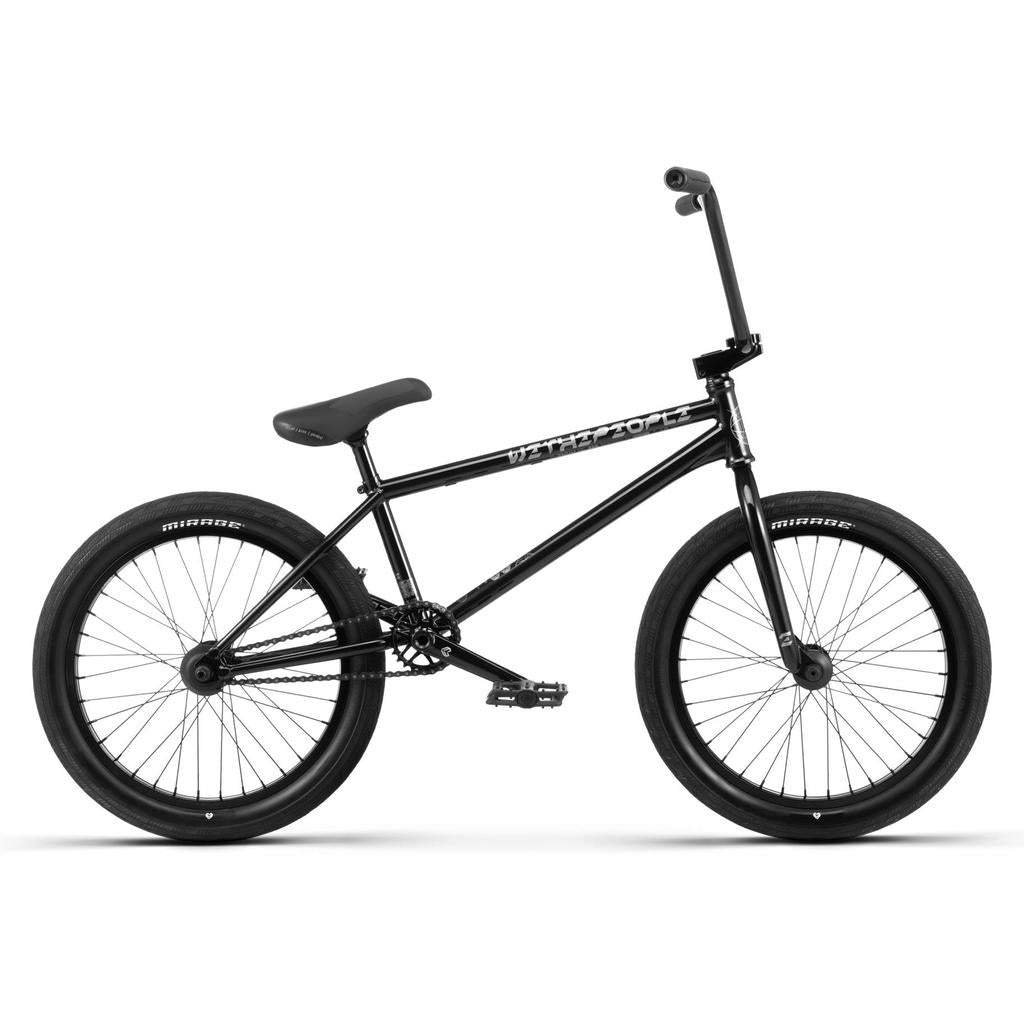
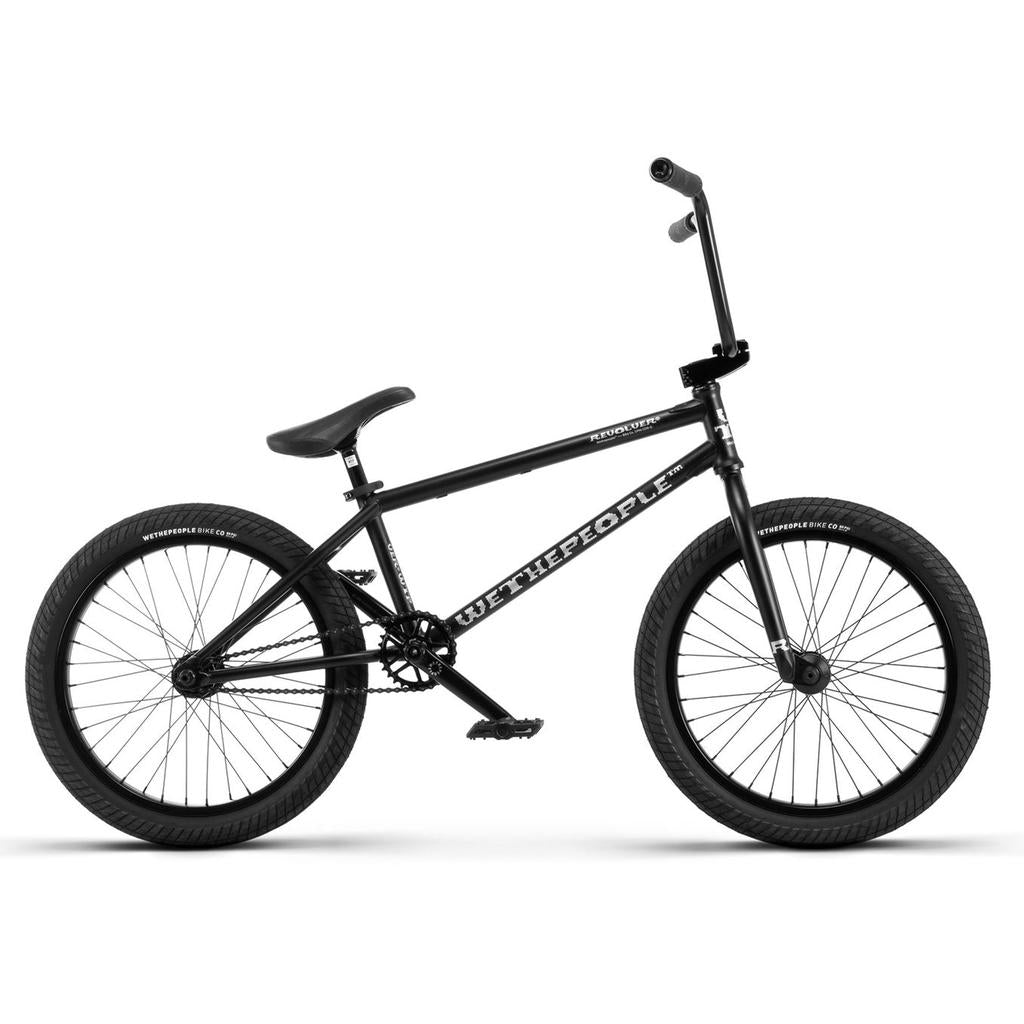
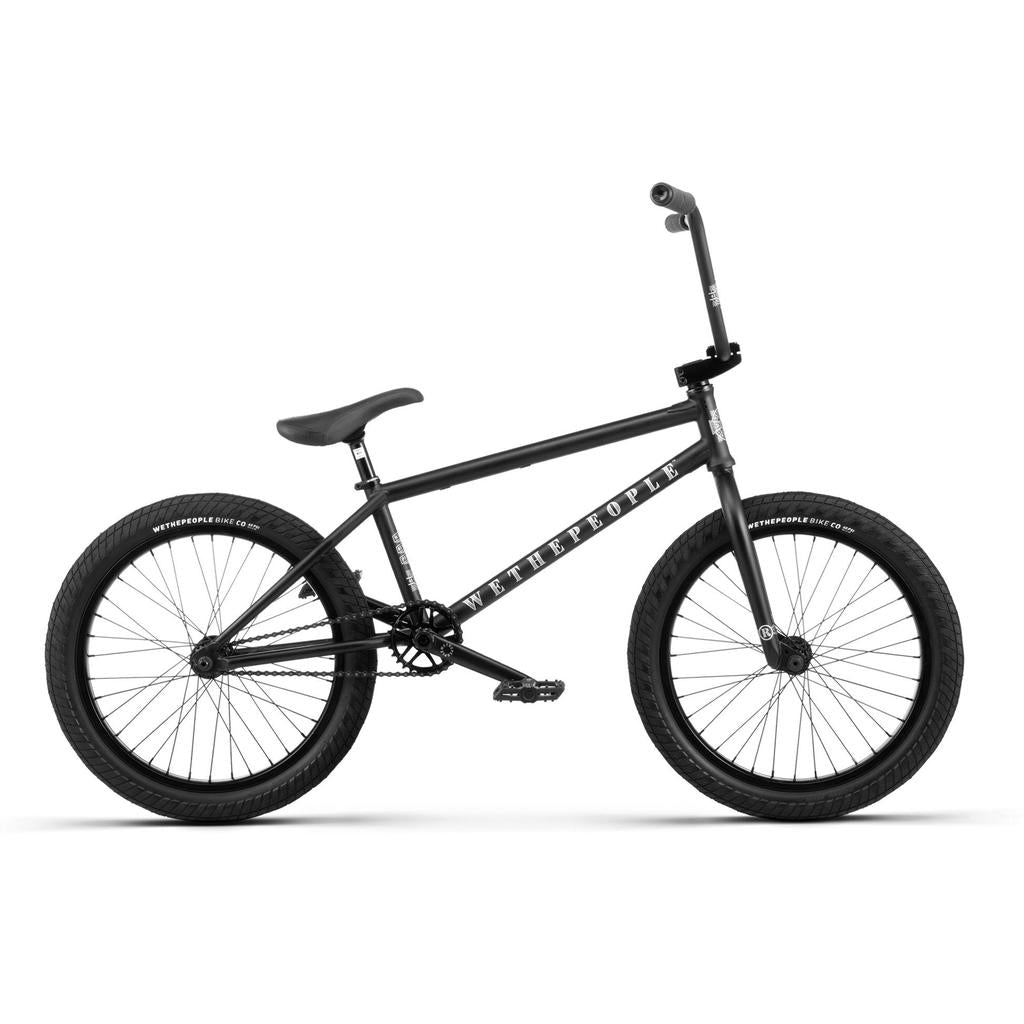
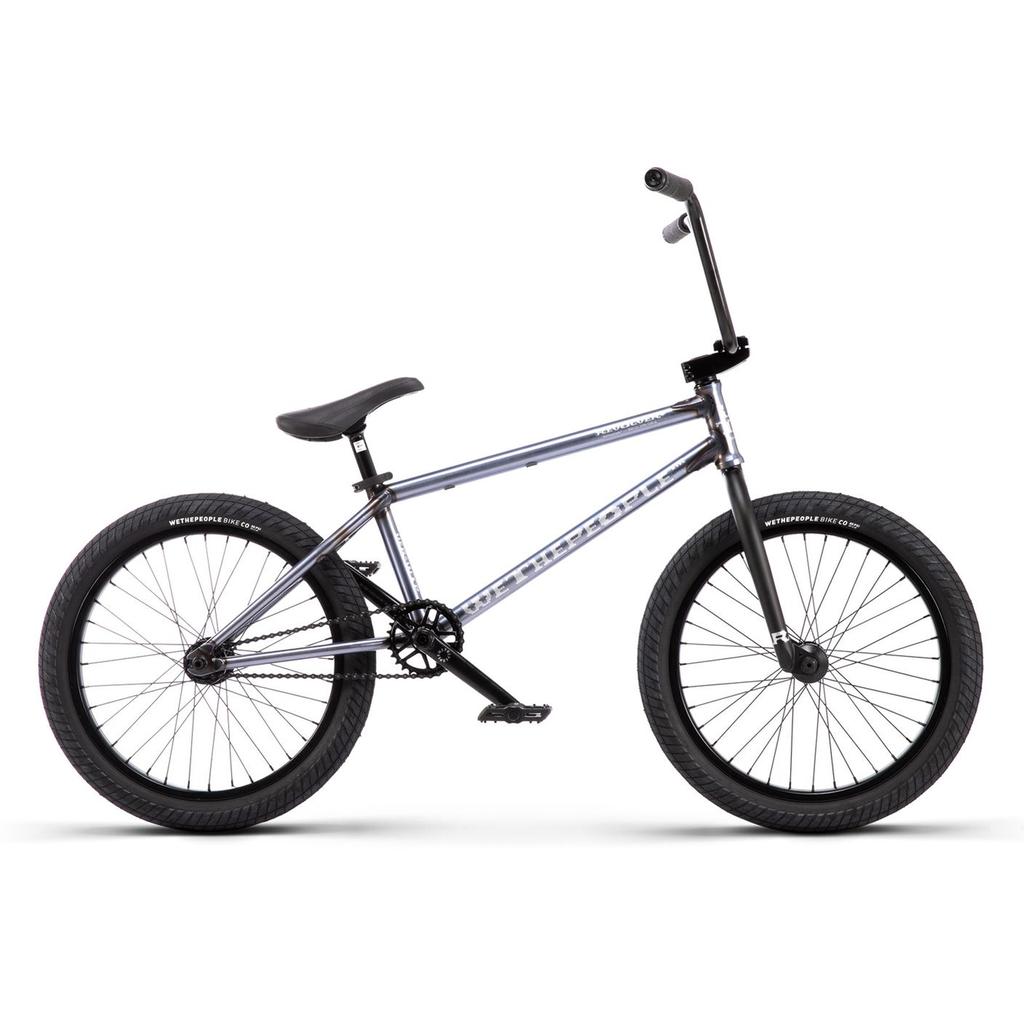
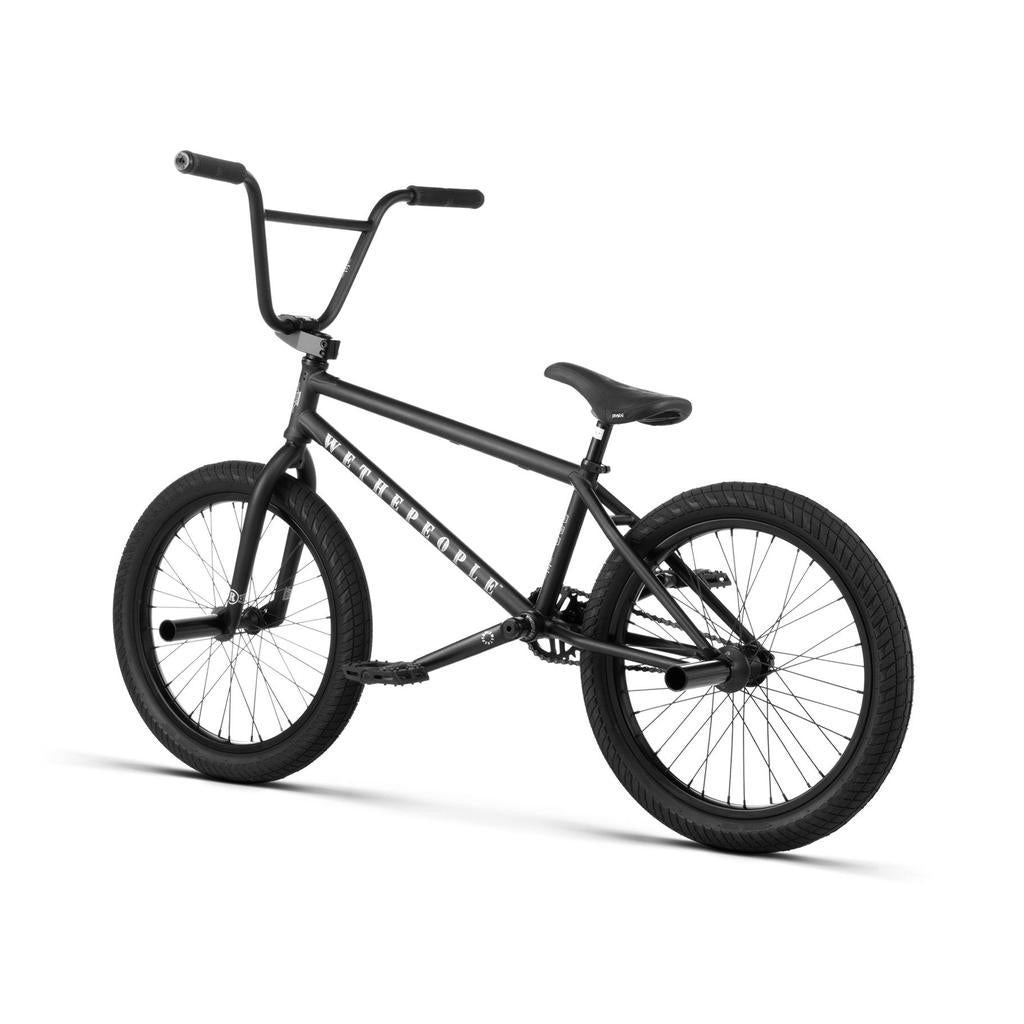
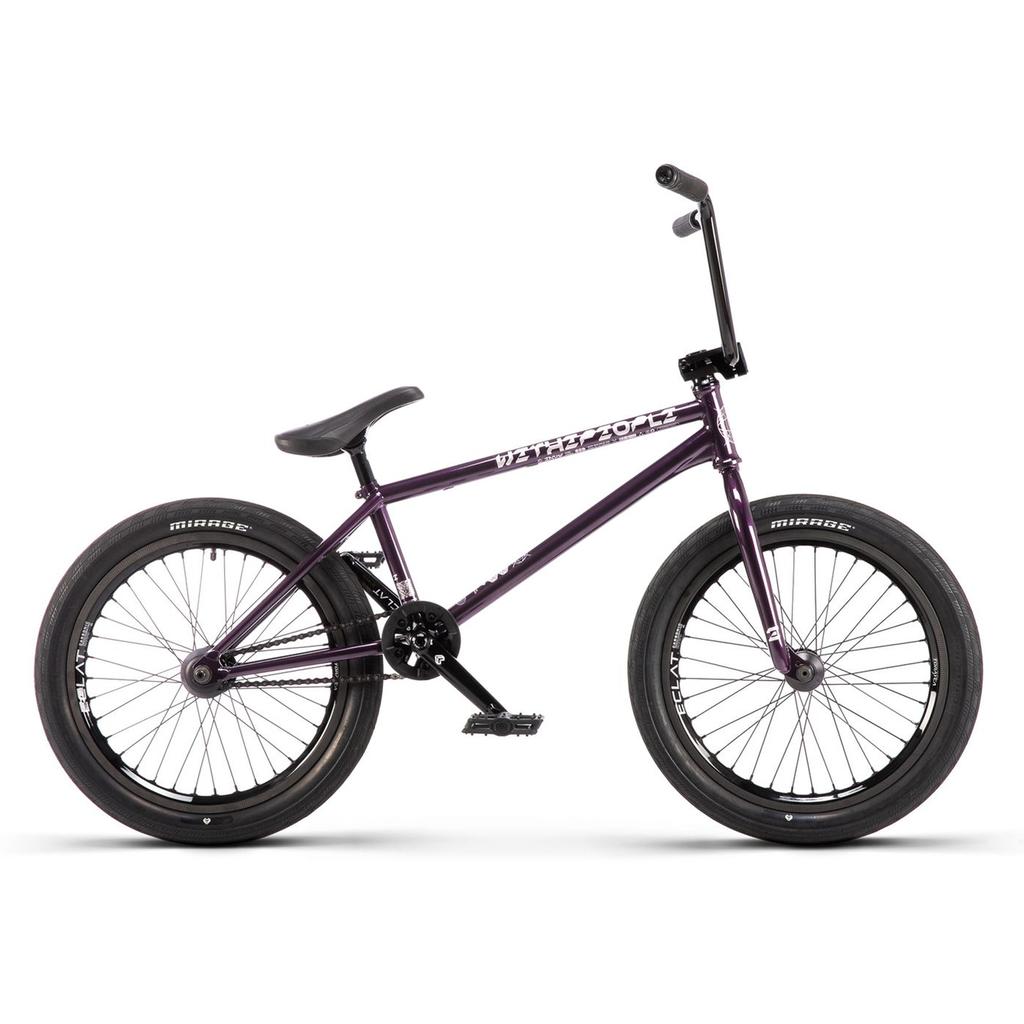
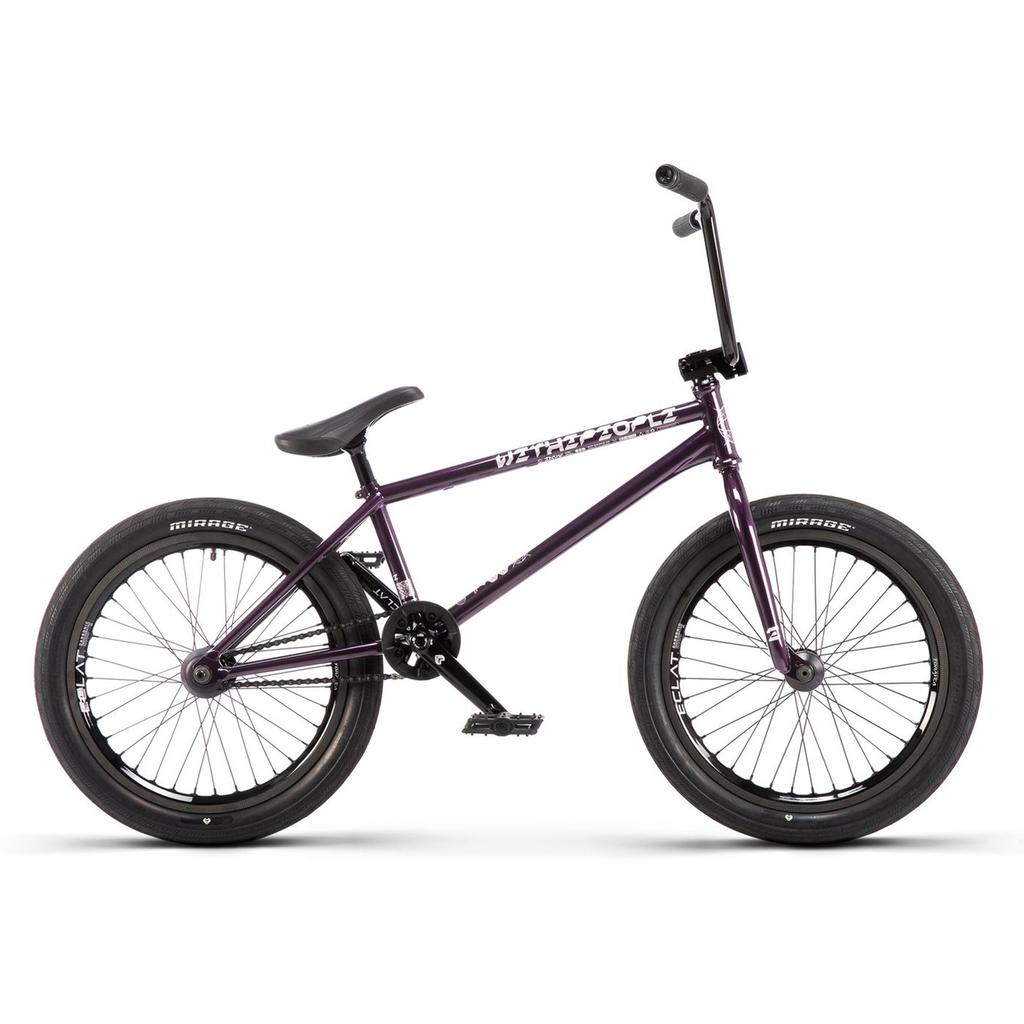
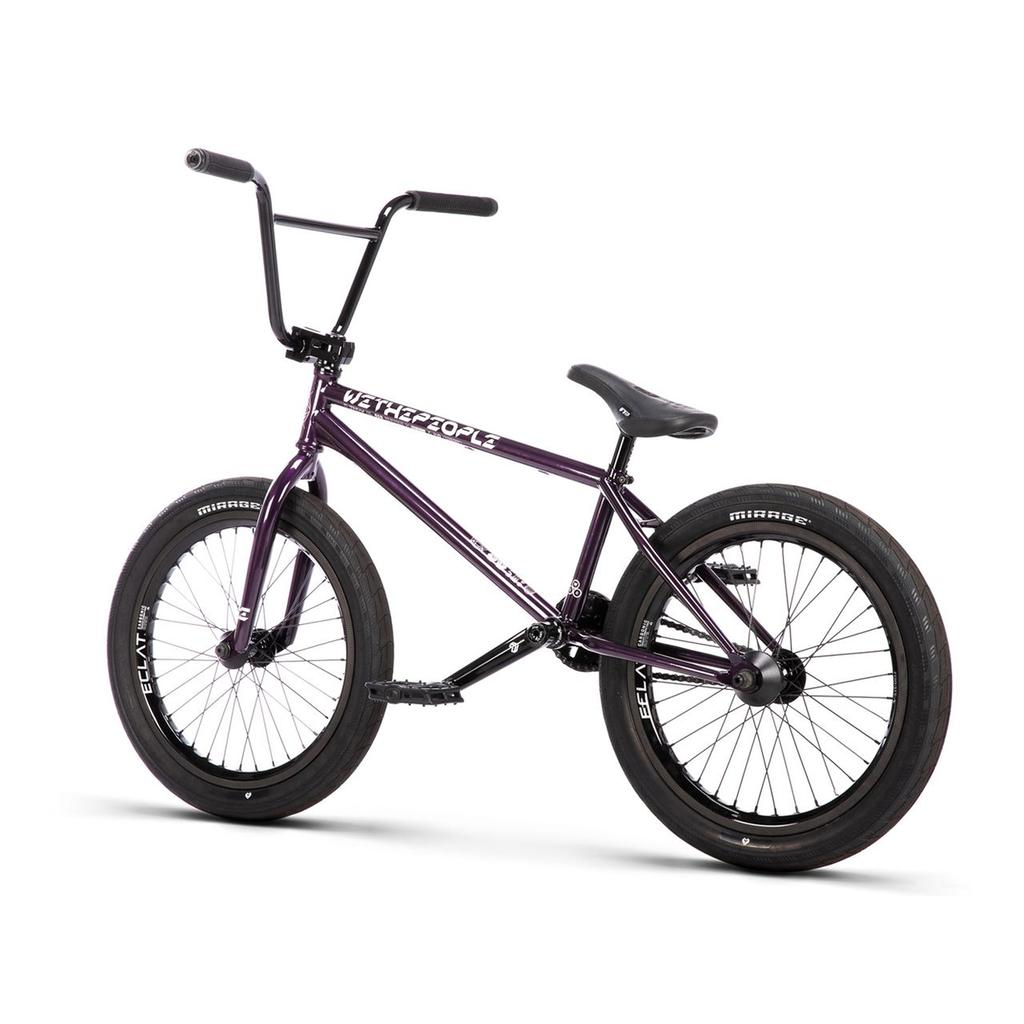
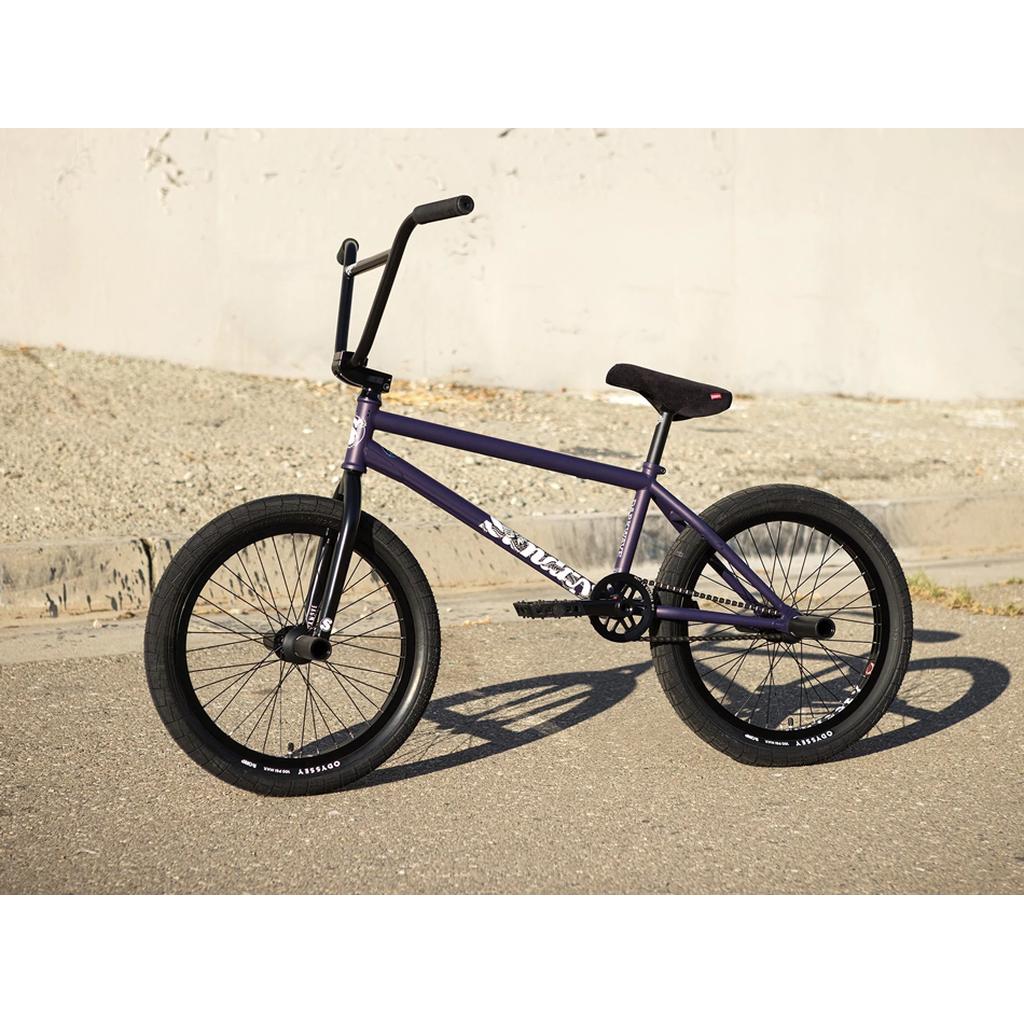
Your control has caught up with your ambition and you are onto harder tricks and bigger drops. Your bike needs to take more abuse: full chromoly throughout, double wall rims and the parts you would pick for a custom build.
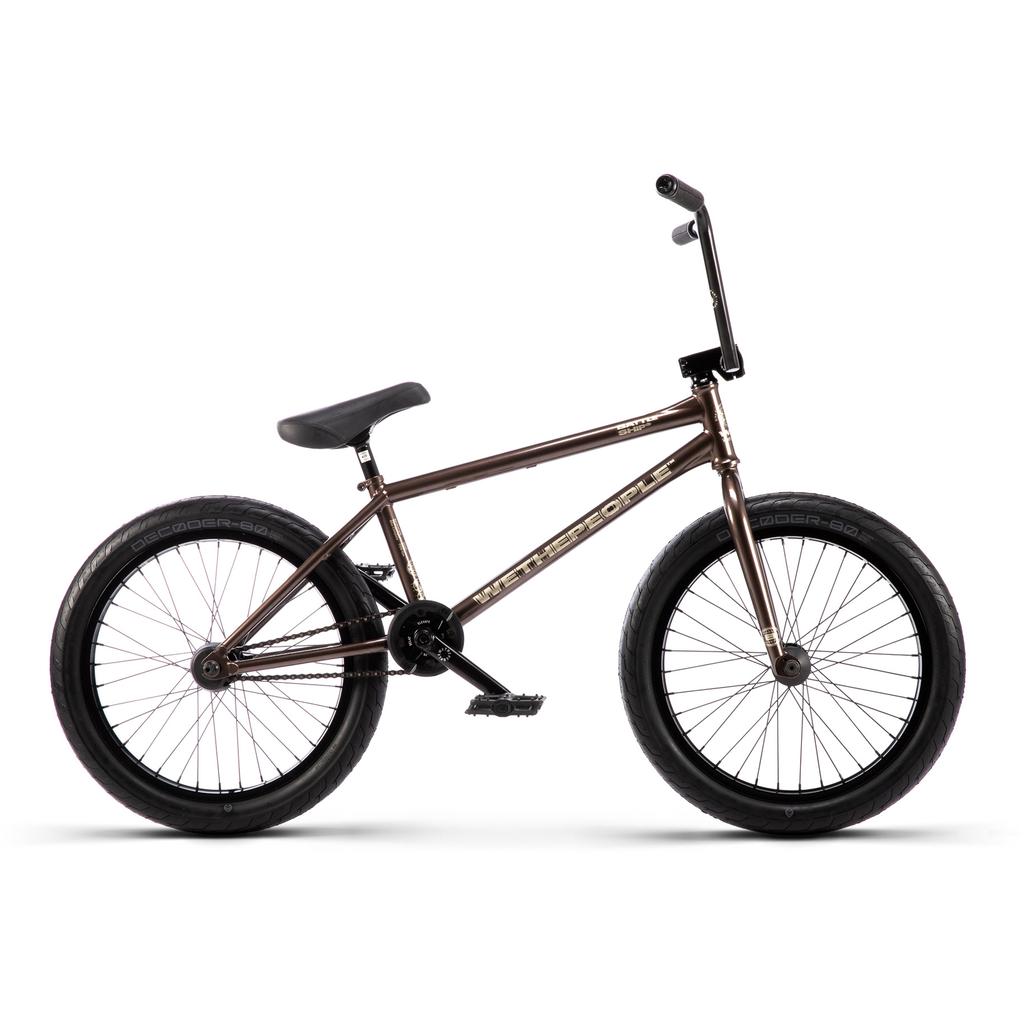
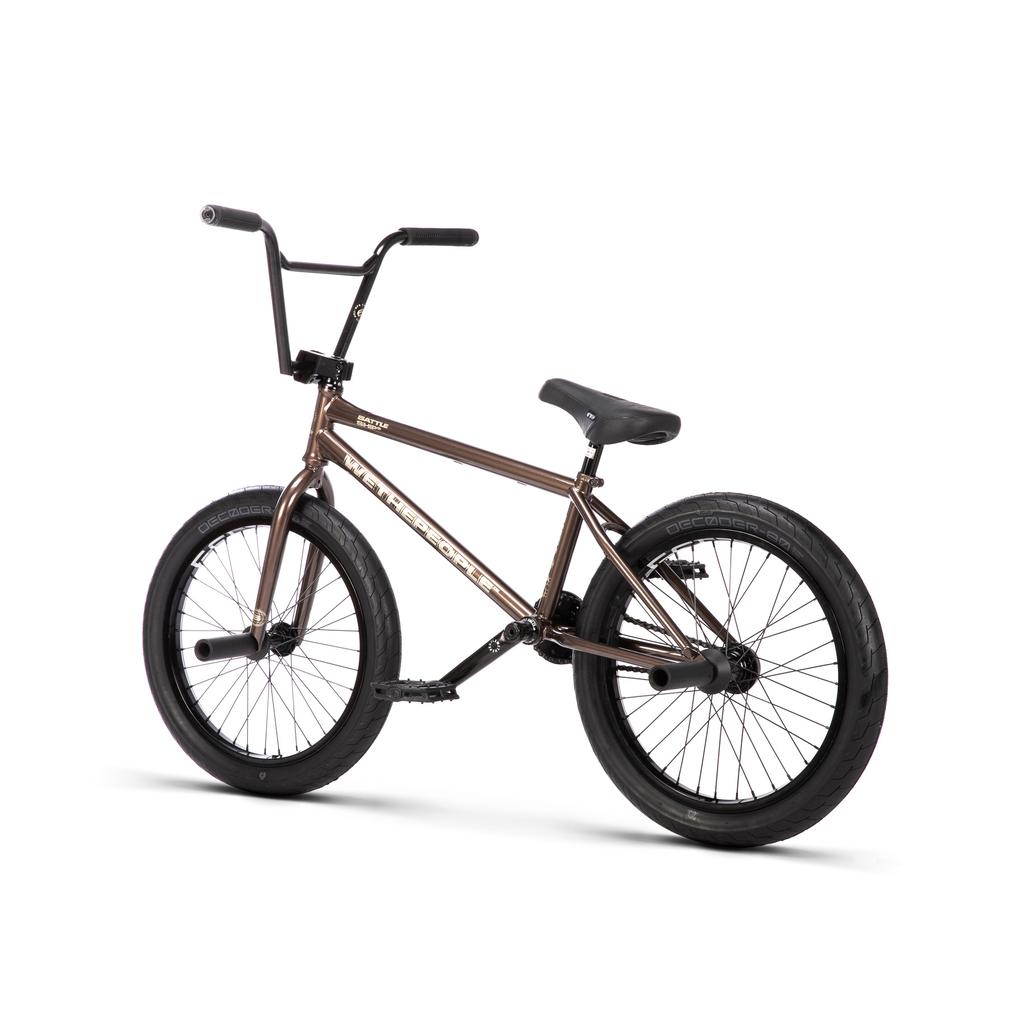
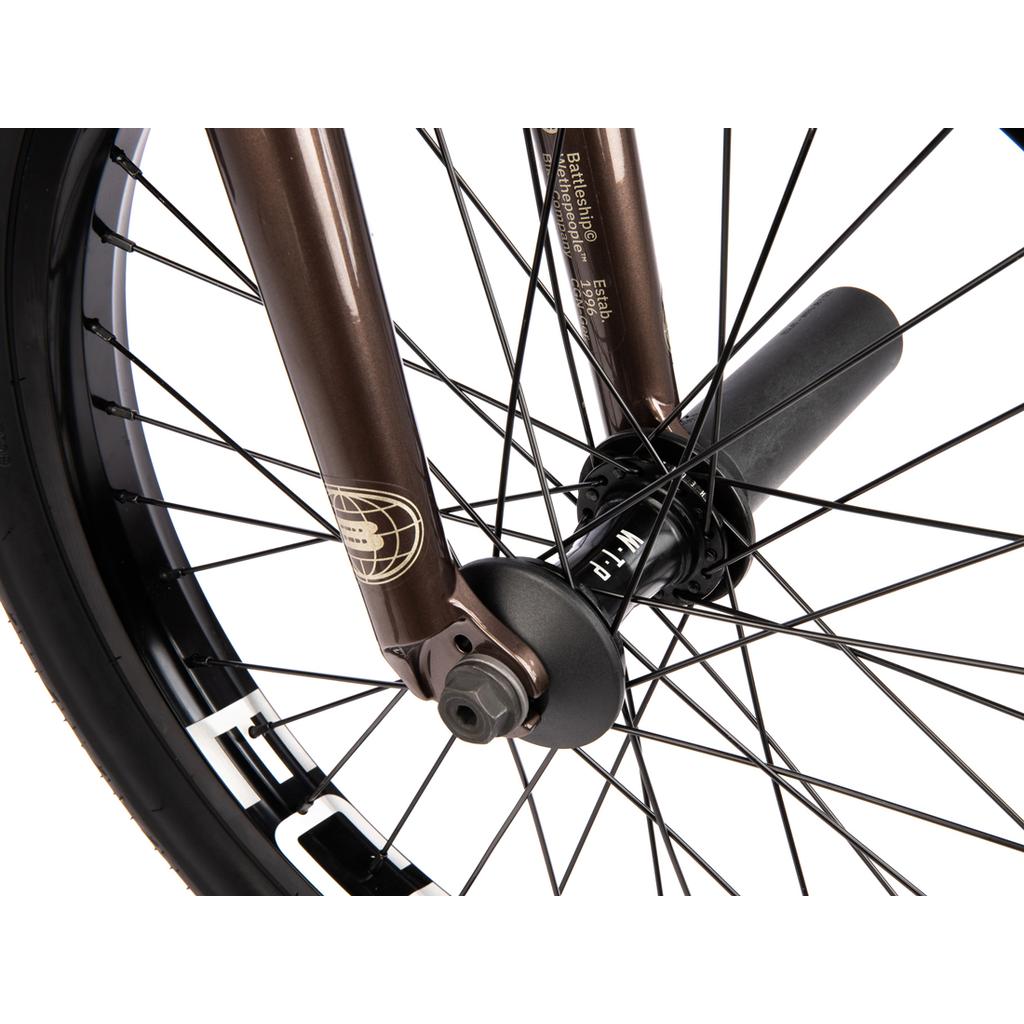

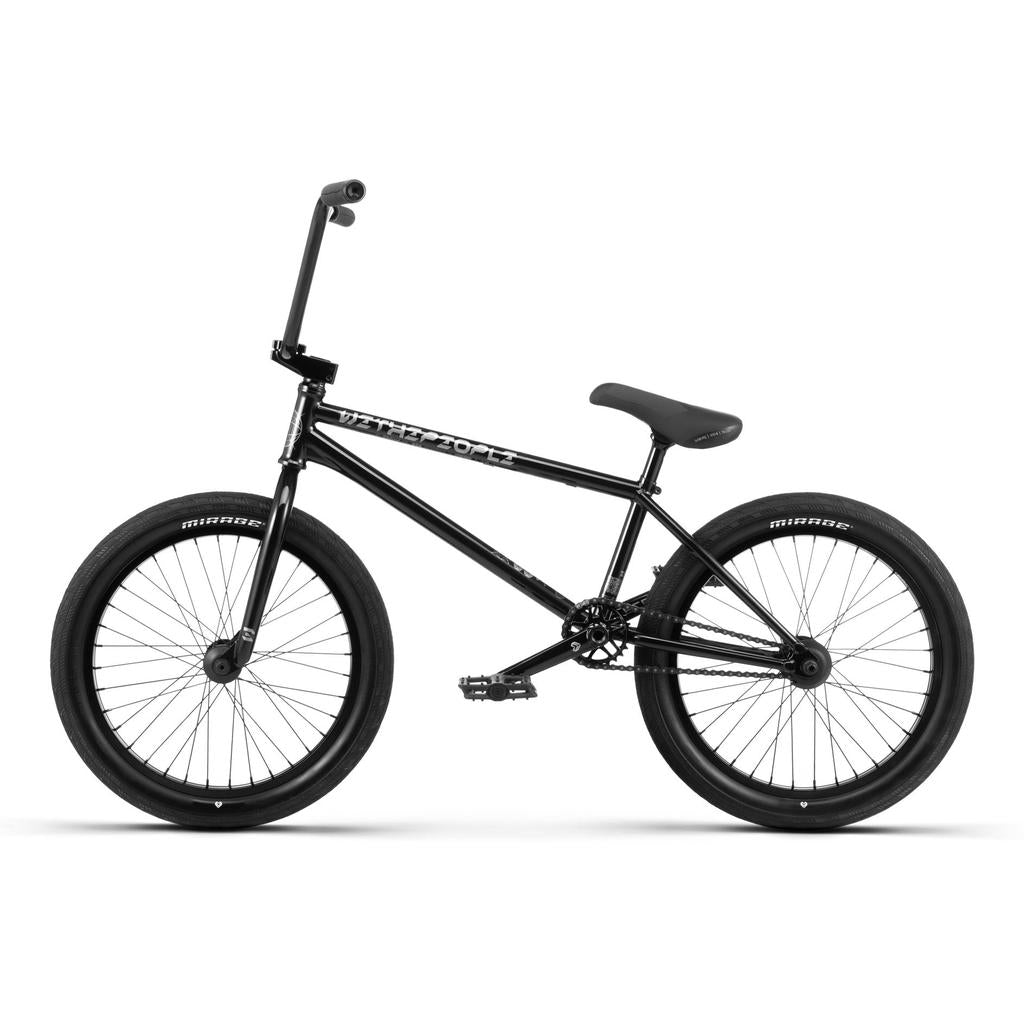
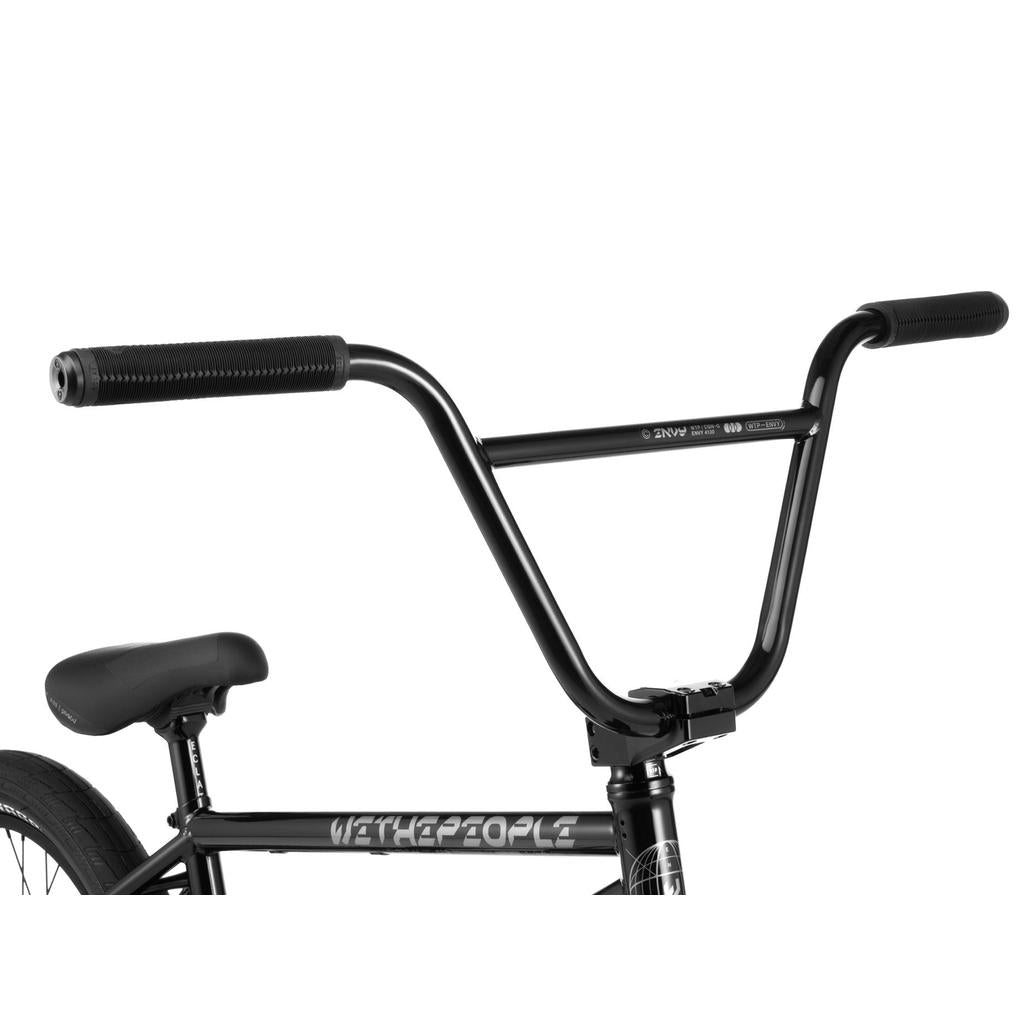
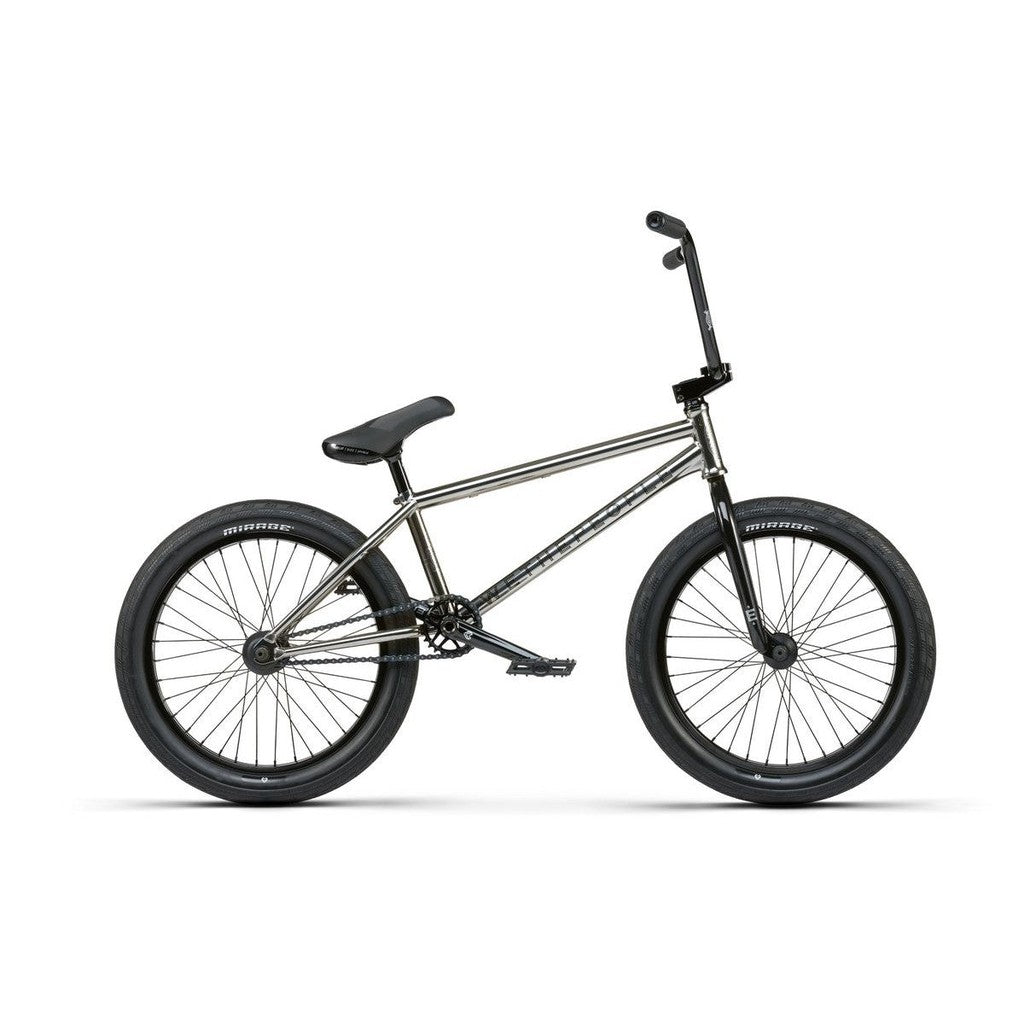


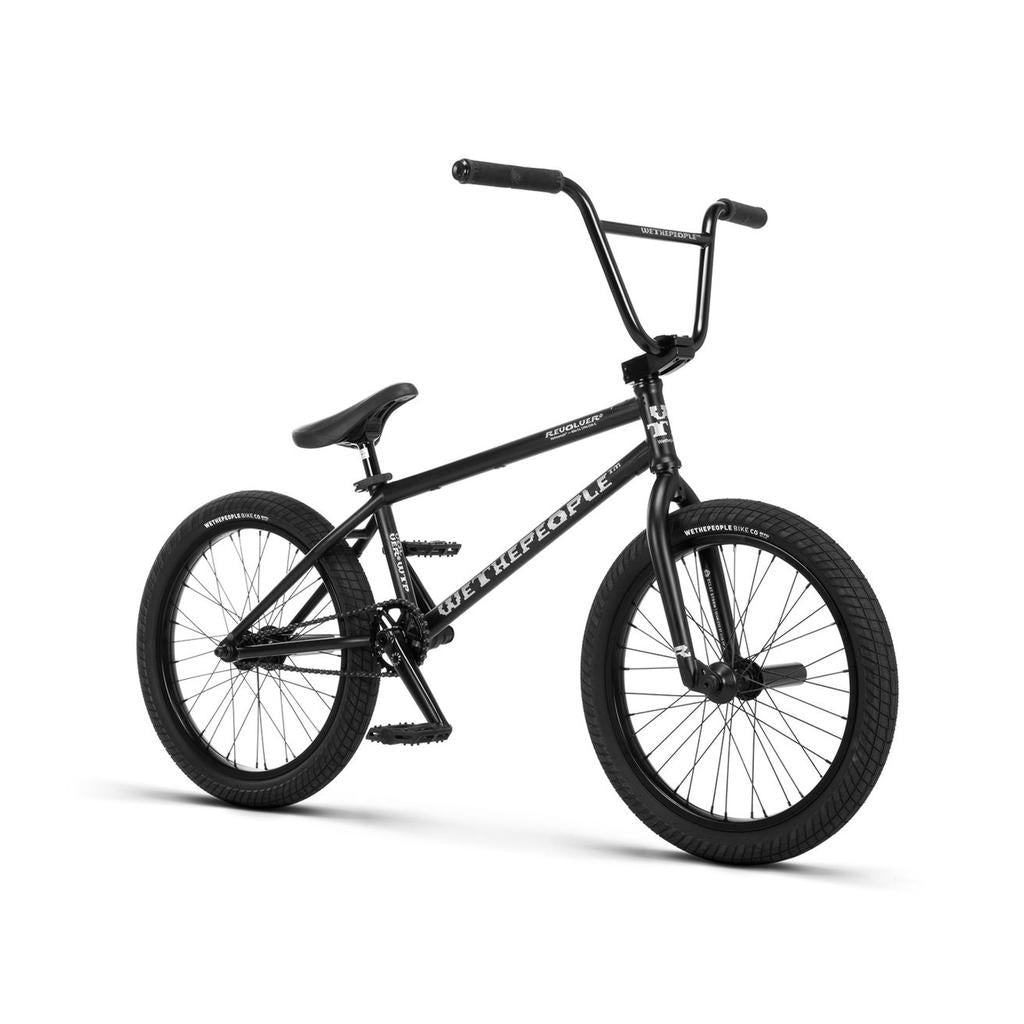
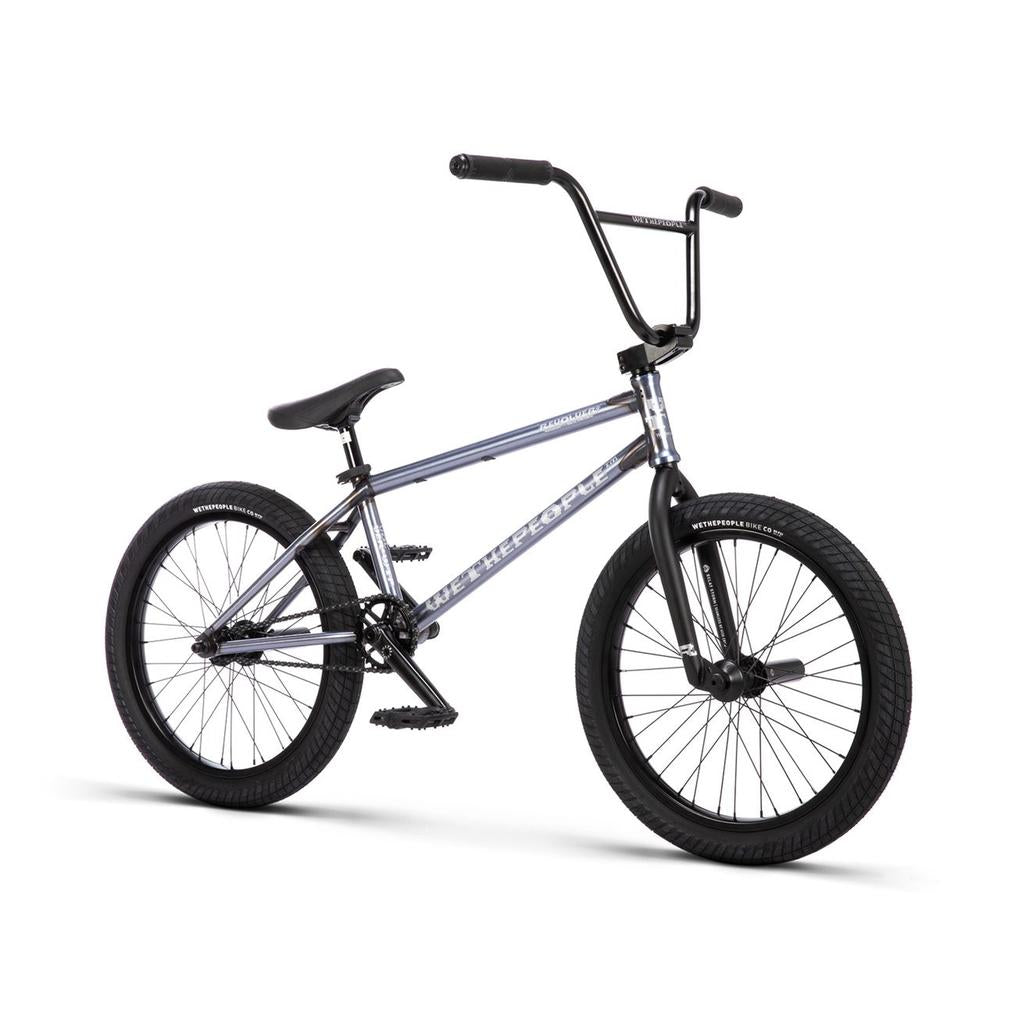
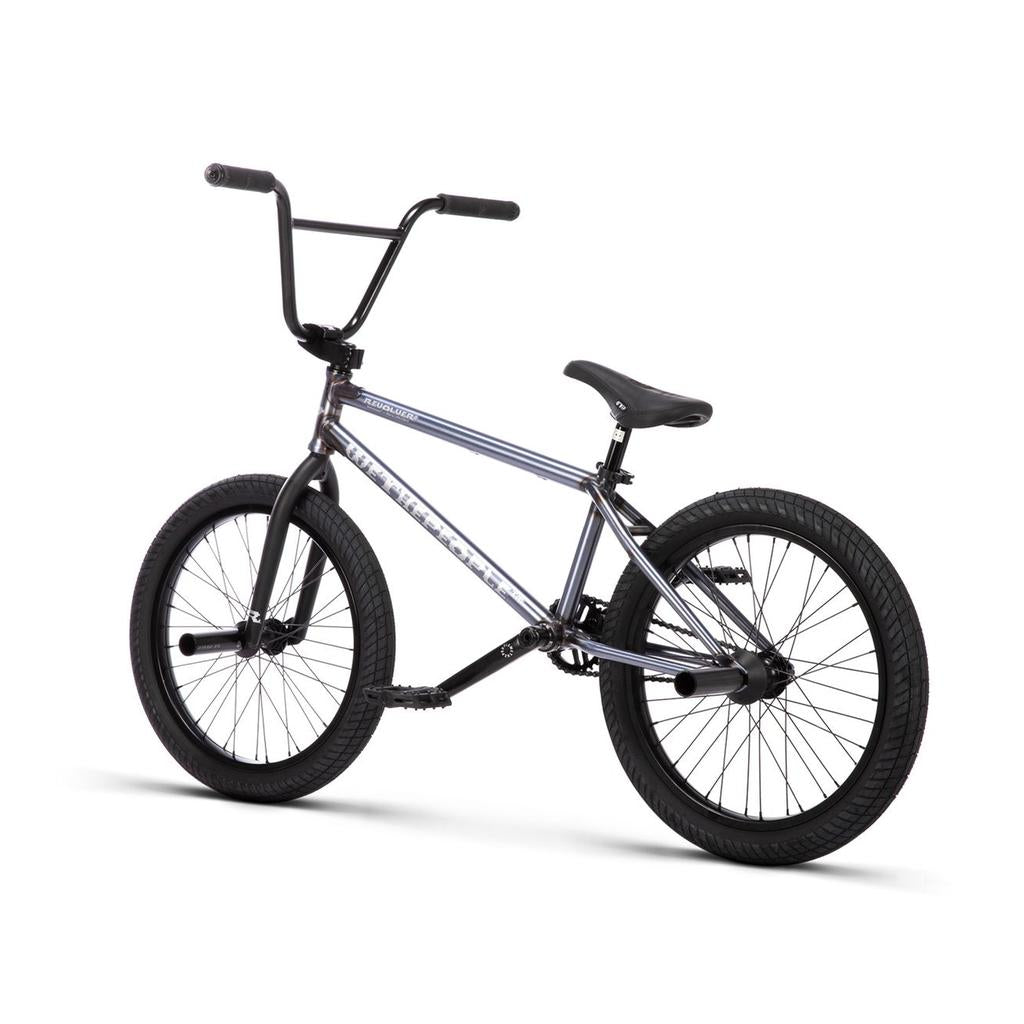
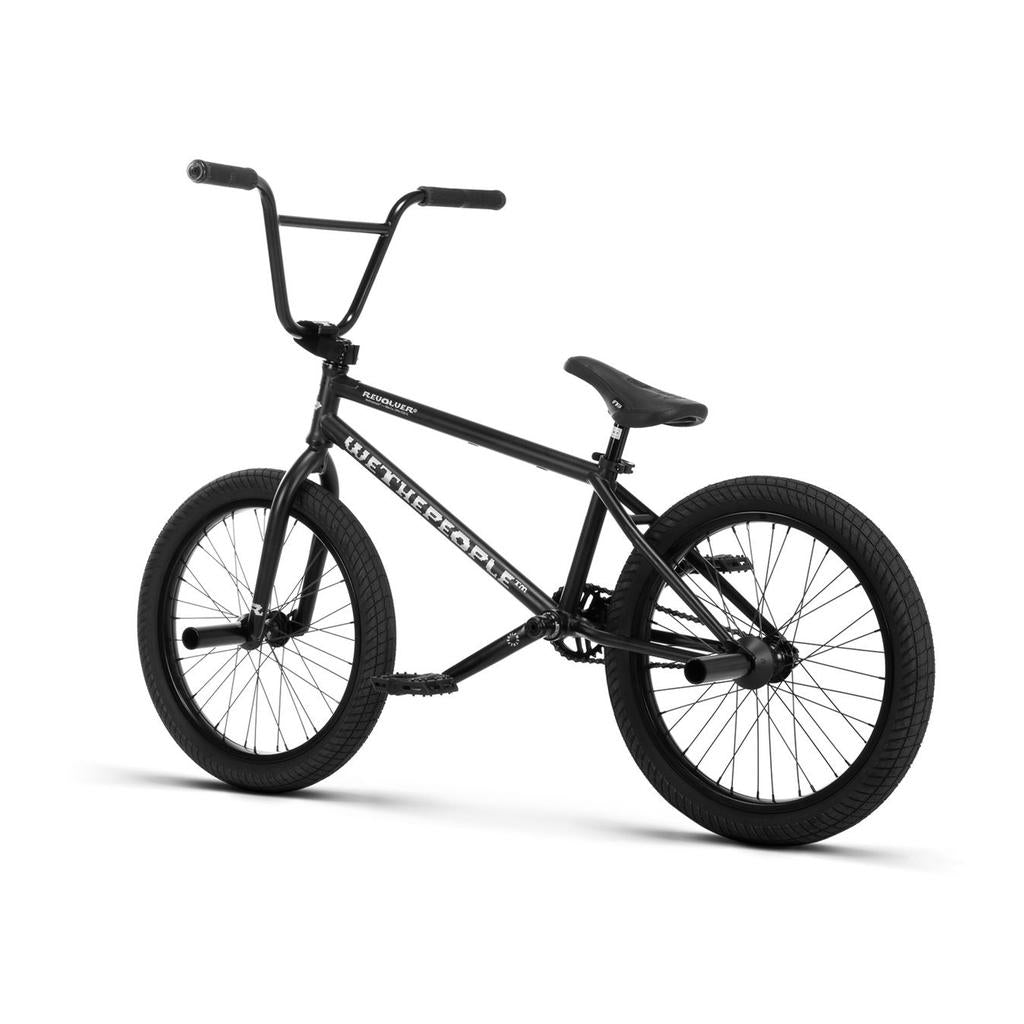








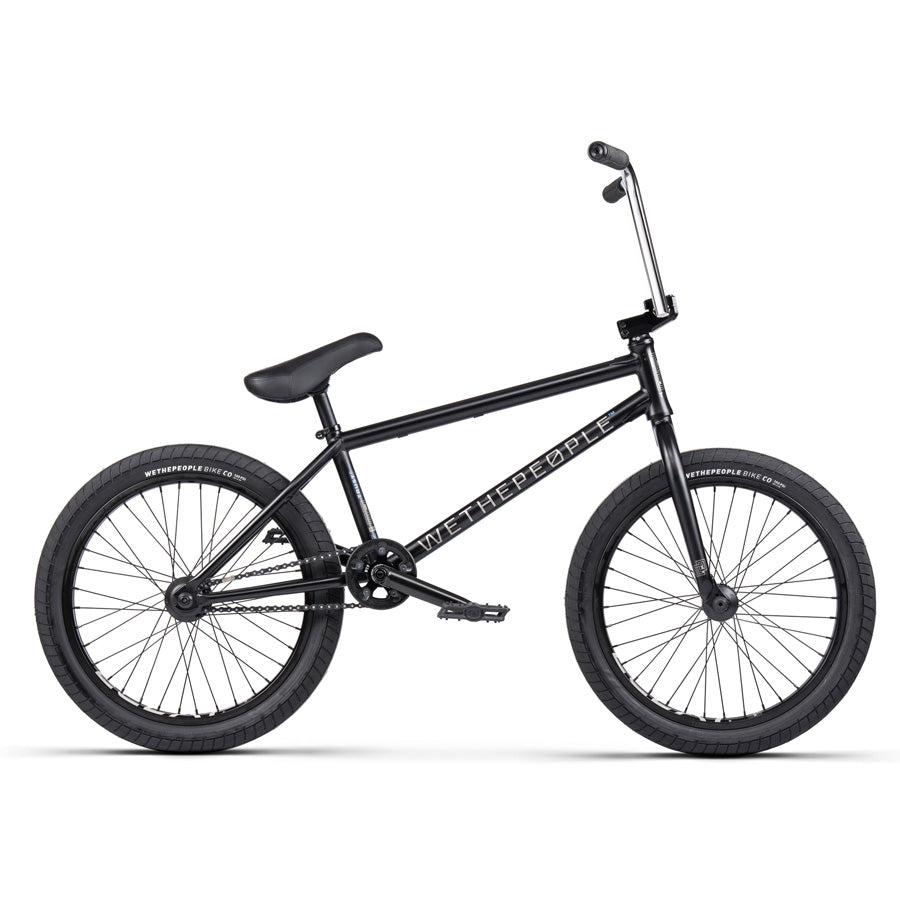

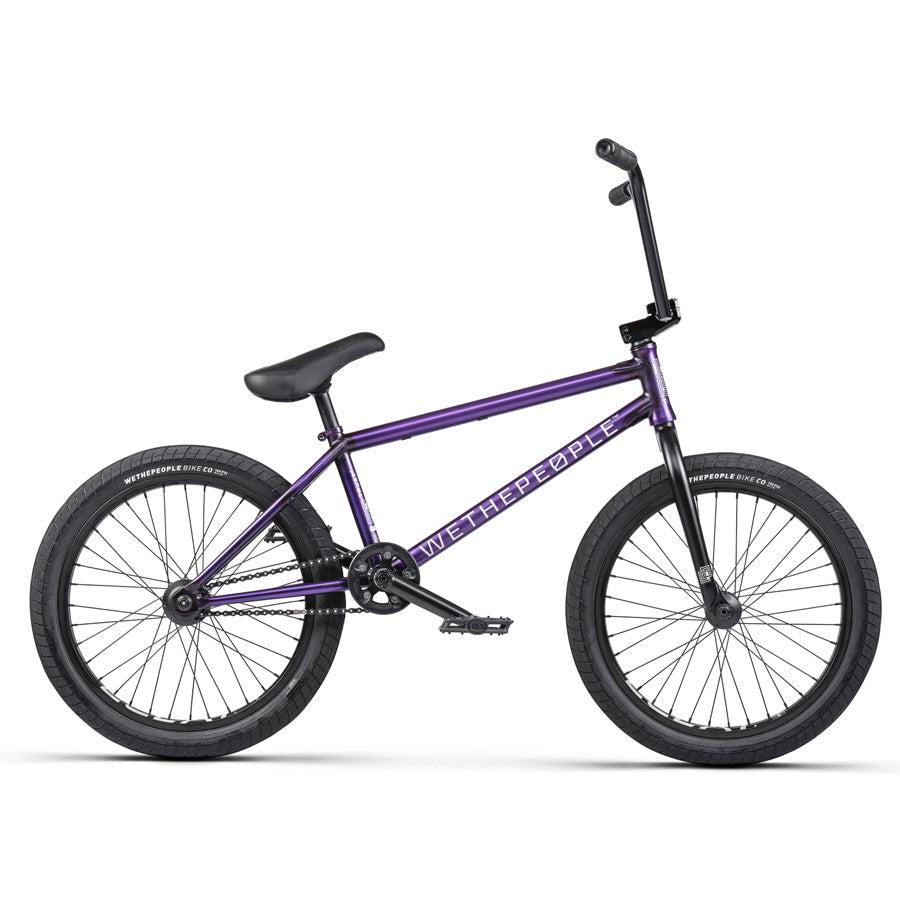


What's your budget?
We would all like the latest custom build, but budgets are real. Here is what the money buys at each level. Each band links to every freestyle bike we stock at that price, kids sizes included.
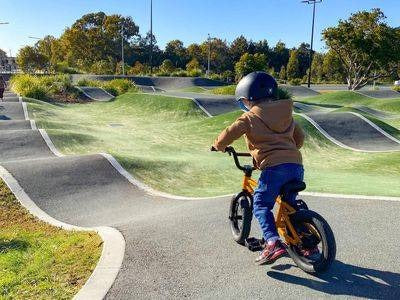
BMX bikes under $700.
Hi-tensile steel or alloy frames, steel forks, bars and cranks, a sealed bearing rear hub and single wall rims. Enough to learn the basics on, and most kids bikes sit here.
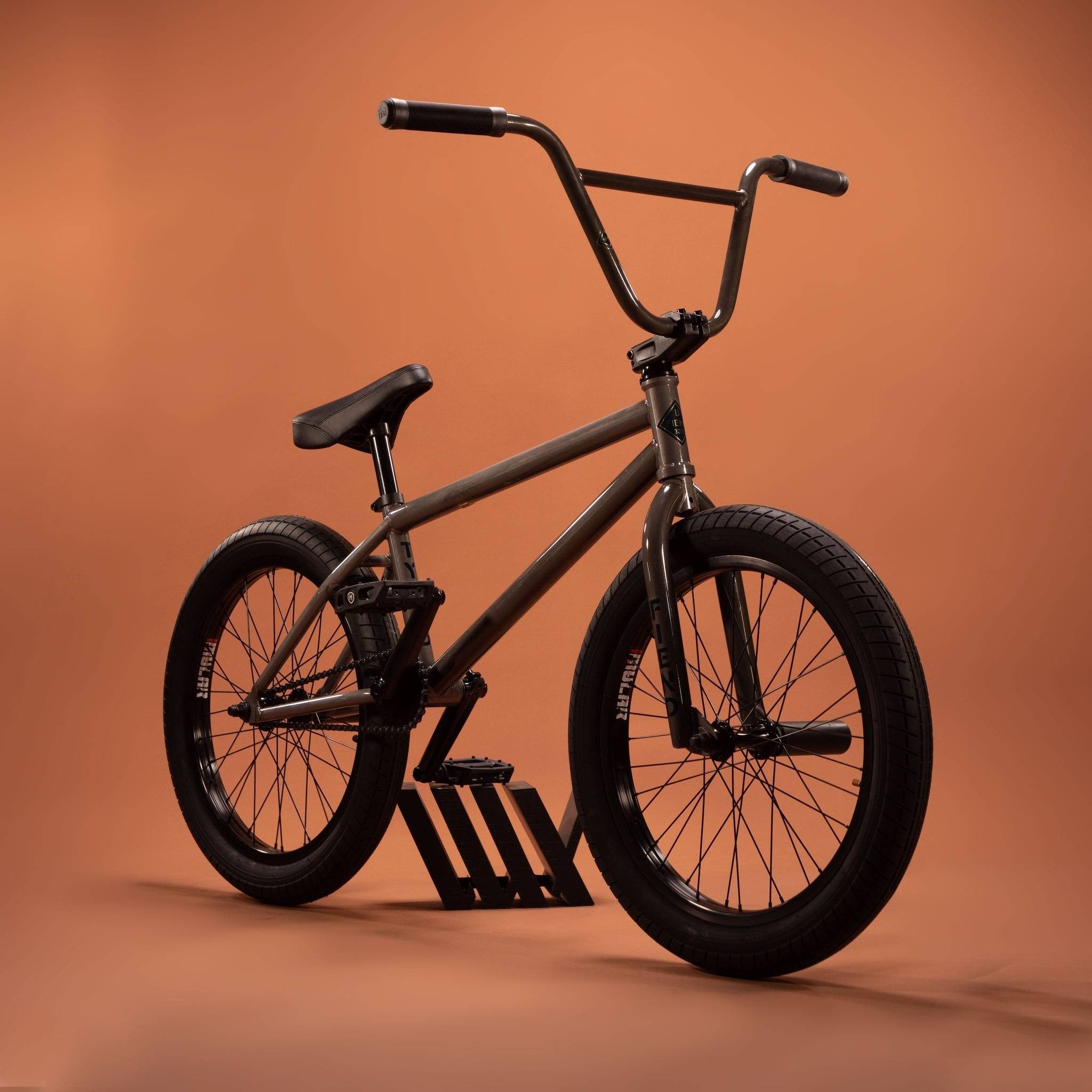
$700 to $1000 BMX bikes.
Usually a part chromoly frame, forks with a chromoly steerer, chromoly bars and three piece cranks, with sealed bearings in the headset, bottom bracket and both hubs.
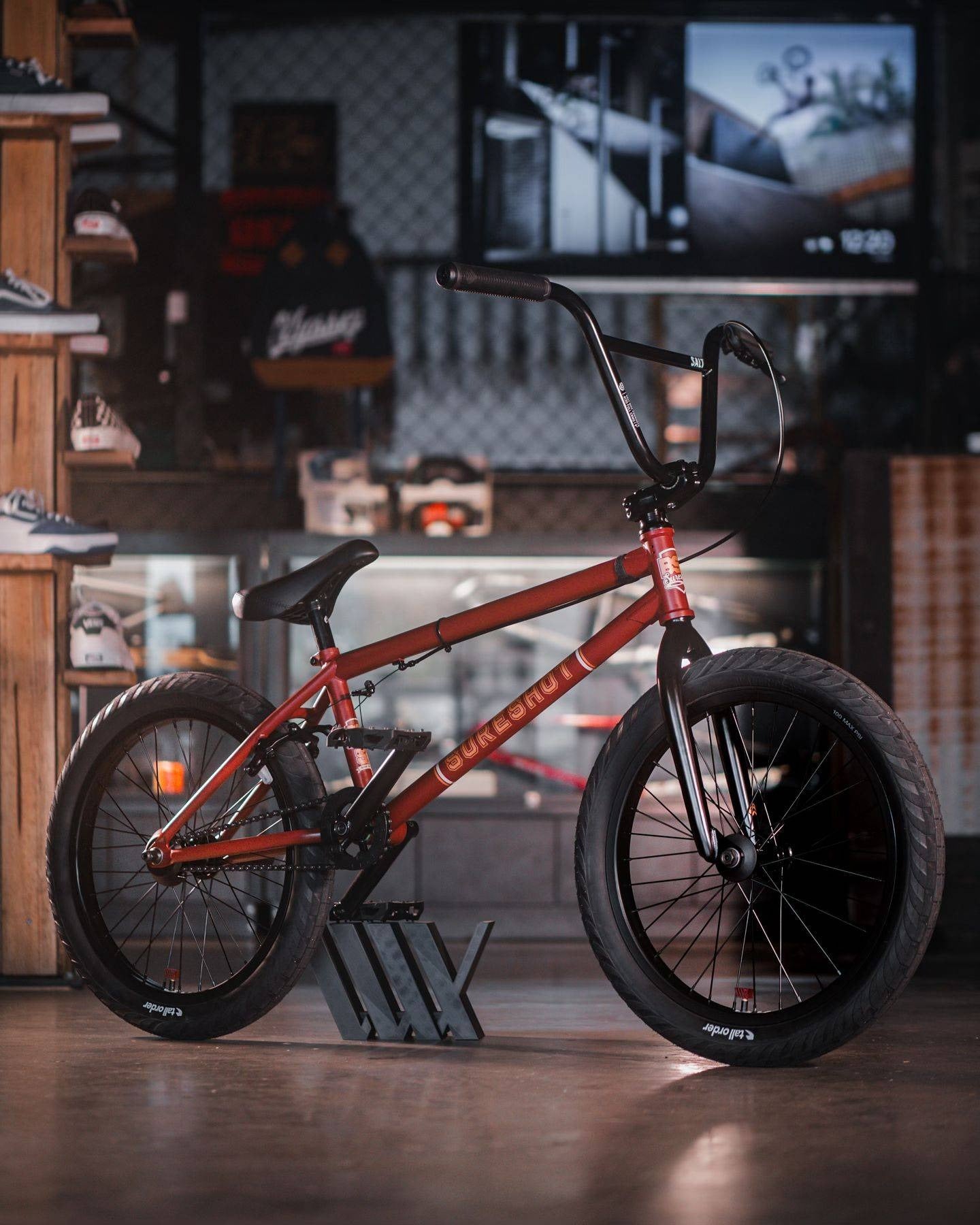
$1000 and up BMX bikes.
Full chromoly frames with removable brake mounts, chromoly forks, bars and cranks, sealed bearings throughout and double wall rims. Lighter, stronger, and specced like a custom build.
Components of a BMX
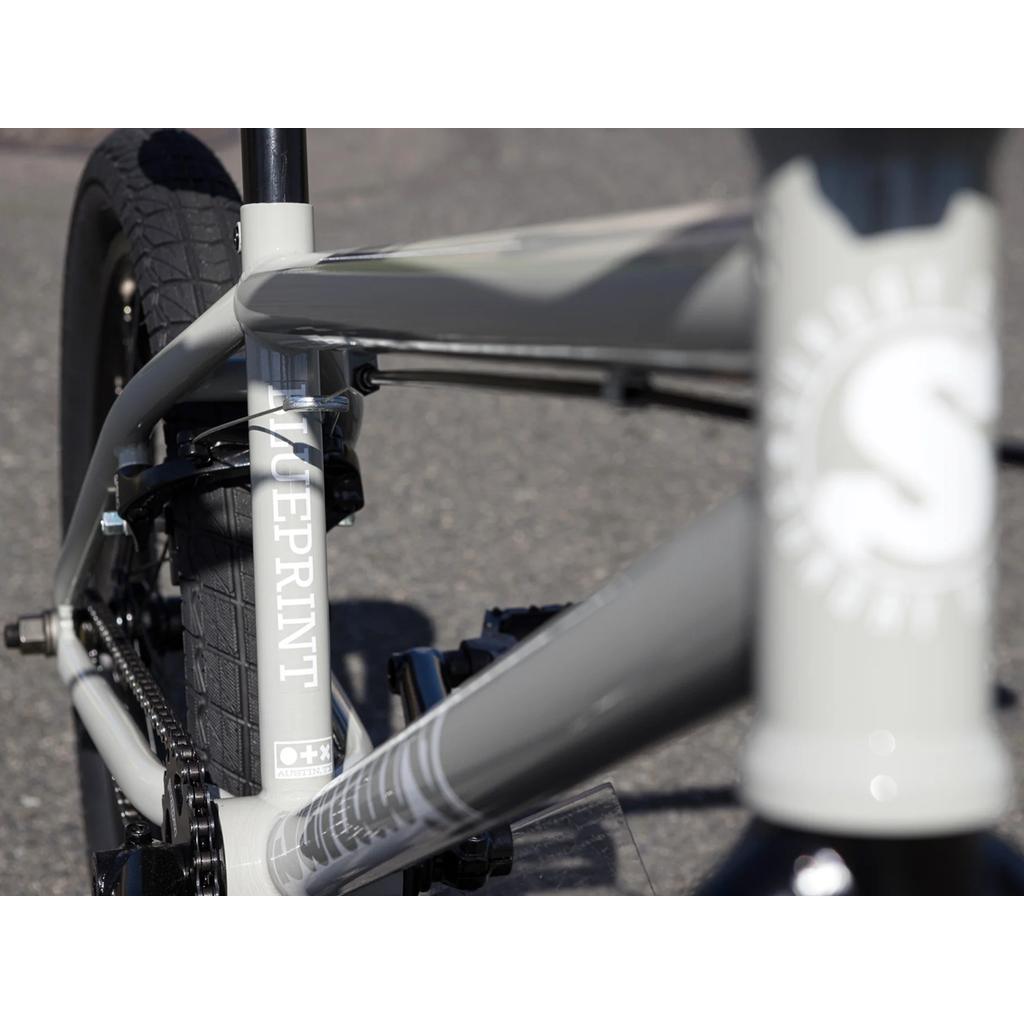
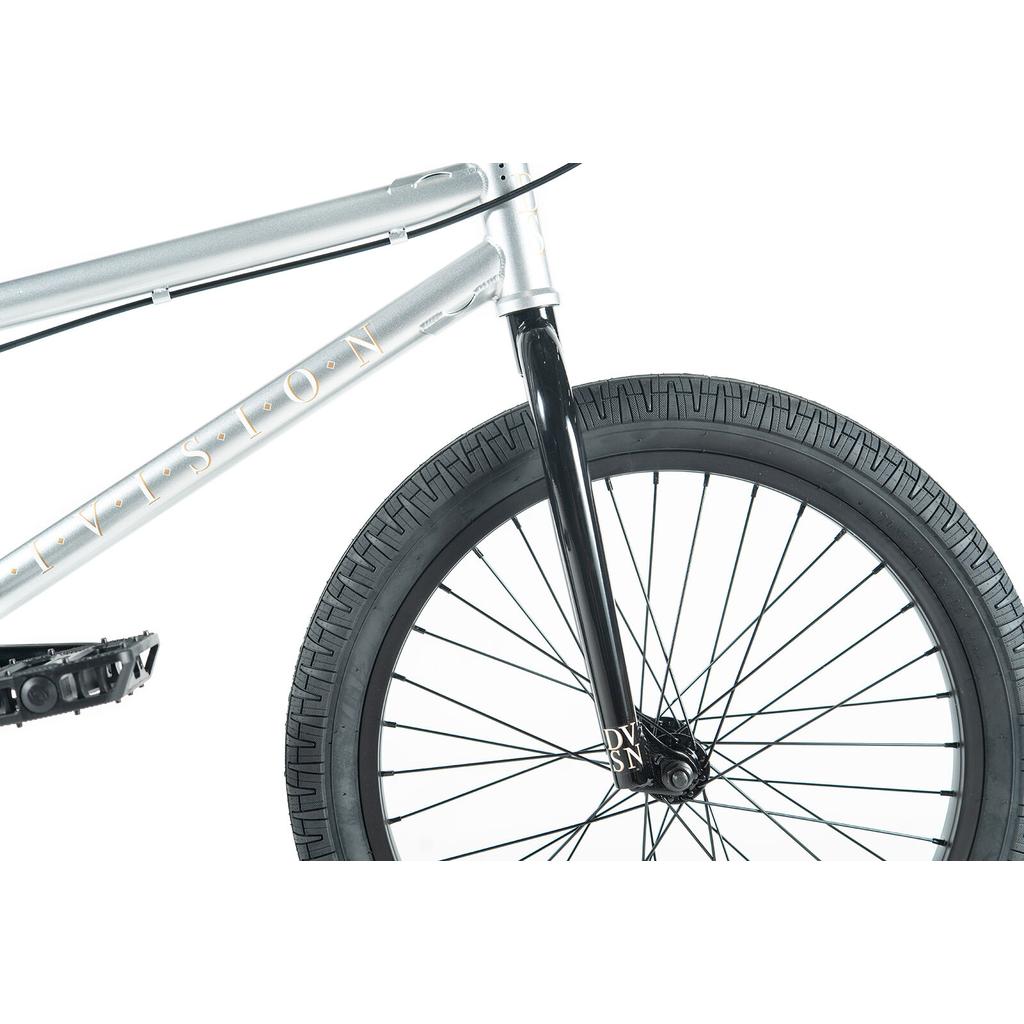
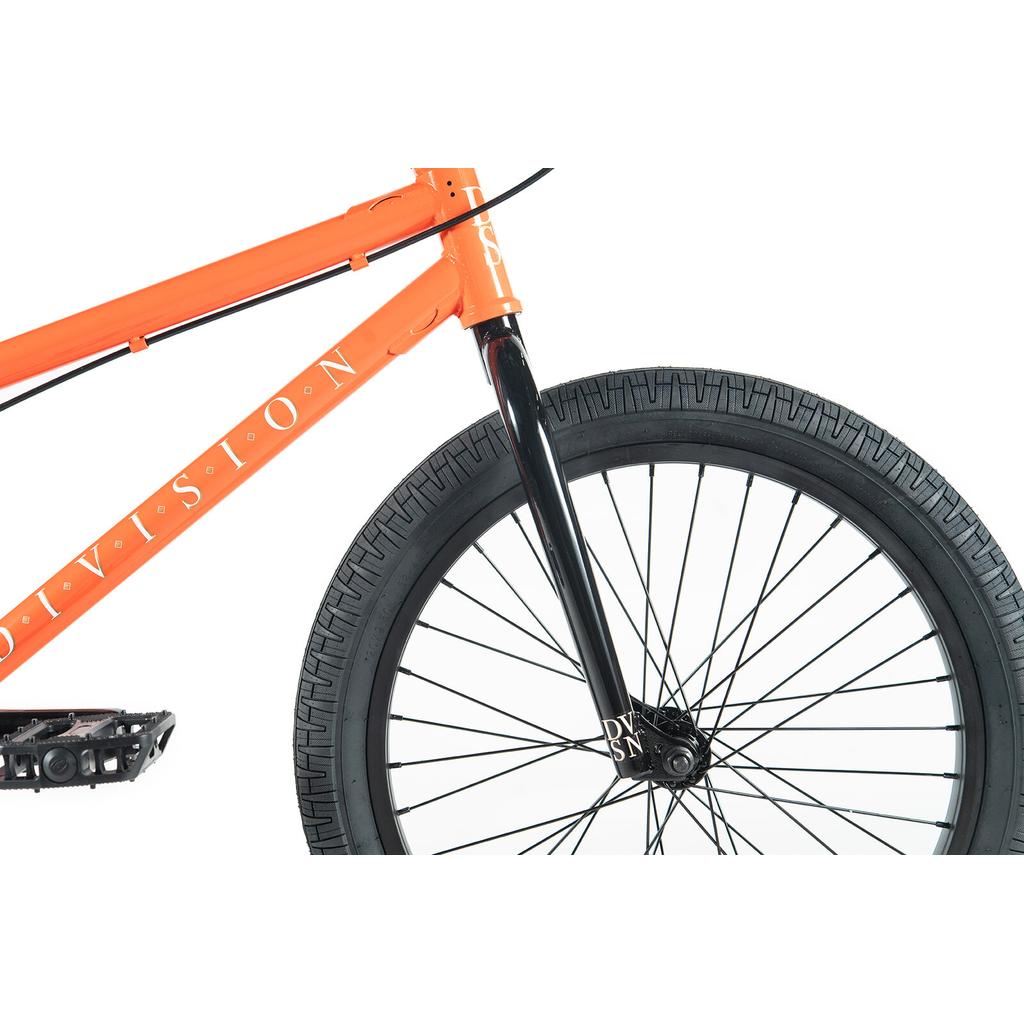
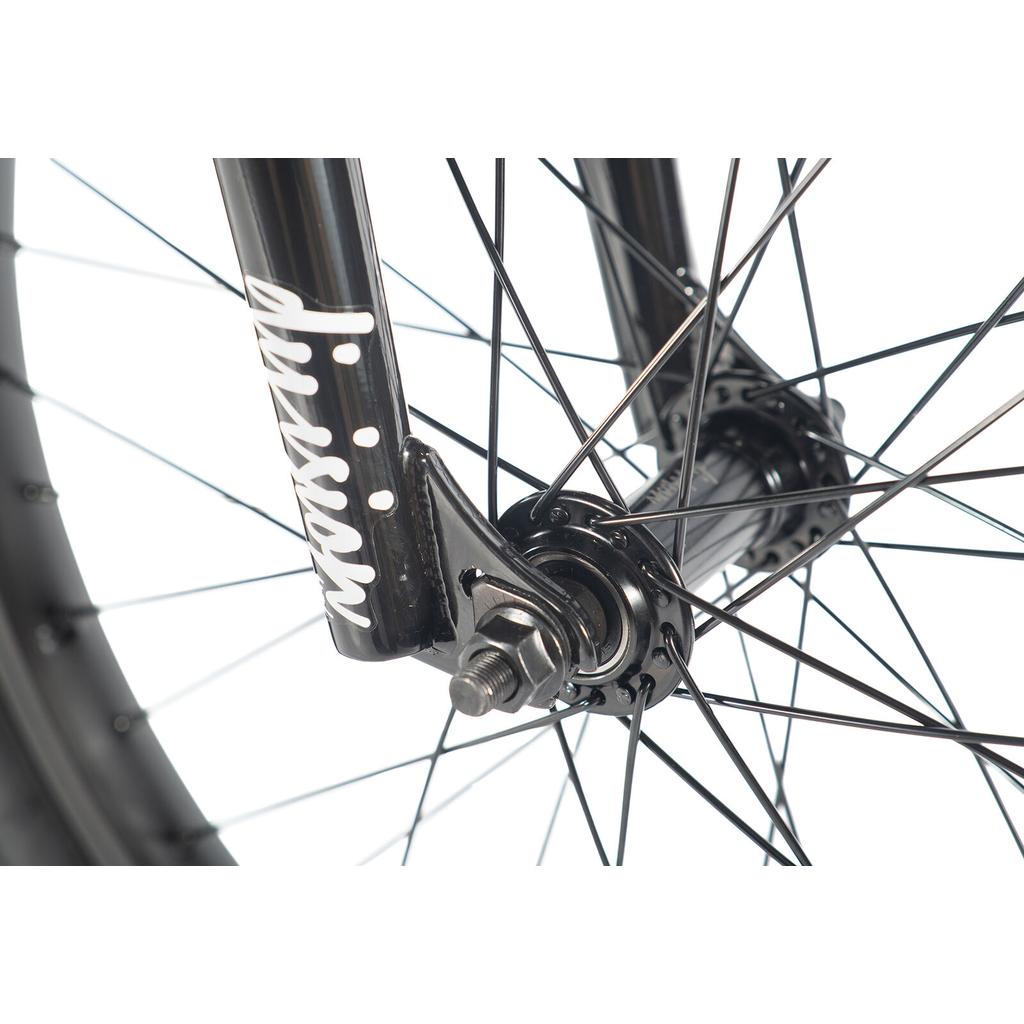
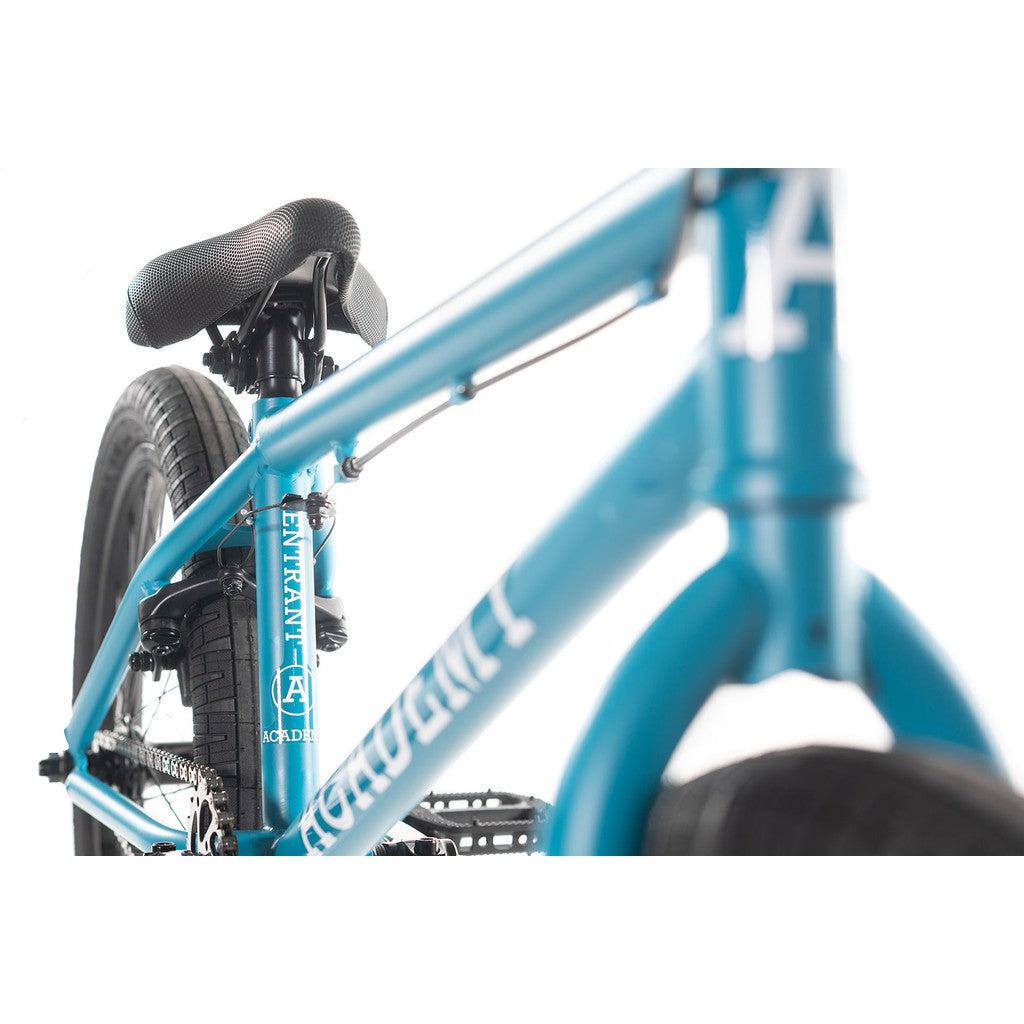
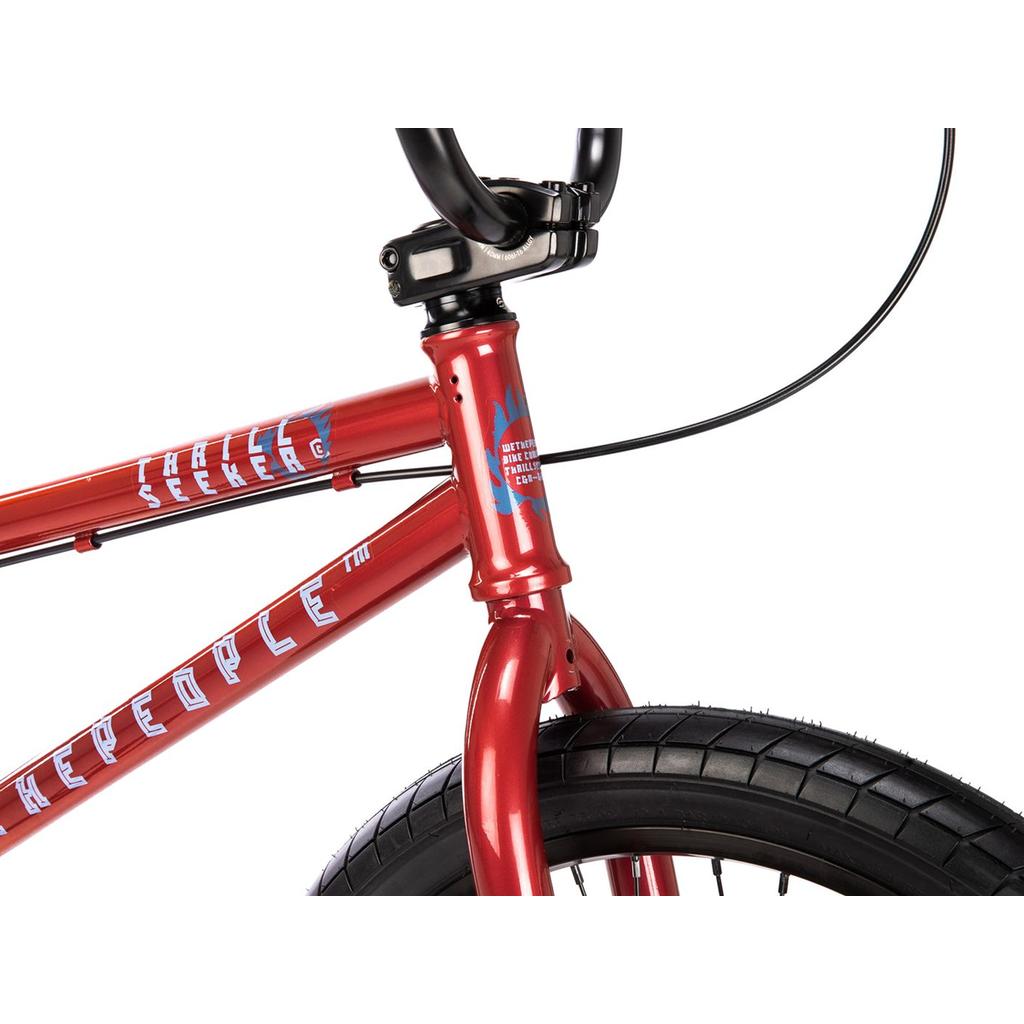
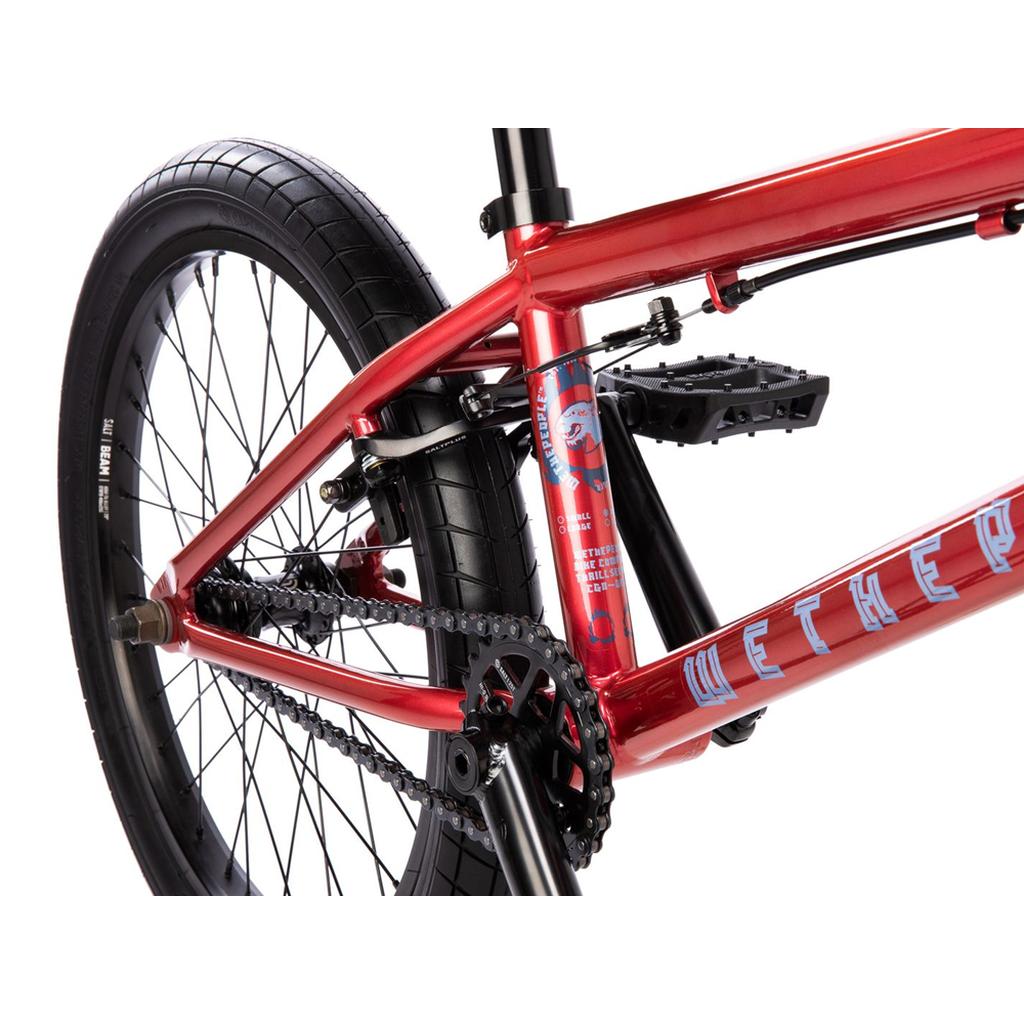
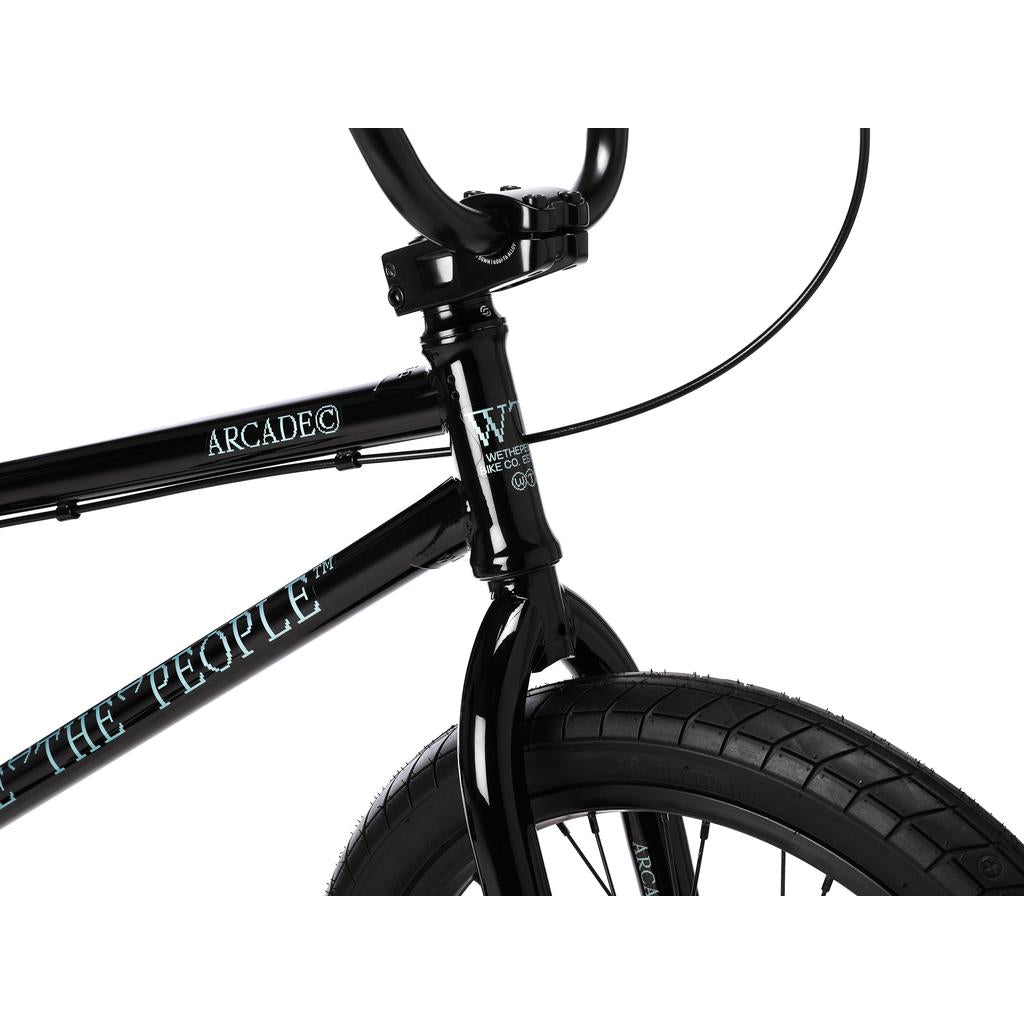
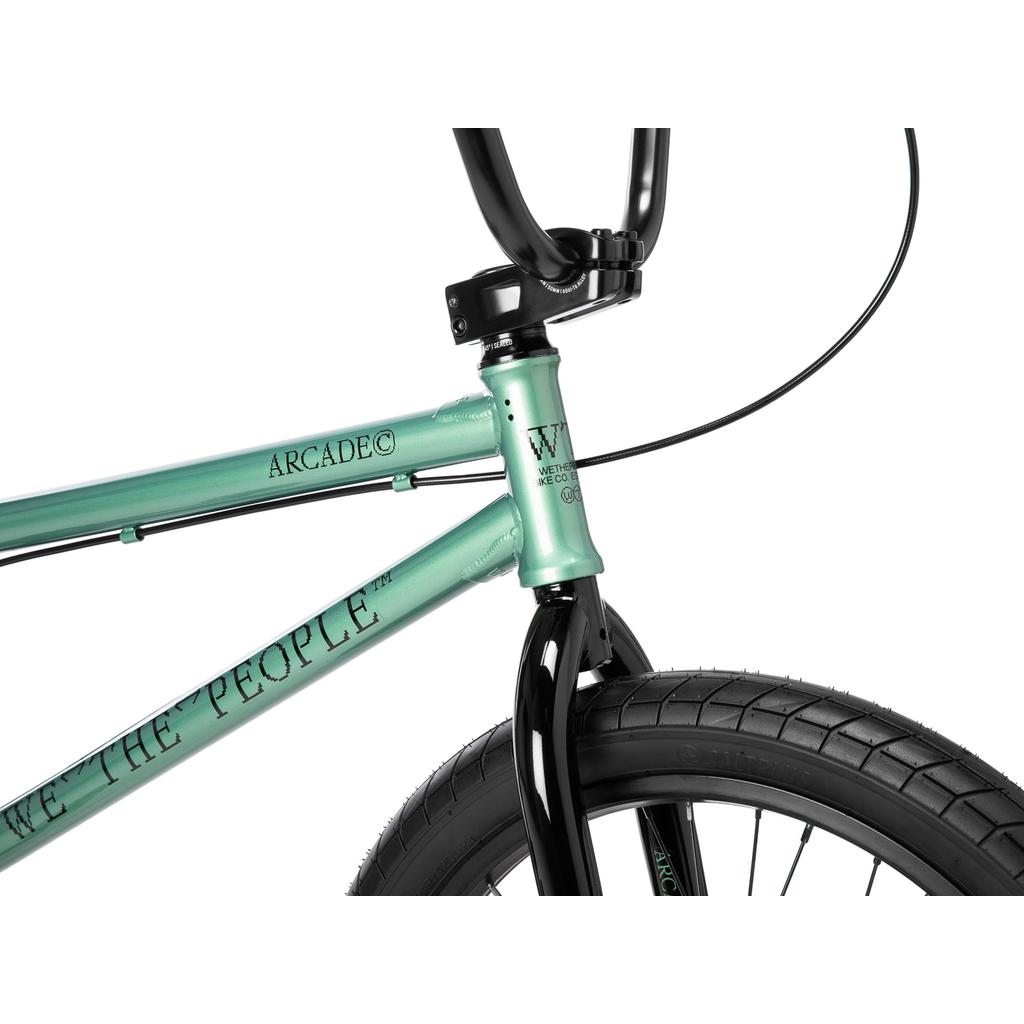
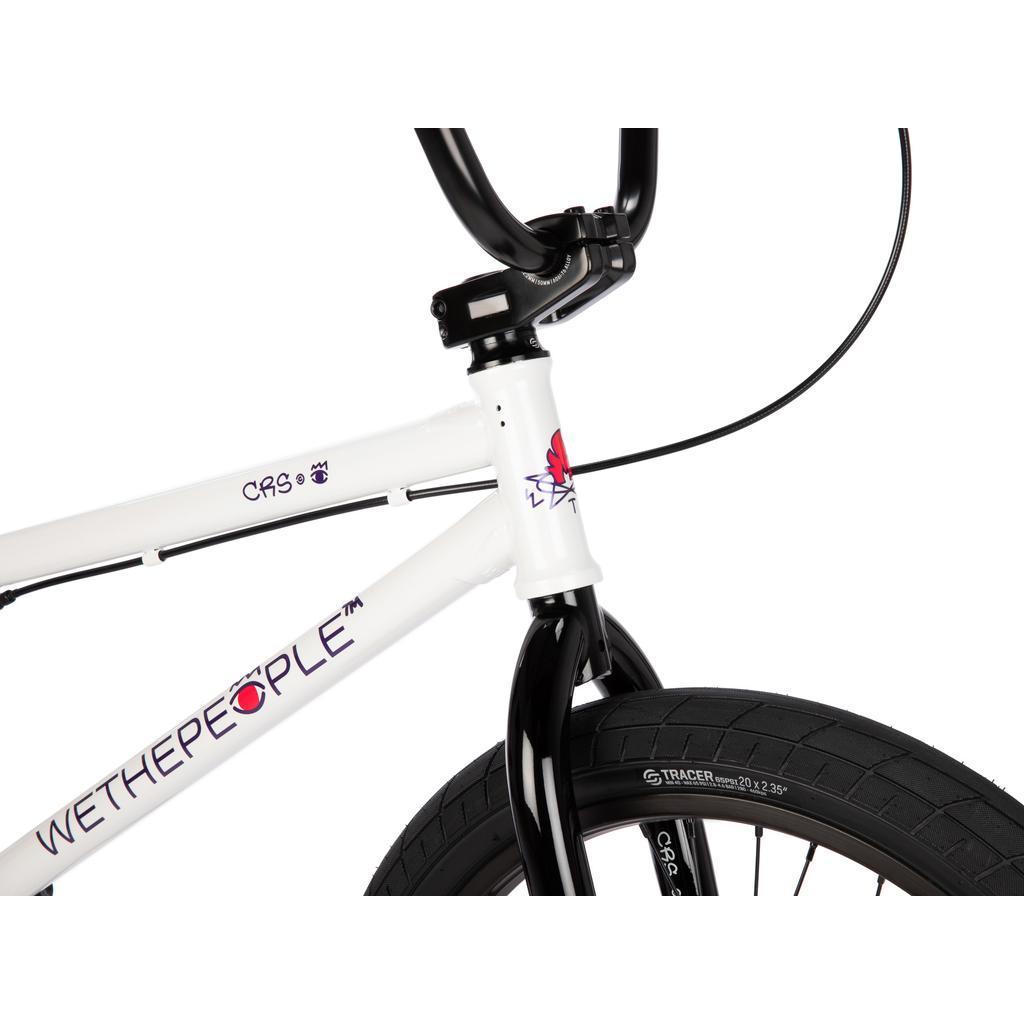
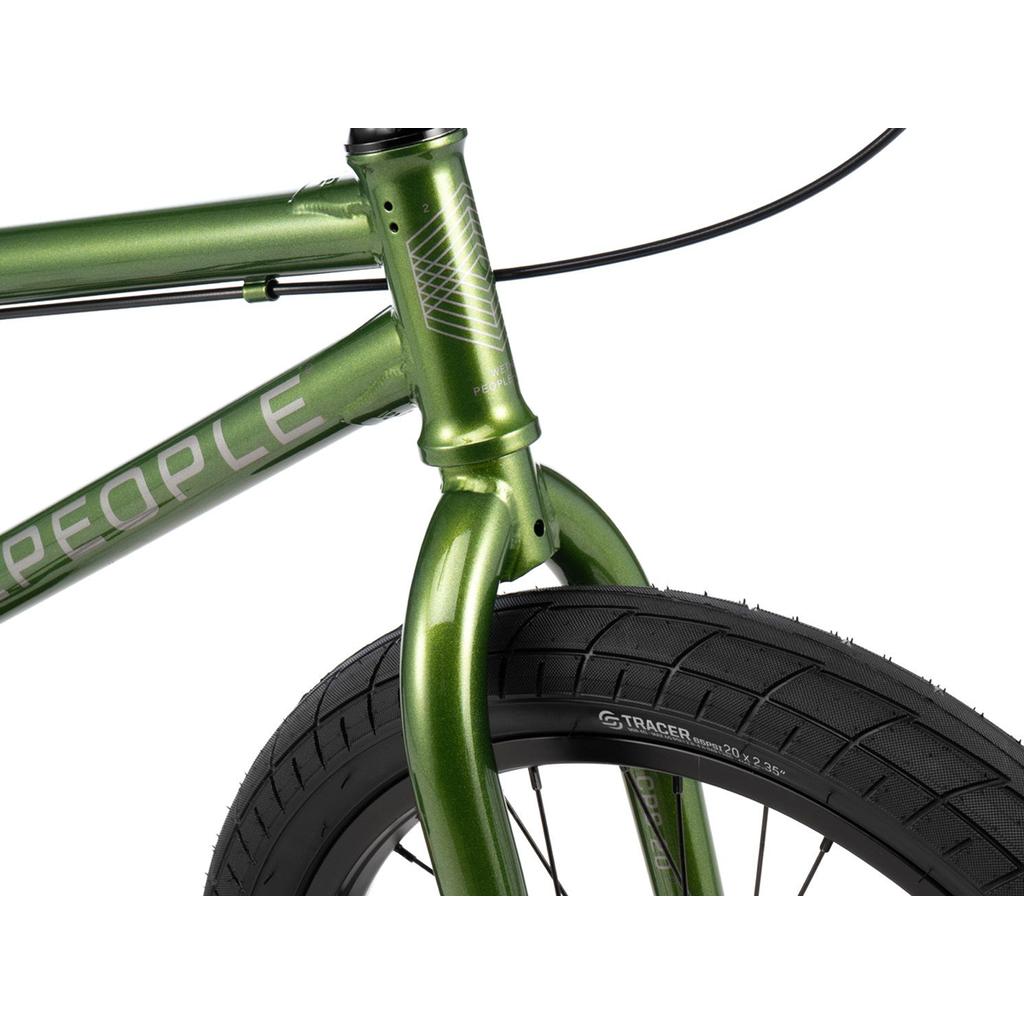
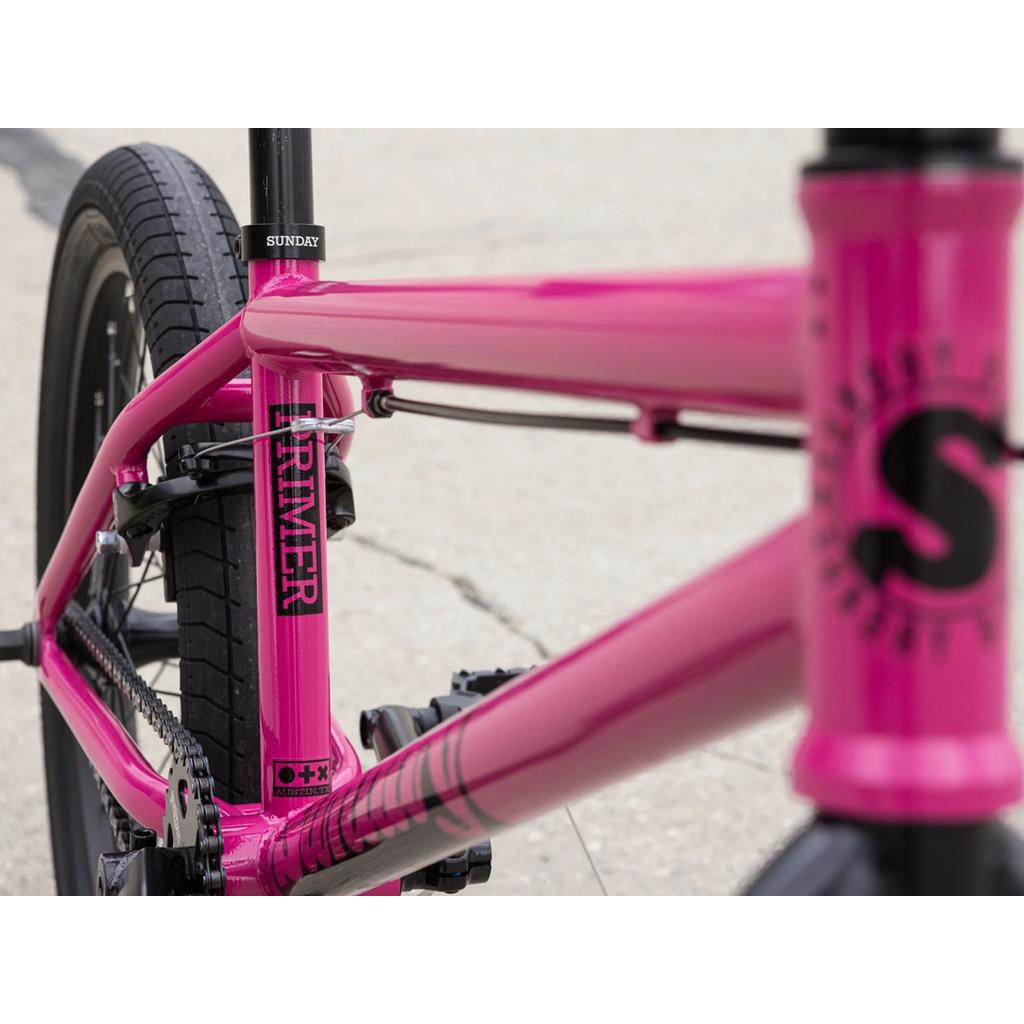
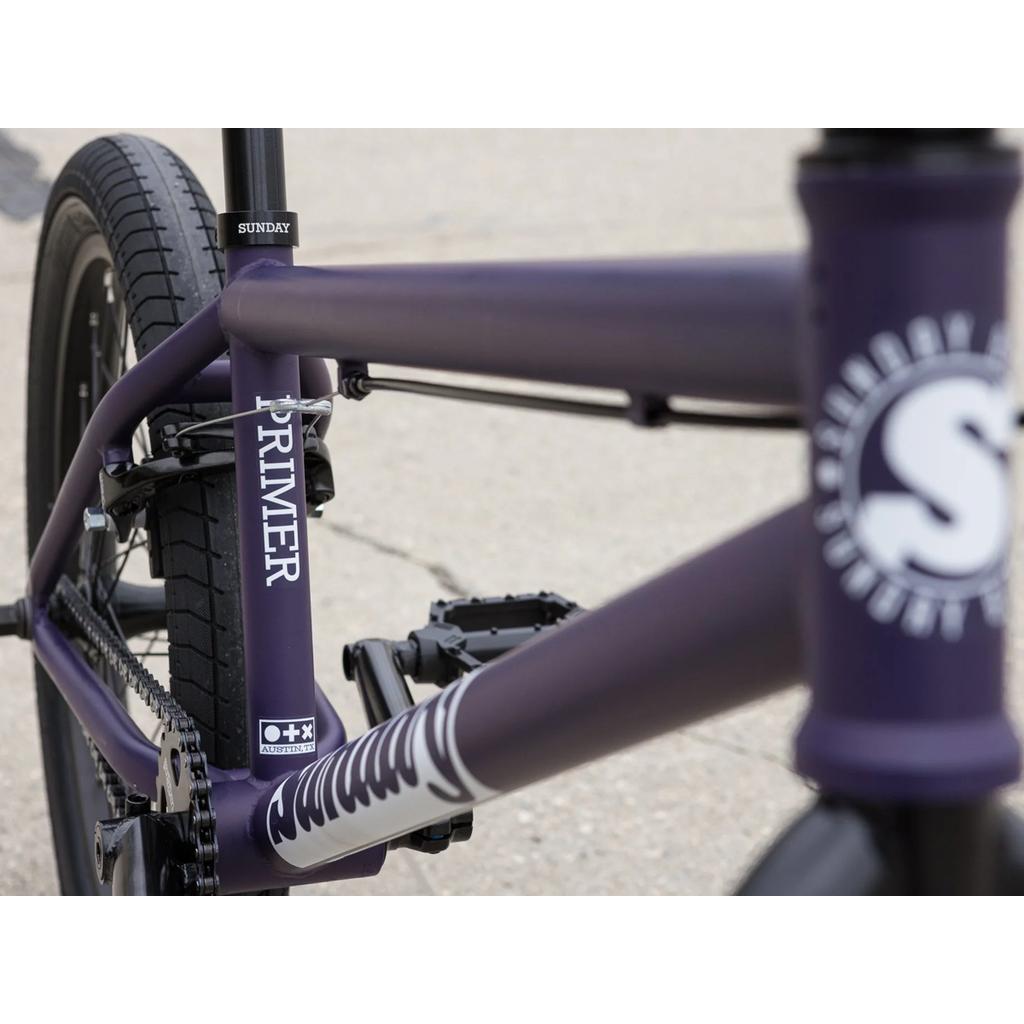
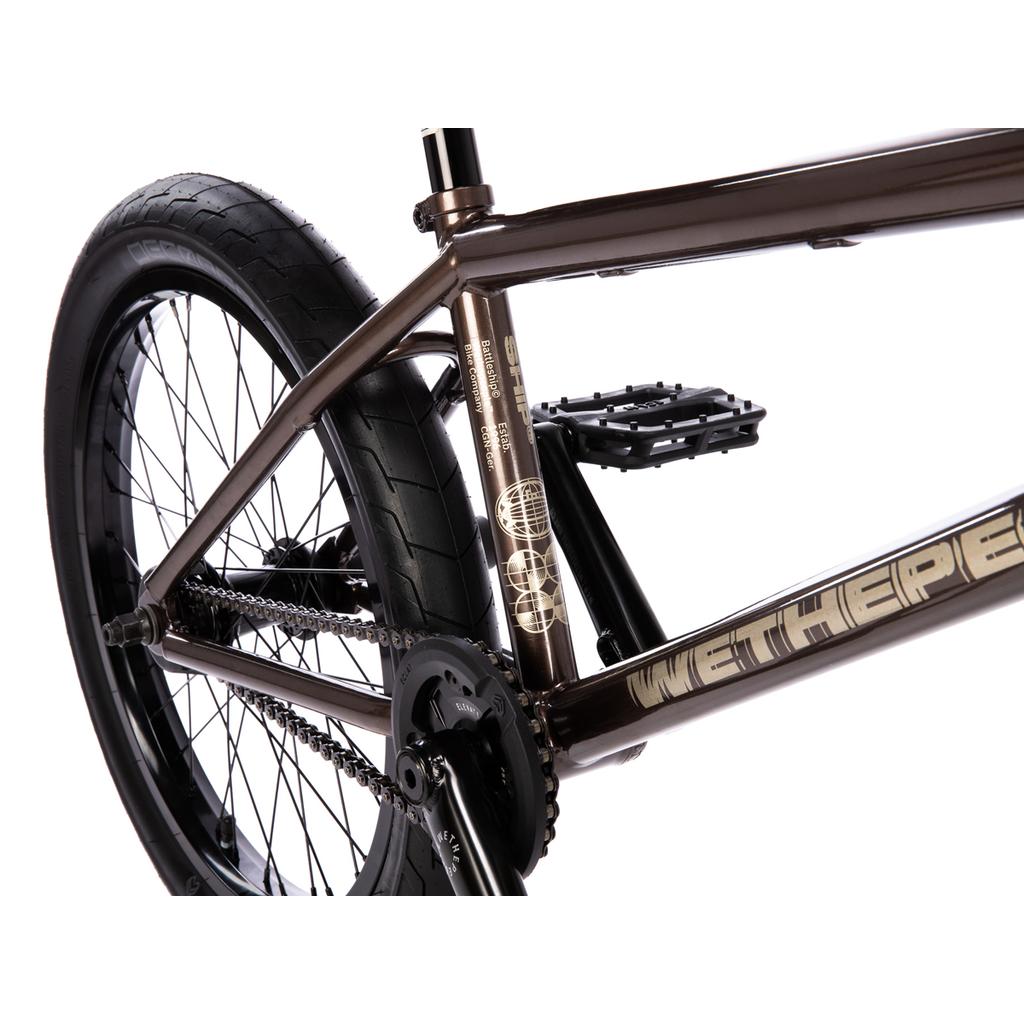
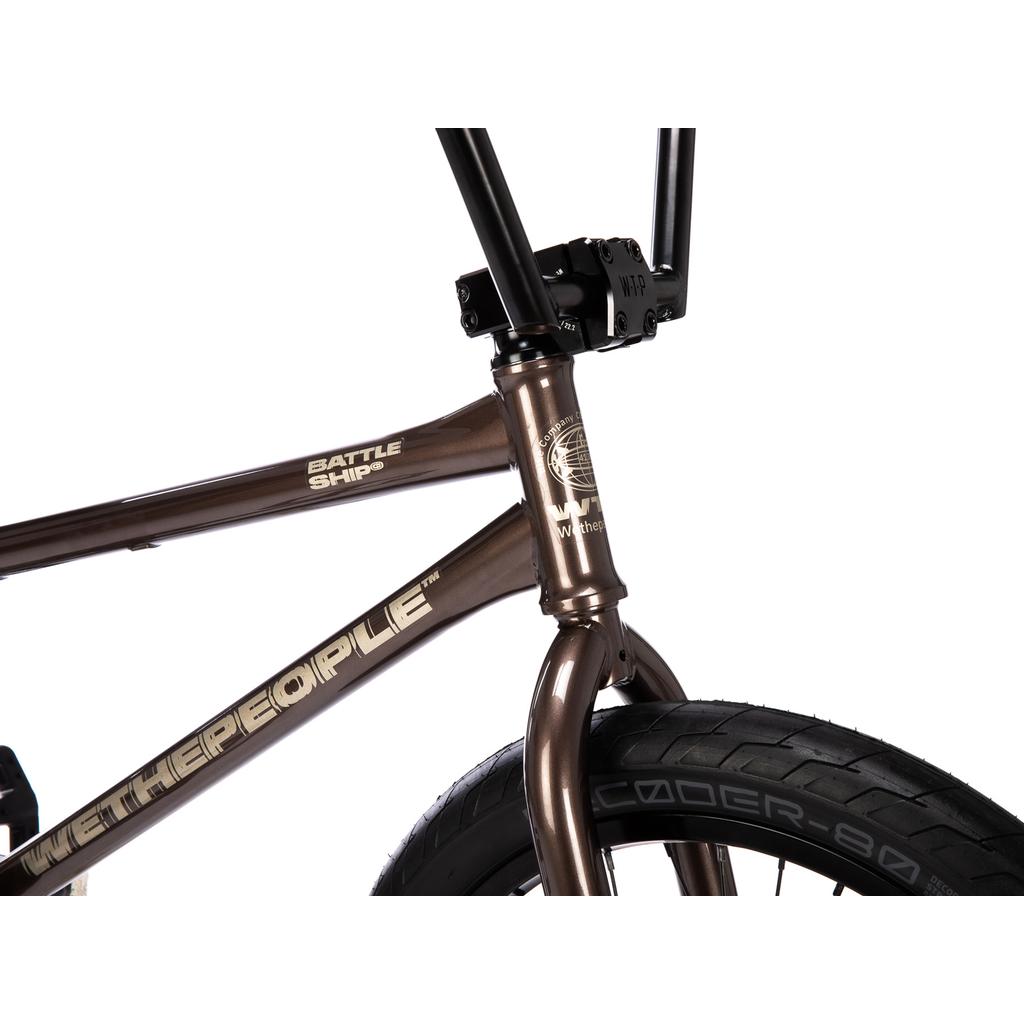
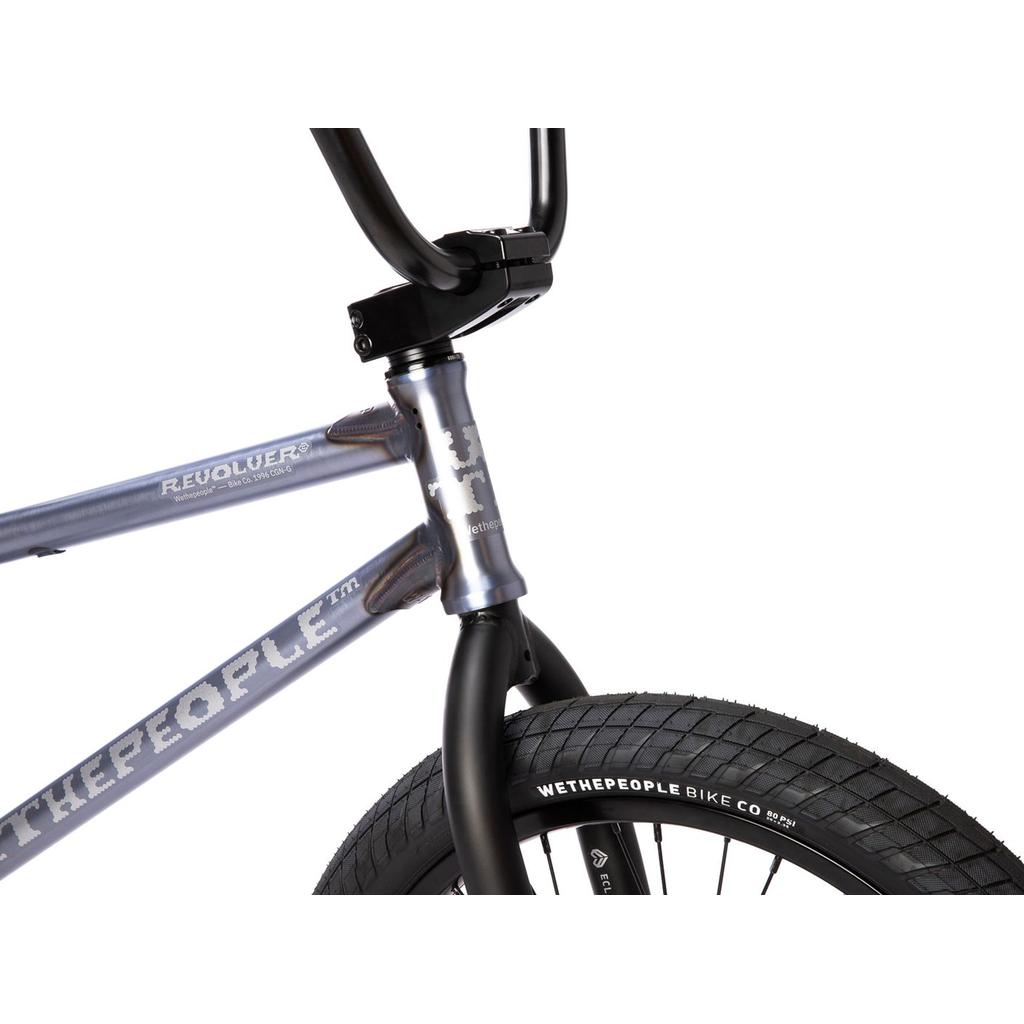
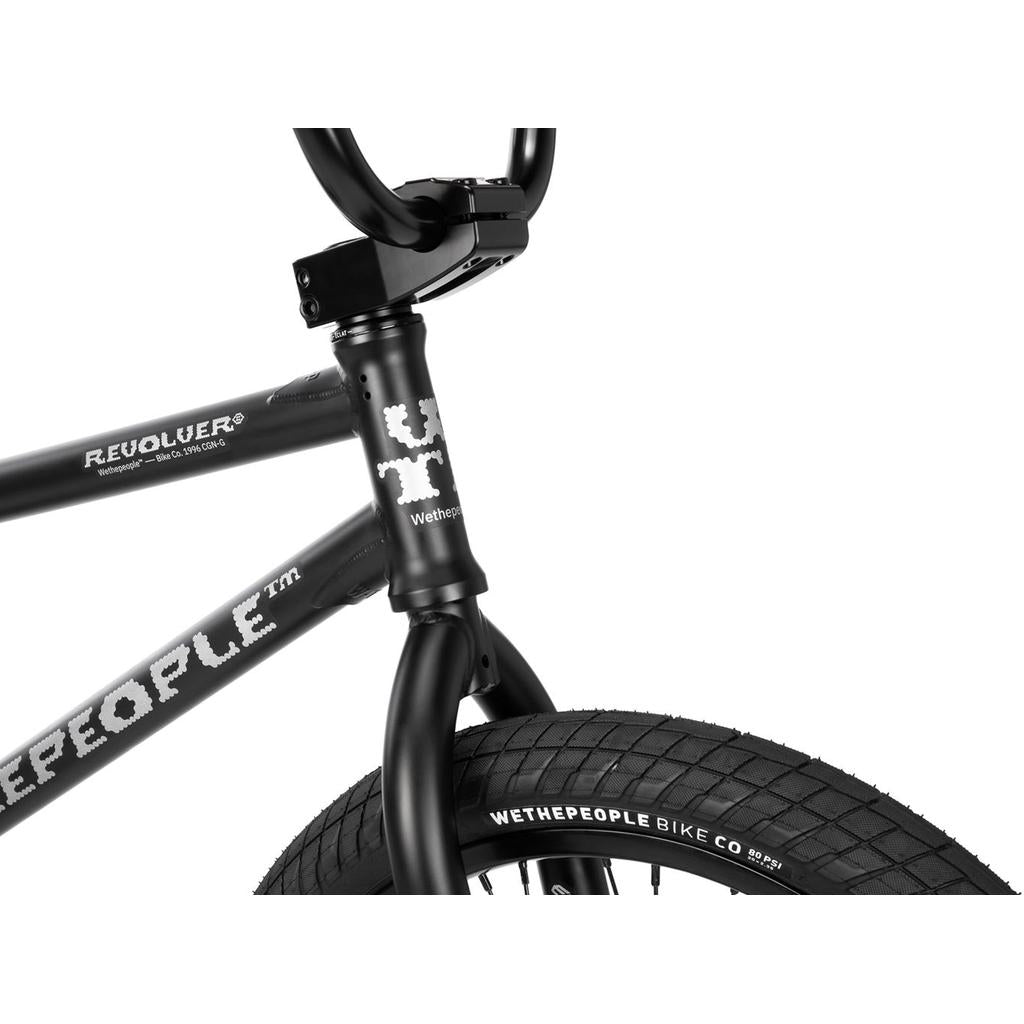
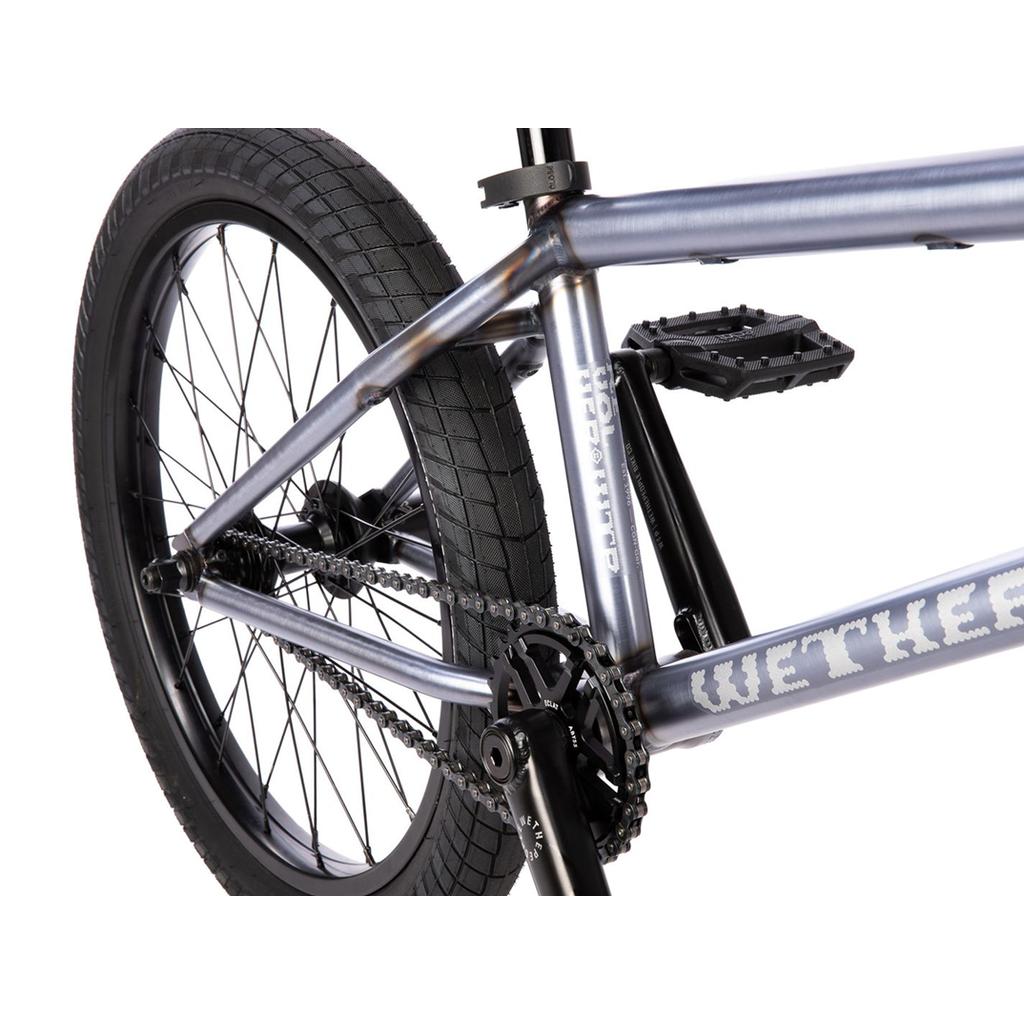
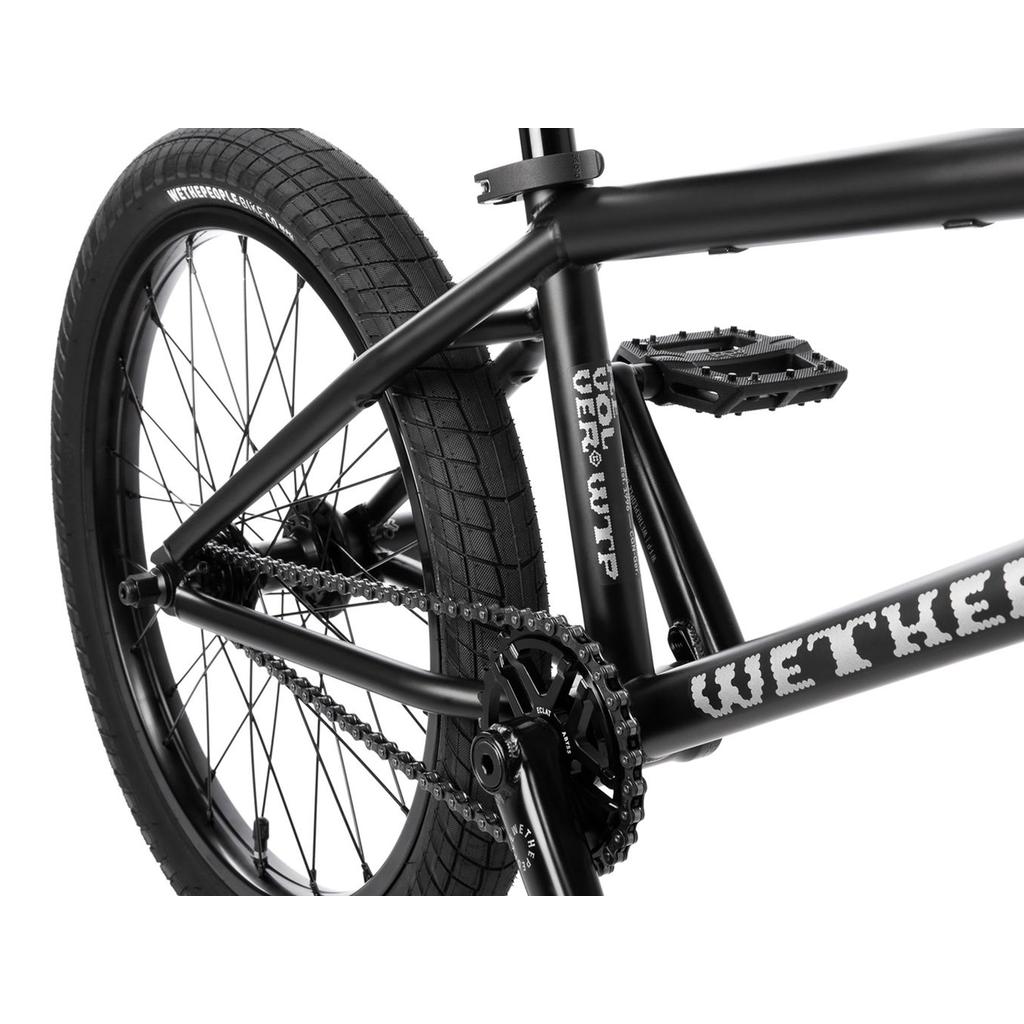
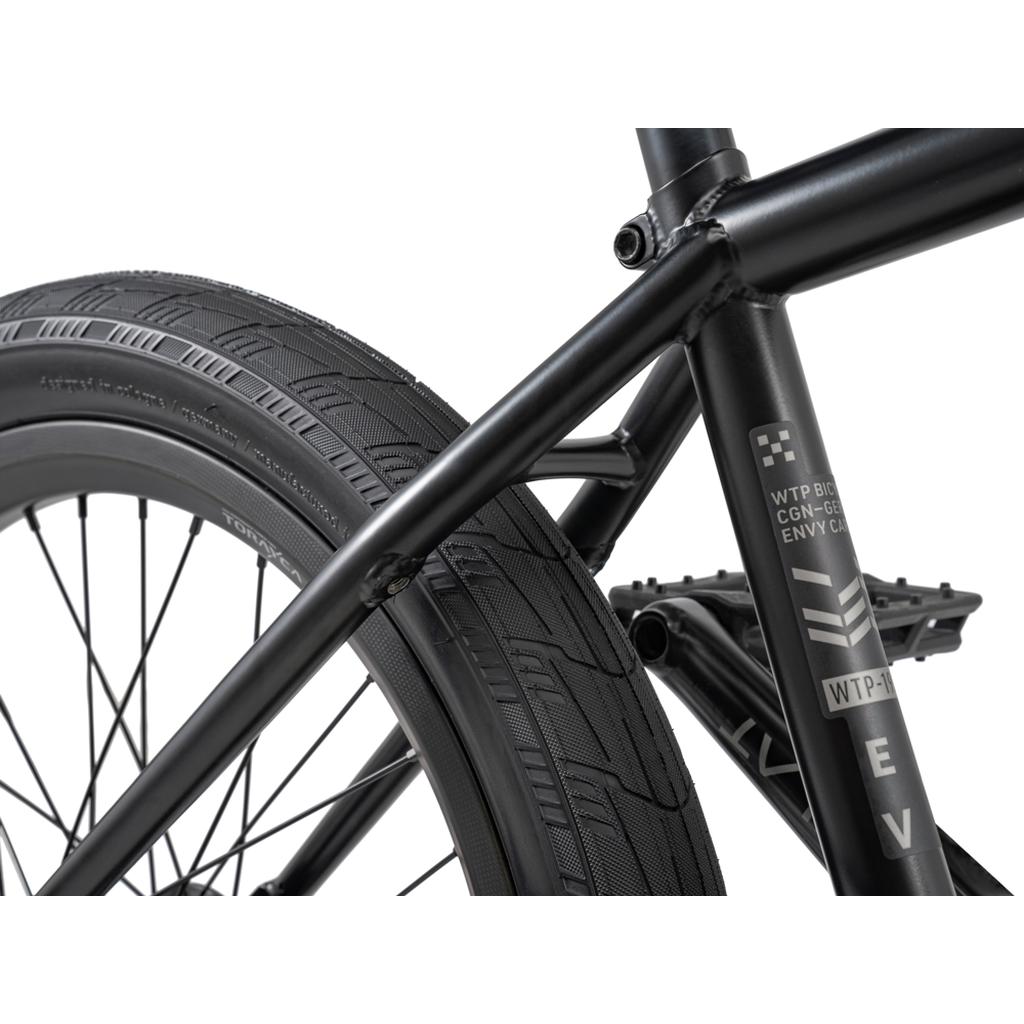
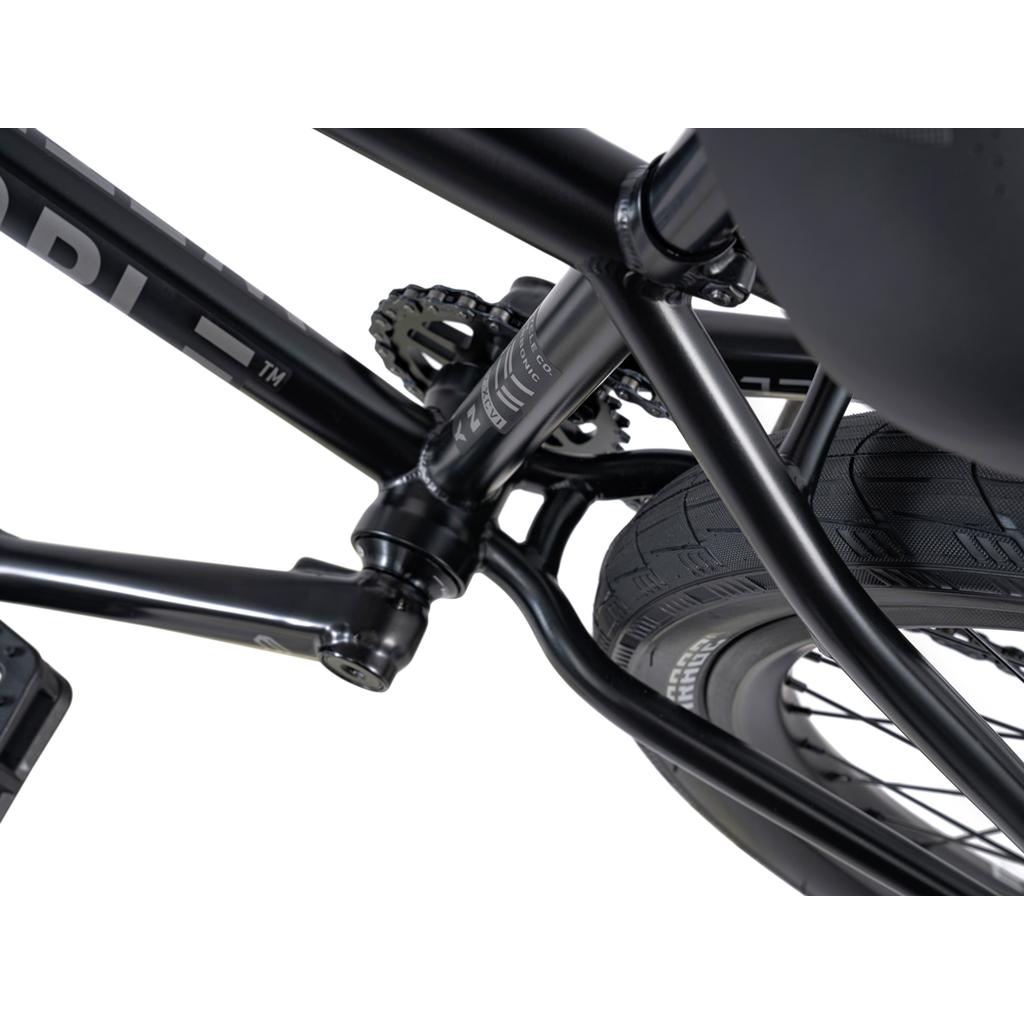
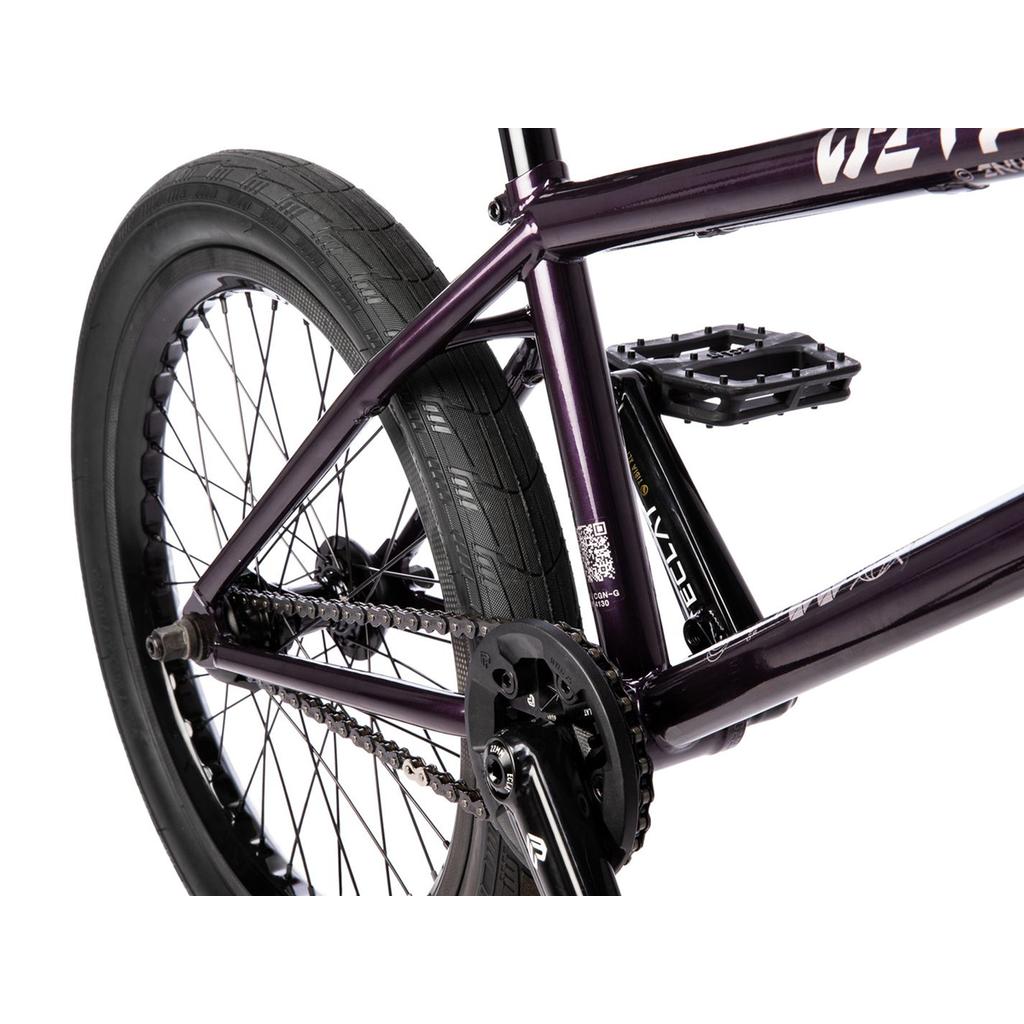
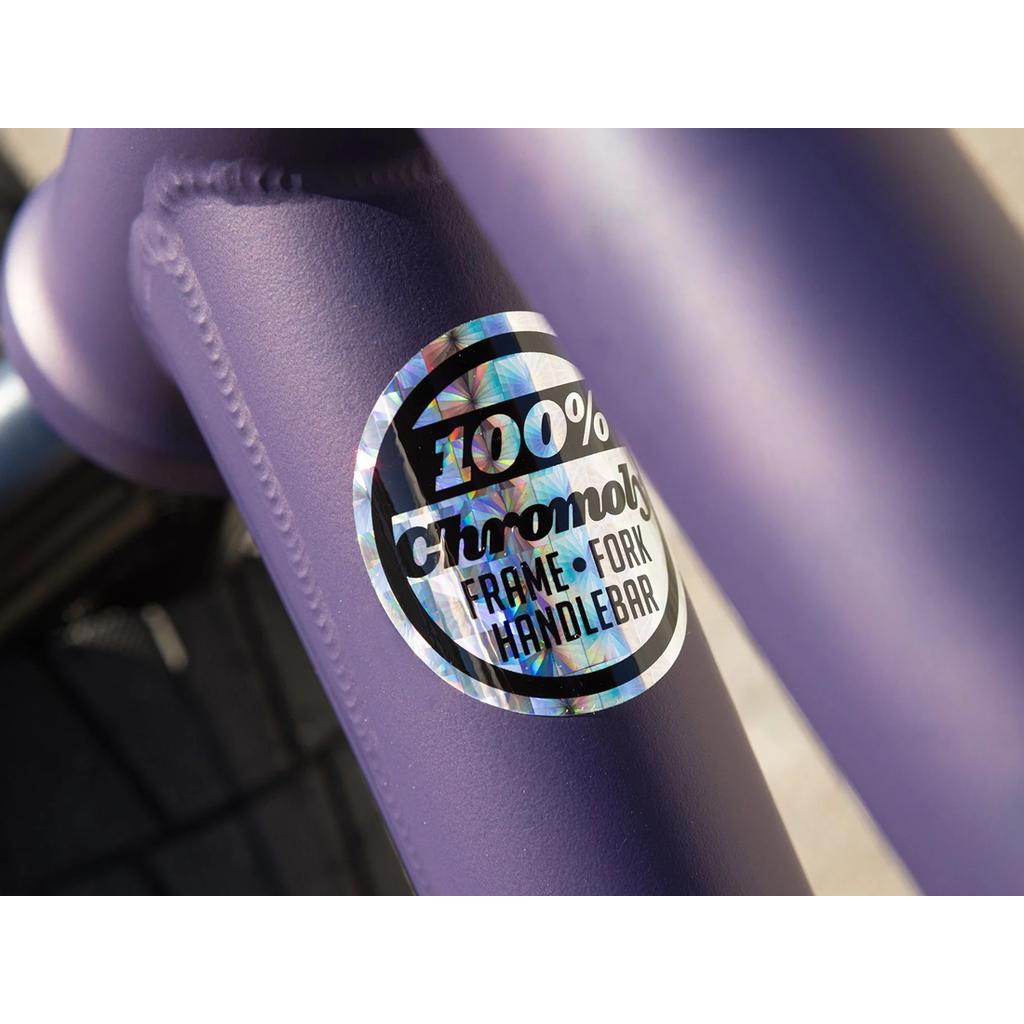
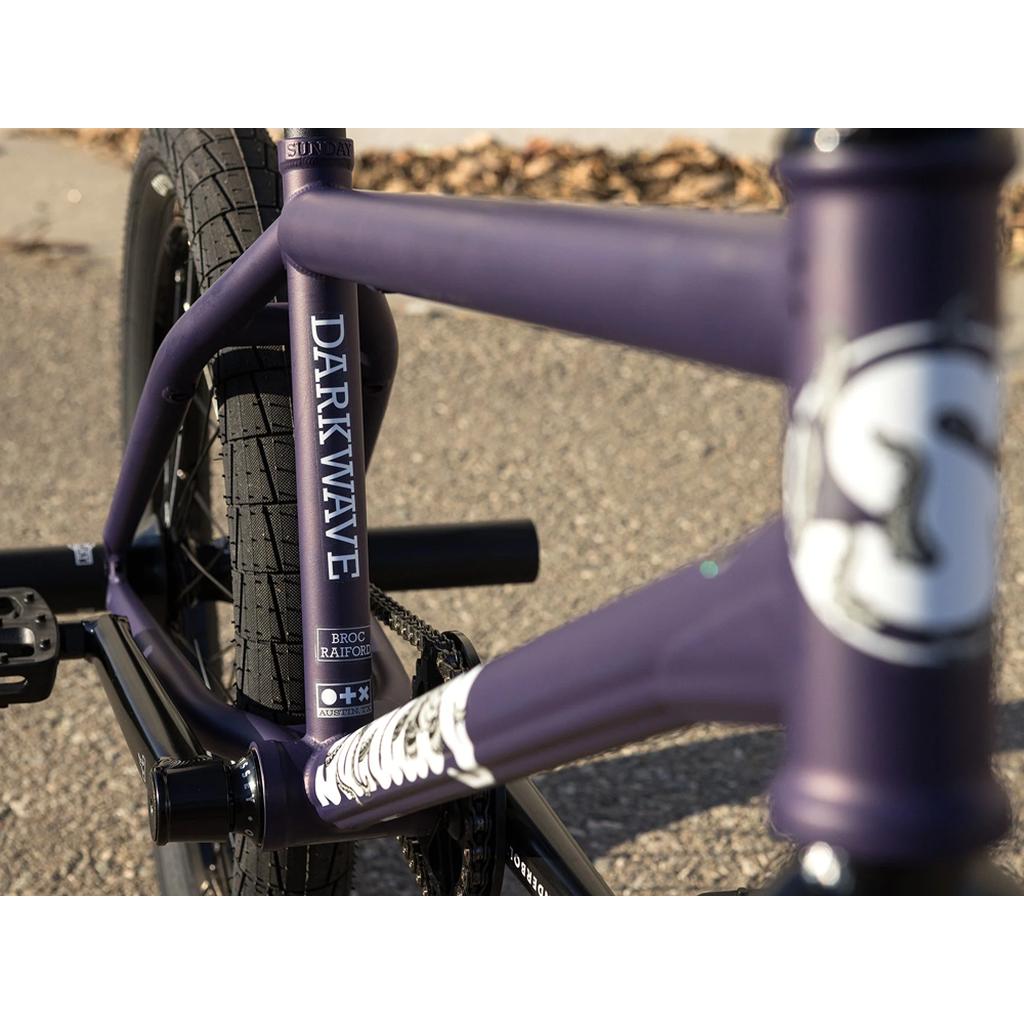
The frame is the foundation of the bike and its material is the biggest influence on weight, price and how much abuse it takes. Hi-tensile steel is the entry level standard, found on kids bikes and first BMXs: heavy, but tough and cheap to replace. 4130 chromoly is the freestyle choice, far stronger than hi-ten for its weight so the tubes can be thinner and lighter. Better frames are butted, meaning the tube is thick at the welds and thinner in the middle. Aluminium is light and stiff, which is why it dominates race frames and turns up on kids bikes, but it does not shrug off repeated impacts the way chromoly does, so it is rare on street bikes. Carbon fibre and titanium are high end race and boutique materials: very light and very expensive, and carbon does not suit grinds and peg impacts.
Geometry matters more as you progress, since it sets how the bike handles. Our Frame Buyer's Guide goes through top tube, head angle and chainstay length properly.
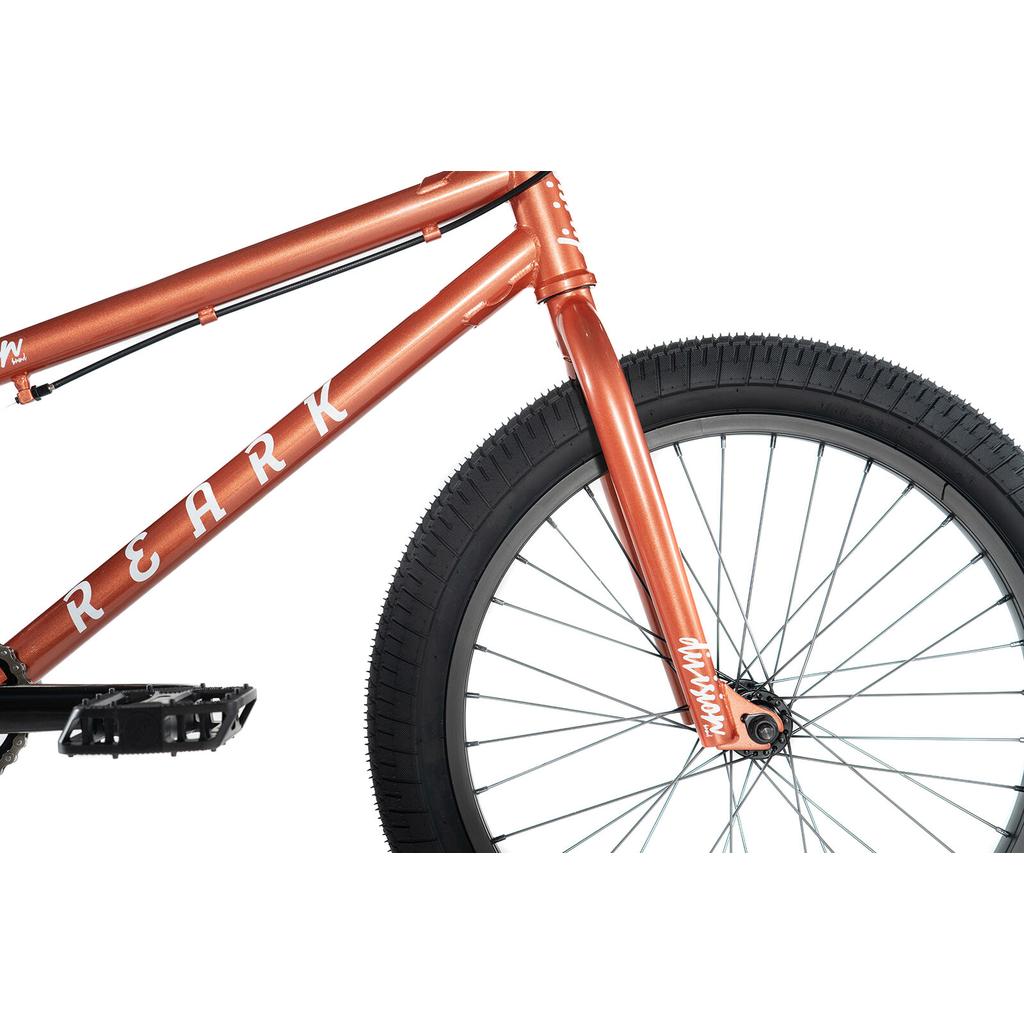
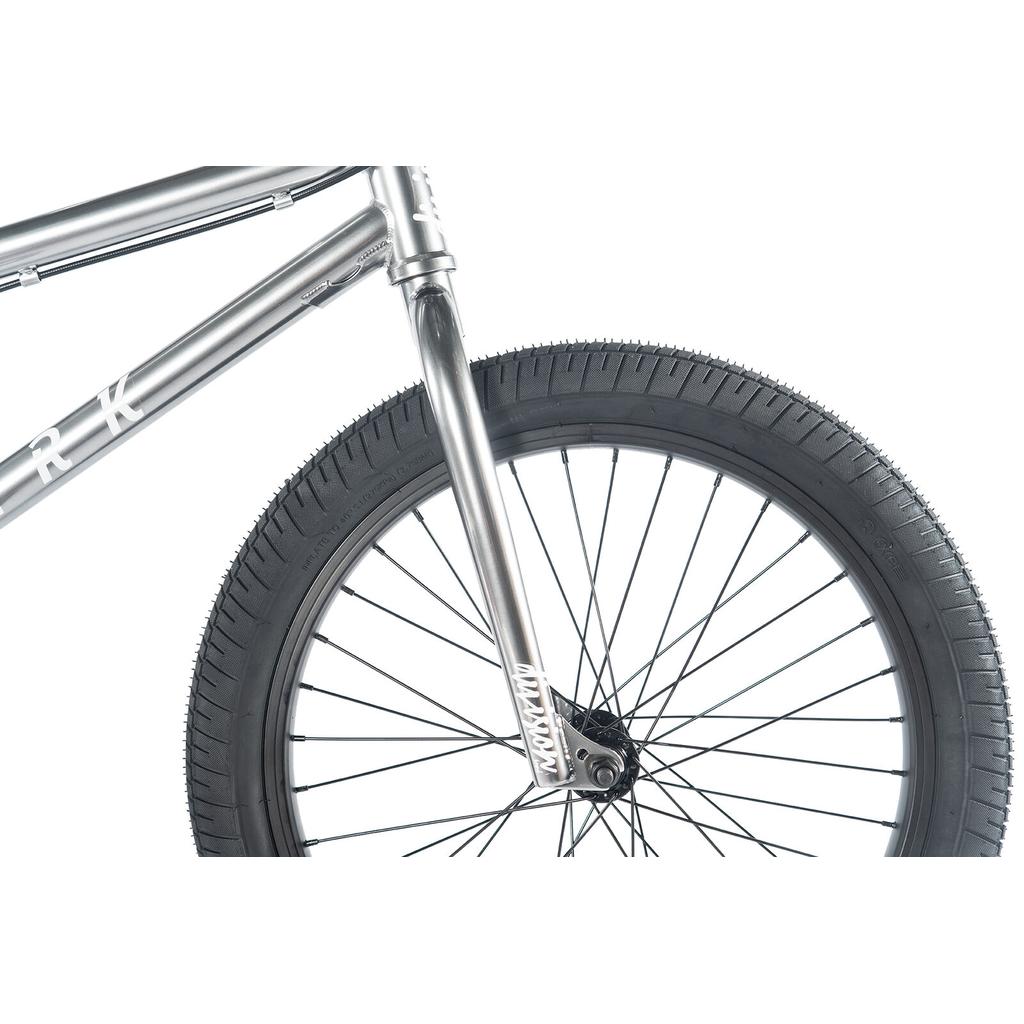
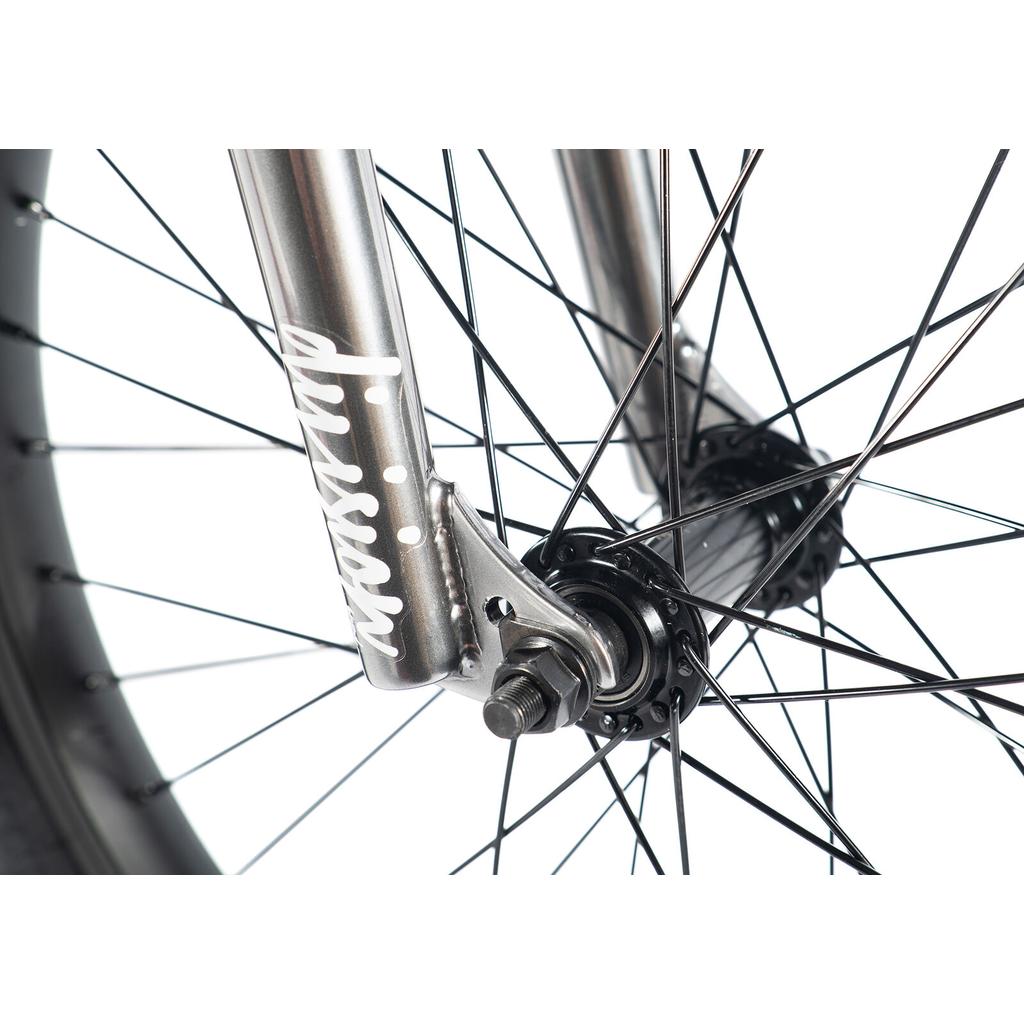
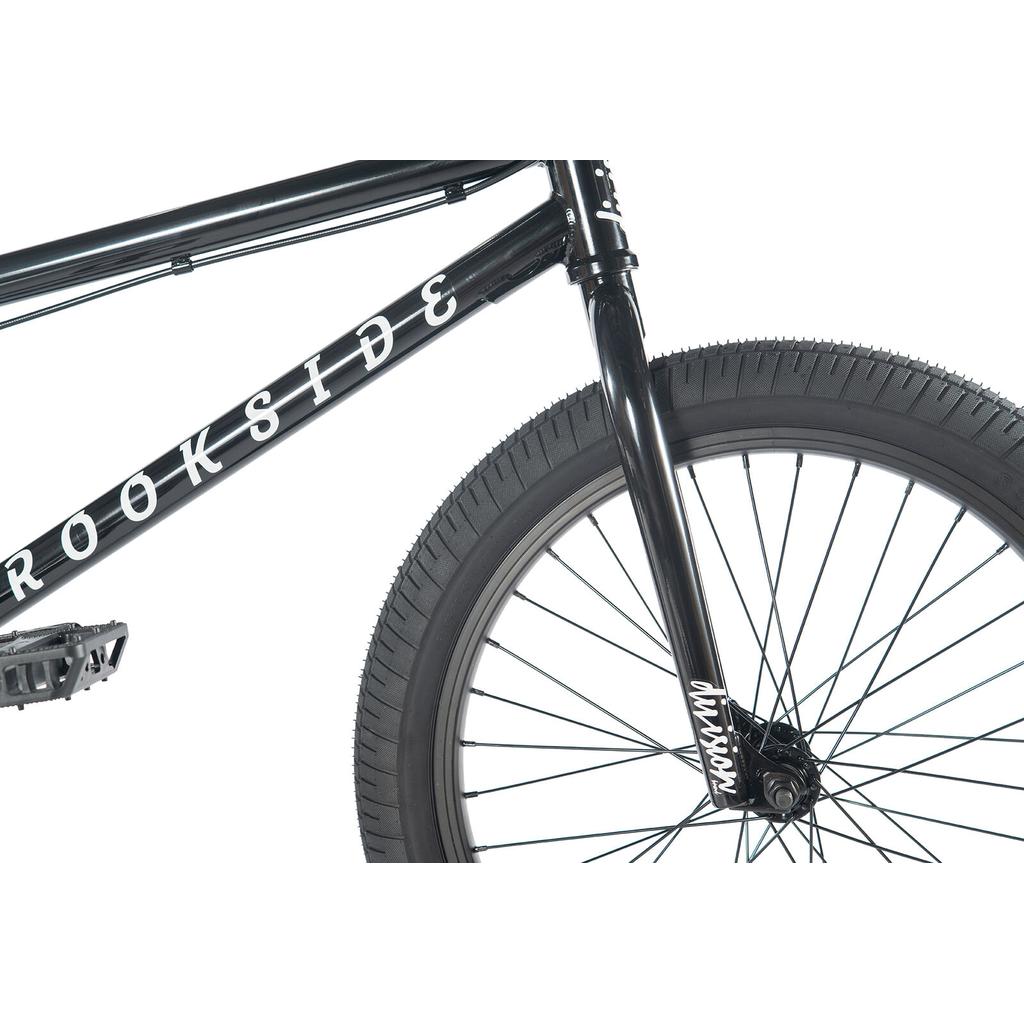
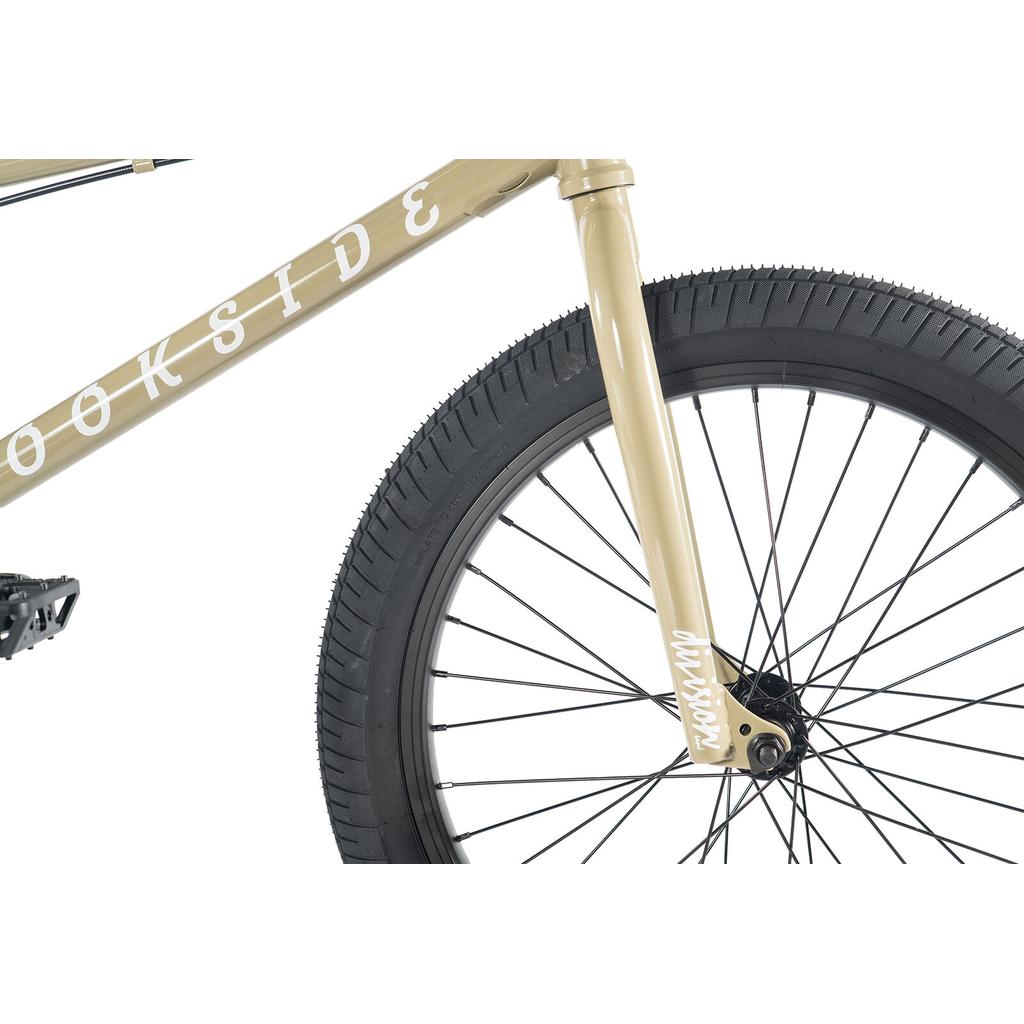
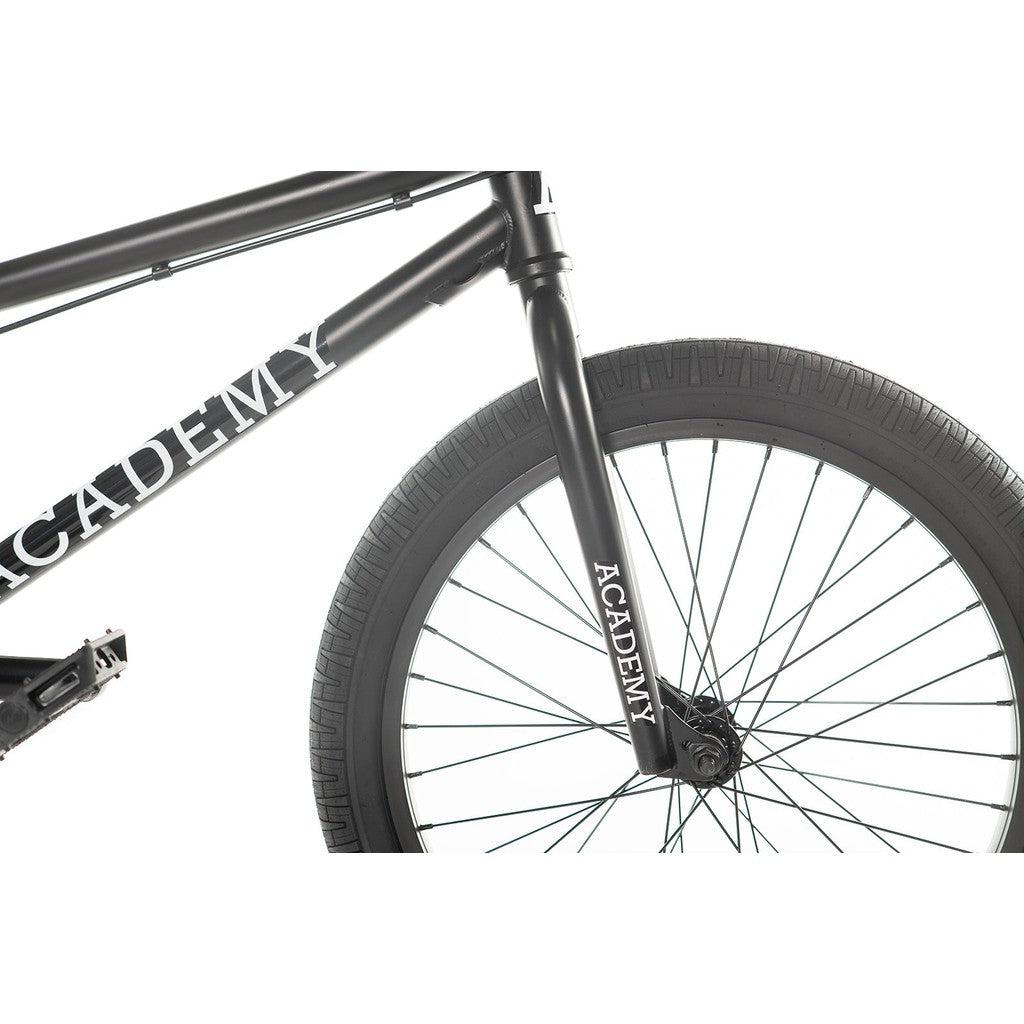
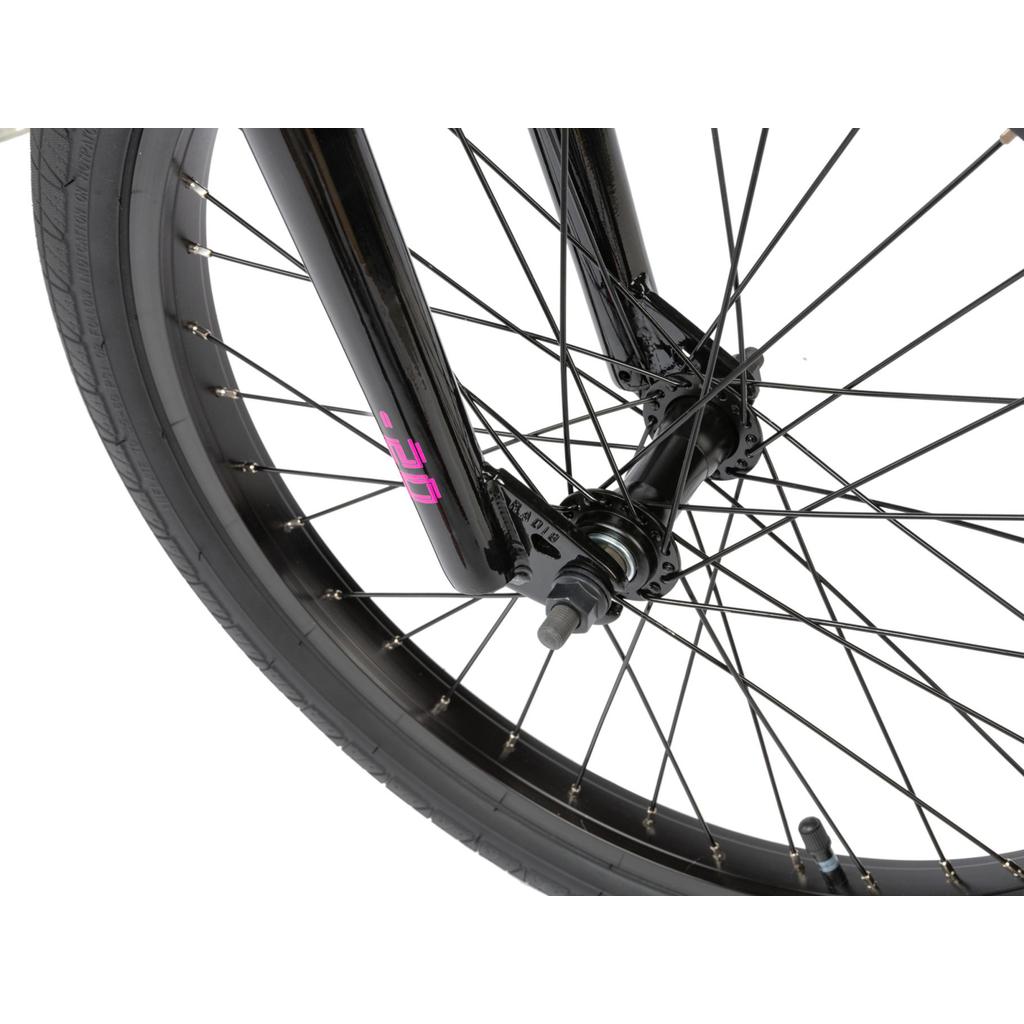
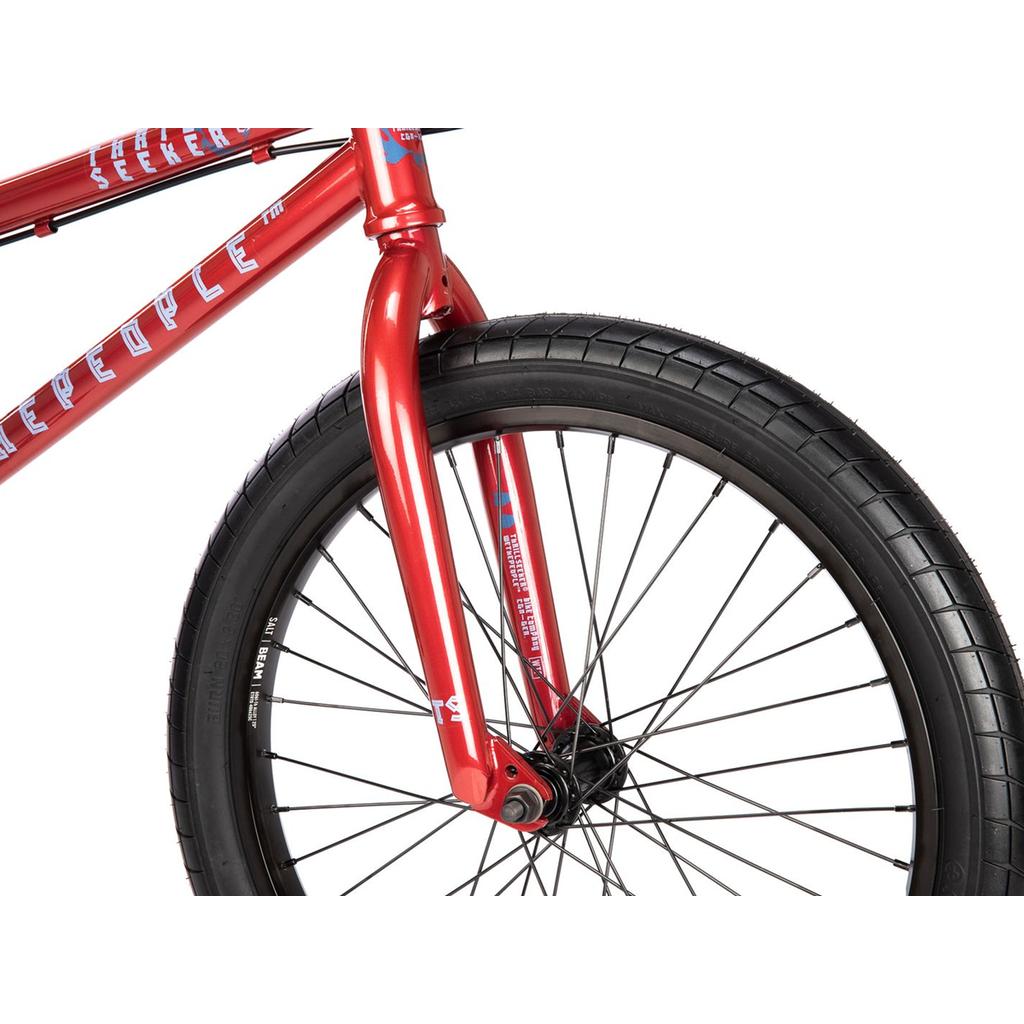
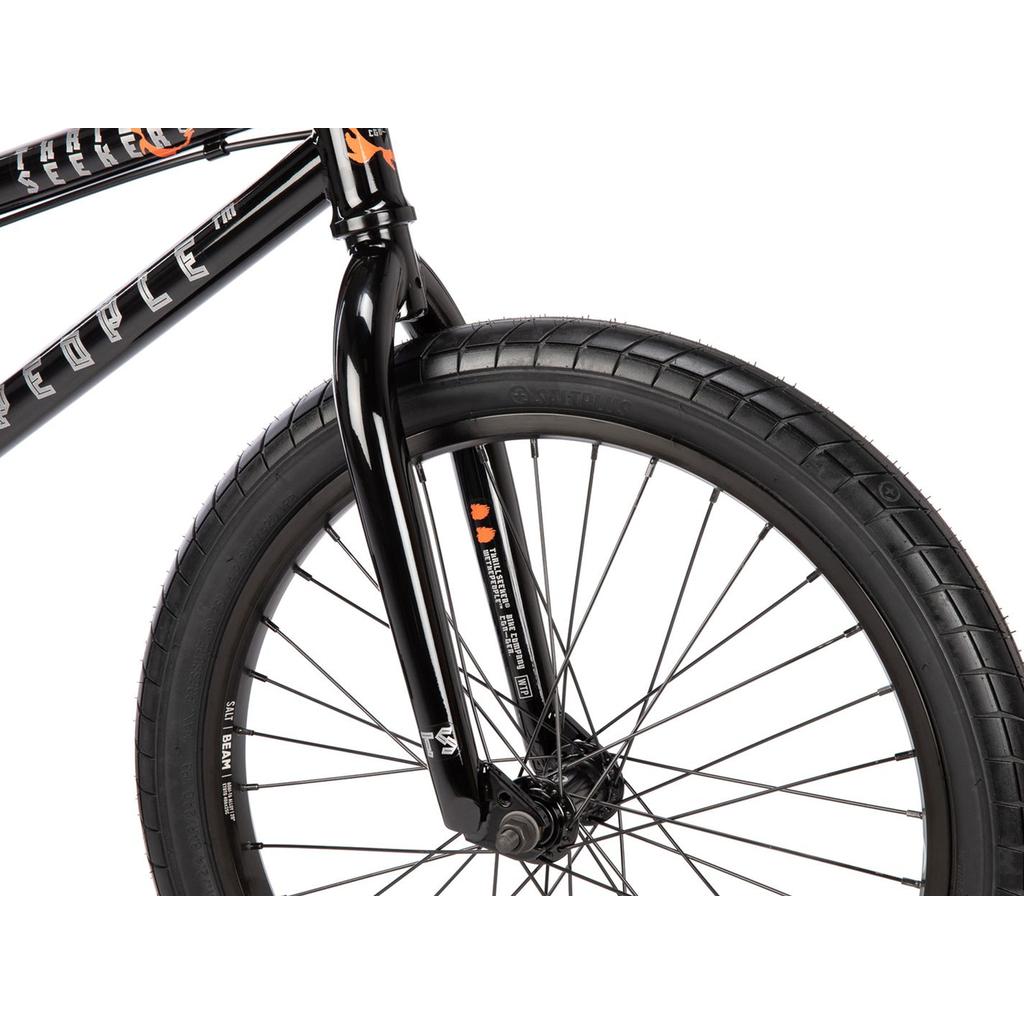
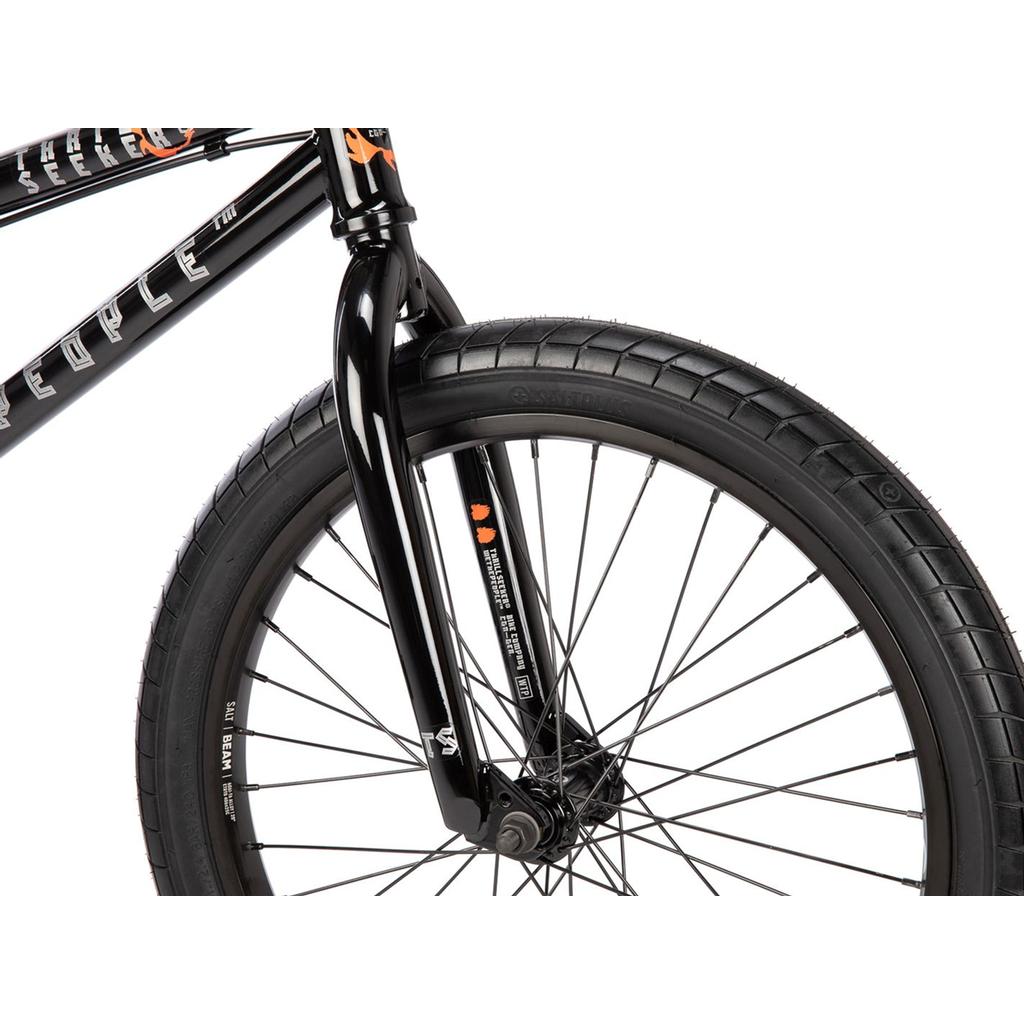
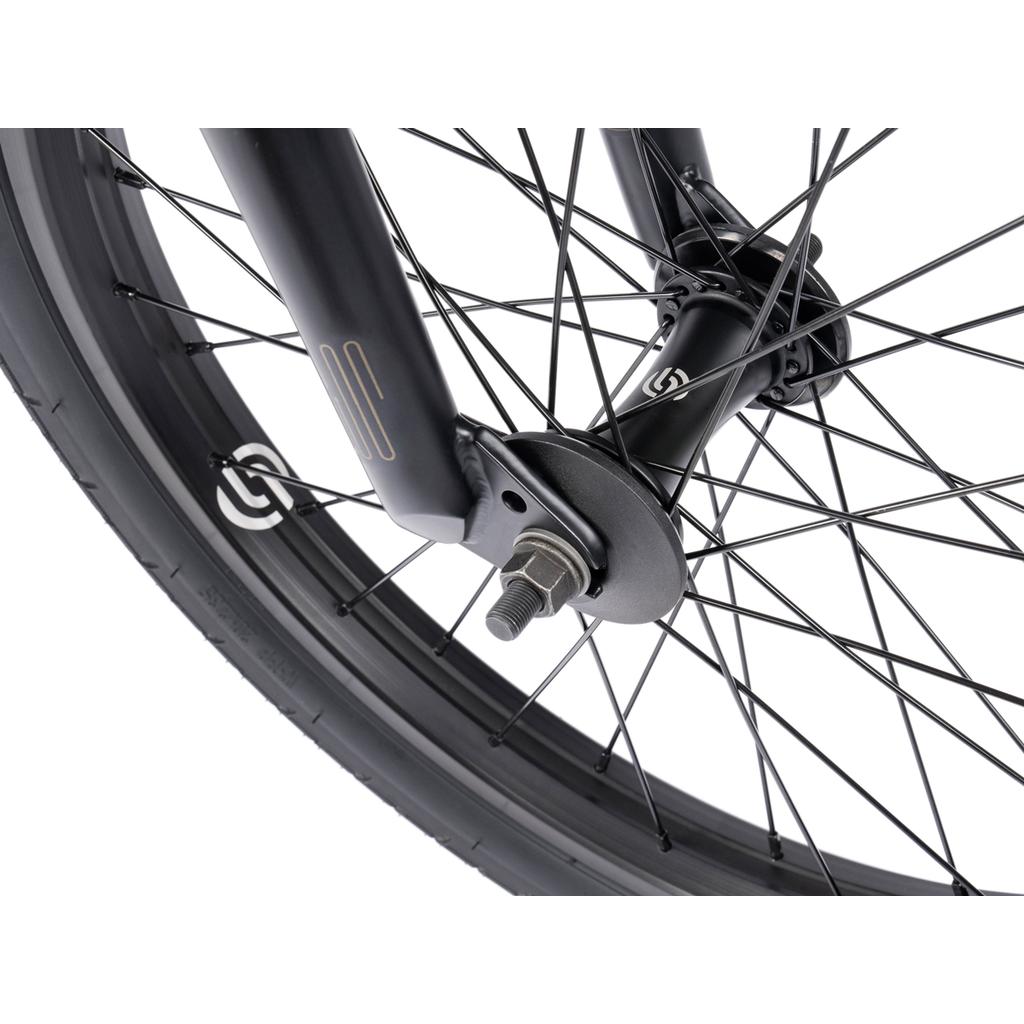
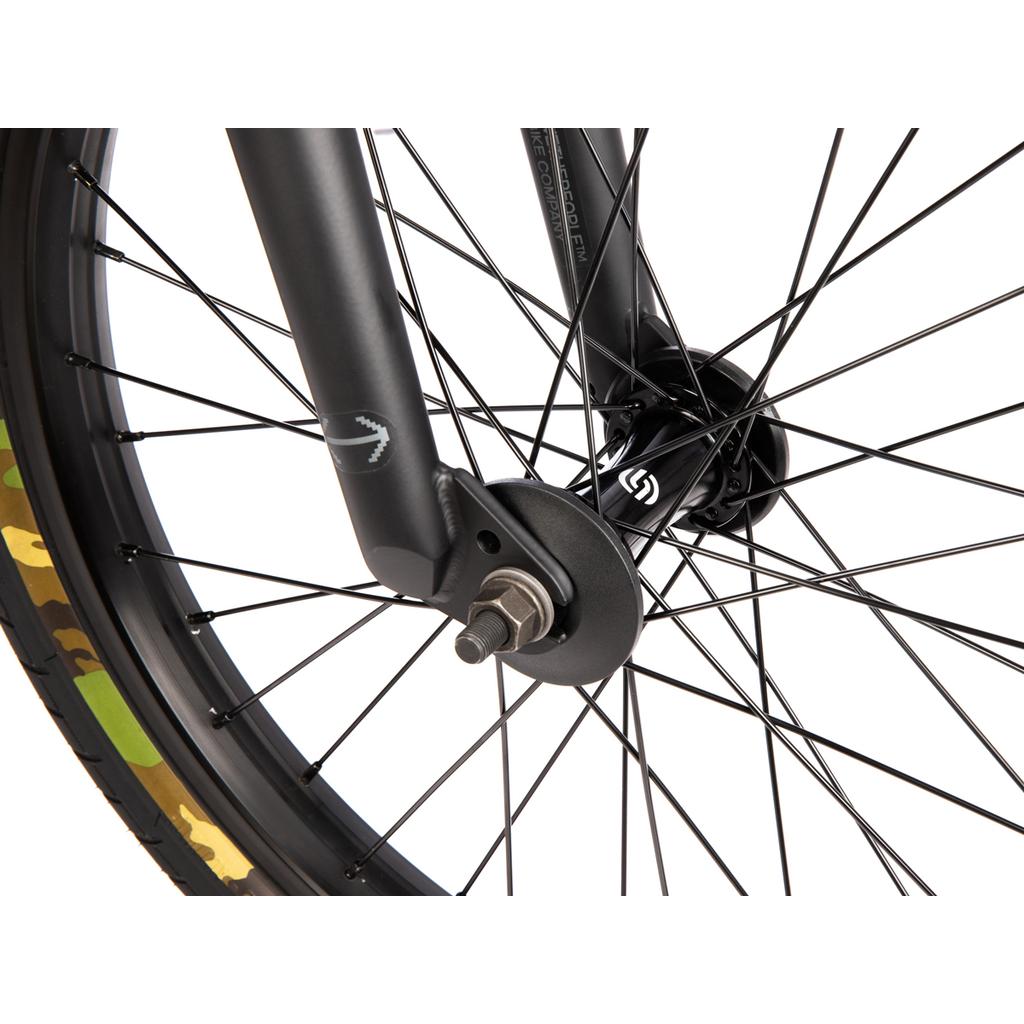
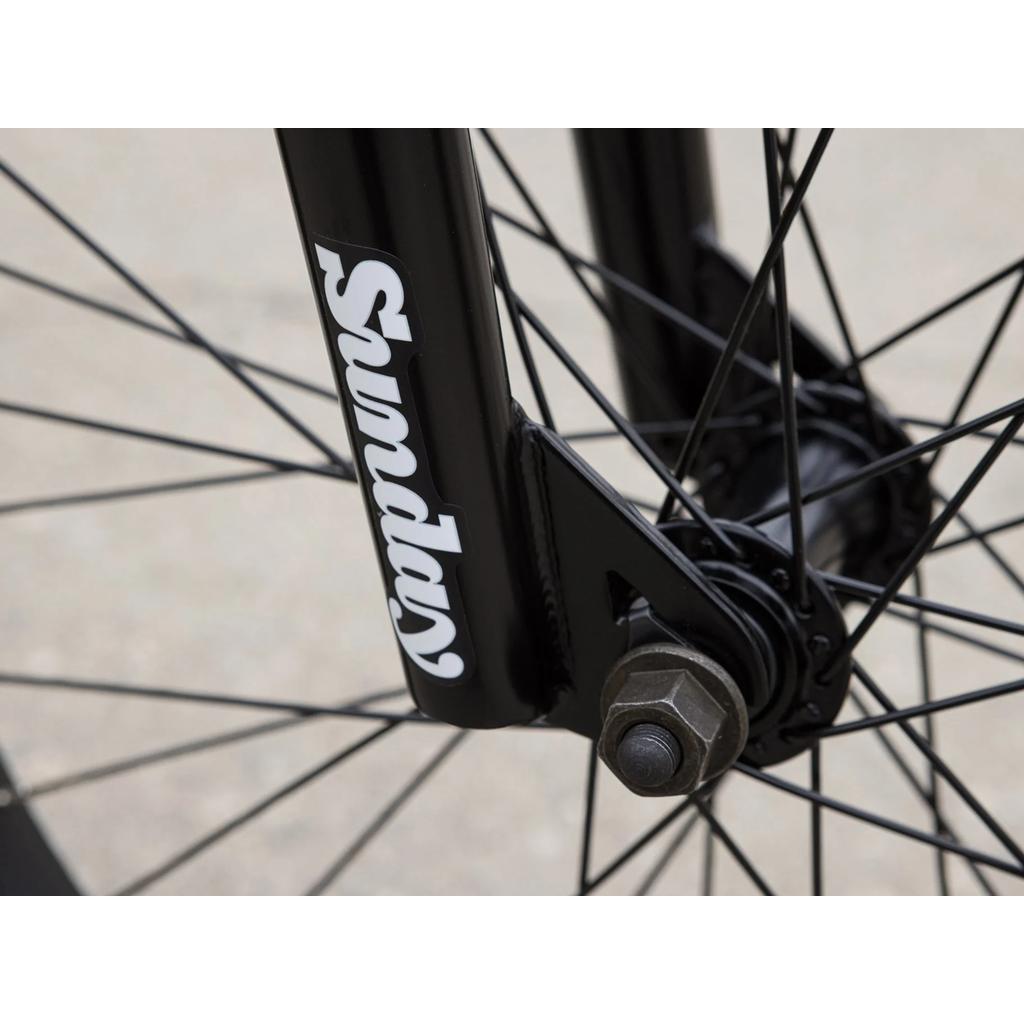
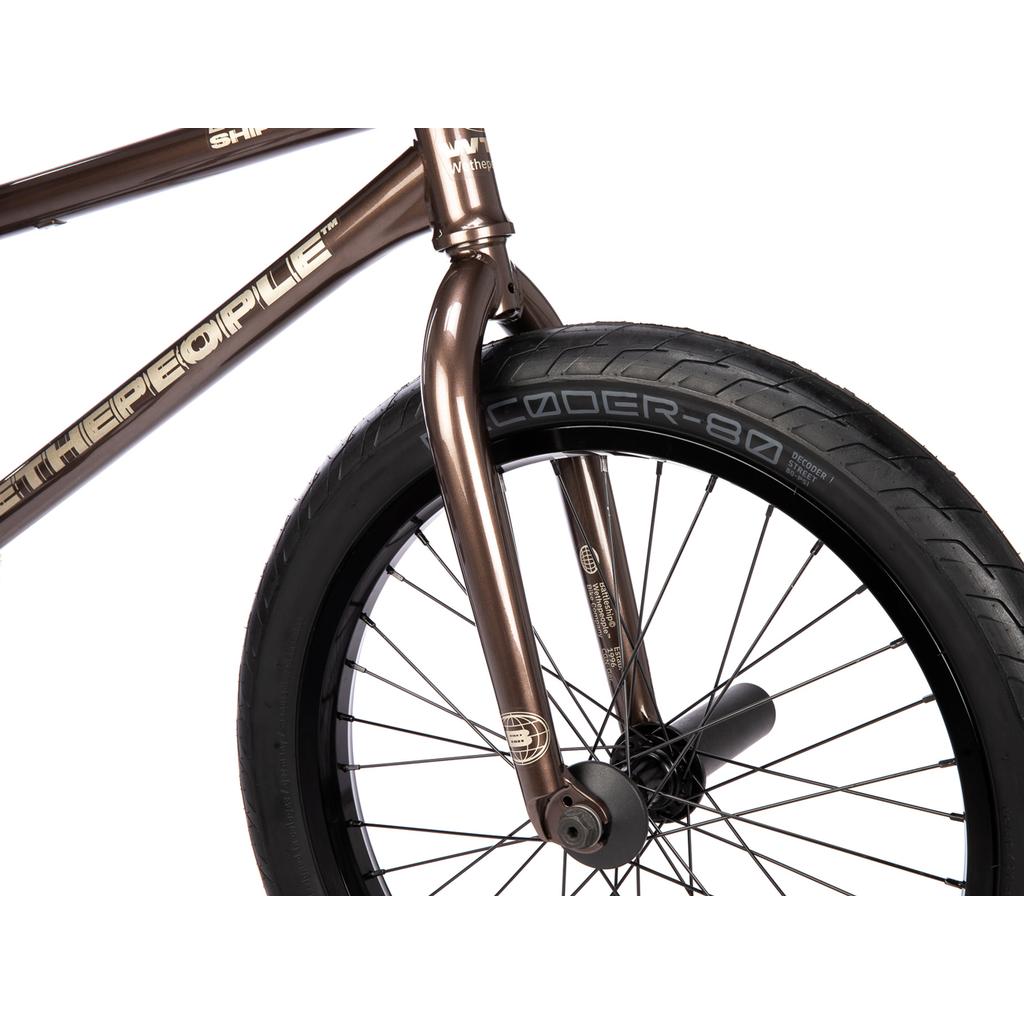
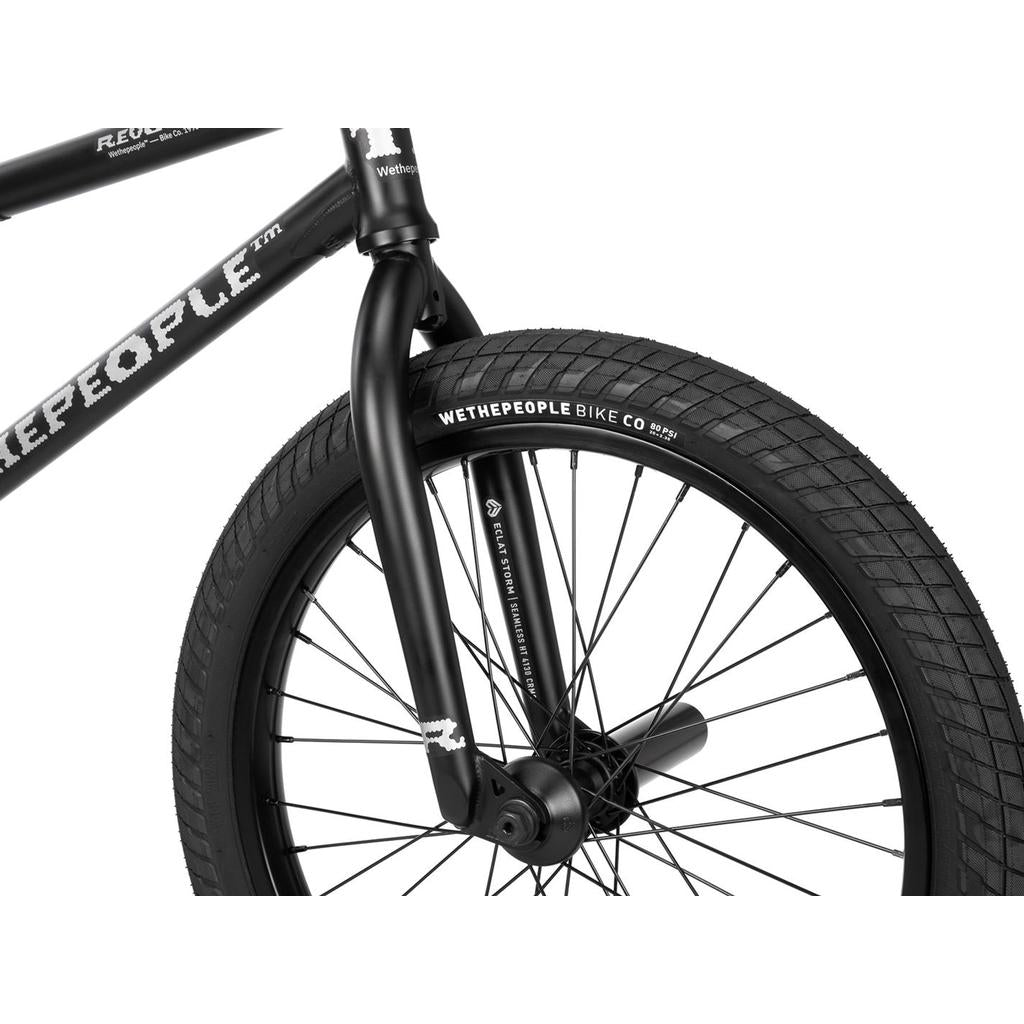
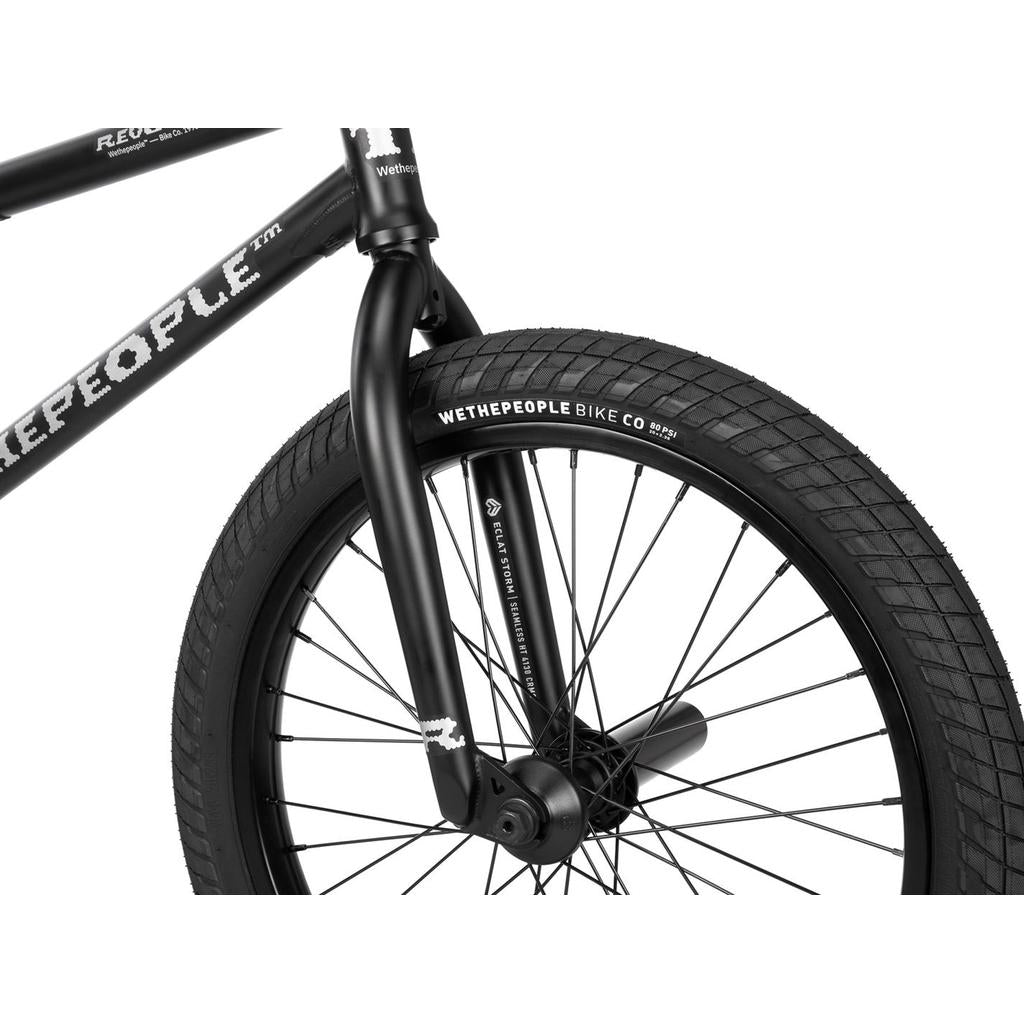
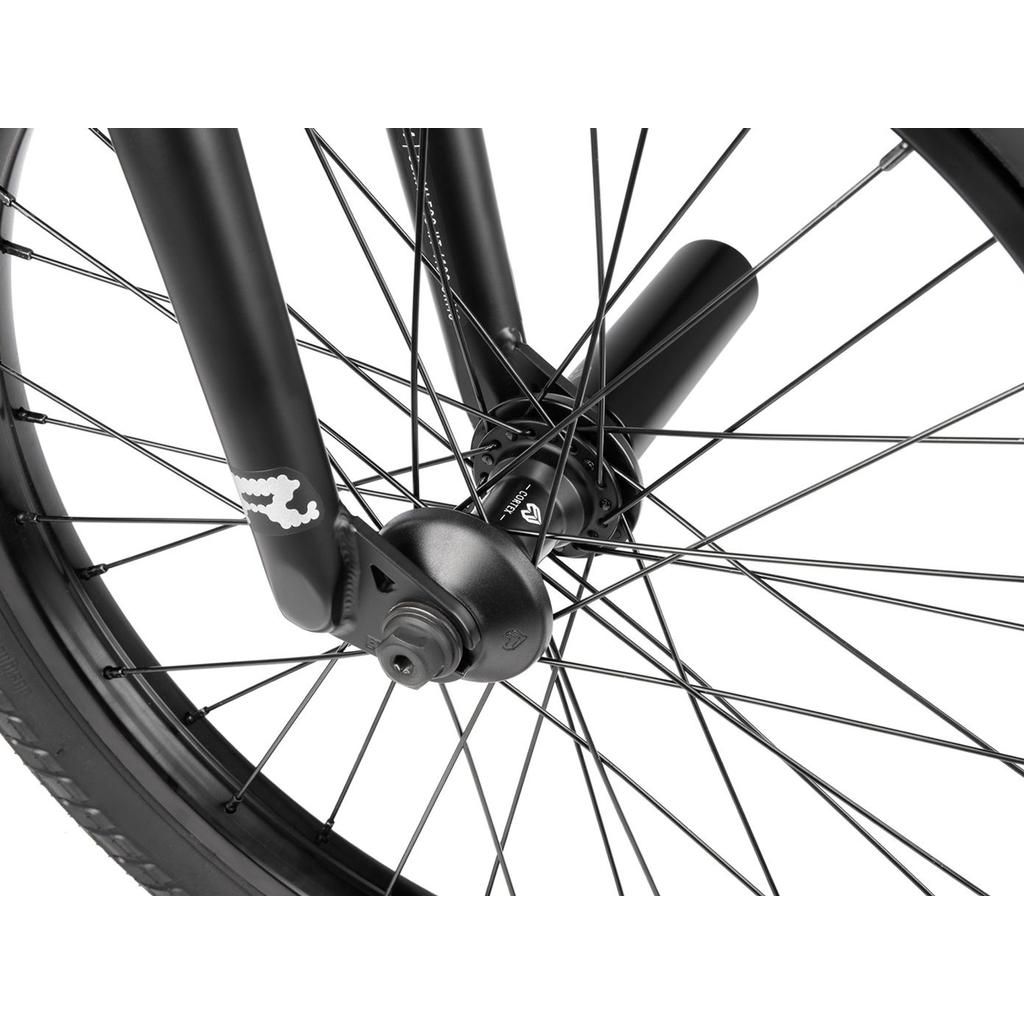
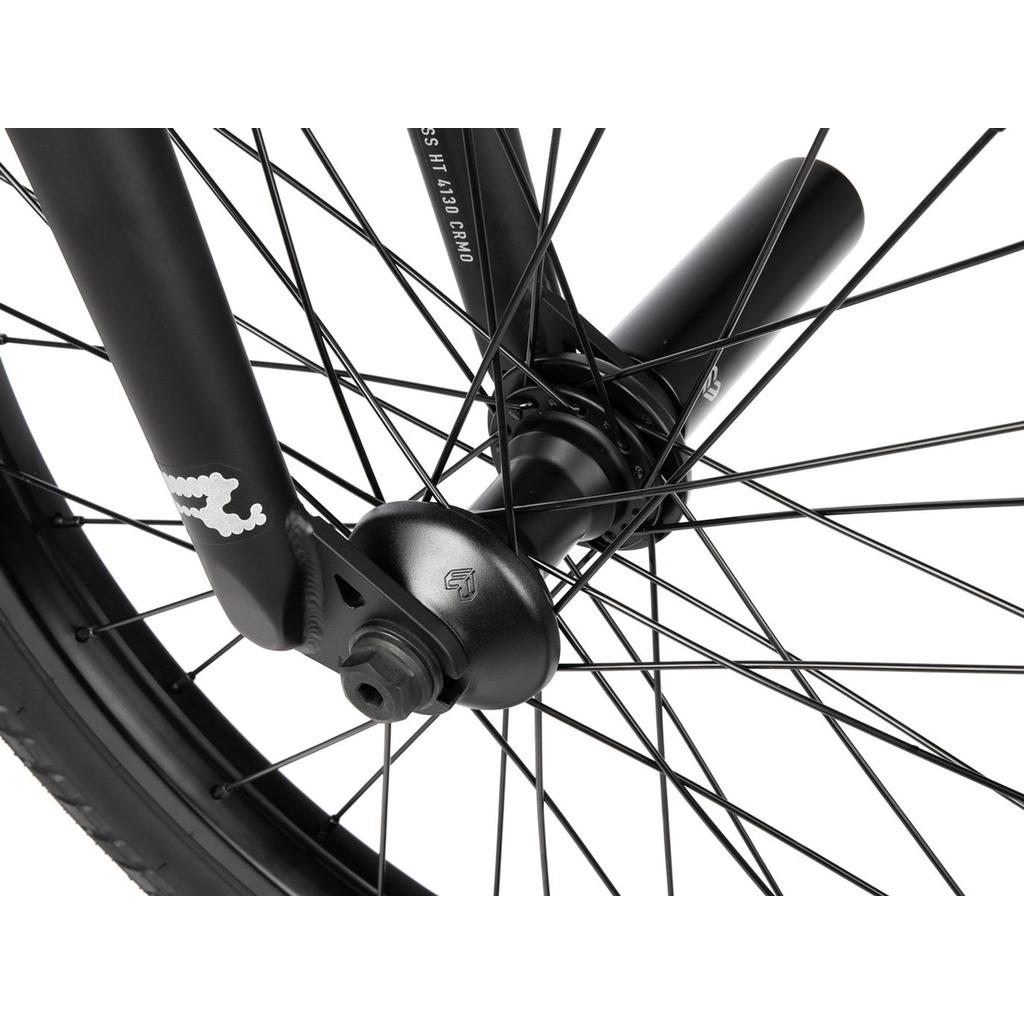
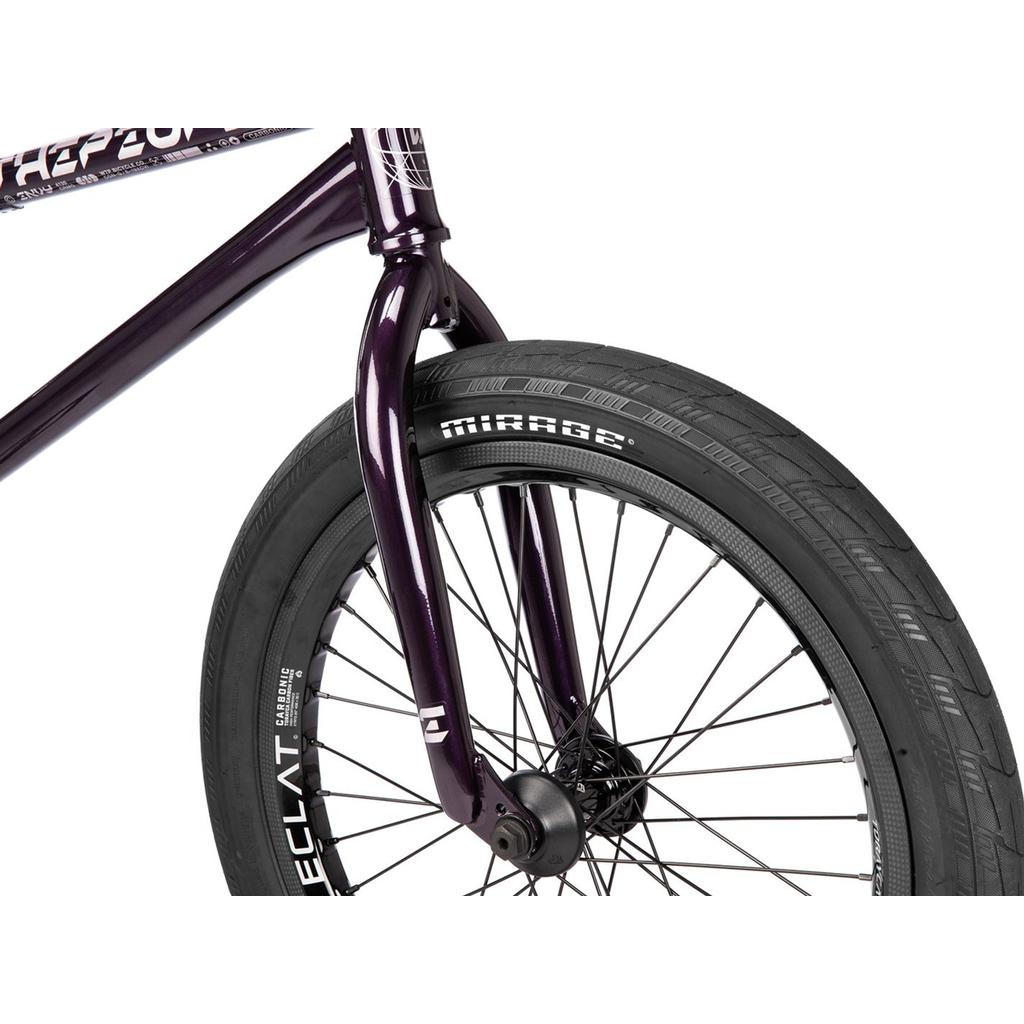
Same logic as the frame: chromoly is lighter and stronger than hi-tensile steel, so it is what you want once you are past a first bike. Look for a CNC machined steerer tube for toughness, and tapered legs save weight. Offset (how far the dropouts sit ahead of the steerer) changes how quick the steering feels: less offset is twitchier for street and park, more is steadier for trails.
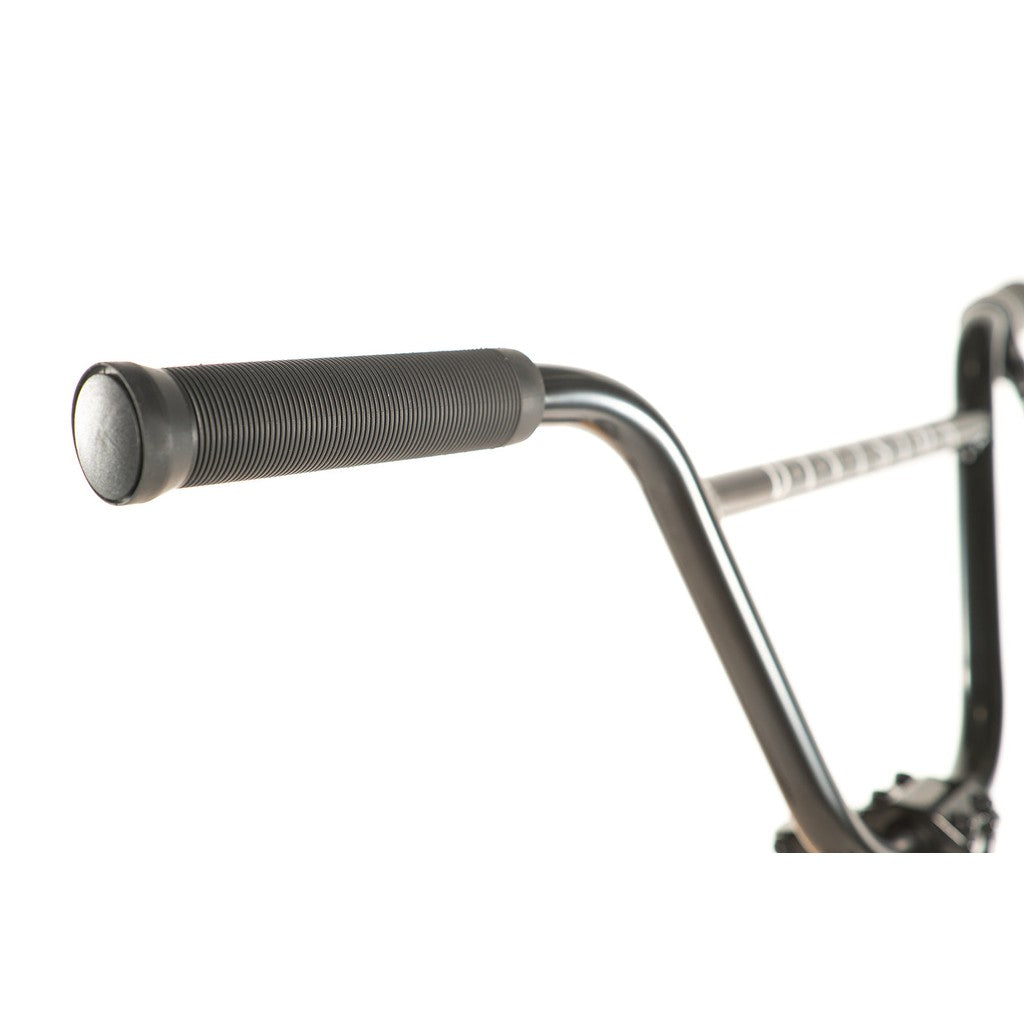
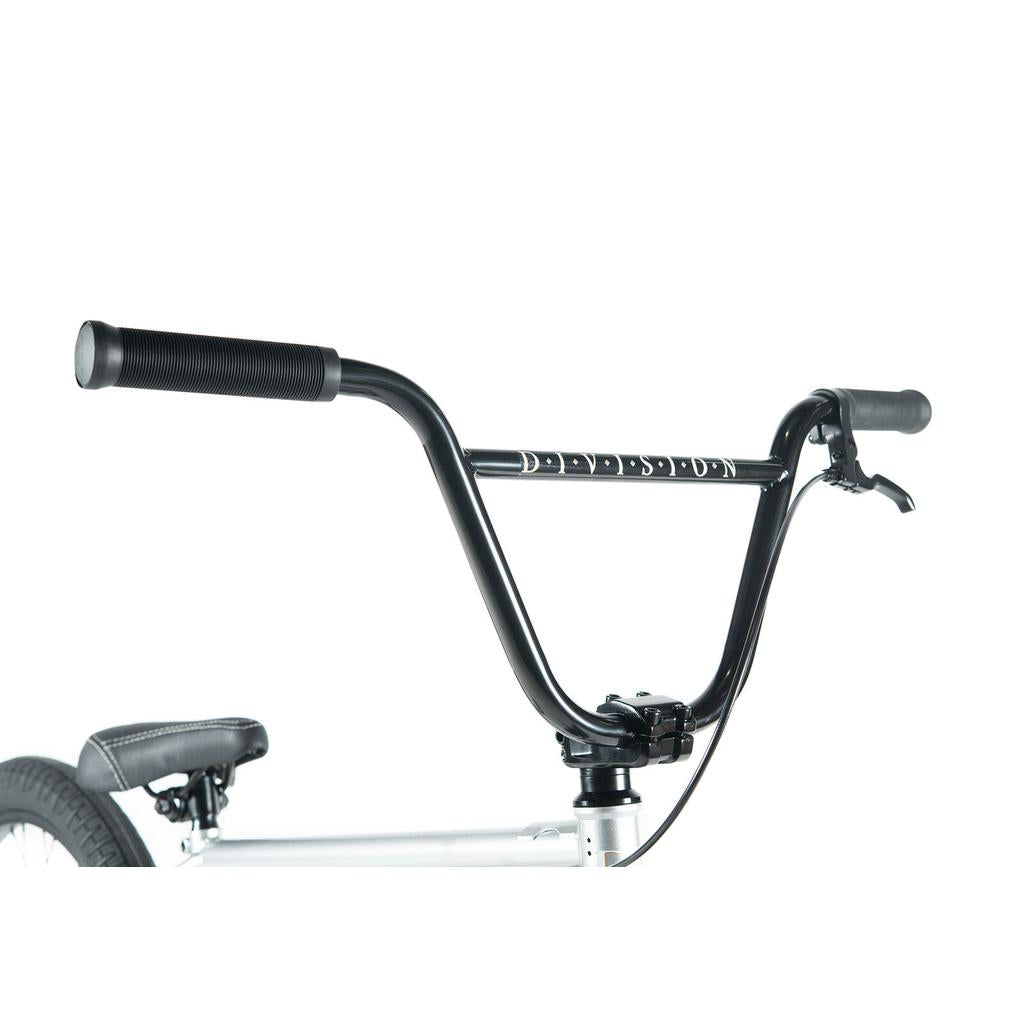
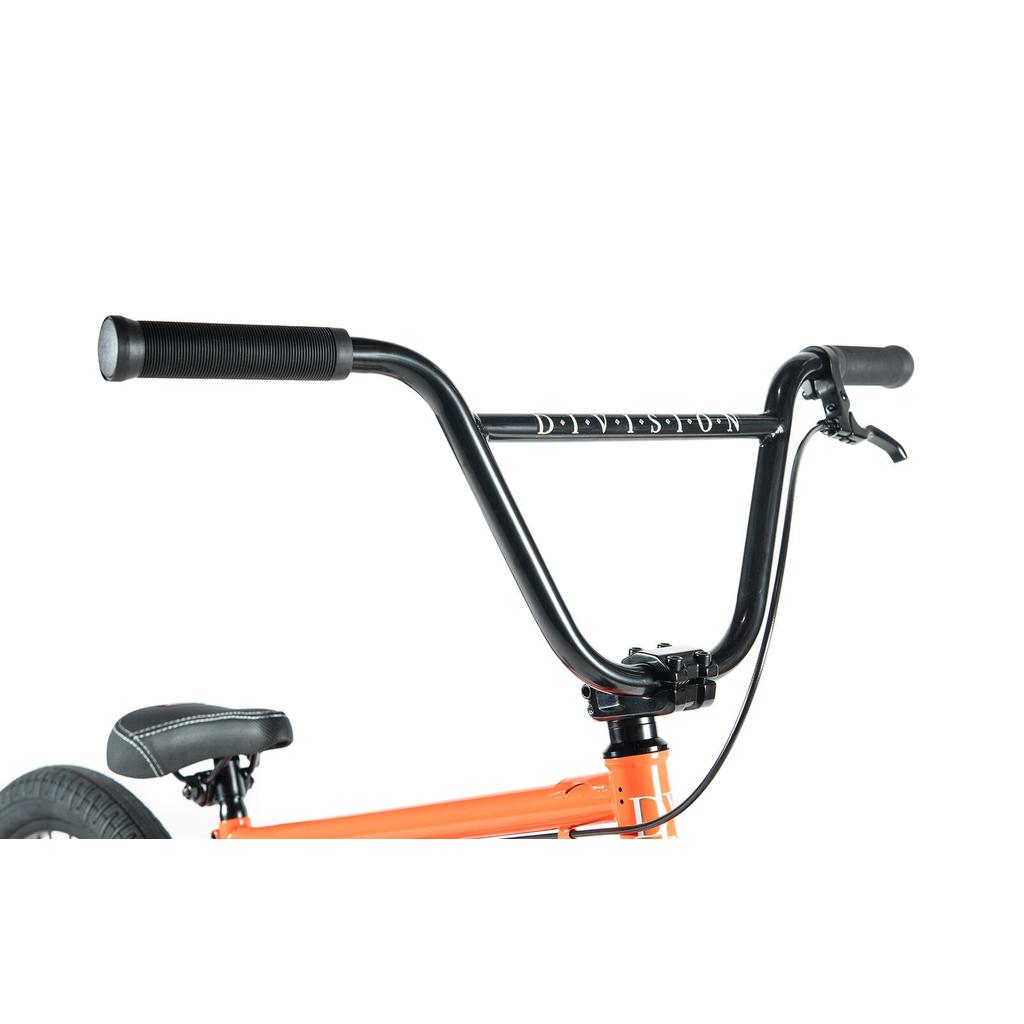
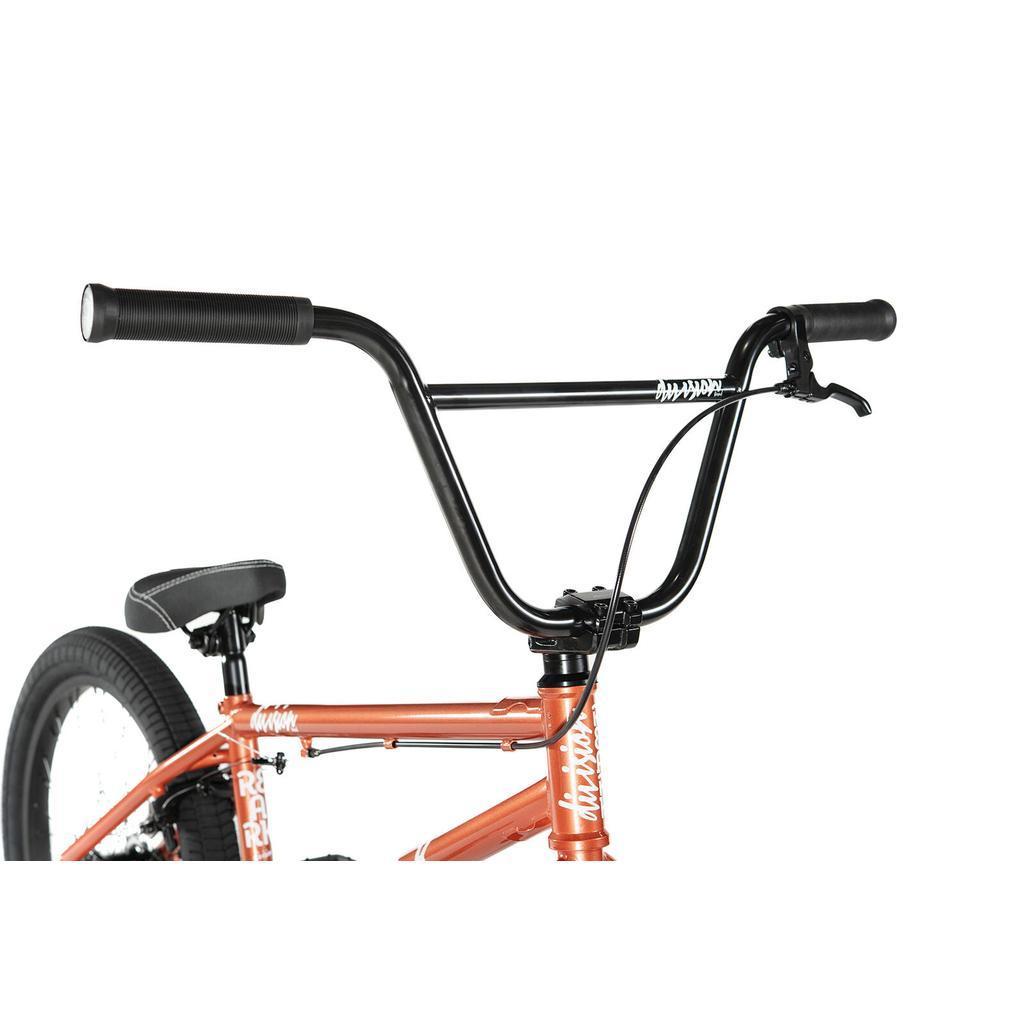
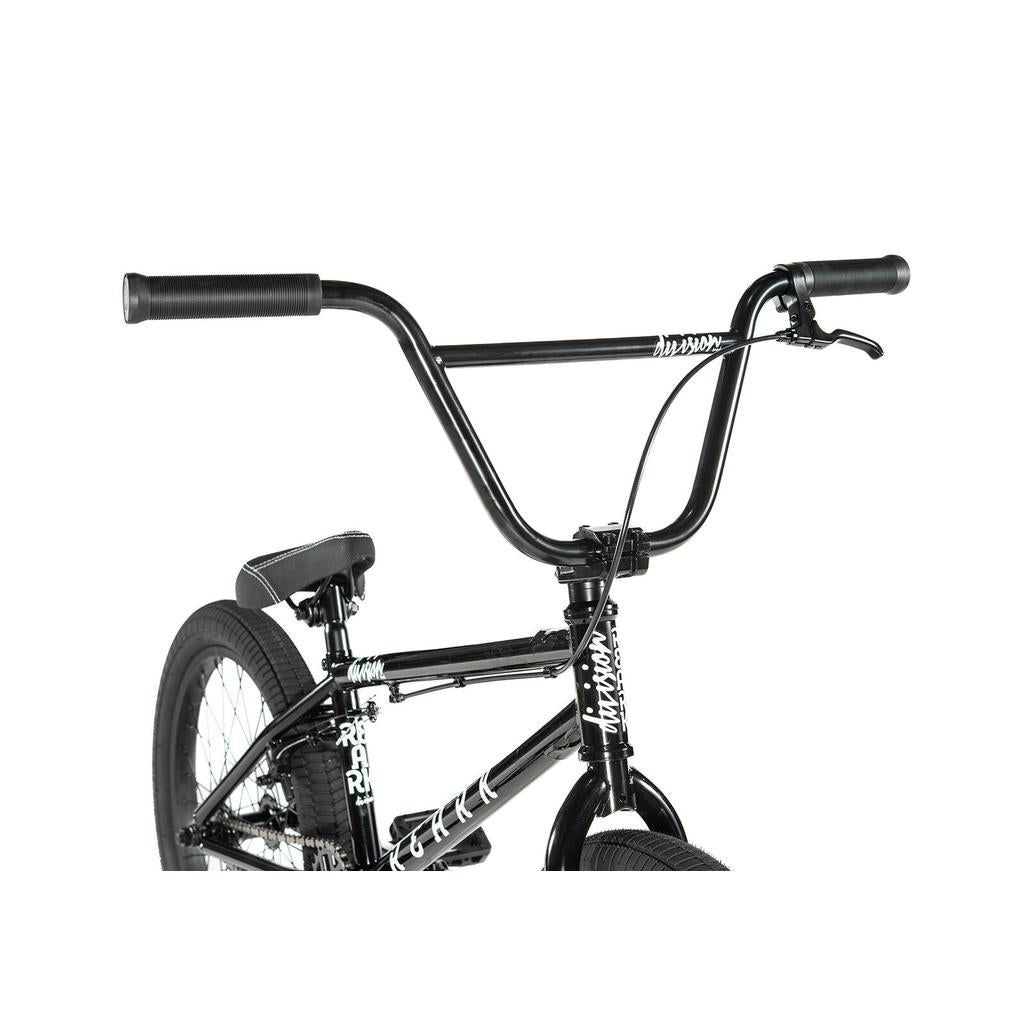
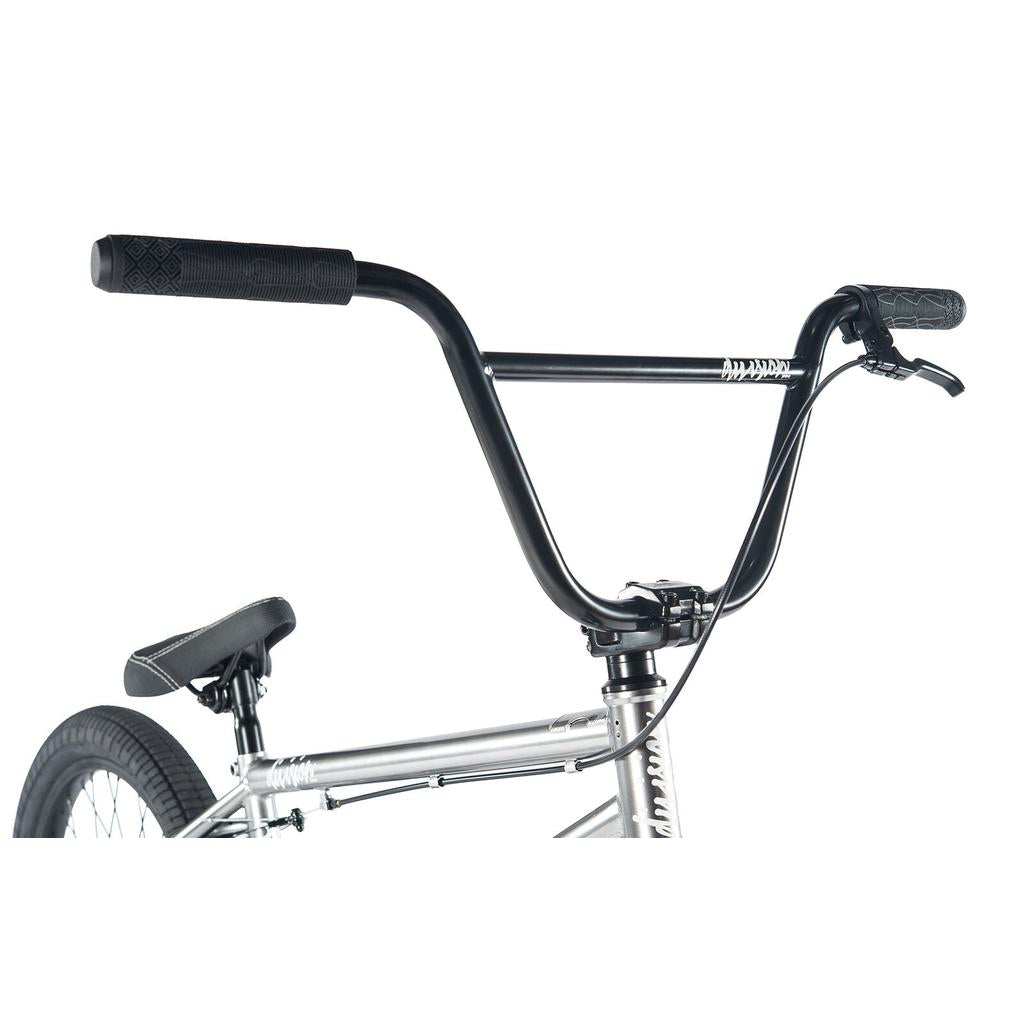
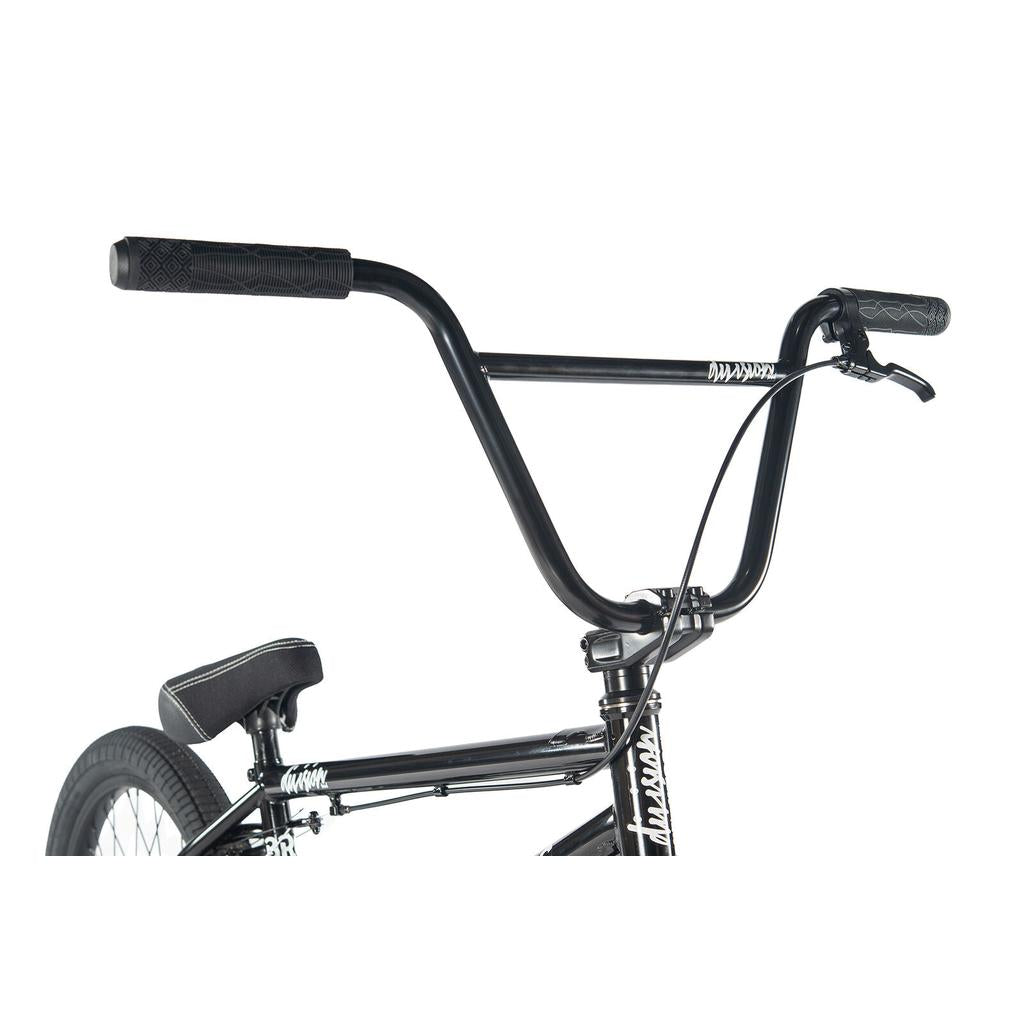
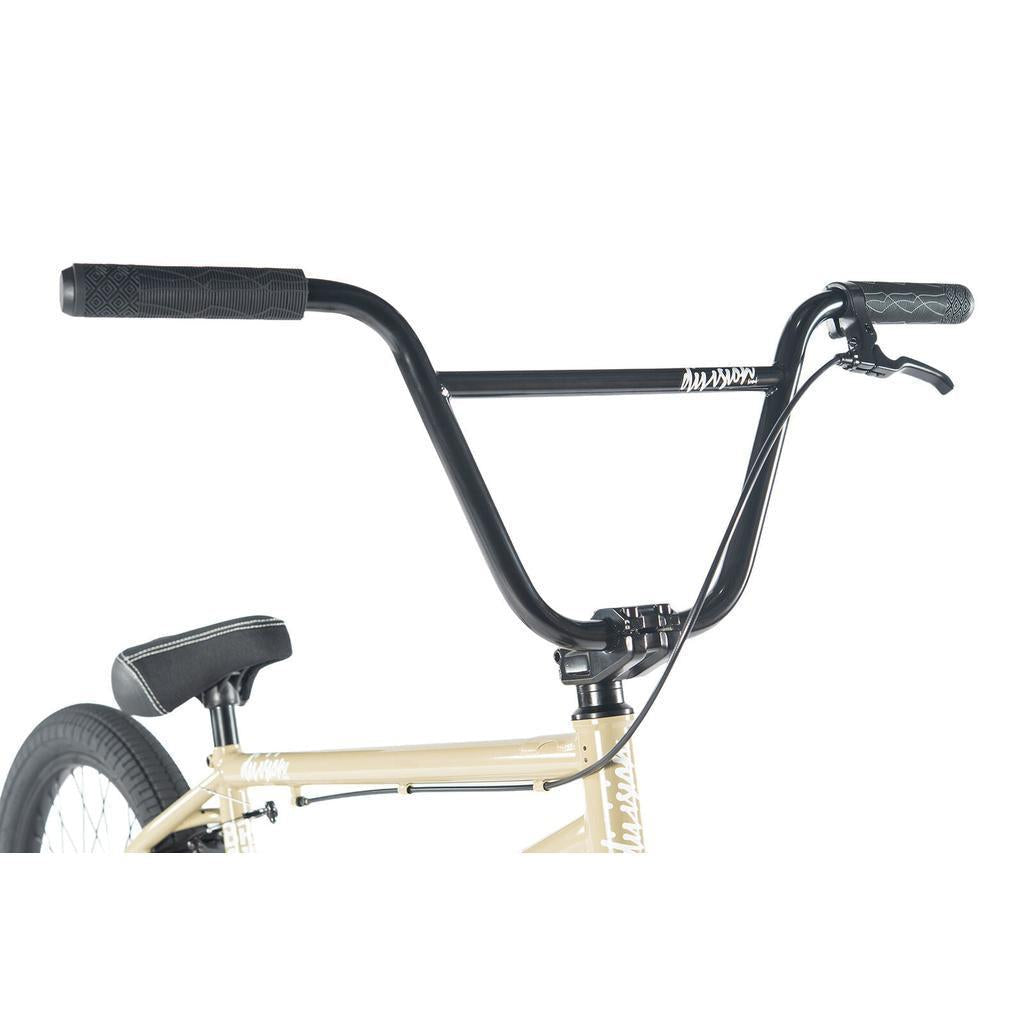
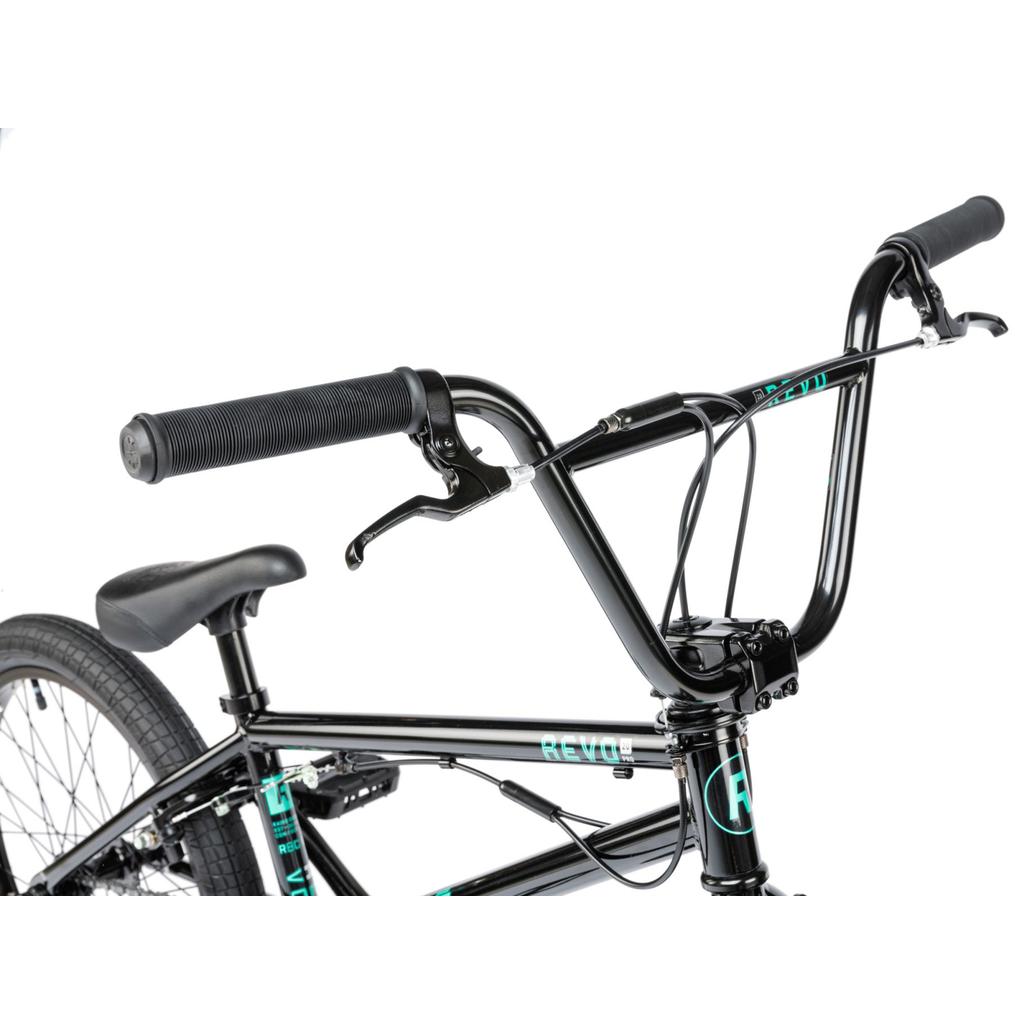
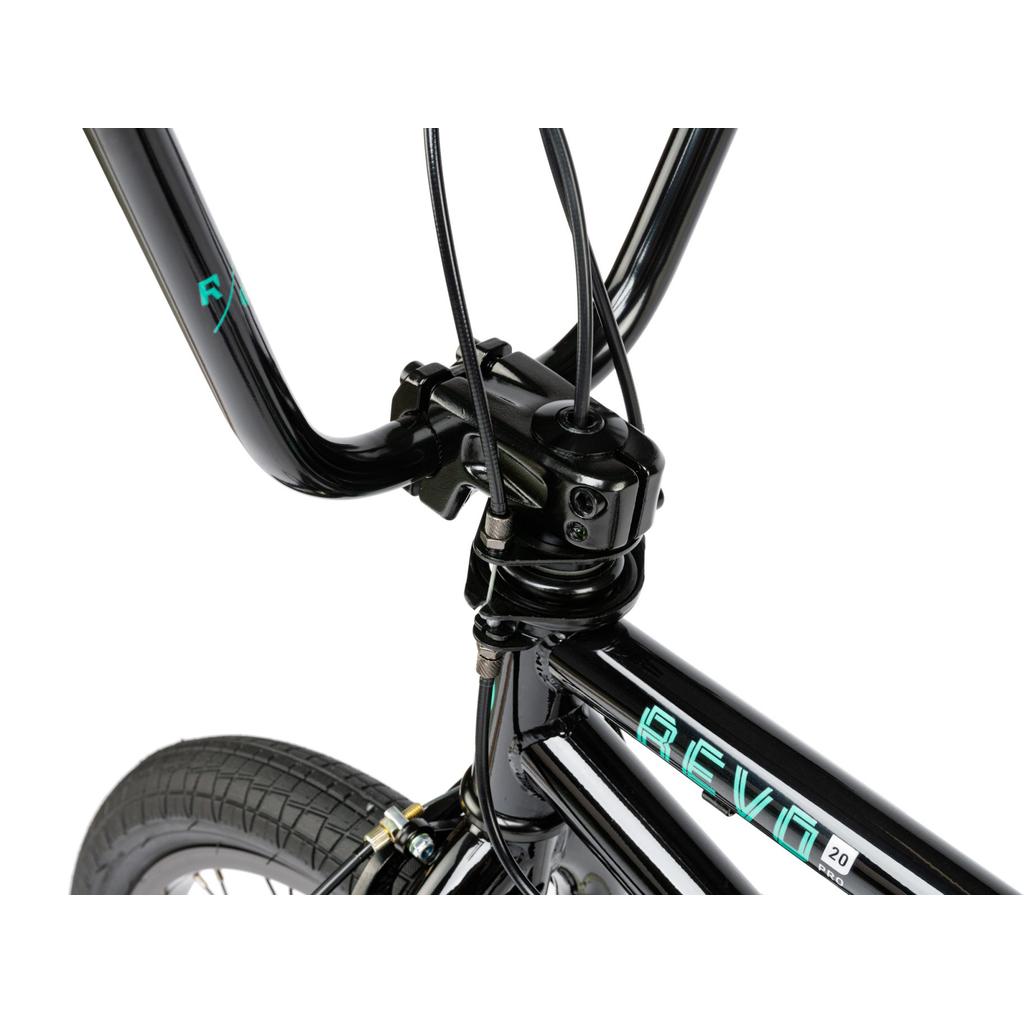
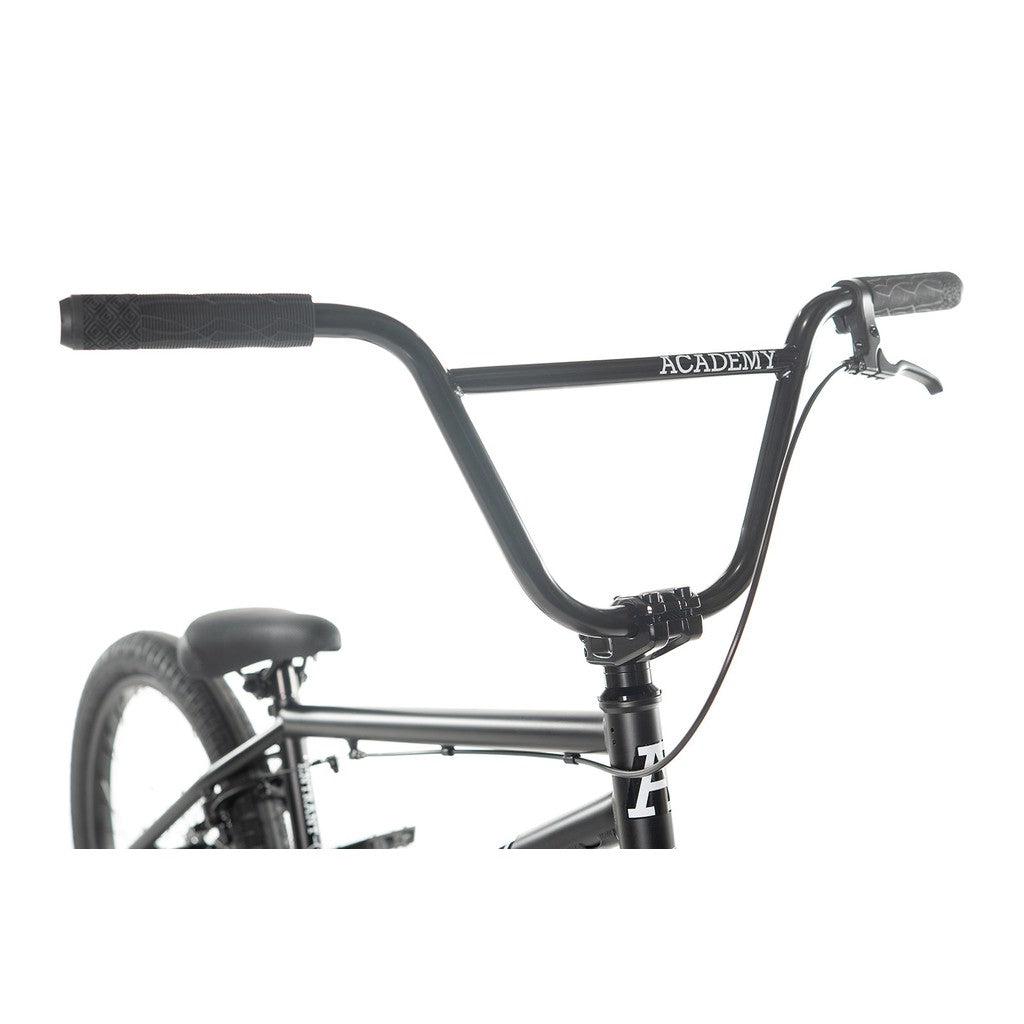
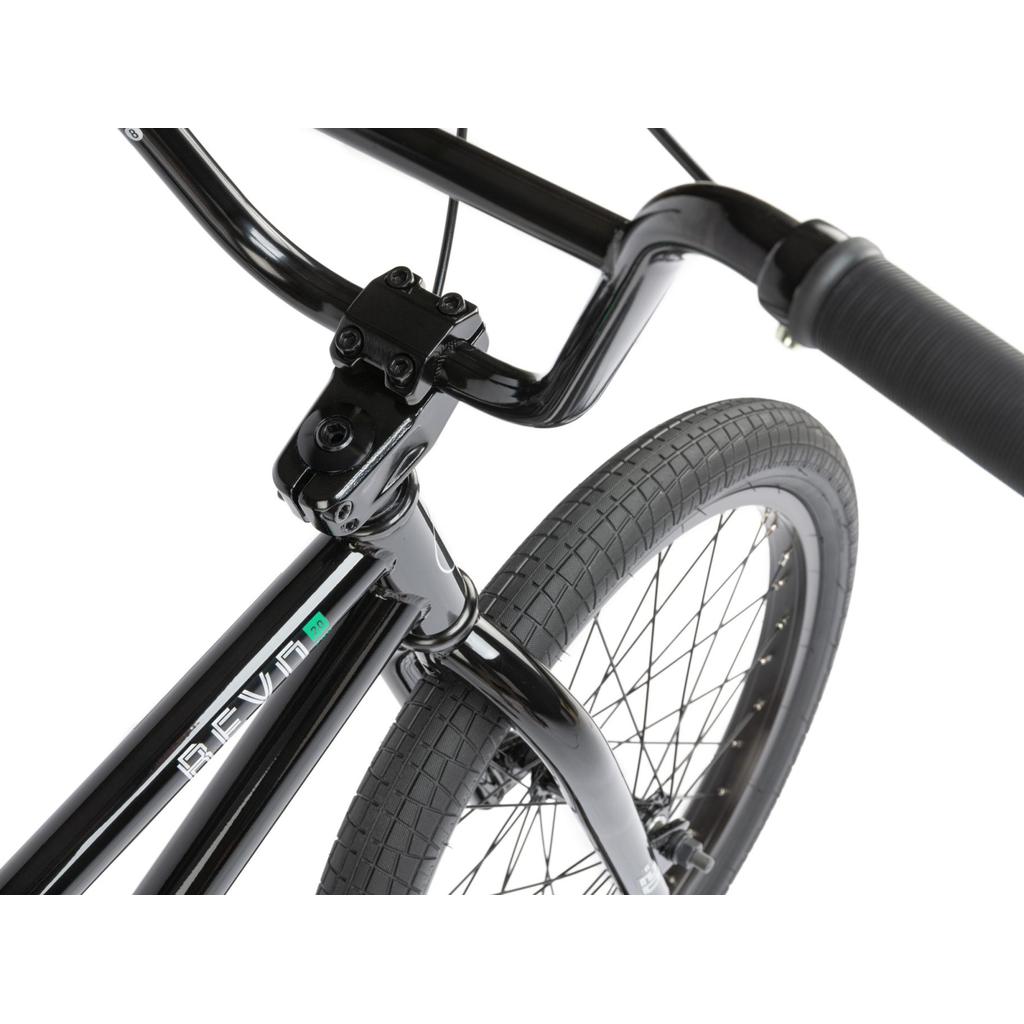
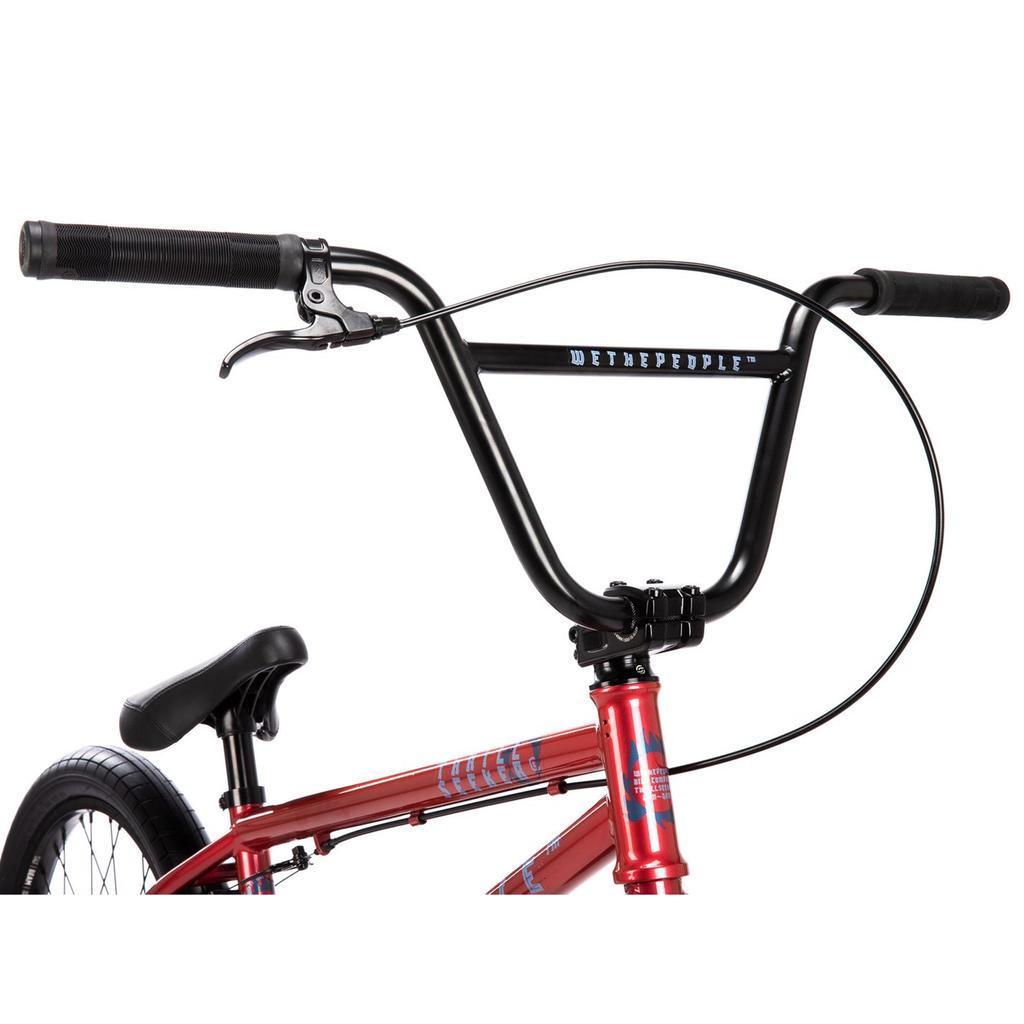
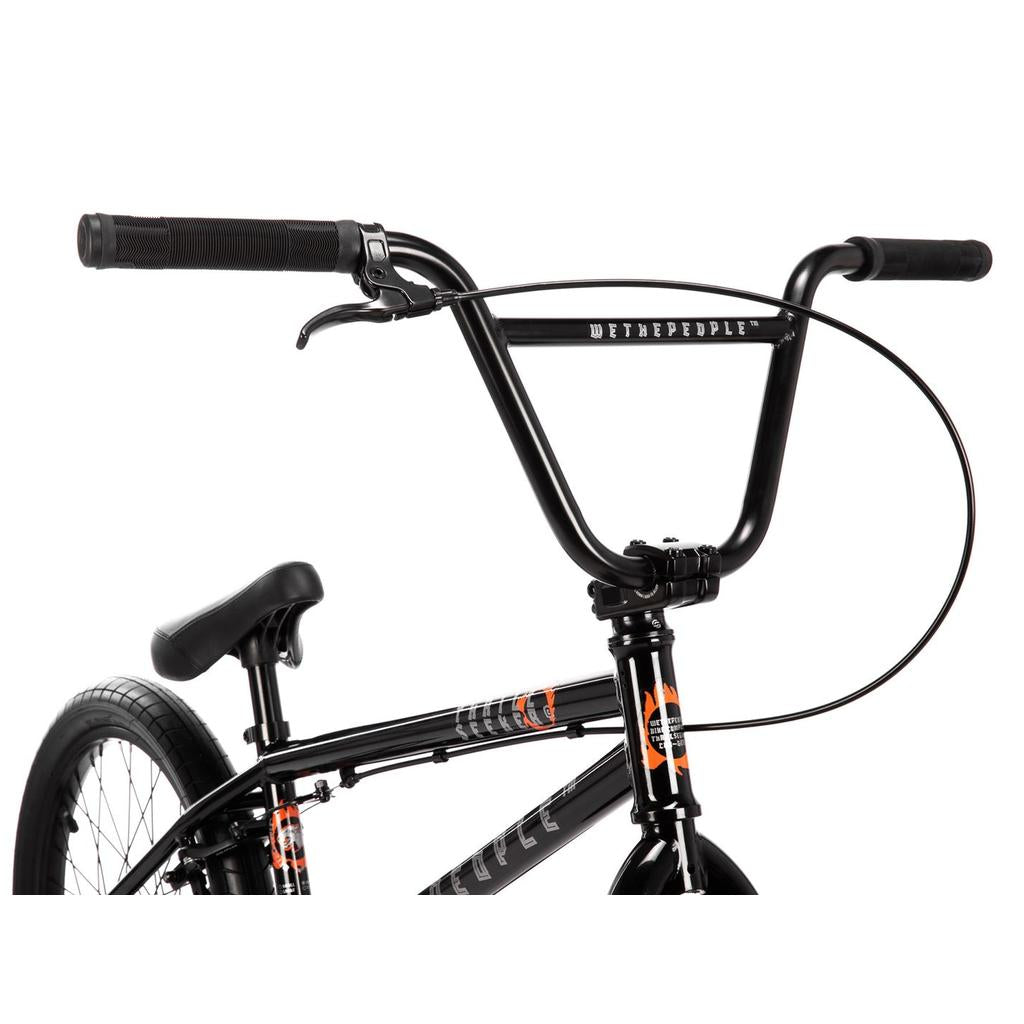
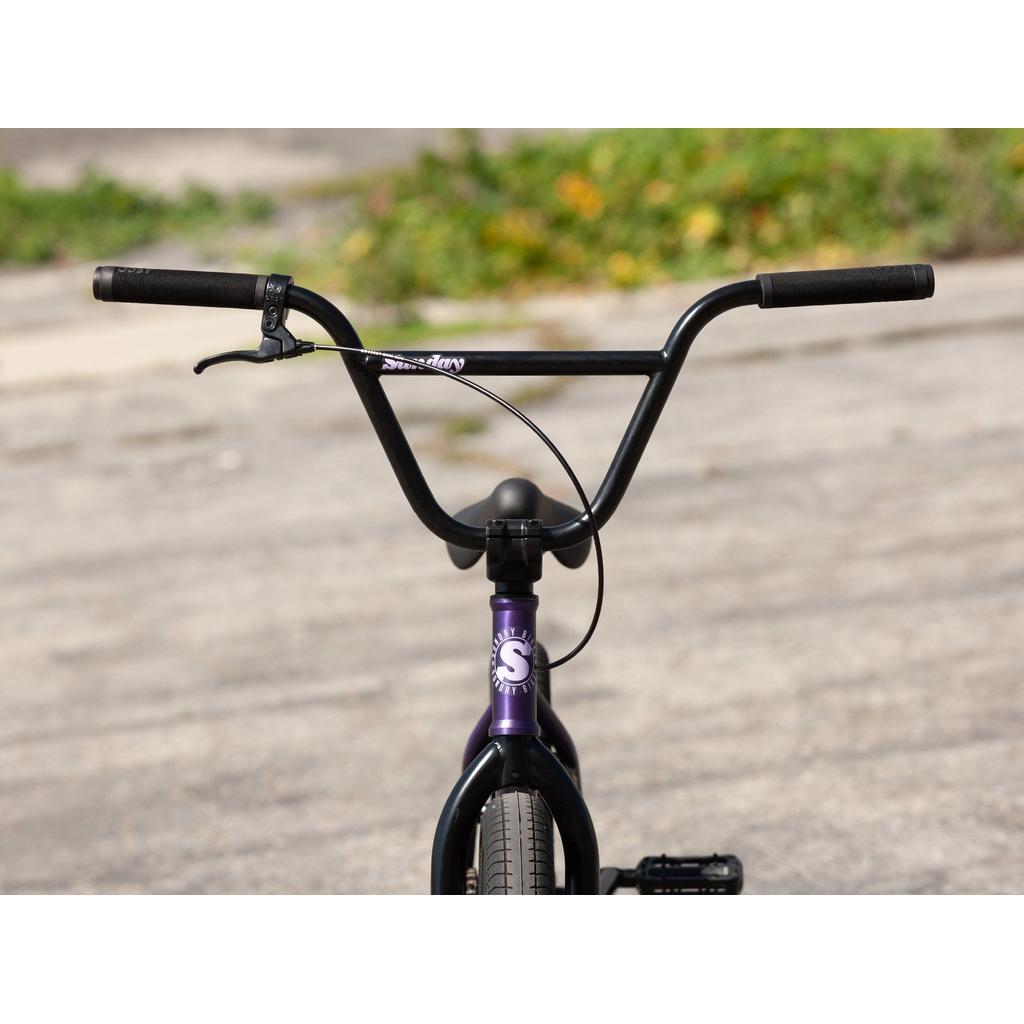
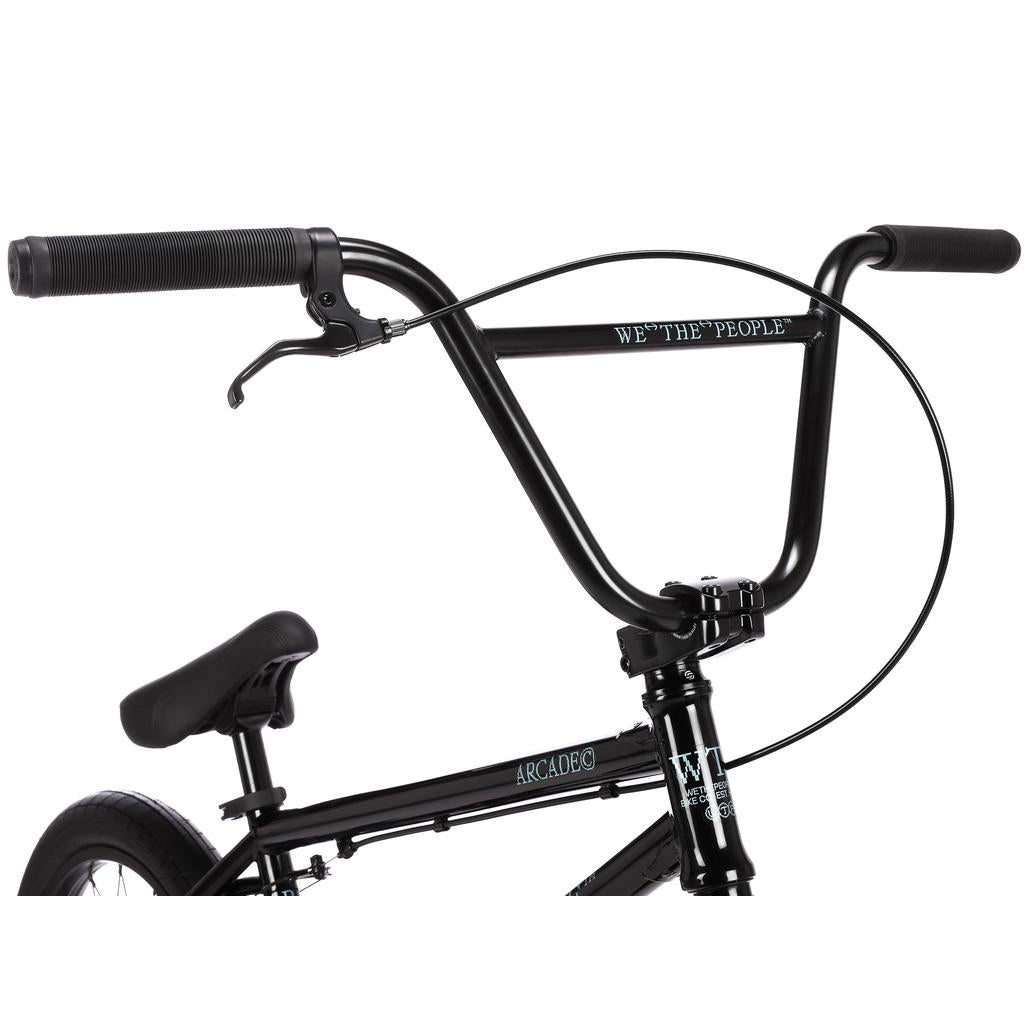
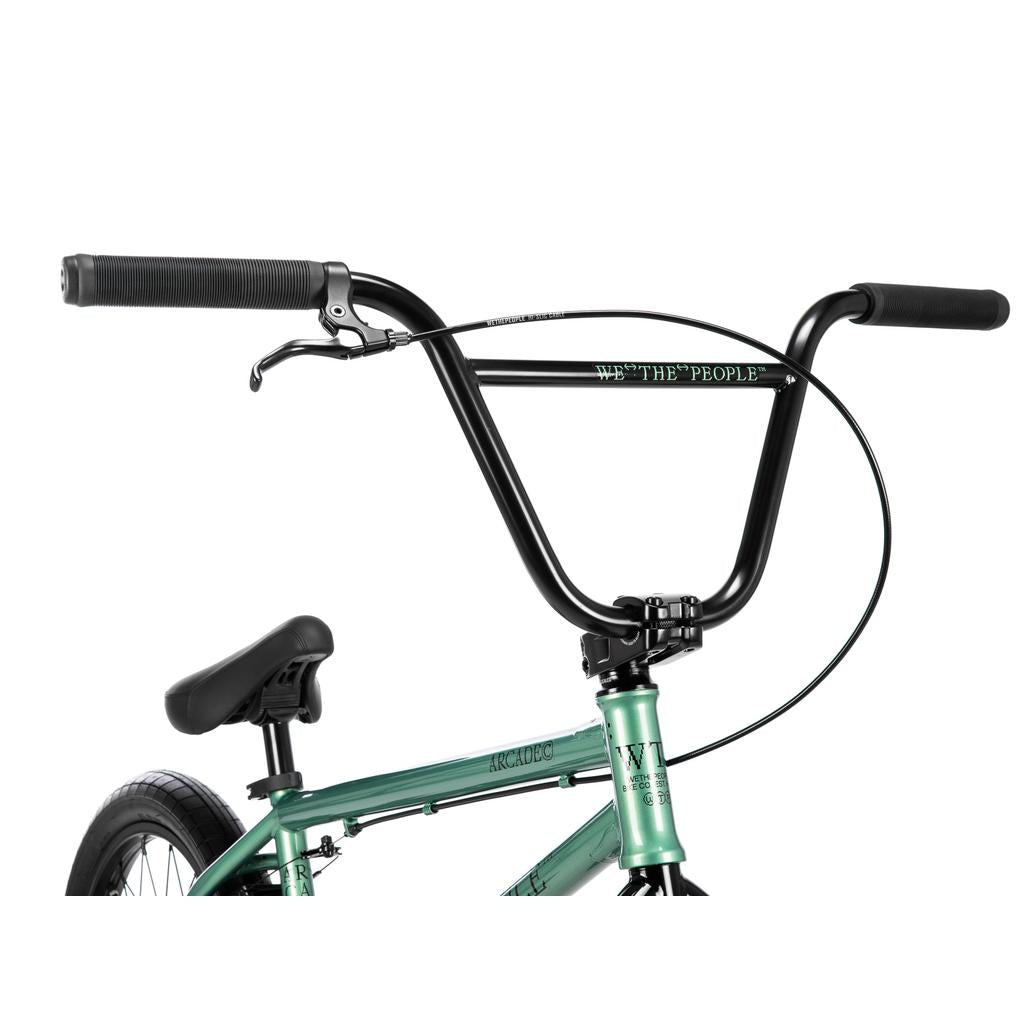
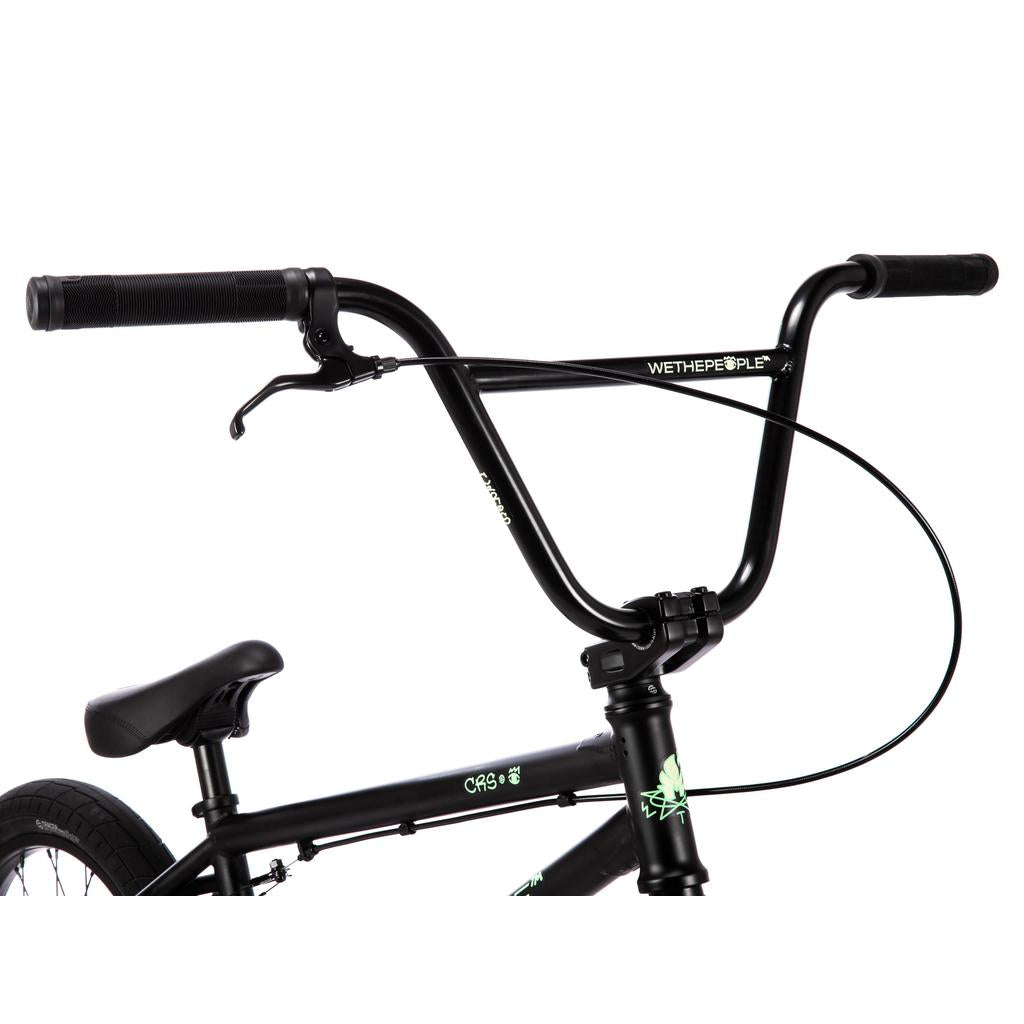
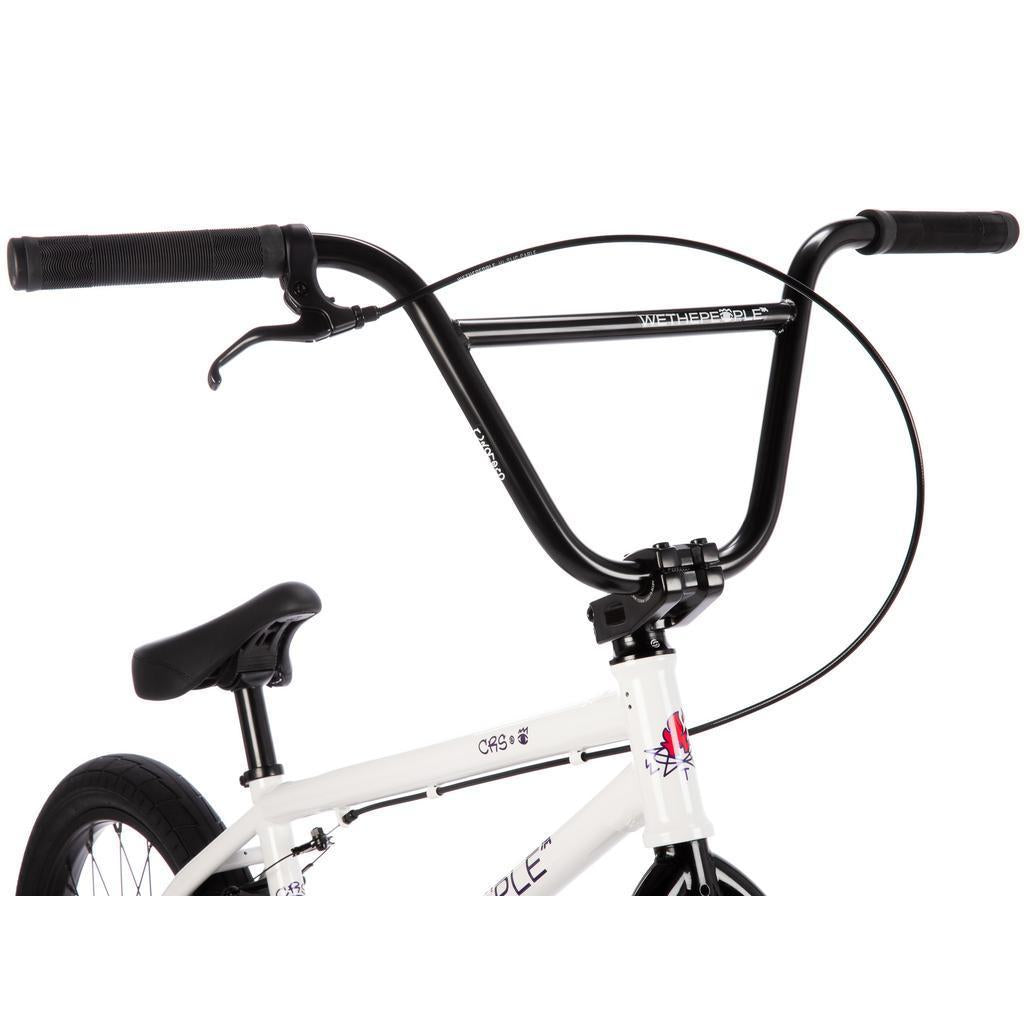
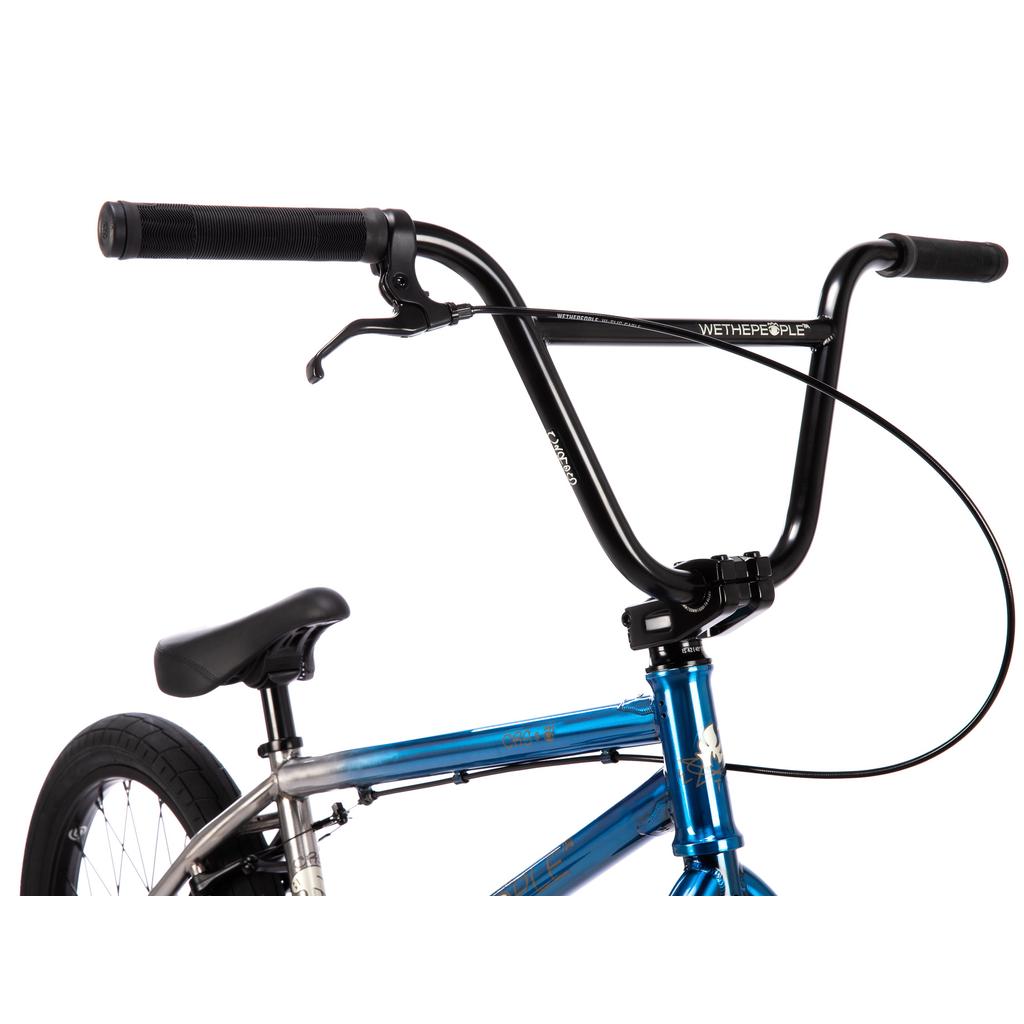
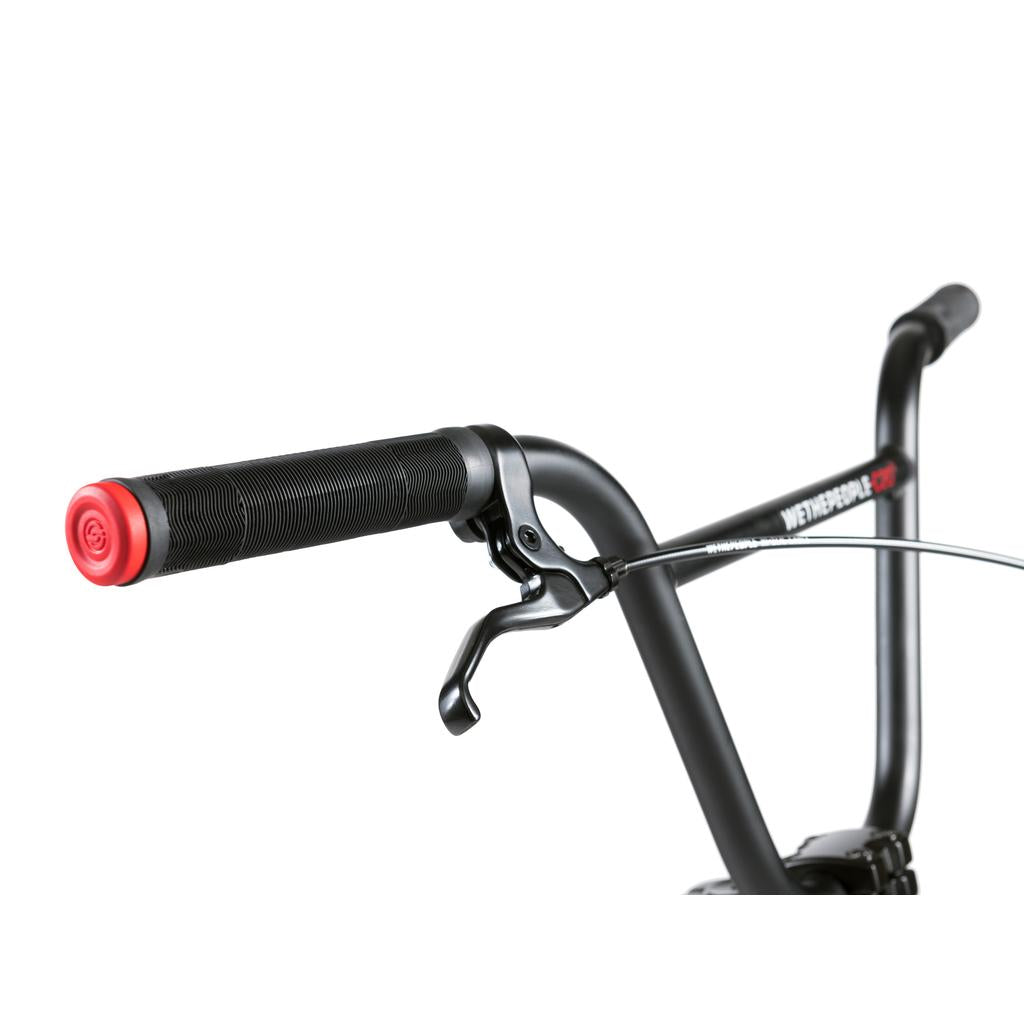
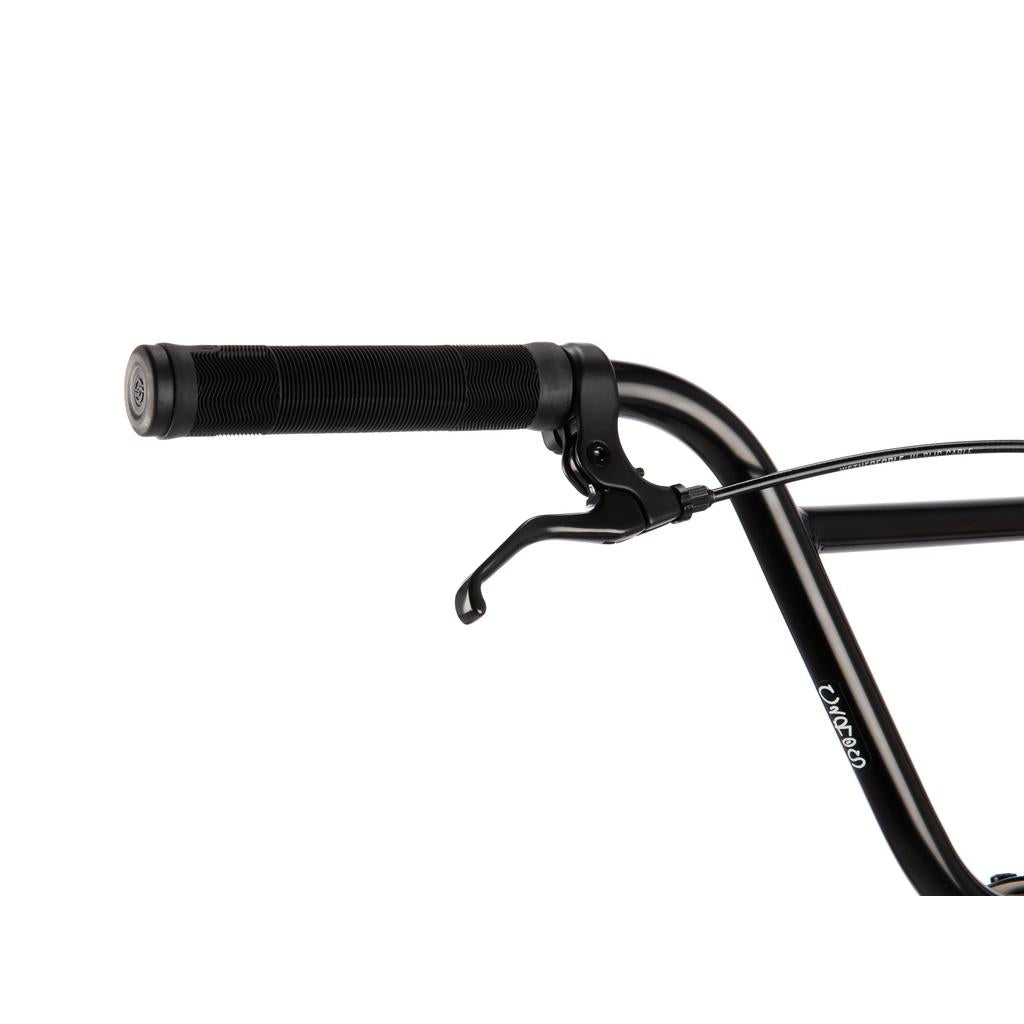
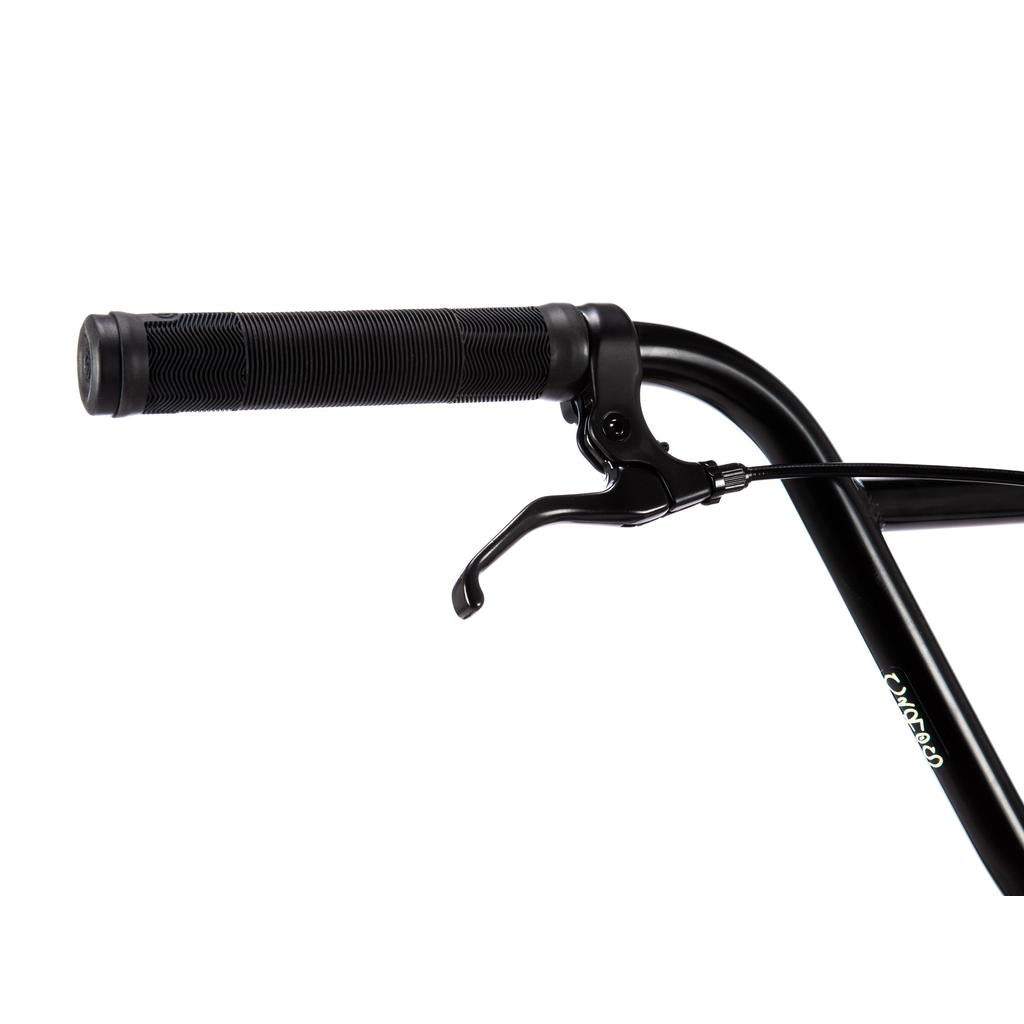
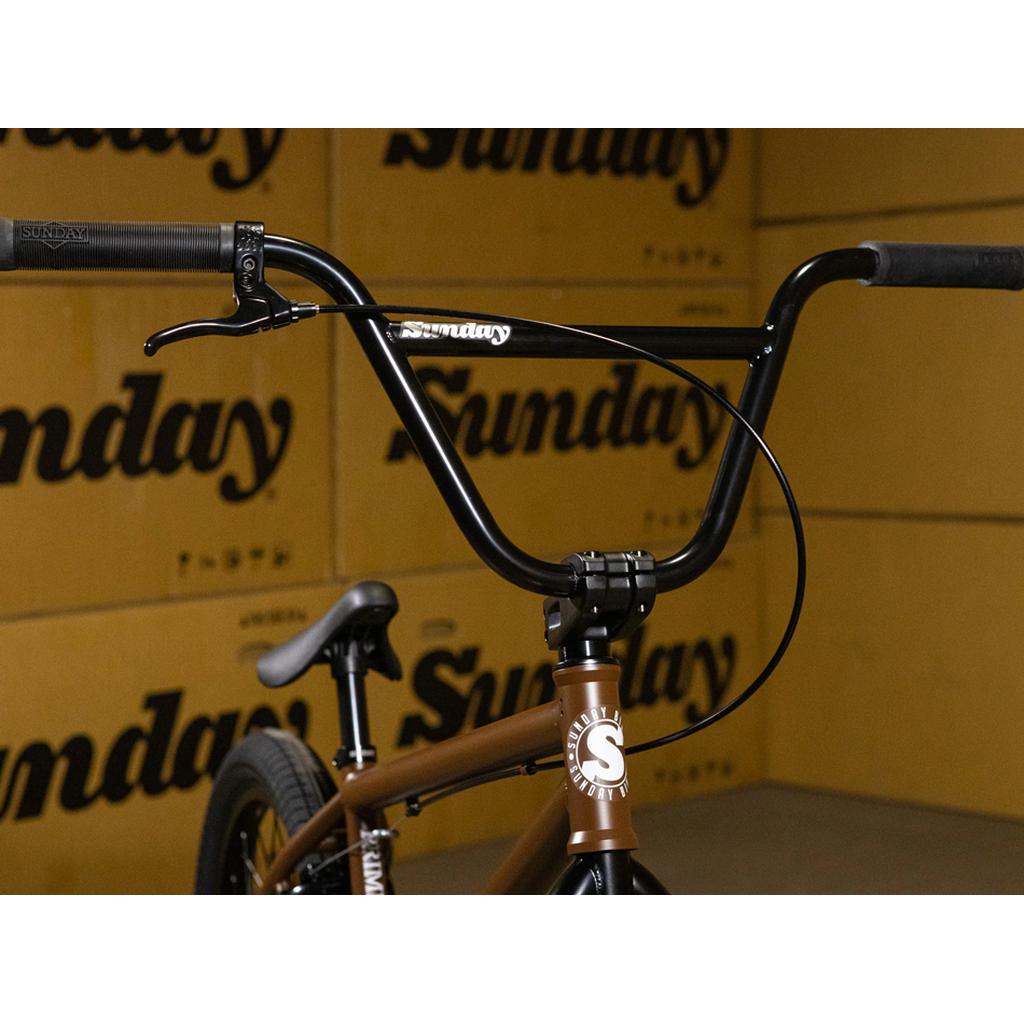
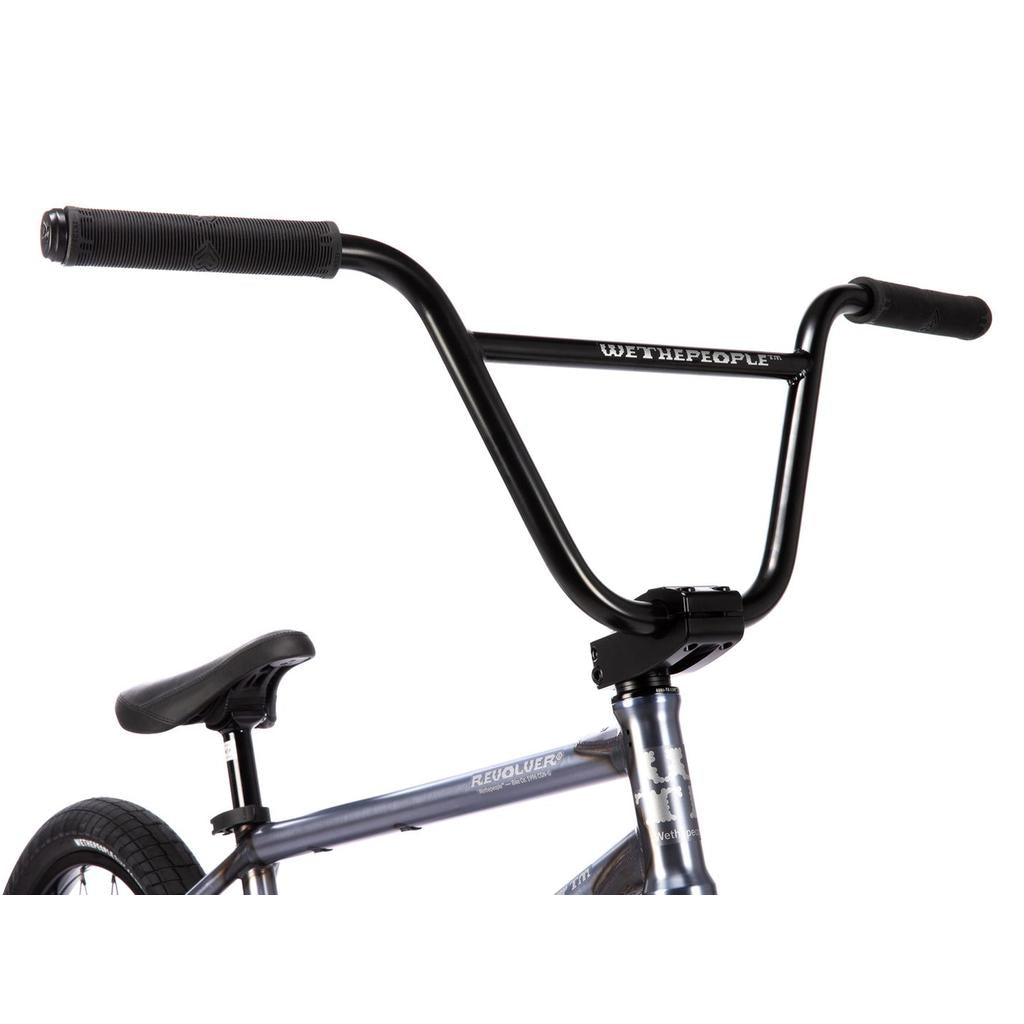
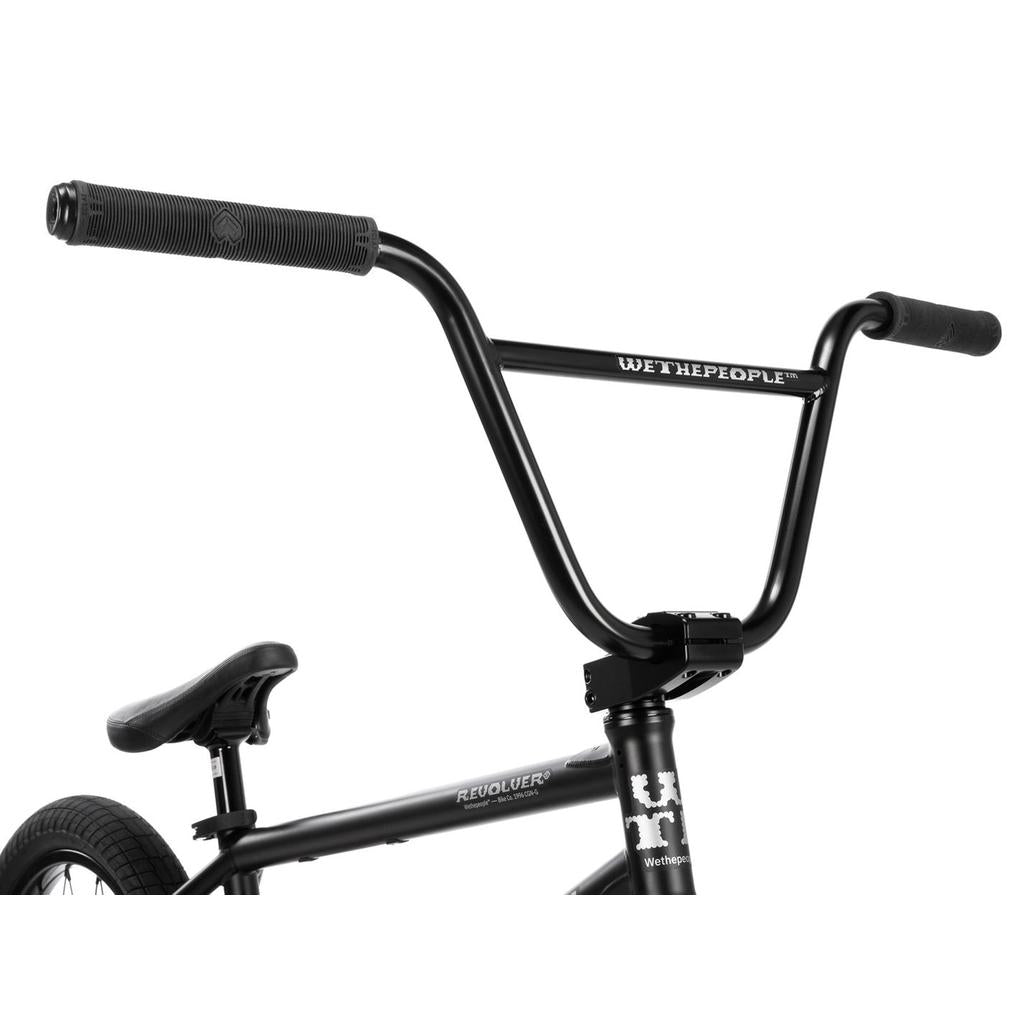
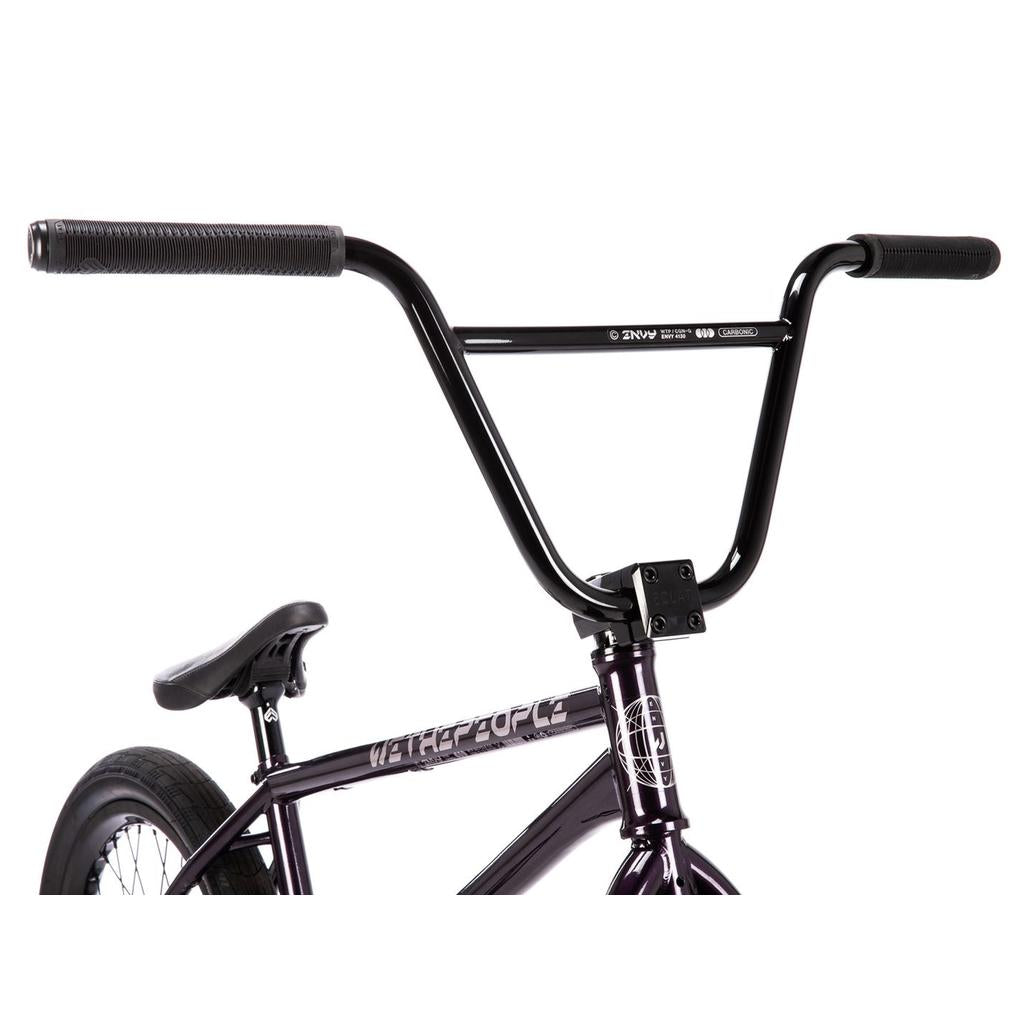
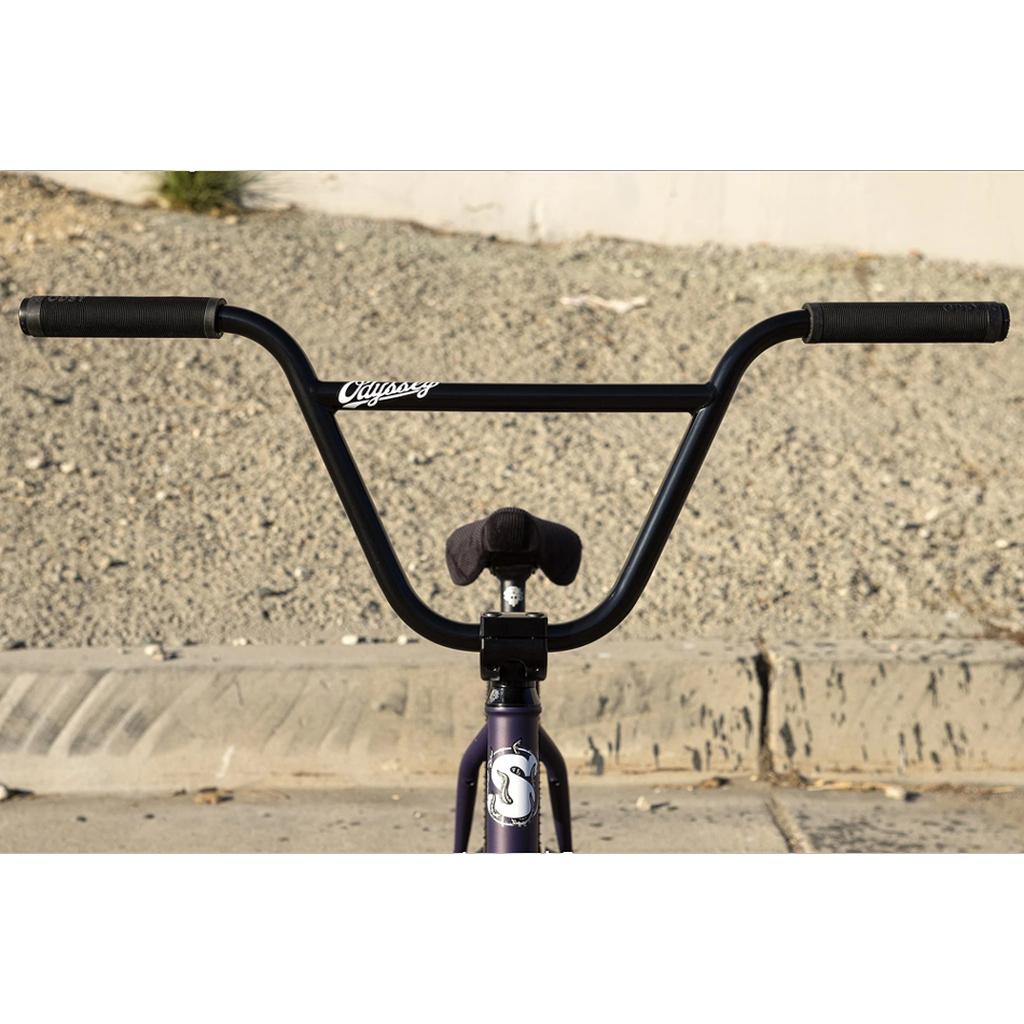
Your handlebars set how the bike feels to steer more than any other part you can change. Cheaper bikes run hi-tensile steel bars, while anything above entry level uses chromoly, often multi-butted so the tube is thicker where it is stressed and thinner where it is not. Rise (how tall they are) and width are the numbers that change your riding position, and taller riders generally want more of both. Bars come as two piece or four piece, with four piece being the modern standard. Our Handlebar Buyer's Guide goes through it properly.
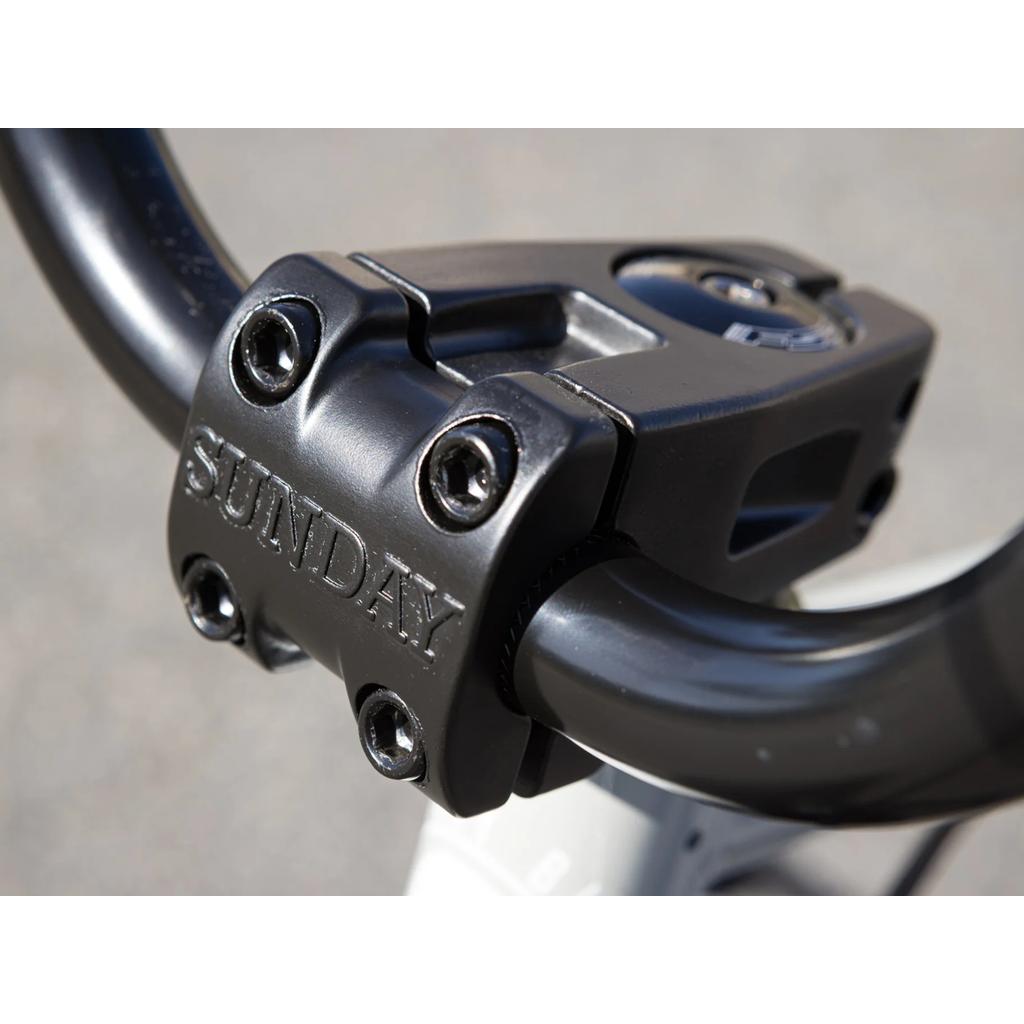
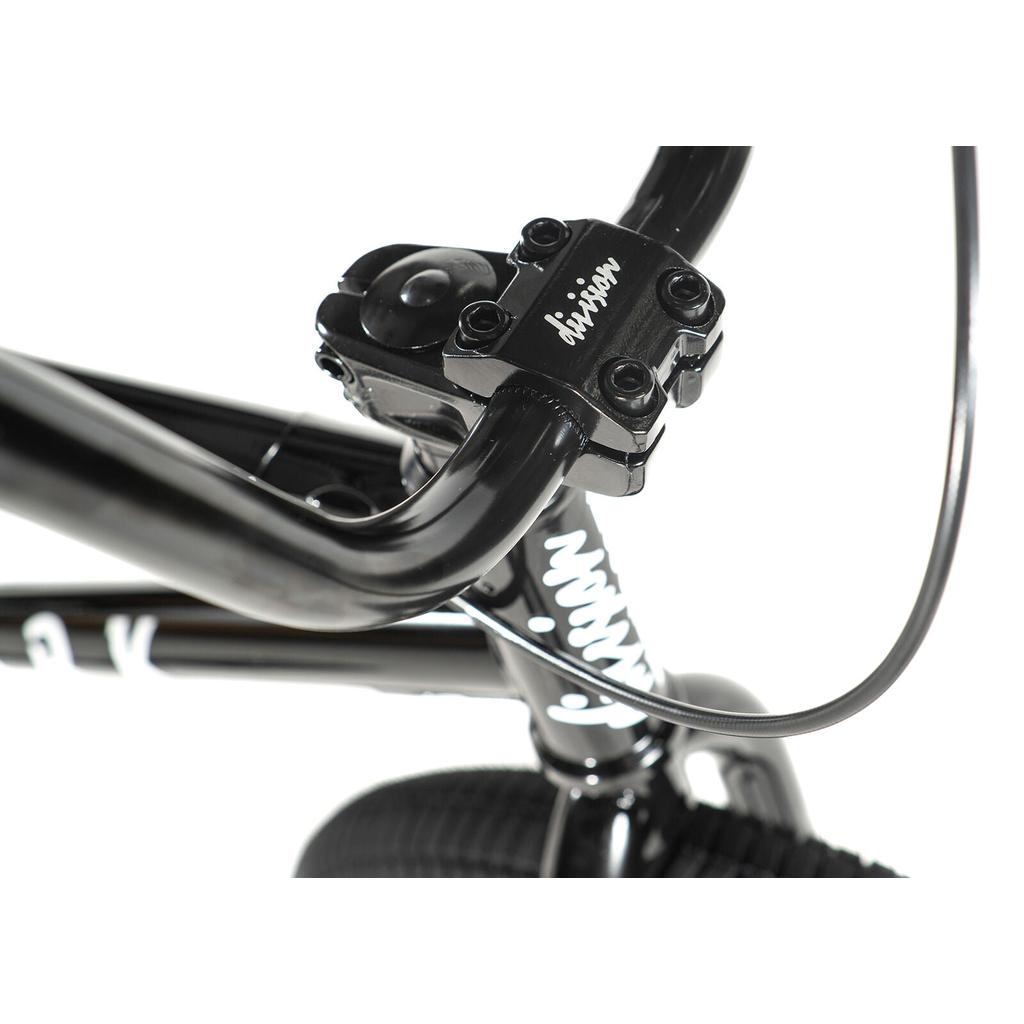
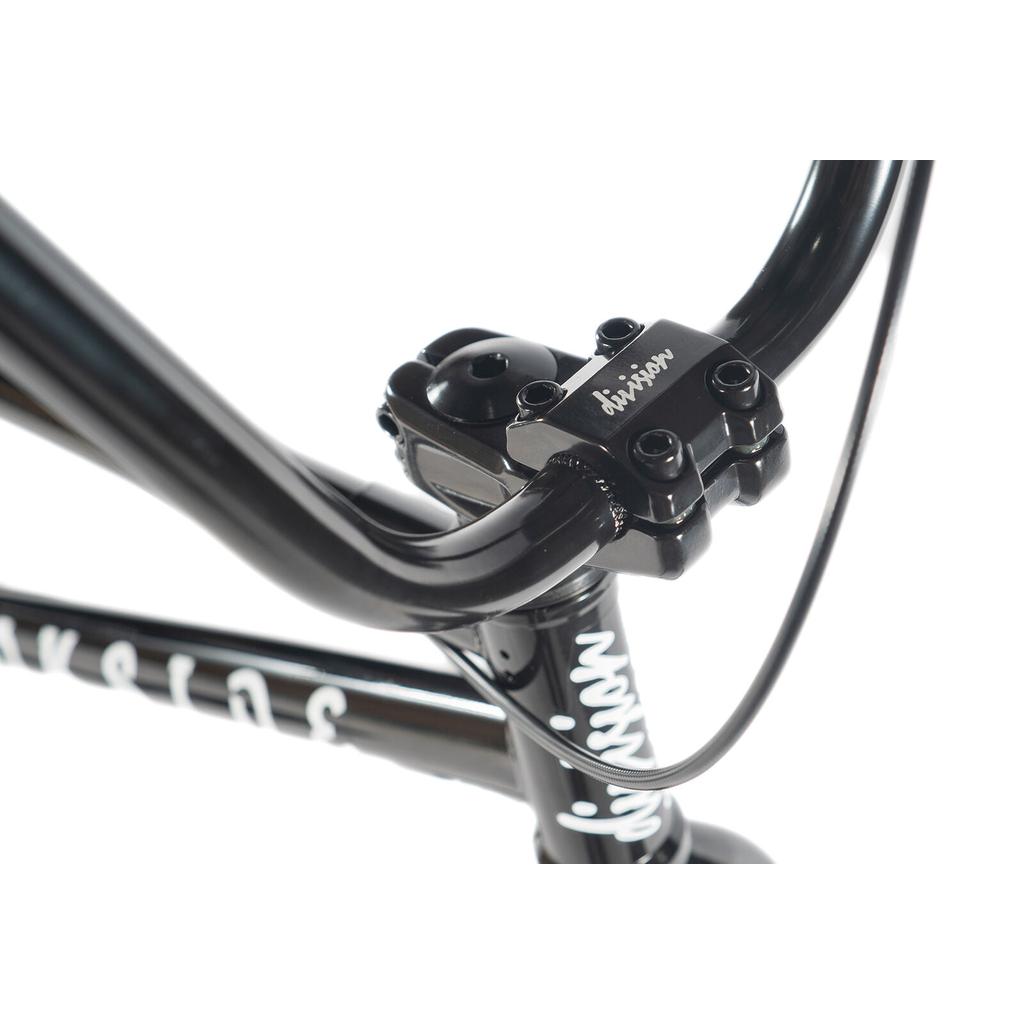
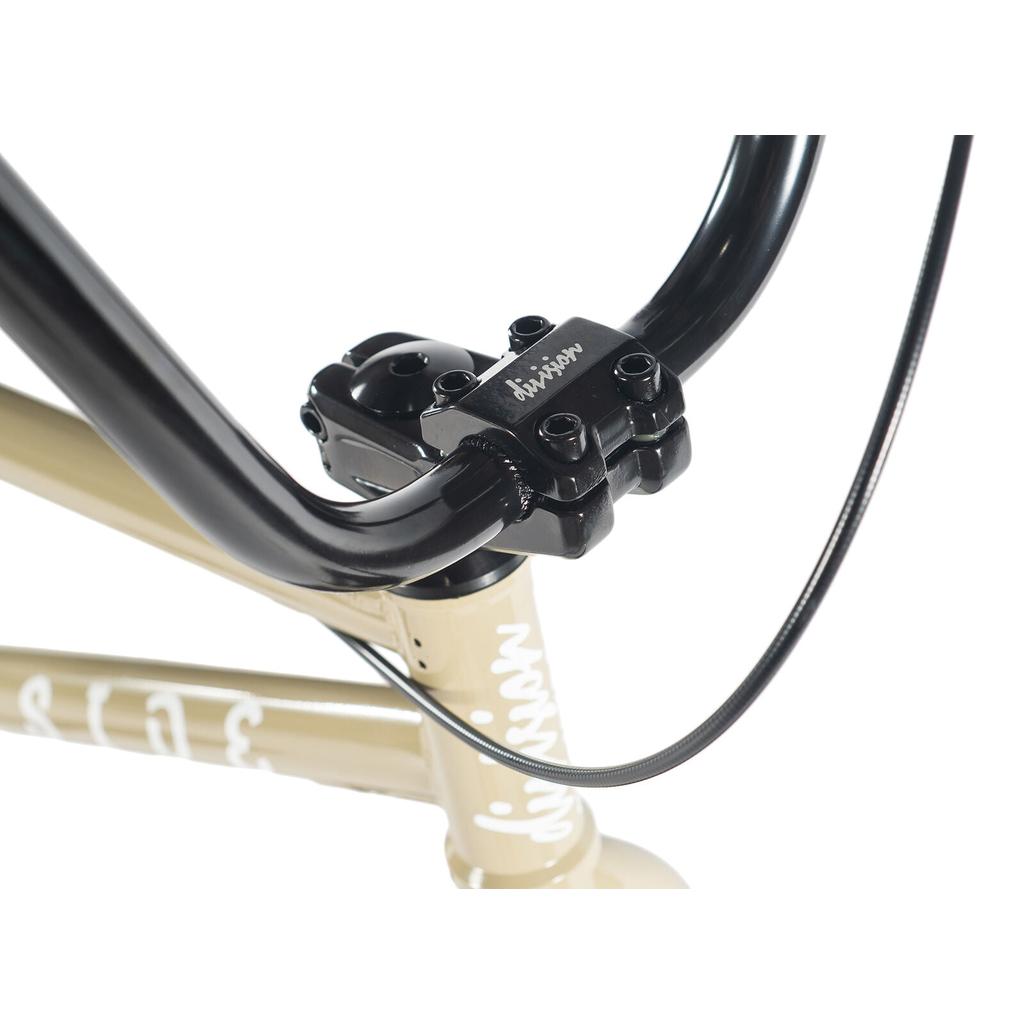
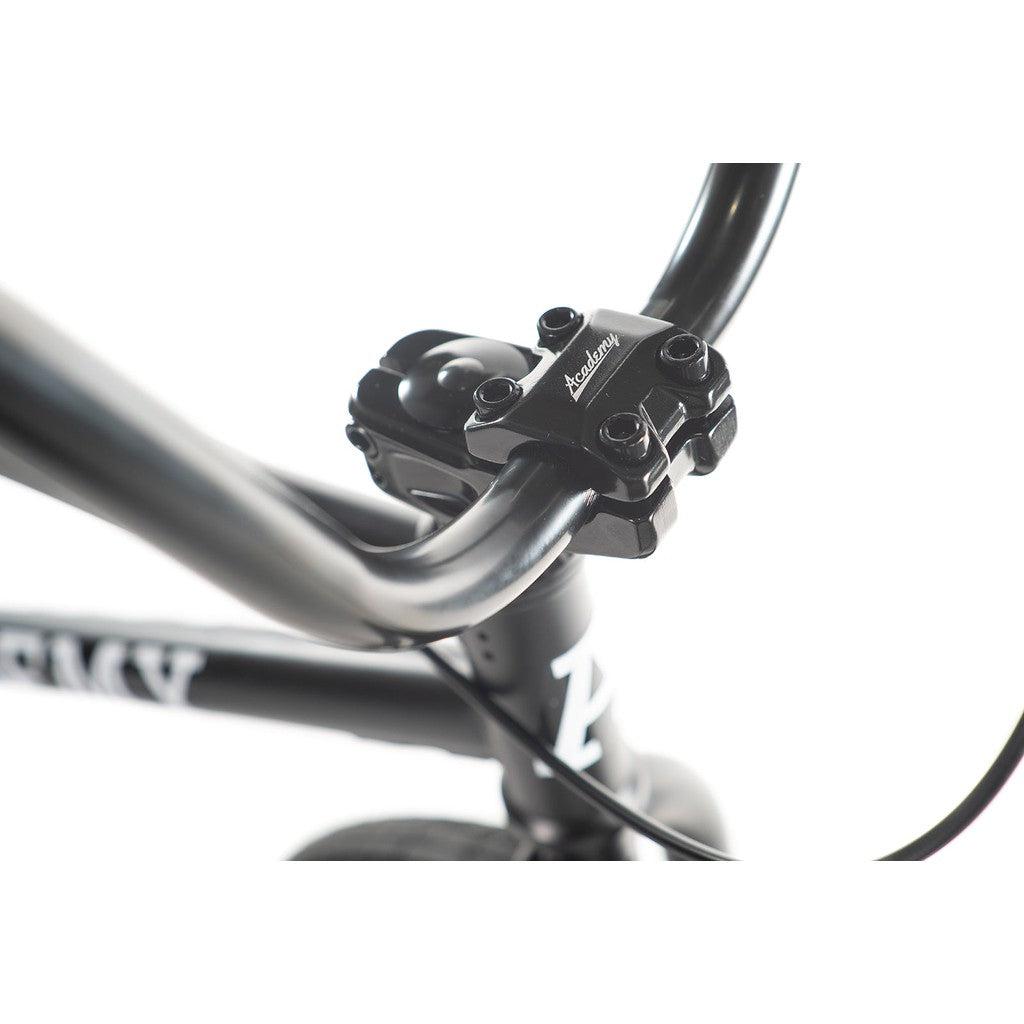
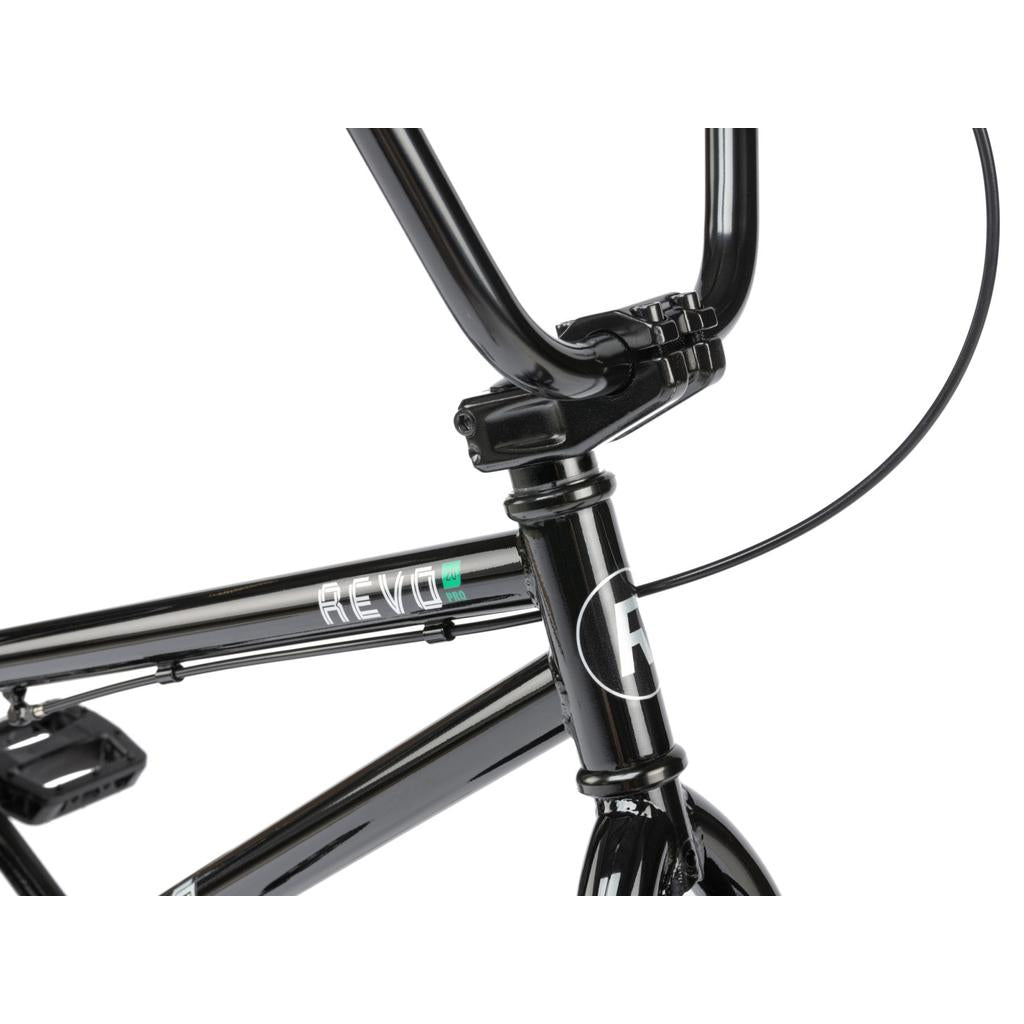
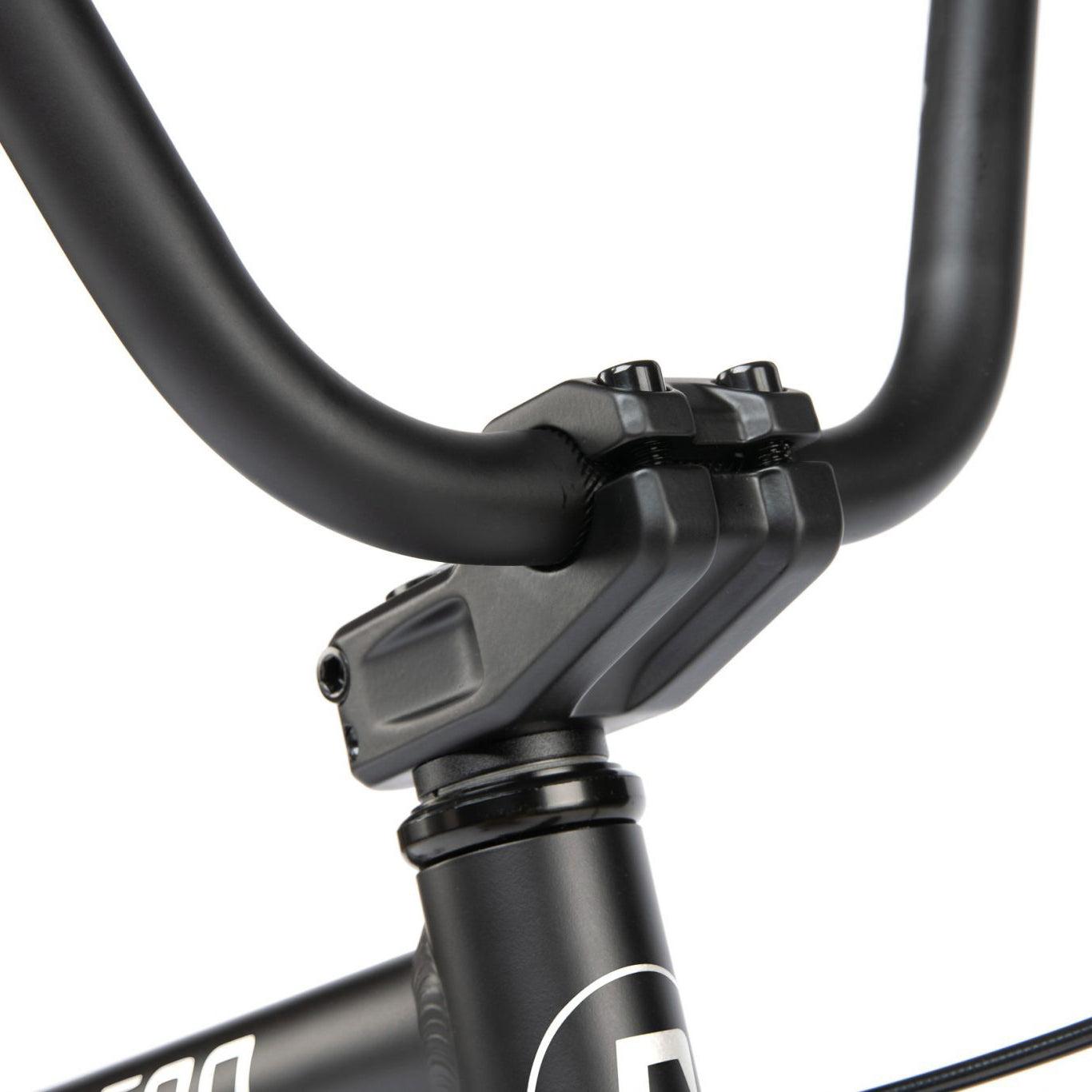
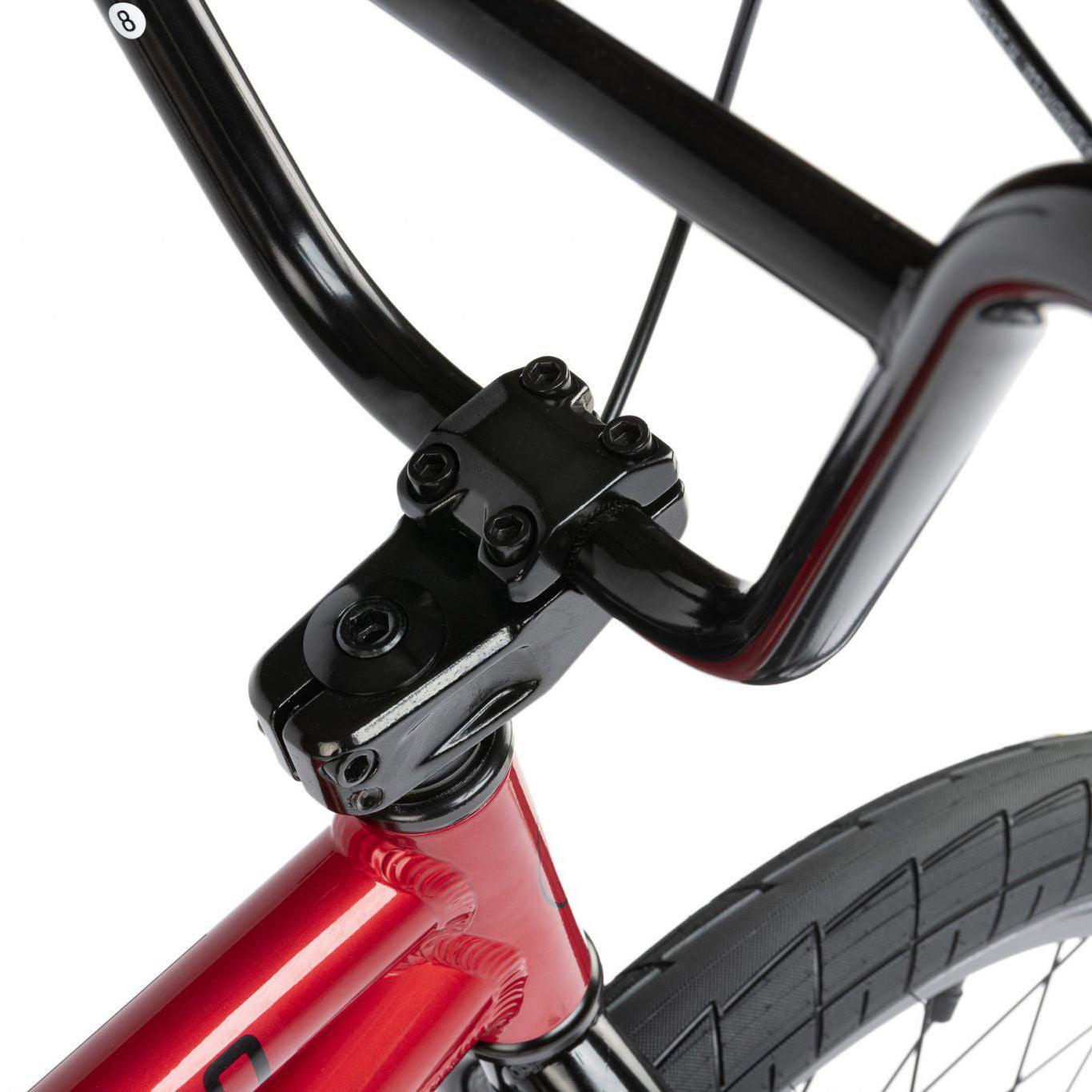
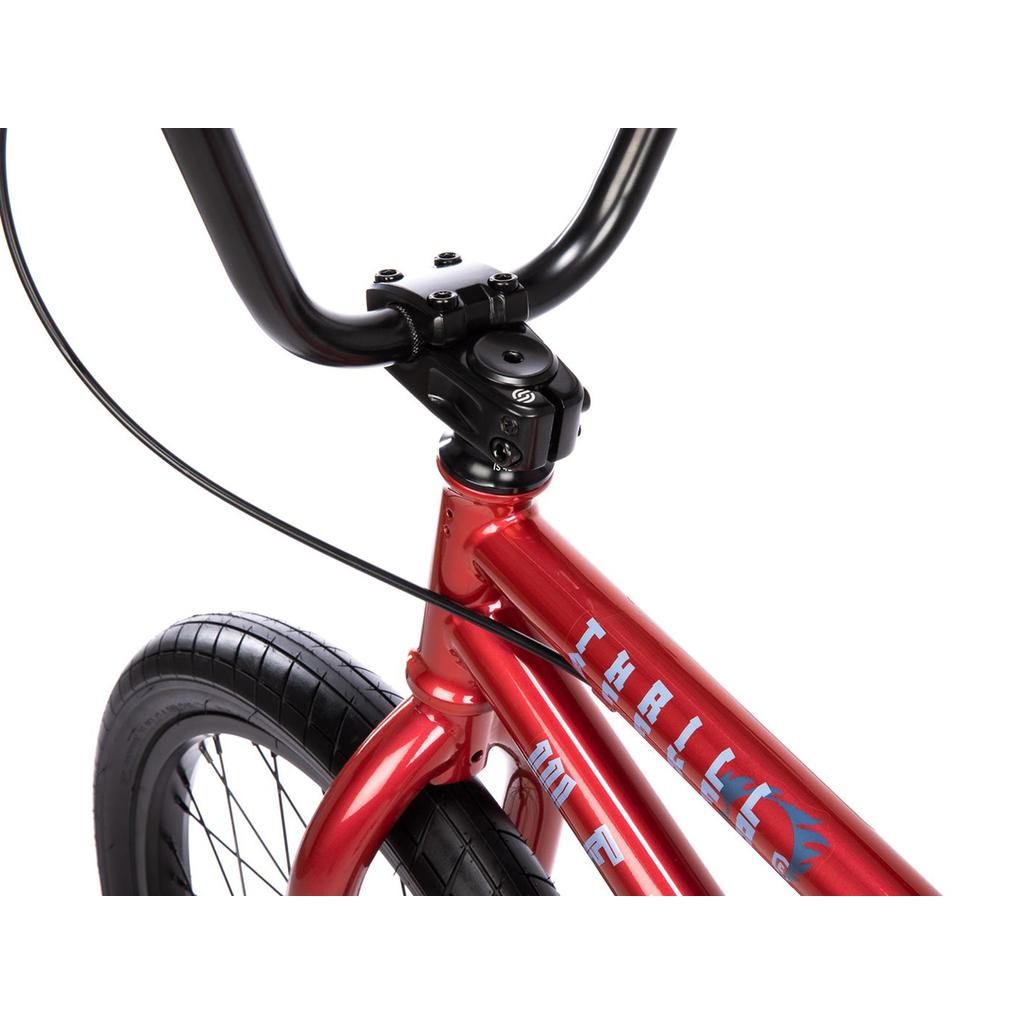
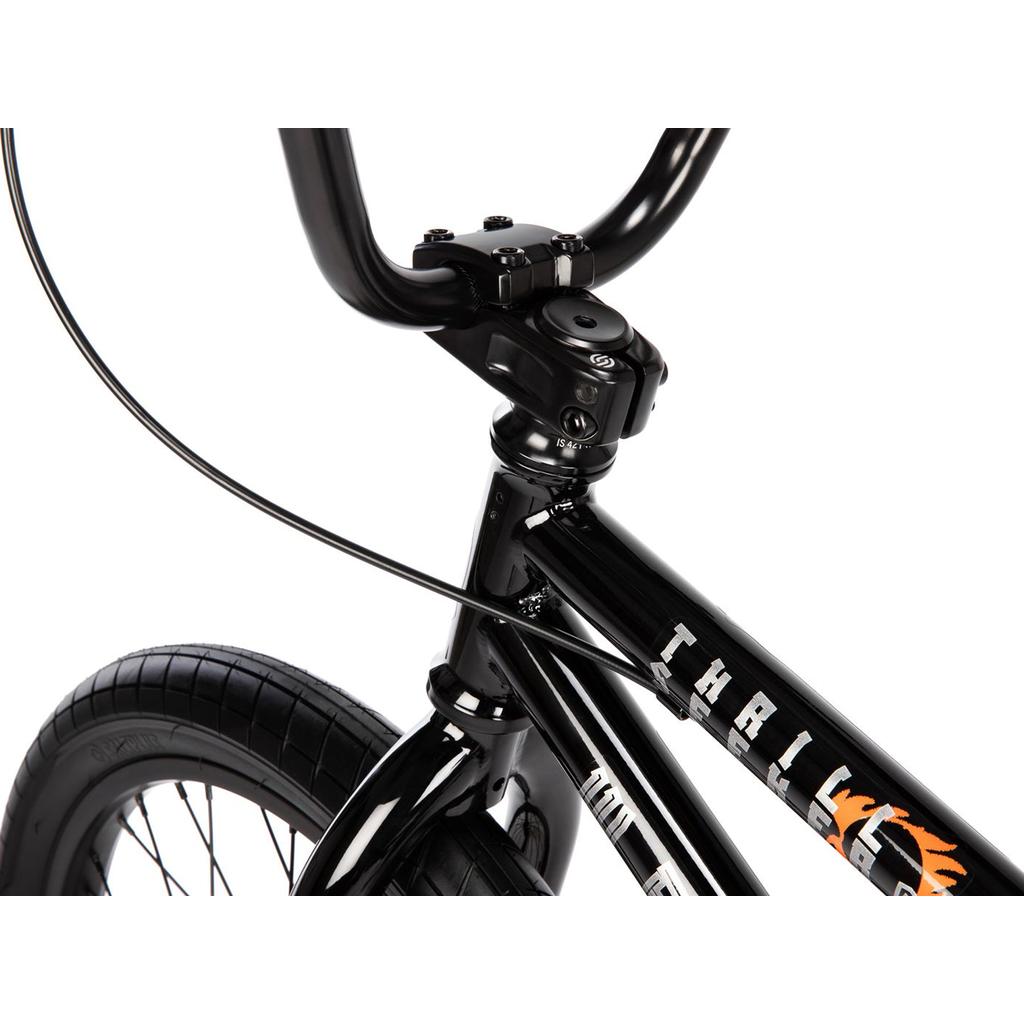
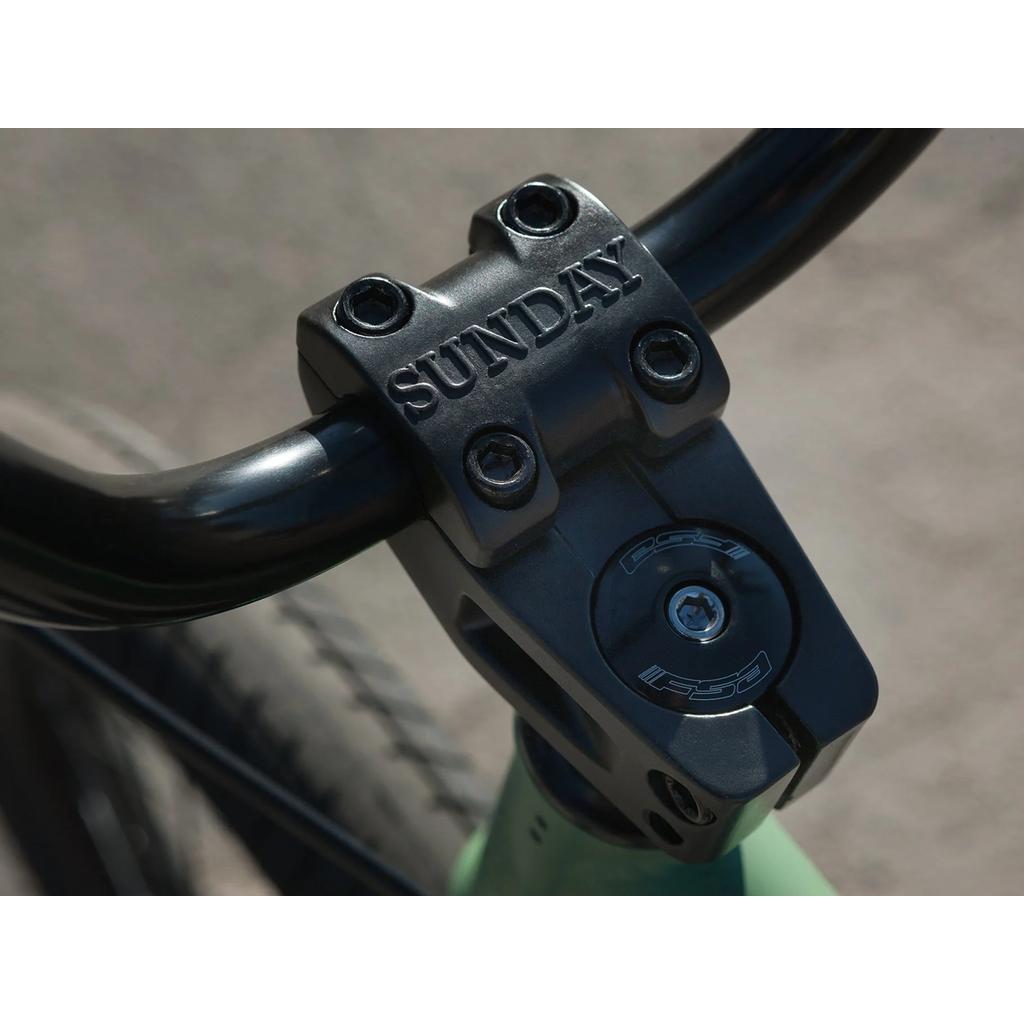
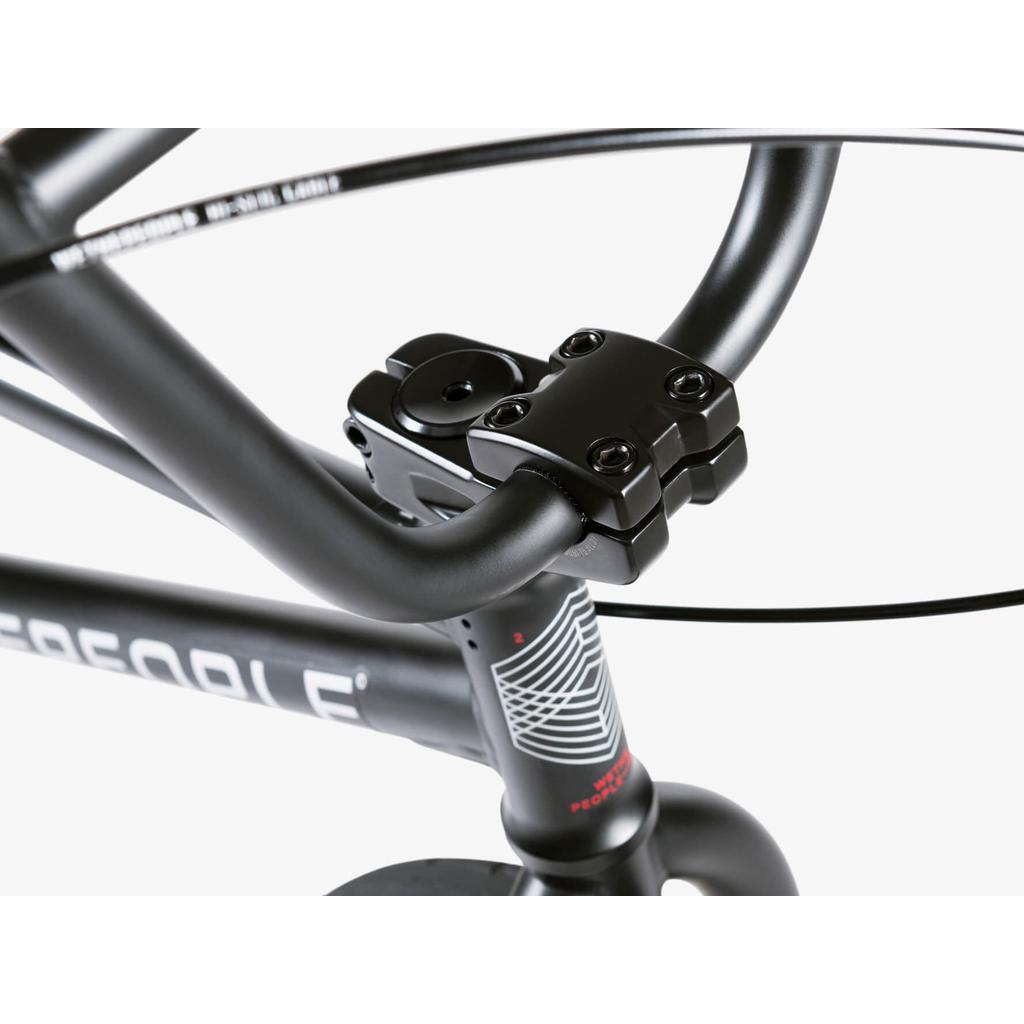
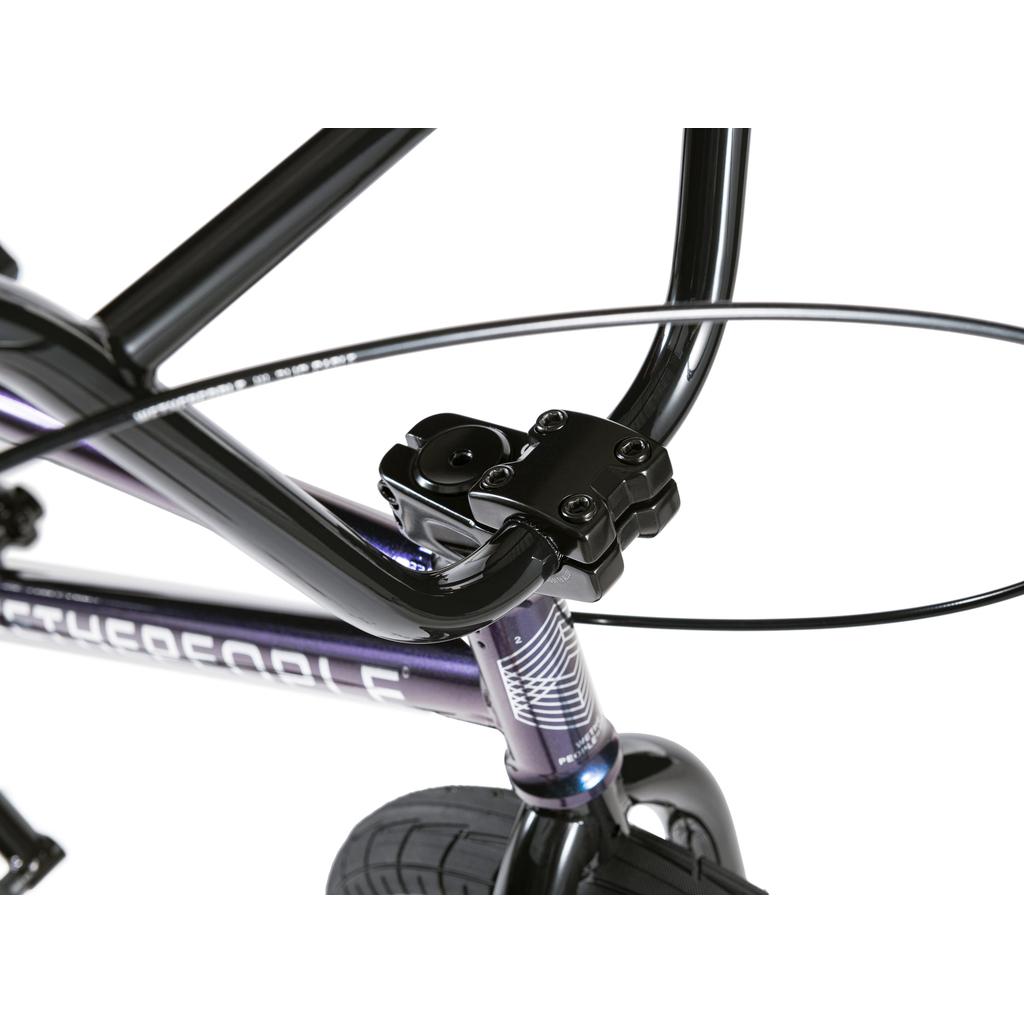
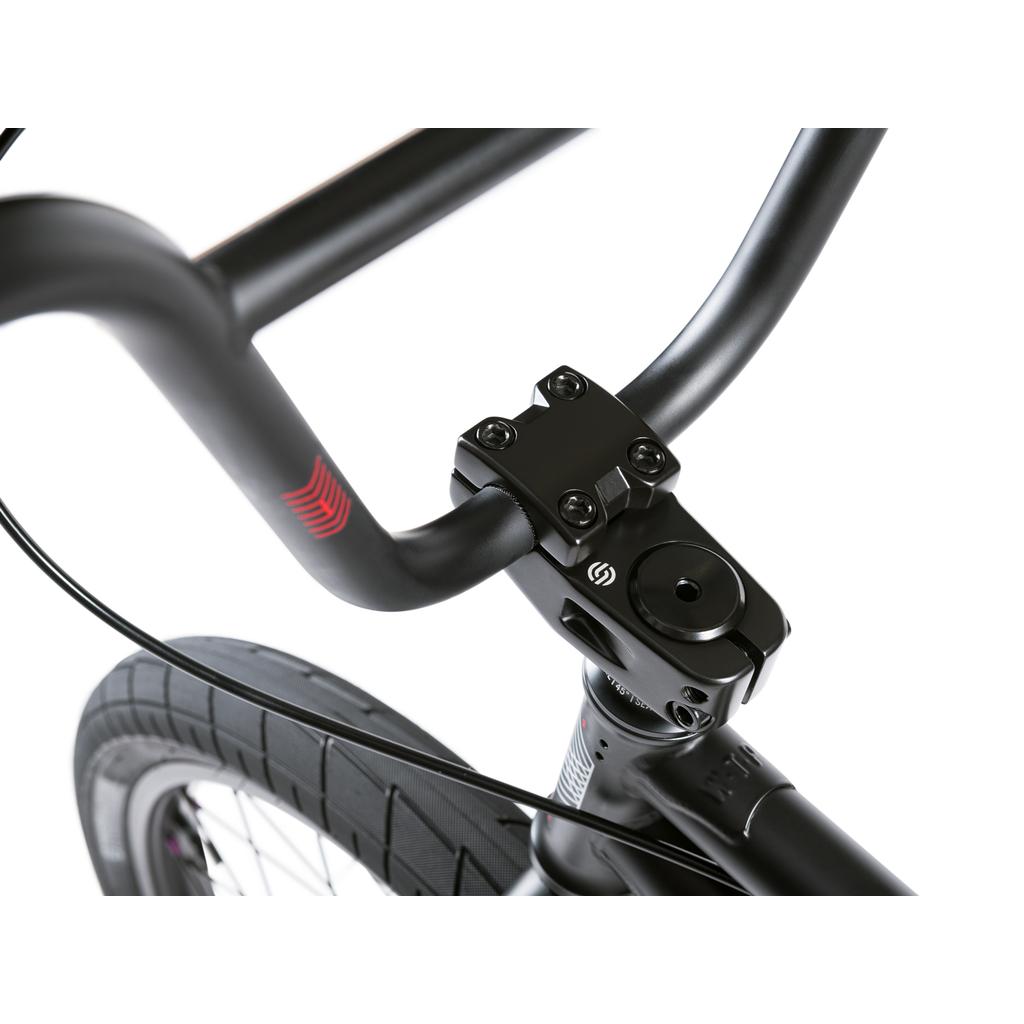
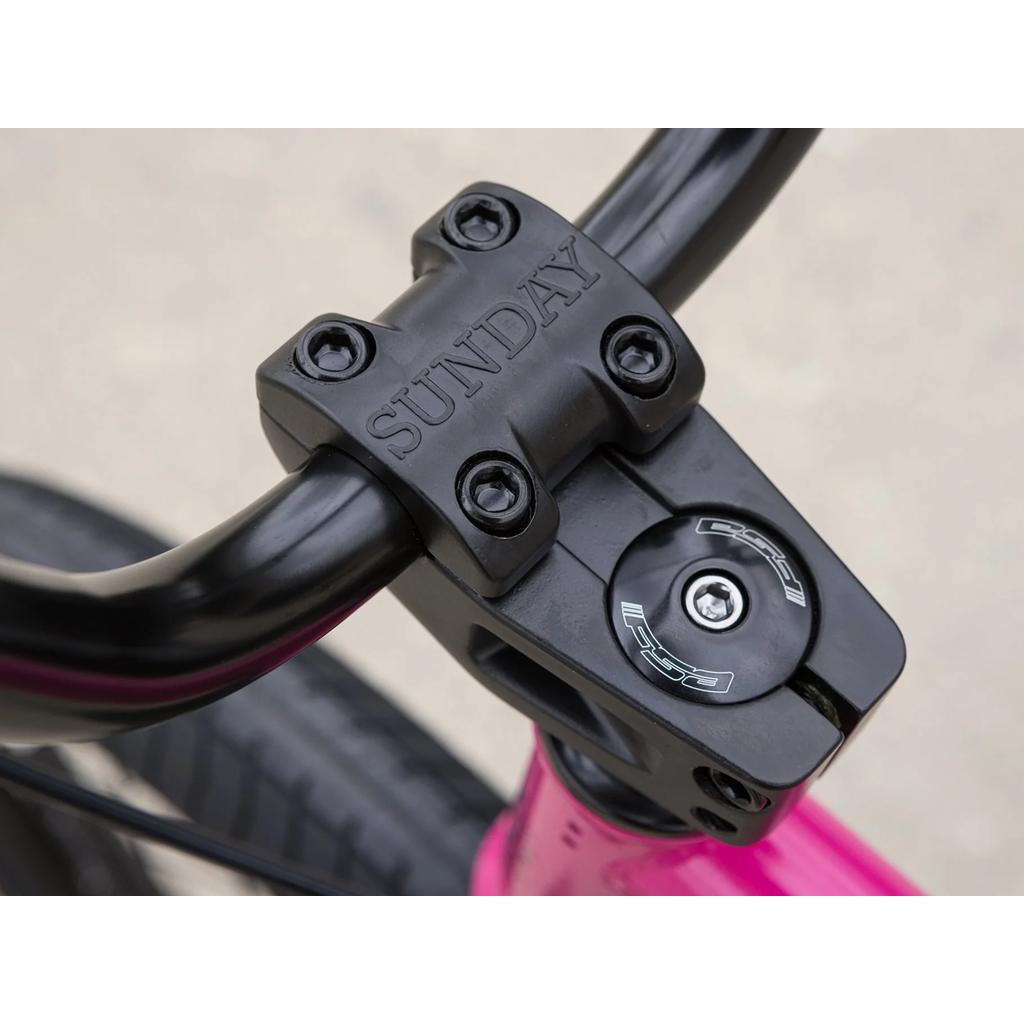
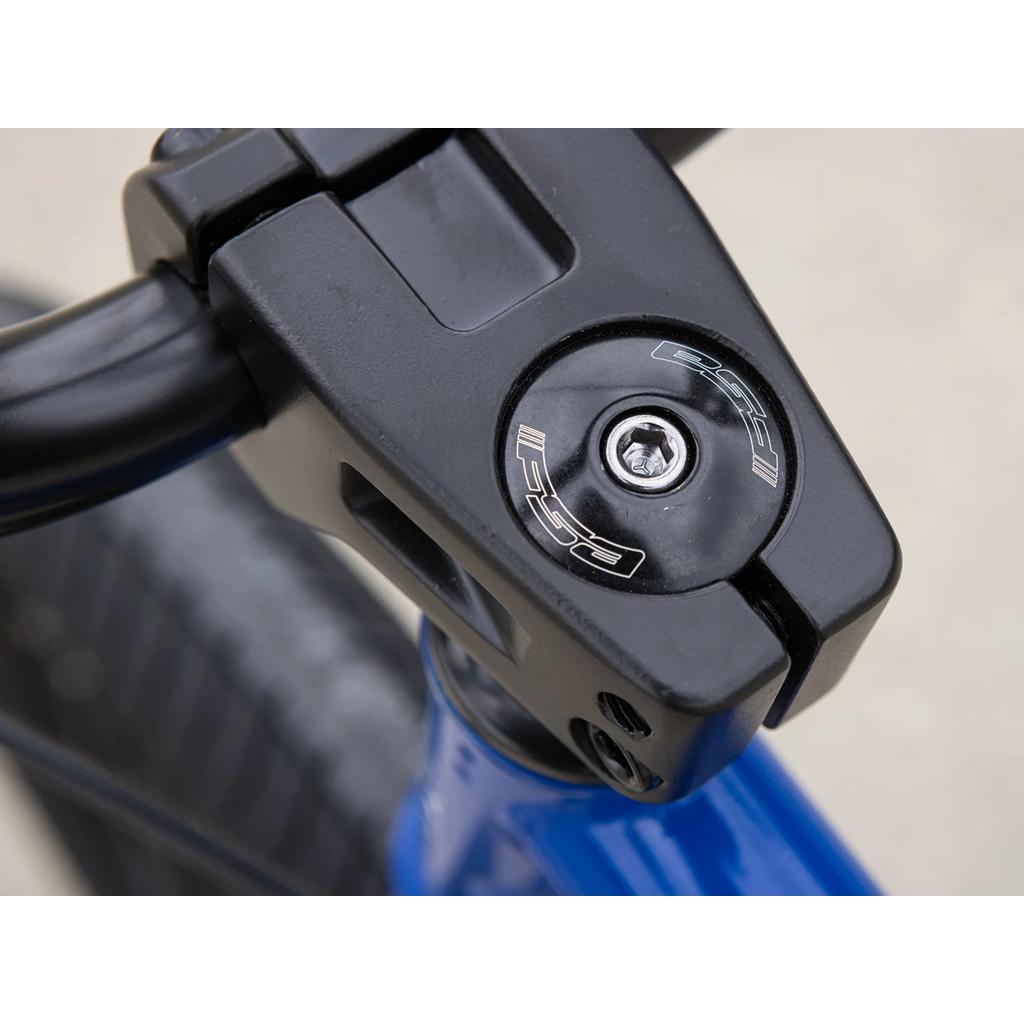
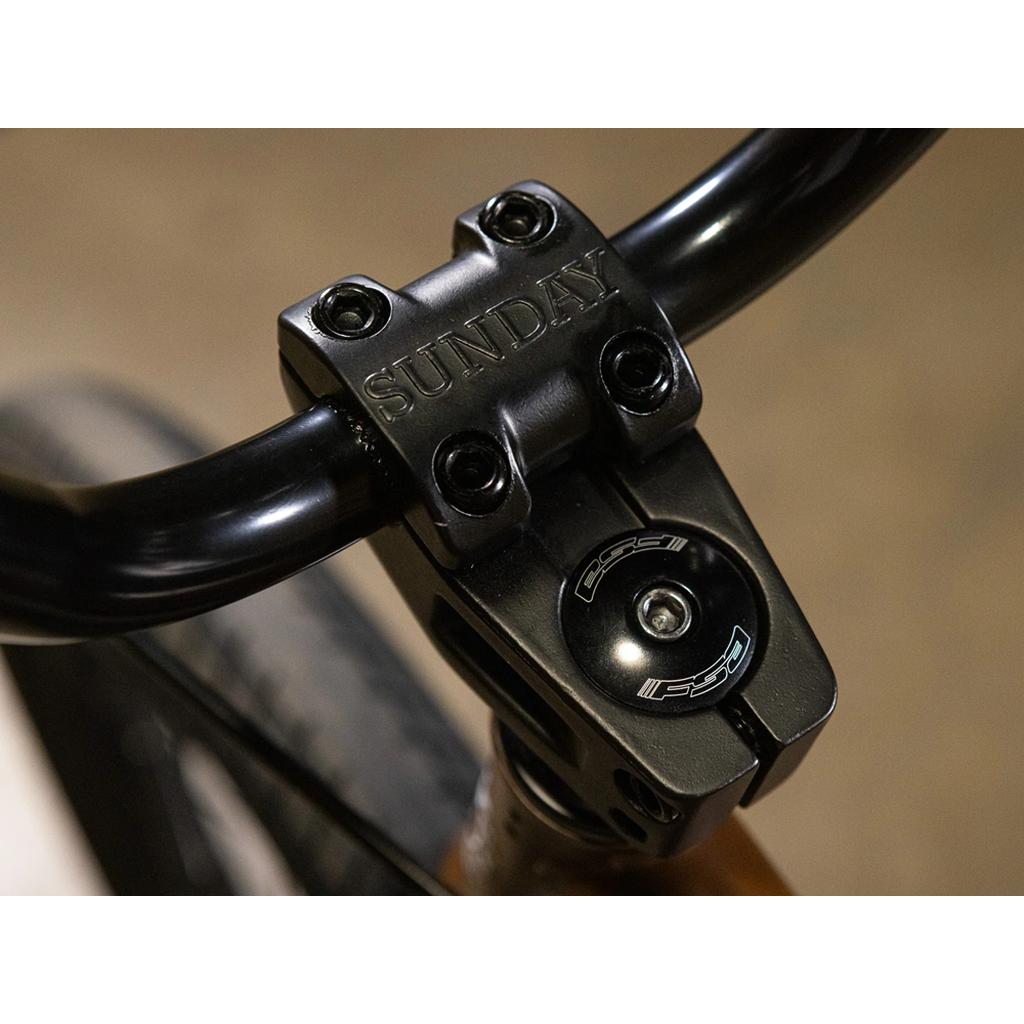
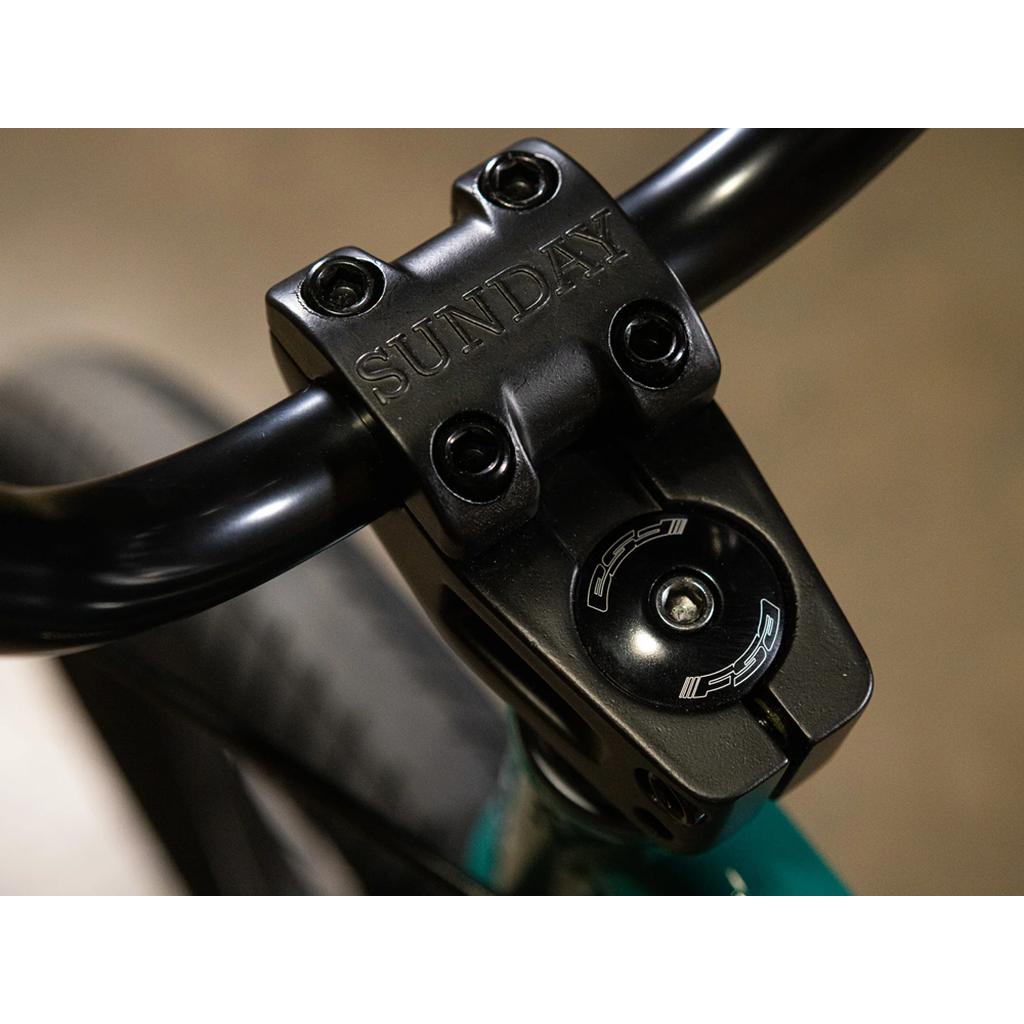
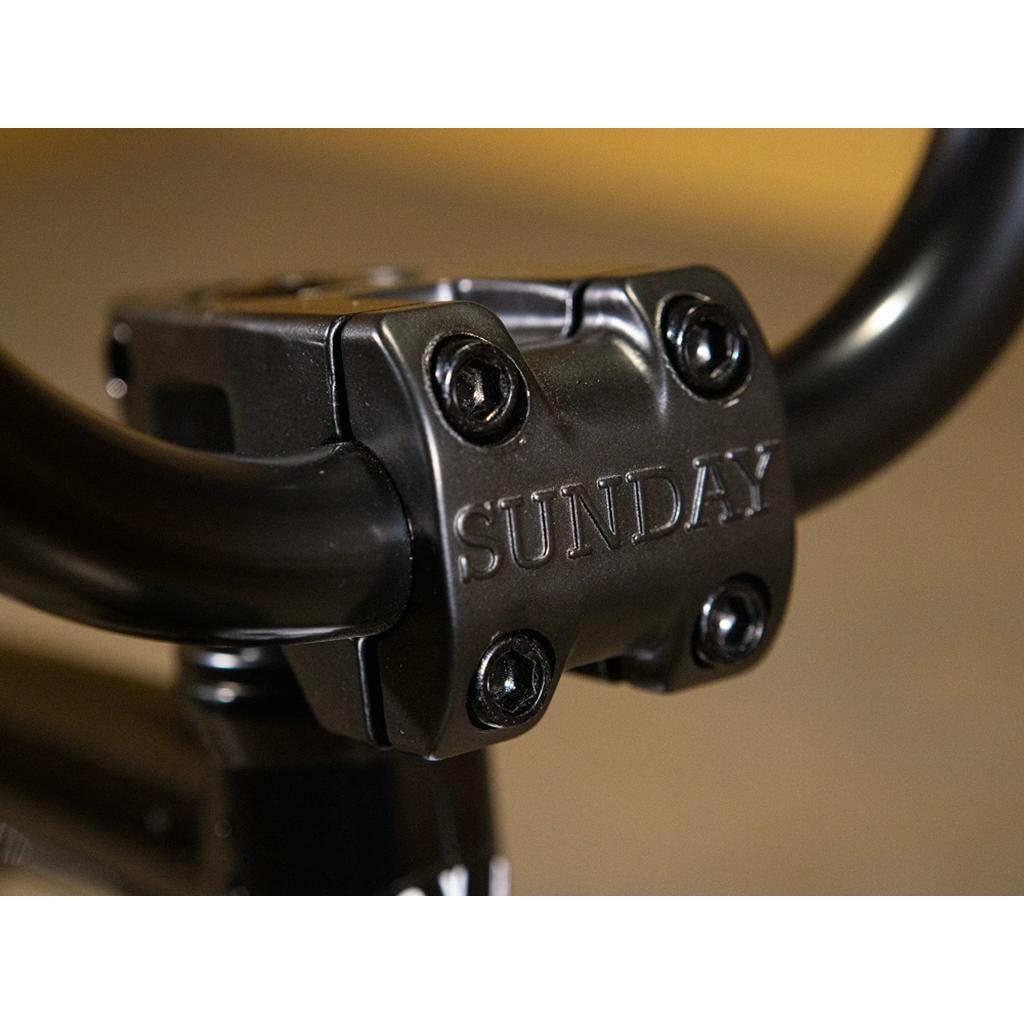
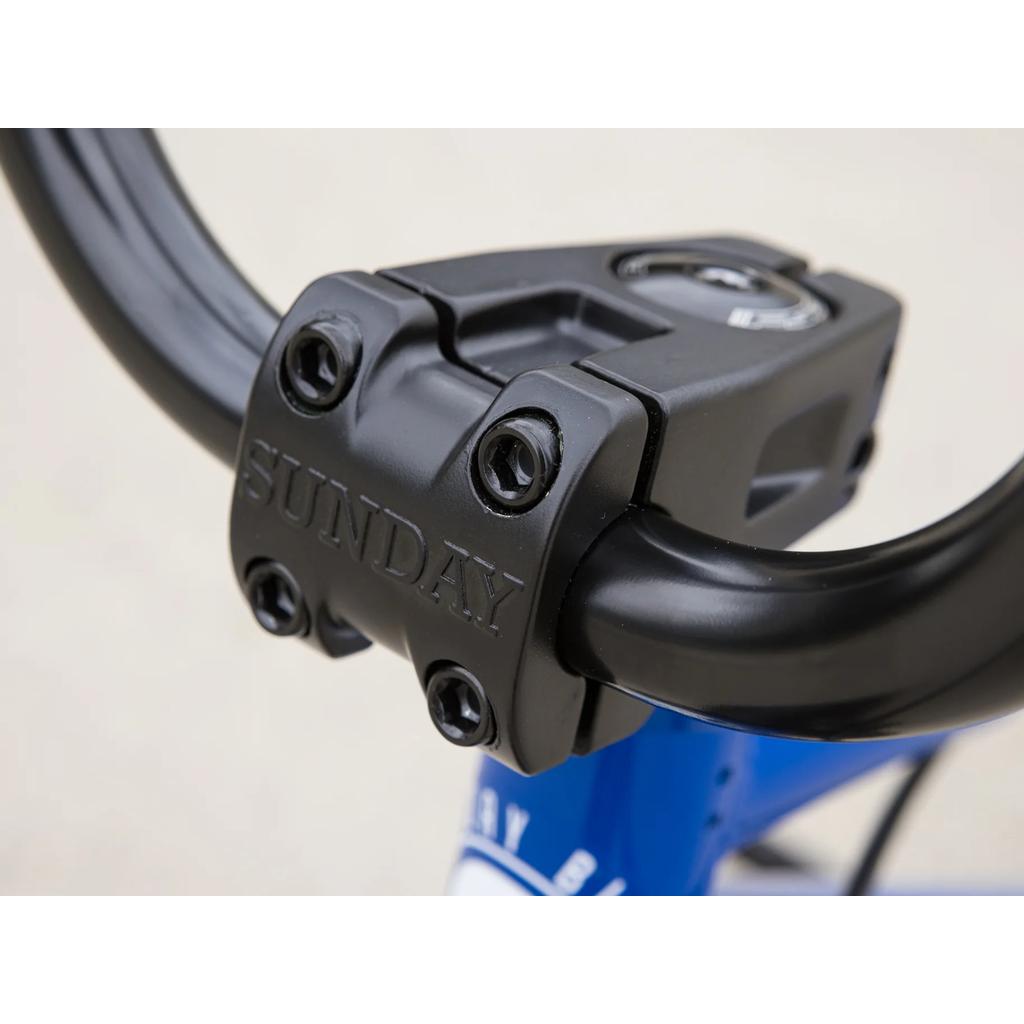
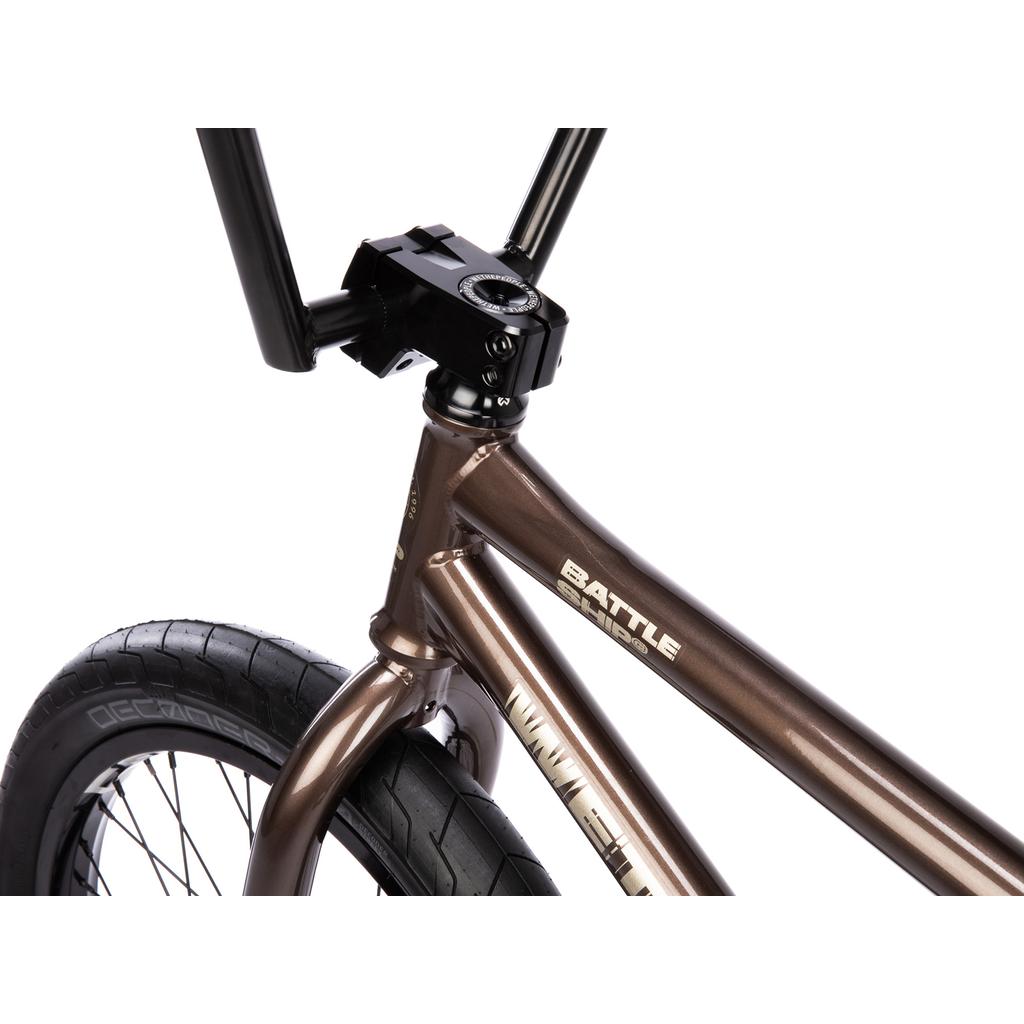
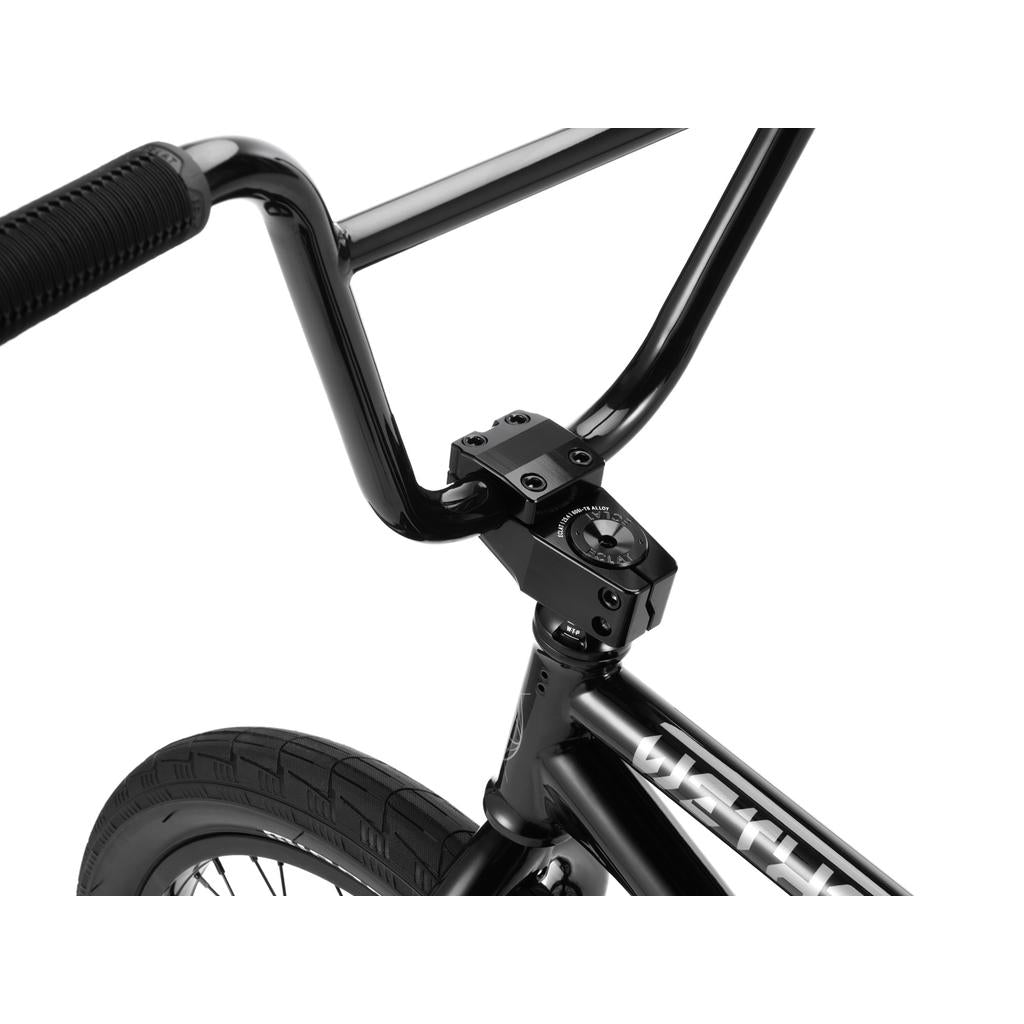
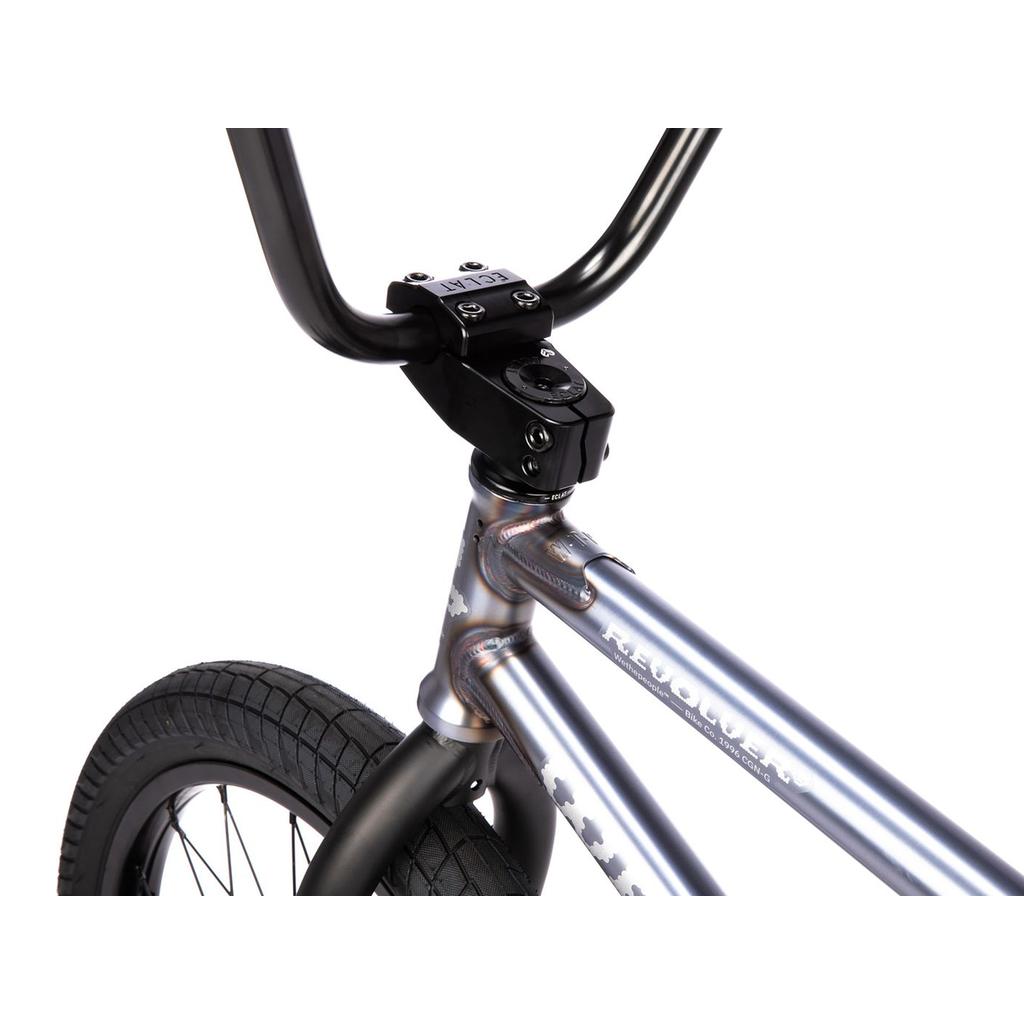
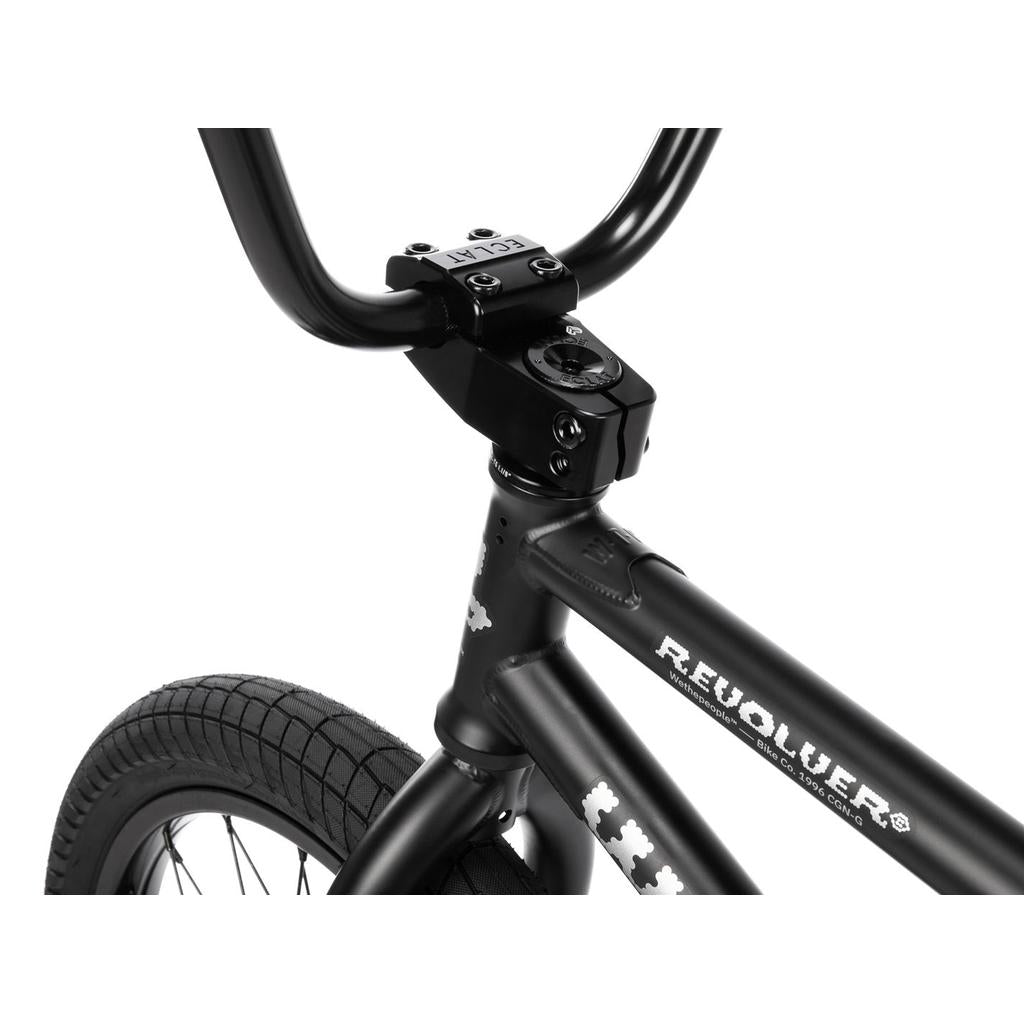
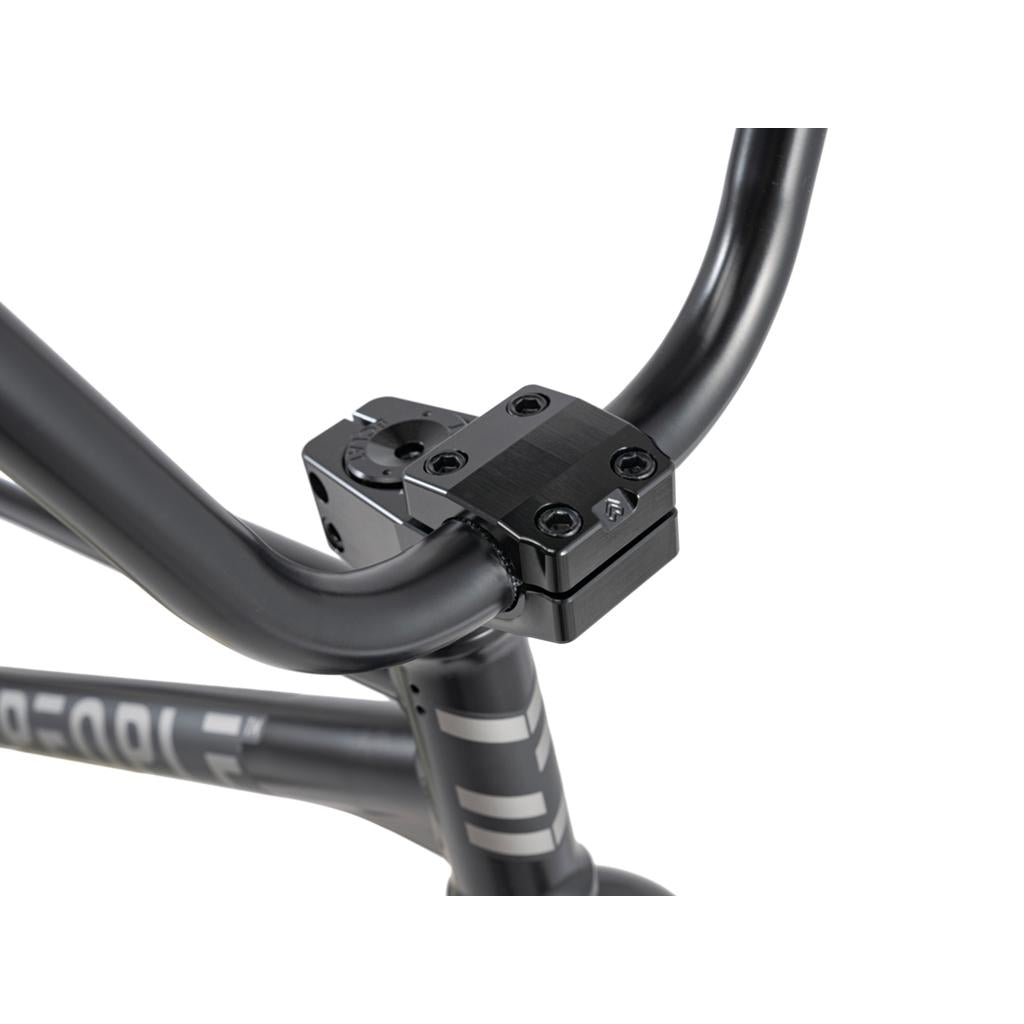
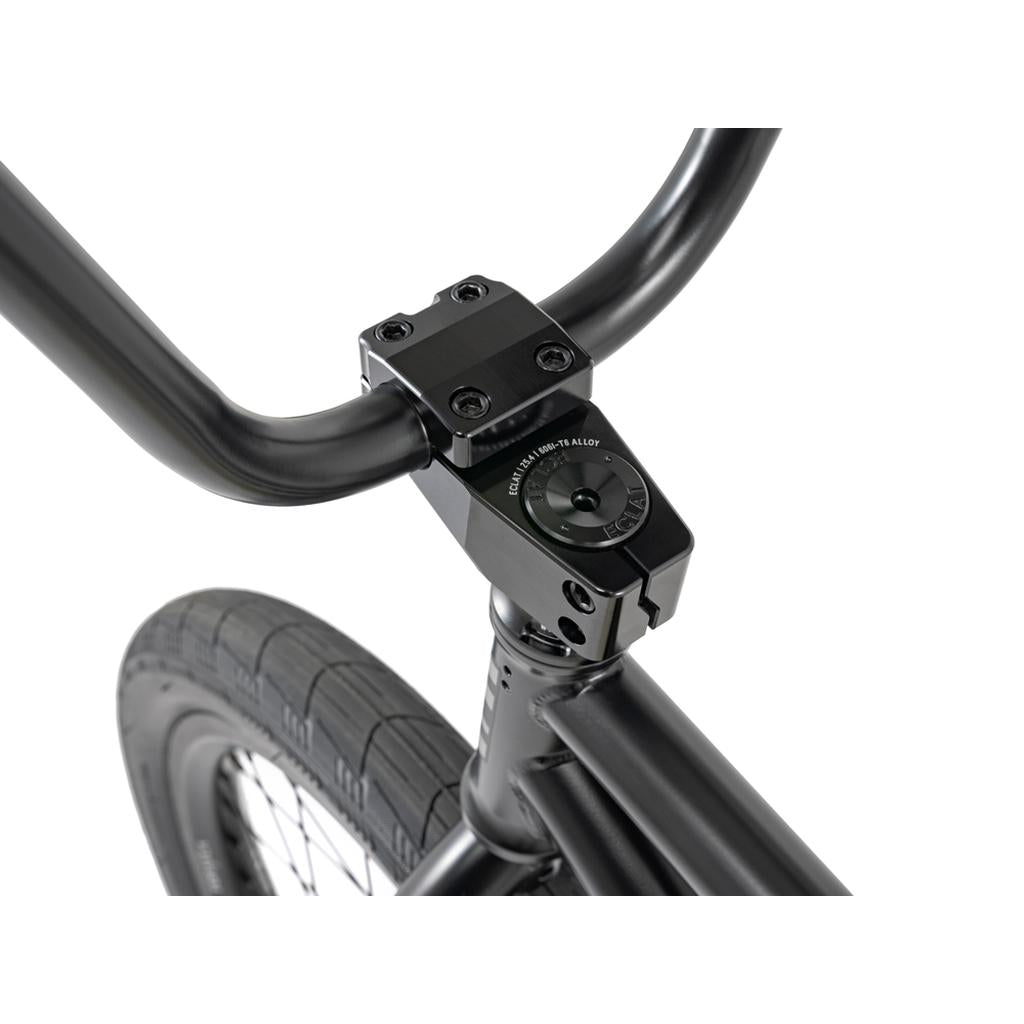
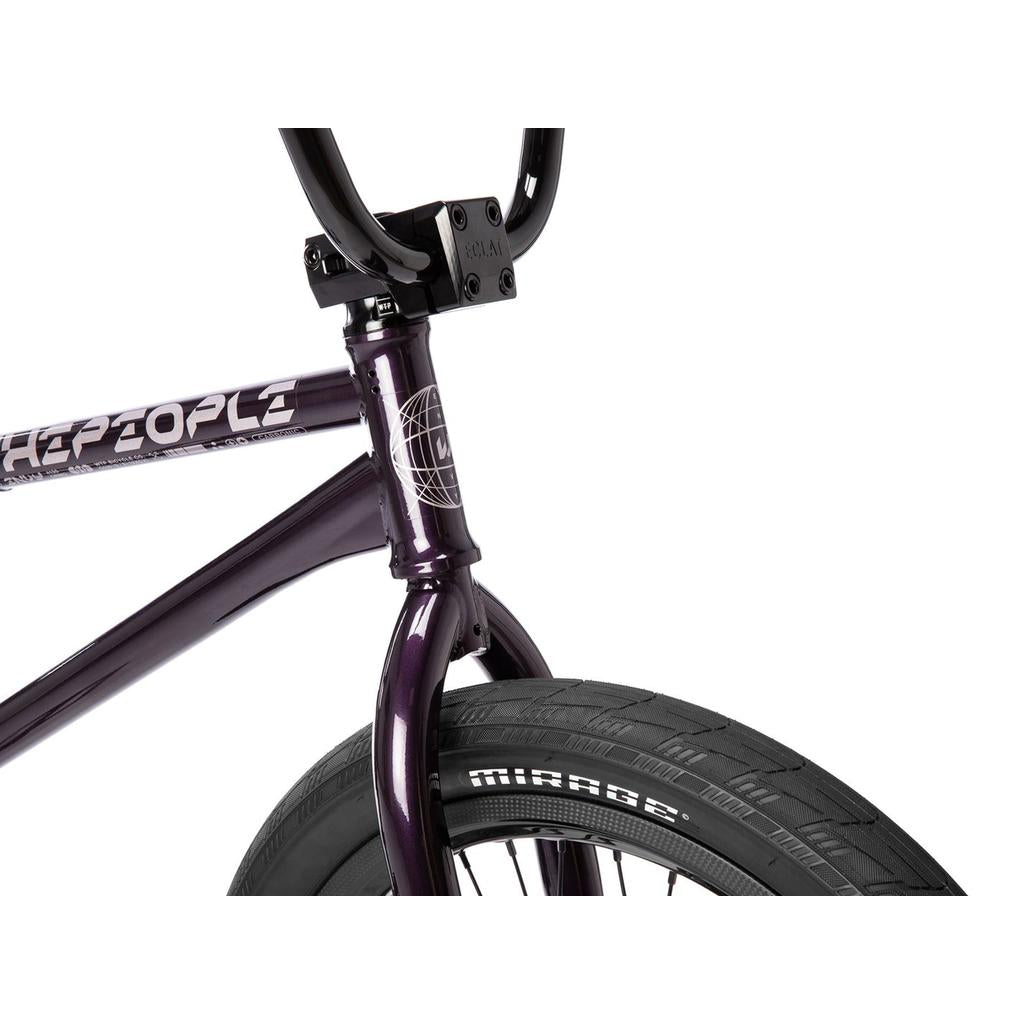
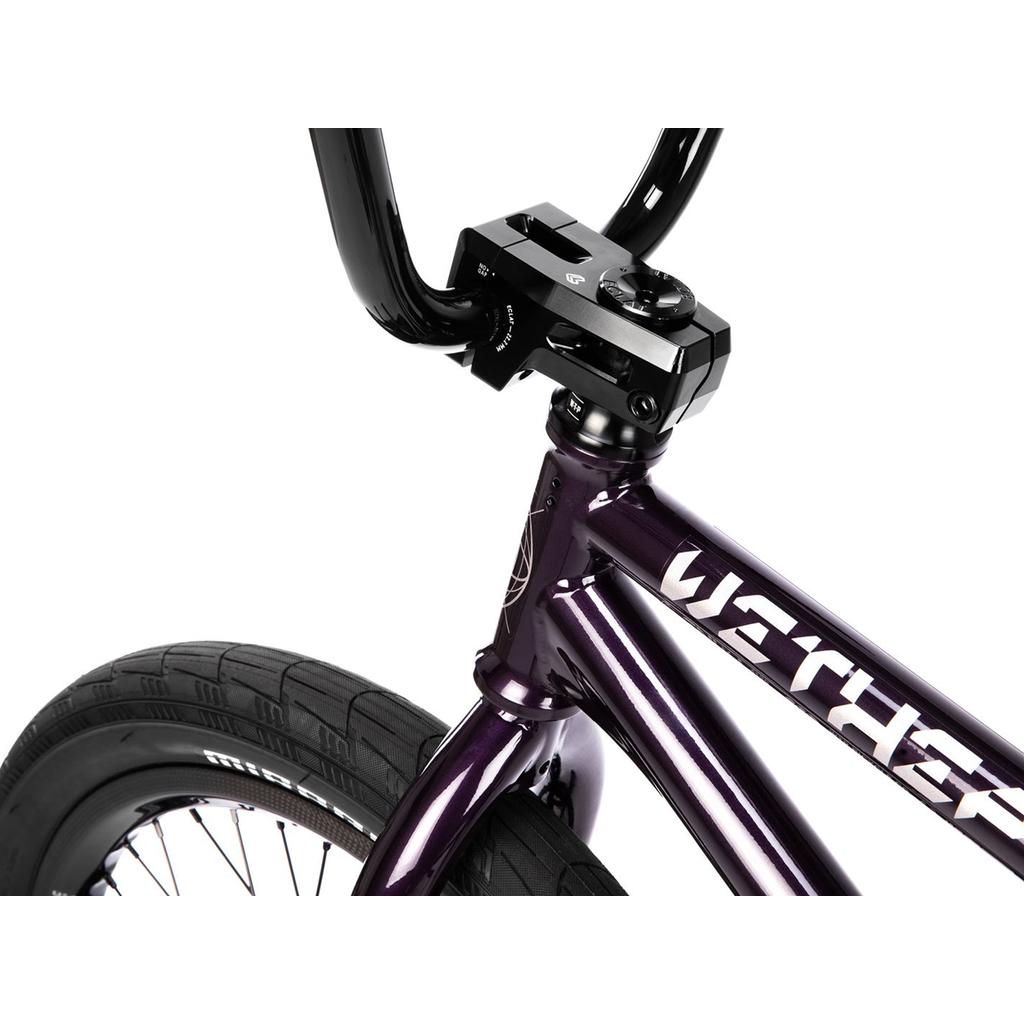
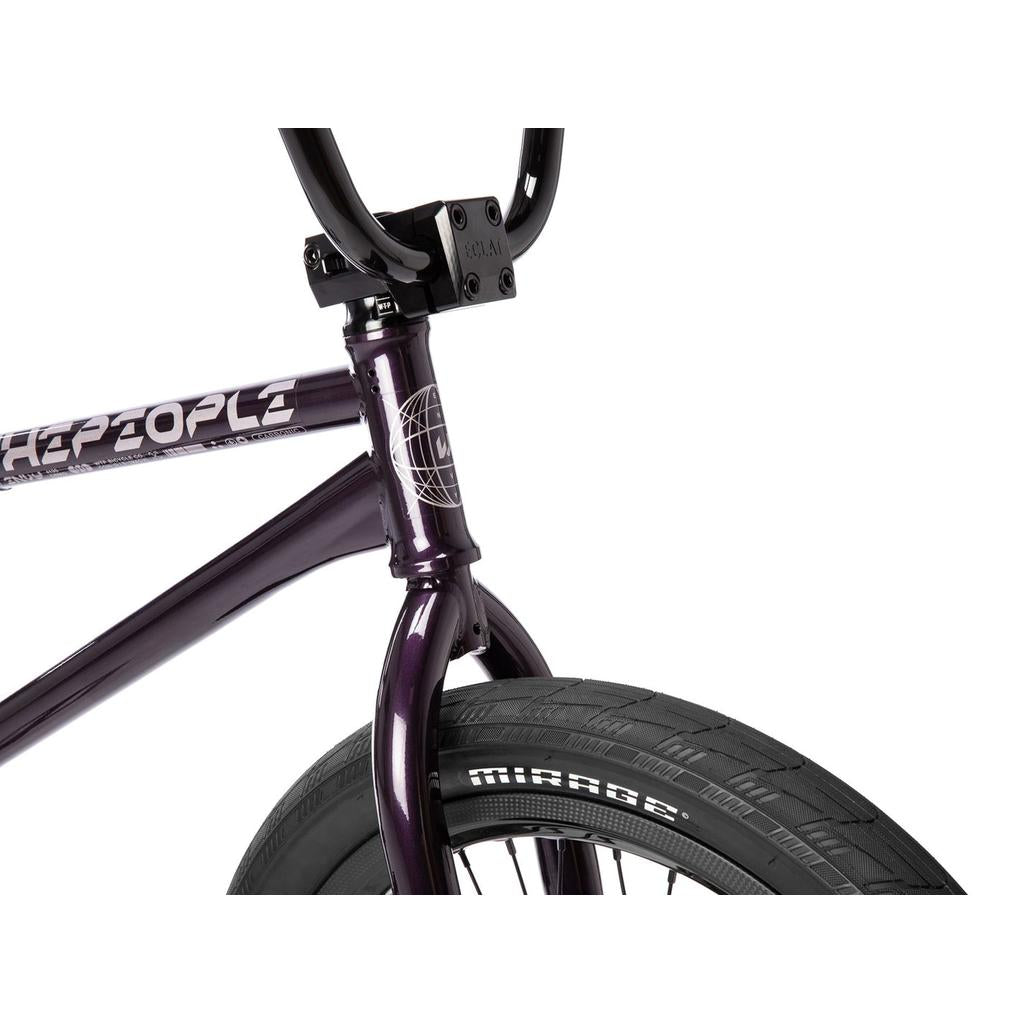
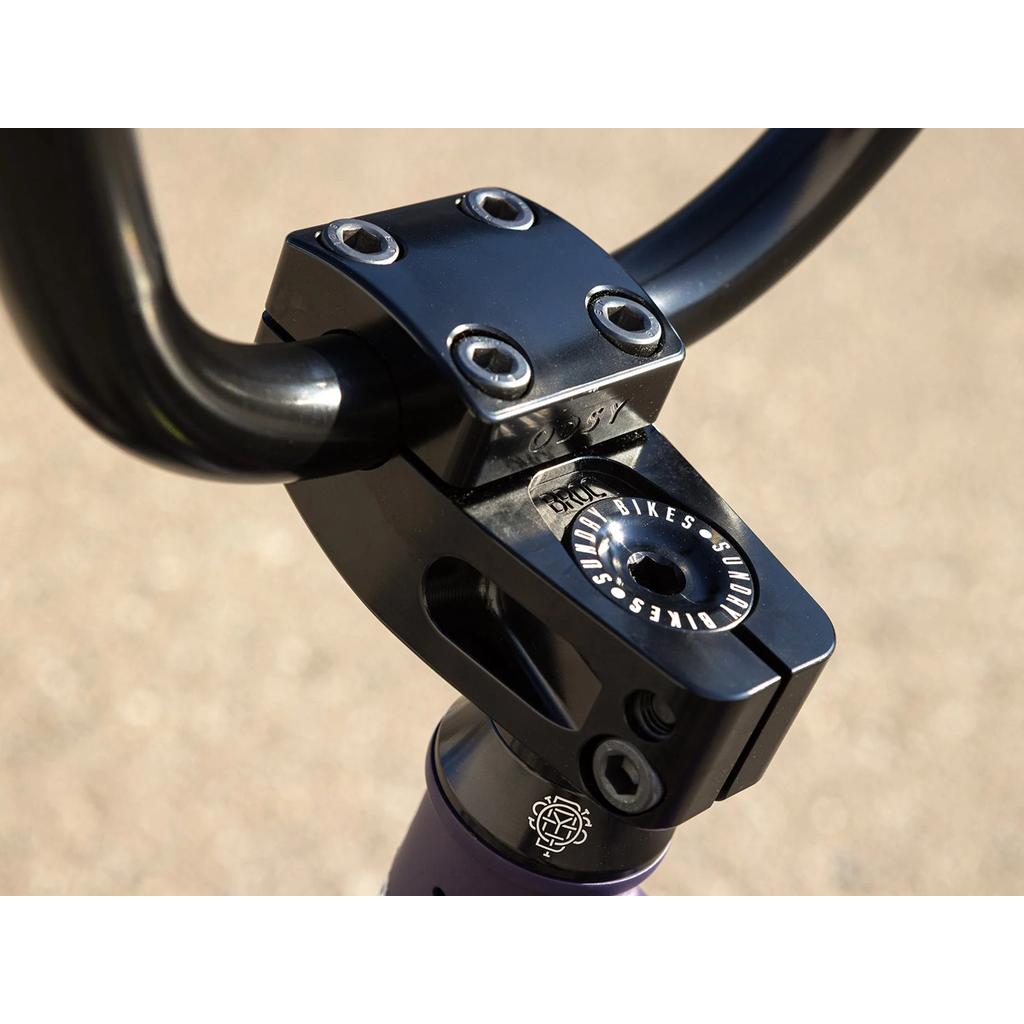
The stem clamps your bars to the fork and comes in two shapes: front load, which is the common choice for street and park, and top load, which sits lower and is popular with riders who want the bars a touch further back. Reach is the measurement that matters, usually between 48 and 53mm, and a shorter reach makes the front end feel quicker. Look for forged alloy rather than cast on better stems. There is more in our Stem Buyer's Guide.
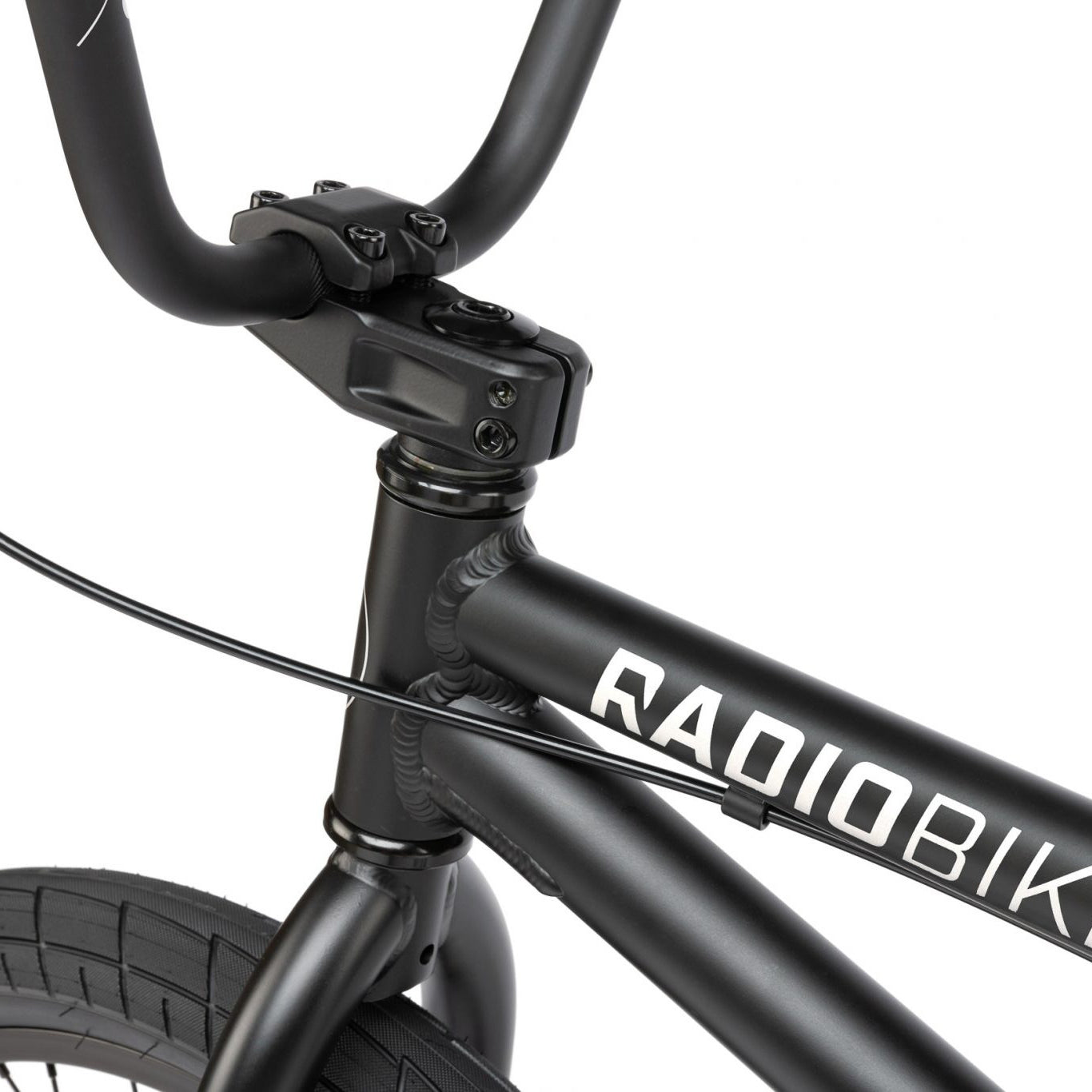
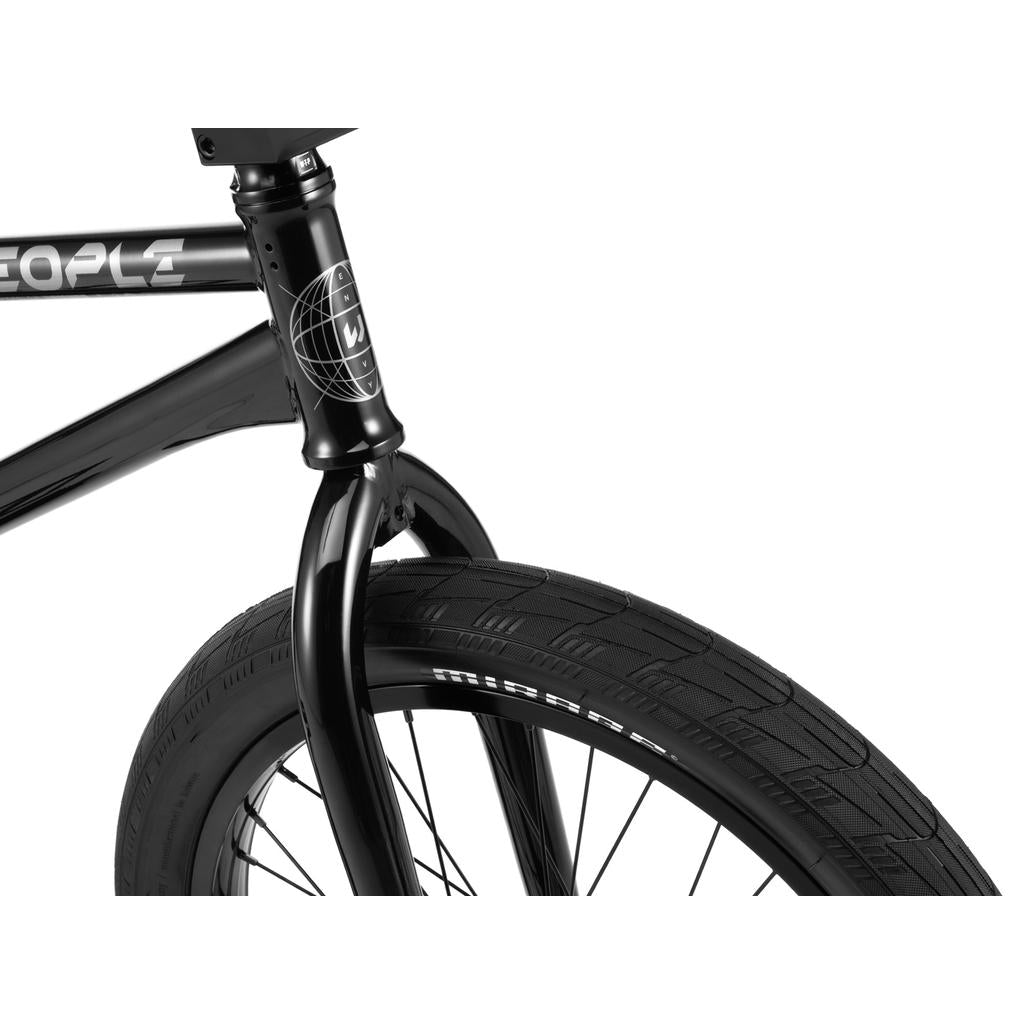
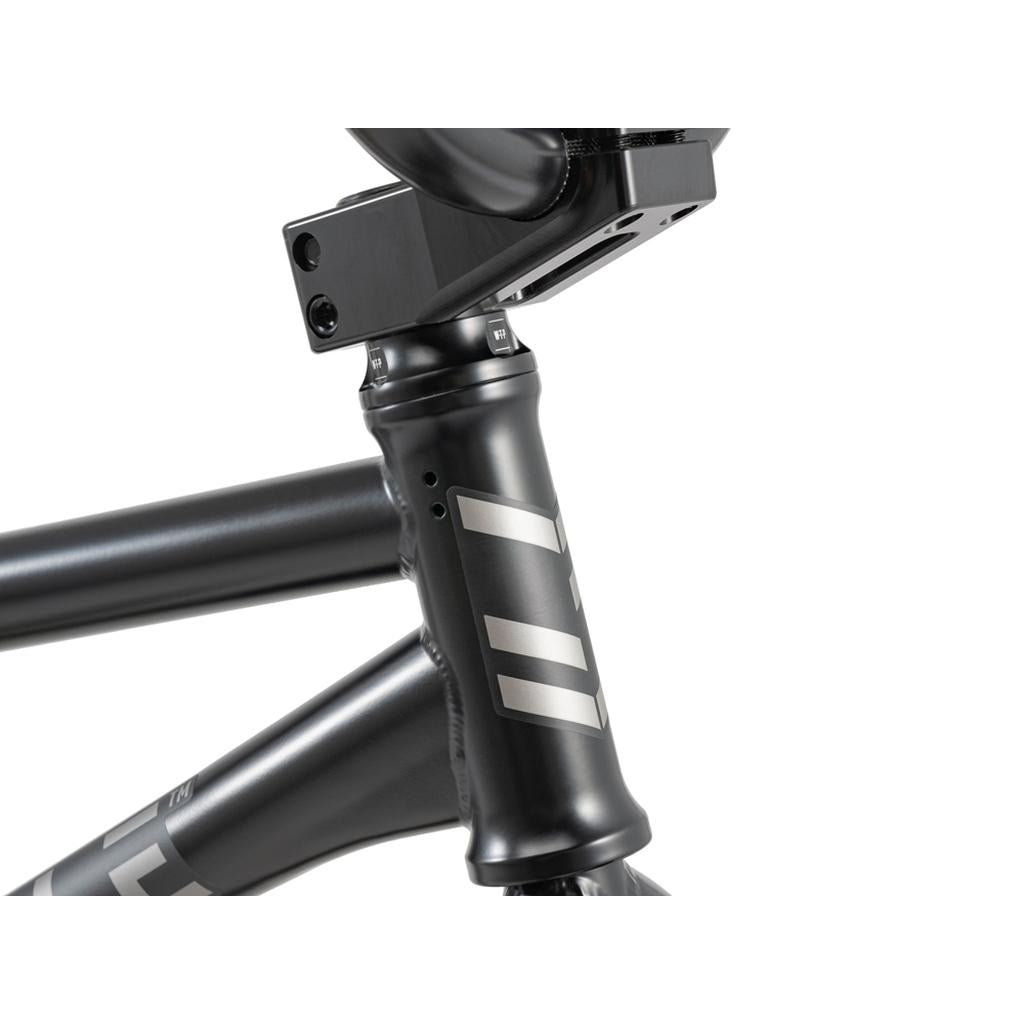
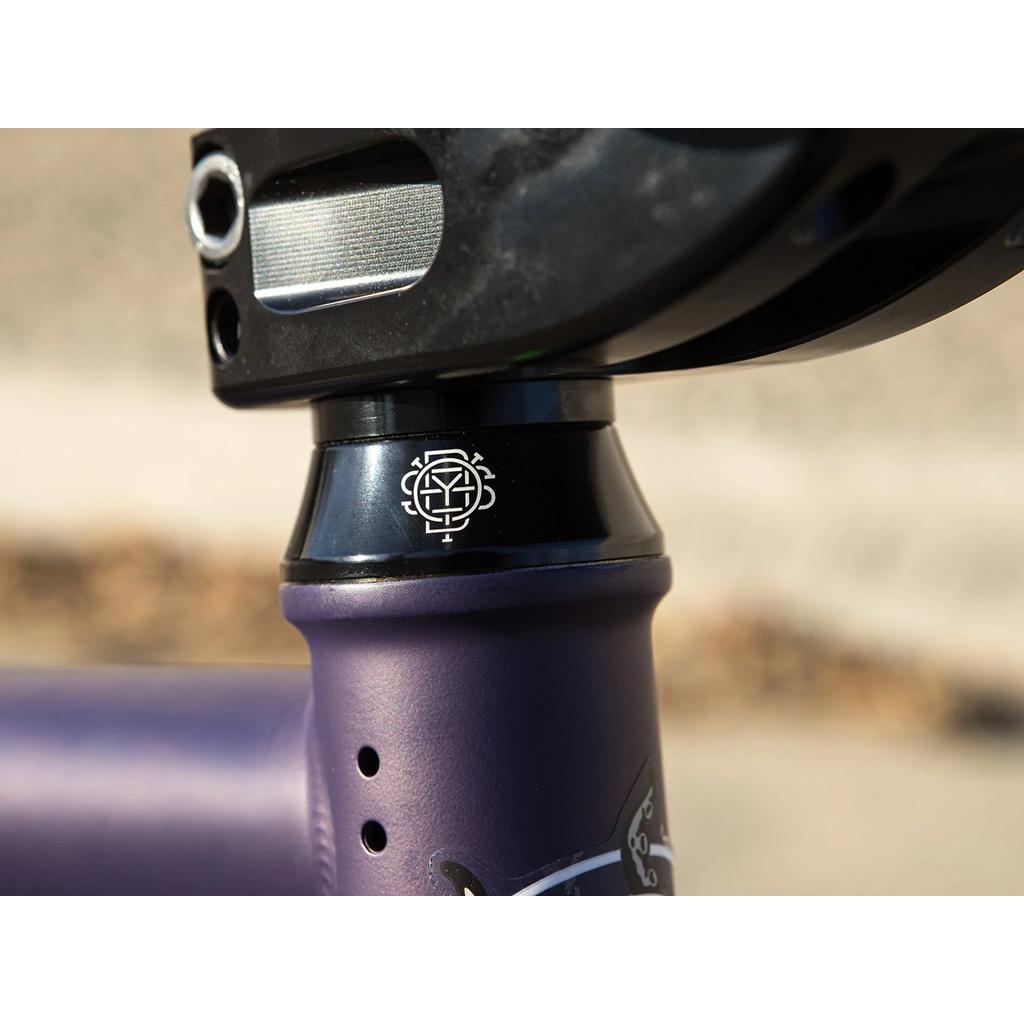
The headset is the set of bearings that lets your fork turn inside the frame. Almost every modern BMX uses an integrated headset, which drops straight into the head tube with no cups to press in. Sealed cartridge bearings are what you want, since they keep water and dirt out and stay smooth far longer than the loose ball bearings found on the cheapest bikes. See our Headset Buyer's Guide for the detail.
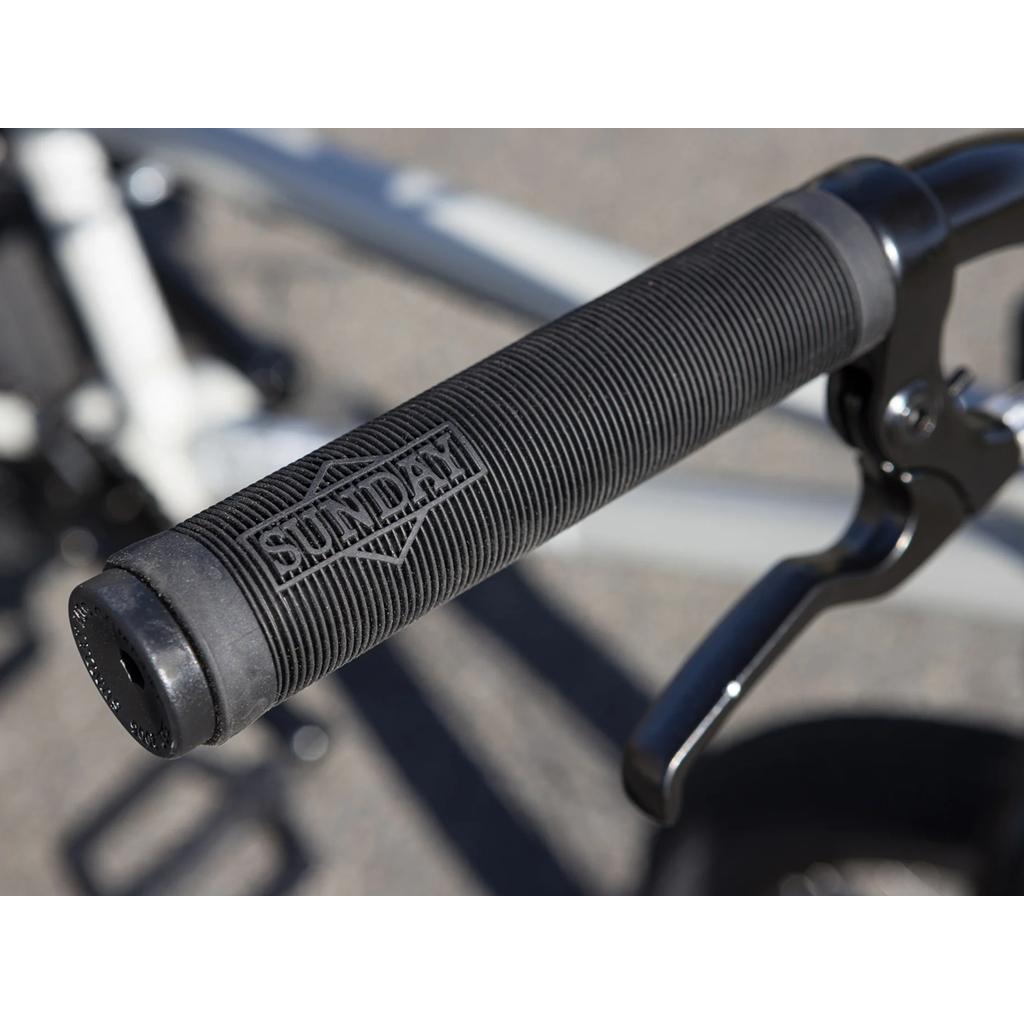
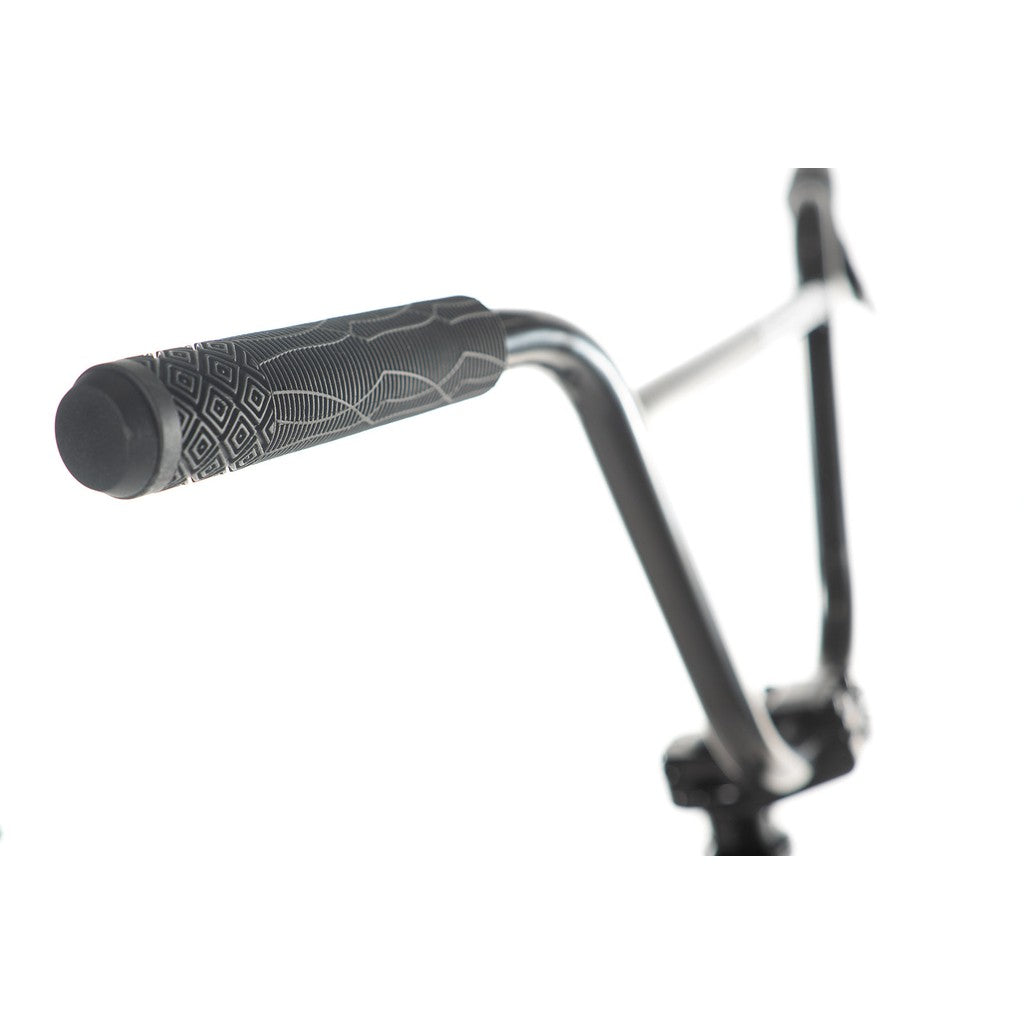
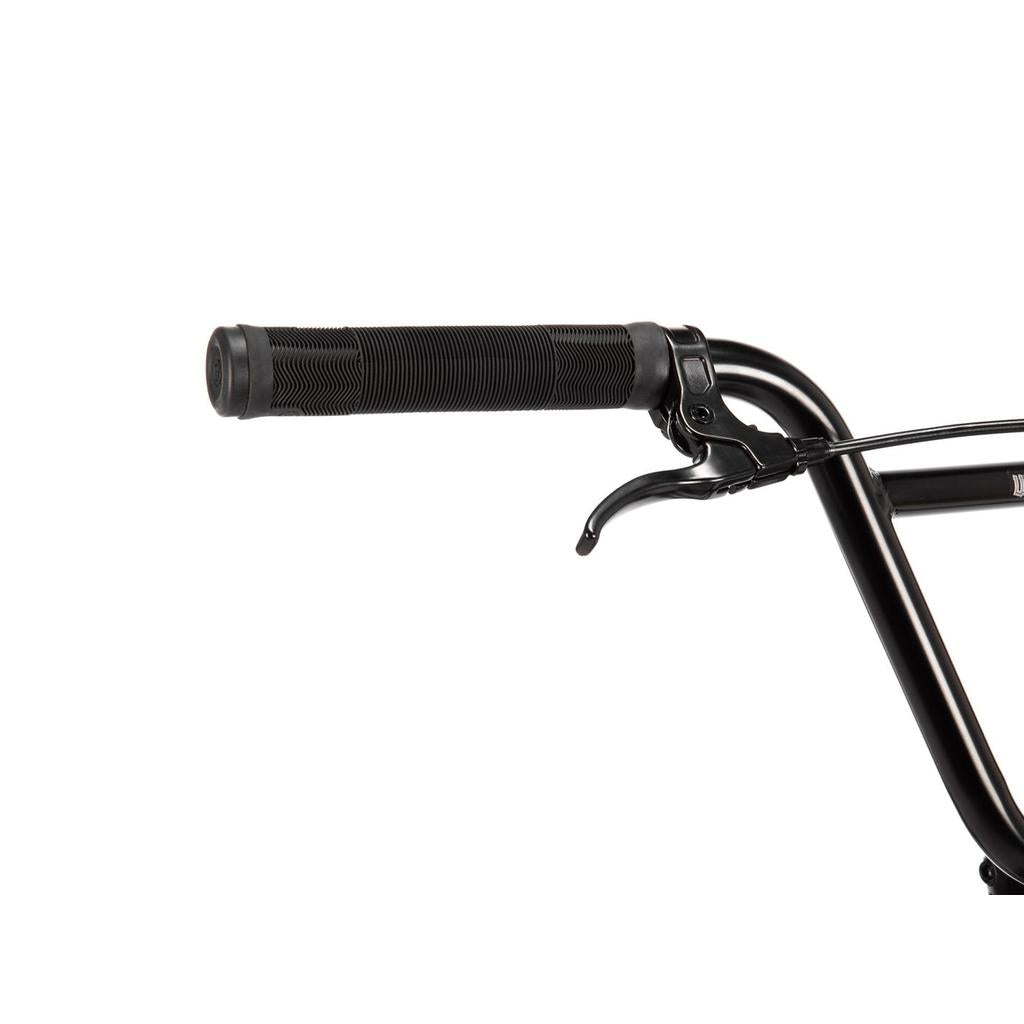
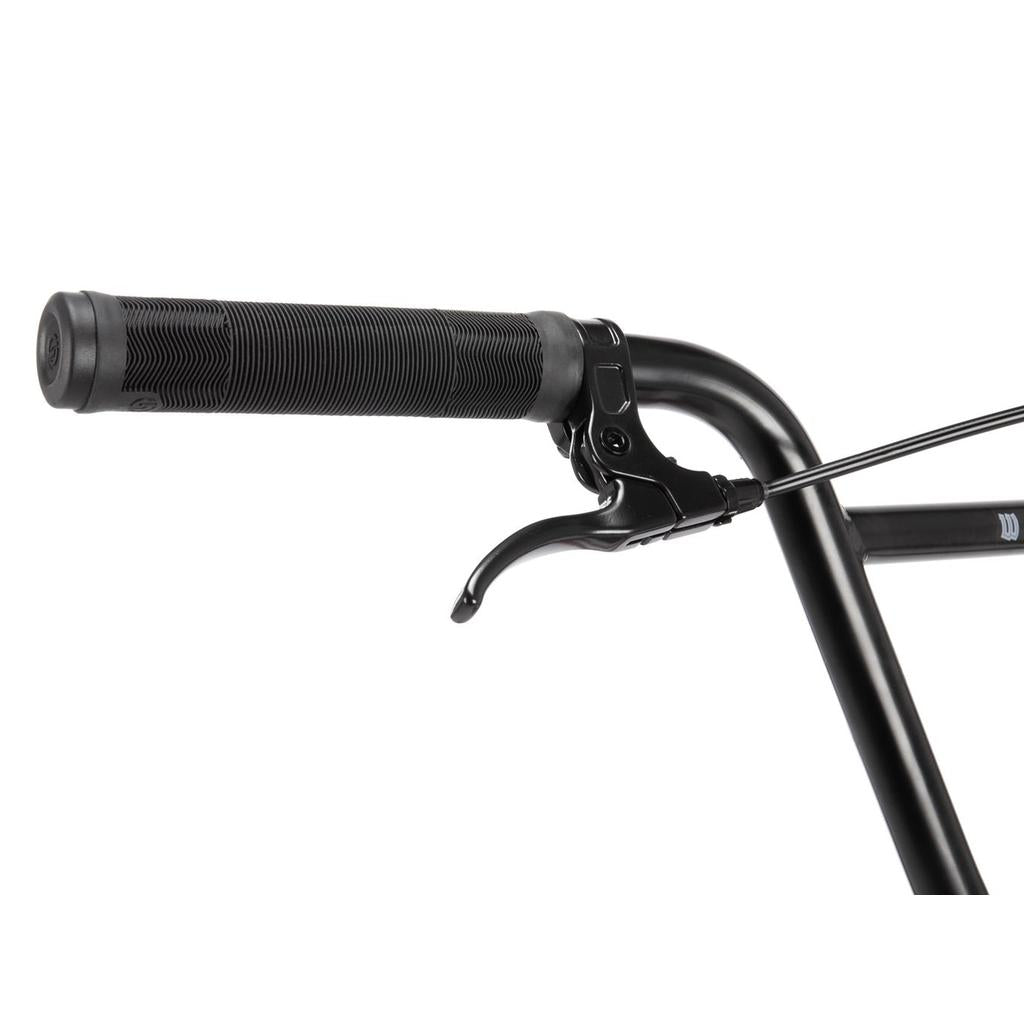
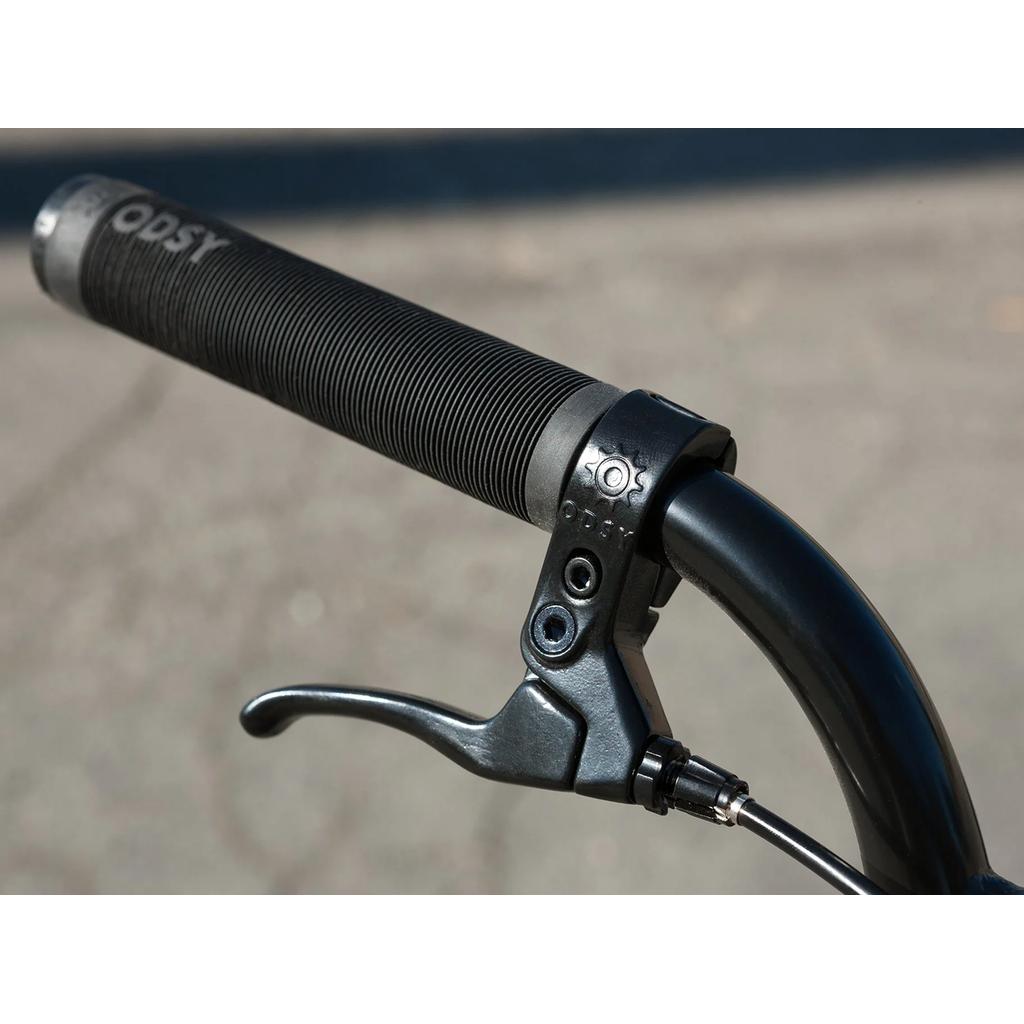
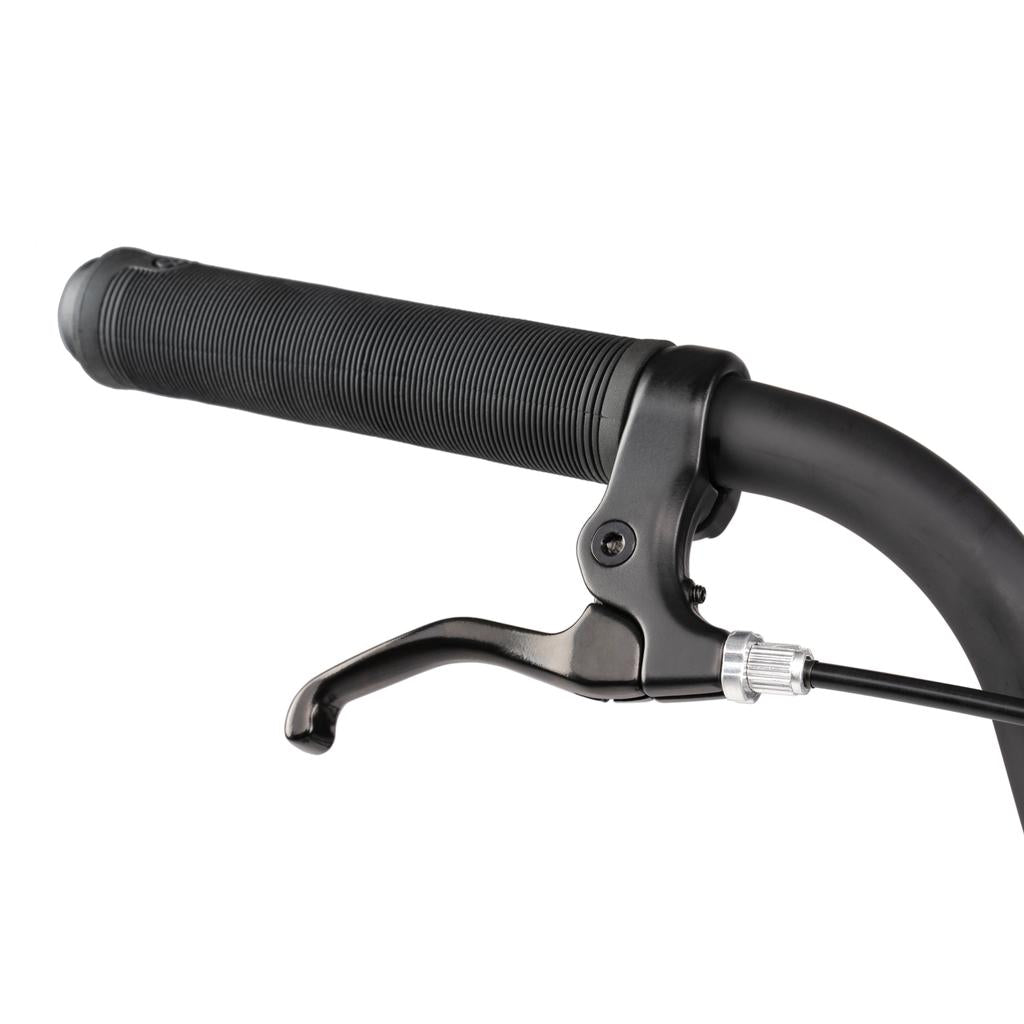
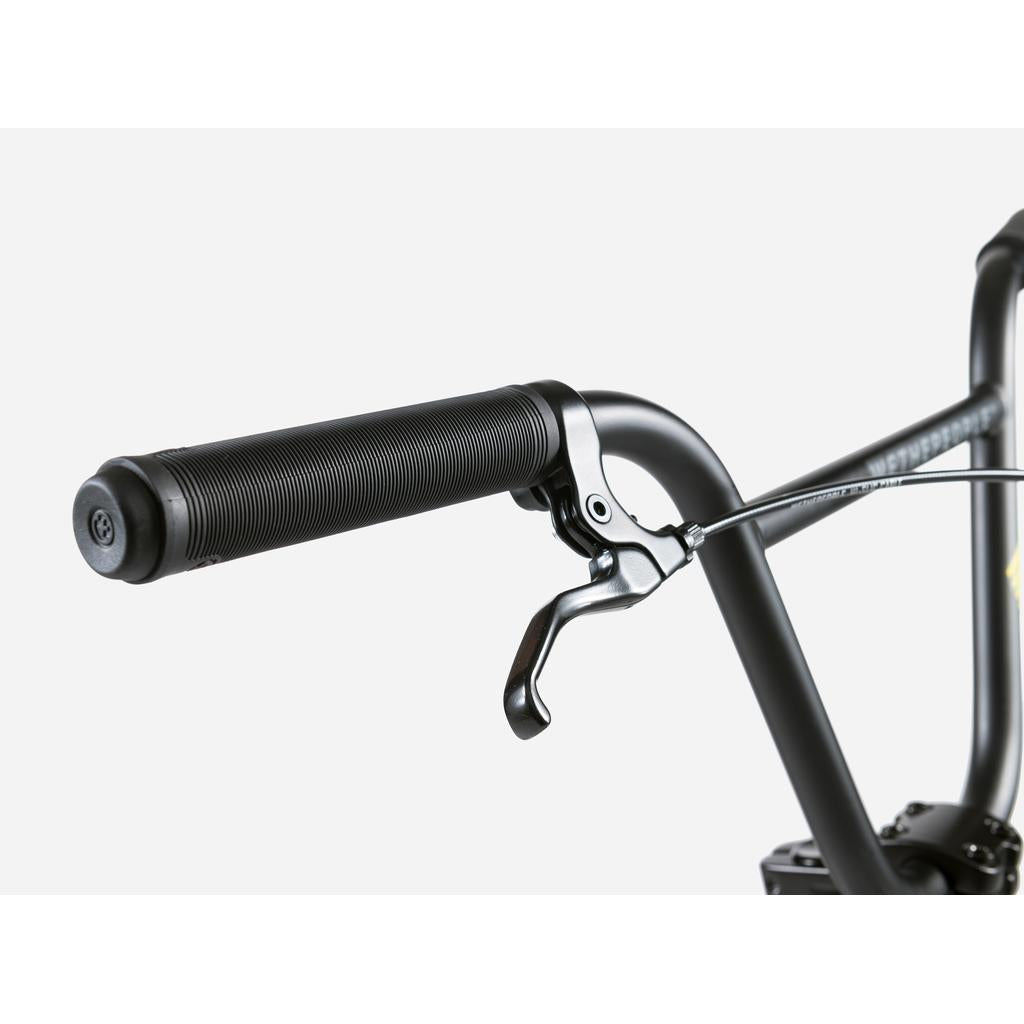
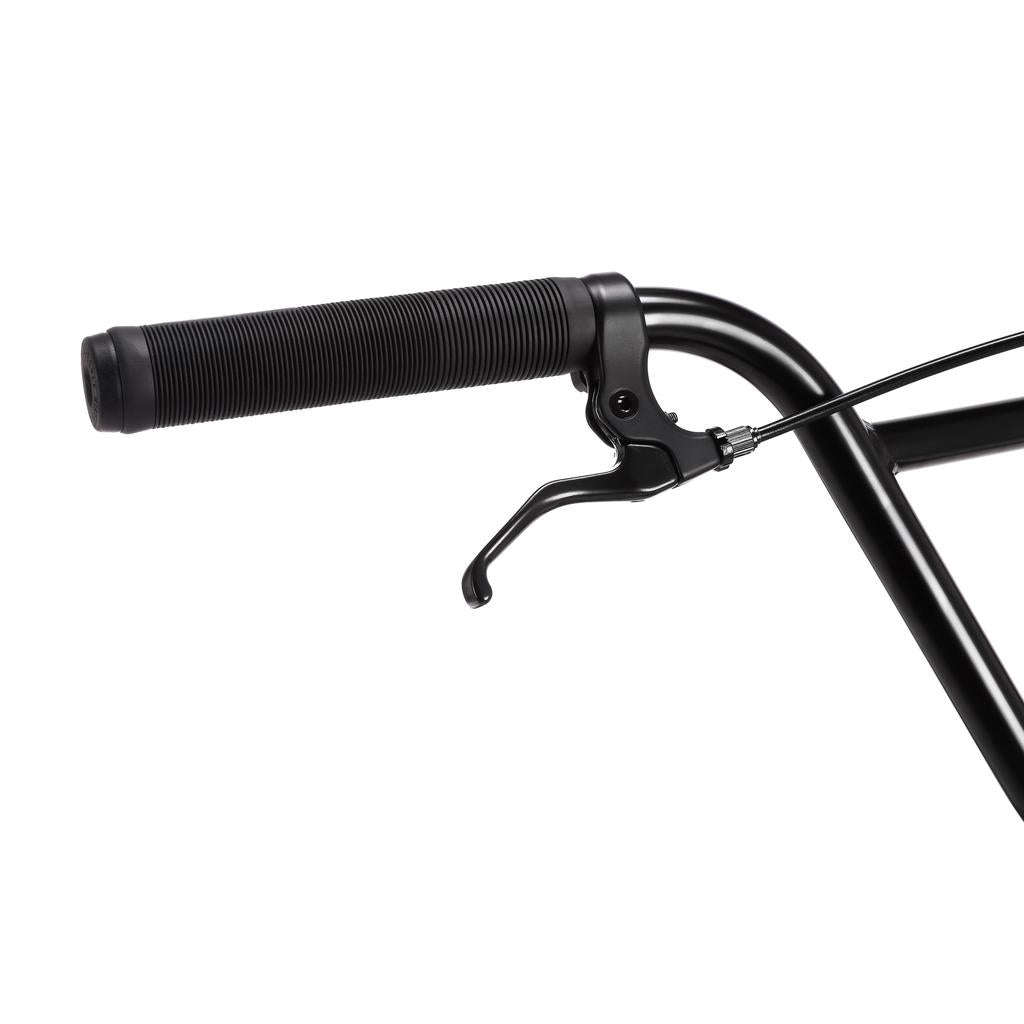
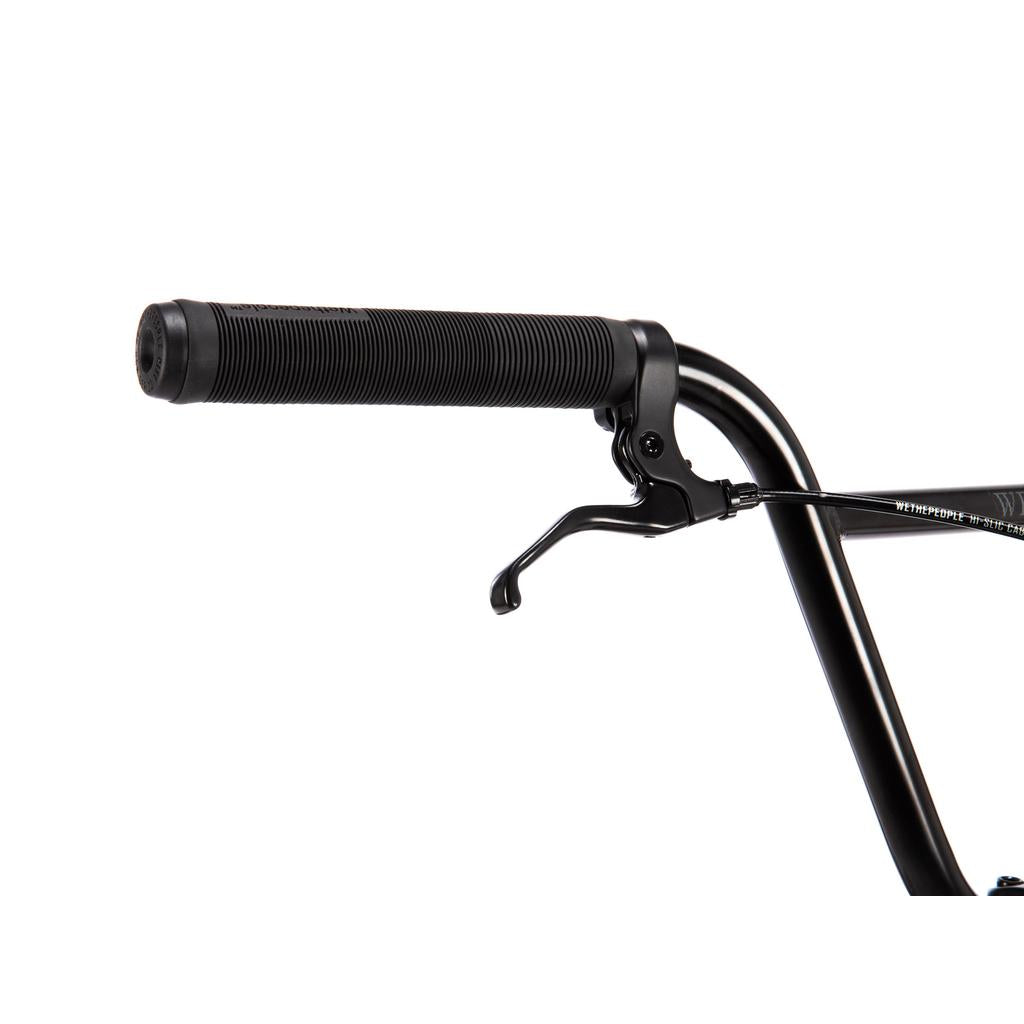
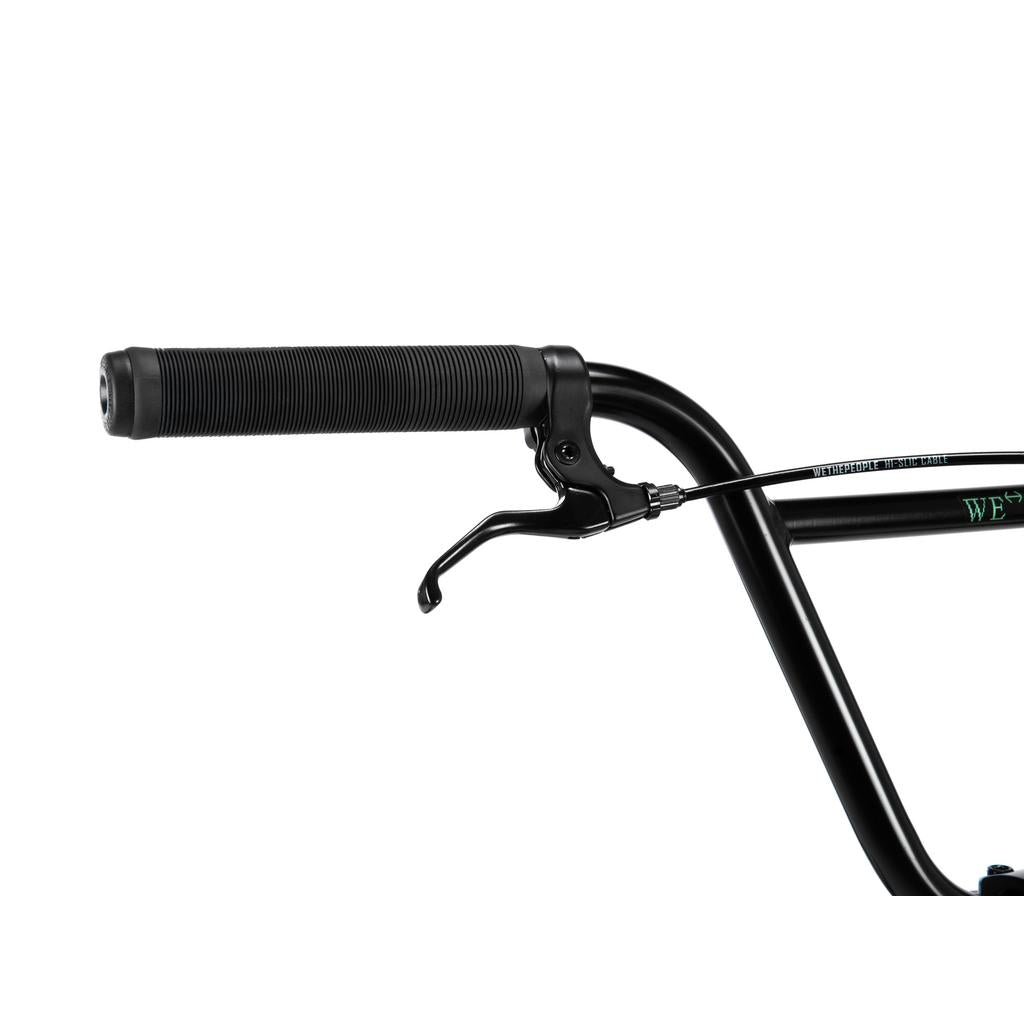
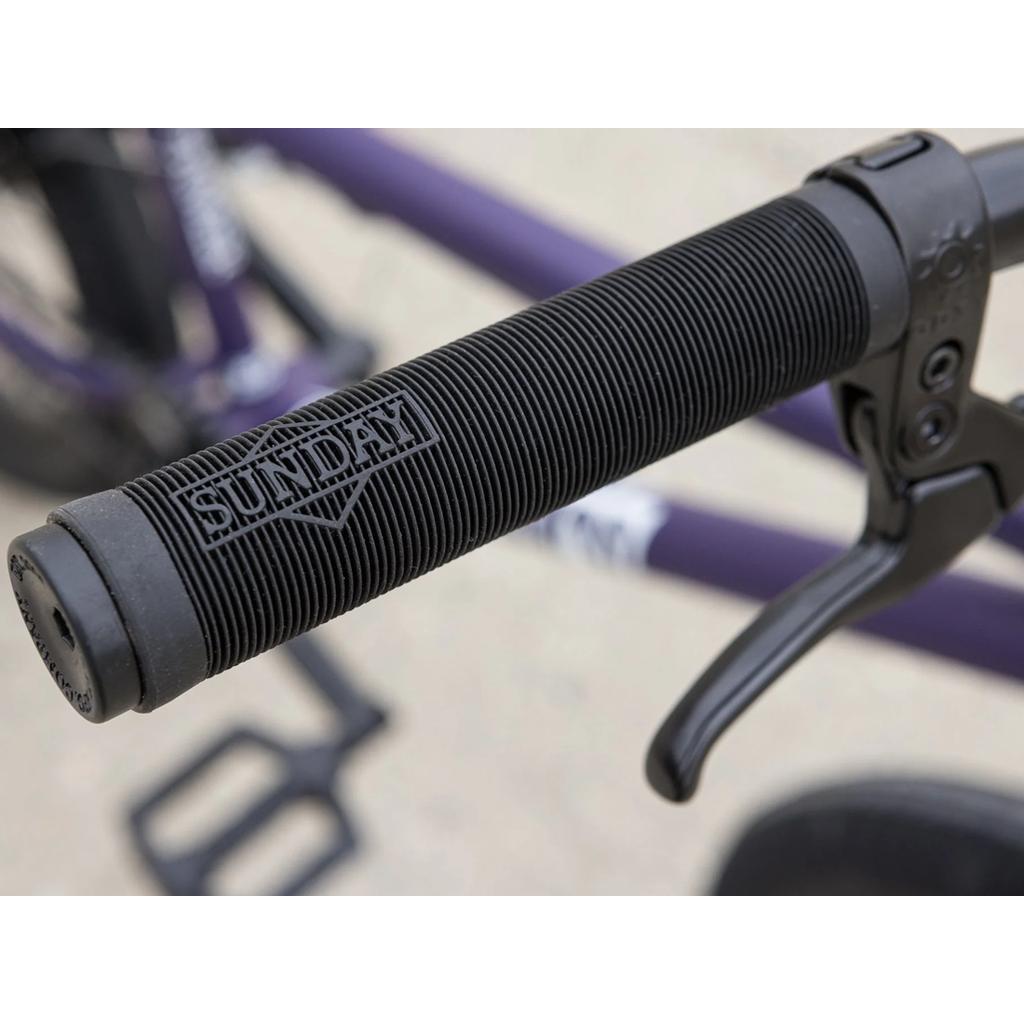
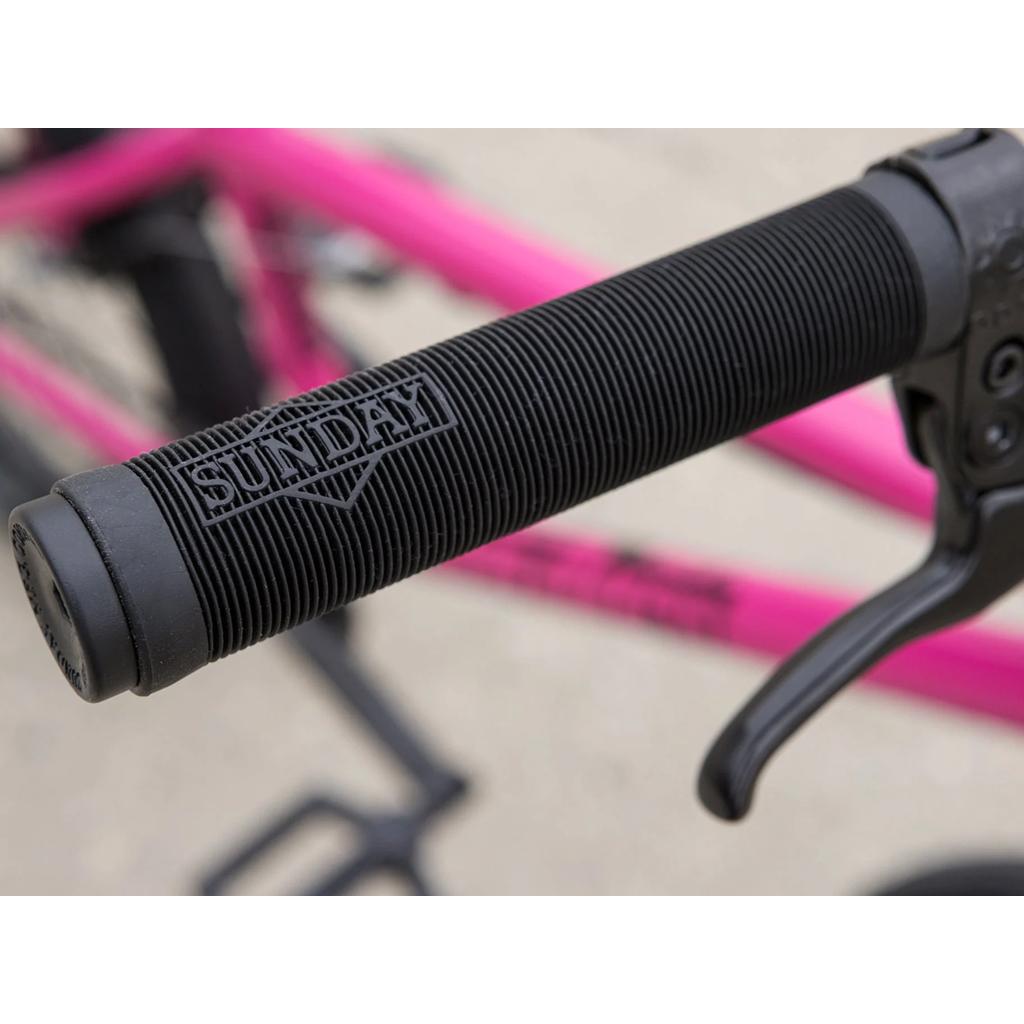
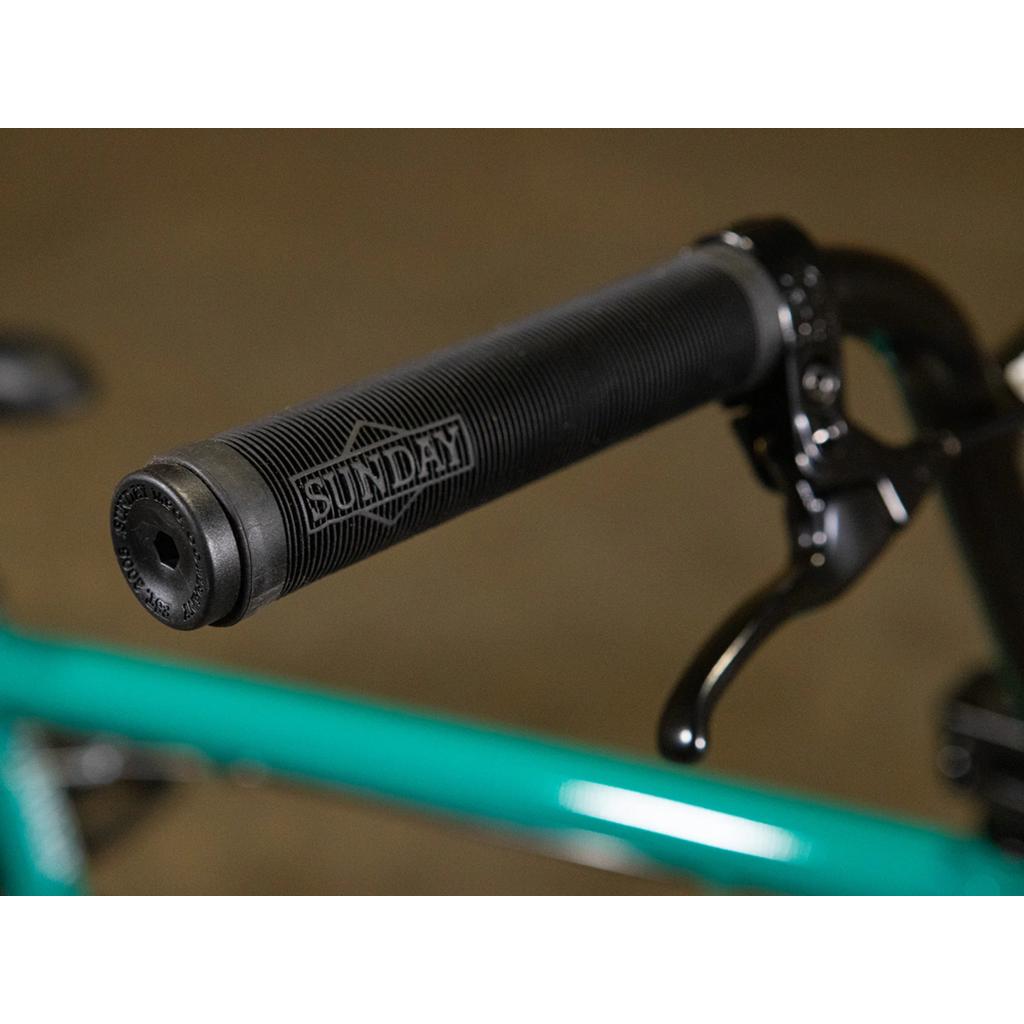
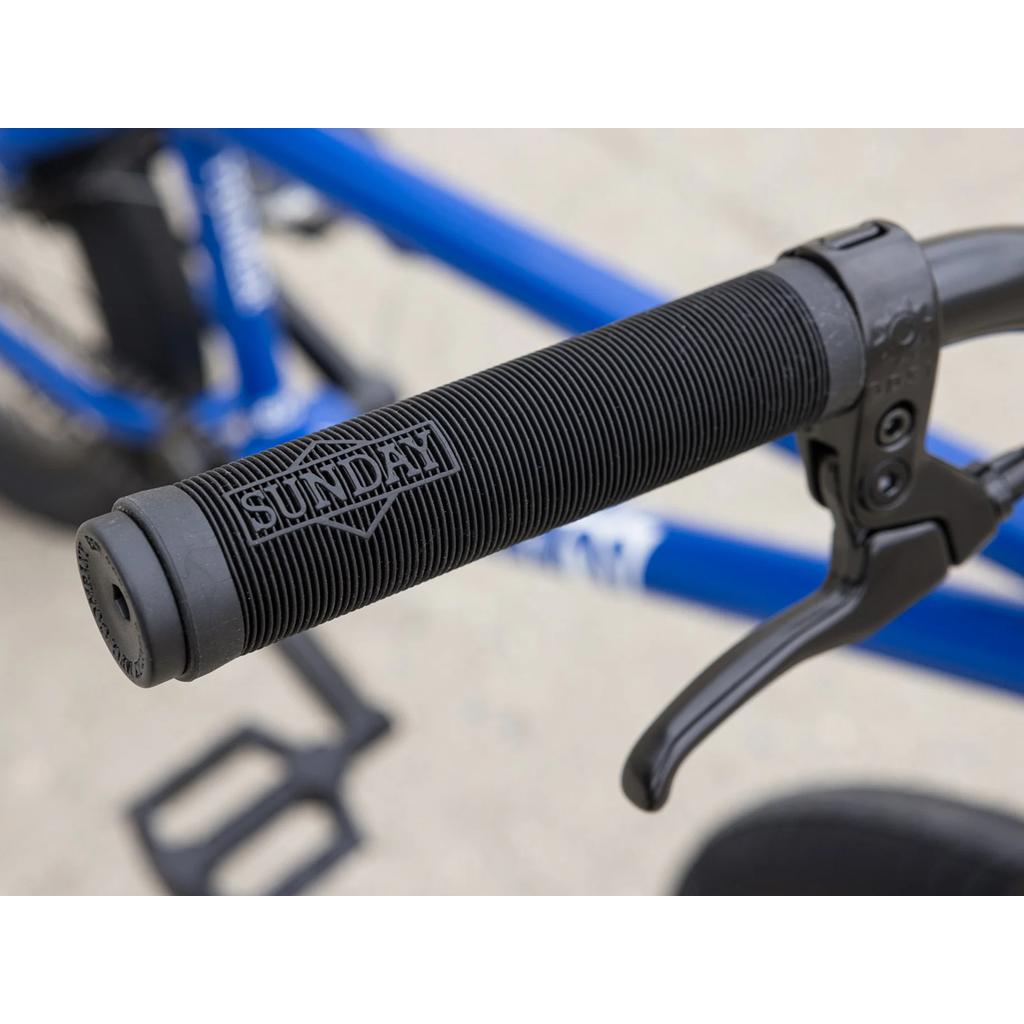
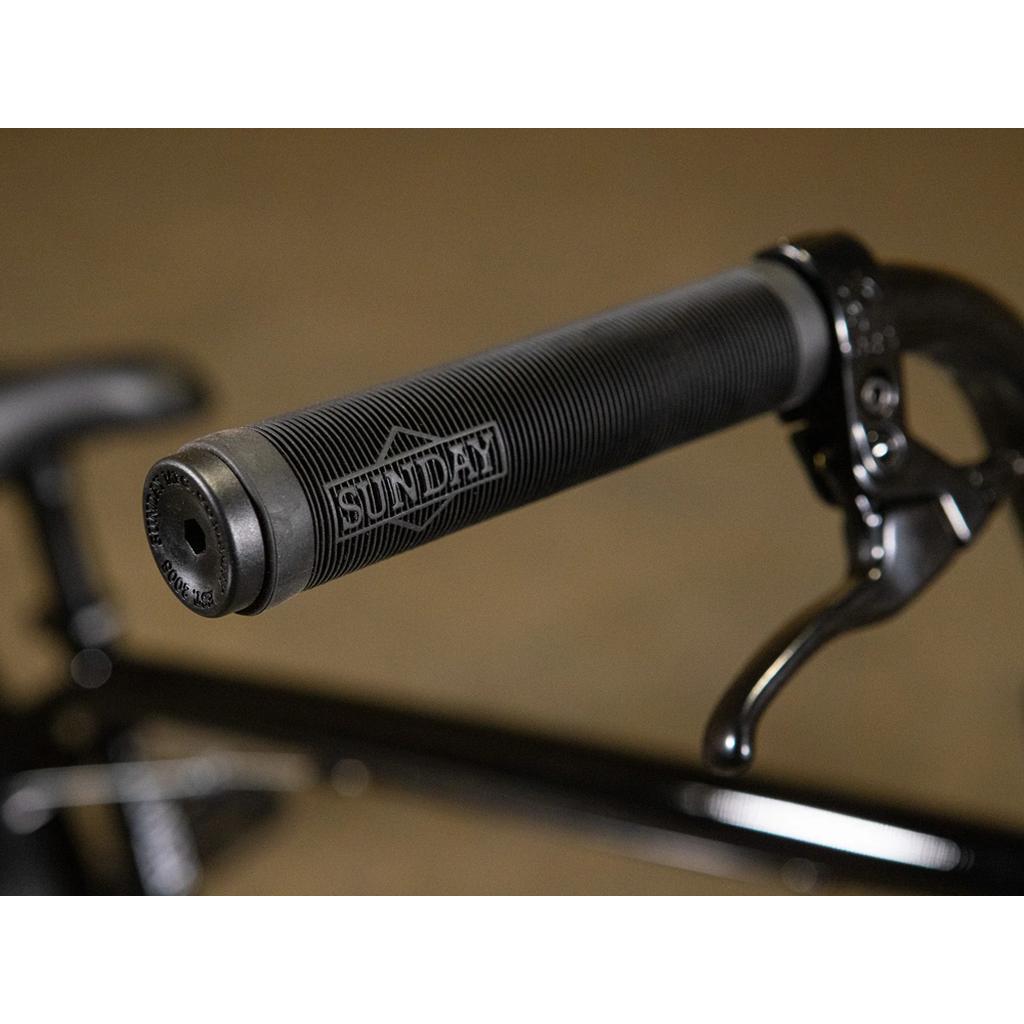
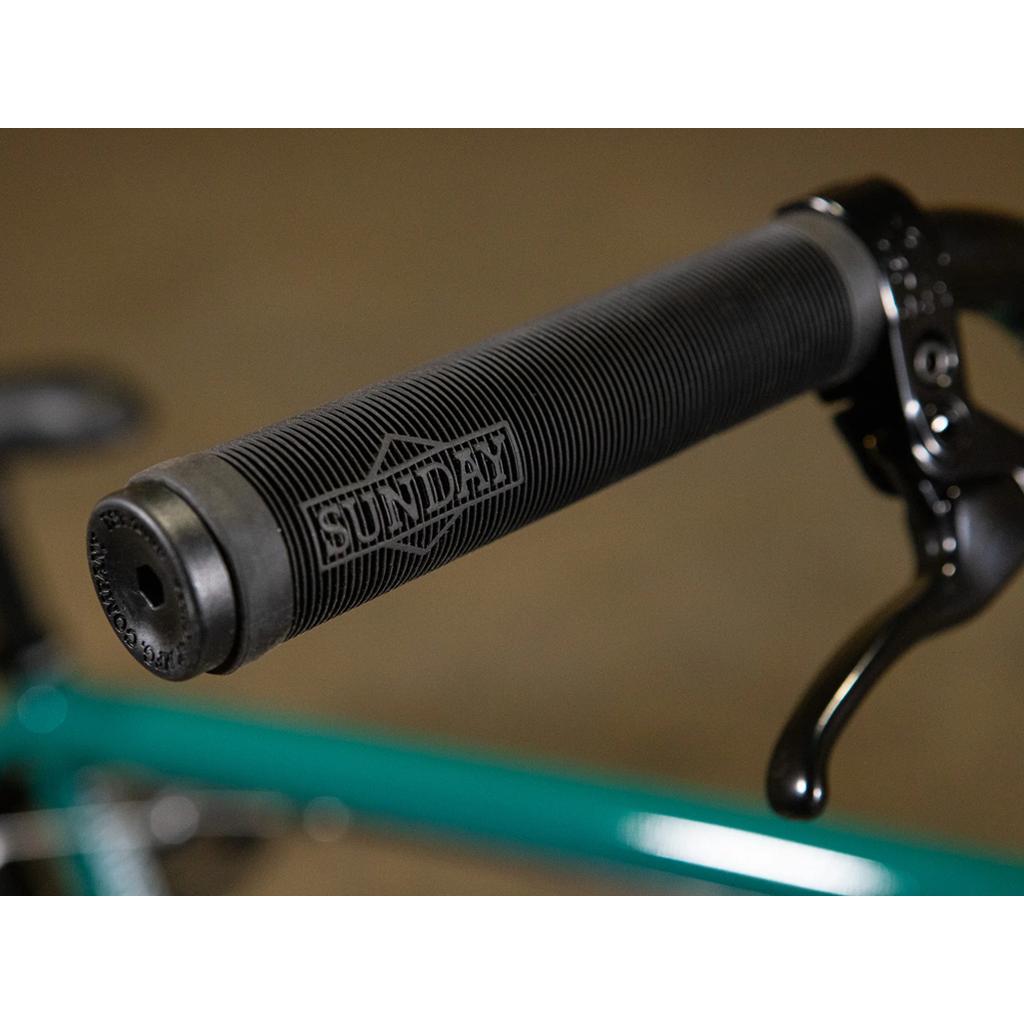
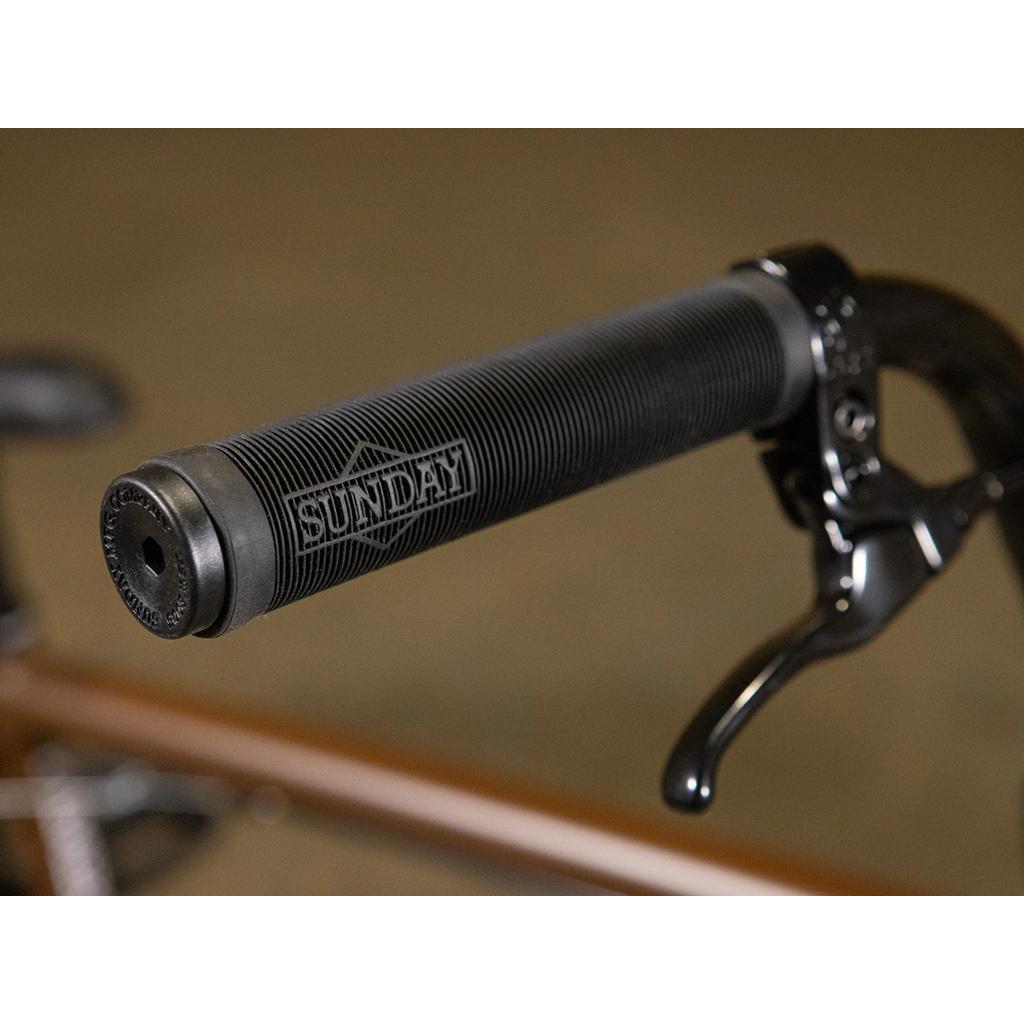
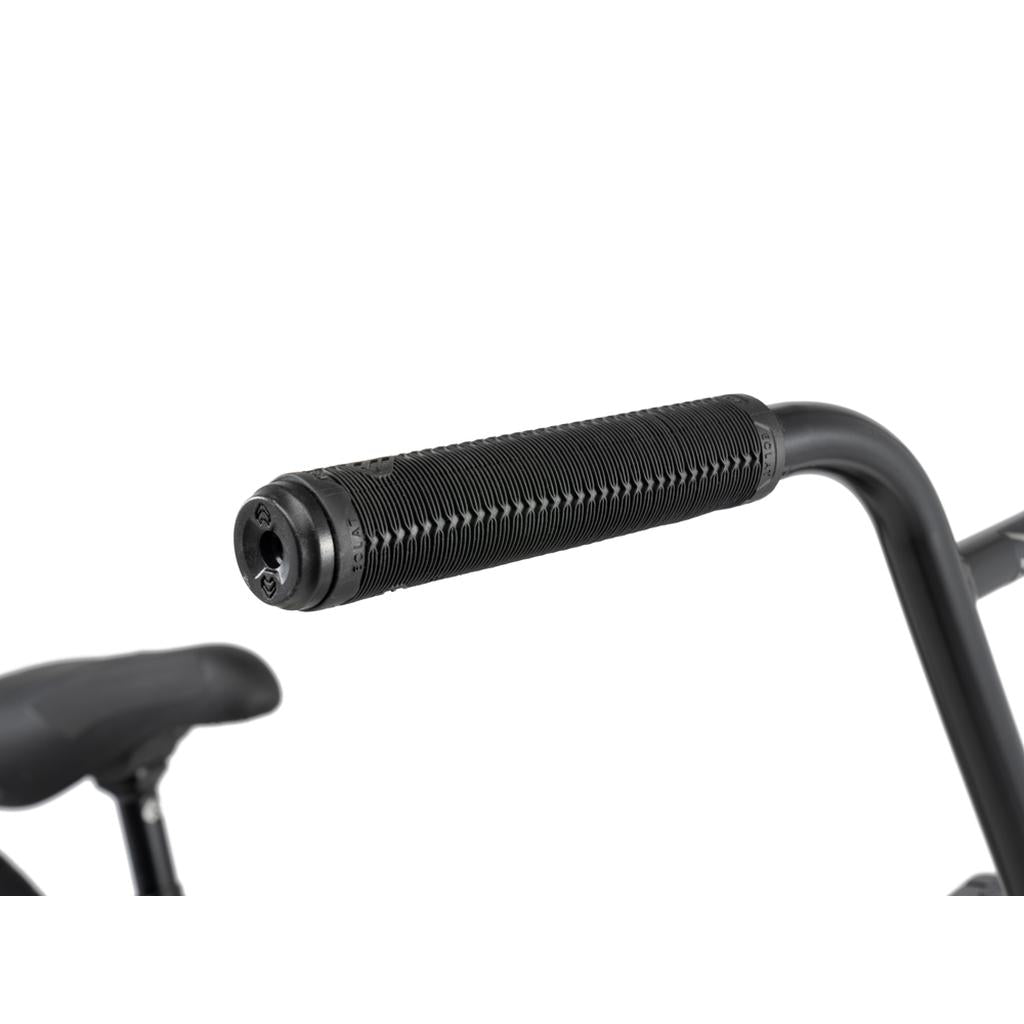
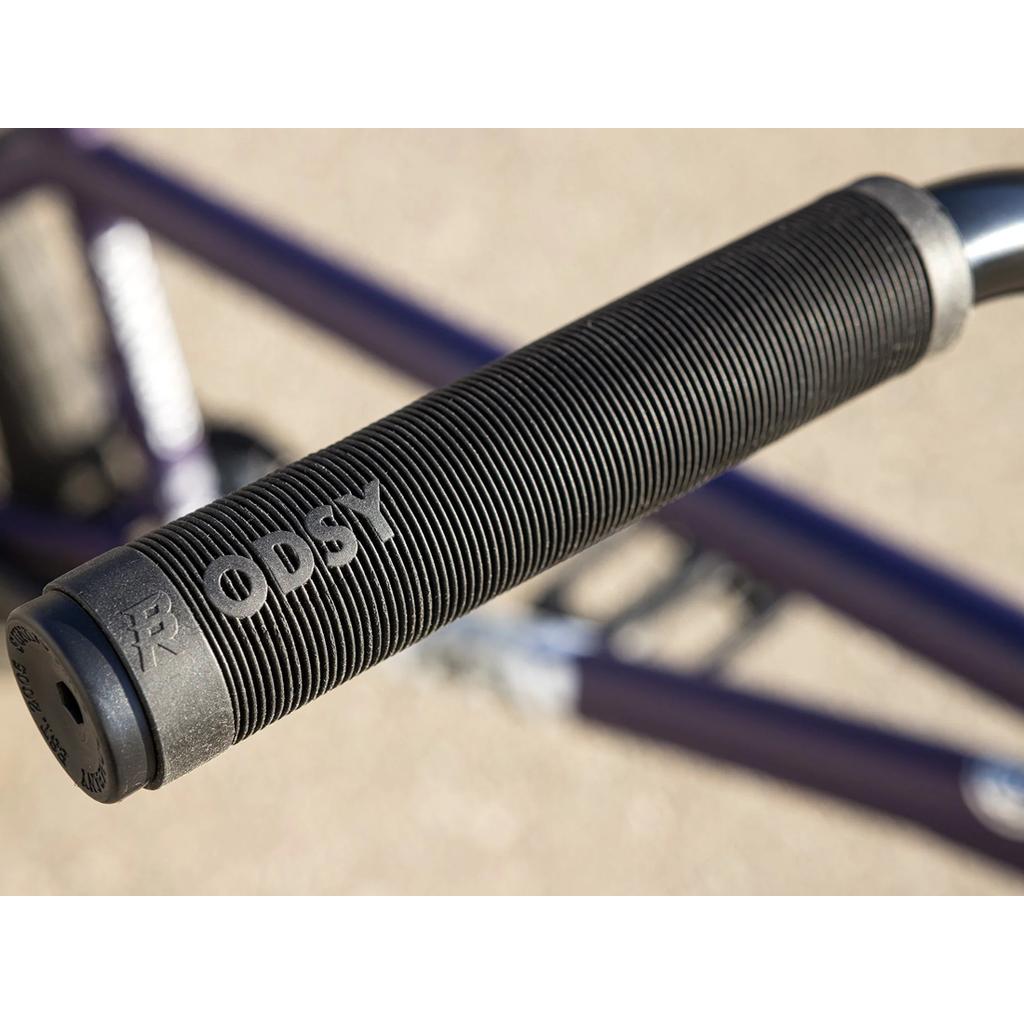
Grips are cheap, they wear out, and they change how the bike feels straight away, which makes them the easiest first upgrade. The main choice is flanged (with a lip against your hand) or flangeless, then compound: a softer rubber grips better and wears faster. Check whether bar ends are included, because they are what stops a bare bar tube coring a hole in the ground, or in you.
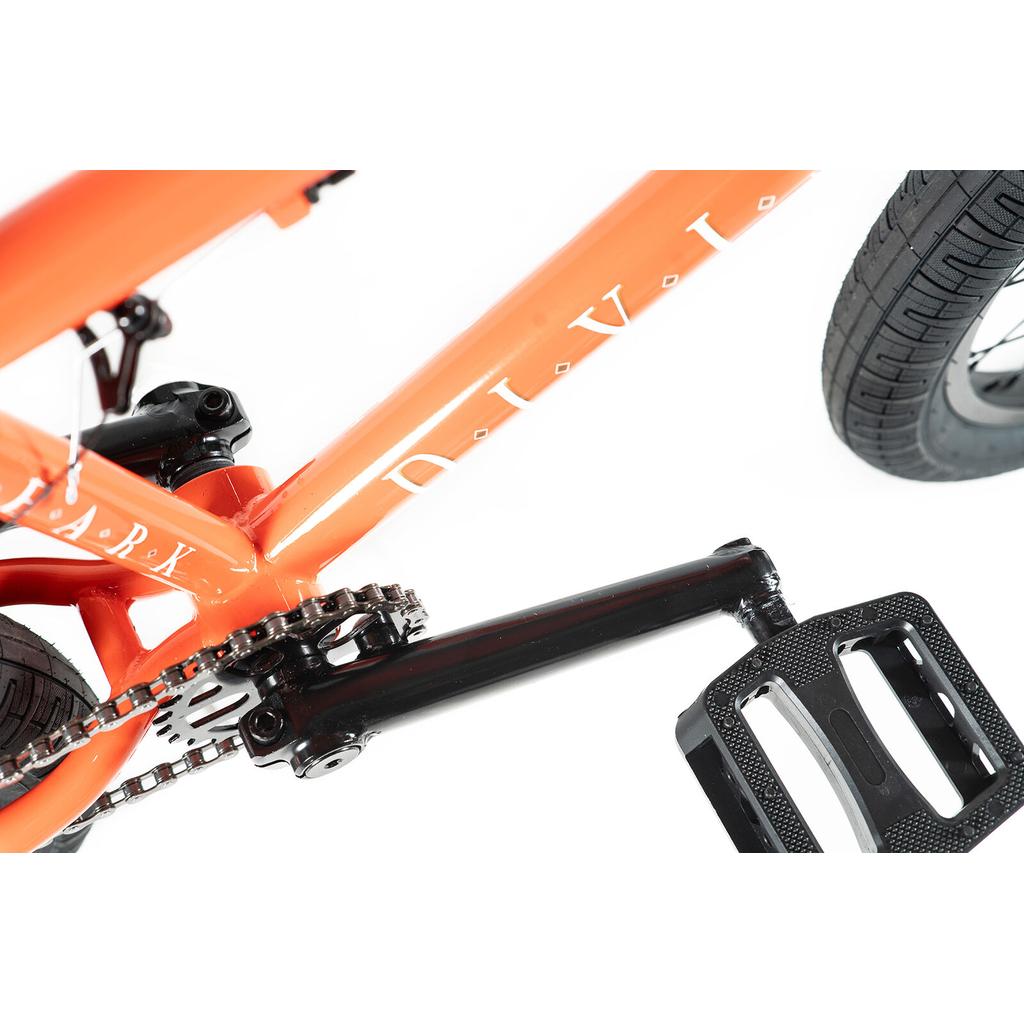
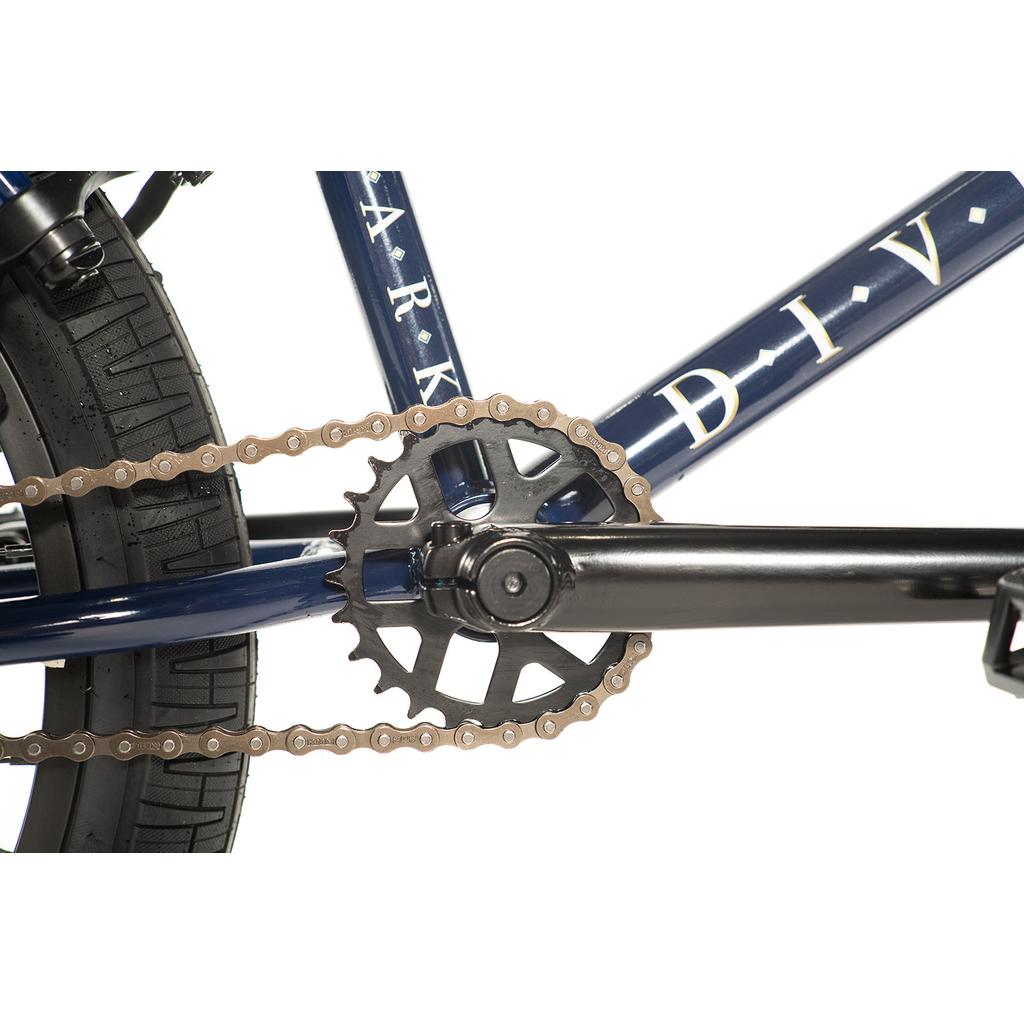
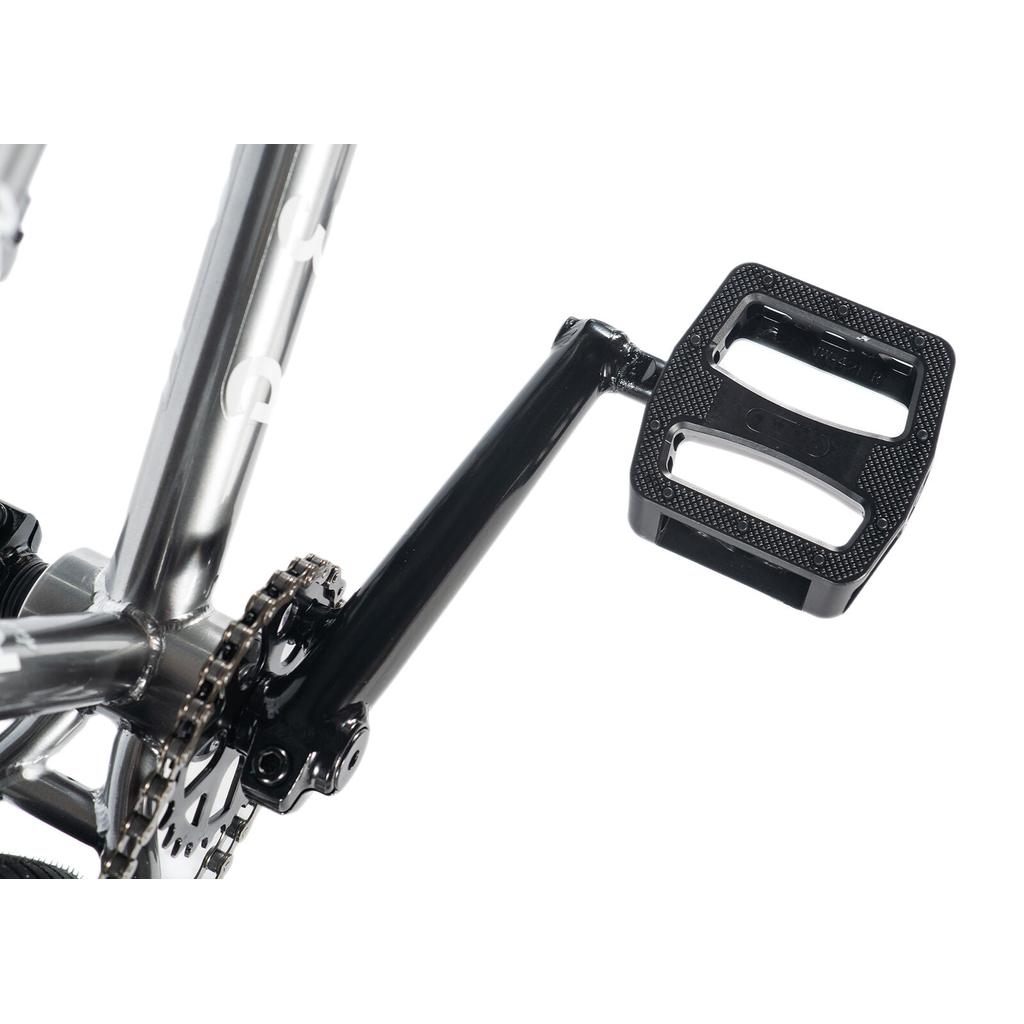
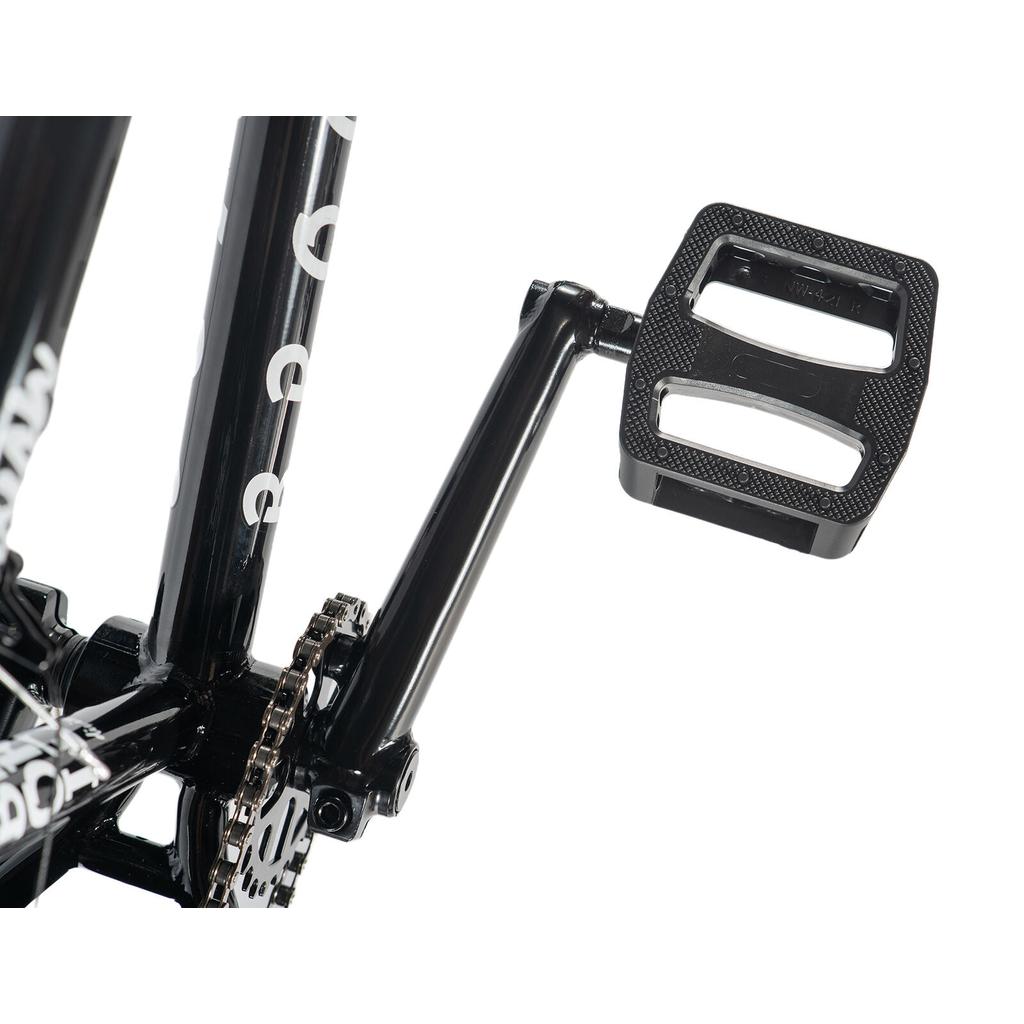
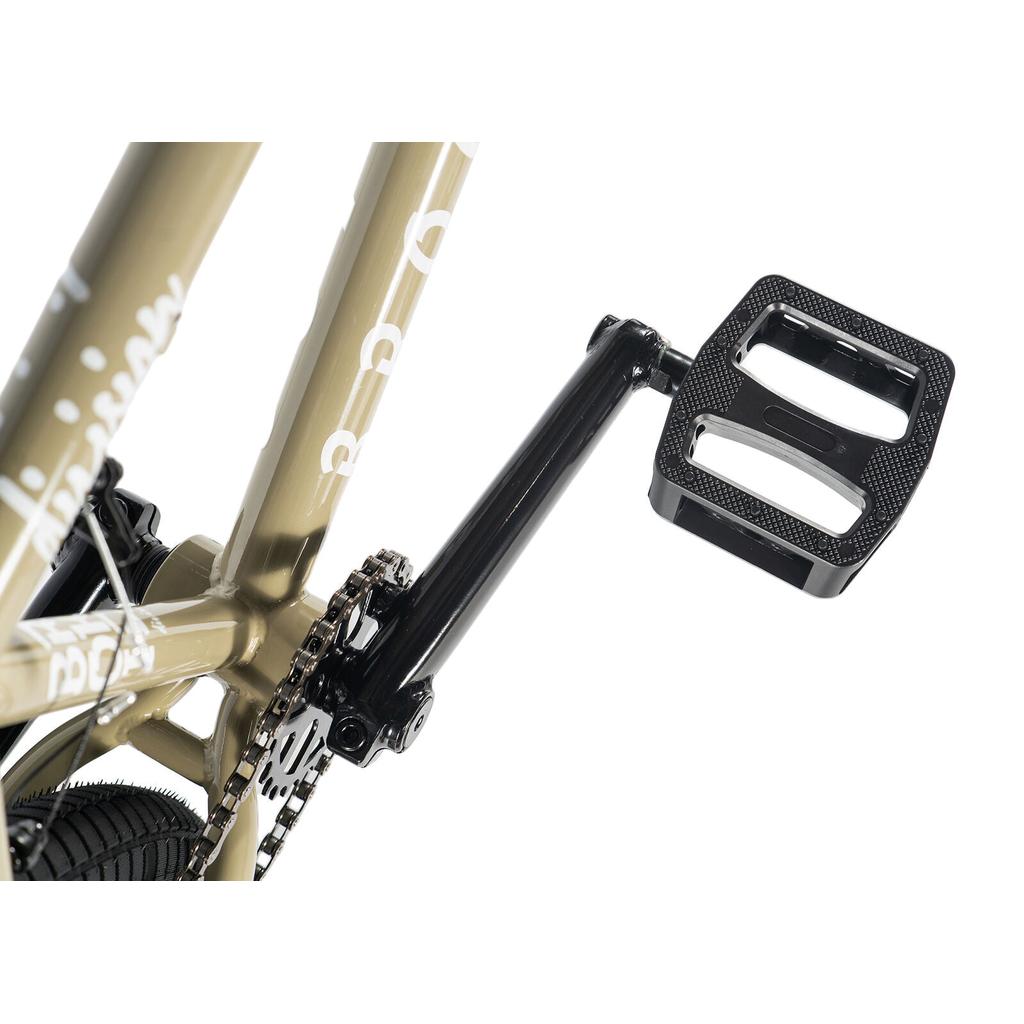
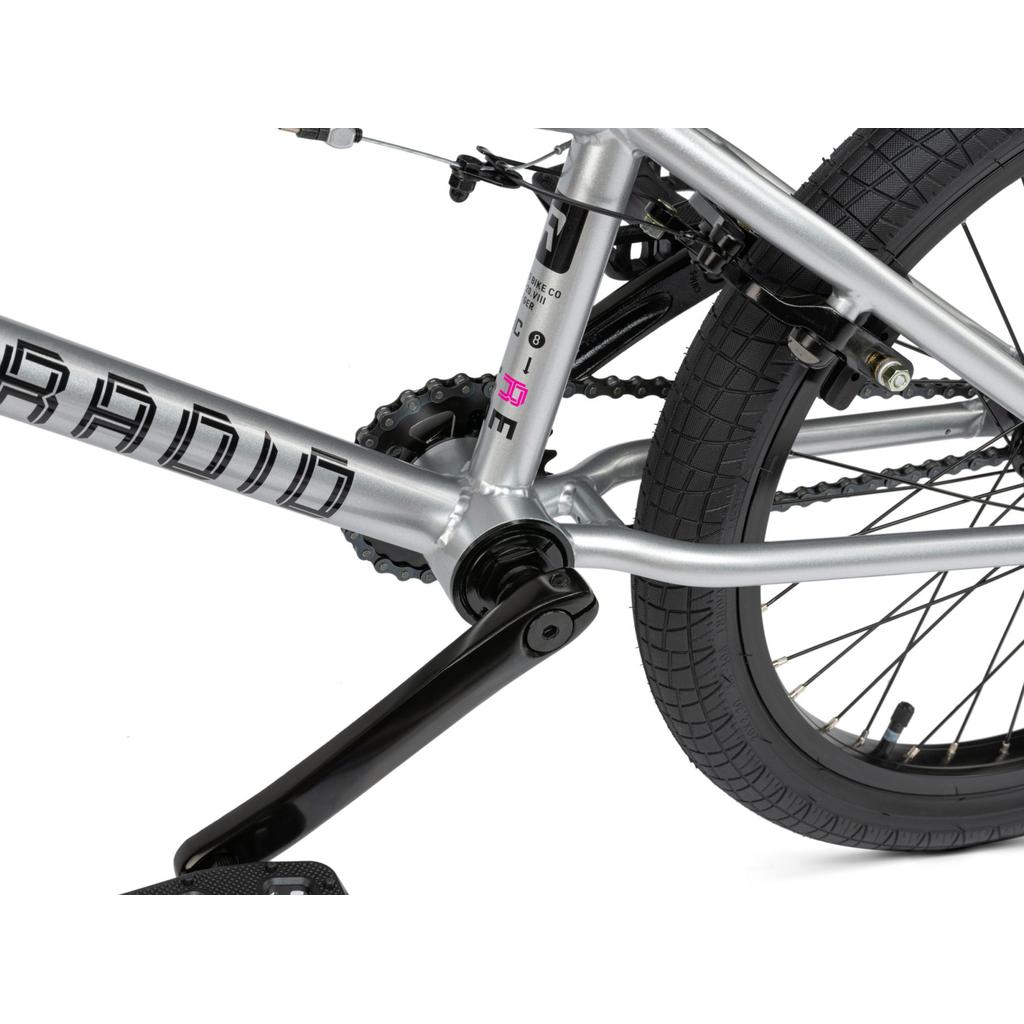
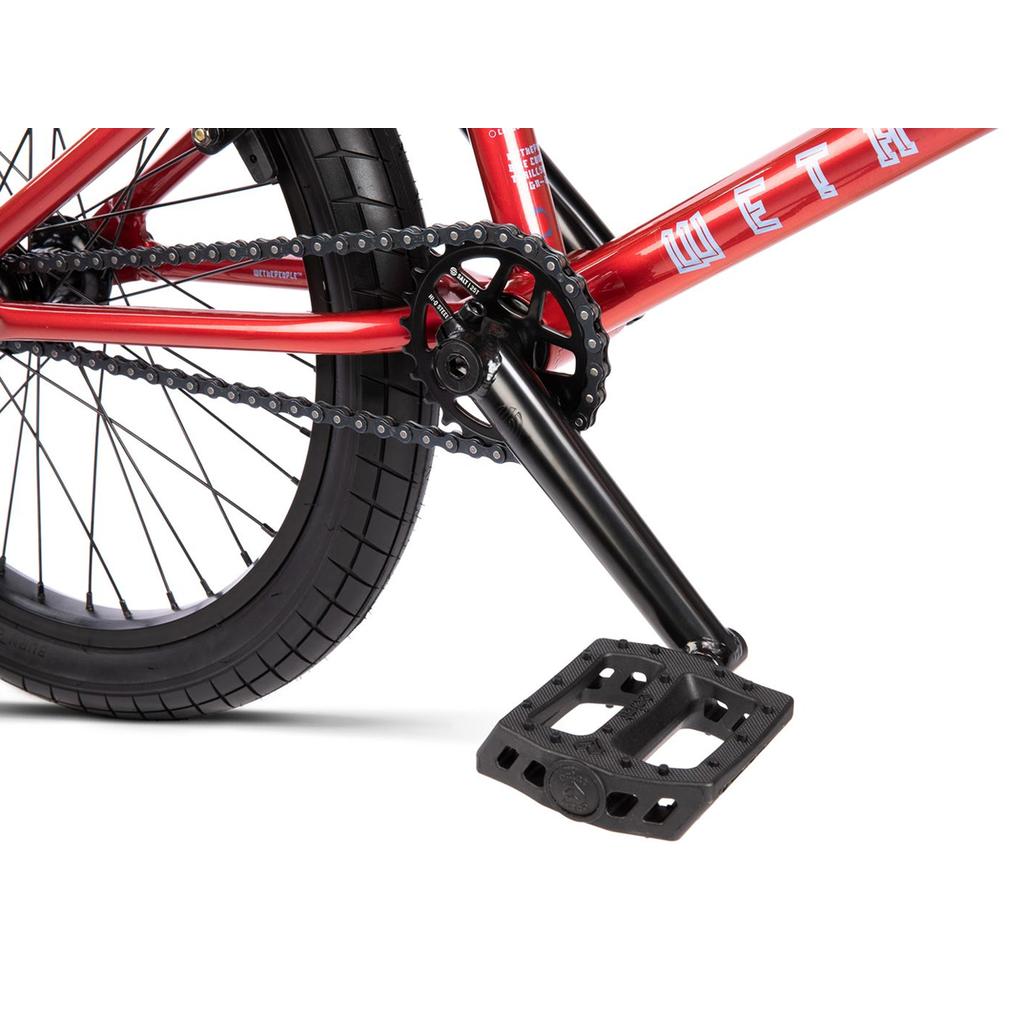
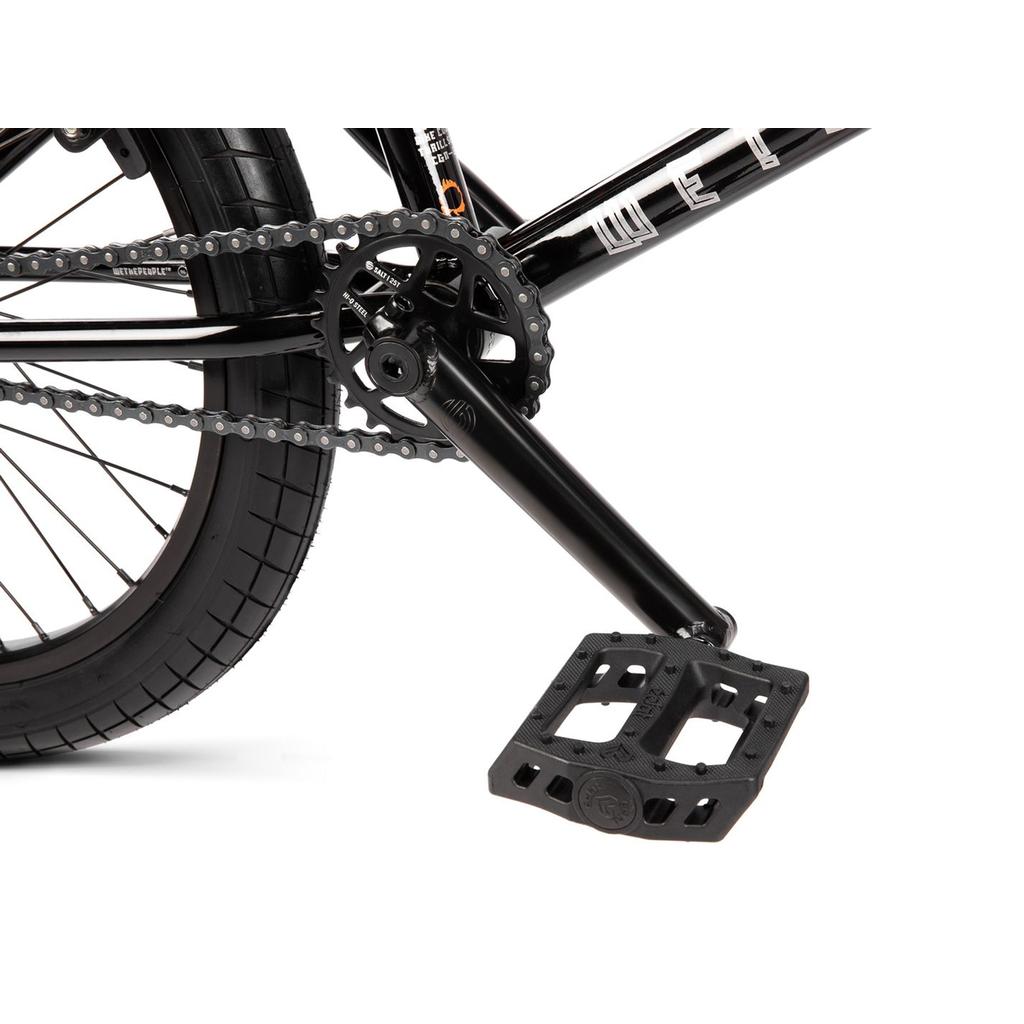
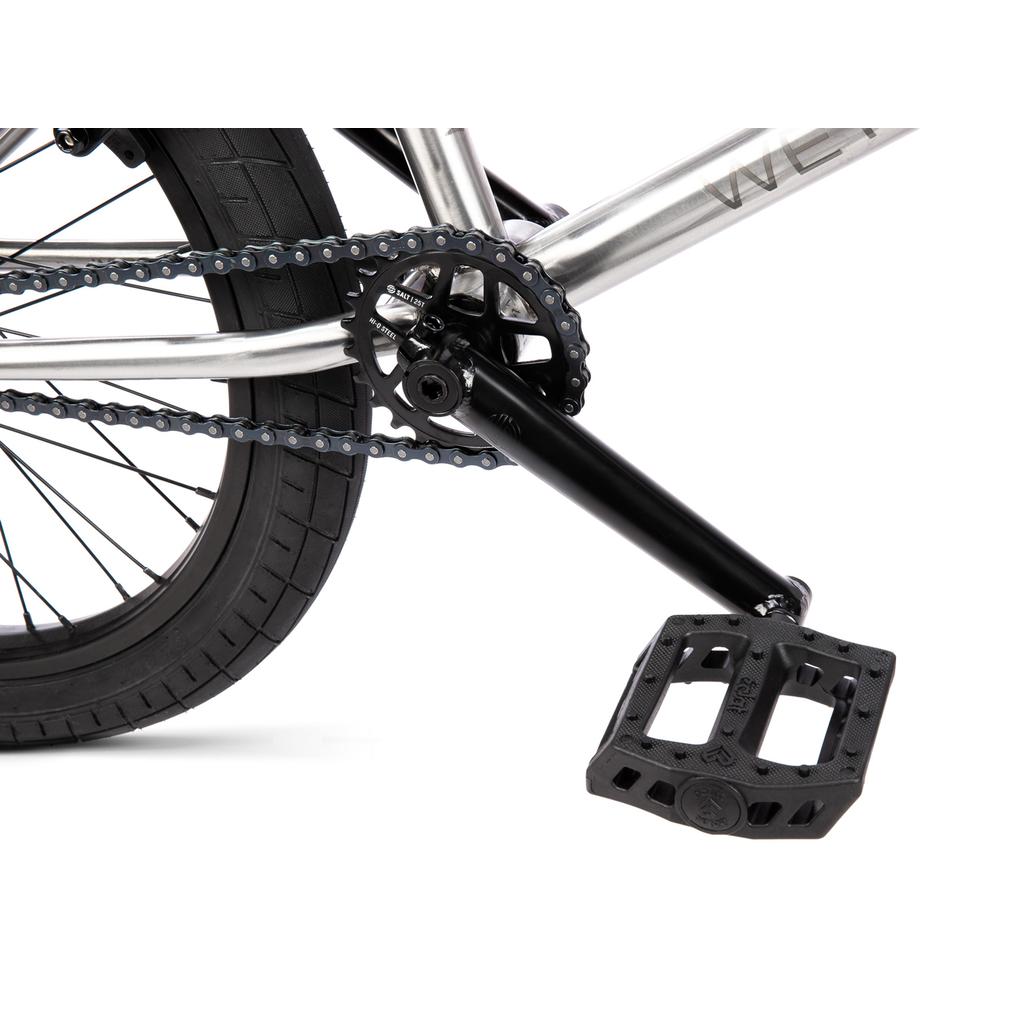
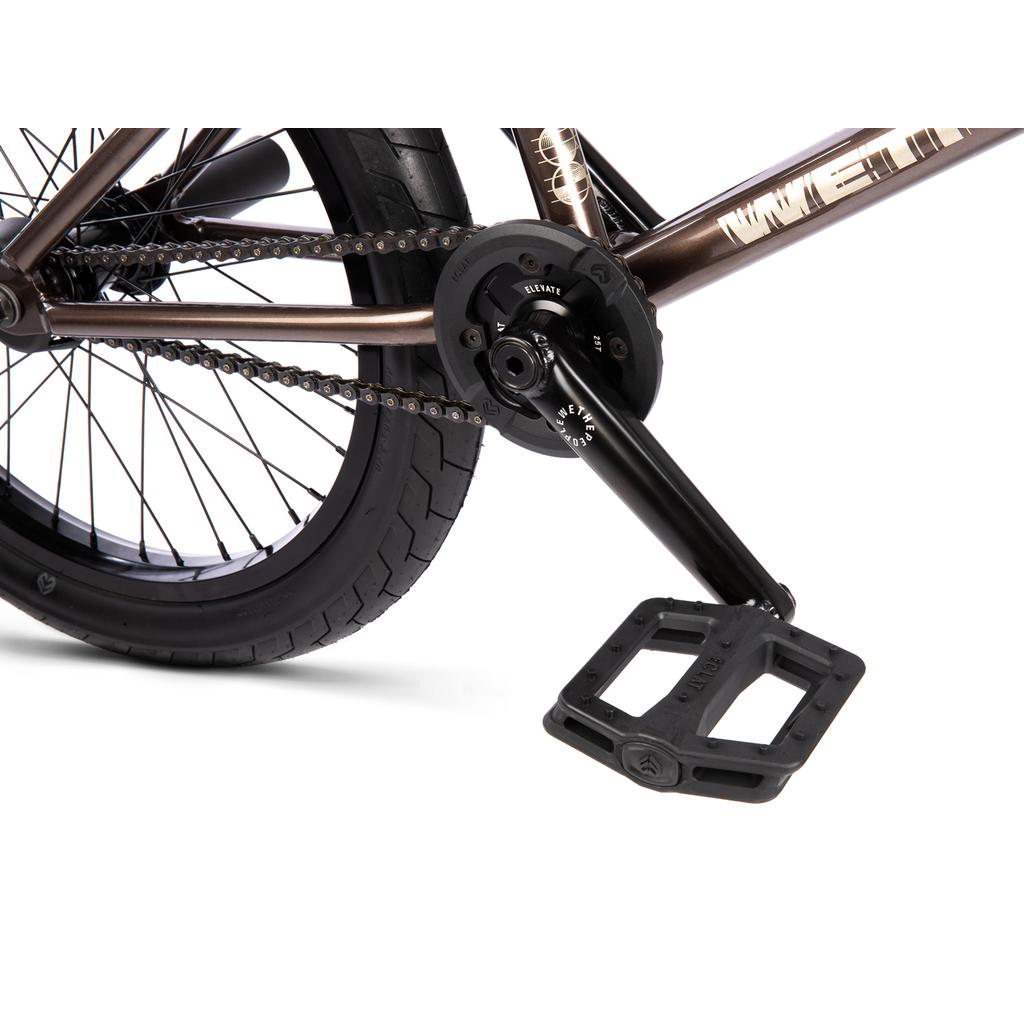
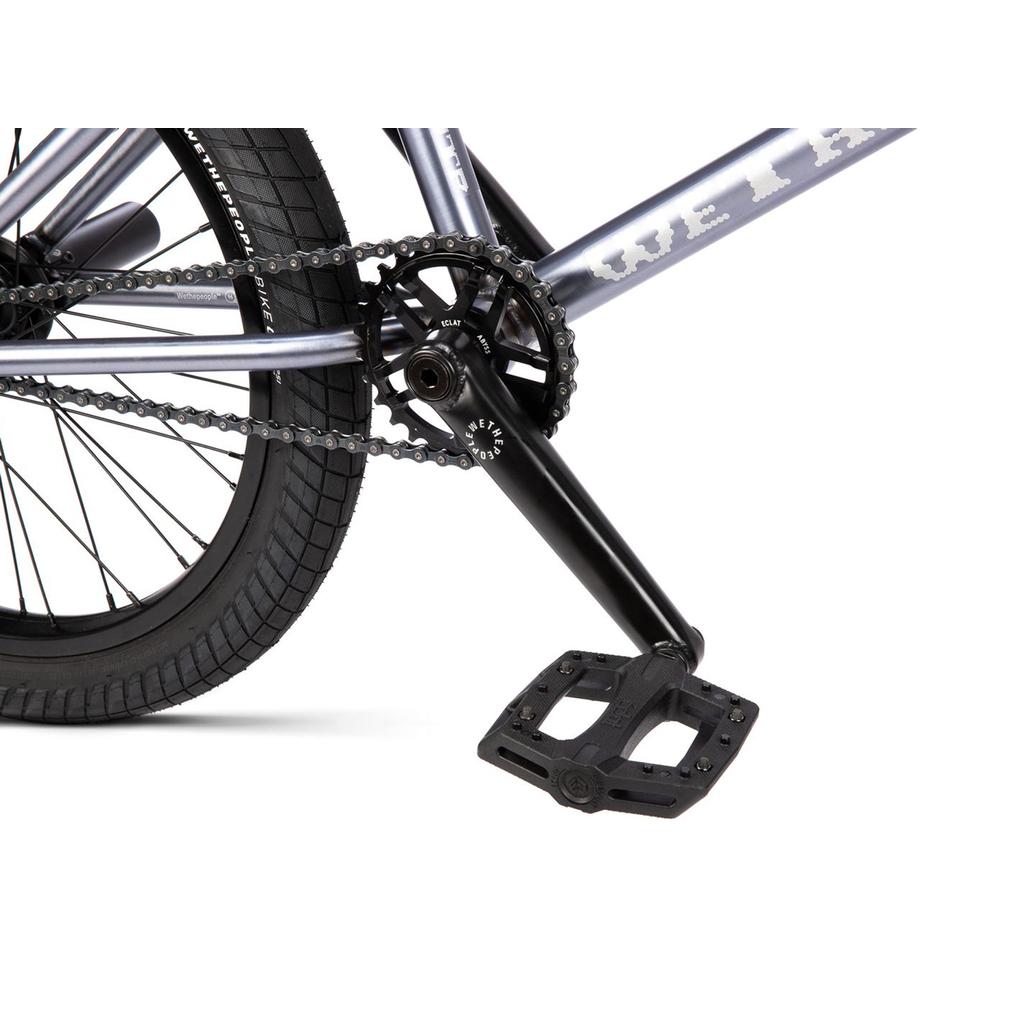
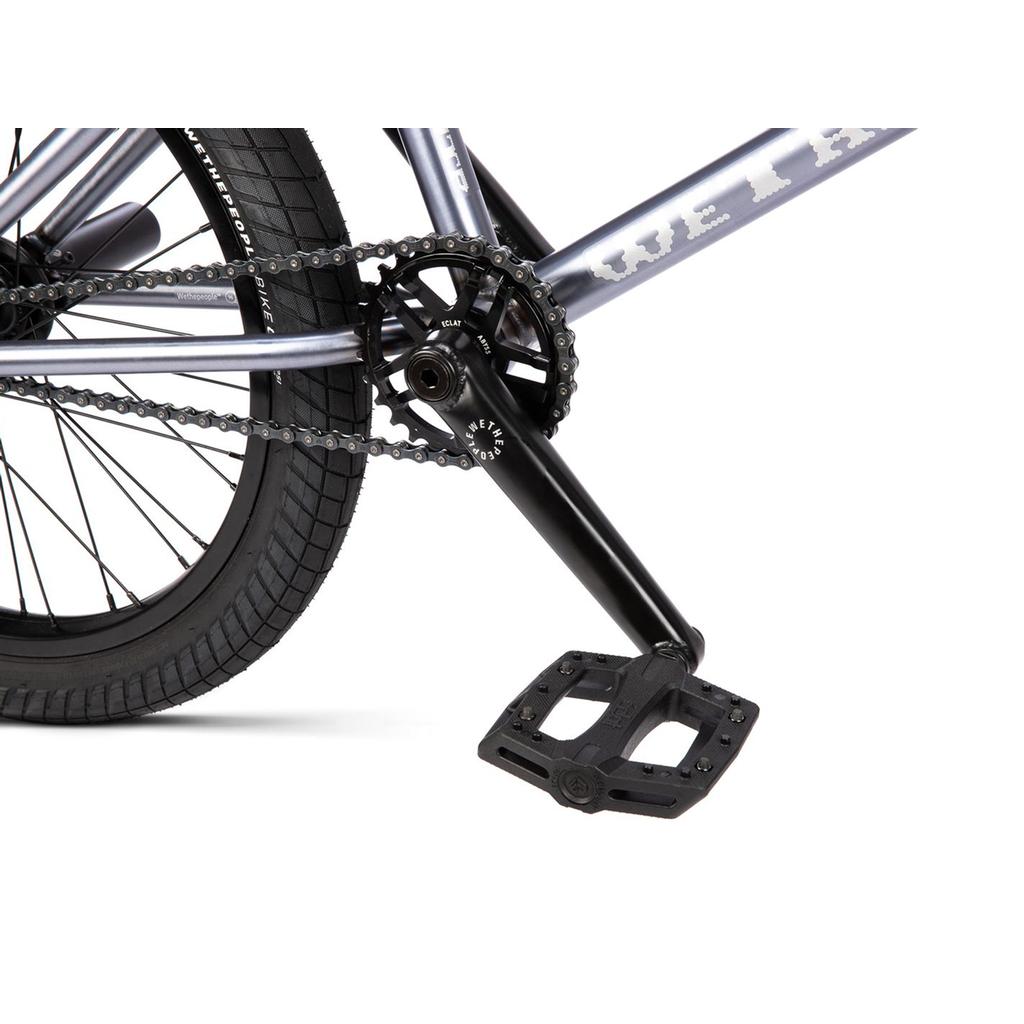
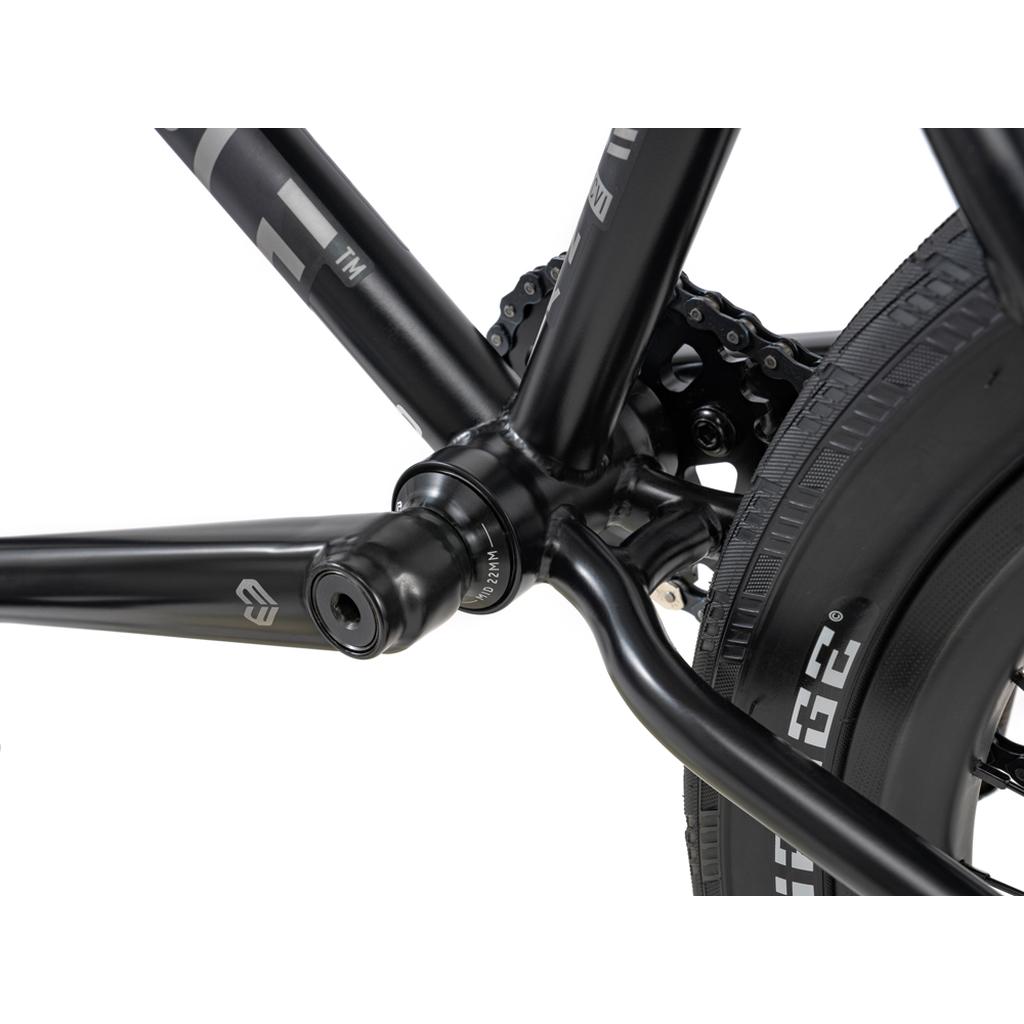
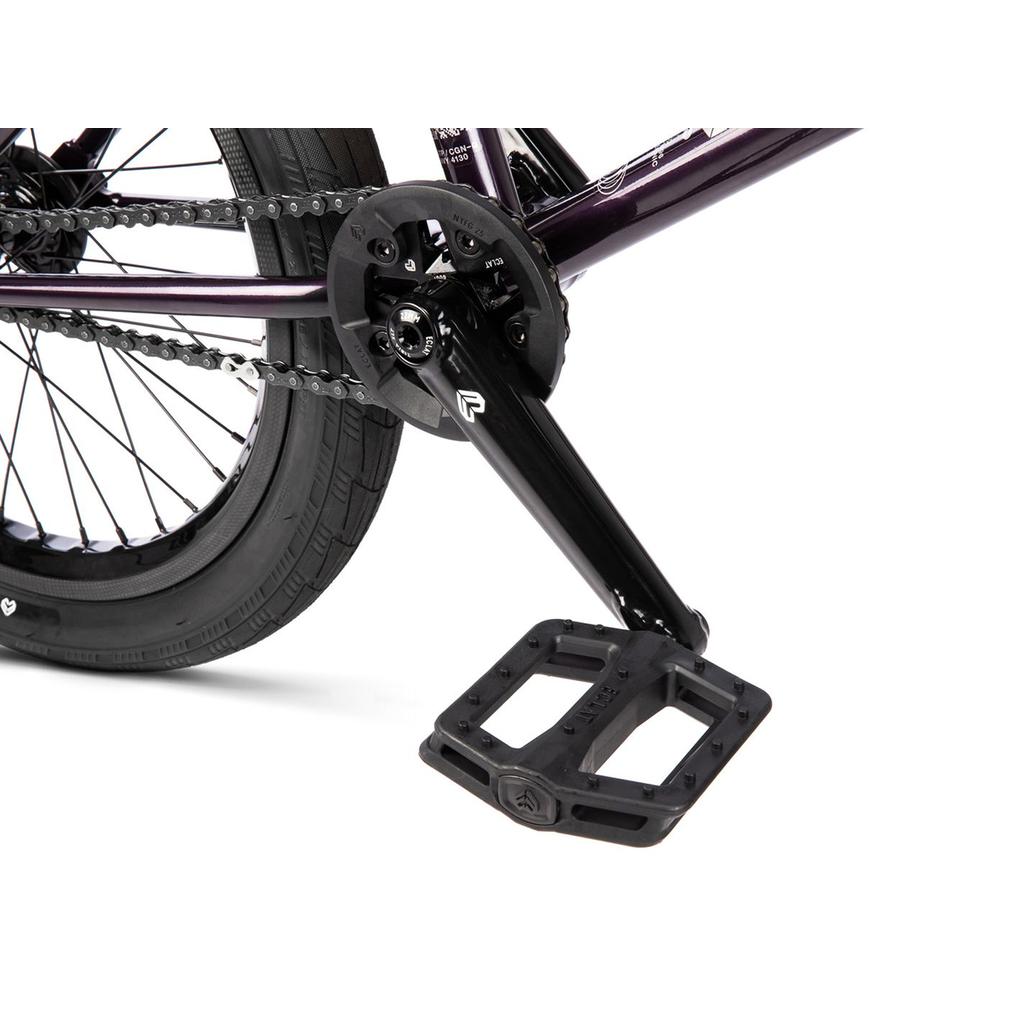
Cranks take more abuse than almost anything else on the bike. Entry level bikes use one piece or two piece steel cranks, while anything serious runs three piece chromoly with a sealed bottom bracket. Spindle diameter steps up with quality, from 19mm through 22mm to 24mm, and arm length is usually 165 to 175mm, with shorter arms suiting smaller riders and more technical riding. Our Crank Buyer's Guide covers the standards.
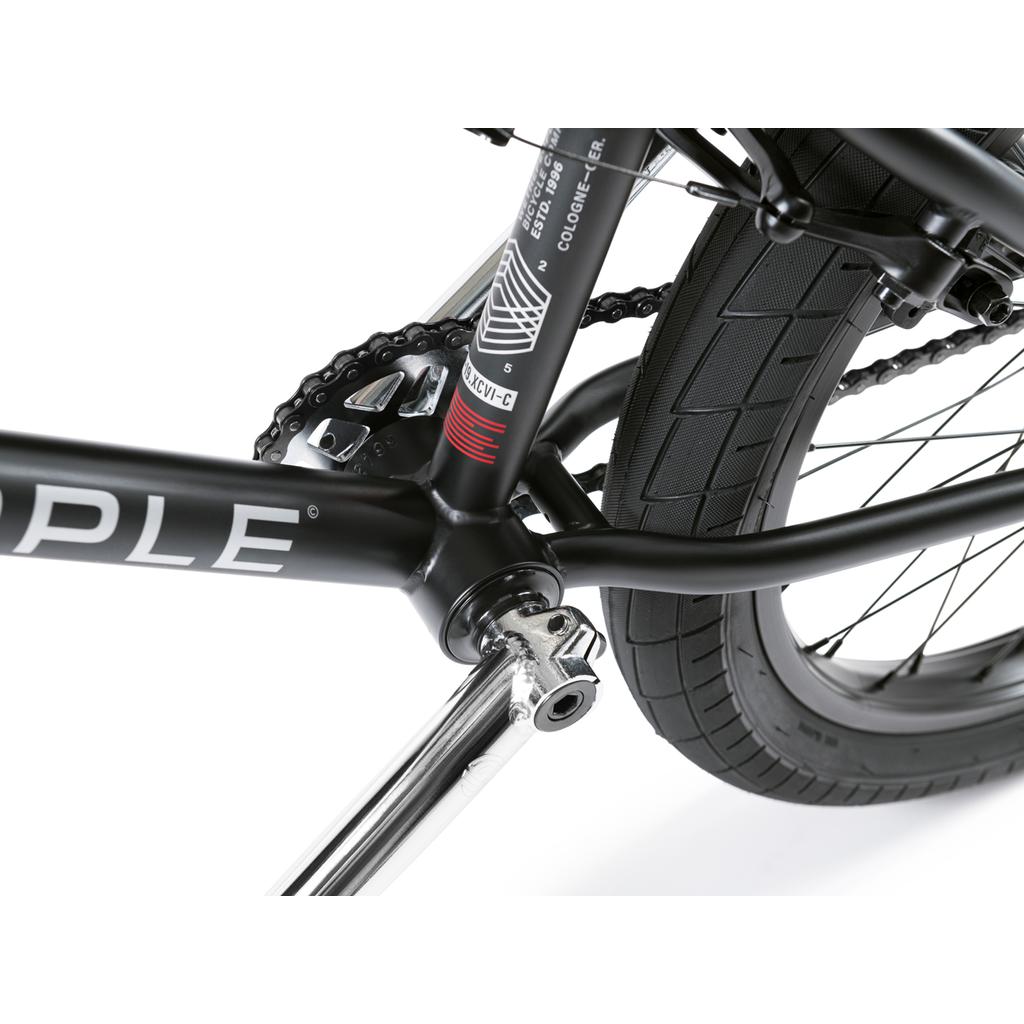
The bottom bracket is the bearing set your cranks spin in, and it has to match two things: the shell in your frame (Mid is the modern standard, with Spanish, American and Euro still around) and the spindle diameter of your cranks. Get either wrong and the parts will not fit, so check both before you buy. Sealed bearings are standard on anything decent. Our Bottom Bracket Buyer's Guide explains which is which.
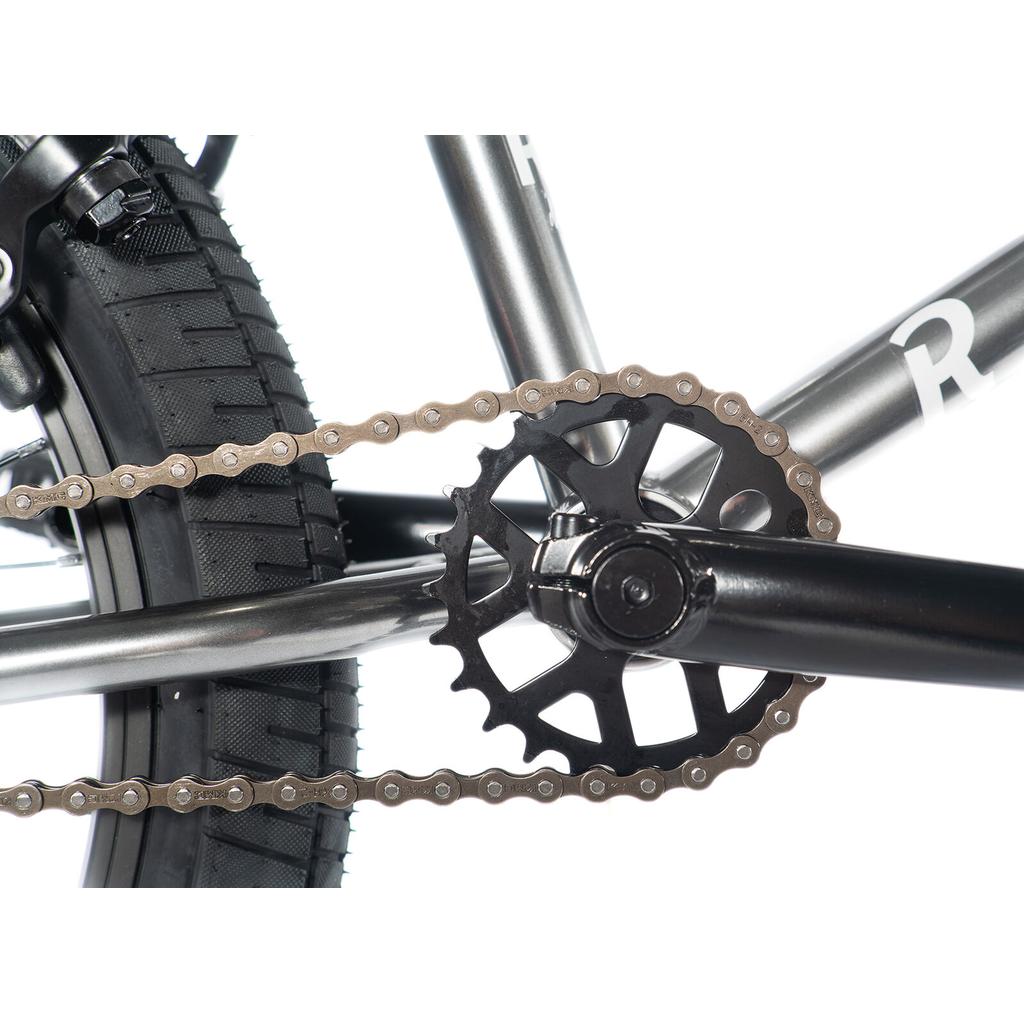
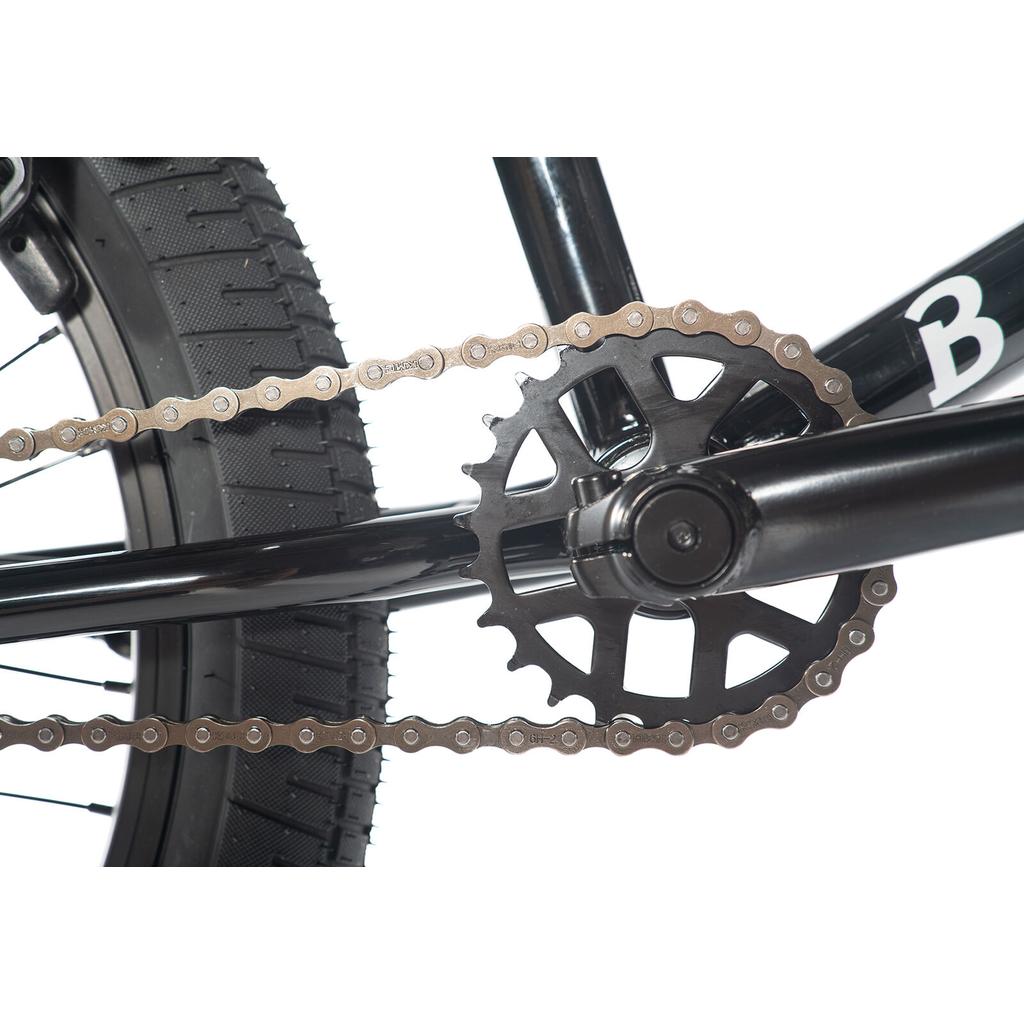
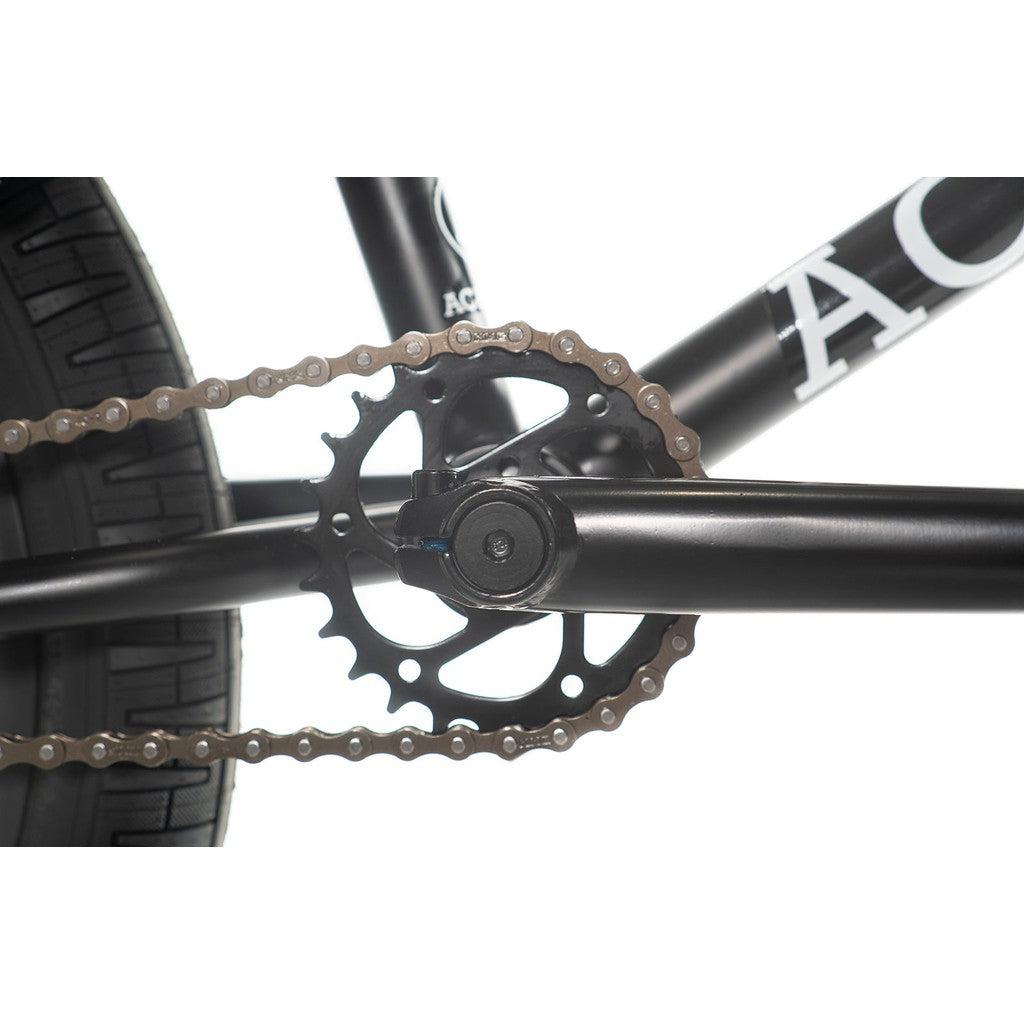
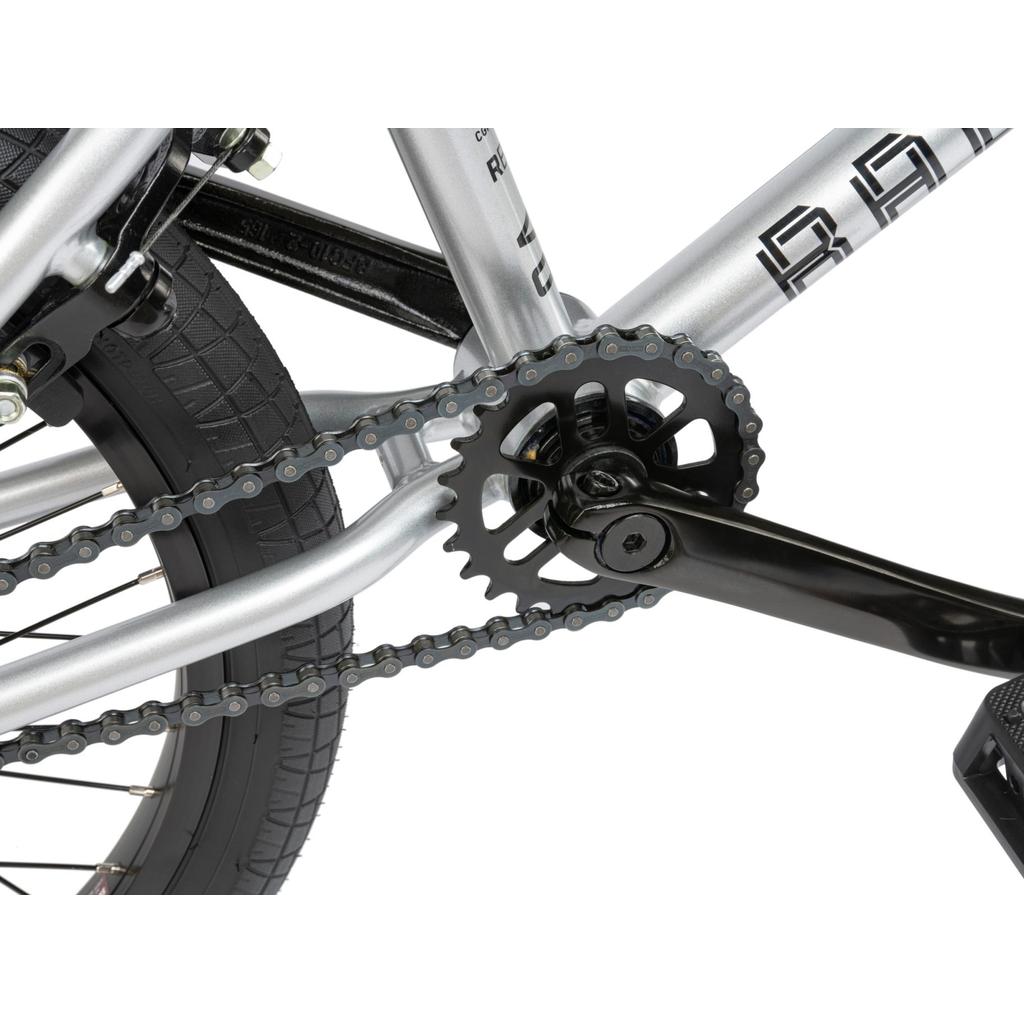
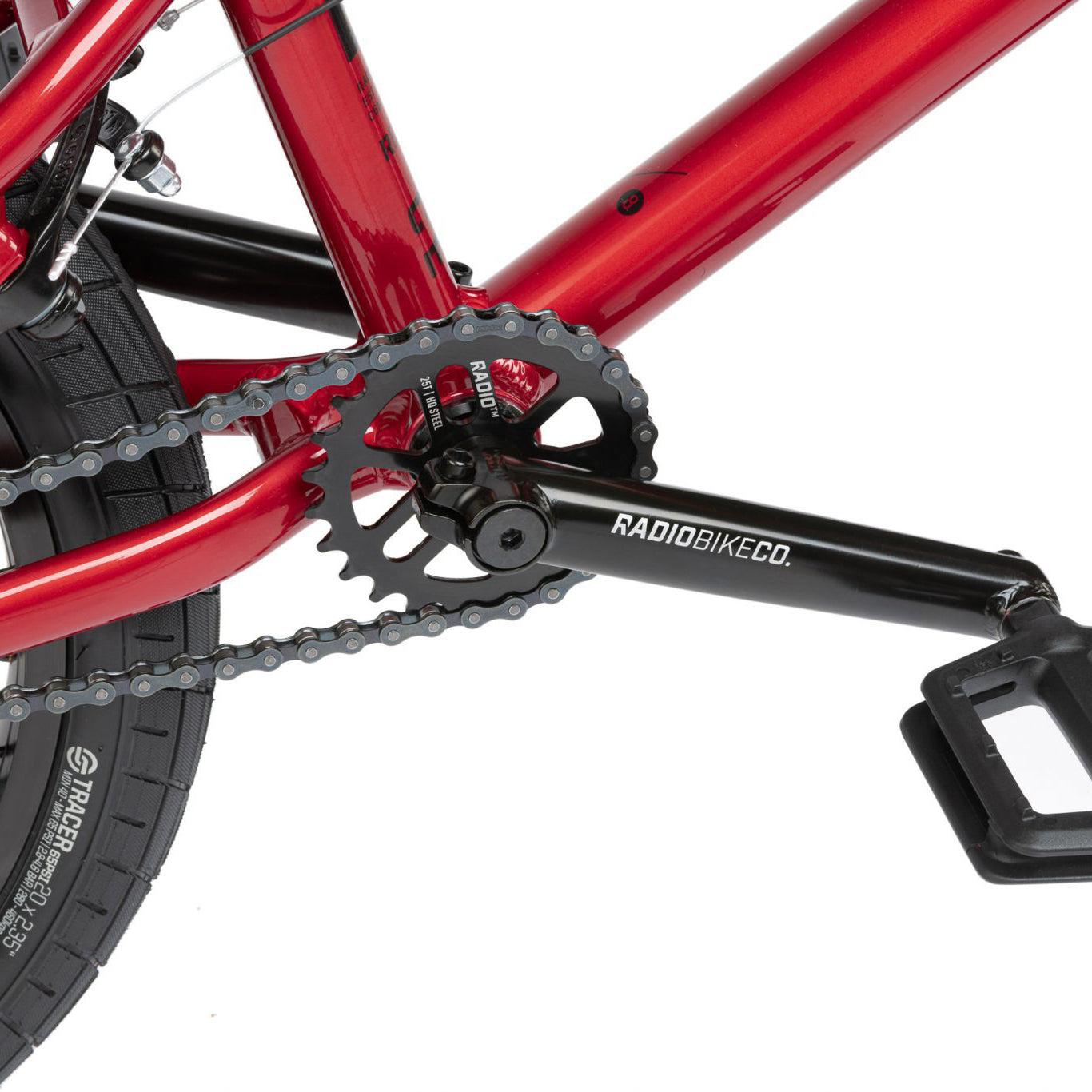
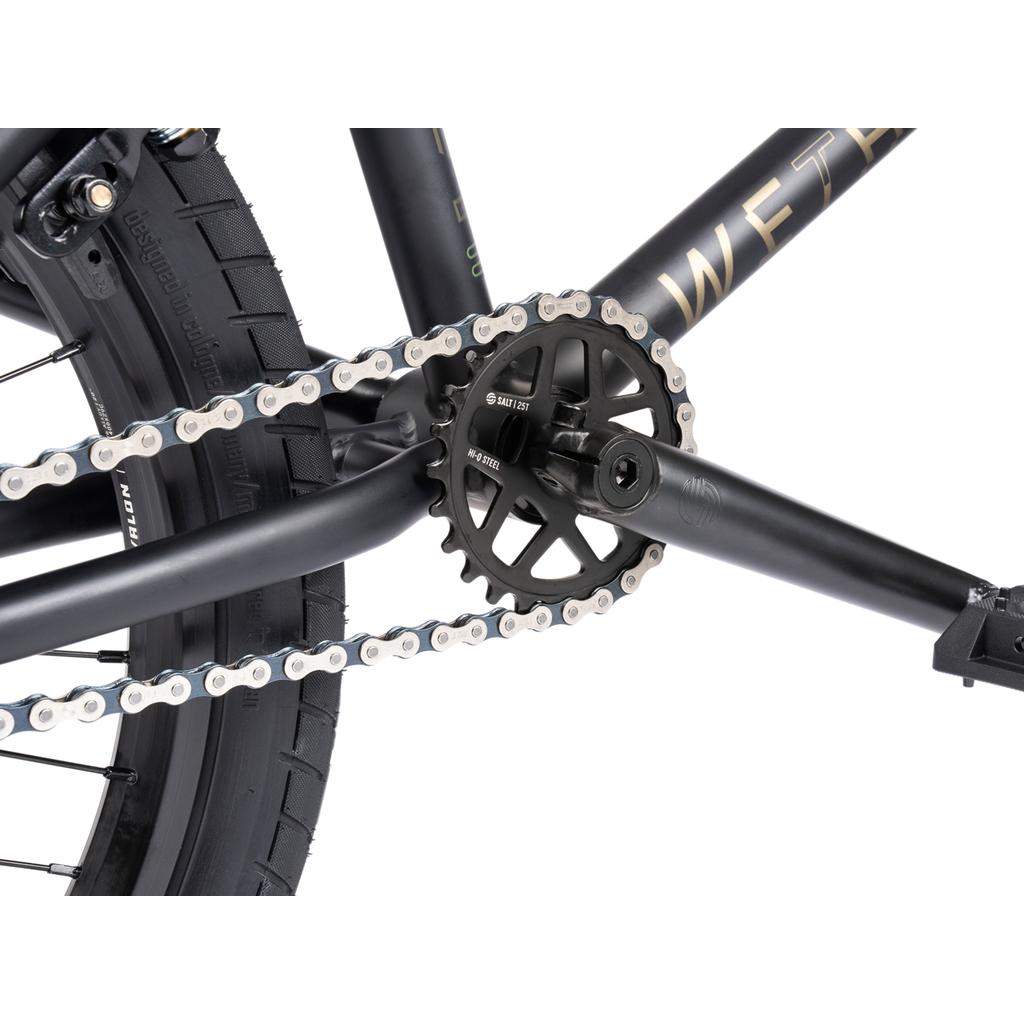
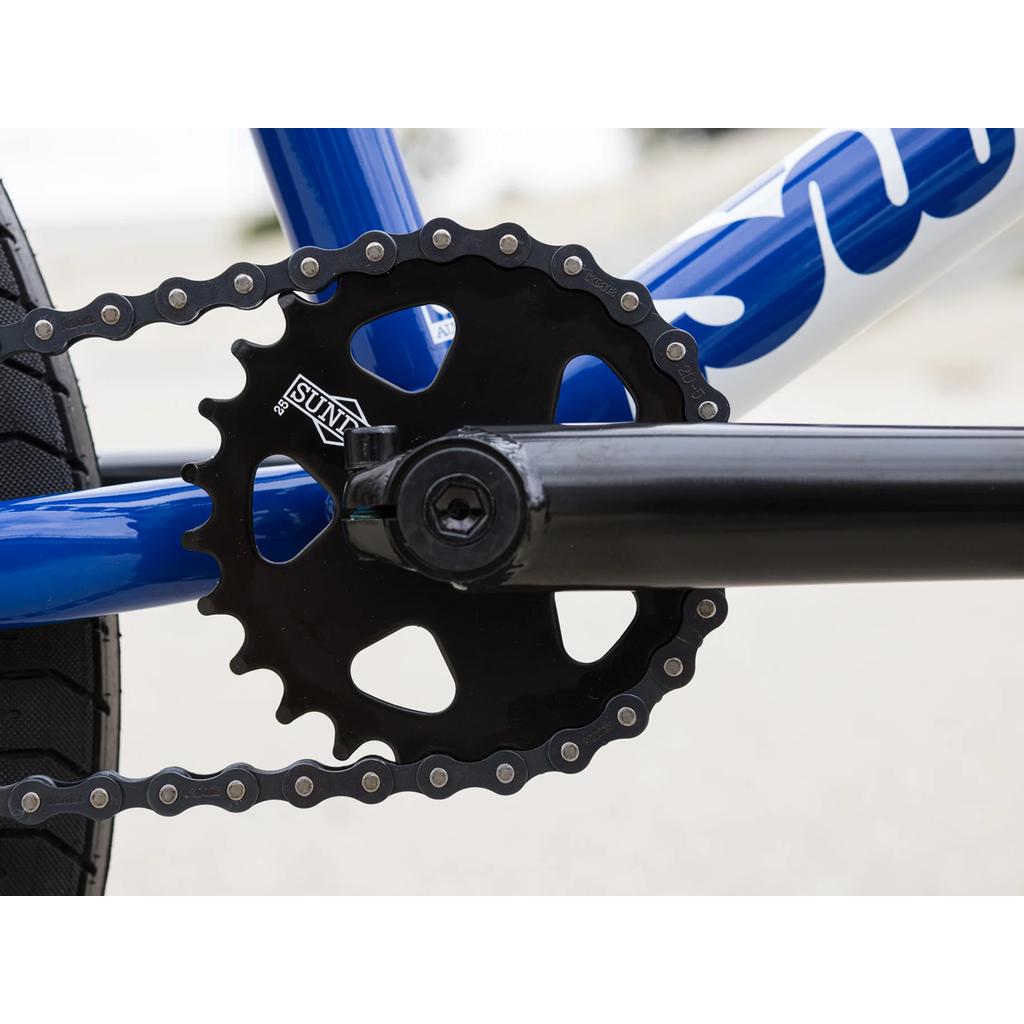
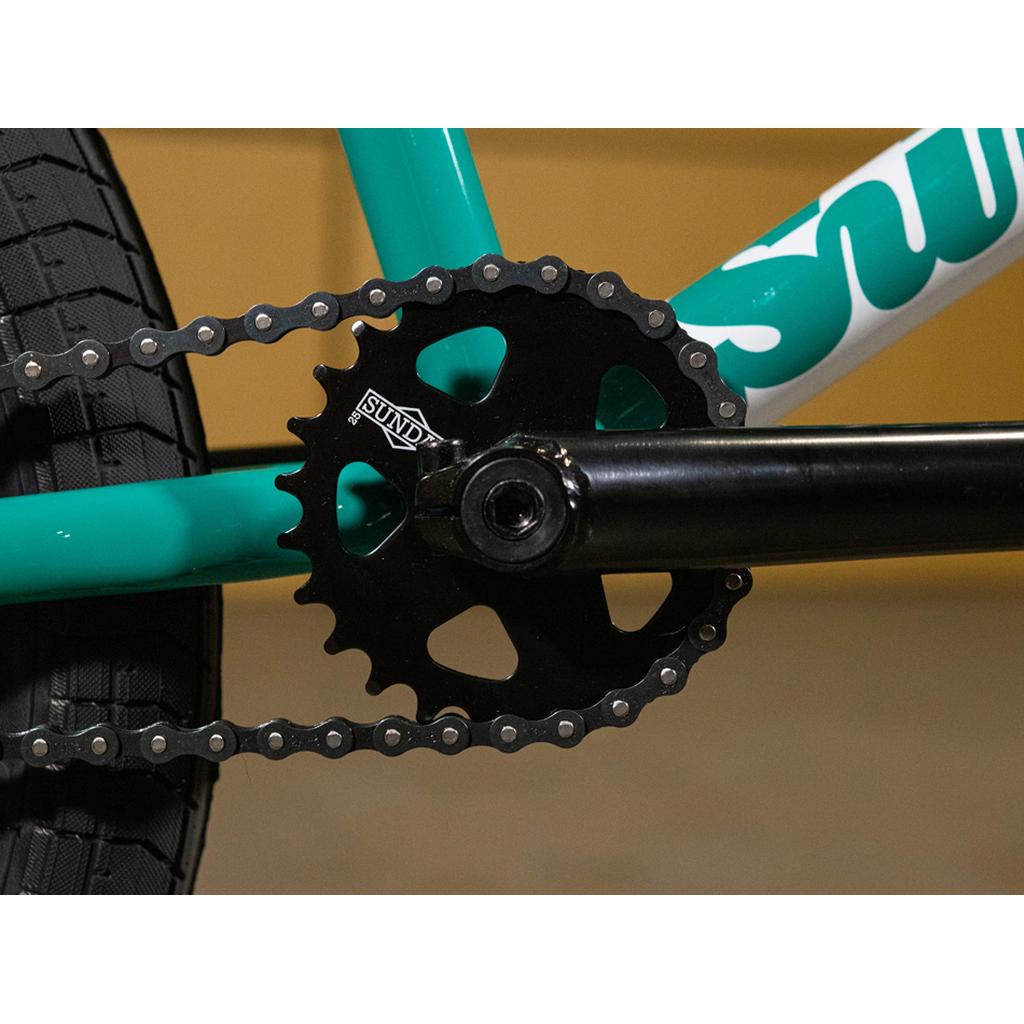
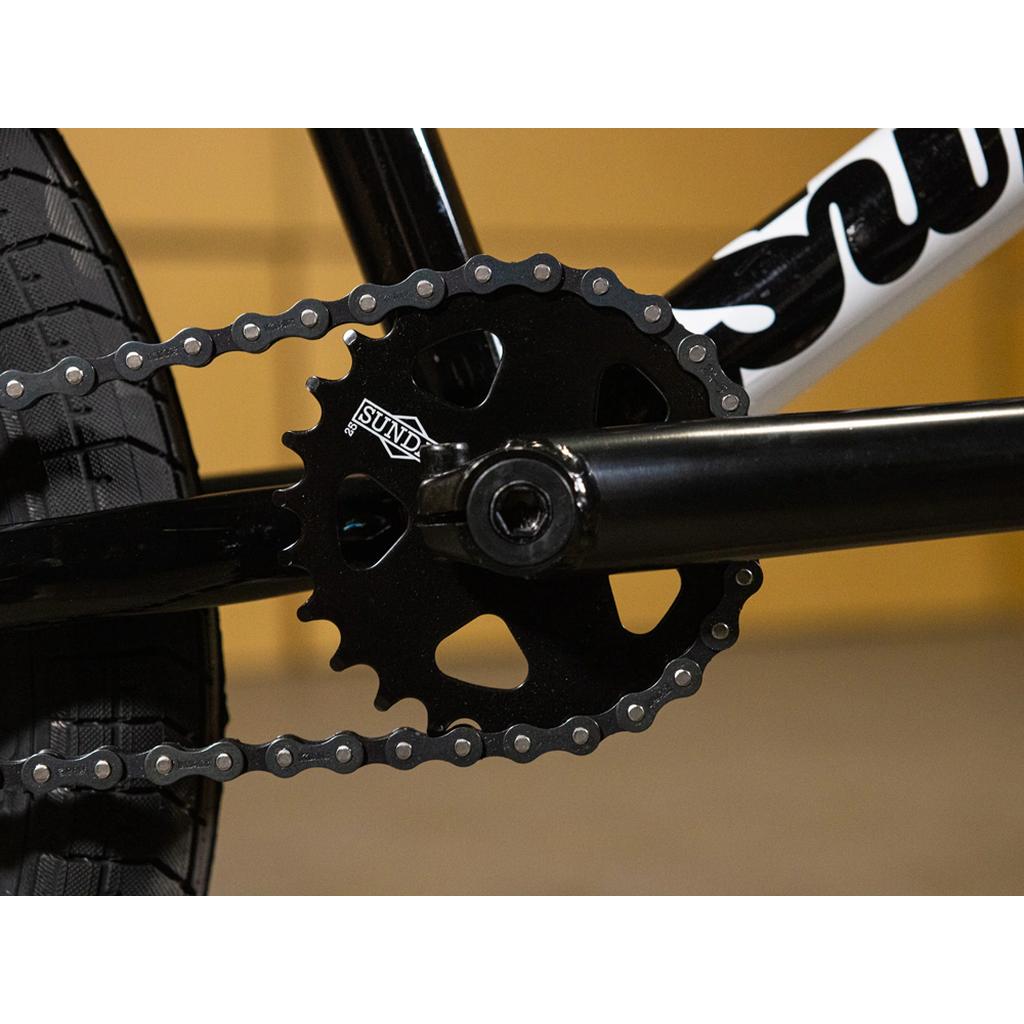
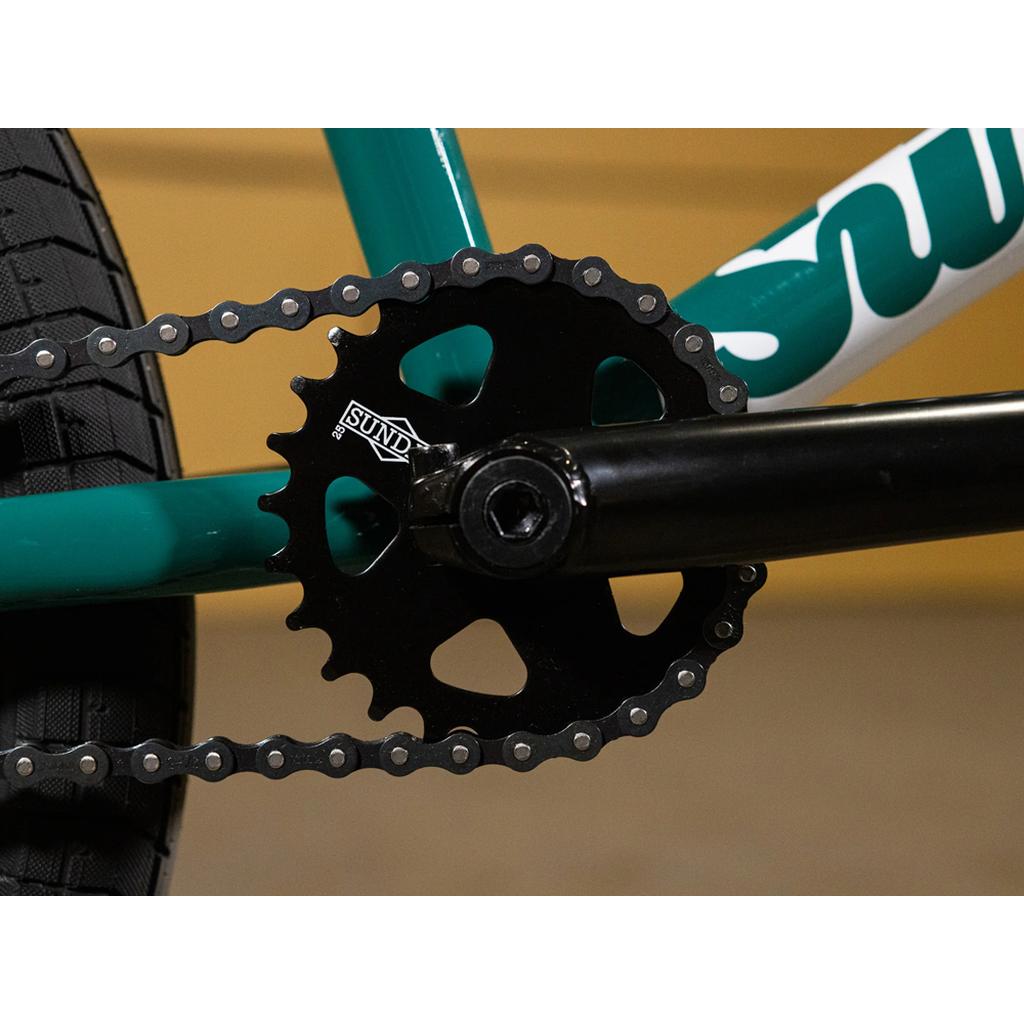
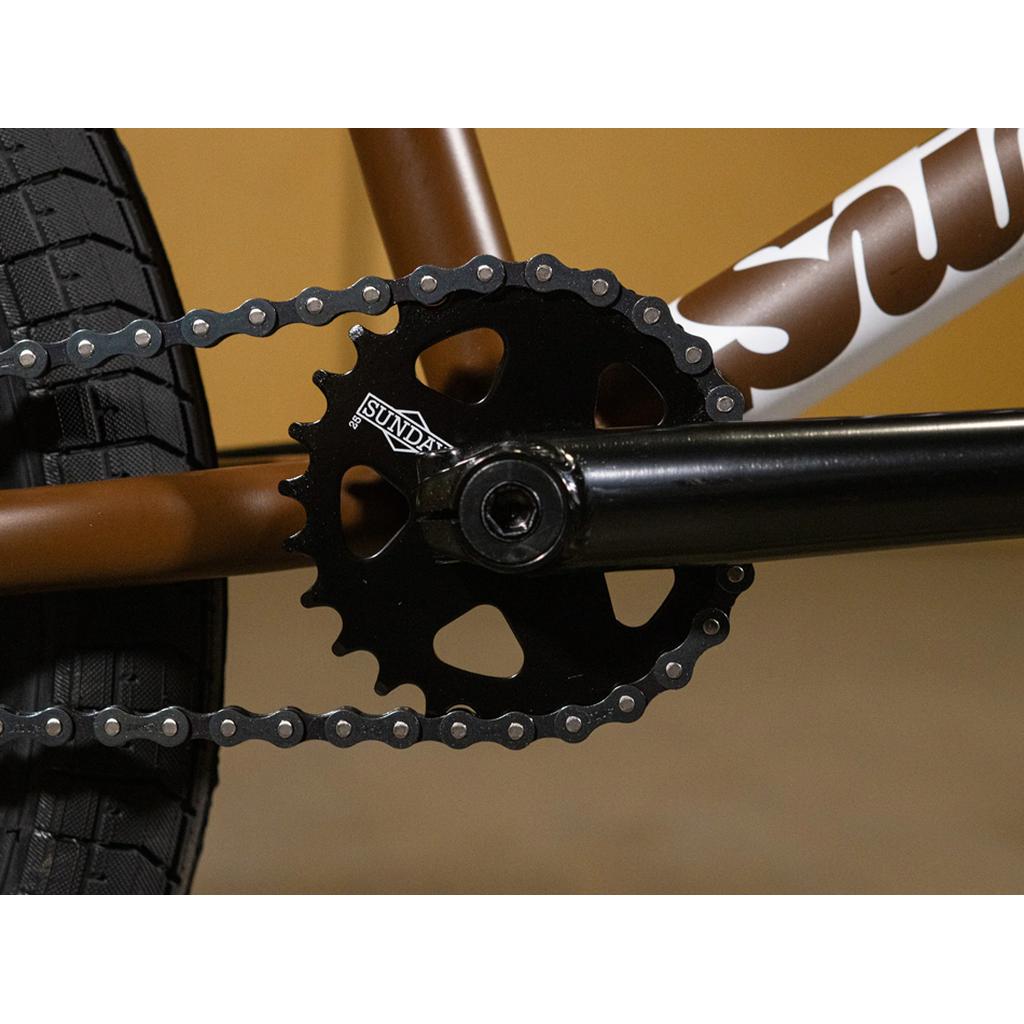
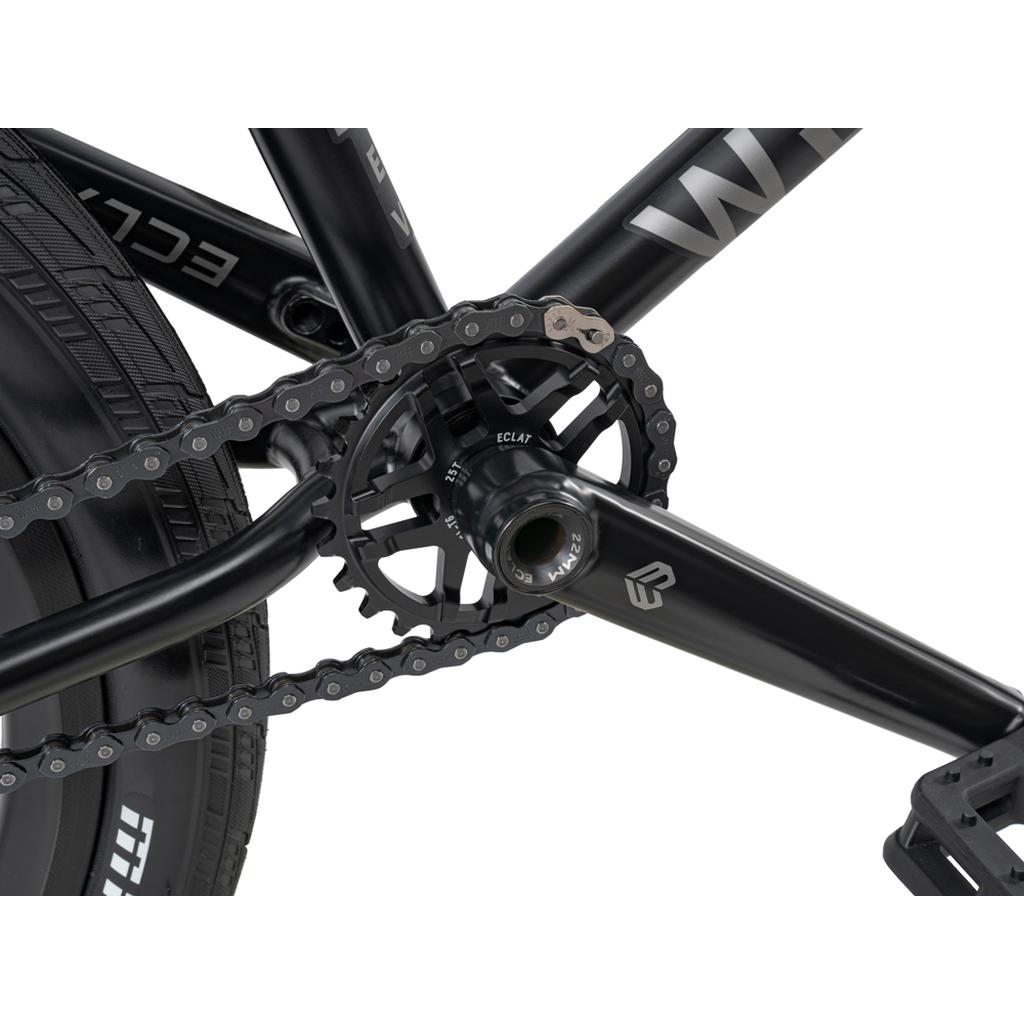
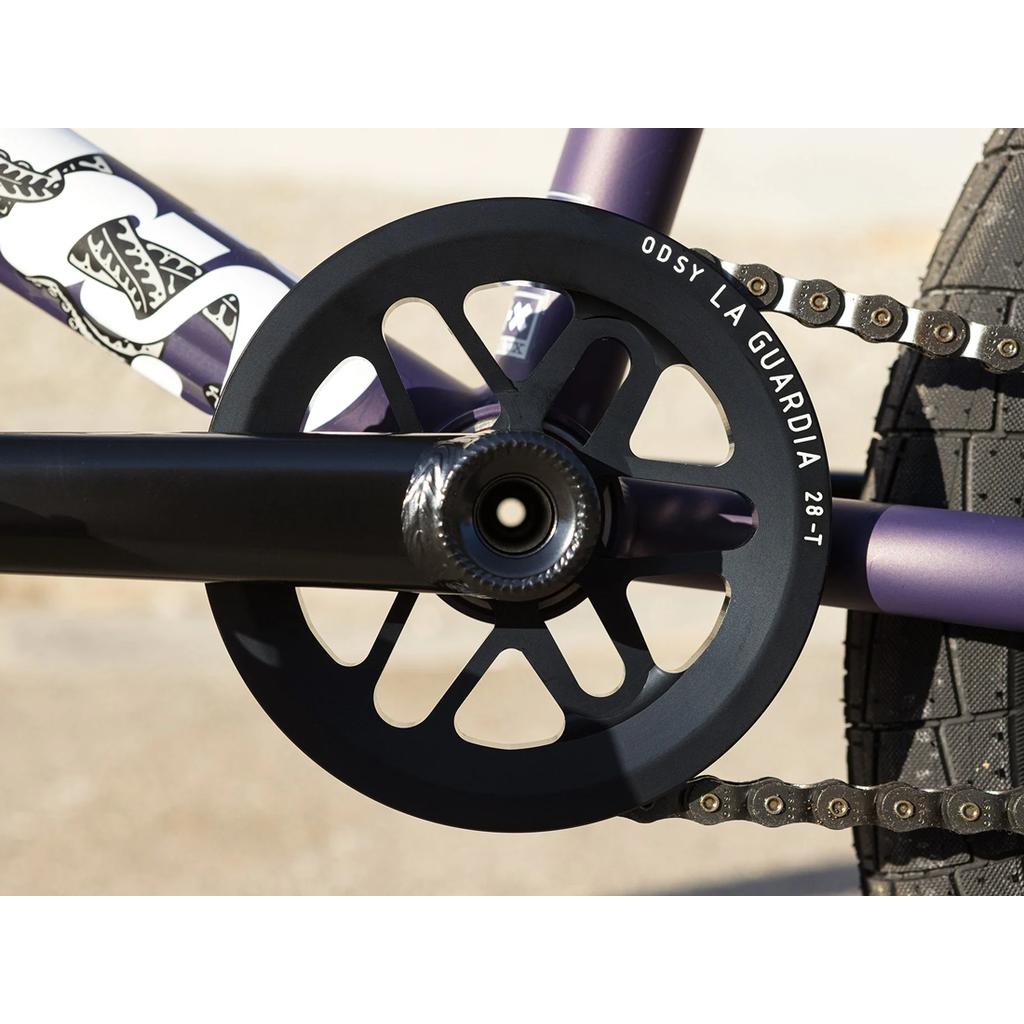
The sprocket is the front gear bolted to your cranks, and together with the rear driver it sets your gearing. Most complete bikes run 25 tooth at the front with a 9 tooth driver, which is the modern standard and gives a good balance of pedal speed and ground clearance. Guard sprockets add a solid outer ring that protects the teeth on grinds. There is more in our Sprocket Buyer's Guide.
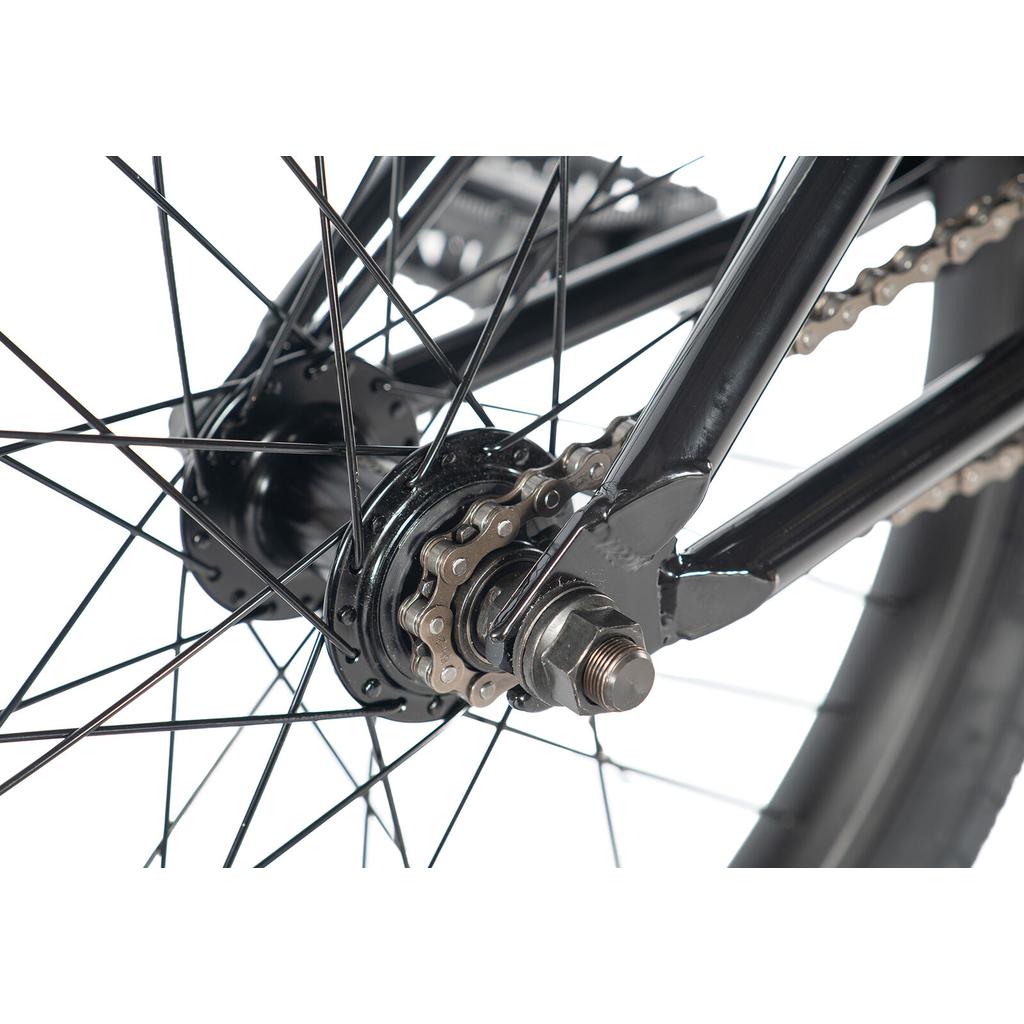
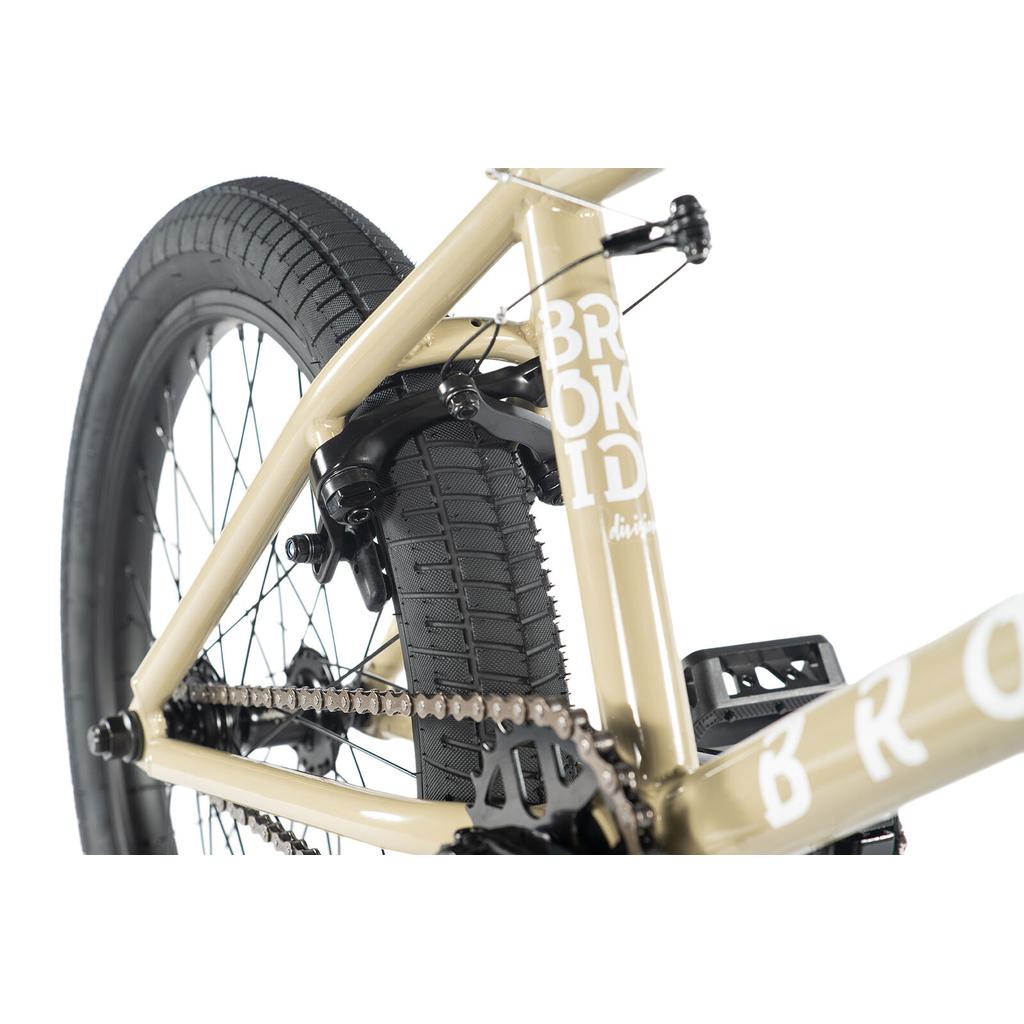
BMX chains are 1/8 inch, which is wider and stronger than the chains used on geared bikes. The main choice is a full link chain or a half link chain, where half links let you adjust wheel position in much finer steps, which is handy for getting the rear wheel exactly where you want it. Better chains use stronger pins and plates and stretch less. See our Chain Buyer's Guide.
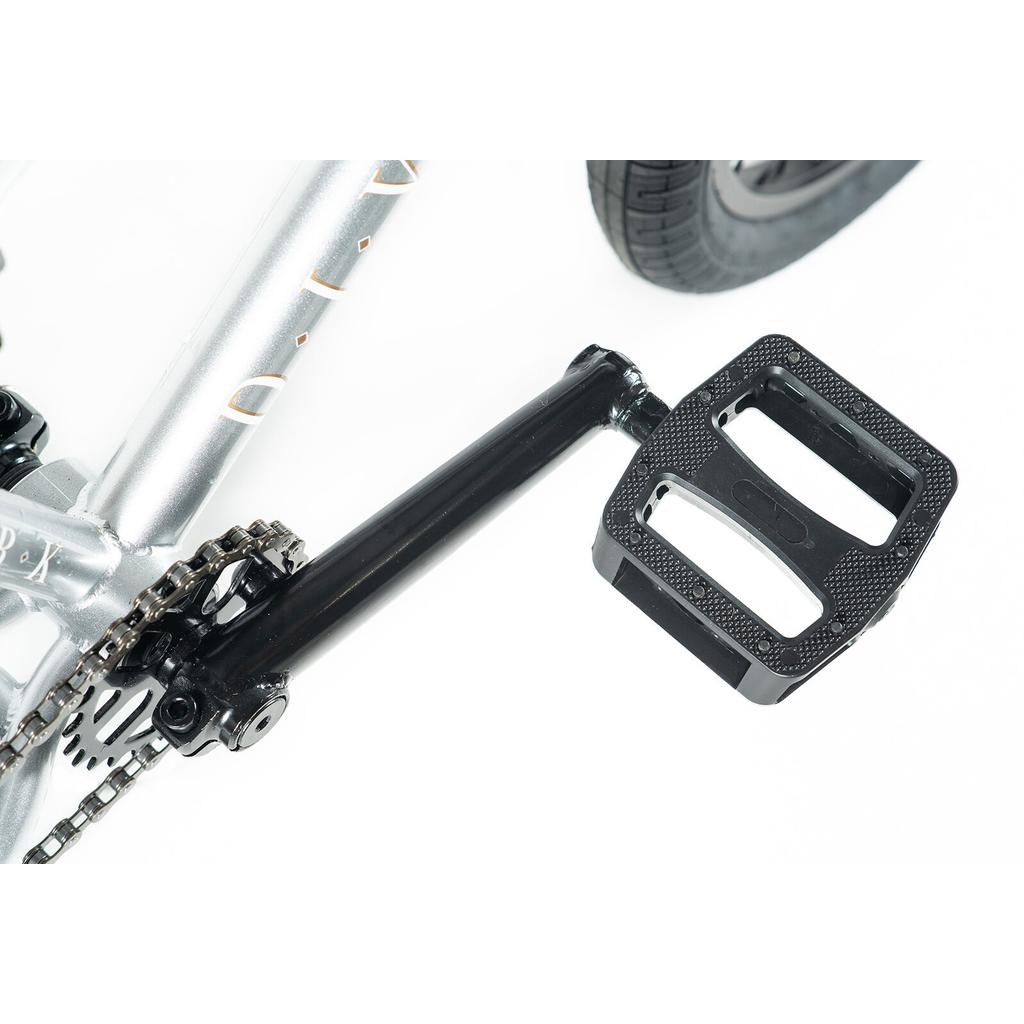
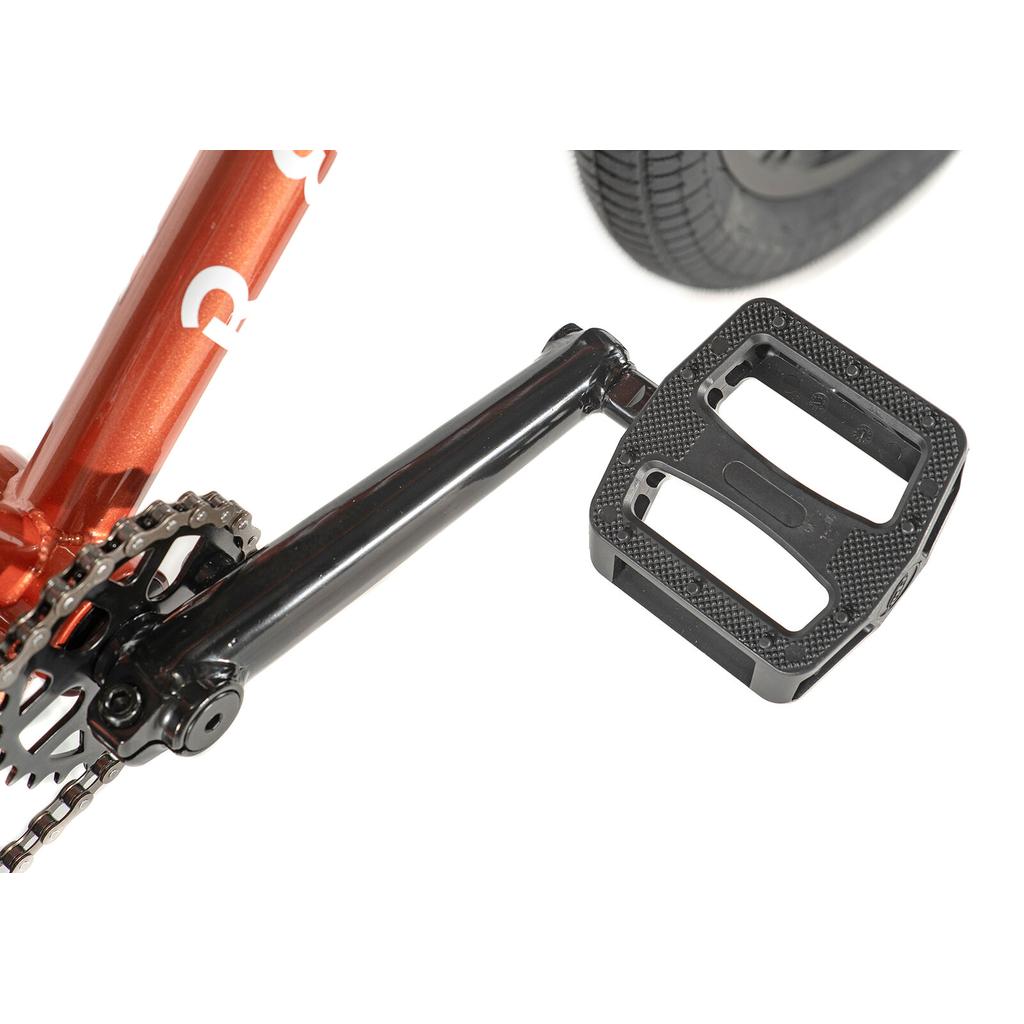
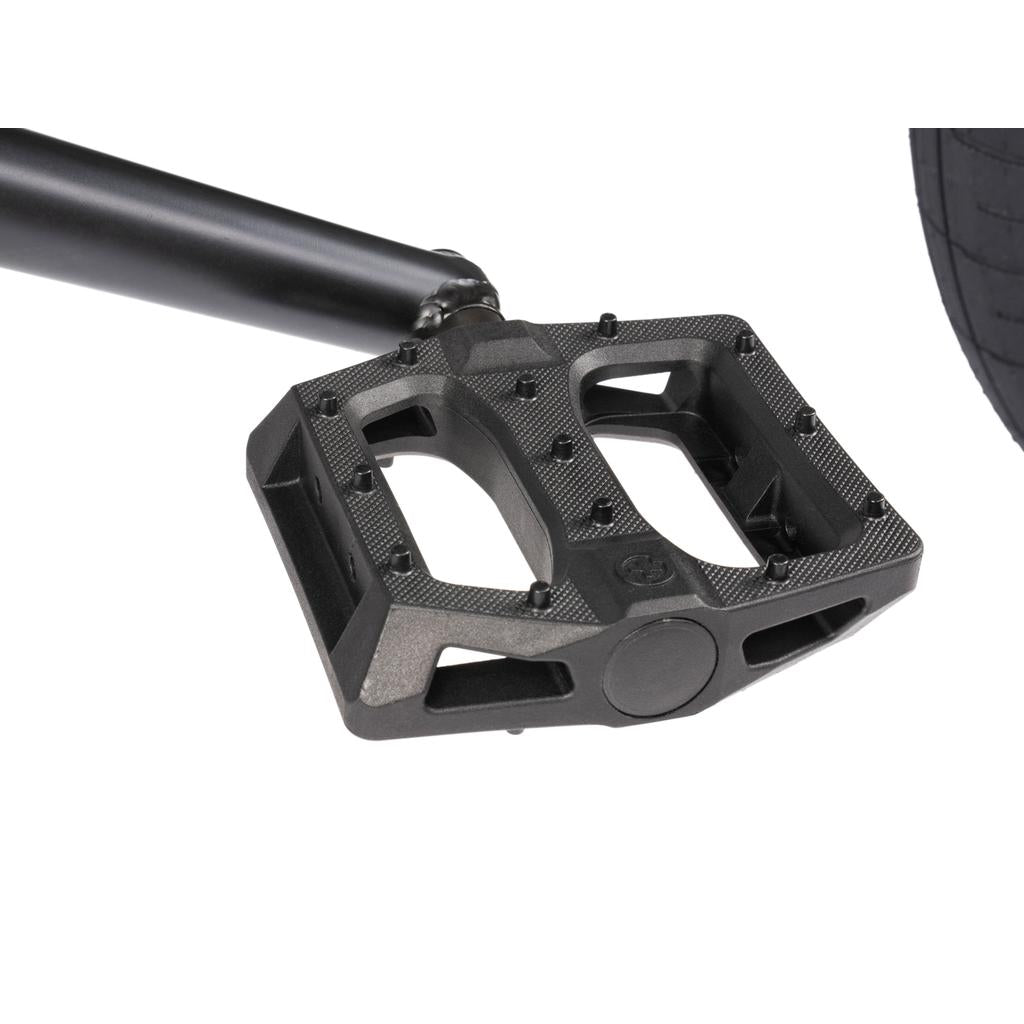
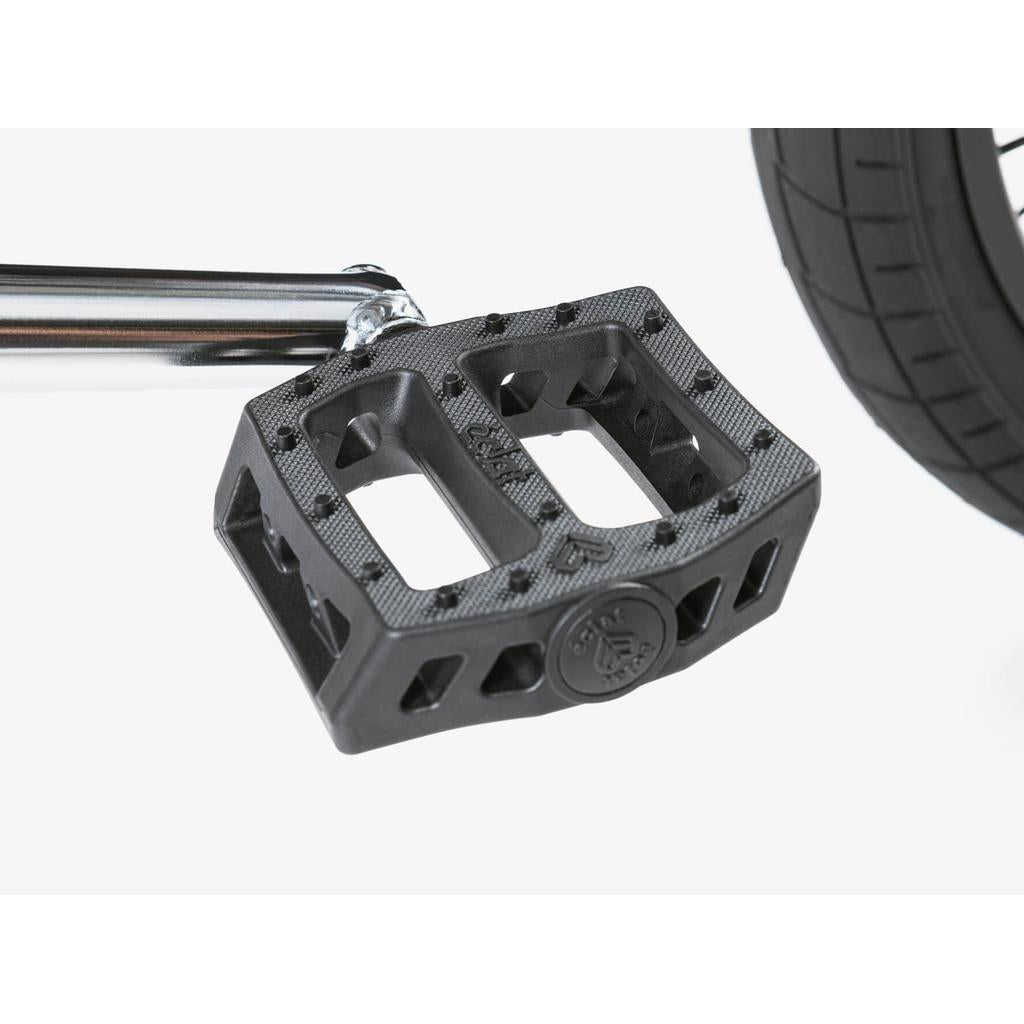
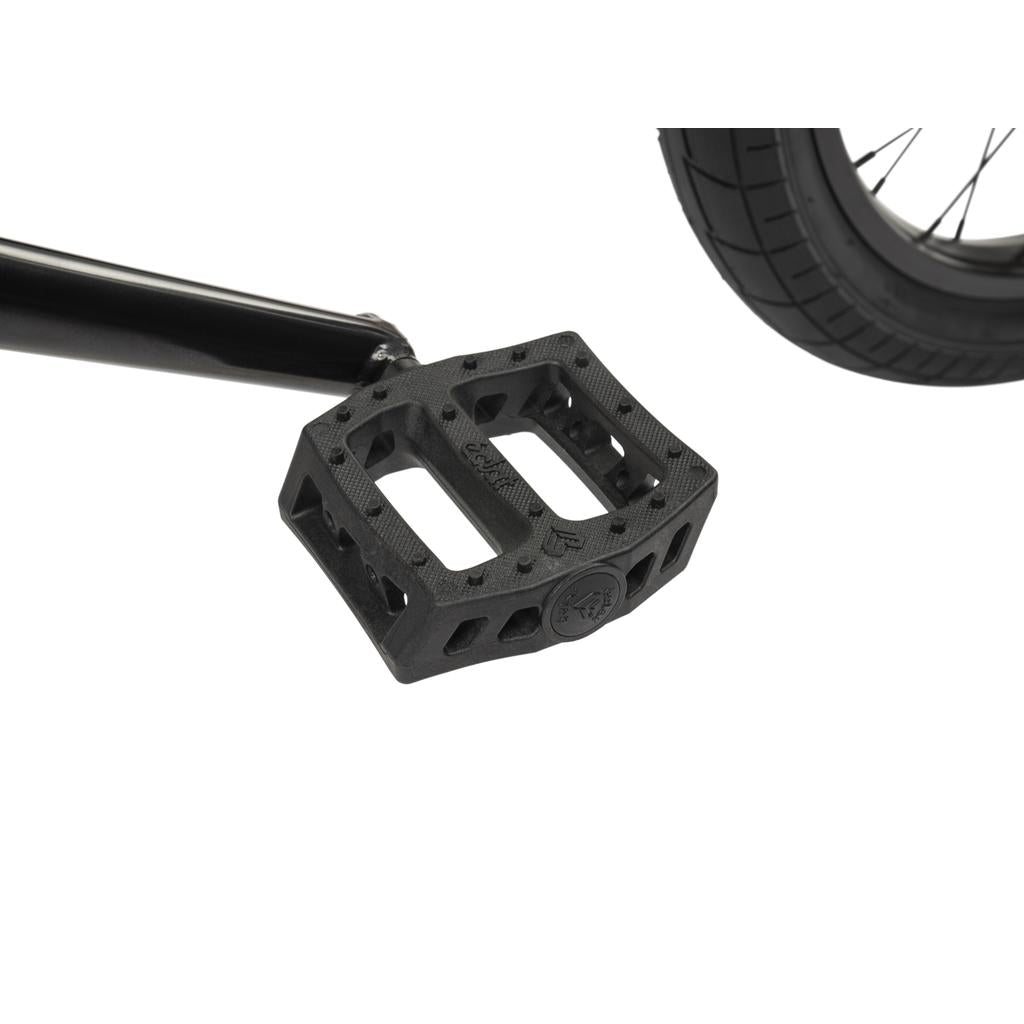
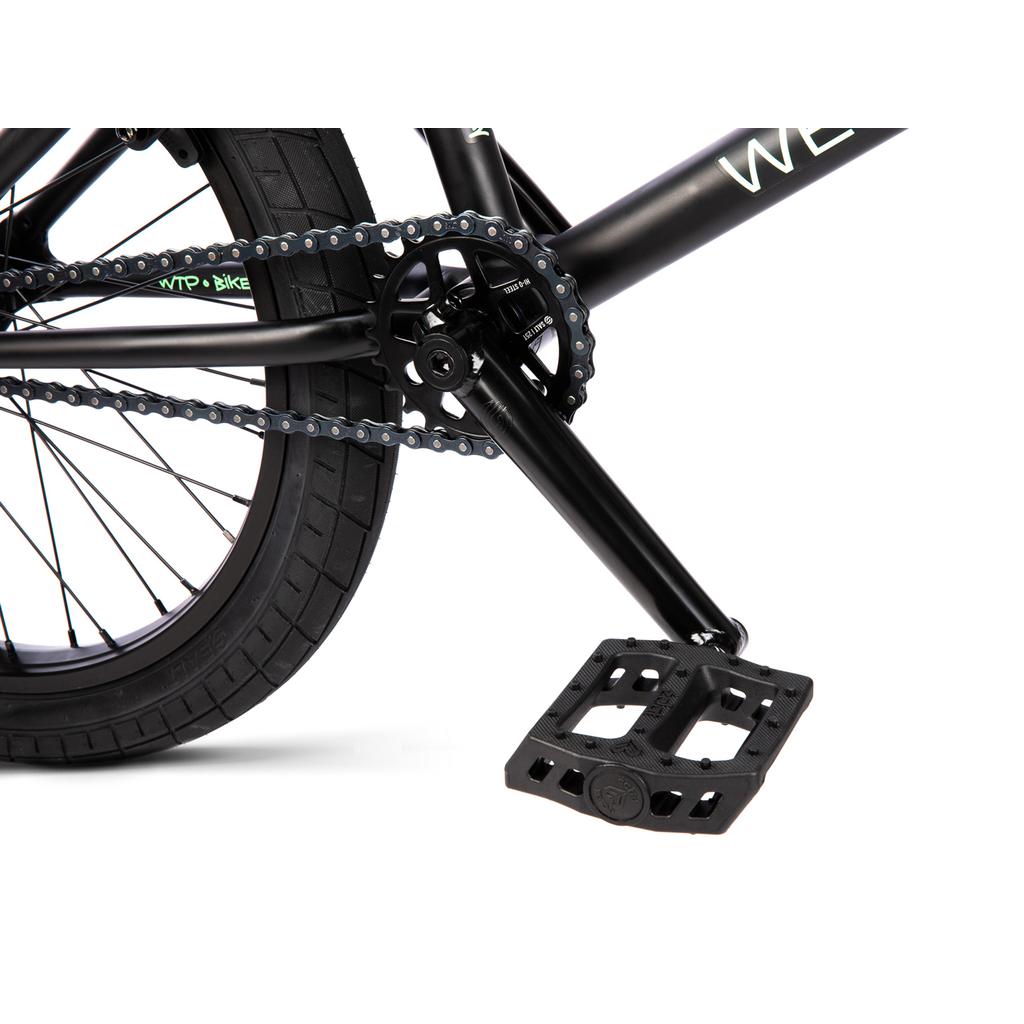
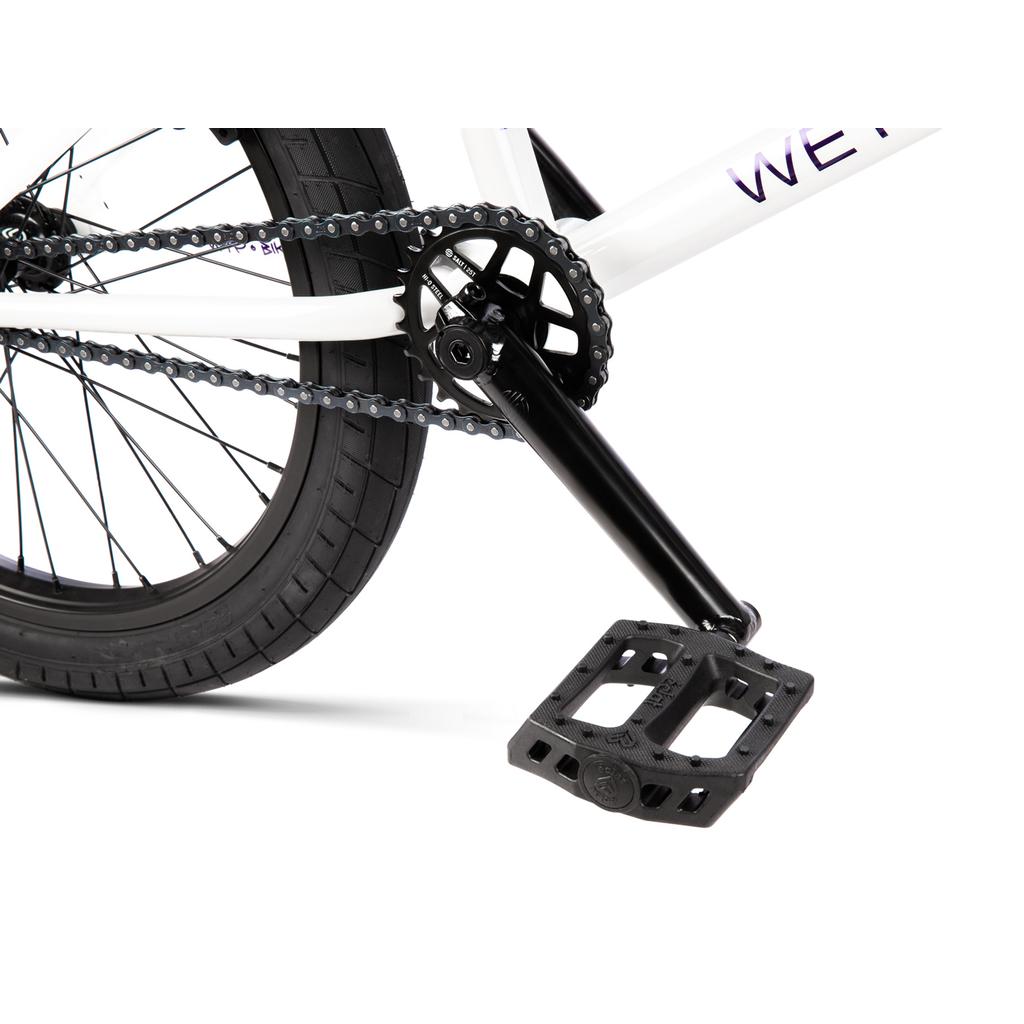
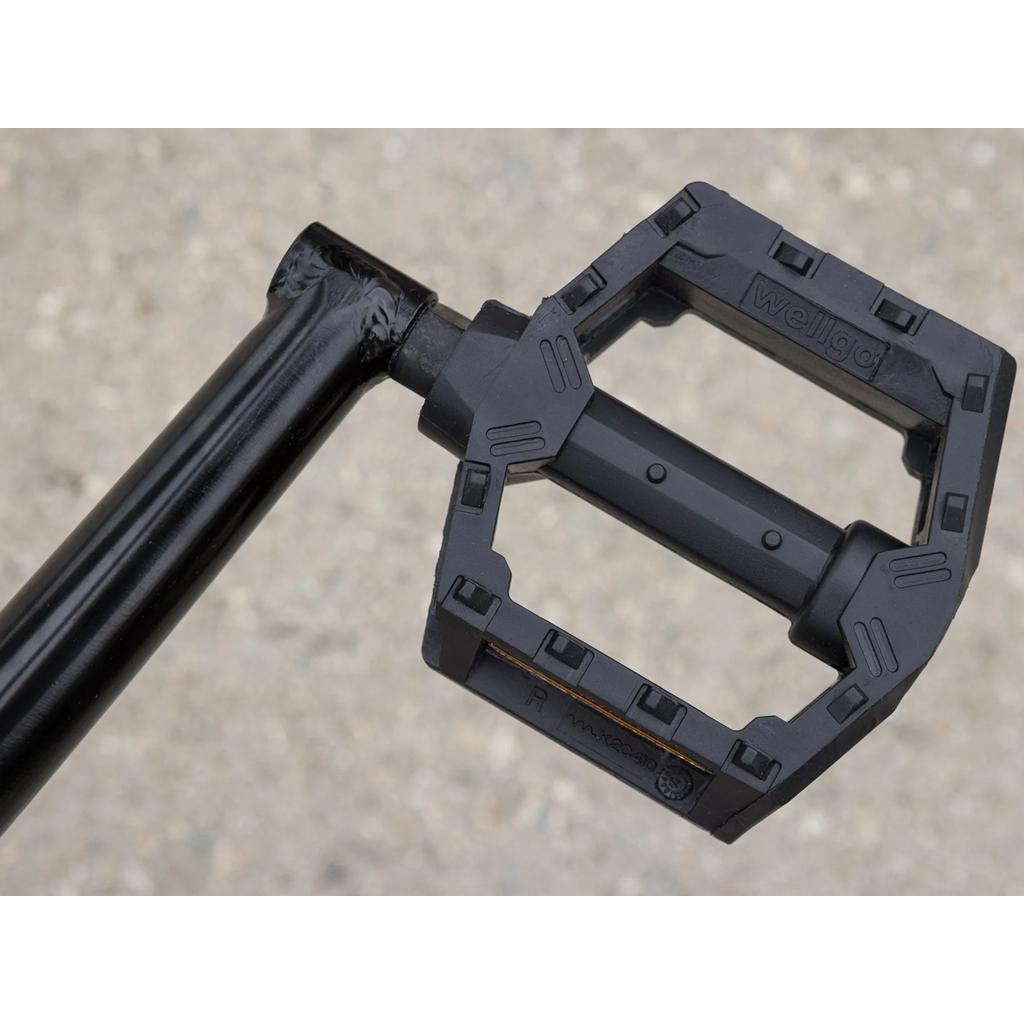
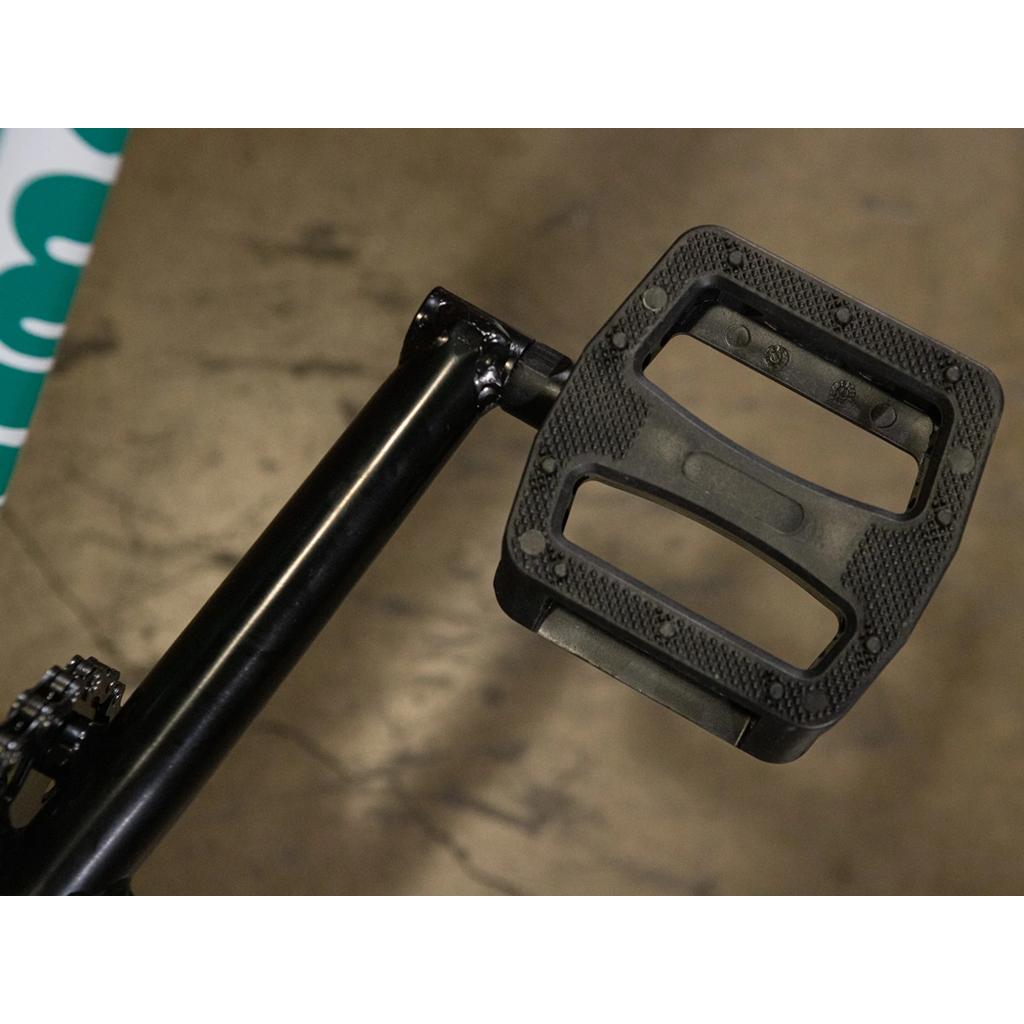
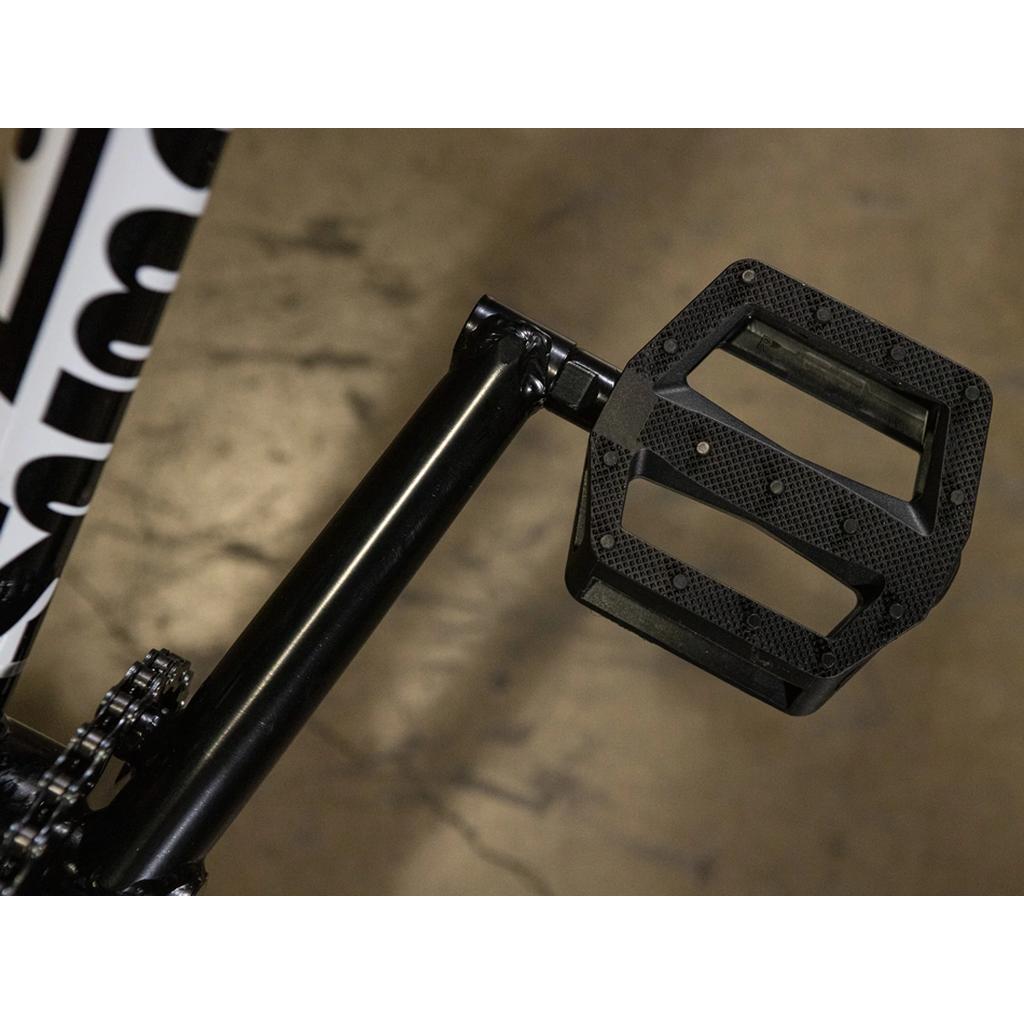
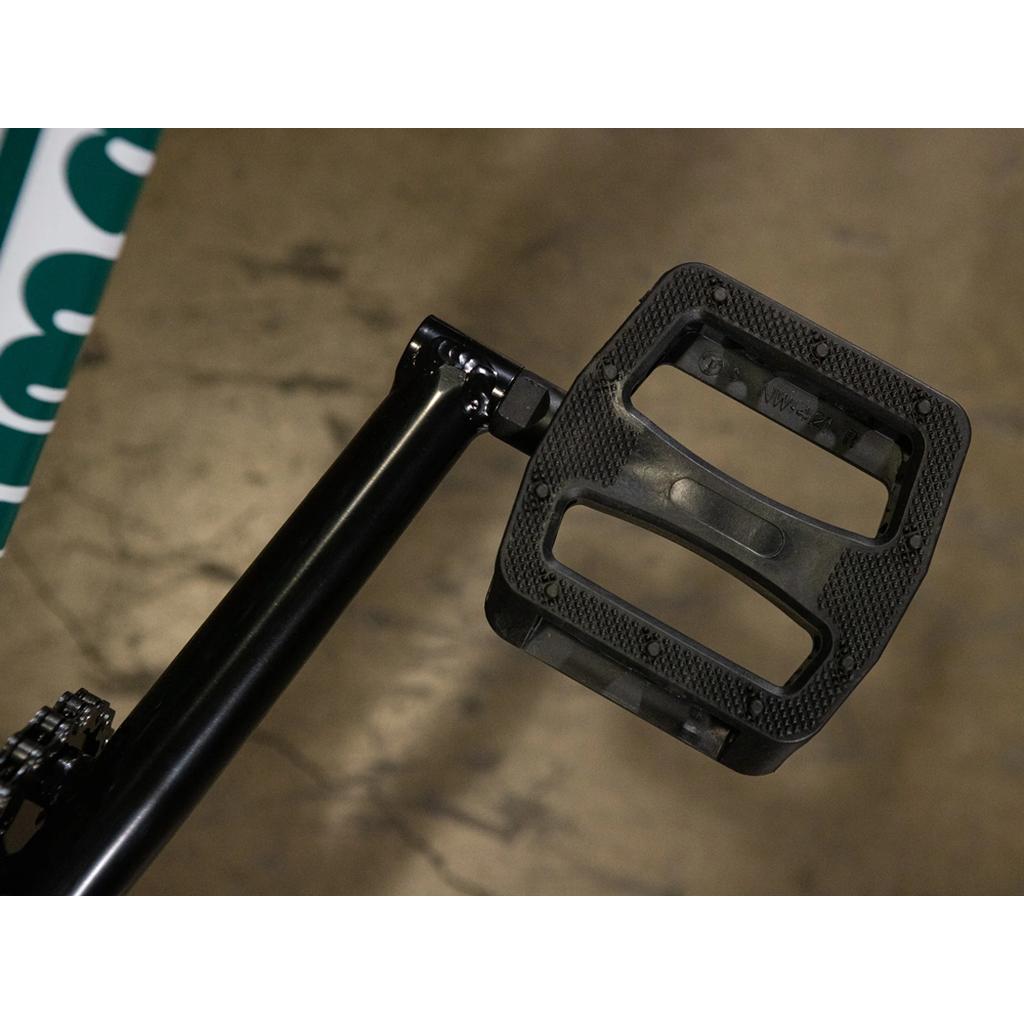
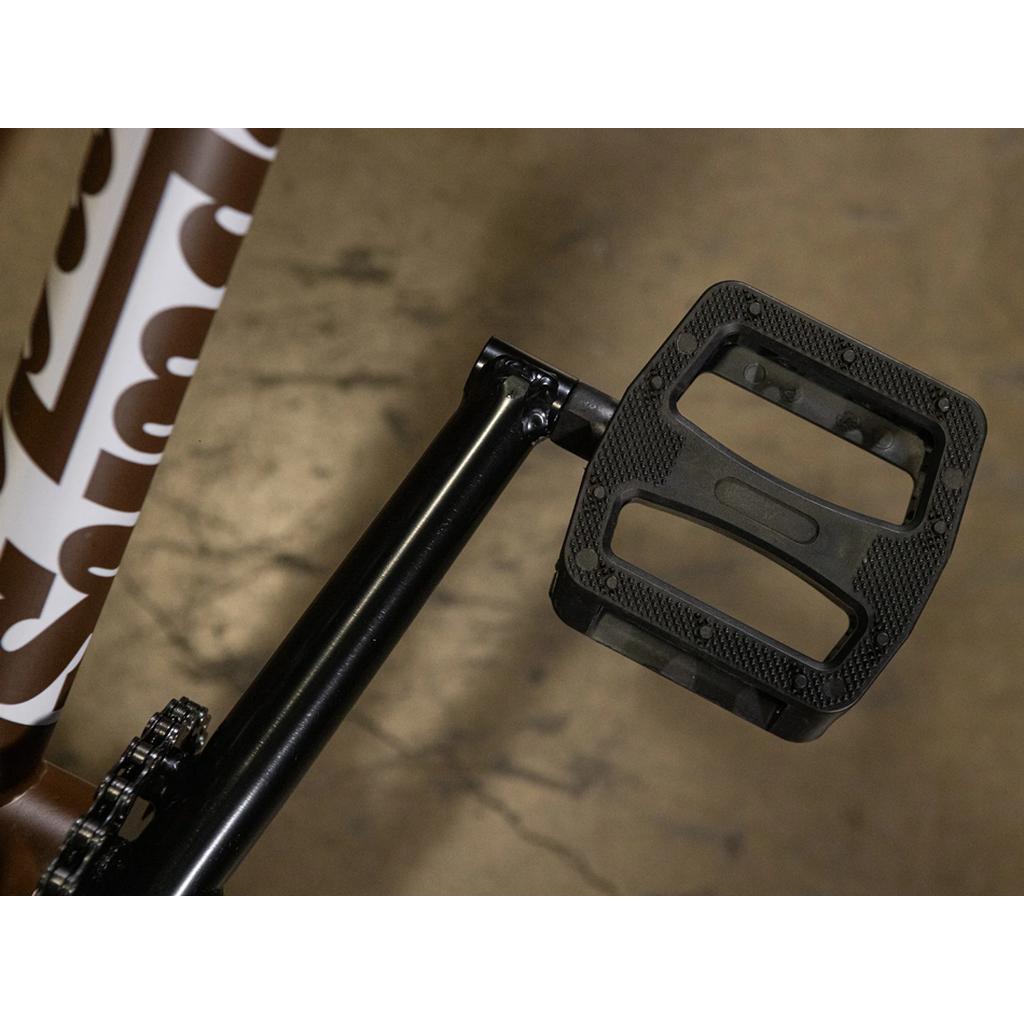
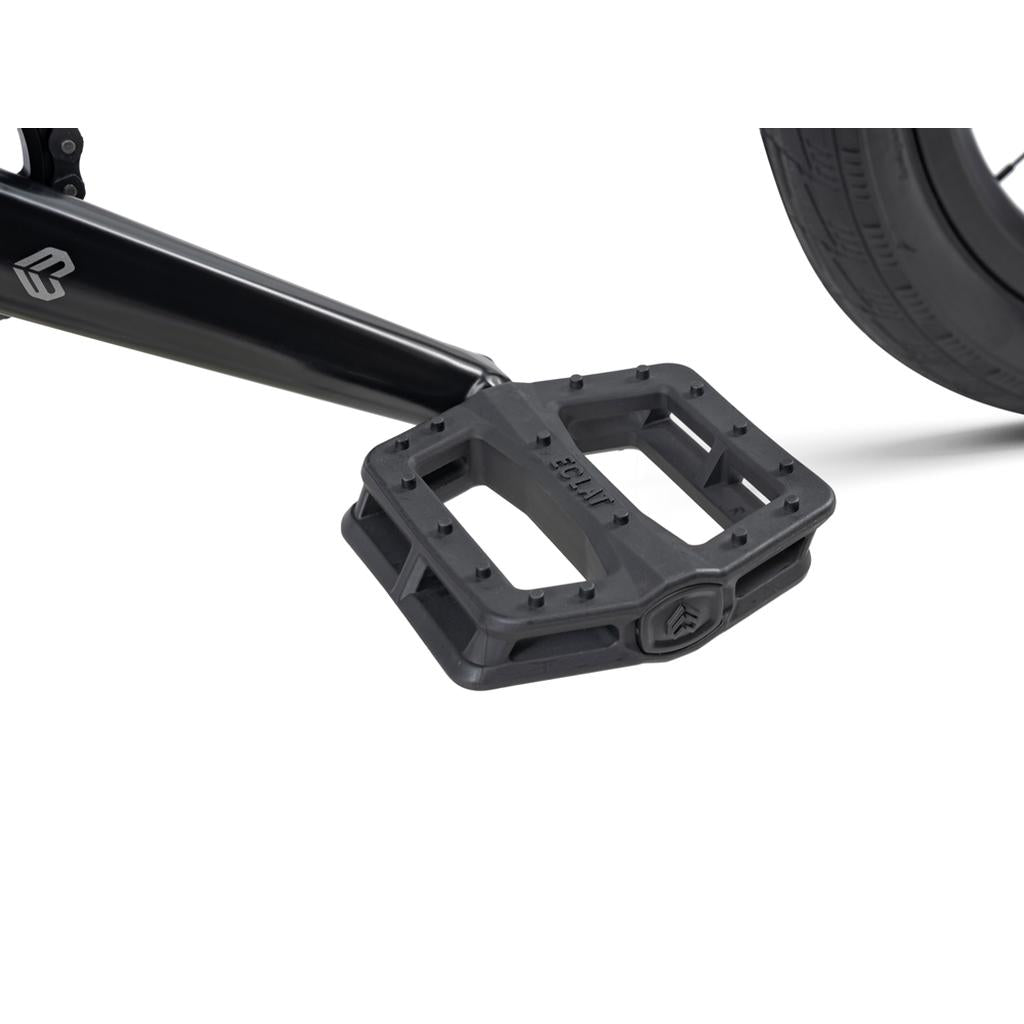
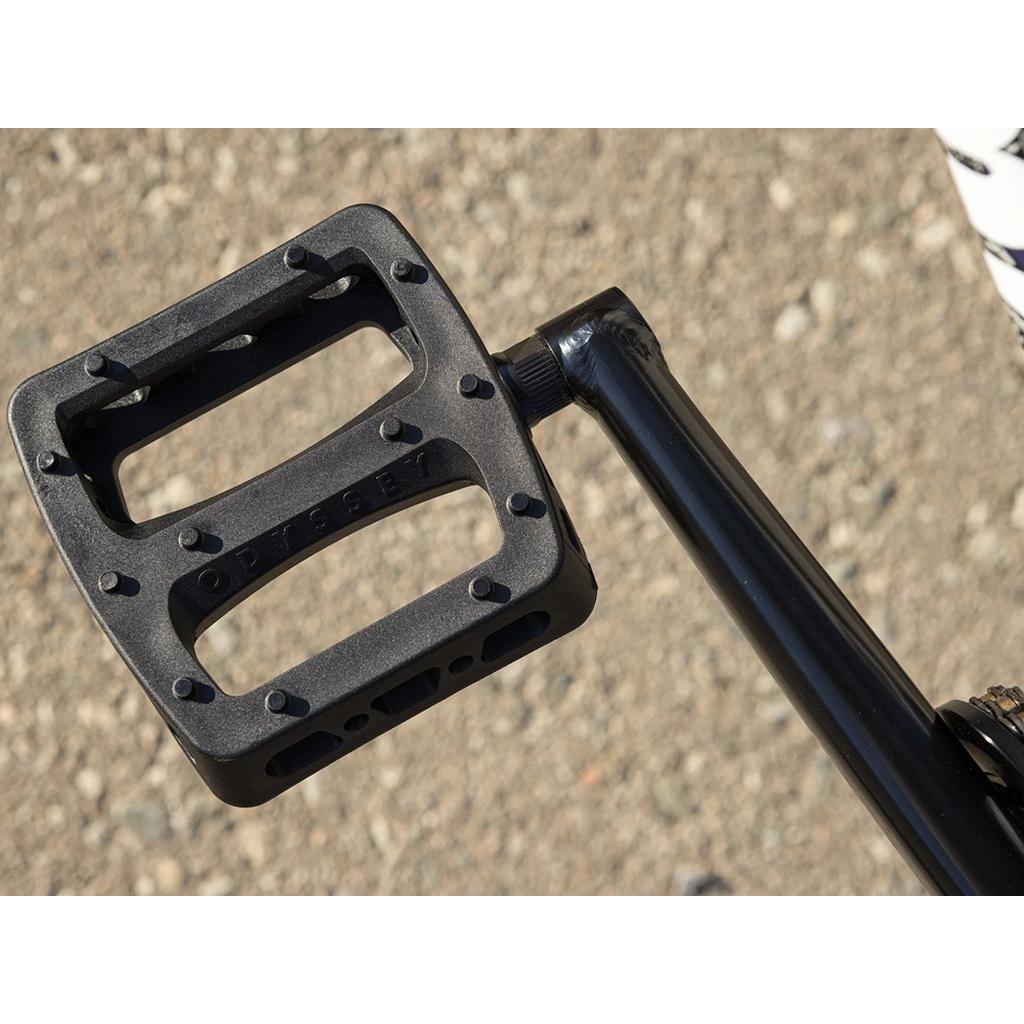
Pedals come in plastic or alloy. Plastic is lighter on your shins and cheaper to replace, alloy lasts longer and grips harder through metal pins. The thread size has to match your cranks: 9/16 inch for three piece cranks, 1/2 inch for one piece cranks, and they are not interchangeable. Our Pedals Buyer's Guide has the rest.
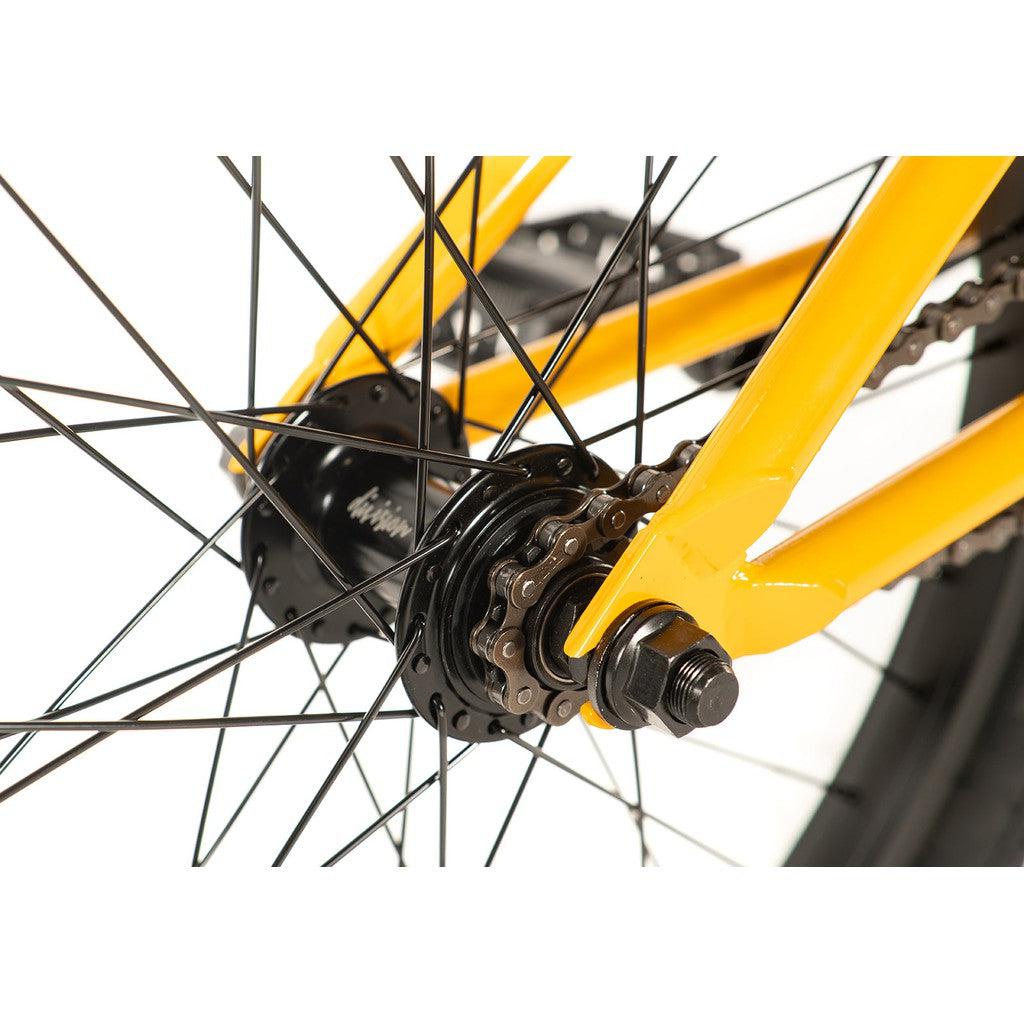
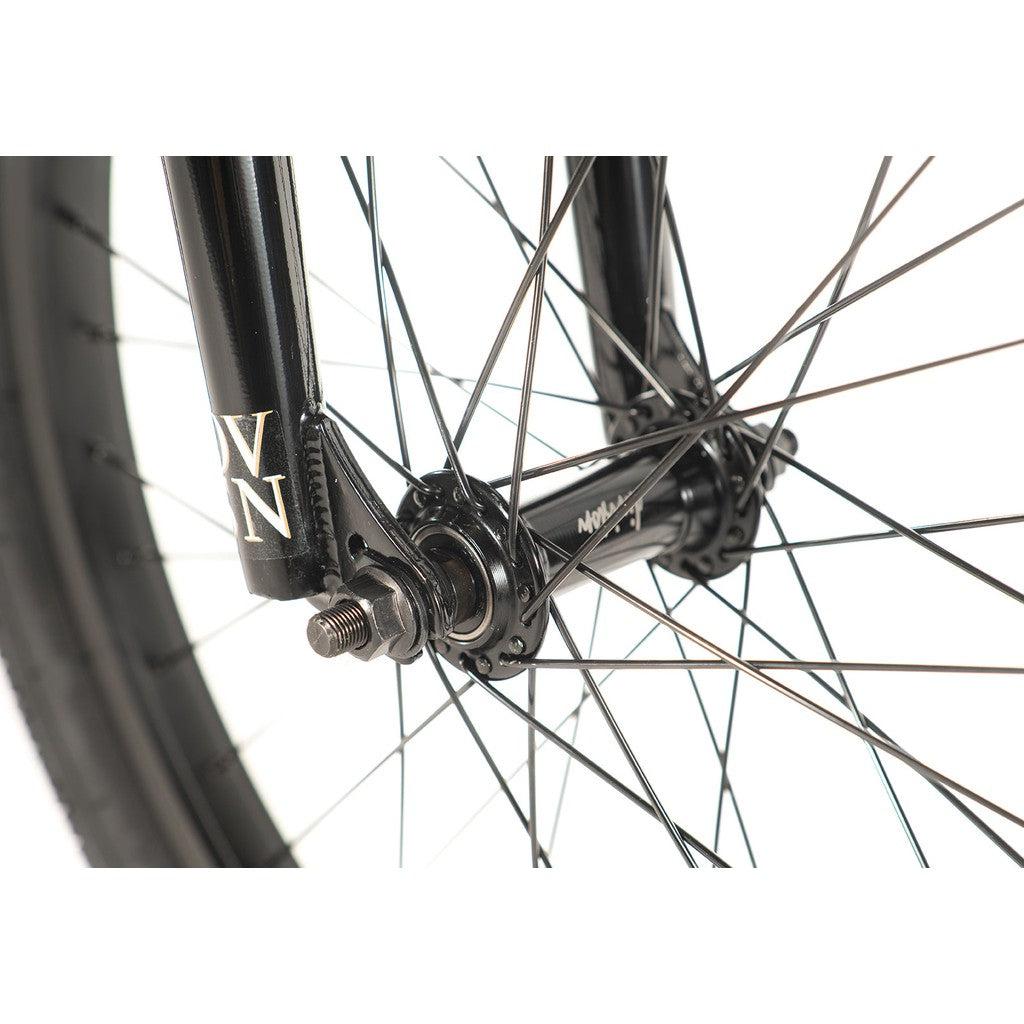
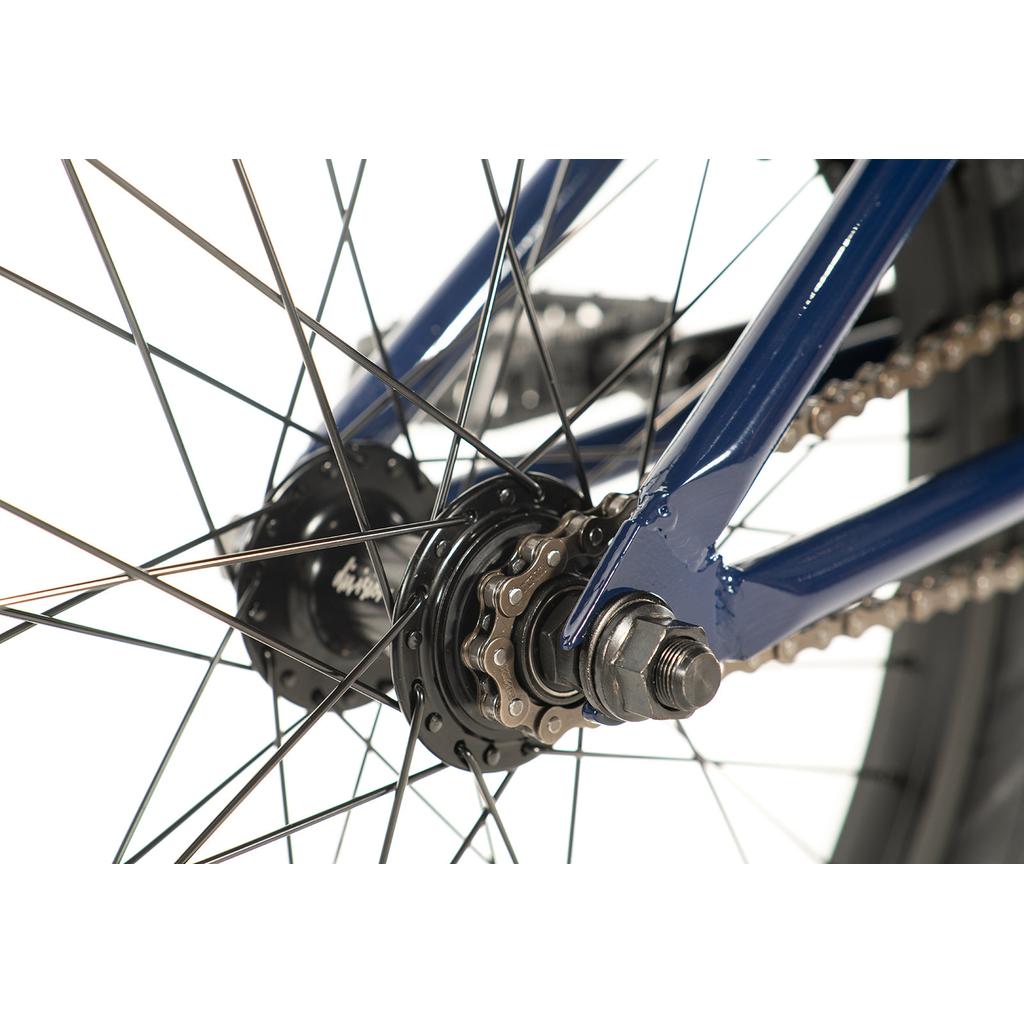
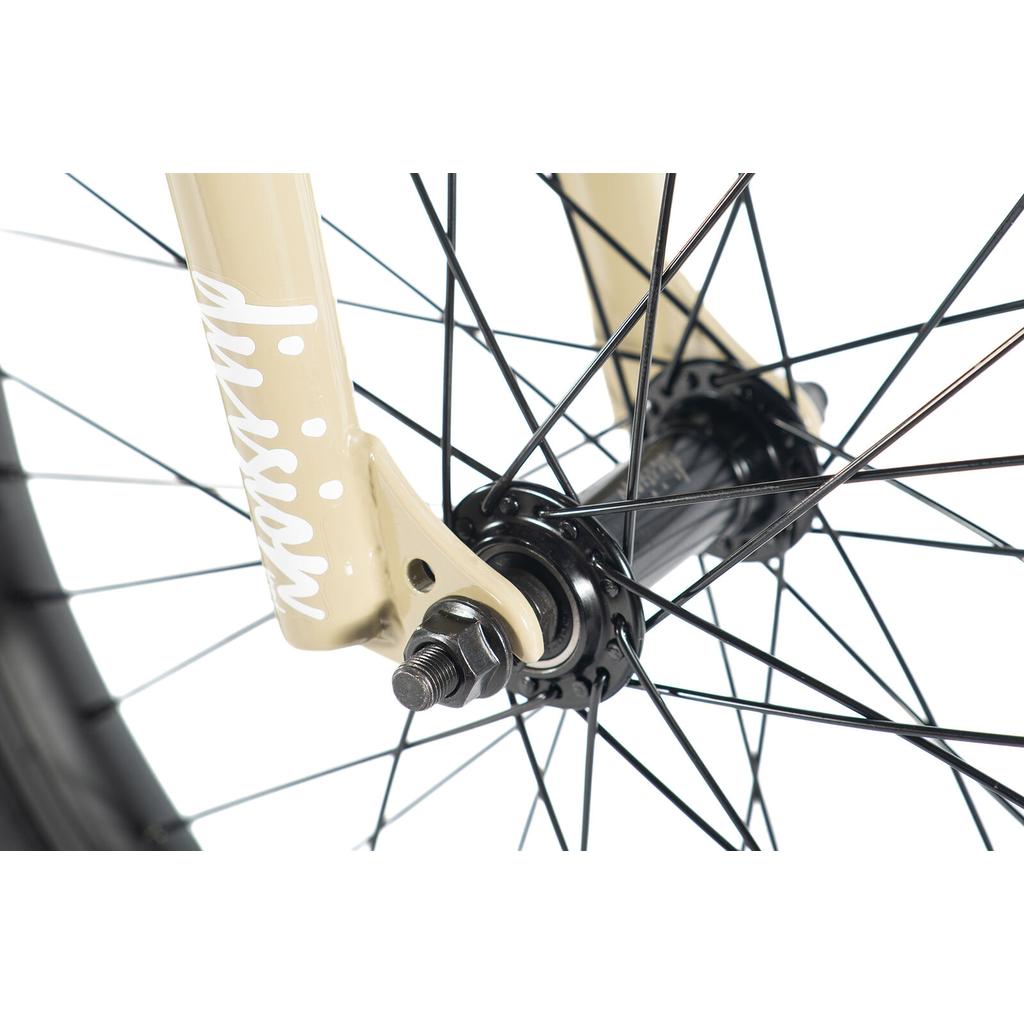
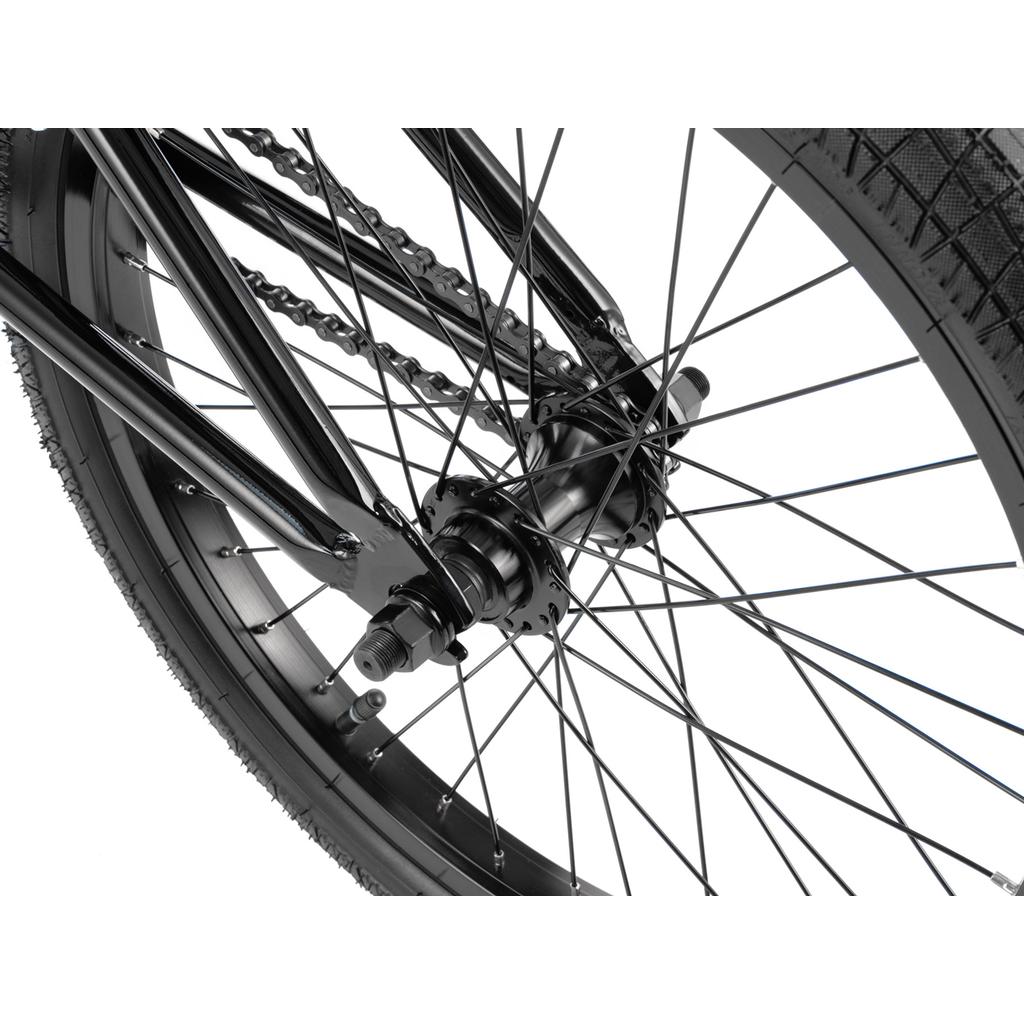
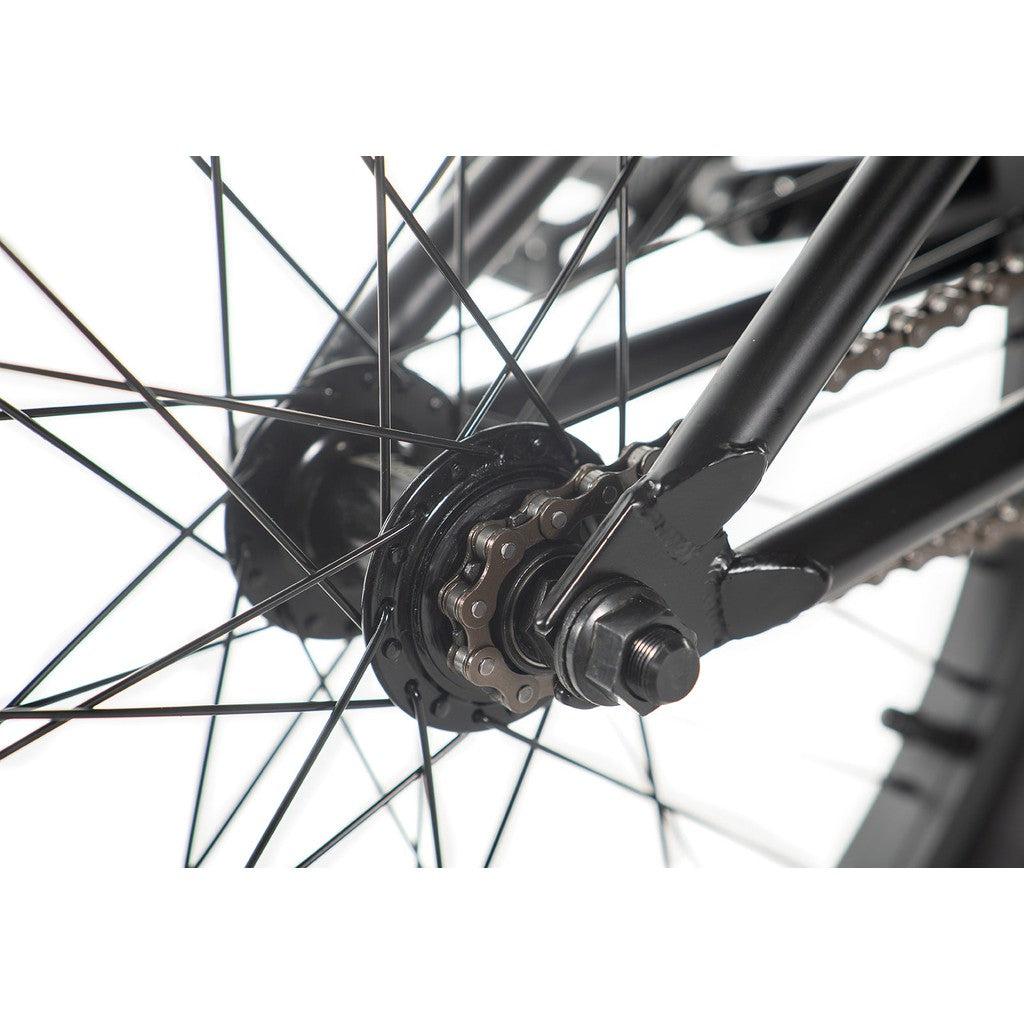
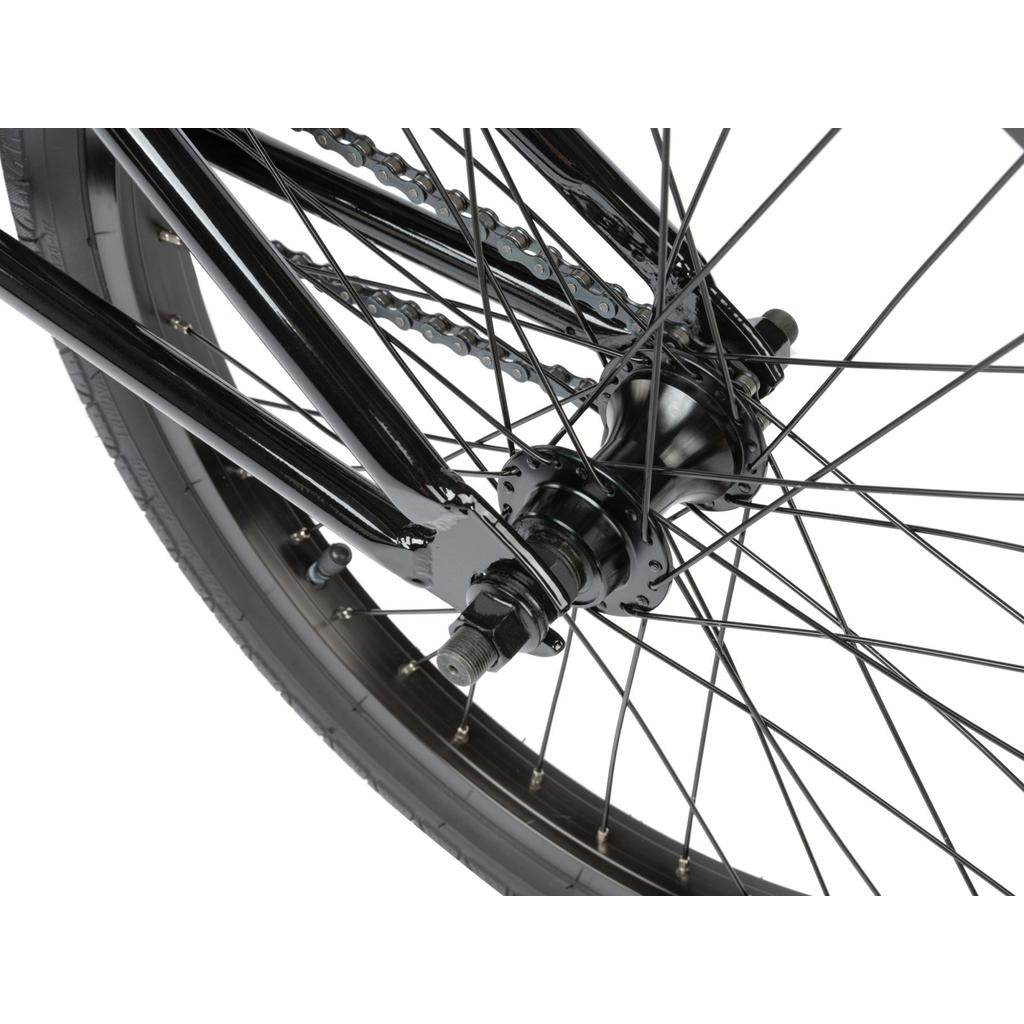
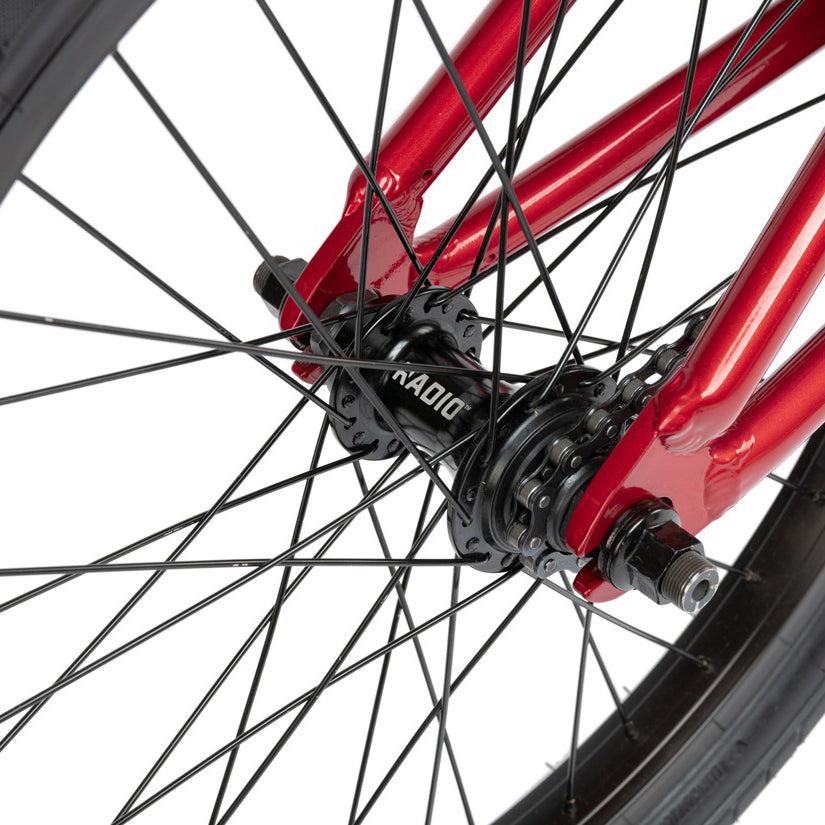
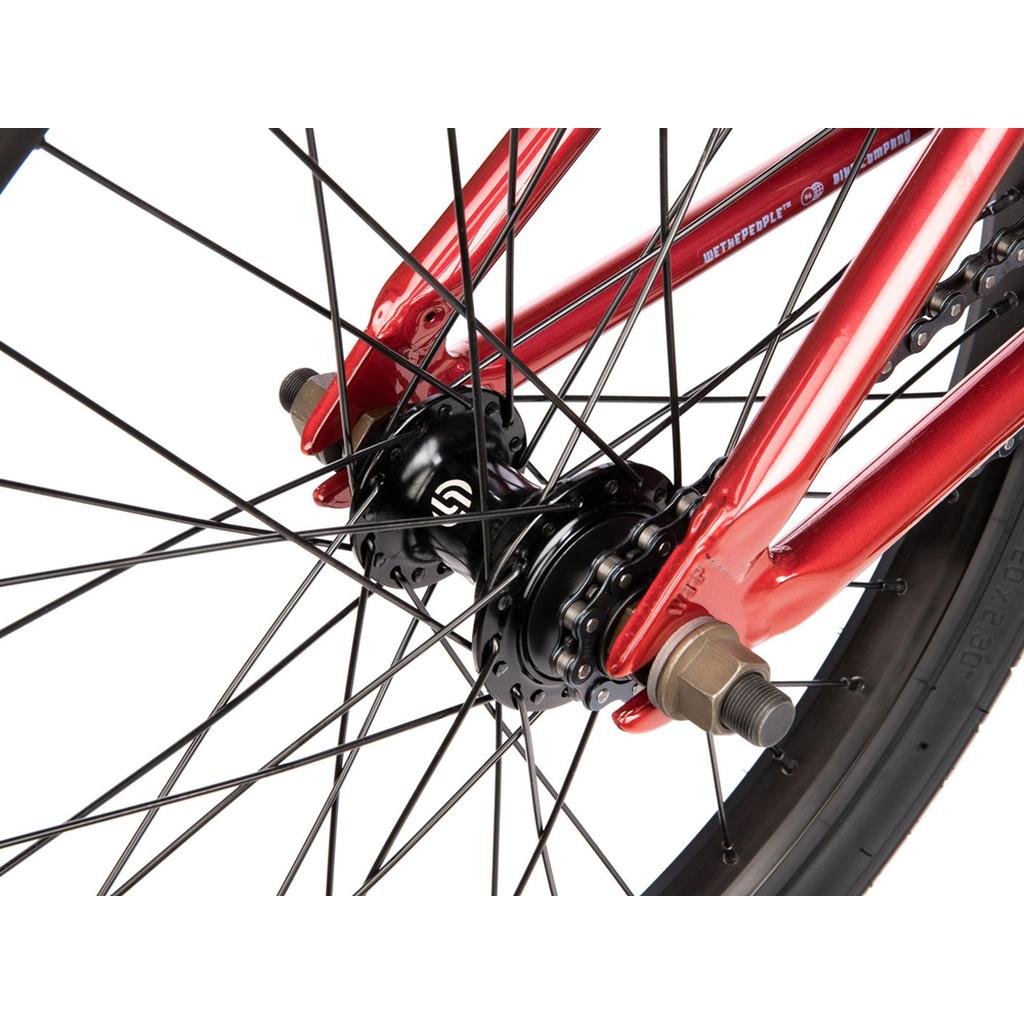
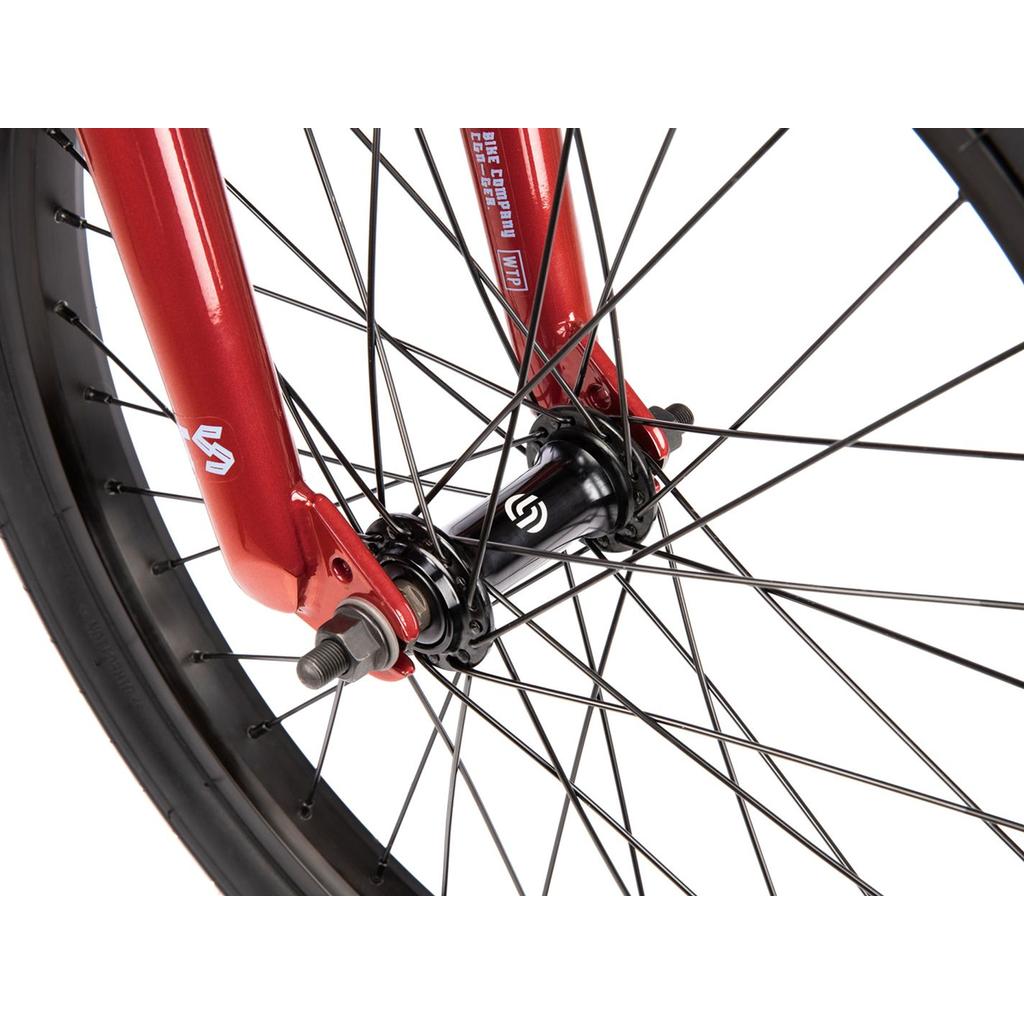
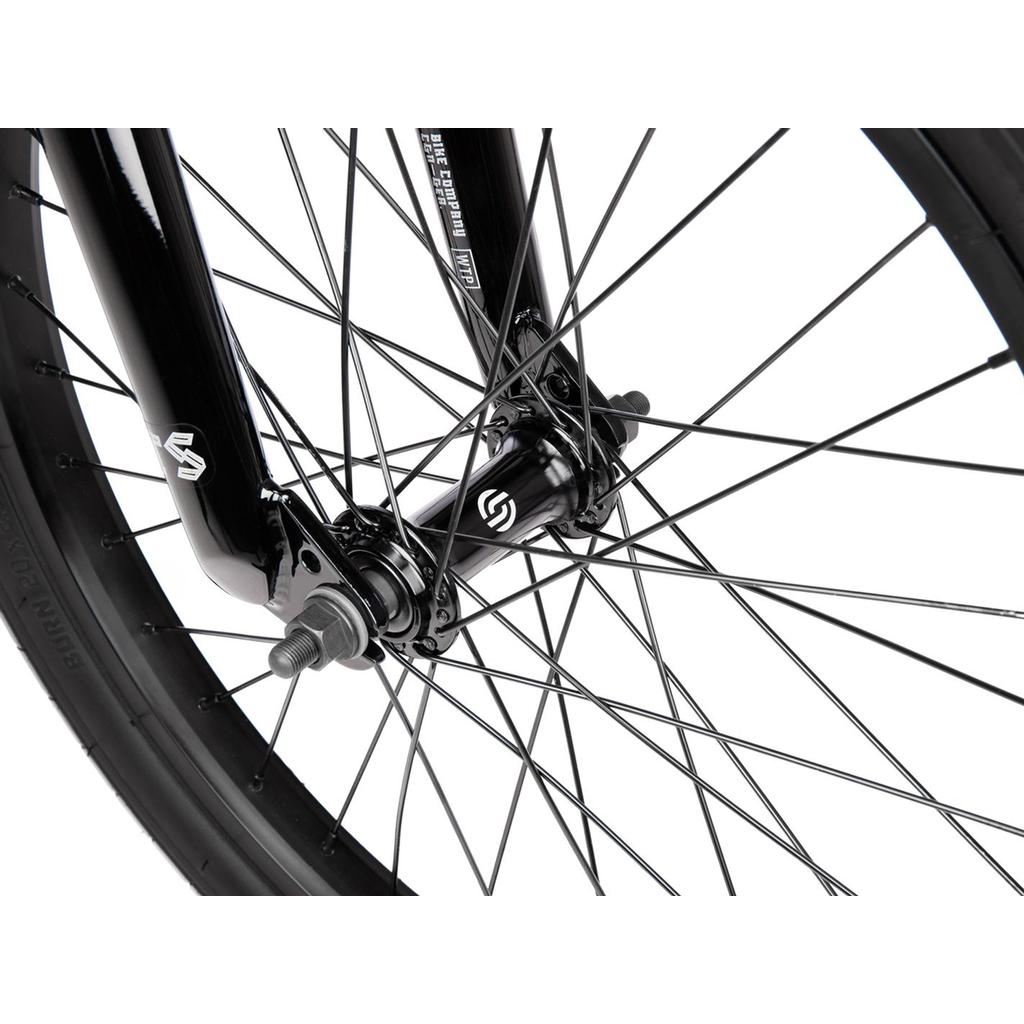
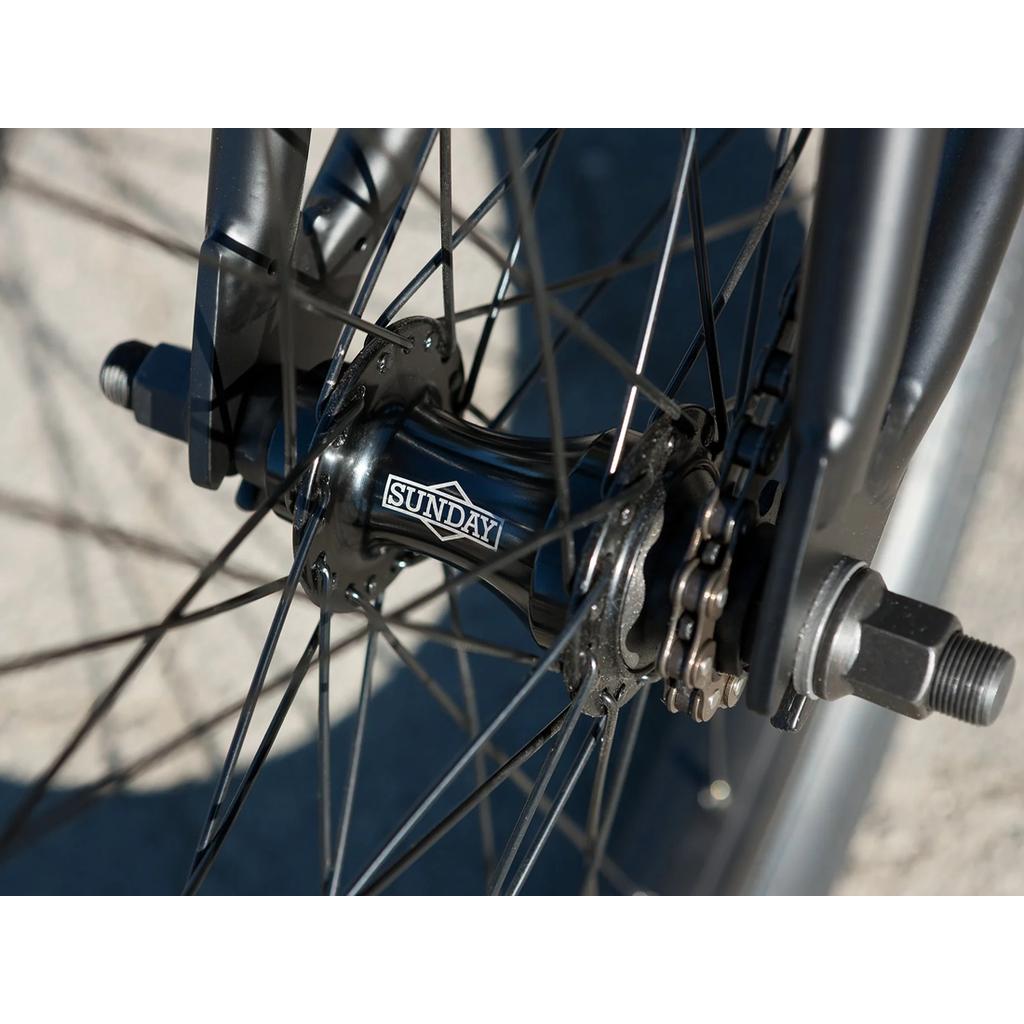
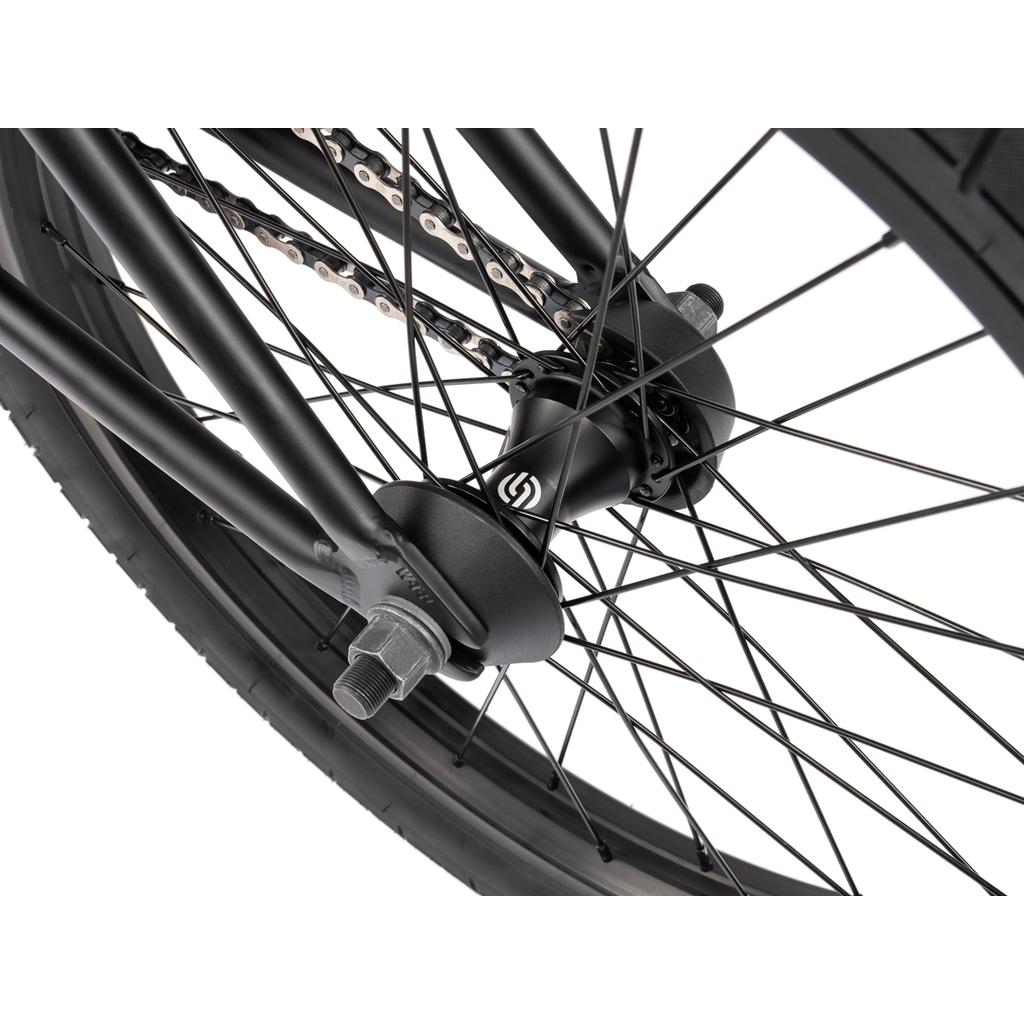
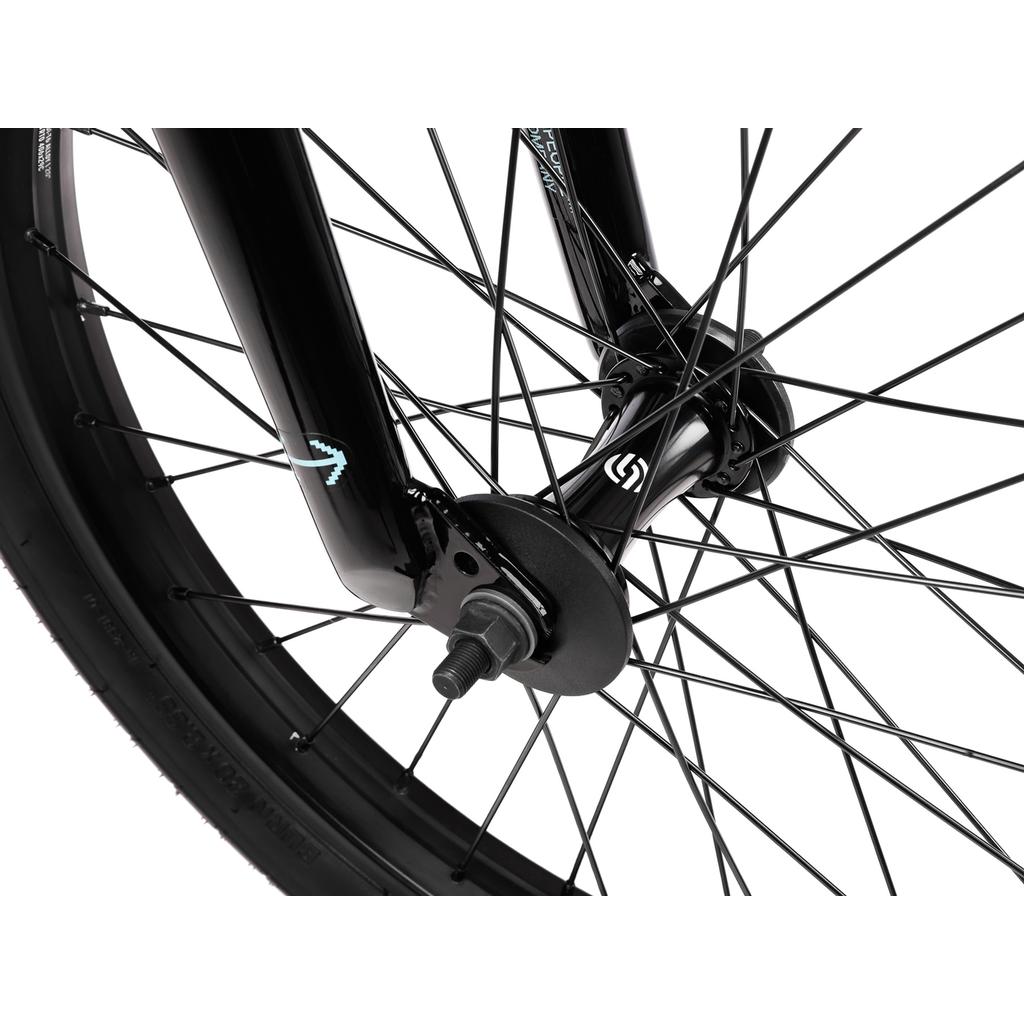
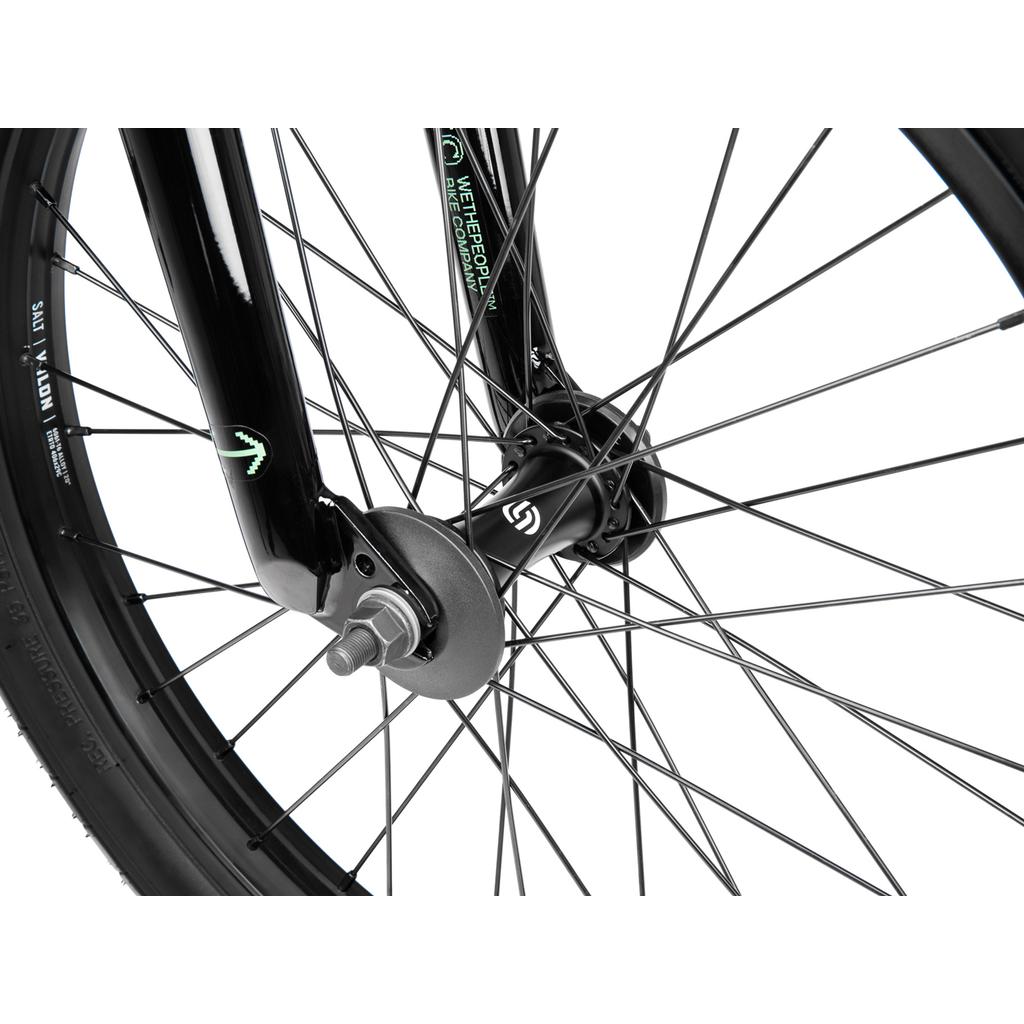
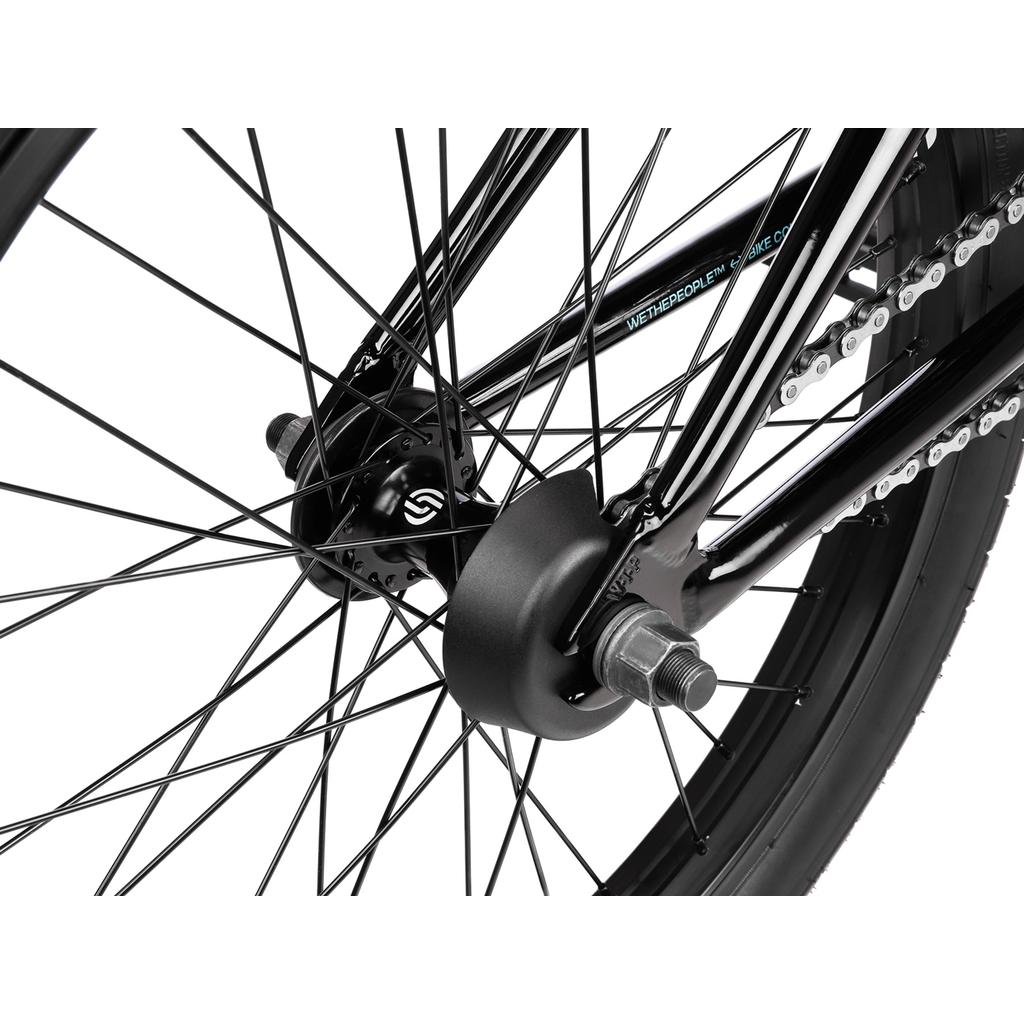
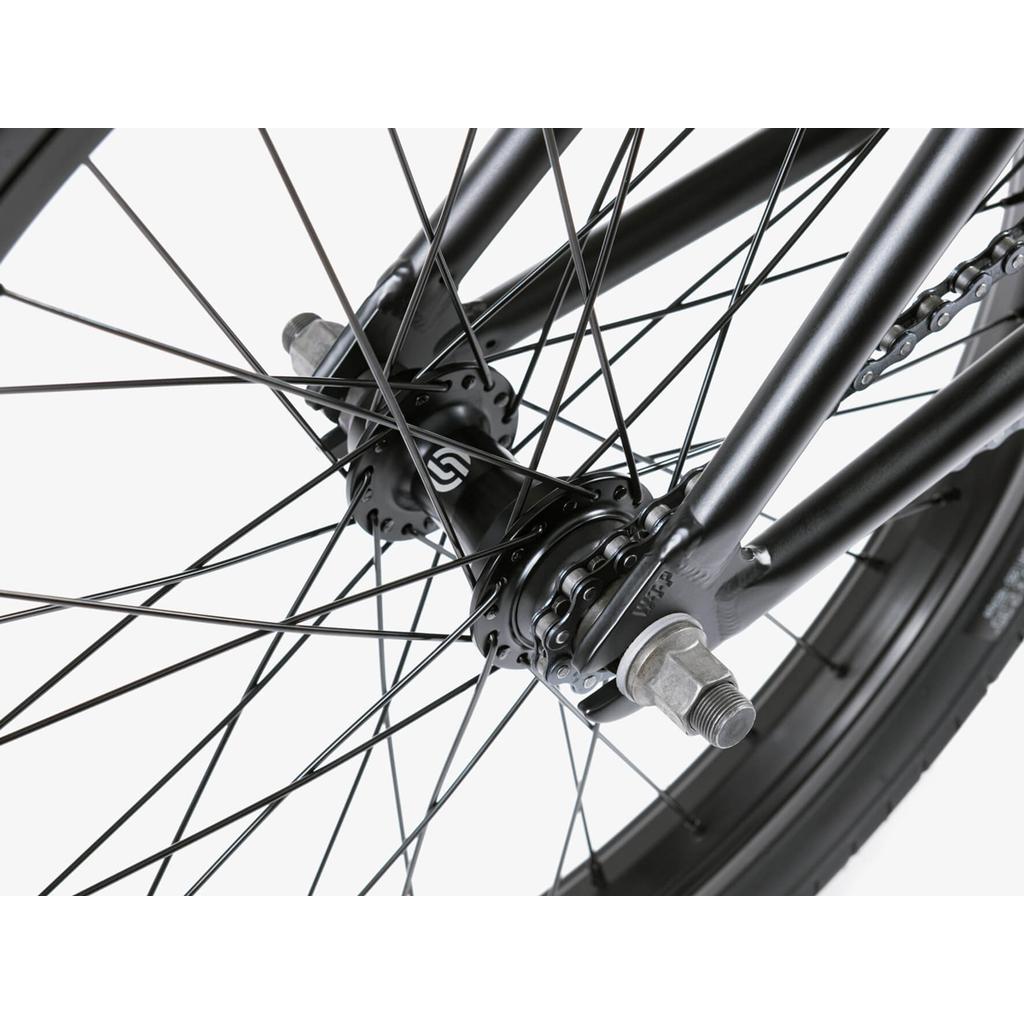
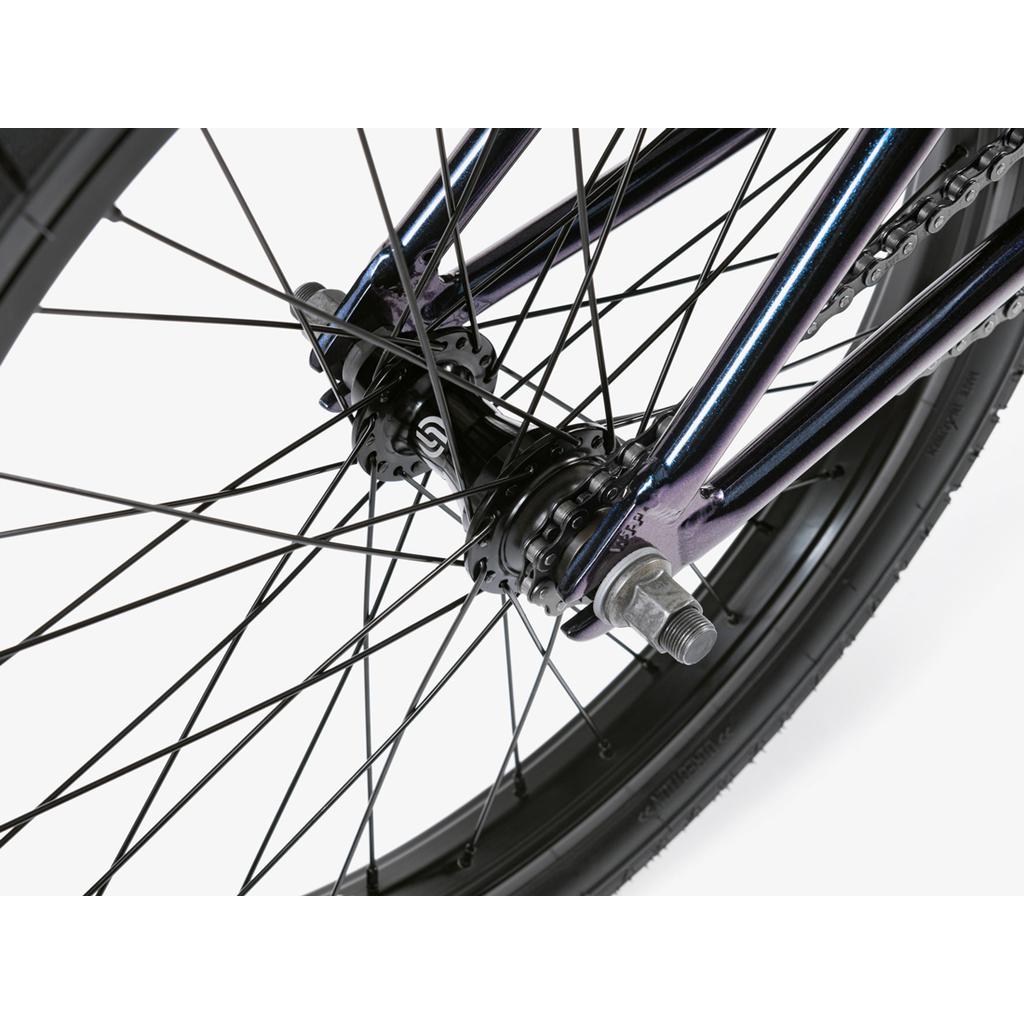
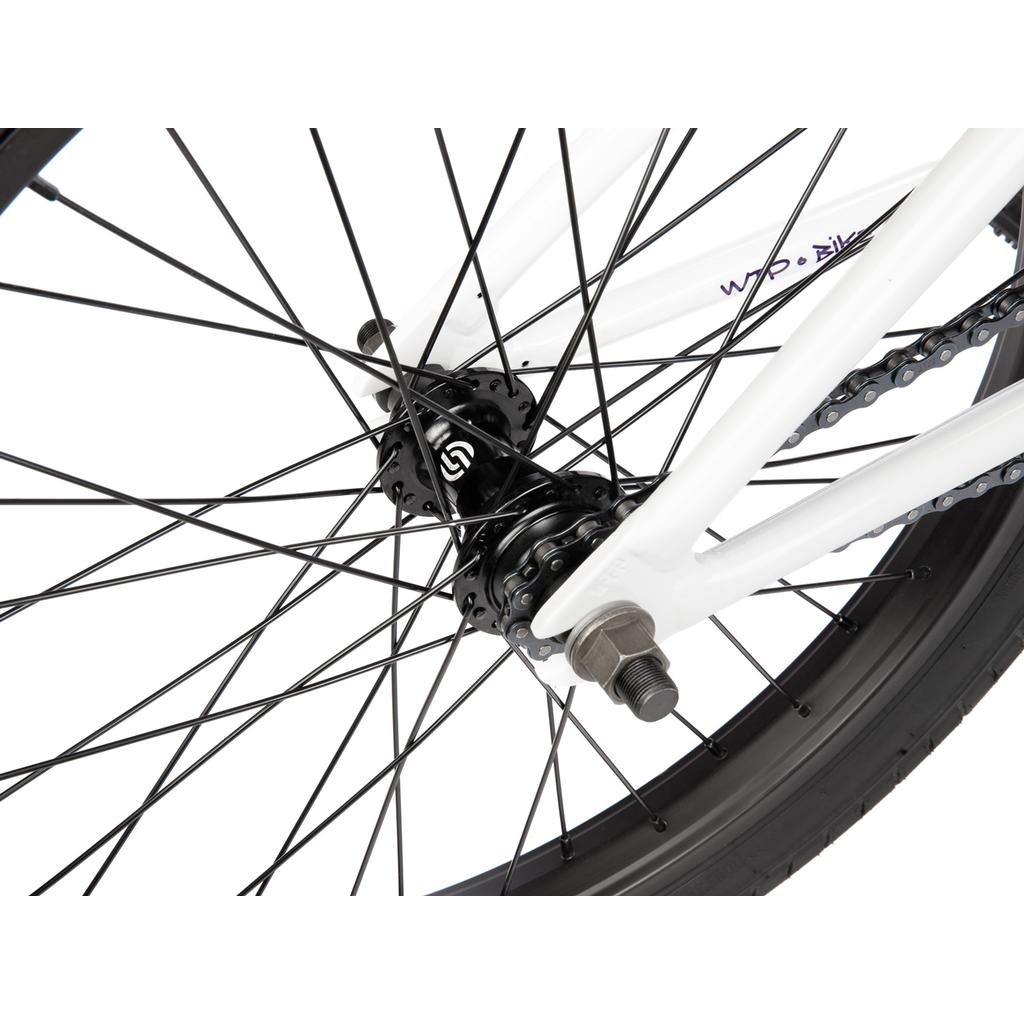
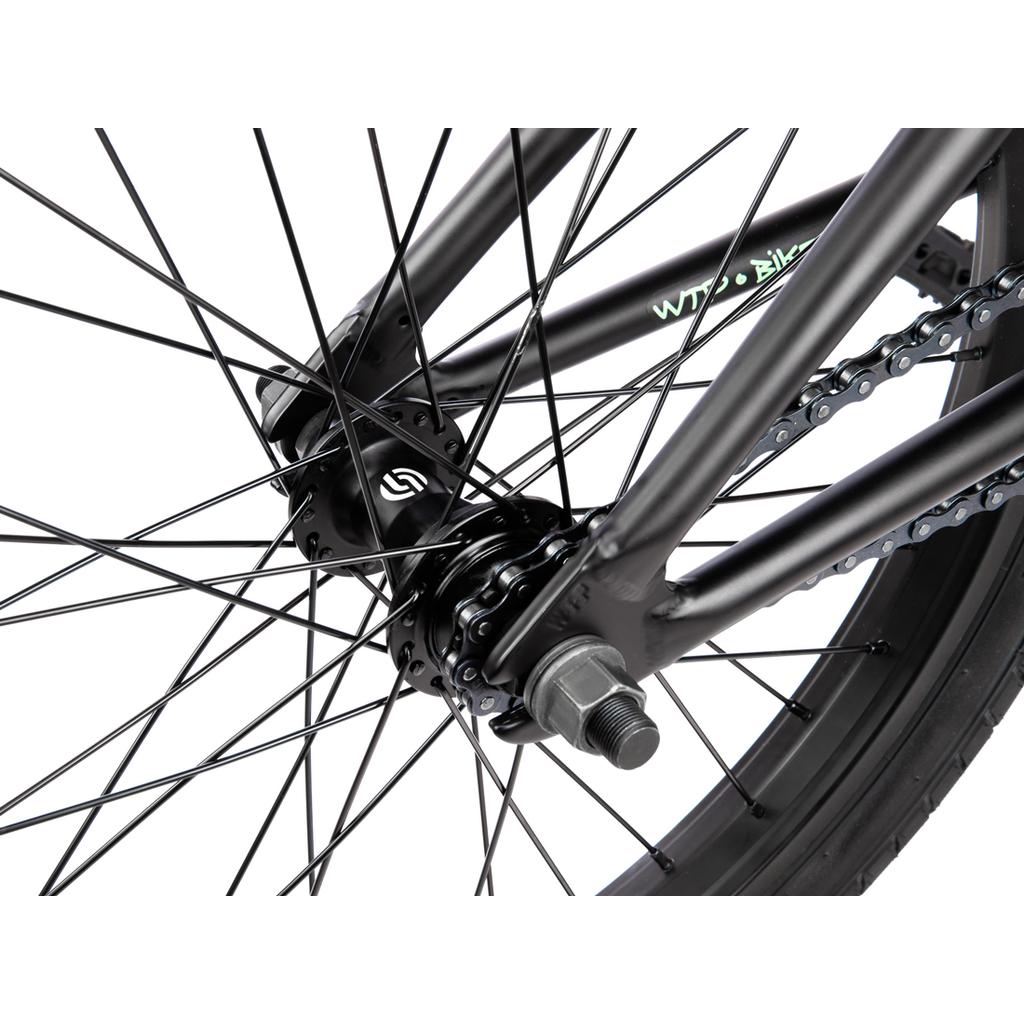
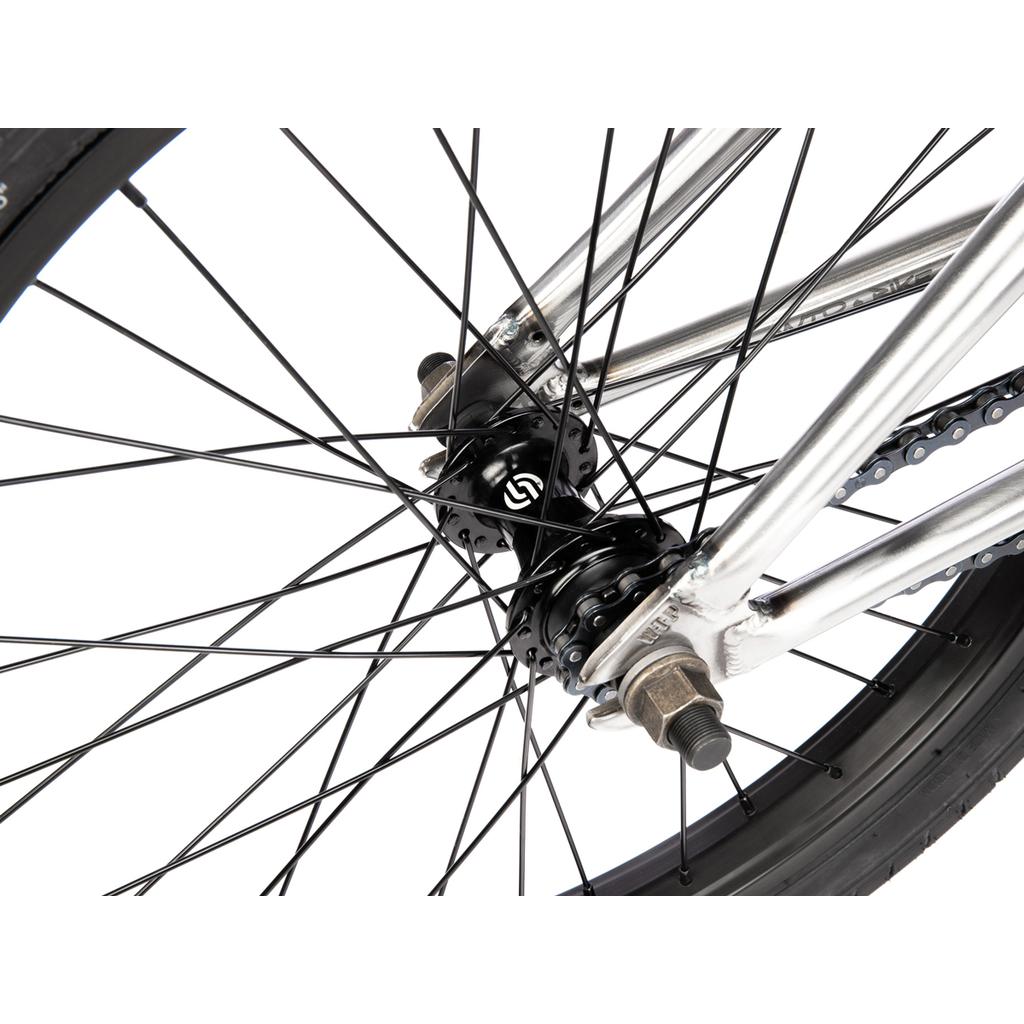
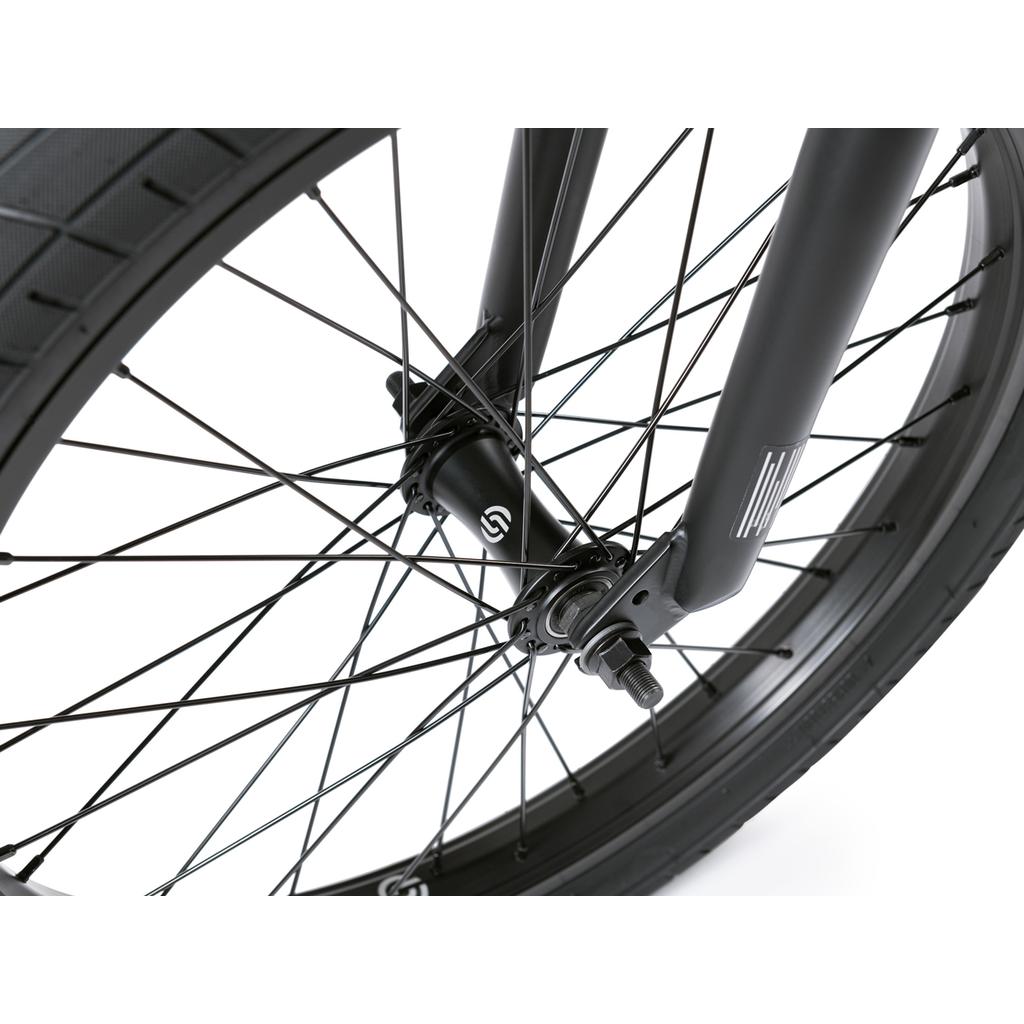
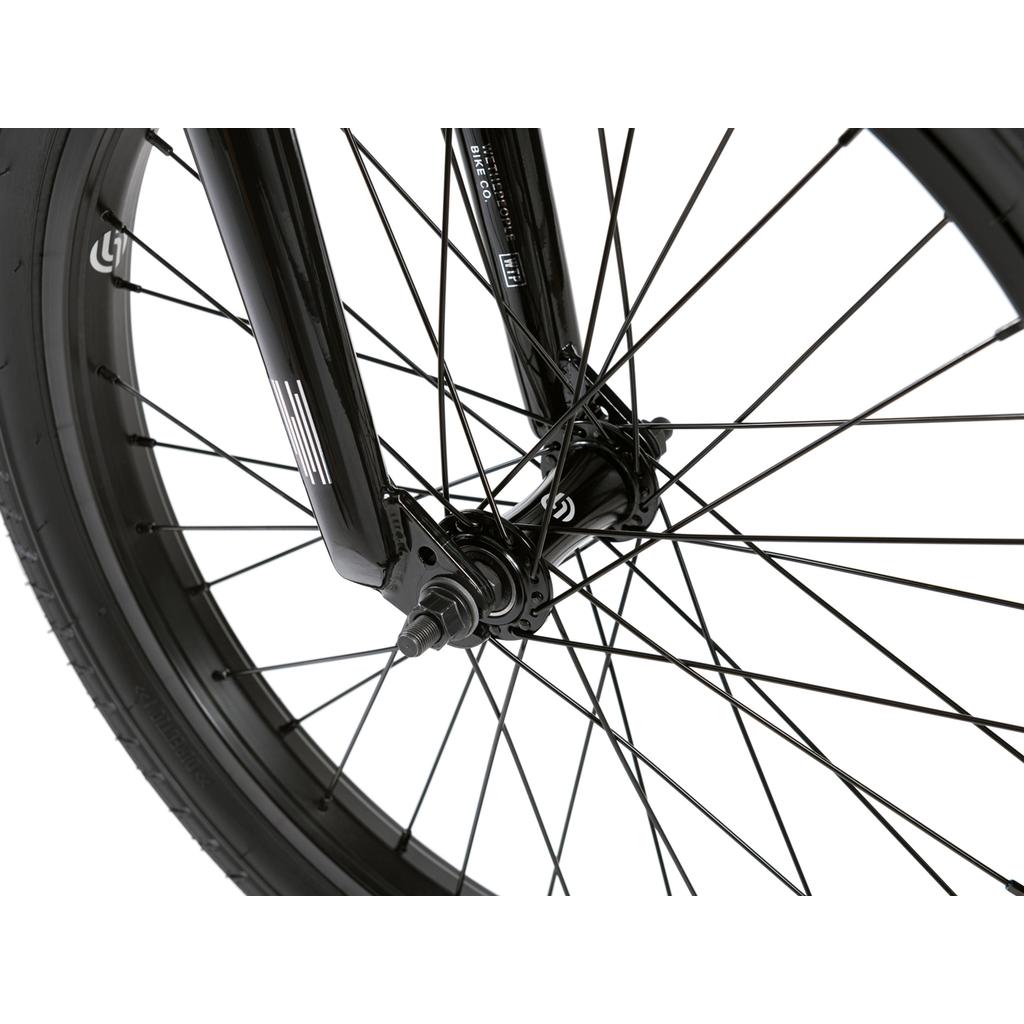
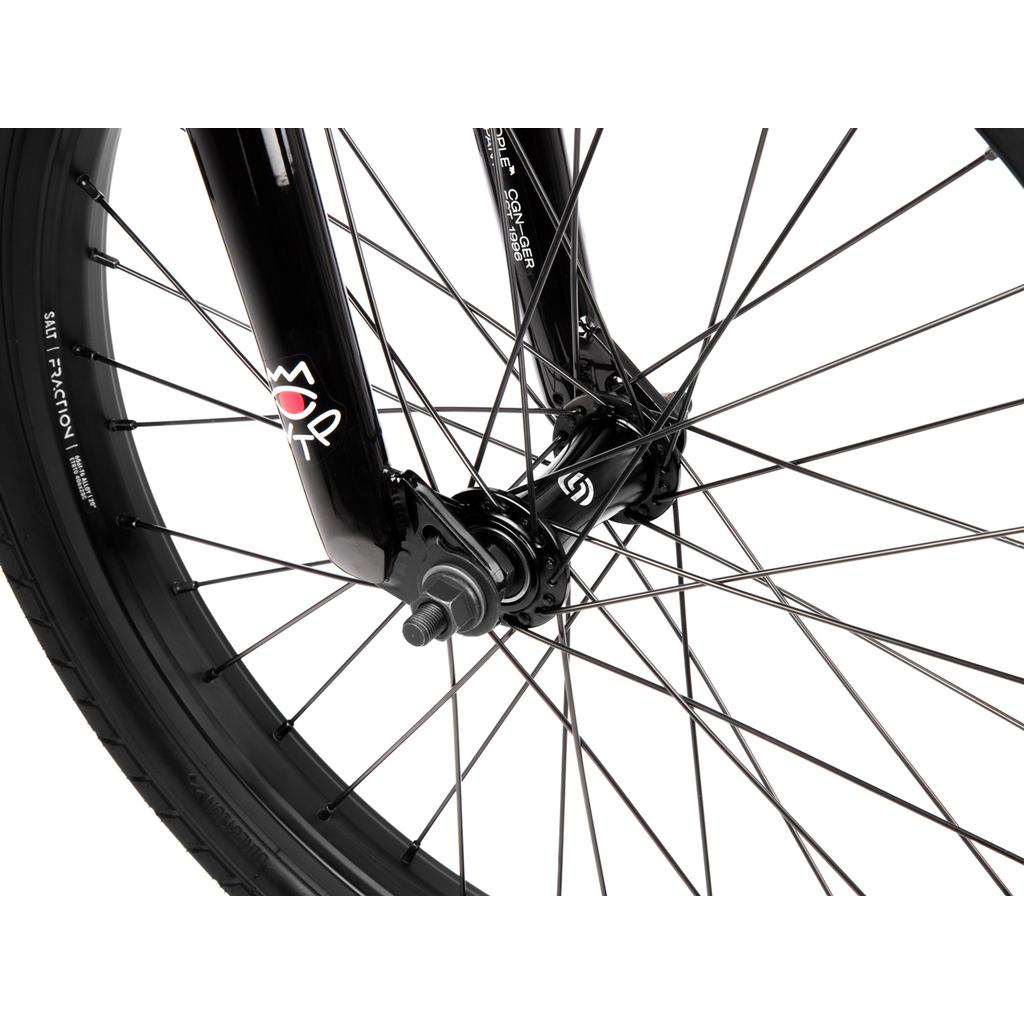
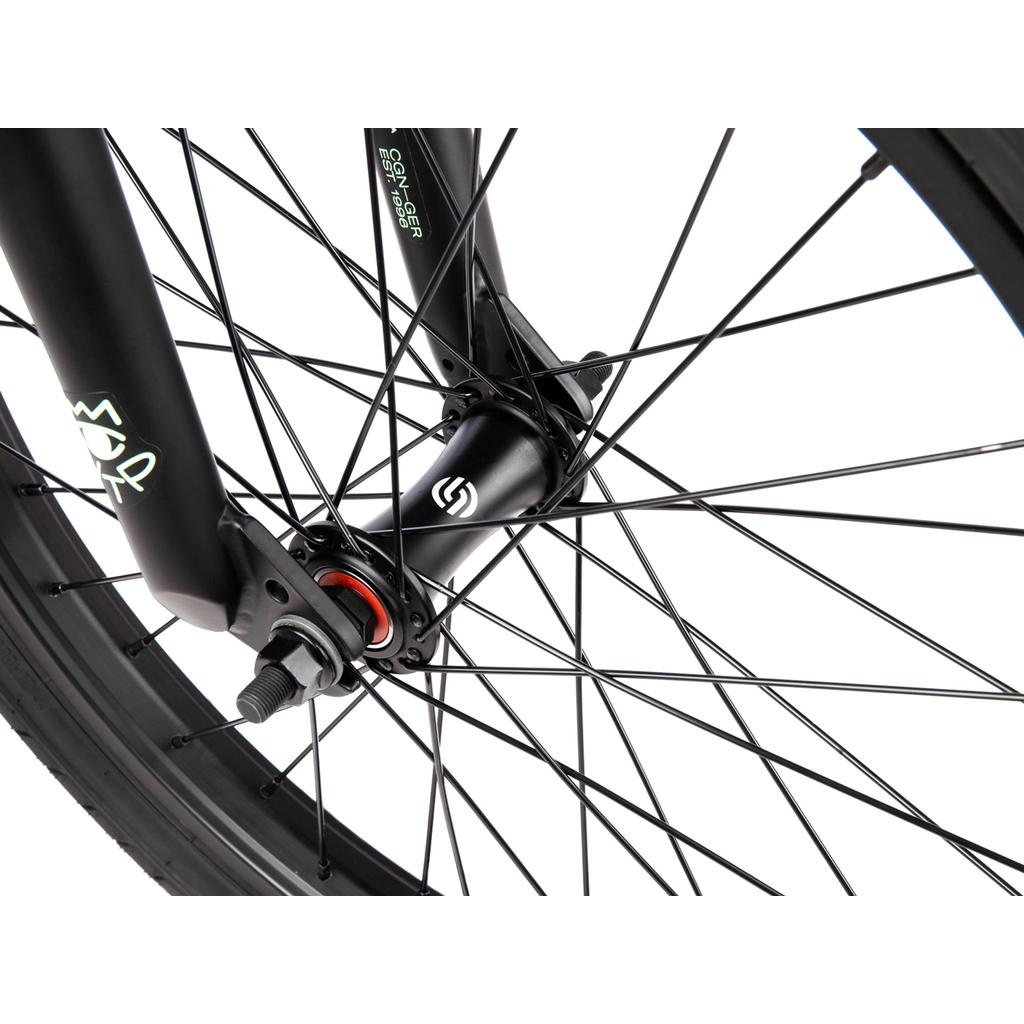
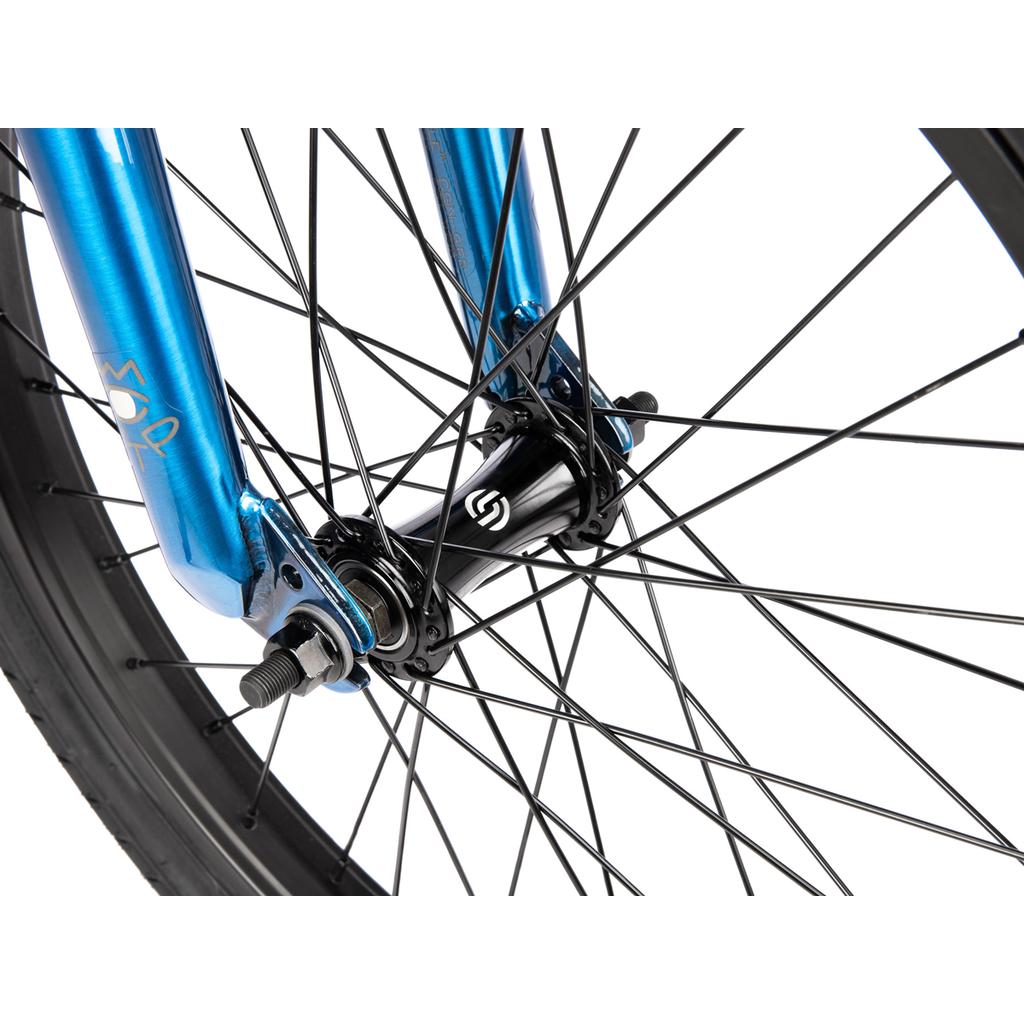
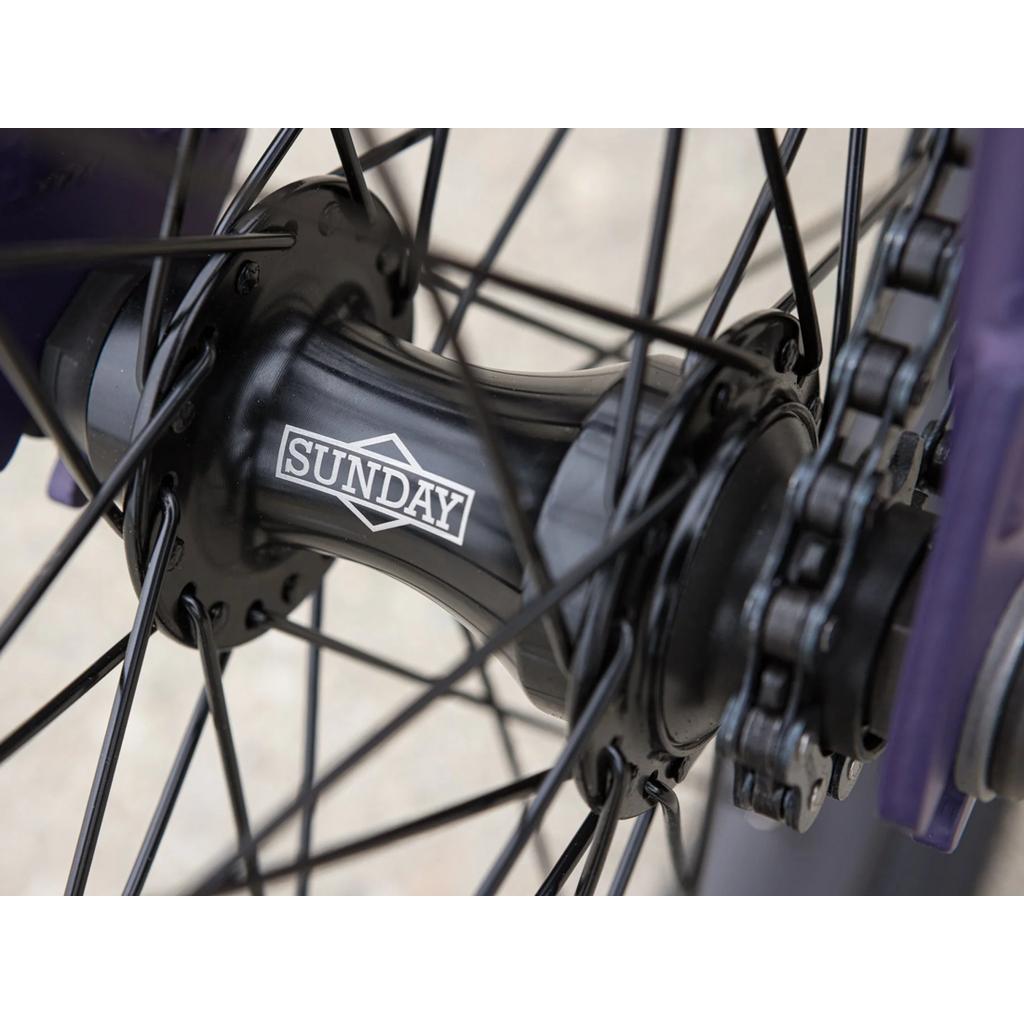
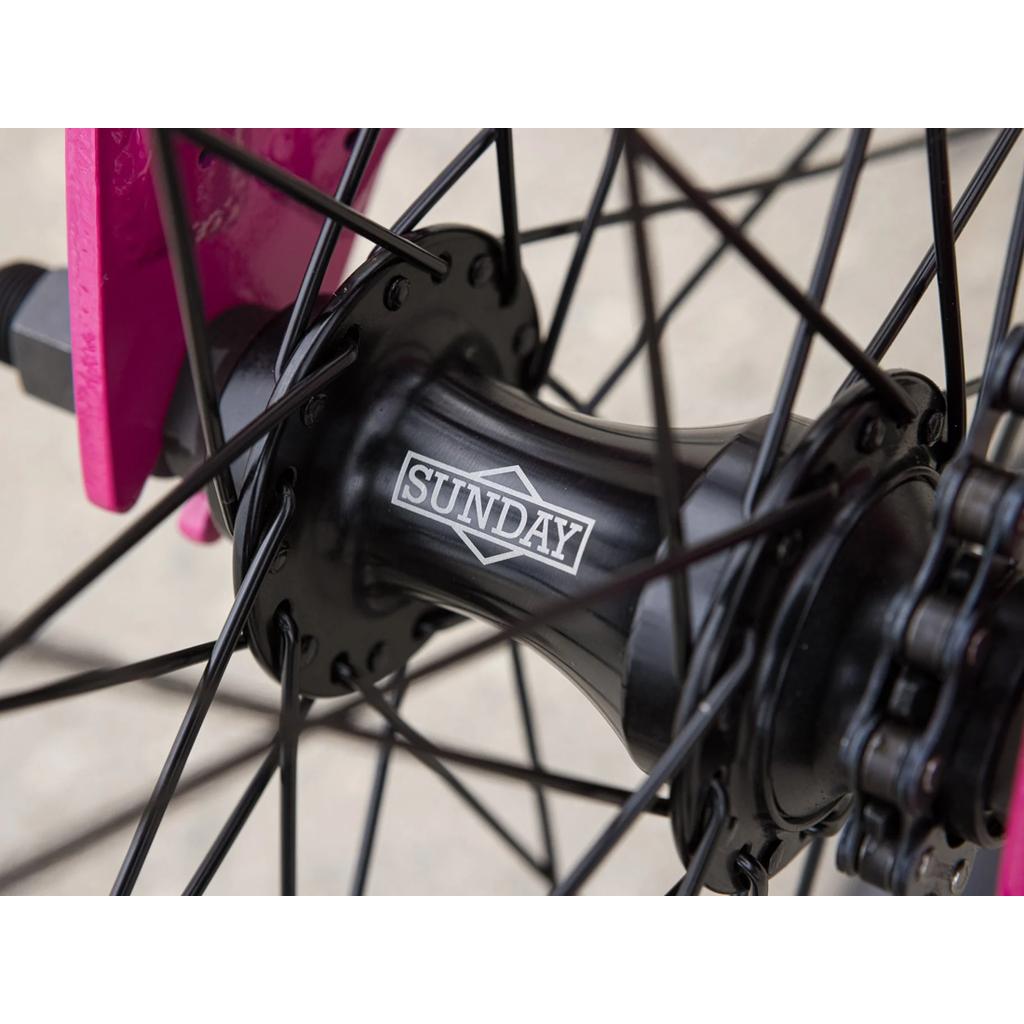
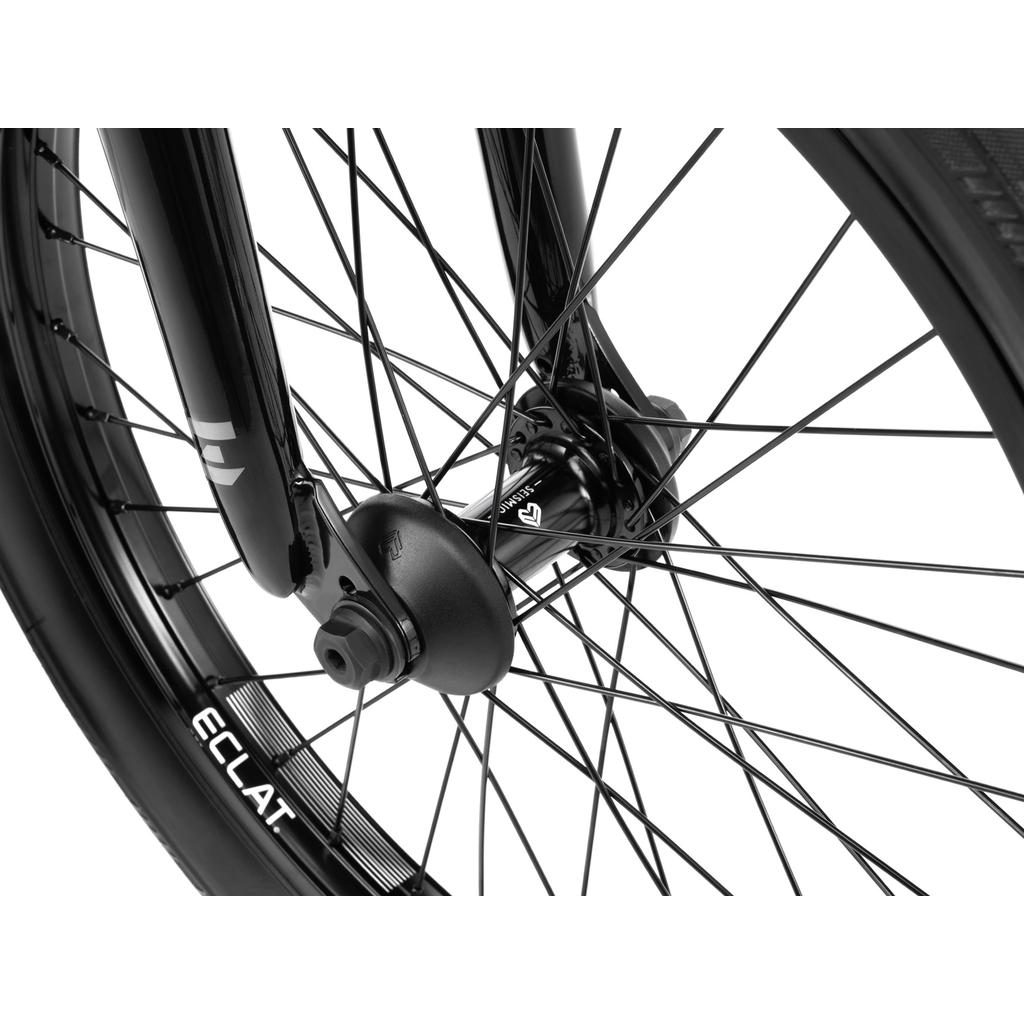
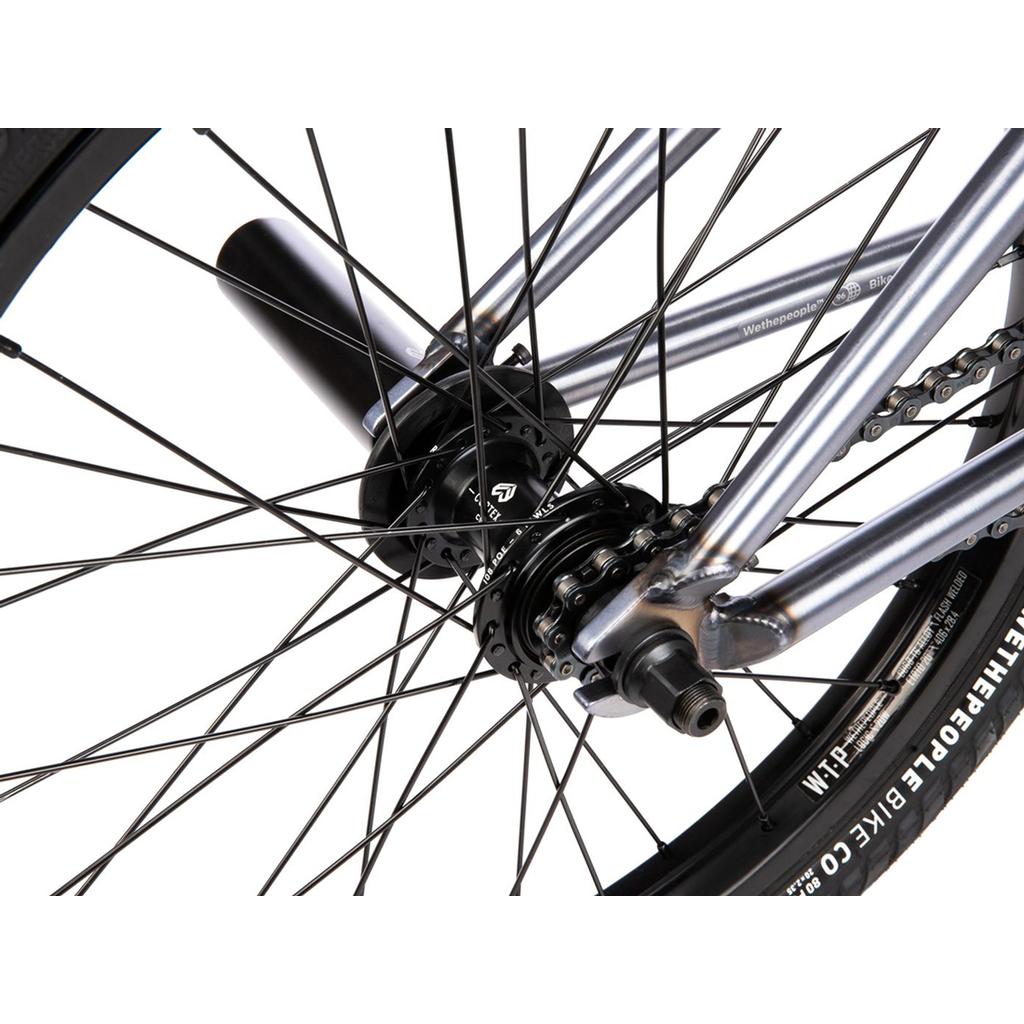
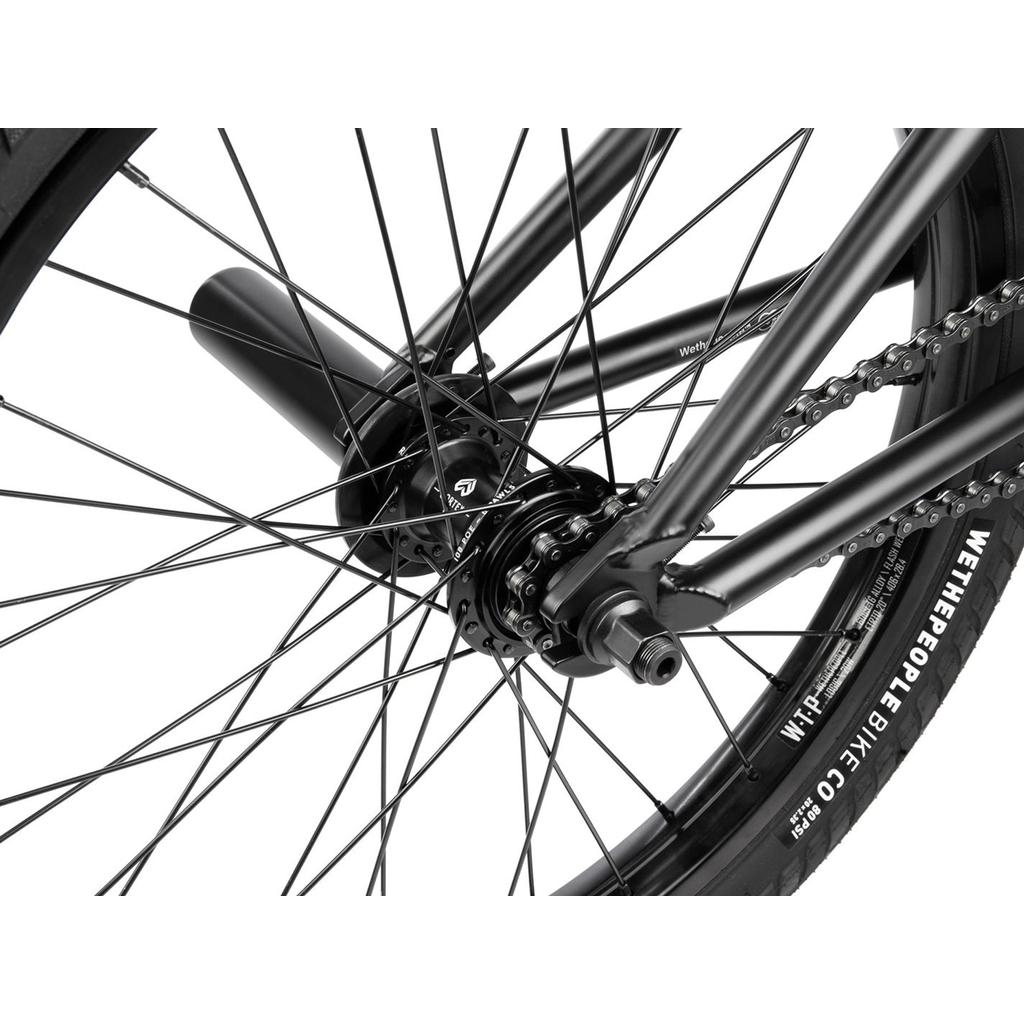
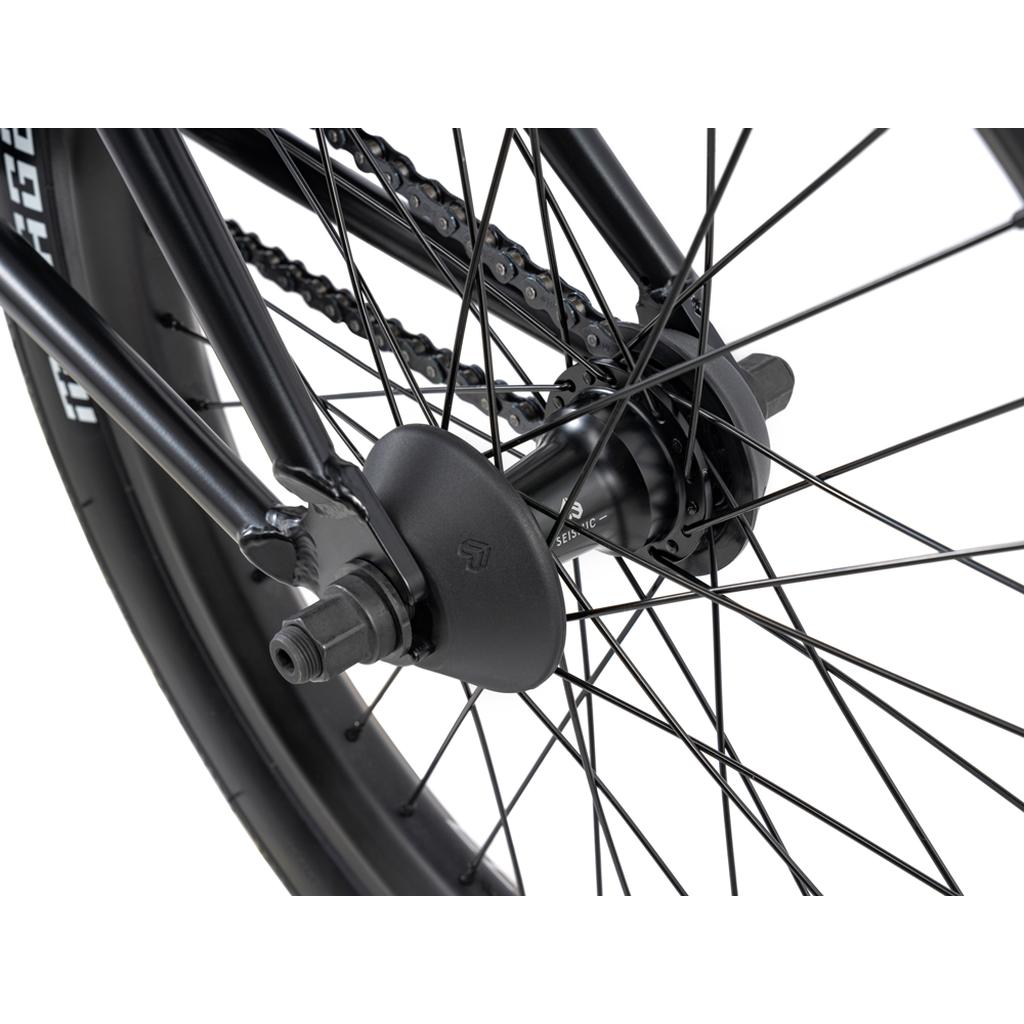
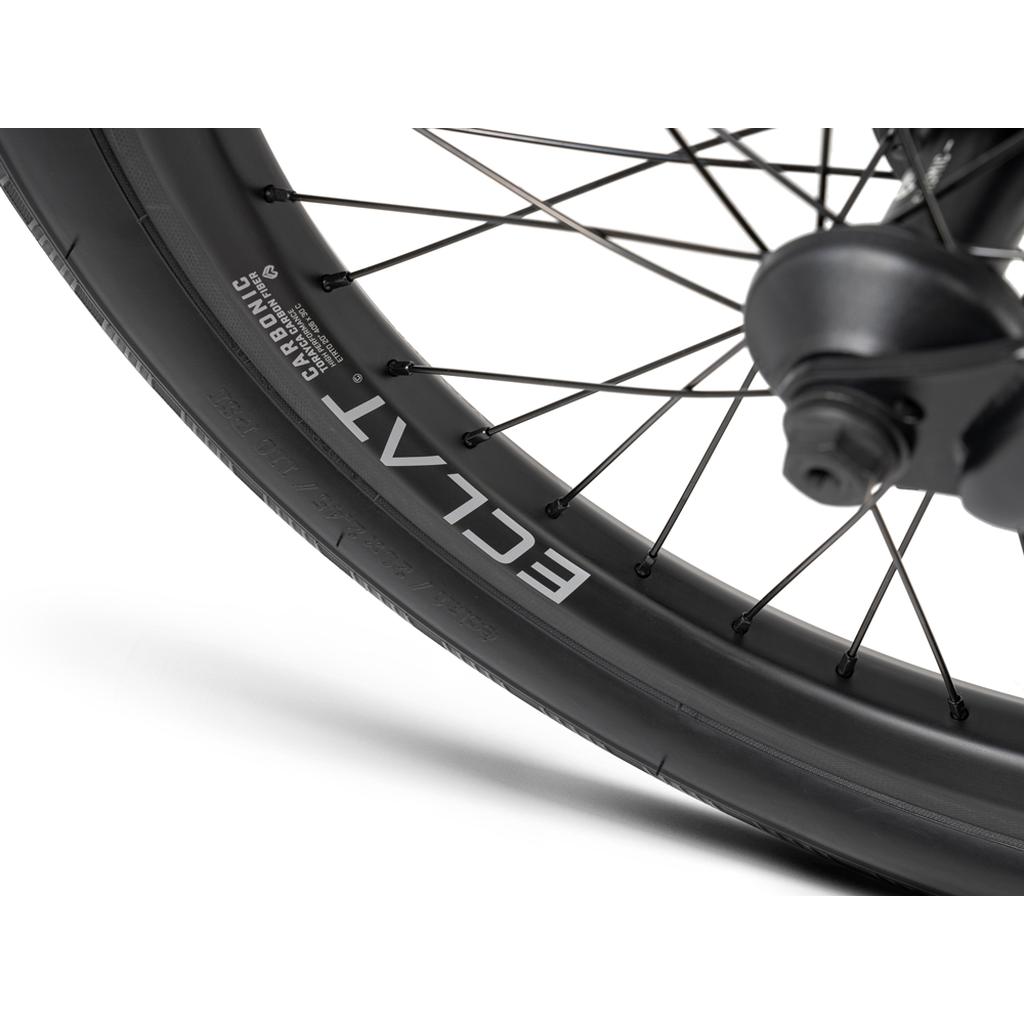
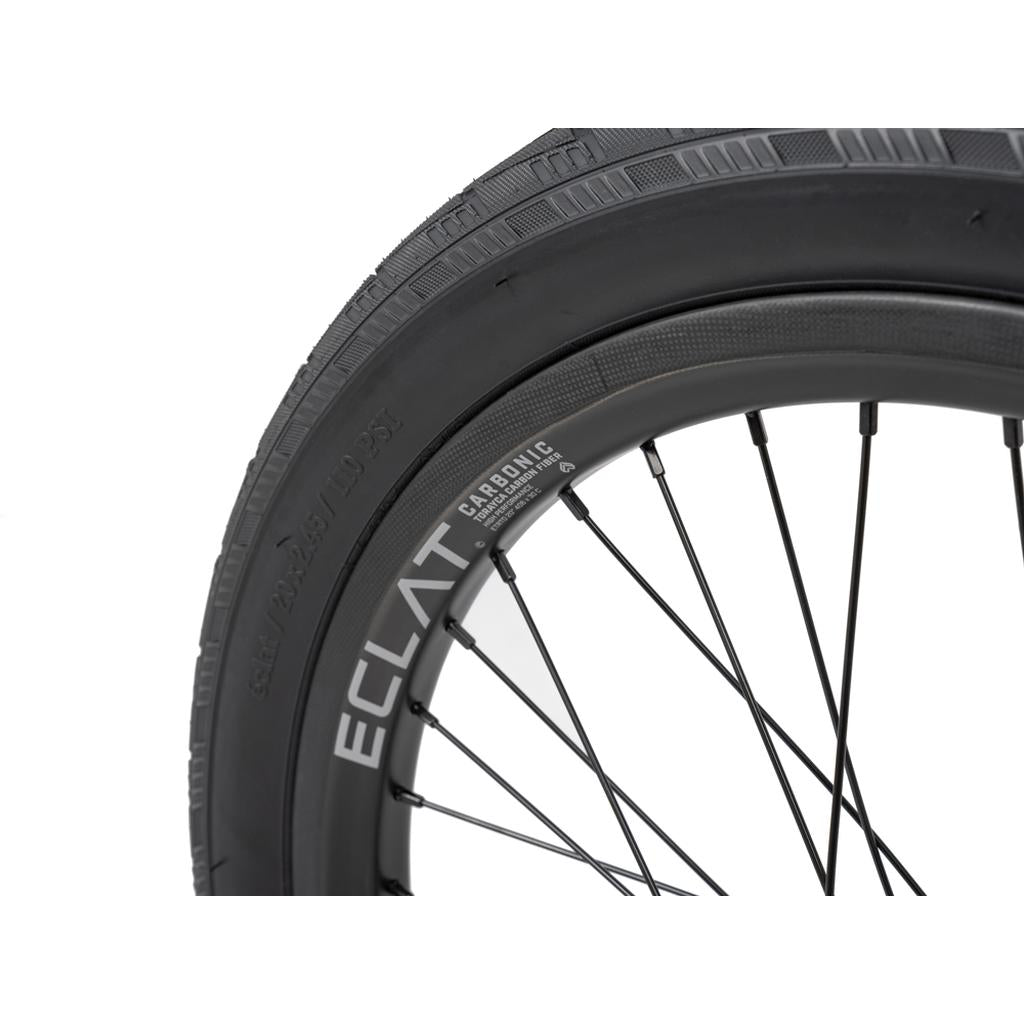
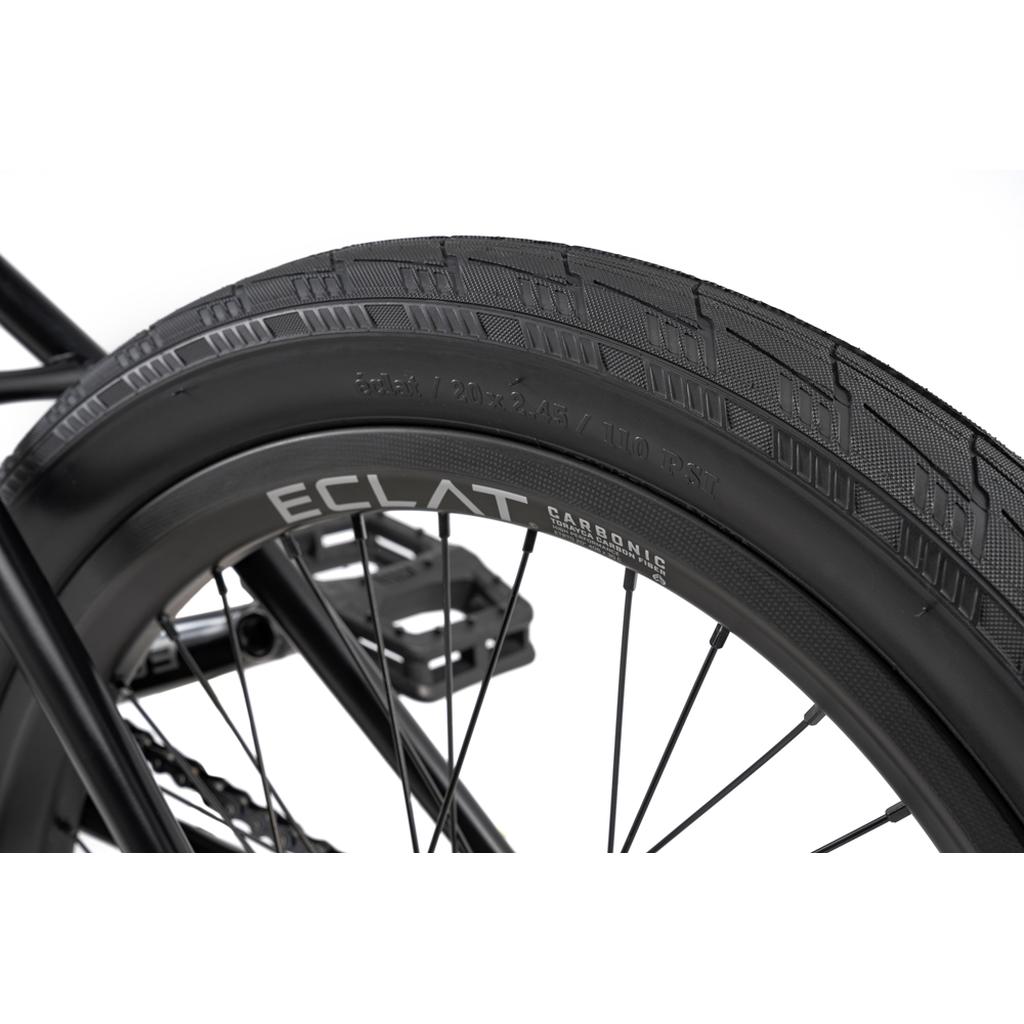
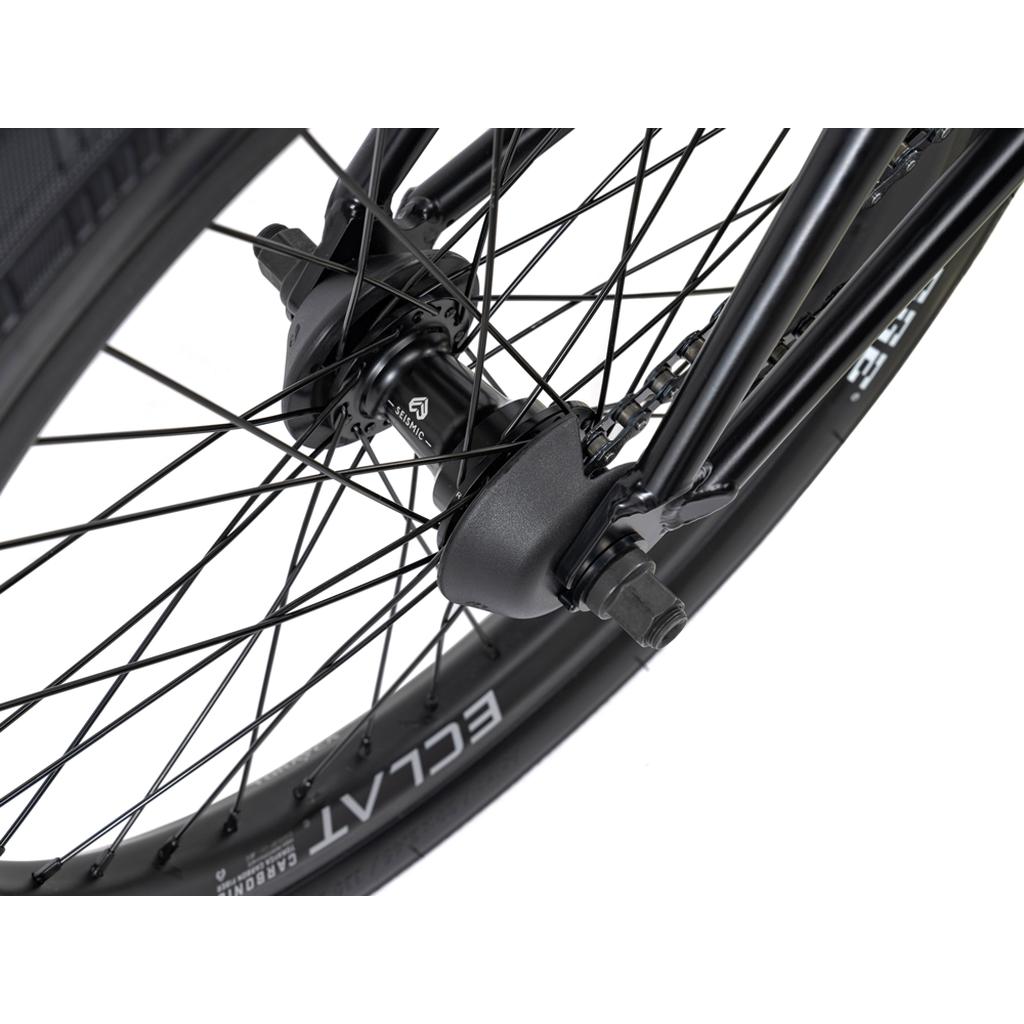
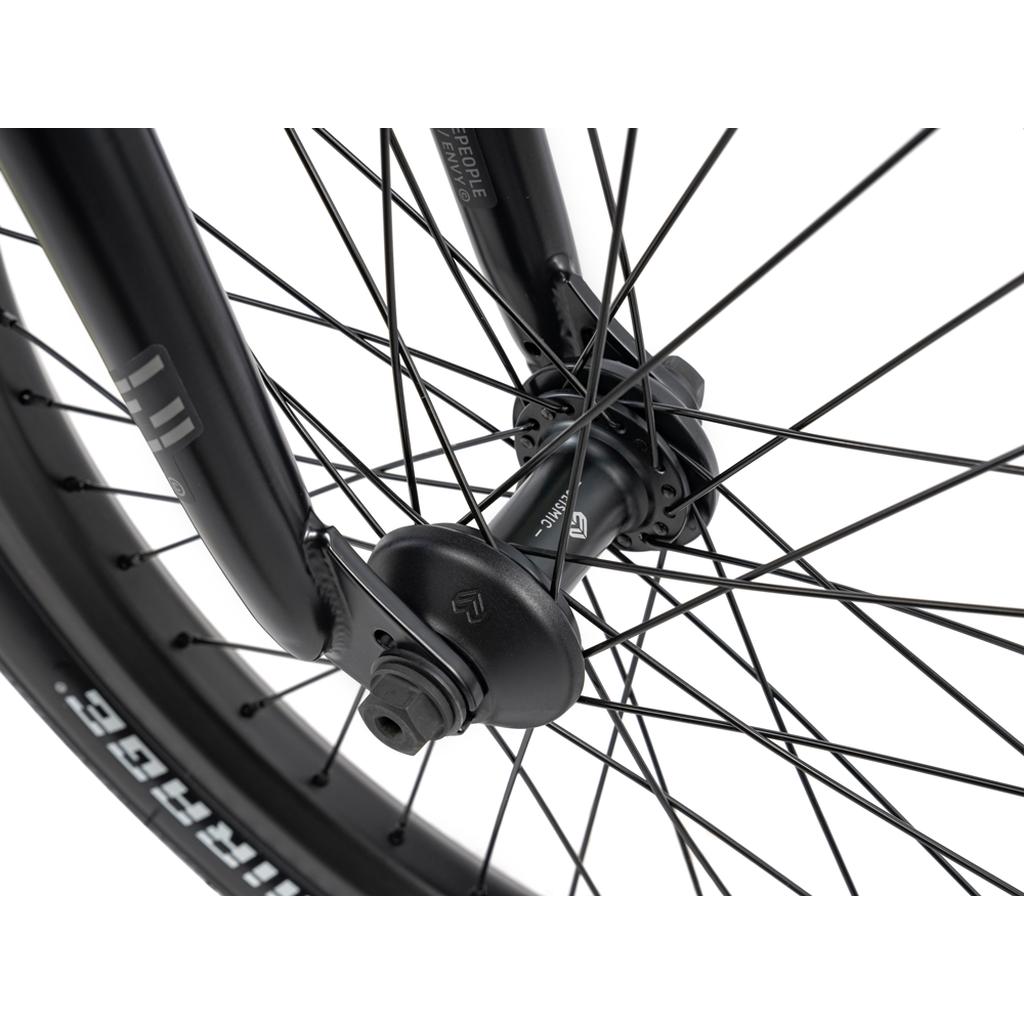
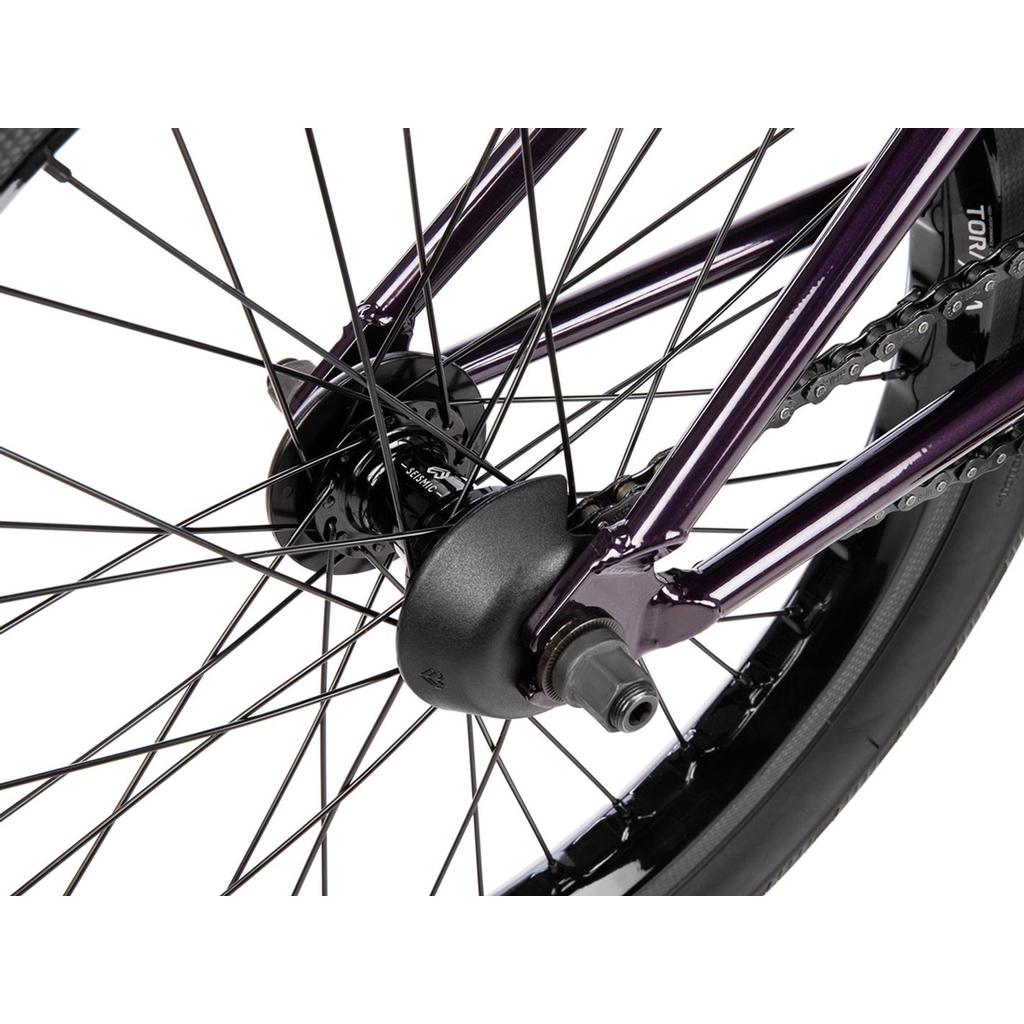
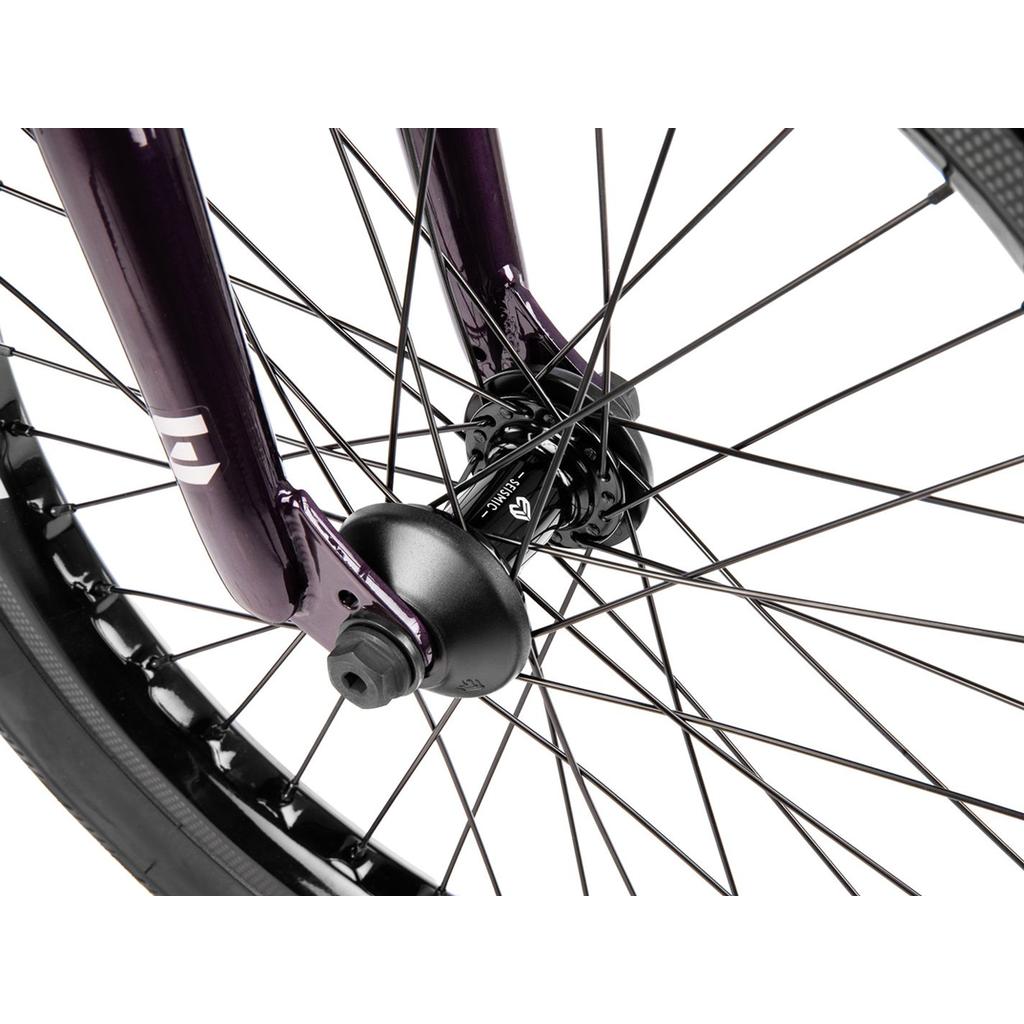
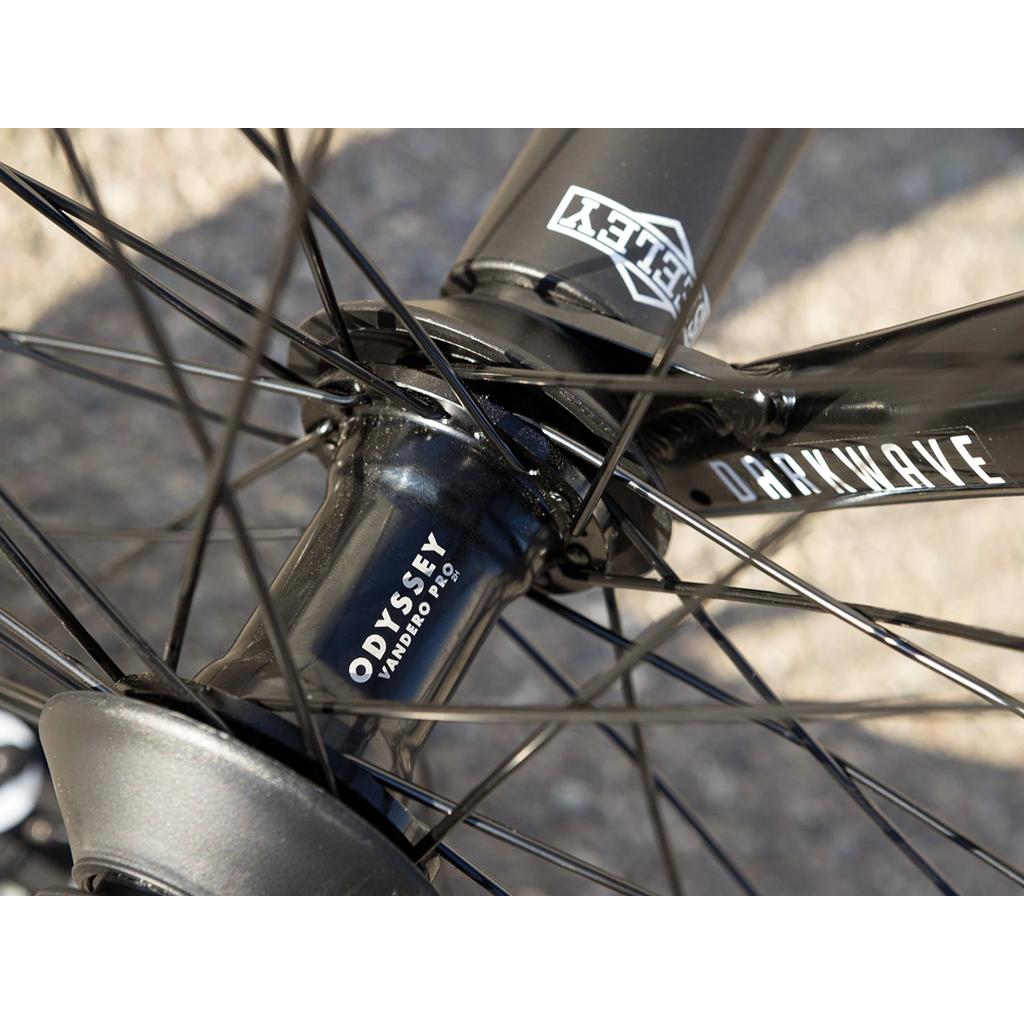
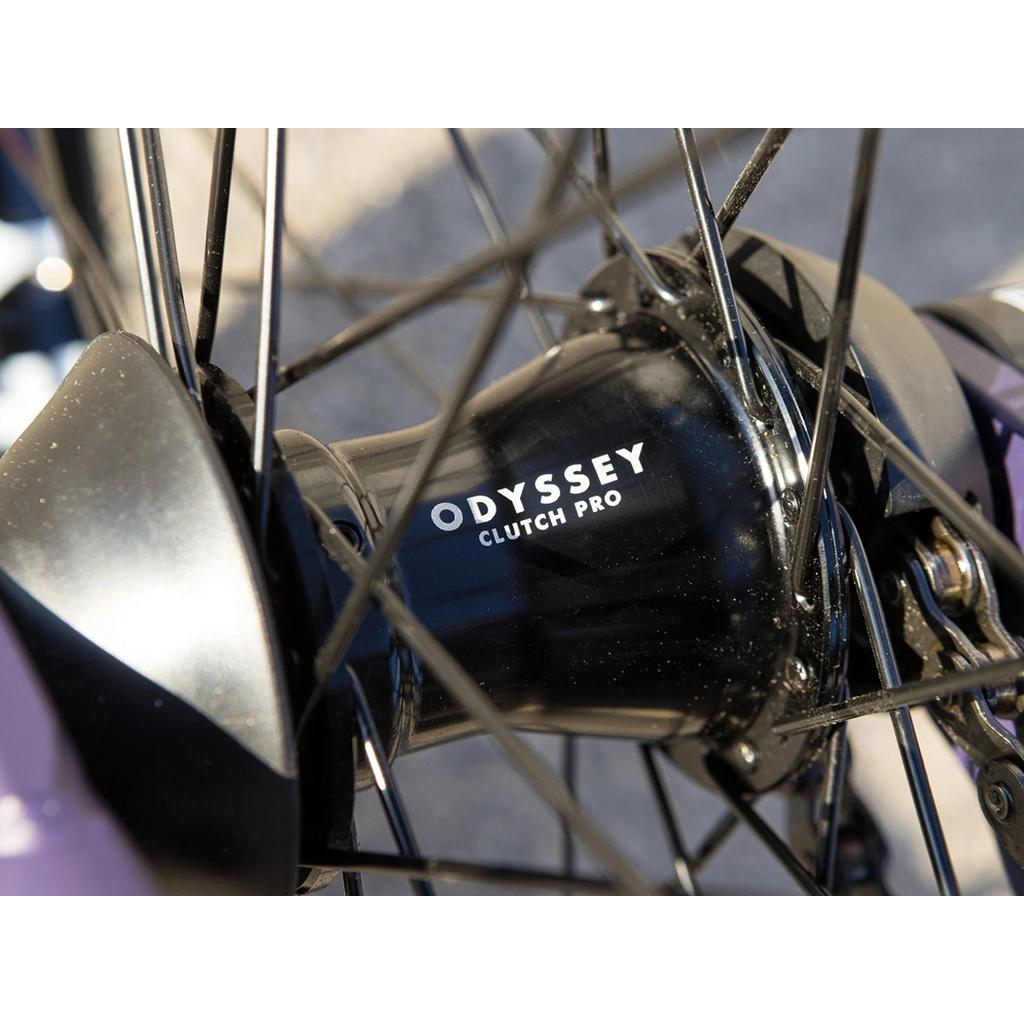
Wheels are rims, hubs and spokes, and all three matter. Single wall rims are found on entry level bikes, while double wall rims are far stronger and are what you want as soon as you start dropping off things. At the rear, cassette hubs have replaced freewheels on anything above entry level, and a freecoaster lets you roll backwards without the cranks turning, which suits riders learning fakie tricks. Our Hub Buyer's Guide goes deeper.
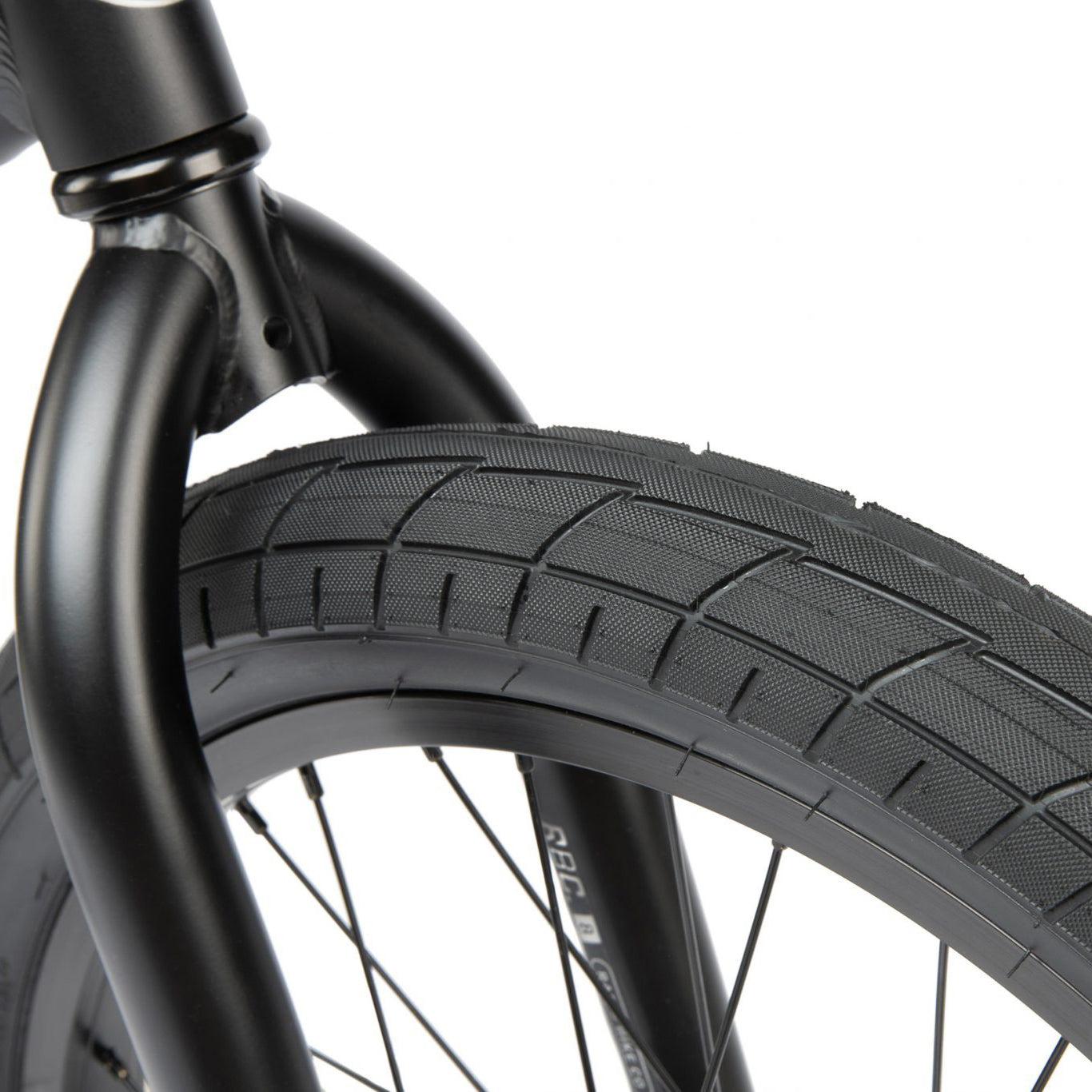
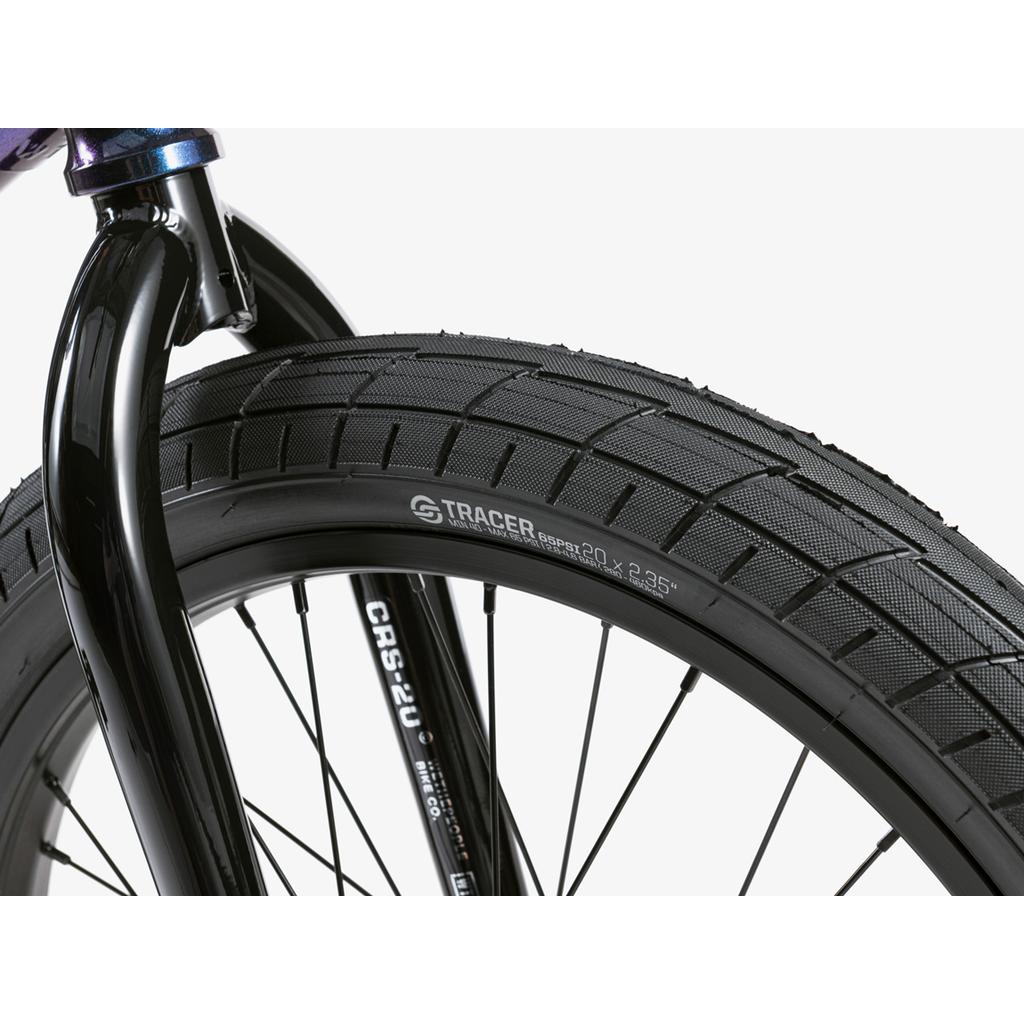
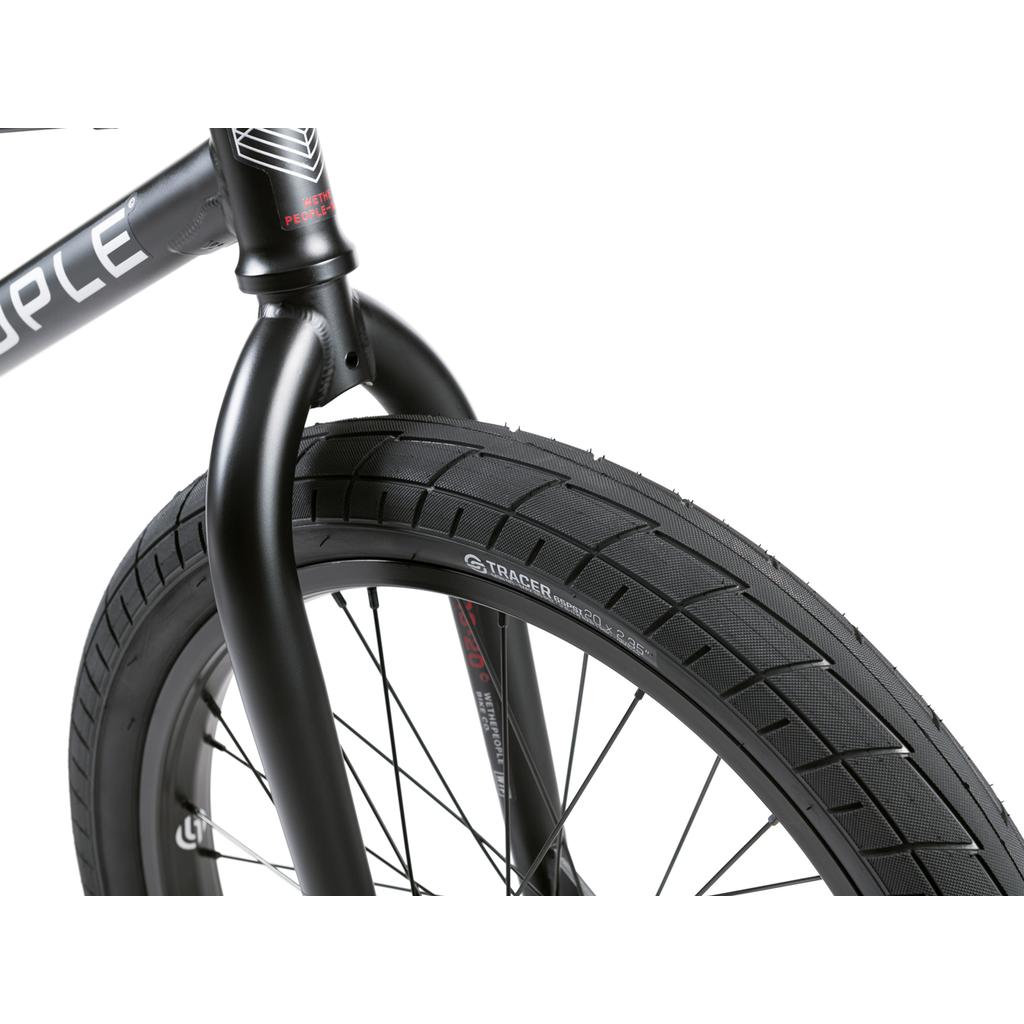
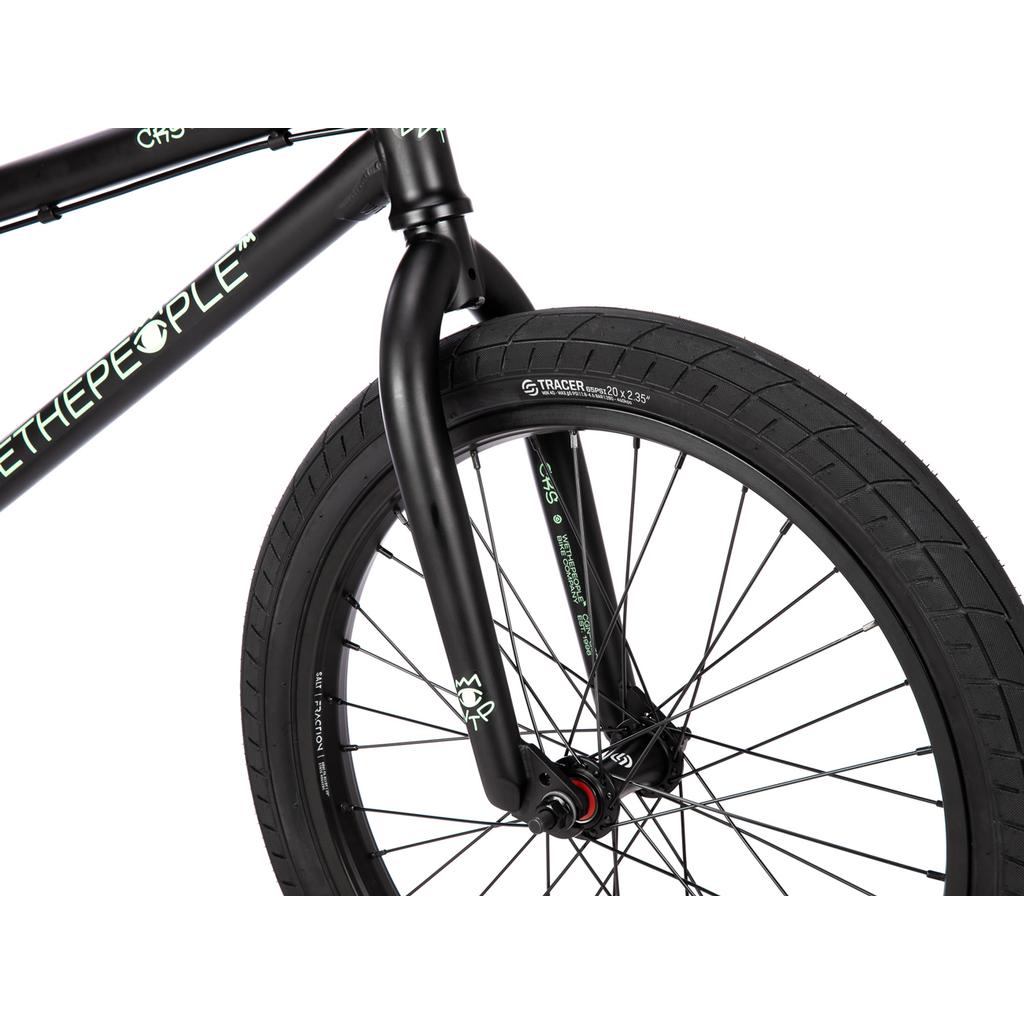
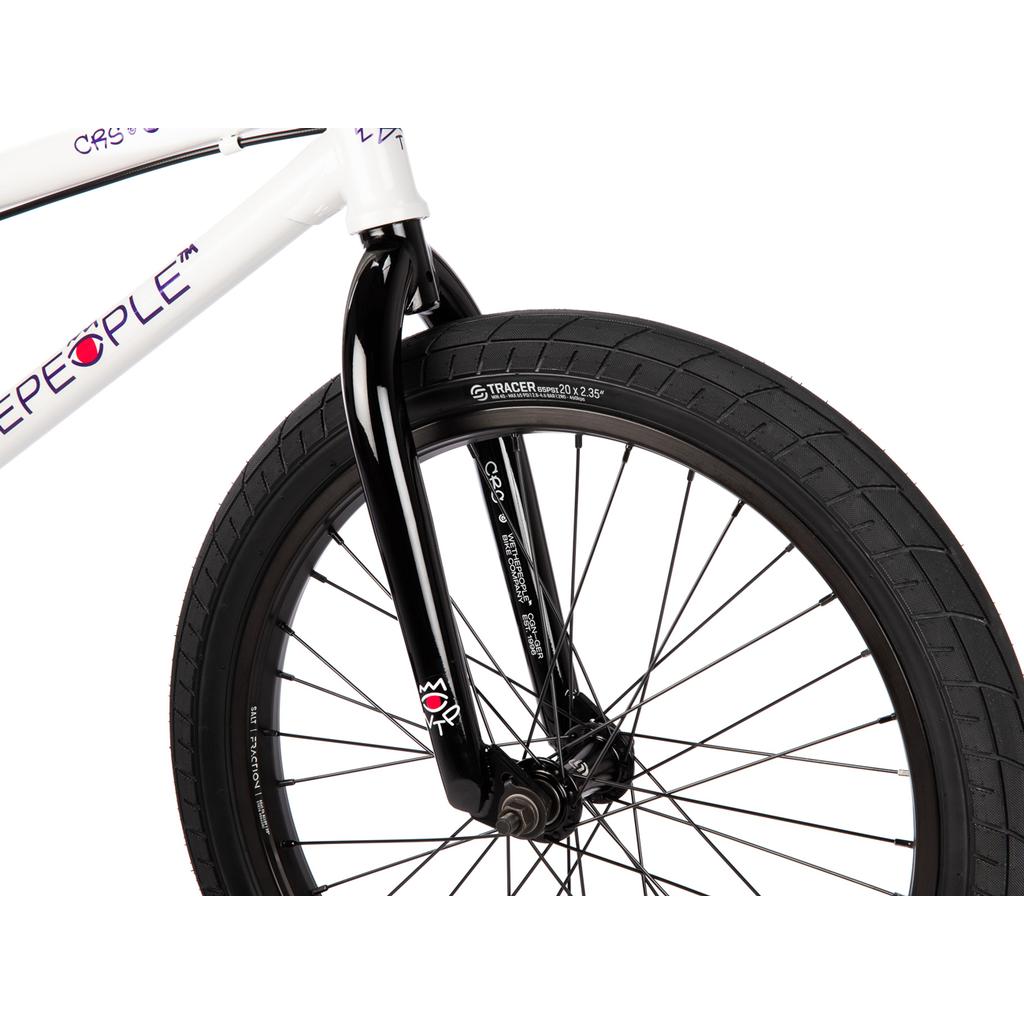
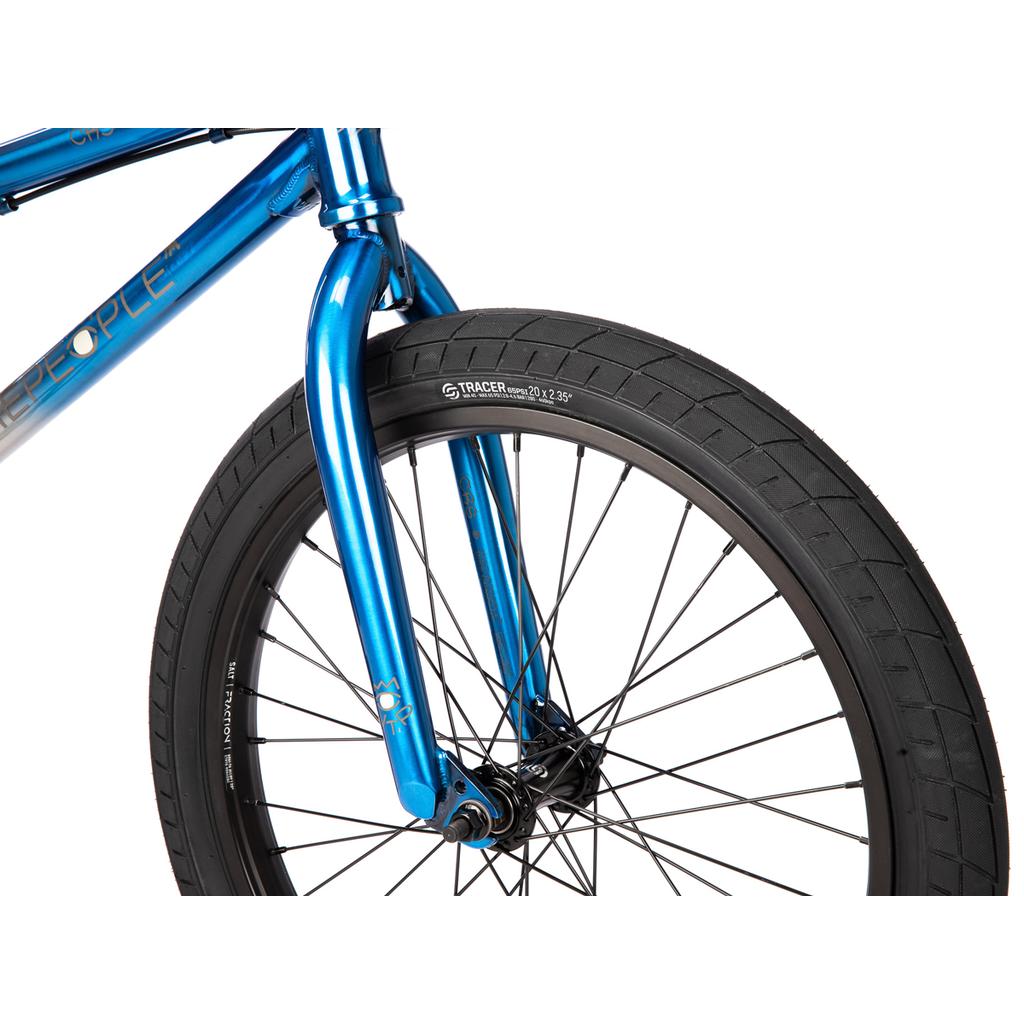
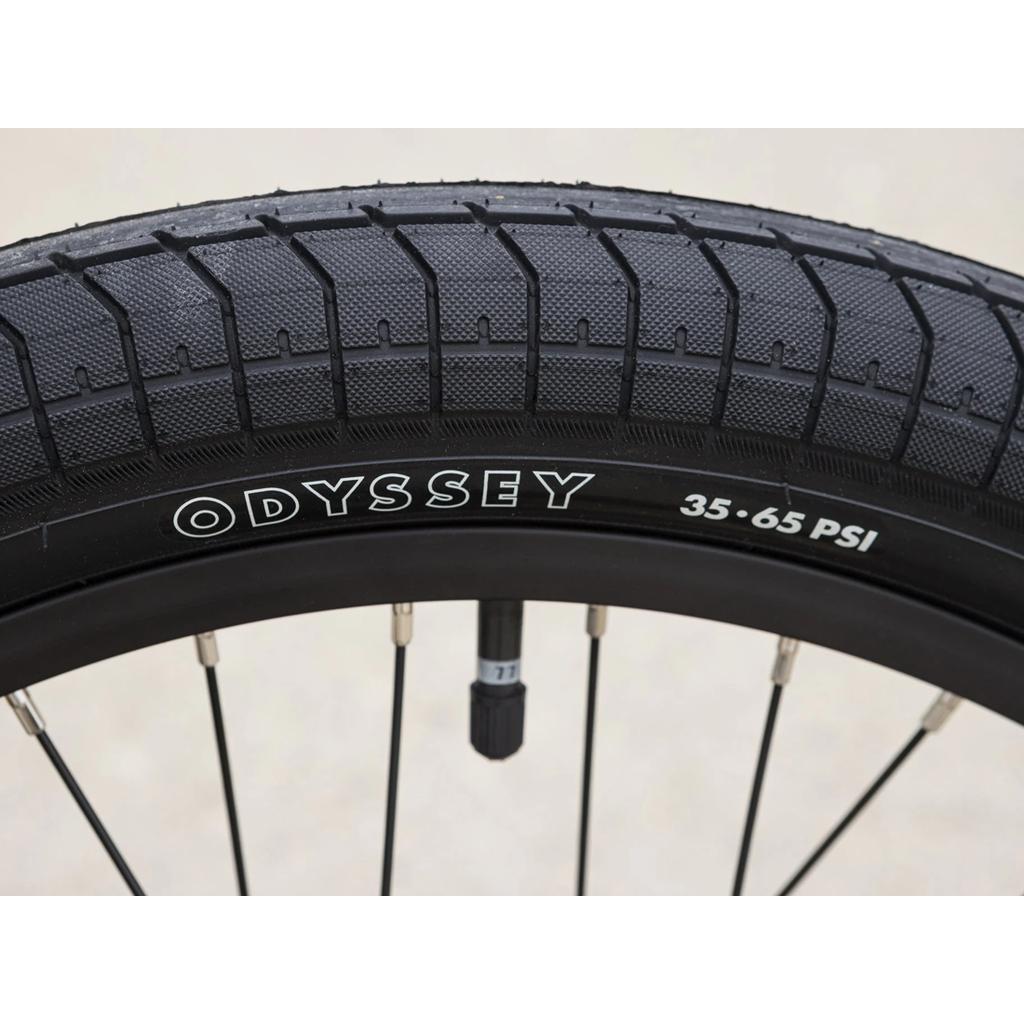
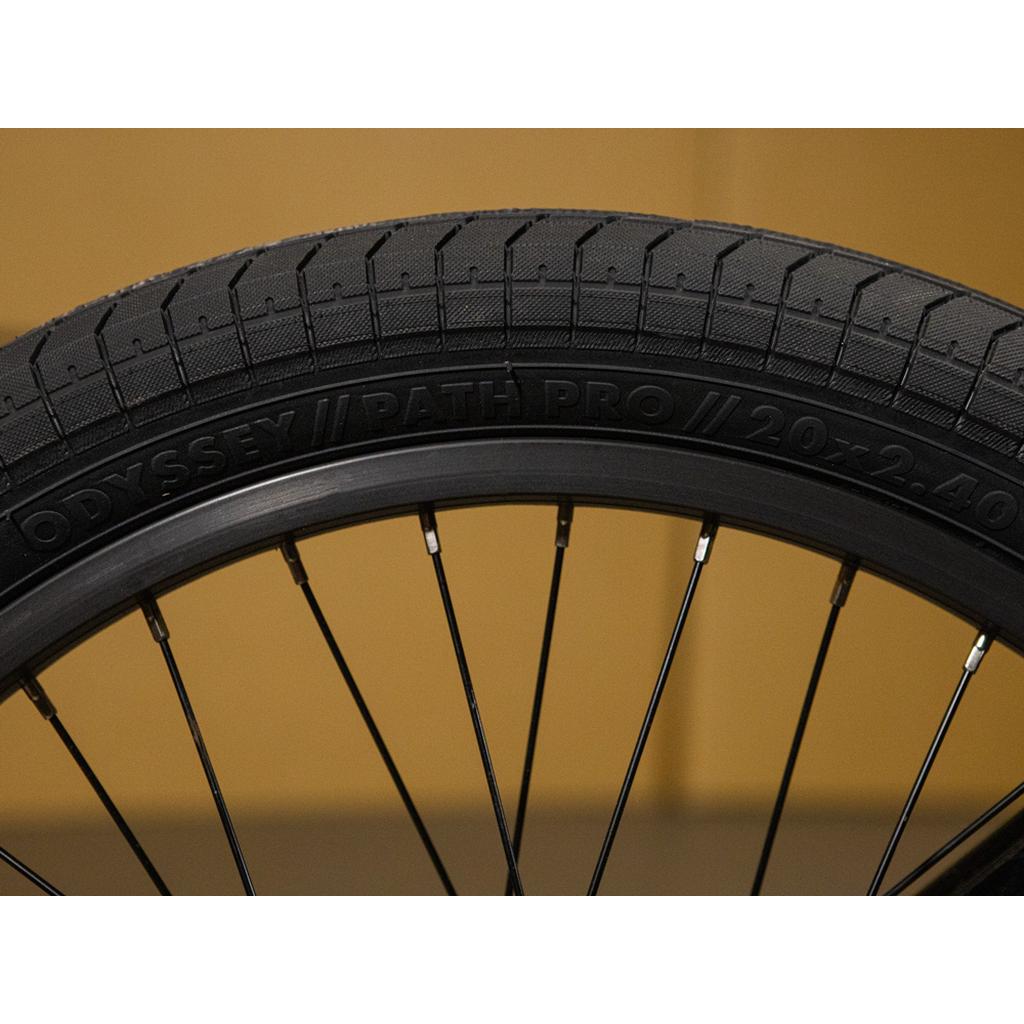
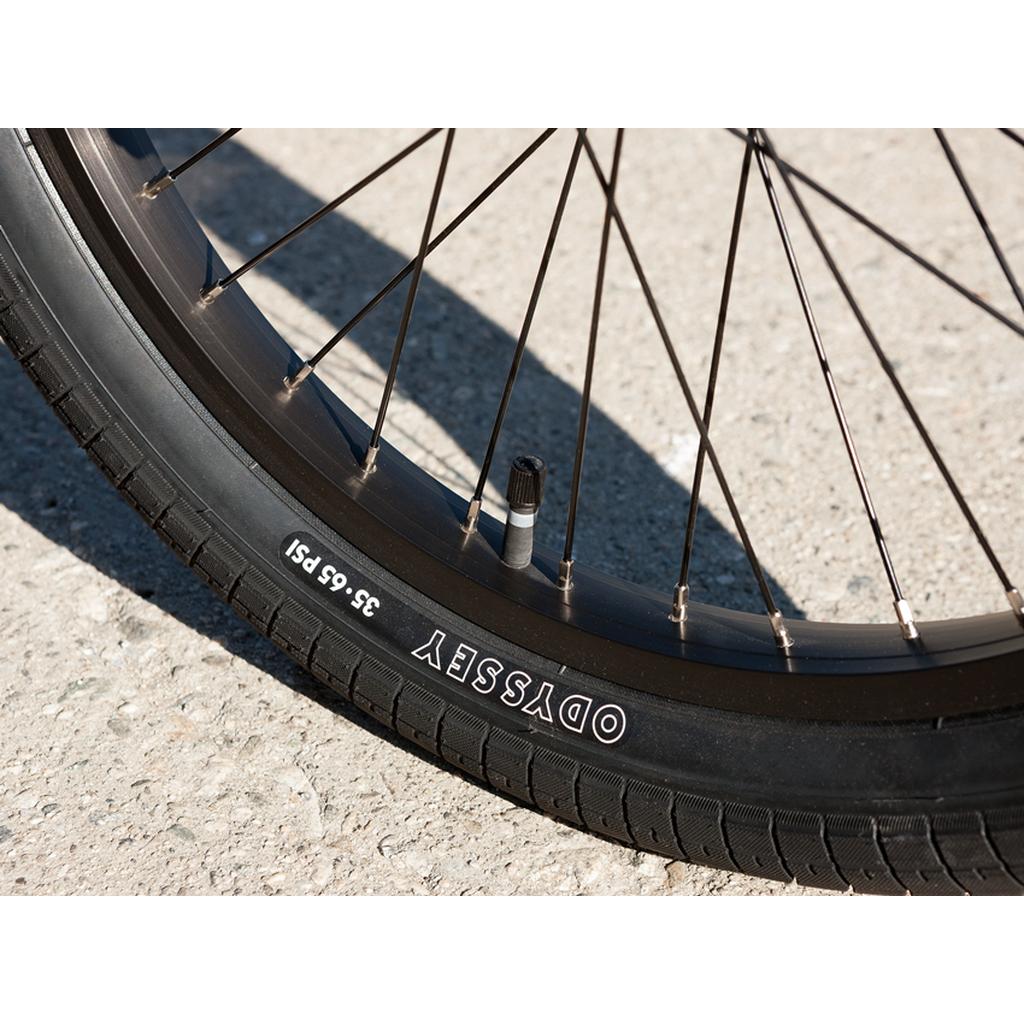
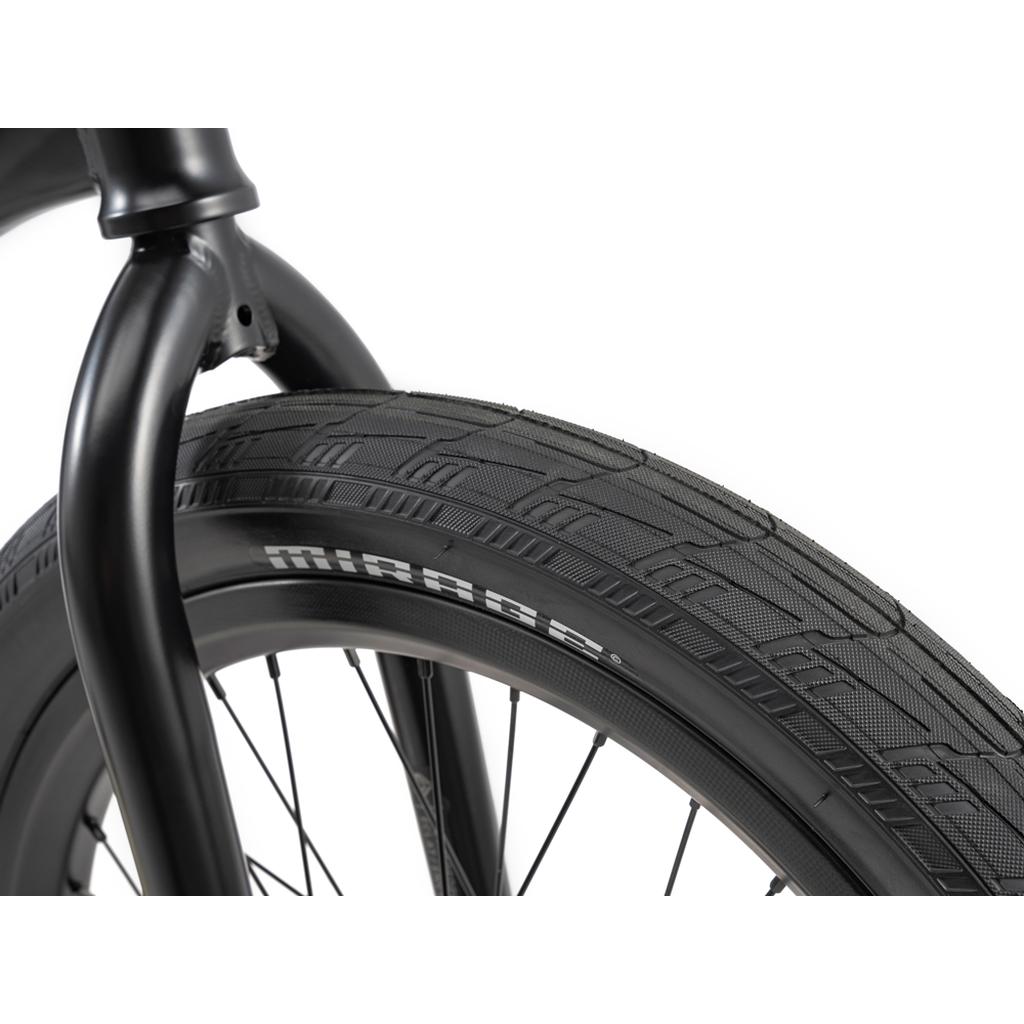
Tyres change how the bike rides more than most people expect. Most 20 inch BMX tyres are between 2.1 and 2.4 inches wide: wider gives more grip and cushioning for park and trails, narrower rolls faster and weighs less. Tread ranges from near slick for skatepark to knobbly for dirt. Pressure matters just as much, and the range is printed on the sidewall. Our Tyre Buyer's Guide covers sizes and pressures.
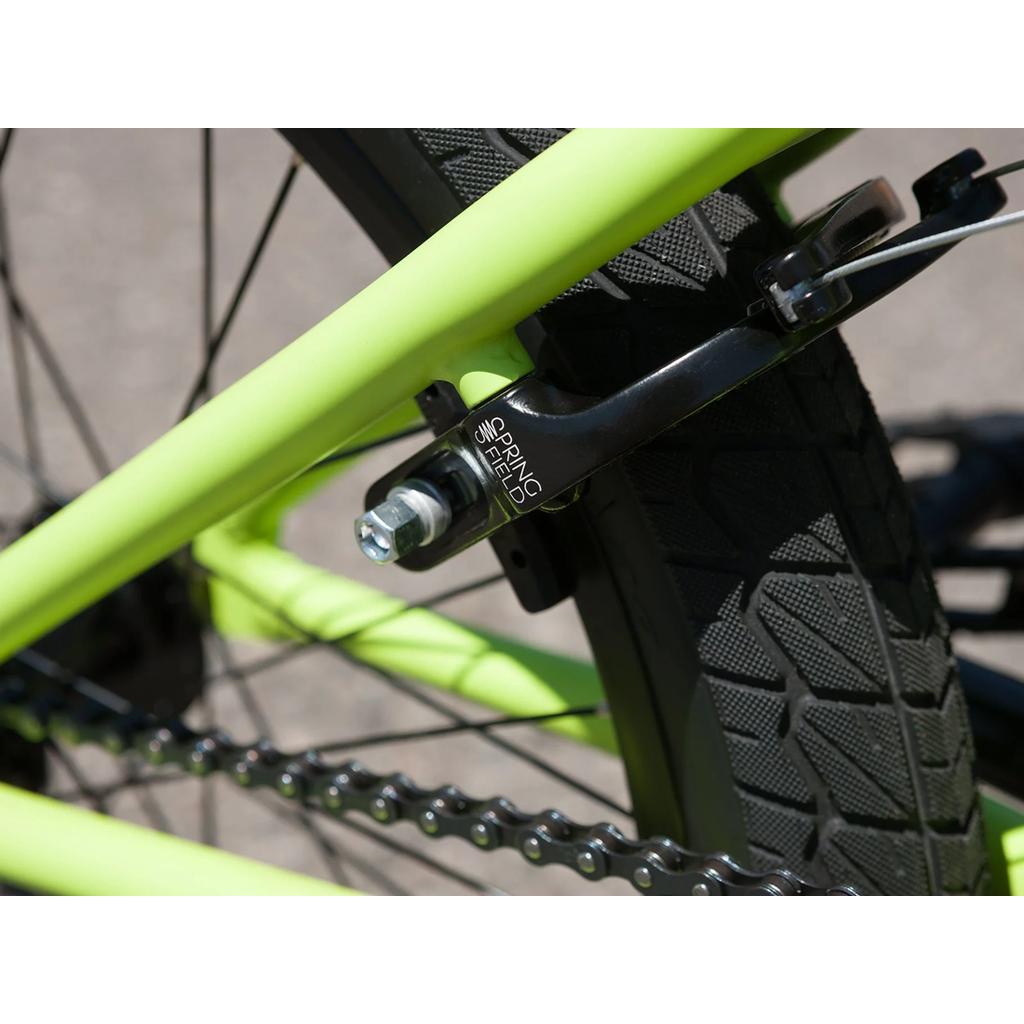
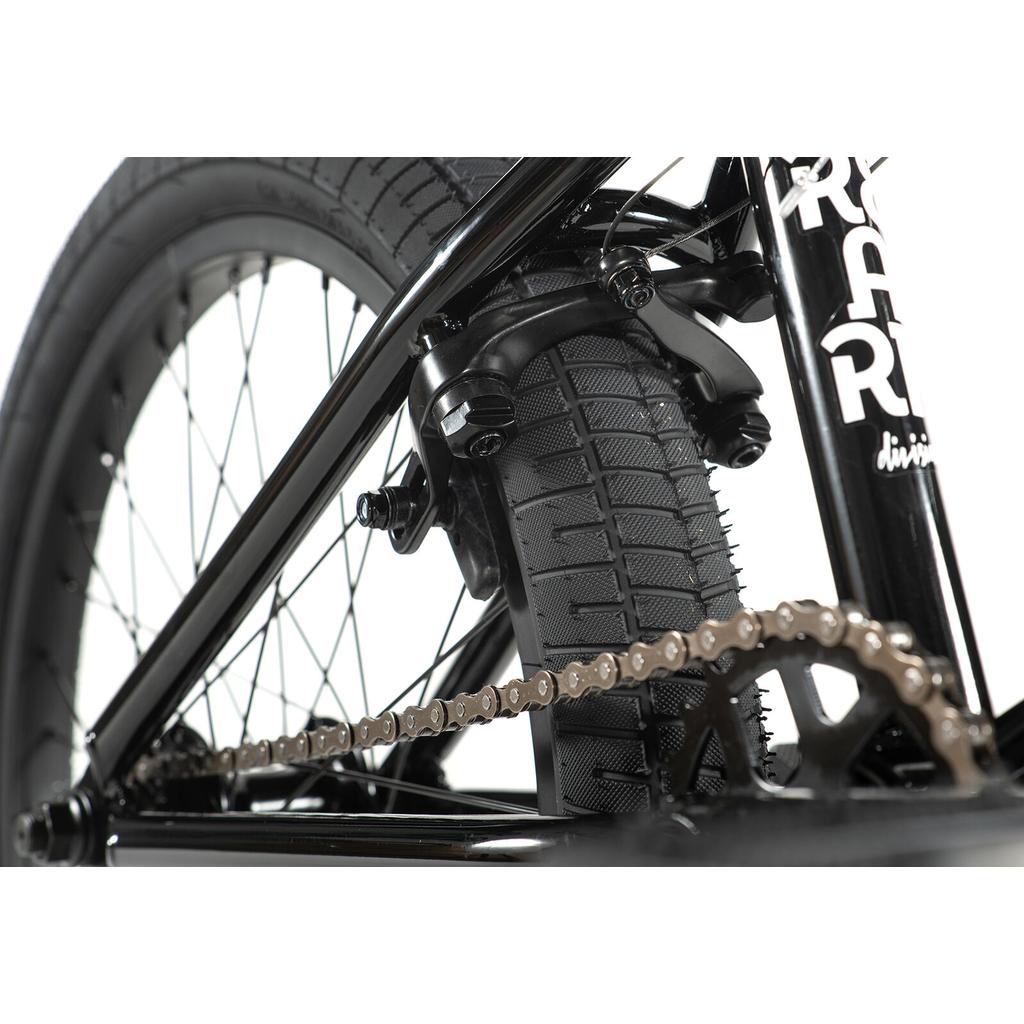
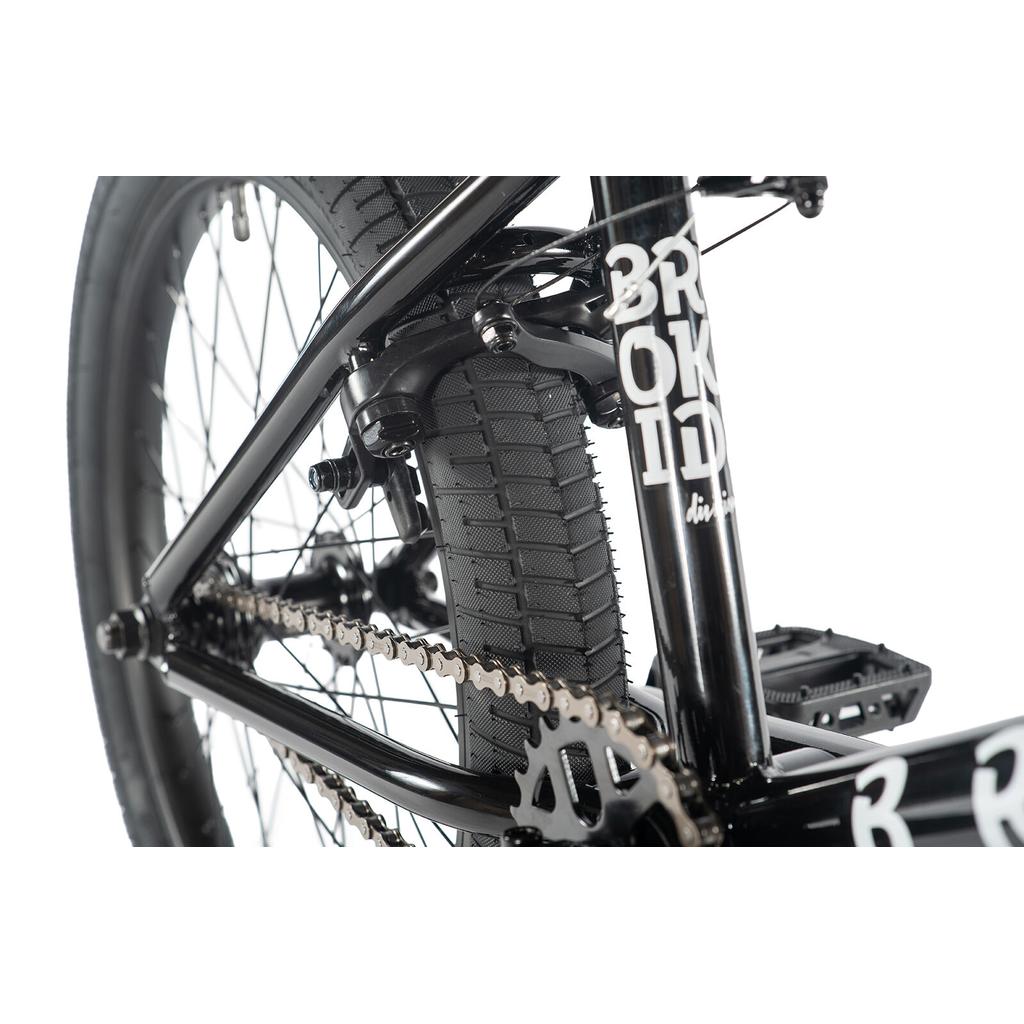
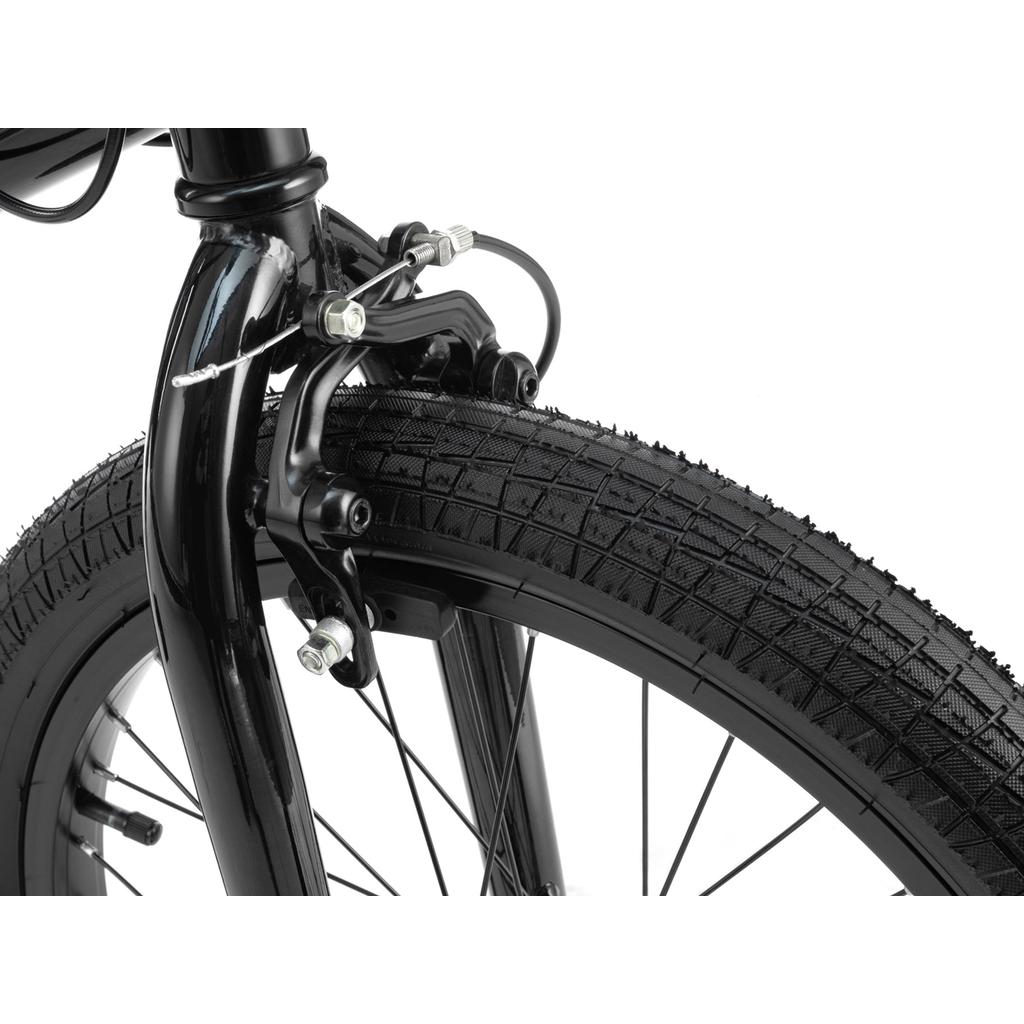
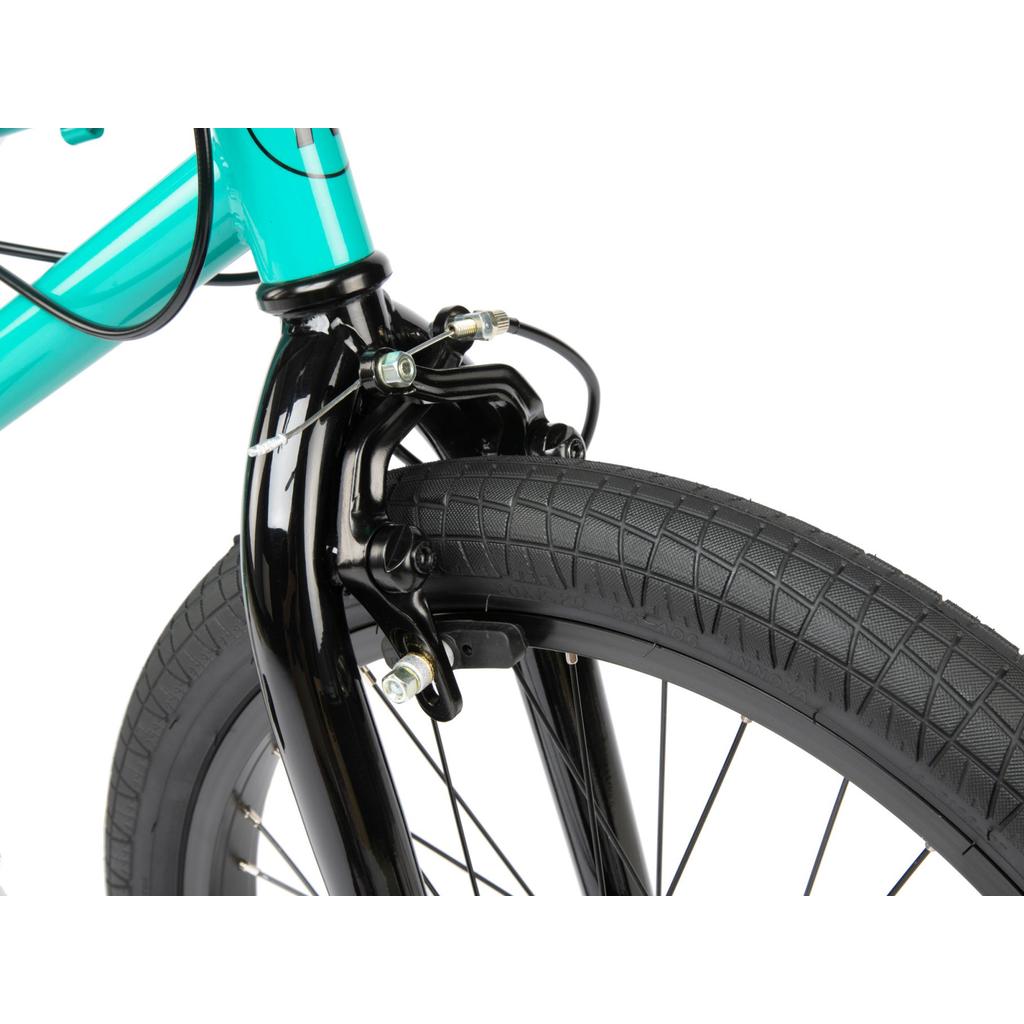
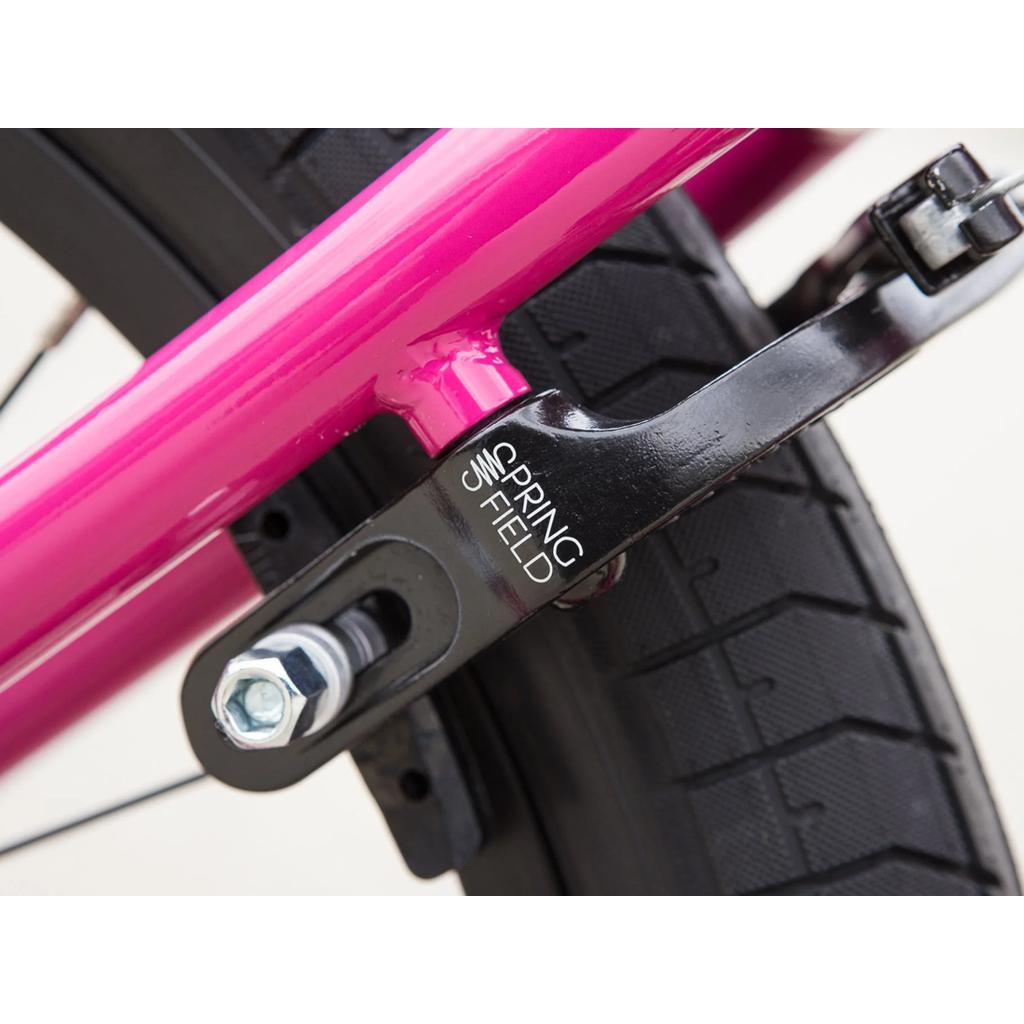
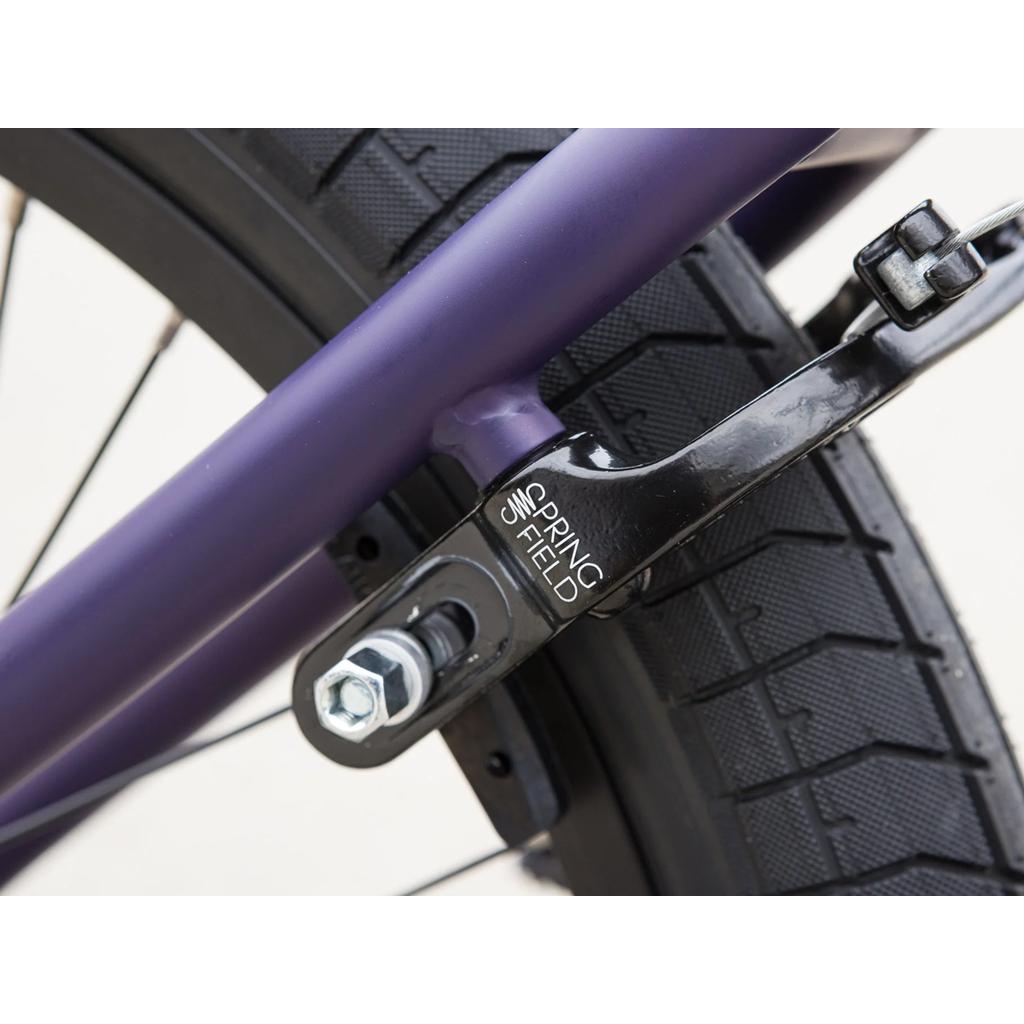
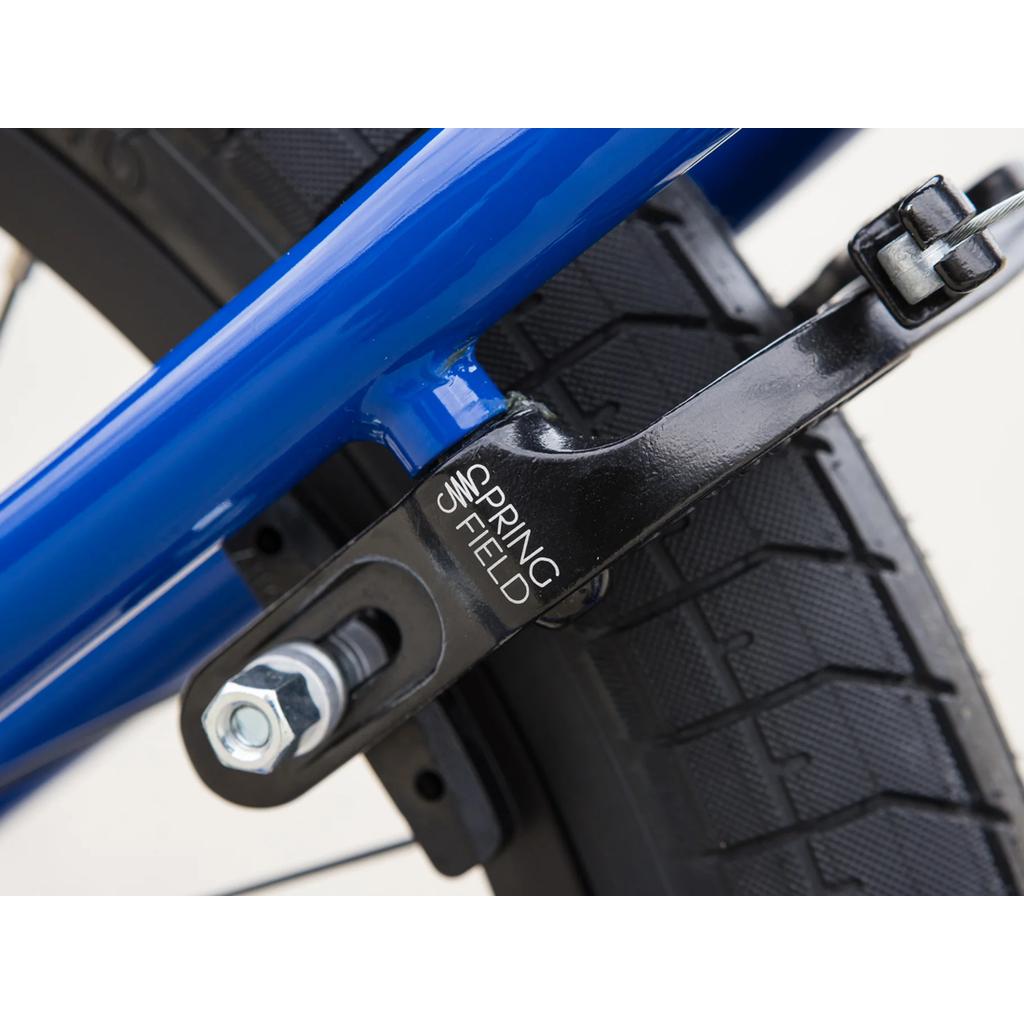
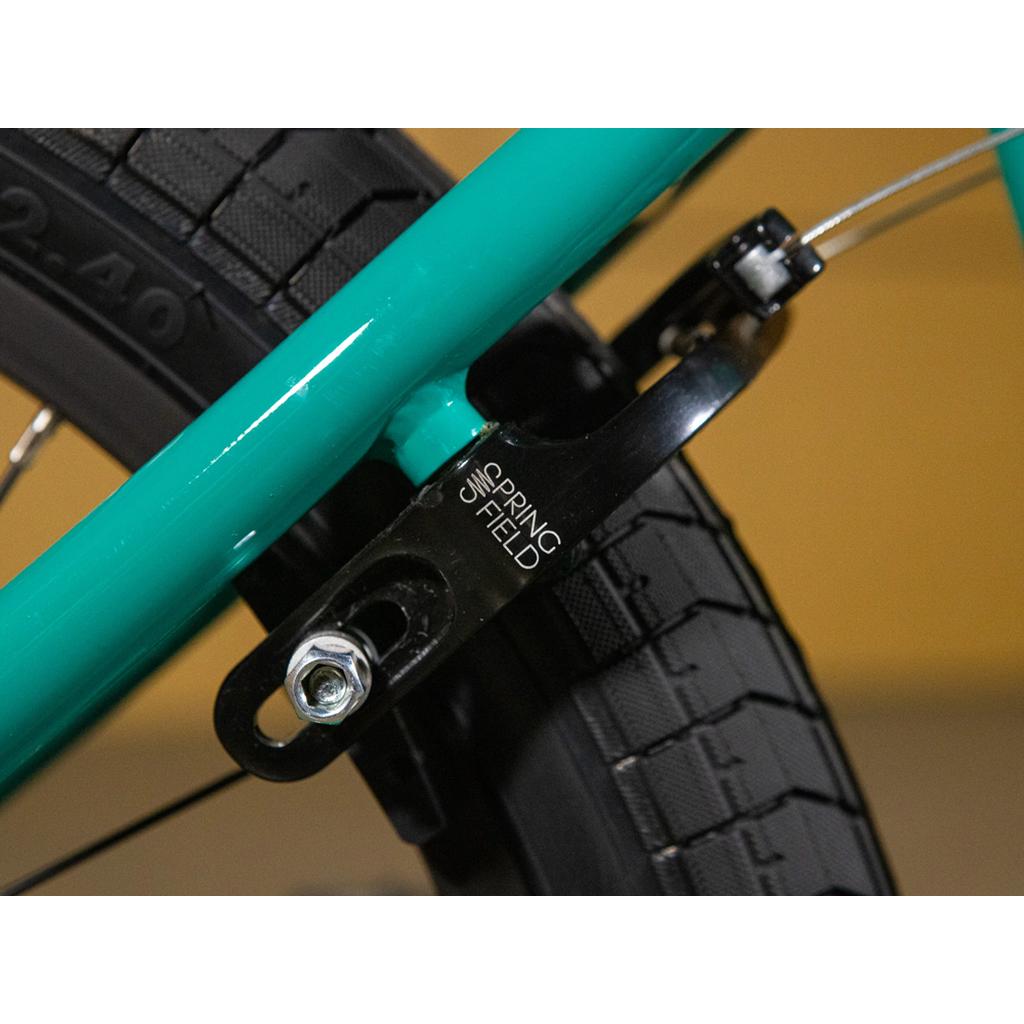
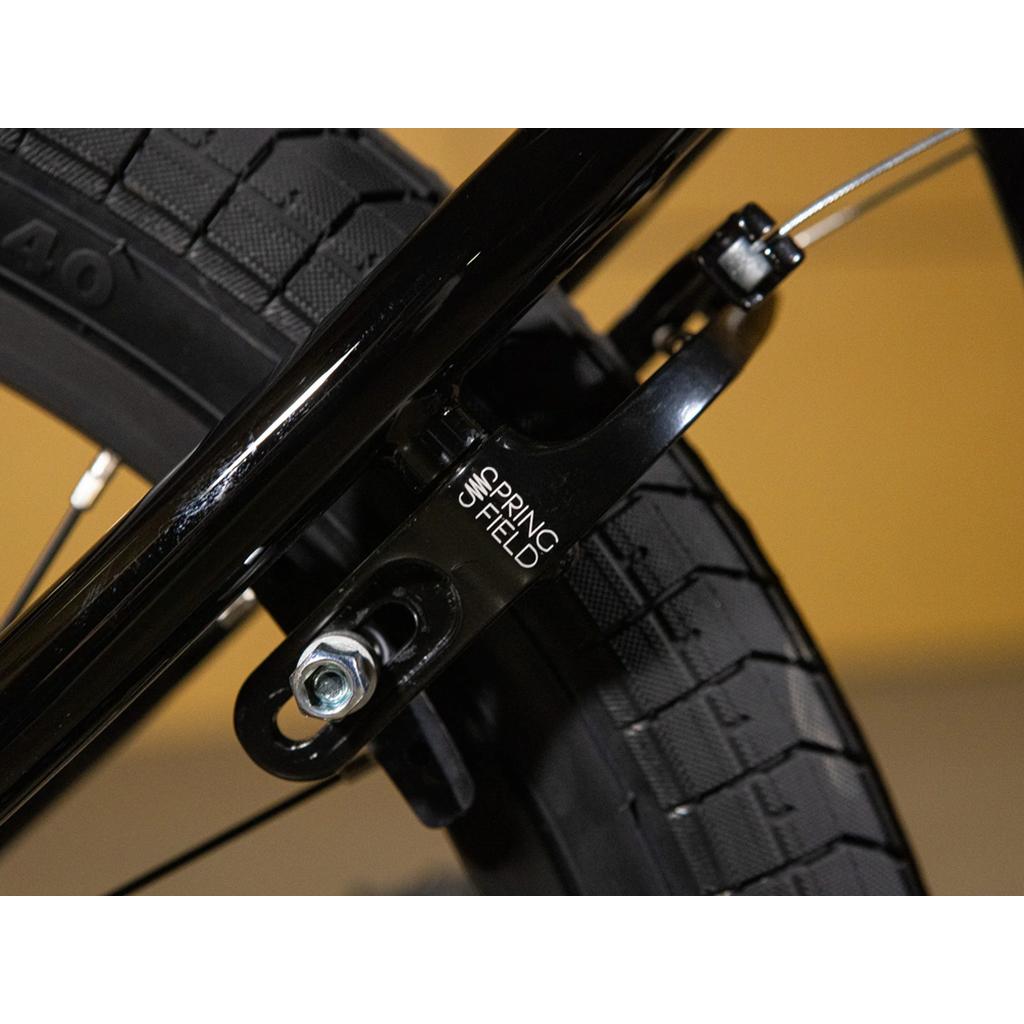
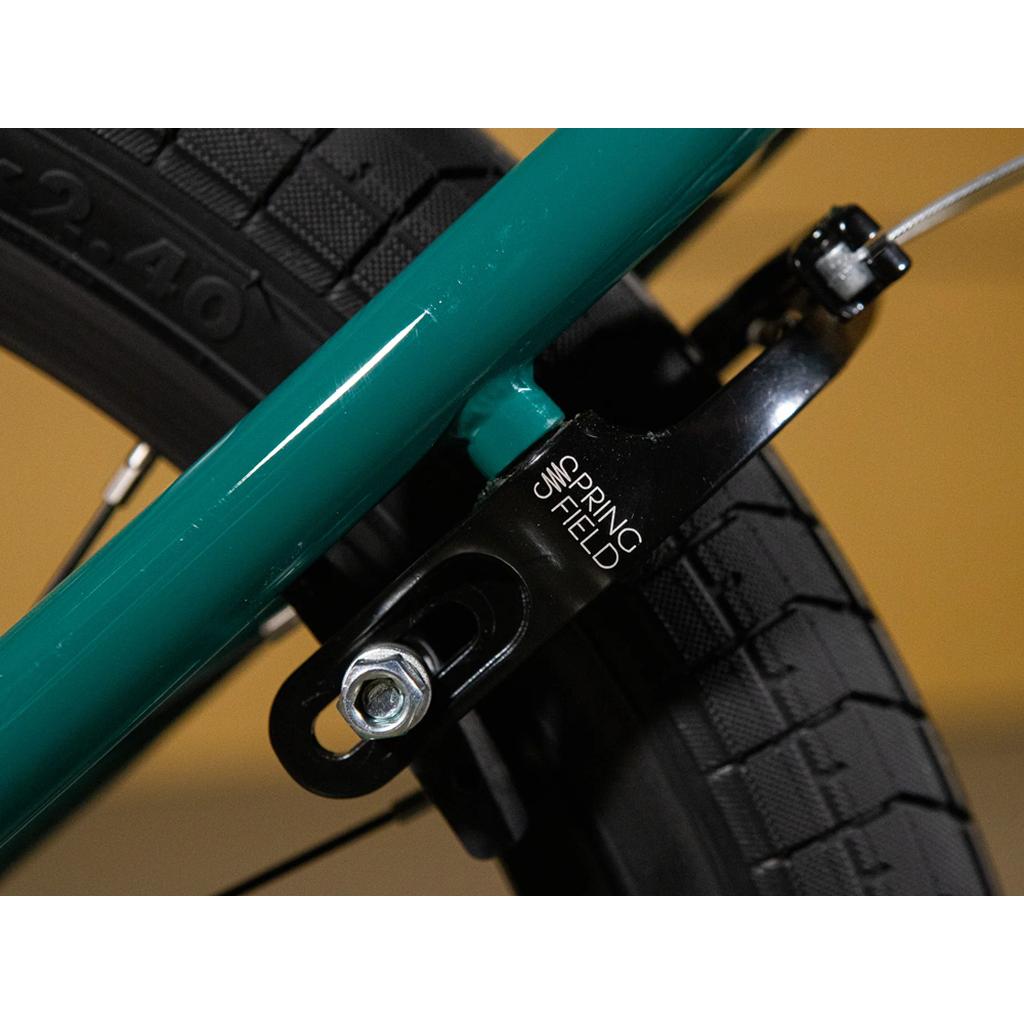
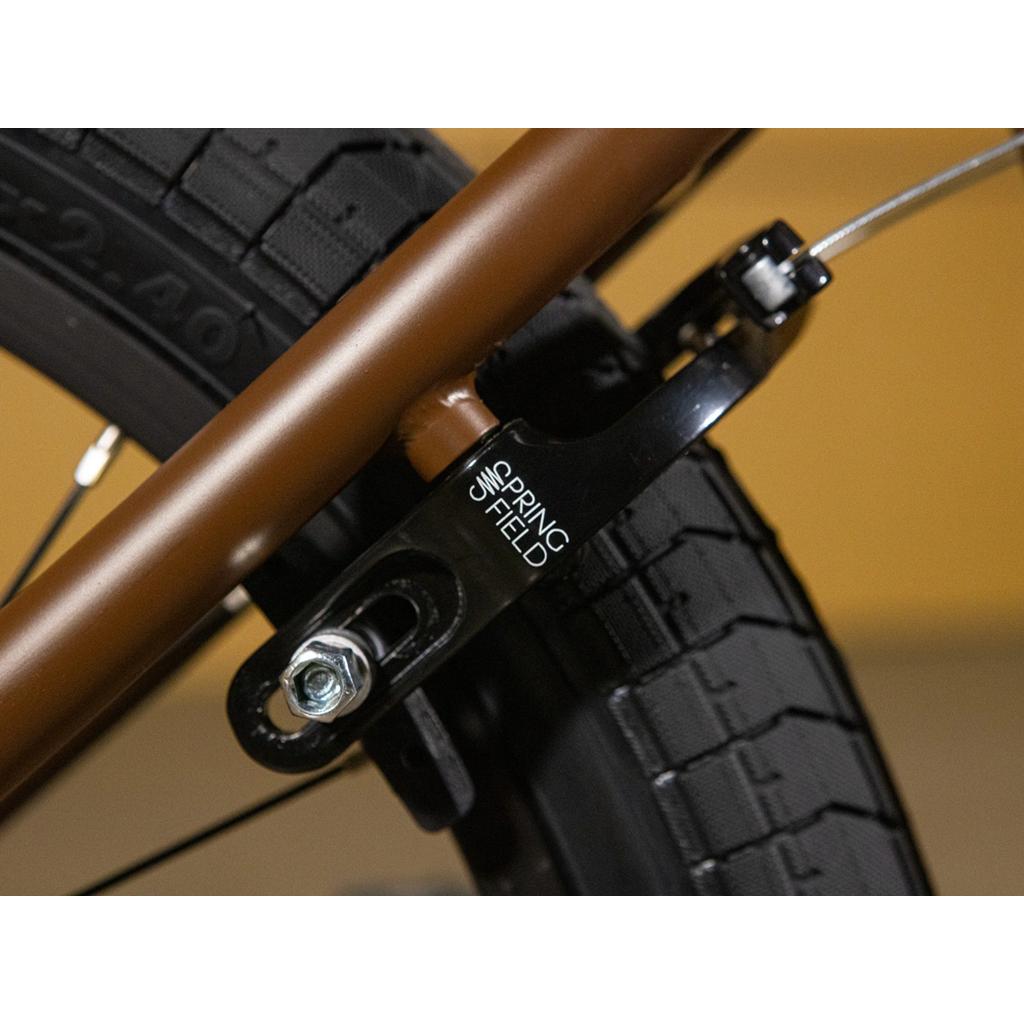
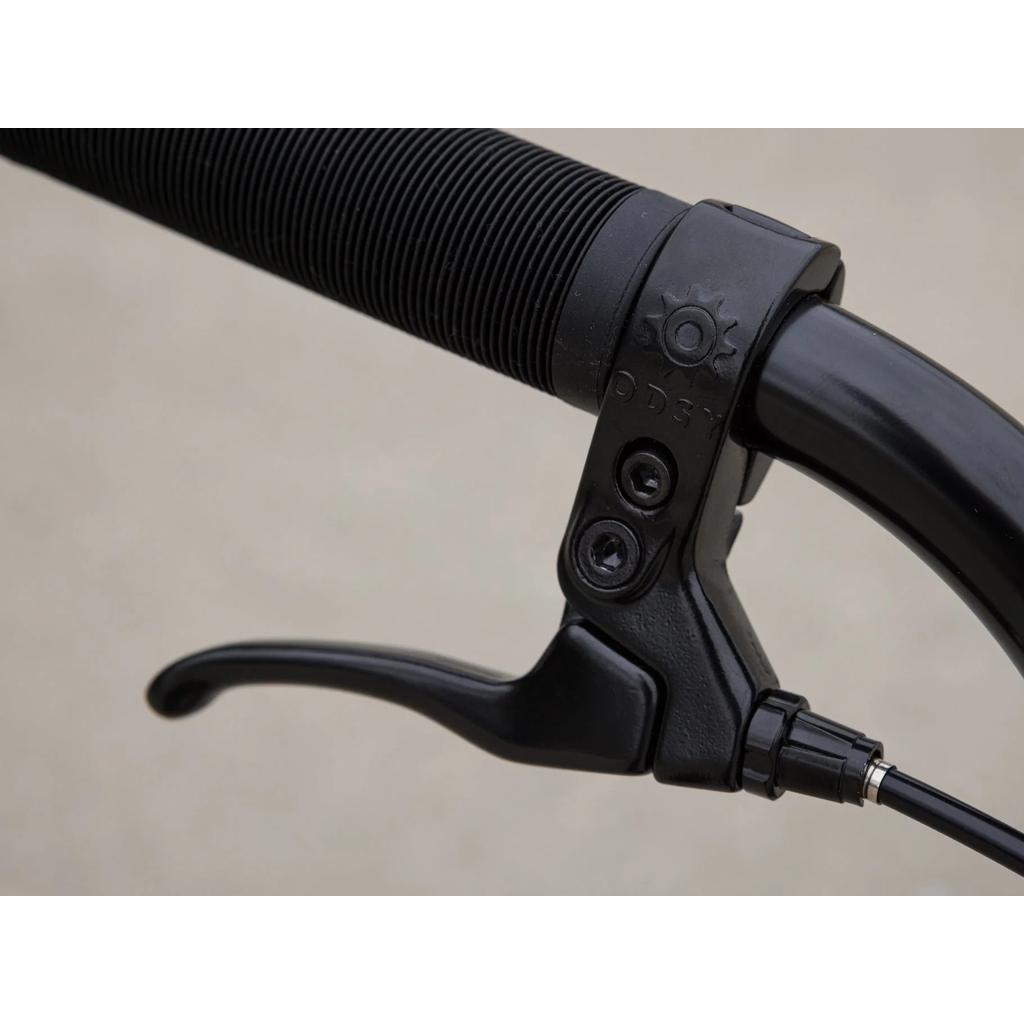
Most BMX bikes run a rear U-brake, and plenty of street riders remove it entirely and ride brakeless. If you want to spin the bars, you need a gyro (also called a detangler), which splits the brake cable in two so it can rotate without wrapping up. Brake feel comes mostly from the pads and the lever rather than the calliper, so those are the cheap upgrades worth making first.
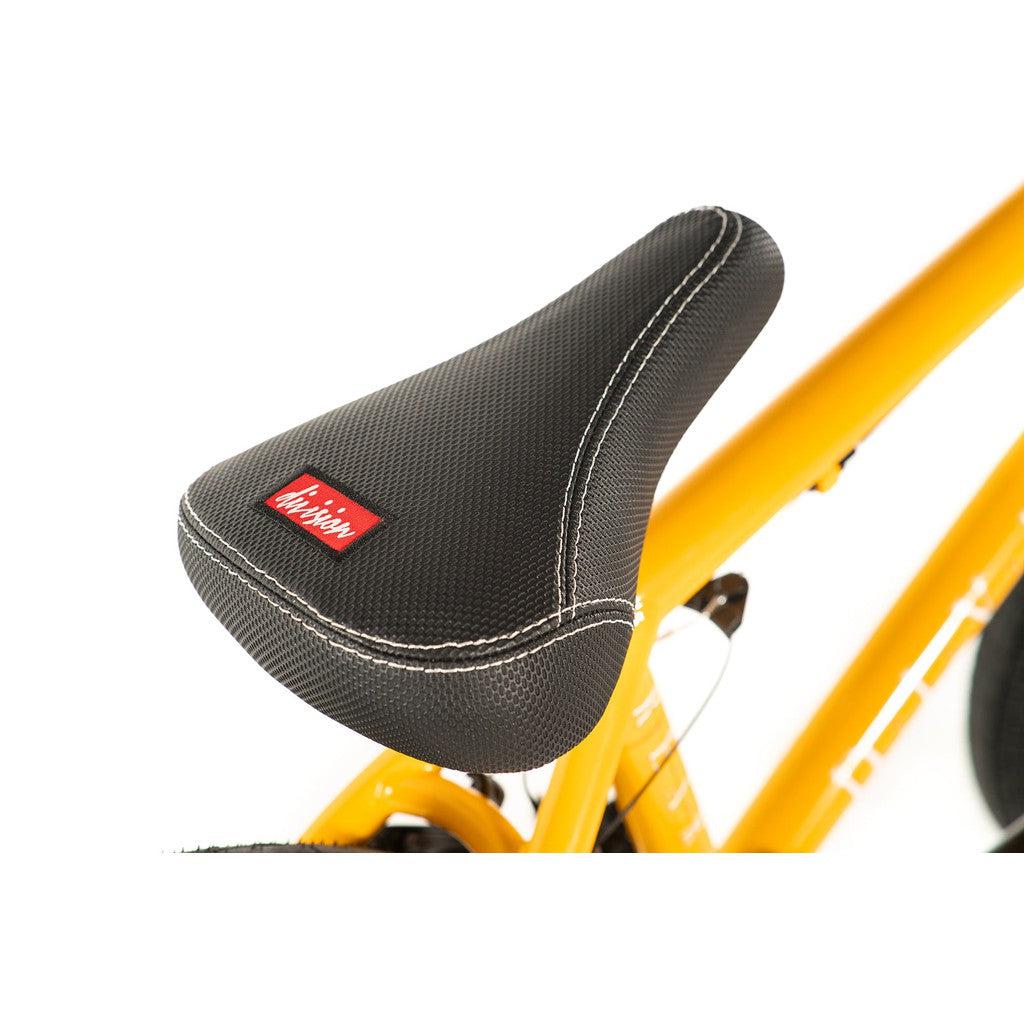
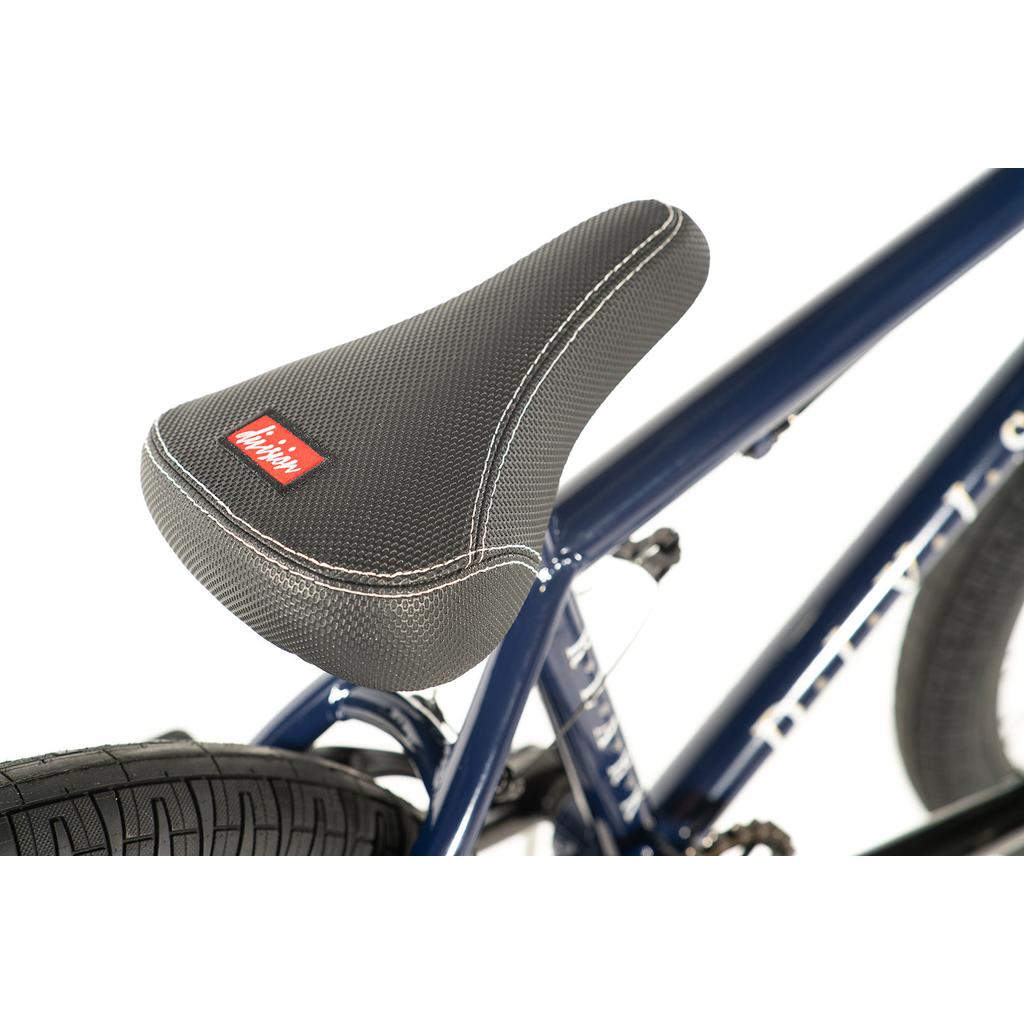
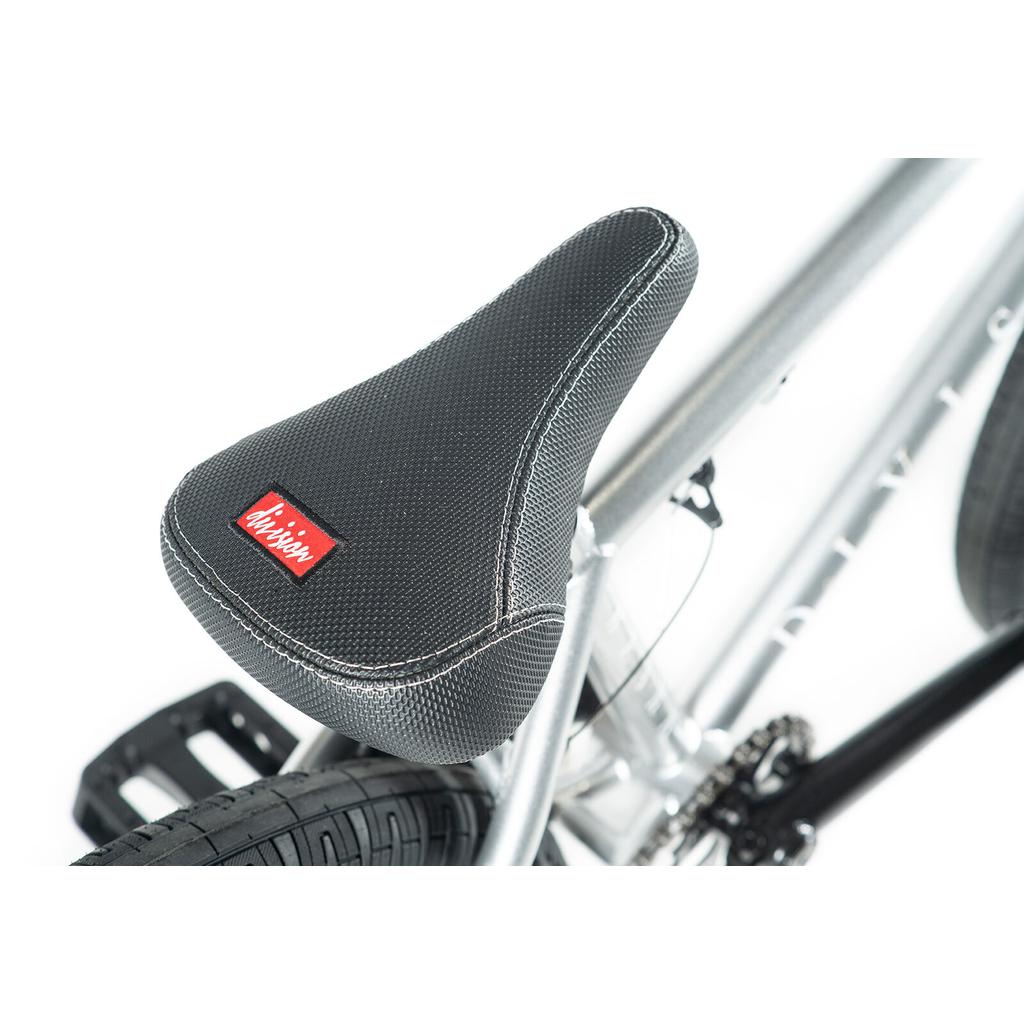
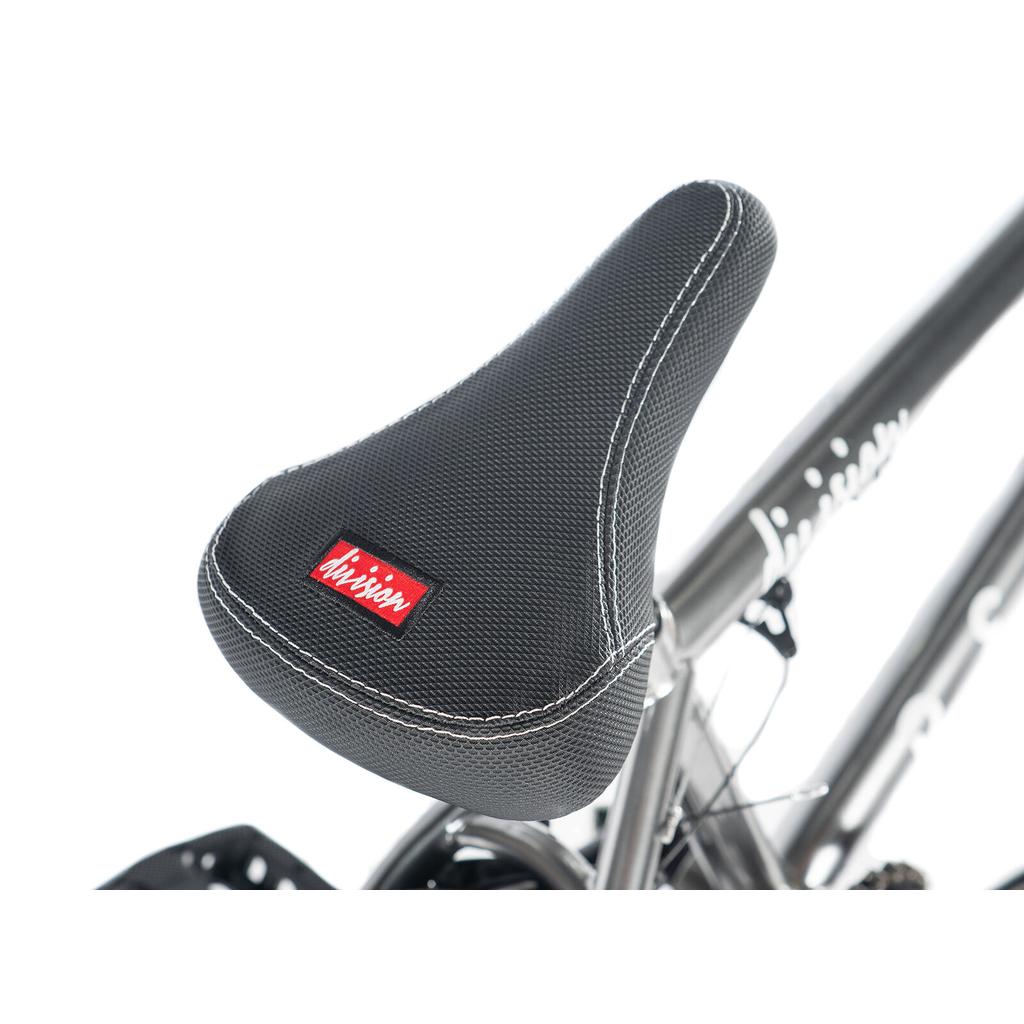
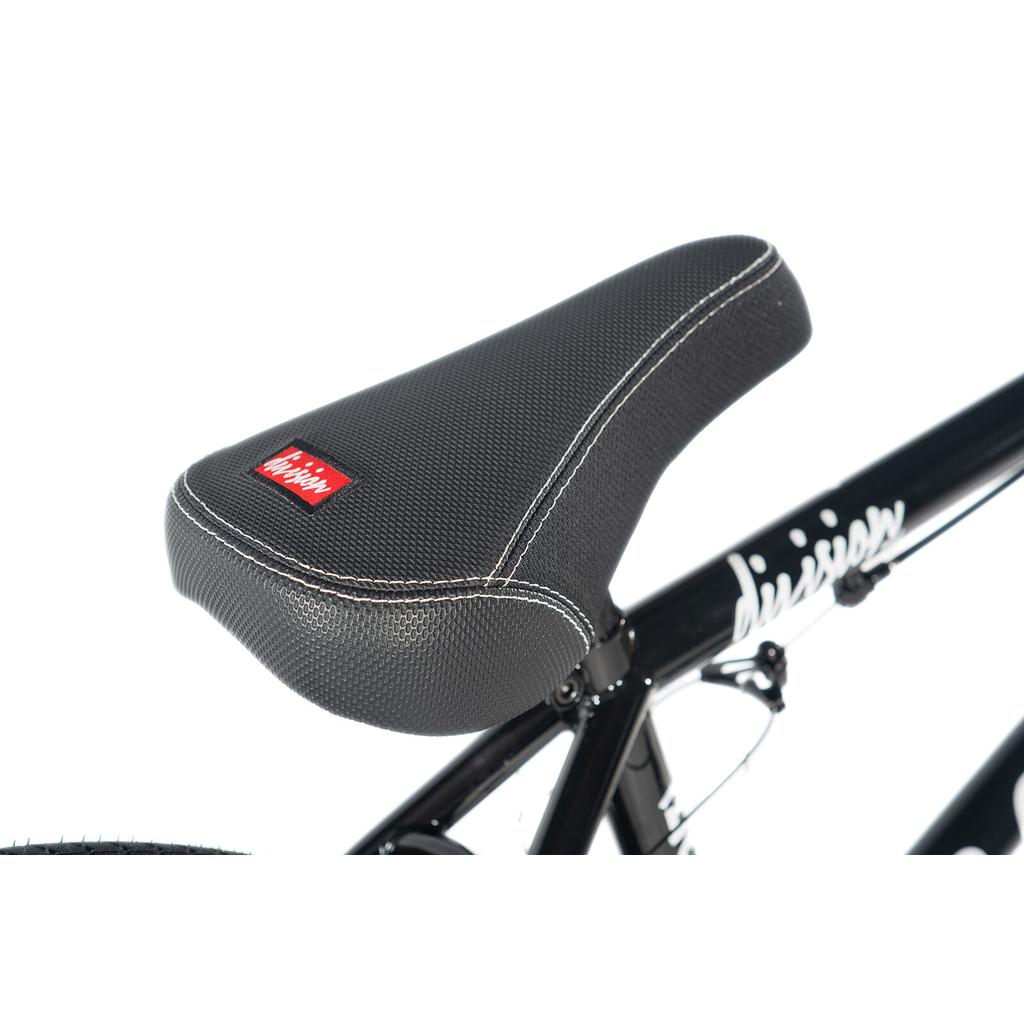
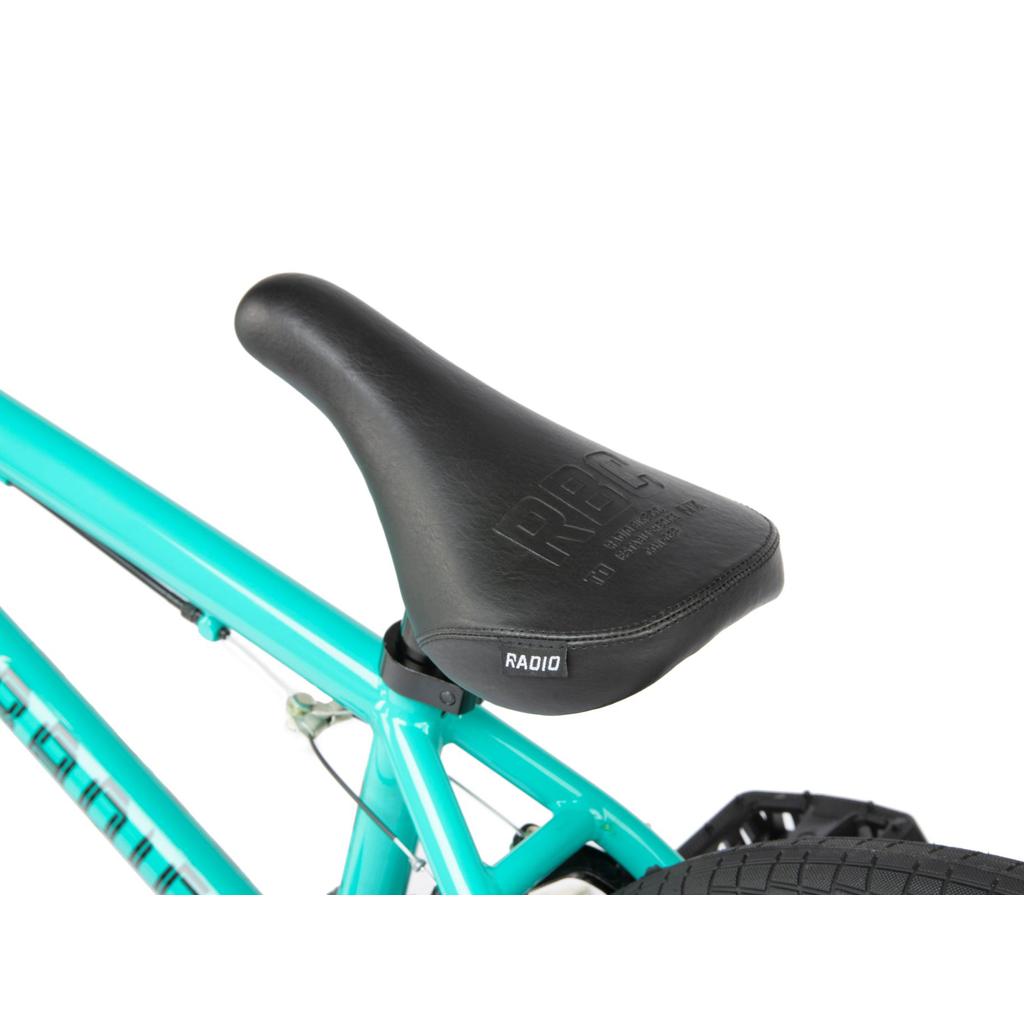
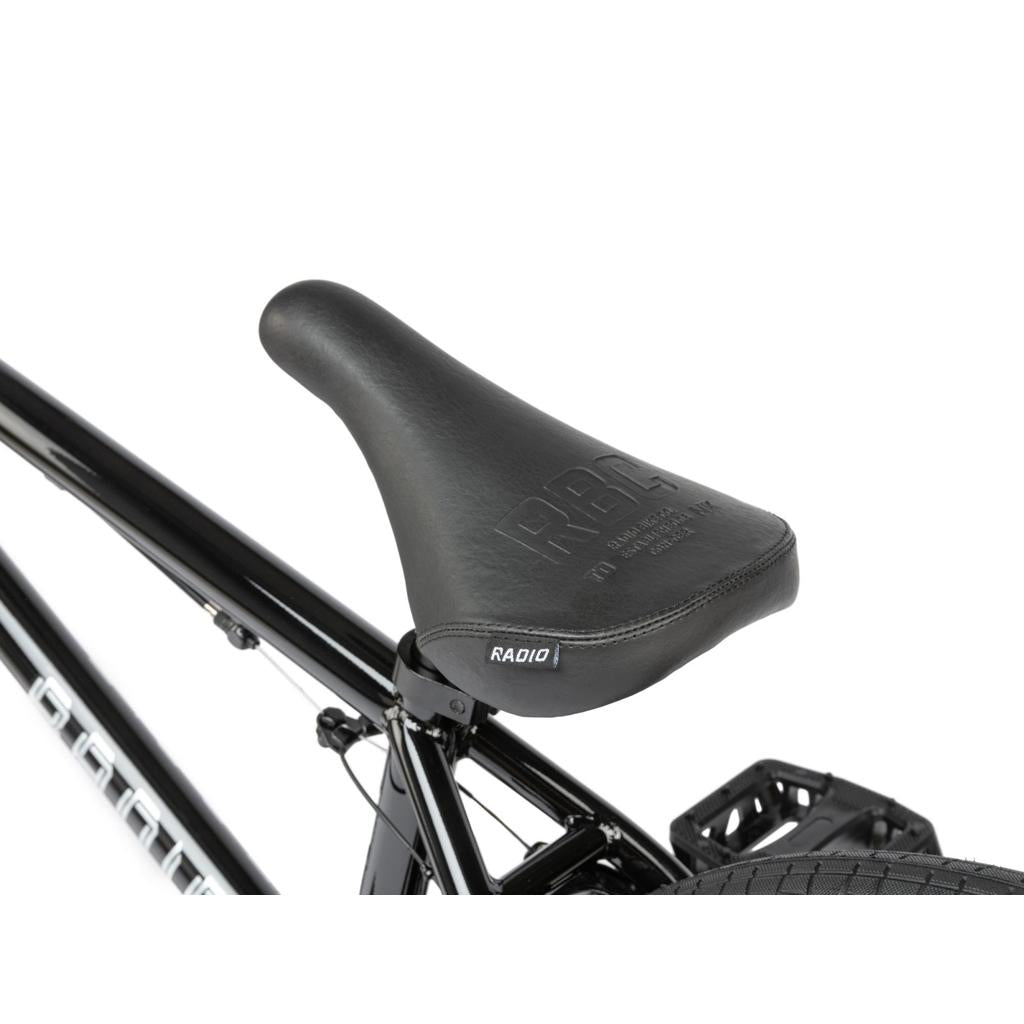
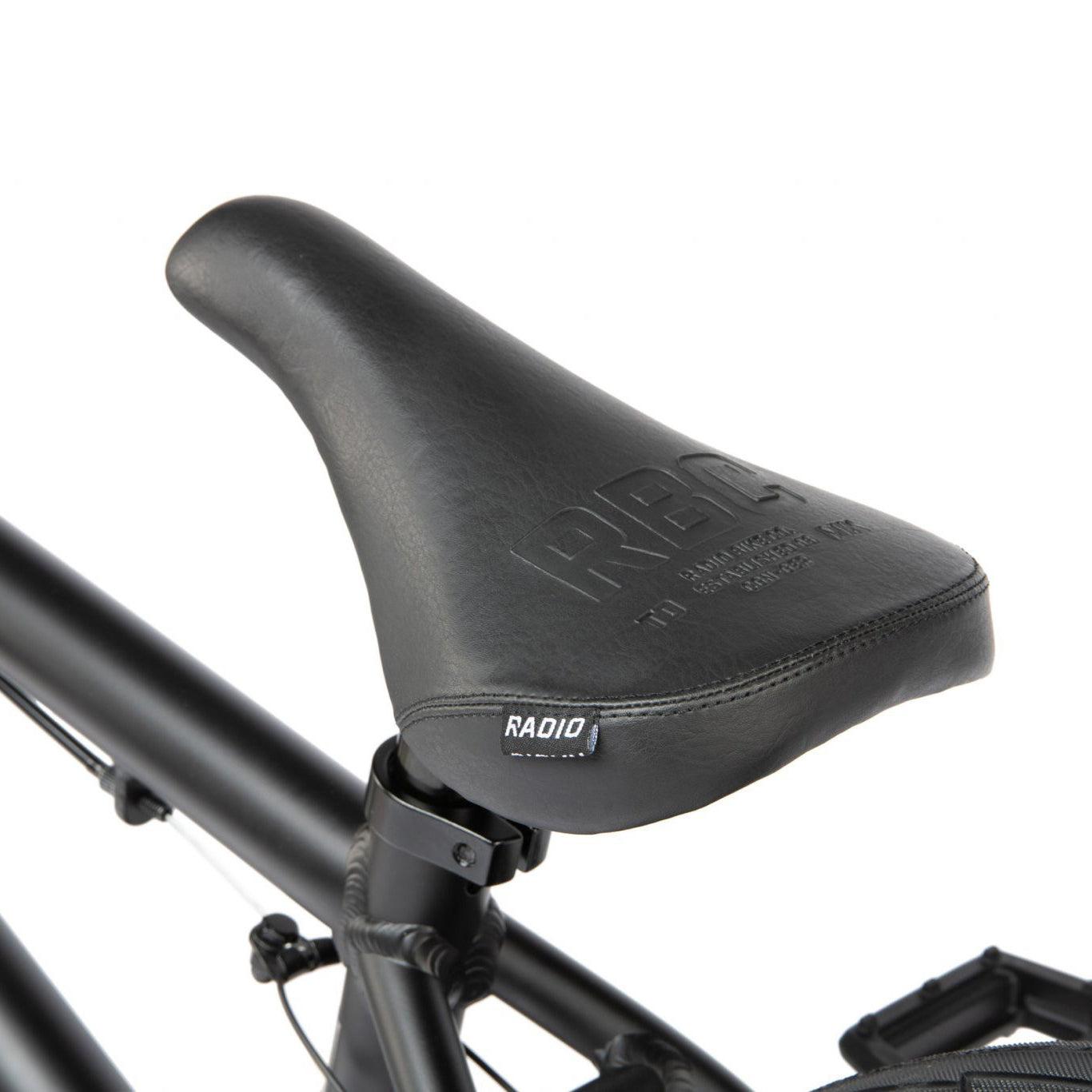
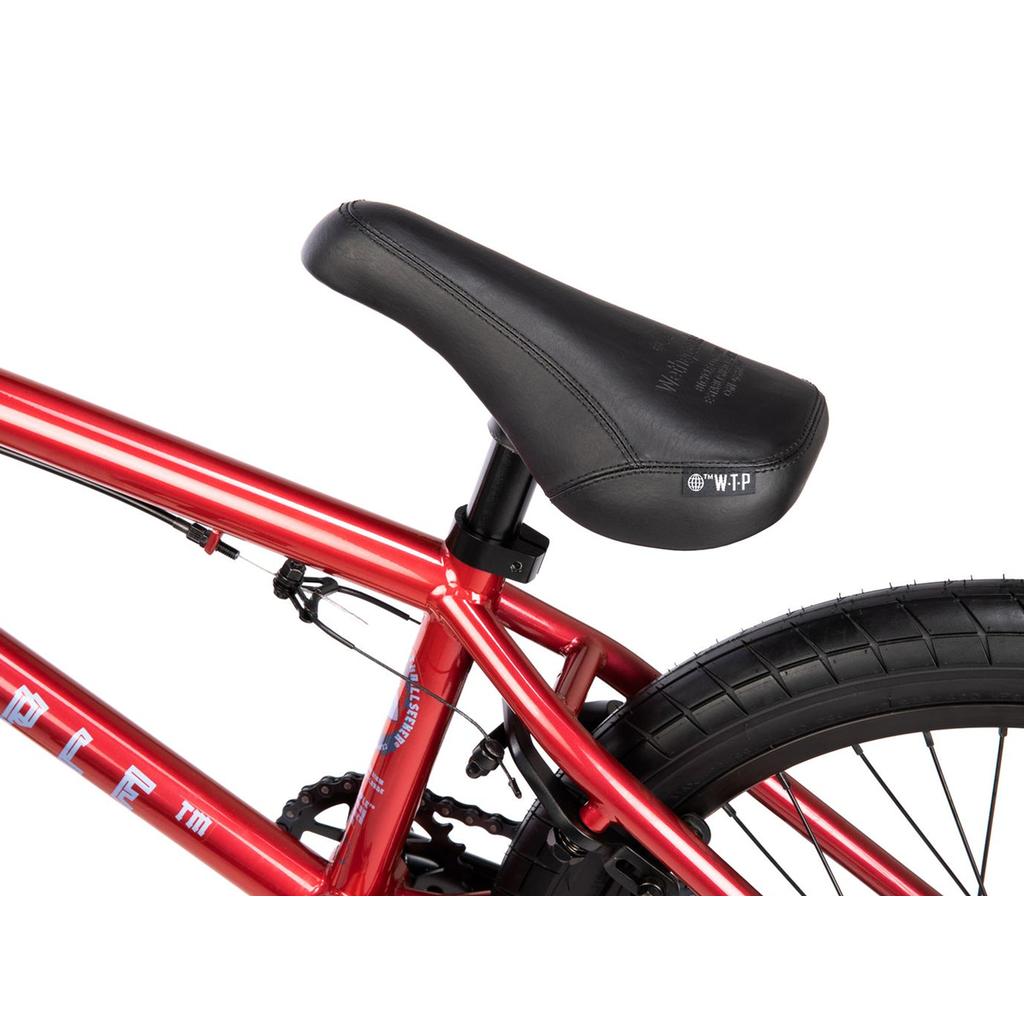
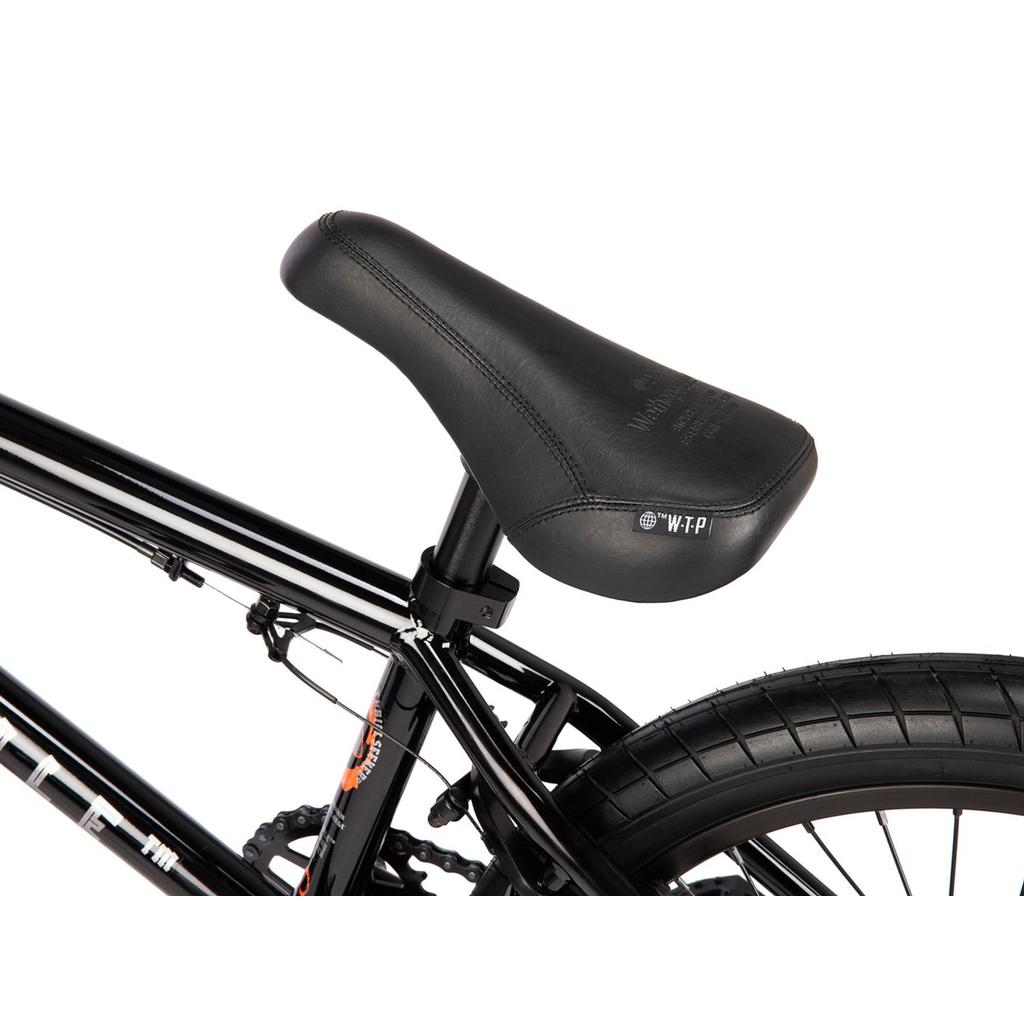
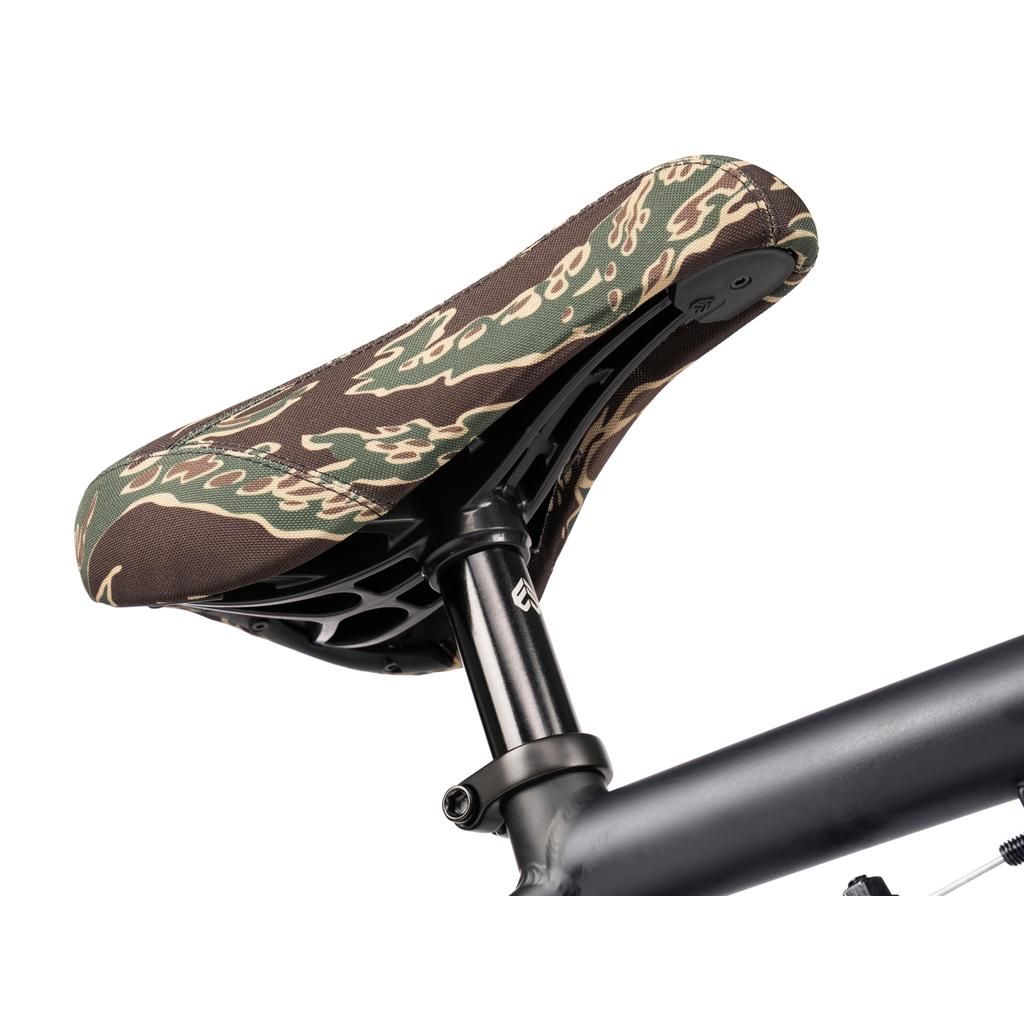
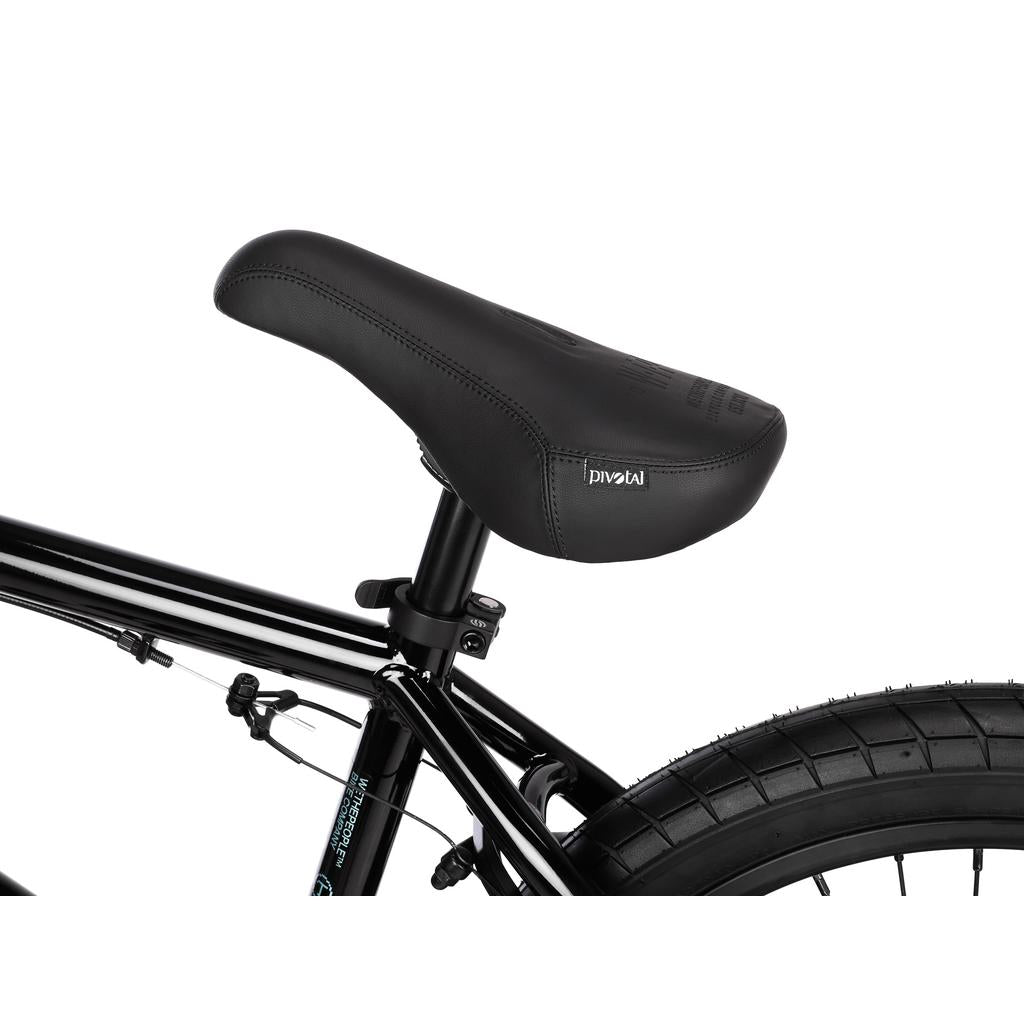
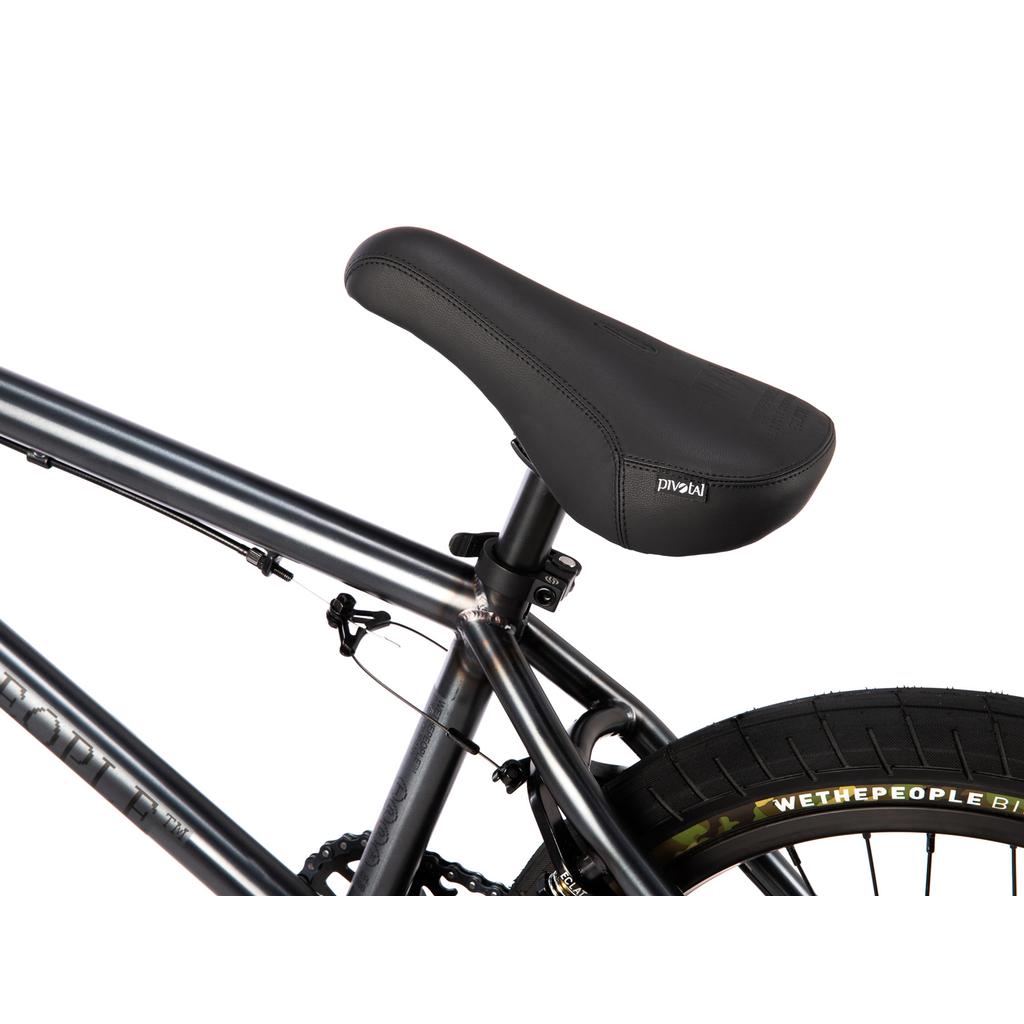
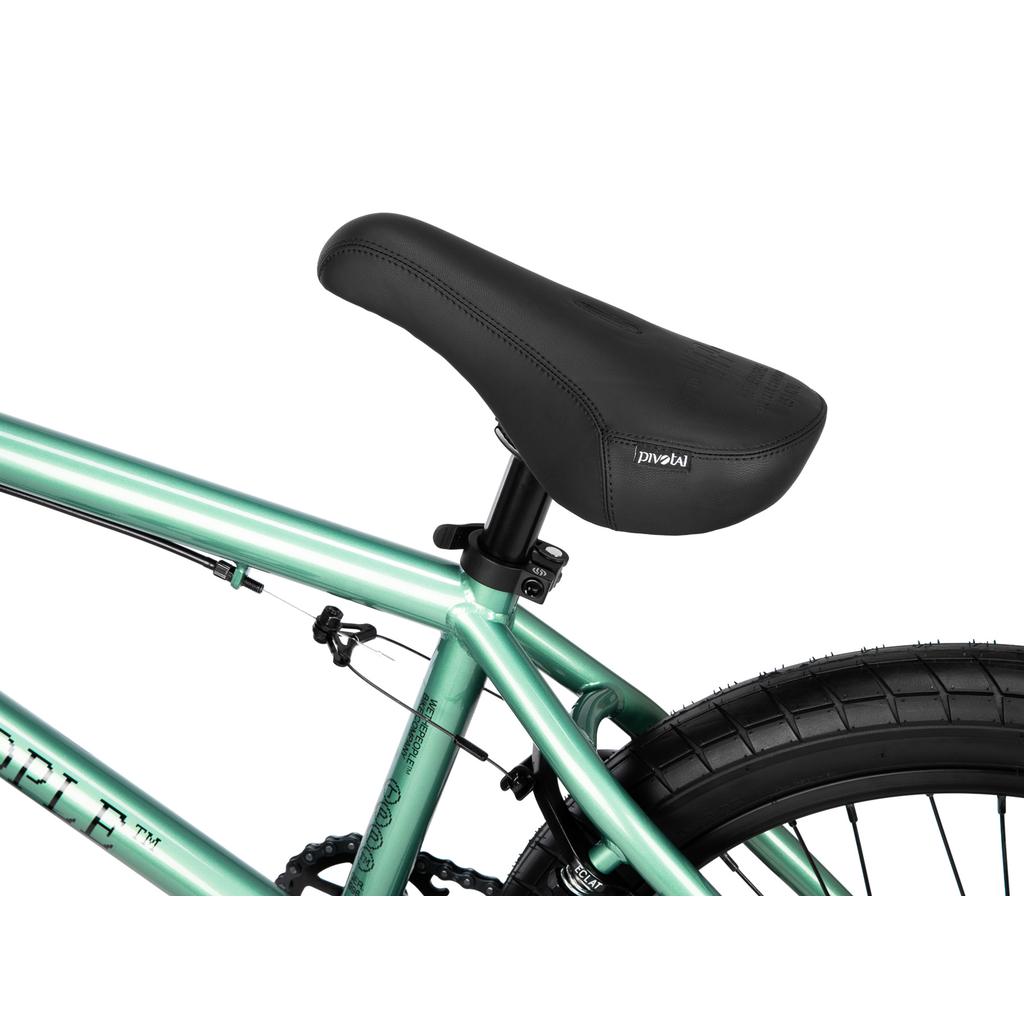
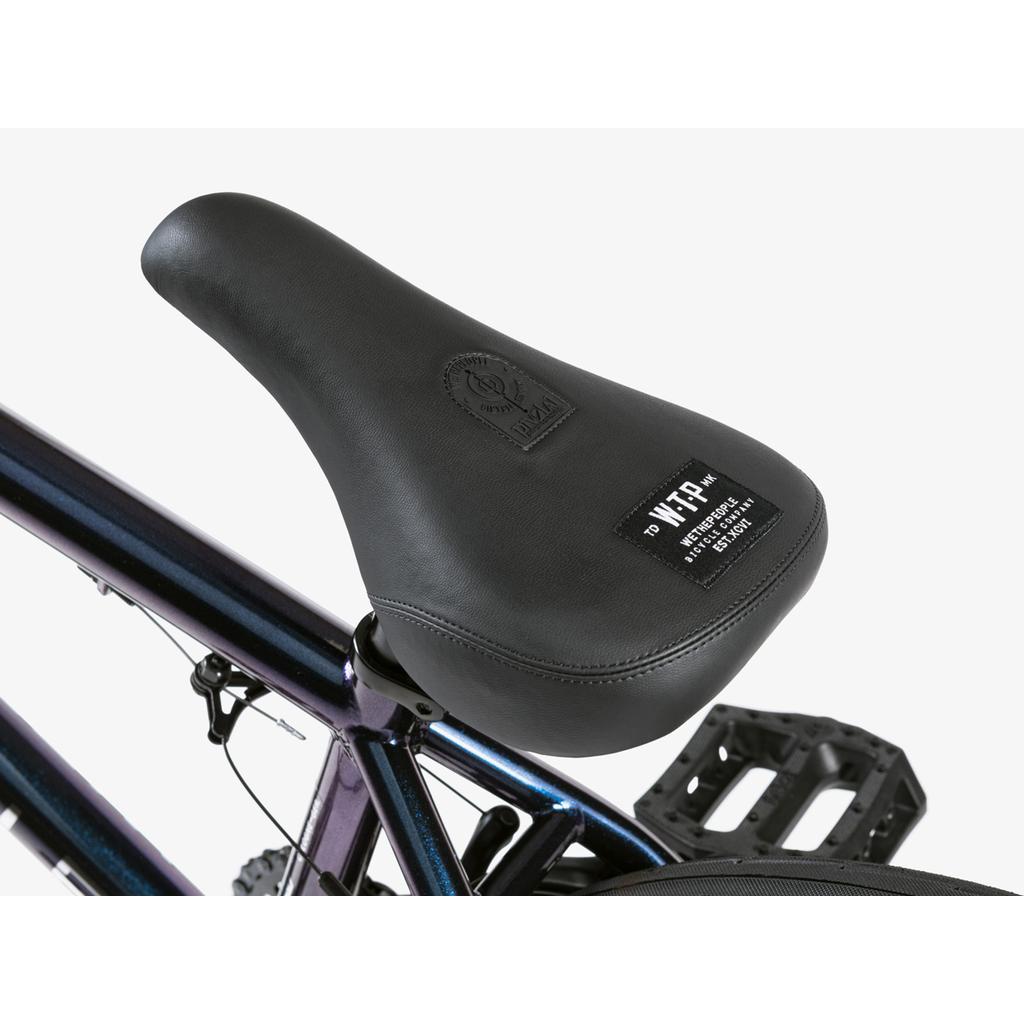
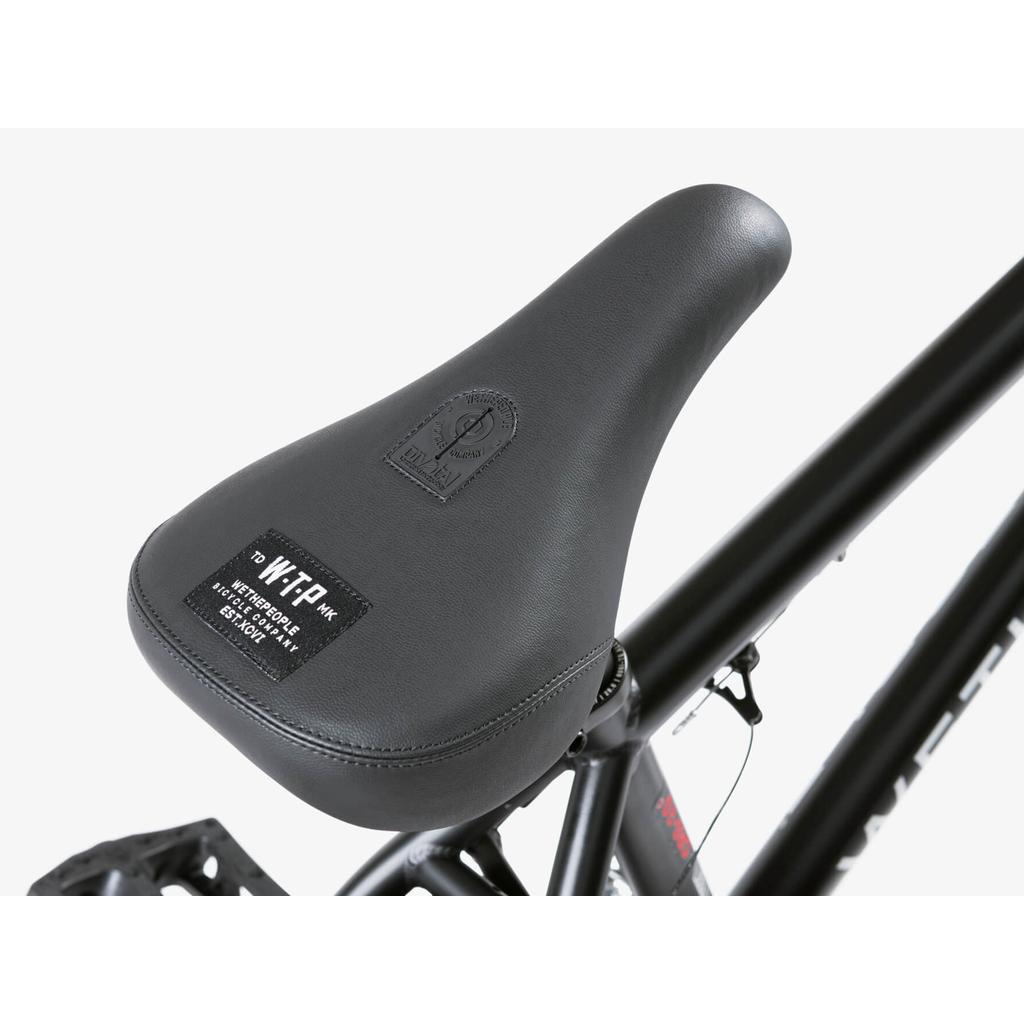
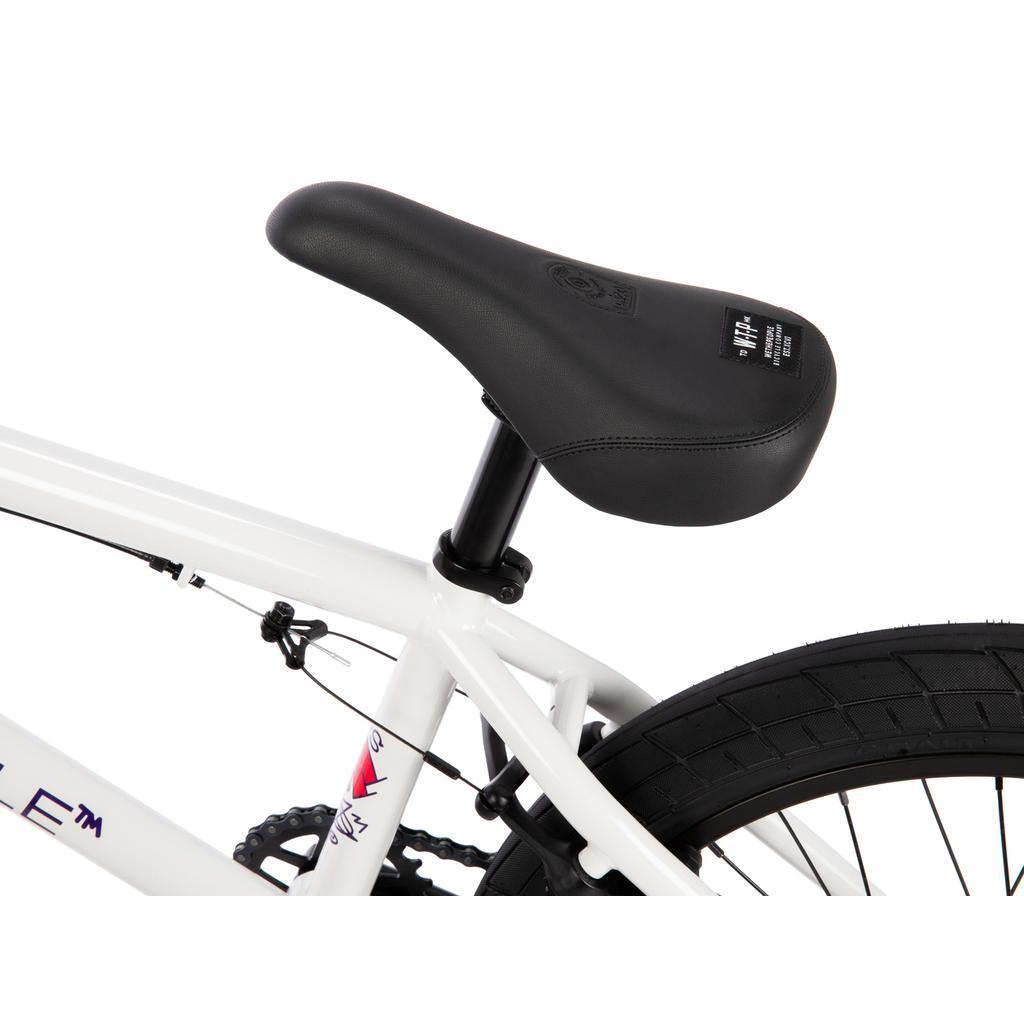
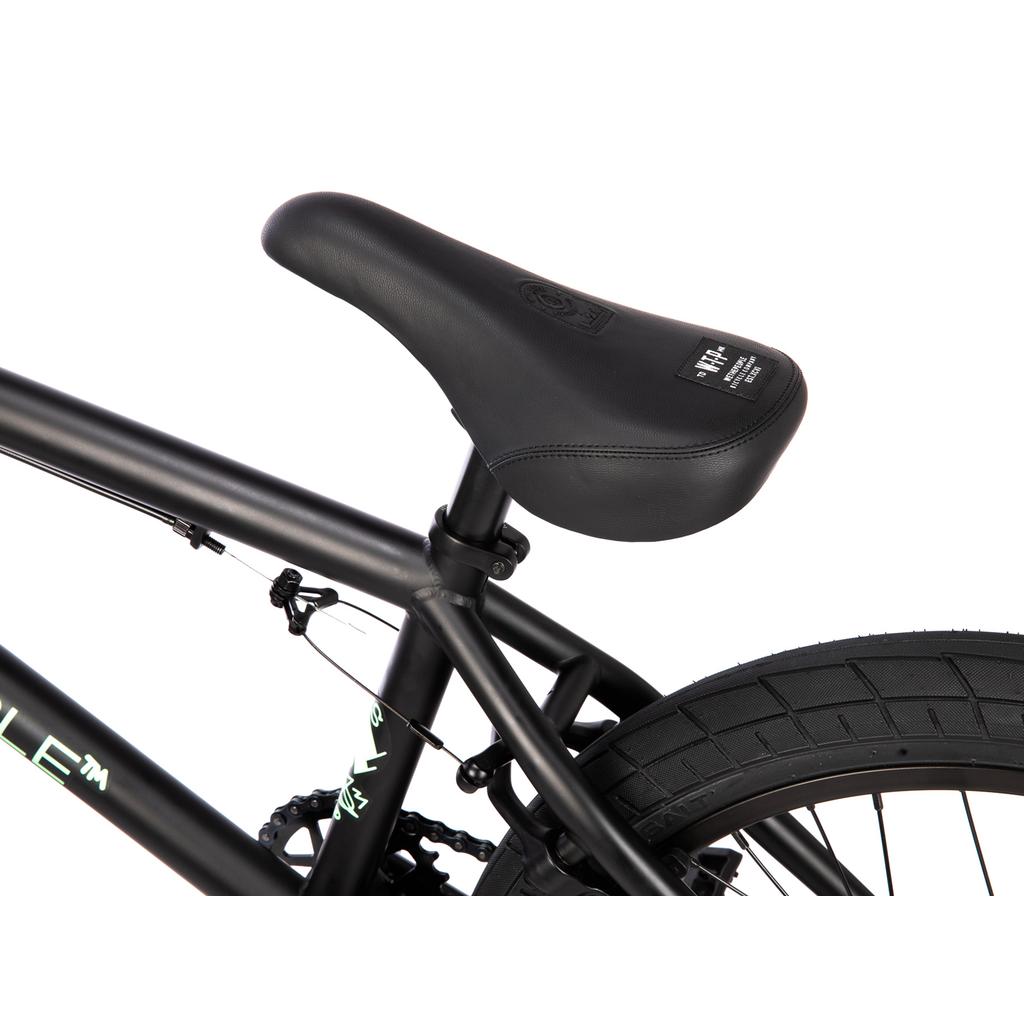
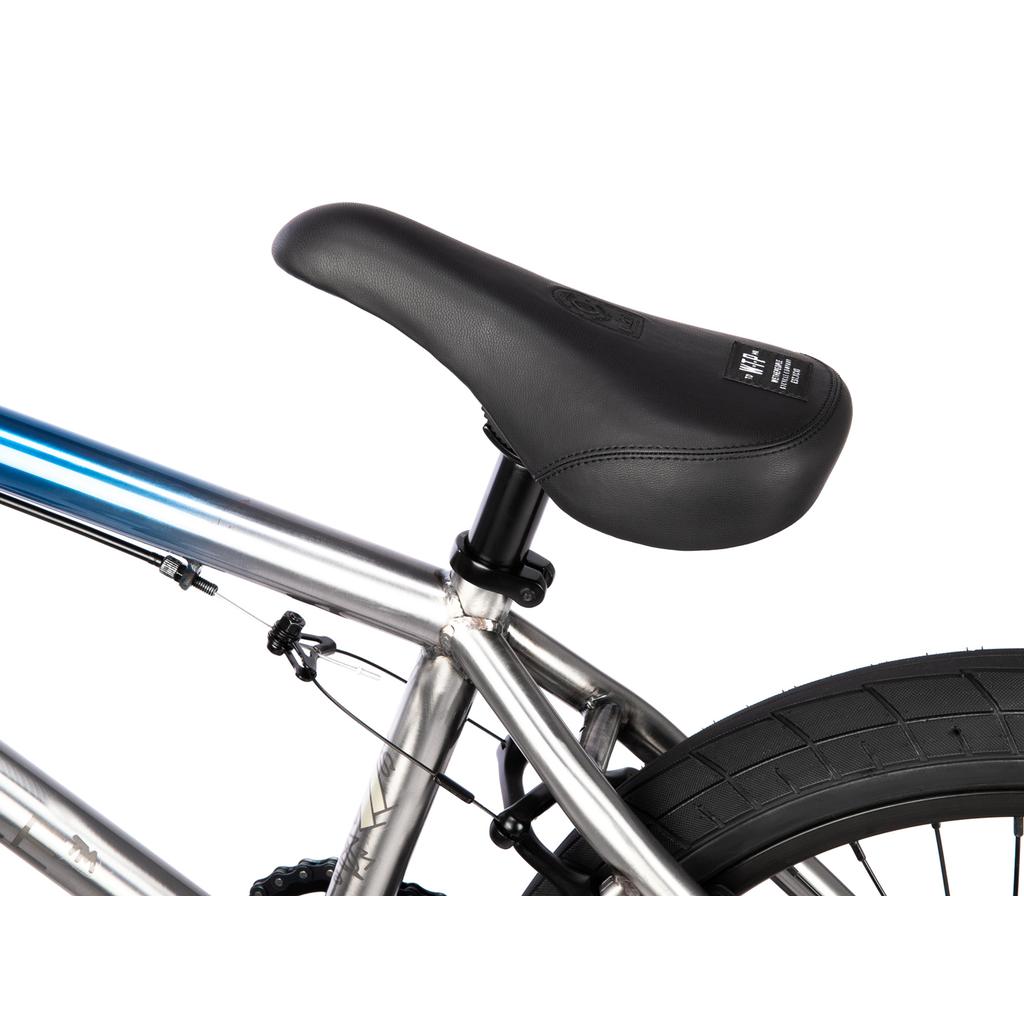
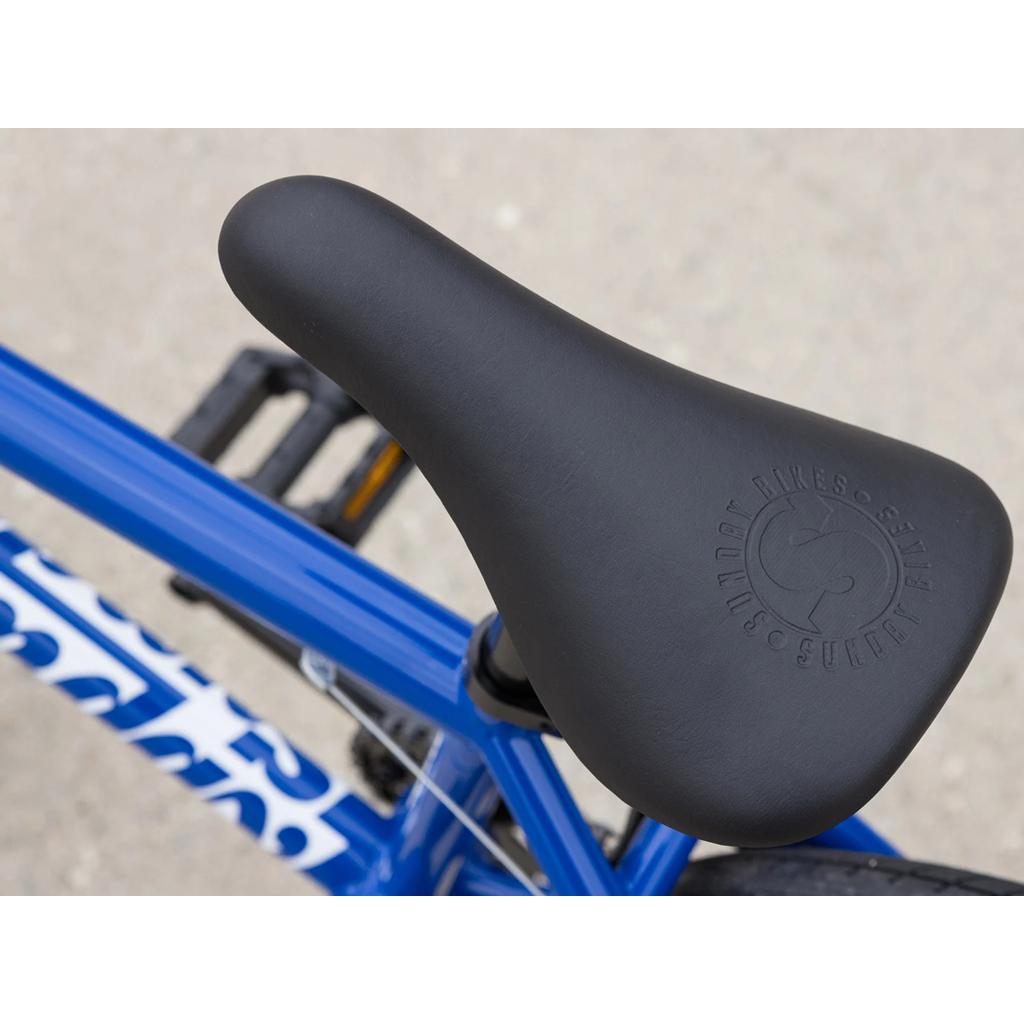
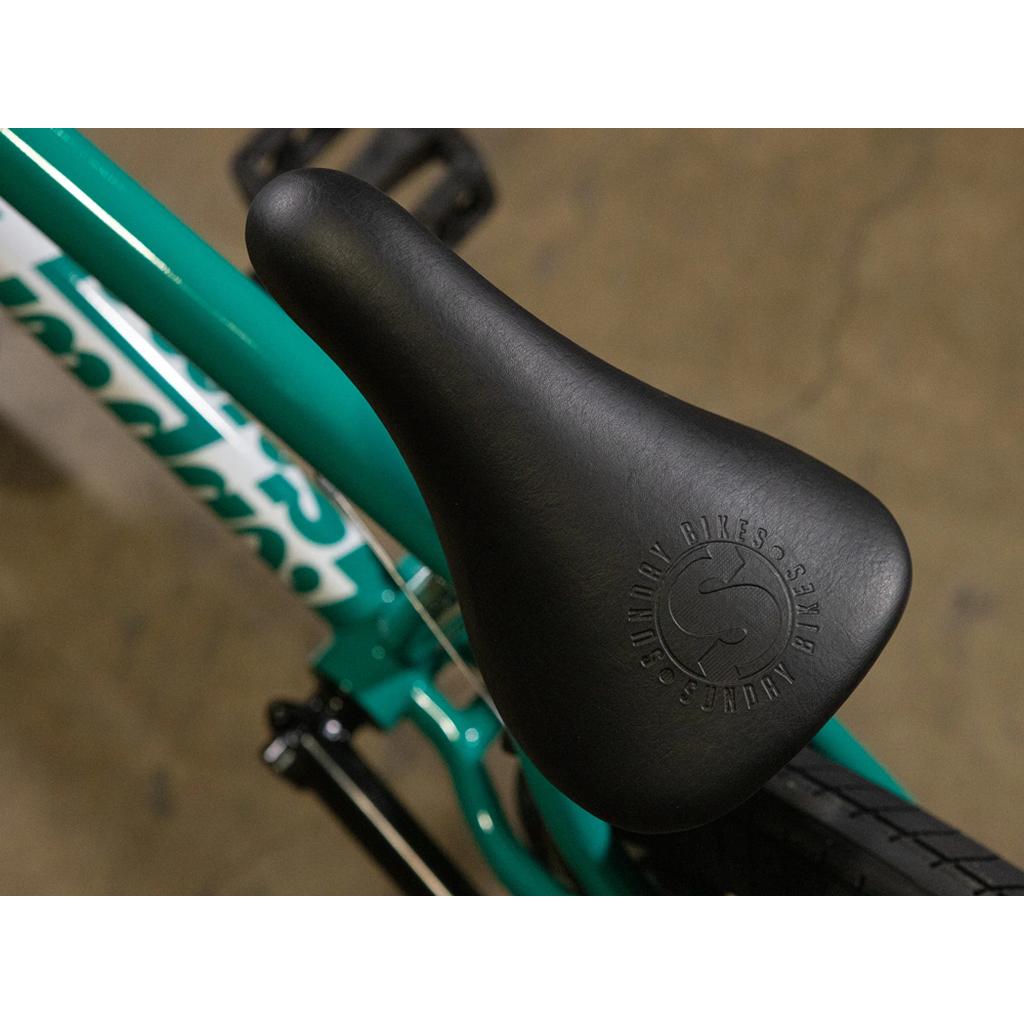
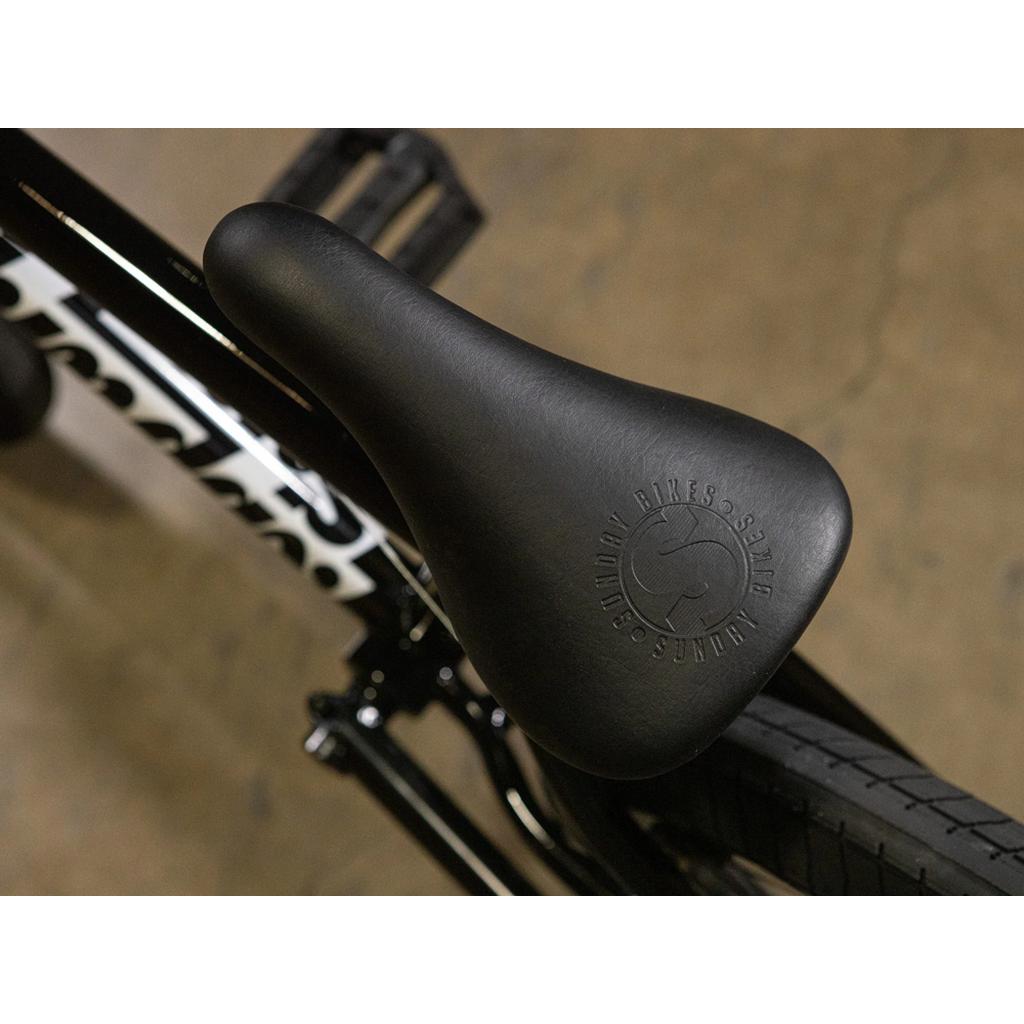
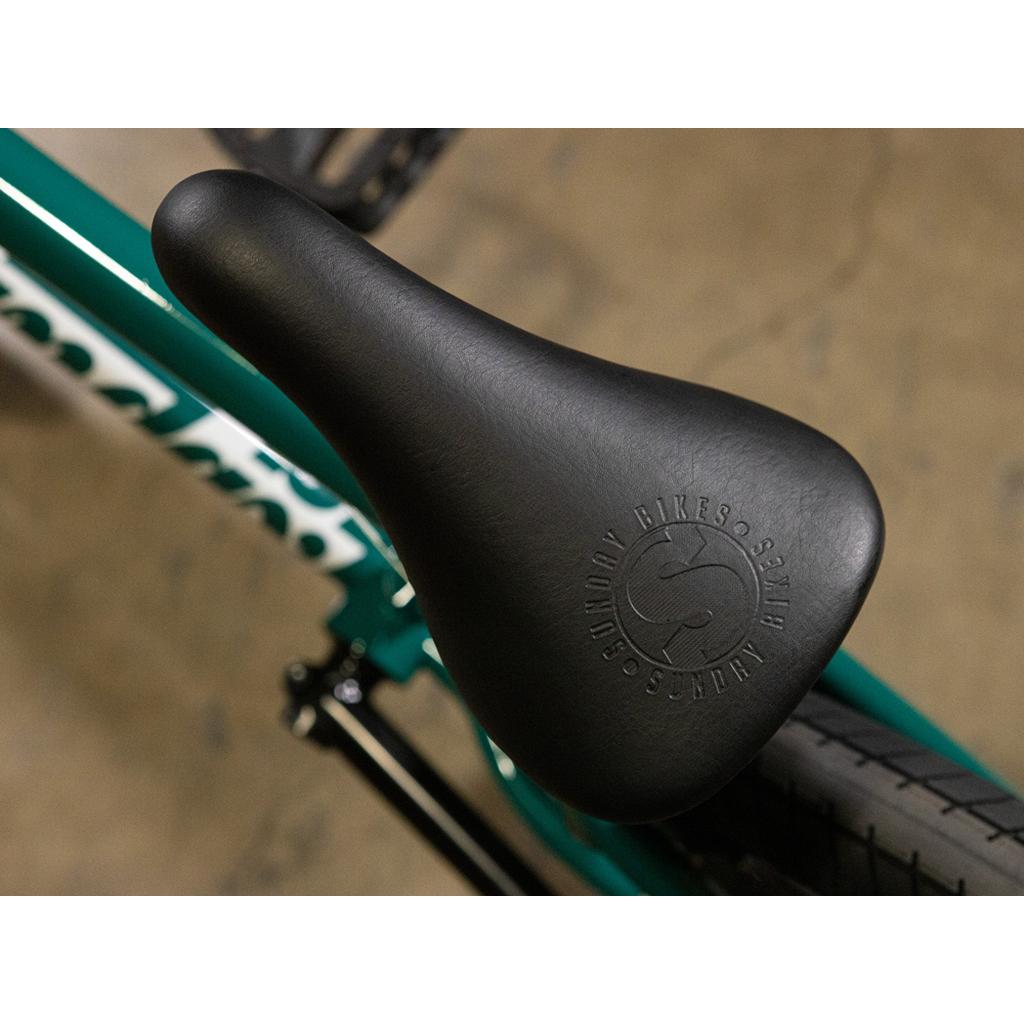
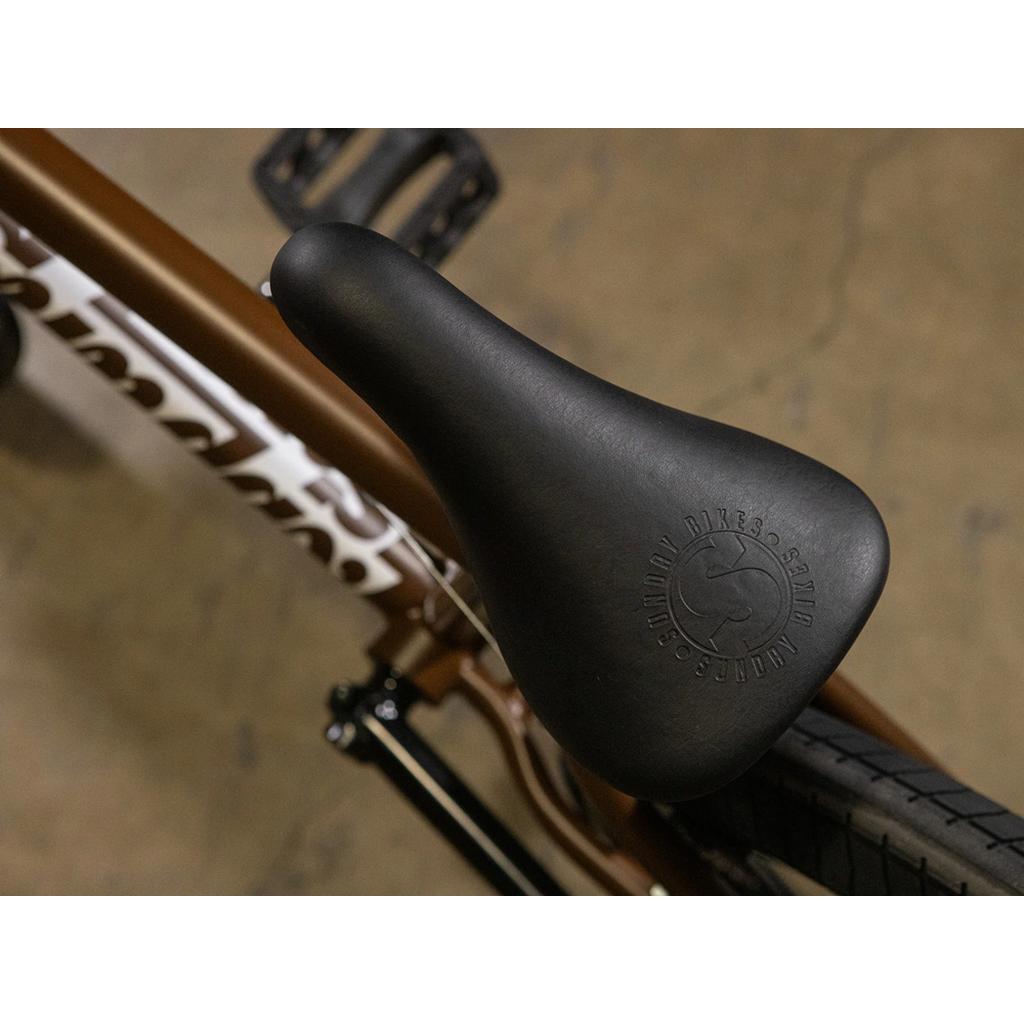
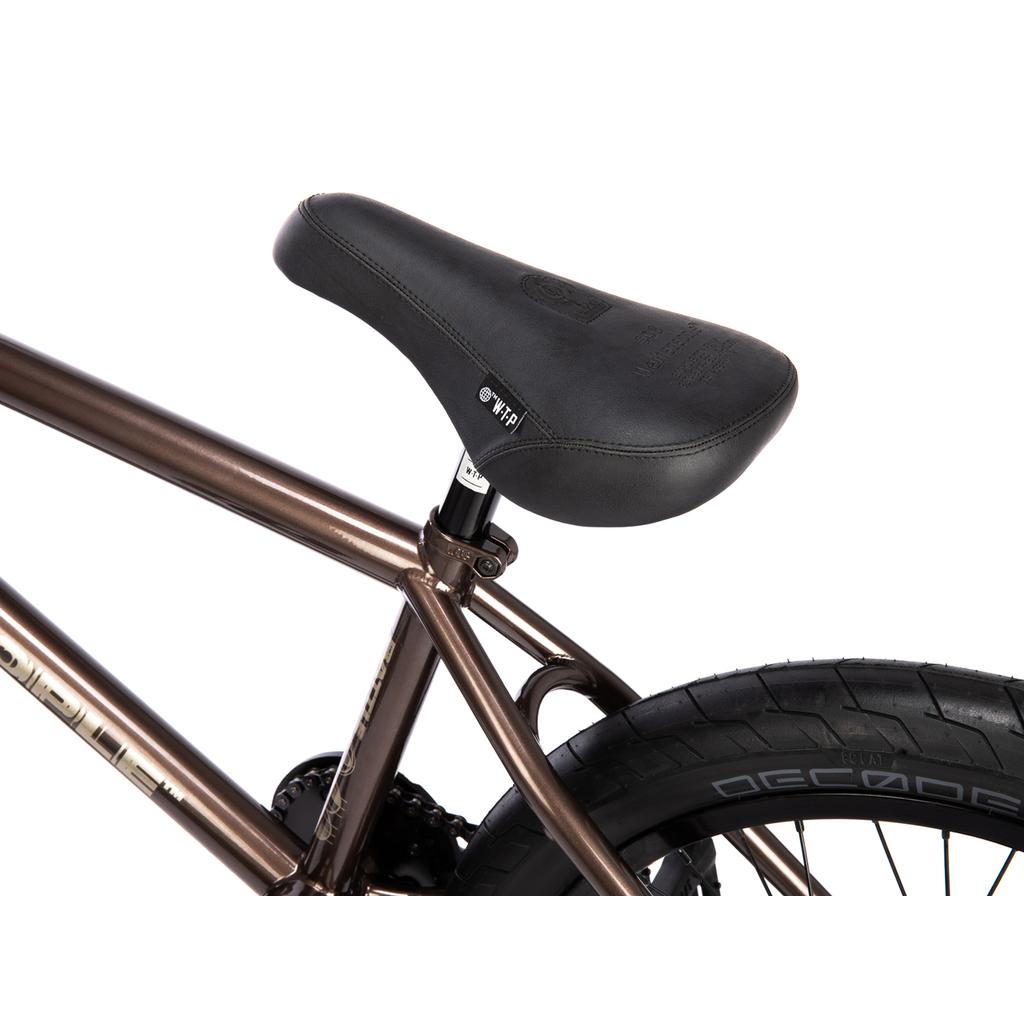
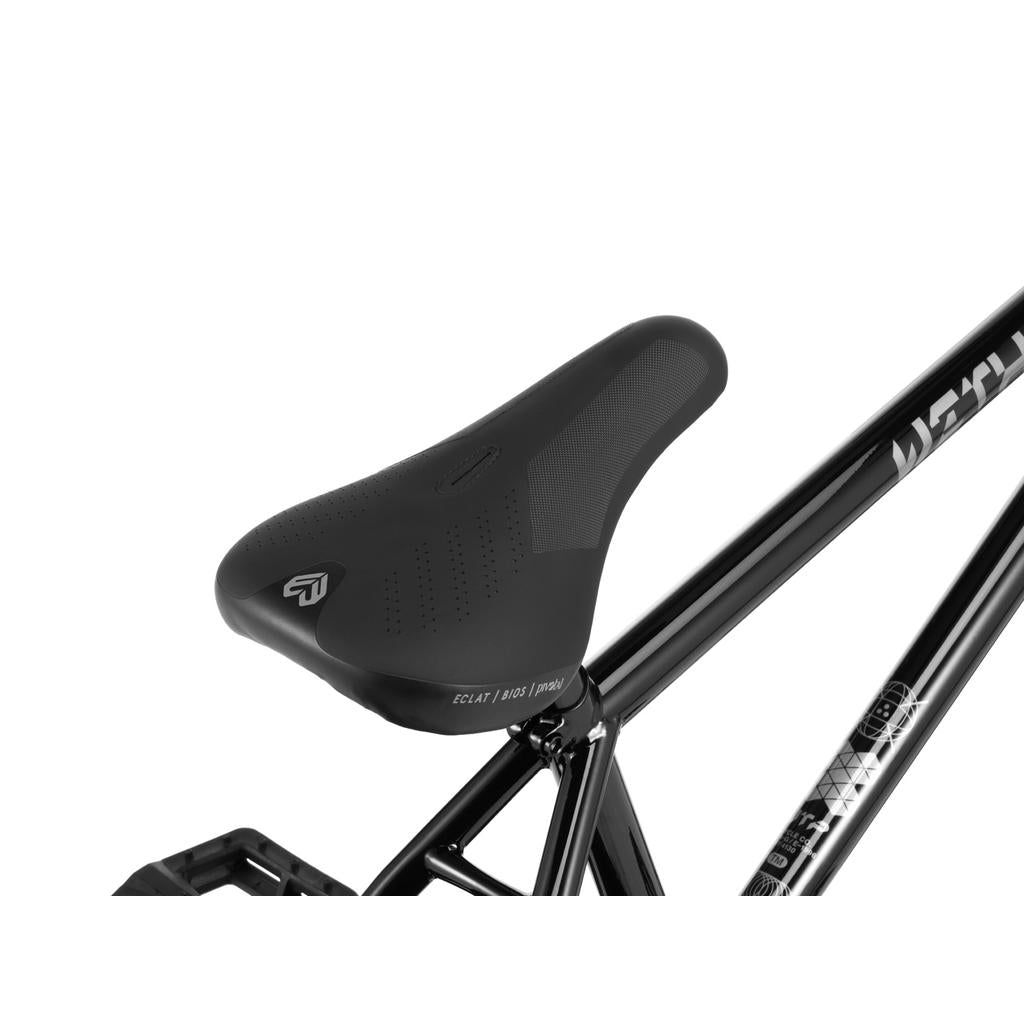
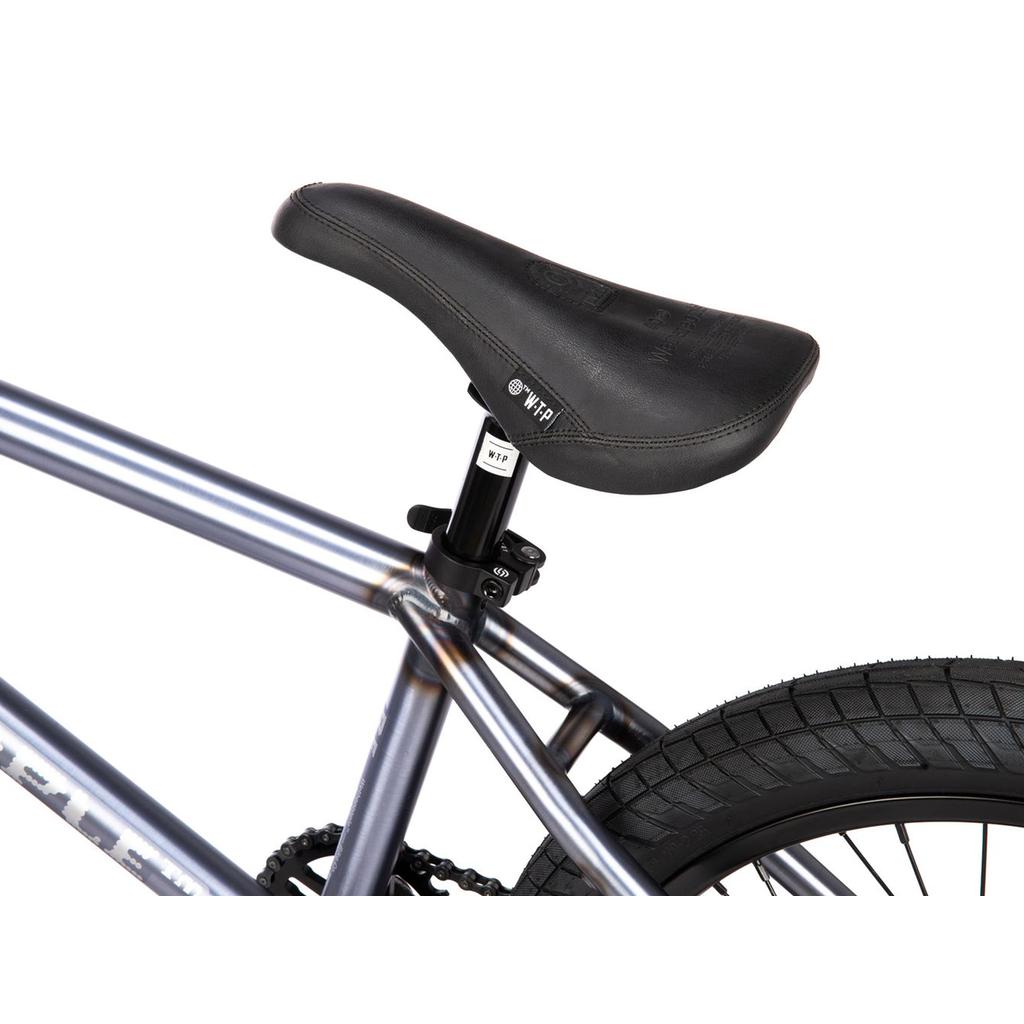
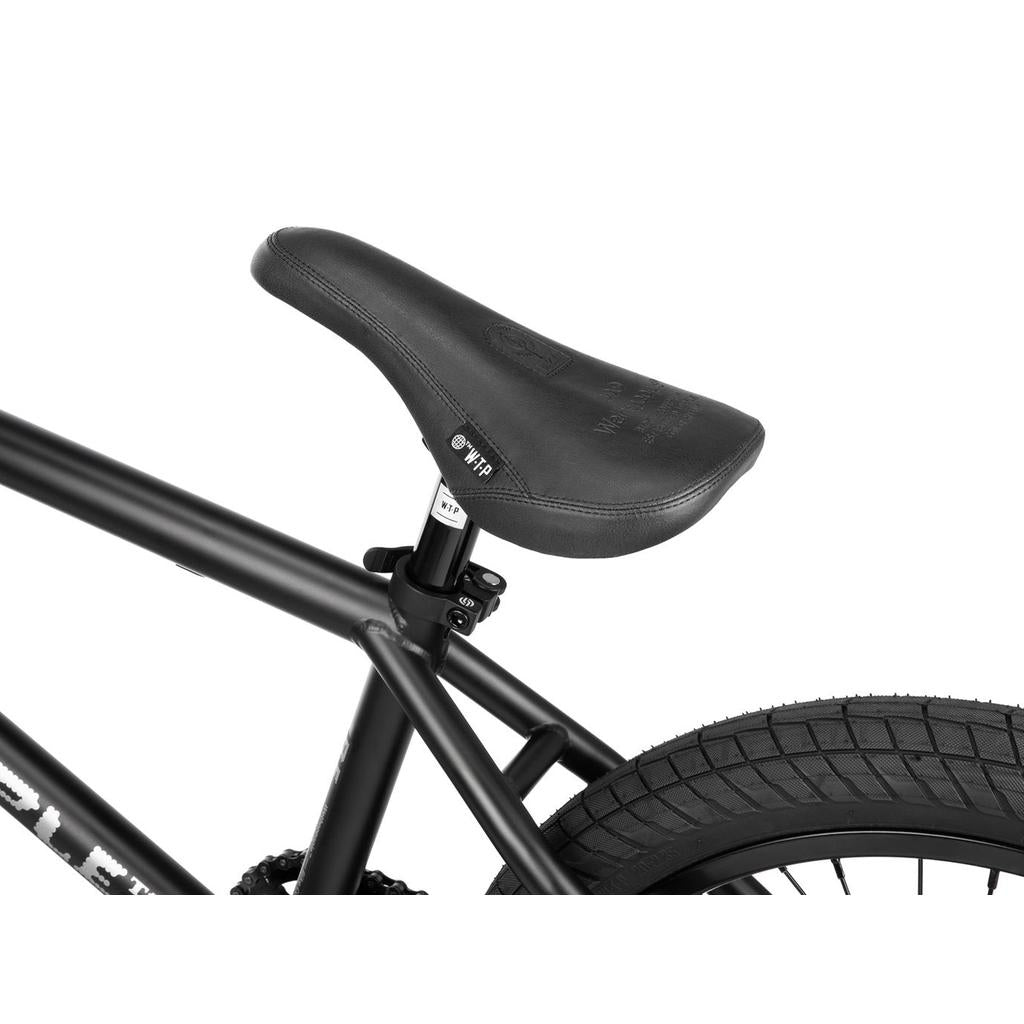
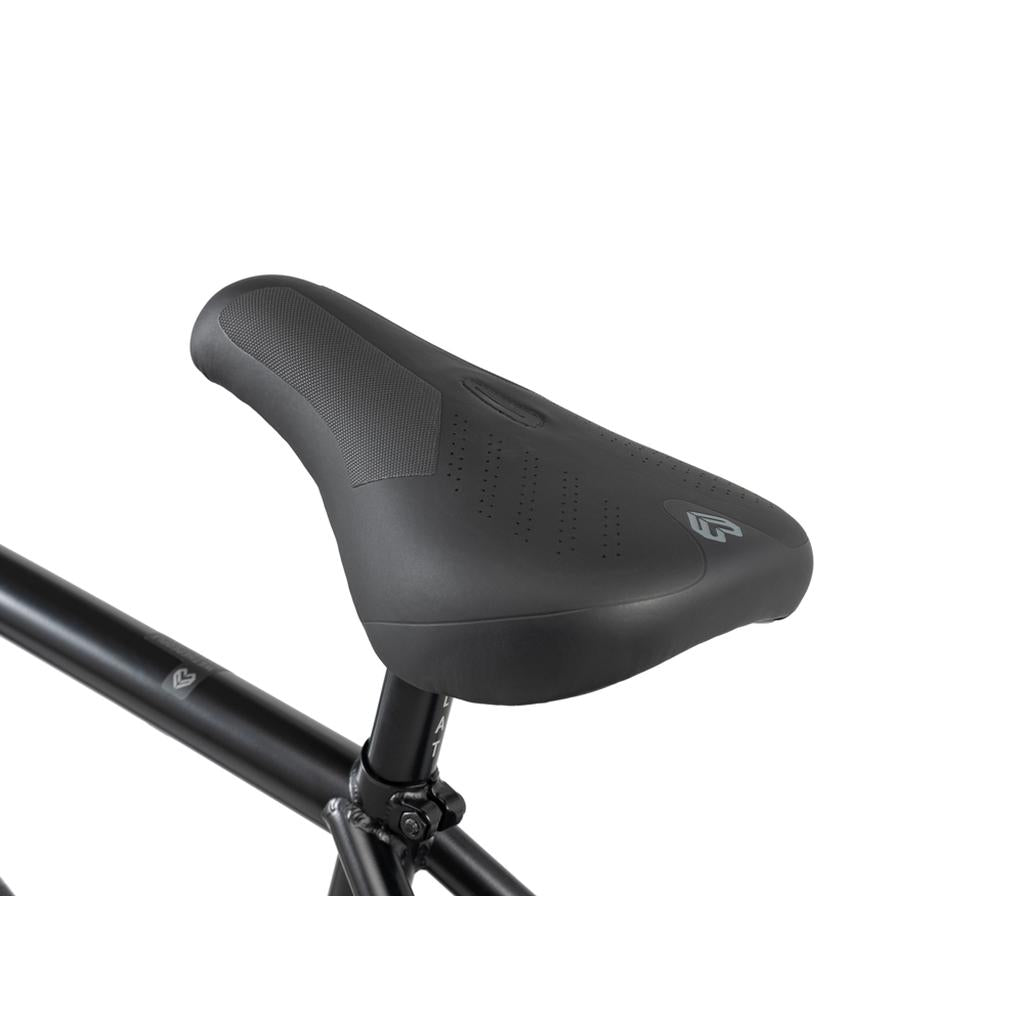
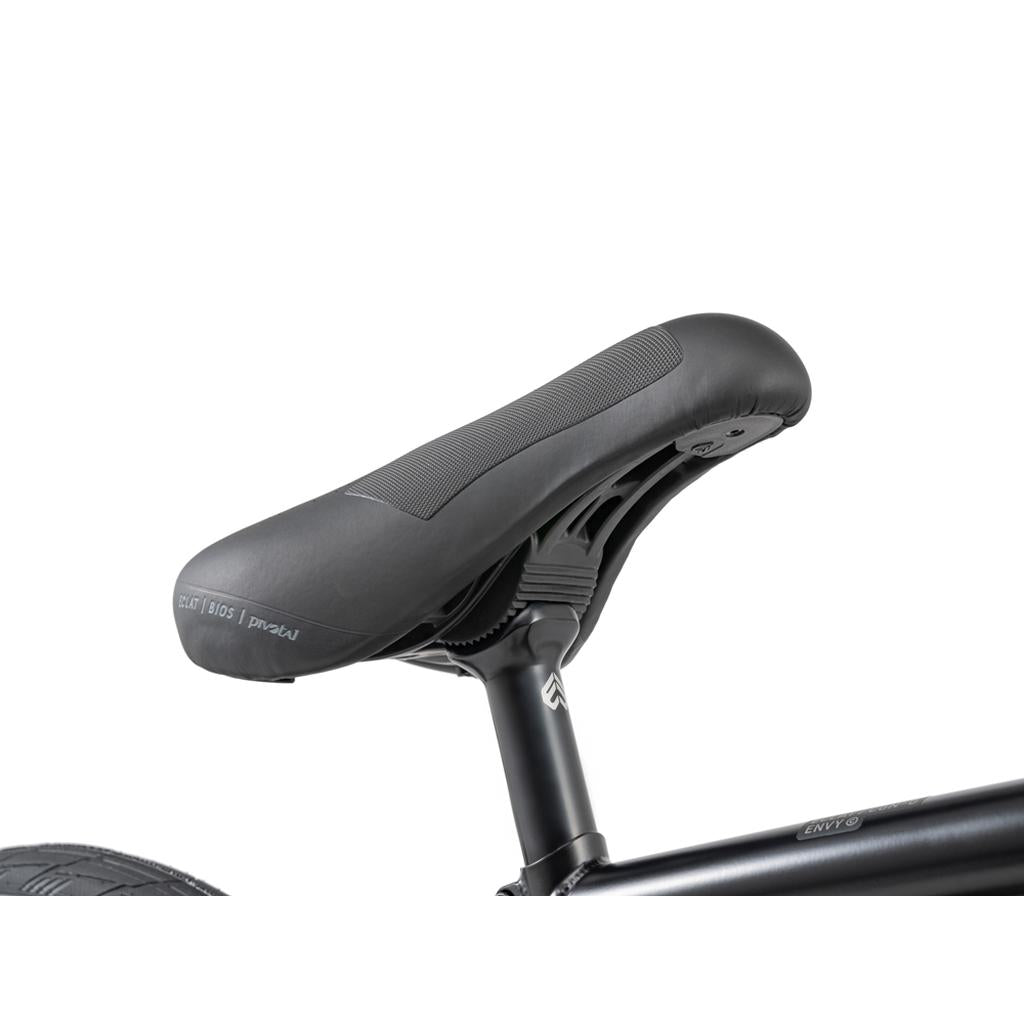
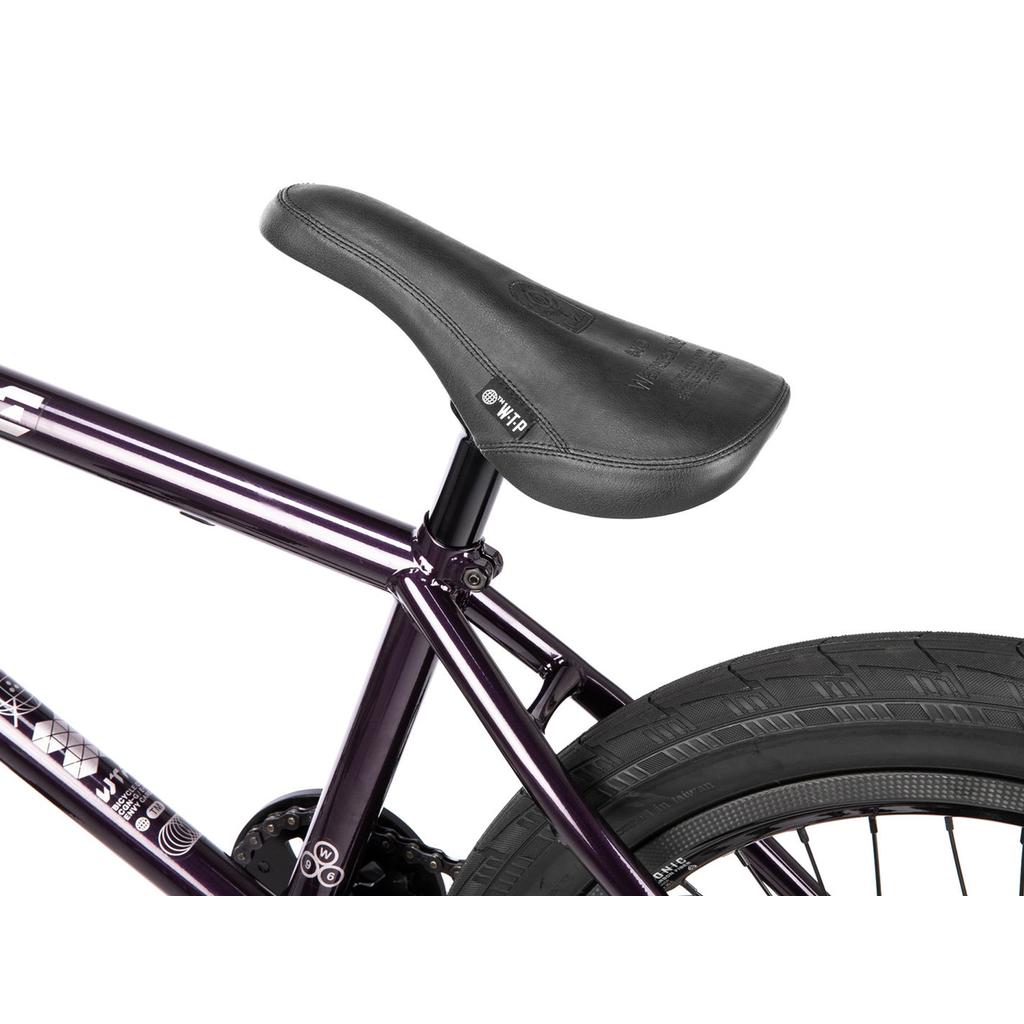
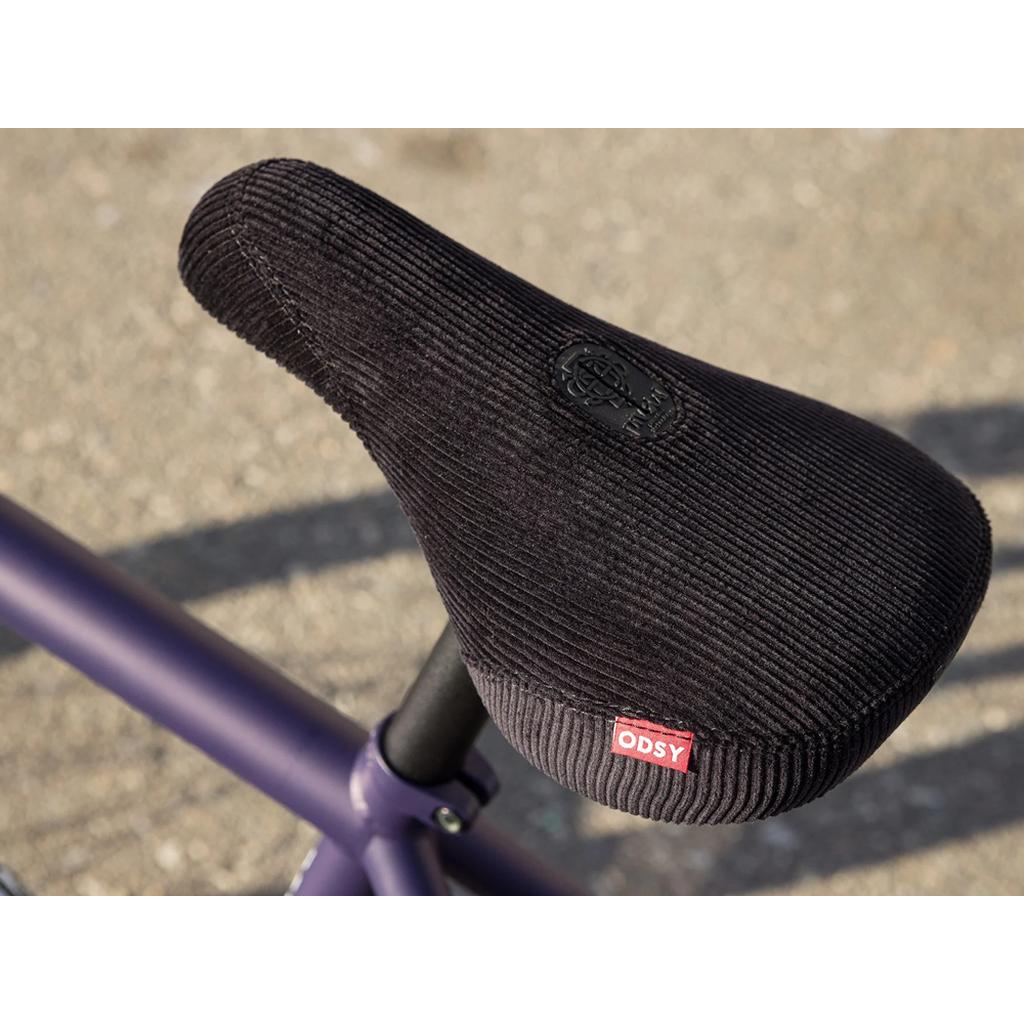
Seats mount in one of three ways: pivotal, where a bolt runs down through the seat into a splined post, railed, which uses a clamp on two rails and gives more adjustment, and combo, where seat and post are one piece and cannot be separated. Pivotal is the most common on modern bikes. Post diameters are usually 25.4mm or 27.2mm, so check your frame before buying a post on its own.
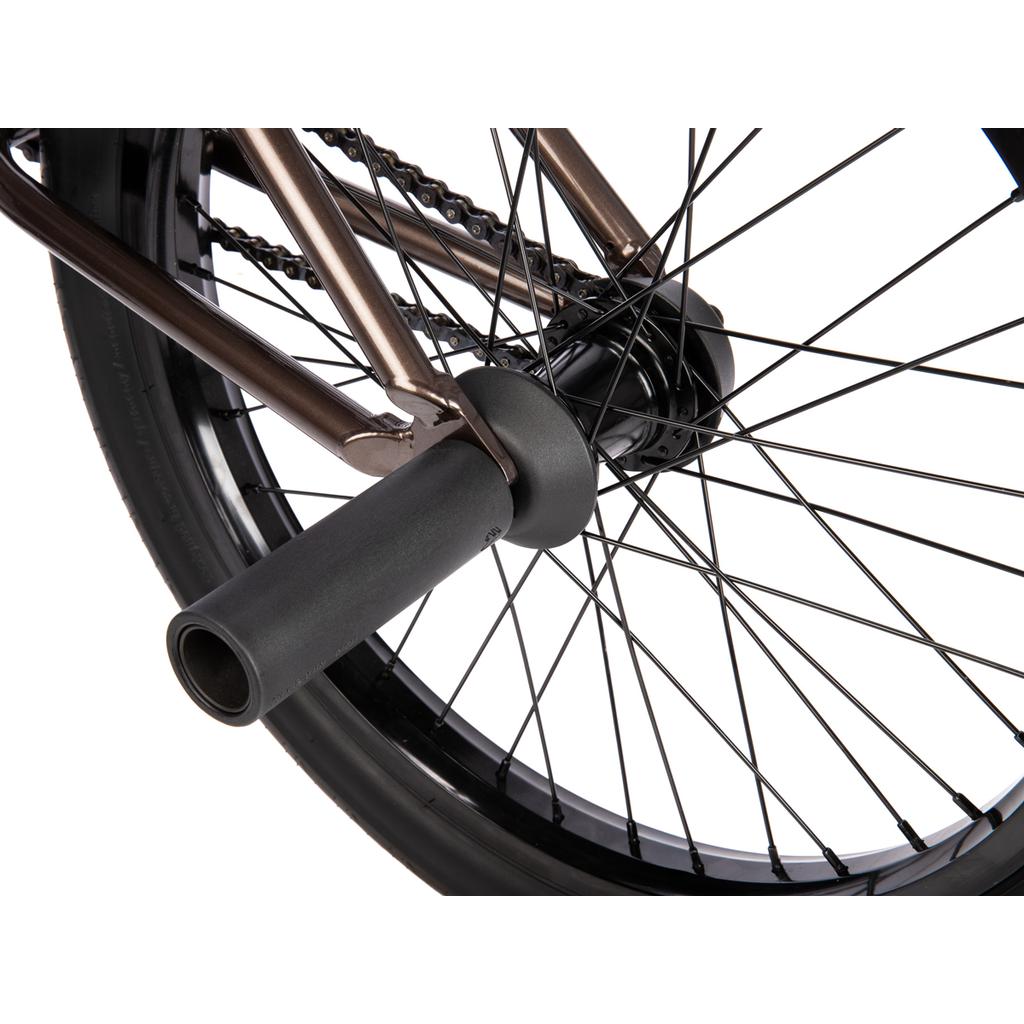
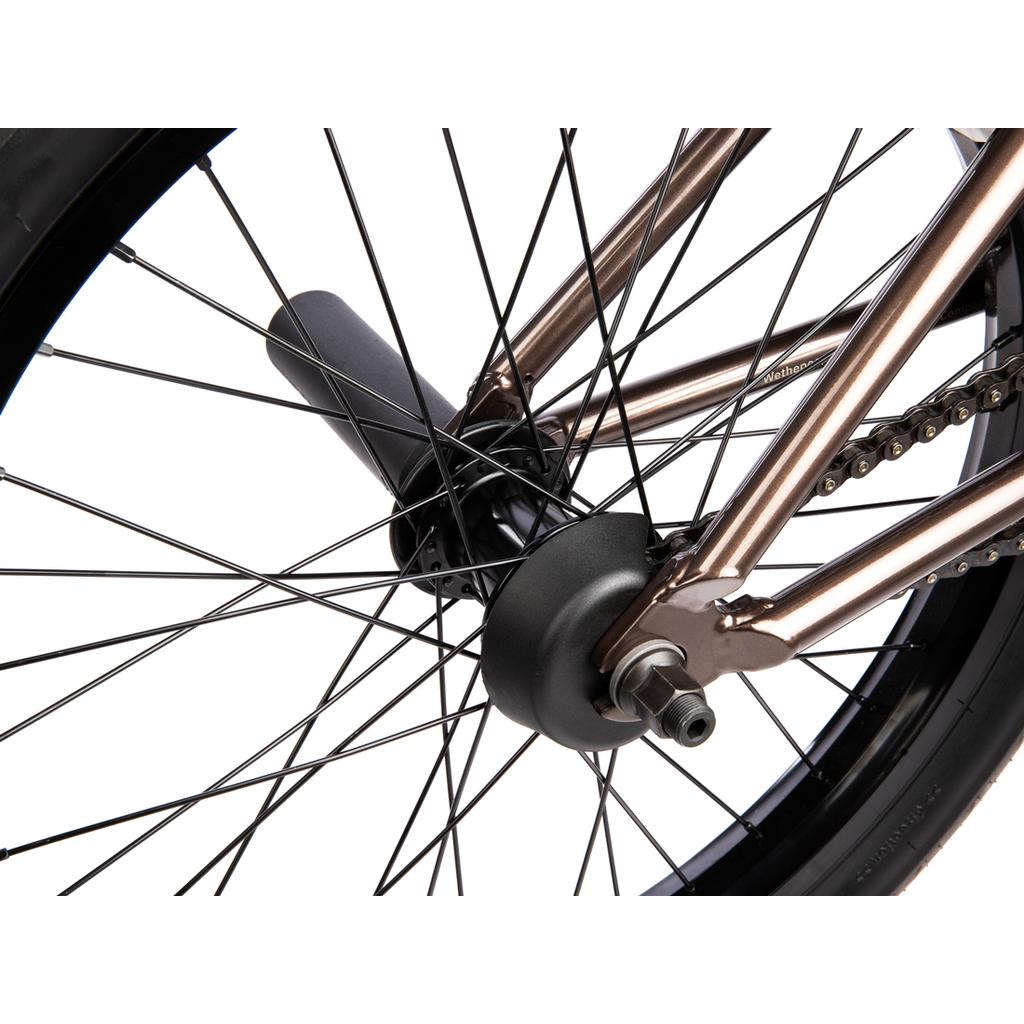
Pegs bolt onto your axles so you can grind ledges and rails. Chromoly pegs are the strongest and can be run bare, while alloy pegs with a replaceable plastic sleeve slide better and cost less to keep running, since you replace the sleeve rather than the peg. Most modern pegs suit a 14mm axle and include an adaptor for 3/8 inch axles, and remember they are almost always sold individually rather than in pairs.
Look for sealed bearings in the bottom bracket, headset and both hubs. Sealed cartridge bearings keep water and grit out and stay smooth far longer than the loose ball bearings used on the cheapest bikes. They are the clearest sign that a bike is built to last rather than built to a price, and they are what separates the bands in the budget section above.
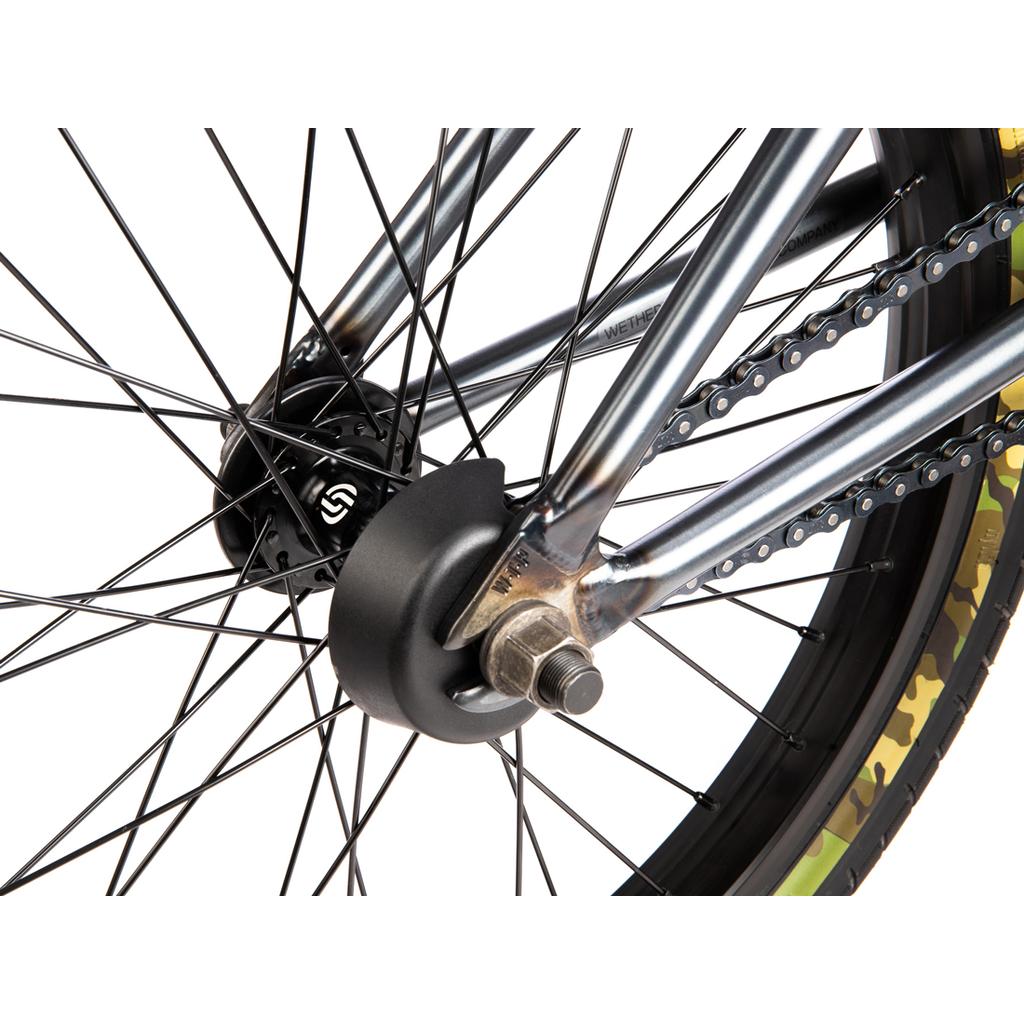
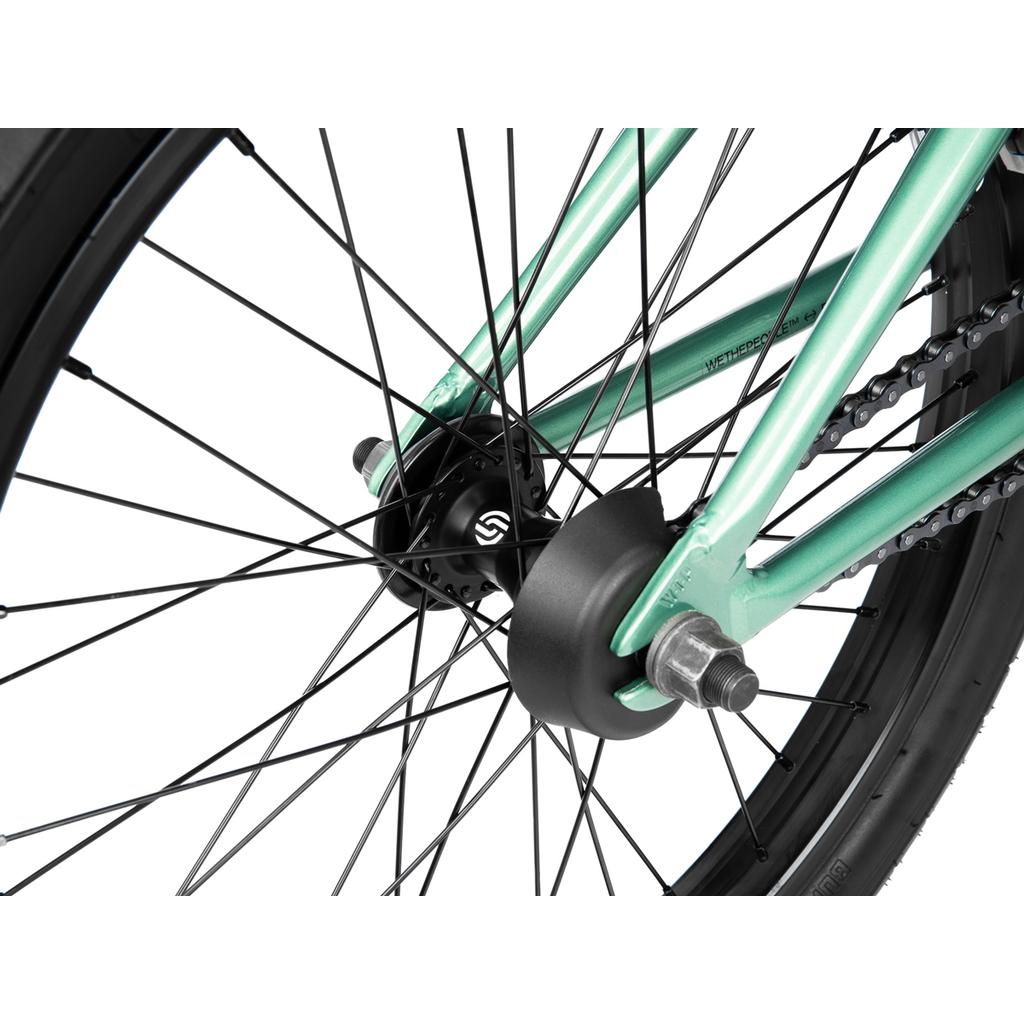
Pegs are for grinding ledges and rails. Check the bike takes them before you buy, since not every frame and wheel is designed for it. Hub guards protect the hub shell when you grind and cost far less than a new hub. A guard sprocket has a solid outer ring that stops the teeth being destroyed on a ledge. A freecoaster hub lets you roll backwards without the cranks turning, which makes learning fakie and switch tricks much easier.
Other
Get in touch through our contact page with your height, where you ride and roughly what you want to spend, and we will tell you what we would put you on. Happy to chat anything BMX.


