 Wethepeople
 Kink
Kink
 Sunday Bikes
 Radio
Radio
 Cult
Cult
 Fit
Fit


 Odyssey
 Federal
 Eclat
Eclat
 BSD
BSD


 Meybo
Meybo
 Chase
Chase


 Vans
Vans



What size do you need?
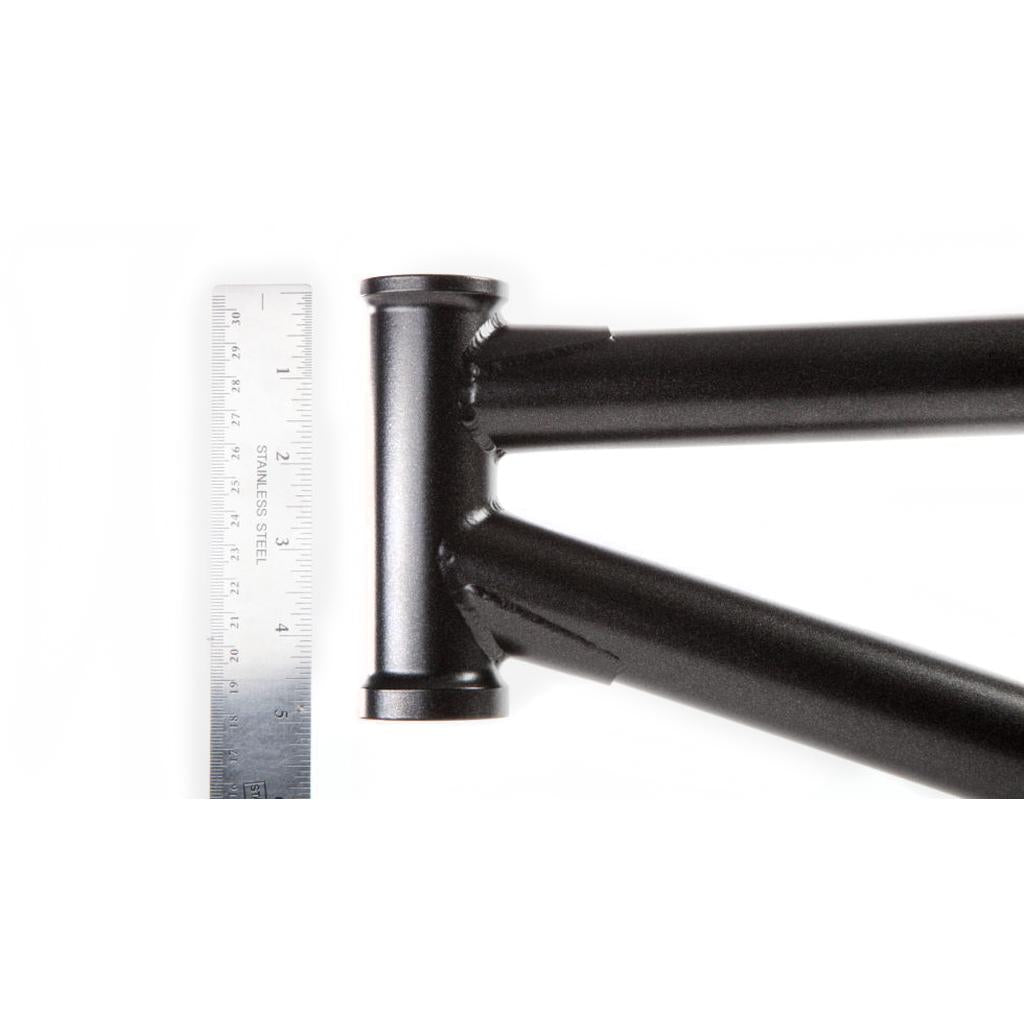
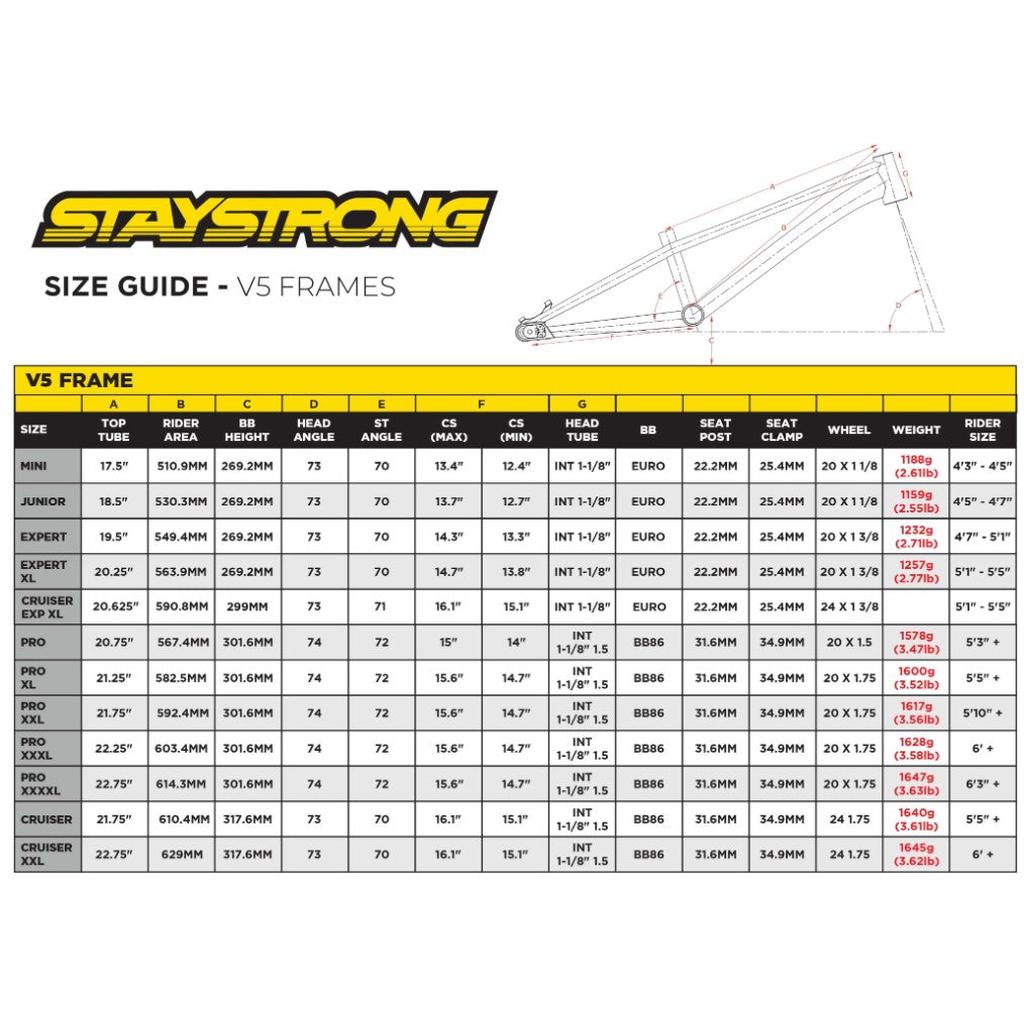
Frames are sized by top tube length, measured from the centre of the seat tube to the centre of the head tube. It is not the length of the tube you can see. Start with your height, then let riding style decide where in the range you land: the bands below overlap on purpose.
Rider Height |
Top Tube Length |
Shop |
|
147 to 157cm |
19.75 to 20.25 Inch |
|
|
157 to 168cm |
20 to 20.5 Inch |
|
|
168 to 175cm |
20.25 to 20.75 Inch |
|
|
175 to 183cm |
20.5 to 21 Inch |
|
|
183 to 190cm and up |
20.75 to 21.5 Inch |
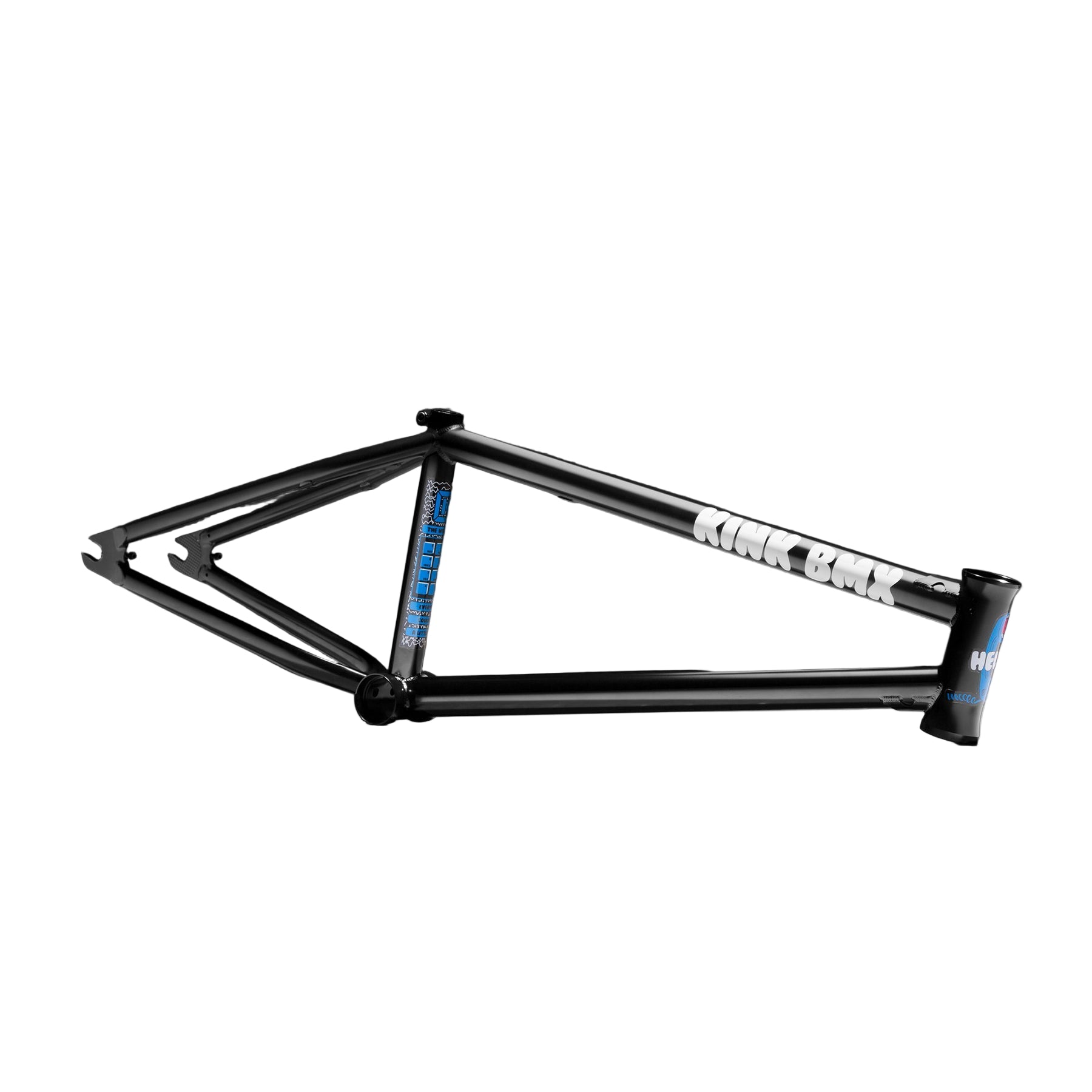
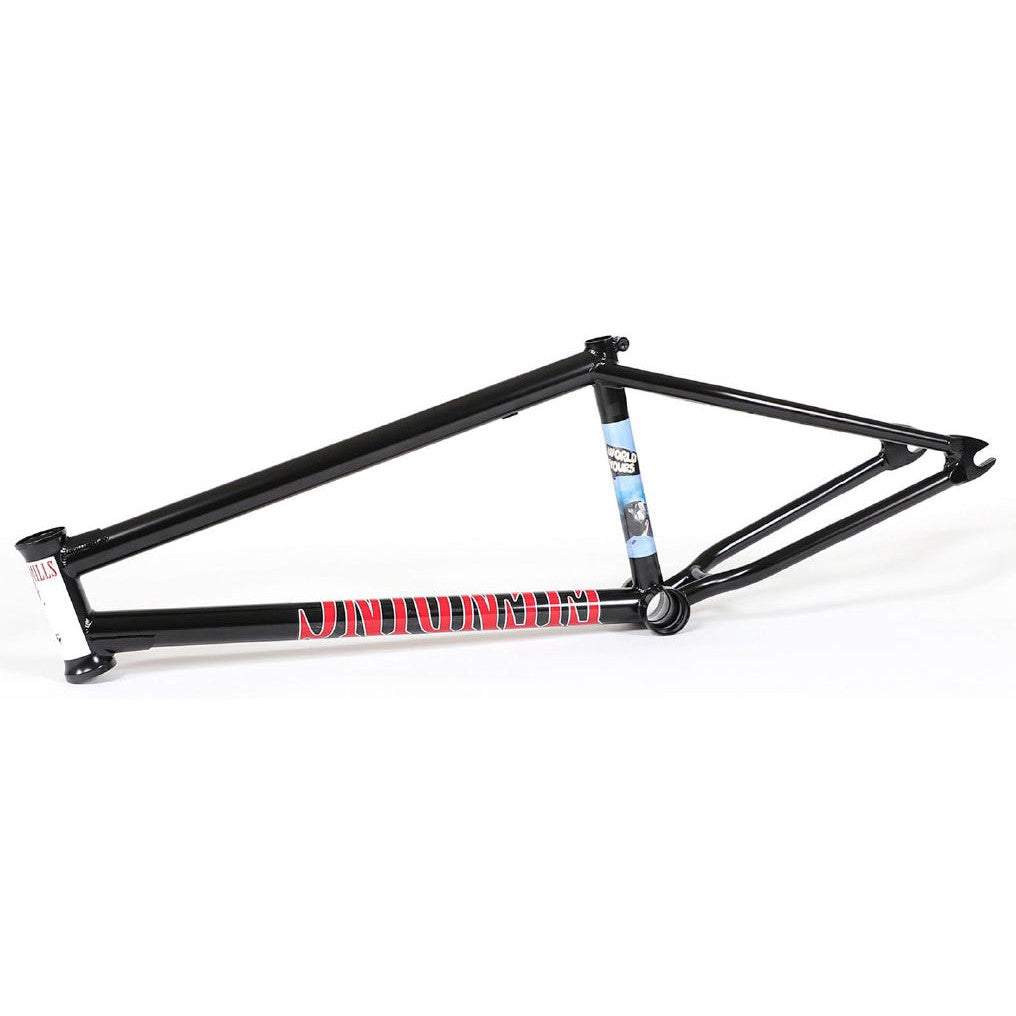
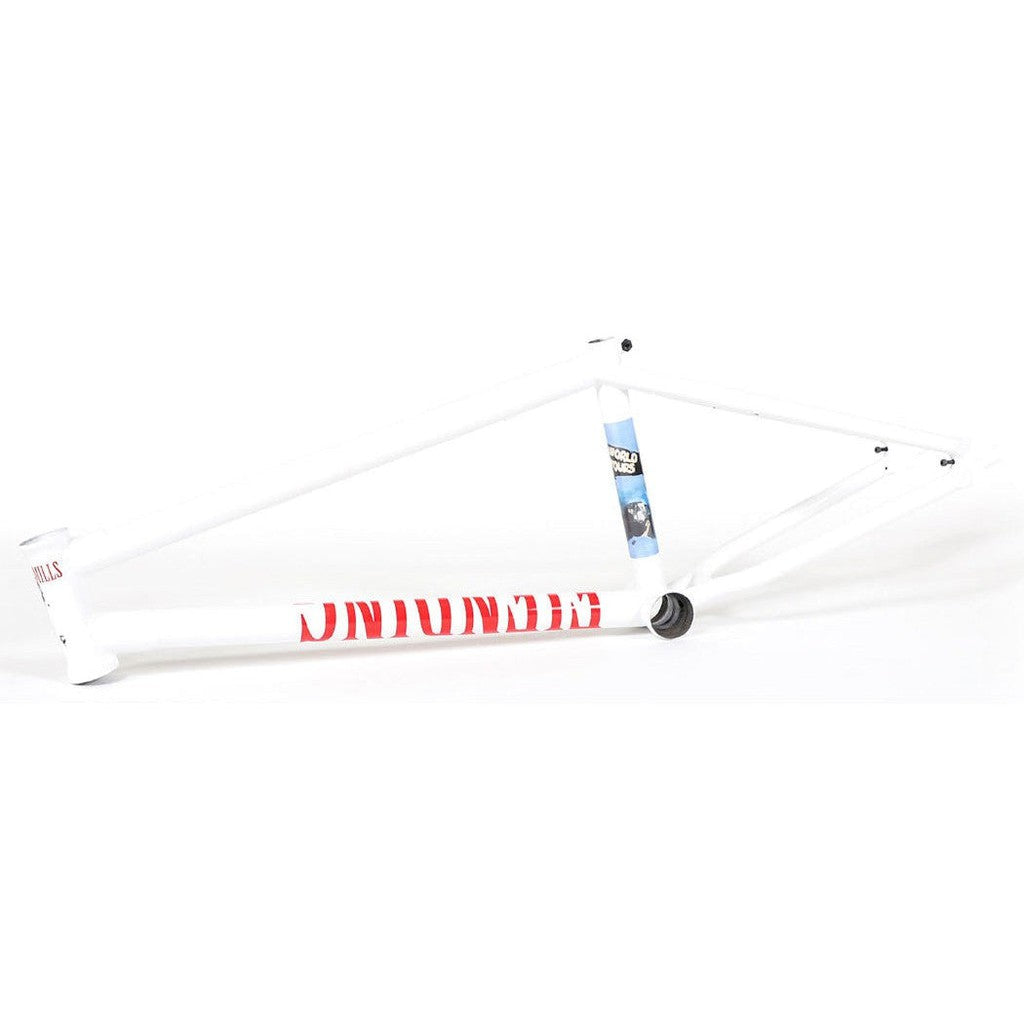
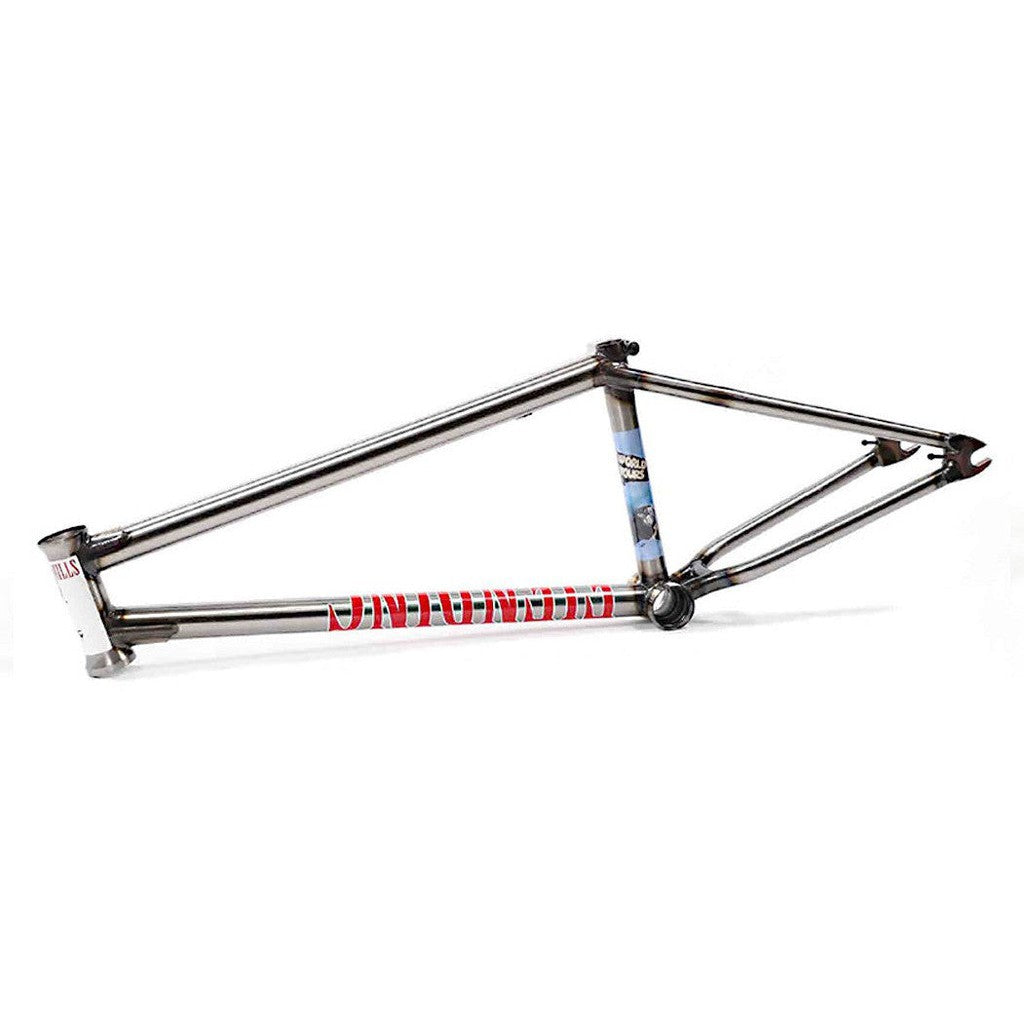
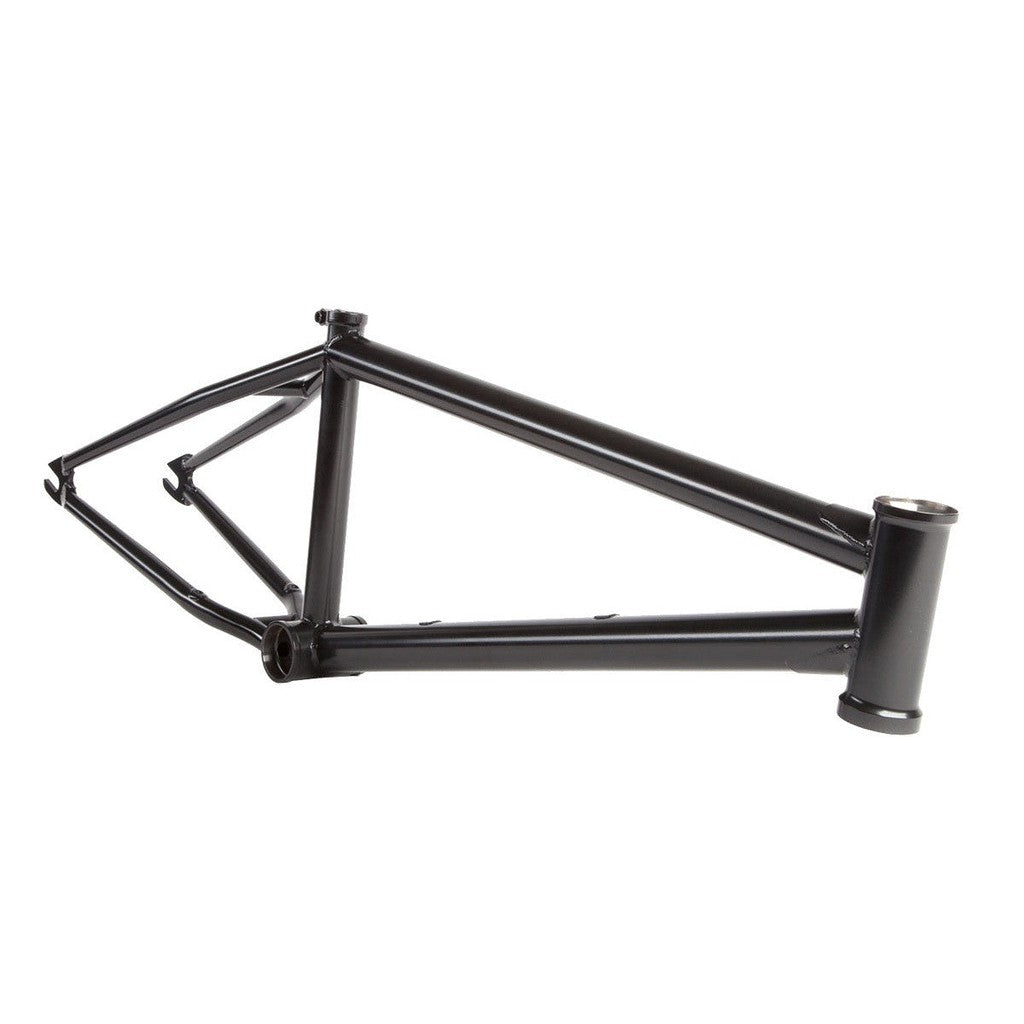
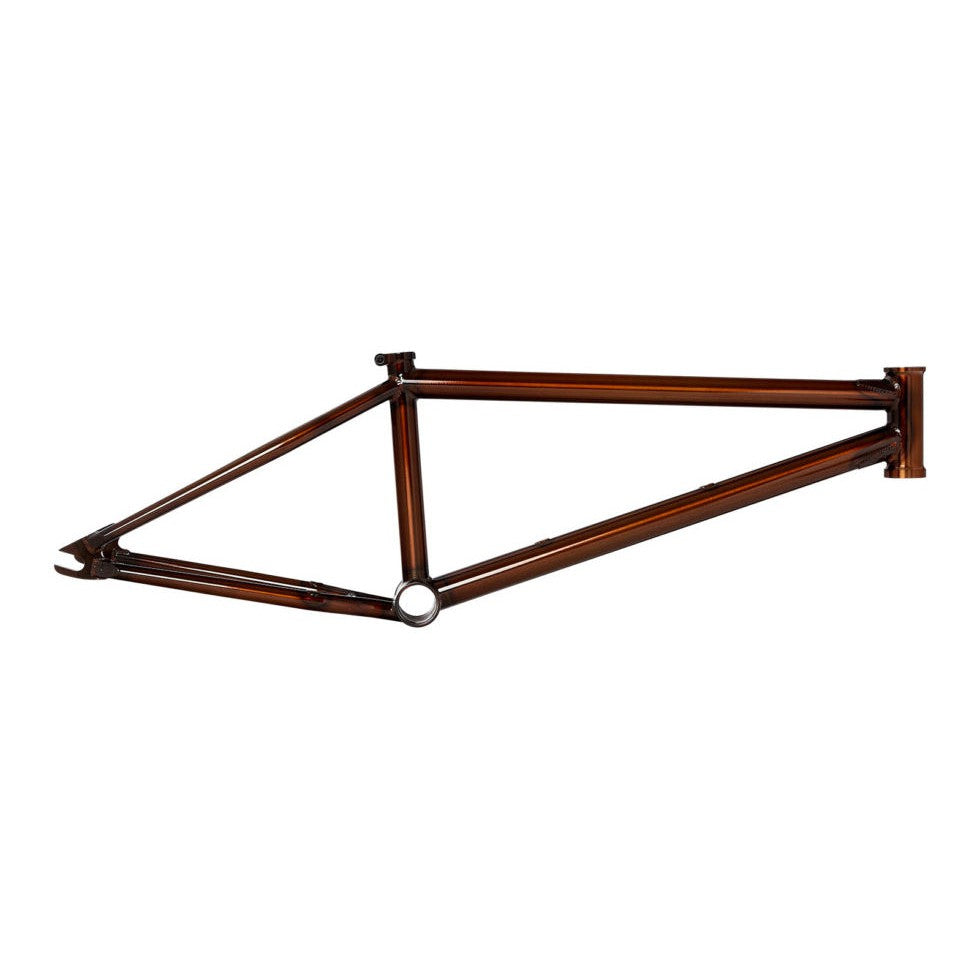
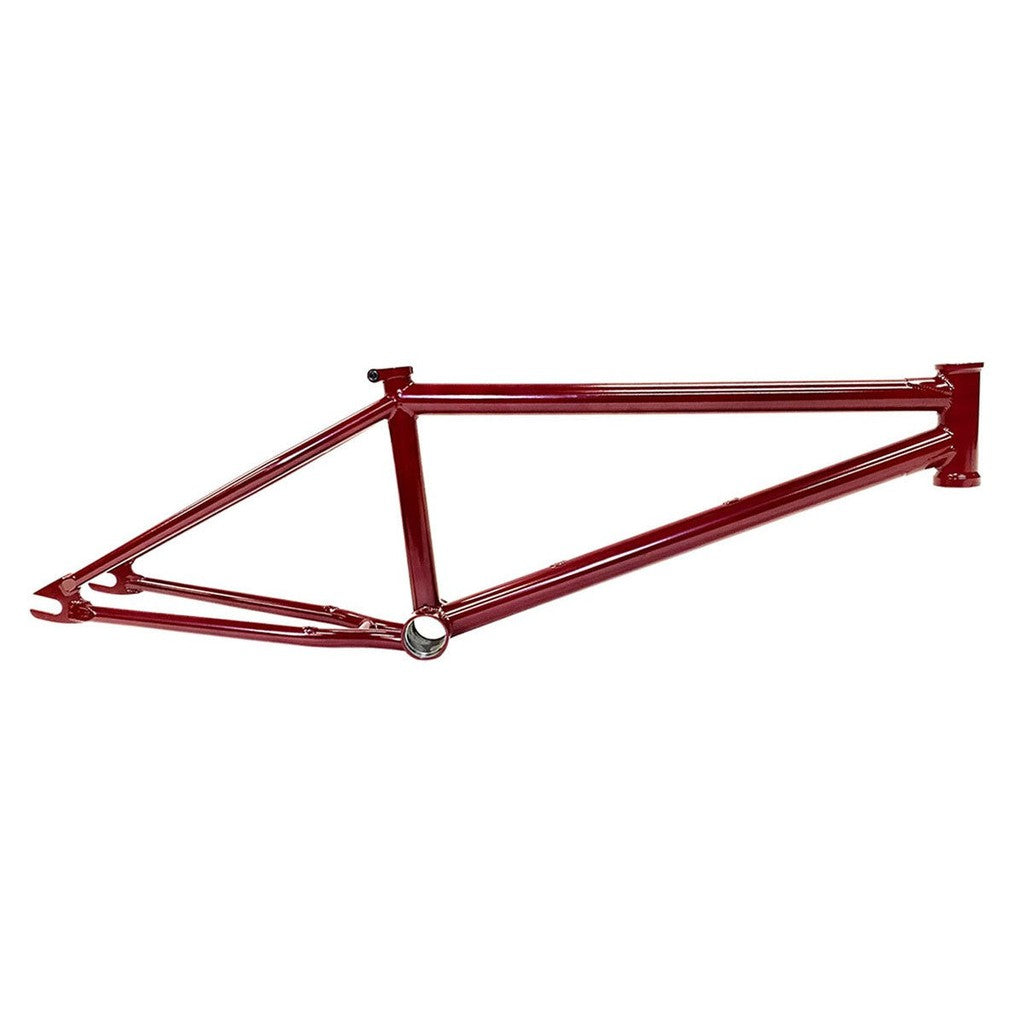
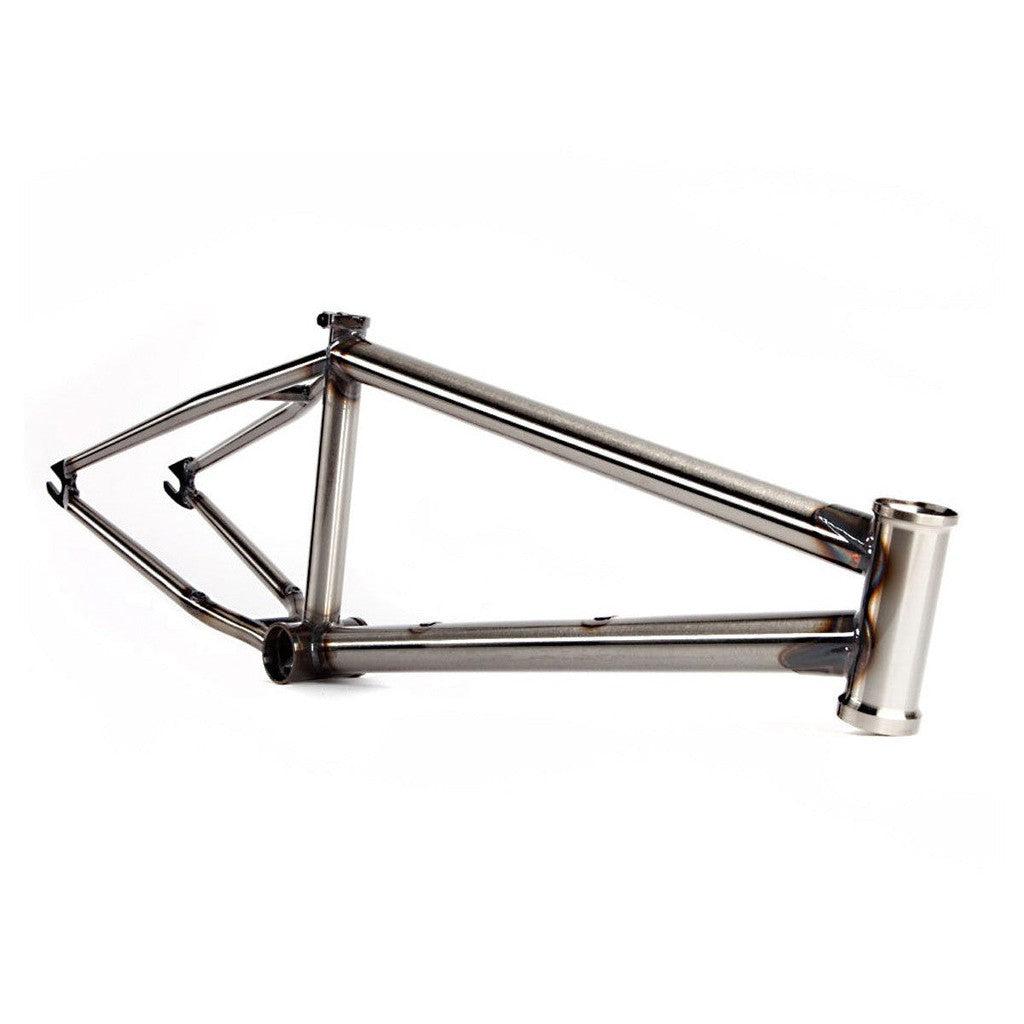
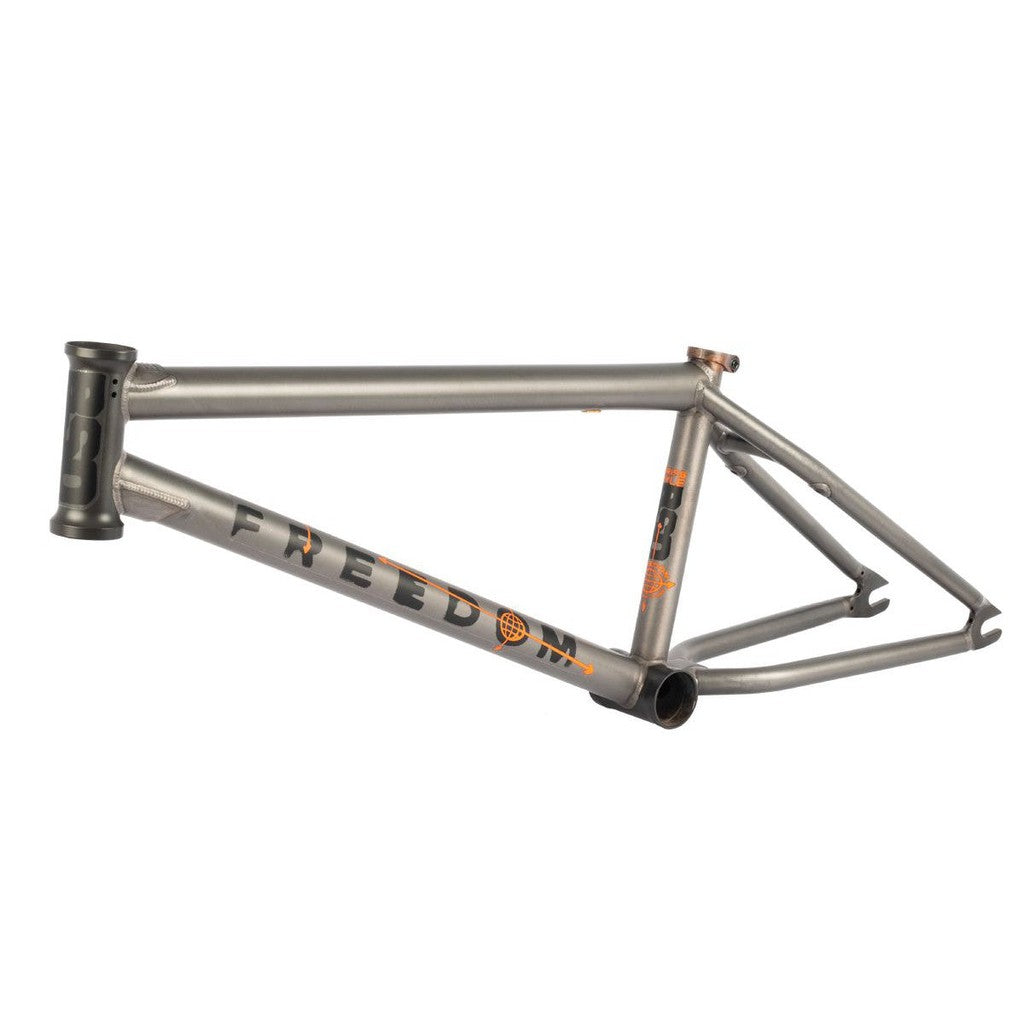
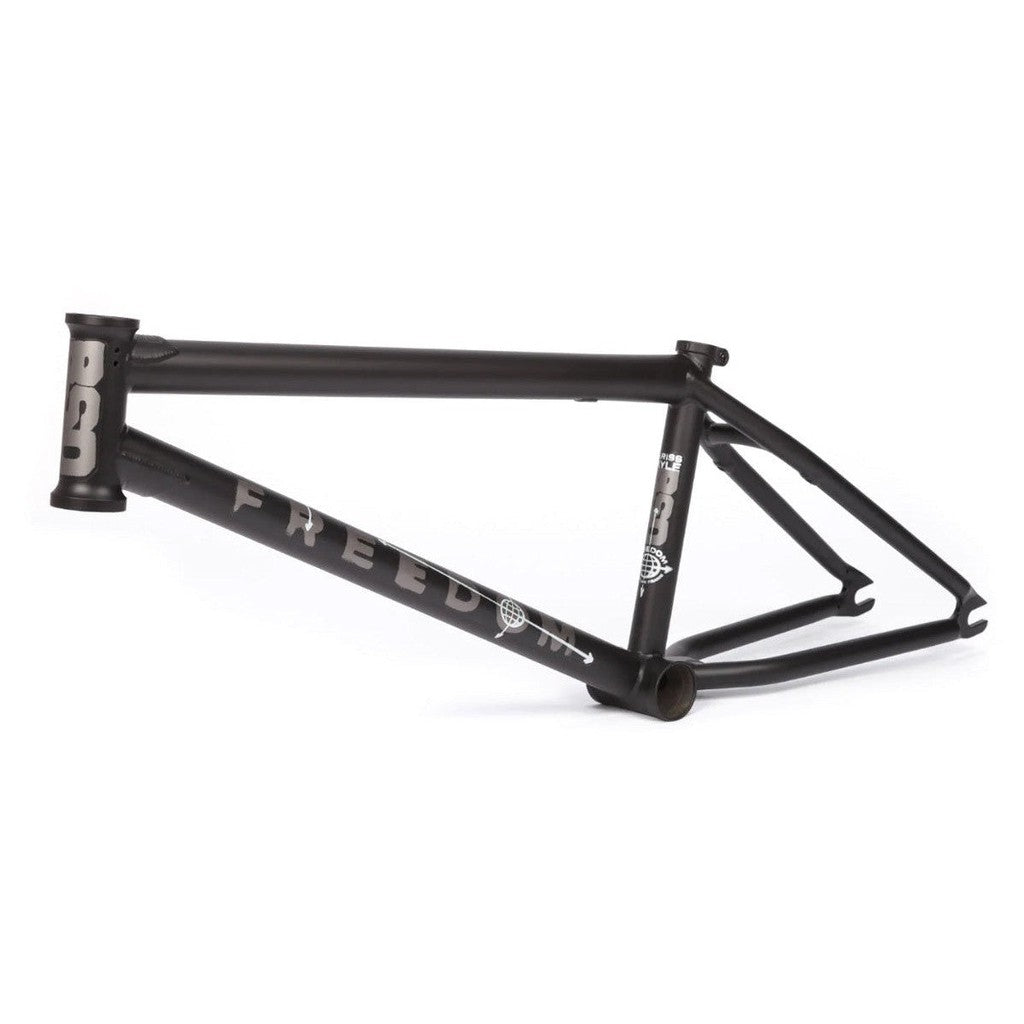
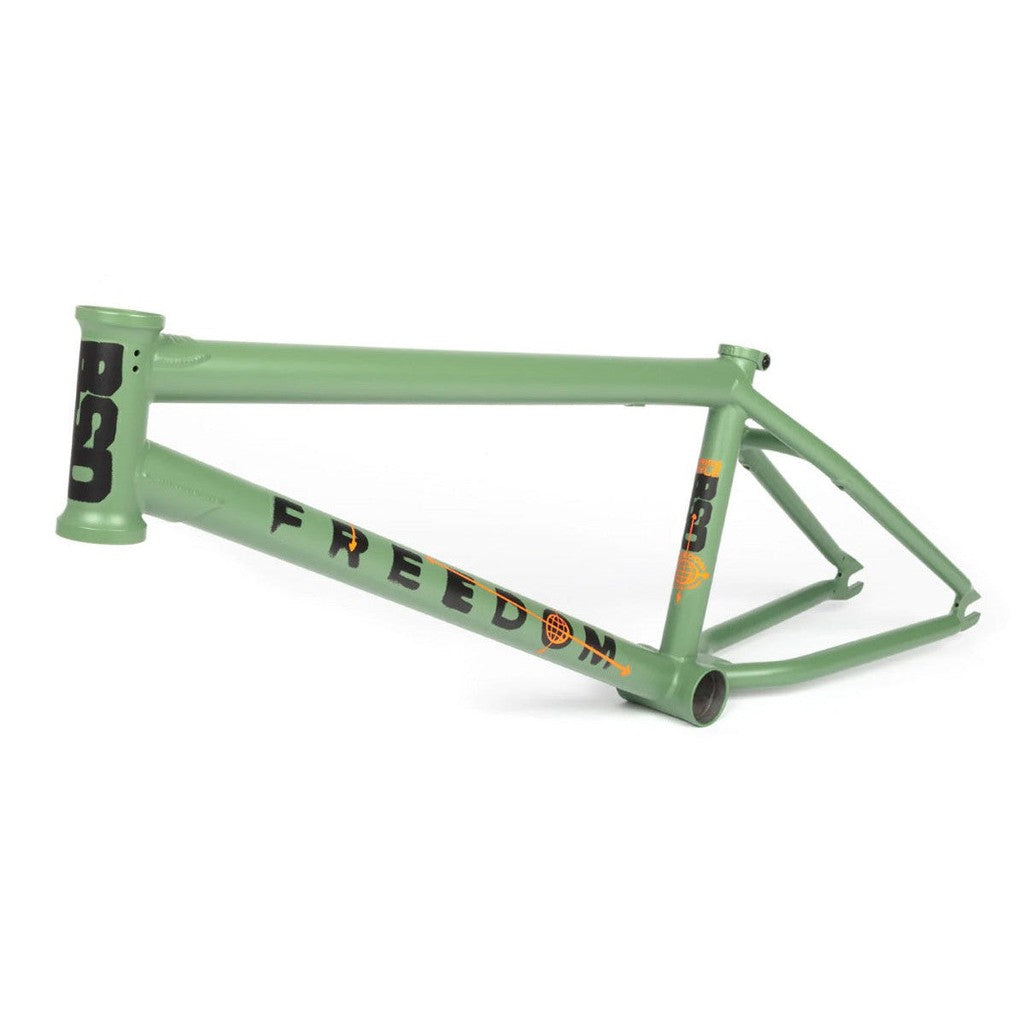
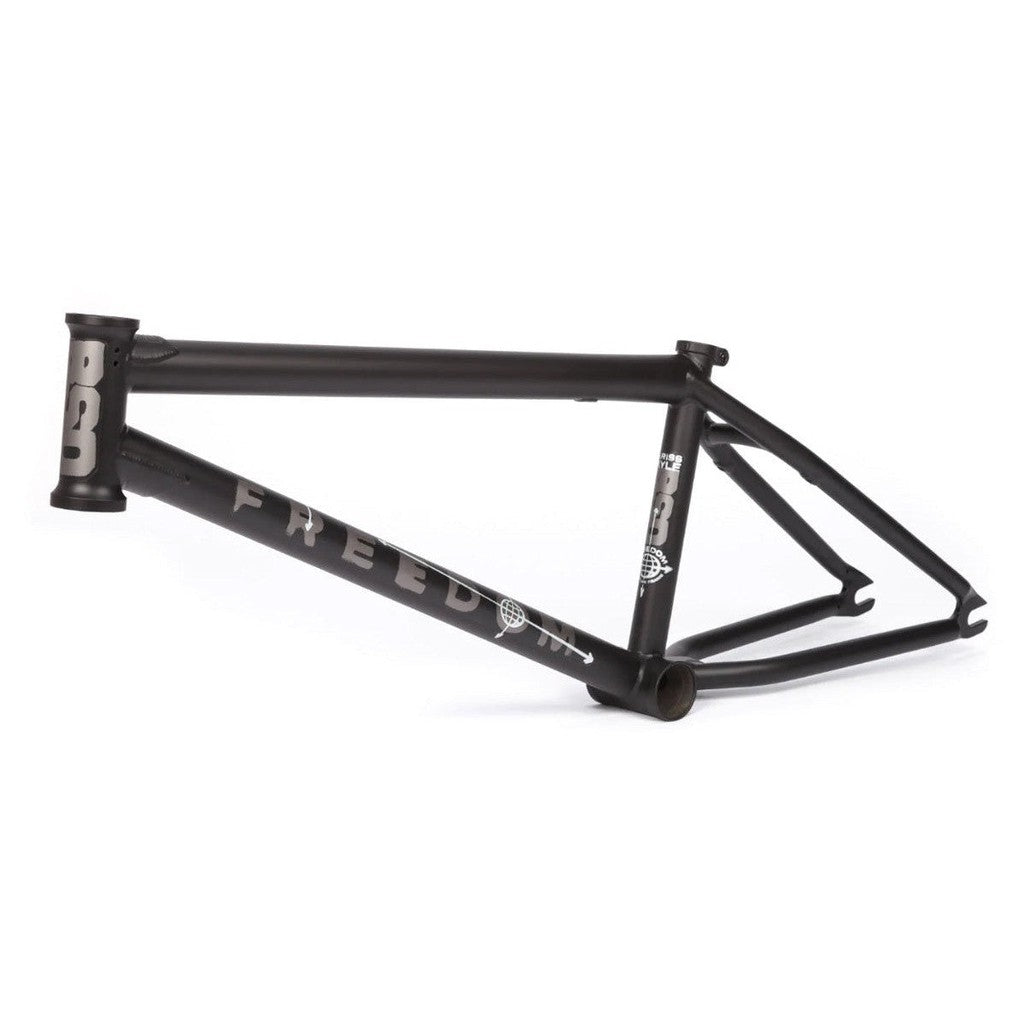
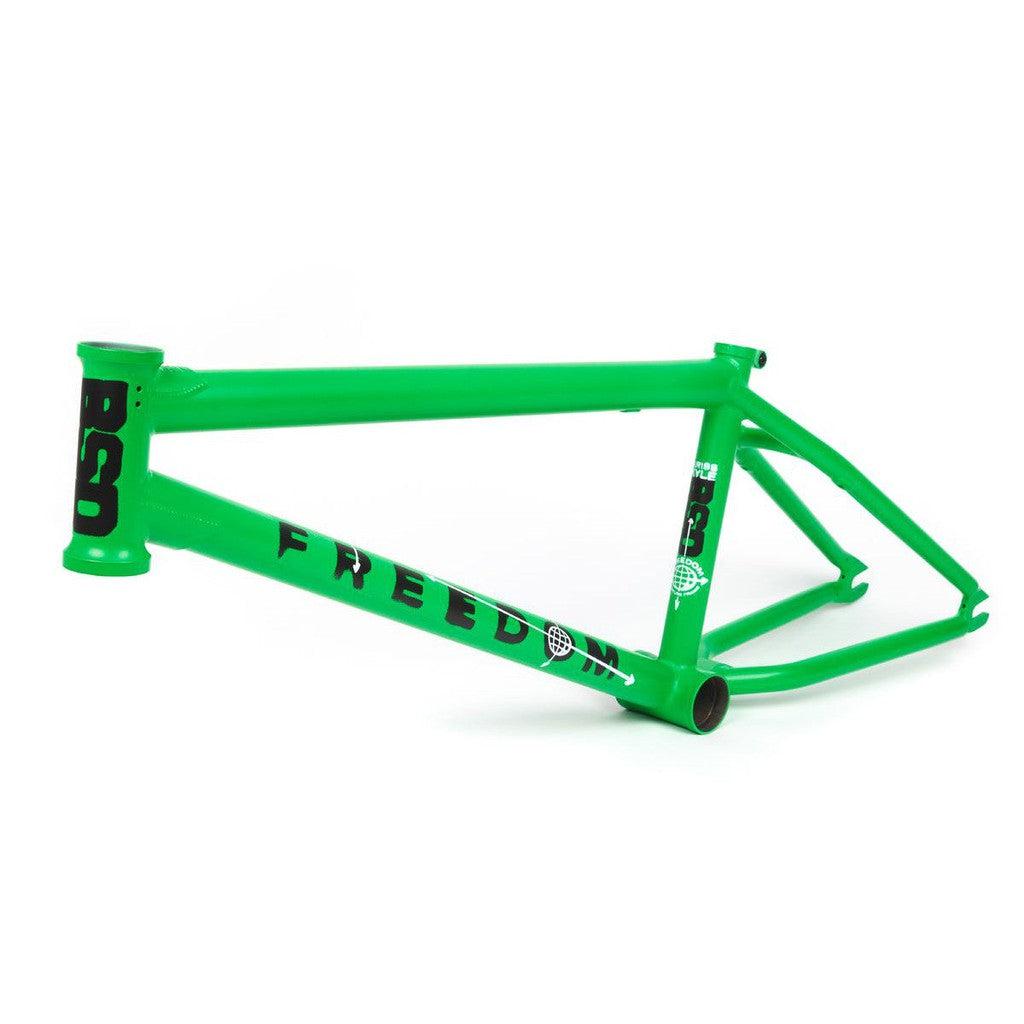
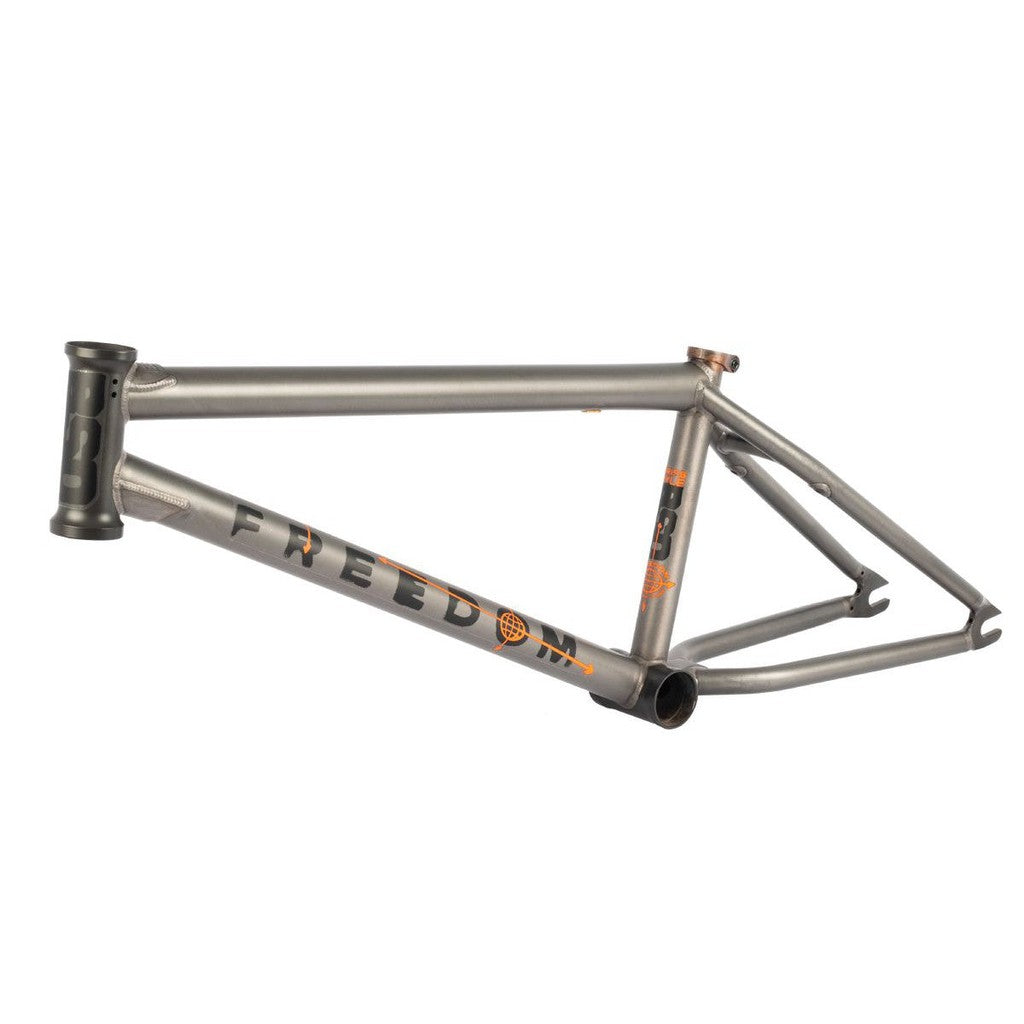
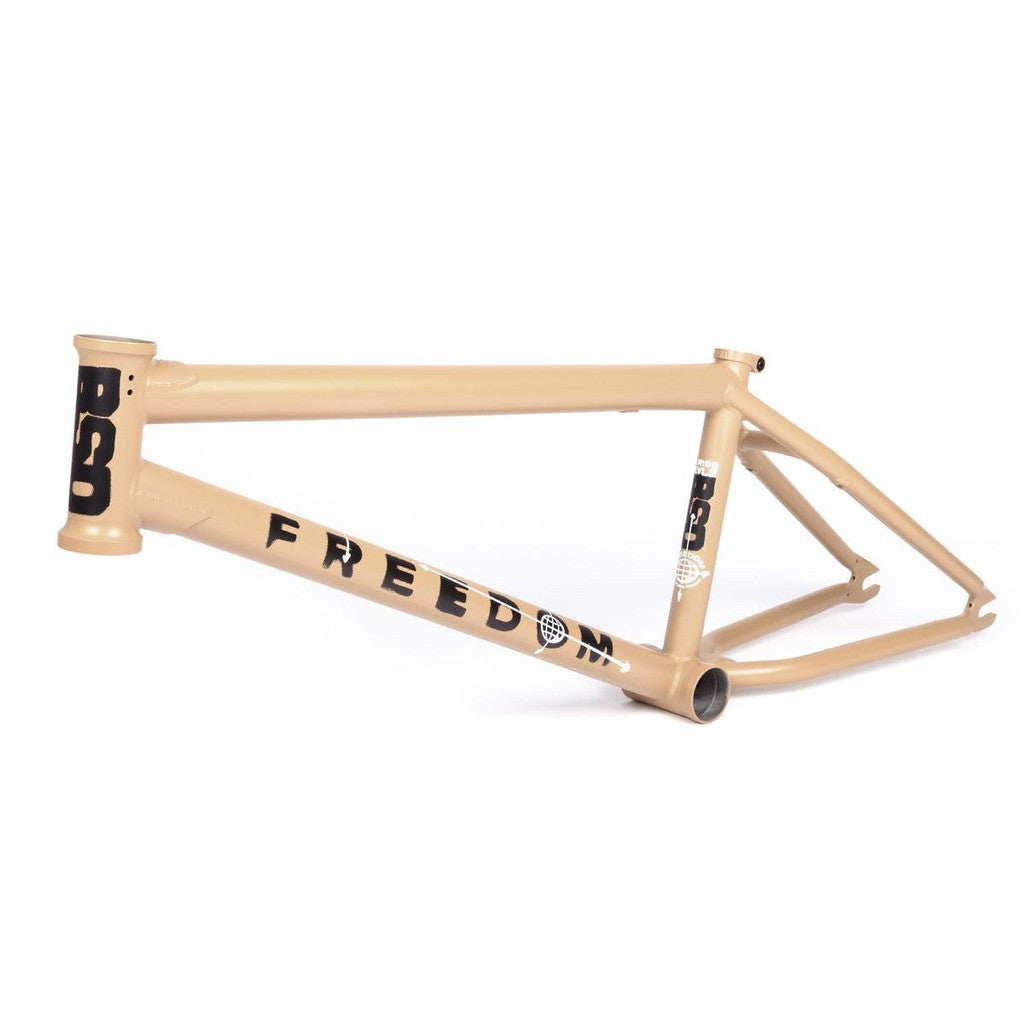
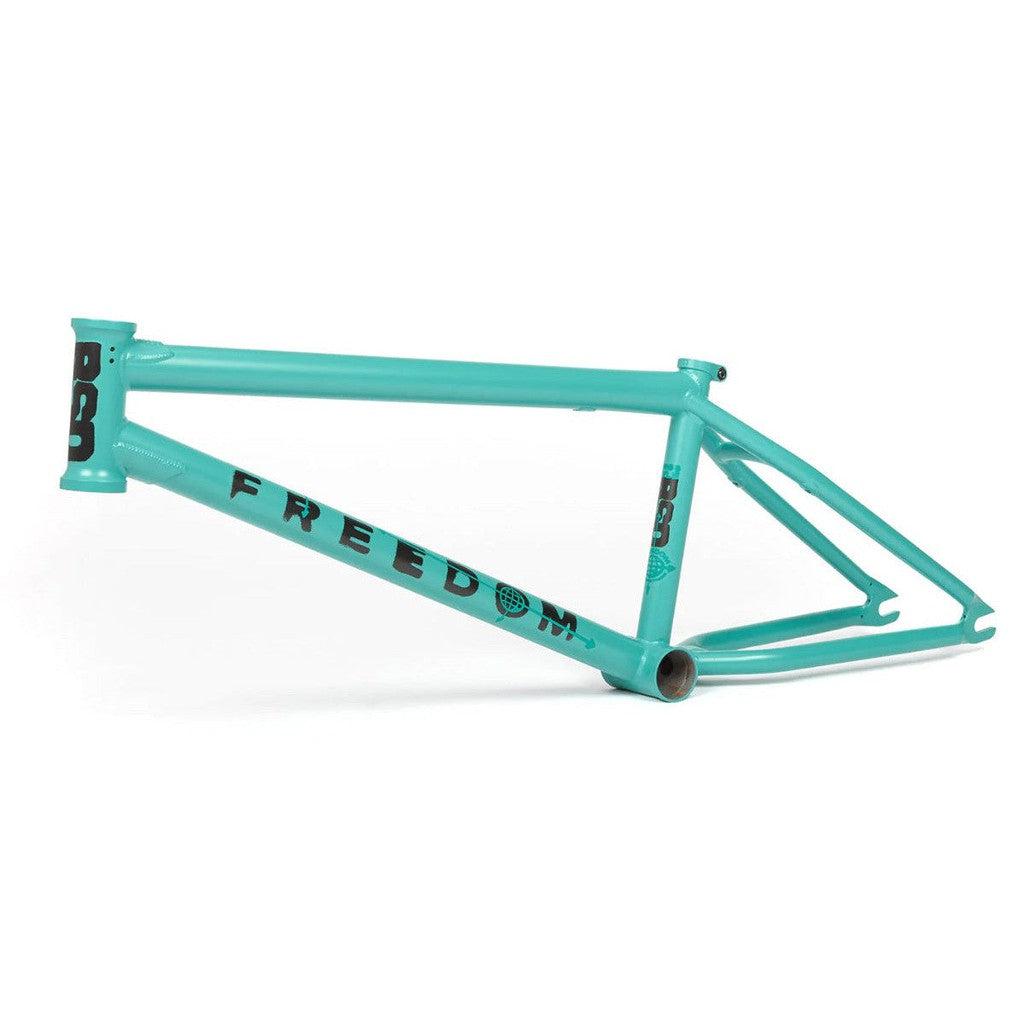
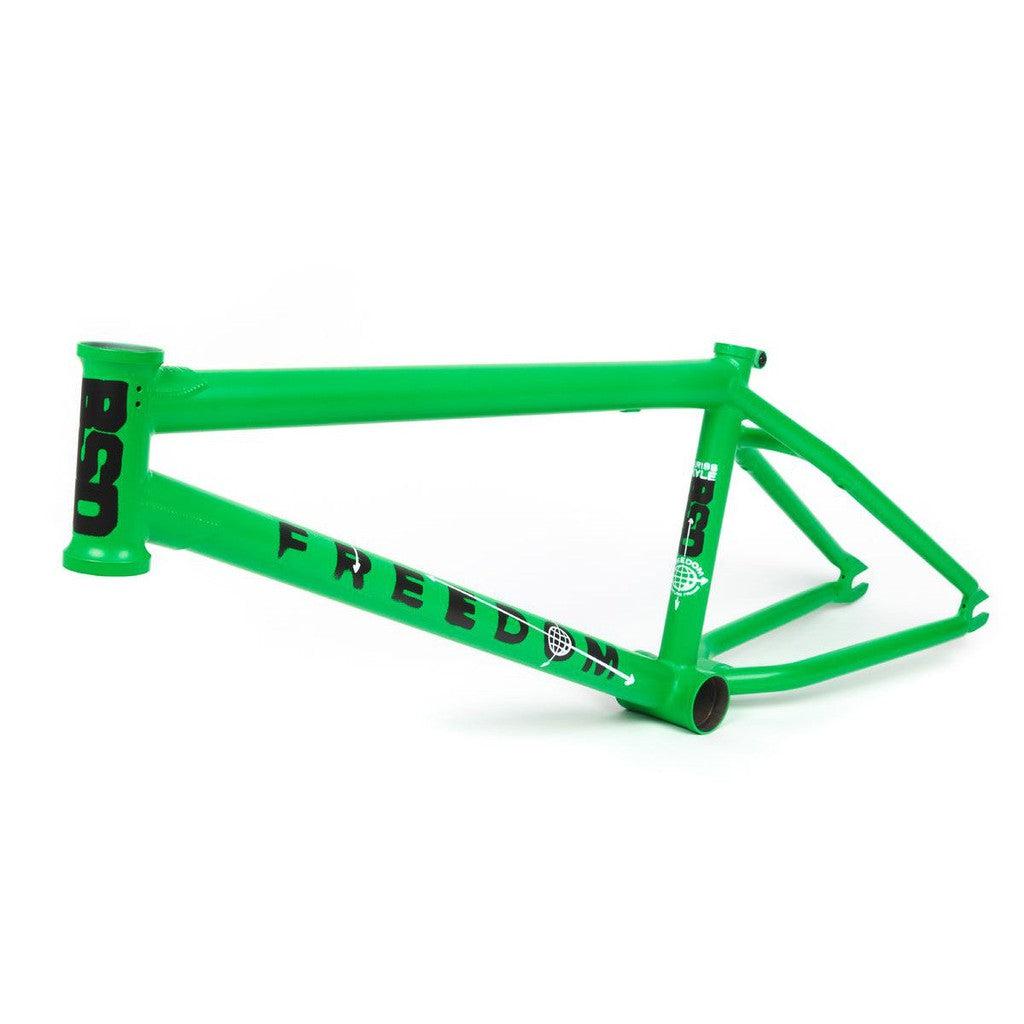
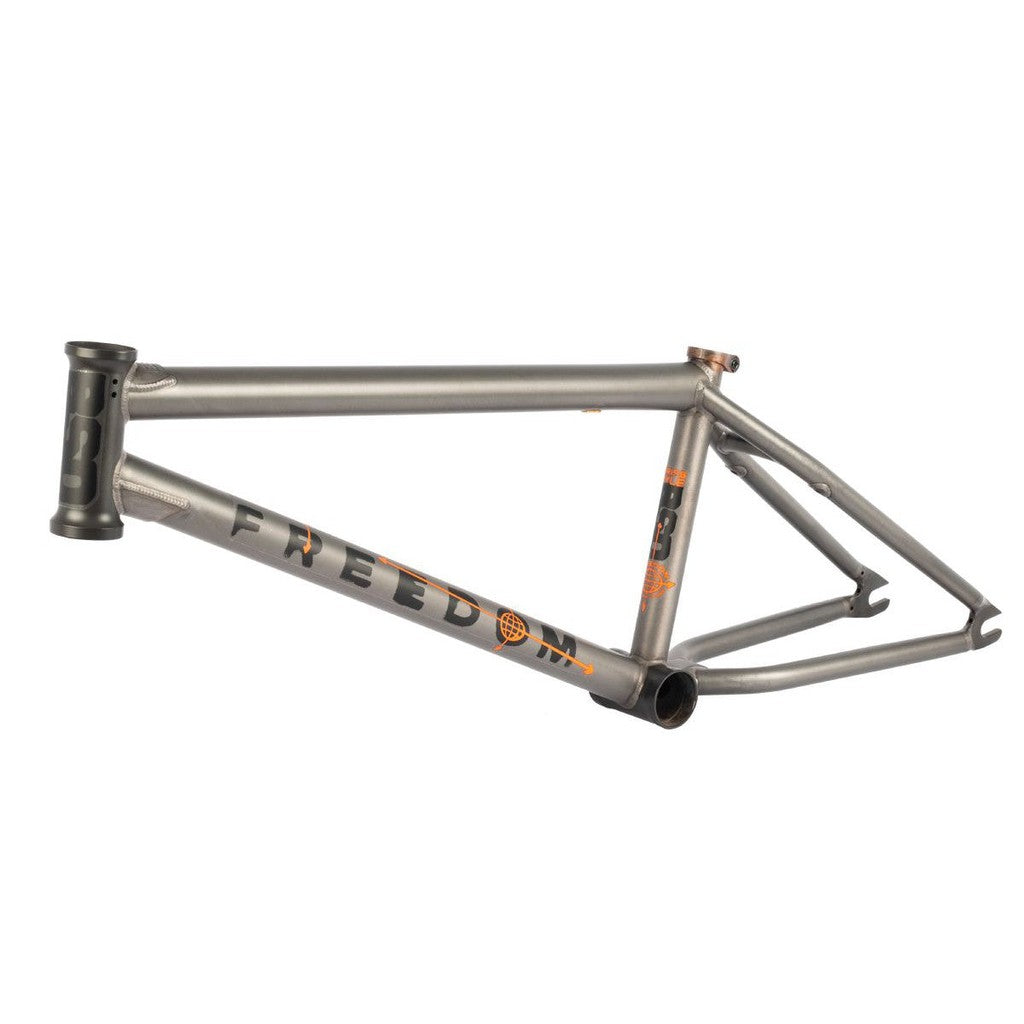
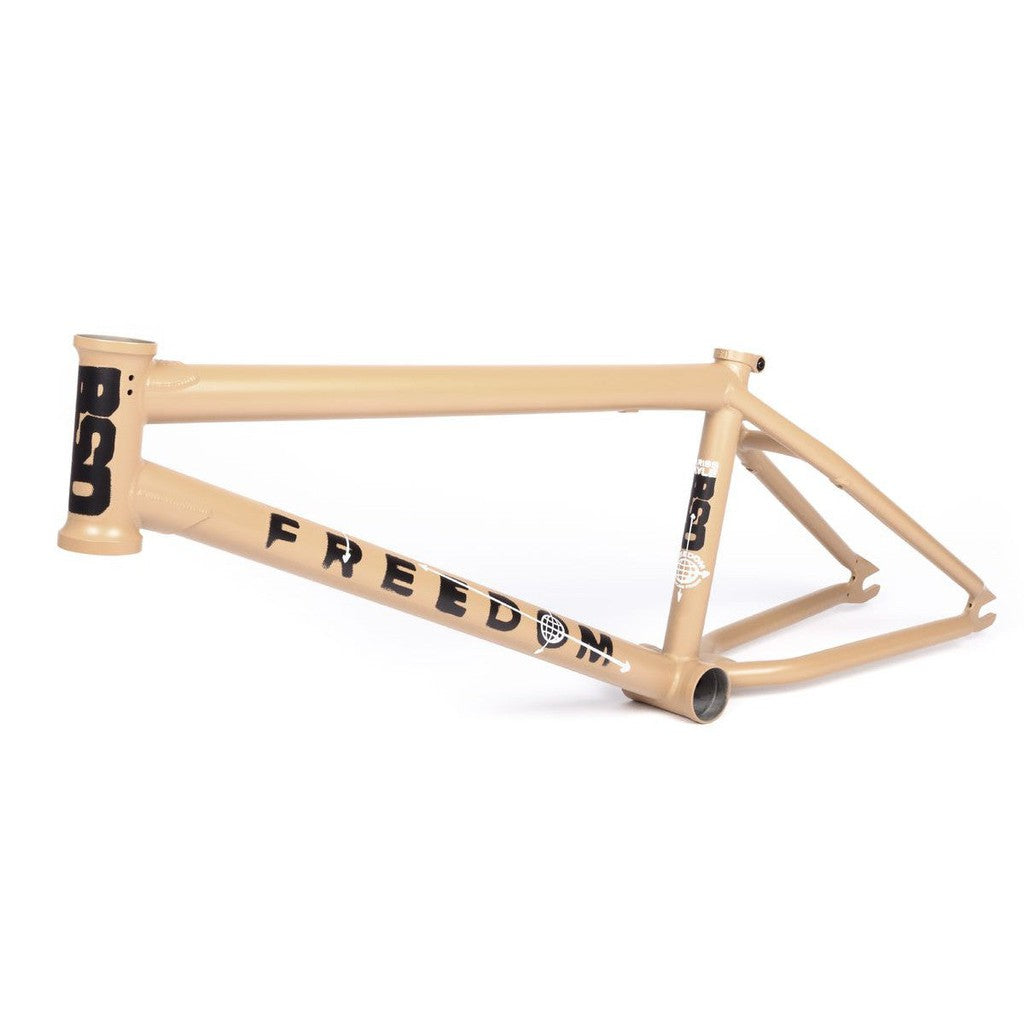
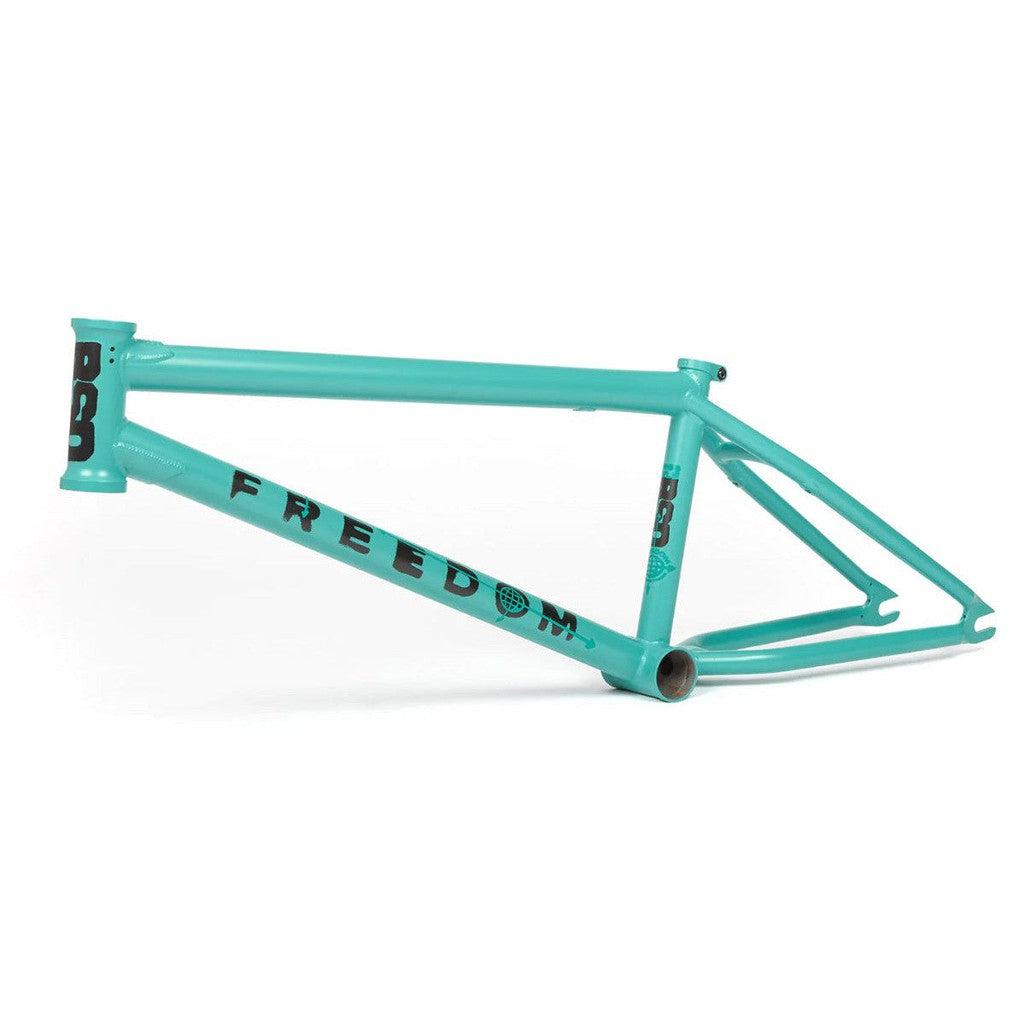
Freestyle frames
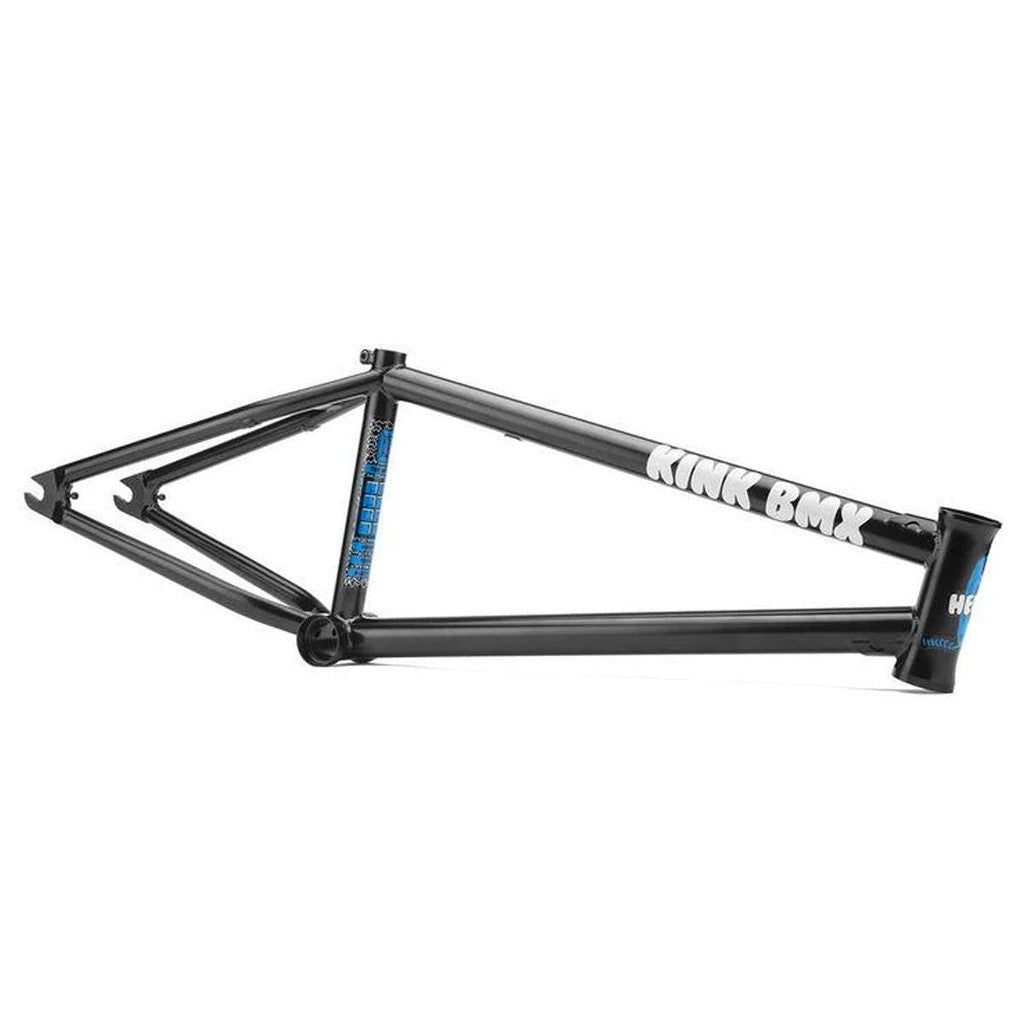
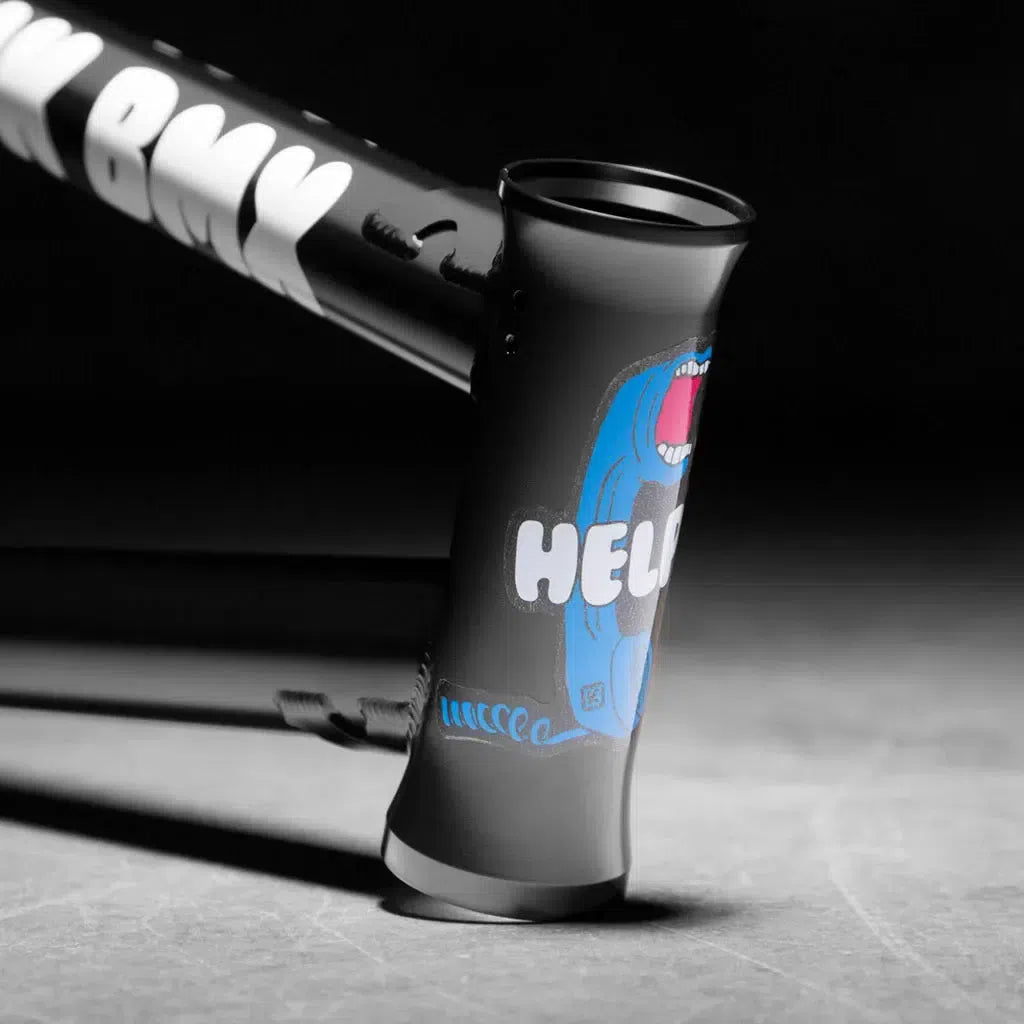
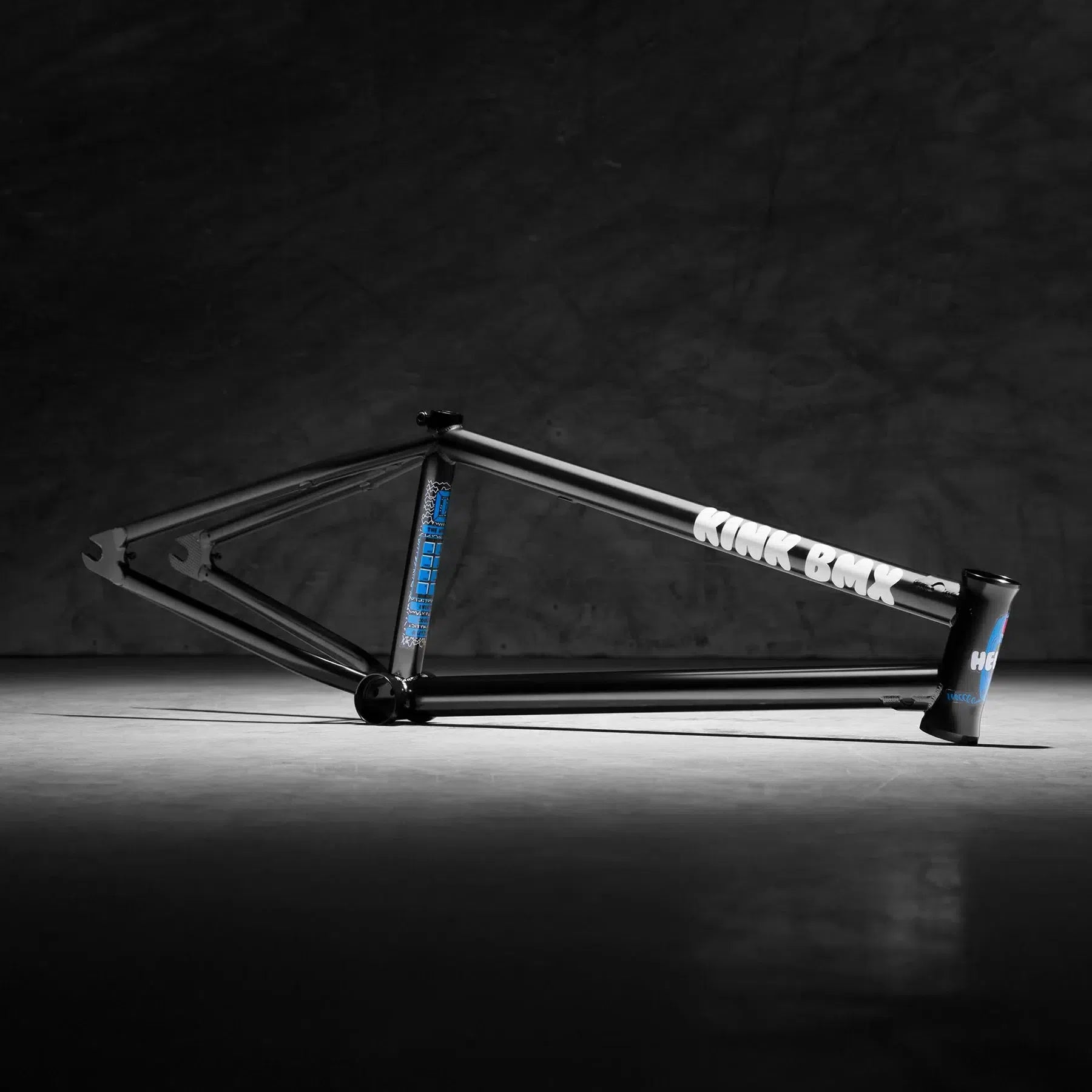
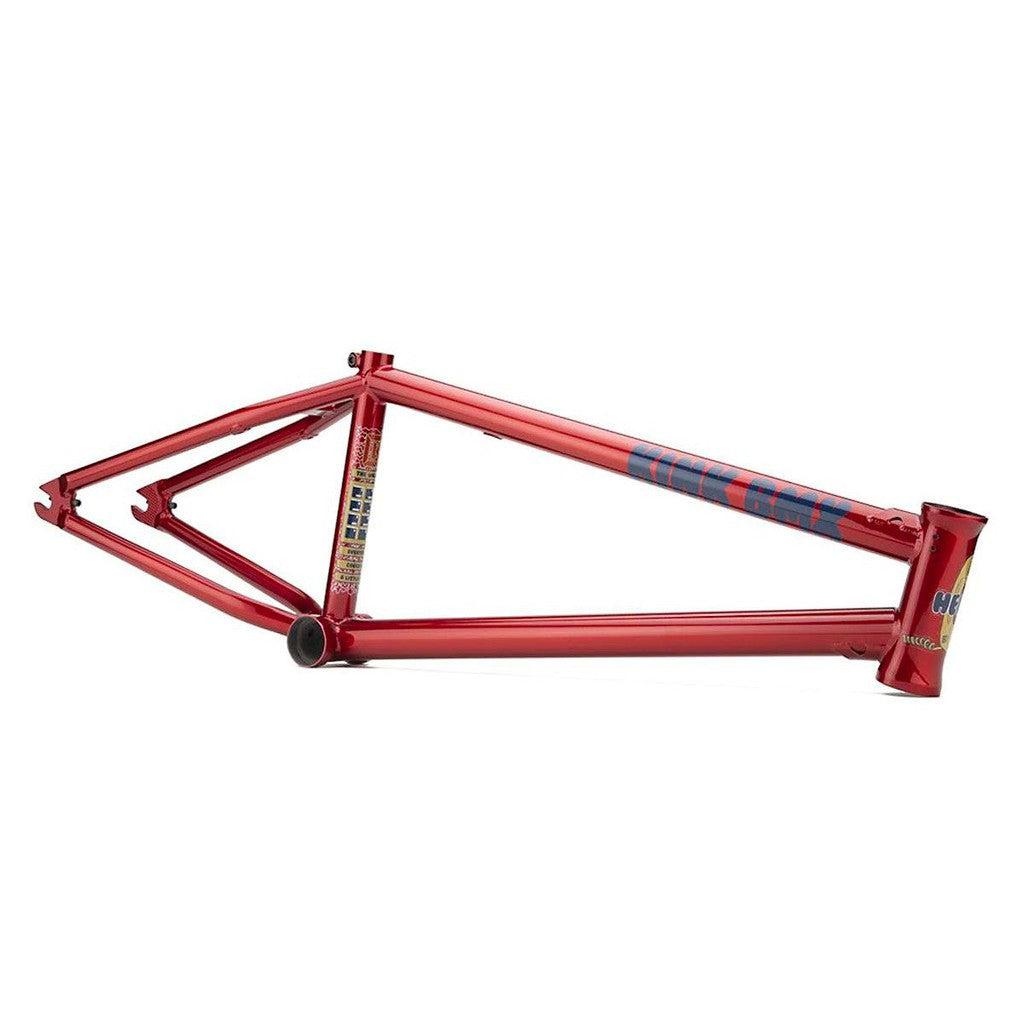
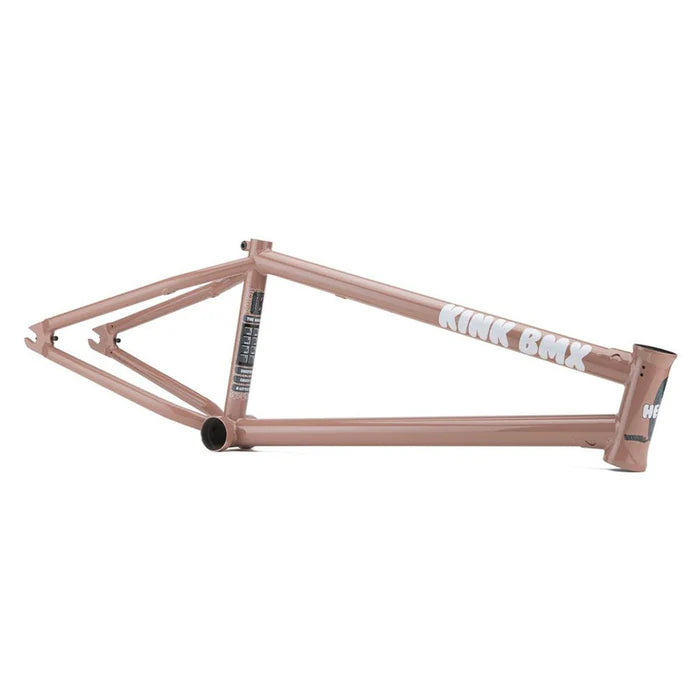


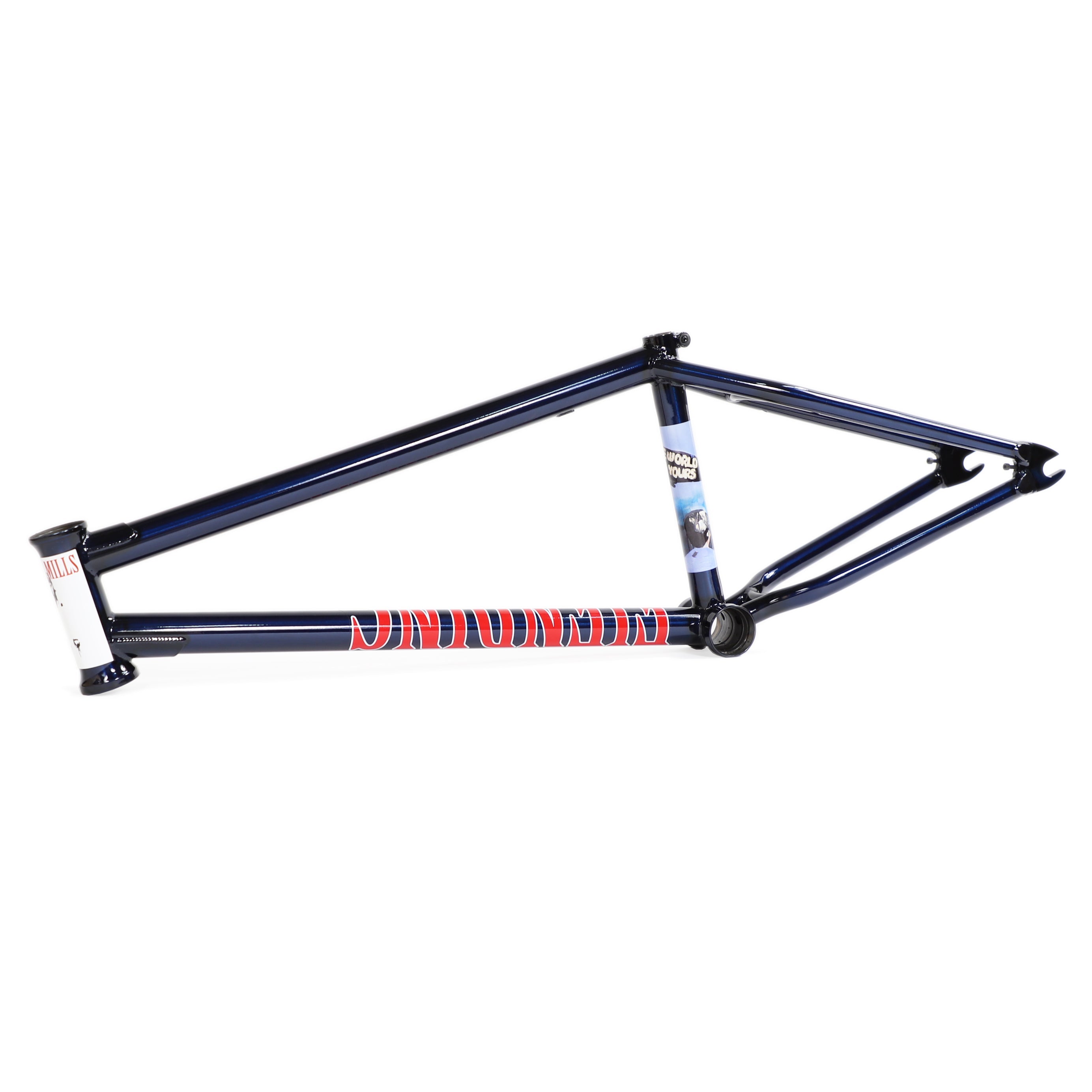
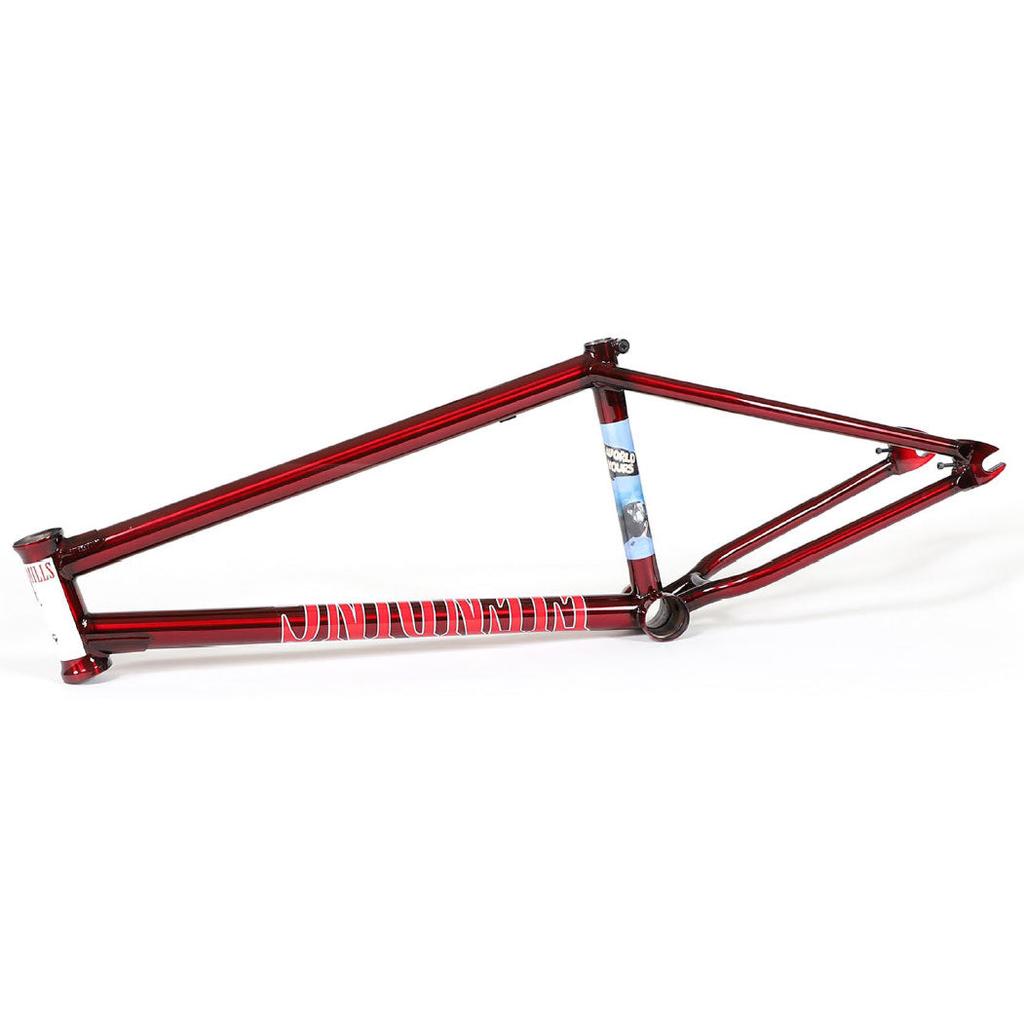


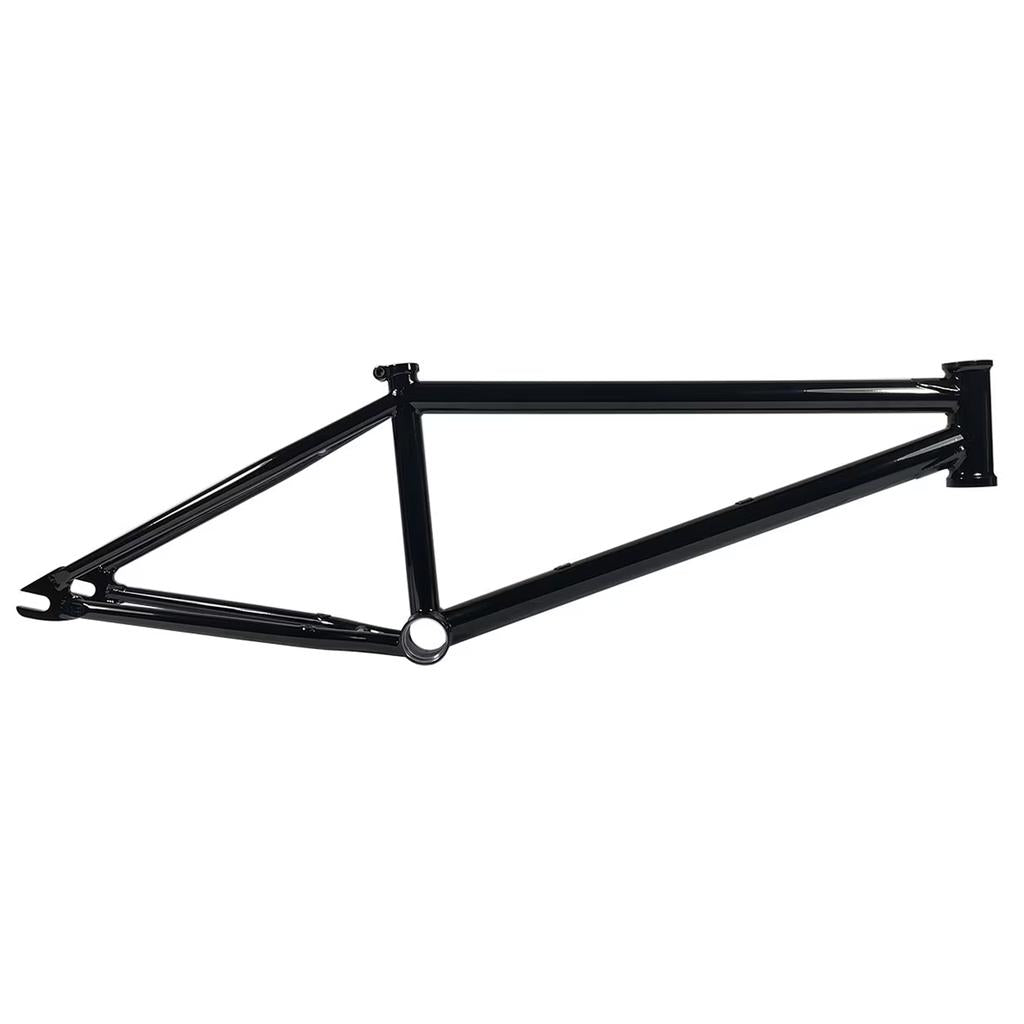
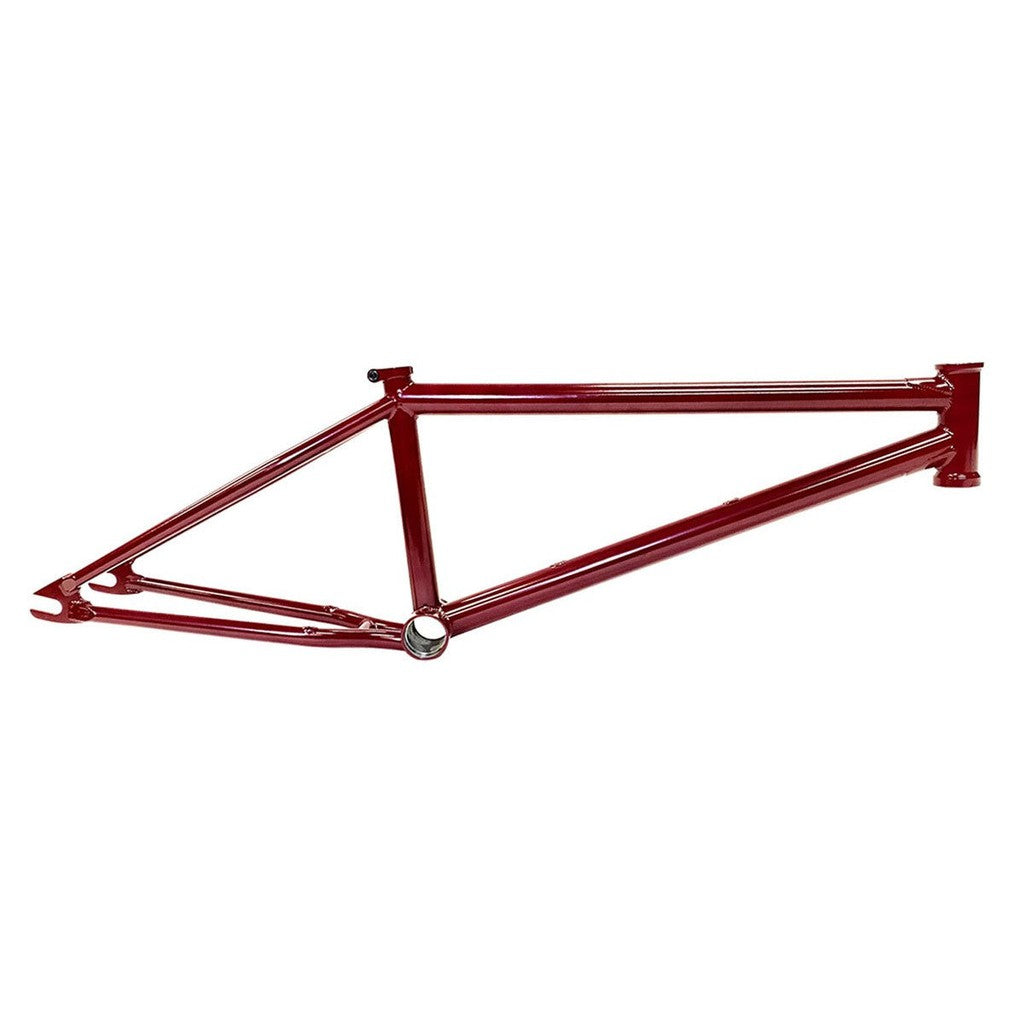
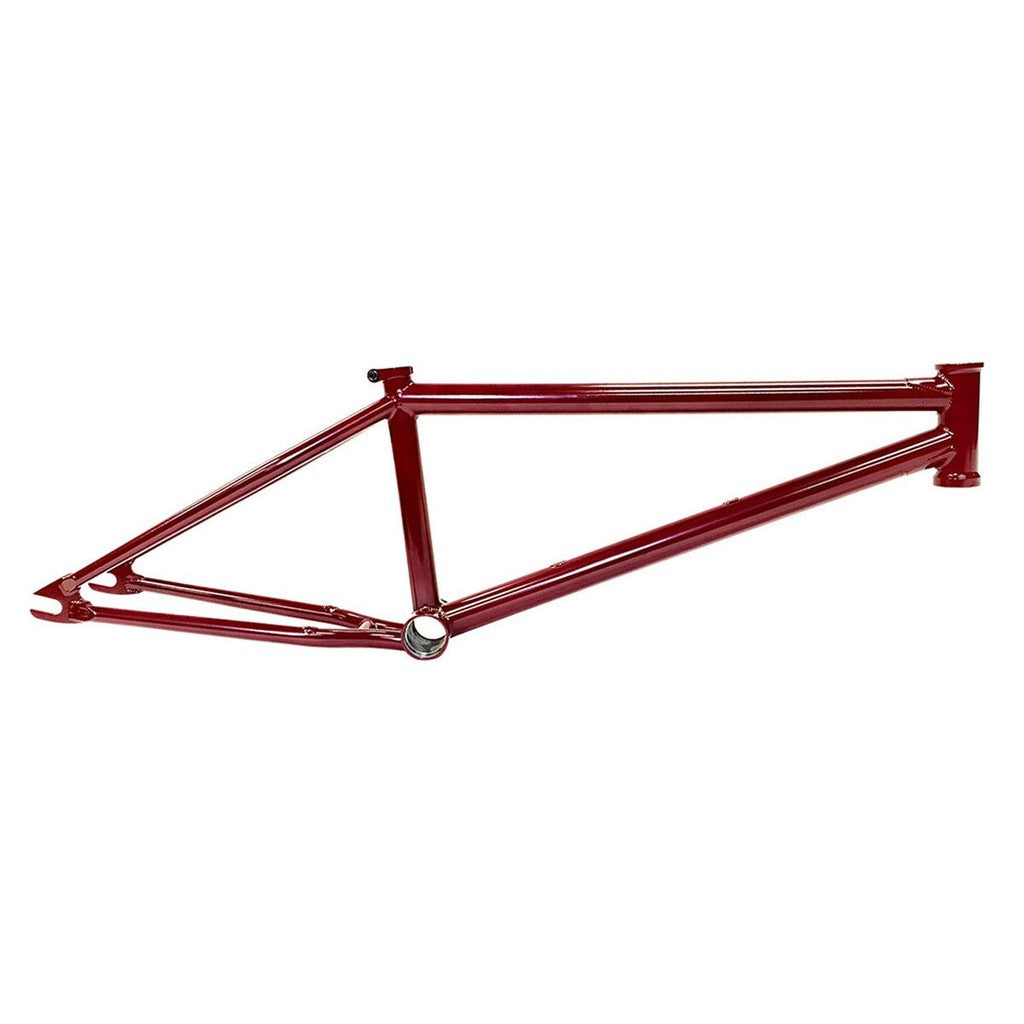
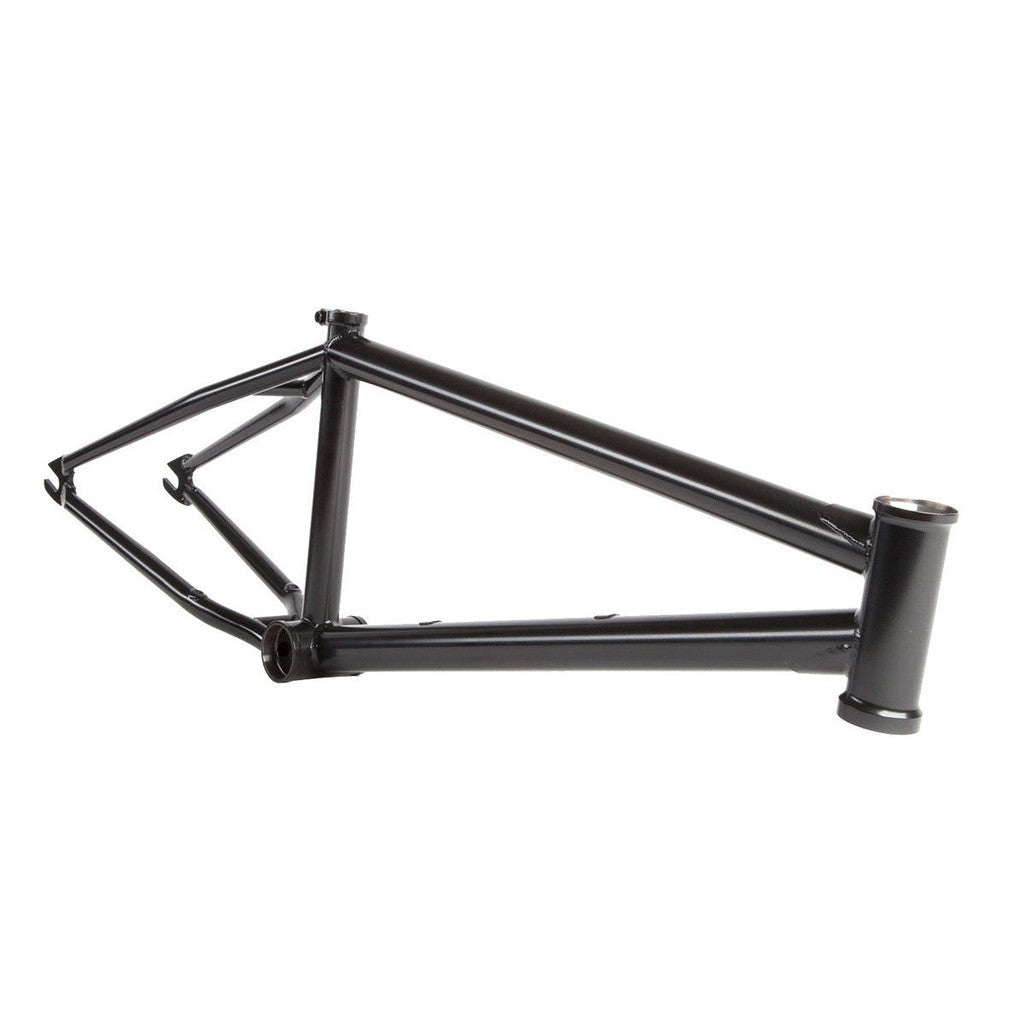
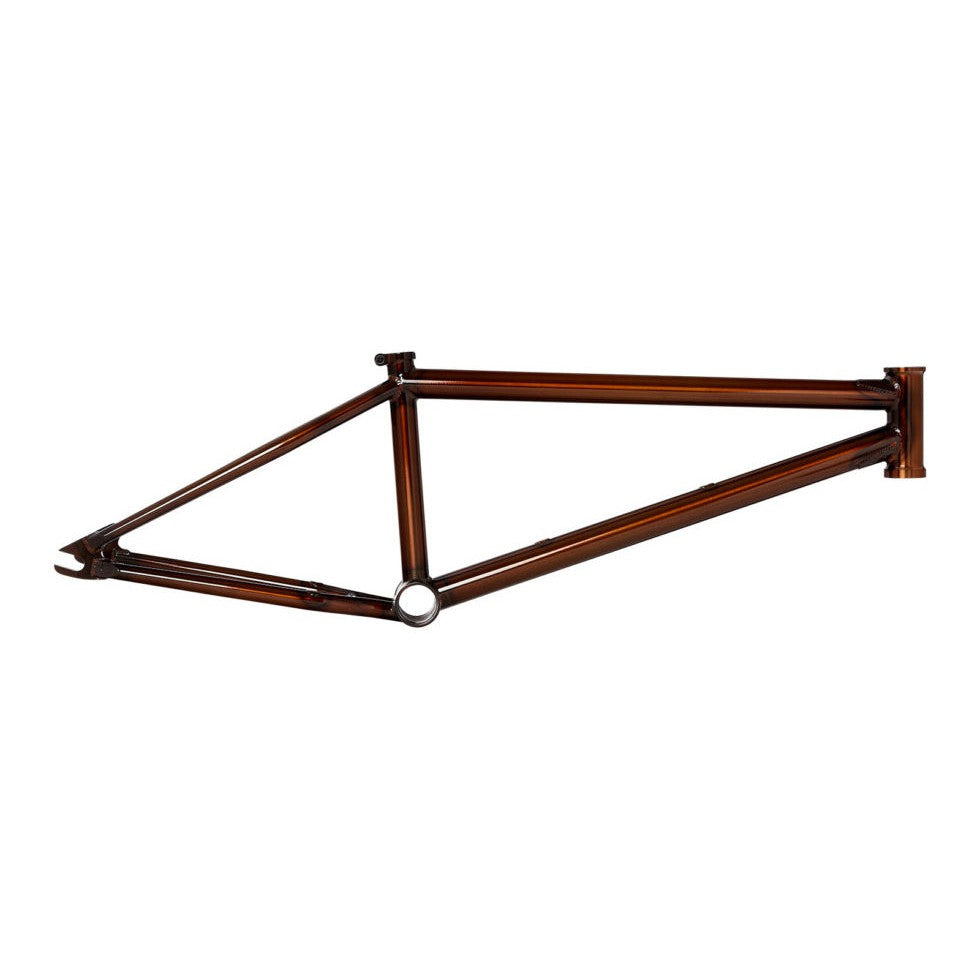
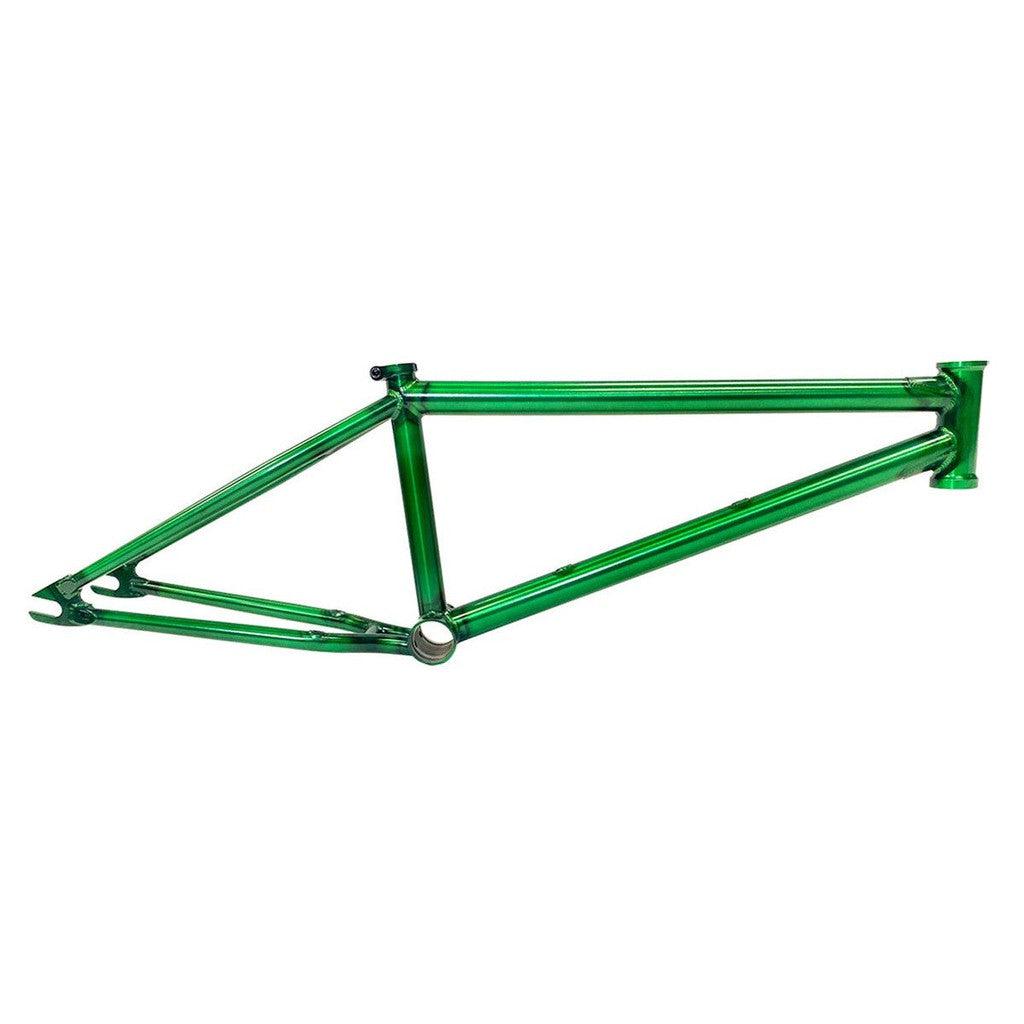
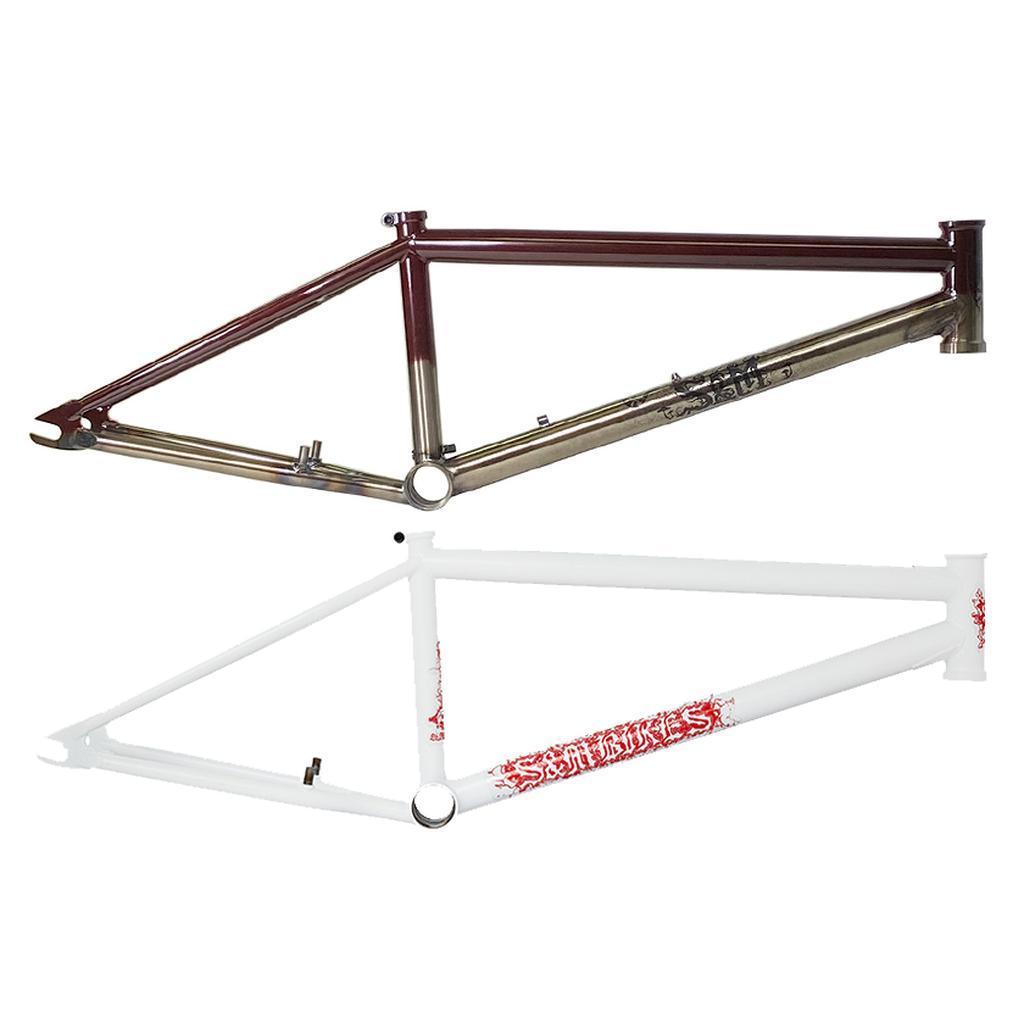
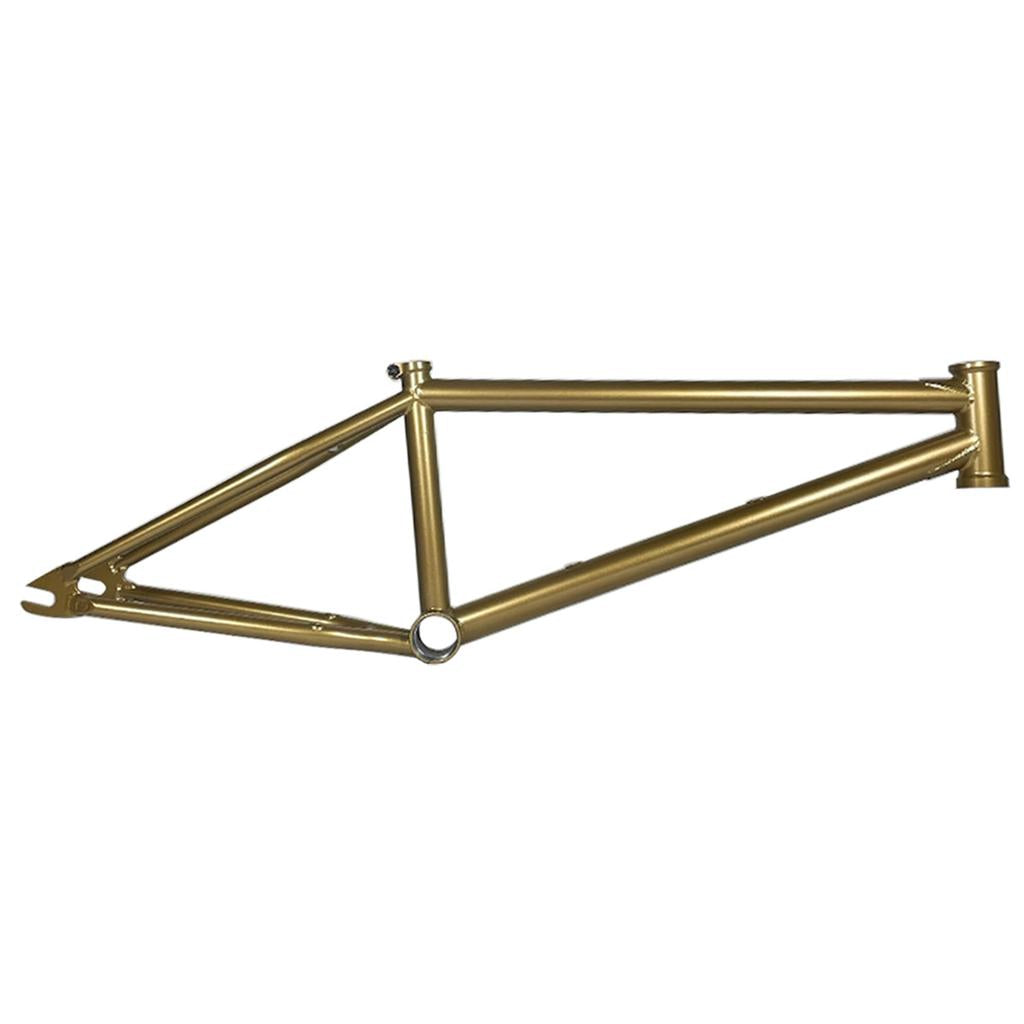
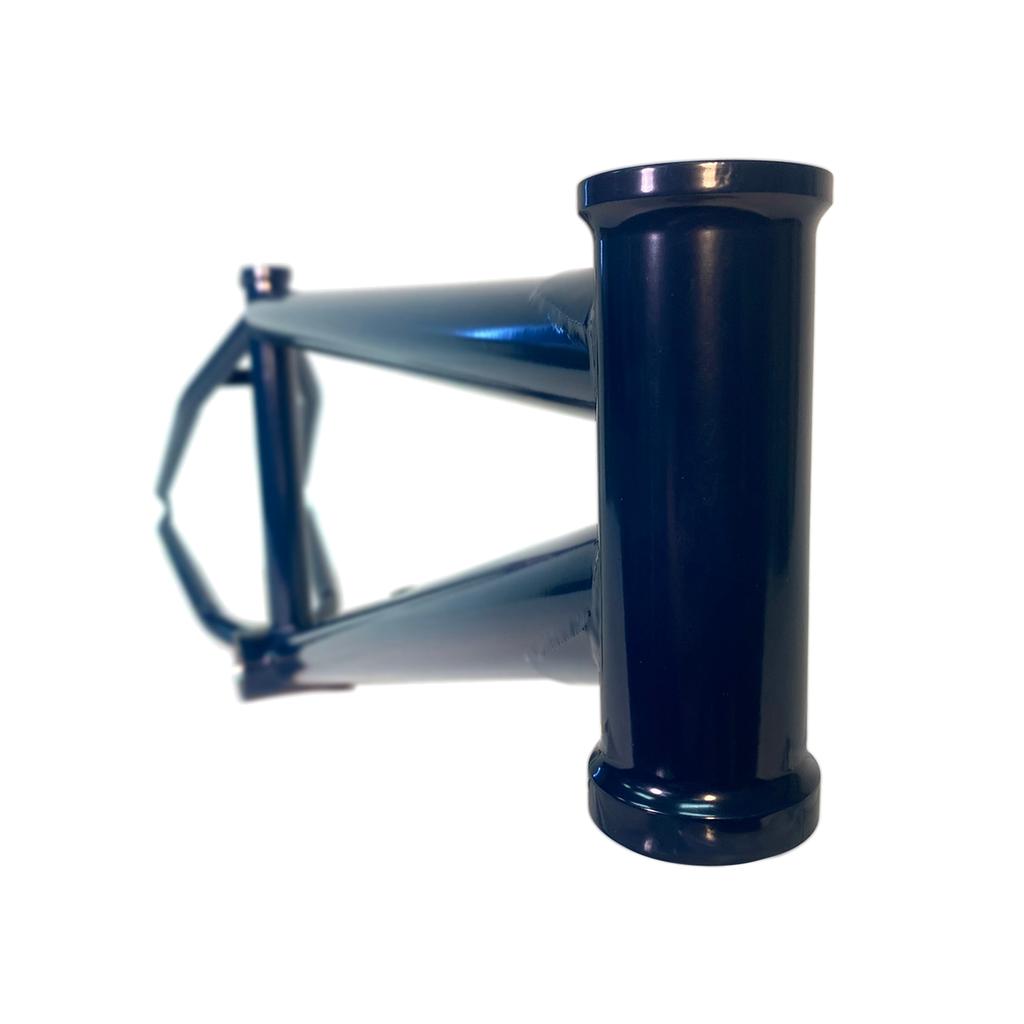
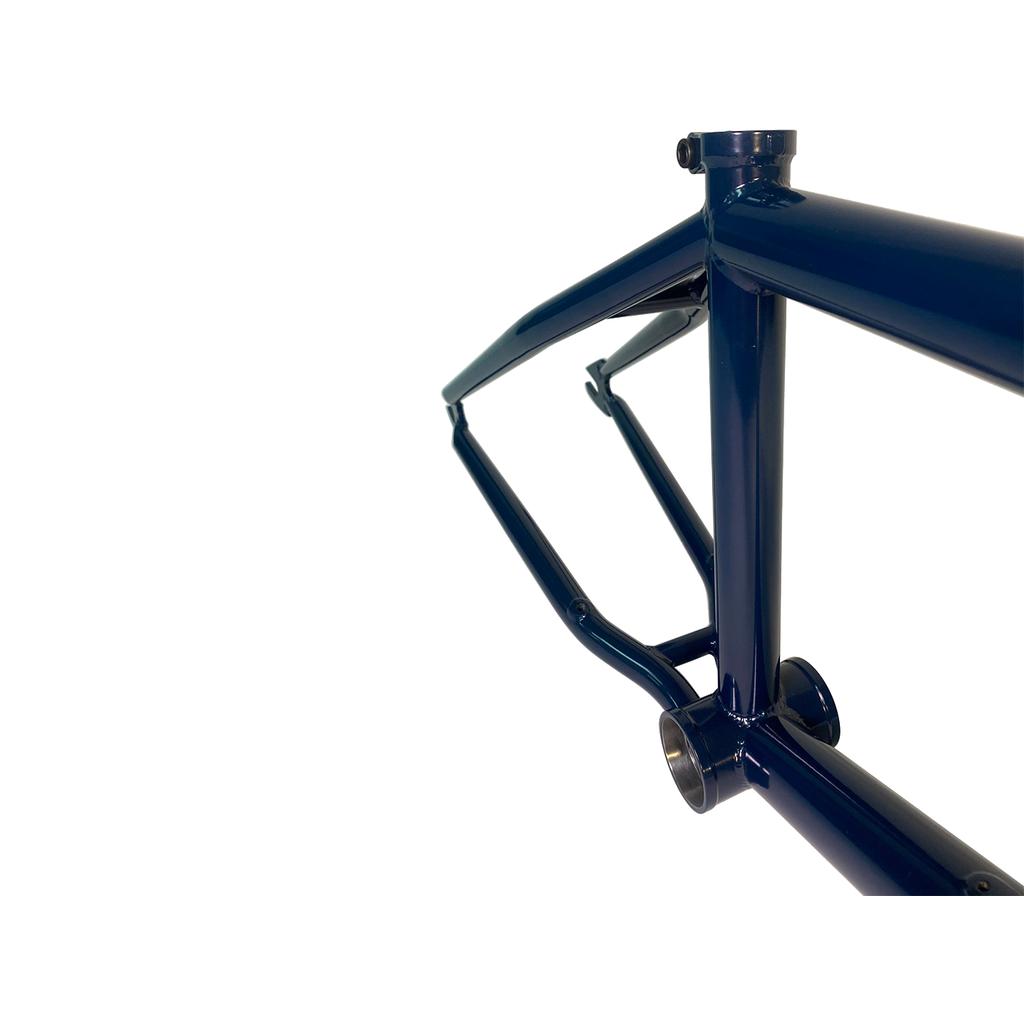
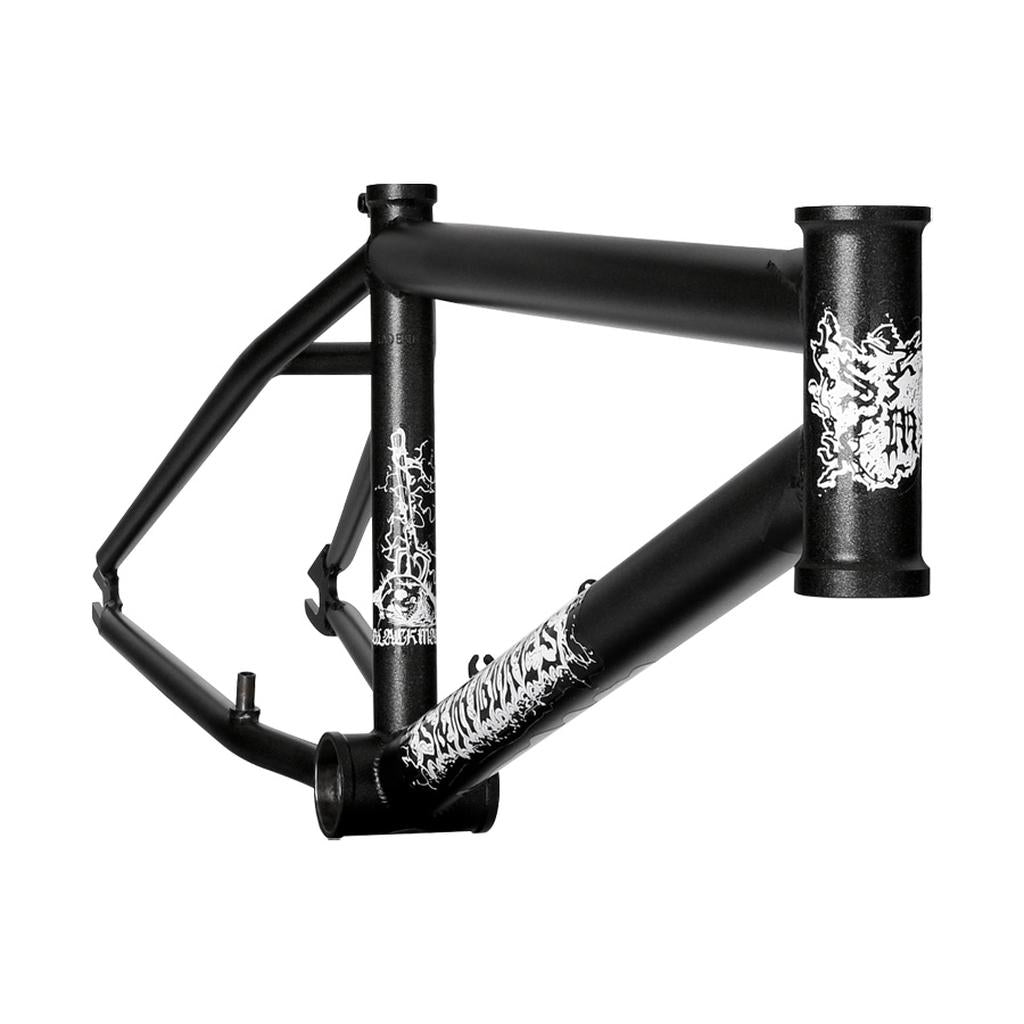
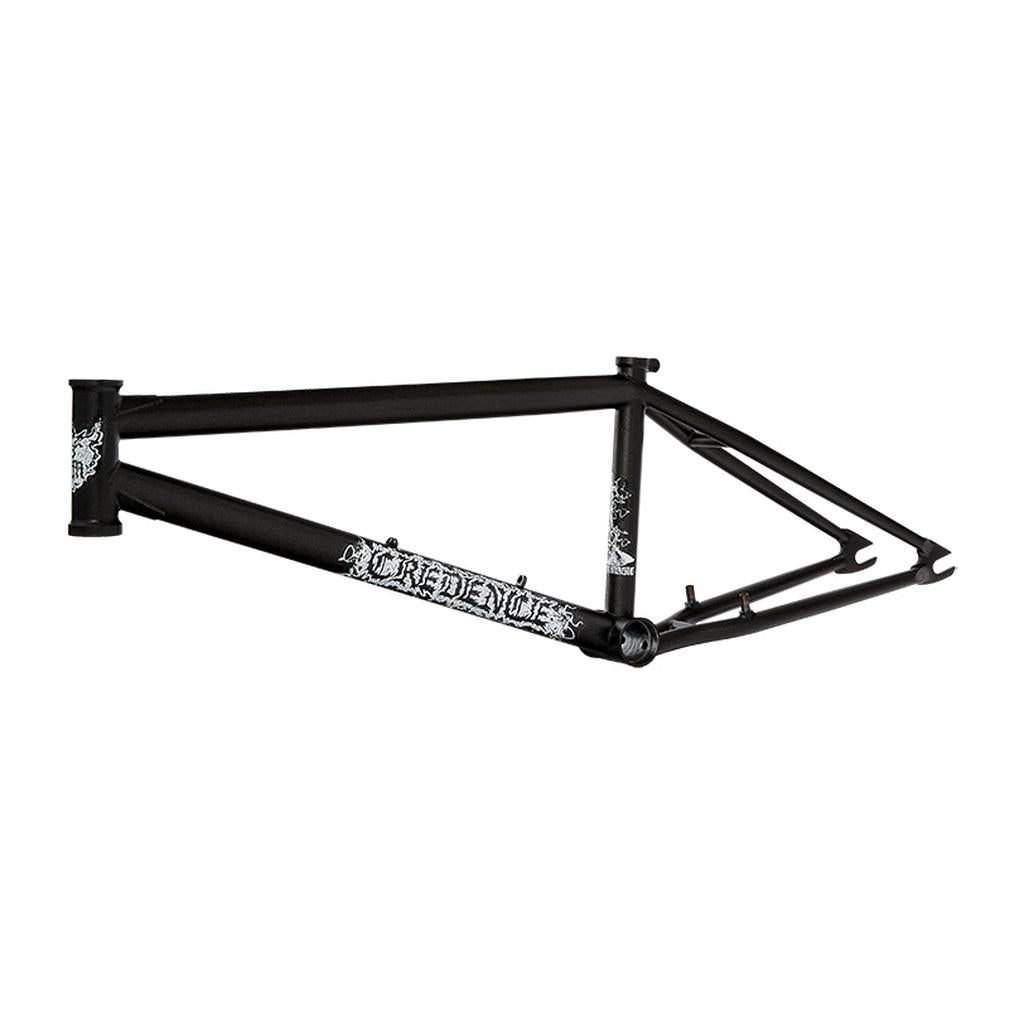
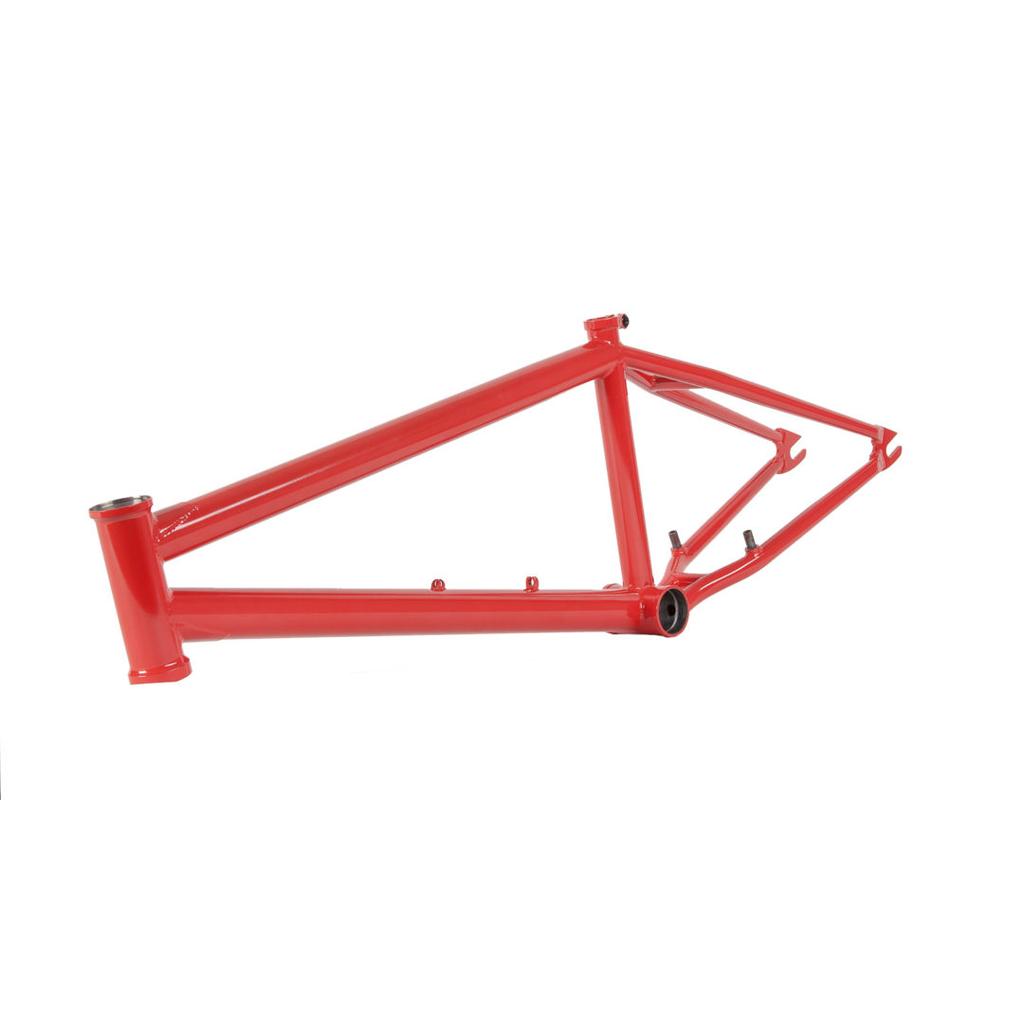
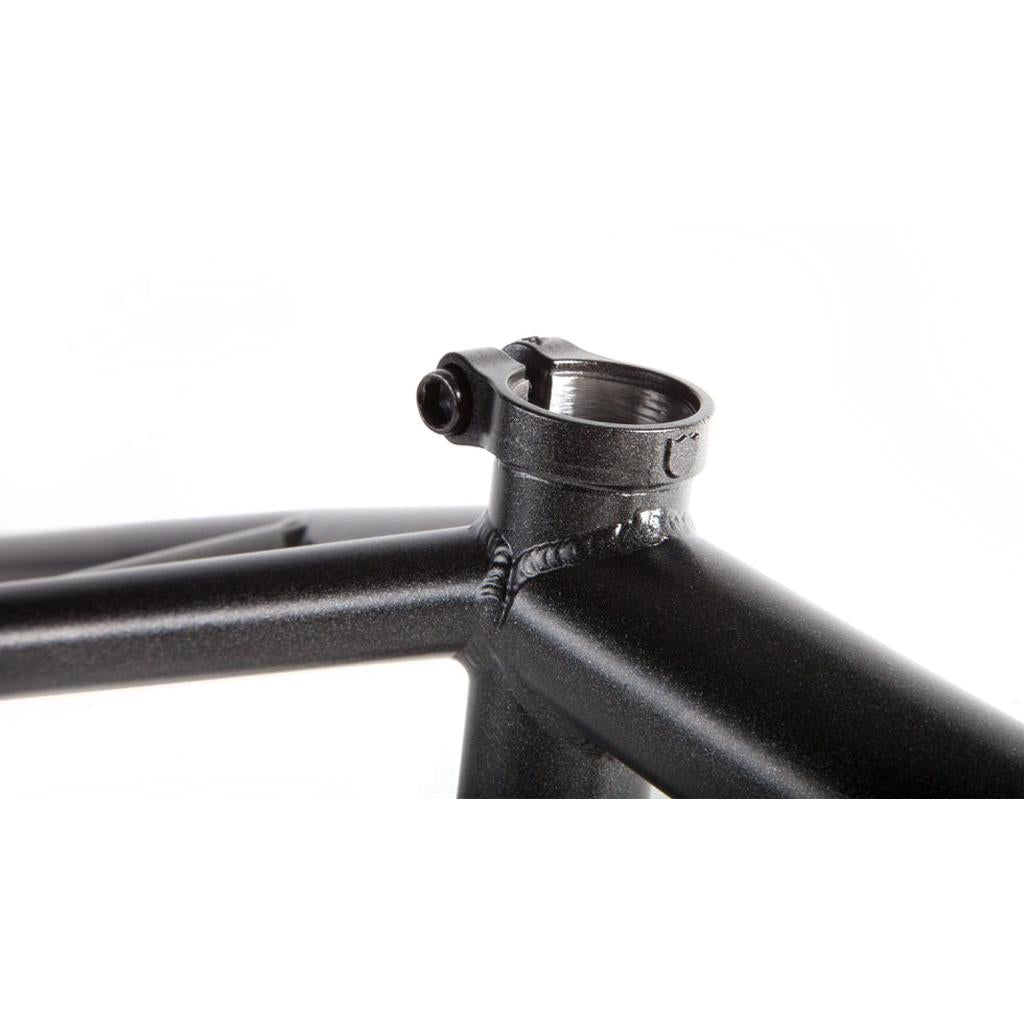
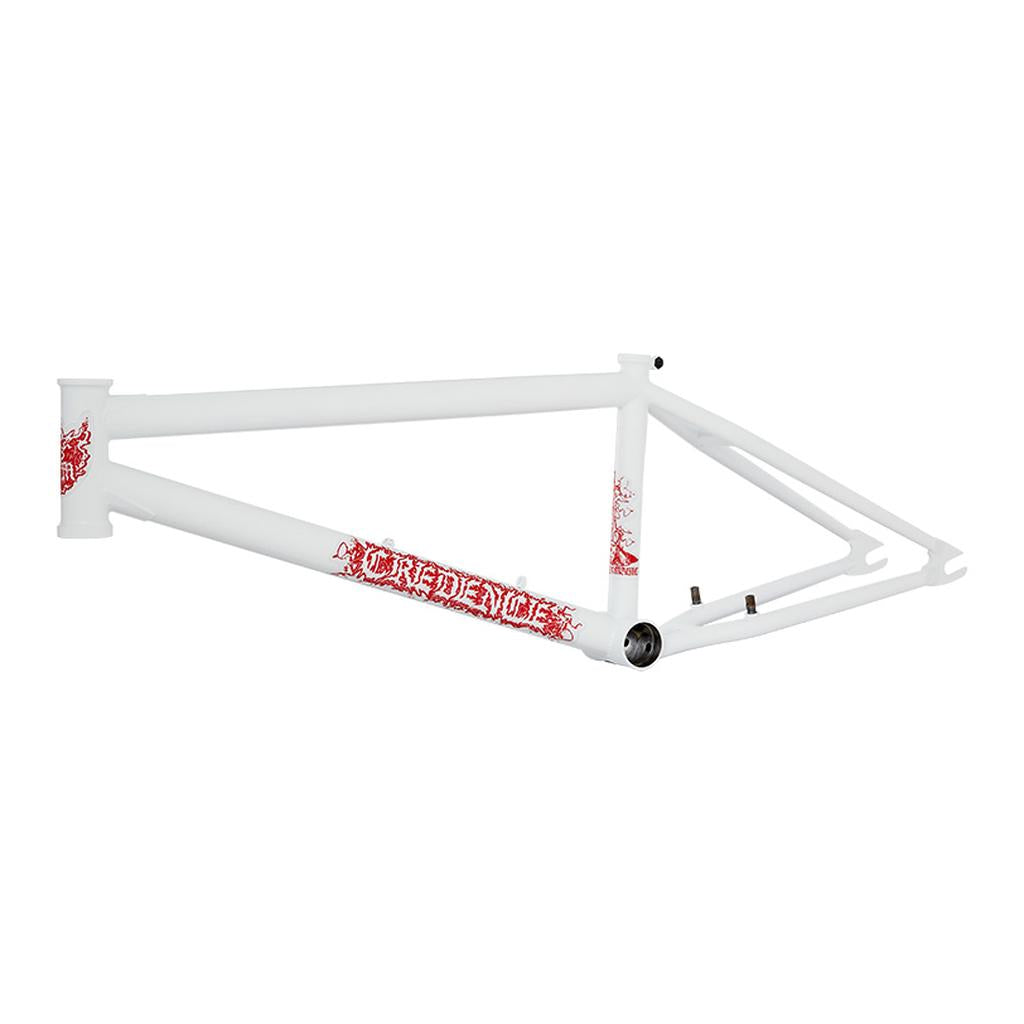
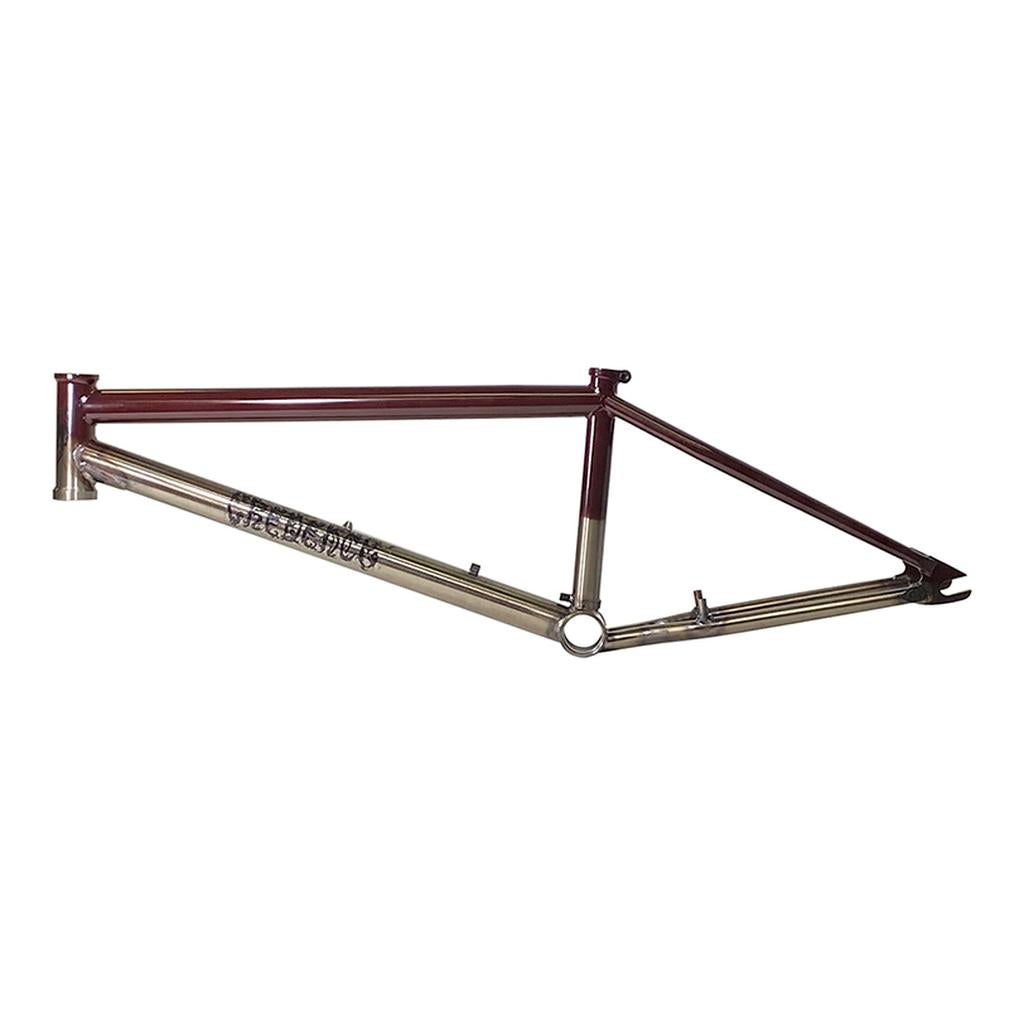
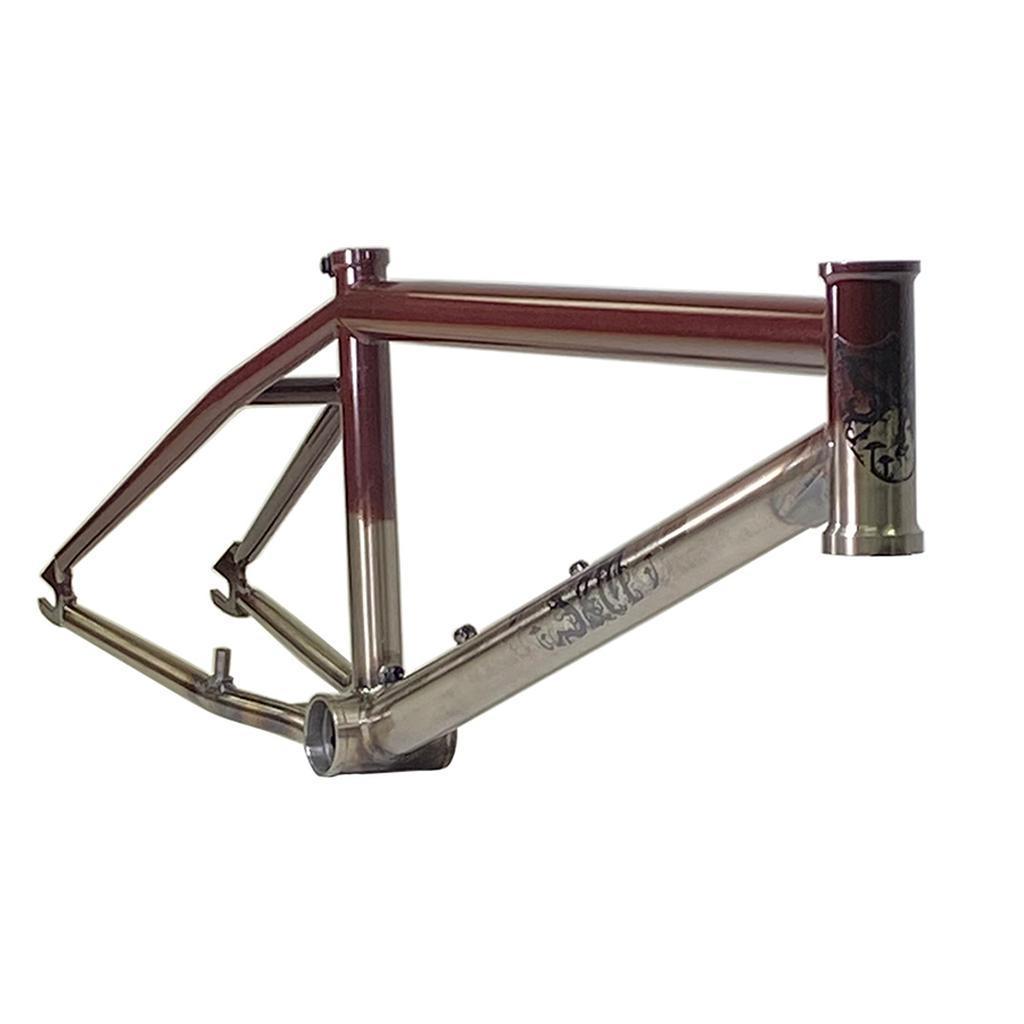
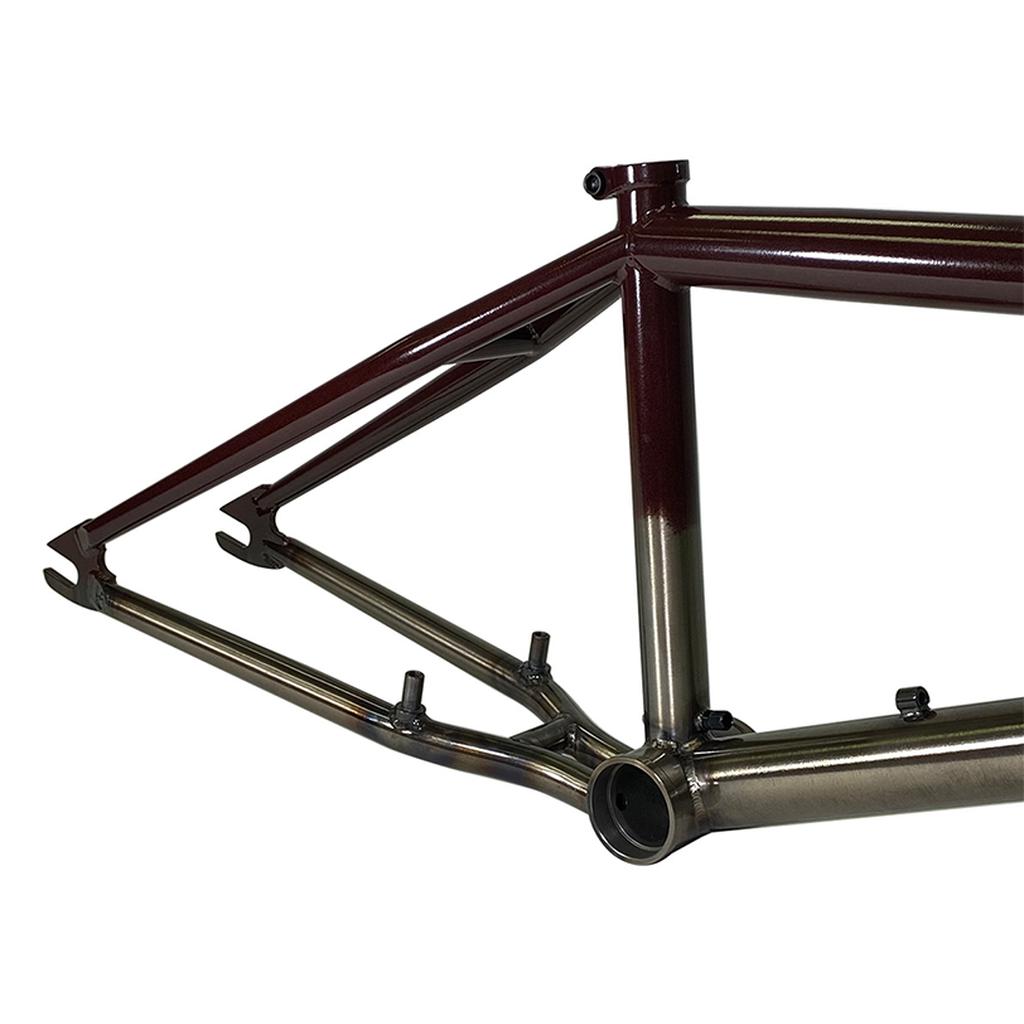
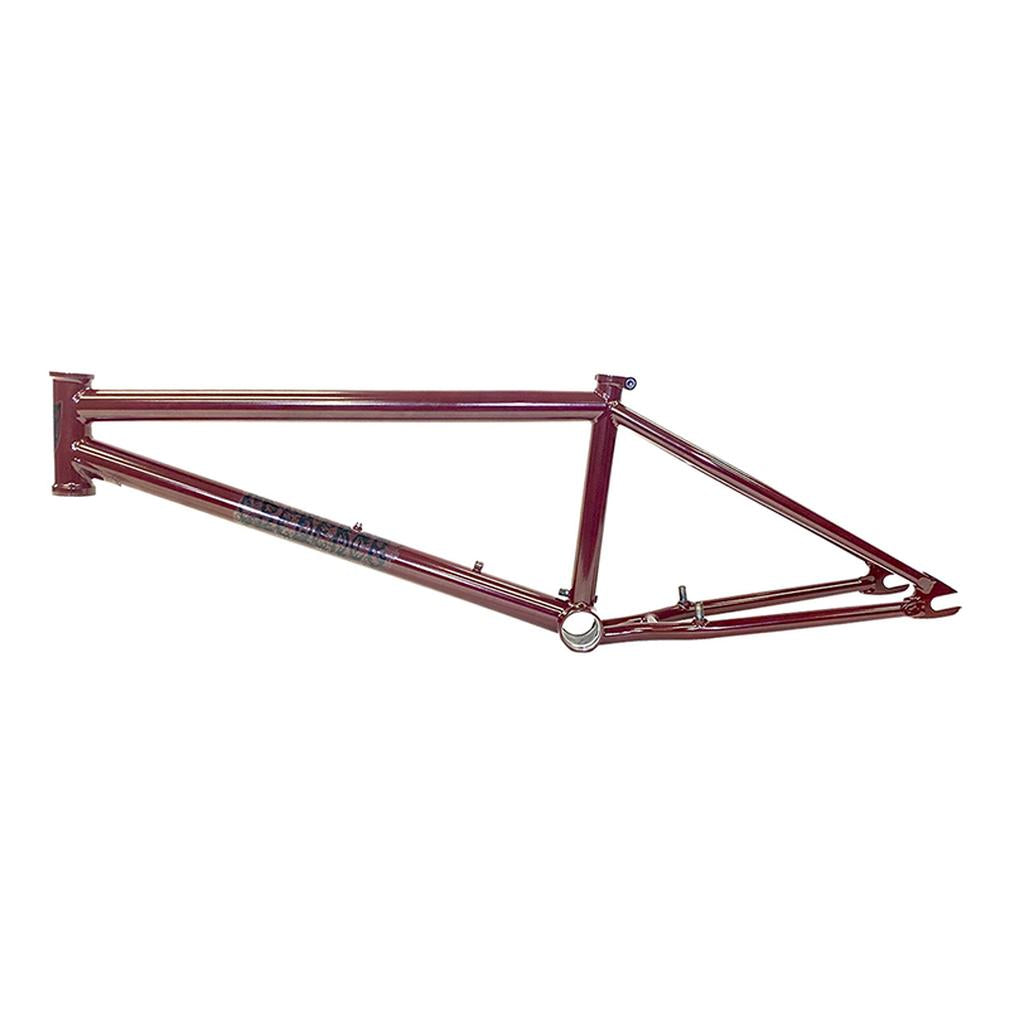
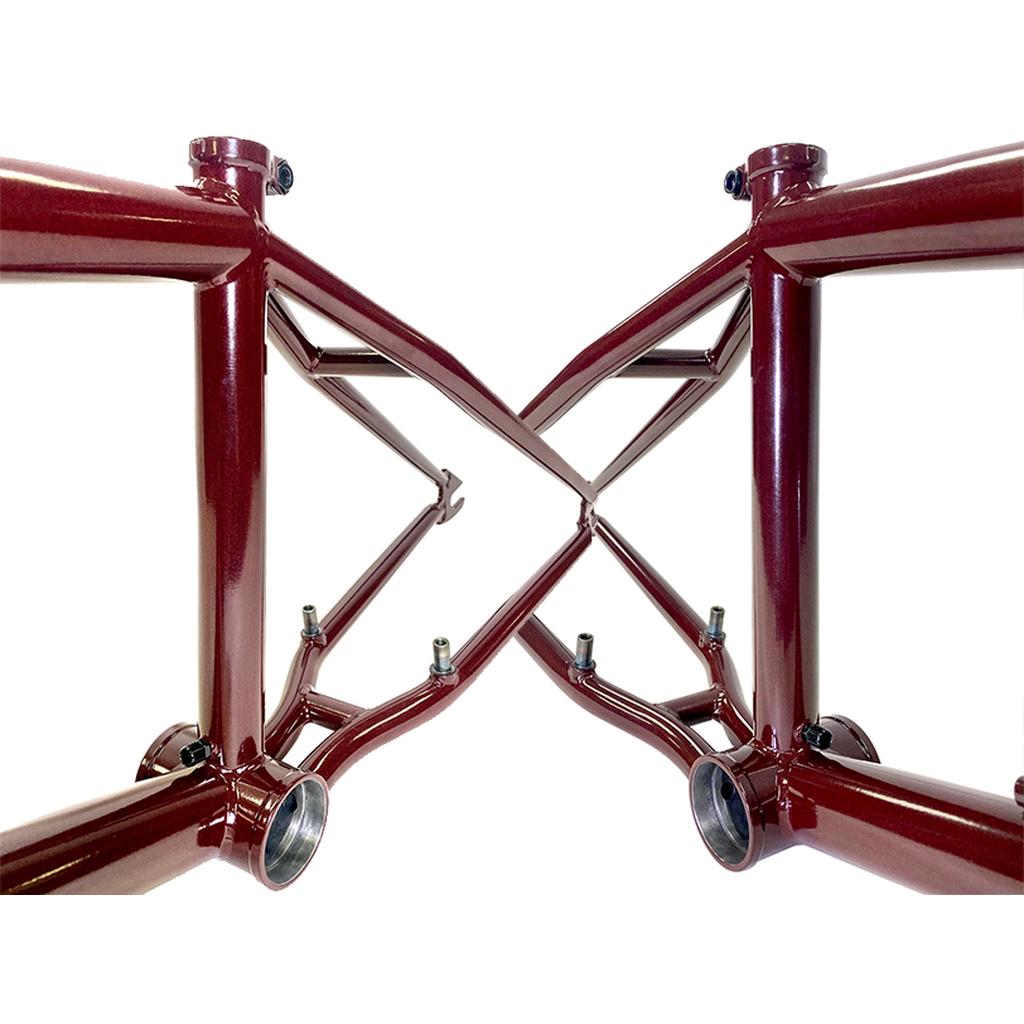
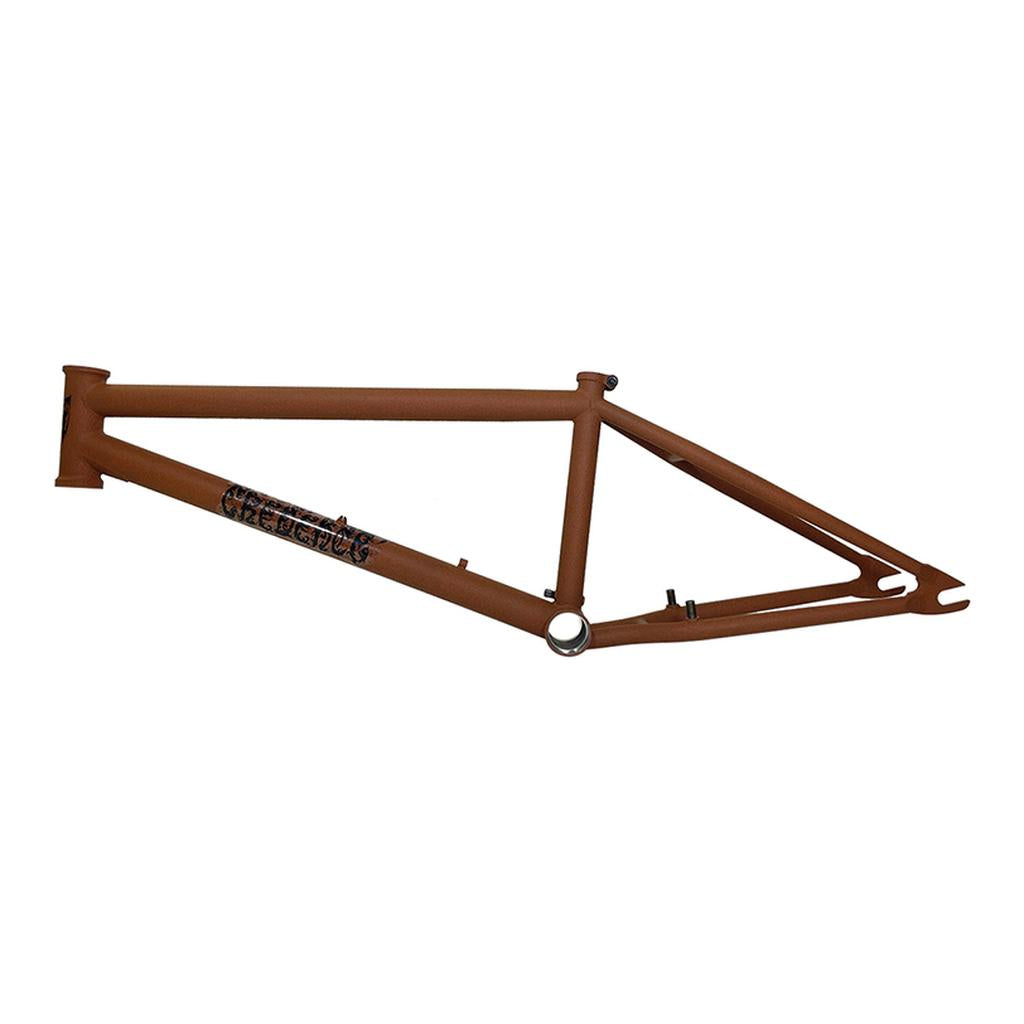
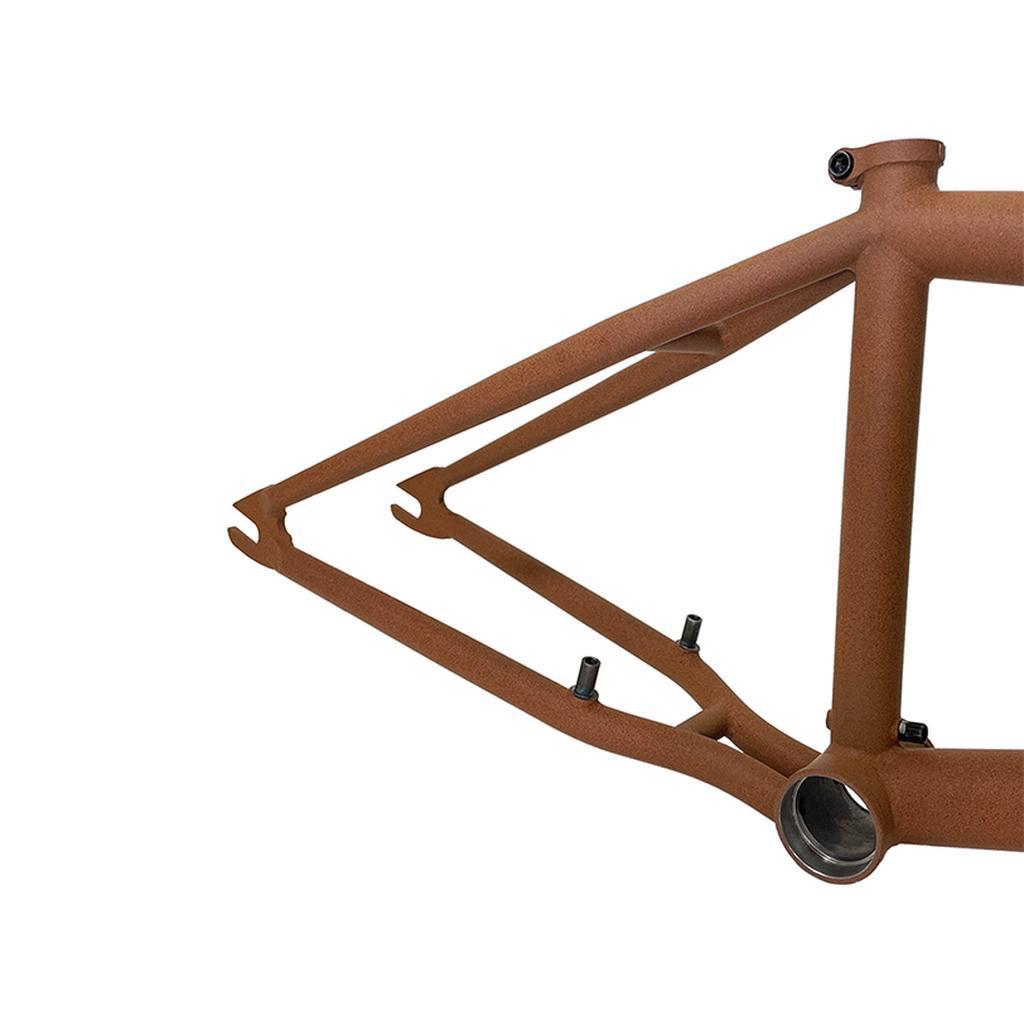


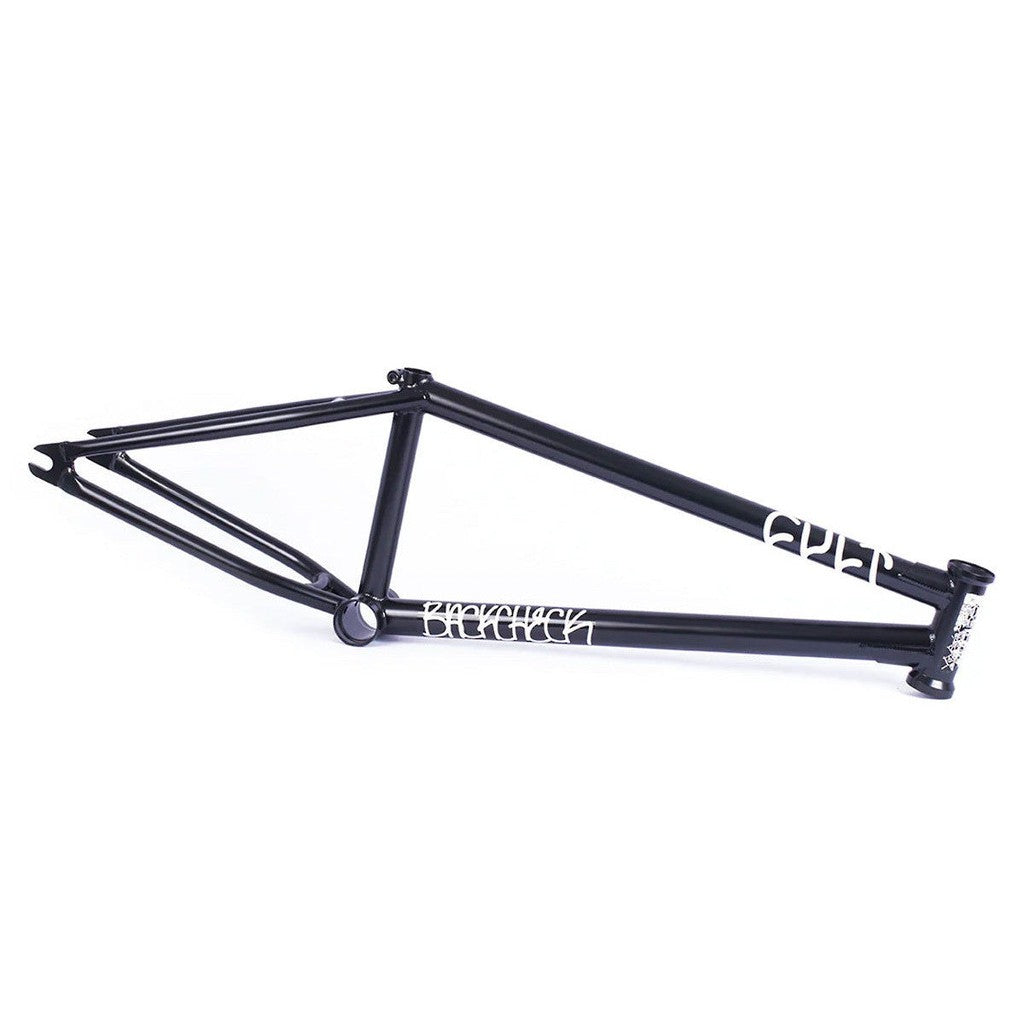
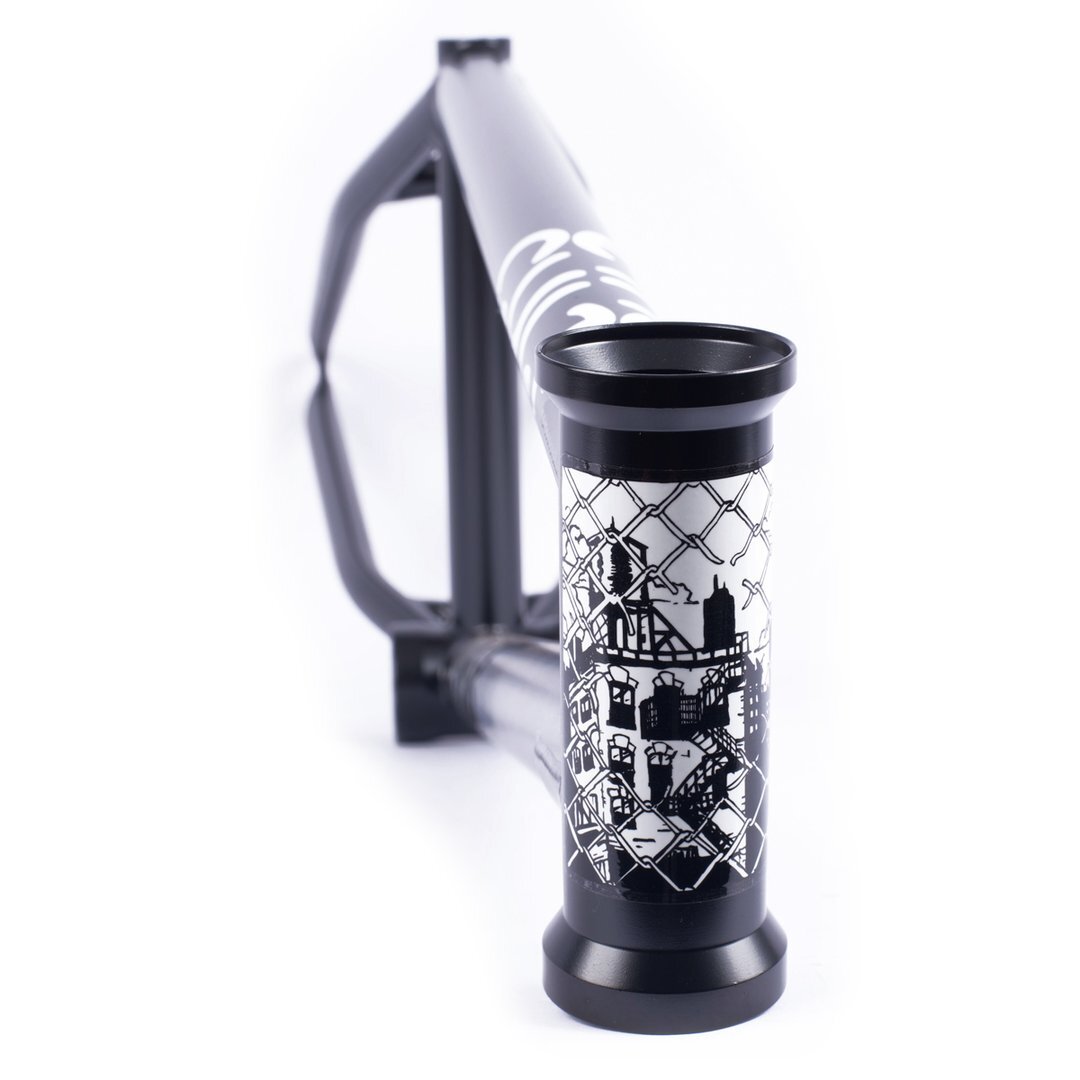
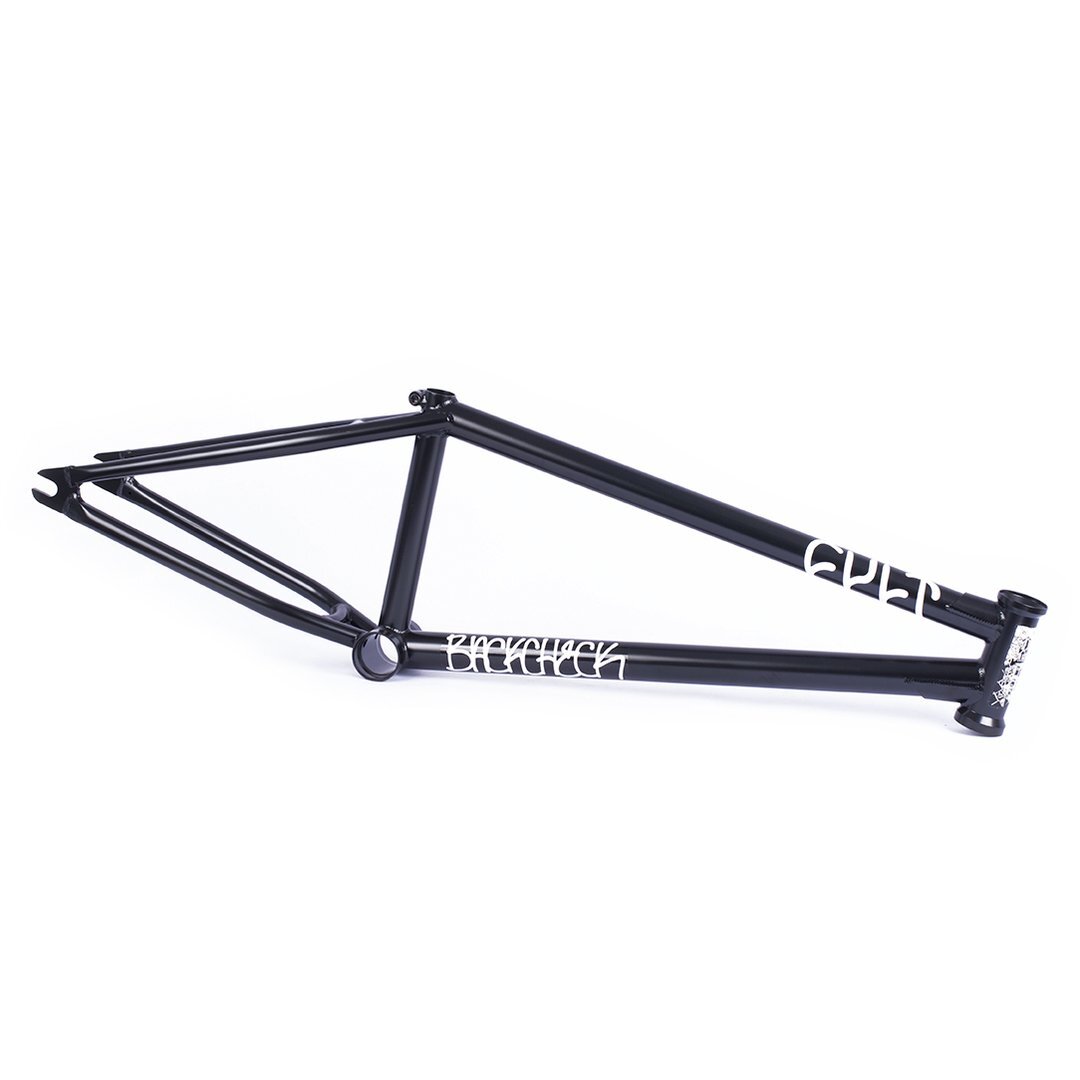
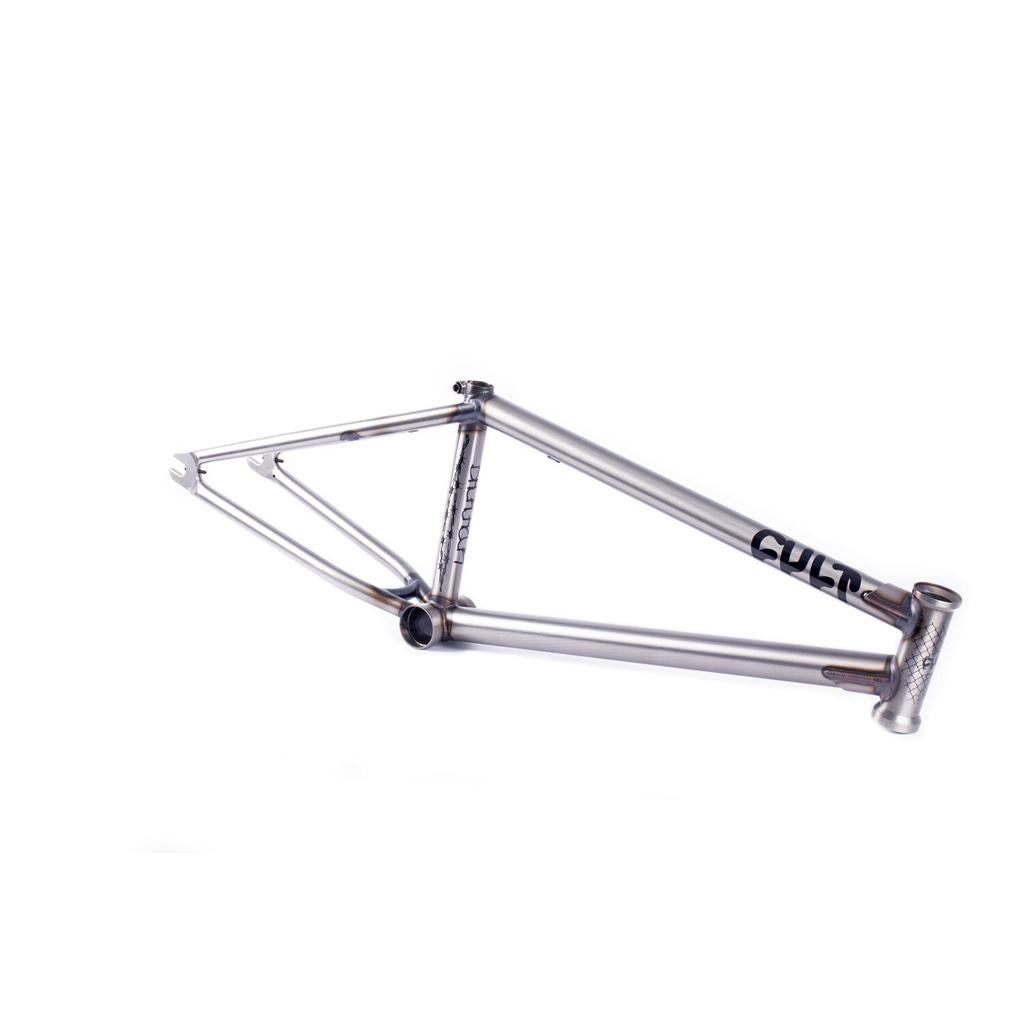


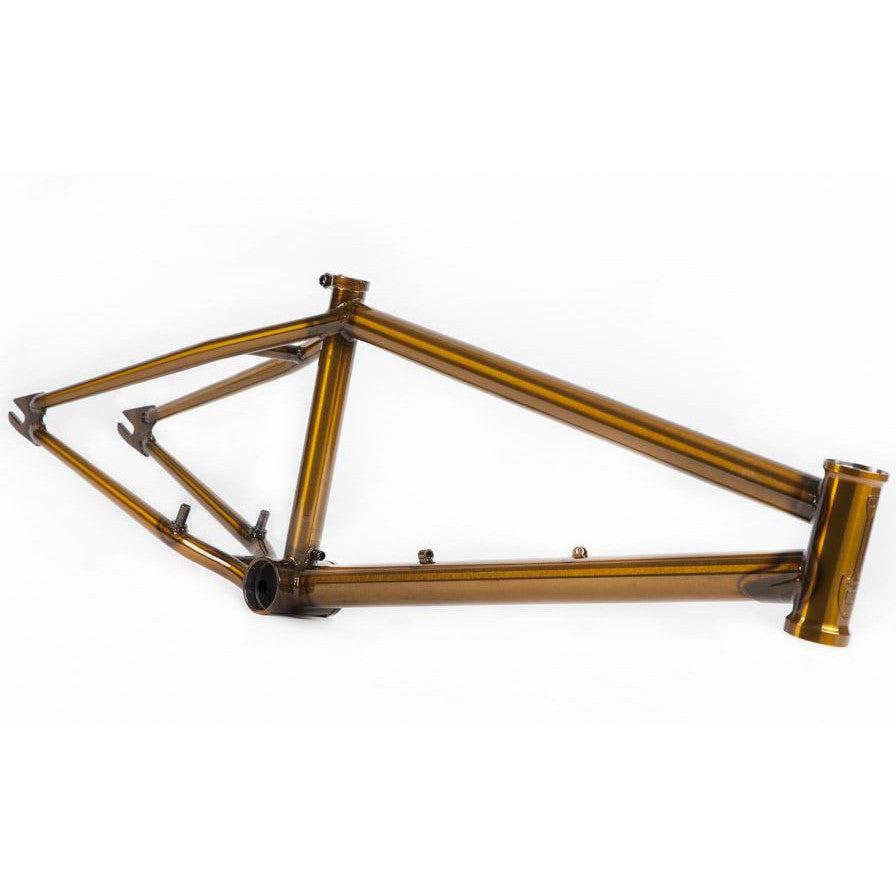
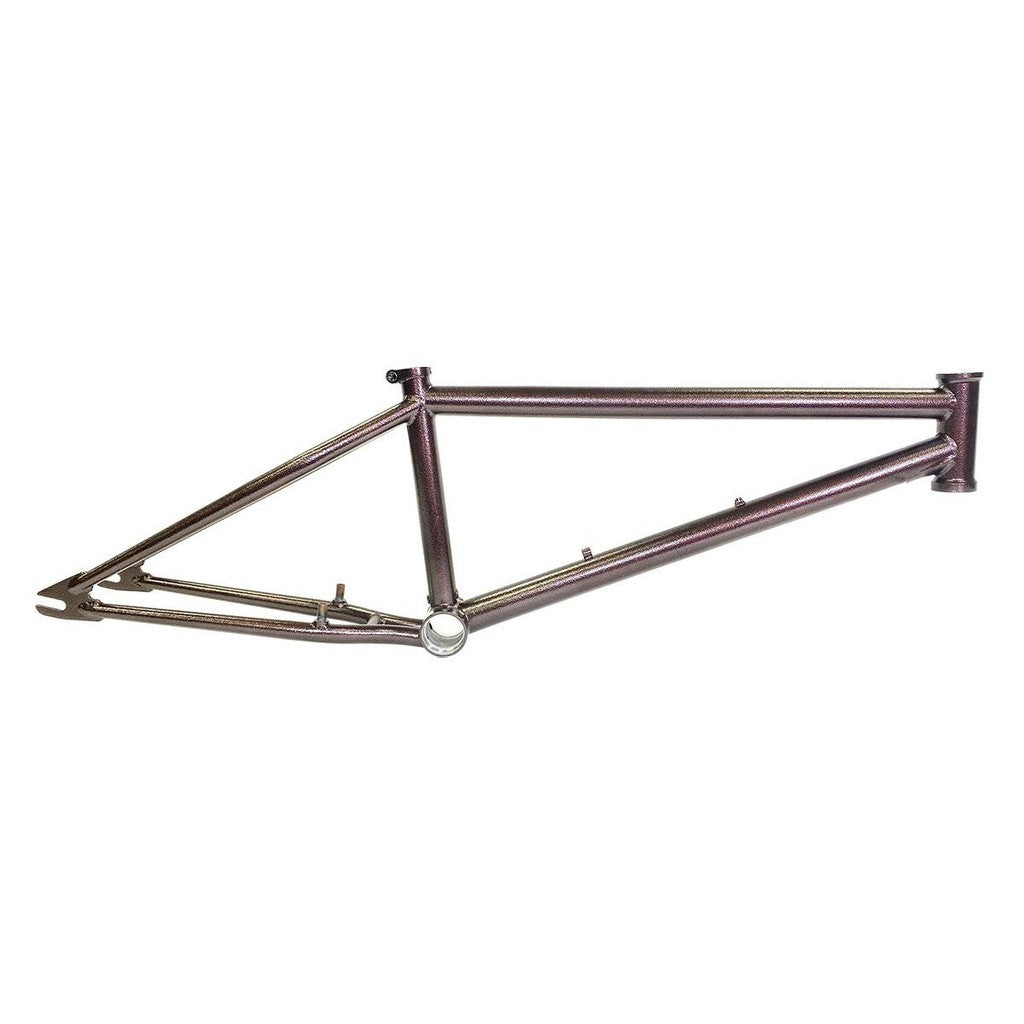
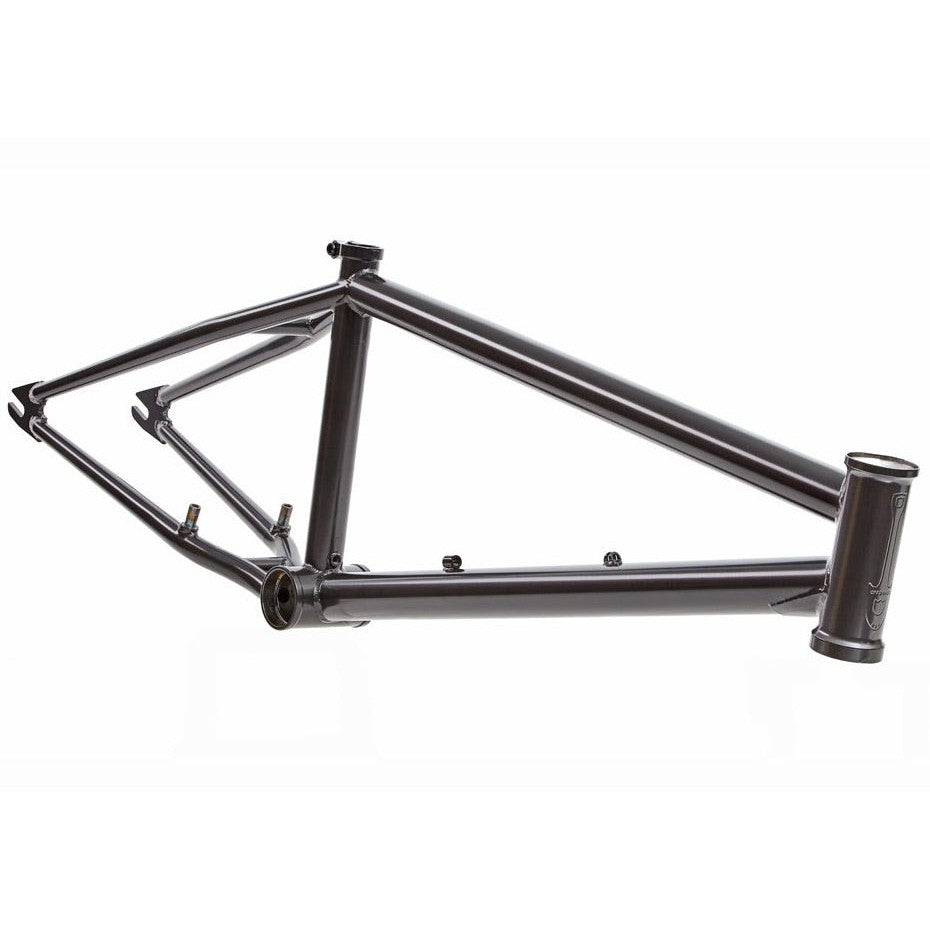
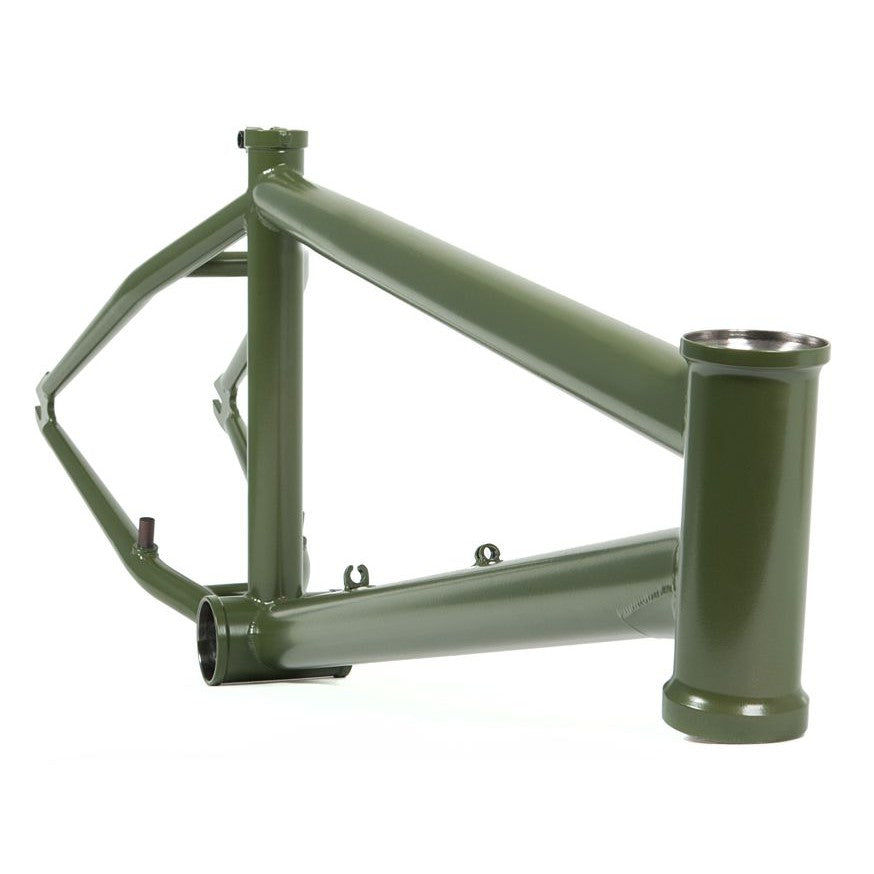
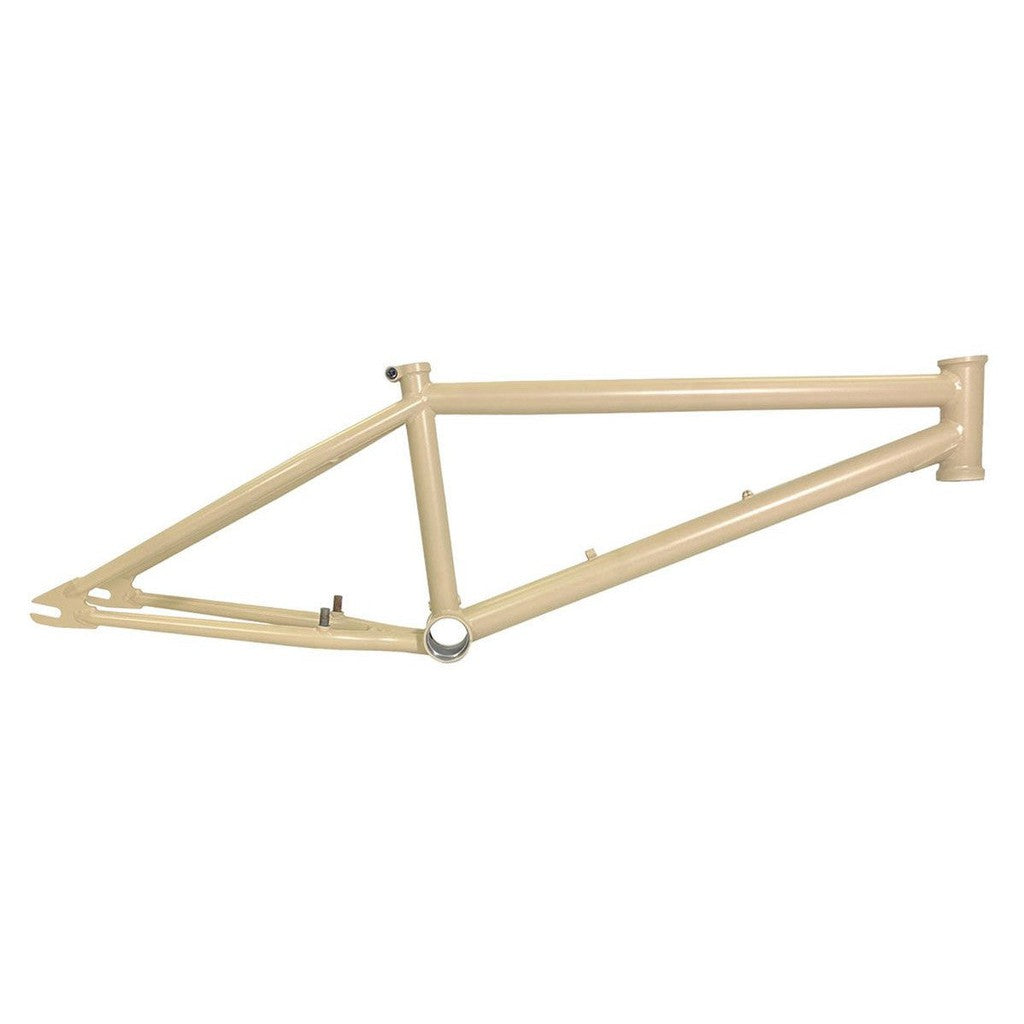
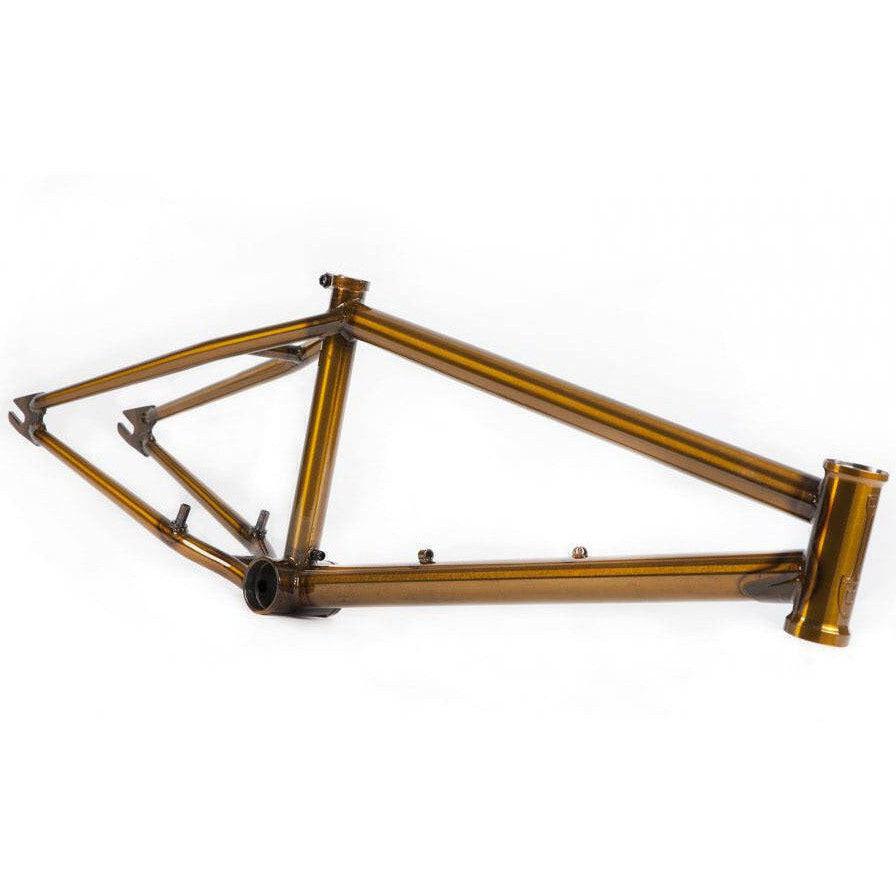
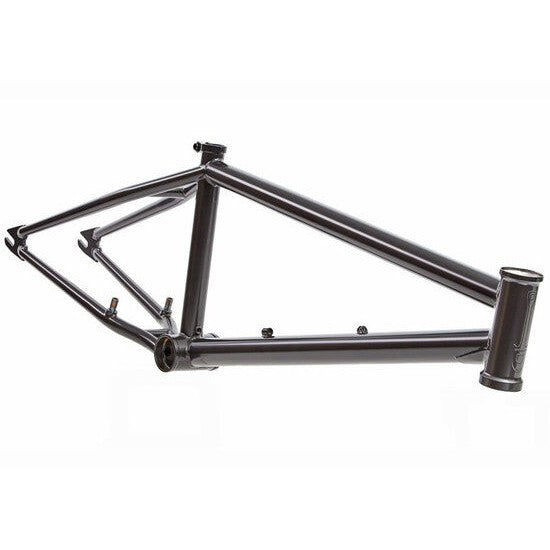
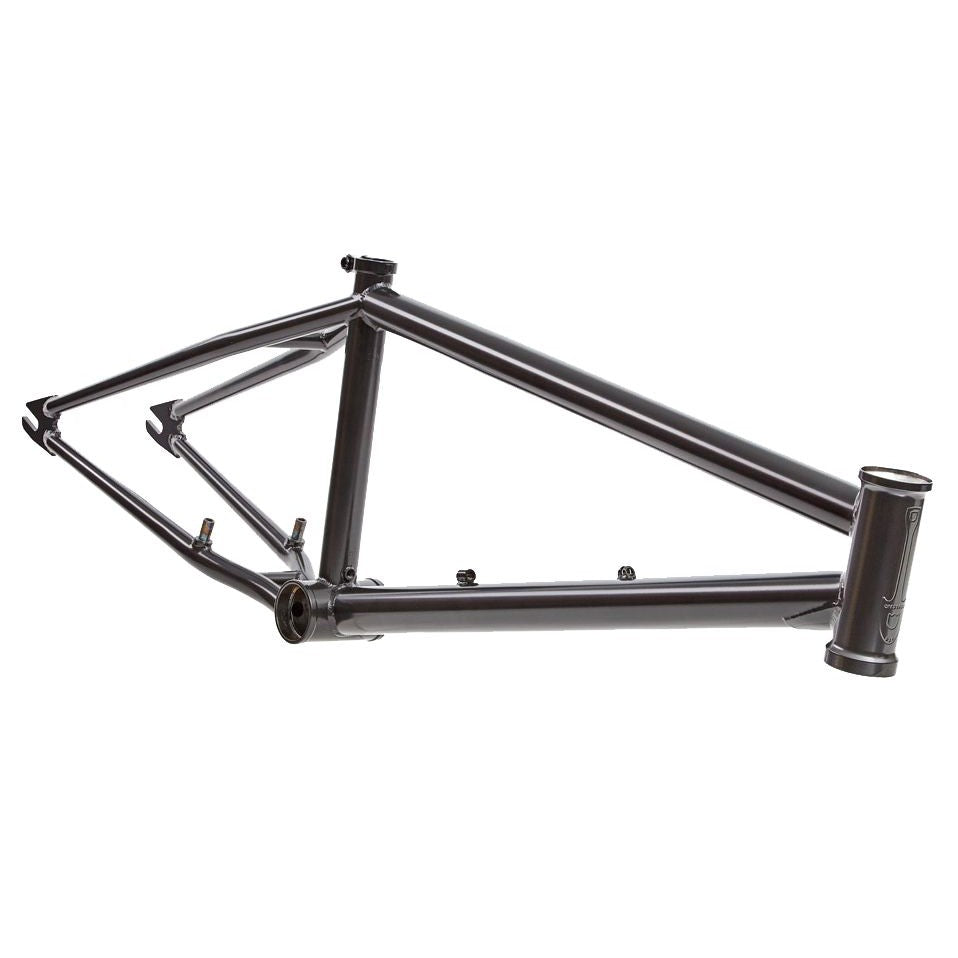
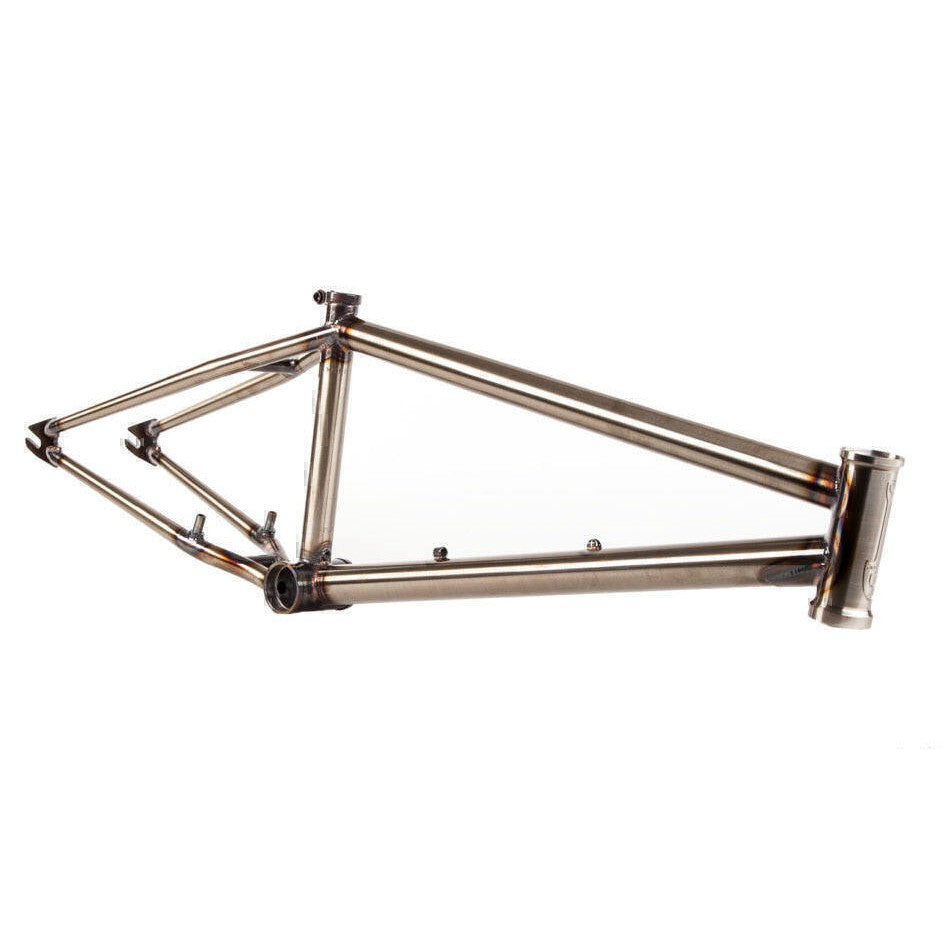
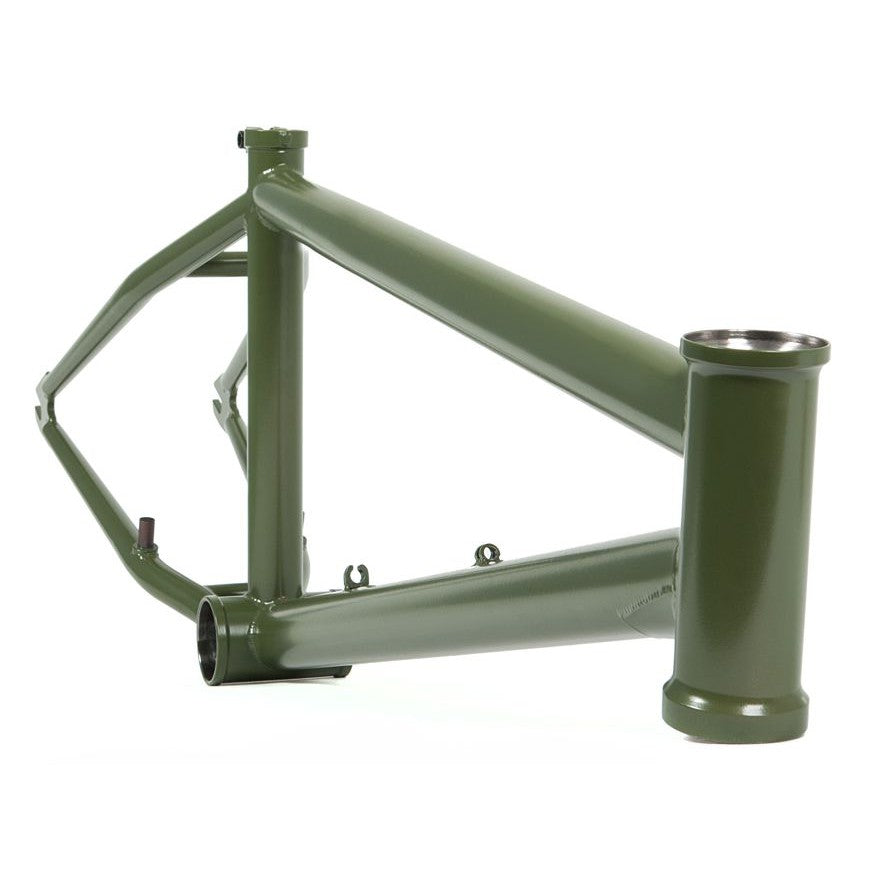
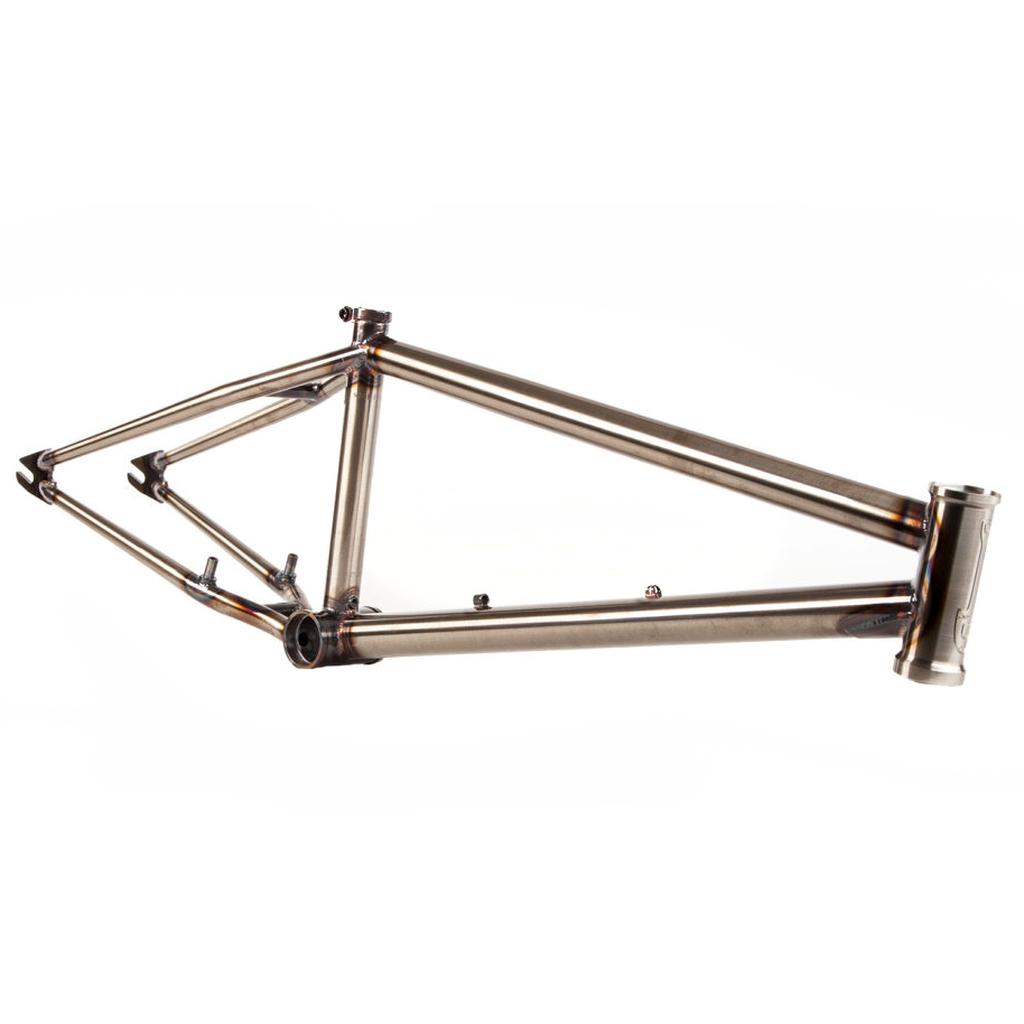


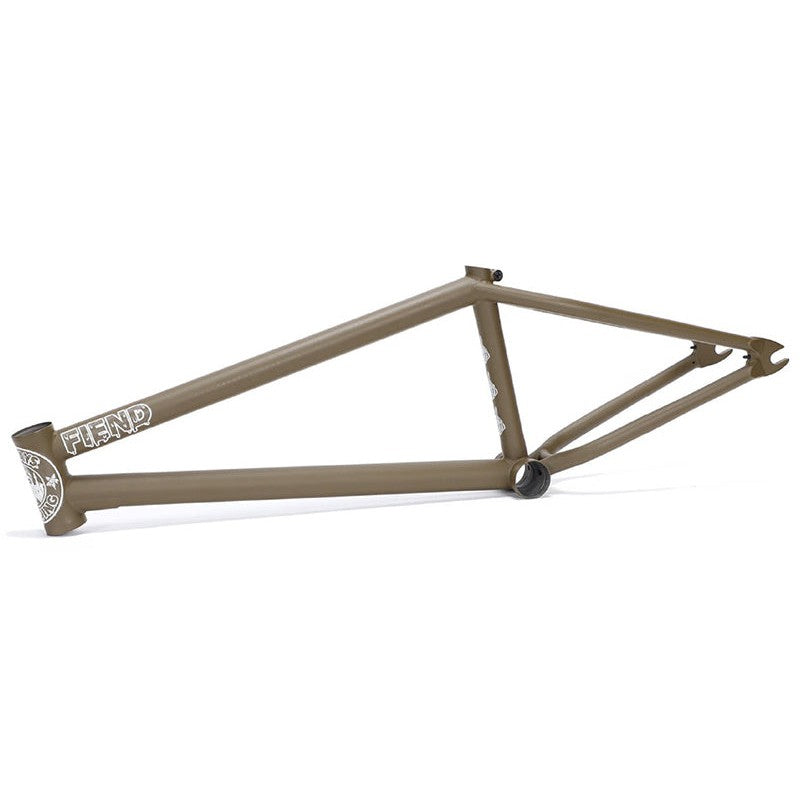
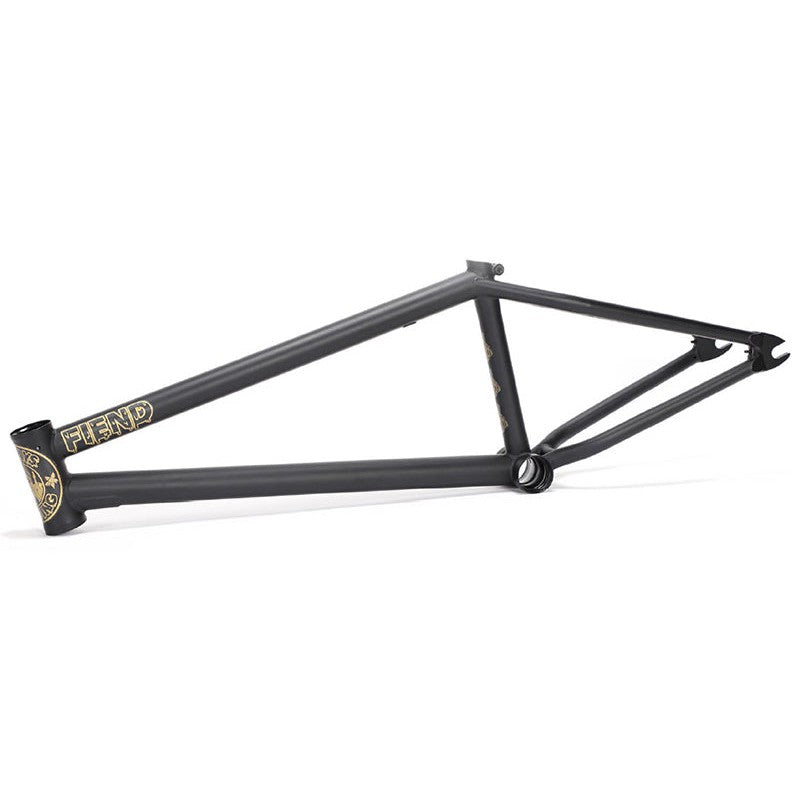
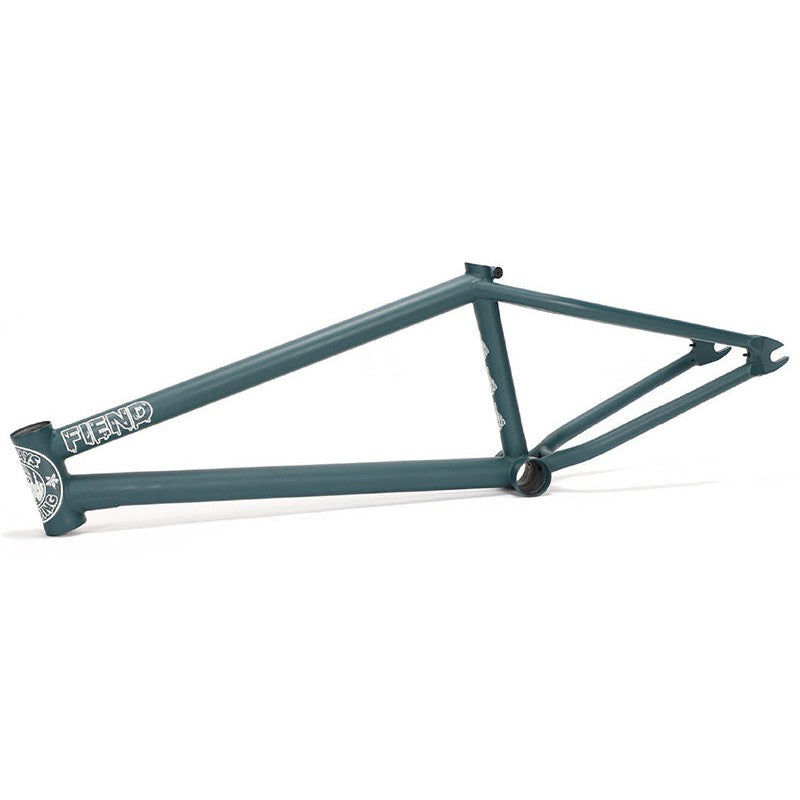
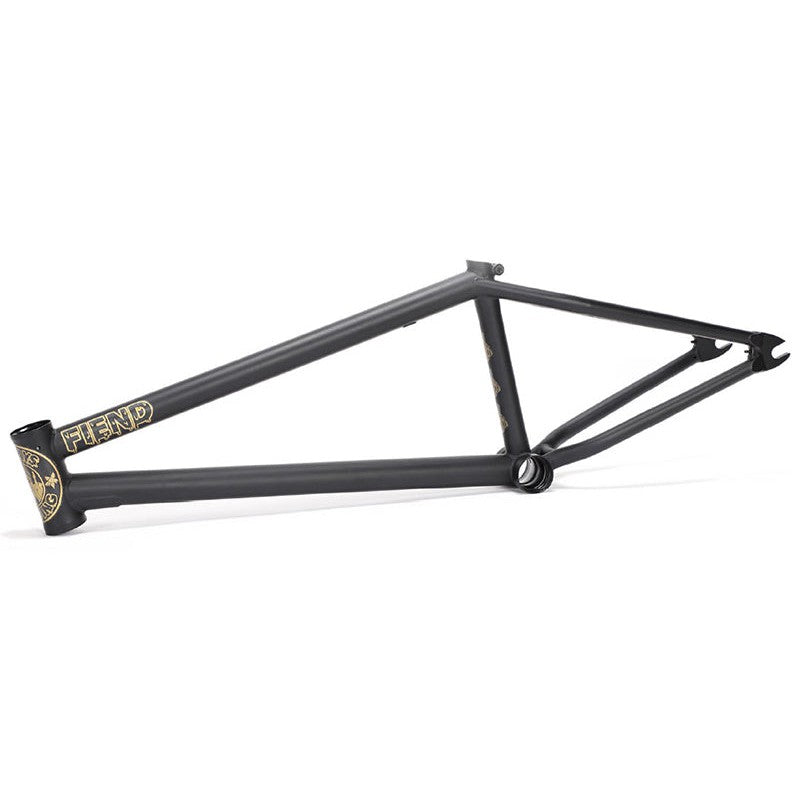
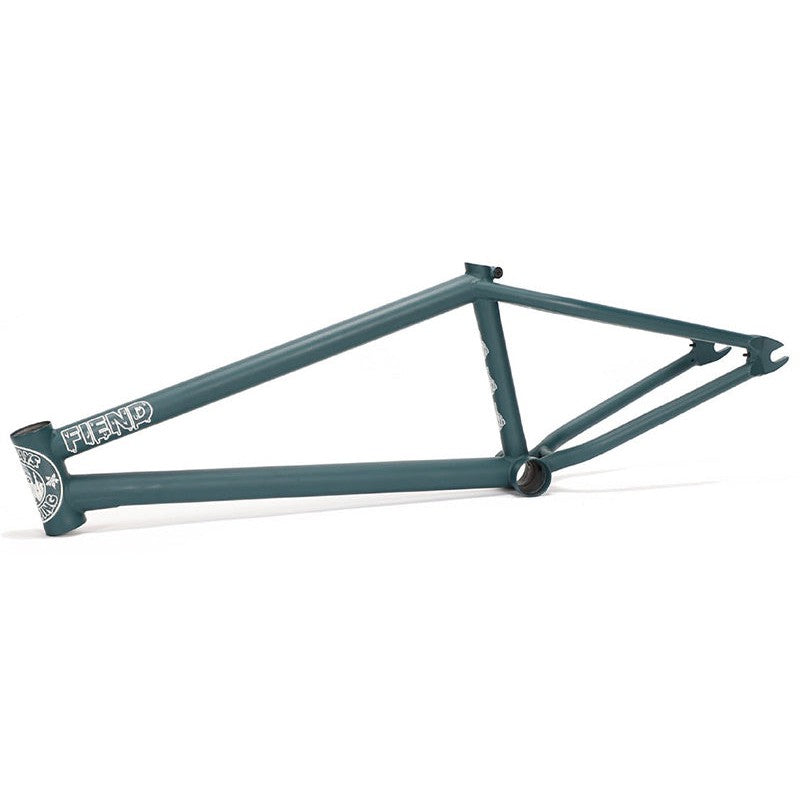
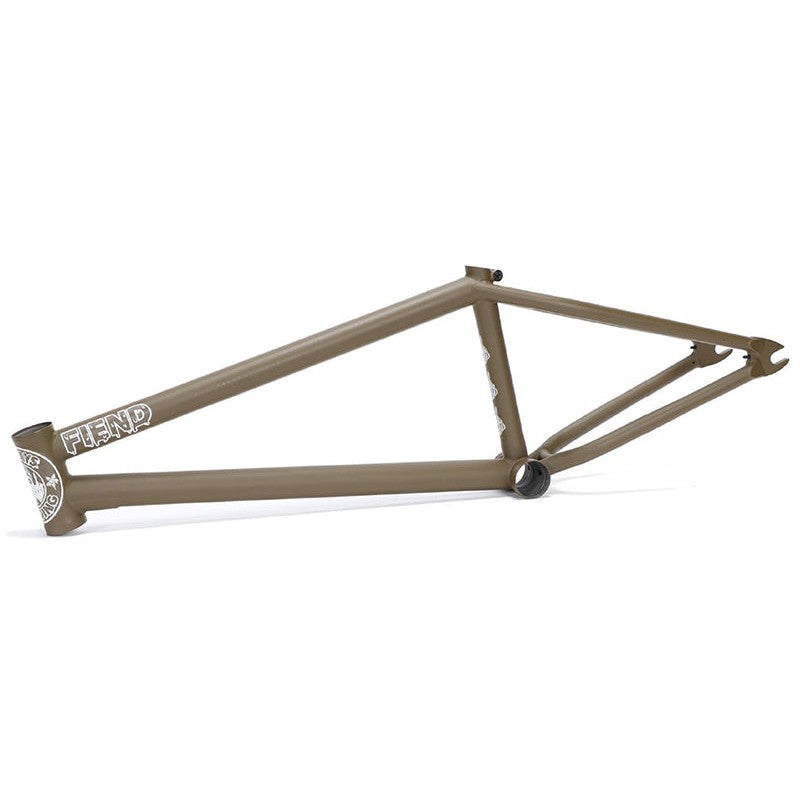
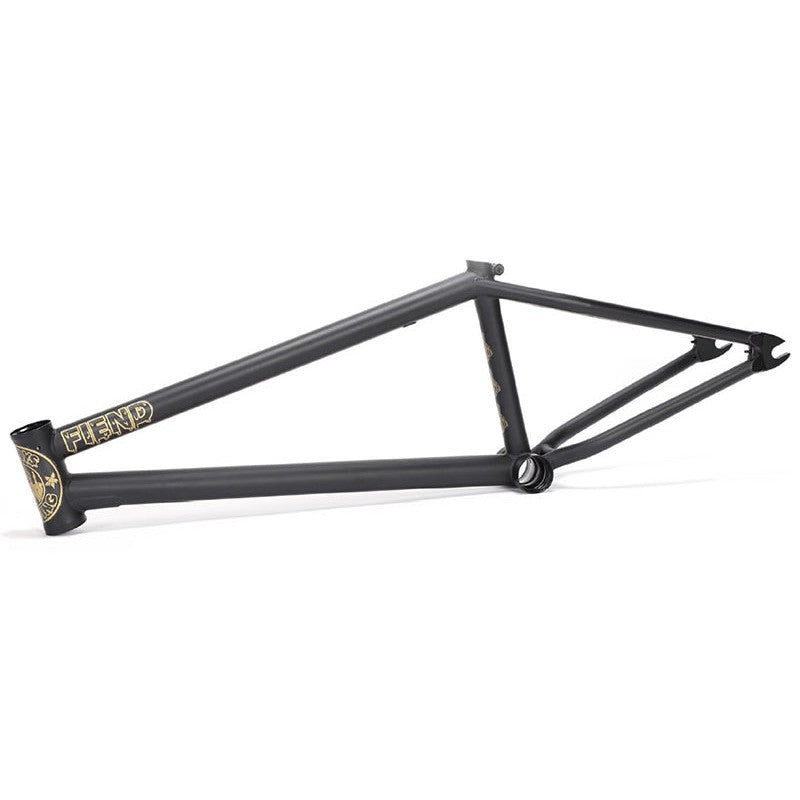
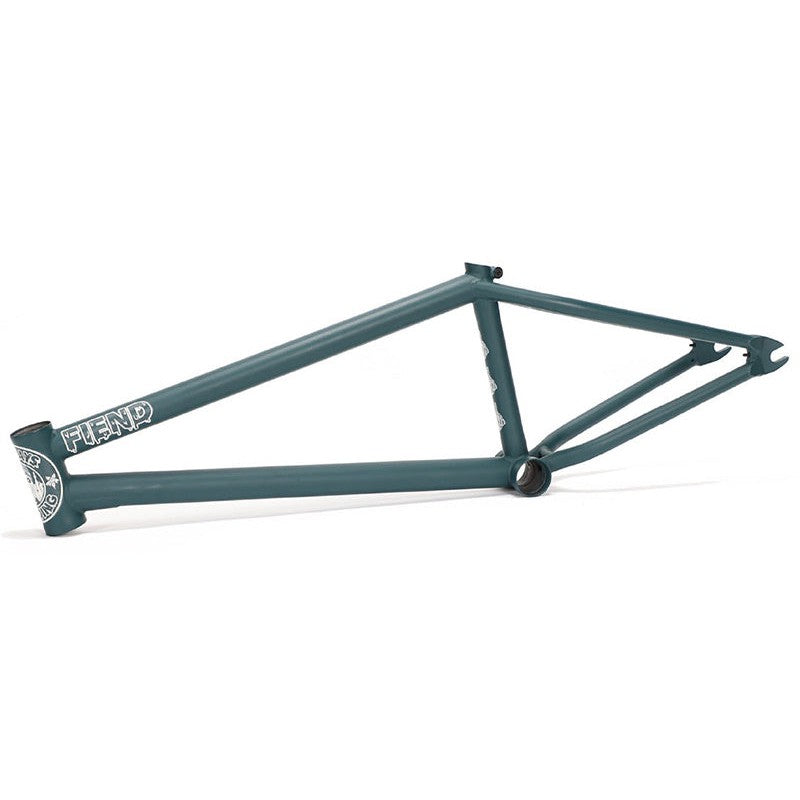
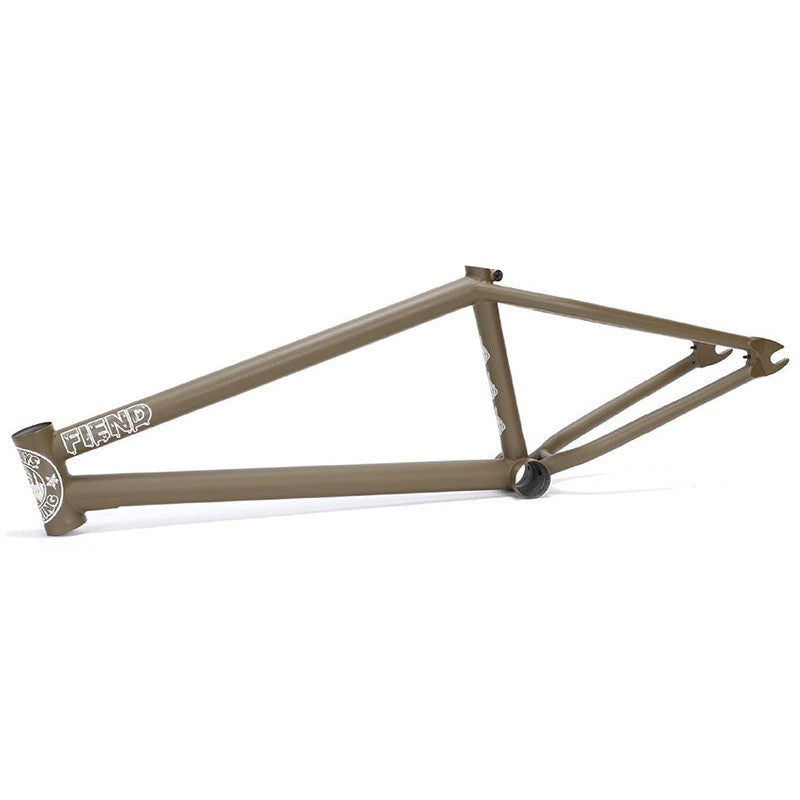


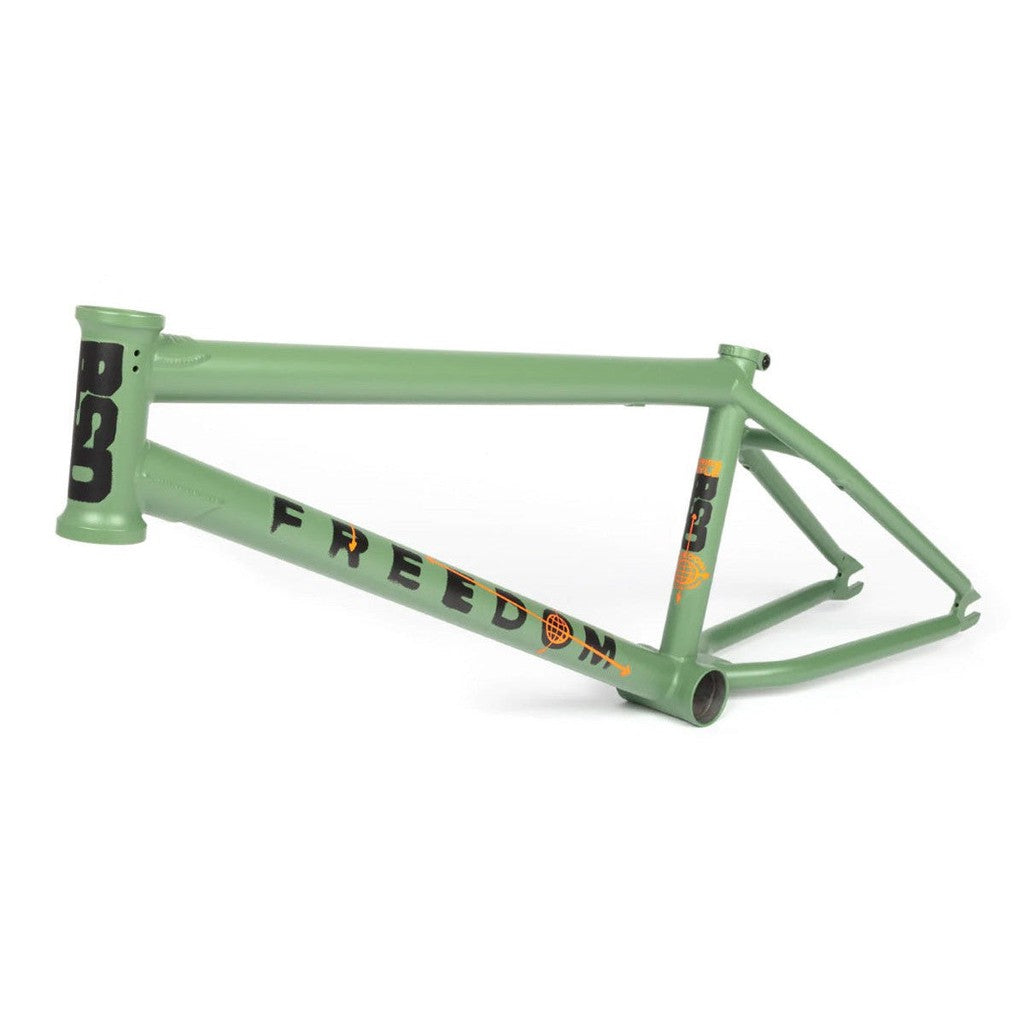
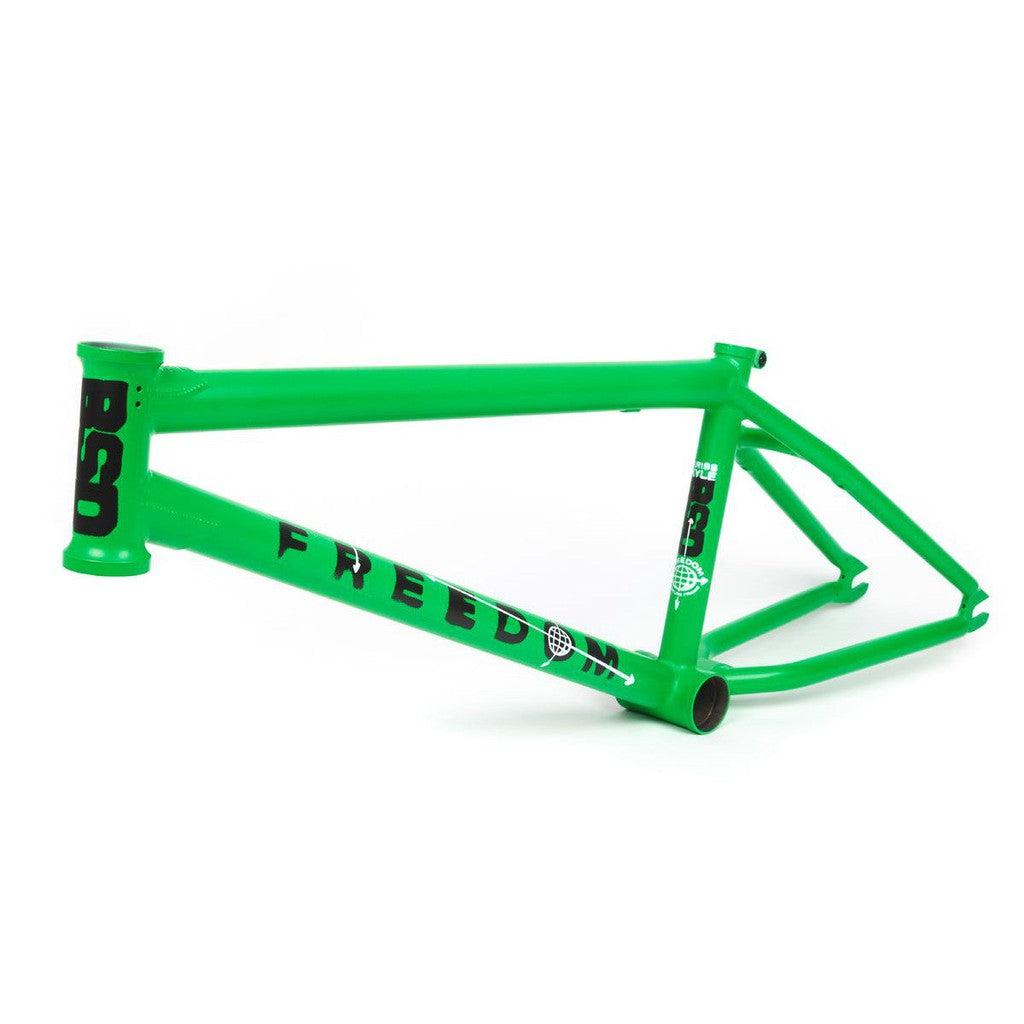
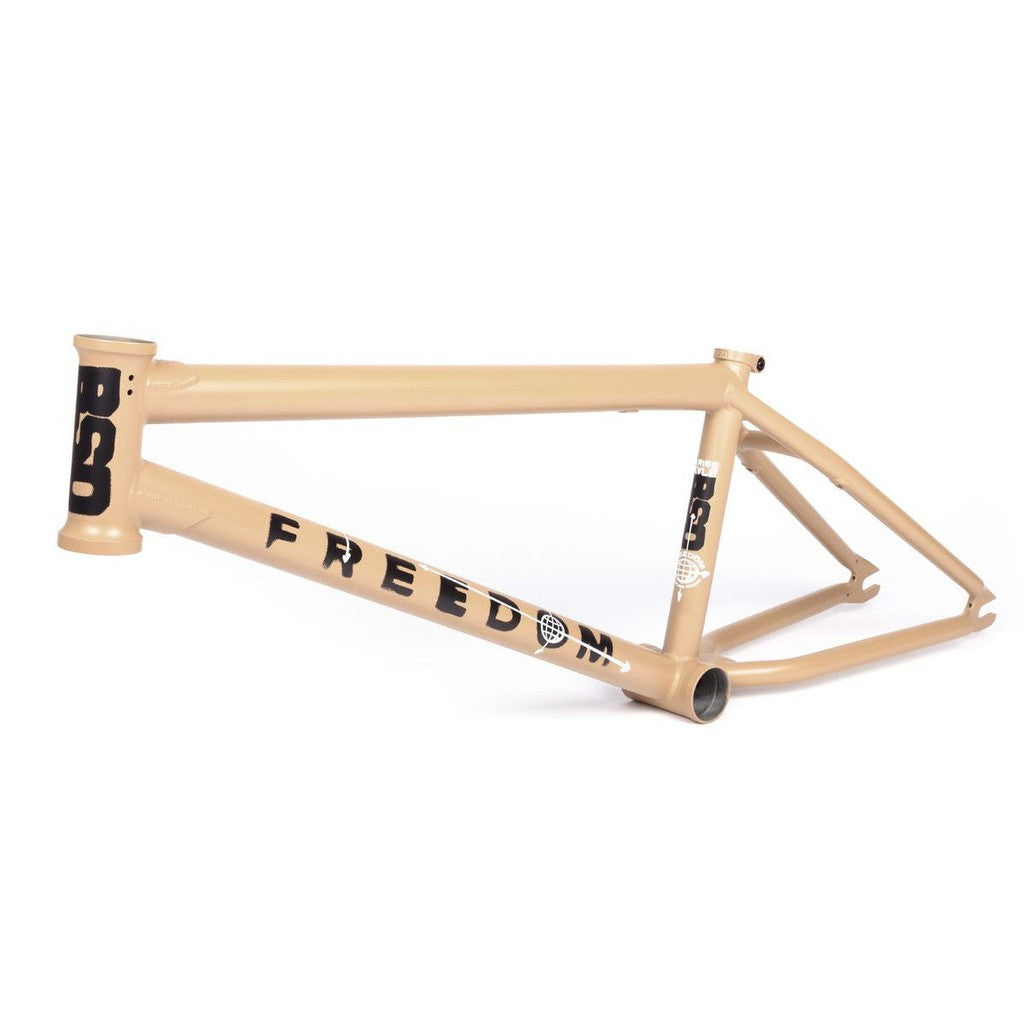
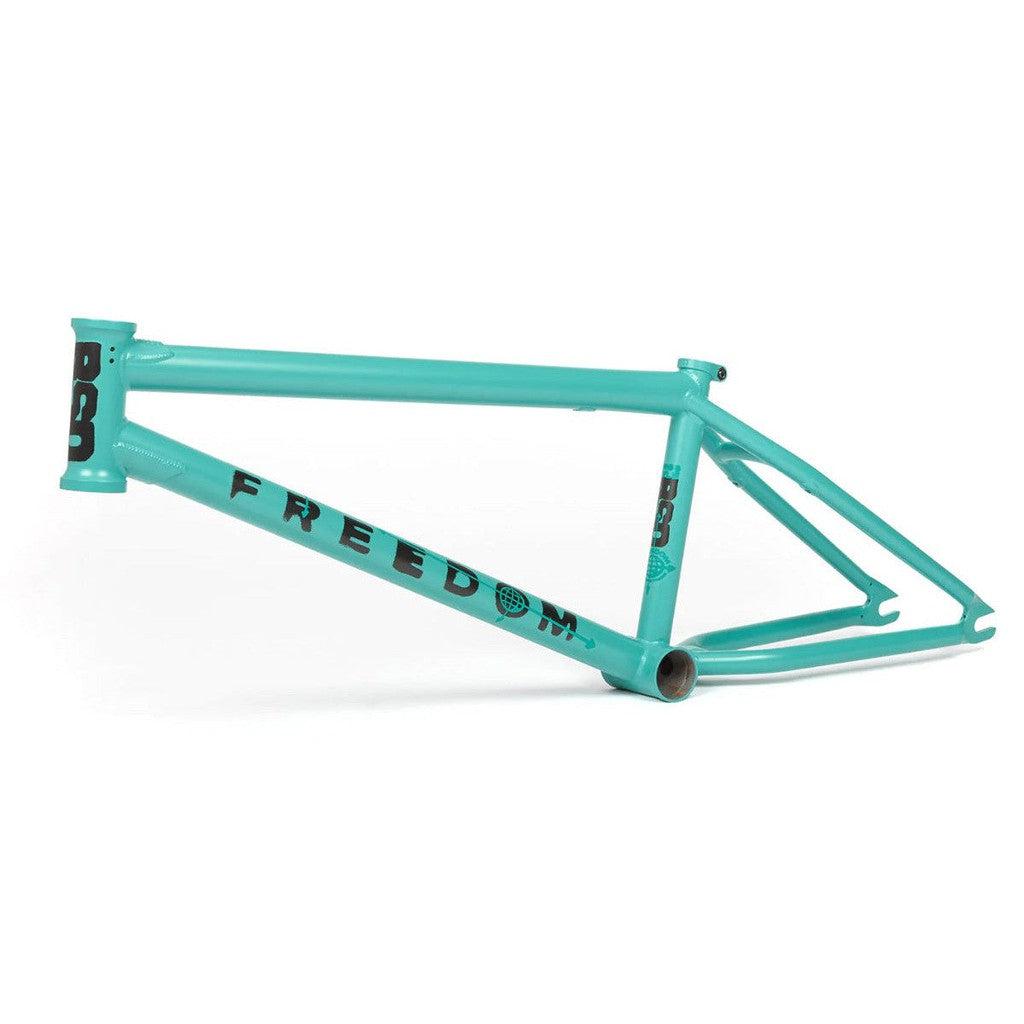
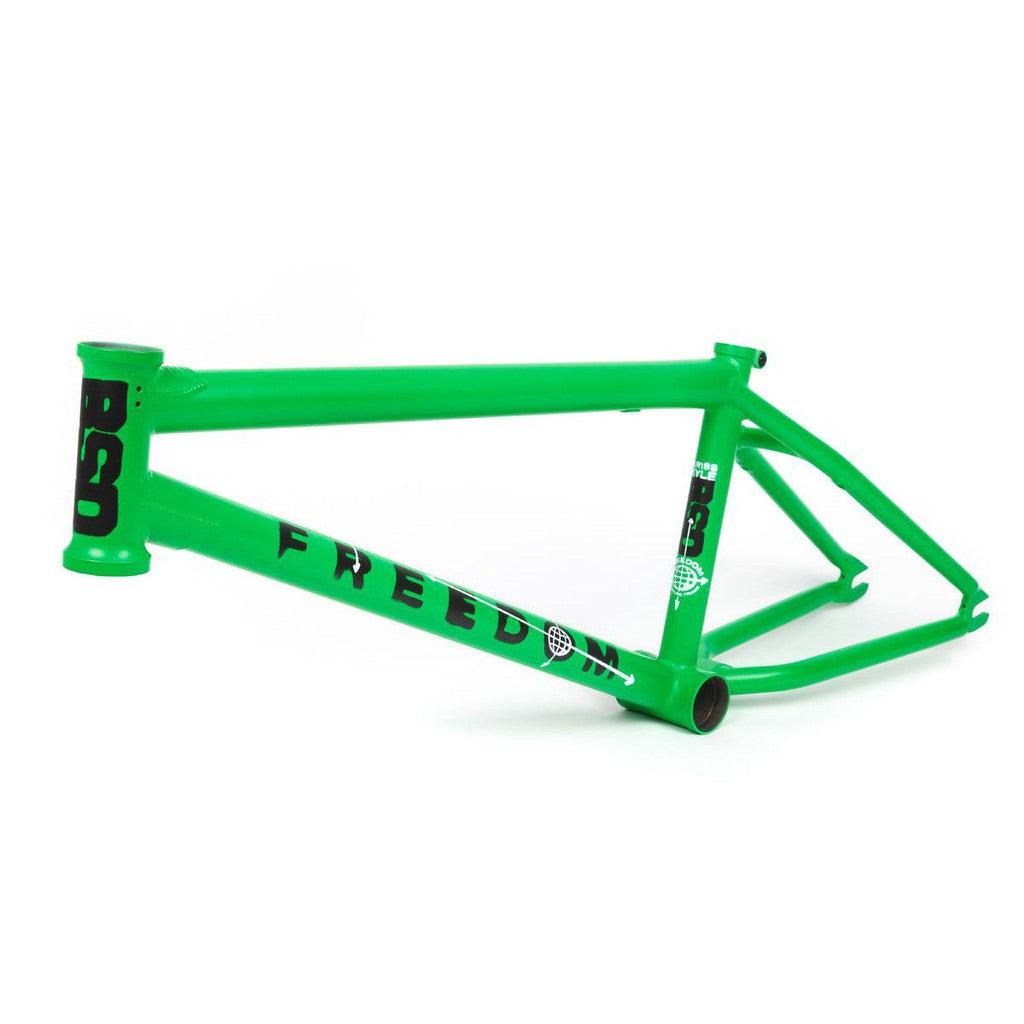
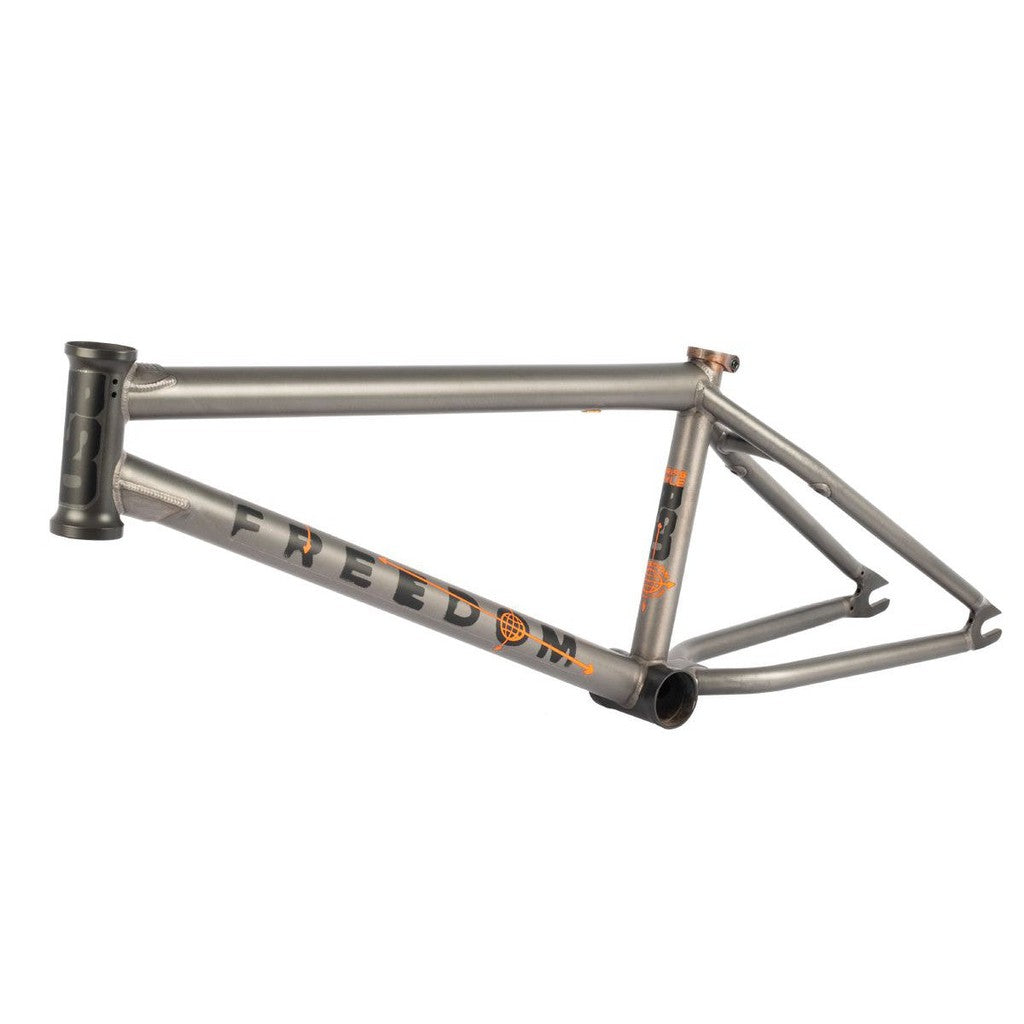
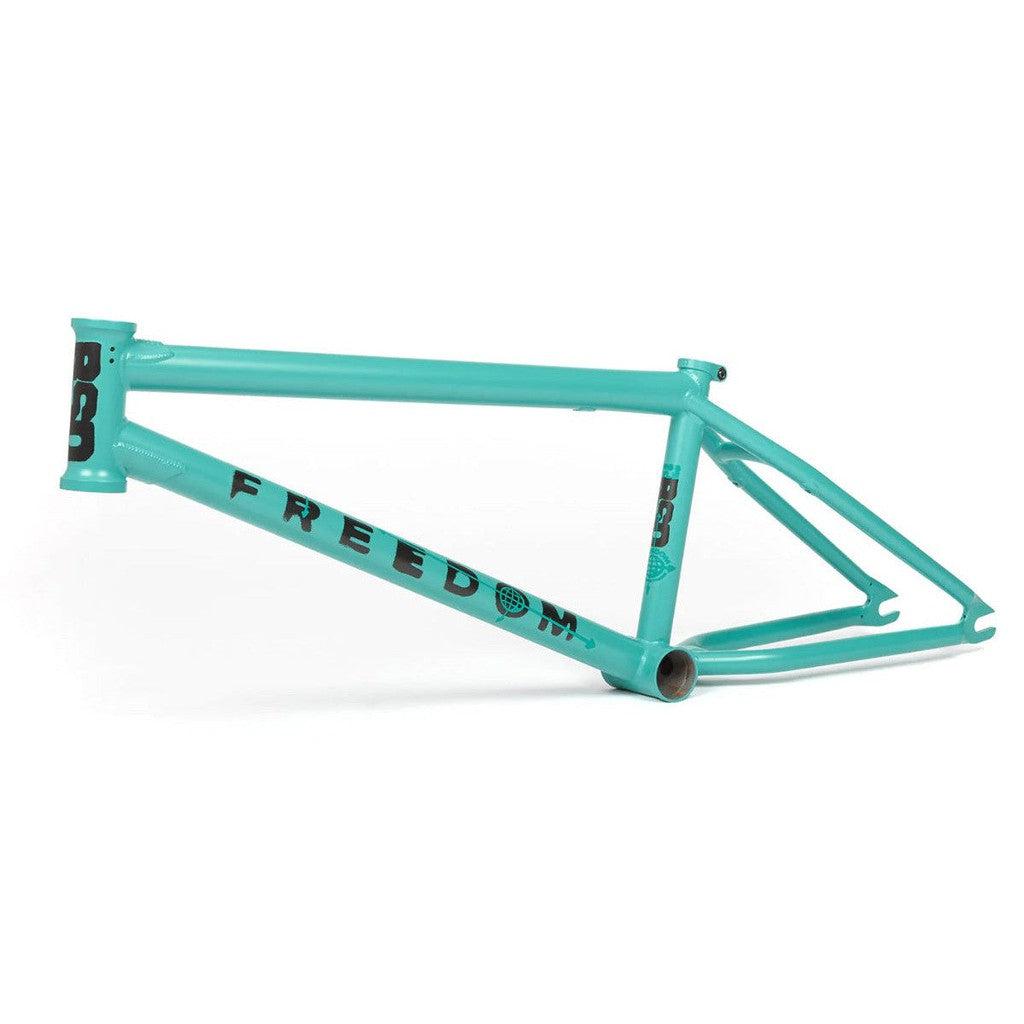
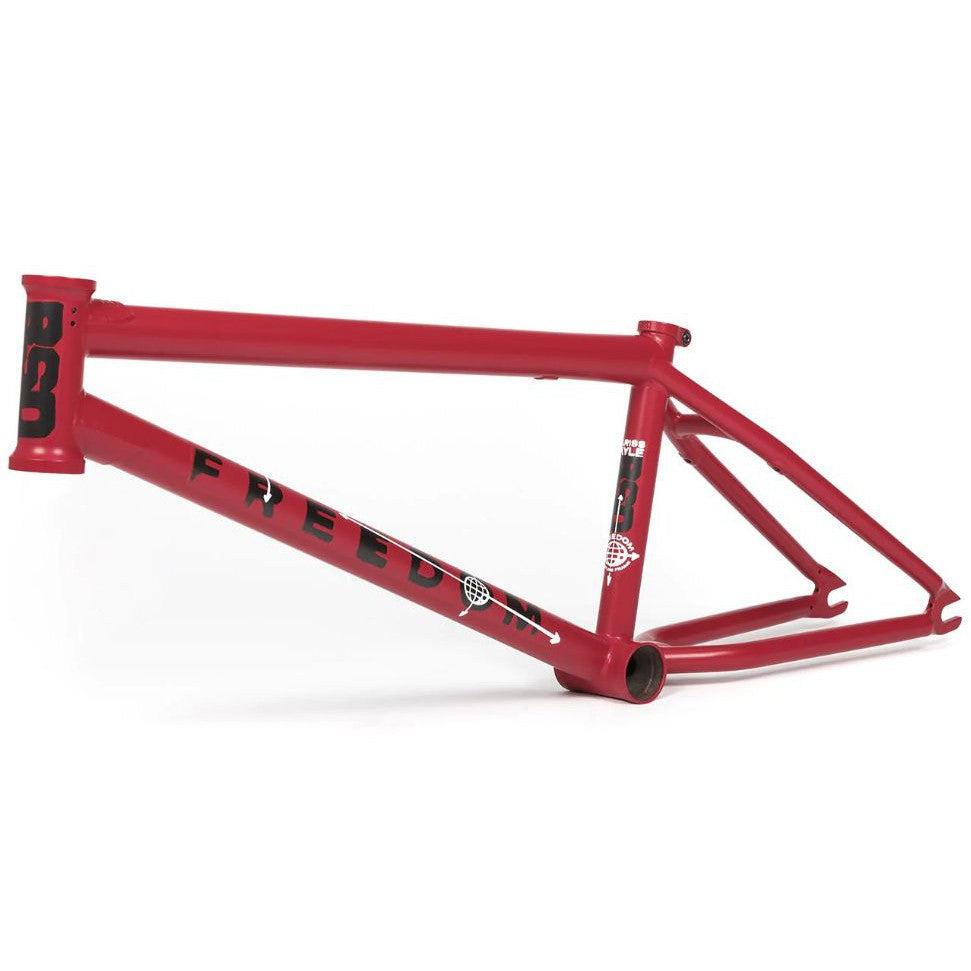
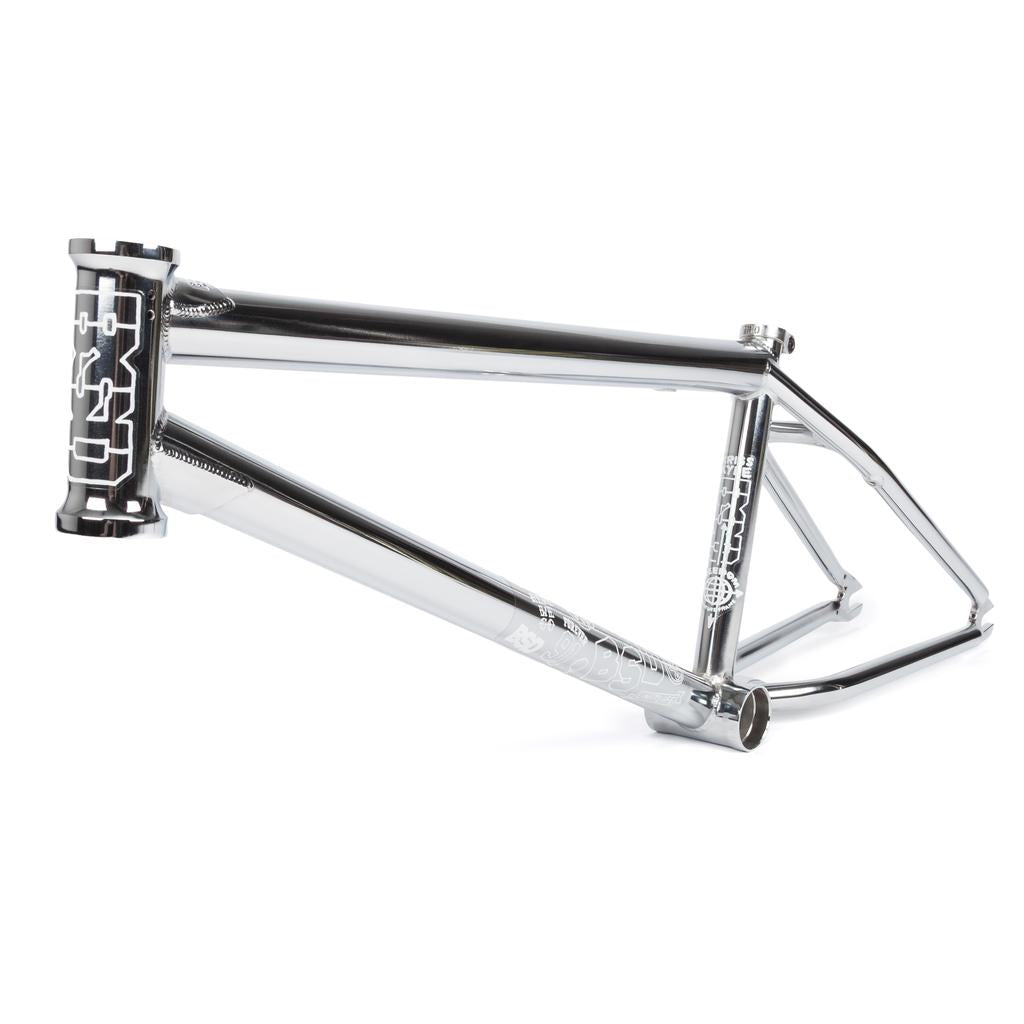
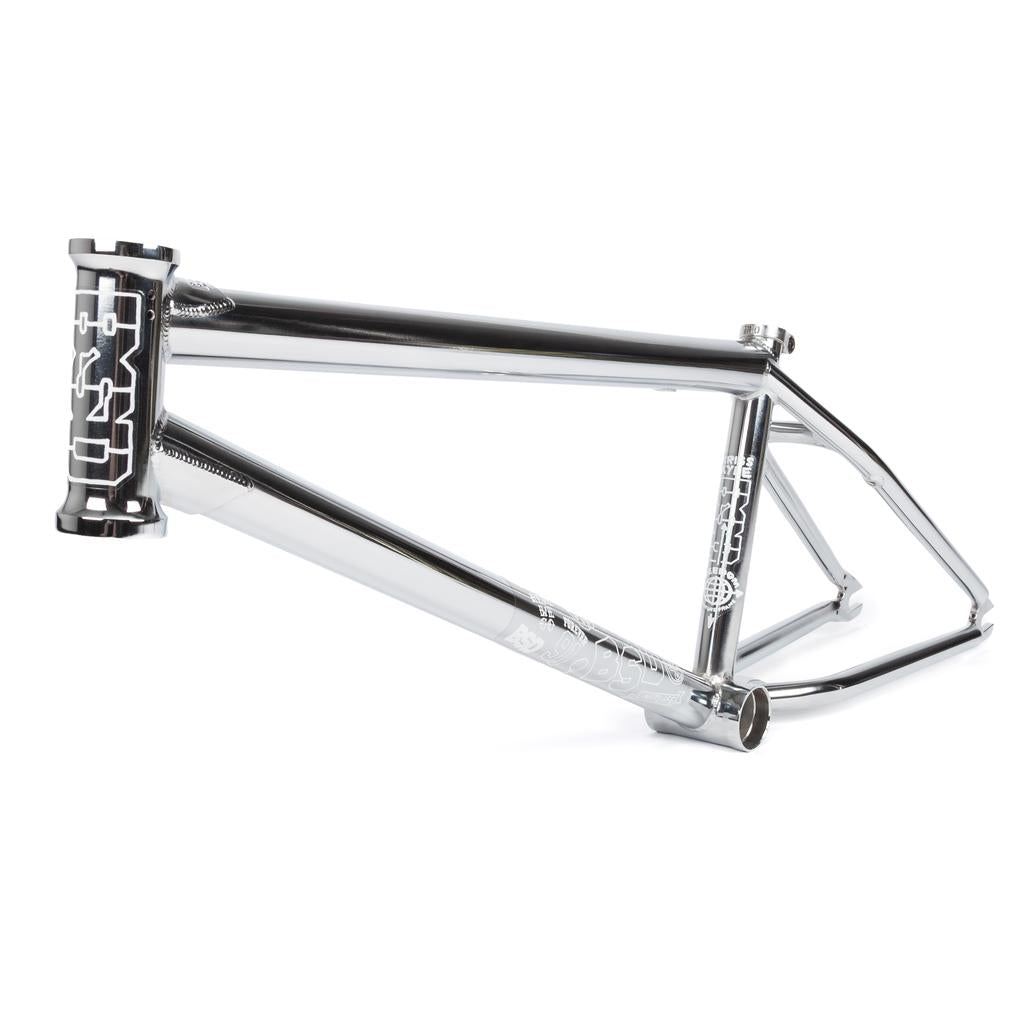


Race frames
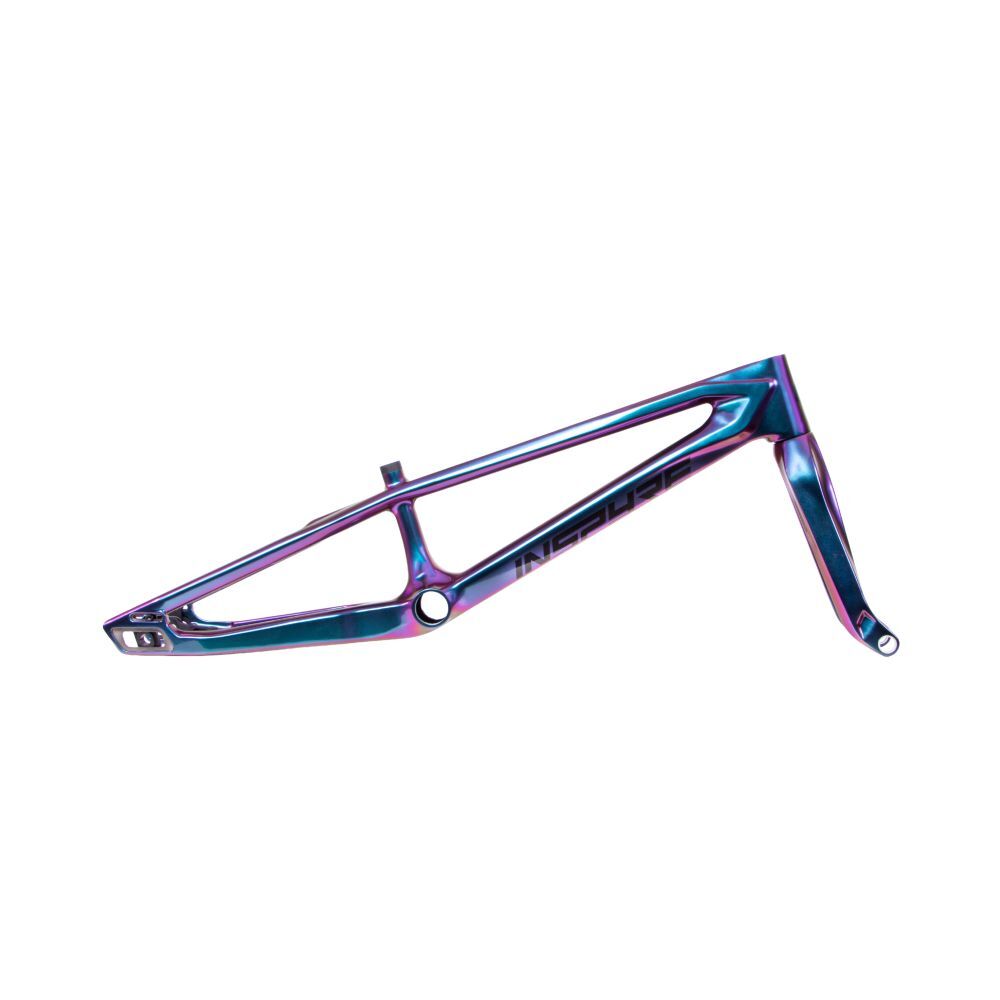
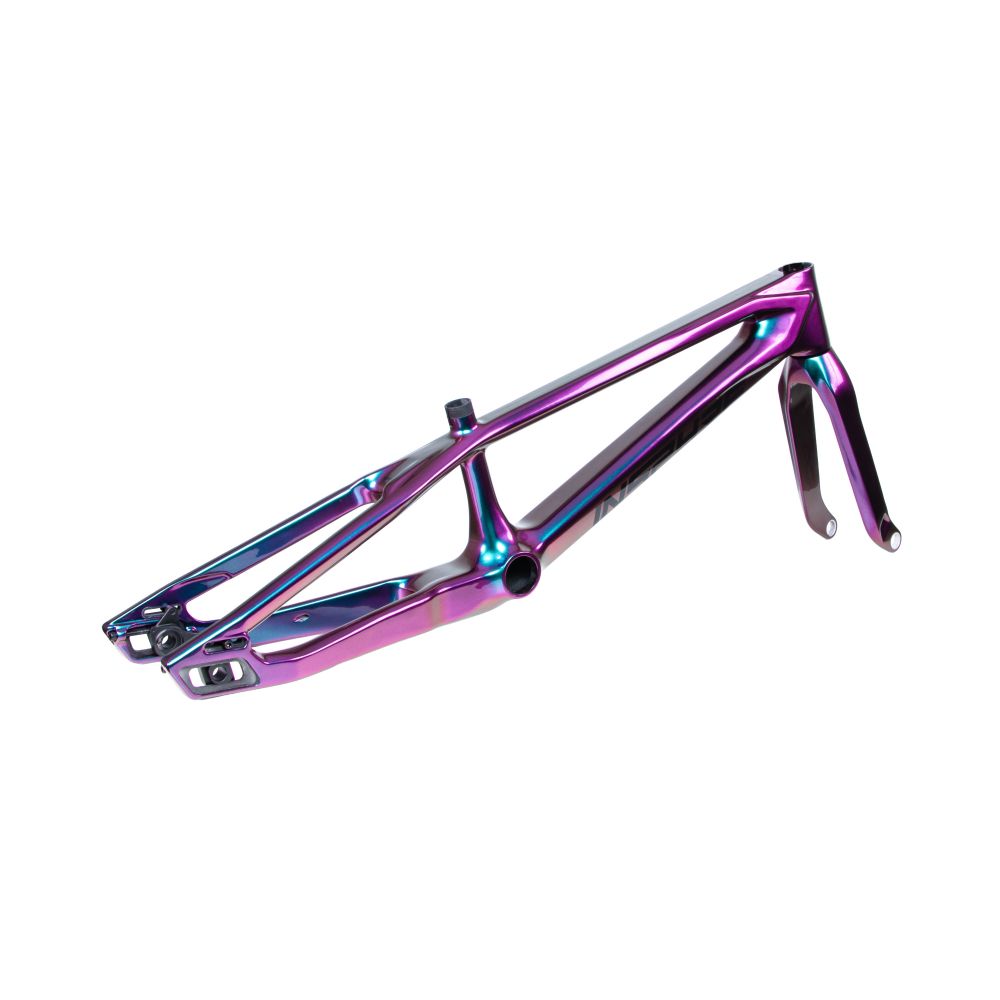
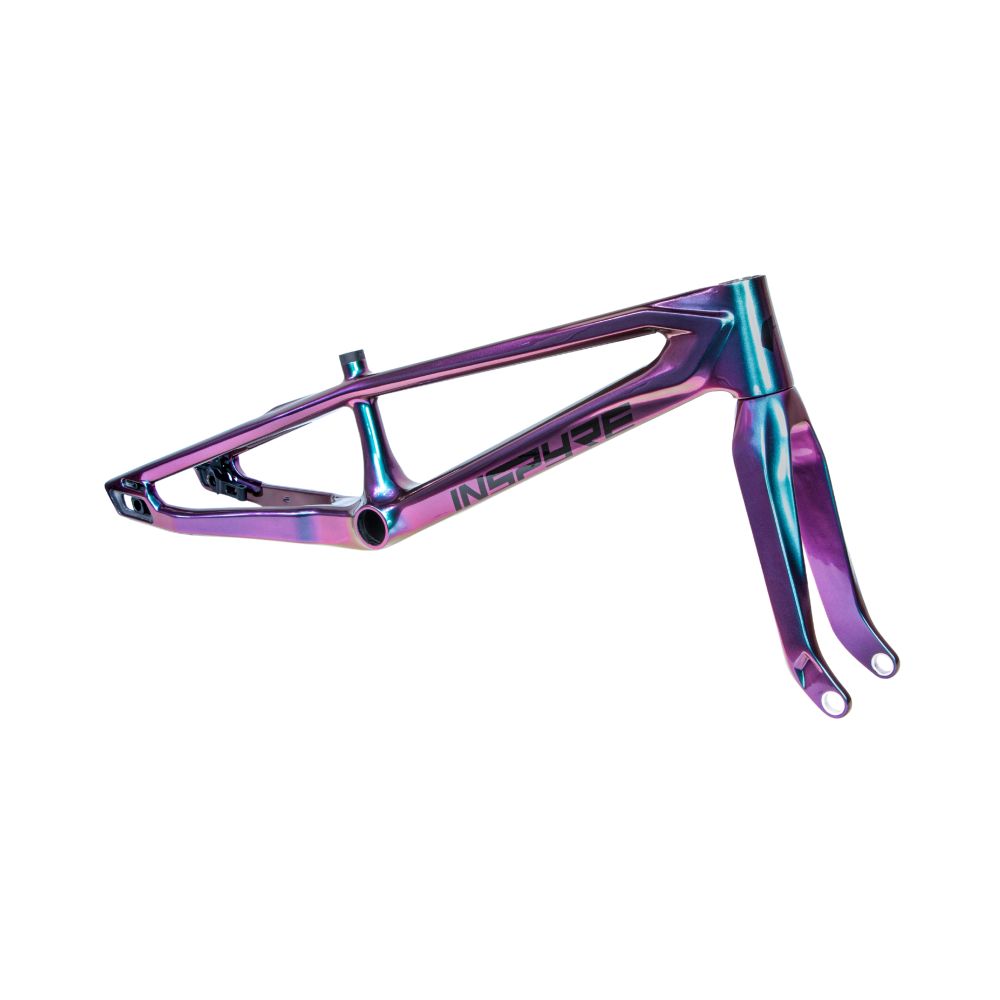
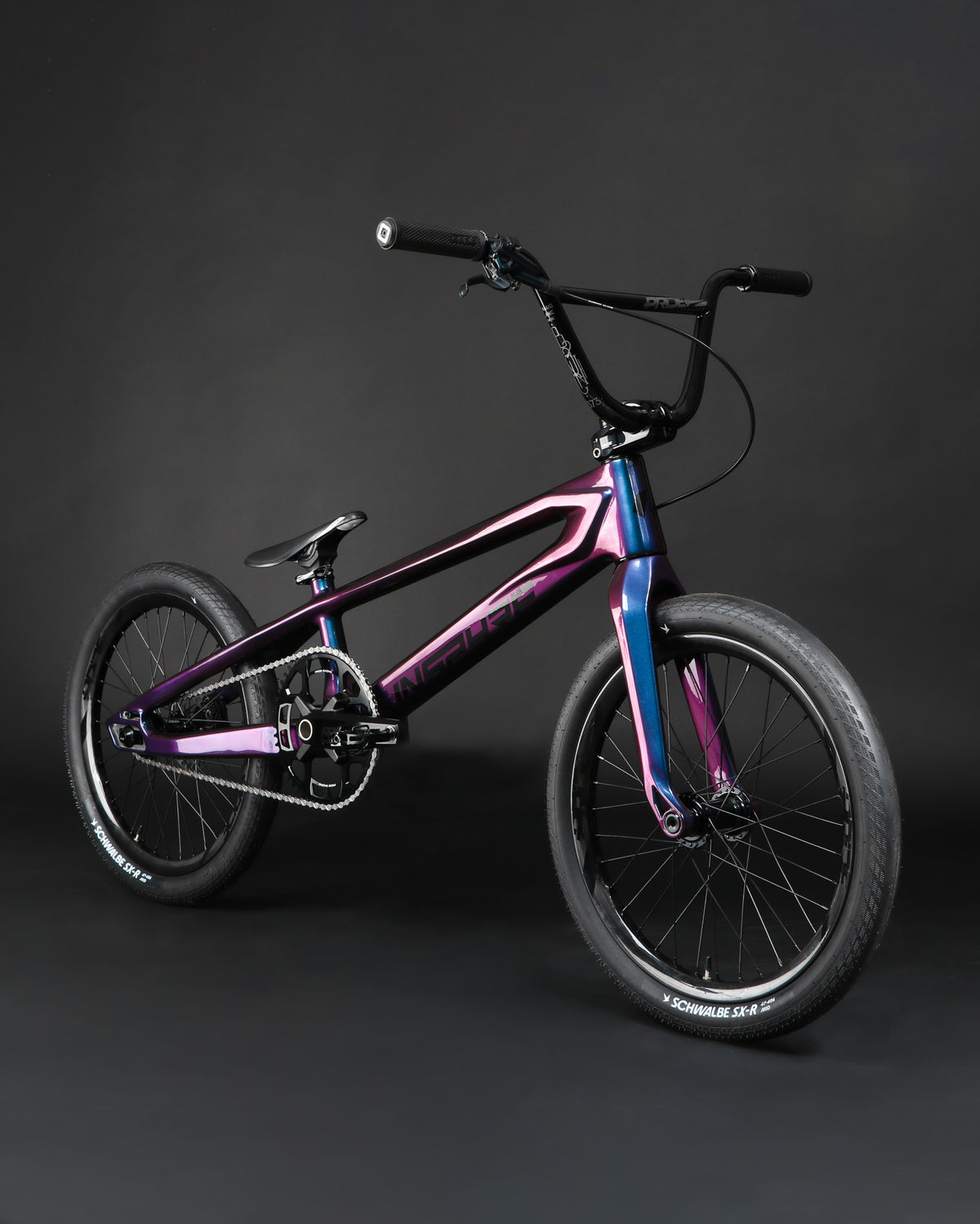
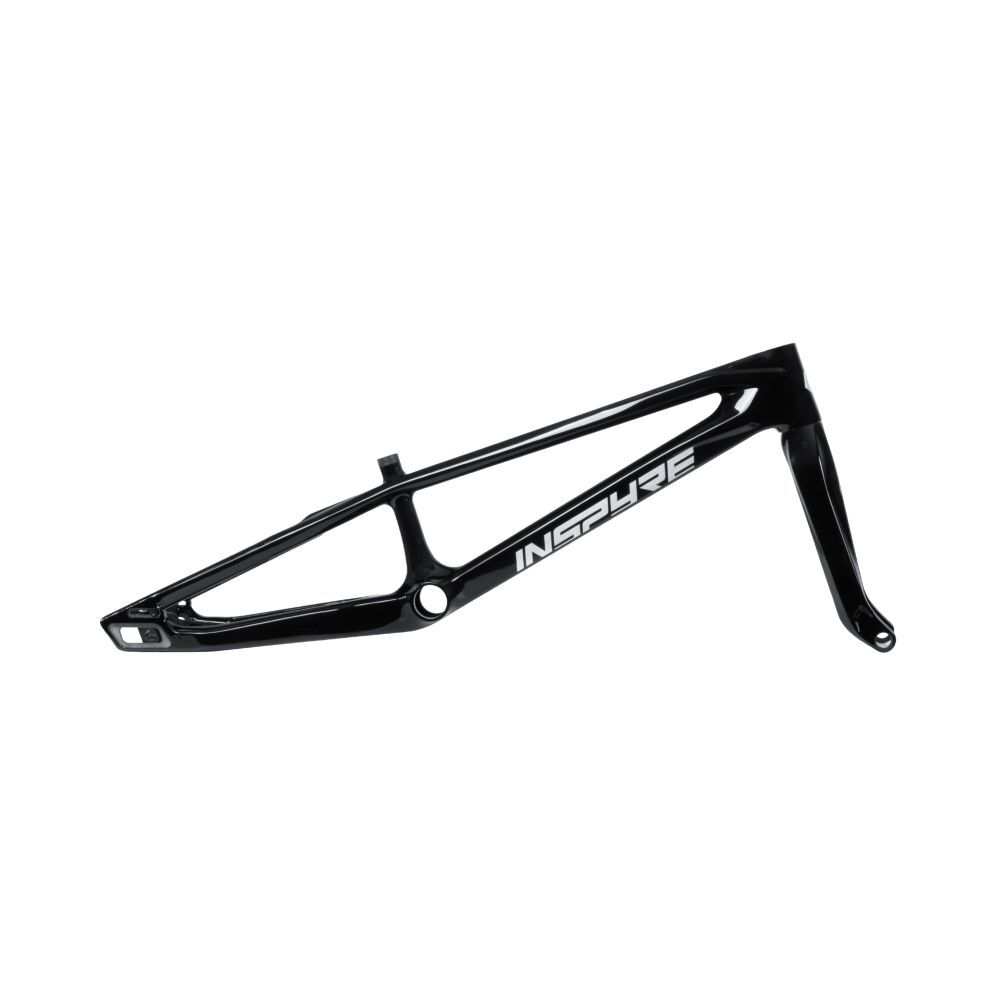
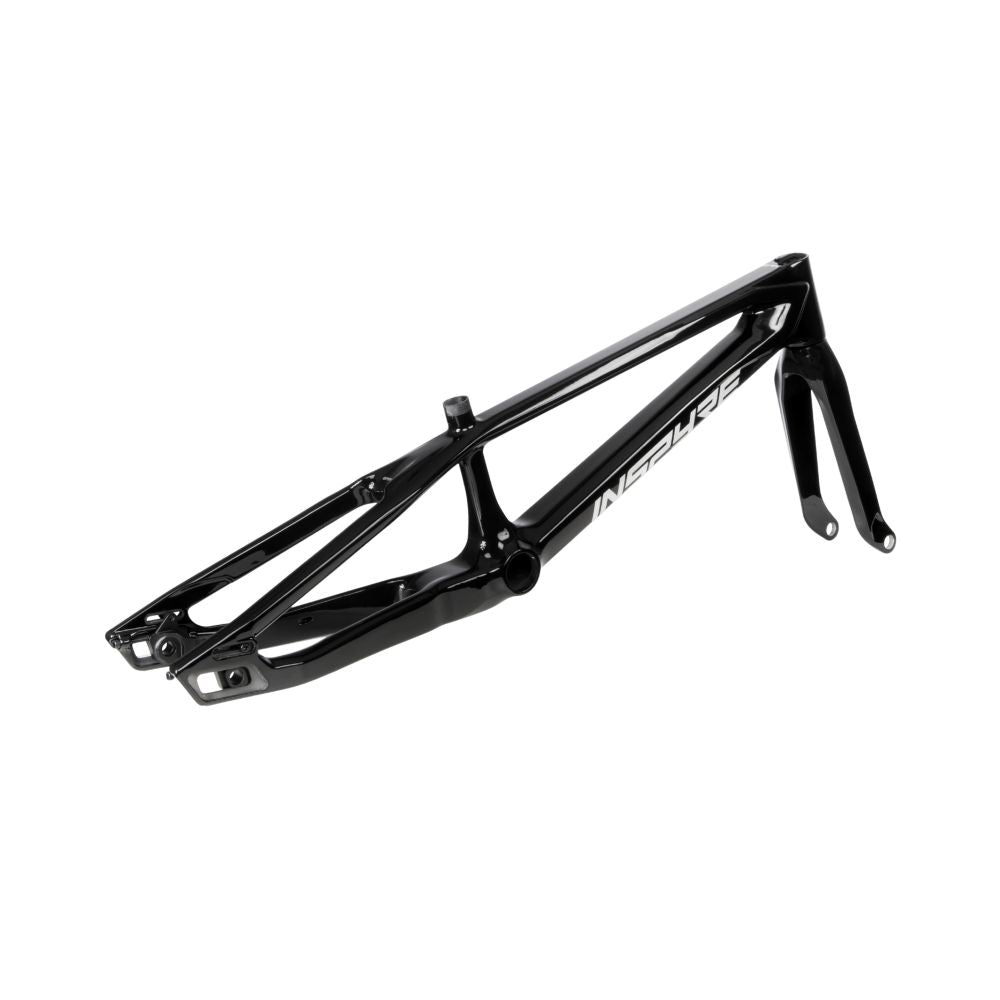
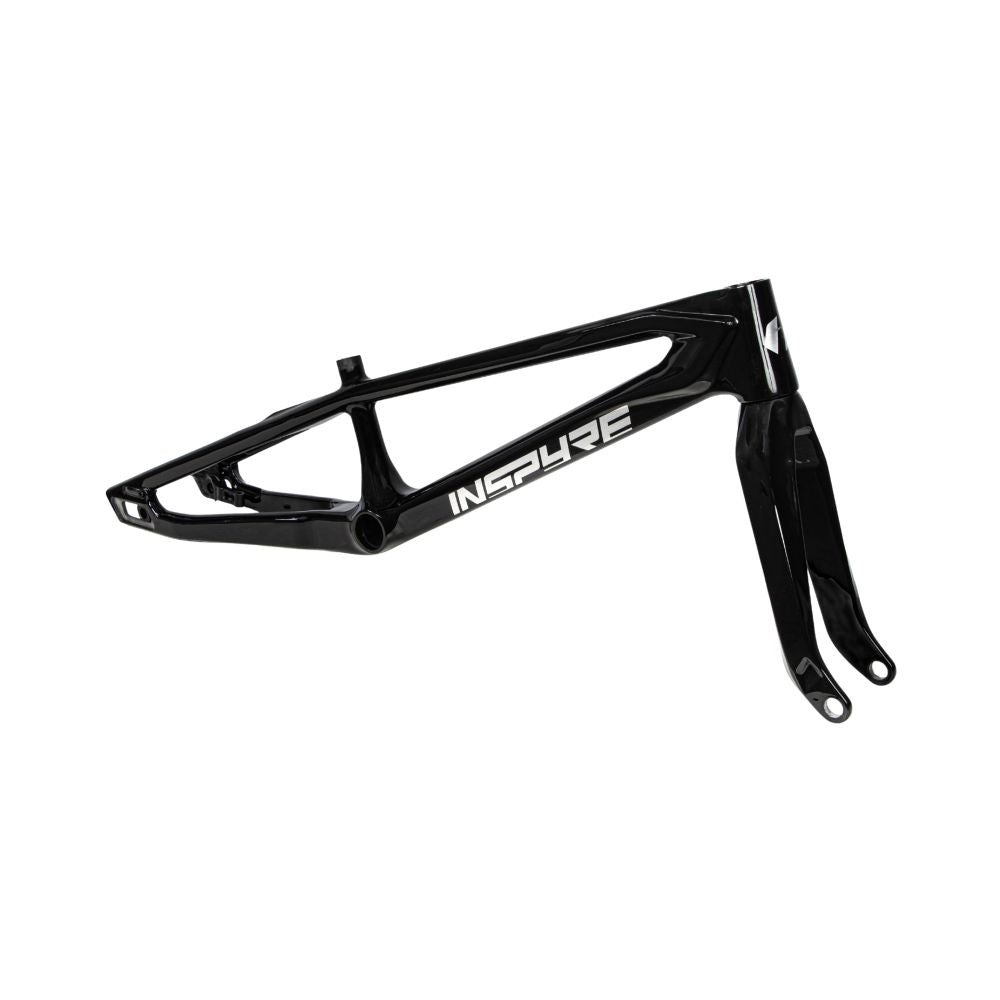


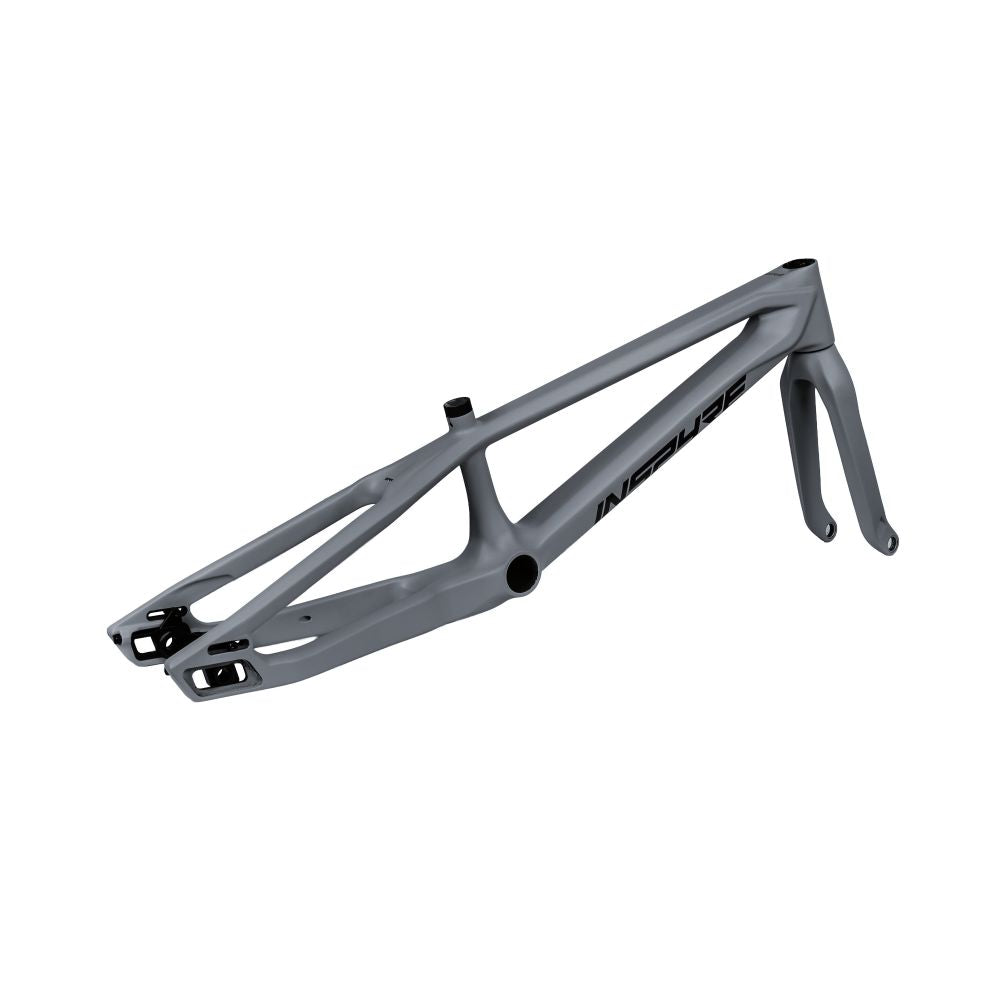
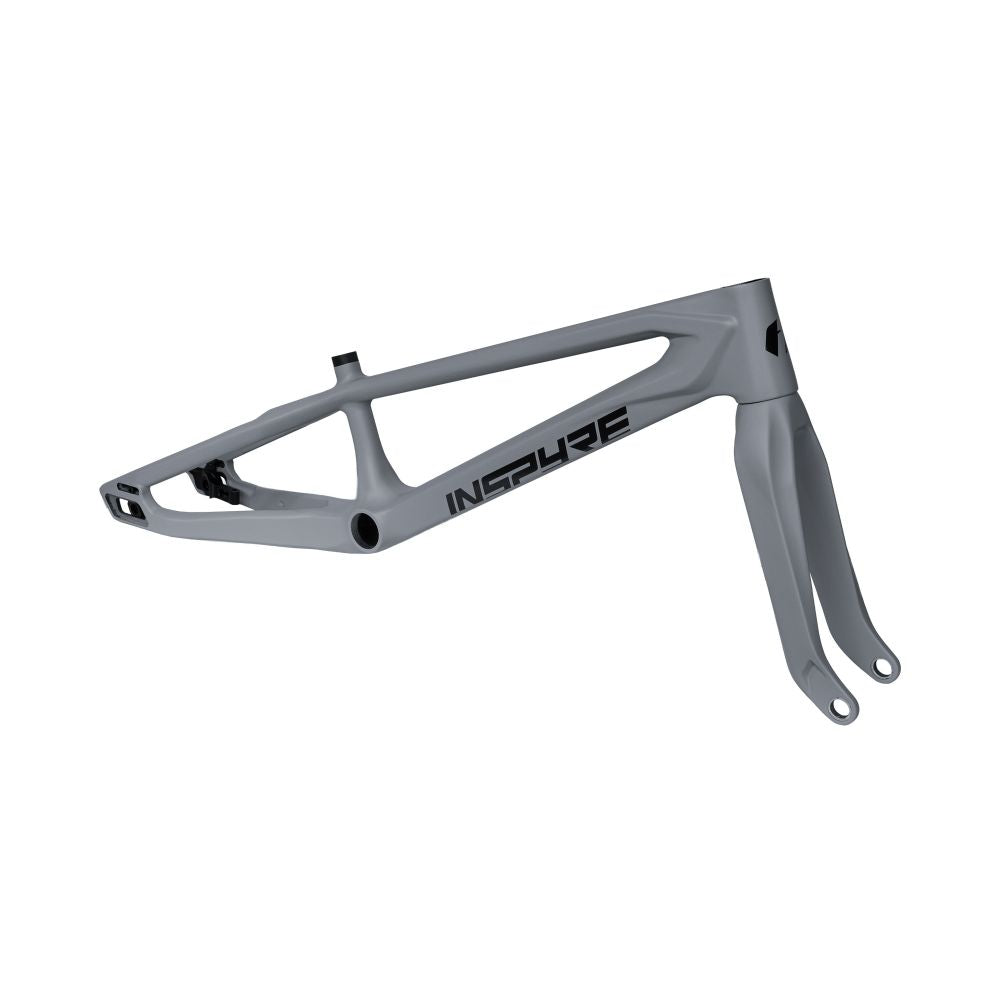
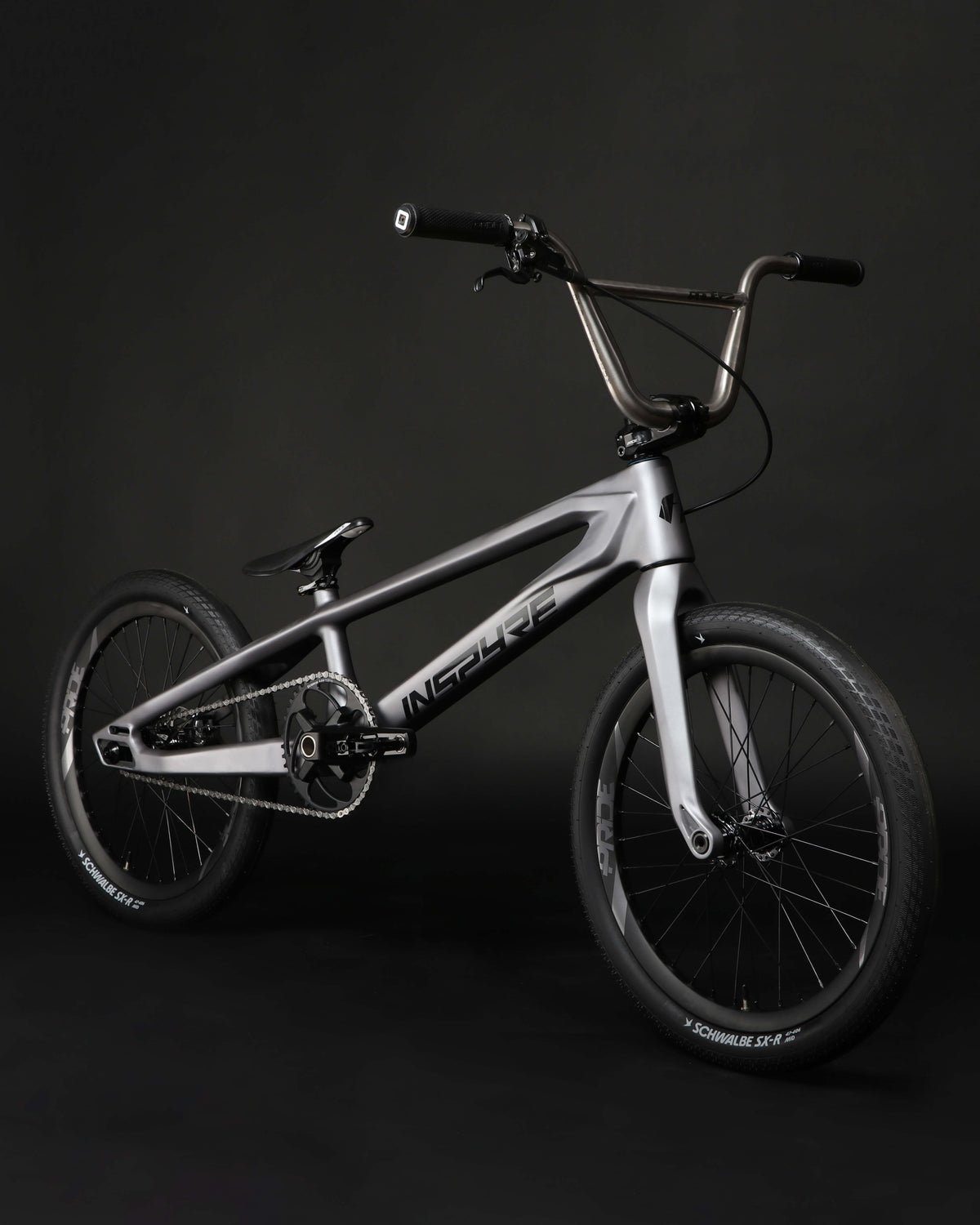


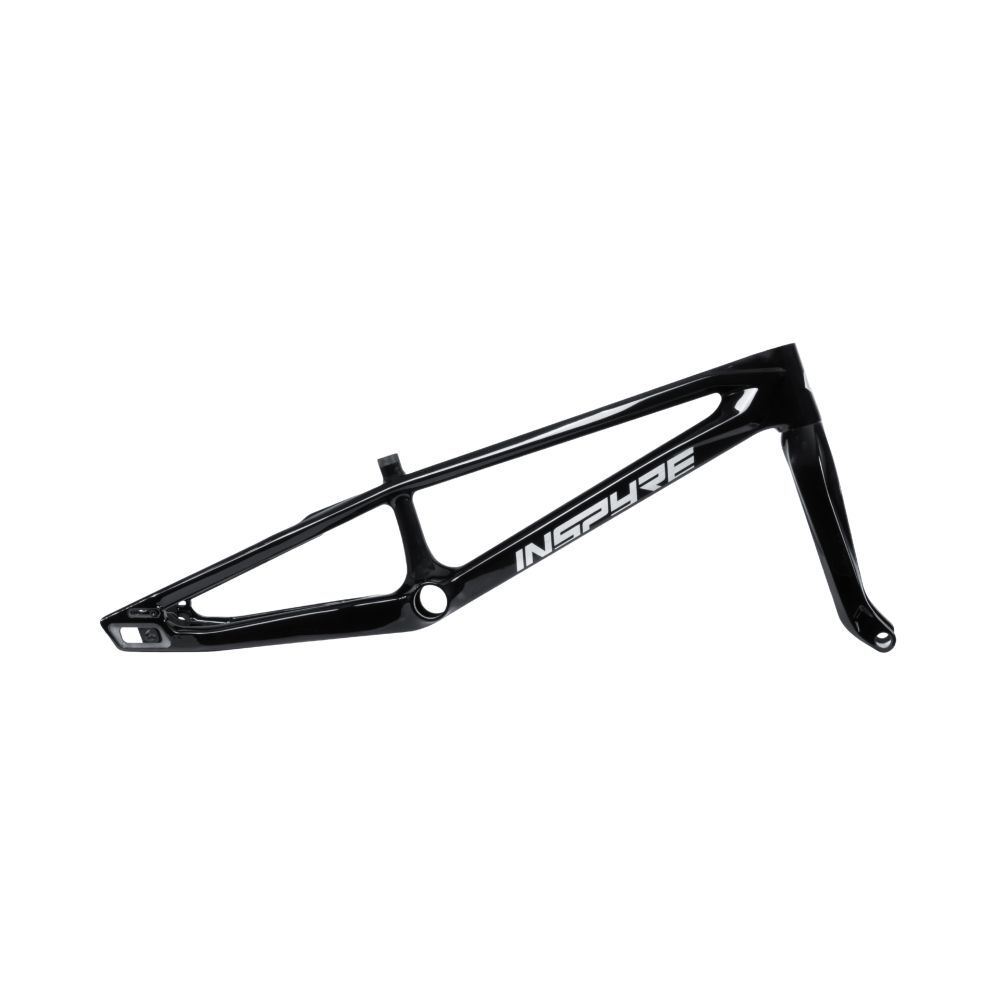
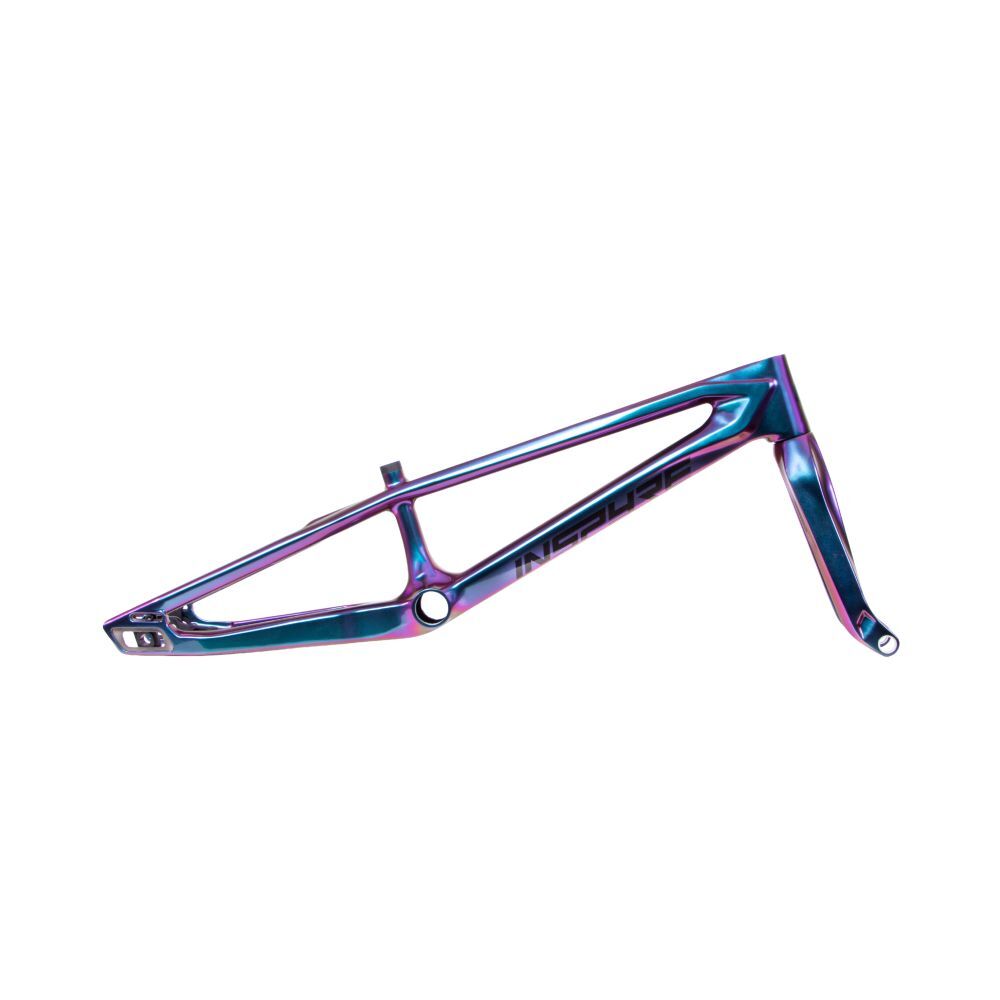


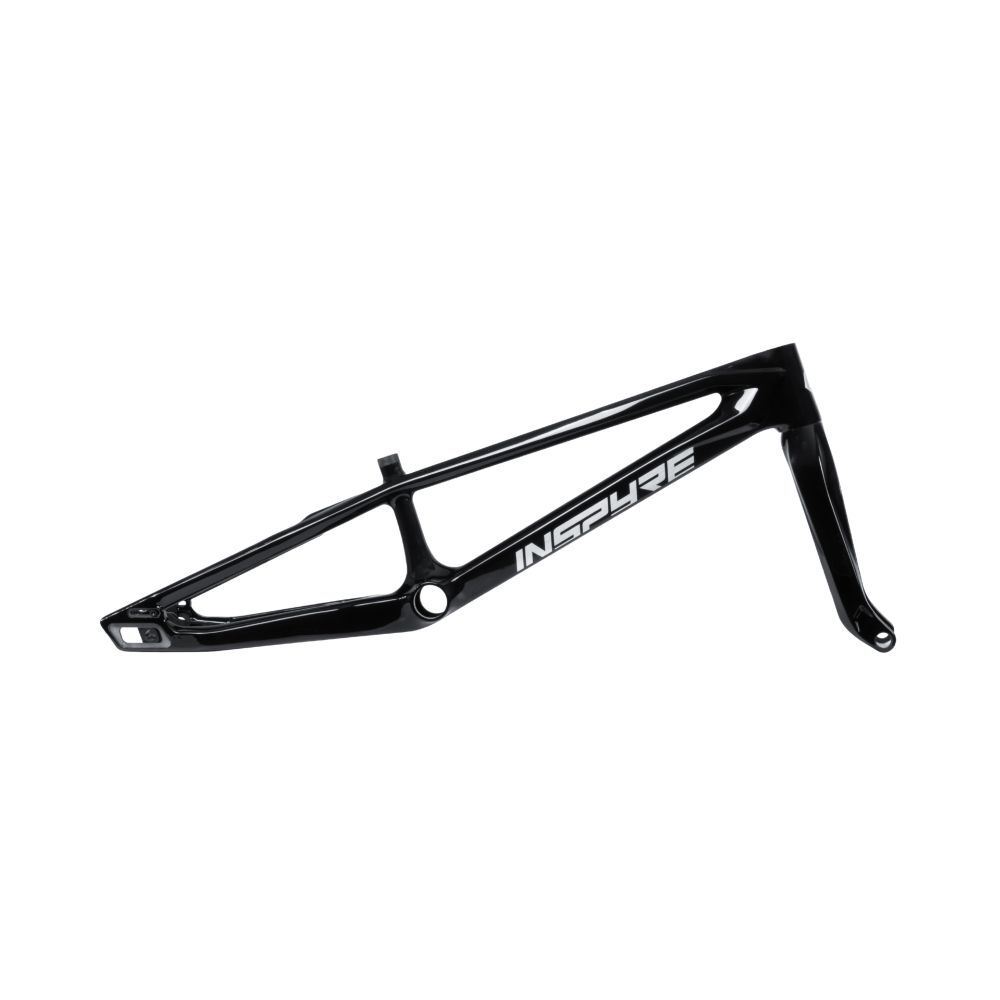
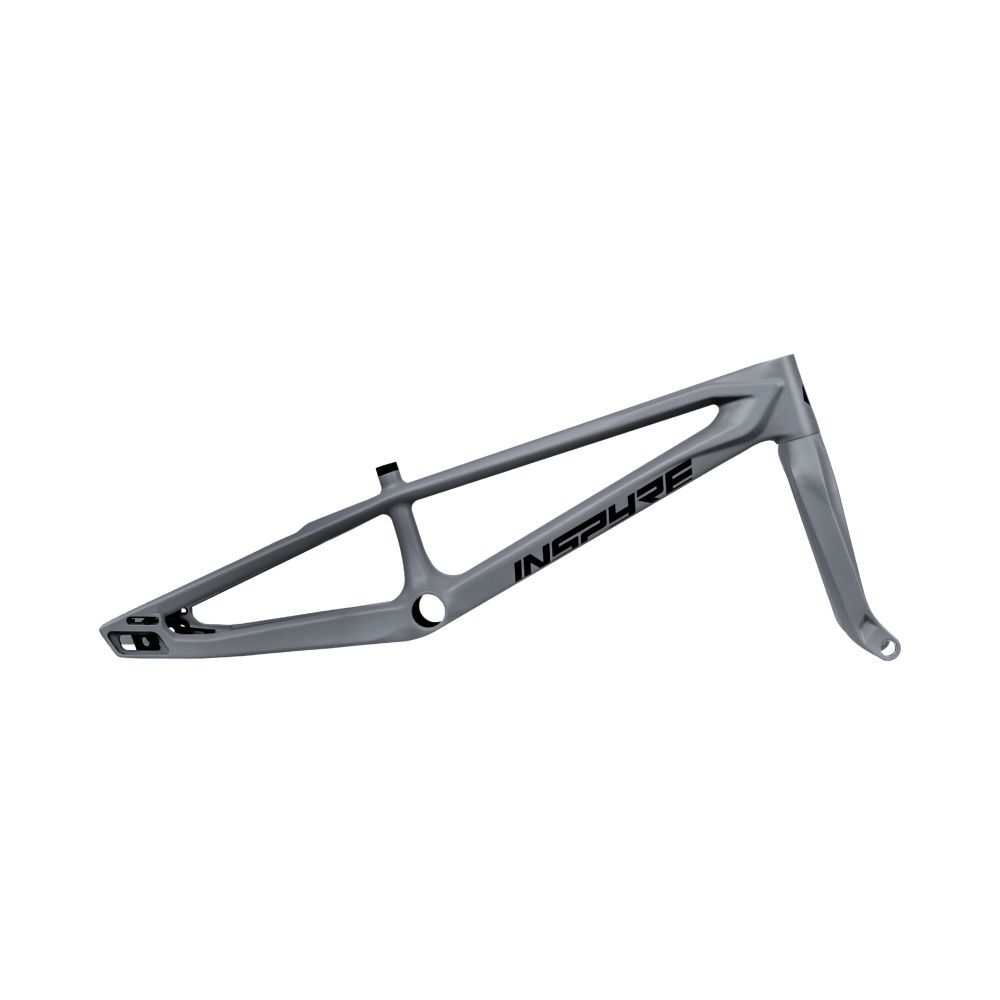


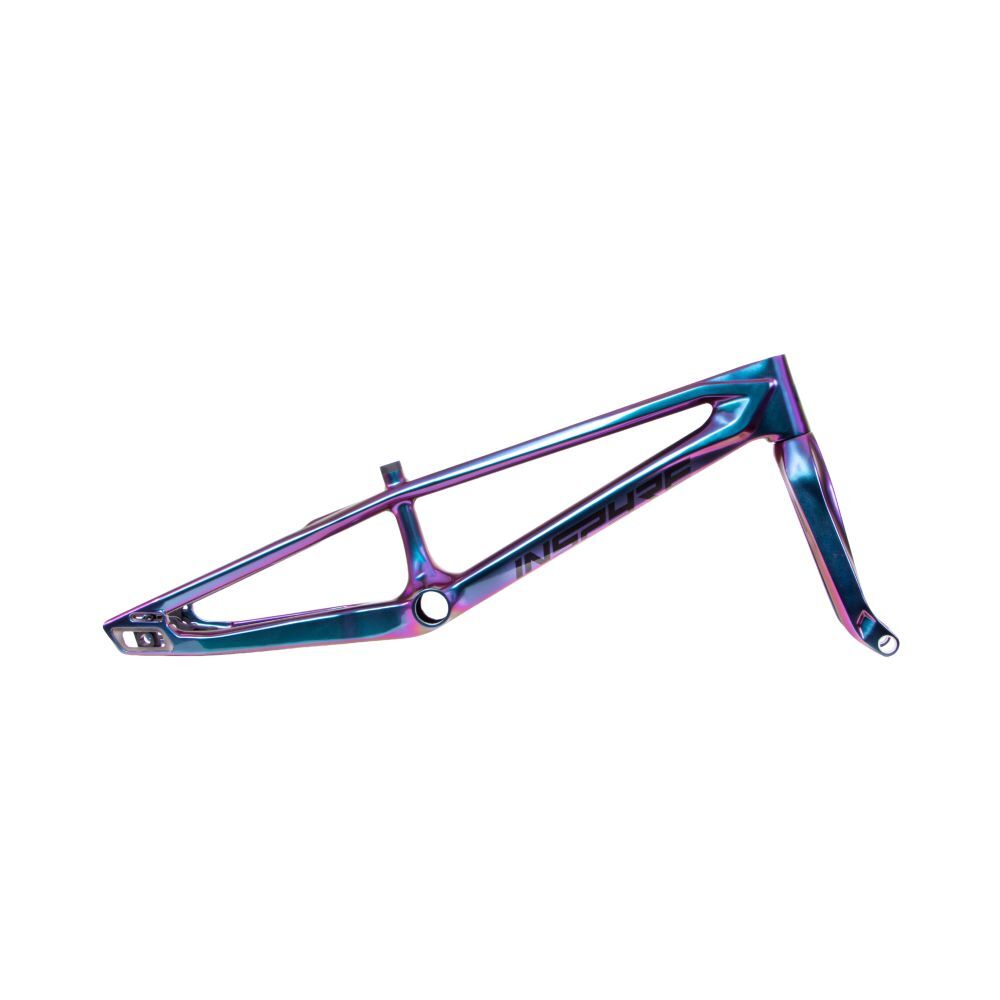
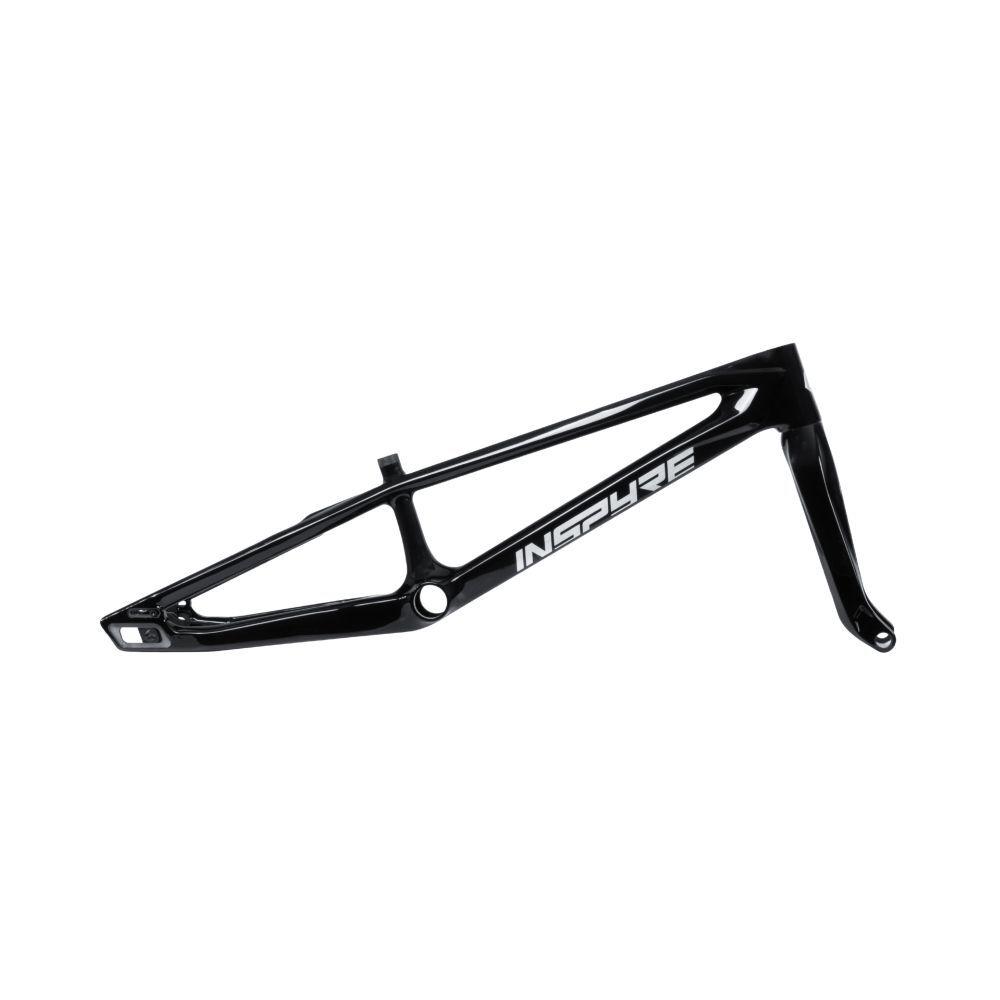
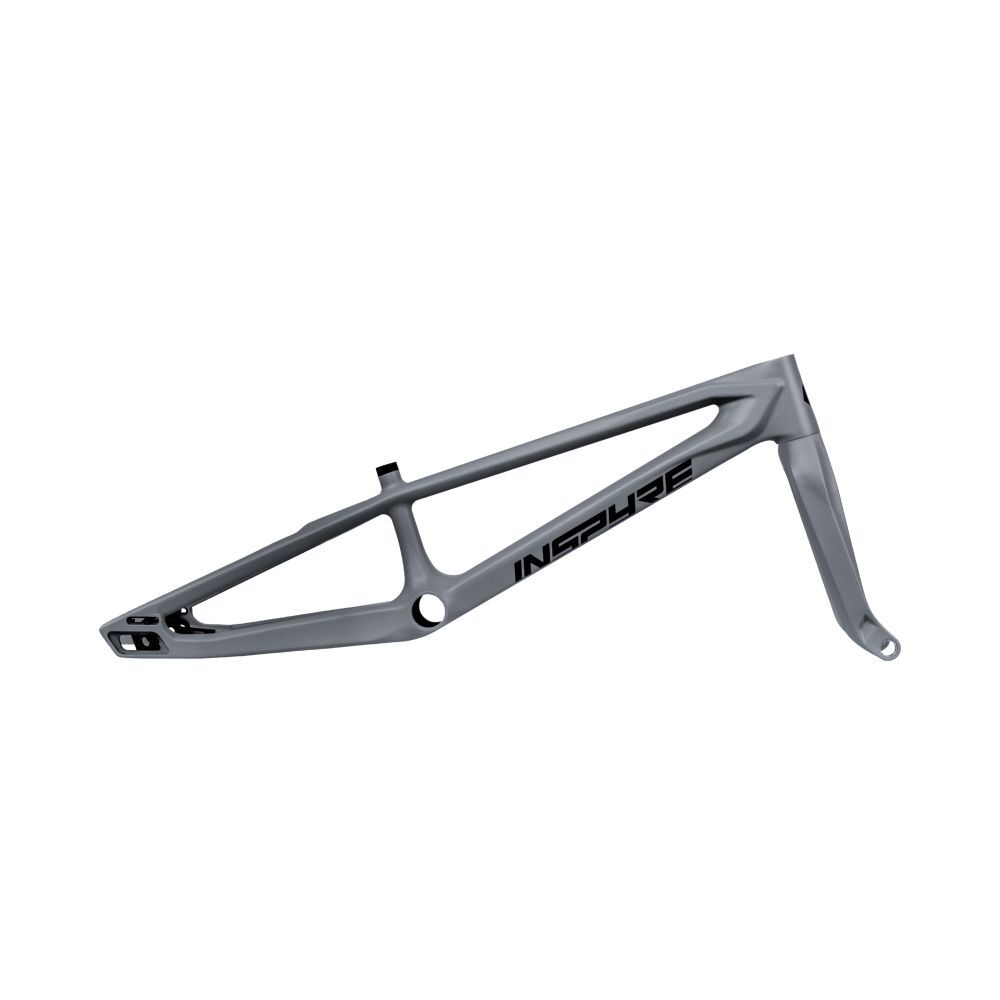


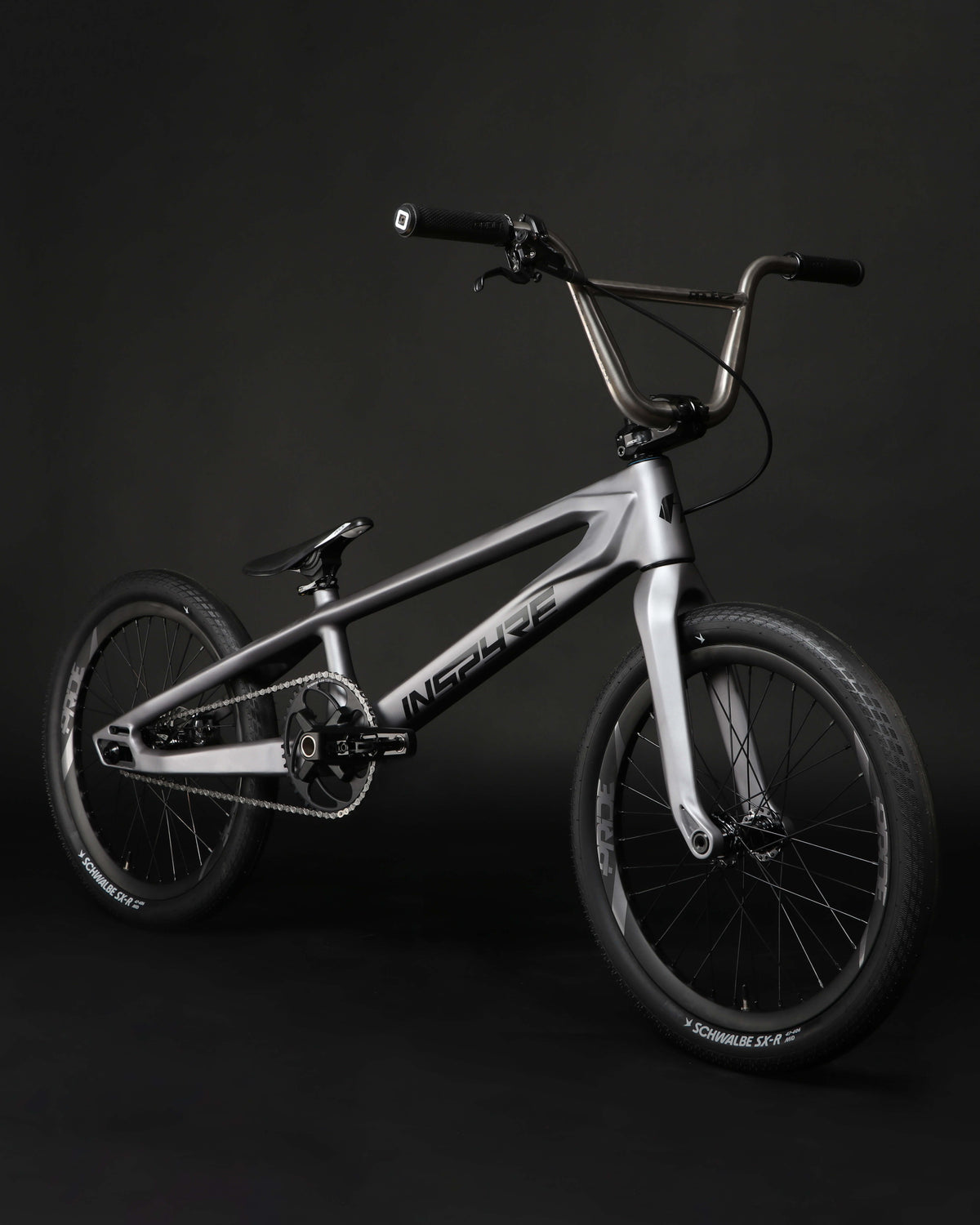

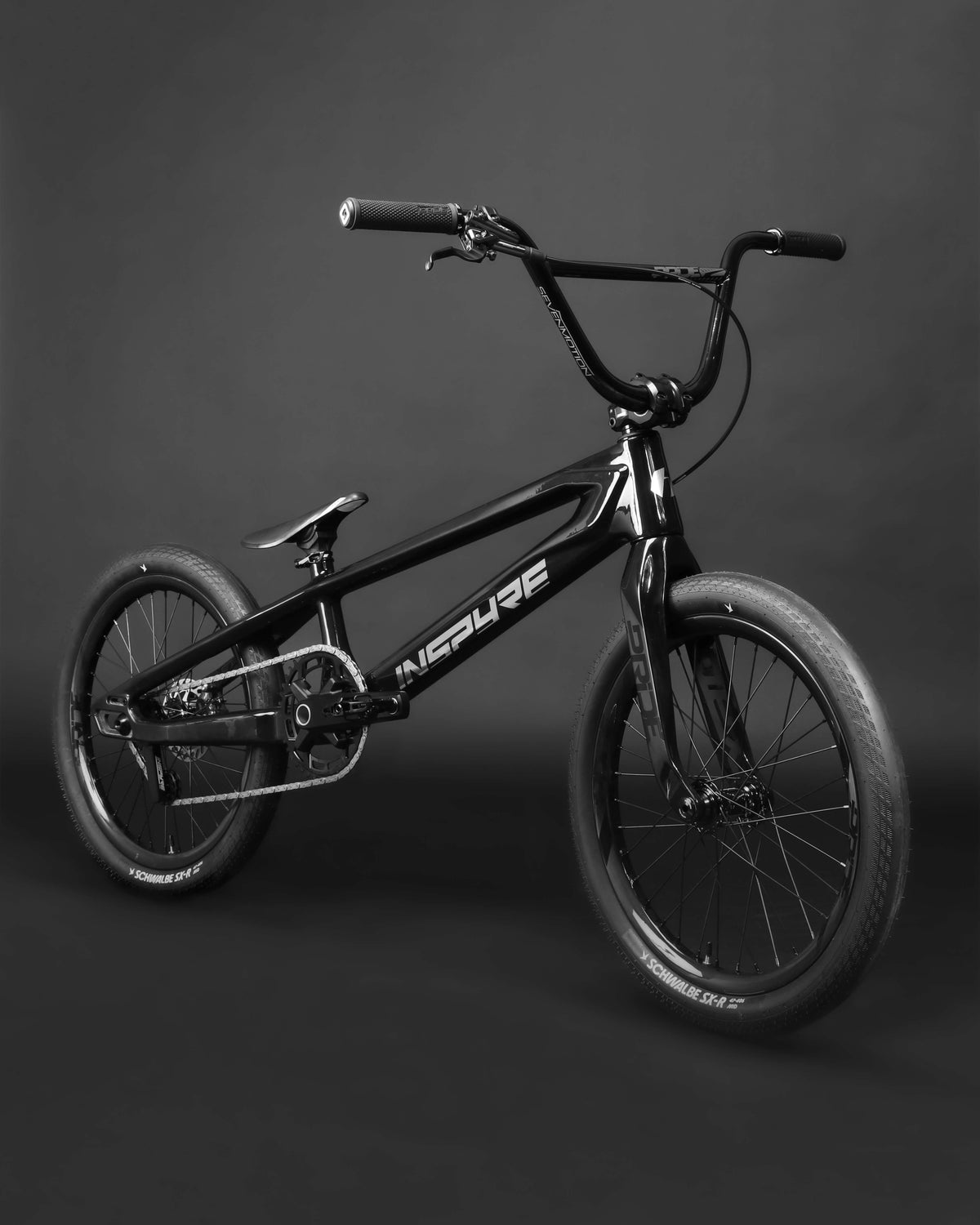
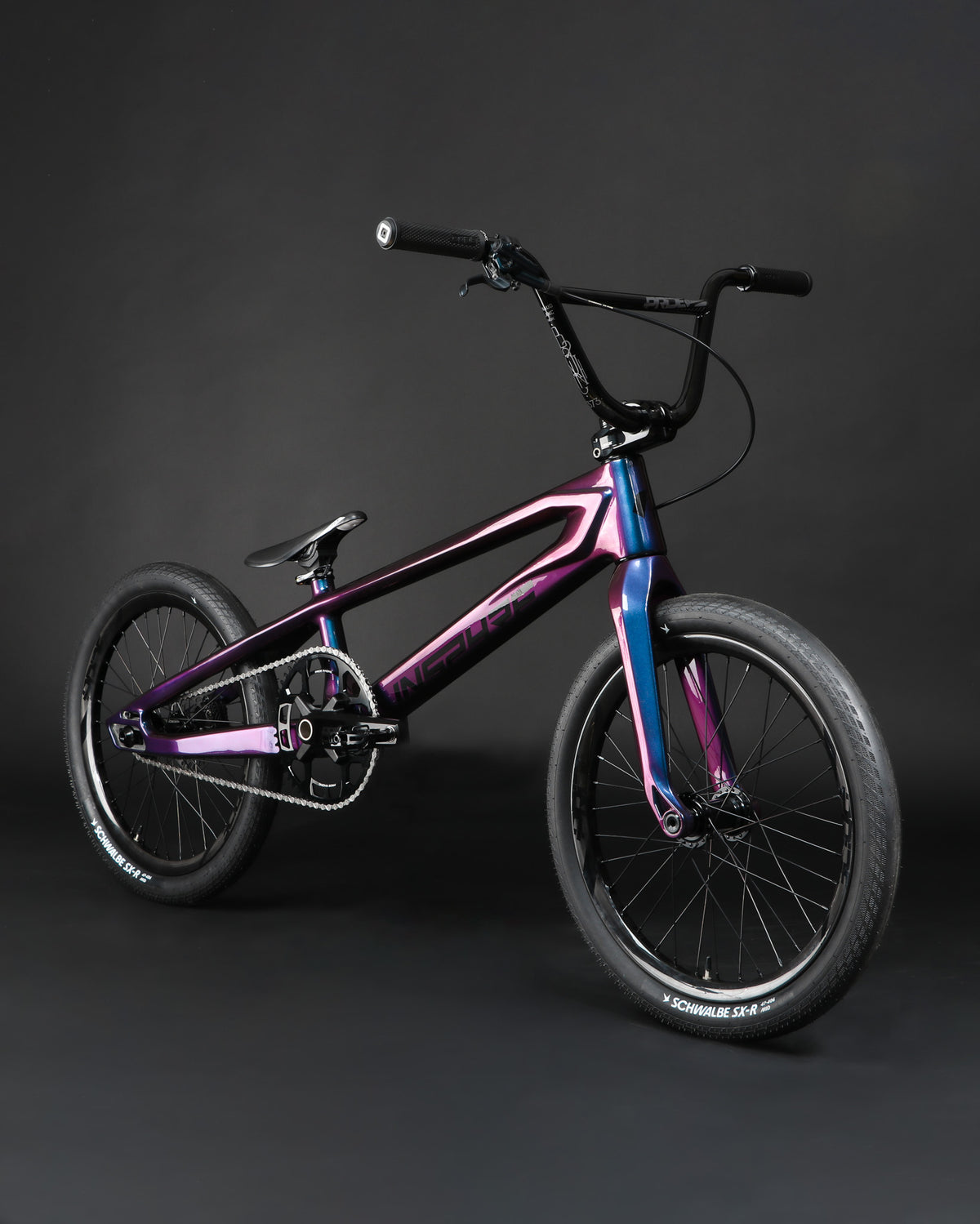


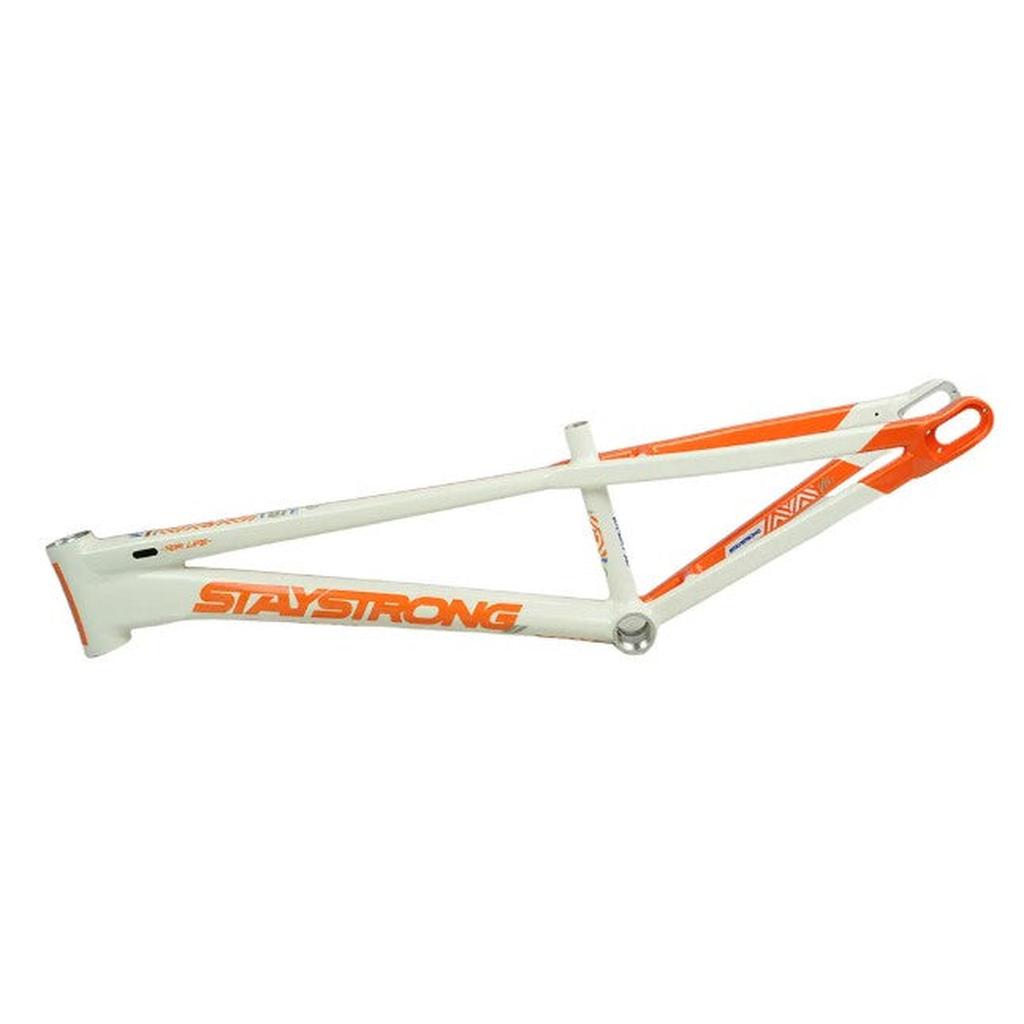
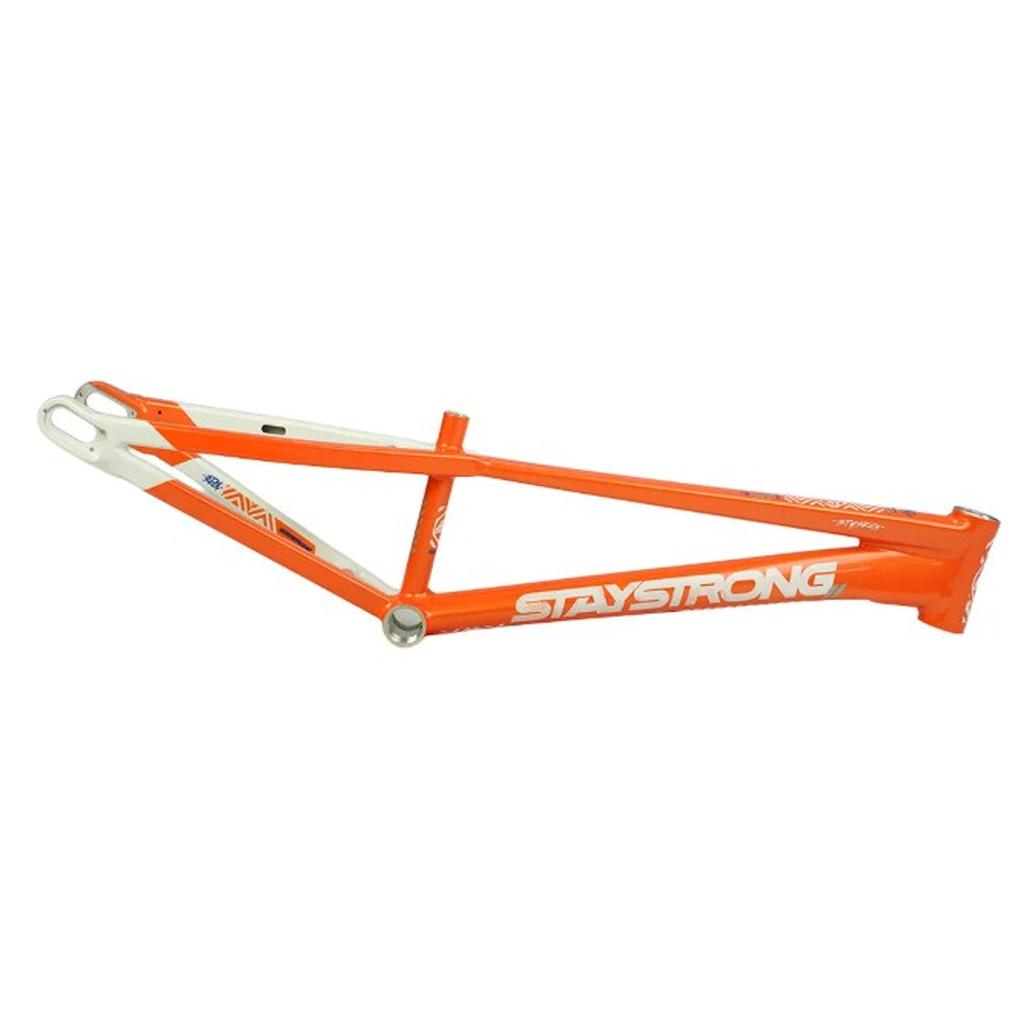


Choosing your frame
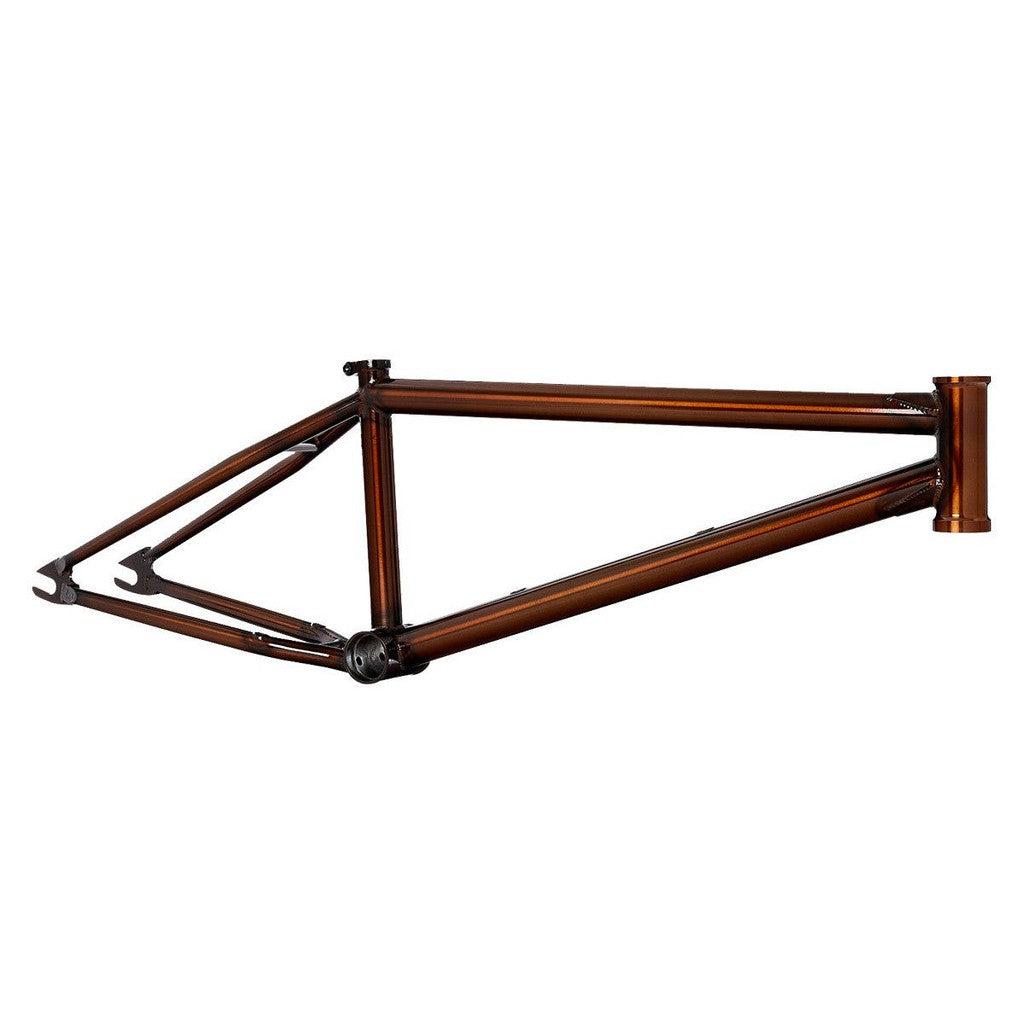
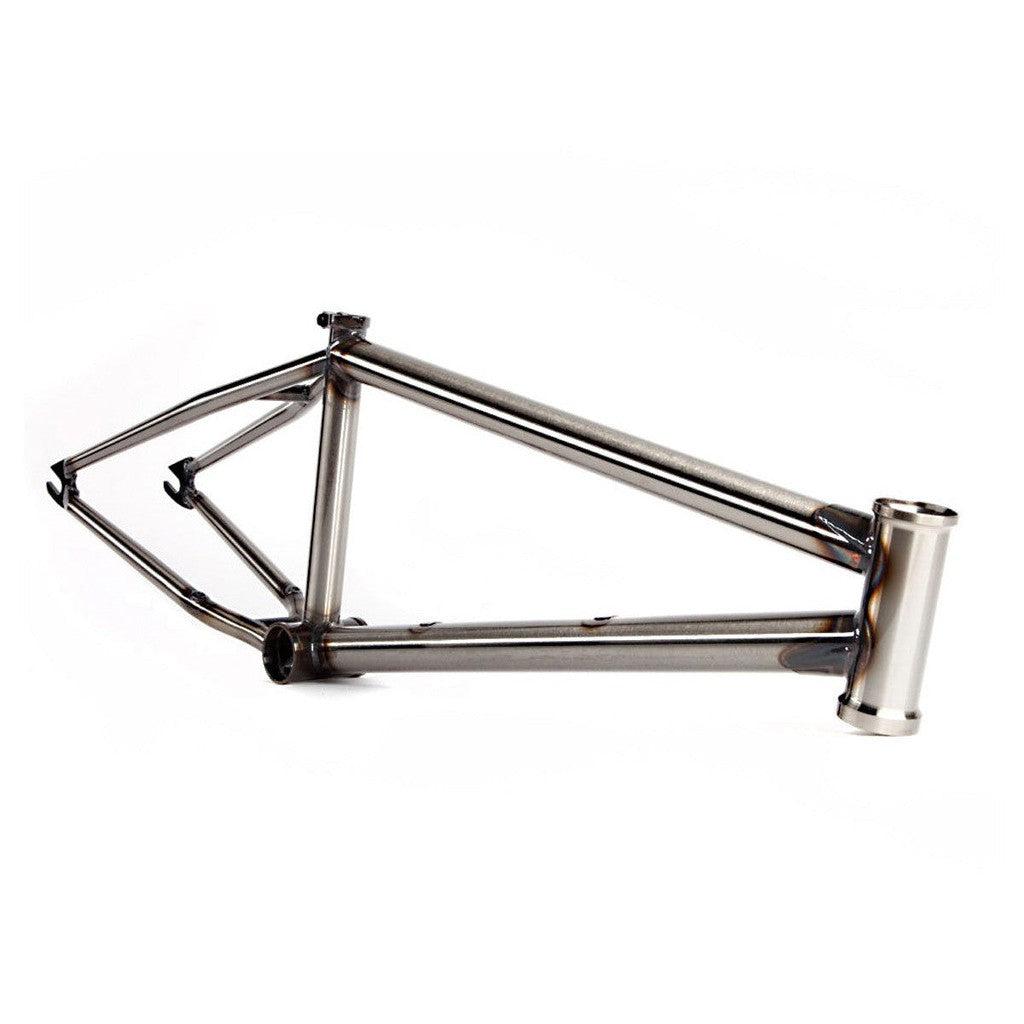
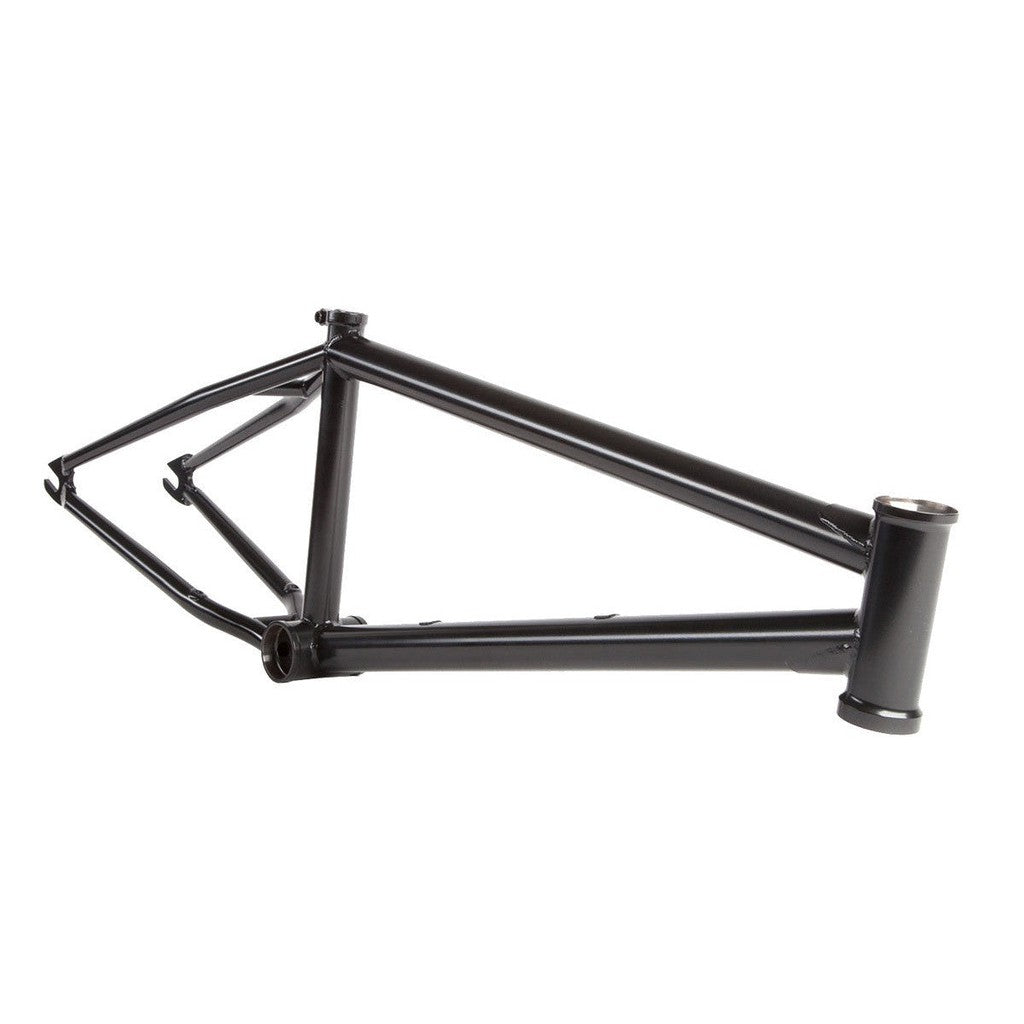
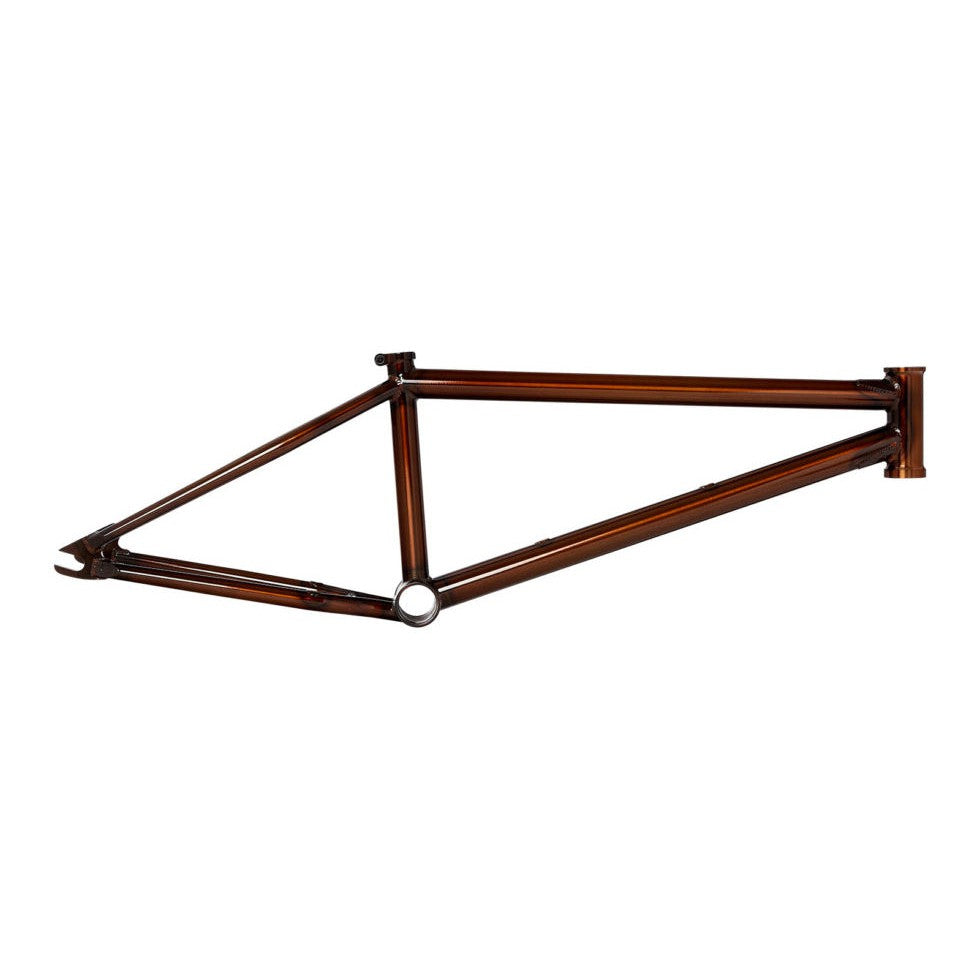
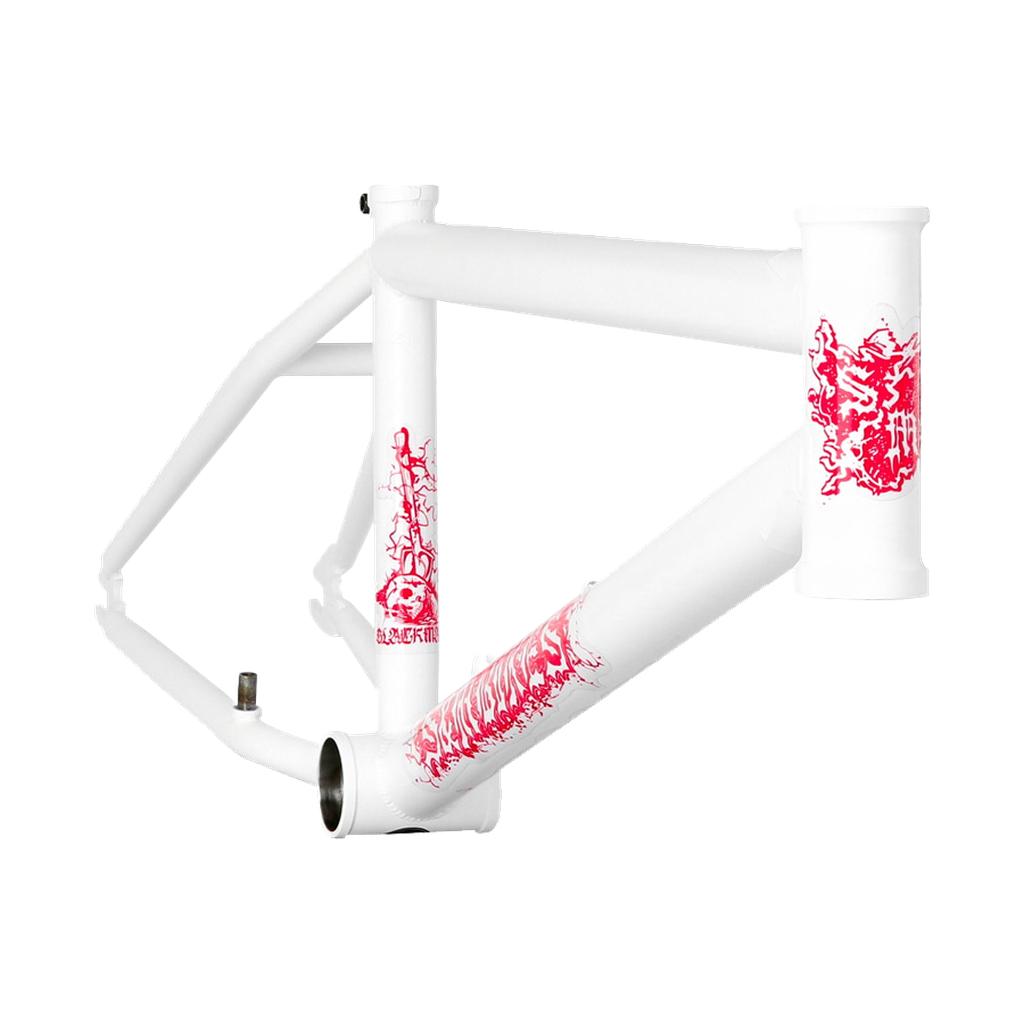
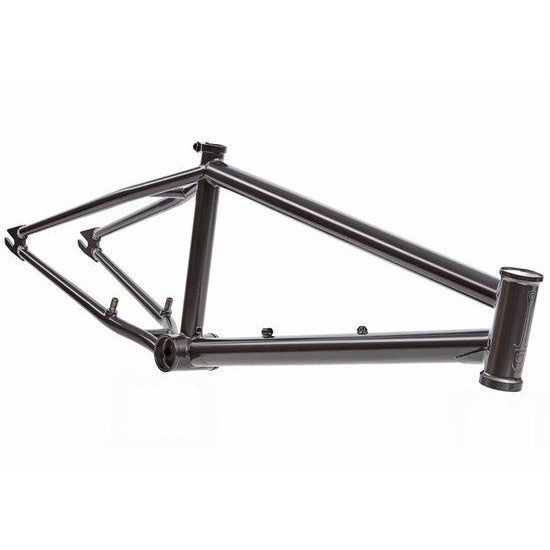
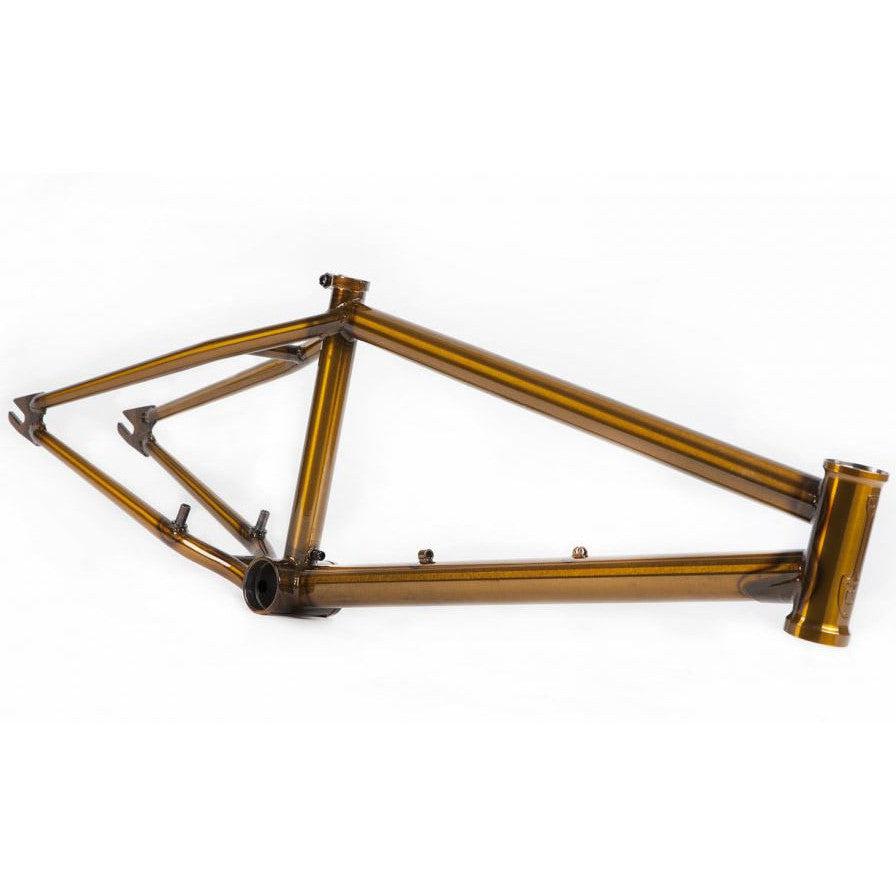
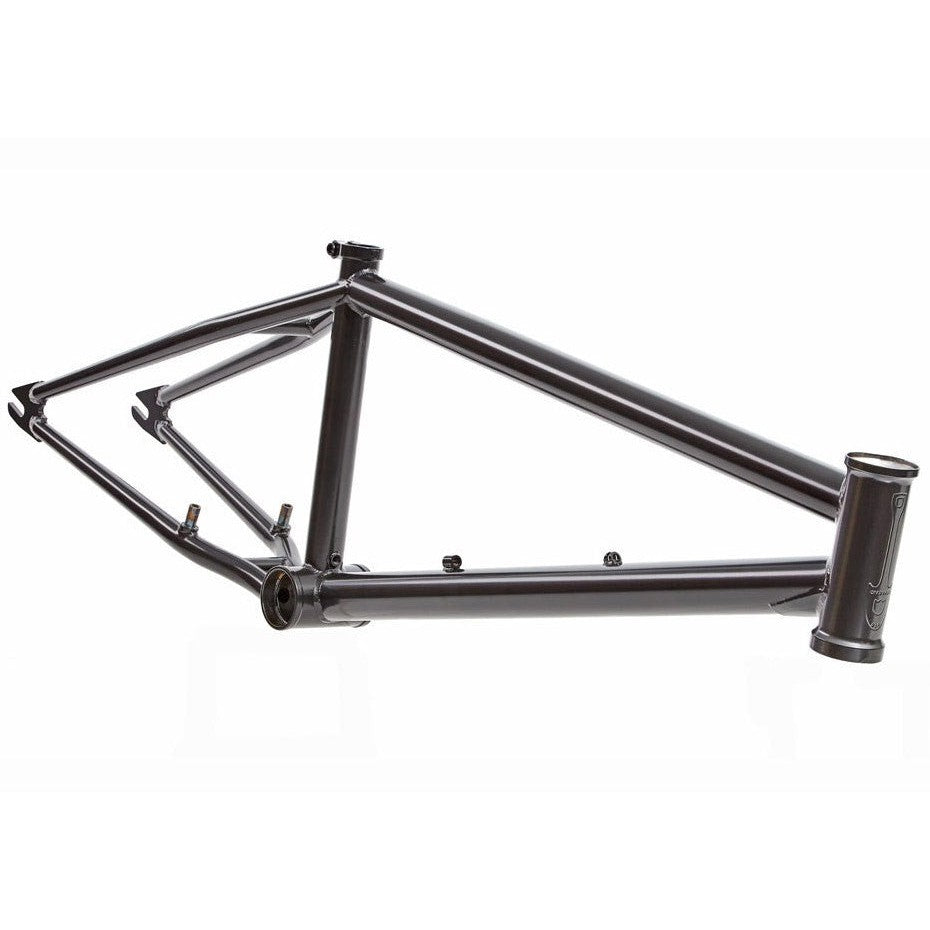
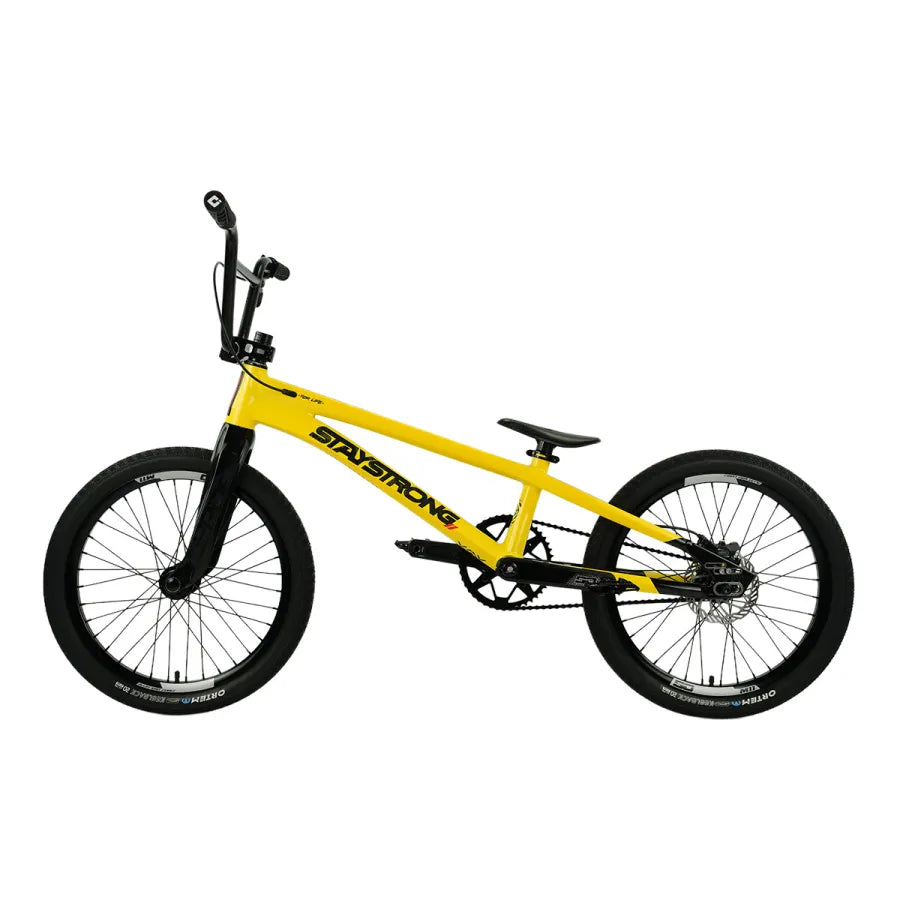
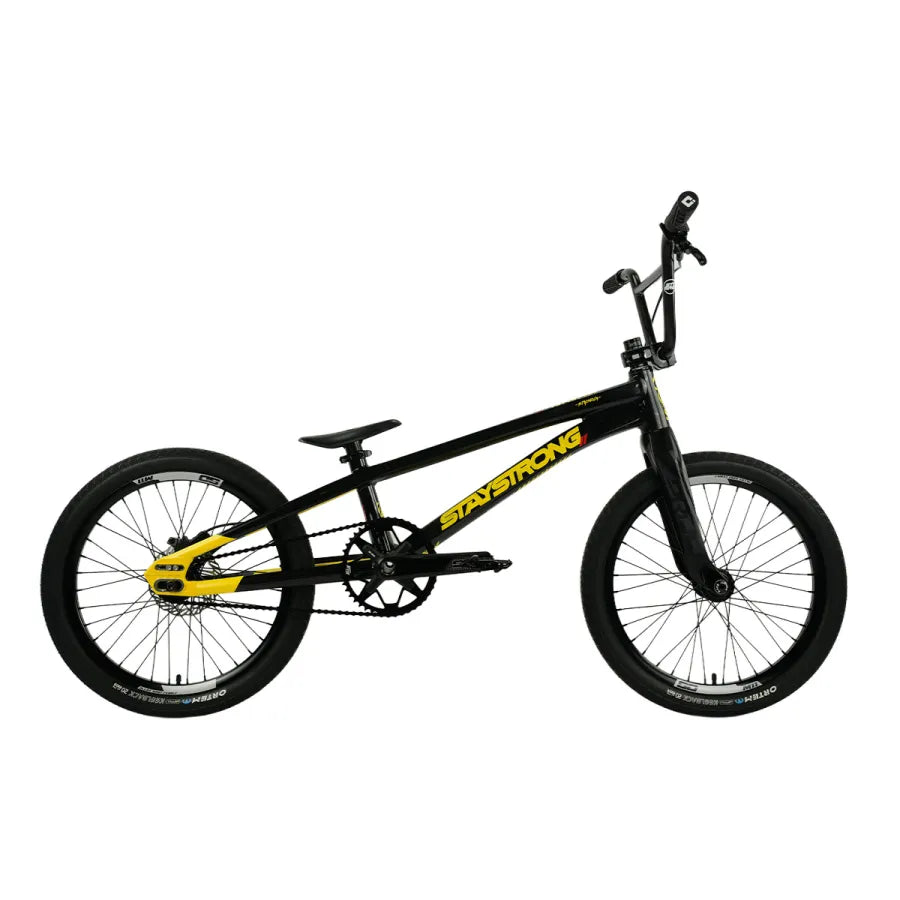
The first thing most people think about when choosing a frame is the length of the top tube. Aftermarket frames run from 16 inch all the way up to 24 inch. Top tube ultimately decides how the bike feels, so getting it right is critical: too long and the bike is harder to manoeuvre, too short and it will feel cramped. Some 20 inch frames are not actually 20 inches, and they still take all standard 20 inch components. Those shorter frames are built for riders stepping up off an 18 inch.
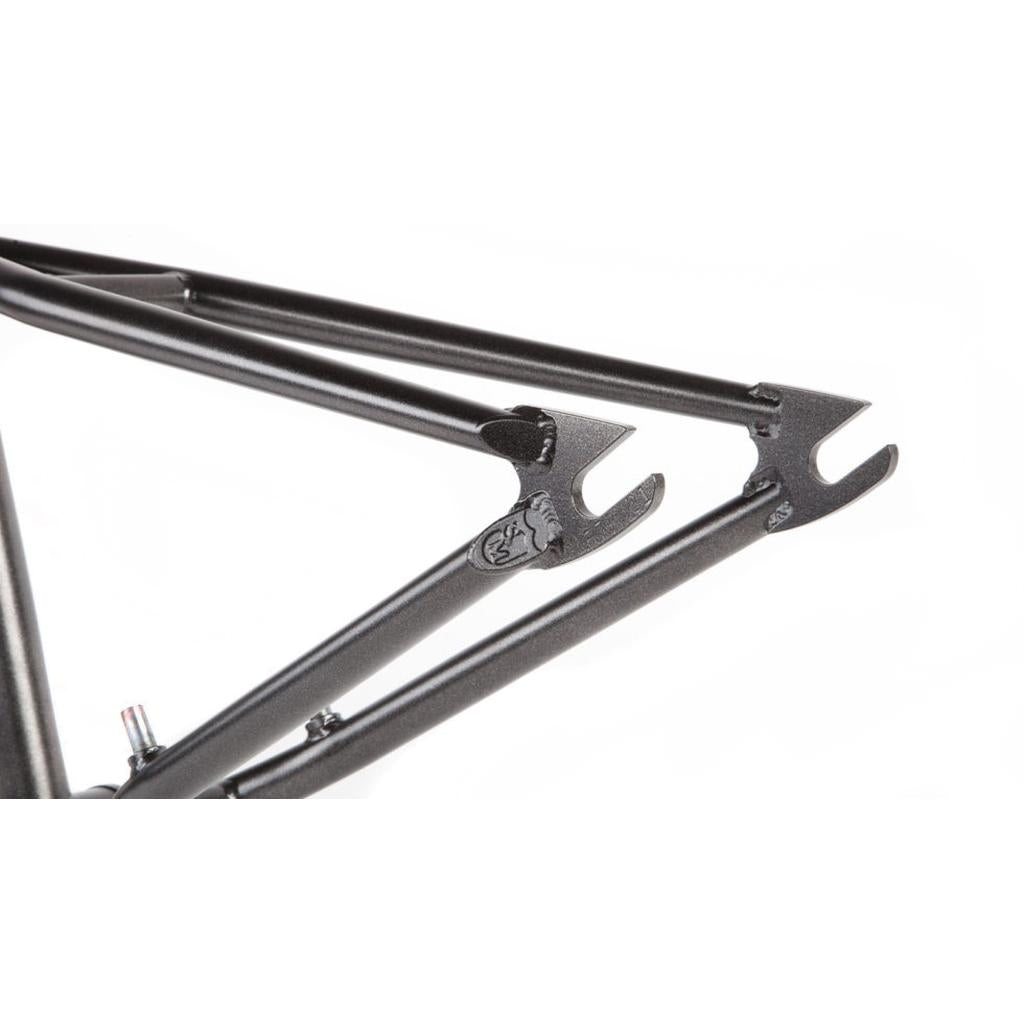
Chain stay length is the distance from the centre of the bottom bracket to the centre of the rear axle, and it changes how the bike reacts. The standard on BMX is between 12.8 and 14 inch. Street and park frames lean towards a short, snappy back end: the closer the wheels are together, the easier the bike is to spin, hop and manual. A longer back end gives more clearance if you miss your back peg, but you will feel more resistance pulling into a manual.
The head tube angle is the angle the head tube sits at, with 90 degrees being vertical. Most BMX frames run between 74 and 76 degrees. The higher the number the steeper and more responsive the front end feels, much like fork offset. A more mellow angle is less responsive but more stable at speed.
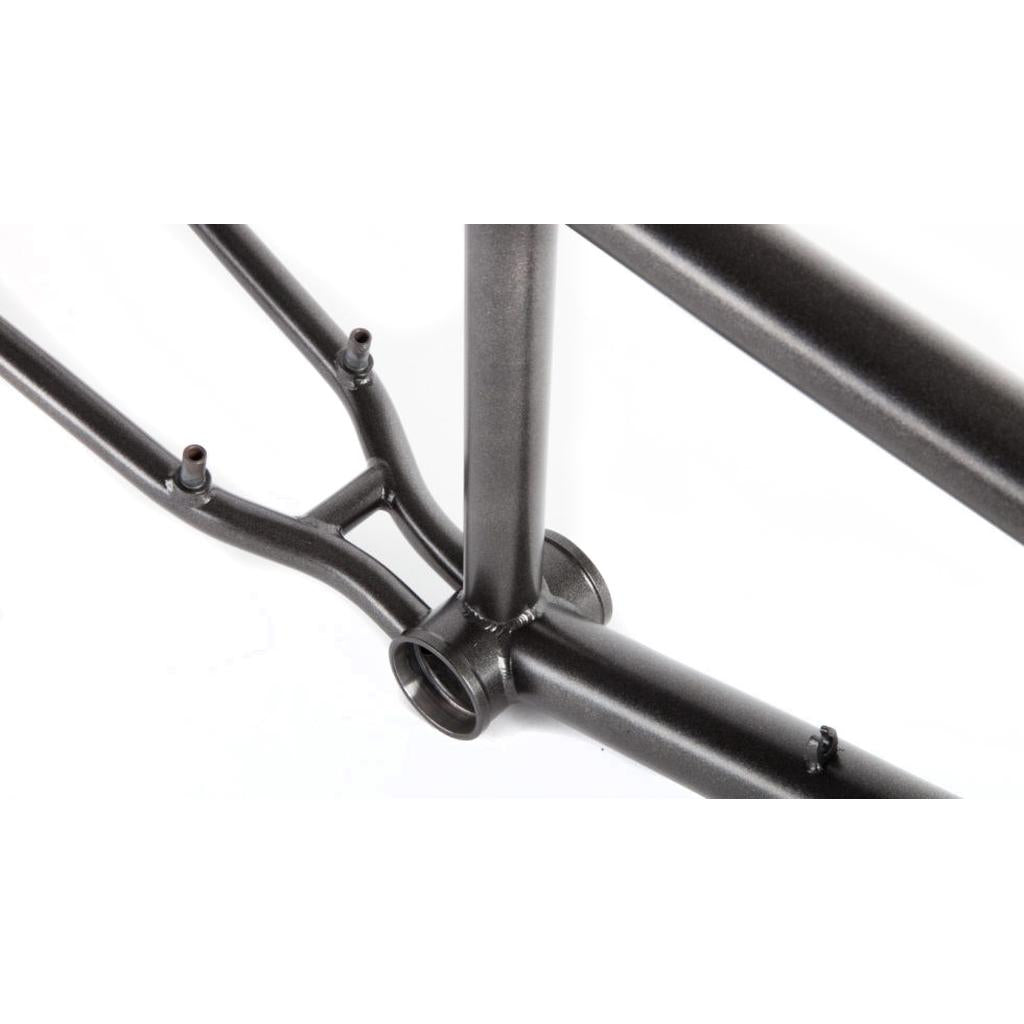
Standover refers to the height of the tube that holds the seat post, which sets how tall the top tube sits relative to the head tube angle. Trends have swung a long way here: some brands have gone as low as 6.5 inch, others as tall as 9.5 inch. Read it together with the seat tube angle, because the two decide the feel between them. Most frames sit around 71 degrees, with some a little slacker at 69 to 70.
Almost every quality BMX frame is 4130 chromoly, which is far stronger than hi-tensile steel for its weight, so tubes can be thinner and lighter without giving up strength. Better frames are butted, meaning the tube is thick at the welds and thinner in the middle. Aluminium and carbon dominate race frames where weight matters most, and titanium turns up occasionally at the boutique end. For street and park, chromoly is what survives grinds and hard landings.
The frame should be the talking point of your bike, which is also why it is one of the bigger expenses. Most 20 inch frames sit between $650 and $900, with American made frames running past $1,200. Manufacturing method drives a lot of that: American made parts cost more and generally reflect a higher quality product.
Other
You can contact us through our contact page, or email help@luxbmx.com. We are happy to chat everything and anything BMX related!


